Введение
С развитием точного земледелия и умного сельского хозяйства все больше ферм начинают использовать данные о погоде в реальном времени для оптимизации управления культурами. Итак, в чем заключается важность метеостанций в сельском хозяйстве? На самом деле, погодные условия напрямую влияют на рост культур, графики орошения, борьбу с вредителями и болезнями, сроки внесения удобрений и, в конечном итоге, на урожайность. Сельскохозяйственные метеостанции непрерывно контролируют ключевые параметры, такие как температура, влажность, осадки, скорость ветра, солнечная радиация и состояние почвы, обеспечивая надежную поддержку данными для сельскохозяйственного производства и помогая фермерам принимать более научно обоснованные решения.
Будь то крупные коммерческие фермы, тепличное хозяйство, сады или производство зерновых культур, развертывание сельскохозяйственных метеостанций стало жизненно важным средством повышения эффективности производства и снижения операционных рисков. Эта статья подробно объяснит важность метеостанций в сельском хозяйстве и проведет углубленный анализ 10 ключевых преимуществ сельскохозяйственных метеостанций, их основных сценариев применения, контролируемых показателей, а также того, как выбирать решения для мониторинга погоды, подходящие для различных сельскохозяйственных проектов, помогая вам получить всестороннее понимание ценности мониторинга погоды в современном сельском хозяйстве.

Что такое сельскохозяйственная метеостанция?
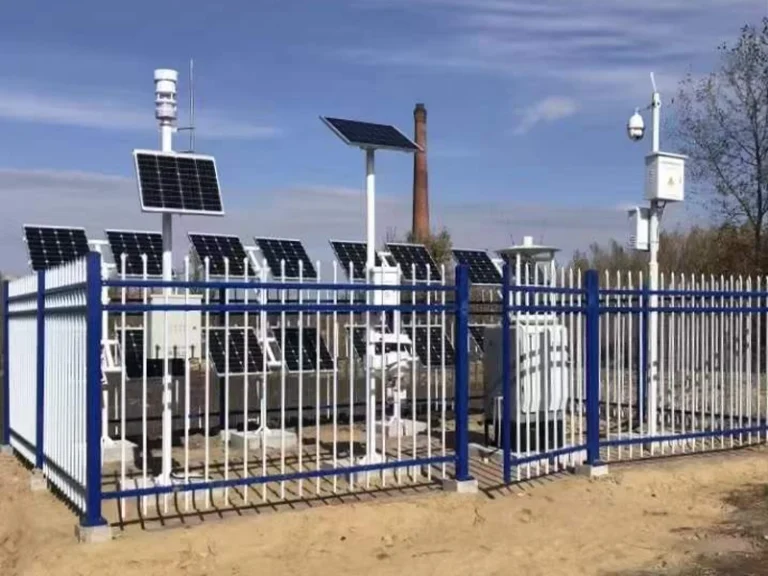
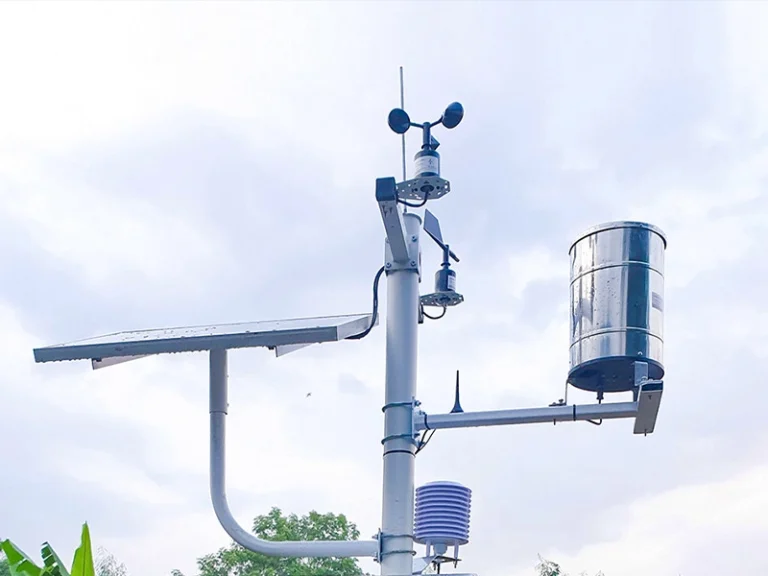
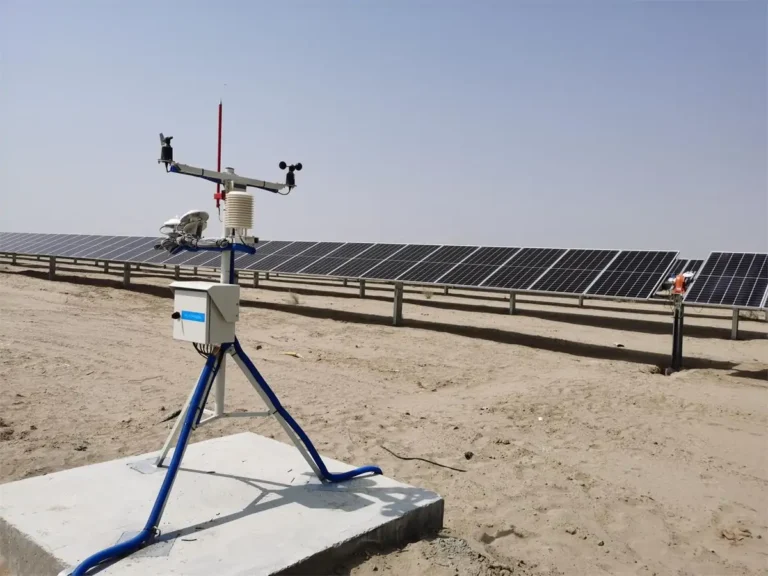
An сельскохозяйственная метеостанция, также известная как фермерская метеостанция или агрометеорологическая станция, представляет собой систему мониторинга, предназначенную для сбора данных об окружающей среде в реальном времени для сельскохозяйственного производства. Интегрируя множество датчиков, она непрерывно измеряет ключевые параметры, такие как температура, влажность, количество осадков, скорость ветра, солнечная радиация и состояние почвы, предоставляя надежные данные о погоде для поддержки орошения, управления культурами, профилактики заболеваний и точного земледелия. Типичная сельскохозяйственная метеостанция может одновременно контролировать 10 или более параметров окружающей среды, что делает ее незаменимым инструментом для современного умного сельского хозяйства.
Основные компоненты сельскохозяйственной метеостанции
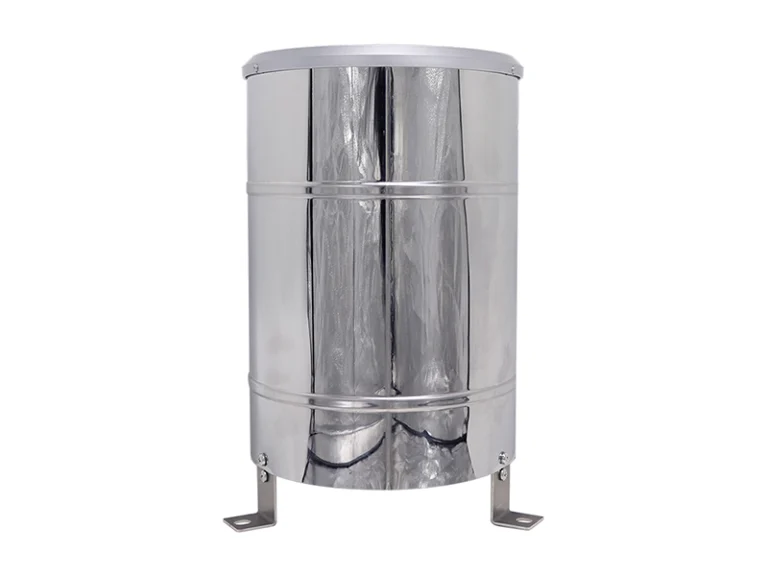
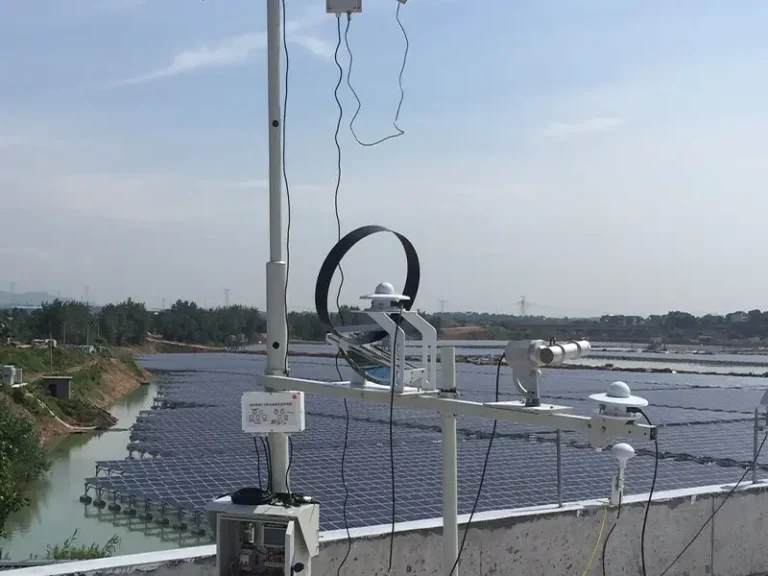
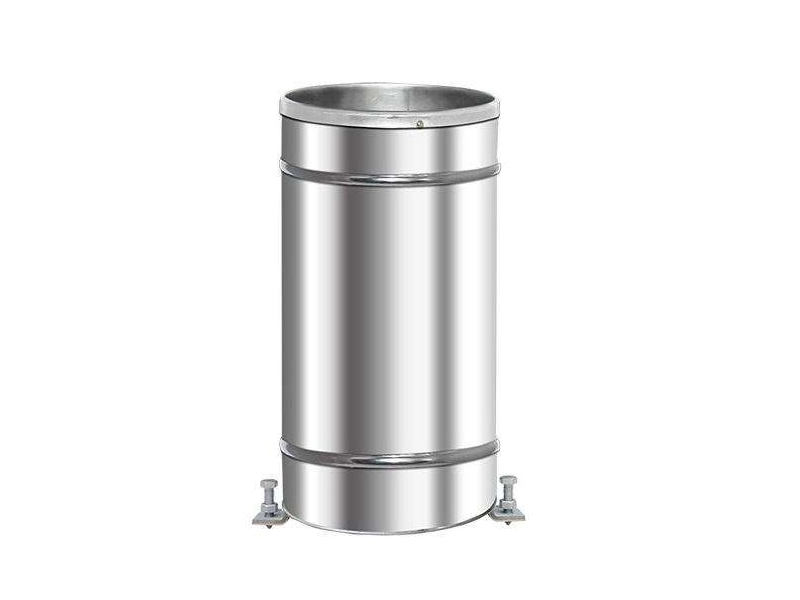
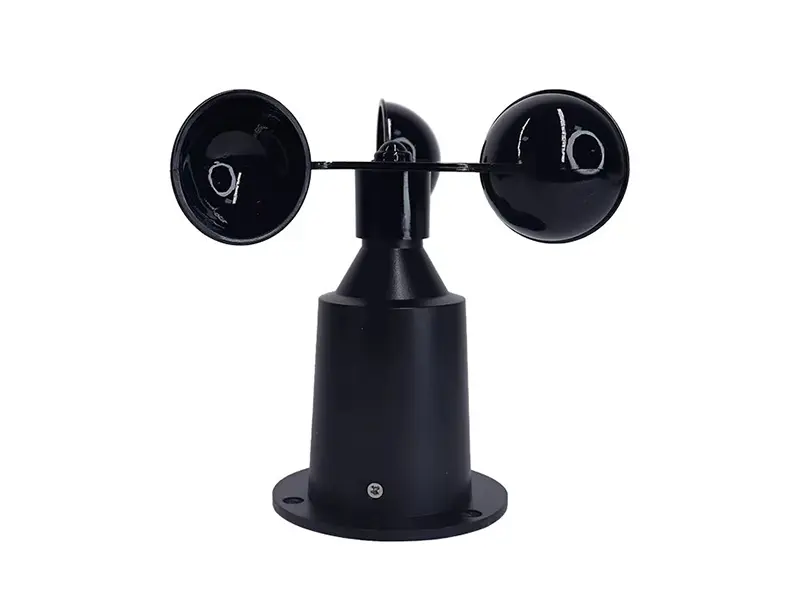
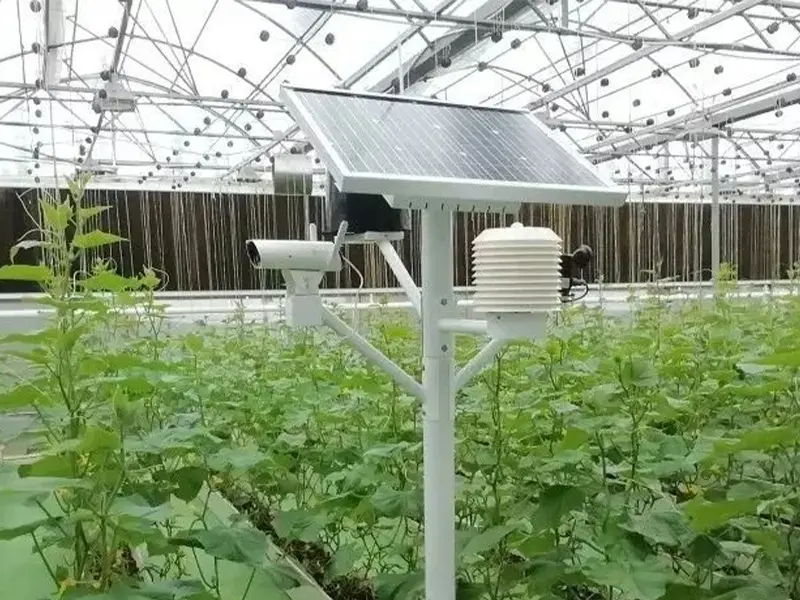
Сельскохозяйственная метеостанция состоит из центрального регистратора данных, модуля связи, источника питания, монтажной конструкции и ряда датчиков окружающей среды. Различные комбинации датчиков могут быть настроены в зависимости от типа культуры, климатических условий и требований мониторинга, что обеспечивает комплексный сбор данных о погоде и почве для различных сельскохозяйственных применений.
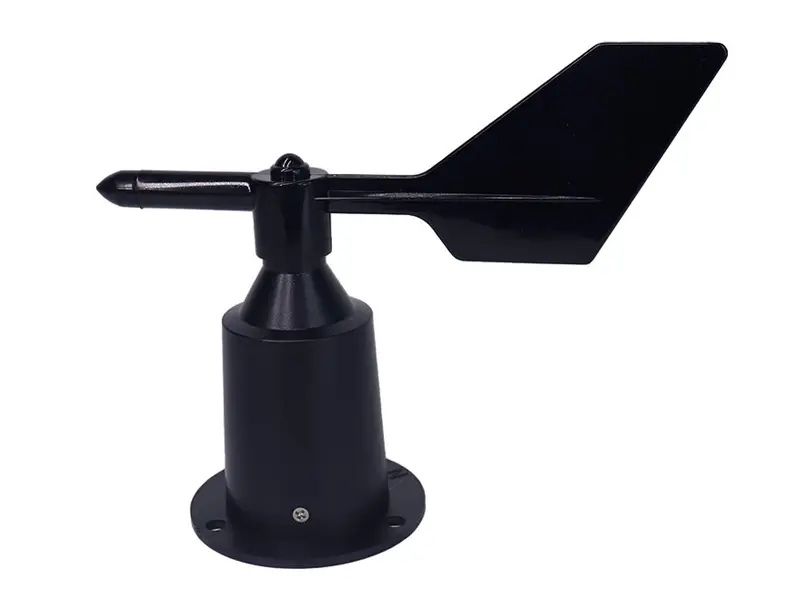
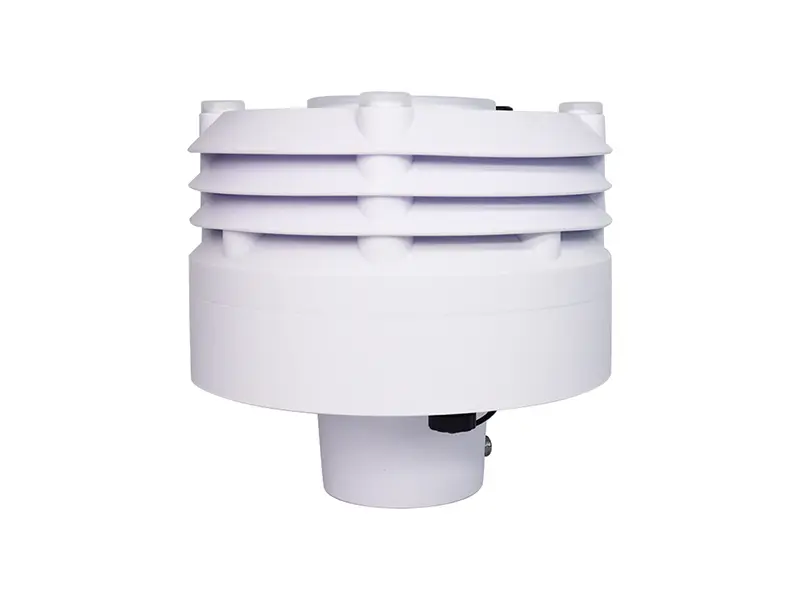
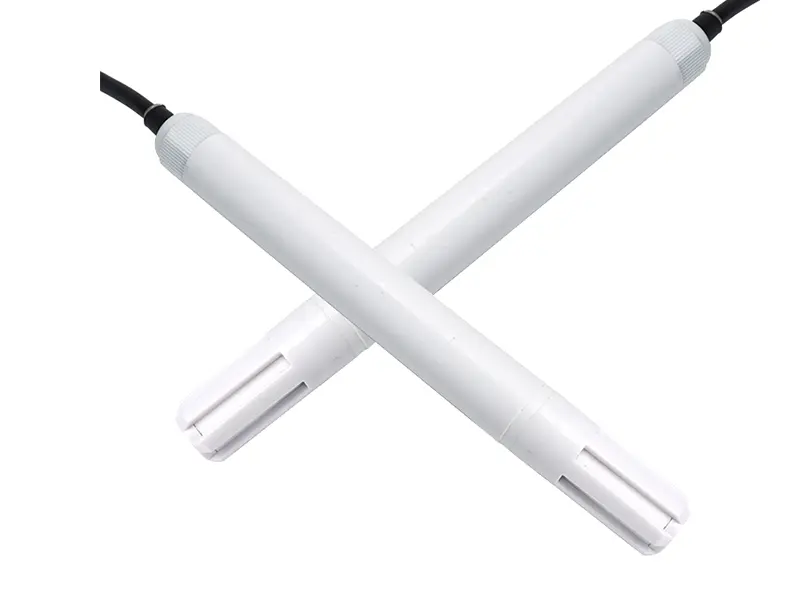
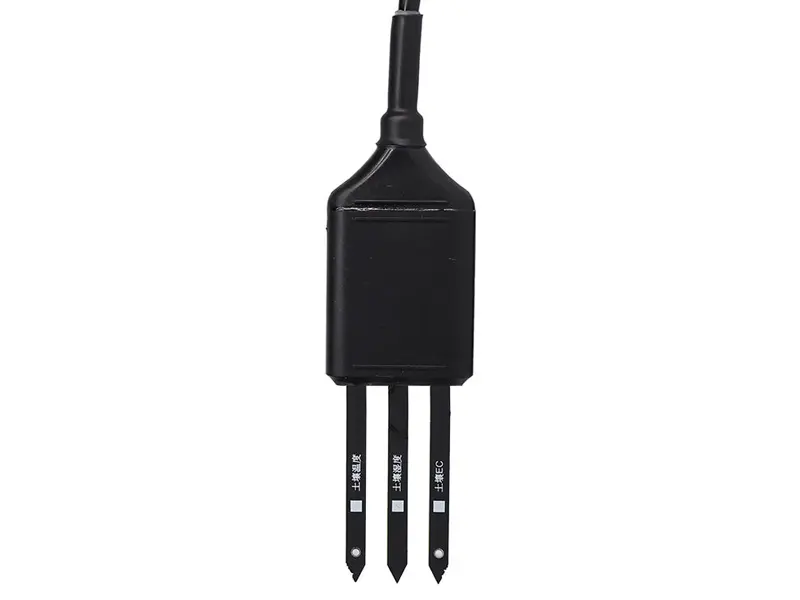
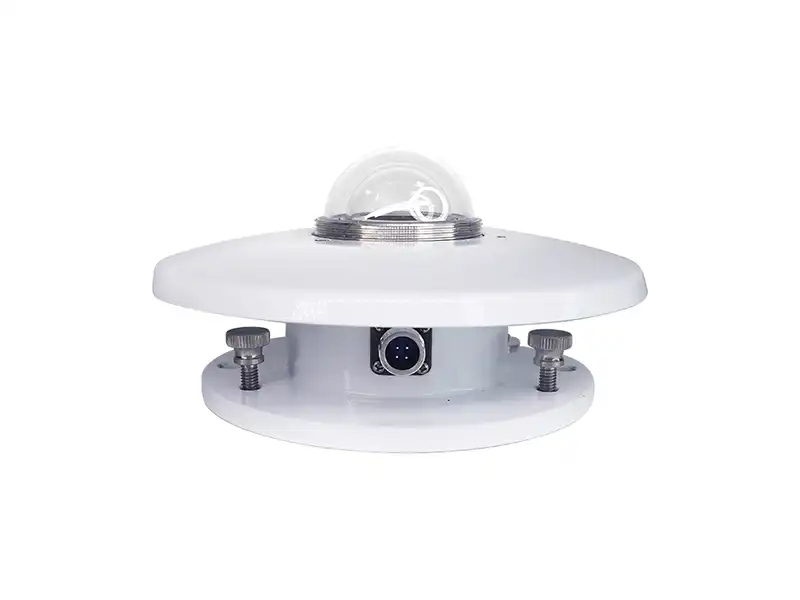
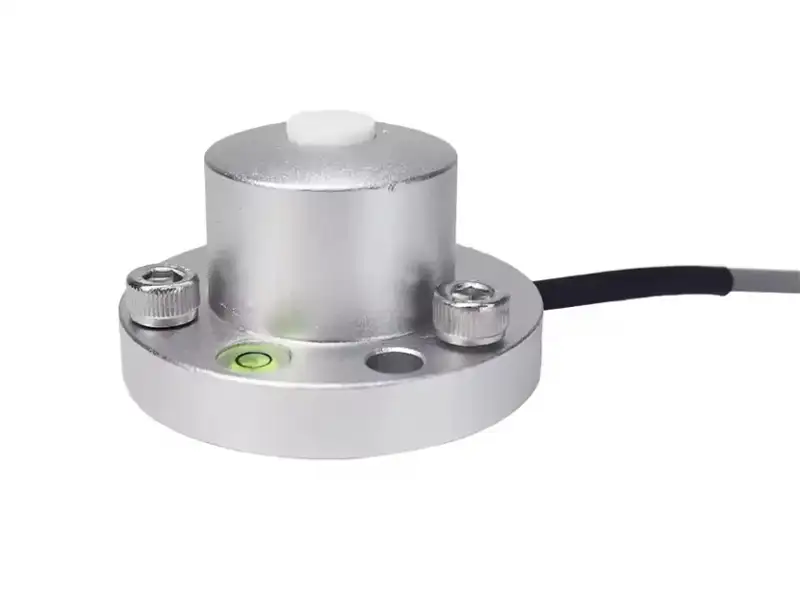
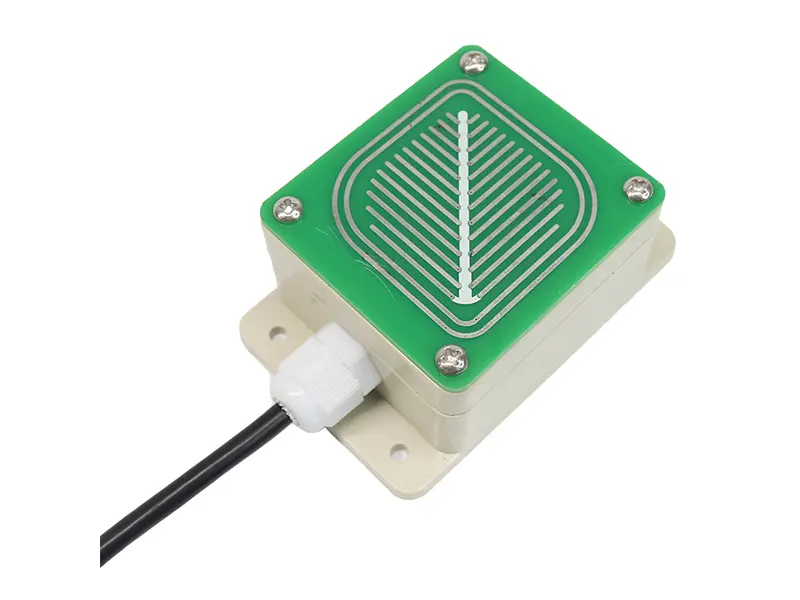
Принцип работы
- Мониторинг окружающей среды – Датчики контролируют параметры погоды и почвы, такие как температура, осадки, влажность, ветер и солнечная радиация.
- Сбор данных – Регистратор данных принимает и обрабатывает измерения со всех подключенных датчиков.
- Передача данных – Информация передается на облачную платформу или локальный компьютер через RS485, LoRa, 4G, NB-IoT, Wi-Fi или Ethernet.
- Анализ данных – Программное обеспечение для мониторинга отображает исторические записи, тенденции, тревоги и отчеты об окружающей среде в реальном времени.
- Поддержка принятия решений – Фермеры используют собранные данные для оптимизации графиков орошения, внесения удобрений, защиты культур и сбора урожая.
Типы сельскохозяйственных метеостанций
Различные сельскохозяйственные применения требуют разных возможностей мониторинга. Сельскохозяйственные метеостанции можно классифицировать по условиям установки, цели мониторинга и способу связи.
- Автоматическая метеостанция (AWS) – Выполняет непрерывный мониторинг окружающей среды с автоматическим сбором и передачей данных.
- Компактная метеостанция – Объединяет несколько датчиков в компактной конструкции для легкой установки и низких эксплуатационных расходов.
- Беспроводная сельскохозяйственная метеостанция – Использует технологии беспроводной связи для удаленного мониторинга без сложной прокладки кабелей.
- Метеостанция на солнечных батареях – Работает автономно, используя солнечную энергию, что делает ее подходящей для удаленных сельскохозяйственных участков.
- Умная метеостанция IoT – Подключается к облачным платформам для мониторинга в реальном времени, анализа данных и мобильного доступа.
- Портативная метеостанция – Легкая и мобильная для временных полевых исследований, научных работ и сезонного мониторинга культур.
- Метеостанция исследовательского класса – Обеспечивает высокоточные измерения для сельскохозяйственных экспериментов, университетов и научных исследований.
- Интегрированная фермерская метеостанция – Сочетает мониторинг погоды с системами управления почвой, орошением и культурами для точного земледелия.
Почему данные о погоде важны в сельском хозяйстве?
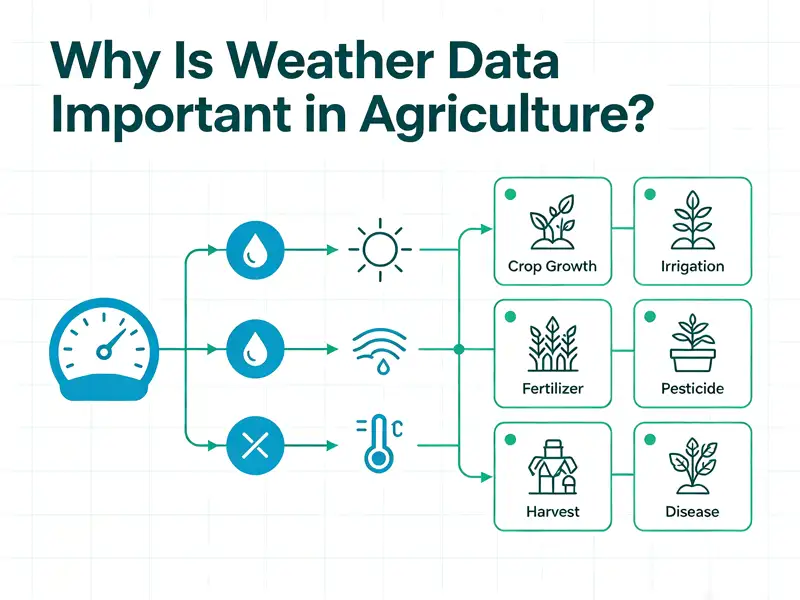
Точные метеорологические данные являются краеугольным камнем стабильных урожаев и увеличения доходов в современном сельском хозяйстве. Данные о температуре, осадках, солнечном свете и влажности в разное время могут давать прямые указания для всех полевых работ: на основе значений суммы активных температур можно прогнозировать циклы роста культур, что позволяет заранее планировать даты посева и сбора урожая;
Сочетание данных об осадках с измерениями влажности почвы может сократить неэффективное орошение более чем на 20%, экономя водные ресурсы; корректируя сроки внесения удобрений на основе диапазонов температуры и влажности, фермеры могут избежать потерь удобрений, вызванных высокотемпературной подкормкой;
Полагаясь на оповещения об осадках и высокой влажности для планирования применения пестицидов, фермеры могут значительно снизить вероятность вспышек вредителей и болезней, одновременно минимизируя потери пестицидов;
По мере приближения сбора урожая используйте прогнозы сильных ветров и продолжительных дождливых периодов для заблаговременного планирования уборки, предотвращая тем самым гниение плодов и полегание, которые приводят к потерям урожая;
Долгосрочный метеорологический мониторинг также позволяет заранее прогнозировать периоды повышенного риска, когда высокая влажность провоцирует заболевания, что дает возможность проводить упреждающие полевые меры защиты для комплексного снижения климатических рисков при выращивании и стабилизации общей урожайности.
10 ключевых преимуществ метеостанций в сельском хозяйстве
Сельскохозяйственное производство сильно зависит от погодных условий; каждый этап — от посева и орошения до борьбы с вредителями и болезнями и уборки урожая — требует точных экологических данных в качестве ориентира. Сельскохозяйственные метеостанции непрерывно отслеживают температуру, влажность, осадки, скорость ветра, солнечную радиацию и состояние почвы, обеспечивая поддержку управления фермерским хозяйством данными в реальном времени. Научно анализируя эти данные, производители могут оптимизировать производственные планы, снизить эксплуатационные расходы и повысить качество и урожайность культур. Ниже приведены десять основных преимуществ сельскохозяйственных метеостанций в современном сельском хозяйстве.
Повышение эффективности орошения
Сельскохозяйственные метеорологические станции могут в реальном времени отслеживать такие ключевые показатели, как количество осадков, температура и влажность воздуха, а также влажность почвы, помогая фермерам рационально планировать время и объем полива, сокращая избыточное орошение и потери воды, а также повышая эффективность орошения.
Увеличение урожайности сельскохозяйственных культур
Стабильные данные об окружающей среде помогают корректировать меры по управлению посадками, создавая более подходящие условия для роста культур. Мониторинг погодных изменений позволяет снизить негативное воздействие факторов окружающей среды на растения и дополнительно повысить урожайность и качество.
3. Снижение рисков заболеваний сельскохозяйственных культур
Высокая влажность, высокая температура и постоянное увлажнение листьев могут легко спровоцировать множество заболеваний. Сельскохозяйственные метеостанции позволяют отслеживать факторы окружающей среды, влияющие на развитие болезней, обеспечивая раннее предупреждение и контроль, что снижает потери урожая.
4. Оптимизация внесения удобрений
Эффективность удобрений легко зависит от осадков, температуры и влажности почвы. В сочетании с данными о погоде в реальном времени фермеры могут вносить удобрения в оптимальные сроки, повышая их усвояемость и одновременно снижая потери питательных веществ.
5. Улучшение управления вредителями
Определенные климатические условия способствуют возникновению и развитию болезней растений и насекомых-вредителей. Метеостанции предоставляют данные, которые помогают фермерам отслеживать наступление таких условий, как высокая влажность или температурные инверсии. Это позволяет фермерам своевременно принимать меры для предотвращения или смягчения вспышек болезней и нашествий вредителей.
6. Поддержка точного земледелия
Сельскохозяйственные метеостанции являются важной частью точного земледелия. Они могут работать совместно с платформами Интернета вещей, автоматическими системами орошения и программным обеспечением для управления сельским хозяйством, обеспечивая мониторинг окружающей среды, анализ данных и удаленное управление, повышая уровень цифрового управления фермой.
Защита культур от экстремальных погодных условий
Перед лицом суровой погоды, такой как заморозки, высокая температура, ливни, снегопады и сильные ветры, сельскохозяйственные метеостанции могут заранее отслеживать изменения окружающей среды и выдавать ранние предупреждения. Таким образом, фермеры могут снизить потери, вызванные стихийными бедствиями.
Снижение производственных затрат
Научное принятие решений на основе данных об окружающей среде в реальном времени позволяет сократить нерациональное орошение, внесение удобрений и использование пестицидов, уменьшить затраты труда и потребление ресурсов, эффективно контролируя производственные расходы при обеспечении роста культур.
Улучшение планирования сбора урожая
Мониторинг погодных условий, таких как осадки, скорость ветра и влажность перед сбором урожая, помогает выбрать подходящее время для уборки, снизить ухудшение качества и потери урожая из-за неблагоприятной погоды, а также повысить товарную стоимость сельскохозяйственной продукции.
Поддержка долгосрочного управления фермой
Долгосрочное накопление данных об окружающей среде формирует полное “климатическое досье”, которое может использоваться для прослеживаемости сельскохозяйственной продукции, приемки проектов и оптимизации планов посадки на следующий год, делая управление более стандартизированным и нормализованным.
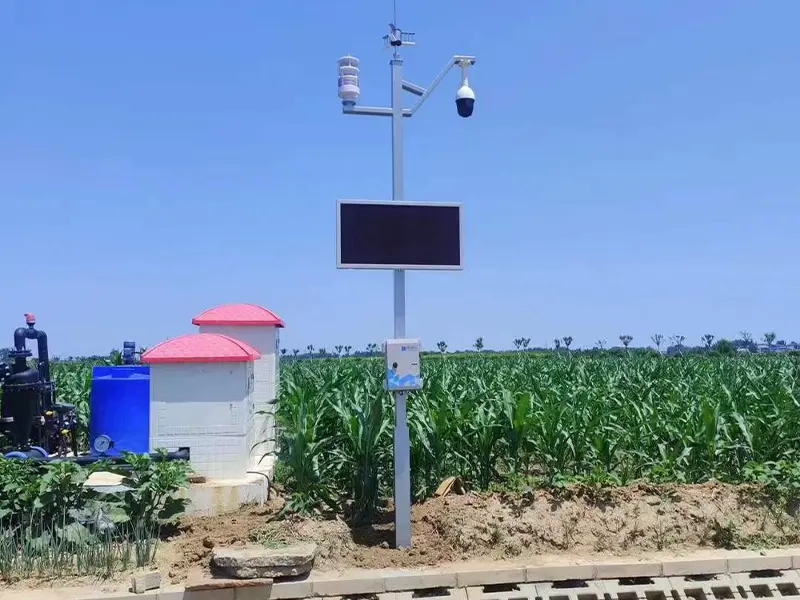
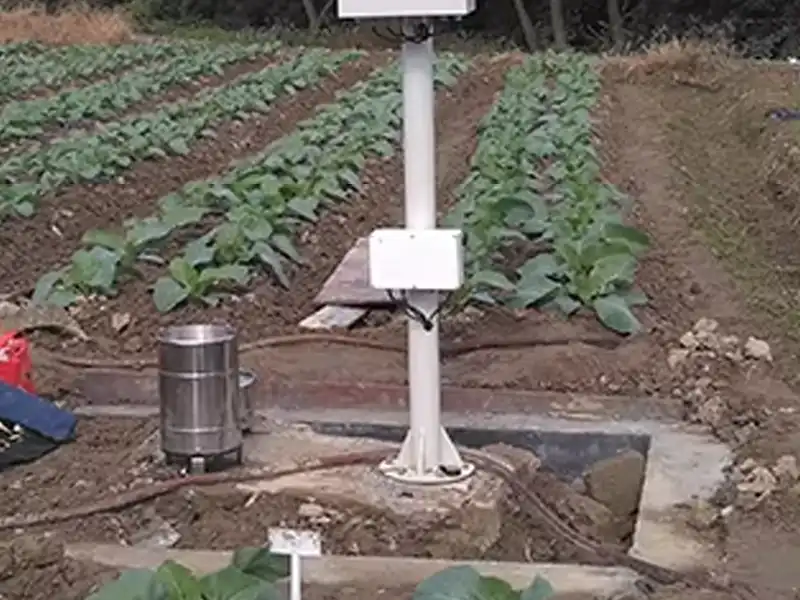

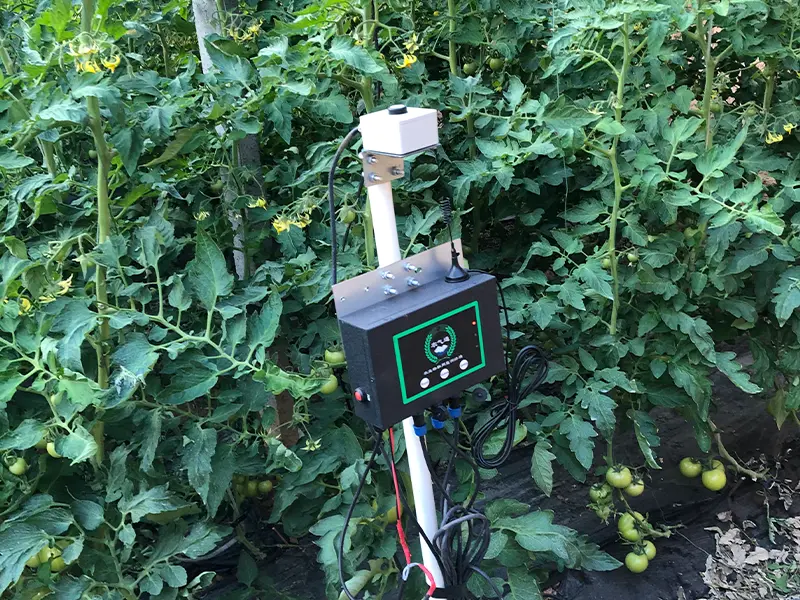
Метеостанция — это не изолированное устройство; она является основным фронтальным элементом всей системы умного сельского хозяйства. Метеостанция может быть связана с интеллектуальная система фертигации, оросительными клапанами, вентиляторами, тенями и другим оборудованием. Автоматически включает вентиляцию при превышении нормы влажности и автоматически орошает при недостатке влаги в почве, обеспечивая полностью автоматизированное управление и значительно экономя труд.
Какие погодные параметры следует отслеживать фермерам?
Погодные условия напрямую влияют на рост культур, график орошения, борьбу с вредителями и болезнями, а также сроки сбора урожая. Мониторинг ключевых параметров окружающей среды с помощью сельскохозяйственной метеостанции позволяет фермерам своевременно принимать управленческие решения, повышать эффективность использования ресурсов и снижать производственные риски. В приведенной ниже таблице перечислены наиболее важные погодные параметры для фермерской метеостанции и их практическое применение.
| Погодный параметр | Почему это важно |
|---|---|
| Температура воздуха | Влияет на прорастание семян, рост культур, цветение, развитие плодов, а также управление заморозками или тепловым стрессом. |
| Относительная влажность | Помогает оценить риск заболеваний, климат в теплице и потребность культур в воде. |
| Дождь | Поддерживает планирование орошения и предотвращает как нехватку воды, так и переувлажнение. |
| Скорость ветра | Повышает безопасность опрыскивания пестицидами, защищает культуры и отслеживает суровые погодные условия. |
| Направление ветра | Помогает уменьшить снос распыла и дает представление о местных погодных условиях. |
| Солнечная радиация | Измеряет доступный солнечный свет для фотосинтеза, развития культур и расчетов эвапотранспирации. |
| Влажность почвы | Указывает на доступность почвенной влаги для точного орошения и эффективного управления водными ресурсами. |
| Температура почвы | Поддерживает решения по посадке, прорастание семян и здоровое развитие корневой системы. |
| Влажность листьев | Определяет условия, благоприятные для заболеваний растений, и улучшает прогнозирование болезней. |
| Атмосферное давление | Помогает выявлять краткосрочные изменения погоды и прогнозировать тенденции. |
| Эвапотранспирация (ET) | Оценивает потребление воды культурами для оптимизации графика орошения. |
| Обнаружение дождя/снега | Обнаруживает события выпадения дождя или снега в реальном времени для поддержки управления орошением, полевых работ и погодных оповещений. |
Tip: Идеальный набор контролируемых параметров зависит от применения. В теплицах обычно приоритет отдается температуре, влажности и солнечной радиации, в то время как в садах может потребоваться мониторинг осадков, ветра и заморозков. Крупномасштабное полевое земледелие часто сочетает измерения влажности почвы, осадков, солнечной радиации и ветра для поддержки точного земледелия.
Как метеостанция улучшает сельское хозяйство?
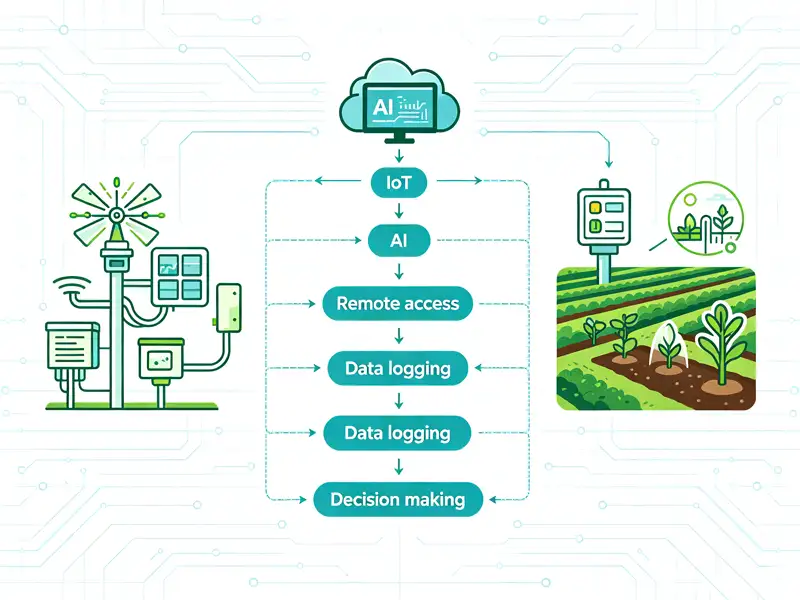
Точное земледелие опирается на точные данные об окружающей среде в реальном времени для оптимизации каждого этапа производства сельскохозяйственных культур. Современные сельскохозяйственные метеостанции интегрируют подключение к Интернету вещей, облачные платформы и интеллектуальный анализ данных, преобразуя необработанную погодную информацию в практические решения для ведения сельского хозяйства. Обеспечивая непрерывный мониторинг и удаленный доступ к полевым условиям, они помогают фермерам повышать эффективность, сокращать потери ресурсов и принимать обоснованные управленческие решения.
- Подключение к Интернету вещей – Соединяет метеостанции с датчиками, ирригационными системами и платформами управления фермой для бесперебойного обмена данными в реальном времени.
- Облачный мониторинг – Загружает данные об окружающей среде в облачные платформы, позволяя пользователям получать доступ к метеорологической информации из любого места через компьютеры или мобильные устройства.
- Анализ на основе ИИ – Использует исторические и текущие метеоданные для выявления тенденций, поддержки прогнозирования заболеваний и оптимизации стратегий орошения и управления посевами.
- Удаленный доступ – Позволяет фермерам и управляющим хозяйствами удаленно контролировать полевые условия без посещения участка, повышая операционную эффективность.
- Непрерывная регистрация данных – Автоматически записывает долгосрочные метеорологические и почвенные данные, создавая ценный массив информации для сезонного анализа и будущего планирования хозяйства.
- Оповещения в реальном времени – Отправляет уведомления при превышении заданных порогов температуры, осадков, скорости ветра, заморозков или других параметров, обеспечивая своевременное реагирование.
- Точное управление орошением – Объединяет данные о погоде и влажности почвы для определения оптимального графика полива, снижая расход воды при сохранении здоровья культур.
- Улучшение принятия решений – Предоставляет надежные экологические данные для поддержки решений по посадке, внесению удобрений, применению пестицидов, уборке урожая и распределению ресурсов.
- Интеграция с системами точного земледелия – Работает с GPS, автоматизированным орошением, дронами и агрономическим программным обеспечением для поддержки полностью интегрированных операций точного земледелия.
- Повышение производительности и снижение затрат – Помогает максимизировать урожайность культур при минимизации затрат труда, воды, удобрений и пестицидов, повышая общую рентабельность хозяйства.
Сценарии применения в различных секторах сельского хозяйства
Выращивание полевых культур: Использование данных метеорологического мониторинга для управления орошением, внесением удобрений и борьбой с вредителями и болезнями; прогнозирование рисков засухи, затопления и полегания; оптимизация управления крупномасштабными посевами пшеницы, кукурузы и риса.
Выращивание овощей и фруктов в теплицах: Регулирование температуры, влажности, освещенности и уровня углекислого газа в теплице в реальном времени; точный контроль условий окружающей среды в периоды цветения и завязывания плодов; снижение гнили и деформации плодов; повышение качества овощей и фруктов.
Промышленное плодоводство и выращивание деревьев: Мониторинг заморозков, сильных ветров и продолжительных дождей для своевременного применения мер защиты от заморозков, ветра и болезней плодовых деревьев, обеспечивая стабильные урожаи коммерческих культур, таких как яблоки, цитрусовые и чай.
Выращивание цветов в теплицах: Точный контроль температуры, влажности и продолжительности освещения для точного согласования с циклами цветения, снижения потерь при выращивании и достижения поэтапного выхода на рынок.
Животноводство: Мониторинг температуры, влажности и условий вентиляции на фермах для предотвращения теплового стресса и холодового повреждения, снижения заболеваемости скота и птицы и повышения выживаемости.
Аквакультура: Мониторинг температуры воды, уровня растворенного кислорода и осадков для раннего предупреждения о цветении прудов и ухудшении качества воды, тем самым стабилизируя урожайность рыбы, креветок и крабов.
Ключевые факторы при выборе метеостанции
Соответствие размеру хозяйства: Выбирайте станции мониторинга в зависимости от размера вашего хозяйства. Мелким фермерам с разрозненными участками следует выбирать простые универсальные устройства, в то время как для крупных сплошных полей и агропарков лучше выбирать многодатчиковые модульные модели.
Параметры мониторинга: Определите конкретные метеорологические элементы, которые необходимо контролировать. Если вам нужно измерять только температуру, влажность и осадки, выбирайте базовую модель; если необходимо планировать защиту урожая и орошение, добавьте датчики интенсивности света, скорости ветра и влажности почвы.
Сбор и передача данных: Учитывайте, как метеостанция собирает и хранит данные. Некоторые метеостанции имеют встроенные регистраторы данных, в то время как другие требуют внешних устройств. Кроме того, проверьте, предлагает ли метеостанция варианты подключения, такие как Wi-Fi или сотовые сети, для обеспечения удаленного доступа к данным в реальном времени.
Программное обеспечение и анализ данных: Оцените программное обеспечение или инструменты анализа данных, входящие в комплект метеостанции. Удобное программное обеспечение, позволяющее легко визуализировать и интерпретировать собранные данные, способствует принятию обоснованных решений. Убедитесь, что программное обеспечение совместимо с операционной системой вашего компьютера или мобильного устройства.
Рейтинг защиты: Для долгосрочного использования на открытом воздухе в полевых условиях выбирайте модели, устойчивые к воде, пыли и сильным ветрам. В районах с обильными осадками или высоким уровнем запыленности отдавайте предпочтение продуктам с высокими стандартами защиты.
Обслуживание и поддержка: Оцените требования к техническому обслуживанию метеостанции. Проверьте, предоставляет ли производитель техническую поддержку, обновления прошивки и гарантийное обслуживание. Наличие запасных частей и местных служб поддержки может быть преимуществом.
Бюджет: Учитывайте свой бюджет при выборе метеостанции. Цены могут варьироваться от нескольких сотен до нескольких тысяч долларов; оцените экономическую эффективность, исходя из ваших конкретных потребностей и долгосрочных выгод, которые предоставляет метеостанция. Сравните послепродажное обслуживание и услуги по калибровке — поскольку долгосрочное использование требует регулярной калибровки датчиков, выбор производителя, предлагающего калибровку и ремонт на месте, избавит вас от лишних хлопот.
Сельскохозяйственная метеостанция против традиционных прогнозов погоды
Широкое распространение компактных недорогих устройств мониторинга
В прошлом полные системы метеостанций были относительно дорогими и подходили только для крупных хозяйств. В будущем легкие универсальные микродатчики будут широко развернуты на полях. Фермеры смогут устанавливать эти датчики в нескольких точках на своих собственных участках, больше не полагаясь исключительно на общие данные о погоде с одной станции, и смогут контролировать конкретные условия окружающей среды на небольших участках сельхозугодий.
Глубокая интеграция метеоданных с сельскохозяйственным оборудованием
Вместо простого просмотра данных о температуре, влажности и осадках системы мониторинга будут автоматически взаимодействовать с ирригационными клапанами, машинами для защиты урожая и оборудованием для вентиляции теплиц. Когда система обнаружит такие риски, как засуха или болезни, связанные с высокой влажностью, она автоматически активирует соответствующее сельскохозяйственное оборудование, обеспечивая по-настоящему безлюдное автоматизированное управление полями.
Модели прогнозирования на основе ИИ, лучше адаптированные к местным условиям ведения сельского хозяйства
Глубокая интеграция погодных данных с сельскохозяйственным оборудованием.
Вместо простого просмотра данных о температуре, влажности и количестве осадков, системы мониторинга будут автоматически взаимодействовать с ирригационными клапанами, машинами для защиты растений и оборудованием для вентиляции теплиц. Когда система обнаружит риски, такие как засуха или заболевания, связанные с высокой влажностью, она автоматически активирует соответствующее сельскохозяйственное оборудование, обеспечивая по-настоящему беспилотное, автоматизированное управление полем.
Модели прогнозирования на основе ИИ, лучше адаптированные к местным условиям ведения сельского хозяйства.
Заключение
Традиционные прогнозы погоды часто являются общими, региональными предсказаниями. В будущем, объединяя многолетние фактические полевые данные, искусственный интеллект сможет предоставлять точные прогнозы для разных культур и конкретных участков. Он будет заранее предсказывать заморозки, сильные дожди и пиковые периоды активности вредителей и болезней, предлагая практические рекомендации, адаптированные к местным методам ведения сельского хозяйства, а не общие погодные заключения.
Многомерный мониторинг слияния данных.
Мониторинг больше не будет ограничиваться атмосферными метеорологическими показателями; он будет одновременно интегрировать информацию о влажности почвы, качестве воды и состоянии роста культур. Анализируя такие данные, как температура и влажность воздуха, температура и влажность почвы, интенсивность освещения и сумма активных температур, будет создана всеобъемлющая база данных о состоянии окружающей среды на сельскохозяйственных угодьях для поддержки управления культурами в течение полного цикла. Связаться с Современные сельскохозяйственные метеостанции становятся все более ориентированными на данные, и надежная погодная информация необходима для повышения производительности и снижения операционных рисков. Сельскохозяйственная метеостанция предоставляет точные данные об окружающей среде в реальном времени, которые помогают фермерам оптимизировать планирование орошения, внесения удобрений, борьбы с вредителями и сбора урожая, одновременно поддерживая точное земледелие и устойчивые методы ведения сельского хозяйства. Поскольку климатические условия становятся все более непредсказуемыми, инвестиции в систему мониторинга погоды — это уже не просто преимущество, а практическое решение для принятия более разумных сельскохозяйственных решений и повышения долгосрочной эффективности фермы.