Introdução
Com o desenvolvimento da agricultura de precisão e da agricultura inteligente, cada vez mais fazendas estão começando a usar dados meteorológicos em tempo real para otimizar o manejo das culturas. Então, qual é a importância das estações meteorológicas na agricultura? Na verdade, as condições climáticas afetam diretamente o crescimento das culturas, os cronogramas de irrigação, o controle de pragas e doenças, o momento da fertilização e, em última análise, a produtividade das colheitas. As estações meteorológicas agrícolas monitoram continuamente parâmetros-chave como temperatura, umidade, precipitação, velocidade do vento, radiação solar e condições do solo, fornecendo suporte de dados confiável para a produção agrícola e ajudando os agricultores a tomar decisões mais fundamentadas cientificamente.
Seja para fazendas comerciais de grande escala, cultivo em estufas, pomares ou produção de grãos, a implantação de estações meteorológicas agrícolas tornou-se um meio vital para melhorar a eficiência da produção e reduzir os riscos operacionais. Este artigo fornecerá uma explicação detalhada da importância das estações meteorológicas na agricultura e realizará uma análise aprofundada das 10 principais vantagens das estações meteorológicas agrícolas, seus principais cenários de aplicação, métricas de monitoramento e como selecionar soluções de monitoramento meteorológico adequadas para diferentes projetos agrícolas — ajudando você a obter uma compreensão abrangente do valor do monitoramento meteorológico na agricultura moderna.

O Que É uma Estação Meteorológica Agrícola?
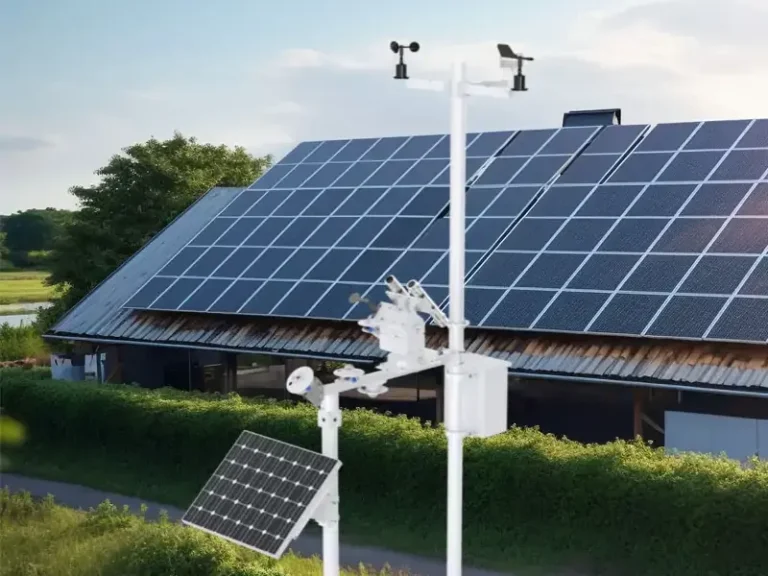
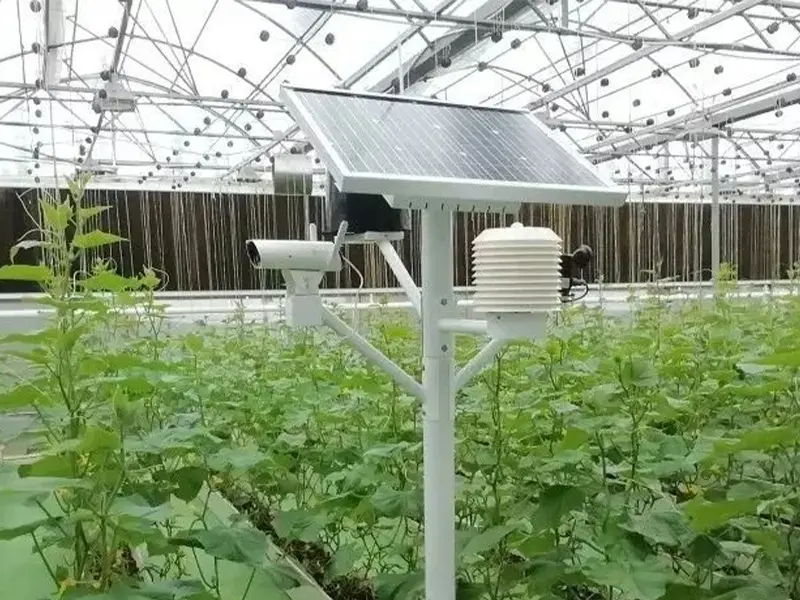
Um estação meteorológica agrícola, também conhecida como estação meteorológica de fazenda ou estação meteorológica agrícola, é um sistema de monitoramento projetado para coletar dados ambientais em tempo real para a produção agrícola. Ao integrar múltiplos sensores, ela mede continuamente parâmetros-chave como temperatura, umidade, precipitação, velocidade do vento, radiação solar e condições do solo, fornecendo dados meteorológicos confiáveis para apoiar a irrigação, o manejo das culturas, a prevenção de doenças e a agricultura de precisão. Uma estação meteorológica agrícola típica pode monitorar 10 ou mais parâmetros ambientais simultaneamente, tornando-se uma ferramenta essencial para a agricultura inteligente moderna.
Principais Componentes de uma Estação Meteorológica Agrícola
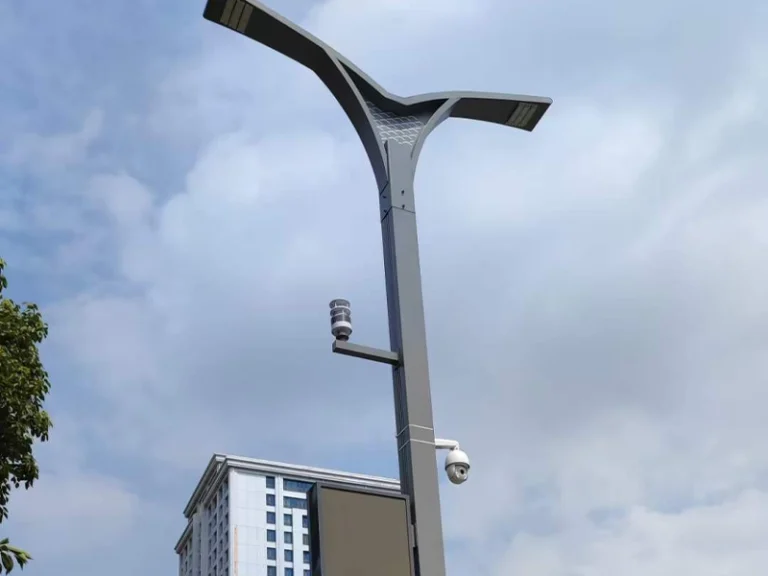
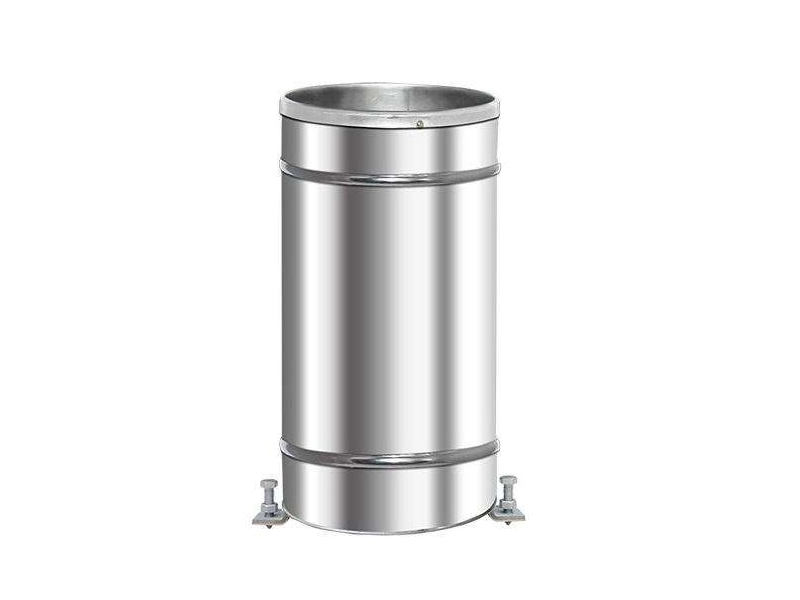
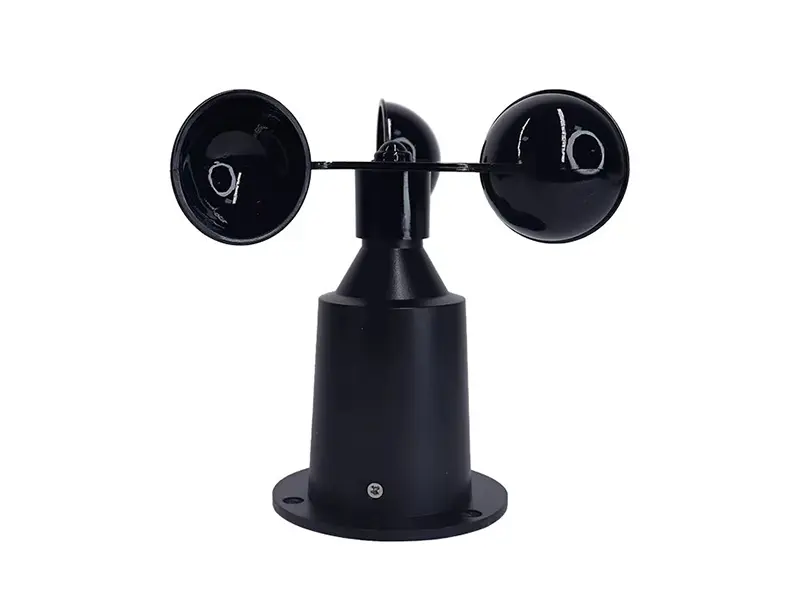
Uma estação meteorológica agrícola consiste em um registrador de dados central, um módulo de comunicação, uma fonte de alimentação, uma estrutura de montagem e uma variedade de sensores ambientais. Diferentes combinações de sensores podem ser configuradas de acordo com o tipo de cultura, condições climáticas e requisitos de monitoramento, permitindo a coleta abrangente de dados meteorológicos e do solo para várias aplicações agrícolas.
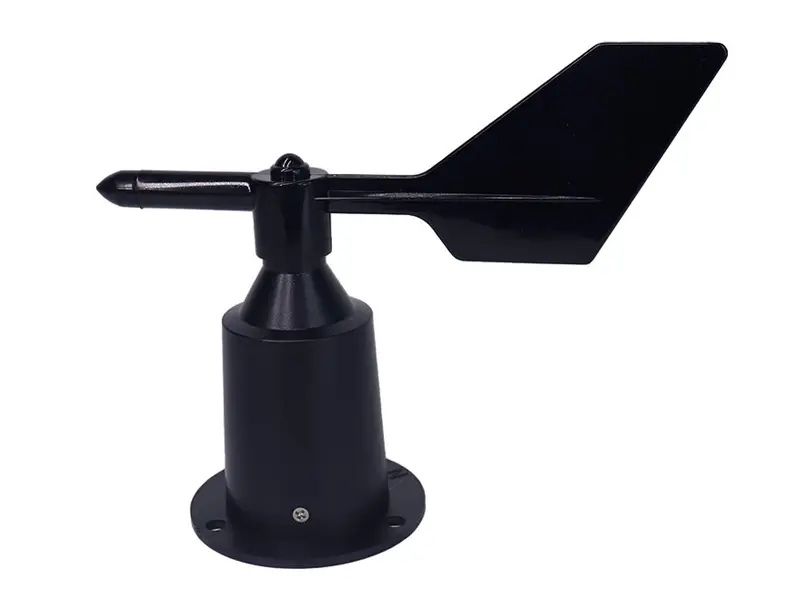
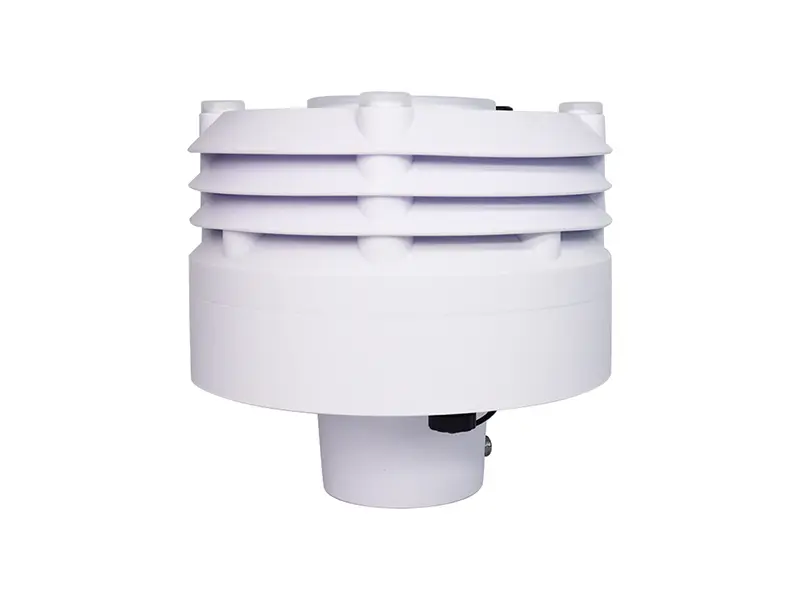
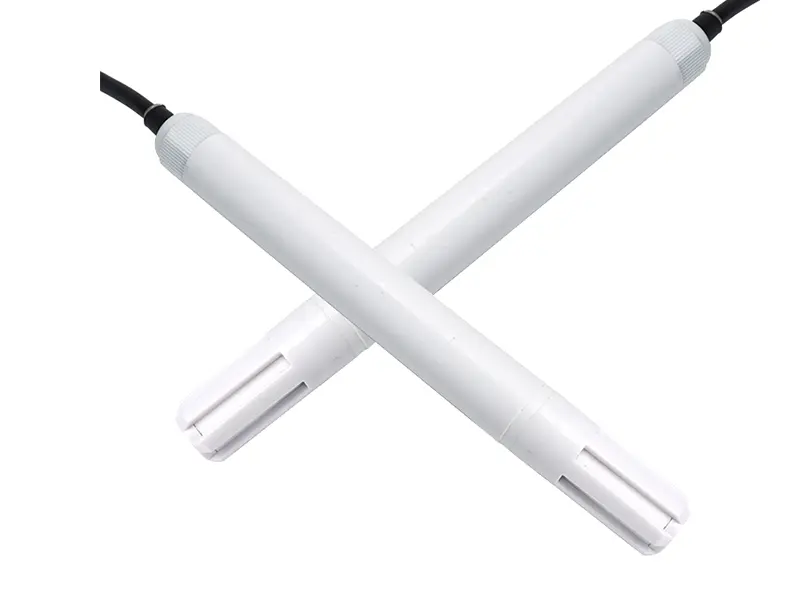
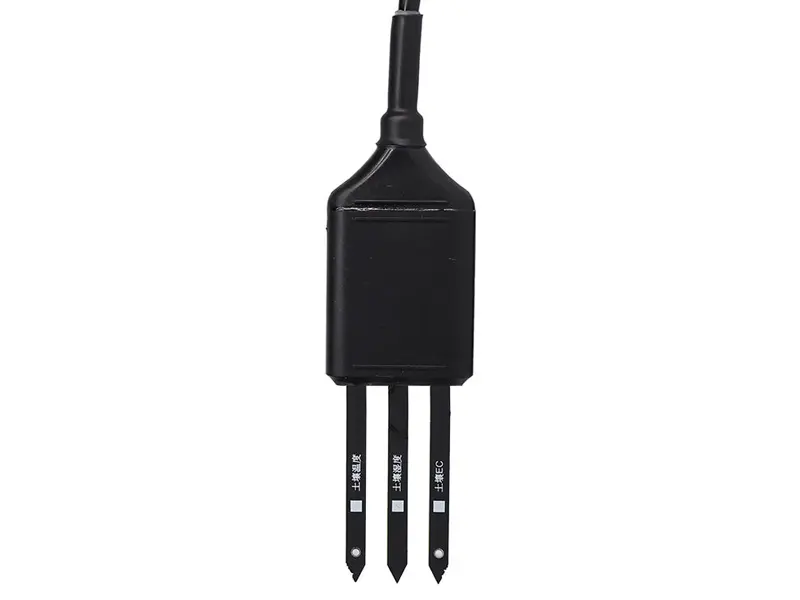
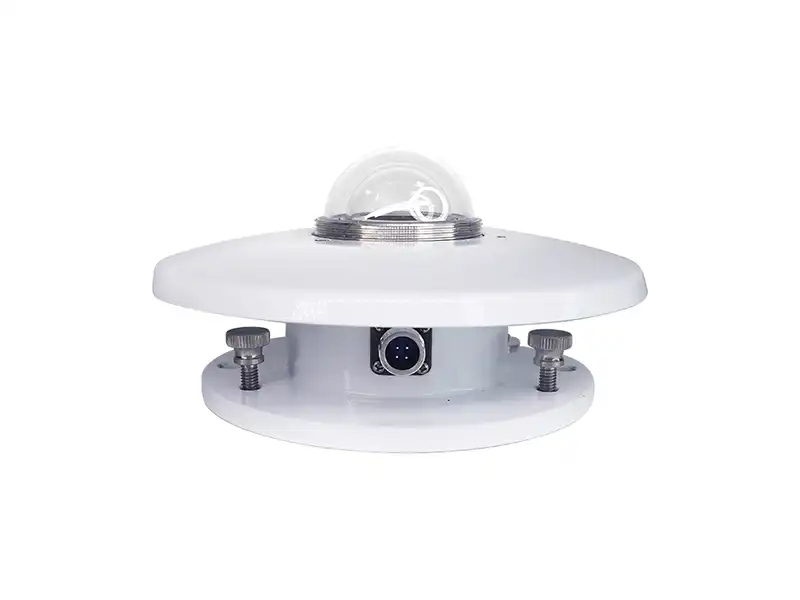
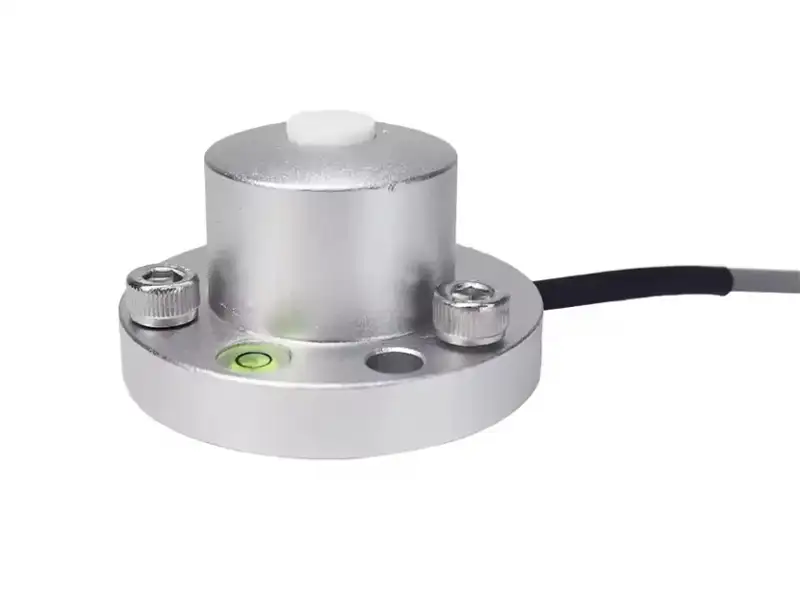
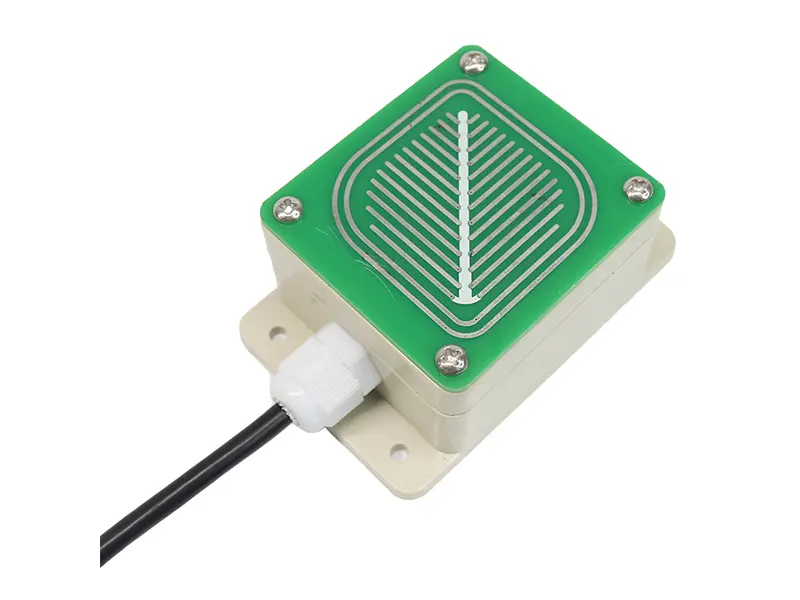
Princípio de funcionamento
- Sensoriamento Ambiental – Sensores monitoram parâmetros meteorológicos e do solo, como temperatura, precipitação, umidade, vento e radiação solar.
- Recolha de dados – Um registrador de dados recebe e processa as medições de todos os sensores conectados.
- Transmissão de dados – As informações são transmitidas para uma plataforma em nuvem ou computador local através de RS485, LoRa, 4G, NB-IoT, Wi-Fi ou Ethernet.
- Análise de dados – O software de monitoramento exibe registros históricos, tendências, alarmes e relatórios ambientais em tempo real.
- Suporte à Decisão – Os agricultores usam os dados coletados para otimizar os cronogramas de irrigação, fertilização, proteção das culturas e colheita.
Tipos de Estações Meteorológicas Agrícolas
Diferentes aplicações agrícolas exigem diferentes capacidades de monitoramento. As estações meteorológicas agrícolas podem ser classificadas de acordo com o ambiente de instalação, o propósito do monitoramento e o método de comunicação.
- Estação meteorológica automática (AWS) – Realiza monitoramento ambiental contínuo com coleta e transmissão automática de dados.
- Estação meteorológica compacta – Integra múltiplos sensores em um design compacto para fácil instalação e baixa manutenção.
- Estação Meteorológica Agrícola Sem Fio – Utiliza tecnologias de comunicação sem fio para monitoramento remoto sem cabeamento complexo.
- Estação Meteorológica Alimentada por Energia Solar – Opera de forma independente usando energia solar, sendo adequada para locais agrícolas remotos.
- Estação Meteorológica Inteligente IoT – Conecta-se a plataformas em nuvem para monitoramento em tempo real, análise de dados e acesso móvel.
- Estação Meteorológica Portátil – Leve e móvel para levantamentos temporários de campo, pesquisa e monitoramento sazonal de culturas.
- Estação Meteorológica de Grau de Pesquisa – Fornece medições de alta precisão para experimentos agrícolas, universidades e pesquisa científica.
- Estação Meteorológica Integrada de Fazenda – Combina monitoramento meteorológico com sistemas de manejo do solo, irrigação e culturas para agricultura de precisão.
Por Que os Dados Meteorológicos São Importantes na Agricultura?
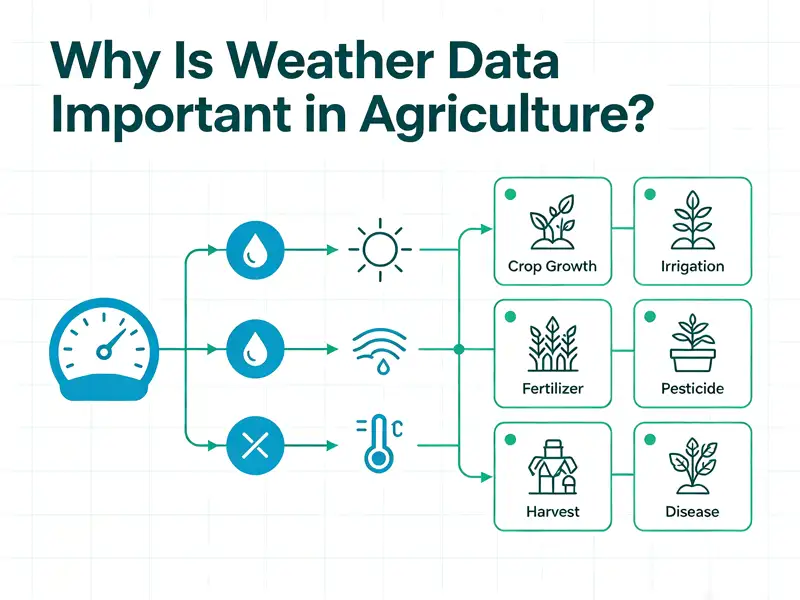
Dados meteorológicos precisos são a base para colheitas estáveis e aumento de renda na agricultura moderna. Dados sobre temperatura, precipitação, luz solar e umidade em diferentes momentos podem fornecer orientação direta para todas as operações de campo: com base nos valores de temperatura acumulada, os ciclos de crescimento das culturas podem ser previstos, permitindo o planejamento antecipado das datas de semeadura e colheita;
Combinar dados de precipitação com medições de umidade do solo pode reduzir a irrigação ineficaz em mais de 20%, conservando recursos hídricos; ao ajustar o momento da fertilização com base nas faixas de temperatura e umidade, os agricultores podem evitar a perda de fertilizante causada pela adubação de cobertura em altas temperaturas;
Ao confiar em alertas de precipitação e alta umidade para programar aplicações de pesticidas, os agricultores podem reduzir significativamente a probabilidade de surtos de pragas e doenças, minimizando ao mesmo tempo o desperdício de pesticidas;
À medida que a colheita se aproxima, utilize previsões de ventos fortes e períodos prolongados de chuva para programar a colheita com antecedência, prevenindo assim o mofo dos frutos e o acamamento que levam a perdas de produtividade;
O monitoramento meteorológico de longo prazo também permite a previsão antecipada de períodos de alto risco, quando a alta umidade desencadeia doenças, possibilitando medidas proativas de controle em campo para reduzir de forma abrangente os riscos climáticos no cultivo e estabilizar a produtividade geral das culturas.
10 Principais Benefícios das Estações Meteorológicas na Agricultura
A produção agrícola é altamente dependente das condições climáticas; cada etapa — desde a semeadura e irrigação até o controle de pragas e doenças e a colheita — requer dados ambientais precisos como referência. As estações meteorológicas agrícolas monitoram continuamente temperatura, umidade, precipitação, velocidade do vento, radiação solar e condições do solo, fornecendo suporte de dados em tempo real para o gerenciamento da fazenda. Ao analisar cientificamente esses dados, os produtores podem otimizar planos de produção, reduzir custos operacionais e melhorar a qualidade e a produtividade das culturas. Abaixo estão as dez principais vantagens das estações meteorológicas agrícolas na agricultura moderna.
Melhorar a Eficiência da Irrigação
As estações meteorológicas agrícolas podem monitorar em tempo real indicadores-chave como precipitação, temperatura e umidade do ar, e teor de umidade do solo, ajudando os agricultores a programar racionalmente o momento e o volume da irrigação, reduzir o excesso de irrigação e o desperdício de água, e melhorar a eficiência da irrigação.
Aumentar o Rendimento das Culturas
Dados ambientais estáveis podem ajudar a ajustar as medidas de manejo de plantio para fornecer um ambiente de crescimento mais adequado para as culturas. Ao monitorar as mudanças climáticas, os efeitos adversos dos fatores ambientais nas culturas podem ser reduzidos, e o rendimento e a qualidade podem ser ainda mais melhorados.
3. Reduzir os Riscos de Doenças nas Culturas
Alta umidade, alta temperatura e umidade contínua nas folhas podem facilmente induzir uma variedade de doenças. As estações meteorológicas agrícolas podem monitorar fatores ambientais que afetam a ocorrência de doenças, fornecer alerta precoce e controle, e reduzir as perdas nas culturas.
4. Otimizar a Aplicação de Fertilizantes
A eficácia da fertilização é facilmente afetada pela precipitação, temperatura e umidade do solo. Combinado com dados meteorológicos em tempo real, os agricultores podem aplicar fertilizantes no momento certo, melhorando a utilização do fertilizante e reduzindo a perda de nutrientes.
5. Melhorar o Manejo de Pragas
Certas condições climáticas são favoráveis à ocorrência e desenvolvimento de doenças de plantas e pragas de insetos. As estações meteorológicas fornecem dados que podem ajudar os agricultores a rastrear a ocorrência dessas condições, como alta umidade ou inversões térmicas. Isso permite que os agricultores tomem medidas oportunas para prevenir ou mitigar surtos e infestações de pragas e doenças.
6. Apoiar a Agricultura de Precisão
As estações meteorológicas agrícolas são uma parte importante da agricultura de precisão. Elas podem trabalhar em conjunto com plataformas de Internet das Coisas, sistemas de irrigação automática e software de gestão agrícola para alcançar monitoramento ambiental, análise de dados e gestão remota, e melhorar o nível de gestão digital da fazenda.
Proteger as Culturas de Climas Extremos
Diante de condições climáticas severas, como geada, alta temperatura, chuva forte, neve e ventos fortes, as estações meteorológicas agrícolas podem monitorar as mudanças ambientais com antecedência e emitir alertas precoces. Dessa forma, os agricultores podem reduzir as perdas causadas por desastres naturais.
Reduzir os Custos de Produção
A tomada de decisão científica com base em dados ambientais em tempo real pode reduzir a irrigação, fertilização e uso de pesticidas desnecessários, diminuir a entrada de mão de obra e o consumo de recursos, e controlar efetivamente os custos de produção, garantindo ao mesmo tempo o crescimento das culturas.
Melhorar o Planejamento da Colheita
Monitorar as condições climáticas, como precipitação, velocidade do vento e umidade antes da colheita, pode ajudar a selecionar o momento adequado para a colheita, reduzir a degradação da qualidade e as perdas na colheita causadas por mau tempo, e aumentar o valor comercial dos produtos agrícolas.
Apoiar a Gestão de Longo Prazo da Fazenda
O acúmulo de longo prazo de dados ambientais forma um “arquivo climático” completo, que pode ser usado para rastreabilidade de produtos agrícolas, aceitação de projetos e otimização dos planos de plantio para o próximo ano, tornando a gestão mais padronizada e normatizada.
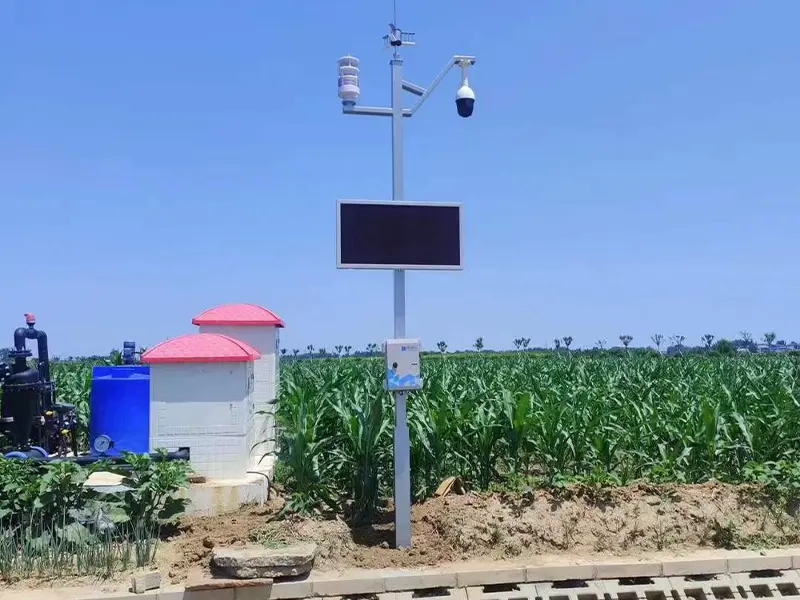
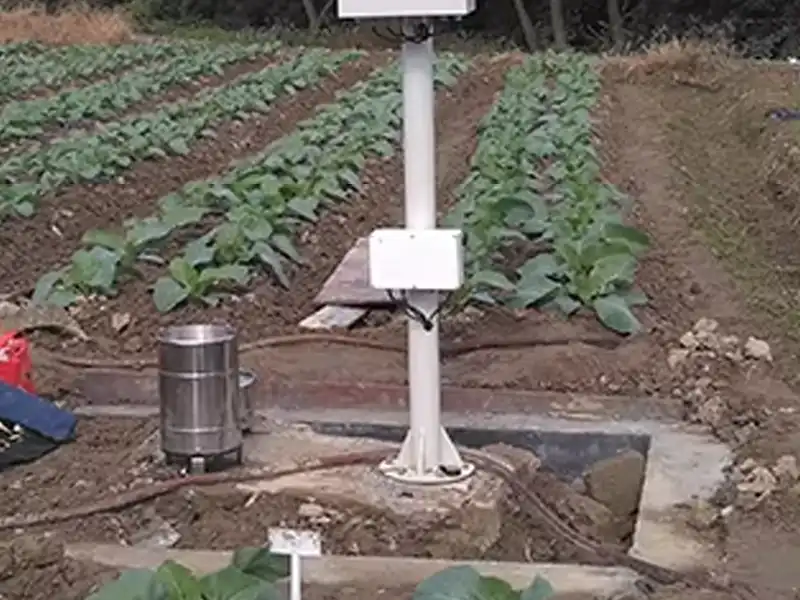

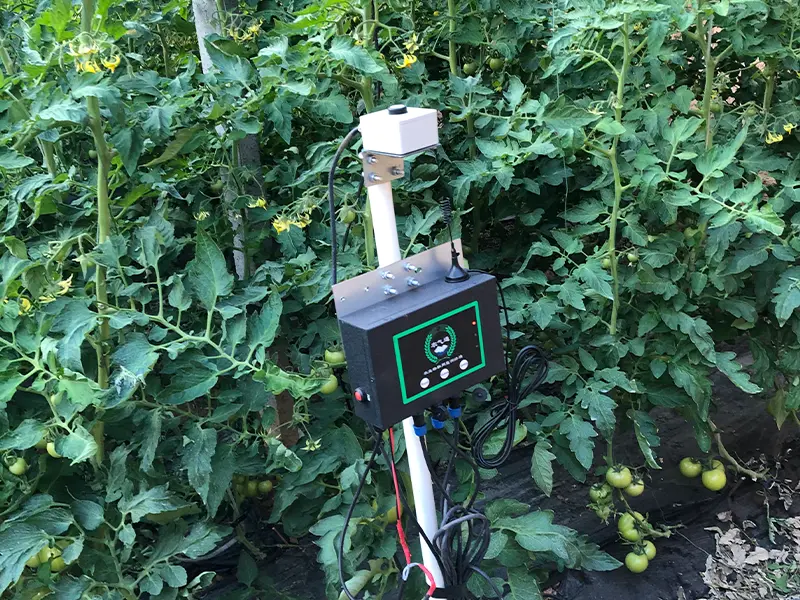
A estação meteorológica não é um dispositivo isolado; é o front-end central de todo o sistema agrícola inteligente. A estação meteorológica pode ser vinculada com sistema de fertirrigação inteligente, válvulas de irrigação, ventiladores, telas de sombreamento e outros equipamentos. Liga automaticamente a ventilação quando a umidade excede o padrão e irriga automaticamente quando o solo está com falta de água, realizando uma gestão totalmente automatizada e economizando muita mão de obra.
Quais Parâmetros Meteorológicos os Agricultores Devem Monitorar?
As condições climáticas afetam diretamente o crescimento das culturas, o cronograma de irrigação, o controle de pragas e doenças e o momento da colheita. Ao monitorar parâmetros ambientais chave com uma estação meteorológica agrícola, os agricultores podem tomar decisões de gestão oportunas, melhorar a eficiência dos recursos e reduzir os riscos de produção. A tabela a seguir descreve os parâmetros meteorológicos mais importantes para uma estação meteorológica agrícola e suas aplicações práticas.
| Parâmetro Meteorológico | Por que é Importante |
|---|---|
| Temperatura do ar | Influencia a germinação das sementes, o crescimento das culturas, a floração, o desenvolvimento dos frutos e o manejo de estresse por geada ou calor. |
| Humidade relativa | Ajuda a avaliar o risco de doenças, o clima da estufa e a demanda de água das culturas. |
| Precipitação | Apoia o planejamento da irrigação e previne tanto a escassez de água quanto o excesso de irrigação. |
| Velocidade do vento | Melhora a segurança da pulverização de pesticidas, protege as culturas e monitora condições climáticas severas. |
| Direção do vento | Ajuda a reduzir a deriva da pulverização e fornece informações sobre os padrões climáticos locais. |
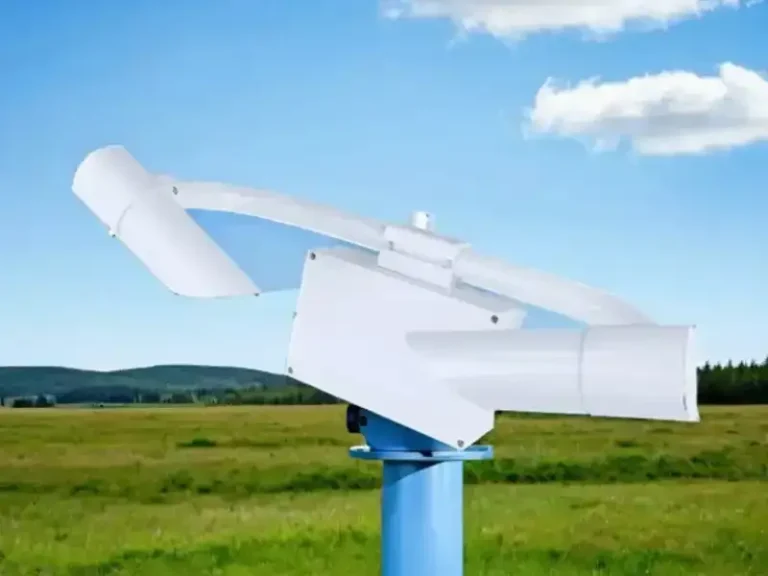
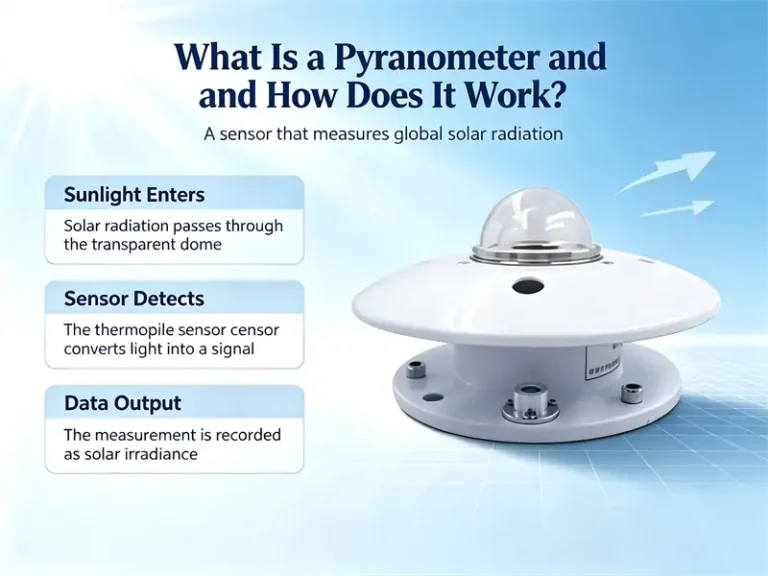
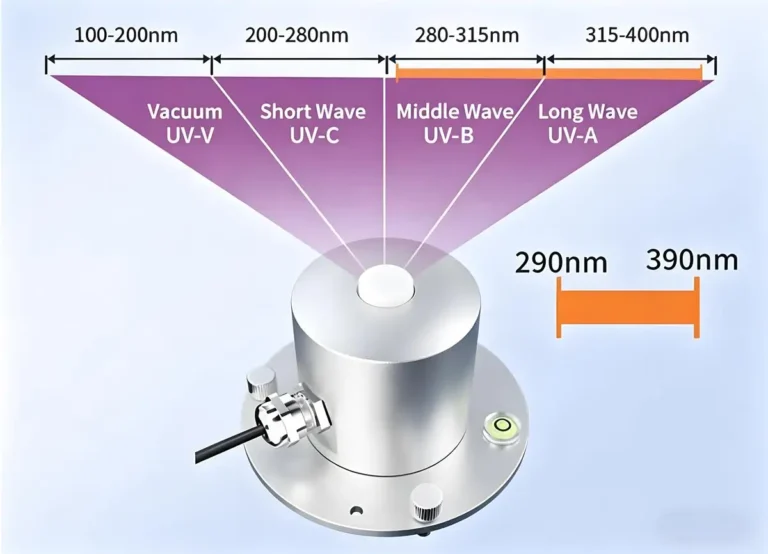
| Radiação solar | Mede a luz solar disponível para fotossíntese, desenvolvimento das culturas e cálculos de evapotranspiração. |
| Humidade do solo | Indica a disponibilidade de água no solo para irrigação de precisão e gestão eficiente da água. |
| Temperatura do solo | Apoia as decisões de plantio, germinação das sementes e desenvolvimento saudável das raízes. |
| Molhamento Foliar | Identifica condições favoráveis para doenças de plantas e melhora a previsão de doenças. |
| Pressão atmosférica | Auxilia na identificação de mudanças climáticas de curto prazo e na previsão de tendências. |
| Evapotranspiração (ET) | Estima o consumo de água das culturas para otimizar o cronograma de irrigação. |
| Detecção de Chuva/Neve | Detecta eventos de chuva ou neve em tempo real para apoiar o controle de irrigação, operações de campo e alertas meteorológicos. |
Dica: A combinação ideal de parâmetros monitorados depende da aplicação. Estufas geralmente priorizam temperatura, umidade e radiação solar, enquanto pomares podem exigir monitoramento de precipitação, vento e geada. A agricultura de campo em grande escala frequentemente combina medições de umidade do solo, precipitação, radiação solar e vento para apoiar a agricultura de precisão.
Como uma Estação Meteorológica Melhora a Agricultura?
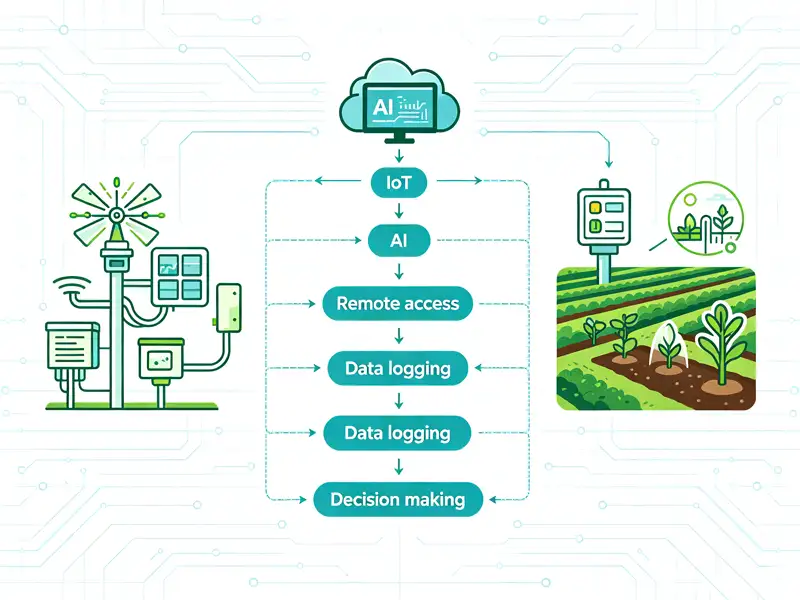
A agricultura de precisão depende de dados ambientais precisos e em tempo real para otimizar cada etapa da produção agrícola. As estações meteorológicas agrícolas modernas integram conectividade IoT, plataformas em nuvem e análise inteligente de dados para transformar informações meteorológicas brutas em decisões agrícolas práticas. Ao fornecer monitoramento contínuo e acesso remoto às condições do campo, elas ajudam os agricultores a melhorar a eficiência, reduzir o desperdício de recursos e tomar decisões de gestão informadas.
- Conectividade IoT – Conecta estações meteorológicas com sensores, sistemas de irrigação e plataformas de gestão agrícola para compartilhamento contínuo de dados em tempo real.
- Monitoramento Baseado em Nuvem – Envia dados ambientais para plataformas em nuvem, permitindo que os usuários acessem informações meteorológicas de qualquer local através de computadores ou dispositivos móveis.
- Análise com Inteligência Artificial – Utiliza dados meteorológicos históricos e em tempo real para identificar tendências, apoiar a previsão de doenças e otimizar estratégias de irrigação e manejo de culturas.
- Acesso remoto – Permite que agricultores e gestores agrícolas monitorem as condições do campo remotamente, sem necessidade de visitar o local, melhorando a eficiência operacional.
- Registro Contínuo de Dados – Registra automaticamente dados meteorológicos e do solo de longo prazo, criando um banco de dados valioso para análises sazonais e planejamento futuro da fazenda.
- Alertas em Tempo Real – Envia notificações quando limites predefinidos para temperatura, precipitação, velocidade do vento, geada ou outros parâmetros são excedidos, permitindo respostas oportunas.
- Controle de Irrigação de Precisão – Combina dados meteorológicos e de umidade do solo para determinar o cronograma de irrigação ideal, reduzindo o consumo de água enquanto mantém a saúde das culturas.
- Melhoria na Tomada de Decisões – Fornece dados ambientais confiáveis para apoiar decisões sobre plantio, fertilização, aplicação de pesticidas, colheita e alocação de recursos.
- Integração com Sistemas de Agricultura Inteligente – Funciona com GPS, irrigação automatizada, drones e software de gestão agrícola para apoiar operações agrícolas de precisão totalmente integradas.
- Maior Produtividade e Menores Custos – Ajuda a maximizar o desempenho das culturas enquanto minimiza insumos de mão de obra, água, fertilizantes e pesticidas, melhorando a rentabilidade geral da fazenda.
Cenários de Aplicação em Diversos Setores Agrícolas
Cultivo de Culturas de Campo: Utilize dados de monitoramento meteorológico para gerenciar irrigação, fertilização e controle de pragas e doenças; preveja riscos de seca, inundações e acamamento; e otimize o manejo do cultivo em larga escala de trigo, milho e arroz.
Cultivo de Frutas e Hortaliças em Estufa: Regule temperatura, umidade, luz e níveis de dióxido de carbono da estufa em tempo real; controle precisamente as condições ambientais durante os períodos de floração e frutificação; reduza podridão e deformidades em frutas; e melhore a qualidade de frutas e hortaliças.
Cultivo Comercial de Frutas e Árvores: Monitore geada, ventos fortes e chuvas prolongadas para implementar medidas precoces de proteção contra geada, vento e prevenção de doenças para árvores frutíferas, garantindo rendimentos estáveis de culturas comerciais como maçãs, citrinos e chá.
Cultivo de Flores em Estufa: Controle precisamente temperatura, umidade e duração da luz para alinhar com precisão os ciclos de floração, reduzir perdas no cultivo e alcançar lançamentos escalonados no mercado.
Pecuária: Monitore temperatura, umidade e condições de ventilação nas fazendas para evitar estresse térmico e danos por frio, reduzir doenças em animais e aves e melhorar as taxas de sobrevivência.
Aquicultura: Monitore temperatura da água, níveis de oxigênio dissolvido e precipitação para fornecer alertas precoces de floração de algas e deterioração da qualidade da água em viveiros, estabilizando assim o rendimento da criação de peixes, camarões e caranguejos.
Fatores-Chave a Considerar ao Selecionar uma Estação Meteorológica
Correspondência com o Tamanho da Fazenda: Selecione estações de monitoramento com base no tamanho da sua fazenda. Agricultores de pequena escala com parcelas dispersas devem escolher dispositivos simples e integrados, enquanto grandes campos contínuos e parques agrícolas devem optar por modelos modulares com múltiplos sensores.
Parâmetros de monitorização: Identifique os elementos meteorológicos específicos que você precisa monitorar. Se você só precisa medir temperatura, umidade e precipitação, escolha um modelo básico; se precisar planejar a proteção de culturas e irrigação, adicione sensores para intensidade luminosa, velocidade do vento e umidade do solo.
Coleta e Conectividade de Dados: Considere como a estação meteorológica coleta e armazena dados. Algumas estações meteorológicas possuem registradores de dados integrados, enquanto outras exigem dispositivos externos. Além disso, verifique se a estação meteorológica oferece opções de conectividade como Wi-Fi ou redes celulares para permitir acesso remoto a dados em tempo real.
Software e Análise de Dados: Avalie o software ou as ferramentas de análise de dados incluídas com a estação meteorológica. Um software fácil de usar que permita visualização e interpretação simples dos dados coletados ajuda a facilitar a tomada de decisões informadas. Garanta que o software seja compatível com o sistema operacional do seu computador ou dispositivo móvel.
Índice de proteção: Para uso externo de longo prazo em campos, escolha modelos que sejam à prova d'água, à prova de poeira e resistentes a ventos fortes. Em áreas com chuvas intensas ou altos níveis de poeira, priorize produtos com altos padrões de proteção.
Manutenção e Suporte: Avalie os requisitos de manutenção da estação meteorológica. Verifique se o fabricante fornece suporte técnico, atualizações de firmware e serviços de garantia. A disponibilidade adequada de peças de reposição e serviços de suporte local pode ser vantajosa.
Orçamento: Considere seu orçamento ao selecionar uma estação meteorológica. Os preços podem variar de algumas centenas a vários milhares de dólares; avalie o custo-benefício com base em suas necessidades específicas e nos benefícios de longo prazo que a estação meteorológica proporciona. Compare serviços pós-venda e de calibração—já que o uso de longo prazo requer calibração regular dos sensores, escolher um fabricante que ofereça suporte de calibração e reparo no local economizará seus problemas.
Estação Meteorológica Agrícola vs Previsões Meteorológicas Tradicionais
Adoção Generalizada de Dispositivos de Monitoramento Compactos e de Baixo Custo
No passado, sistemas completos de estação meteorológica eram relativamente caros e adequados apenas para grandes fazendas. No futuro, microssensores leves e integrados serão amplamente implantados nos campos. Os agricultores poderão instalar esses sensores em vários pontos em suas próprias parcelas, não dependendo mais apenas de dados meteorológicos gerais de uma única estação, e poderão monitorar as condições ambientais específicas de pequenas parcelas de terra agrícola.
Integração Profunda de Dados Meteorológicos com Equipamentos Agrícolas
Em vez de simplesmente visualizar dados de temperatura, umidade e precipitação, os sistemas de monitoramento irão interagir automaticamente com válvulas de irrigação, máquinas de proteção de culturas e equipamentos de ventilação de estufas. Quando o sistema detectar riscos como seca ou doenças relacionadas à alta umidade, ele ativará automaticamente o equipamento agrícola correspondente, permitindo um gerenciamento de campo verdadeiramente não tripulado e automatizado.
Modelos de Previsão de IA Melhor Adaptados às Condições Agrícolas Locais
Integração Profunda de Dados Meteorológicos com Equipamentos Agrícolas.
Em vez de simplesmente visualizar dados de temperatura, umidade e precipitação, os sistemas de monitoramento irão interagir automaticamente com válvulas de irrigação, maquinário de proteção de cultivos e equipamentos de ventilação de estufas. Quando o sistema detectar riscos como seca ou doenças relacionadas à alta umidade, ele ativará automaticamente o equipamento agrícola correspondente, permitindo um gerenciamento de campo verdadeiramente autônomo e automatizado.
Modelos de Previsão de IA Melhor Adaptados às Condições Agrícolas Locais.
Conclusão
As previsões meteorológicas tradicionais são frequentemente previsões regionais amplas. No futuro, ao combinar anos de dados reais de campo, a inteligência artificial será capaz de fornecer previsões precisas para diferentes culturas e talhões específicos. Ela preverá geadas, chuvas fortes e períodos de pico de pragas e doenças com antecedência, oferecendo recomendações práticas adaptadas às práticas agrícolas locais, em vez de conclusões meteorológicas gerais.
Monitoramento de Fusão de Dados Multidimensionais.
O monitoramento não se limitará mais a indicadores meteorológicos atmosféricos; ele integrará simultaneamente informações sobre umidade do solo, qualidade da água e condições de crescimento das culturas. Ao analisar dados como temperatura e umidade do ar, temperatura e umidade do solo, intensidade luminosa e temperatura acumulada, um banco de dados ambiental abrangente da fazenda será estabelecido para apoiar o gerenciamento do ciclo completo da cultura. Contacto As estações meteorológicas agrícolas modernas estão se tornando cada vez mais orientadas por dados, e informações meteorológicas confiáveis são essenciais para aumentar a produtividade e reduzir os riscos operacionais. Uma estação meteorológica agrícola fornece dados ambientais precisos e em tempo real que ajudam os agricultores a otimizar o planejamento de irrigação, fertilização, manejo de pragas e colheita, ao mesmo tempo que apoia a agricultura de precisão e as práticas agrícolas sustentáveis. À medida que as condições climáticas se tornam mais imprevisíveis, investir em um sistema de monitoramento meteorológico não é mais apenas uma vantagem – é uma solução prática para tomar decisões agrícolas mais inteligentes e melhorar o desempenho da fazenda a longo prazo.