Introduction
With the development of precision agriculture and smart agriculture, more and more farms are beginning to use real-time weather data to optimize crop management. So, what is the importance of weather stations in agriculture? In fact, weather conditions directly affect crop growth, irrigation schedules, pest and disease control, fertilization timing, and ultimately, crop yields. Agricultural weather stations continuously monitor key parameters such as temperature, humidity, precipitation, wind speed, solar radiation, and soil conditions, providing reliable data support for agricultural production and helping farmers make more scientifically informed decisions.
Whether for large-scale commercial farms, greenhouse cultivation, orchards, or grain crop production, deploying agricultural weather stations has become a vital means of improving production efficiency and reducing operational risks. This article will provide a detailed explanation of the importance of weather stations in agriculture and conduct an in-depth analysis of the 10 core advantages of agricultural weather stations, their primary application scenarios, monitoring metrics, and how to select weather monitoring solutions suitable for different agricultural projects—helping you gain a comprehensive understanding of the value of weather monitoring in modern agriculture.

What Is an Agricultural Weather Station?
An agricultural weather station, also known as a farm weather station or agricultural meteorological station, is a monitoring system designed to collect real-time environmental data for agricultural production. By integrating multiple sensors, it continuously measures key parameters such as temperature, humidity, rainfall, wind speed, solar radiation, and soil conditions, providing reliable weather data to support irrigation, crop management, disease prevention, and precision farming. A typical agricultural weather station can monitor 10 or more environmental parameters simultaneously, making it an essential tool for modern smart agriculture.
Main Components of an Agricultural Weather Station
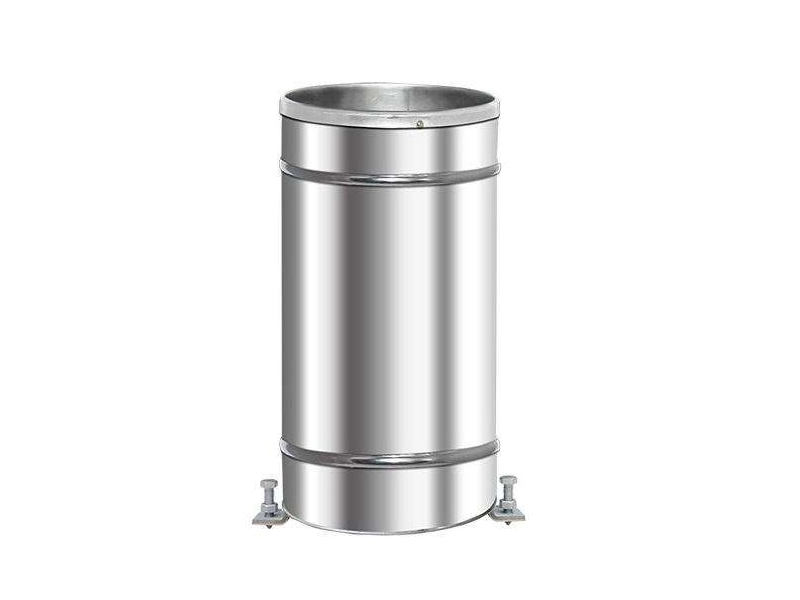
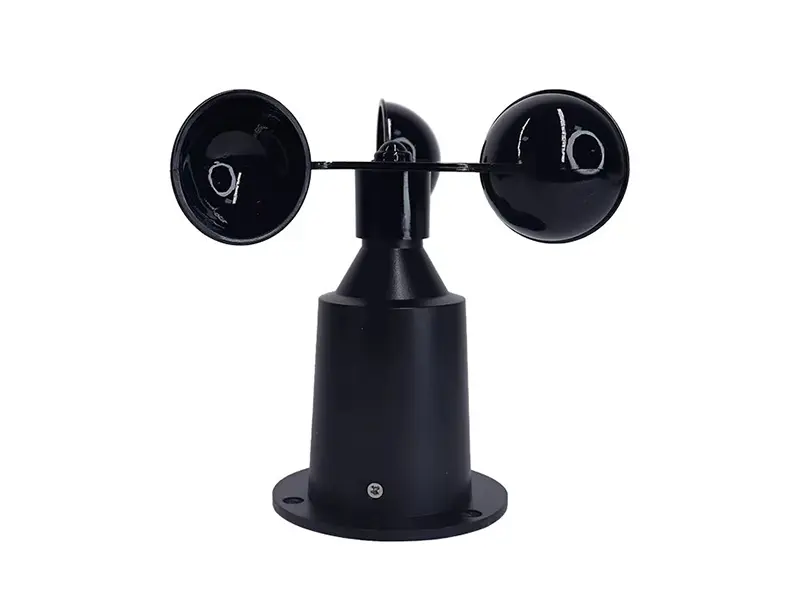
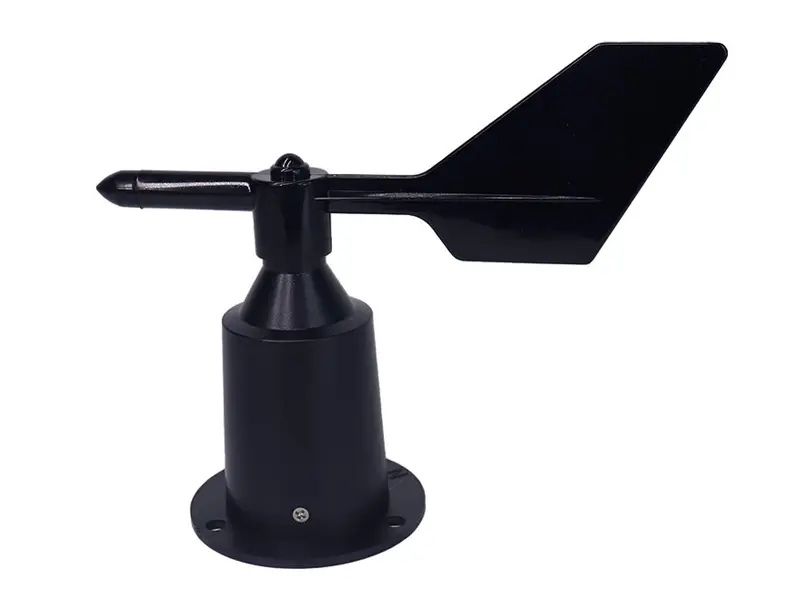
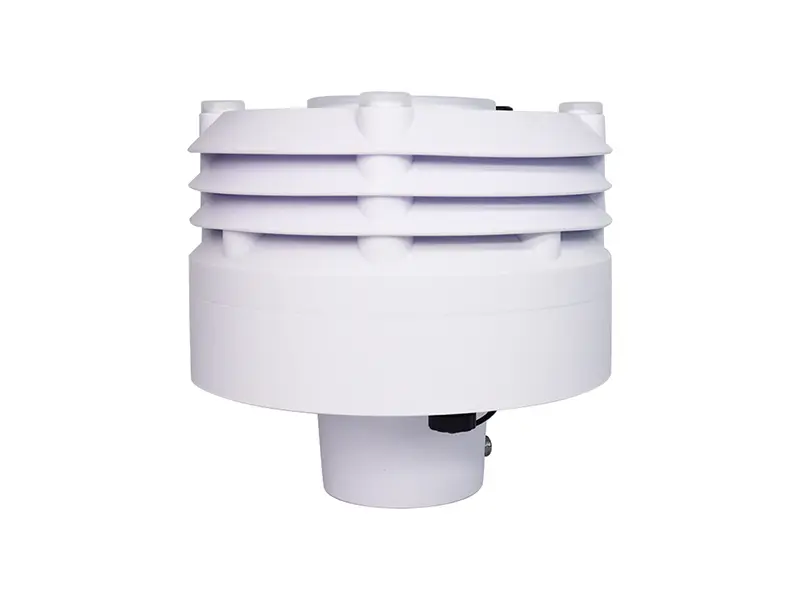
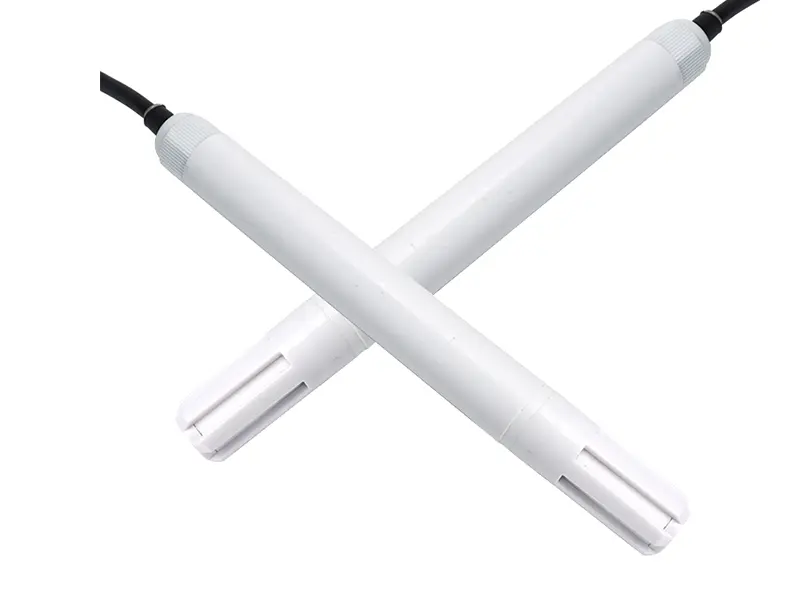
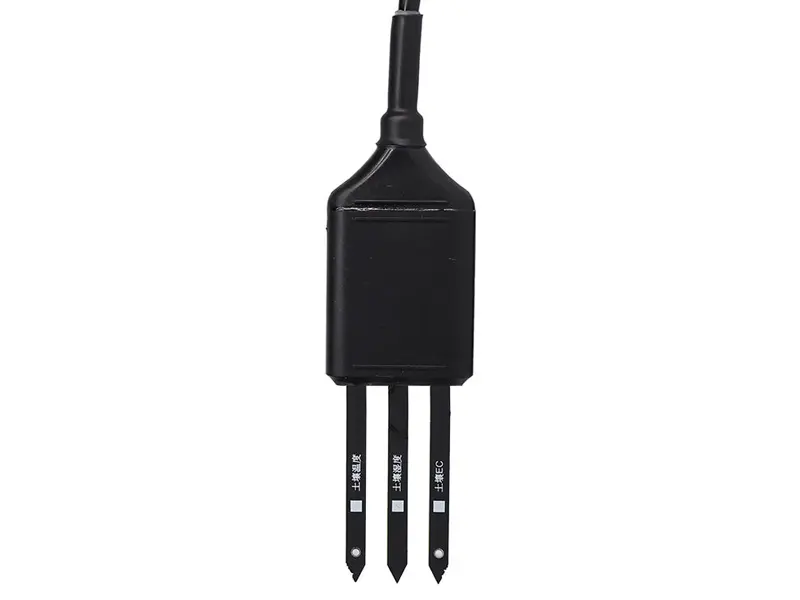
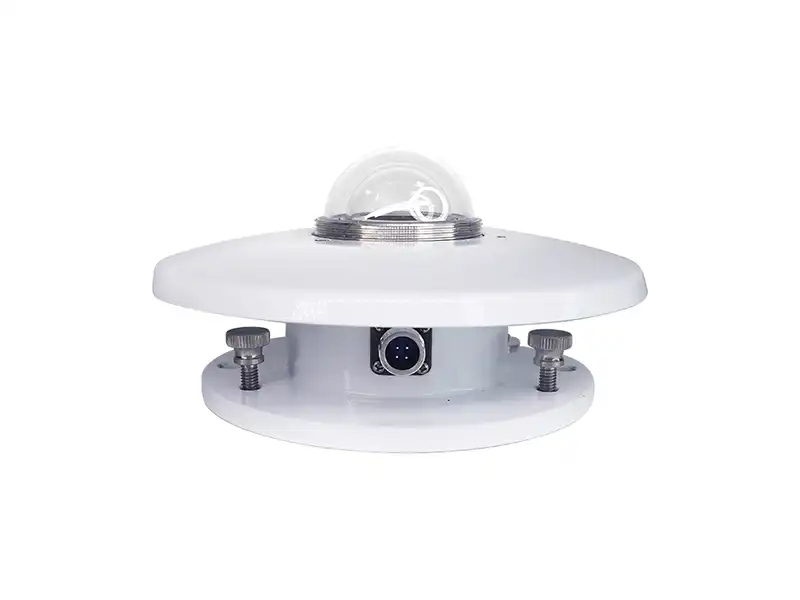
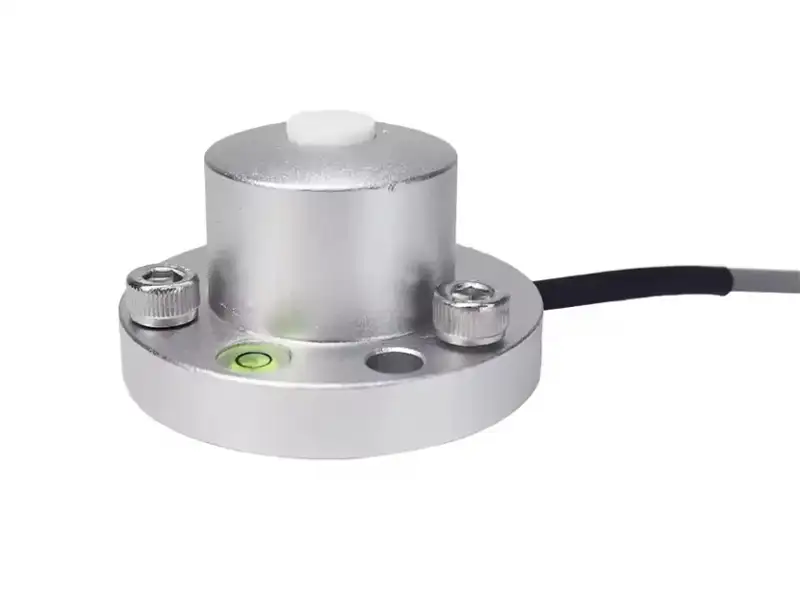
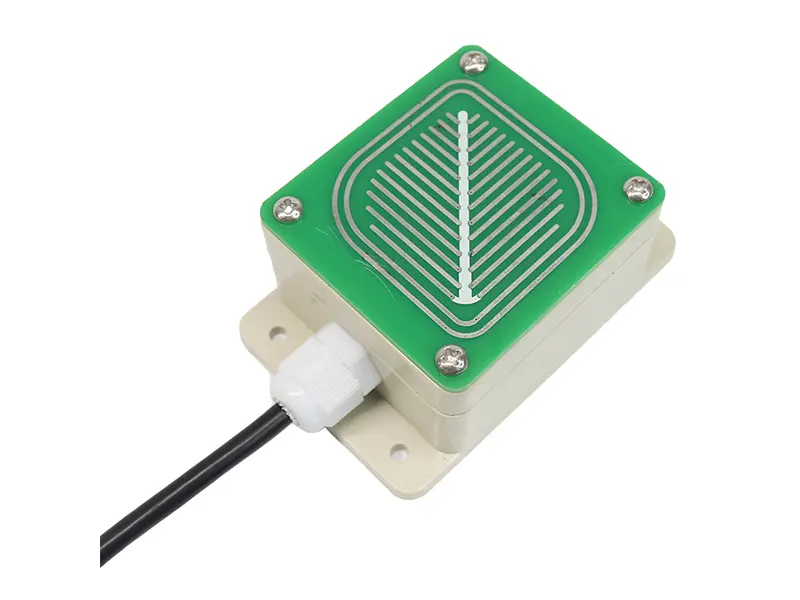
An agricultural weather station consists of a central data logger, a communication module, a power supply, a mounting structure, and a range of environmental sensors. Different sensor combinations can be configured according to crop type, climate conditions, and monitoring requirements, enabling comprehensive weather and soil data collection for various agricultural applications.
Working principle
- Environmental Sensing – Sensors monitor weather and soil parameters such as temperature, rainfall, humidity, wind, and solar radiation.
- Data Collection – A data logger receives and processes measurements from all connected sensors.
- Data Transmission – Information is transmitted to a cloud platform or local computer through RS485, LoRa, 4G, NB-IoT, Wi-Fi, or Ethernet.
- Data Analysis – Monitoring software displays historical records, trends, alarms, and environmental reports in real time.
- Decision Support – Farmers use the collected data to optimize irrigation, fertilization, crop protection, and harvesting schedules.
Types of Agricultural Weather Stations
Different agricultural applications require different monitoring capabilities. Agricultural weather stations can be classified according to installation environment, monitoring purpose, and communication method.
- Automatic Weather Station (AWS) – Performs continuous environmental monitoring with automatic data collection and transmission.
- Compact Weather Station – Integrates multiple sensors into a compact design for easy installation and low maintenance.
- Wireless Agricultural Weather Station – Uses wireless communication technologies for remote monitoring without complex cabling.
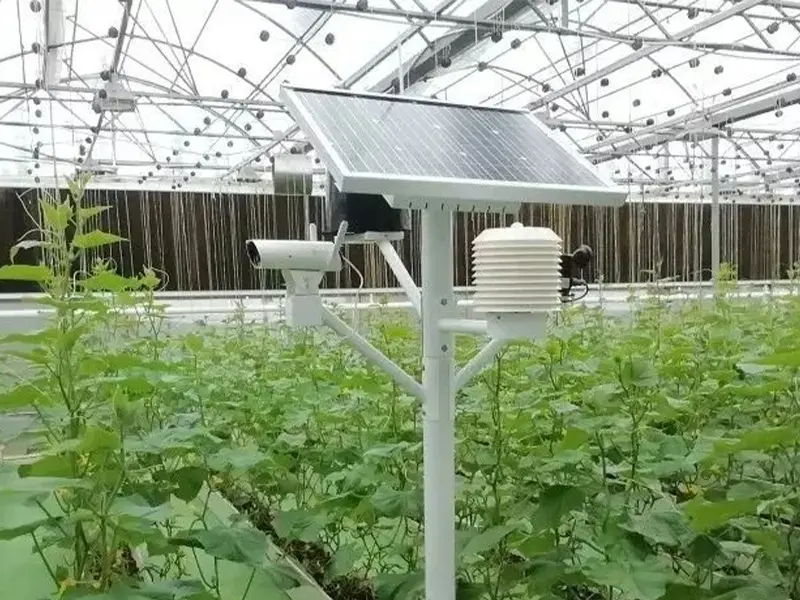
- Solar-Powered Weather Station – Operates independently using solar energy, making it suitable for remote agricultural sites.
- IoT Smart Weather Station – Connects to cloud platforms for real-time monitoring, data analysis, and mobile access.
- Portable Weather Station – Lightweight and movable for temporary field surveys, research, and seasonal crop monitoring.
- Research-Grade Weather Station – Provides high-precision measurements for agricultural experiments, universities, and scientific research.
- Integrated Farm Weather Station – Combines weather monitoring with soil, irrigation, and crop management systems for precision agriculture.
Why Is Weather Data Important in Agriculture?
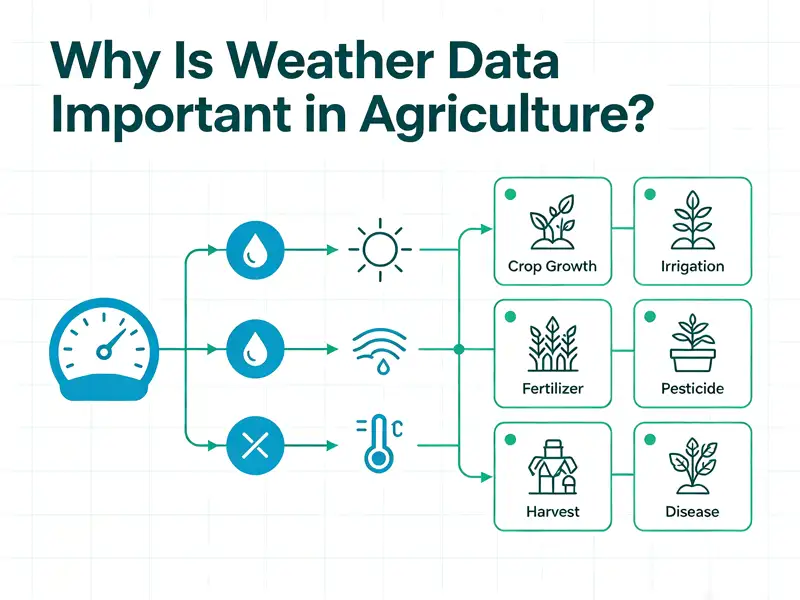
Accurate meteorological data is the cornerstone of stable yields and increased income in modern agriculture. Data on temperature, precipitation, sunlight, and humidity at different times can provide direct guidance for all field operations: based on accumulated temperature values, crop growth cycles can be predicted, allowing for advance planning of sowing and harvest dates;
Combining rainfall data with soil moisture measurements can reduce ineffective irrigation by more than 20%, conserving water resources; by adjusting fertilization timing based on temperature and humidity ranges, farmers can avoid fertilizer loss caused by high-temperature top-dressing;
By relying on rainfall and high-humidity alerts to schedule pesticide applications, farmers can significantly reduce the likelihood of pest and disease outbreaks while minimizing pesticide waste;
As harvest approaches, use forecasts of strong winds and prolonged rainy periods to schedule harvesting in advance, thereby preventing fruit mold and lodging that lead to yield losses;
Long-term meteorological monitoring also allows for early prediction of high-risk periods when high humidity triggers diseases, enabling proactive field control measures to comprehensively reduce climate-related cultivation risks and stabilize overall crop yields.
10 Key Benefits of Weather Stations in Agriculture
Agricultural production is highly dependent on weather conditions; every stage—from sowing and irrigation to pest and disease control and harvesting—requires accurate environmental data as a reference. Agricultural weather stations continuously monitor temperature, humidity, precipitation, wind speed, solar radiation, and soil conditions, providing real-time data support for farm management. By scientifically analyzing this data, growers can optimize production plans, reduce operating costs, and improve crop quality and yield. Below are the top ten core advantages of agricultural weather stations in modern agriculture.
1. Improve Irrigation Efficiency
Agricultural meteorological stations can monitor key indicators such as rainfall, air temperature and humidity, and soil moisture content in real time, helping farmers to reasonably arrange irrigation time and irrigation volume, reduce excessive irrigation and water waste, and improve irrigation efficiency.
2. Increase Crop Yield
Stable environmental data can help adjust planting management measures to provide a more suitable growing environment for crops. By monitoring weather changes, the adverse effects of environmental factors on crops can be reduced and yield and quality can be further improved.
3. Reduce Crop Disease Risks
High humidity, high temperature and continuous moisture on the leaves can easily induce a variety of diseases. Agricultural meteorological stations can monitor environmental factors that affect the occurrence of diseases, provide early warning and control, and reduce crop losses.
4. Optimize Fertilizer Application
The effectiveness of fertilization is easily affected by rainfall, temperature and soil moisture. Combined with real-time weather data, farmers can apply fertilizer at the right time, improving fertilizer utilization while reducing nutrient loss.
5. Improve Pest Management
Certain climatic conditions are conducive to the occurrence and development of plant diseases and insect pests. Weather stations provide data that can help farmers track the occurrence of these conditions, such as high humidity or temperature inversions. This enables farmers to take timely measures to prevent or mitigate pest and disease outbreaks and infestations.
6. Support Precision Agriculture
Agricultural weather stations are an important part of precision agriculture. They can work together with Internet of Things platforms, automatic irrigation systems and agricultural management software to achieve environmental monitoring, data analysis and remote management, and improve the level of farm digital management.
7. Protect Crops from Extreme Weather
In the face of severe weather such as frost, high temperature, heavy rain, snow, and strong winds, agricultural meteorological stations can monitor environmental changes in advance and issue early warnings. In this way, farmers can reduce losses caused by natural disasters.
8. Reduce Production Costs
Scientific decision-making based on real-time environmental data can reduce unnecessary irrigation, fertilization and pesticide use, reduce labor input and resource consumption, and effectively control production costs while ensuring crop growth.
9. Improve Harvest Planning
Monitoring weather conditions such as rainfall, wind speed, and humidity before harvest can help select the appropriate harvest time, reduce quality degradation and harvest losses caused by bad weather, and increase the commodity value of agricultural products.
10. Support Long-Term Farm Management
The long-term accumulation of environmental data forms a complete “climate file”, which can be used for traceability of agricultural products, project acceptance, and optimization of planting plans for the coming year, making management more standardized and standardized.
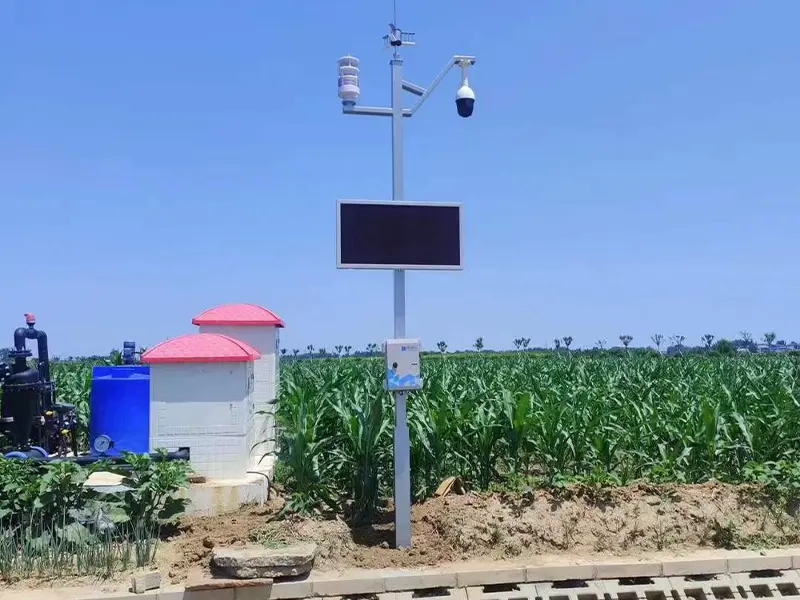
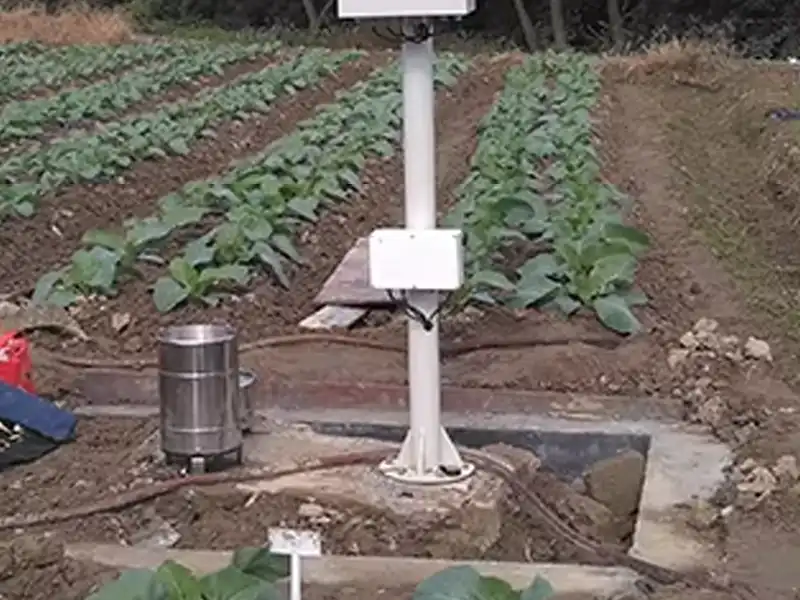

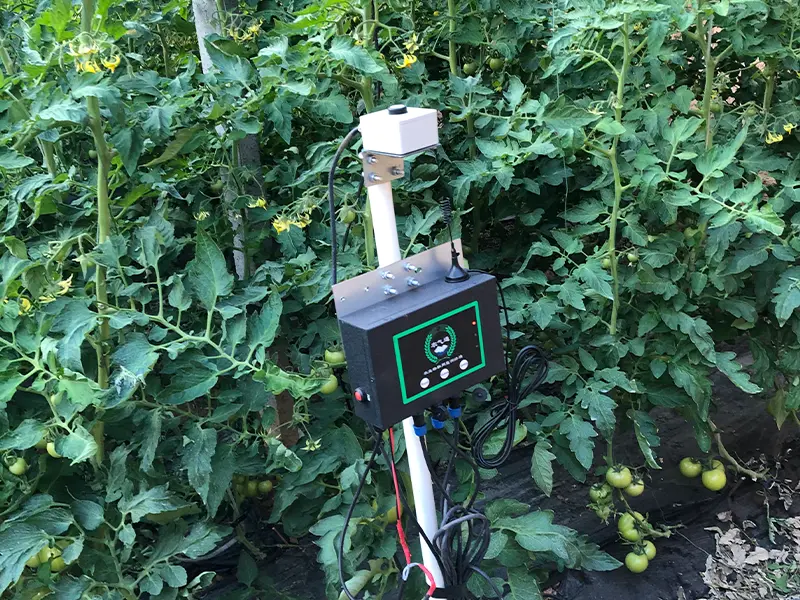
The weather station is not an isolated device; it is the core front-end of the entire smart agricultural system. The weather station can be linked with the smart fertigation system, irrigation valves, fans, sunshade nets and other equipment. Automatically turns on ventilation when the humidity exceeds the standard, and automatically irrigates when the soil is short of water, realizing fully automated management and greatly saving labor.
What Weather Parameters Should Farmers Monitor?
Weather conditions directly affect crop growth, irrigation scheduling, pest and disease control, and harvest timing. By monitoring key environmental parameters with an agricultural weather station, farmers can make timely management decisions, improve resource efficiency, and reduce production risks. The following table outlines the most important weather parameters for farm weather station and their practical applications.
| Weather Parameter | Why It Matters |
|---|---|
| Air Temperature | Influences seed germination, crop growth, flowering, fruit development, and frost or heat stress management. |
| Relative Humidity | Helps assess disease risk, greenhouse climate, and crop water demand. |
| Rainfall | Supports irrigation planning and prevents both water shortages and overwatering. |
| Wind Speed | Improves pesticide spraying safety, protects crops, and monitors severe weather conditions. |
| Wind Direction | Helps reduce spray drift and provides insight into local weather patterns. |
| Solar Radiation | Measures available sunlight for photosynthesis, crop development, and evapotranspiration calculations. |
| Soil Moisture | Indicates soil water availability for precision irrigation and efficient water management. |
| Soil Temperature | Supports planting decisions, seed germination, and healthy root development. |
| Leaf Wetness | Identifies conditions favorable for plant diseases and improves disease forecasting. |
| Atmospheric Pressure | Assists in identifying short-term weather changes and forecasting trends. |
| Evapotranspiration (ET) | Estimates crop water consumption to optimize irrigation scheduling. |
| Rain/Snow Detection | Detects rainfall or snowfall events in real time to support irrigation control, field operations, and weather alerts. |
Tip: The ideal combination of monitored parameters depends on the application. Greenhouses typically prioritize temperature, humidity, and solar radiation, while orchards may require rainfall, wind, and frost monitoring. Large-scale field farming often combines soil moisture, rainfall, solar radiation, and wind measurements to support precision agriculture.
How Does a Weather Station Improve Agriculture?
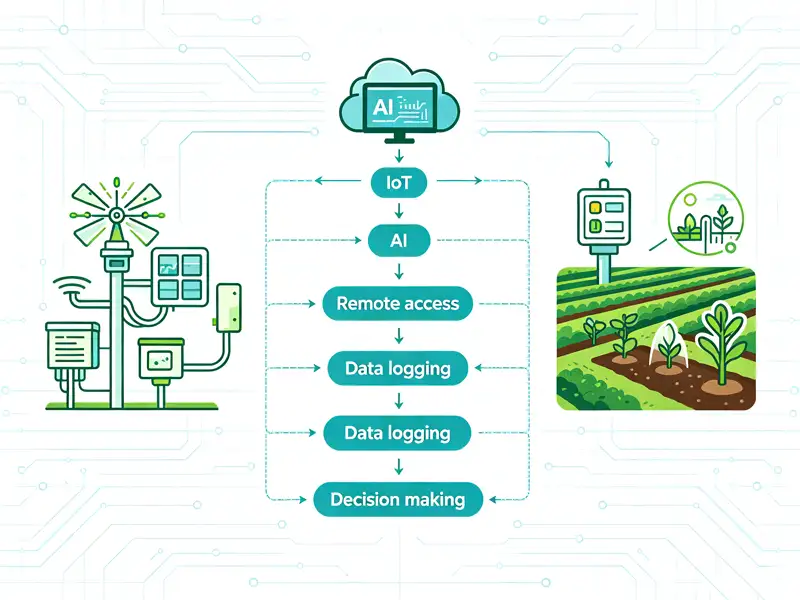
Precision agriculture relies on accurate, real-time environmental data to optimize every stage of crop production. Modern agricultural weather stations integrate IoT connectivity, cloud platforms, and intelligent data analysis to transform raw weather information into practical farming decisions. By providing continuous monitoring and remote access to field conditions, they help farmers improve efficiency, reduce resource waste, and make informed management decisions.
- IoT Connectivity – Connects weather stations with sensors, irrigation systems, and farm management platforms for seamless real-time data sharing.
- Cloud-Based Monitoring – Uploads environmental data to cloud platforms, allowing users to access weather information from any location through computers or mobile devices.
- AI-Powered Analysis – Uses historical and real-time weather data to identify trends, support disease forecasting, and optimize irrigation and crop management strategies.
- Remote Access – Enables farmers and farm managers to monitor field conditions remotely without visiting the site, improving operational efficiency.
- Continuous Data Logging – Automatically records long-term weather and soil data, creating a valuable database for seasonal analysis and future farm planning.
- Real-Time Alerts – Send notifications when preset thresholds for temperature, rainfall, wind speed, frost, or other parameters are exceeded, enabling timely responses.
- Precision Irrigation Control – Combines weather and soil moisture data to determine the optimal irrigation schedule, reducing water consumption while maintaining crop health.
- Improved Decision Making – Provides reliable environmental data to support decisions on planting, fertilization, pesticide application, harvesting, and resource allocation.
- Integration with Smart Farming Systems – Works with GPS, automated irrigation, drones, and agricultural management software to support fully integrated precision farming operations.
- Higher Productivity and Lower Costs – Help maximize crop performance while minimizing labor, water, fertilizer, and pesticide inputs, improving overall farm profitability.
Application Scenarios in Various Agricultural Sectors
Field Crop Cultivation: Utilize meteorological monitoring data to manage irrigation, fertilization, and pest and disease control; predict risks of drought, flooding, and lodging; and optimize the management of large-scale wheat, corn, and rice cultivation
Greenhouse Fruit and Vegetable Cultivation: Regulate greenhouse temperature, humidity, light, and carbon dioxide levels in real time; precisely control environmental conditions during flowering and fruit-setting periods; reduce fruit rot and deformities; and improve fruit and vegetable quality
Commercial Fruit and Tree Farming: Monitor frost, high winds, and prolonged rainfall to implement early frost protection, wind protection, and disease prevention measures for fruit trees, ensuring stable yields of commercial crops such as apples, citrus, and tea.
Greenhouse Flower Cultivation: Precisely control temperature, humidity, and light duration to accurately align with floral blooming cycles, reduce cultivation losses, and achieve staggered market releases.
Livestock Farming: Monitor temperature, humidity, and ventilation conditions at farms to avoid heat stress and cold damage, reduce livestock and poultry diseases, and improve survival rates
Aquaculture: Monitor water temperature, dissolved oxygen levels, and precipitation to provide early warnings of pond blooms and water quality deterioration, thereby stabilizing the yield of fish, shrimp, and crab farming
Key Factors to Consider when Selecting a Weather Station
Matching Farm Size: Select monitoring stations based on your farm size. Small-scale farmers with scattered plots should choose simple, all-in-one devices, while large contiguous fields and agricultural parks should opt for multi-sensor, modular models.
Monitoring Parameters: Identify the specific meteorological elements you need to monitor. If you only need to measure temperature, humidity, and rainfall, choose a basic model; if you need to plan for crop protection and irrigation, add sensors for light intensity, wind speed, and soil moisture.
Data Collection and Connectivity: Consider how the weather station collects and stores data. Some weather stations have built-in data loggers, while others require external devices. Additionally, check whether the weather station offers connectivity options such as Wi-Fi or cellular networks to enable remote access to real-time data.
Software and Data Analysis: Evaluate the software or data analysis tools included with the weather station. User-friendly software that allows for easy visualization and interpretation of collected data helps facilitate informed decision-making. Ensure the software is compatible with the operating system of your computer or mobile device.
Protection Rating: For long-term outdoor use in fields, choose models that are waterproof, dustproof, and resistant to strong winds. In areas with heavy rainfall or high dust levels, prioritize products with high protection standards.
Maintenance and Support: Assess the weather station’s maintenance requirements. Check whether the manufacturer provides technical support, firmware updates, and warranty services. Adequate availability of replacement parts and local support services may be advantageous.
Budget: Consider your budget when selecting a weather station. Prices can range from a few hundred to several thousand dollars; evaluate the cost-effectiveness based on your specific needs and the long-term benefits the weather station provides. Compare after-sales and calibration services—since long-term use requires regular sensor calibration, choosing a manufacturer that offers on-site calibration and repair support will save you the hassle.
Agricultural Weather Station vs Traditional Weather Forecasts
1. Widespread Adoption of Compact, Low-Cost Monitoring Devices
In the past, complete weather station systems were relatively expensive and suitable only for large farms. Going forward, lightweight, all-in-one micro-sensors will be widely deployed in fields. Farmers will be able to install these sensors at multiple points across their own plots, no longer relying solely on general weather data from a single station, and will be able to monitor the specific environmental conditions of small plots of farmland.
2. Deep Integration of Weather Data with Farm Equipment
Rather than simply viewing temperature, humidity, and rainfall data, monitoring systems will automatically interface with irrigation valves, crop protection machinery, and greenhouse ventilation equipment. When the system detects risks such as drought or high-humidity-related diseases, it will automatically activate the corresponding agricultural equipment, enabling truly unmanned, automated field management.
3. AI Prediction Models Better Tailored to Local Farming Conditions
Traditional weather forecasts are often broad, regional predictions. In the future, by combining years of actual field data, artificial intelligence will be able to provide precise forecasts for different crops and specific plots. It will predict frost, heavy rain, and peak periods for pests and diseases in advance, offering practical recommendations tailored to local farming practices rather than general weather conclusions.
4. Multi-dimensional Data Fusion Monitoring
Monitoring will no longer be limited to atmospheric meteorological indicators; it will simultaneously integrate information on soil moisture, water quality, and crop growth conditions. By analyzing data such as air temperature and humidity, soil temperature and humidity, light intensity, and accumulated temperature, a comprehensive farmland environmental database will be established to support full-cycle crop management.
Conclusion
Modern agricultural weather stations are becoming increasingly data-driven, and reliable weather information is essential for improving productivity and reducing operational risks. An agricultural weather station provides accurate, real-time environmental data that helps farmers optimize irrigation, fertilization, pest management, and harvest planning while supporting precision agriculture and sustainable farming practices. As climate conditions become more unpredictable, investing in a weather monitoring system is no longer just an advantage—it is a practical solution for making smarter farming decisions and improving long-term farm performance.
Whether you manage a commercial farm, greenhouse, orchard, vineyard, or agricultural research project, choosing the right agricultural weather station can significantly improve operational efficiency and crop quality. If you are looking for a reliable weather monitoring solution tailored to your application, our team is ready to help.
Looking for a professional agricultural weather station for your project? Contact our experts for customized recommendations, technical support, and competitive pricing.