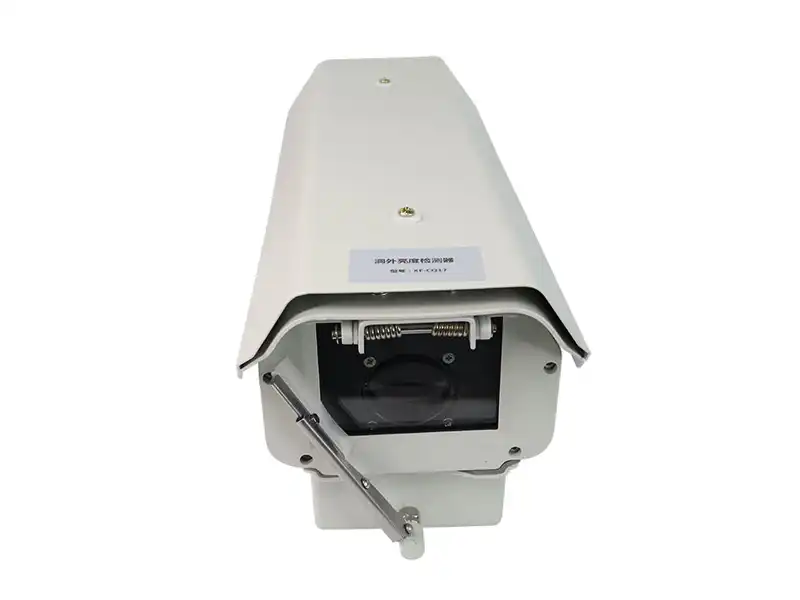
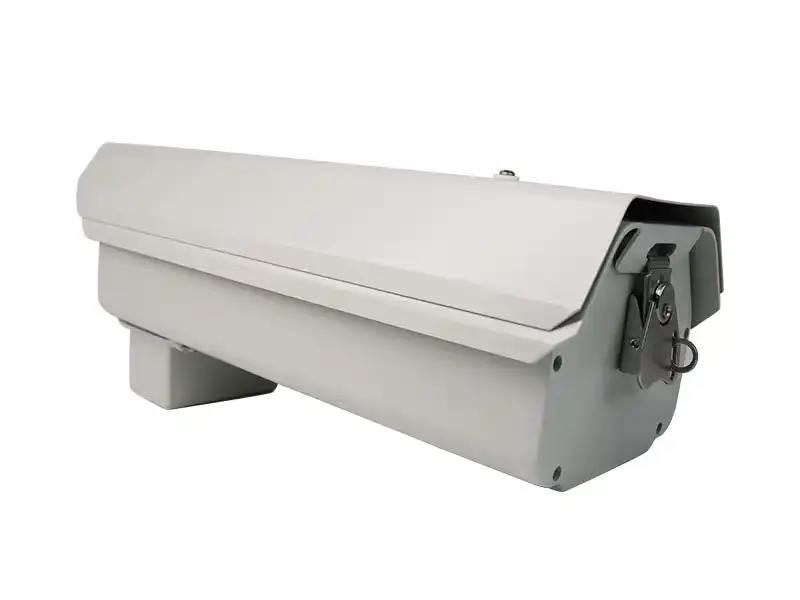
Tunnel Luminance Sensor
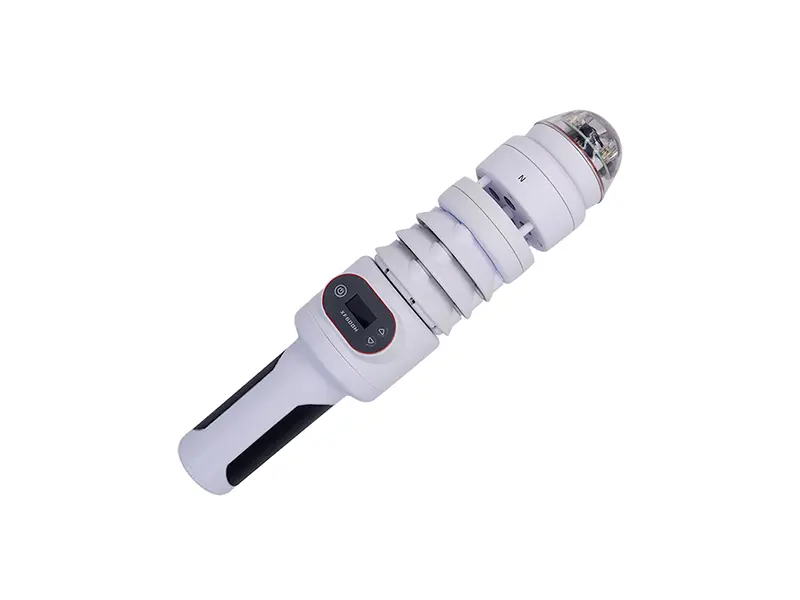
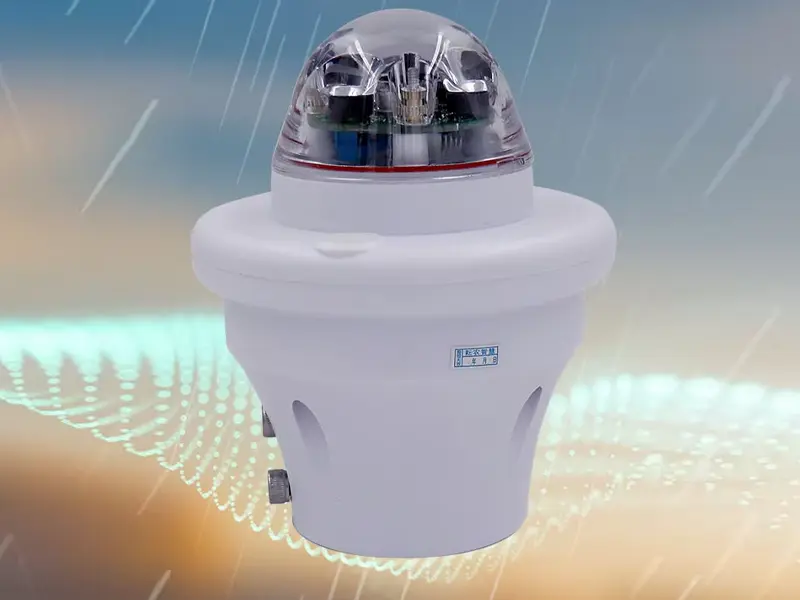
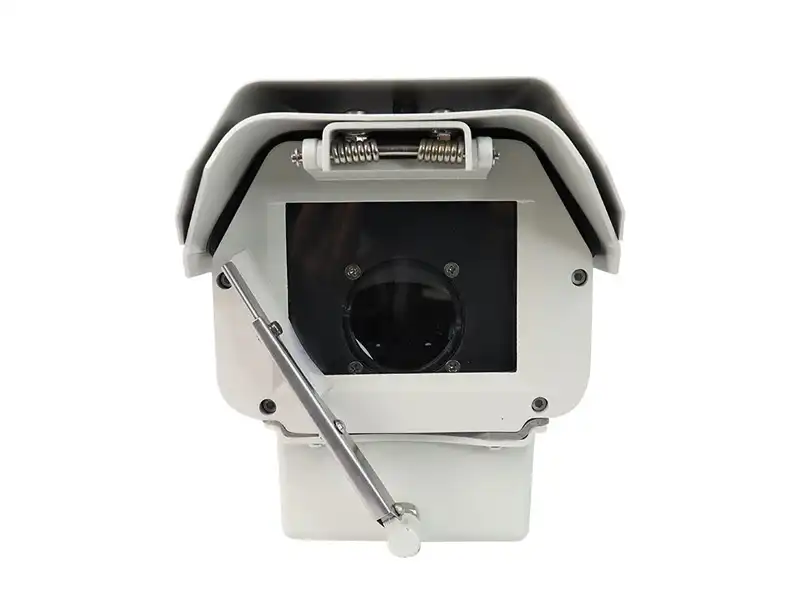
A tunnel luminance sensor (Also known as tunnel brightness detector) measures road brightness (cd/m²) to enable smart lighting control for safer and more energy-efficient tunnels. It offers high accuracy, fast response, and durable design for harsh environments, using photoelectric conversion to match human eye sensitivity. Widely used in highway tunnels, urban underpasses, and intelligent transportation systems.
- Range: 0~7000cd/㎡
- Measuring Angles: Vertical ≥20°; Horizontal ≥20°
- Accuracy: ≤0.1cd/㎡
- Ambient temperature: -40-65℃
- Ambient humidity: 0-100 %RH (non-condensing)
- Output: 1 4-20mA, 1 RS485
- Supply:220V±15%VAC 50HZ
Price: $363.95–$436.74
Introduction
A luminance sensor for tunnels is a specialized optical device designed to measure road surface brightness and ambient luminance at tunnel entrances, interiors, and exits. As a professional luminance sensor supplier, we provide high-precision solutions that help optimize tunnel lighting control systems, improve driver visual adaptation, and enhance road safety while reducing energy consumption.If you’d like to learn more about “What Is a Traffic Sensor? Types, Applications & Working Principles,” please click here.
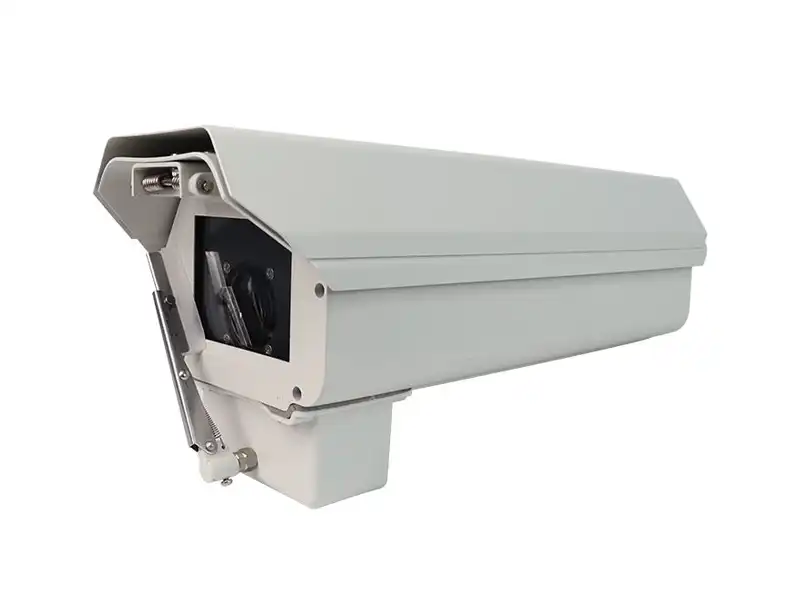
Structure luminance sensor
- Optical Lens System
Focuses incoming light from the target surface - Spectral Filter (V(λ))
Matches human eye sensitivity curve - Photodiode Detector
Converts light into electrical signals - Signal Processing Circuit
Amplifies and linearizes the signal - Microcontroller Unit (MCU)
Calculates luminance values (cd/m²) - Output Interface
RS485, Modbus, 4–20mA, or 0–10V - Protective Housing
IP65/IP67 enclosure for outdoor durability - Mounting Bracket
Adjustable installation for correct viewing angle
Working Principle luminance sensor
A luminance sensor operates based on photoelectric conversion. It uses a high-sensitivity photodiode combined with optical filters that match the human eye’s spectral response curve (V(λ)).If you want to learn about “What Is a Tunnel Luminance Sensor? Working Principle & Applications,” click here.
When light from the road surface or environment enters the sensor:
- The optical system focuses the light onto the photodiode.
- The photodiode converts light intensity into an electrical signal.
- The signal is processed and calibrated to output accurate luminance values (cd/m²).
Advanced models may incorporate angle correction optics to simulate the driver’s field of view, ensuring more realistic luminance measurements for tunnel lighting control.
Details Show
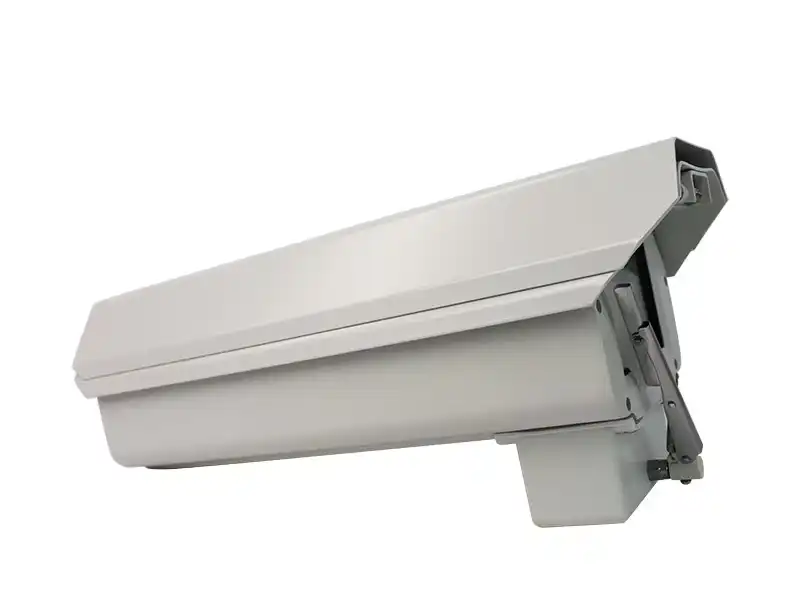
Luminance sensors utilize high-precision optical and electronic technologies to achieve stable measurements of surface brightness. In tunnels, on roads, and in complex lighting environments, their structural design and core components directly determine the accuracy and reliability of measurements. Below, we will begin with the key components to provide a detailed analysis of the external structure and operational principles of tunnel brightness monitors, helping you gain a clearer understanding of their performance advantages and application value.Want to learn about “Tunnel Luminance Sensor vs. Illumination Sensor: Differences Explained”? Click here to read more.
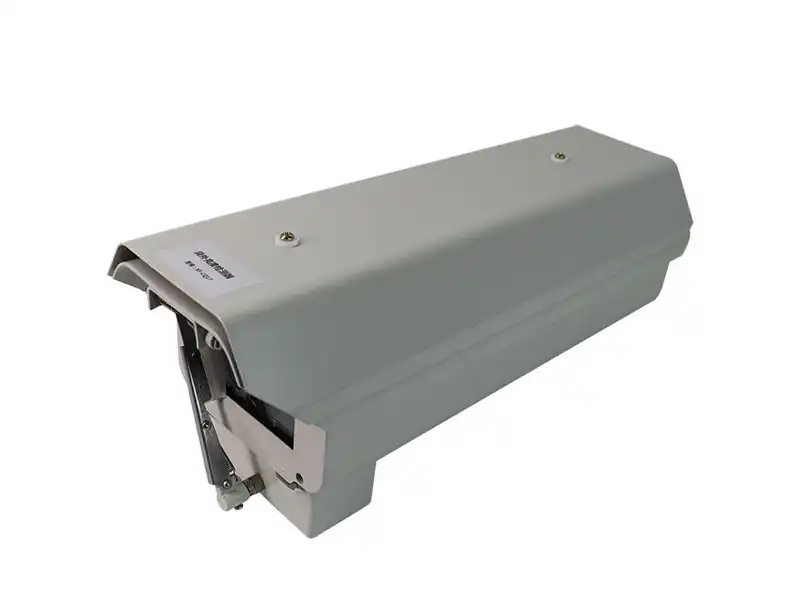
Specifications
The luminance sensor features a measurement range of 0–7000 cd/m² and high-precision measurement, supports 4–20 mA and RS485 outputs, and is suitable for smart lighting control. With a measurement viewing angle of ≥20°, it better aligns with the driver’s field of vision. It operates reliably at temperatures ranging from -40°C to 65°C and under IP66 protection, meeting the requirements of complex environments such as tunnels. Below are the specifications for the luminance sensor:
Parameters
| Type | Other | Accuracy Class | Standard Accuracy |
| Voltage | 220V Electrical Equipment | Protection Class | IP66 |
| Warranty | 1 Year | Customized Support | OEM, ODM, OBM |
| Power | other | Accuracy | Other |
| Place of Origin | Hebei, China | Brand Name | Yantai |
| Range | 0~7000 cd/㎡ | Measuring Angles | Vertical ≥20°; Horizontal ≥20° |
| Accuracy | ≤0.1 cd/㎡ | Ambient Temperature | -40~65℃ |
| Ambient Humidity | 0-100 %RH (non-condensing) | Output | 14-20mA, 1 RS485 |
| Supply | 220V±15%VAC 50HZ | Protection Level | IP66 |
| Total Weight | 2.5kg | Dimensions | 376 x 136 x 164mm |
Features luminance sensor
High Accuracy Measurement
Precisely measures luminance in cd/m², ensuring compliance with international tunnel lighting standards
Wide Dynamic Range
Capable of detecting luminance from very low light levels to extremely bright daylight at tunnel entrances.
Fast Response Time
Real-time data output supports dynamic lighting control systems.
Robust Environmental Design
IP65/IP67 protection, resistant to dust, humidity, vibration, and harsh outdoor environments.
Multi-Output Options
Supports RS485, Modbus, analog output (4–20mA / 0–10V) for seamless system integration.
Low Maintenance
Anti-pollution optical window and long-term stability reduce calibration frequency.
Applications Tunnel Brightness Detector
Tunnel brightness detectors are widely used in intelligent lighting and visibility management systems, providing accurate brightness data to ensure safety, comfort, and energy efficiency in complex lighting environments.
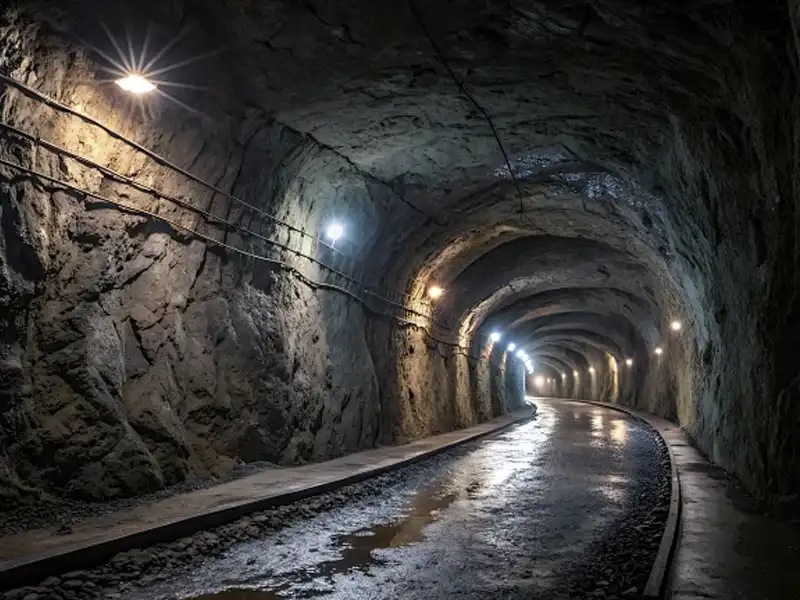
Tunnel Lighting
Adjusts lighting levels for safe entry and exit visibility.
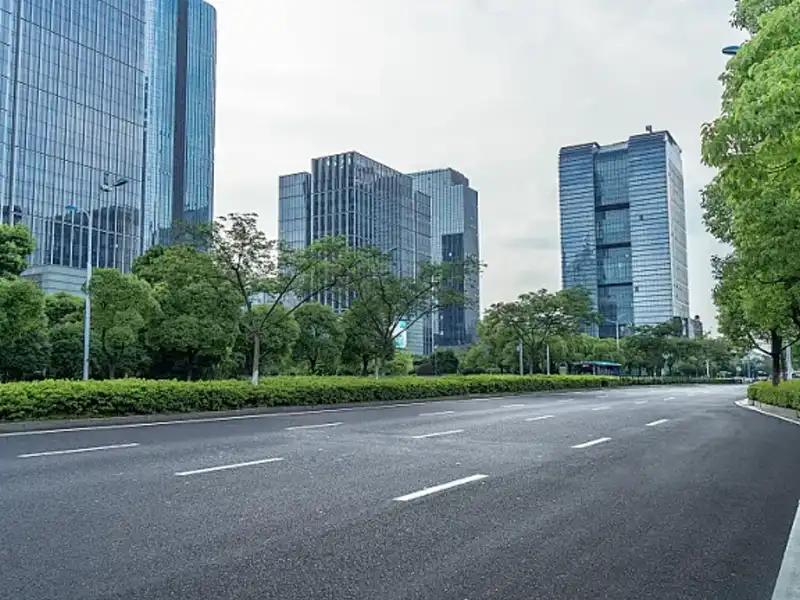
Urban Roads
Ensures consistent brightness in underpasses and city roads.
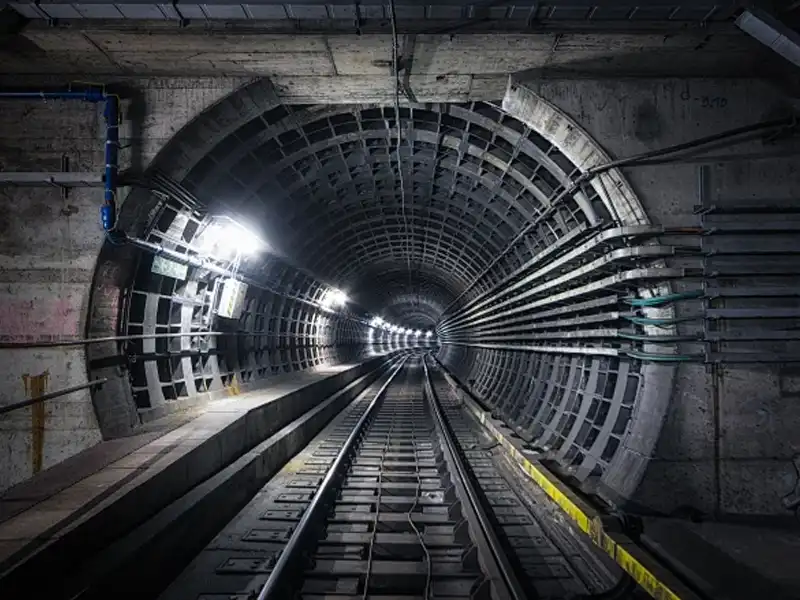

Bridges
Controls lighting in semi-enclosed traffic areas.


Airports
Monitors runway and apron surface brightness.
custom luminance sensor
Luminance sensors can be flexibly customized to meet different project requirements, ensuring optimal performance across various environments, installation conditions, and system integrations.
Customization Options
- Measurement Range
Adjustable luminance range to suit low-light or high-brightness environments - Viewing Angle
Custom optical angles based on installation position and field of view - Output Signals
Options such as RS485, Modbus, 4–20mA, or 0–10V for system compatibility - Housing Design
Enhanced protection levels (IP65/IP67) and materials for harsh conditions - Power Supply
Custom voltage options (DC or AC) to match site requirements - Mounting Solutions
Tailored brackets and installation methods for different scenarios - Calibration Standards
Factory calibration based on international or project-specific standards
Luminance Sensor Manufacturer and Supplier
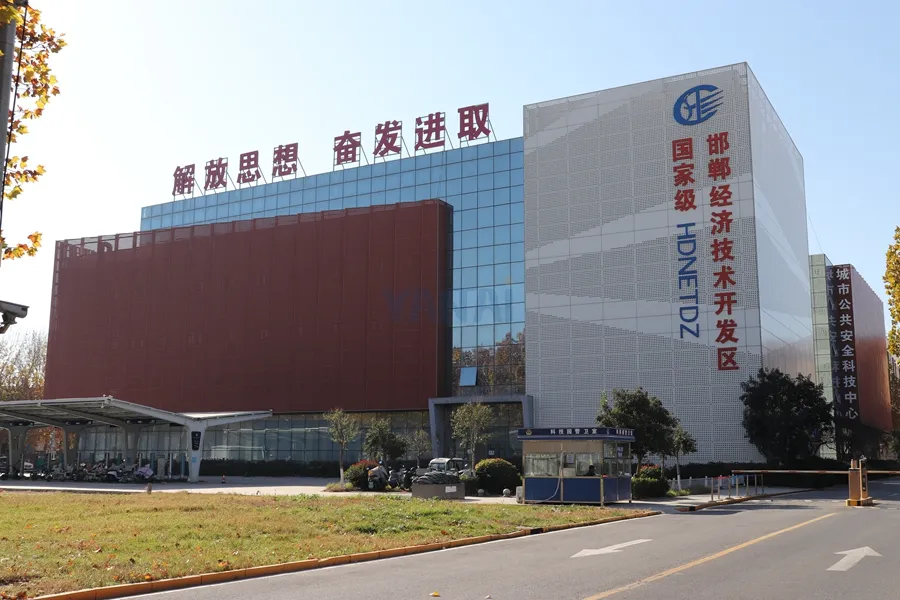
Yantai Sensor is a professional luminance sensor manufacturer and supplier, specializing in high-precision brightness measurement solutions for tunnels, highways, bridges, and urban roads to enhance traffic safety and smart lighting management. Our luminance sensors are designed for reliable, long-term operation in complex outdoor environments, ensuring accurate and stable brightness monitoring for intelligent transportation systems and tunnel lighting control.If you would like to learn more about the Tunnel Monitoring System: Sensors, Applications & Benefits, please click here
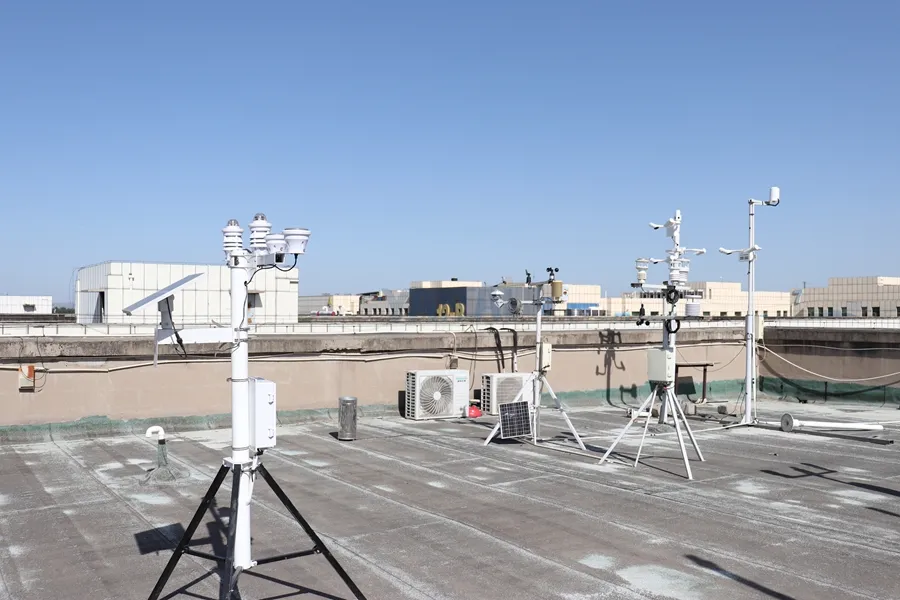
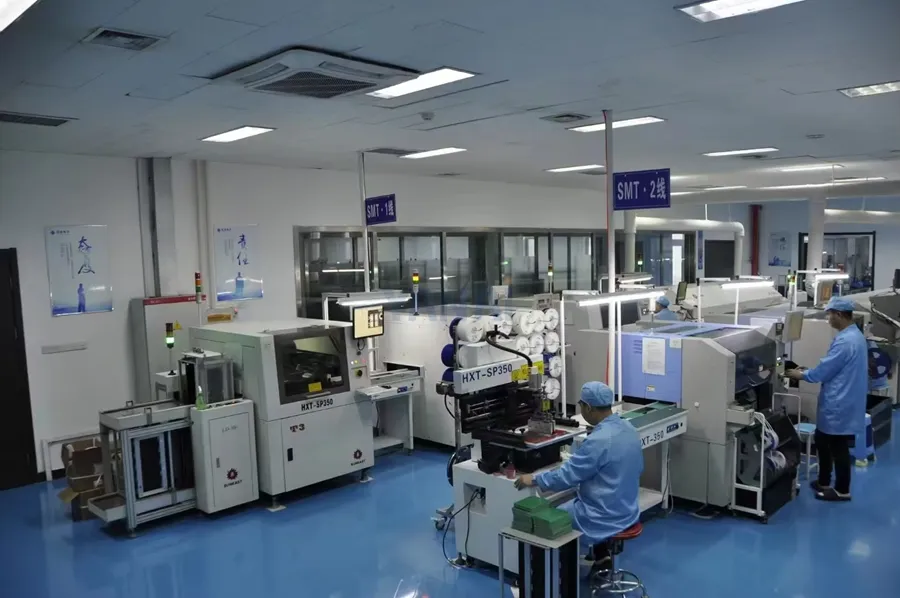
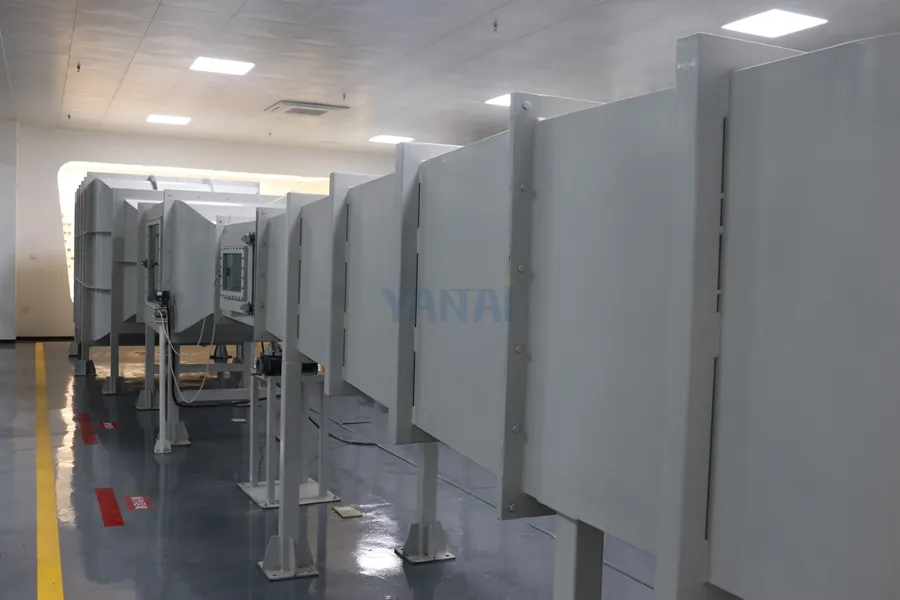
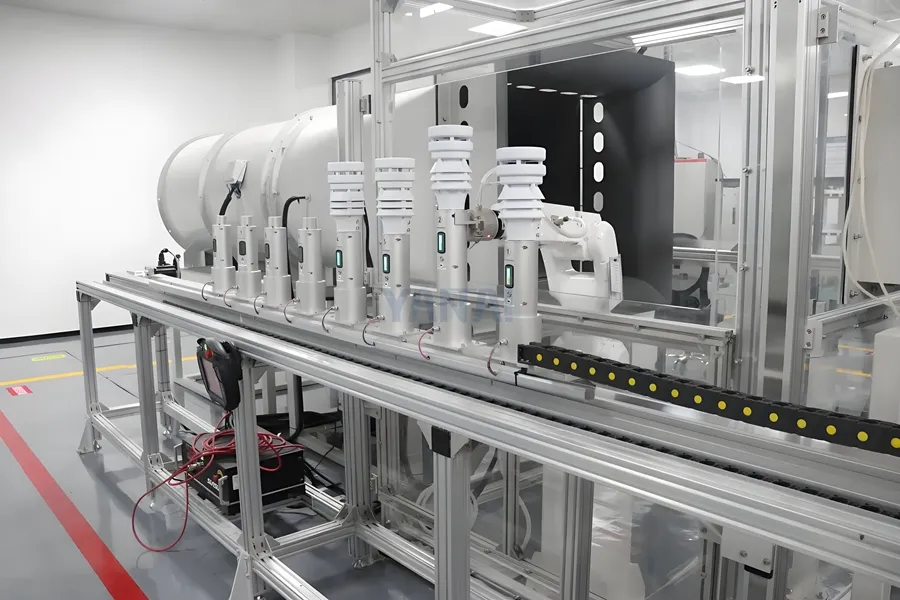
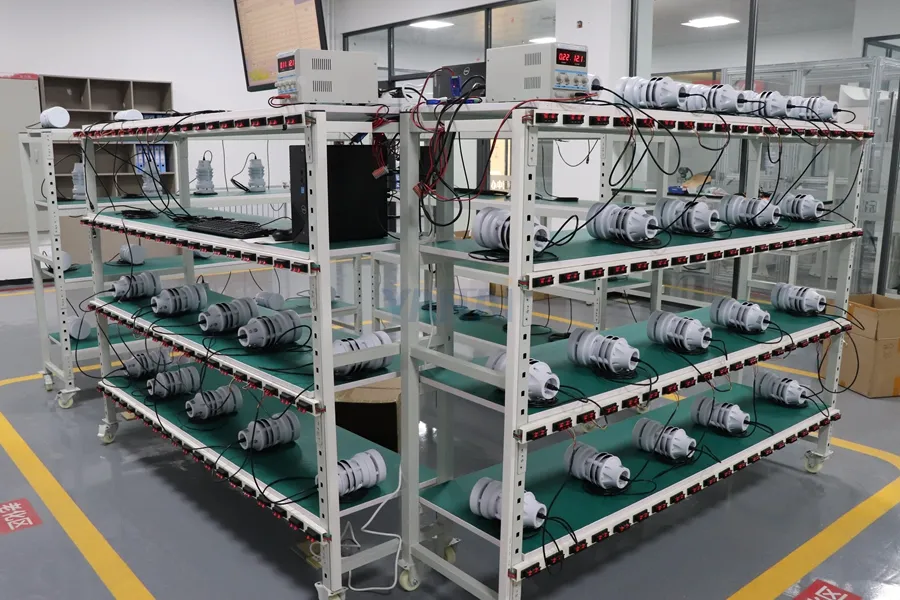
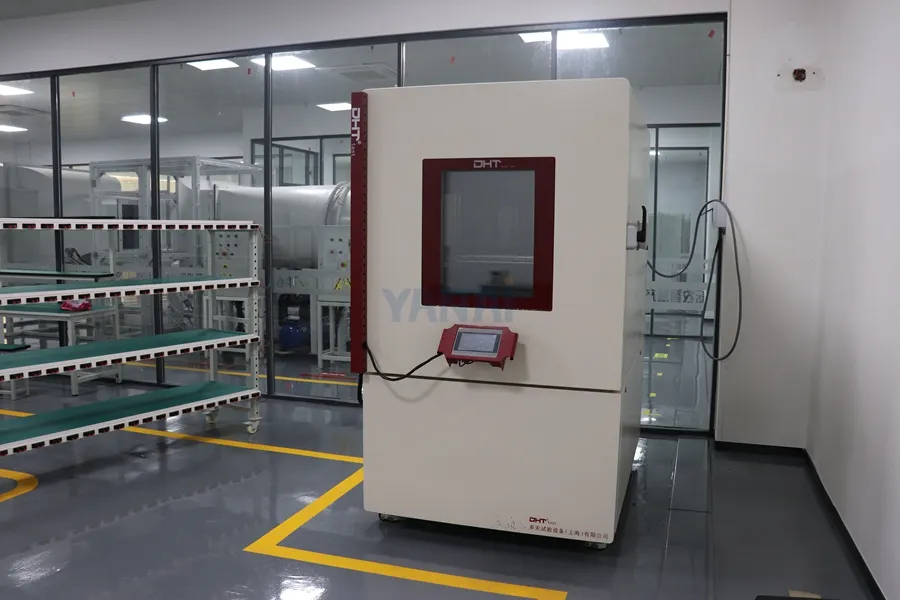
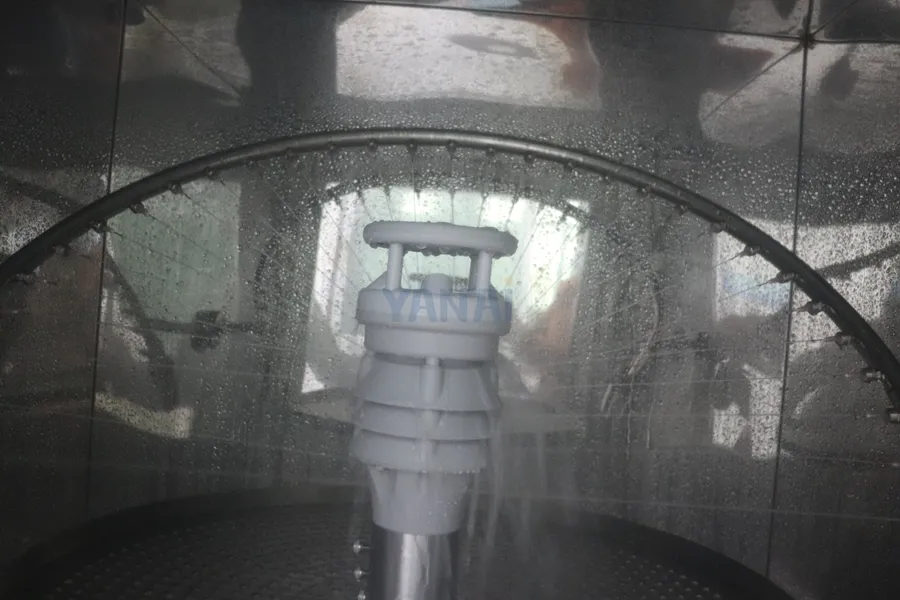
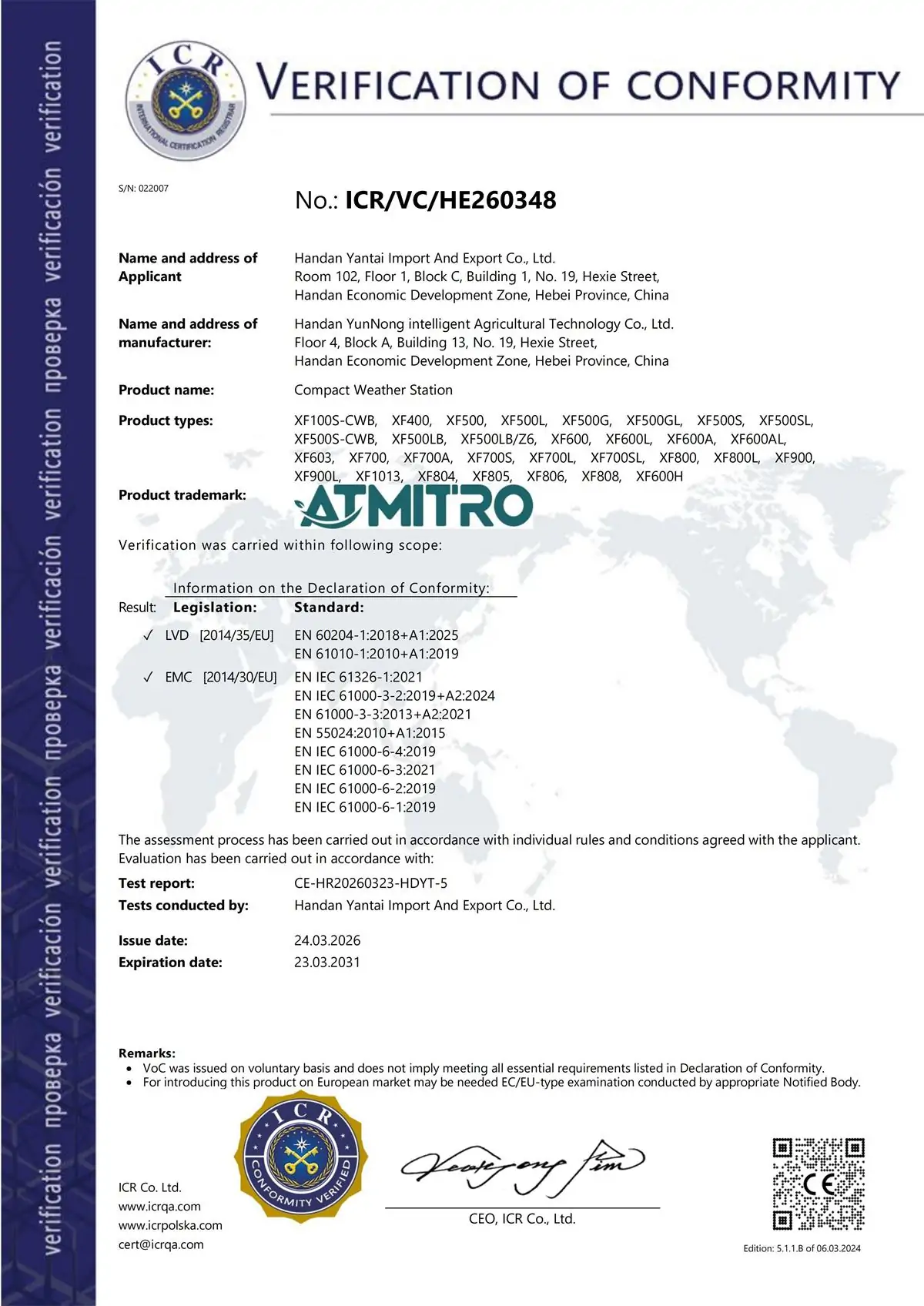
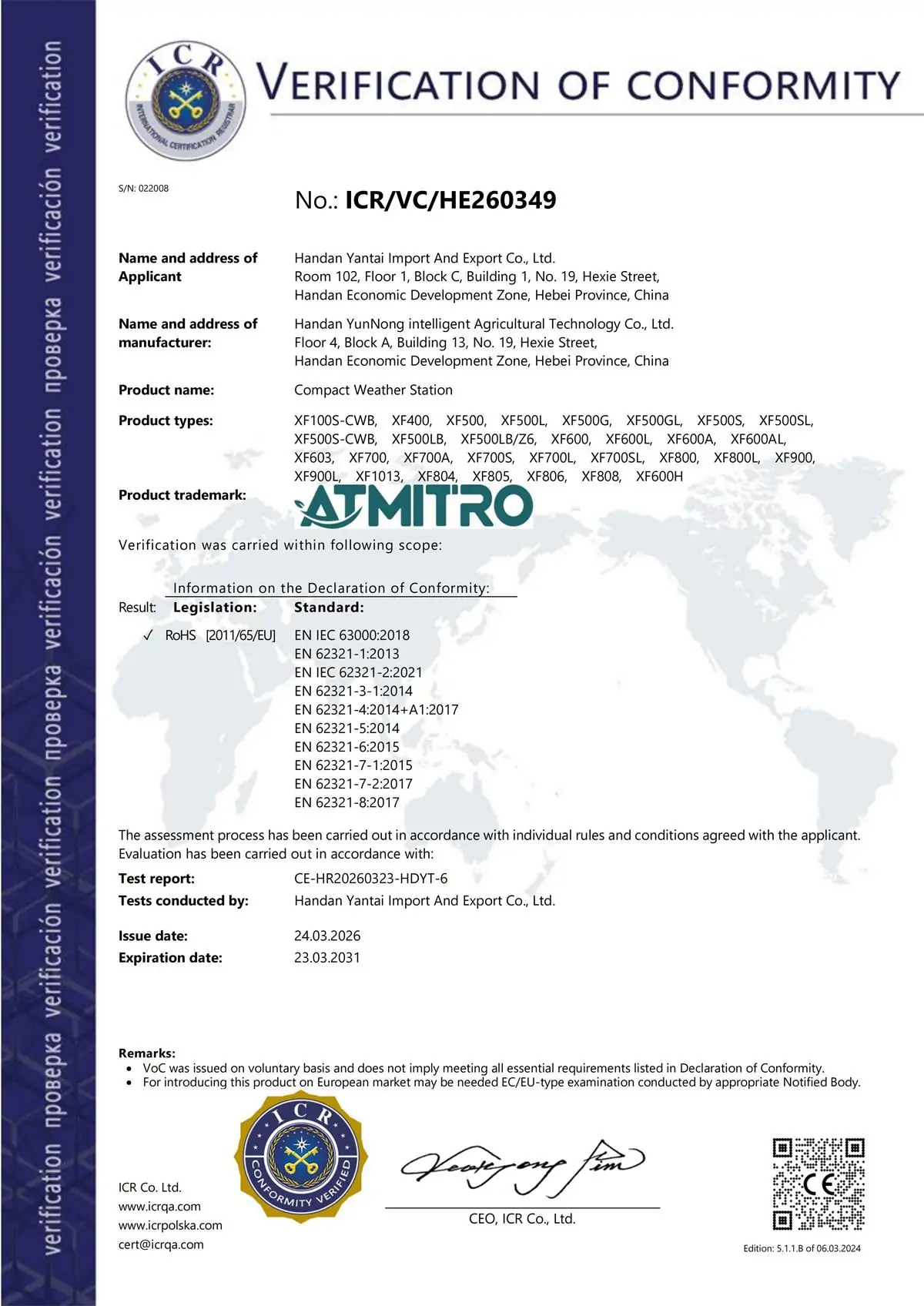
With independent R&D capabilities, advanced production facilities, and a dedicated environmental testing laboratory, each luminance sensor undergoes rigorous quality inspections, including temperature and humidity aging, tunnel air quality monitoring system, vibration testing, and performance evaluation. Backed by multiple patents and certifications such as CE, ISO, and RoHS, we provide high-quality tunnel brightness monitors along with flexible OEM/ODM services to support tunnel lighting, smart road infrastructure, and global traffic safety projects.