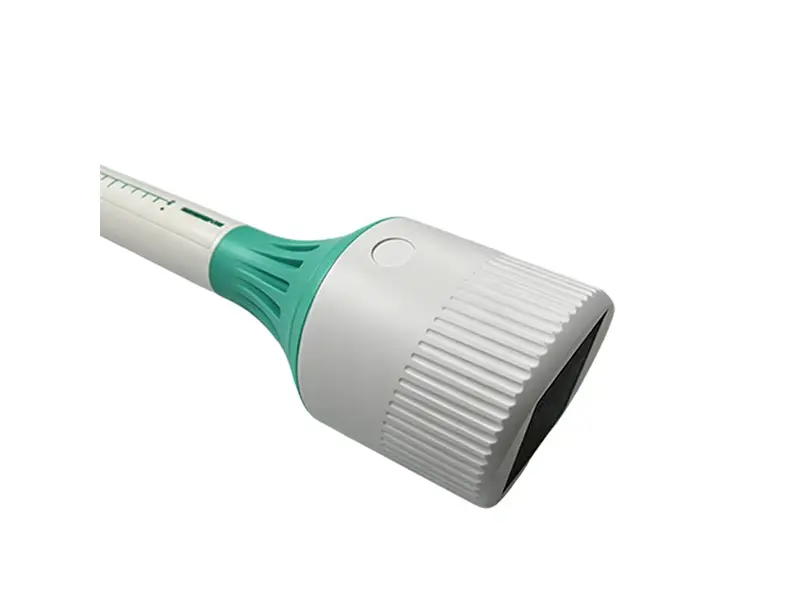
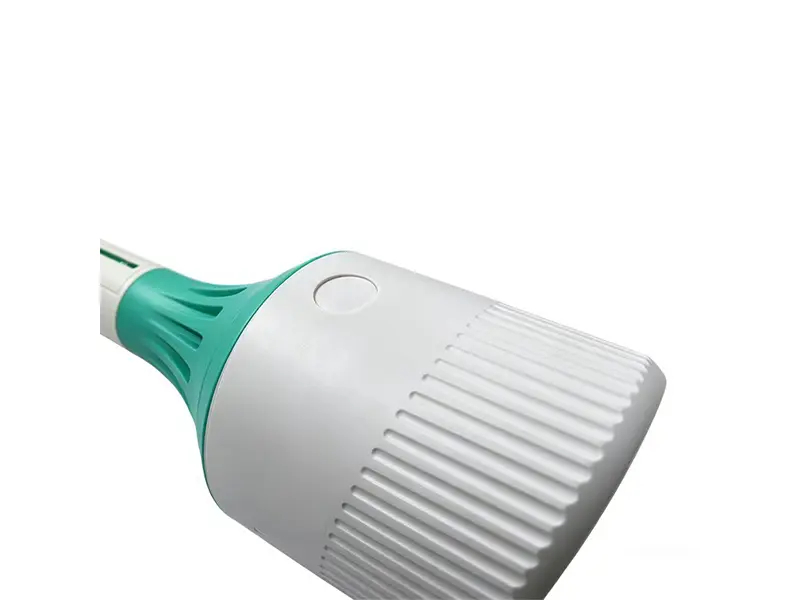
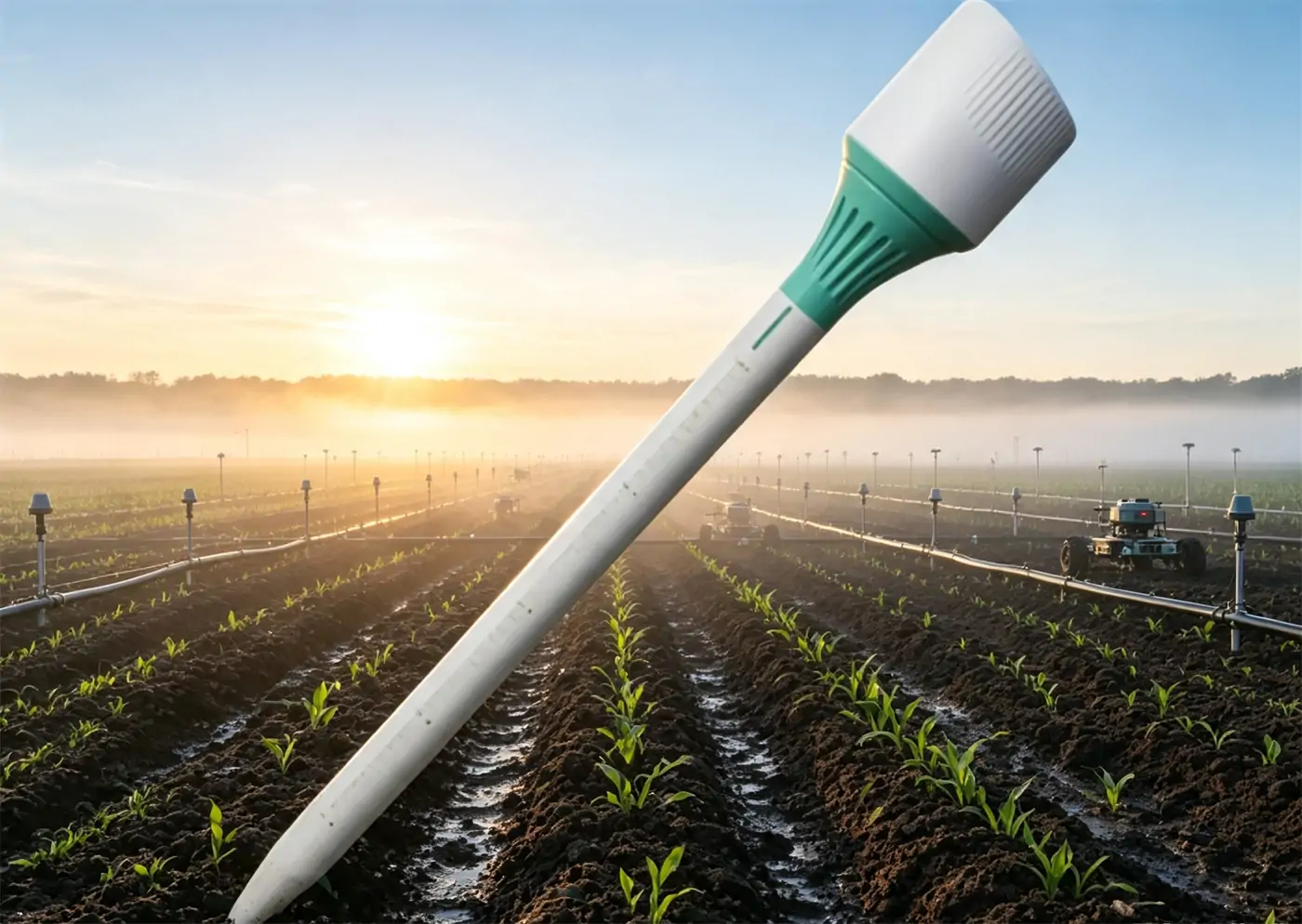
Tubular soil monitoring instrument
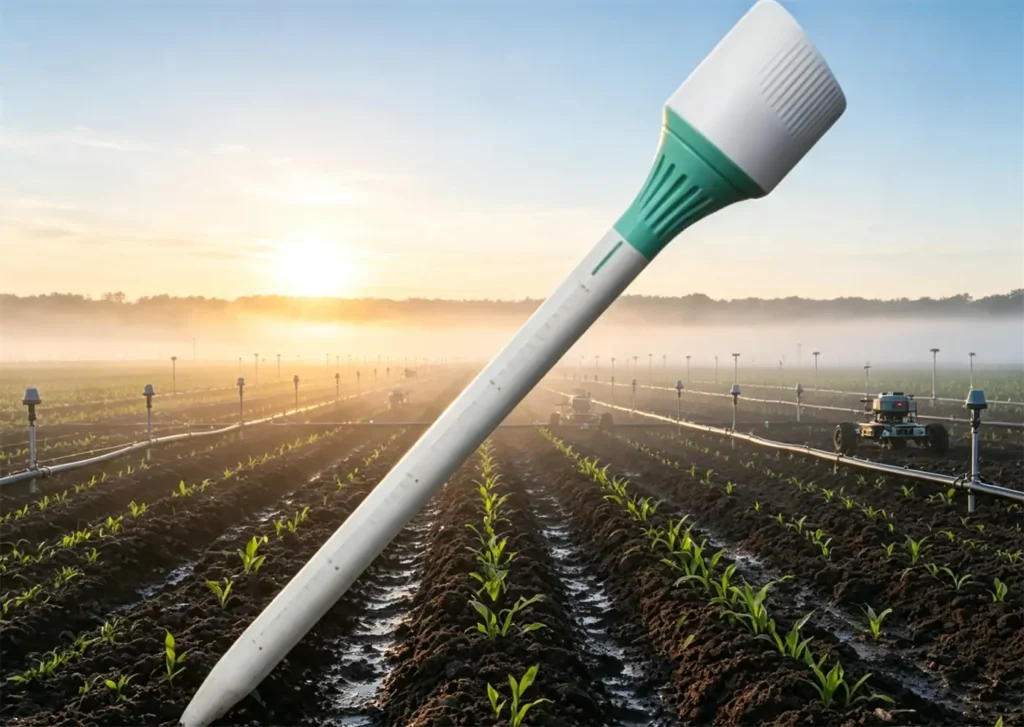
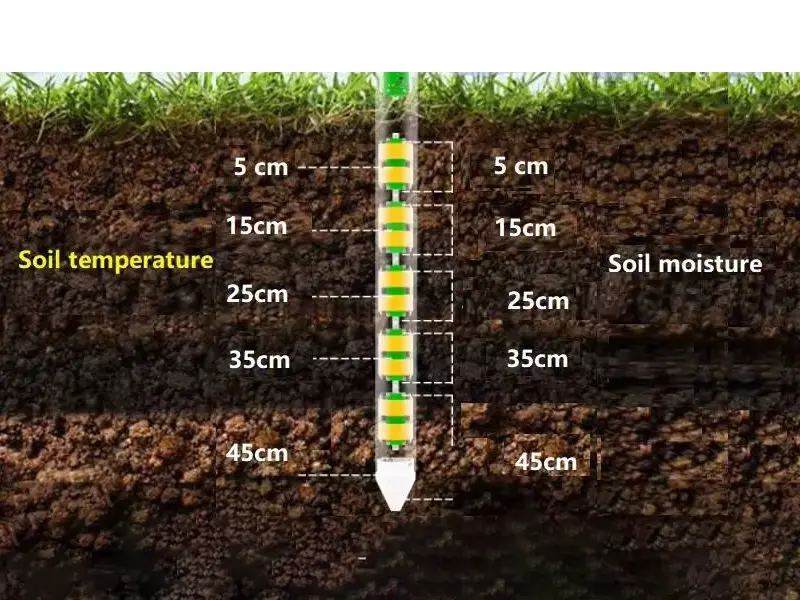
Tubular soil monitoring instrument is an intelligent device utilizing high-precision chips and advanced algorithms. Integrated with IoT technology, it monitors soil temperature and humidity at various depths. Data is transmitted to the data center via RS485 output or 4G networks. This device finds extensive application in soil monitoring across farmlands, forest areas, grasslands, and irrigation zones. It also provides critical data support for water conservancy and land disaster prevention, such as monitoring natural hazards like landslides and debris flows.
|
Parameter |
Specification |
|---|---|
|
Humidity range |
0~100%Vol |
|
Soil temperature range |
-40~+60℃ |
|
Sensor working voltage |
Sensor input is 5-24V DC |
|
Working temperature |
-40℃~+80℃ |
|
RTU power consumption |
Standby 10μAh, transmission 100mAh |
US$172.56–1223.64/ Unit
Introduct
The HCS-4 Tubular Soil Monitor is a high-precision soil temperature and humidity monitoring device specifically designed for multi-layer soil environment monitoring. This equipment measures temperature and humidity across four soil layers and transmits data in real time via RS485 or 4G wireless communication, providing accurate information about soil conditions. It finds applications in agriculture, forestry, water conservancy, grassland management, and other fields.
Structure of Tubular soil moisture sensor
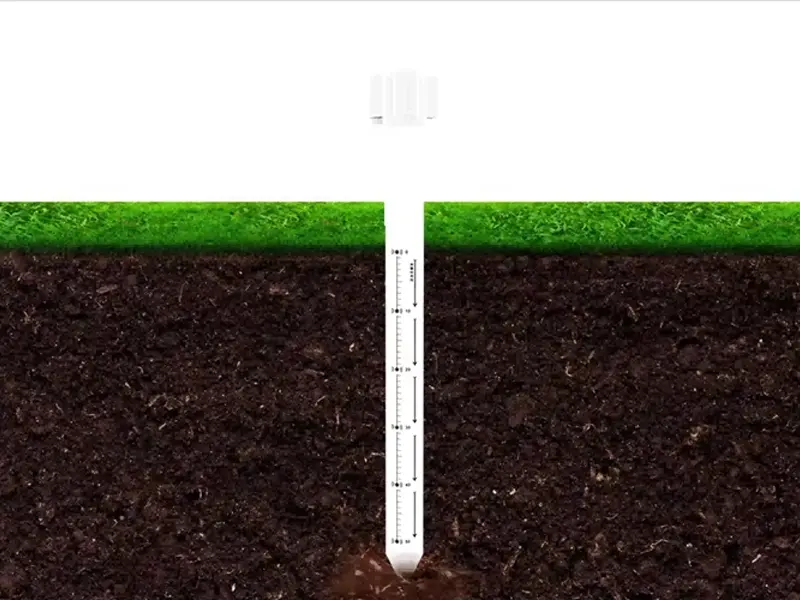
Sensor Assembly: Includes soil moisture sensors, soil temperature sensors, GPS positioning modules, etc. The sensor assembly is buried in the soil to collect real-time soil temperature and humidity data. The sensor assembly collects data in real time, which is processed and stored by the data acquisition unit. Tubing houses the sensors, the communication module transmits data, and the battery provides power.
Principle
The tube-type soil monitor collects data via sensors, processes it, and transmits it to the platform, enabling real-time monitoring of soil moisture and temperature while providing alerts and feedback.
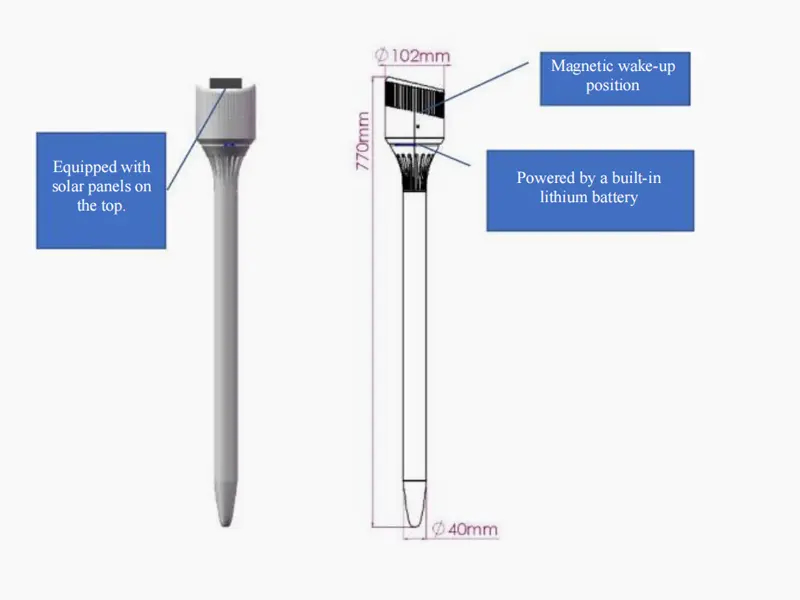
Details Show
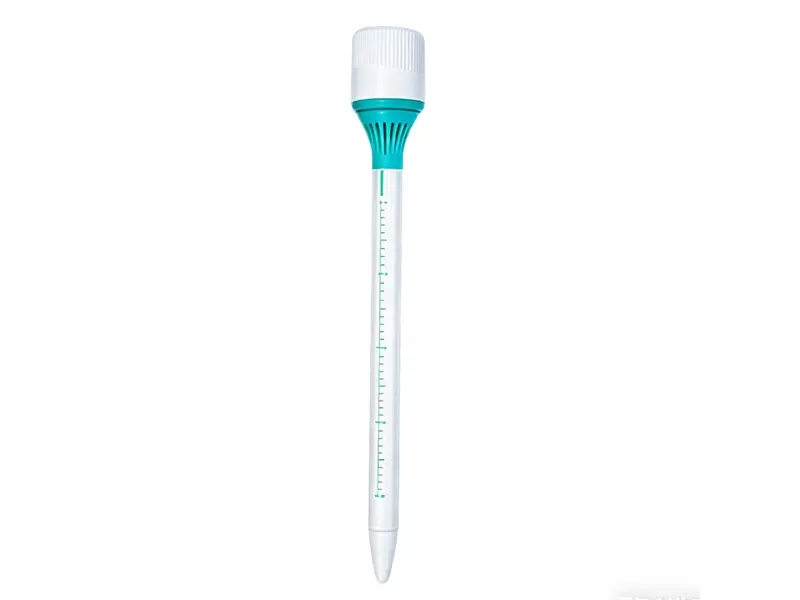
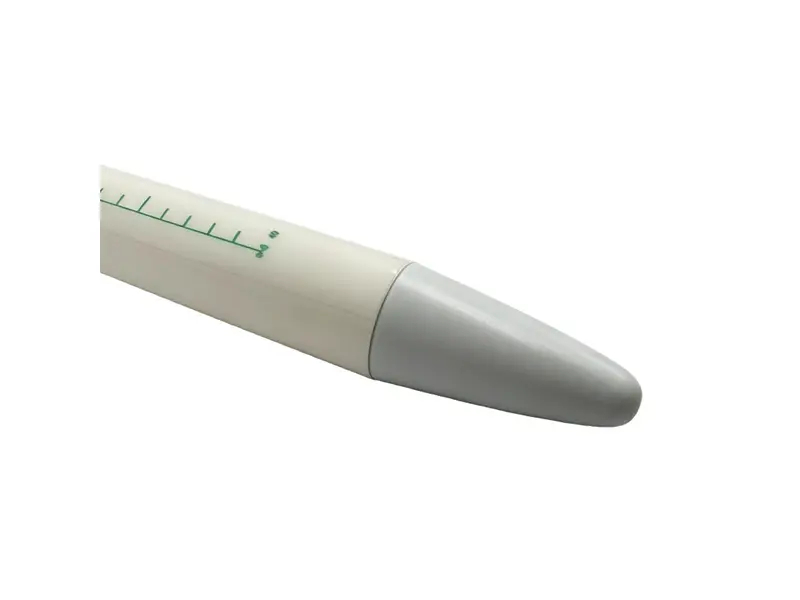
Below is a detailed view of our tubular soil monitoring instrument, offering a clear understanding of our product. This device delivers precise soil monitoring data reliably and efficiently across diverse environments.
Installation
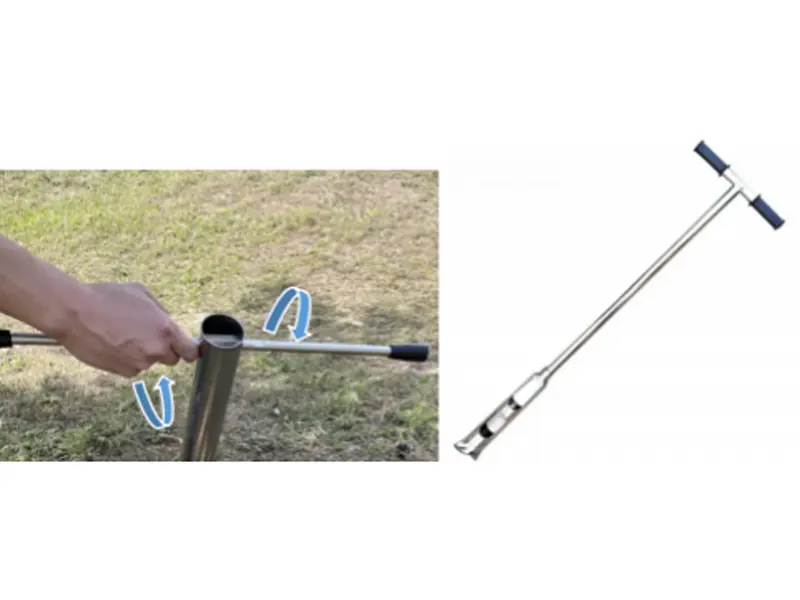
- Select a relatively level installation location and use an earth auger to drill holes directly into the ground.
- Remove the blue tube cap from the bottom of the pipe test soil drill and take out the handle. Screw both handles clockwise into the two ends of the threaded coupling.
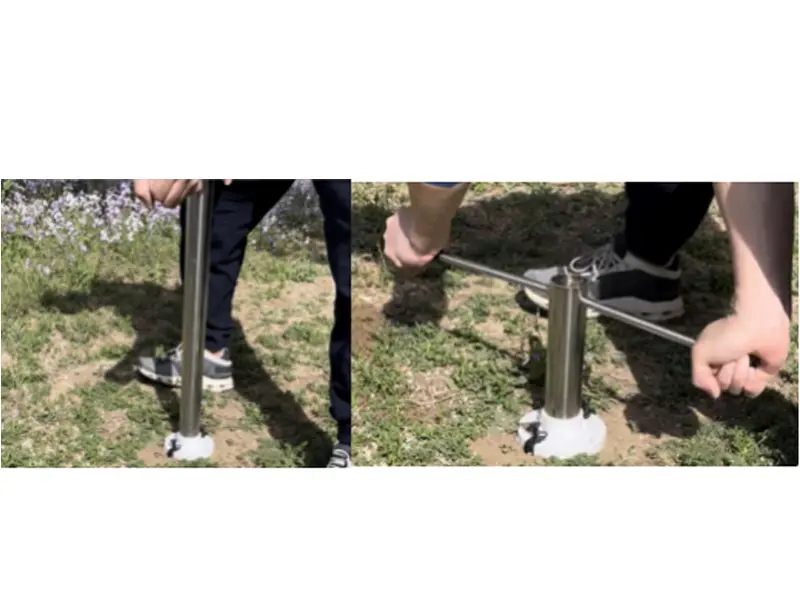
- Insert the tubular soil auger vertically through the center hole of the flange plate. Apply appropriate downward pressure while simultaneously rotating it back and forth horizontally with both hands until the desired depth is reached (during this process, you can feel if there are stones in the soil; if excessive stones are encountered, relocate the site). During drilling, every 10cm of maximum depth, withdraw the auger and vigorously shake it to dislodge soil from the tube. Alternatively, use an extended screwdriver handle or hammer handle (never strike the tube body with a hammer to prevent deformation) to tap the lower section of the auger, vibrating out the soil, or dig out soil from the bottom with a screwdriver until all soil is removed. Measure the drilling depth with a ruler; it should be 7-8 cm deeper than the sensor’s measured depth.
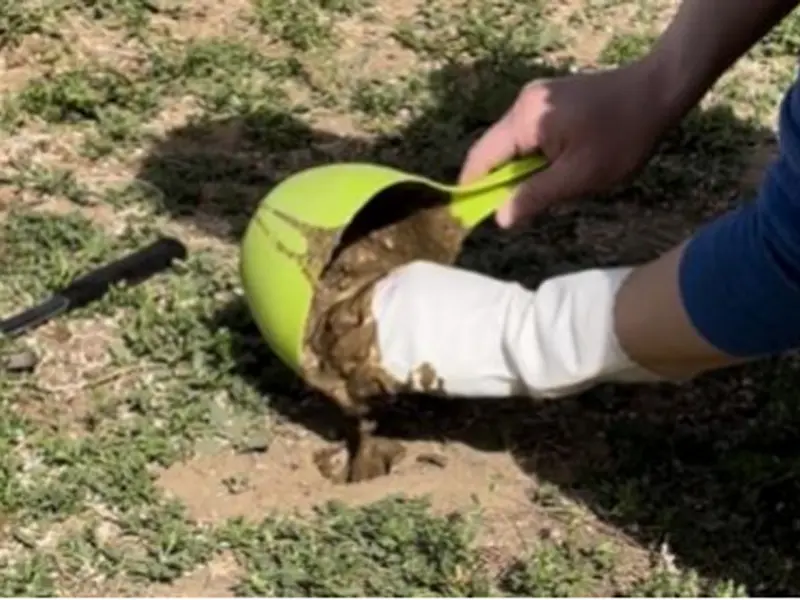
- Sift the soil extracted from the drilled holes and mix it into a slurry. Pour the slurry into the prepared ground holes, ensuring the injection volume reaches at least two-thirds of the hole depth.
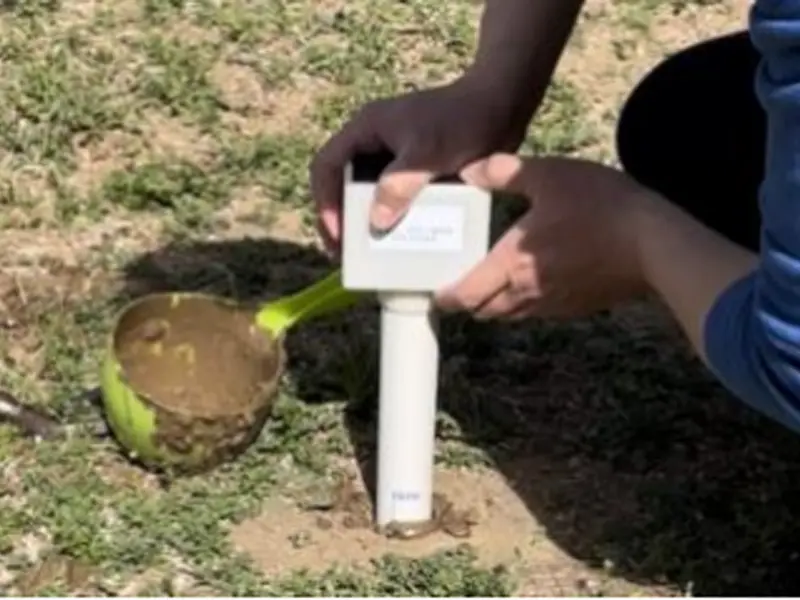
- Insert the sensor into the mud-filled ground hole, ensuring the sensor’s marked horizon level aligns flush with the ground surface.
Specifications
Our soil probe offers exceptional measurement accuracy and a durable design, providing data on soil moisture and temperature. Below are its detailed technical specifications:
Parameters
| Measurement parameter | Soil volumetric moisture content (soil moisture) |
| Unit | % (m³/m³), or %Vol (volume moisture content, volume moisture content) |
| Humidity range | 0~100%Vol |
| Resolution | 0.1%Vol |
| Accuracy | Error within effective range ≤3%Vol |
| Measurement area | 90% of the influence is within the 10cm diameter cylindrical measurement carrier surrounding the sensor |
| Accuracy drift | None |
| Sensor linear discrete deviation probability | 1% |
| Measured parameter | Soil temperature |
| Soil temperature range | -40~+60℃ |
| Resolution | 0.1℃ |
| Accuracy | ±0.5℃ |
| Stabilization time | About 1 second after power on |
| Sensor working voltage | Sensor input is 5-24V DC |
| Sensor operating current | Quiescent current 4mA, acquisition current 35mA |
| Sensor waterproof level | IP68 |
| Working temperature | -40℃~+80℃ |
| RTU power consumption | Standby 10μAh, transmission 100mAh |
| Transmission | Default 4G output to own platform. Optional RS485 and other outputs, optional third-party docking. |
| Actual power supply capacity of solar panels | ≤0.6W |
| RS485 output type Power supply | DC5-24V, current less than 25mA. |
Features of Tubular soil moisture sensor
Flexible Depth Measurement
Capable of measuring soil depths from 10-80 cm, with default configurations of 4, 5, and 8 layers, and supports customized depths.
Integrated Design
Sensor, data acquisition, transmission, and power supply systems are integrated into one unit, making installation easy and suitable for various environments.
Multiple Data Transmission Options
Supports domestic and international data transmission solutions, including 4G communication and third-party platform integration.
Mobile Remote Control
Equipped with a WeChat mini-program, allowing users to connect via Bluetooth to Android or Apple phones for convenient device operation and configuration.
High-Performance Battery
Built-in high-efficiency lithium battery, the RTU adopts a low-power design. After a full charge, it can work for more than 180 days in continuous rainy weather.
Expandable Features
Supports cloud platform storage technology, GPS positioning, network positioning, and allows for the expansion of more parameter monitoring.
Functions of Tubular soil monitoring instrument
Tubular soil monitoring instrument are widely used across multiple sectors including agriculture, forestry, water conservancy, and environmental monitoring, particularly in agricultural and ecological environment monitoring as well as water resource management. Their high-precision measurement capabilities and real-time data transmission make them essential tools for optimizing resource utilization, enhancing crop yields, and protecting ecological environments.
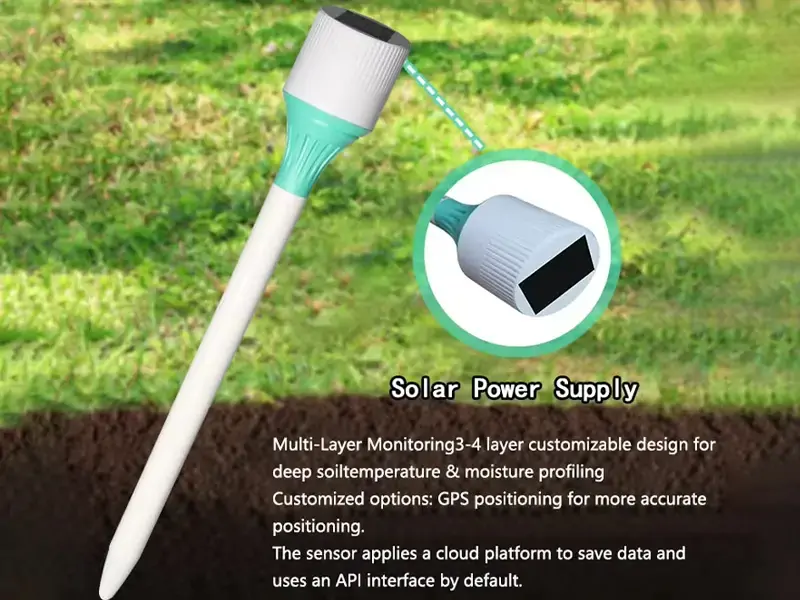
Precision Agriculture
Tubular soil monitors enable farmers to track soil moisture and temperature in real time, adjust irrigation, and optimize crop growth.

Forestry Ecological Monitoring
Equipment tracks soil moisture and temperature fluctuations, supporting scientific decision-making for forest growth, wetland restoration, and fire prevention.
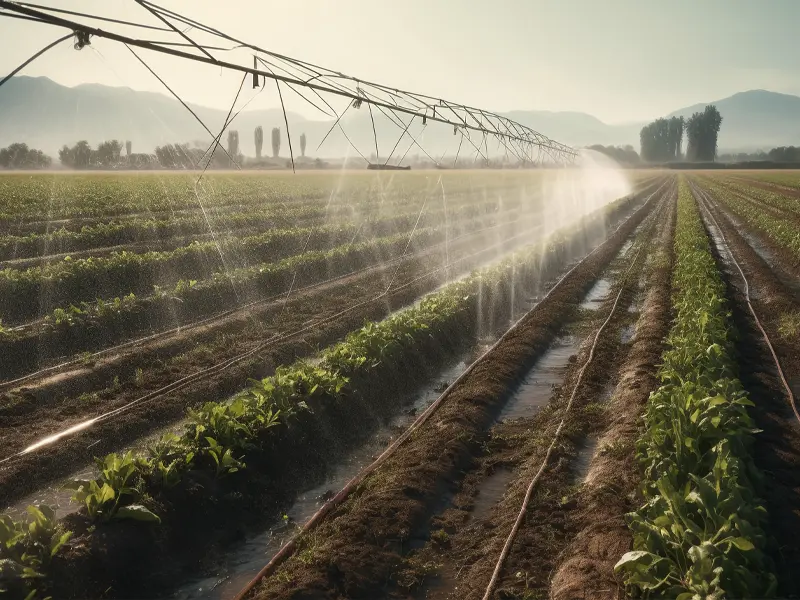
Water Management and Irrigation
Soil monitors accurately measure moisture levels, regulate irrigation volumes, optimize water resource usage, and prevent over- or under-irrigation.
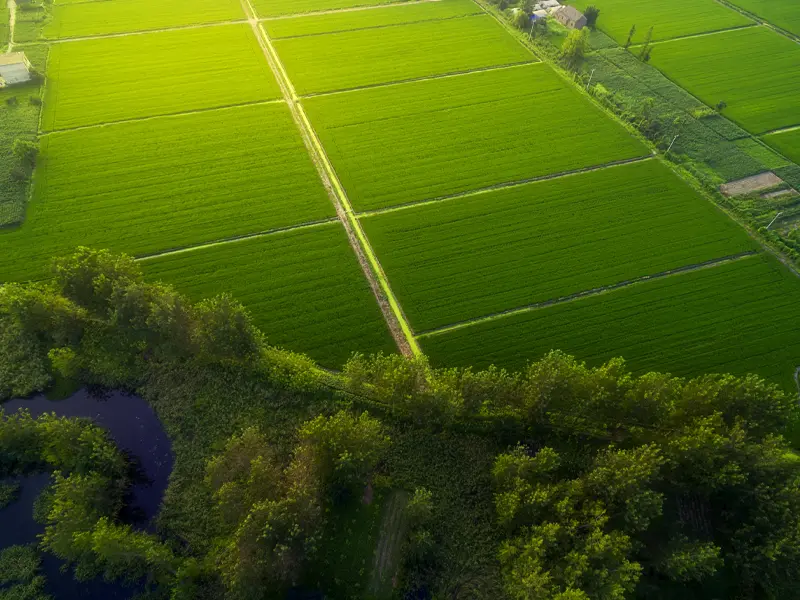
Environmental Monitoring and Protection
Monitor soil conditions in ecological areas such as land, wetlands, and grasslands to support land restoration, pollution assessment, and ecological conservation.
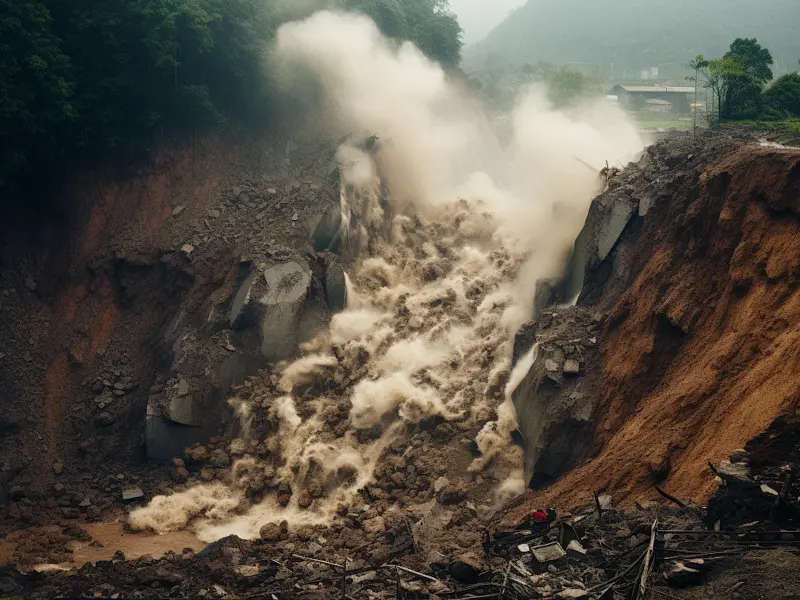
Disaster Early Warning and Prevention
Real-time monitoring of soil moisture and temperature changes enables early identification of potential risks for geological hazards like landslides and debris flows.
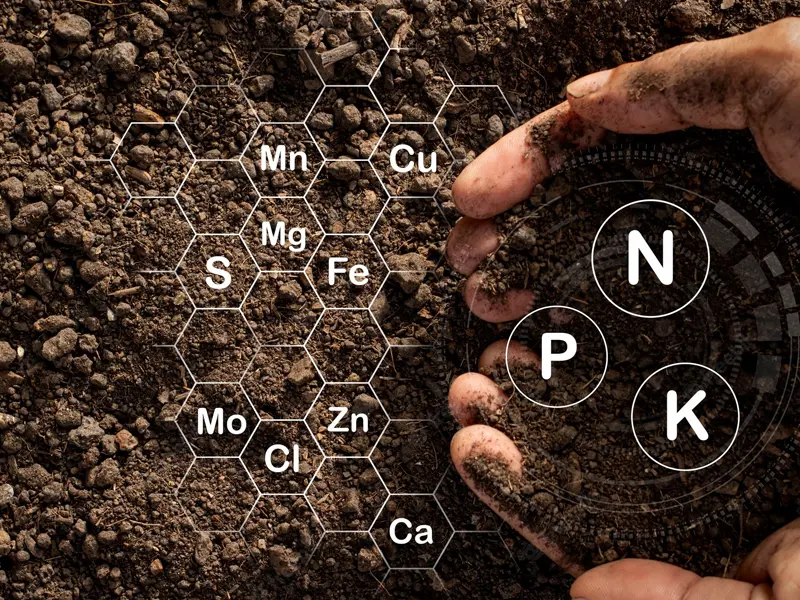
Research and Experimentation
Scientists use soil monitors to collect precise data, supporting research in soil improvement and climate change.
Case
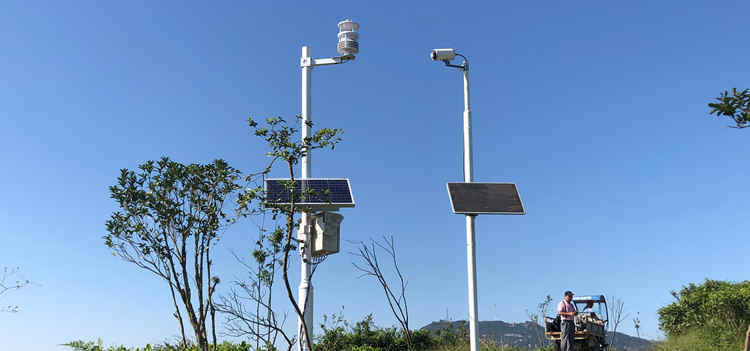
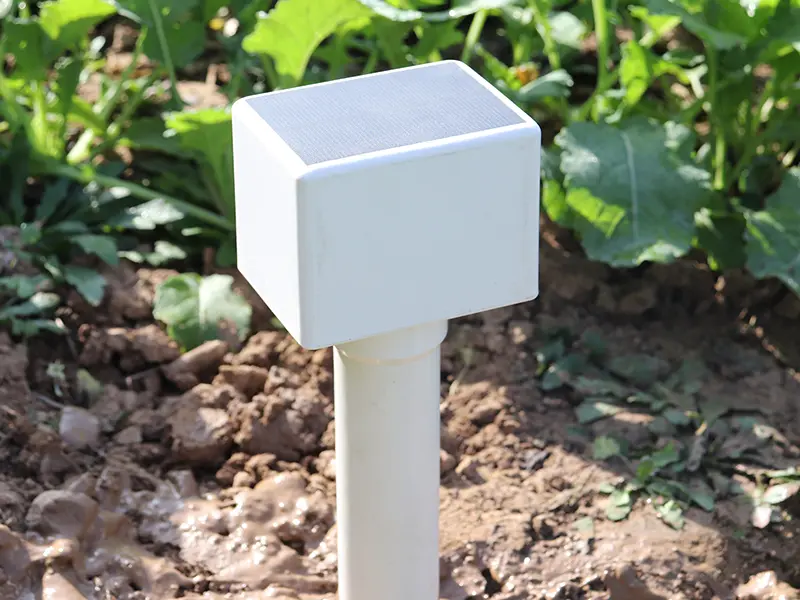
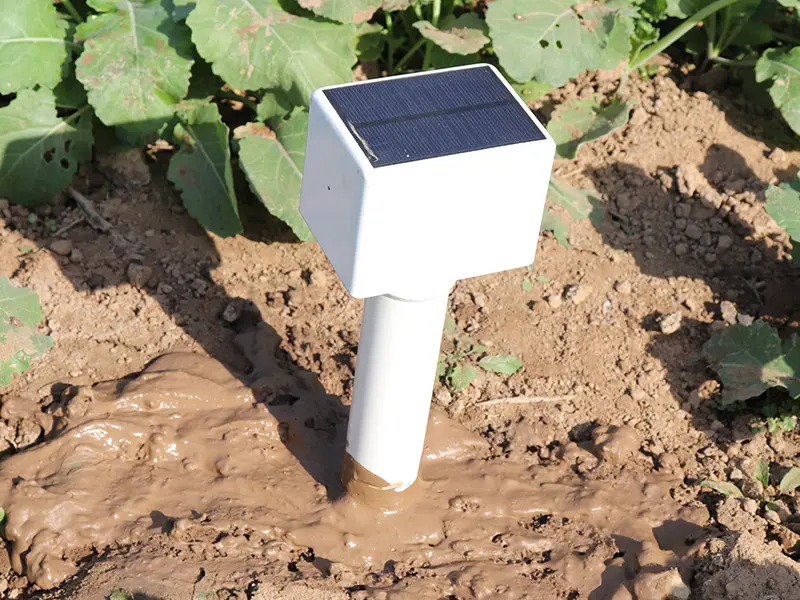
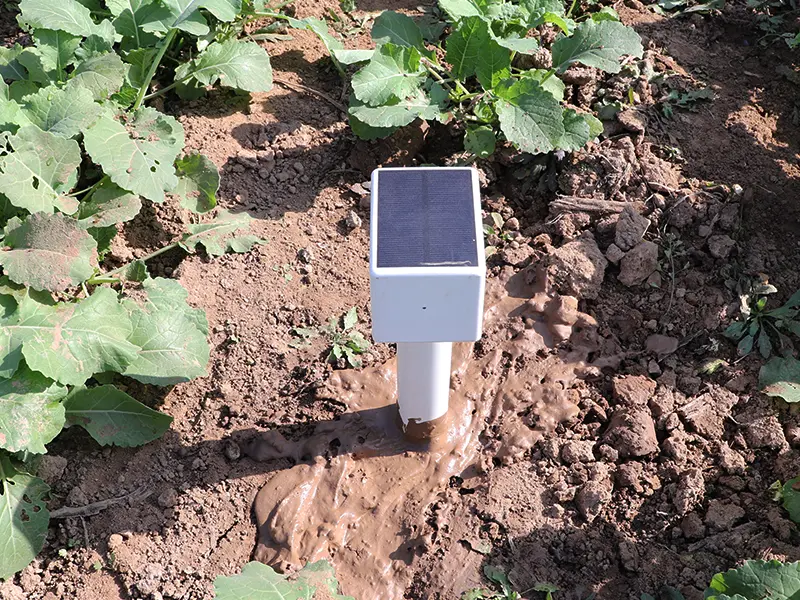
Tubular soil moisture sensor have been successfully applied in numerous agricultural and environmental monitoring projects, fully demonstrating their outstanding advantages in soil monitoring, data stability, and long-term reliability. These case studies not only validate the performance of the monitoring instruments but also provide assistance in irrigation management, soil improvement, and ecological protection. The following are some specific case studies:
custom Tubular soil monitoring instrument
The tubular soil monitoring instrument offers high flexibility and customization capabilities, enabling personalized configuration to meet diverse customer requirements and application scenarios. Whether it concerns depth, measurement parameters, or data transmission methods, adjustments can be made according to specific project needs to deliver tailored solutions. Below is an overview of customization options:
Customization Options
- Customizable Measurement Depth: The tube-type soil monitor allows adjustment of measurement depth to suit varying soil structures and crop requirements, supporting custom settings within the 10-80 cm range.
- Customizable Sensor Types: Users can select different sensor types to monitor soil temperature and humidity, with expandable measurement capabilities for salinity, pH, atmospheric pressure, and other parameters.
- Data Transmission Method Customization: Optional data transmission methods including RS485, 4G wireless, and LoRa can be selected to suit diverse network environments and communication requirements.
- Installation Method Customization: Installation options include in-ground, surface-mounted, or suspended configurations to suit terrain and environmental requirements.
- Battery and Power Solution Customization: Solutions include built-in lithium batteries, solar charging, or external power interfaces based on application environments.
- Cloud Platform and Interface Customization: Customizable data interfaces facilitate integration with third-party platforms, supporting API interfaces and cloud-based data storage/analysis capabilities.
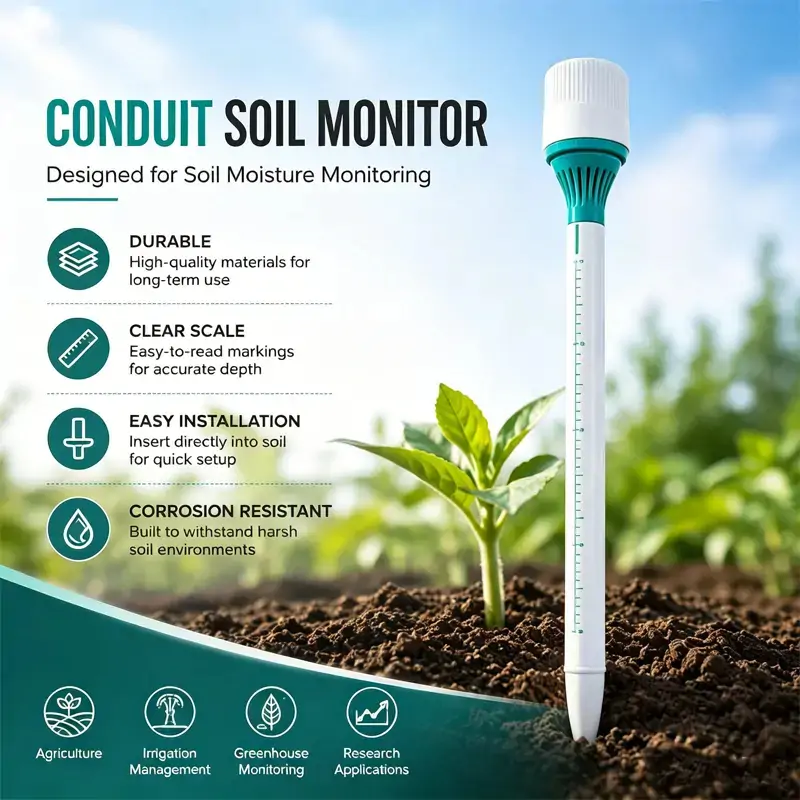
Tubular soil monitoring instrument Manufacturer and Supplier
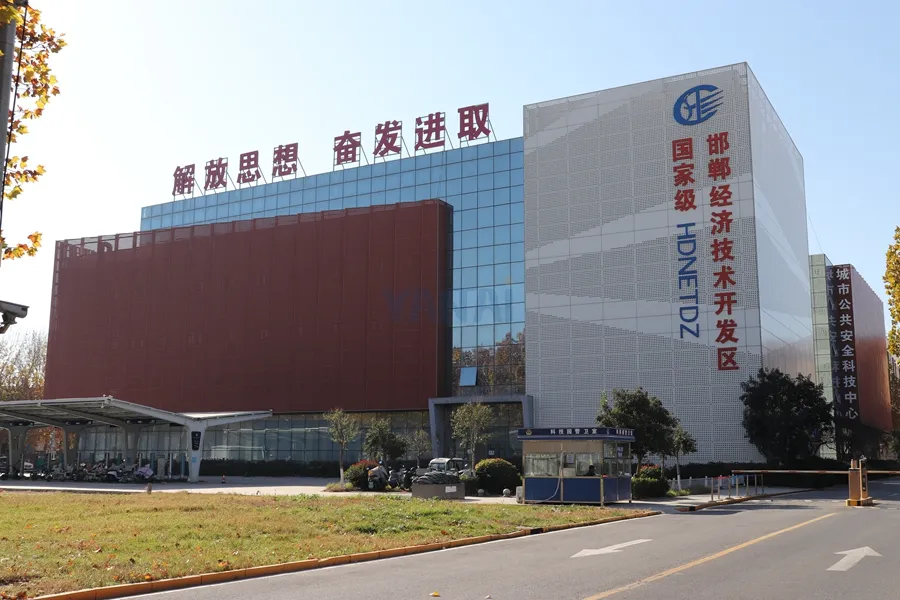
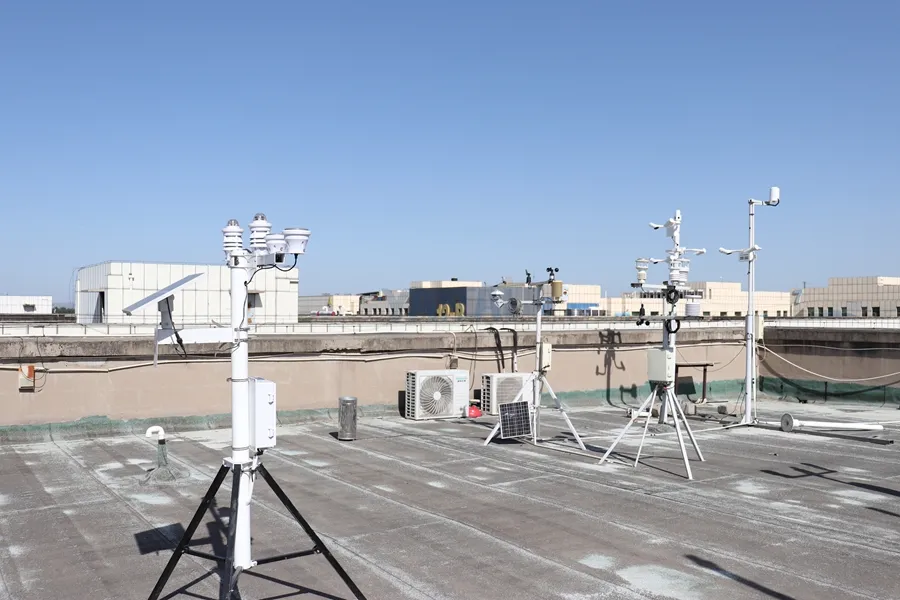
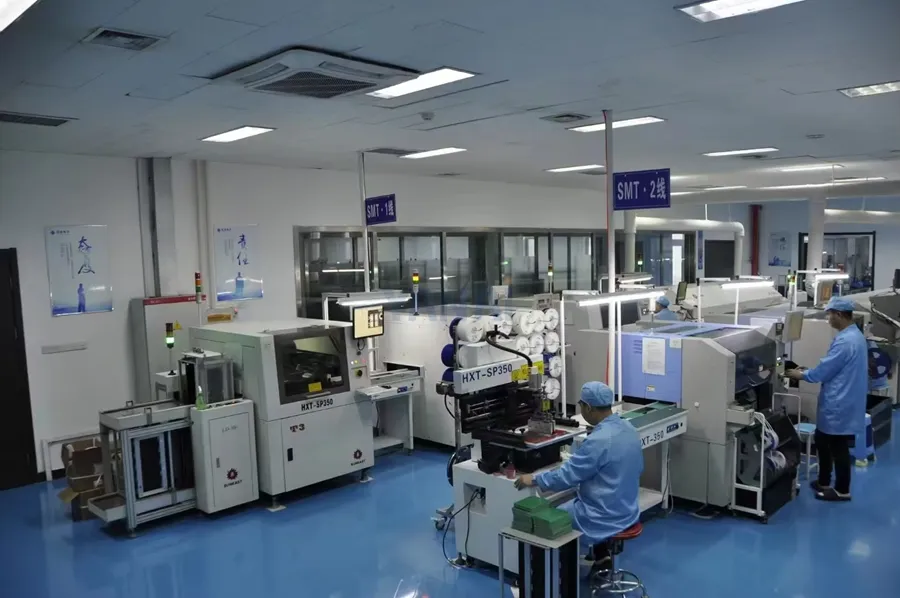
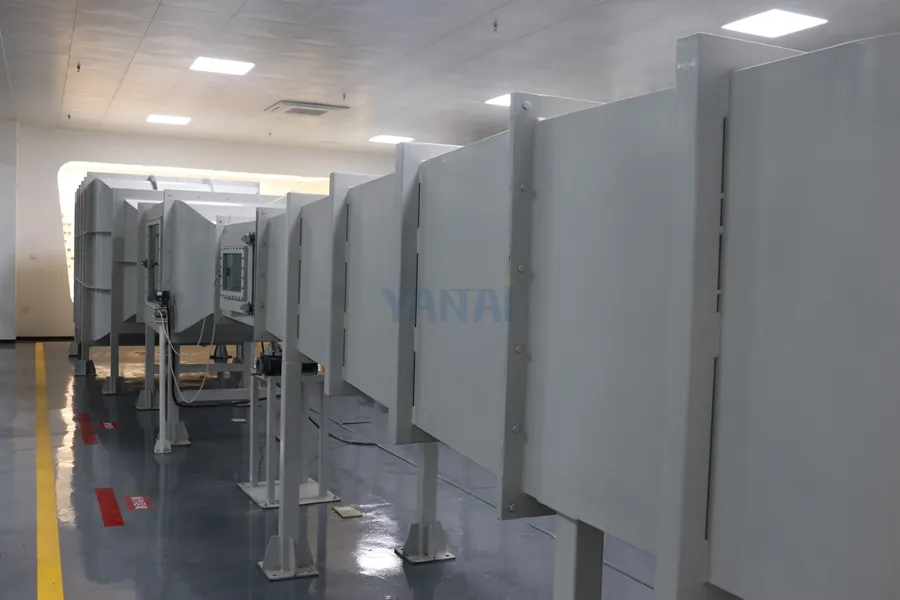
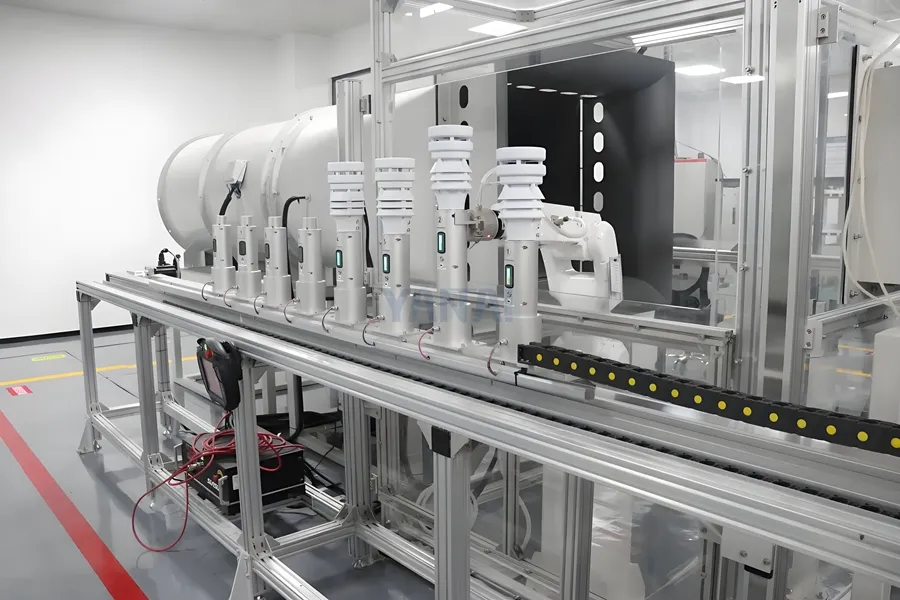
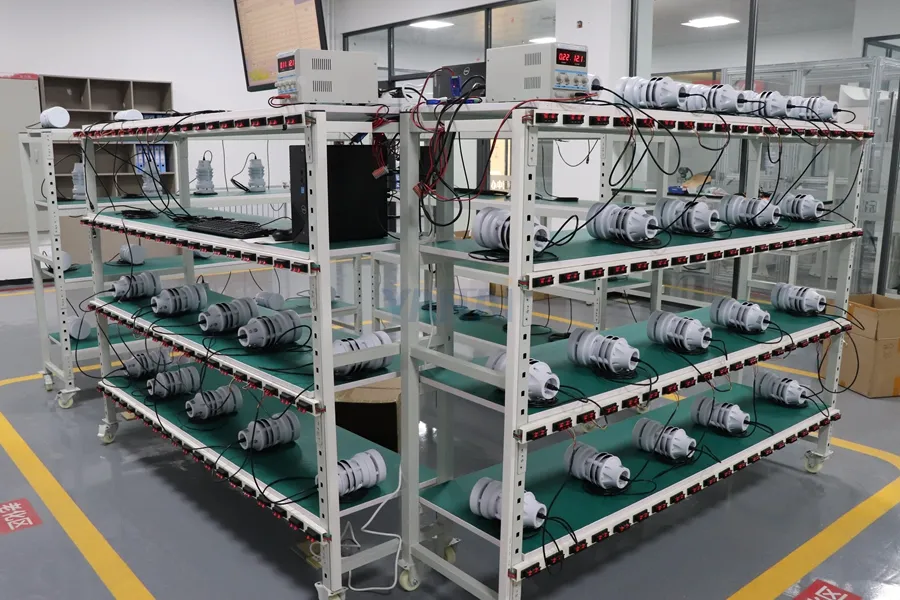
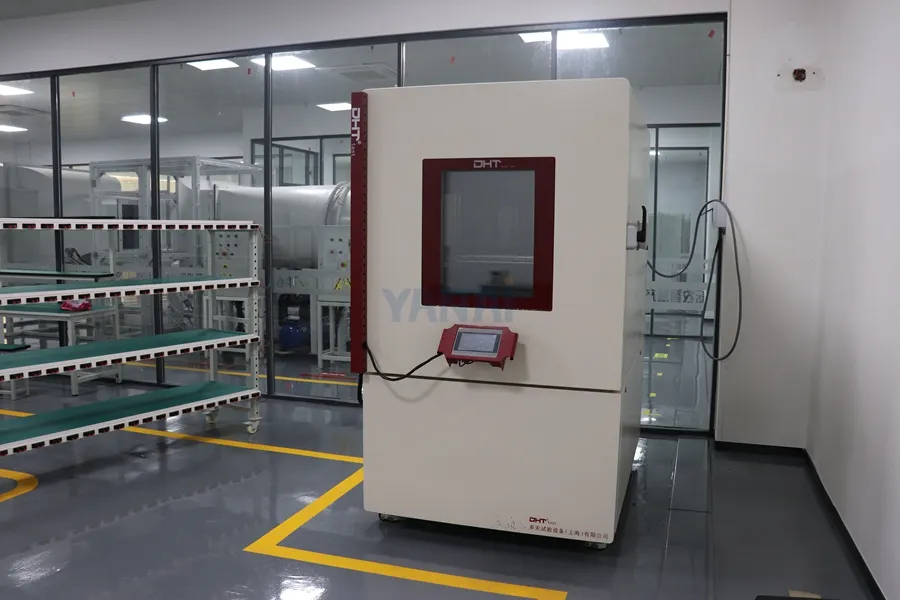
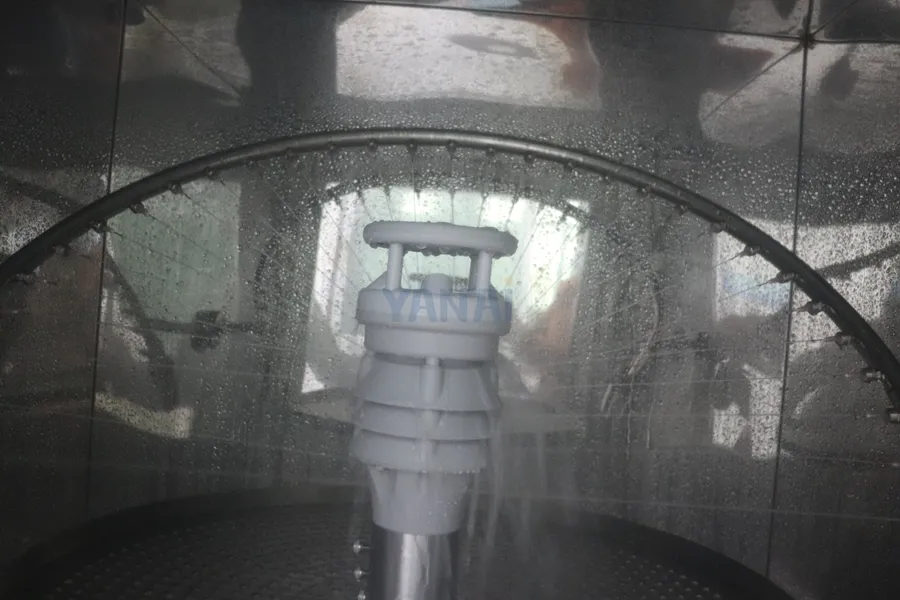
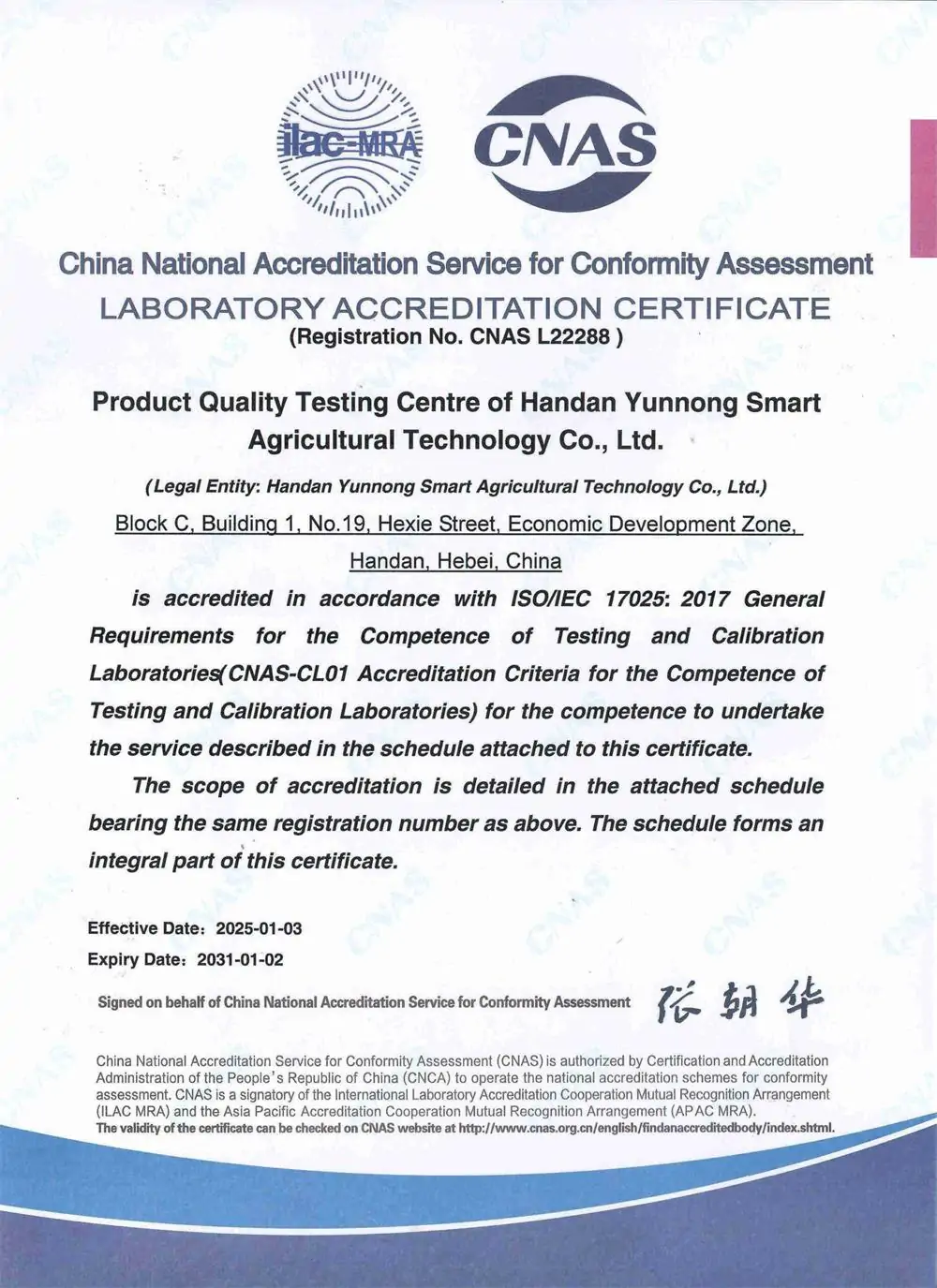
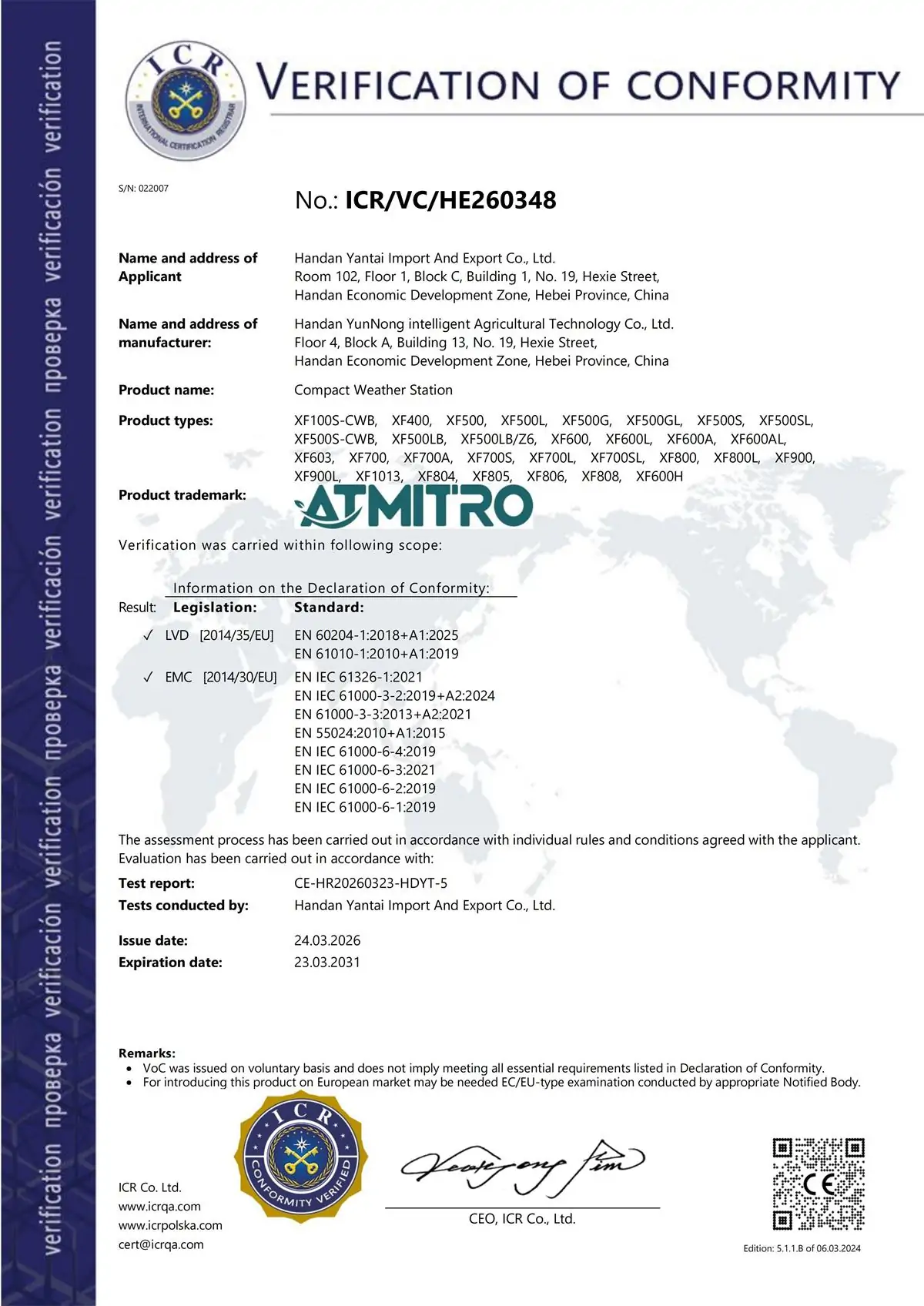
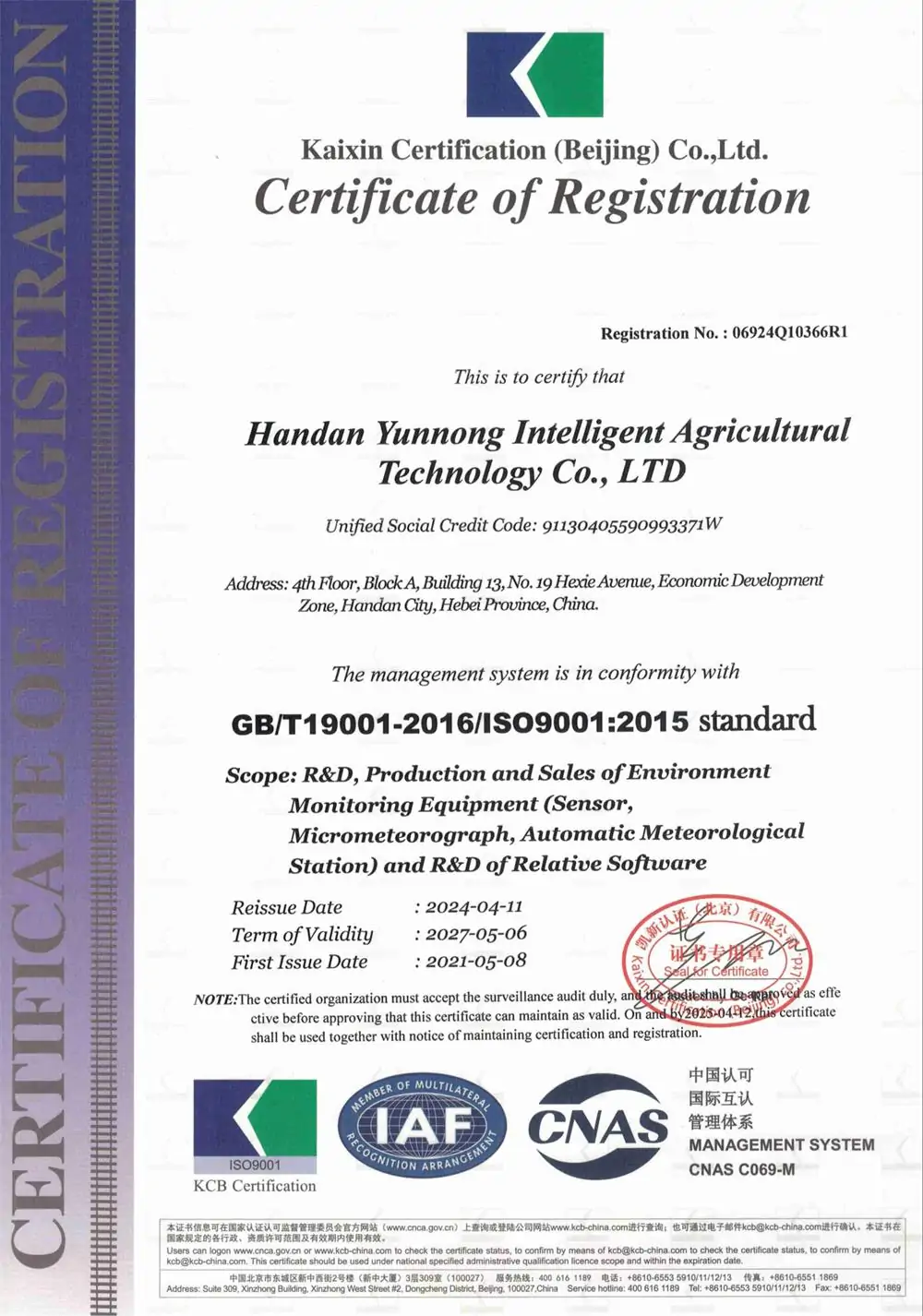
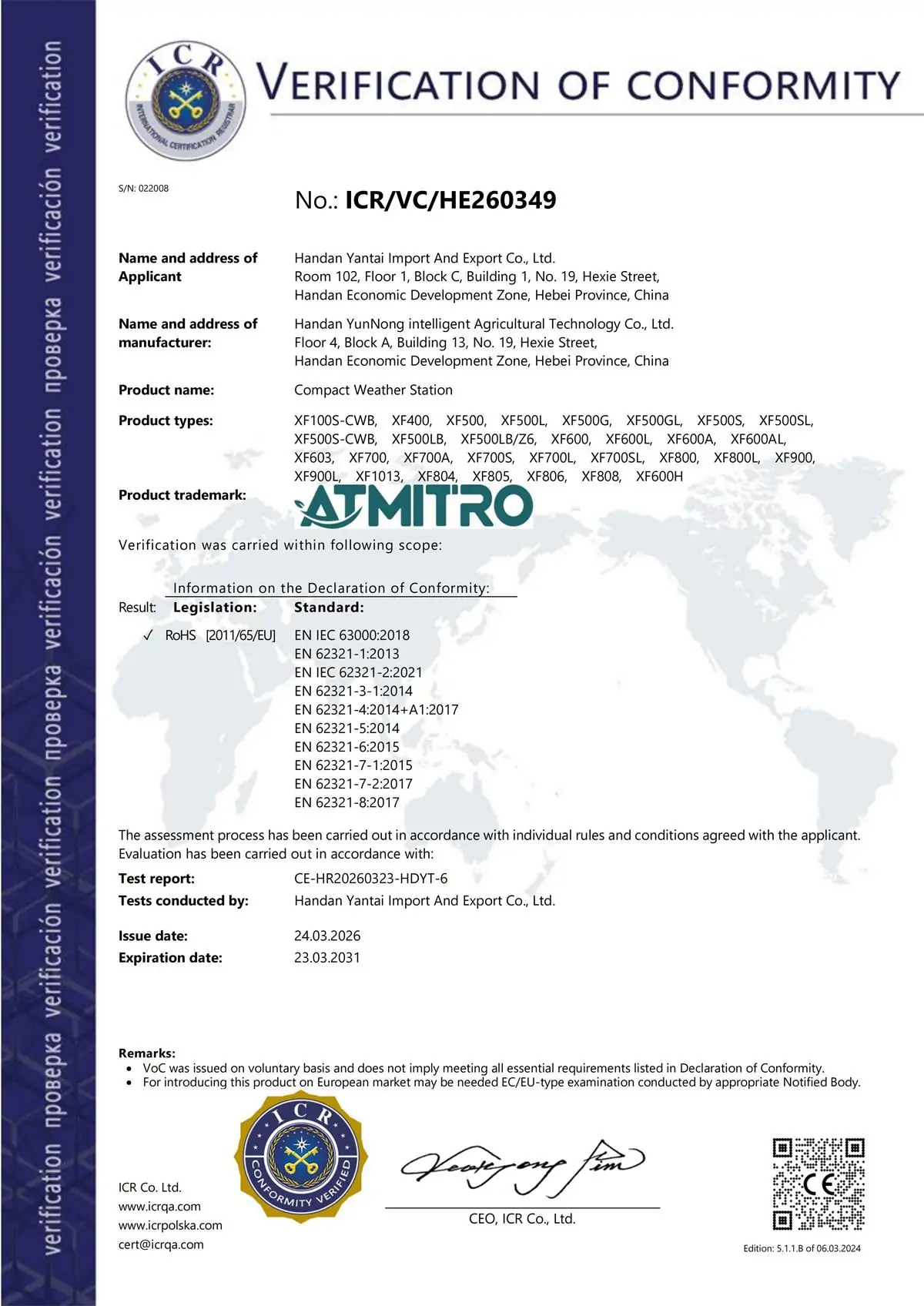
We are a professional manufacturer and supplier of xylem-injection soil monitoring instruments, backed by an experienced R&D and engineering team capable of delivering customized solutions for diverse agricultural, greenhouse, ecological, and scientific research applications. Equipped with advanced laboratories and testing facilities, we conduct rigorous performance and environmental testing on our xylem-injection soil monitors to ensure consistent accuracy, reliability, and durability across various operational scenarios. Whether for large-scale farmland monitoring or research projects, we provide expert support and comprehensive services. We welcome inquiries from potential clients.