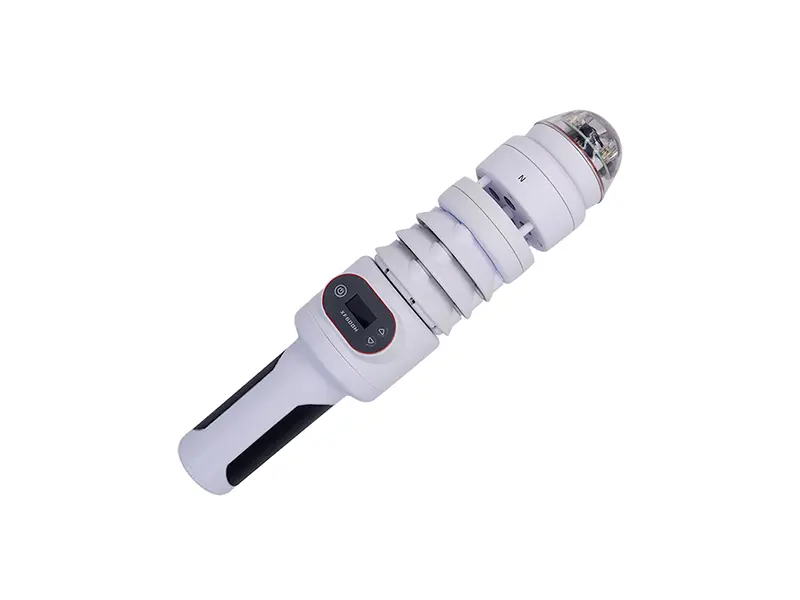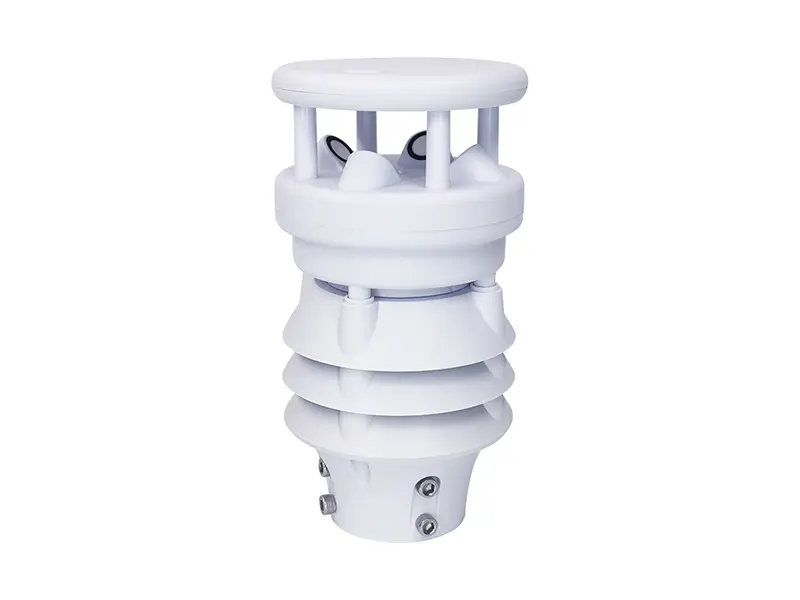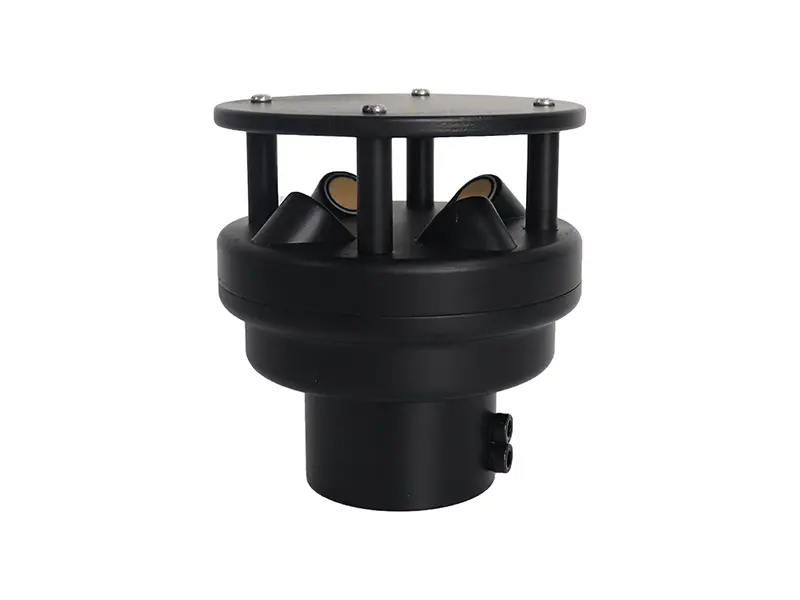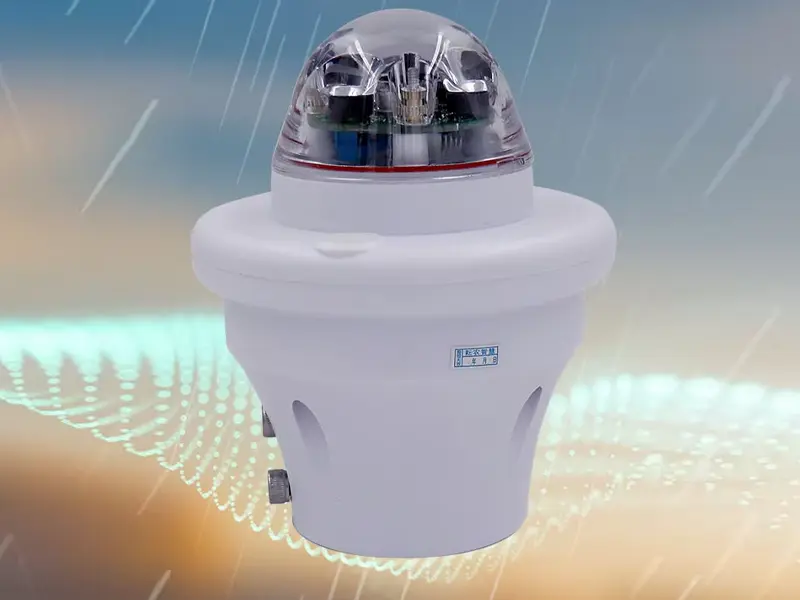
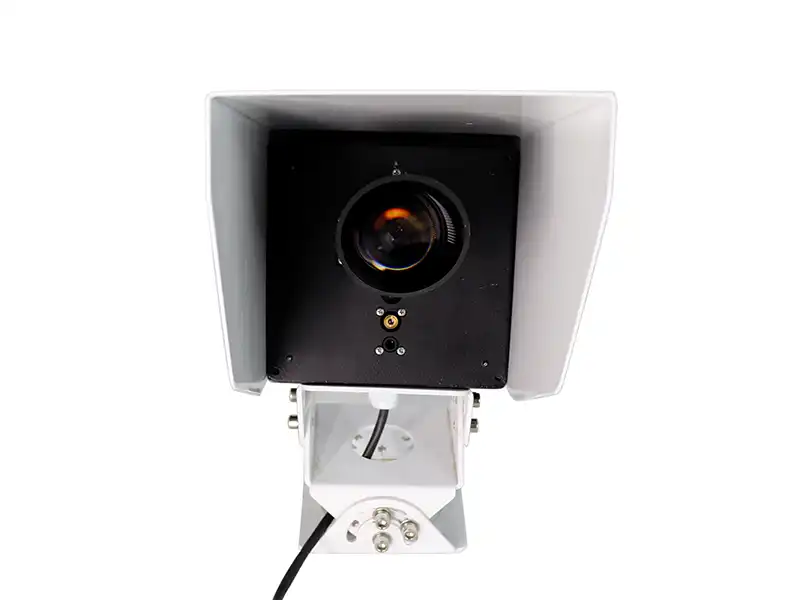
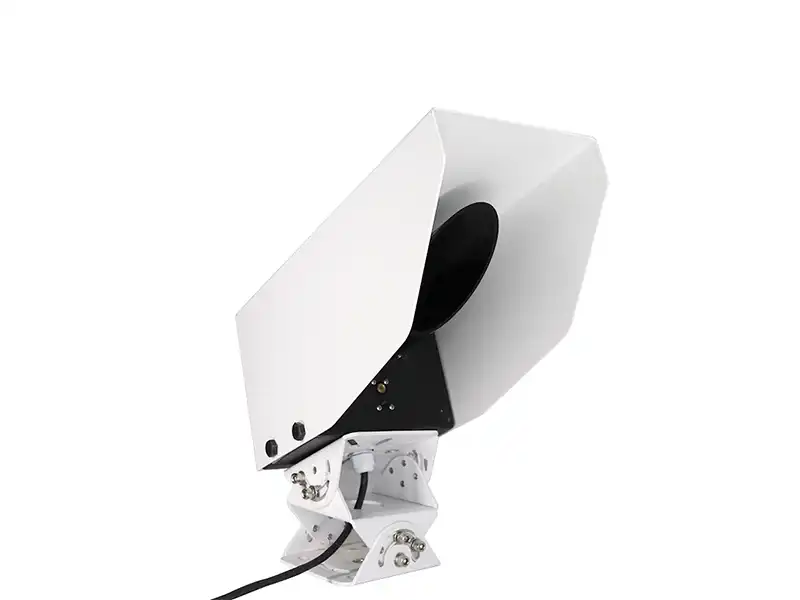
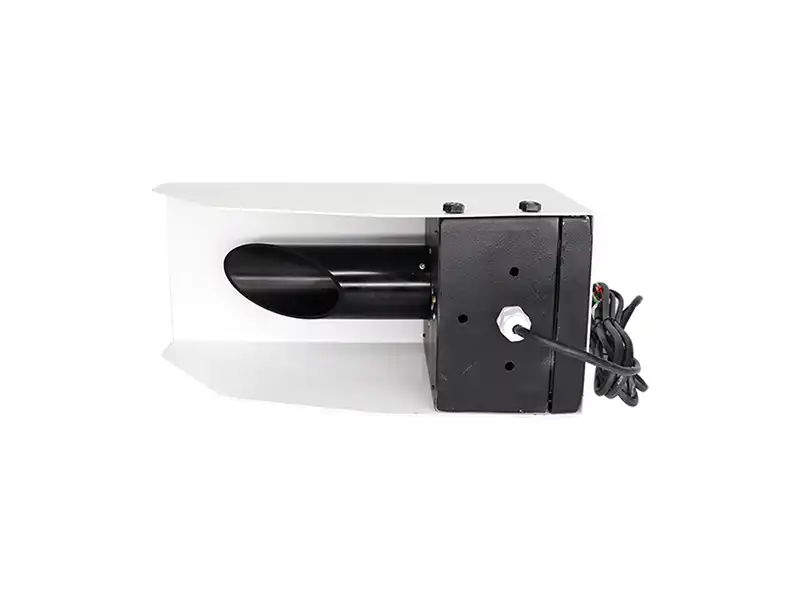
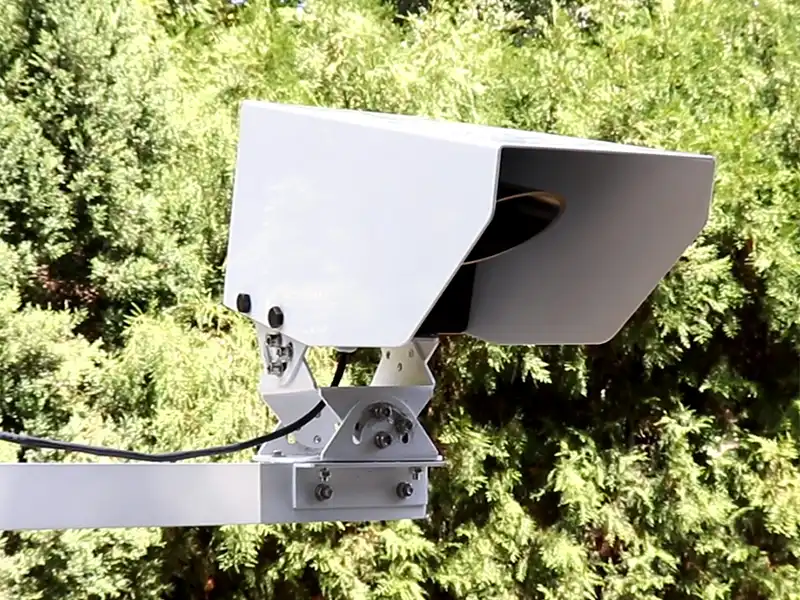
XF-CQ11 road condition sensor for highway
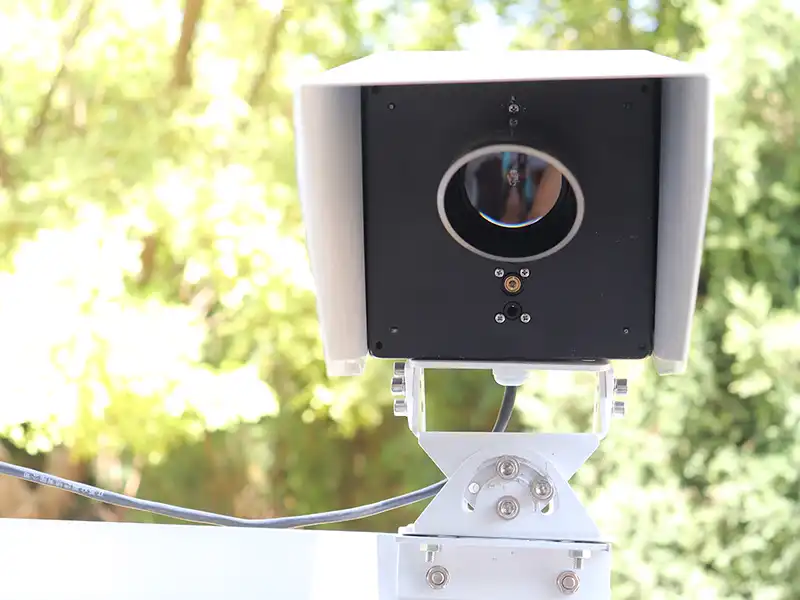
XF-CQ11 road condition sensor is a non-contact device that uses infrared laser remote sensing technology to monitor road surface conditions in real time. It detects the type and thickness of water, ice, and snow and calculates the road’s slipperiness coefficient without damaging the pavement or affecting traffic. It is widely used in highways, bridges, airports, and road weather monitoring systems to improve road safety and winter maintenance efficiency.
- Detection distance: 3-10 Meter
- Detection area diameter: 50cm(6 Meter Far)
- Installation angle to horizontal: 30-90 Degree
- Power supply: DC9-30V
- Operating temperature: -40℃ – +60℃
- Working humidity: 0-100%
- Road weather phenomena: Road temperature:-40℃ – +85℃
Price: $2381.39–$2857.67
Introduction
The XF-CQ11 road condition sensor utilizes infrared laser remote sensing technology, which avoids damaging the road surface and thus prevents traffic disruptions caused by the installation of road weather stations. By analyzing the infrared spectral characteristics of water, ice, and snow, this non-contact road condition sensor provides real-time data on the actual road surface conditions, measures the type and thickness of water, ice, and snow coverage, and calculates the corresponding coefficient of friction.If you’d like to learn more about “What Is a Traffic Sensor? Types, Applications & Working Principles,” please click here.
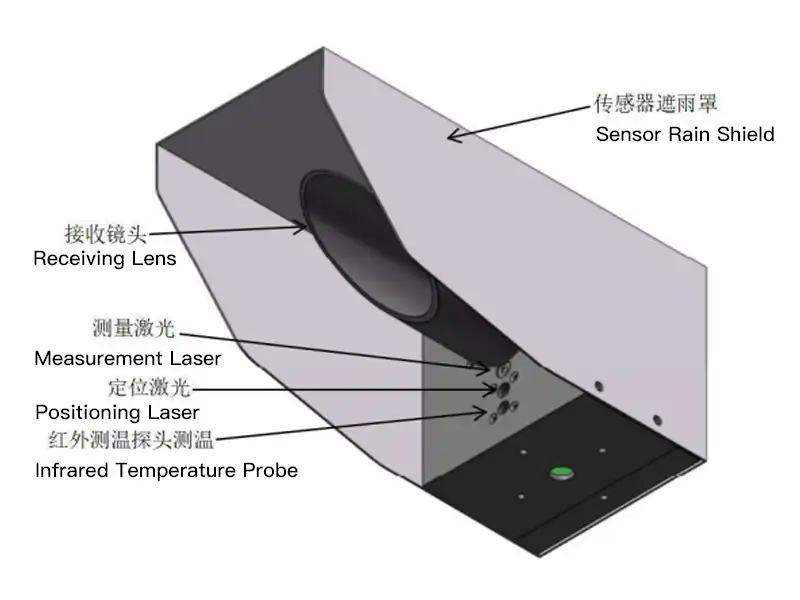
Structure
- Receiving lens
Used to collect the reflected infrared signals from the road surface and transmit them to the internal detection module for analysis, ensuring accurate identification of road surface conditions. - Measuring Laser
Emits infrared laser beams toward the road surface to analyze the spectral characteristics of water, ice, and snow, enabling the sensor to determine the type and thickness of surface coverage. - Positioning Laser
Helps accurately indicate the measurement area on the road surface, ensuring that the sensor detects the correct monitoring point and improving measurement reliability. - Infrared Temperature Probe
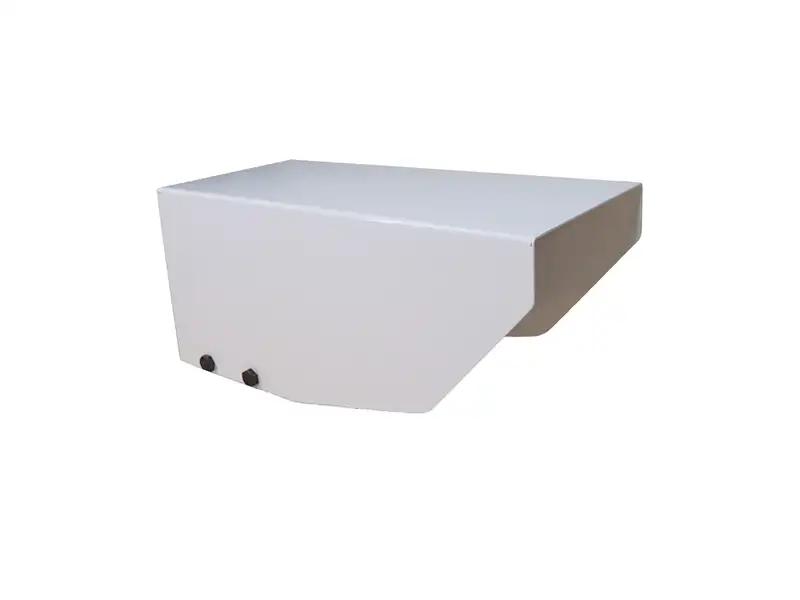
Measures the surface temperature of the road using infrared technology, providing essential data for identifying freezing conditions and evaluating road safety. - Sensor Rain Shield
Protects the sensor components from rain, snow, and direct sunlight, ensuring stable operation and improving the durability and reliability of the sensor in outdoor environments.
Working Principle road condition sensor
The XF-CQ11 road condition sensor provides real-time data on the actual condition of the road surface, measuring the type and thickness of water, ice, and snow coverage, and calculating the corresponding slip coefficient. This non-contact sensor features an infrared emitter aimed at a selected location on the road surface; light emitted from the sensor is reflected back to the receiver for processing and calculation. The sensor detects the thickness of water, snow, or ice by distinguishing the specific wavelengths reflected from the road surface caused by each of these elements.
Adverse weather conditions such as rain, snow, and freezing temperatures can reduce the road surface friction coefficient, thereby adversely affecting traffic flow and driving safety. The non-contact road condition sensor establishes a practical “slipperiness” index that indicates the current road surface’s skid resistance; a higher value indicates better skid resistance. The sensor can quickly detect the current road surface’s skid resistance and alert users to road safety hazards.If you are interested in “Selecting Weather Sensors for Harsh Environments: Coastal, Mining, and High-Altitude Case Studies,” please click
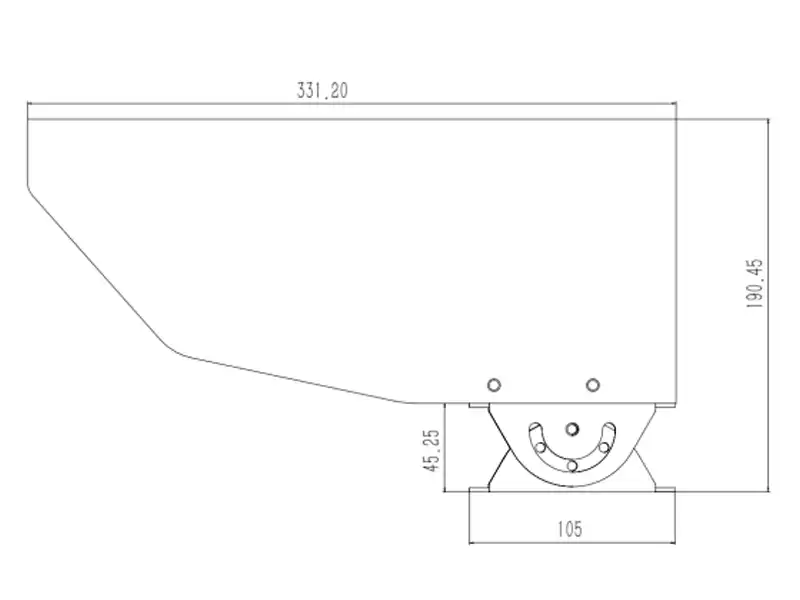
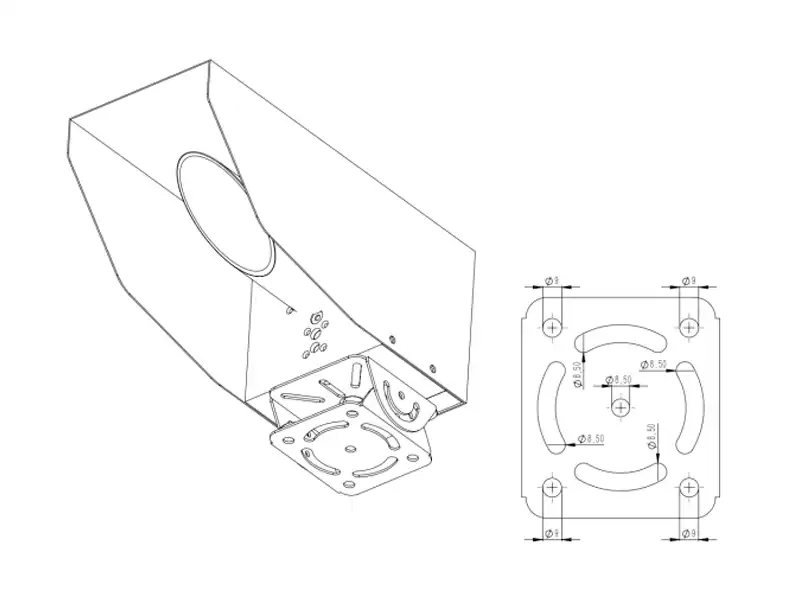
sizes
Installation Method
The XF-CQ11 road surface condition sensor can be installed at the roadside, facing the road surface at a horizontal angle of 30 degrees or greater. It can also be installed above the road, such as on bridges or traffic signal structures. Traffic flow at the measurement location does not affect the measurement, unless a vehicle comes to a complete stop at that location for several minutes.
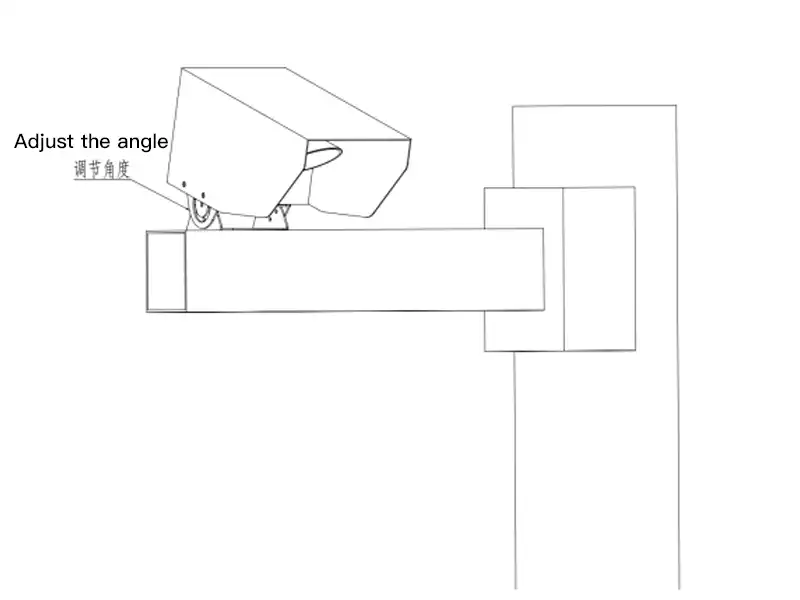
Details Show
Learn about the structural details and core design of this road surface condition sensor. The product features precision components and a robust protective housing, ensuring that all components and functions operate reliably in challenging environments. Below are the detailed features of the road surface condition sensor:
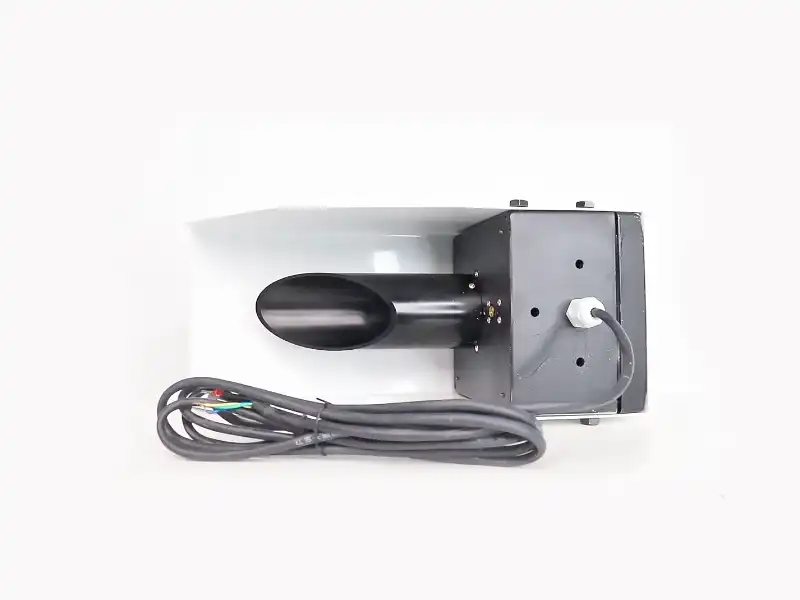
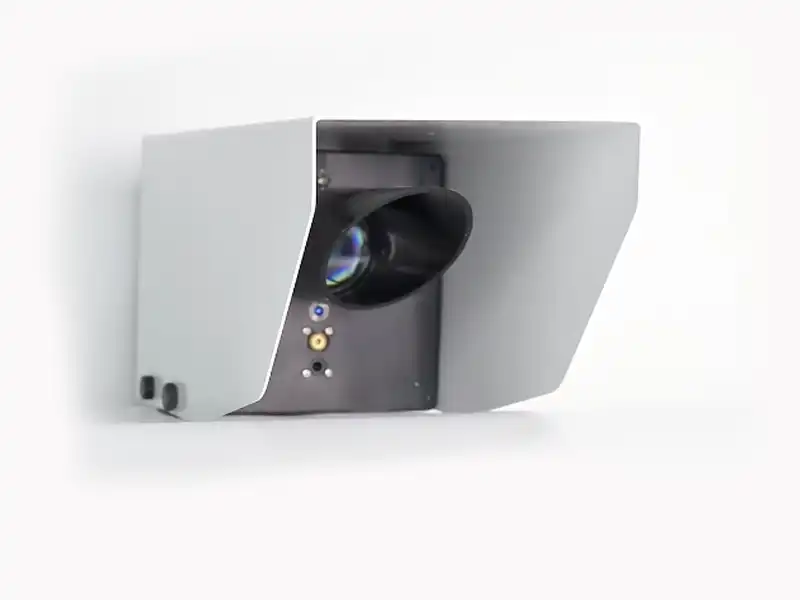
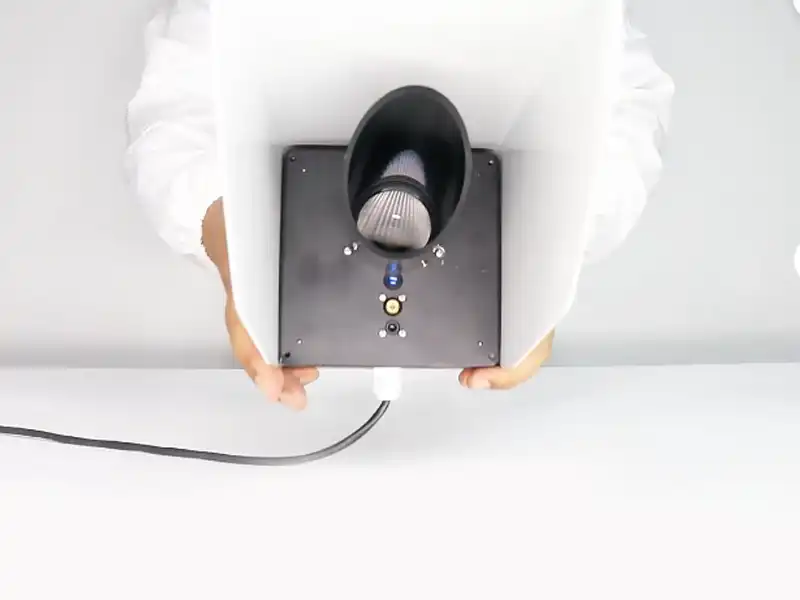
Specifications
The core technical specifications of the road condition sensor cover key metrics such as detection performance, environmental adaptability, and communication capabilities. These data provide a comprehensive understanding of the product’s stability and measurement accuracy under various climatic and road conditions, offering reliable support for road safety monitoring and intelligent transportation systems.
Parameters
| Detection distance | 3-10 Meter |
| Detection area diameter | 50cm(6 Meter Far) |
| Installation angle to horizontal | 30-90 Degree |
| Power supply | DC9-30V |
| Power consumption | 1W(Non-defogging heating) |
| Operating temperature | -40℃ – +60℃ |
| Working humidity | 0 – 100% |
| Water thickness | 0-10mm |
| Ice thickness | 0-10mm |
| Snow thickness | 0-10mm |
| Slippery degree | 0.01(Slippery)-0.82(Strong friction) |
| Pavement condition report | Dry, wet, wet, snow, ice, ice water mixture |
| Road weather phenomena | Road temperature:-40℃ – +85℃ |
| Pavement material | Asphalt road |
| Communication | RS485 |
| Dimensions | 332*145*145mm |
Features road condition sensor
Non-contact Measurement
Utilizes infrared remote sensing technology, requiring no road surface disruption, with easy installation and no impact on traffic.
Real-time Road Surface Monitoring
Continuously monitors various road surface conditions, including dry, slippery, icy, and snow-covered surfaces.
Multi-Type Surface Recognition
Accurately distinguishes between water, ice, snow, and mixed conditions, providing more comprehensive road condition information.
Surface Thickness Measurement
Supports quantitative measurement of water, ice, and snow thickness, enhancing data accuracy and performance.
Slipperiness Coefficient Output
Provides data on road surface friction and slipperiness, serving as a basis for driving safety assessments.
Low Power Consumption
A low-power design combined with a stable structure ensures reliable, long-term continuous outdoor operation.
Applications road condition sensor
Road condition sensors are widely used in various traffic and weather monitoring applications. By continuously monitoring road surface conditions—including moisture levels, icing, snow accumulation, and slipperiness—they provide critical data for road safety management and intelligent transportation systems, effectively enhancing traffic safety and operational efficiency.If you’re interested in “How Does a Road Surface Condition Sensor Detect Ice and Water?”, please click on the article.
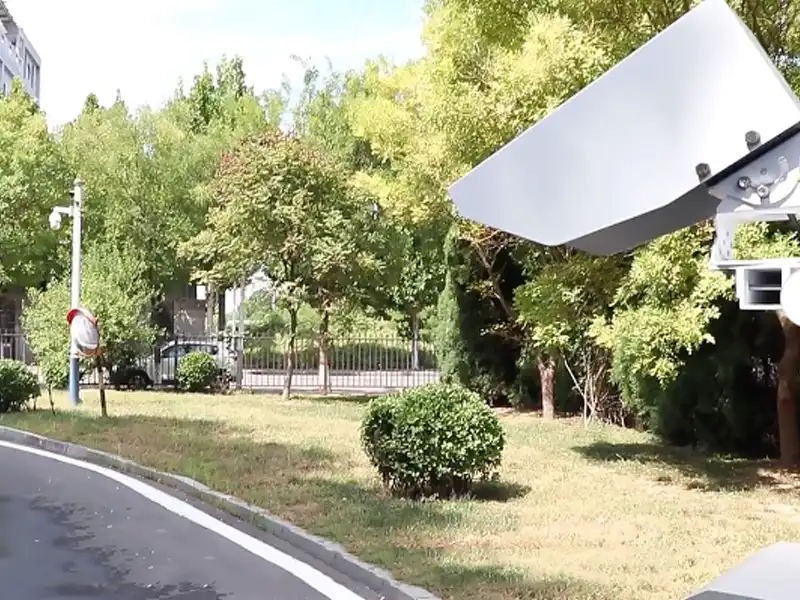
Highways and Urban Roads
Real-time monitoring of road surface conditions assists traffic management authorities in issuing early warnings, thereby reducing the risk of traffic accidents during rainy or snowy weather.

Bridges and Elevated Sections
Bridge decks are more prone to icing; sensors provide early warnings of icing conditions to ensure driving safety.
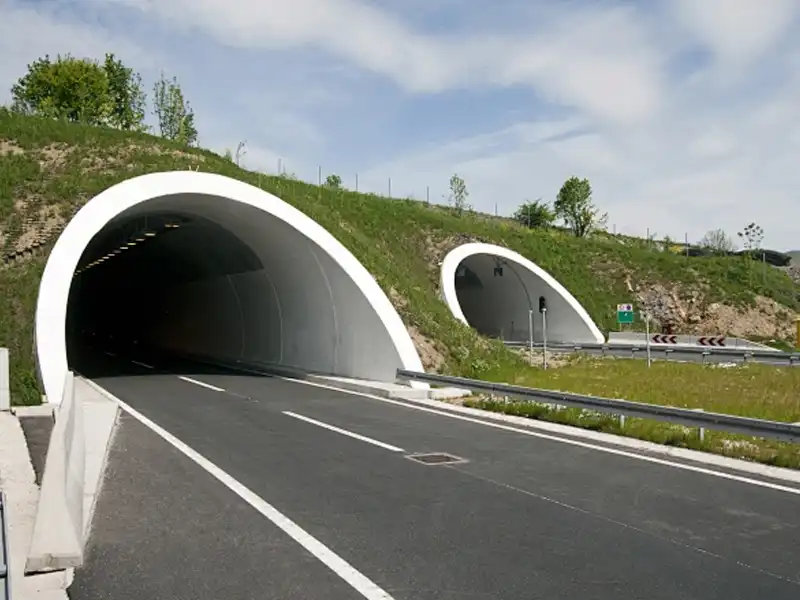
Tunnel Entrances and Exits
Due to significant temperature differences at tunnel entrances and exits, condensation and icing are common; sensors can promptly detect abnormal road conditions, enhancing traffic safety.

Airport Runways
Real-time monitoring of runway icing and snow accumulation provides a safety basis for aircraft takeoffs and landings.
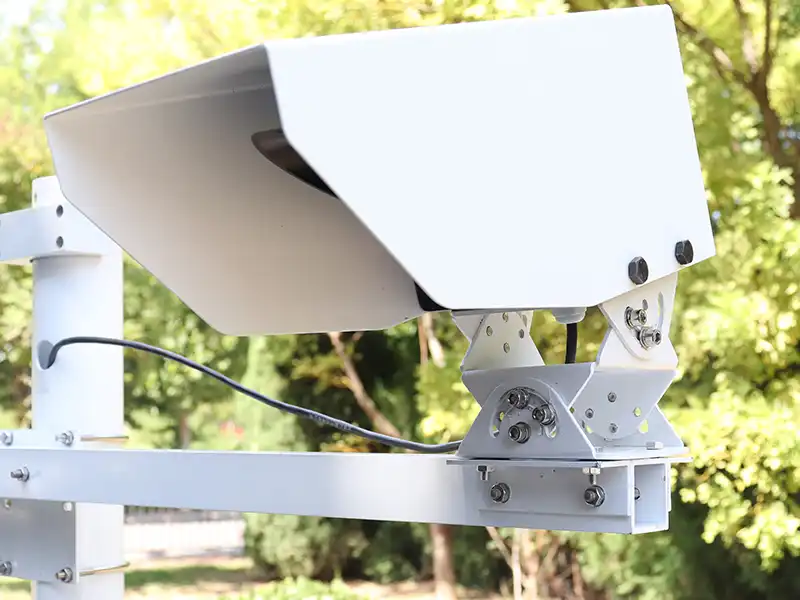
Intelligent Transportation Systems (ITS)
As critical data collection devices, they integrate with traffic control platforms to enable intelligent road management.
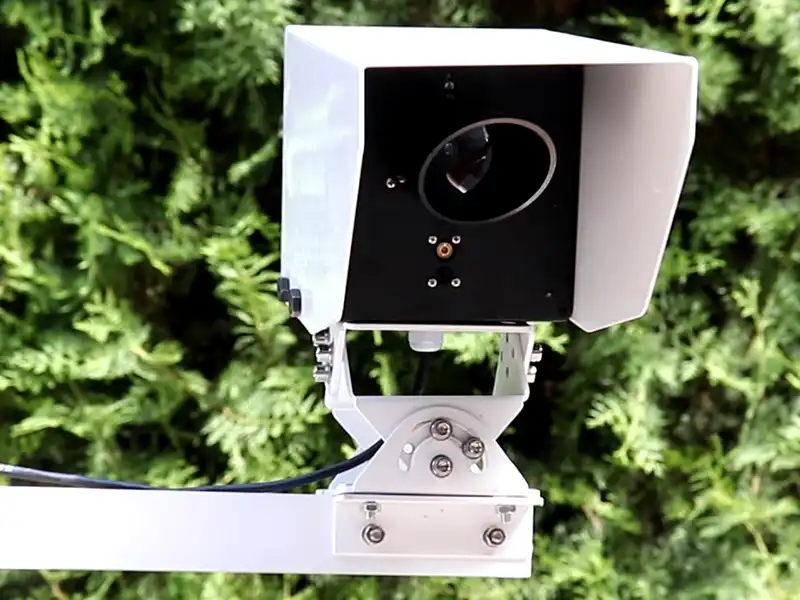
Winter Road Maintenance
Provides data support for snow removal and de-icing operations, enabling precise application of de-icing agents to reduce maintenance costs and improve efficiency.
custom road condition sensor
The road condition monitoring sensors supports extensive customization based on client requirements, meeting the specific demands of various road types, installation environments, and monitoring precision levels. Through the flexible configuration of sensor components, measurement parameters, and communication interfaces, it enables efficient and precise monitoring of road surface conditions, making it suitable for a wide range of application scenarios—including highways, urban roads, bridges, tunnels, and airports.
Customization Options
- Detection Range
Adjust the sensor’s detection range based on installation height and monitoring requirements to accommodate both short- and long-distance road surface monitoring. - Installation Angle
Supports horizontal installation angles ranging from 30° to 90°, enabling accurate measurements on roads with varying gradients or in bridge and tunnel environments. - Measurement Parameters
Customizable accuracy for detecting water, ice, and snow thickness, as well as the measurement range for slip resistance, to meet specific safety assessment requirements. - Communication Interfaces
Supports RS485, RS232, and other digital interface options for seamless integration with existing monitoring systems or intelligent transportation platforms. - Protection Rating
Select rainproof, dustproof, or snow/ice-proof enclosures based on outdoor environments to ensure long-term sensor operation. - Power Supply and Power Consumption
Offers various voltage ranges and low-power consumption design solutions to accommodate diverse power supply conditions and energy-saving requirements.
Road Condition Sensor Manufacturer and Supplier
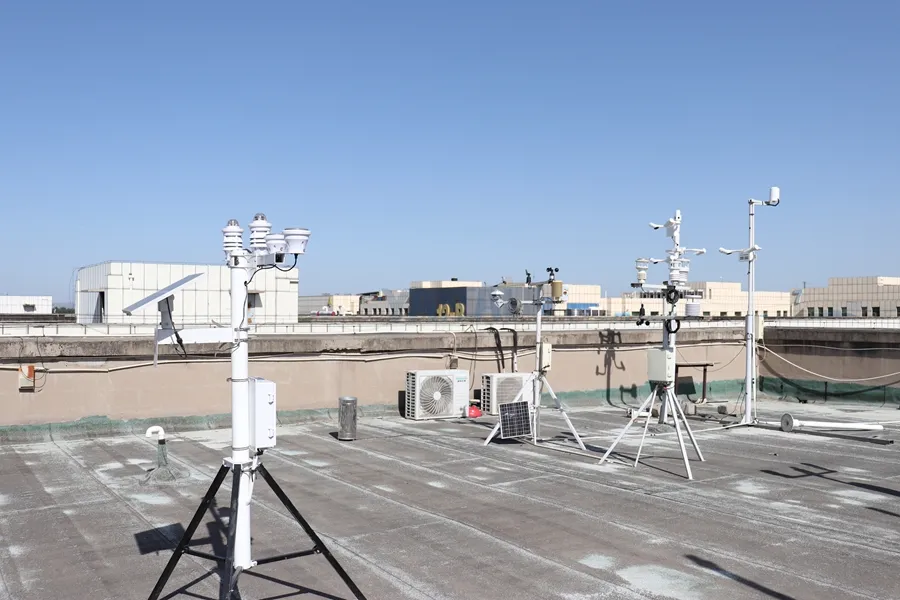
Yantai Sensor is a professional road condition sensor manufacturer and supplier, specializing in high-precision road surface monitoring and ice and snow detection sensors for transportation safety and smart traffic management. Our road condition monitoring sensors are designed for reliable, long-term operation in complex outdoor environments such as highways, bridges, tunnels, airports, and intelligent transportation systems.If you would like to learn more about the Tunnel Monitoring System: Sensors, Applications & Benefits, please click here
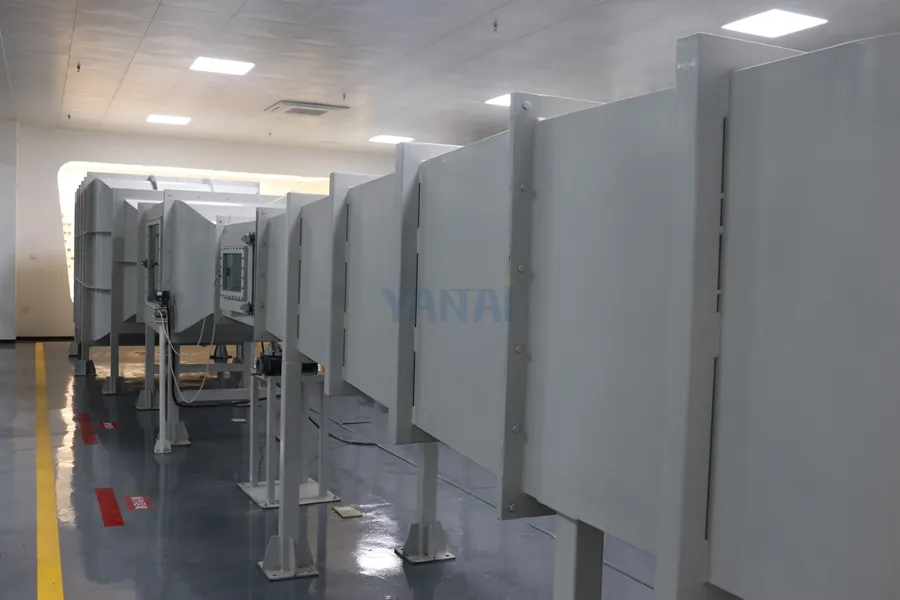
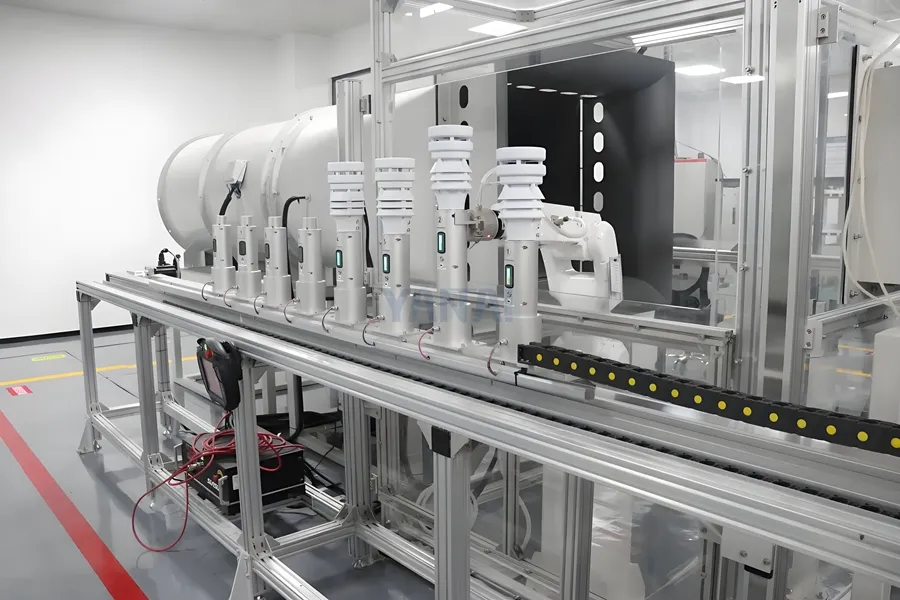
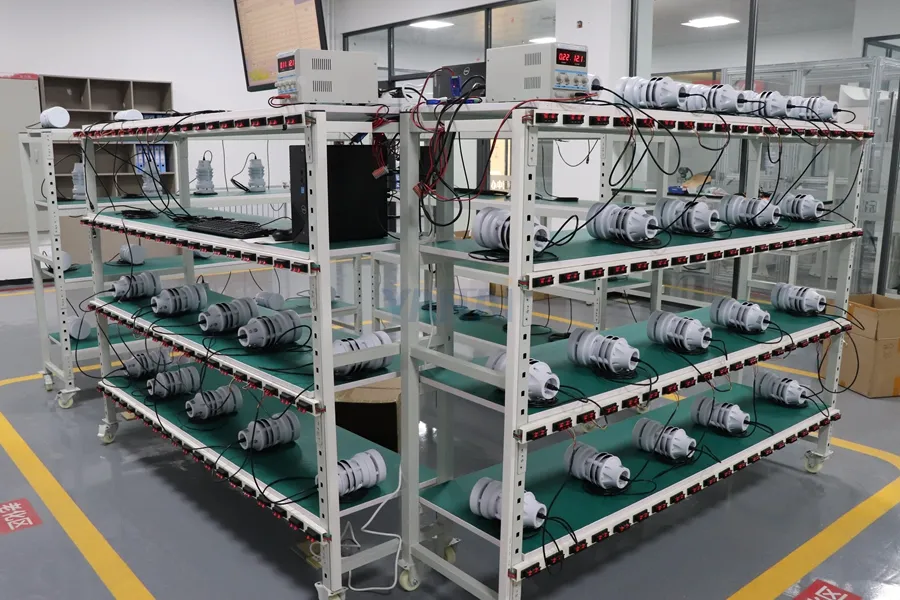
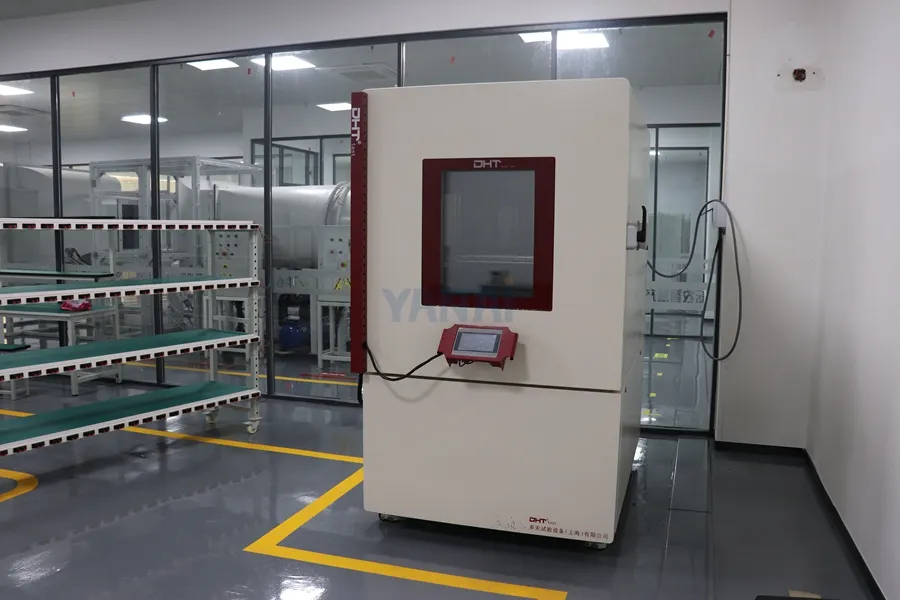
With independent R&D capabilities, advanced production facilities, and a professional environmental testing laboratory, each road condition sensor undergoes strict quality inspections, including temperature and humidity aging, salt spray resistance, vibration testing, and performance evaluation. Backed by multiple patents and certifications such as CE, ISO, and RoHS, we provide high-quality road condition sensors and ice and snow detection solutions along with flexible OEM/ODM services to support road weather monitoring systems (RWIS), smart transportation infrastructure, and global road safety projects.