Introduction
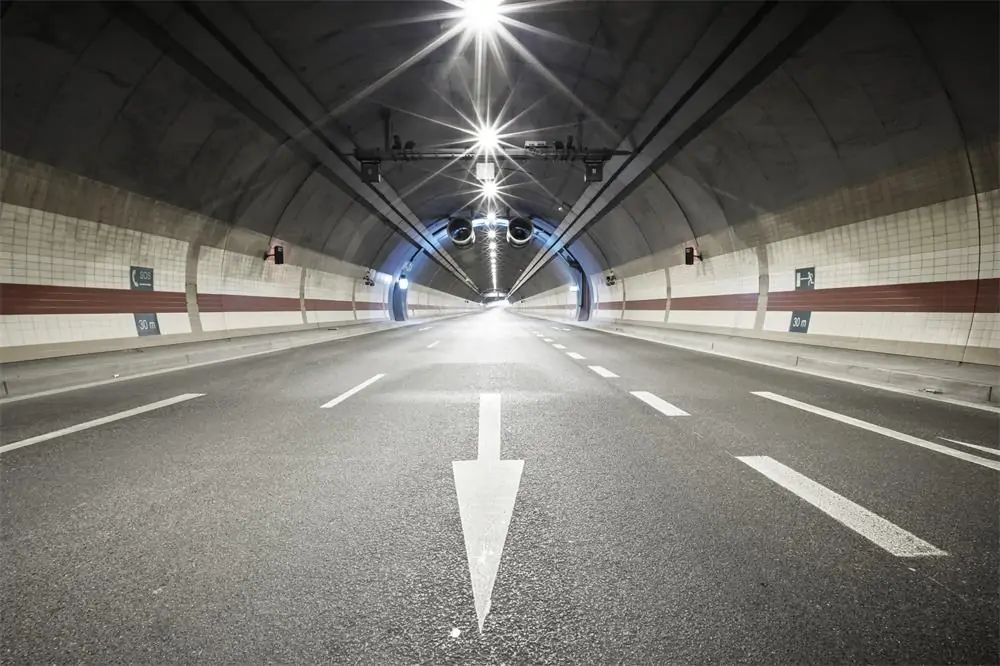
When driving through a tunnel, changes in brightness, air conditions, and traffic flow can directly affect driving safety and comfort. A sudden transition from bright outdoor light to a darker tunnel environment may reduce visibility, while poor ventilation or abnormal traffic conditions can increase operational risks. To maintain a safe and efficient tunnel environment, real-time monitoring technologies have become an essential part of modern tunnel management.
A Tunnel Monitoring System uses multiple sensing technologies to continuously collect data on traffic conditions, lighting performance, and environmental parameters. By integrating traffic sensors, tunnel brightness sensors, and environmental monitoring sensors, tunnel operators can achieve more accurate visibility control, improve energy efficiency, and enhance overall operational safety. Among these technologies, tunnel brightness sensors and luminance measurement solutions play an important role in optimizing tunnel lighting and reducing visual discomfort caused by brightness differences.
Modern tunnel monitoring solutions are designed for different operational requirements, including highway tunnels, urban underground tunnels, and intelligent transportation systems. This article will introduce the key sensors used in tunnel monitoring systems, their main applications, and the benefits they bring to safer and smarter tunnel management.
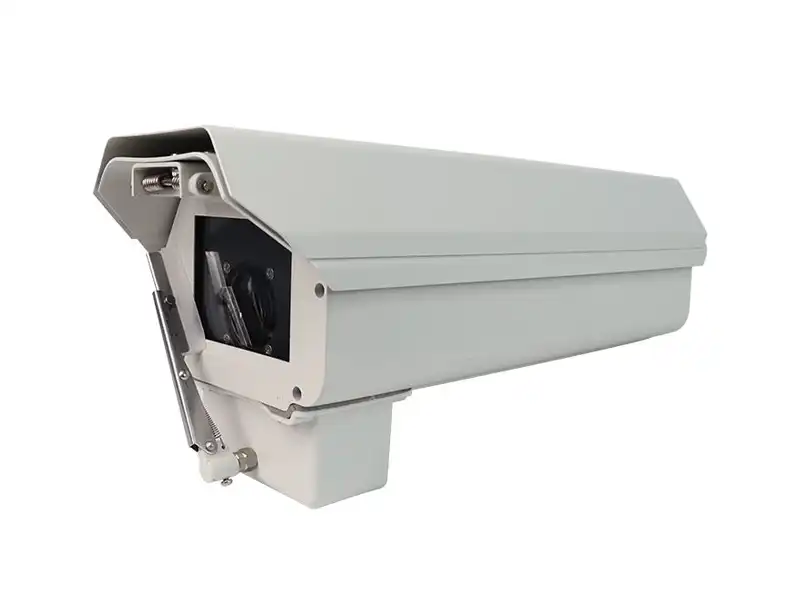
What Is a Tunnel Monitoring System?
A tunnel monitoring system is an integrated sensing and data management solution designed to monitor the operating conditions of tunnels in real time. It collects information related to traffic, lighting, and environmental conditions, helping operators improve tunnel safety, visibility, energy efficiency, and overall operational reliability.
Unlike traditional tunnel management methods that rely on fixed settings or manual inspections, modern monitoring systems use connected sensors to provide continuous data and support more accurate decision-making. This allows tunnel operators to respond faster to changing conditions, optimize daily operations, and maintain a safer environment for drivers.
A typical tunnel monitoring system focuses on several key operational aspects, including:
- Traffic status monitoring to understand vehicle movement and tunnel usage conditions
- Lighting condition monitoring to maintain suitable visibility and improve energy efficiency
- Environmental condition monitoring to support ventilation management and safety control
- Real-time data collection for centralized tunnel operation and maintenance
With the development of intelligent transportation systems, sensor-based tunnel monitoring solutions have become an important foundation for safer, smarter, and more efficient tunnel management.Want to learn about “Tunnel Luminance Sensor vs. Illumination Sensor: Differences Explained”? Click here to read more.
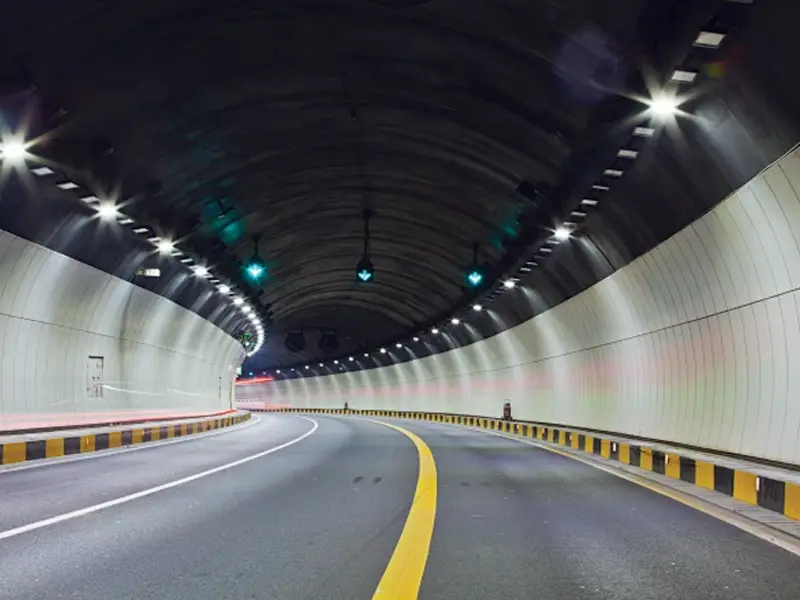
Sensors Used in Tunnel Monitoring Systems
A tunnel monitoring system relies on multiple sensing technologies to collect real-time operational data and support intelligent tunnel management. According to different monitoring requirements, sensors are commonly used for vehicle detection, visibility monitoring, lighting control, and environmental condition monitoring. By integrating reliable sensing devices, tunnel operators can improve traffic efficiency, enhance safety response, and optimize daily tunnel operations.
Traffic Sensors for Tunnel Vehicle Detection
Traffic sensors play an important role in monitoring vehicle movement and traffic conditions inside tunnels. Unlike camera-based detection systems that may be affected by darkness, smoke, dust, or complex tunnel environments, radar-based vehicle detection technologies provide stable and continuous monitoring performance under challenging conditions.
Yantai Sensor provides various radar-based traffic detection solutions for tunnel applications, including:
- Radar Vehicle Detector (RY Radar Detector)
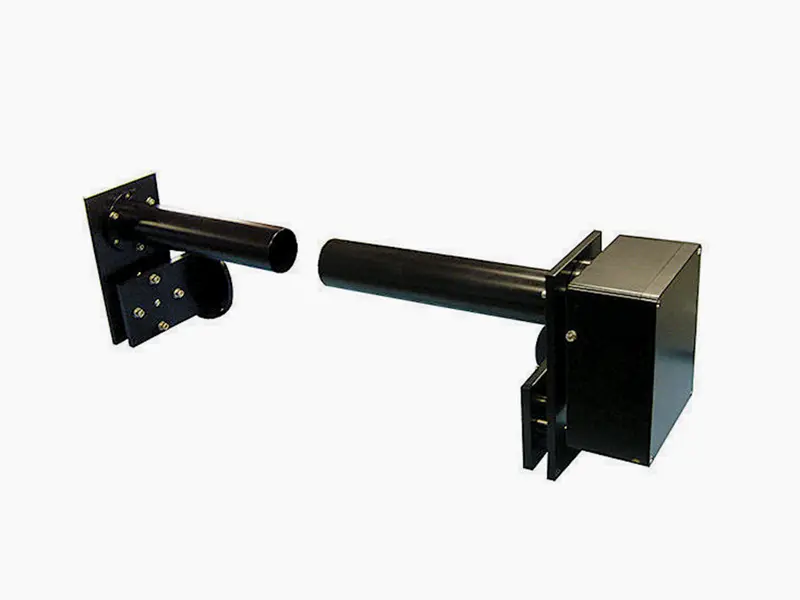
- Microwave Vehicle Detector (XF-CQ10)
- Millimeter Wave Radar Vehicle Detector (XF-CQ11)
These tunnel vehicle detection sensors provide continuous traffic data that helps operators better understand vehicle movement patterns and optimize tunnel management strategies. By monitoring vehicle presence, traffic volume, and speed variations in real time, the system can identify changes in traffic conditions and provide reliable data support for intelligent transportation control.
In daily tunnel operation, traffic sensors enable accurate vehicle flow analysis, helping operators detect congestion trends, evaluate traffic capacity, and improve traffic management efficiency. The collected data can also support coordinated control with other tunnel systems, such as ventilation adjustment, lighting optimization, and emergency response, ensuring faster decision-making when abnormal conditions occur.
With reliable radar-based detection technology, tunnel traffic sensors provide stable performance in complex environments and serve as an essential sensing component for safer, more efficient, and intelligent tunnel management.
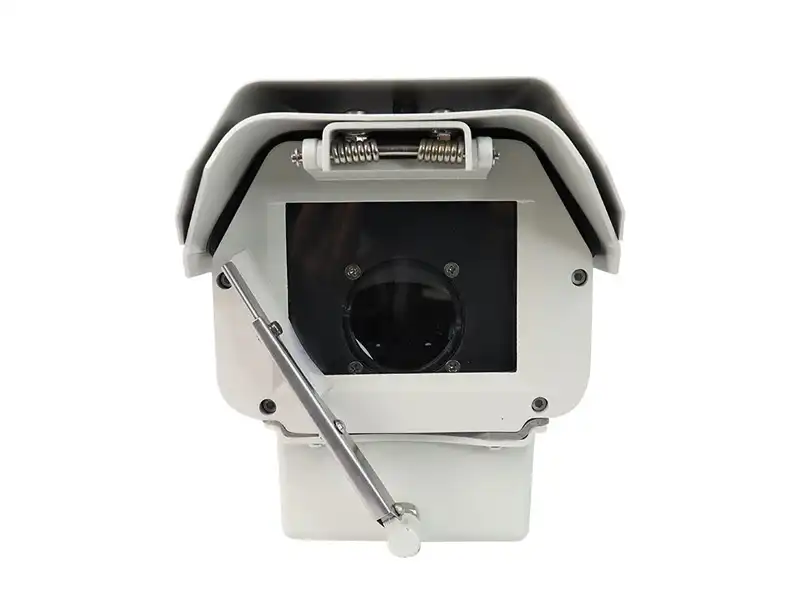
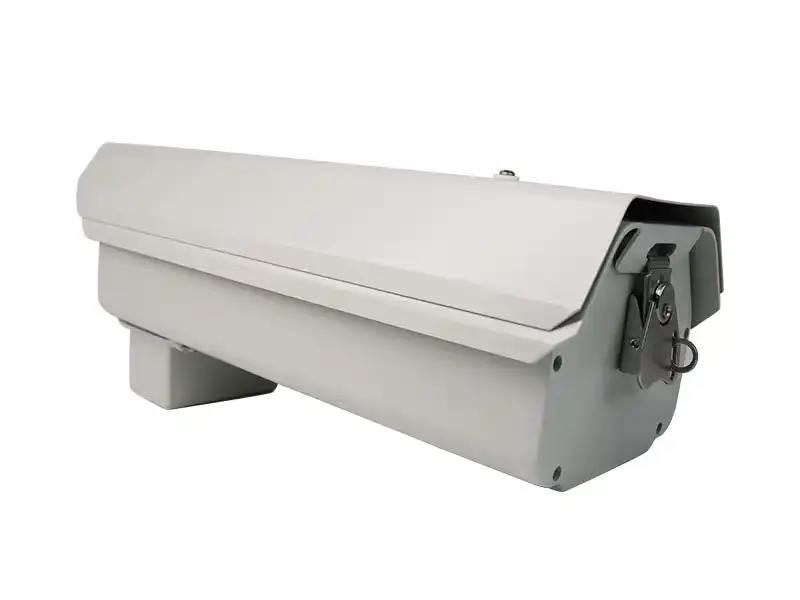
Tunnel Luminance Sensor for Luminance Measurement
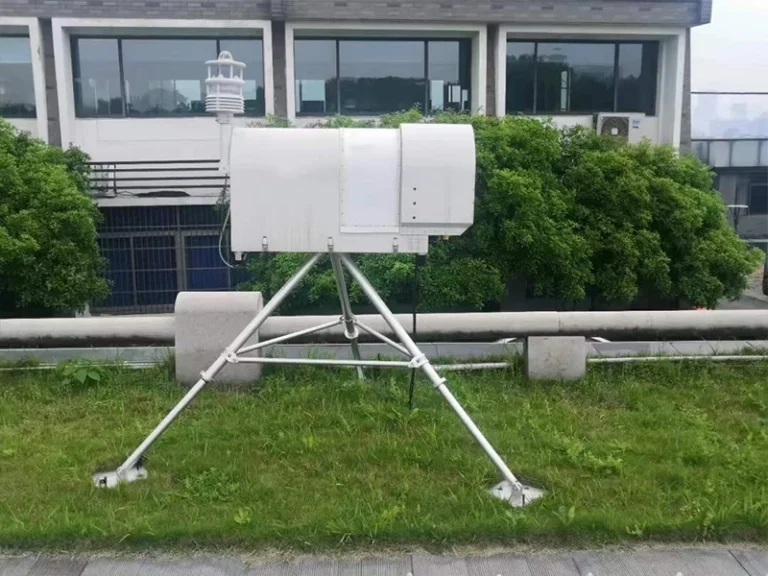
Tunnel lighting conditions can vary significantly between outdoor environments and different tunnel sections, especially at entrances and exits where drivers experience sudden brightness changes. A tunnel luminance sensor measures road surface brightness and luminance conditions to provide accurate data for intelligent lighting control, helping maintain safer visibility and improve energy efficiency.If you want to learn about “What Is a Tunnel Luminance Sensor? Working Principle & Applications,” click here.
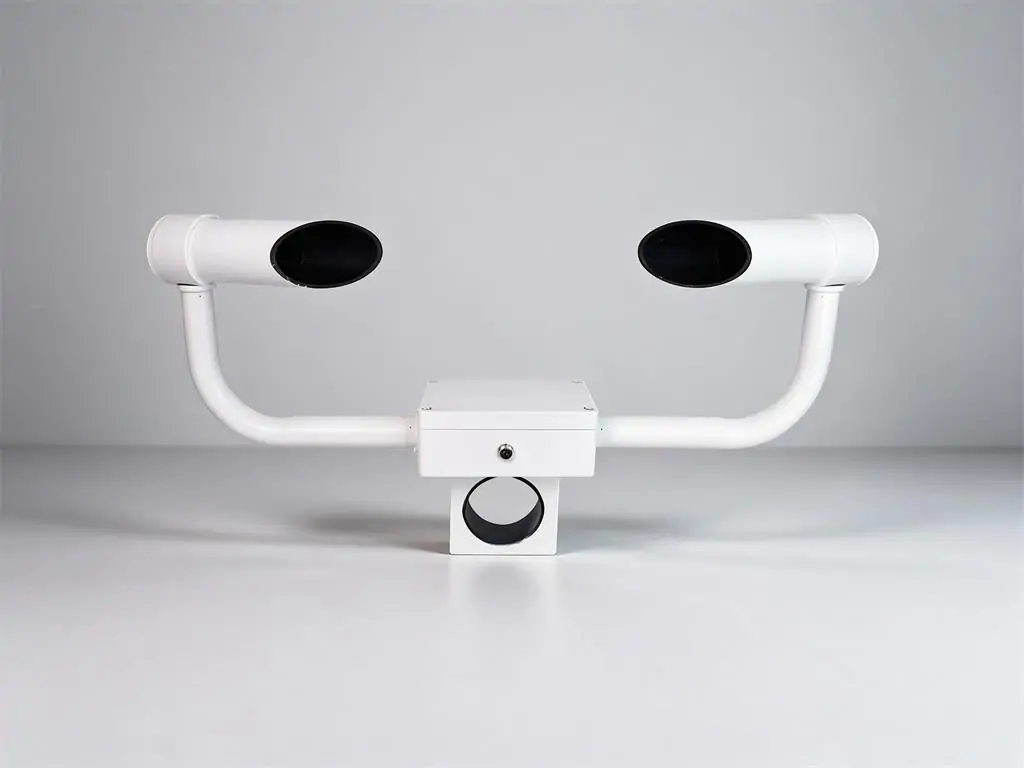
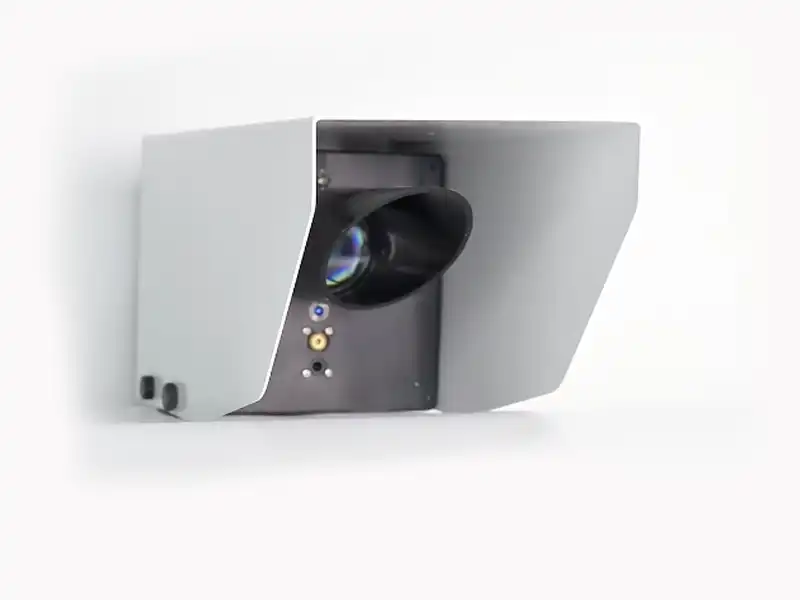
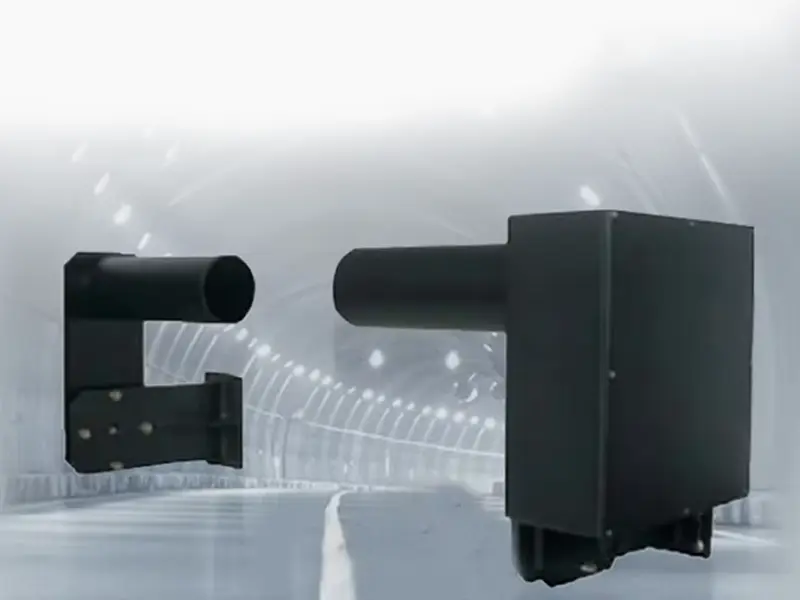
Yantai Sensor provides high-precision luminance monitoring solutions for tunnel applications, including:Tunnel Luminance Sensor (Tunnel Brightness Detector)
Unlike conventional illumination sensors, tunnel luminance sensors measure road surface brightness from the driver’s perspective and provide luminance data in cd/m². This makes them suitable for evaluating tunnel lighting conditions and supporting adaptive lighting management systems.
In tunnel monitoring applications, luminance sensors are mainly used to detect brightness conditions at tunnel entrances and measure luminance levels within different tunnel zones. By monitoring the brightness differences between outdoor and indoor environments, these sensors provide accurate data to evaluate visibility conditions and support appropriate lighting control strategies.
By delivering real-time luminance information, tunnel luminance sensors enable intelligent lighting adjustment based on actual environmental conditions. This helps improve driver visual adaptation, enhance tunnel safety, and reduce unnecessary energy consumption while maintaining a comfortable and stable lighting environment.
Tunnel Illumination Sensors for Lighting Management
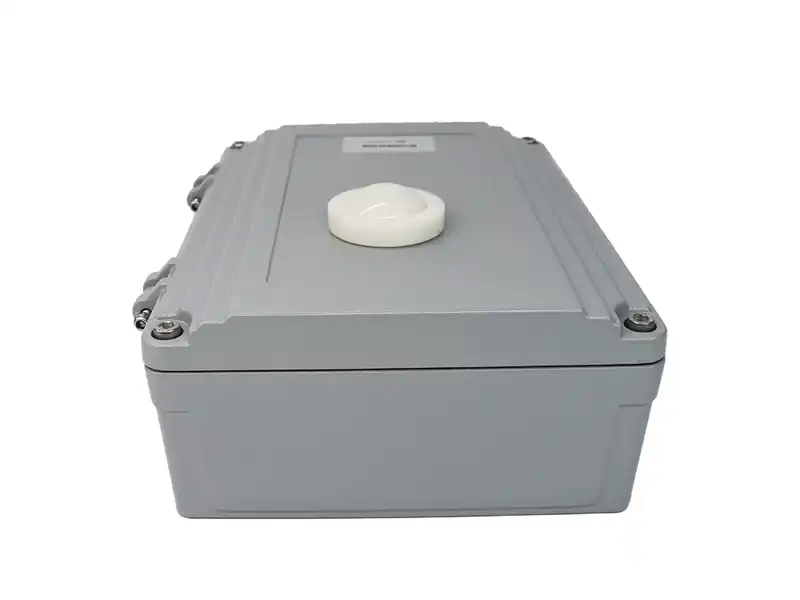
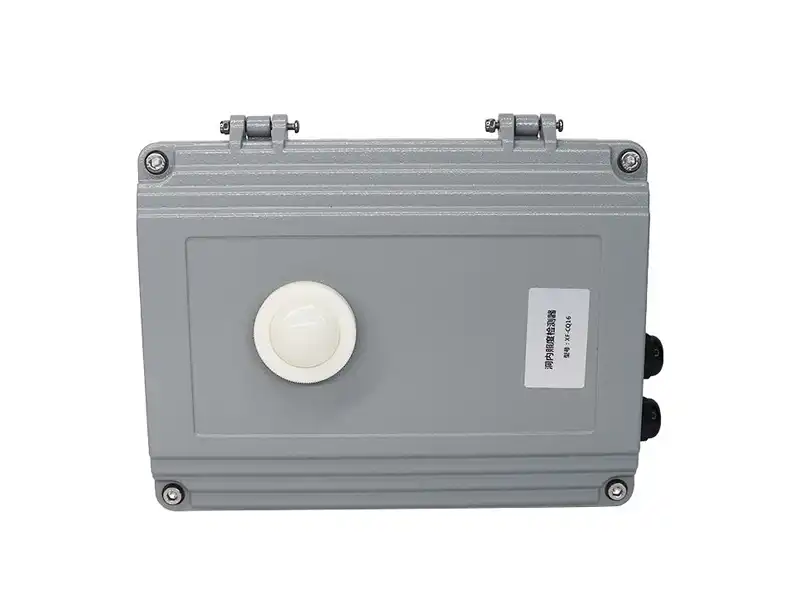
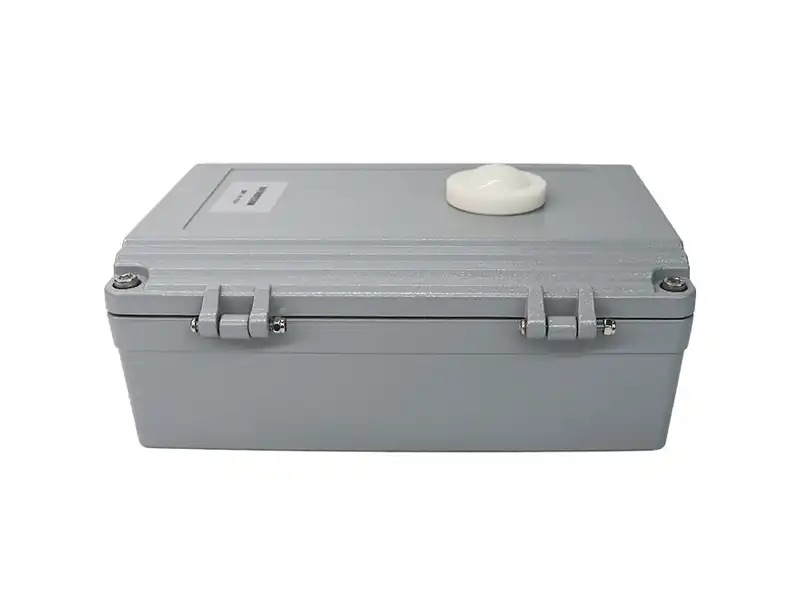
Proper illumination is essential for maintaining safe driving conditions inside tunnels. A tunnel illumination sensor continuously monitors internal lighting conditions and provides real-time illumination data to help tunnel systems maintain suitable light levels. By integrating accurate light monitoring with intelligent control systems, operators can improve lighting consistency, enhance visual comfort, and optimize energy consumption.If you would like to learn more about the Tunnel Illumination Sensor: Working Principle & Smart Lighting Applications, please click
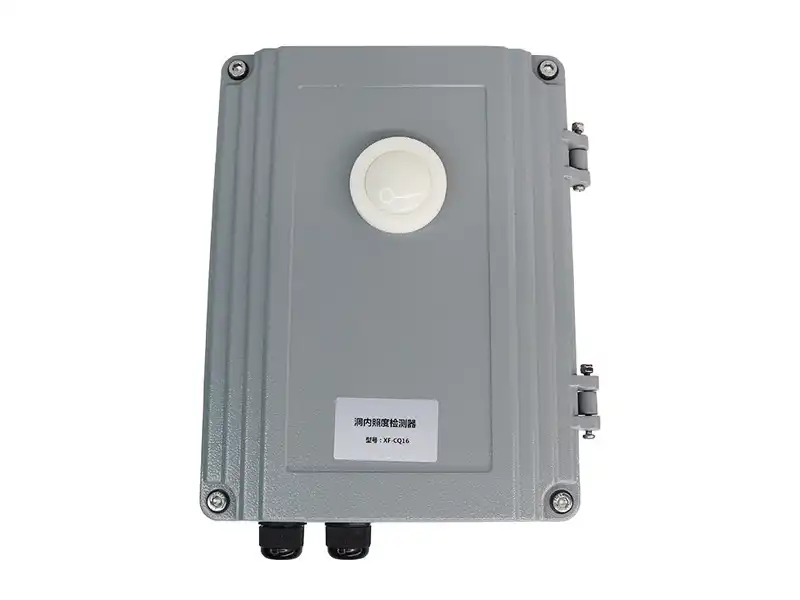
Yantai Sensor provides tunnel illumination monitoring solutions for smart tunnel lighting applications, including:XF-CQ16 Tunnel Internal Illumination Detector
Tunnel illumination sensors are mainly used to monitor lighting performance inside tunnel sections and support automated lighting management. Unlike general light monitoring devices, these sensors are designed for continuous operation in tunnel environments and provide reliable data for lighting control systems.
In tunnel lighting applications, illumination sensors support:
- Interior lighting monitoring to measure internal tunnel illumination levels and ensure lighting conditions meet operational requirements.
- Energy-efficient lighting control by providing real-time data for adjusting lighting output according to actual conditions.
- Lighting system optimization to improve illumination uniformity, reduce unnecessary energy consumption, and maintain a comfortable driving environment.
By providing stable illumination measurement data, tunnel illumination sensors help improve tunnel lighting efficiency and support smarter transportation infrastructure.
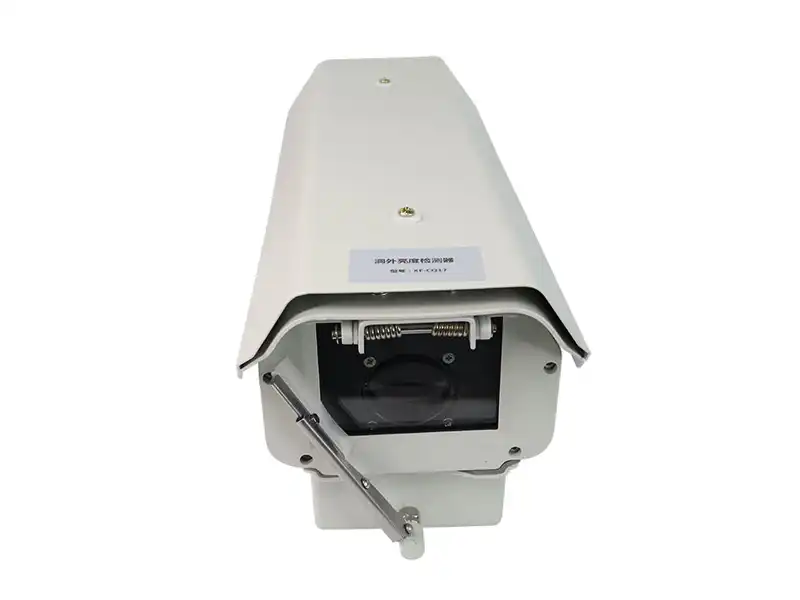
External Brightness Sensors for Tunnel Entrance Lighting Control
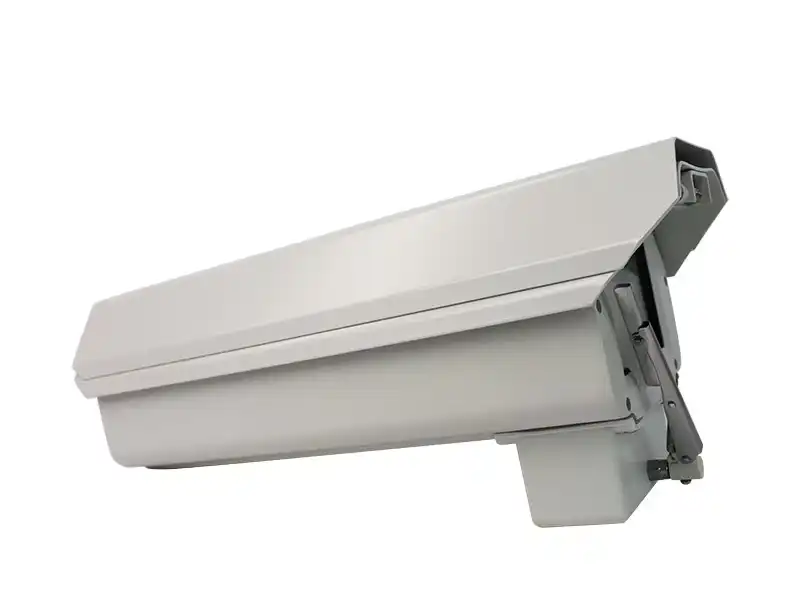
The lighting environment outside a tunnel directly affects the brightness transition experienced by drivers when entering or leaving the tunnel. Since natural daylight changes throughout the day and varies under different weather conditions, outdoor brightness sensors provide real-time monitoring of external light levels to support adaptive tunnel entrance lighting control.
Yantai Sensor provides outdoor brightness monitoring solutions for intelligent tunnel lighting systems, including:XF-CQ17 Outdoor Brightness Detector
Installed outside or near tunnel entrances, these sensors continuously detect changes in ambient daylight conditions and provide reference data for lighting control systems. By adapting entrance lighting according to actual outdoor brightness, tunnels can achieve a smoother transition between external and internal environments while improving operational efficiency.
Outdoor brightness sensors play an important role in tunnel entrance lighting control by continuously monitoring external ambient light conditions. The collected daylight data helps lighting systems adjust entrance lighting output according to real-time changes, avoiding over-lighting during bright daytime conditions and ensuring smoother transitions between outdoor and tunnel environments.
By providing accurate external brightness information, these sensors support adaptive lighting strategies that improve driver visual adaptation, enhance energy efficiency, and maintain more stable operation of intelligent tunnel lighting systems.
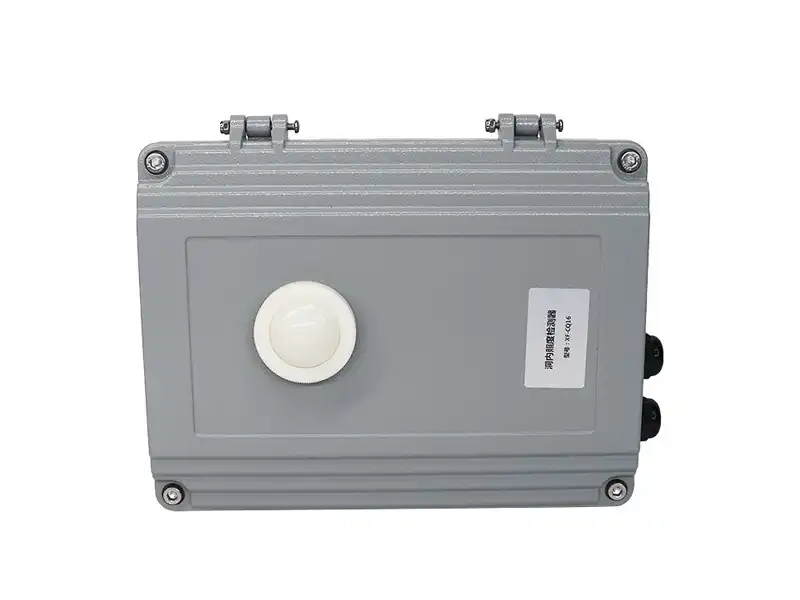
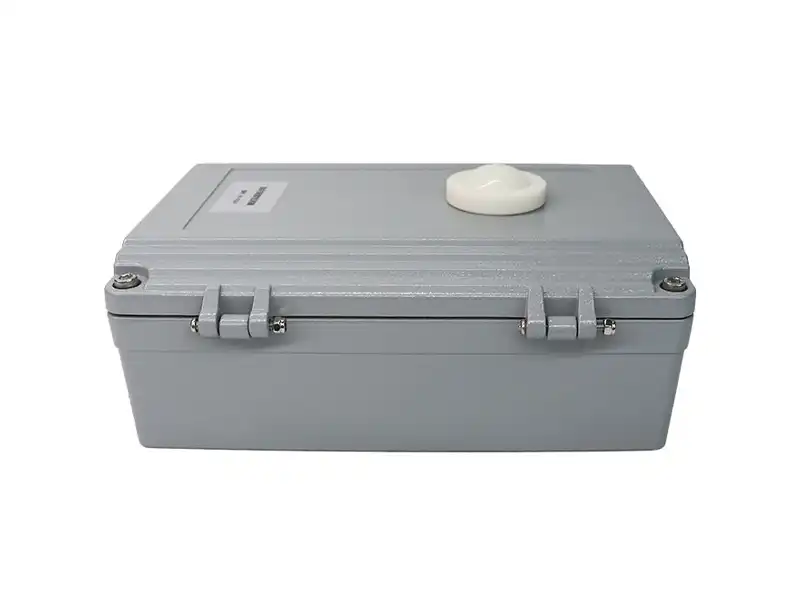
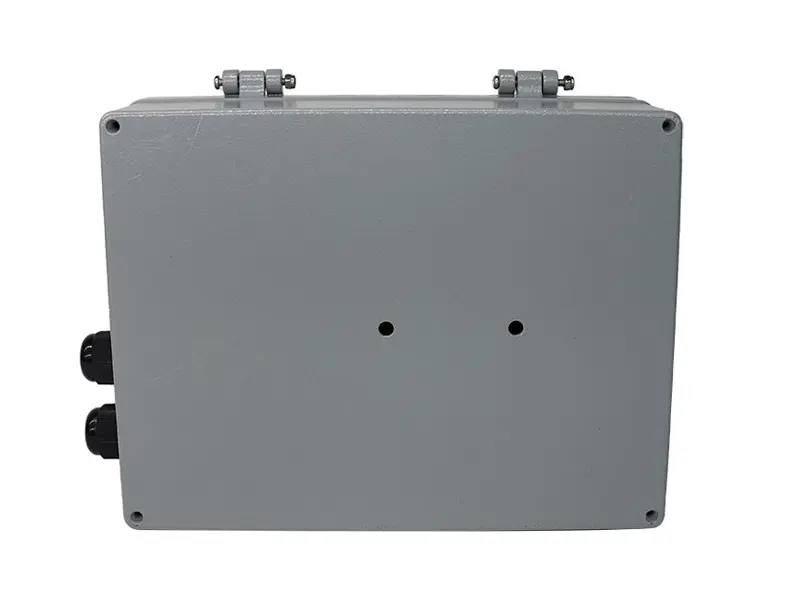
Tunnel Color Temperature Sensors for Lighting Quality Monitoring
The color characteristics of tunnel lighting directly influence driver visual comfort and the overall lighting quality inside tunnels. As LED lighting systems are increasingly adopted in modern tunnel environments, maintaining stable color temperature is essential to ensure consistent lighting performance, reduce visual fatigue, and create a safer driving environment.
Yantai Sensor offers tunnel color temperature monitoring solutions designed for intelligent lighting management systems. The XF-CQ18 Tunnel Color Temperature Detector enables accurate real-time monitoring of lighting color temperature, helping tunnel operators maintain consistent LED lighting performance and improve visual comfort. Installed in tunnel lighting areas, the sensor measures the correlated color temperature (CCT) of light sources and provides accurate data for tunnel lighting control systems.
By monitoring changes in color temperature caused by LED aging, environmental factors, or lighting system adjustments, tunnel color temperature sensors help maintain consistent light quality and support a more comfortable visual environment for drivers. The collected color data provides valuable reference parameters for lighting system calibration and long-term performance management, helping improve lighting consistency, operational reliability, and energy efficiency in intelligent tunnel applications.
Tunnel Wind Speed and Direction Sensors for Airflow Monitoring
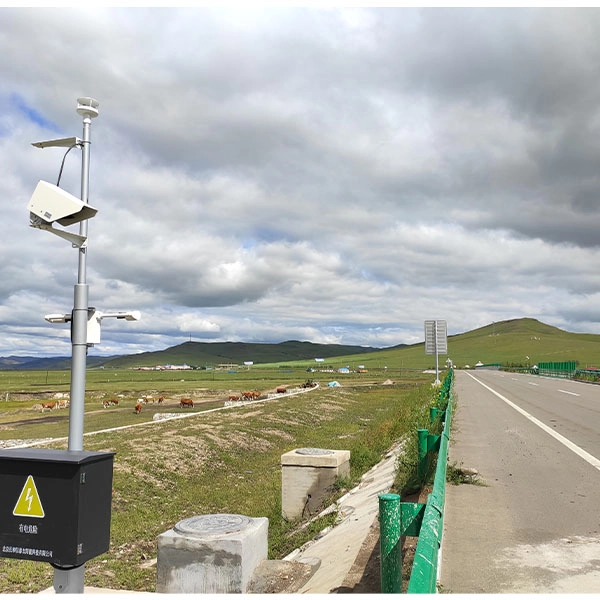
Air movement inside tunnels directly affects ventilation performance, pollutant distribution, and emergency safety. Especially in long tunnels, changing airflow conditions caused by traffic movement, weather, or vehicle emissions require continuous monitoring to ensure ventilation systems operate effectively and maintain a safe internal environment.
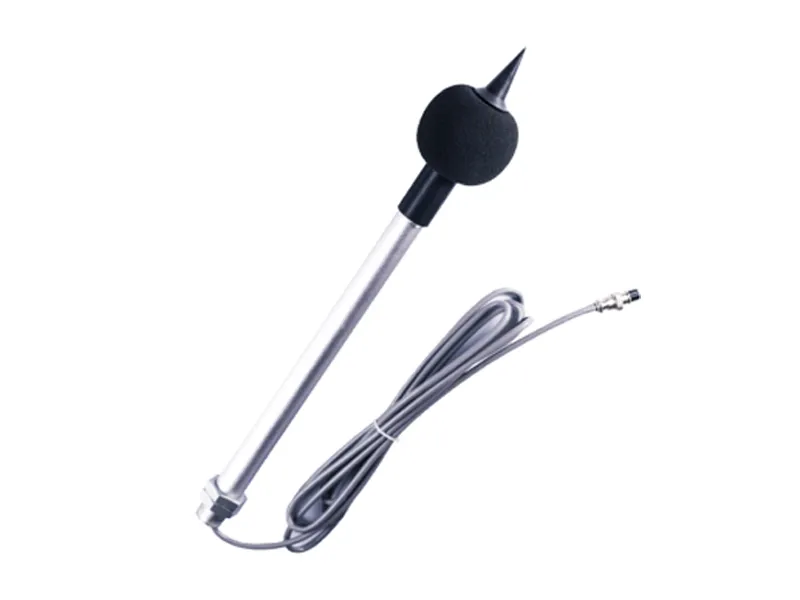
Yantai Sensor provides tunnel airflow monitoring solutions for intelligent tunnel management systems. The XF-CQ19 Tunnel Wind Speed Direction Detector measures real-time wind speed and direction inside tunnels, providing accurate airflow data for ventilation control and environmental safety management.
By tracking airflow changes, tunnel wind speed and direction sensors help improve ventilation system efficiency, provide reference data for smoke control strategies during fire emergencies, and support faster responses to abnormal tunnel conditions. The collected information enables operators to better understand airflow behavior and optimize tunnel safety measures based on actual operating conditions.
With reliable airflow detection capability, tunnel wind sensors provide critical environmental data for ventilation management and emergency response, helping improve tunnel safety, operational reliability, and overall management efficiency.
How Does a Tunnel Monitoring System Work?
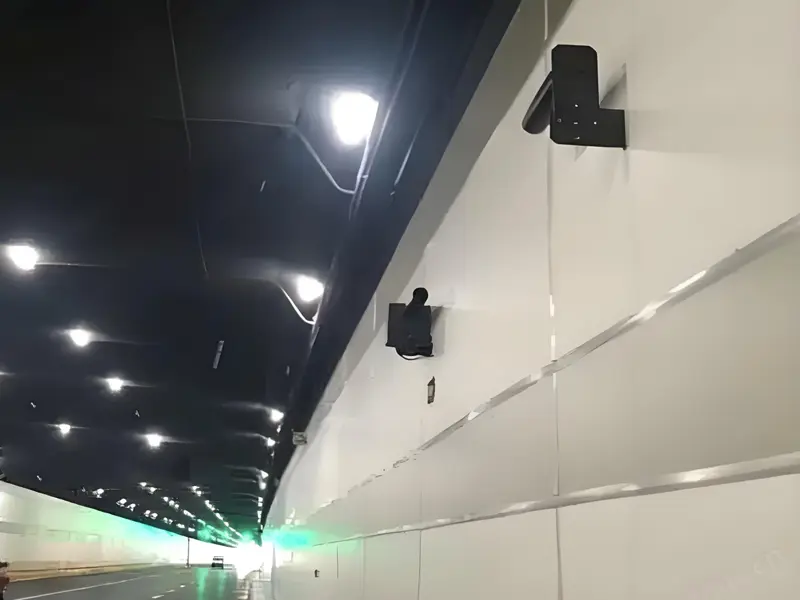
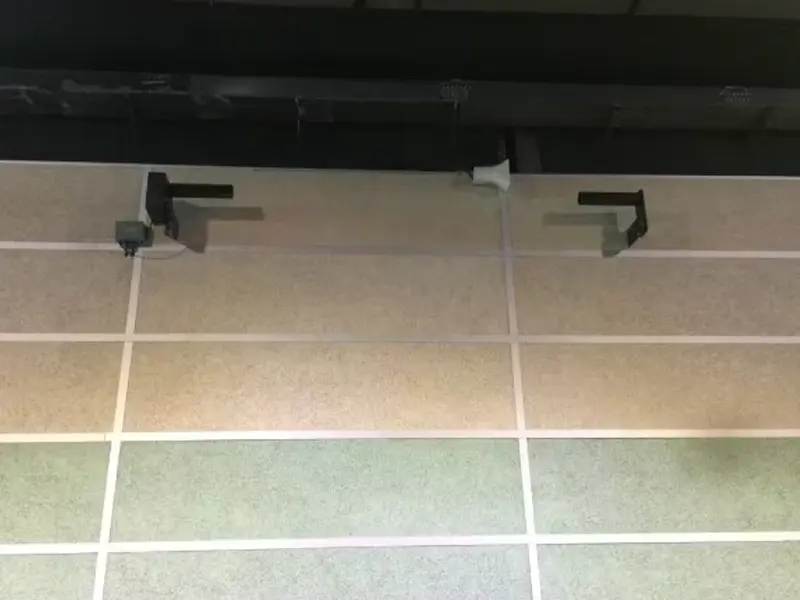
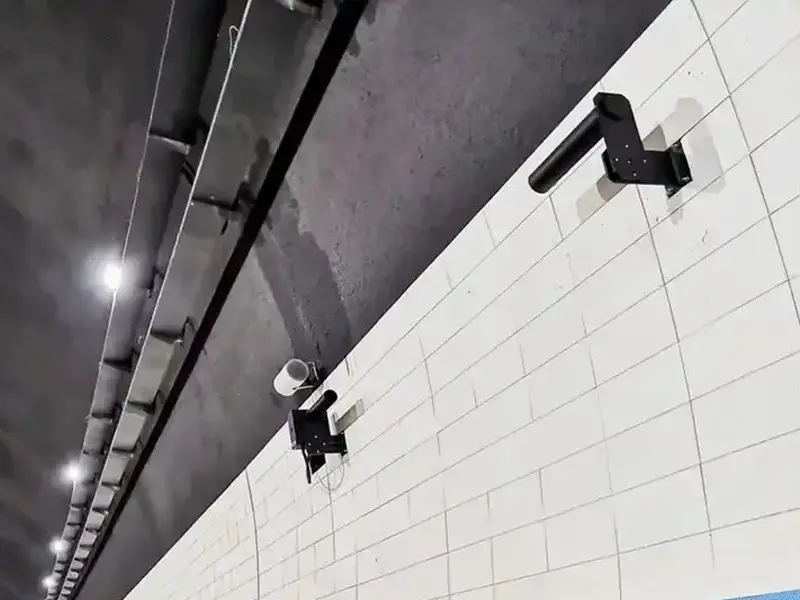
A tunnel monitoring system works by collecting real-time data from multiple sensors installed throughout the tunnel, including traffic flow, luminance, illumination, wind conditions, and other environmental parameters. The collected data is transmitted to the tunnel control system, where operators can analyze current conditions and optimize key operations such as lighting adjustment, ventilation control, and traffic management. By integrating different monitoring inputs, the system enables safer, more efficient, and more intelligent tunnel operation.
Applications of Tunnel Monitoring Systems
Tunnel monitoring systems are widely applied in transportation and infrastructure projects to collect real-time operational data and improve tunnel safety, efficiency, and intelligent management. By integrating traffic, lighting, and environmental monitoring information, these systems help operators optimize daily operations and respond more effectively to changing tunnel conditions.
Highway Tunnel Monitoring
Highway tunnel monitoring systems are commonly used in expressway tunnels, mountain tunnels, and long-distance tunnels where continuous operation and safety control are critical. By monitoring traffic conditions, lighting environments, and airflow changes, the system helps operators improve visibility, optimize tunnel facilities, and maintain stable tunnel operation in complex environments.
Urban Underground Tunnel Management
In urban underground roads and city tunnel networks, tunnel monitoring systems provide real-time information on traffic flow, environmental conditions, and equipment status. This enables more efficient tunnel management, supports smarter infrastructure operation, and helps maintain safe and reliable transportation in high-density urban areas.
Intelligent Tunnel Lighting Control
Intelligent lighting control is one of the key applications of tunnel monitoring systems. By integrating brightness and lighting condition data from multiple monitoring sensors, the system can adjust tunnel lighting according to real-time environmental changes. This helps achieve smoother visual transitions, improve driver comfort, reduce unnecessary energy consumption, and optimize long-term lighting management efficiency.
Tunnel Ventilation and Safety Management
For long tunnels and high-traffic areas, ventilation and environmental safety require continuous monitoring to maintain stable operating conditions. Tunnel monitoring systems collect airflow and environmental data in real time, helping optimize ventilation strategies, support smoke control during emergencies, and improve overall safety management and operational reliability.
Benefits of Tunnel Monitoring Sensors
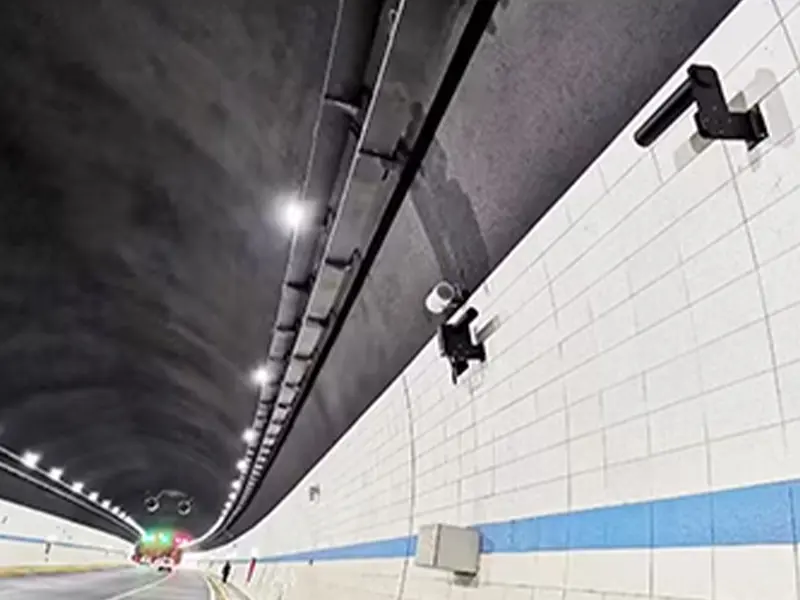
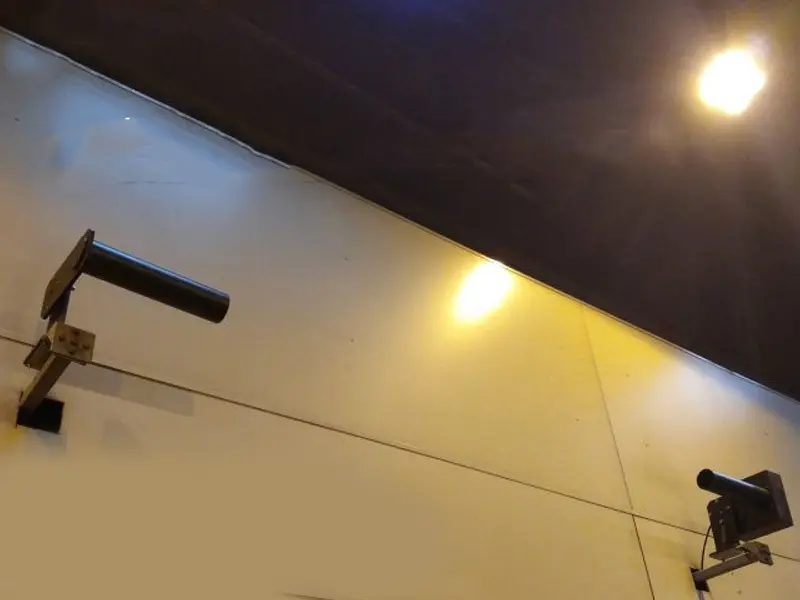
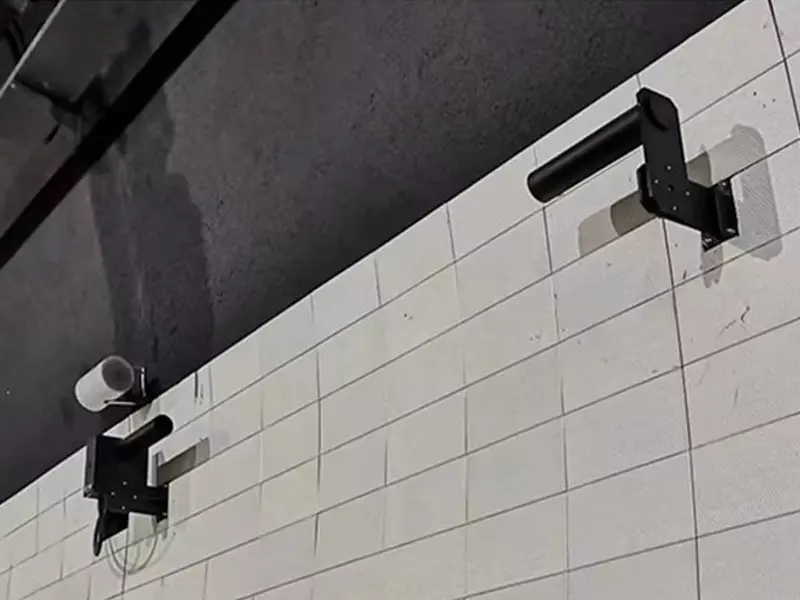
Tunnel monitoring sensors help operators better understand real-time conditions inside and around tunnels by continuously collecting traffic, lighting, and environmental data. These monitoring capabilities improve driving safety by supporting faster detection of changing conditions, enhance visibility through more accurate lighting control, reduce energy waste by adjusting systems based on actual needs, and ensure reliable operation even in harsh tunnel environments. By providing accurate and continuous data, tunnel sensors make tunnel management safer, smarter, and more efficient.
How to Select Sensors for Tunnel Monitoring Systems?
Selecting the right sensors is essential for building an effective tunnel monitoring system. Different tunnel applications require different types of monitoring data, and sensor performance directly affects system accuracy, reliability, and long-term operation. By considering monitoring requirements, measurement performance, and installation conditions, operators can choose suitable sensors that better match tunnel safety, lighting control, and environmental management needs.
Consider Monitoring Requirements
The right sensor should be selected based on the specific monitoring objectives of the tunnel. For traffic monitoring, radar sensors are commonly used to detect vehicle presence, speed, and flow conditions. For lighting management, brightness and luminance sensors provide accurate light data for adaptive control. In ventilation and safety applications, wind sensors help monitor airflow conditions and support better environmental management.
Check Measurement Accuracy
Measurement accuracy directly affects the reliability of a tunnel monitoring system. When evaluating sensors, important factors include luminance accuracy for lighting control, detection range for traffic and environmental monitoring, and response speed for capturing real-time changes. High-precision sensors help ensure that control systems receive reliable data and make more effective operational decisions.
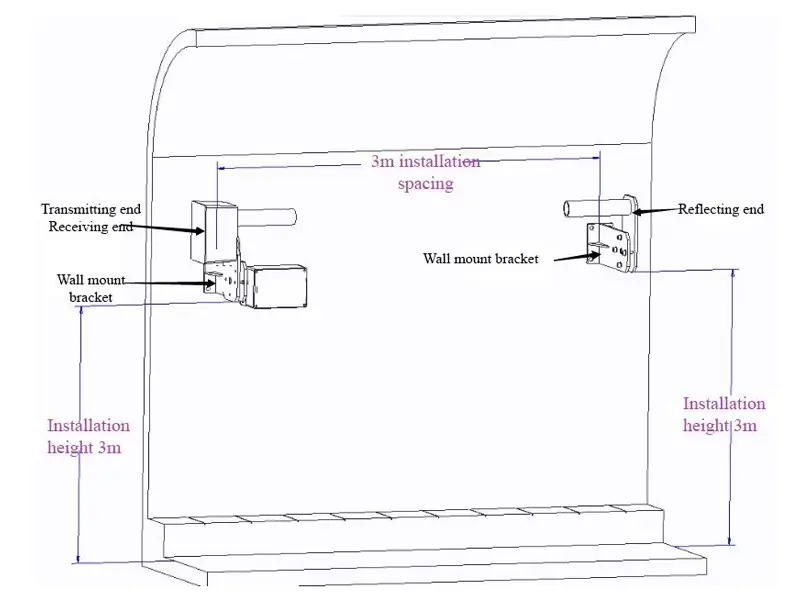
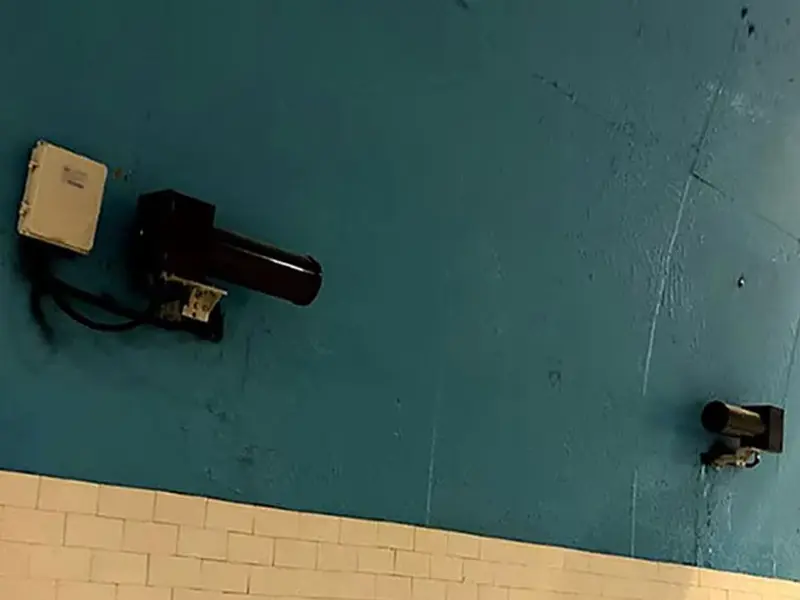
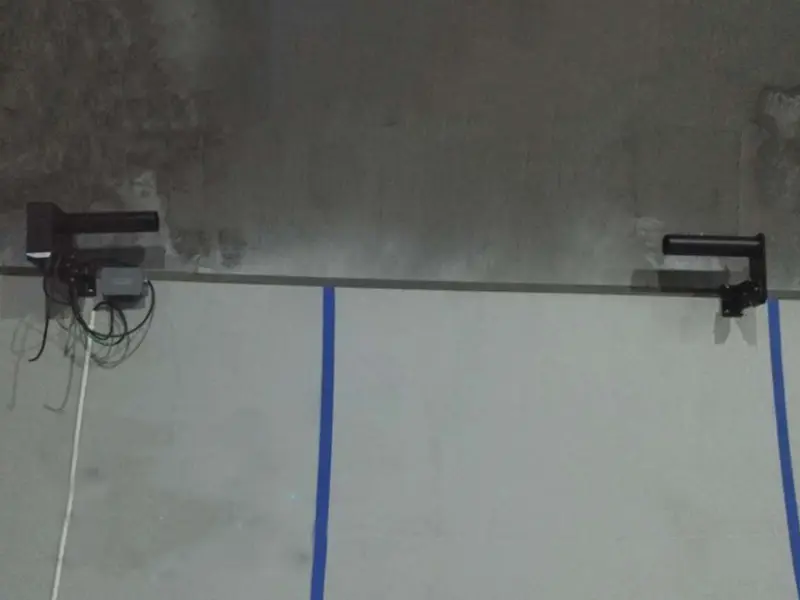
Consider Installation Environment
Tunnel environments can be challenging due to dust, humidity, temperature fluctuations, and continuous operation requirements. Sensors should be designed with suitable protection levels and stable performance to maintain accurate monitoring over long periods. Considering environmental adaptability during selection helps reduce maintenance needs and ensures reliable tunnel operation.
Conclusion
Tunnel monitoring systems depend on reliable sensing technologies to collect accurate real-time data and improve safety, visibility, and operational efficiency. By integrating traffic monitoring, brightness detection, luminance measurement, and environmental sensing technologies, modern tunnels can achieve more intelligent control, optimized resource use, and safer daily operation.
To build a tunnel monitoring solution that matches your project requirements, contact Yantai Sensor’s engineering team for professional sensor selection support and customized recommendations for intelligent transportation applications.