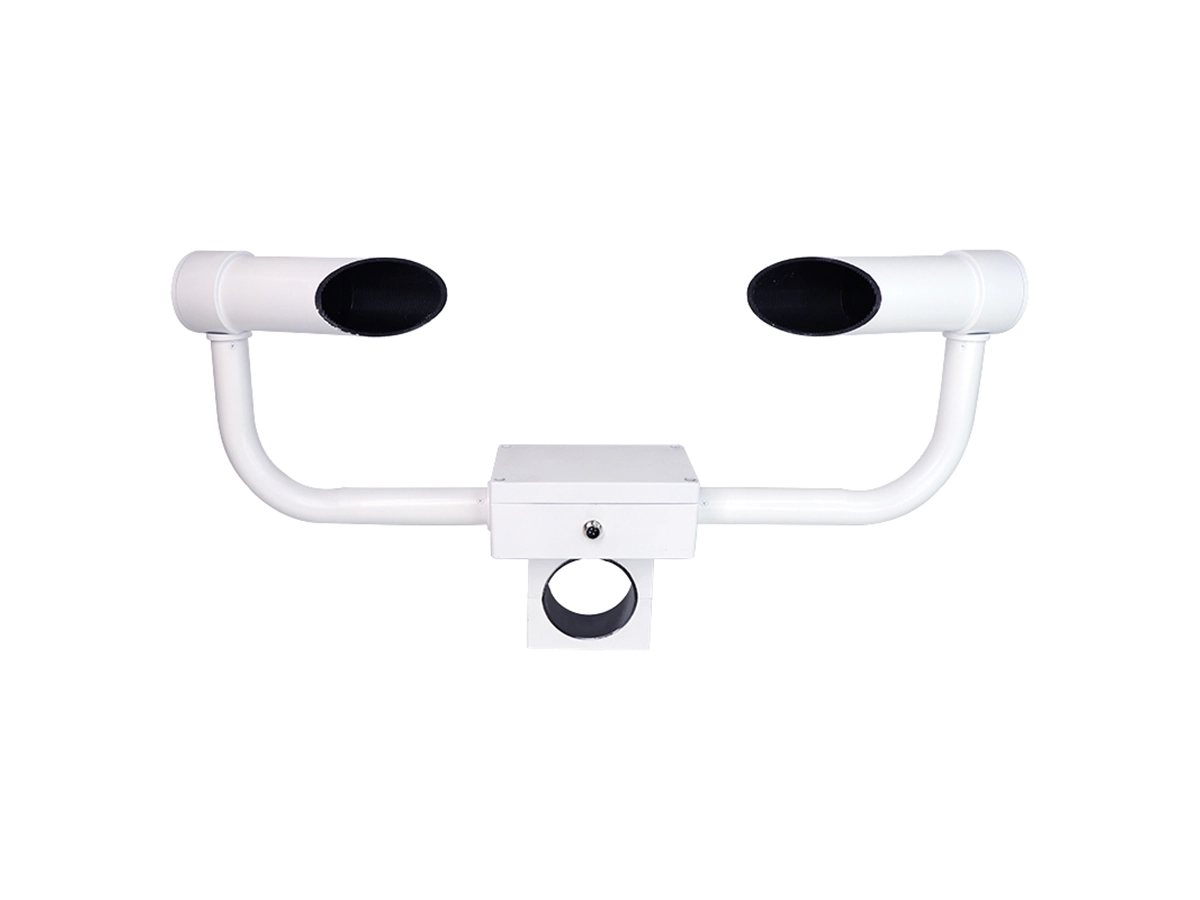
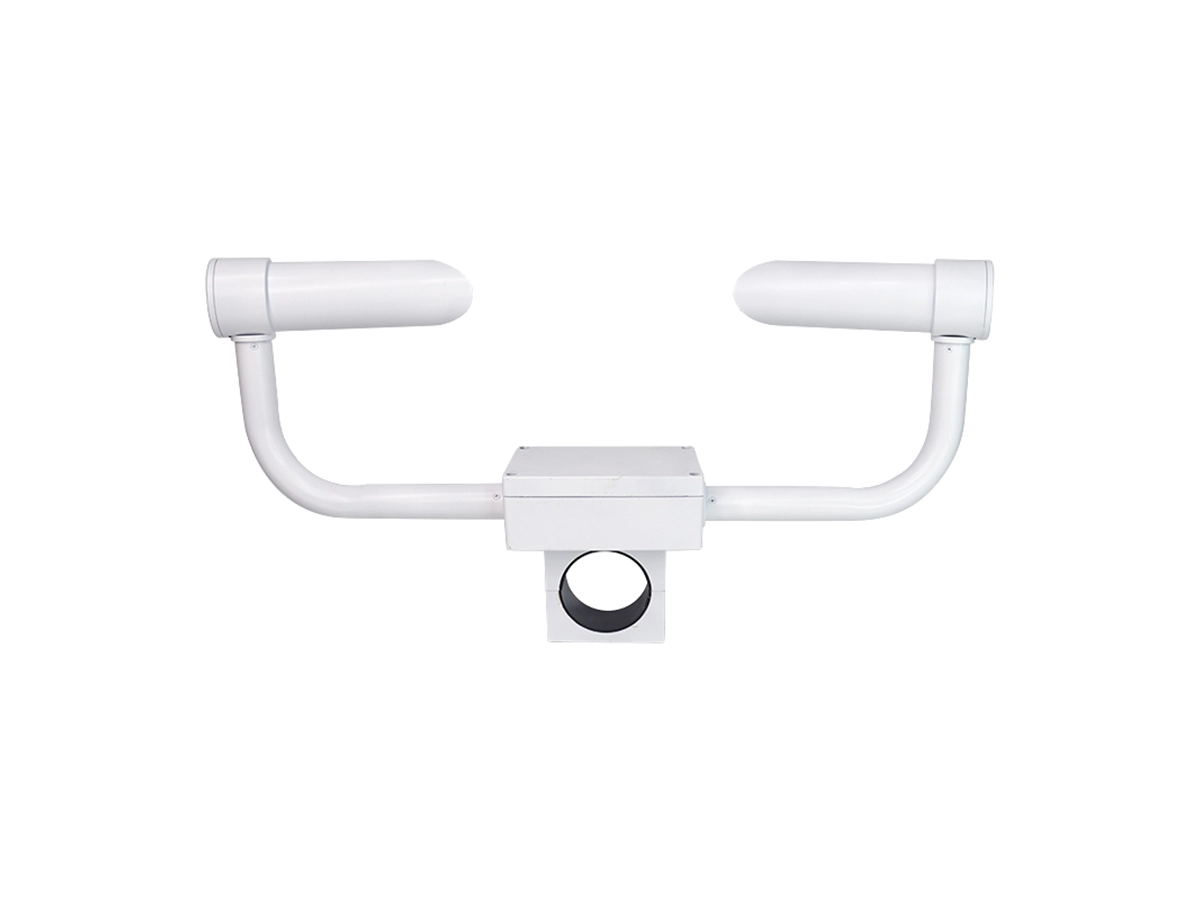
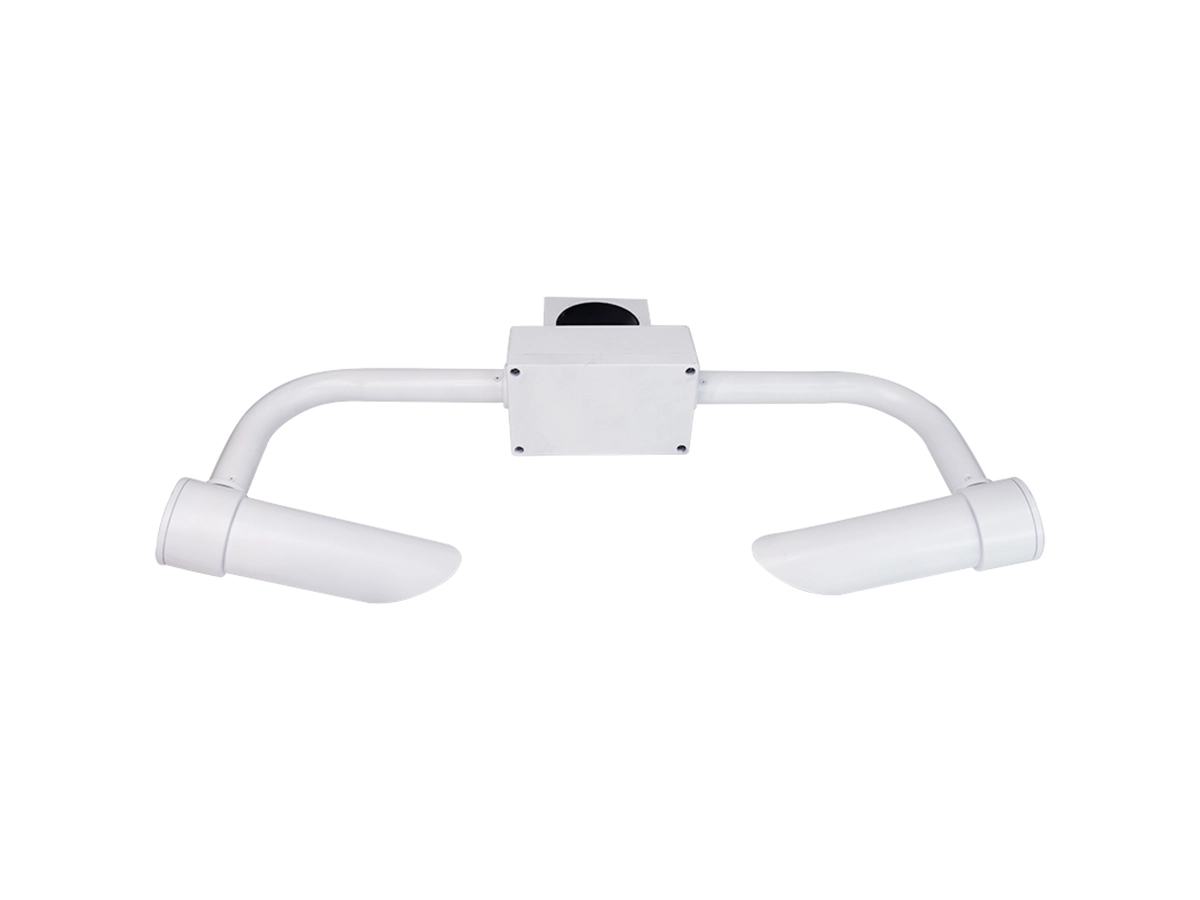
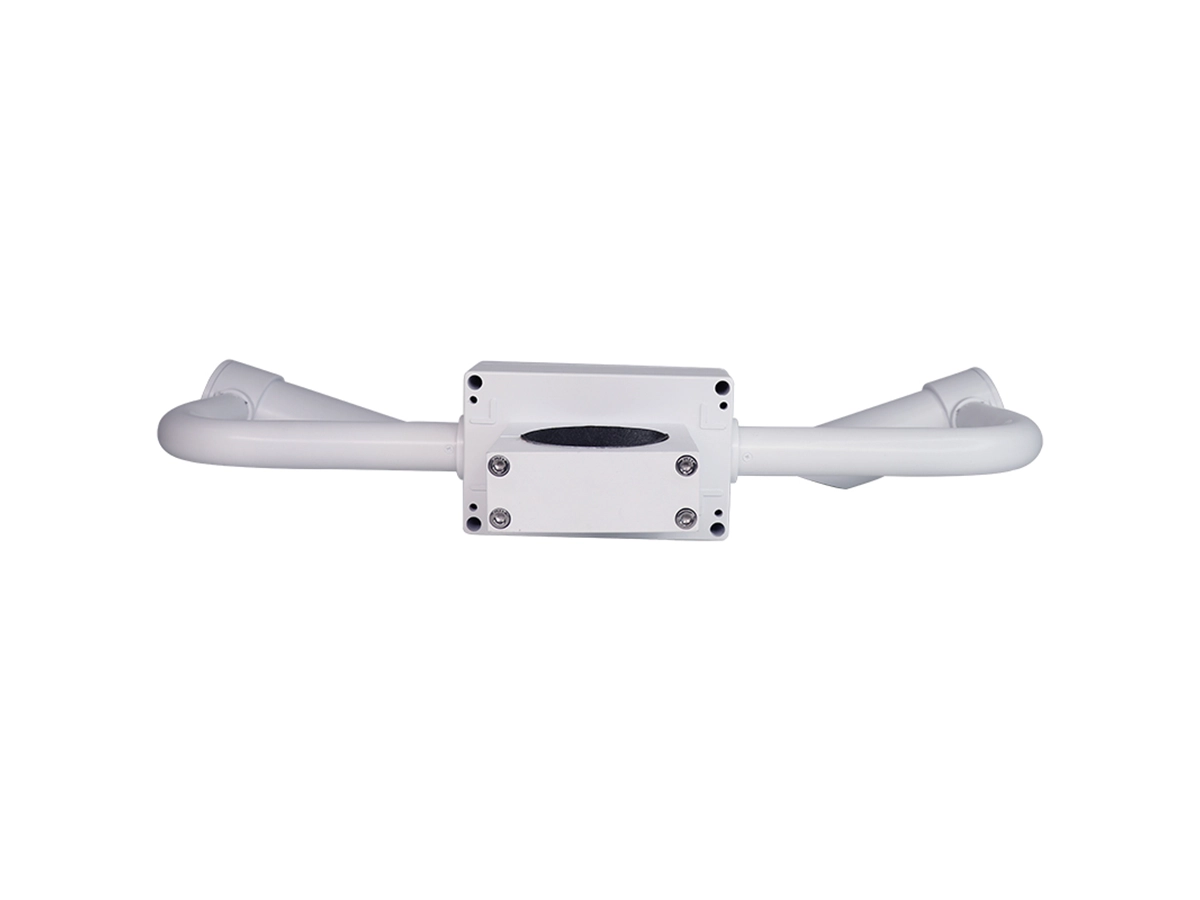
XF-CQ10 Smoke Dust Haze Fog Rain Snow Visibility Sensor
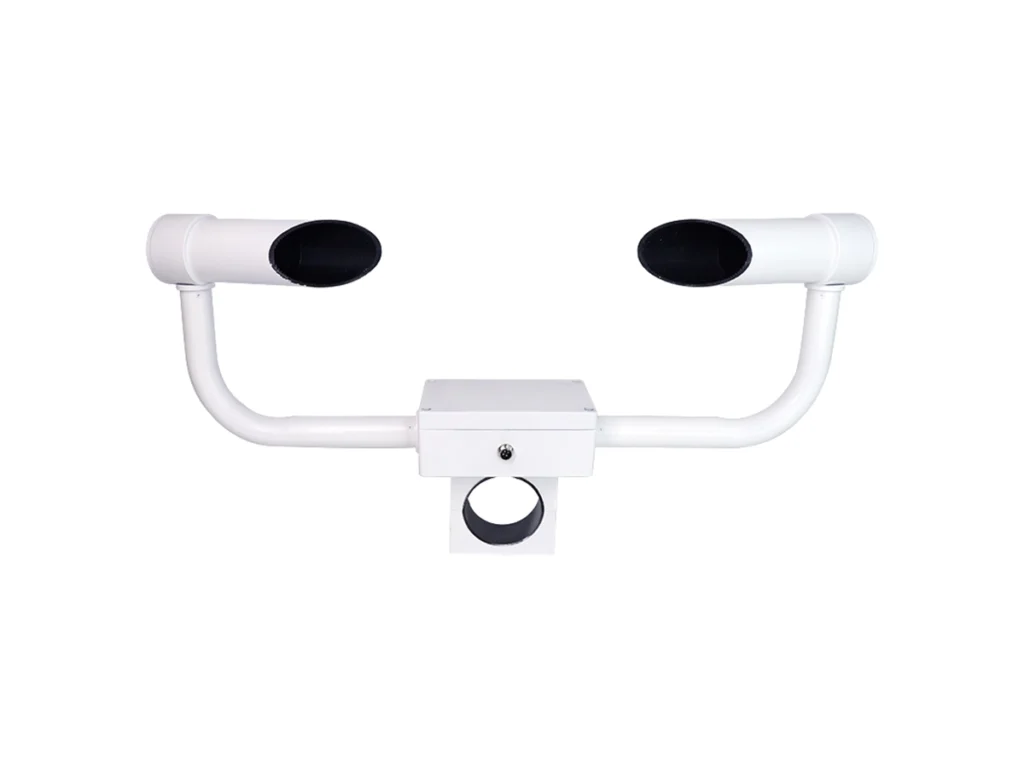
The XF-CQ10 Smoke Dust Haze Fog Rain Snow atmospheric visibility sensor is an optical-based meteorological observation device designed to measure ground-level atmospheric visibility (optical distance). This equipment provides real-time visibility monitoring and data for the installation area, finding extensive application in transportation, aviation, maritime navigation, military operations, air pollution monitoring, and atmospheric physics research.
|
Parameter |
Specification |
|---|---|
|
OAtmospheric temperature |
-40-60℃ |
|
Working voltage |
12-24VDC |
|
Output signal form |
RS48 standard modbus protocol |
|
Measuring range |
10m-10km |
|
Measurement accuracy |
S2km+2%;2km~10km±5% |
US$1898.21–2277.85/ Unit
Introduction
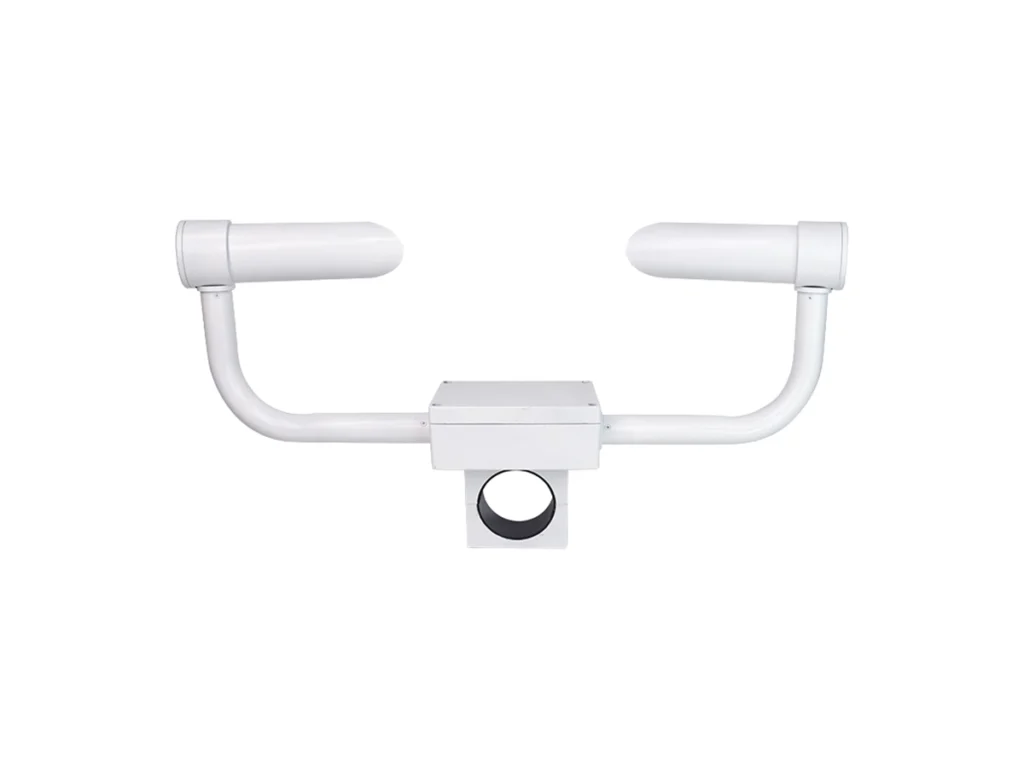
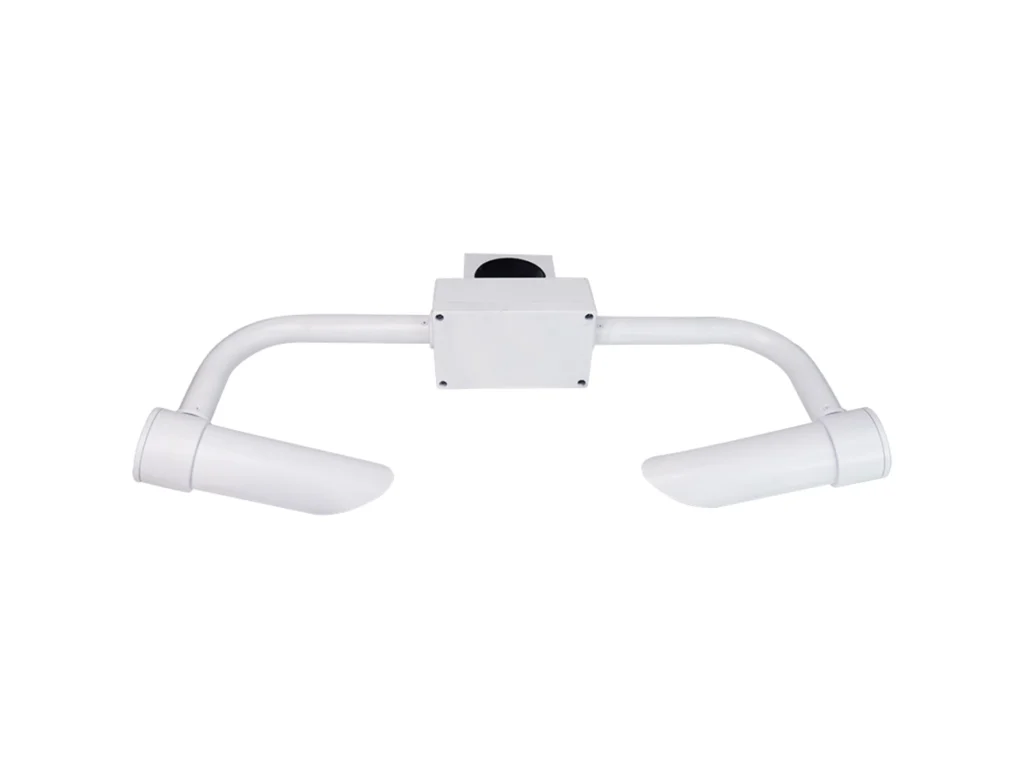
The XF-CQ10 visibility sensor integrates multi-factor monitoring of smoke, dust, haze, rain, and snow. Featuring a rugged, weather-resistant integrated optical structure design, it ensures high-precision visibility measurements even in complex environments. Key structural features are outlined below.If you’d like to learn more about “What Is a Traffic Sensor? Types, Applications & Working Principles,” please click here.
Structure of the XF-CQ10 Visibility Sensor
- Transmitter and Receiver Optical Unit: Forms the core measurement system, enabling collection and processing of visibility scattering light signals.
- Open Measurement Optical Path Structure: Enhances detection sensitivity for fine particles such as smoke, dust, and haze.
- Optical Shading and Stray Light Prevention Structure: Filters environmental interference light to ensure stable and reliable output.
- Weather-resistant metal chassis with fully sealed protective housing (IP65+): Meets long-term outdoor operational requirements.
- Optical heating/defogging assembly: Prevents condensation and frost buildup, maintaining clear optical path functionality.
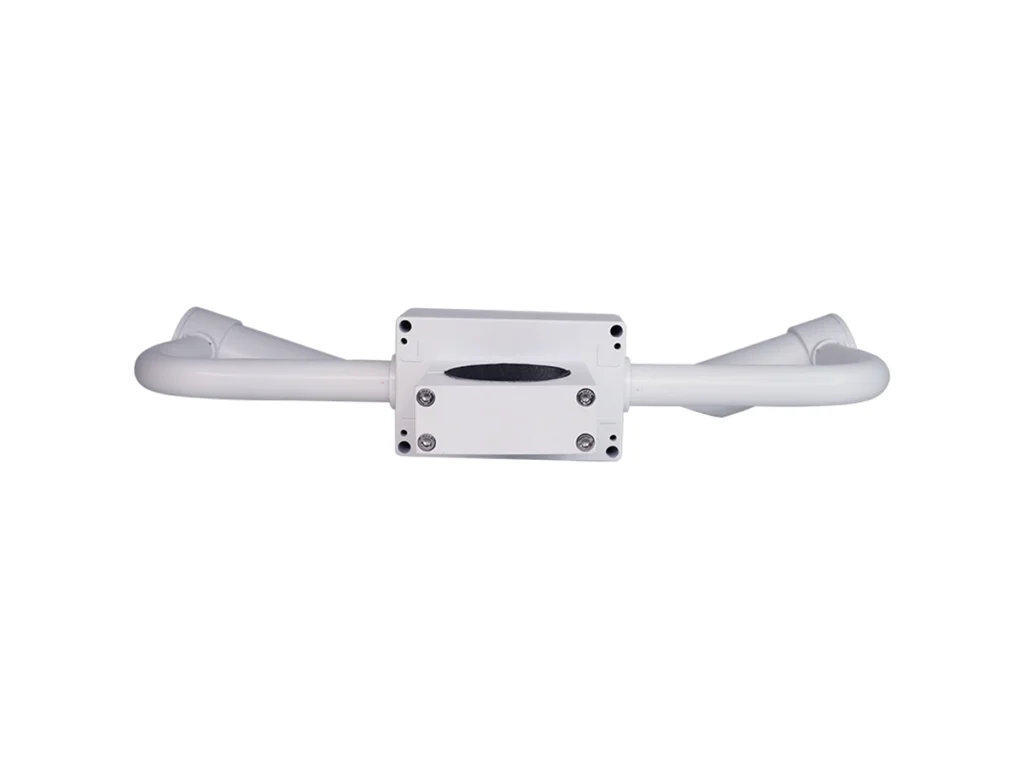
- Power supply and communication interface module (e.g., RS485/Modbus): Provides standardized wiring and data output.
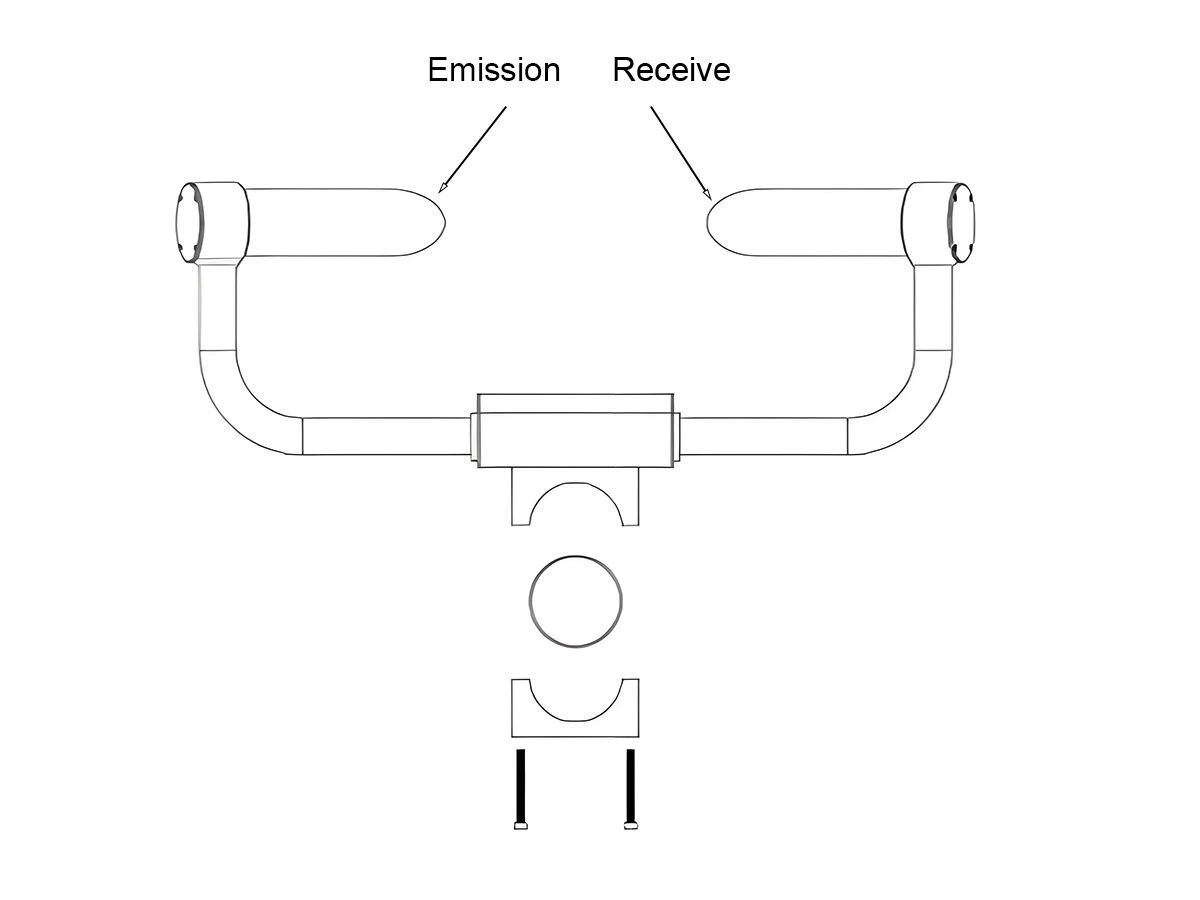
Details Show
Below are the core details of the XF-CQ10 Smoke Dust Haze Fog Rain Snow Visibility Sensor, covering structural design, material selection, manufacturing processes, and key components. This provides a clear understanding of our rigorous control over quality and reliability.If you’d like to learn more about “What Is a Visibility Sensor? Working Principle, Types & Applications,” please click here.
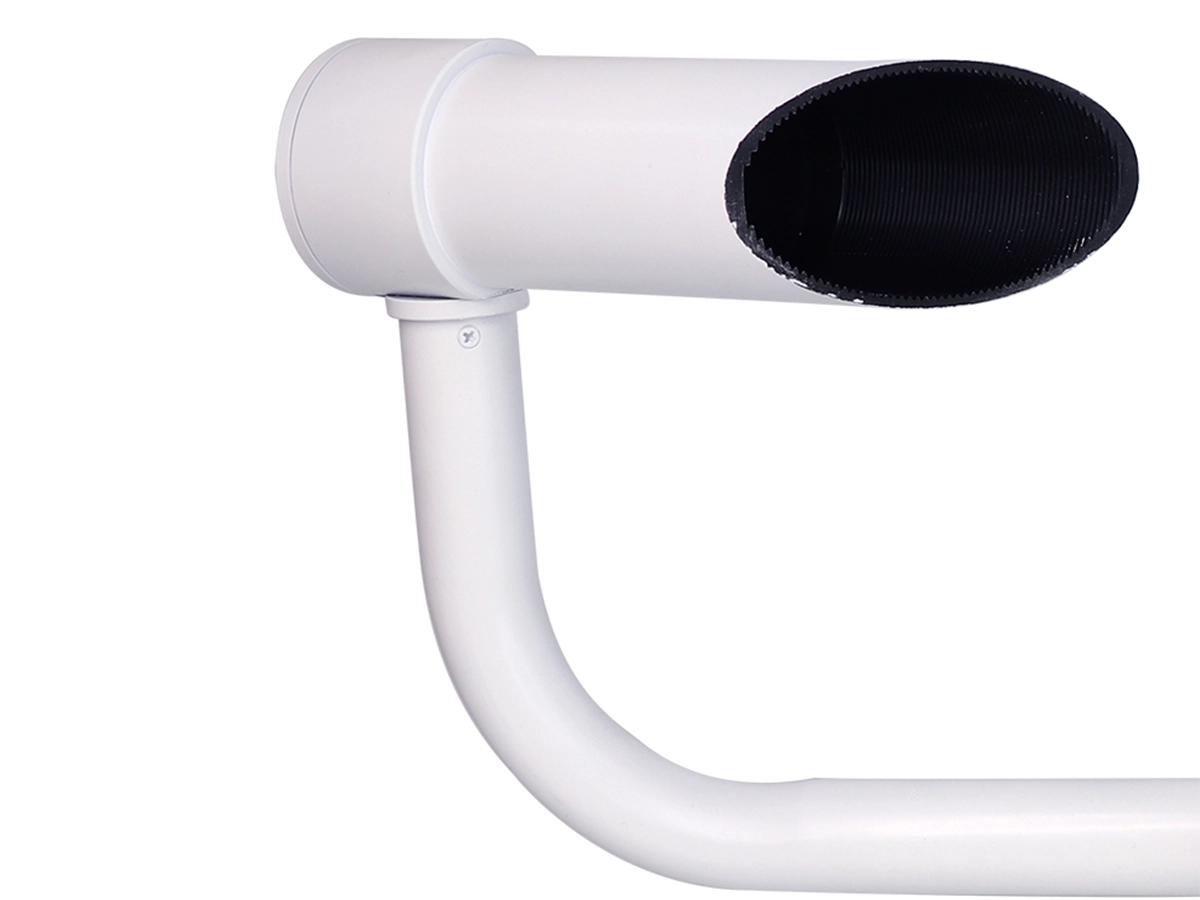
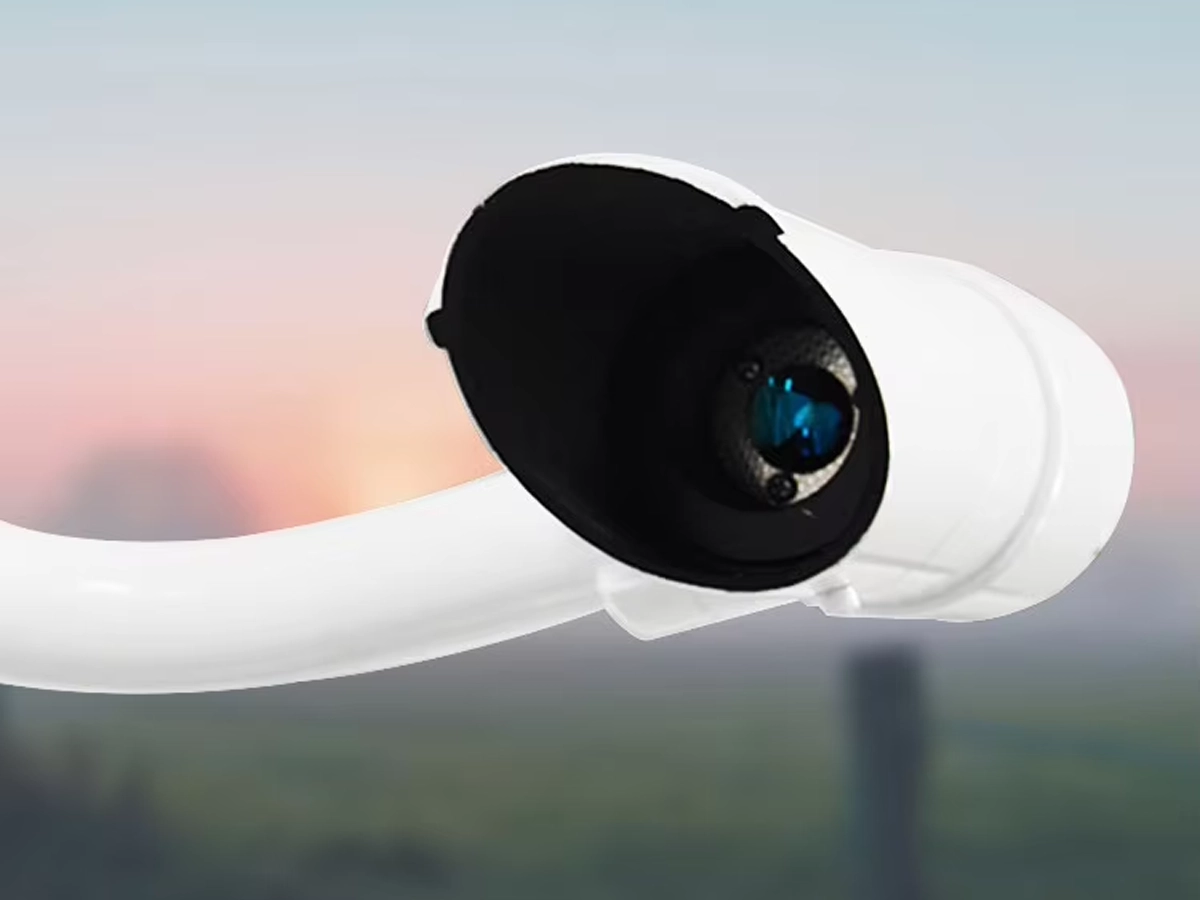
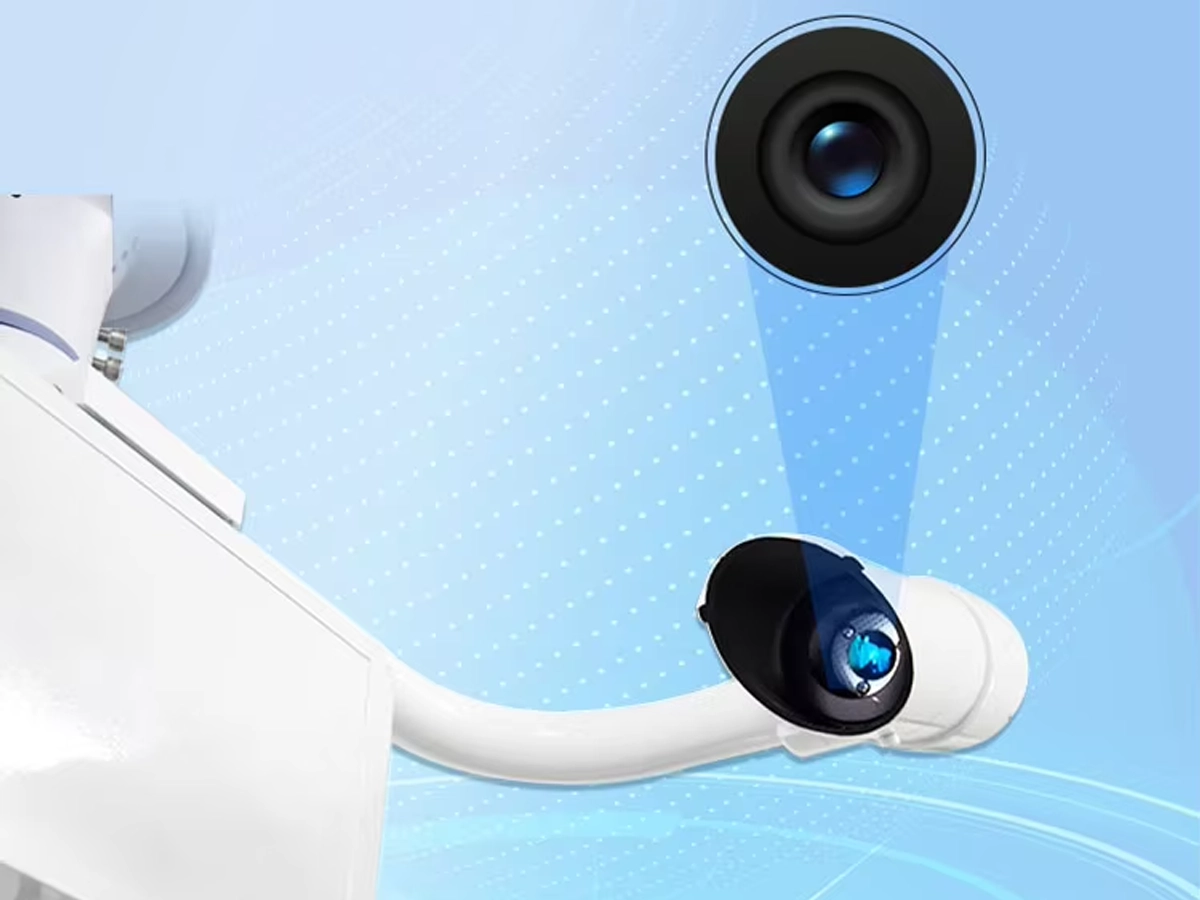
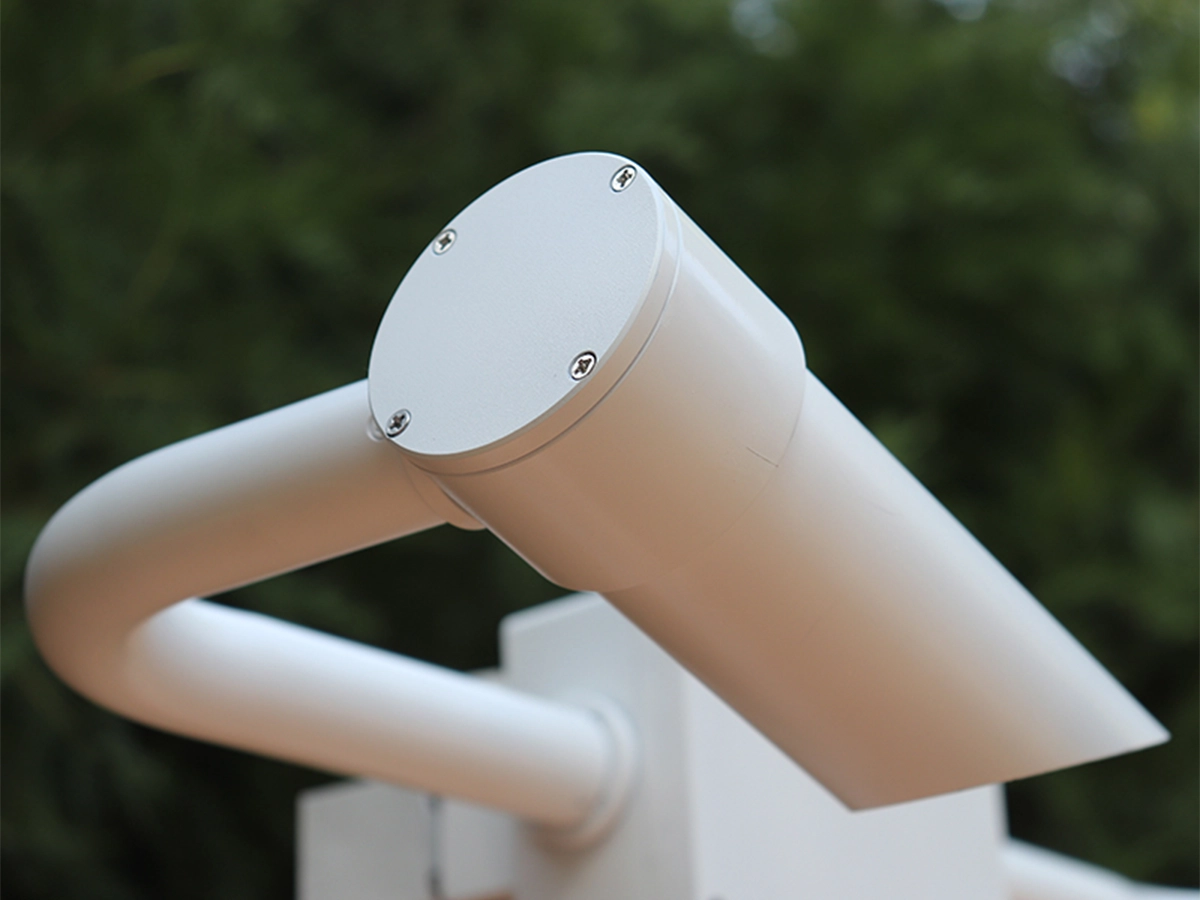
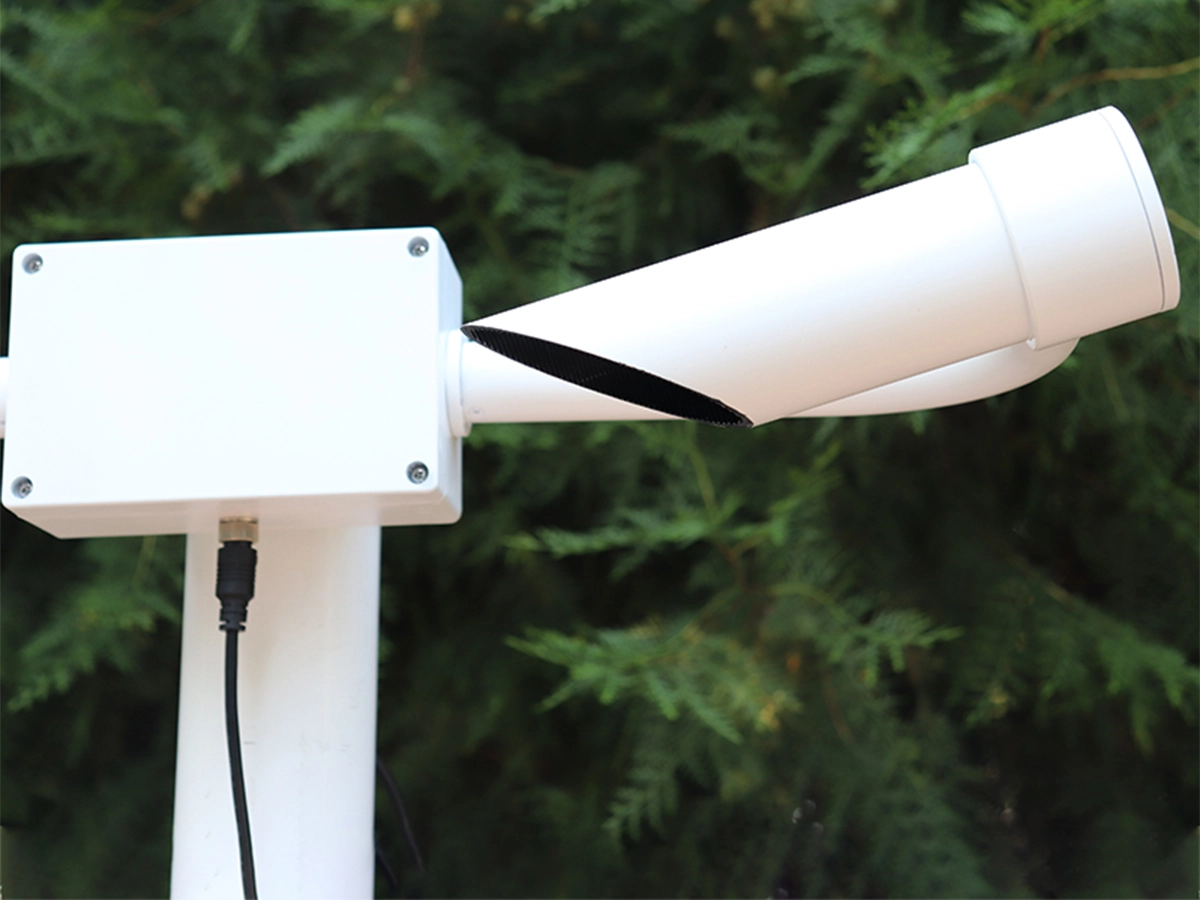
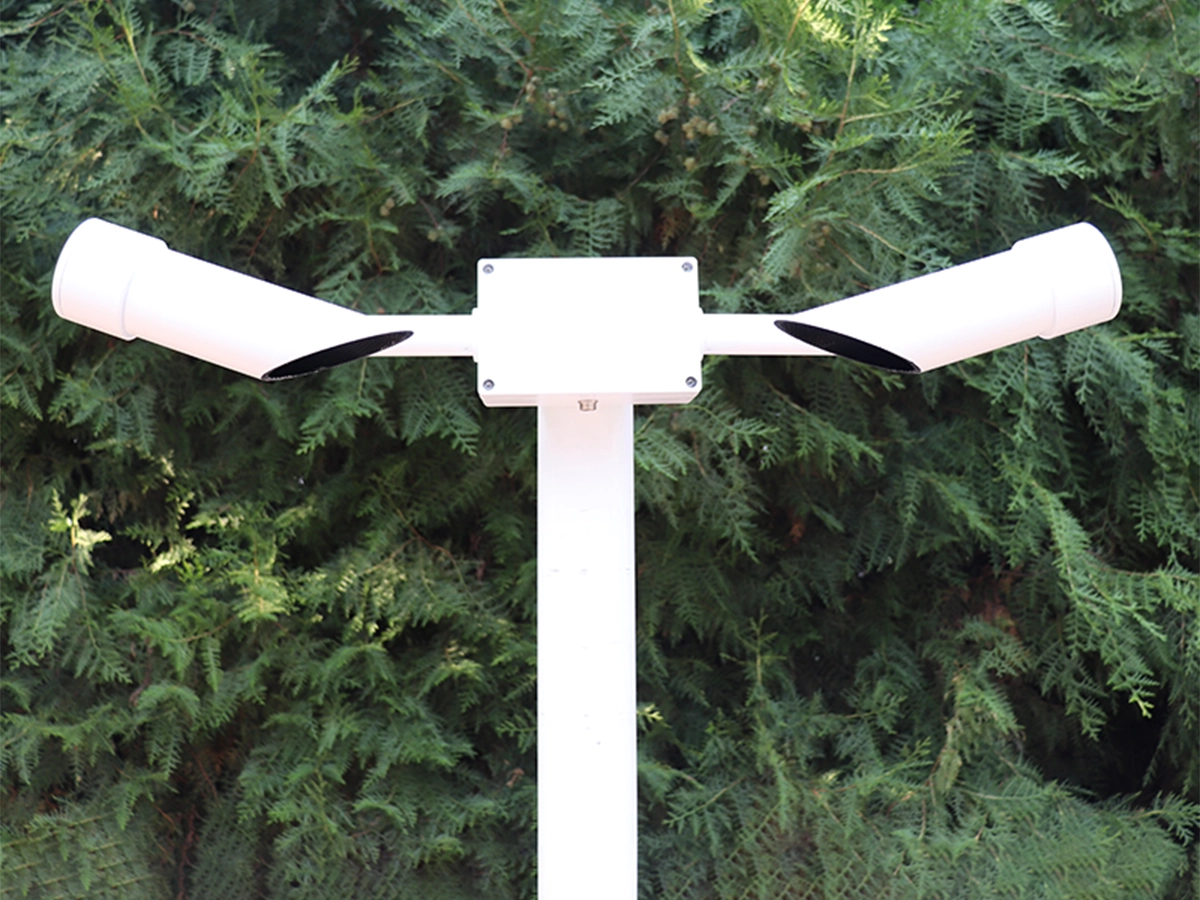
visibility sensor principle
- Forward Scattering Principle: Estimates visibility by measuring the scattering intensity of light beams by airborne particles.
- Light Attenuation Analysis: Calculates atmospheric transmittance based on changes in light intensity attenuation caused by particulate matter.
- Multi-Particle Response Model: Distinguishes and compensates for scattering characteristics of particles with varying sizes and forms—such as smoke, dust, haze, rain, and snow—through algorithmic differentiation.
- Ambient Light Suppression: Eliminates interference from background light sources like sunlight and vehicle headlights using optical shading structures and filtering algorithms.
- Temperature & Humidity Compensation: Automatically corrects environmental variations affecting light propagation to enhance visibility calculation accuracy.
- Dynamic Filtering & Stability Processing: Smooths measurement signals to prevent misinterpretation caused by rain/snow pulses and transient fluctuations.
Specifications
Key technical specifications of the XF-CQ10 Visibility Sensor, including electrical performance, environmental adaptability, and operating conditions, provide a comprehensive reference for evaluating the device’s stability and compatibility across various application scenarios.
Parameters
| Measuring range | 10m-10km |
| Operating Voltage | DC12V ~24V |
| Power consumption | Non-heating ≤ 2 W |
| Heating | ≤ 6 W |
| Output | RS485 standard modbus protocol |
| Accuracy | ≤2km ± 2%;
2km~10km ± 5% |
| Data update interval | 15s/60s |
Environmental requirements
| Operating temperature | -40-60℃ |
| Working humidity | 0-100%RH |
| Storage temperature | -50-85℃ |
Features of Ultrasonic Anemometer Sensor
Multi-weather Adaptability
Operates reliably in low-visibility conditions including smoke, dust, haze, rain, and snow.
High-Precision Scattering Measurement
Responsive to minute particles, delivering stable and reliable visibility calculations.
Weatherproof Design (IP65+)
Metal housing with fully sealed construction, suitable for long-term outdoor environments.
Optical Heating & Anti-Condensation
Effectively prevents water accumulation, frost, and condensation from affecting the measurement window.
Strong Anti-Interference Capability
Ambient light suppression and digital filtering minimize external light source interference.
Convenient Installation & Integration
Supports RS485/Modbus interfaces for compatibility with multiple monitoring systems
Applications of the horizontal visibility sensor
The XF-CQ10 visibility sensor is widely used in various fields such as transportation, meteorology, and environmental monitoring, helping customers improve safety and data accuracy.

Traffic Safety Monitoring
Used for visibility monitoring at transportation facilities such as roads, airports, and ports to enhance traffic safety management.

Meteorological Monitoring
It is used to collect data from weather stations and satellites to provide visibility information for weather forecasts.

Environmental Monitoring
Used in air quality monitoring systems to measure the impact of haze, smoke, dust, and other pollutants on visibility.

Maritime Navigation Safety
Installed on vessels, offshore platforms, and similar facilities to monitor sea visibility and ensure safe navigation.

Airport Visibility Monitoring
Deployed on airport runways, control towers, and other locations to guarantee flight safety and assist air traffic control.

Industrial Safety Monitoring
Used in industries such as mining, power generation, and metallurgy to monitor low visibility and ensure worker safety.
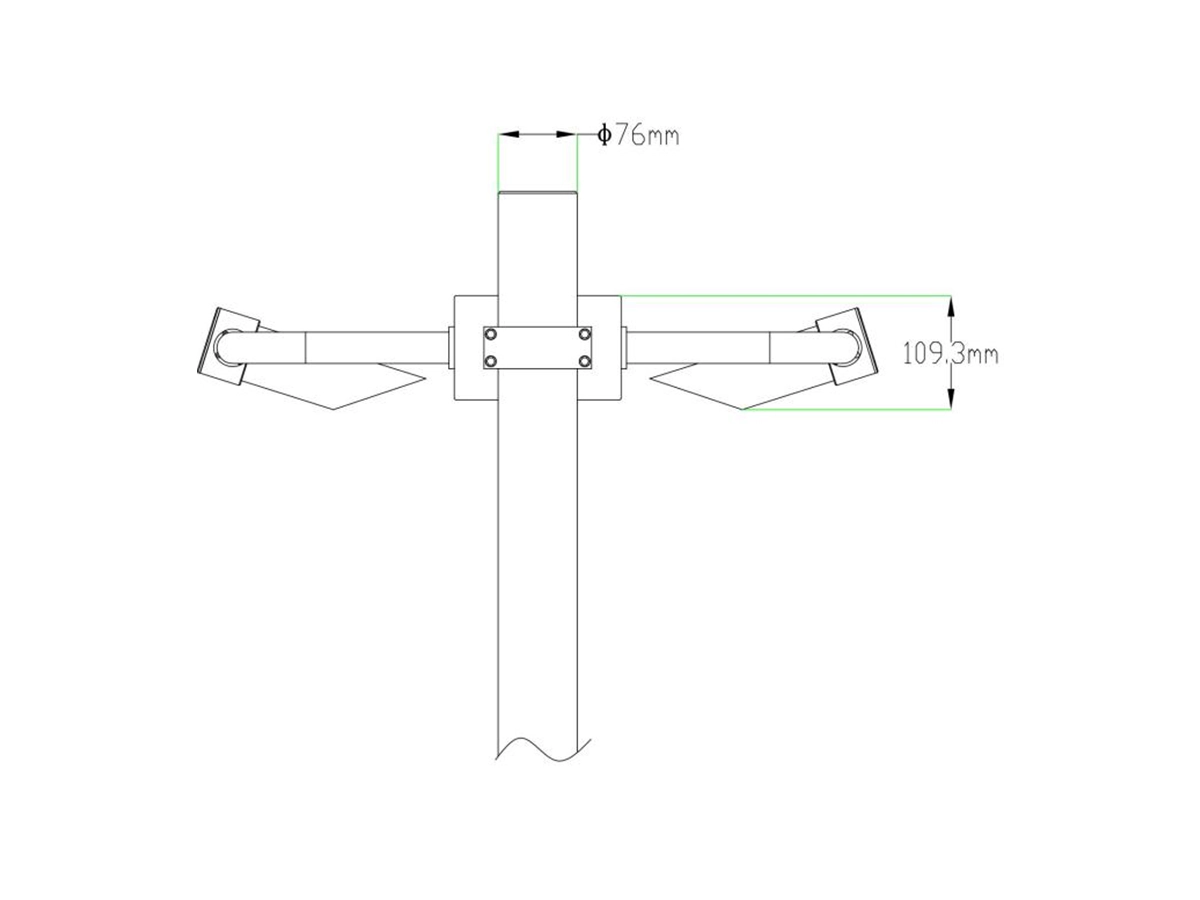
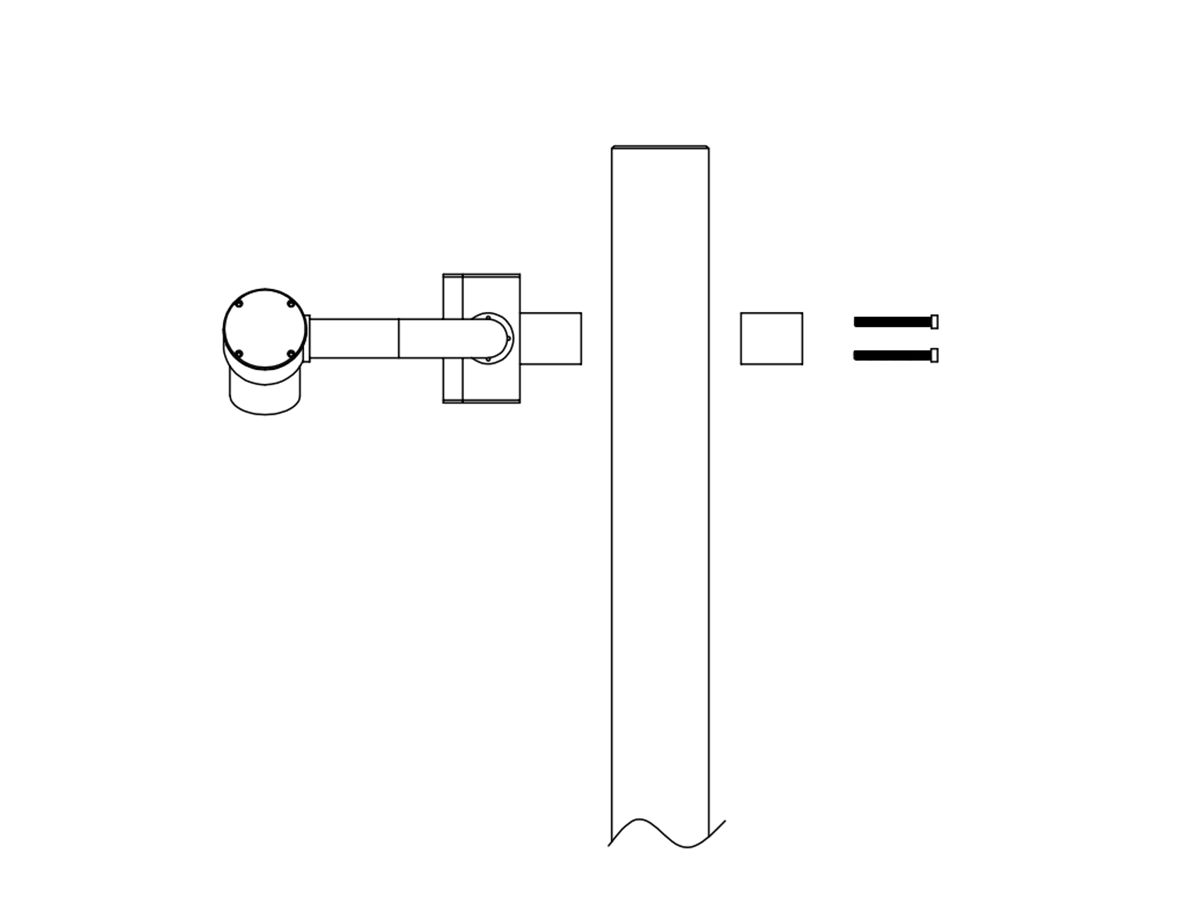
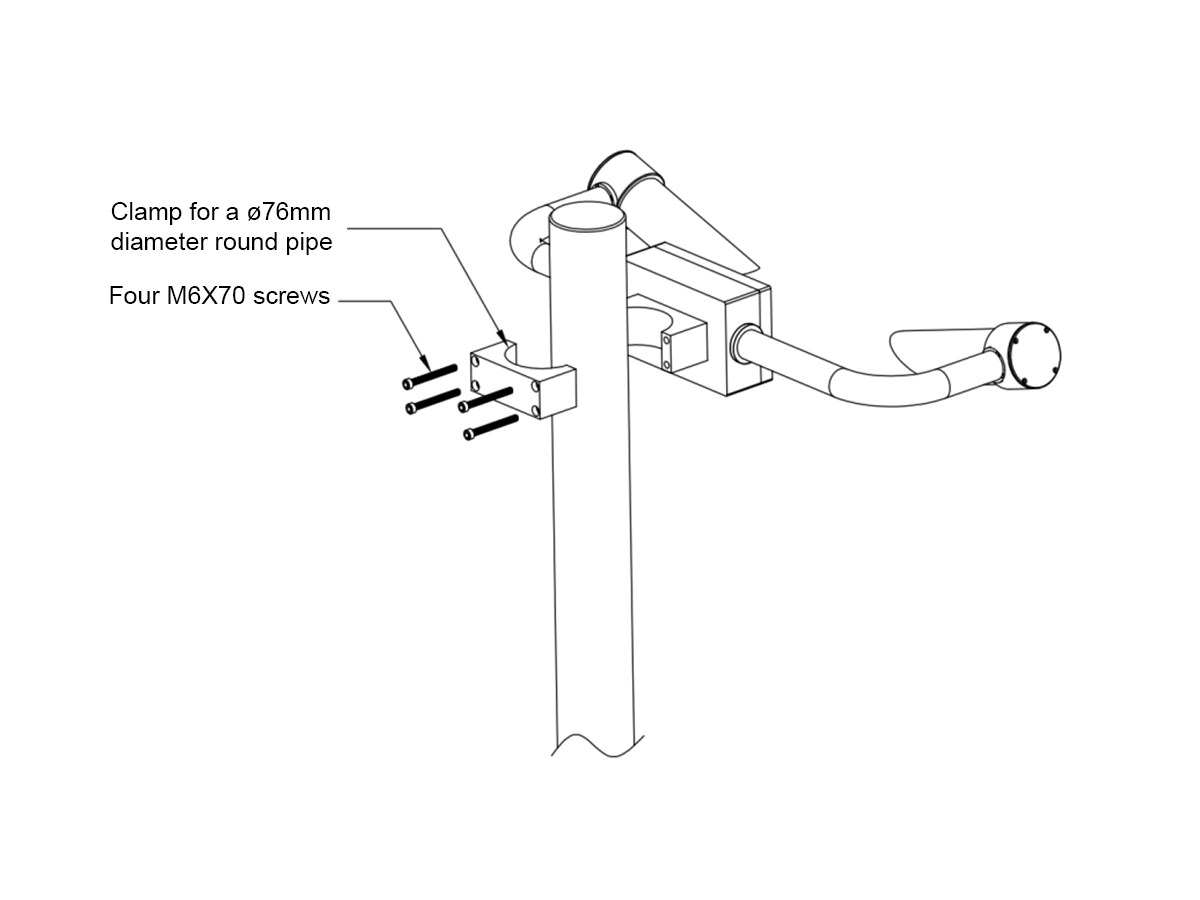
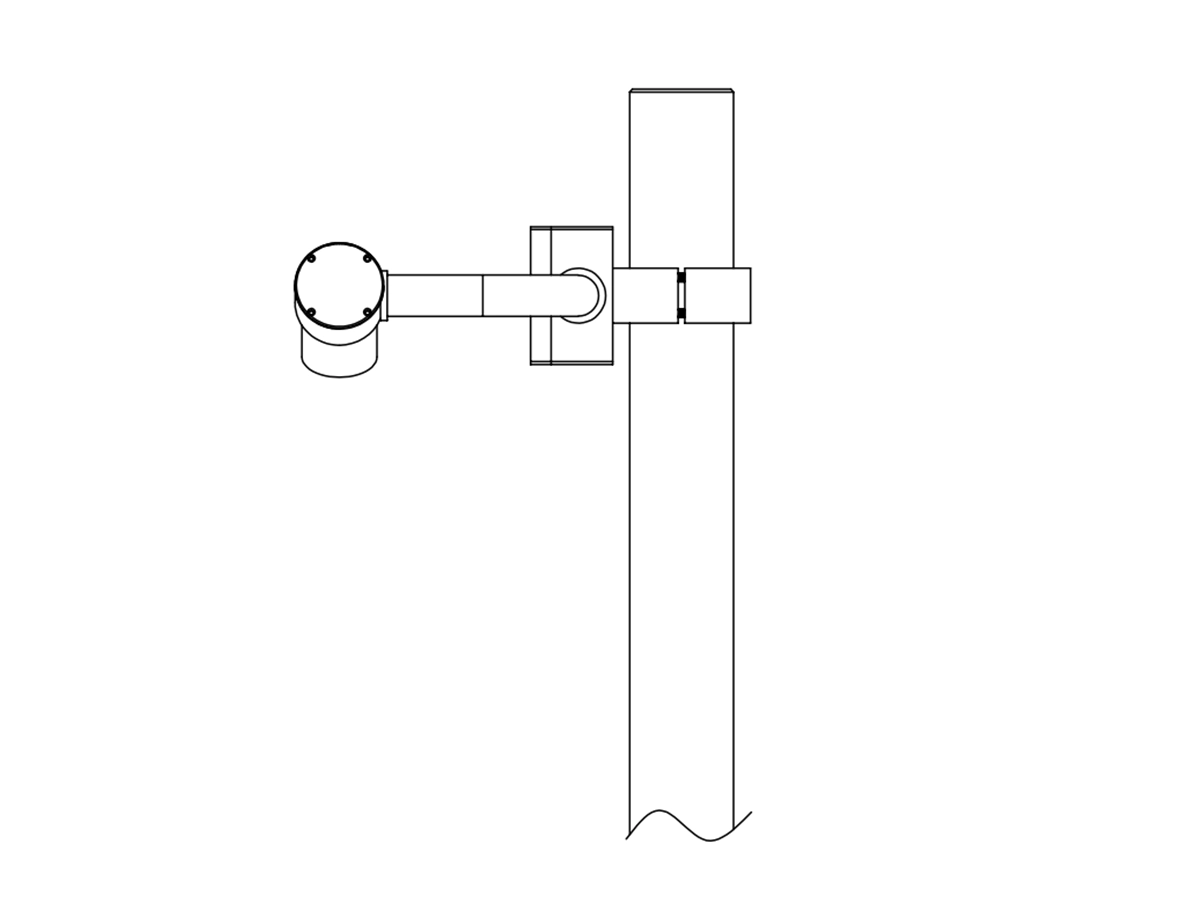
Installation Diagram
The following is a standardized installation diagram of the XF-CQ10, visually demonstrating the complete steps from bracket mounting to interface wiring, helping you to quickly and accurately complete equipment deployment.
custom atmospheric visibility sensor
As a professional visibility sensor manufacturer, we operate our own production facilities and employ an experienced engineering team to provide multiple customization services tailored to your application scenarios, ensuring the XF-CQ10 fully meets your project requirements.
Available customization services include:
- Range and Measurement Mode Customization: Supports various visibility ranges and forward scattering algorithm optimization.
- Output Interface and Protocol Customization: Provide personalized configurations such as RS485/Modbus, analog outputs, and network interfaces.
- Mounting Structure and Housing Material Customization: Adjust brackets, reinforce structures, or select weather-resistant materials based on site conditions.
- Optical Heating and Defogging Capability Customization: Enhance optical heating modules for cold, humid, or high-precipitation regions.
- Customized Power Supply Options: Available in 12V/24V configurations, multi-power adapters, or low-power solutions.
- Multi-Parameter Integration Customization: Combines with temperature/humidity, precipitation, wind speed modules to form integrated weather stations.
- Private Software & Communication Protocol Customization: Supports platform-specific integration, data format customization, or host software development.
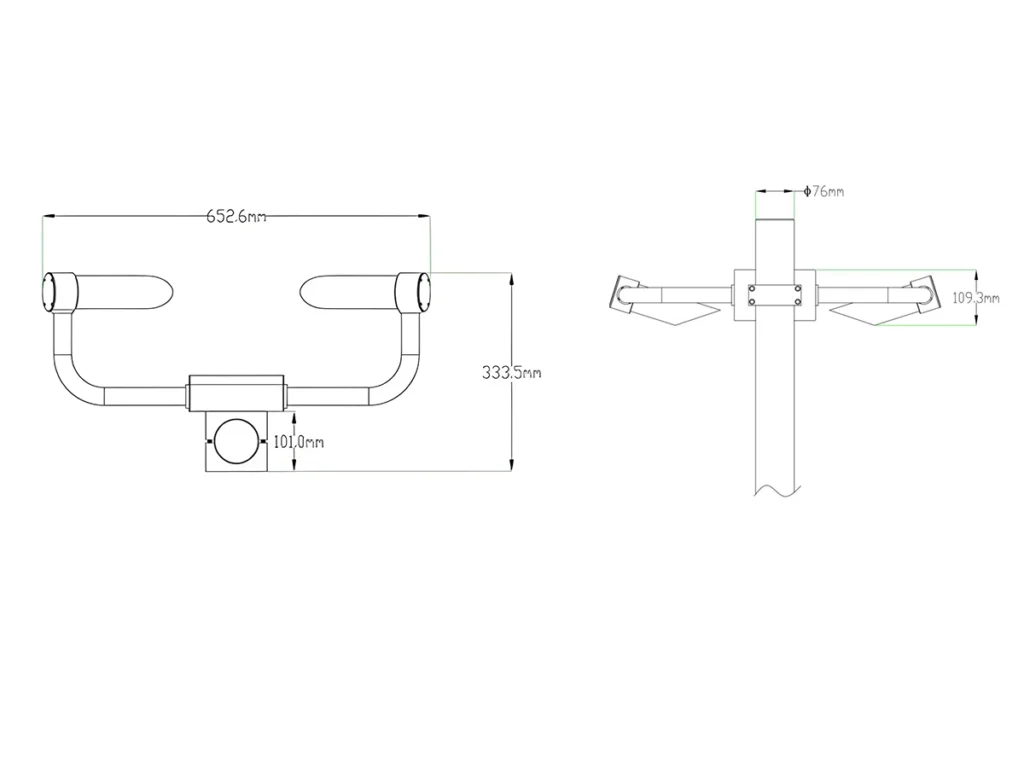
Visibility Sensor Manufacturer and Supplier
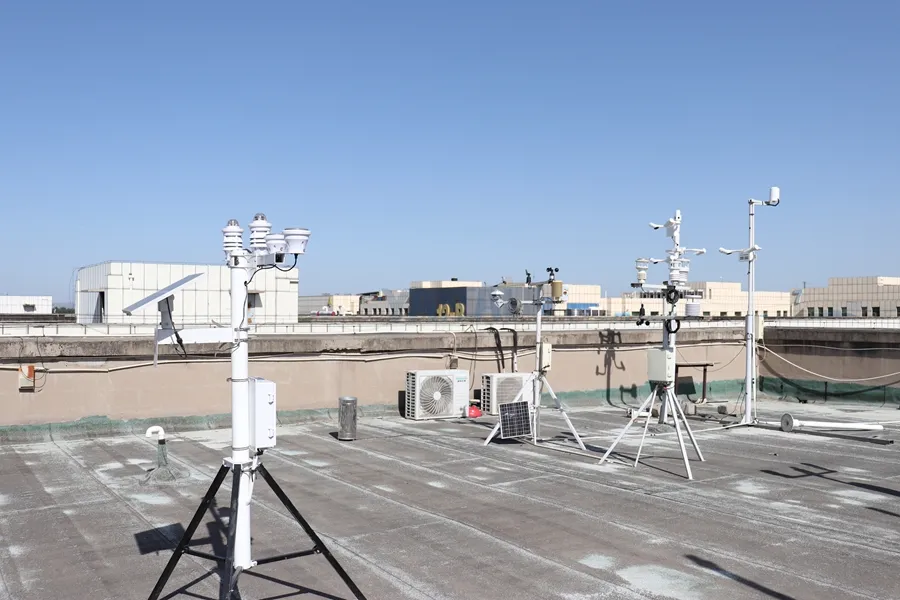
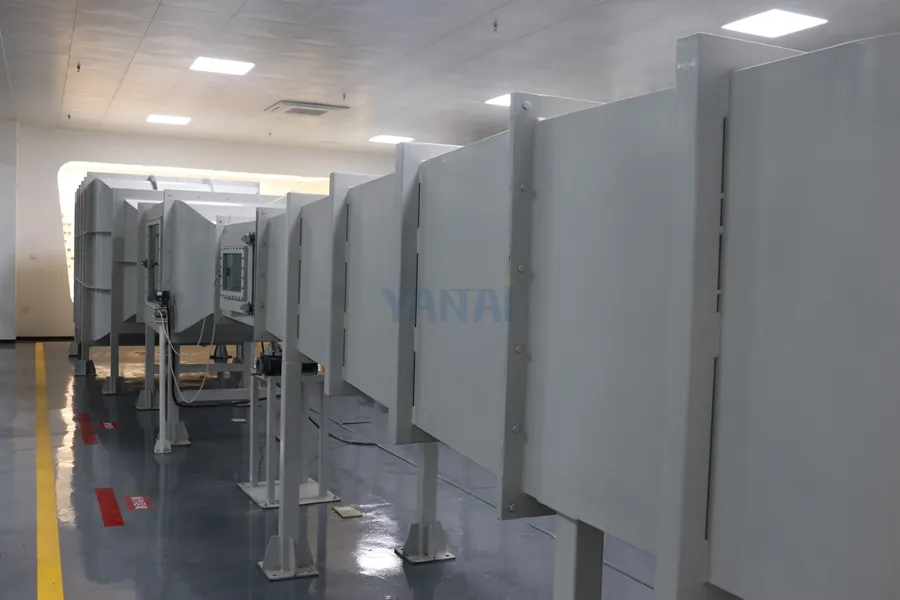
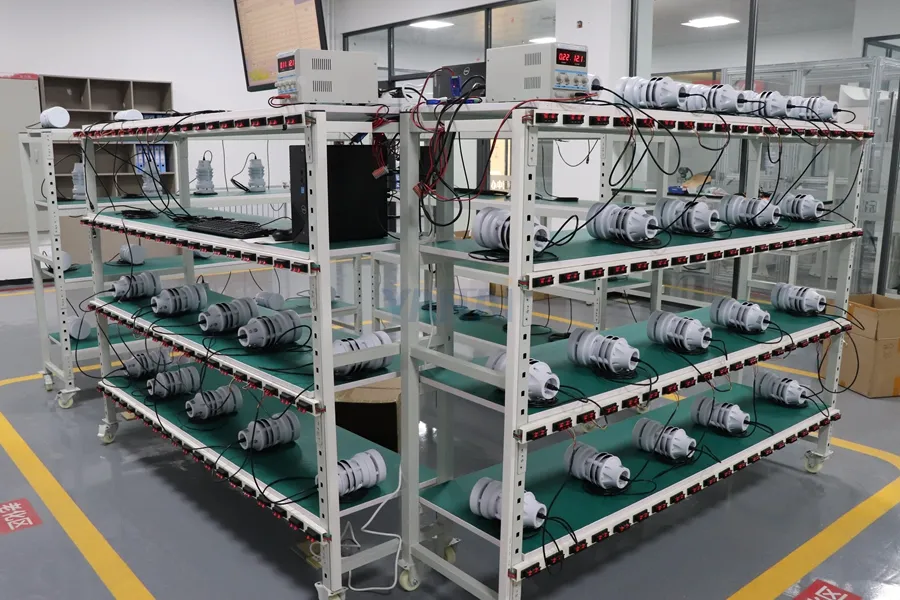
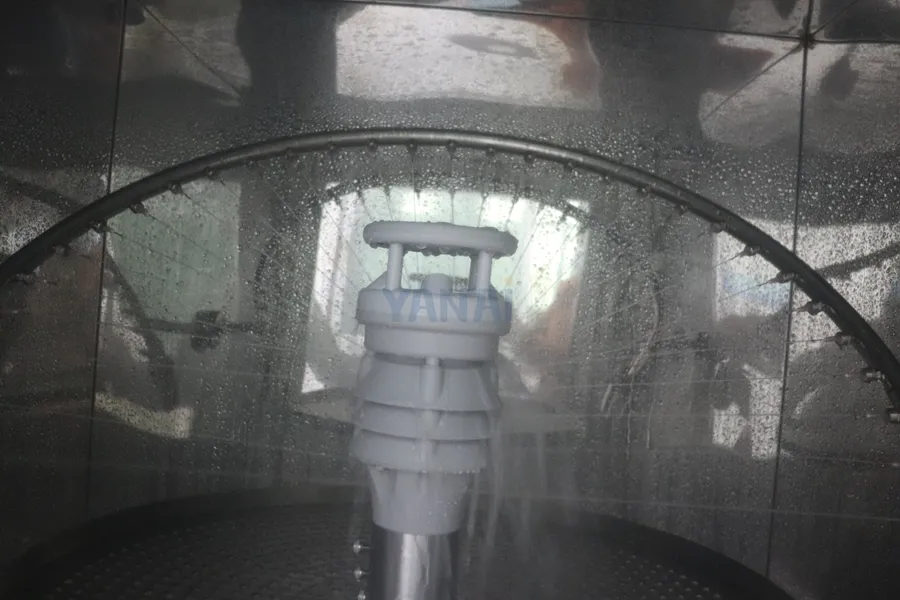
Yantai Sensor is a modern manufacturer specializing in the R&D and production of visibility monitoring and meteorological instruments, dedicated to creating high-performance environmental monitoring equipment such as the XF-CQ10 Smoke Dust Haze Fog Rain Snow Visibility Sensor. The company possesses an in-house R&D team, advanced production lines, and specialized wind tunnel and optical laboratories, and has obtained multiple authoritative certifications, including CNAS, CE, ISO, and RoHS. The XF-CQ10 has undergone rigorous testing for stability under extreme climatic and environmental conditions, ensuring reliable output in low-visibility scenarios such as smoke, dust, haze, rain, and snow. It finds extensive application across meteorology, agriculture, environmental protection, transportation, and other industries. We also offer flexible customization solutions and system integration services. Contact our professional team to access high-quality products and technical support.If you would like to learn more about the Tunnel Monitoring System: Sensors, Applications & Benefits, please click here