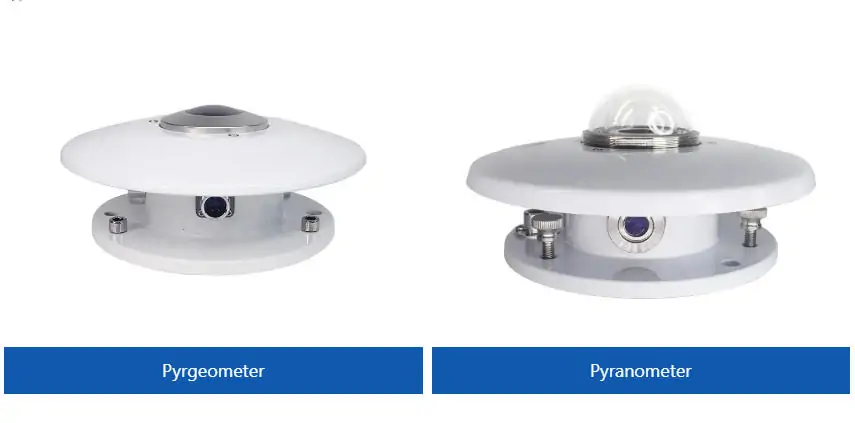
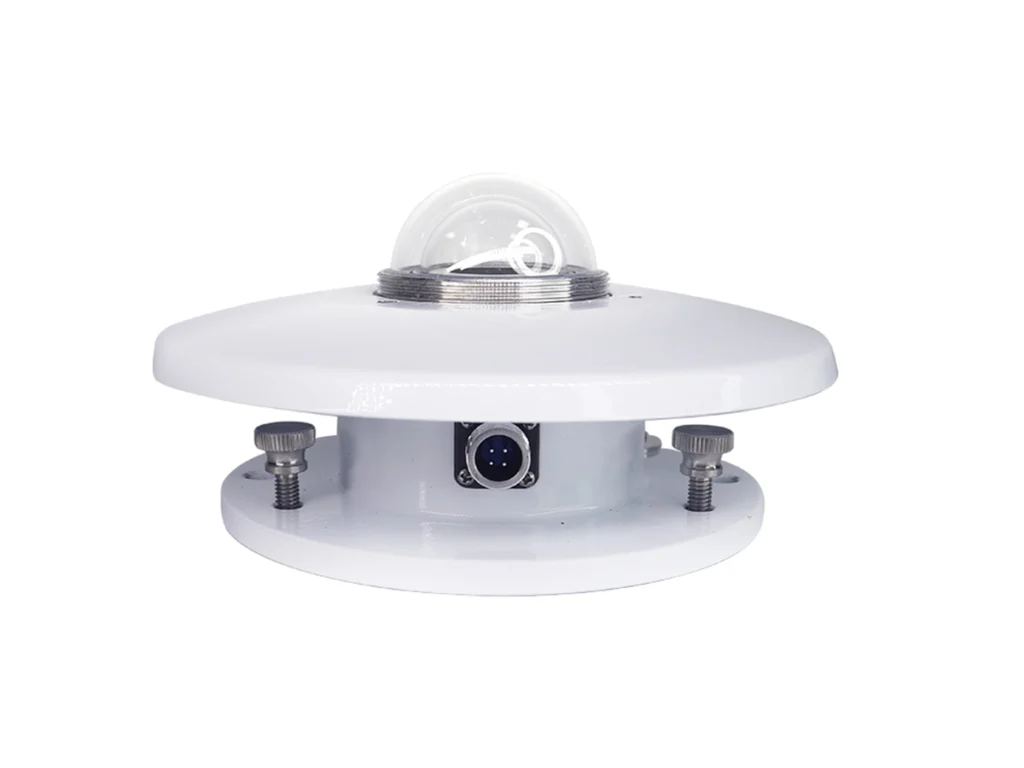
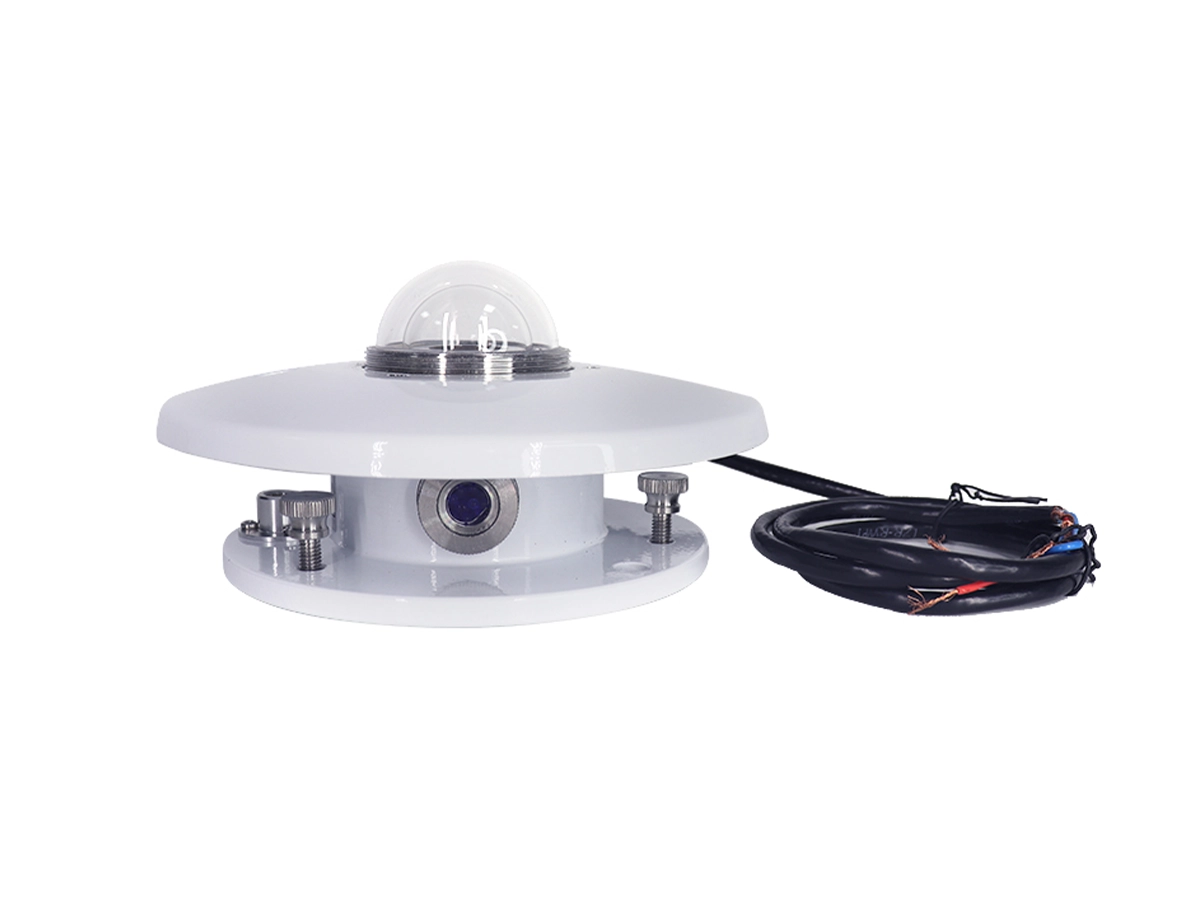
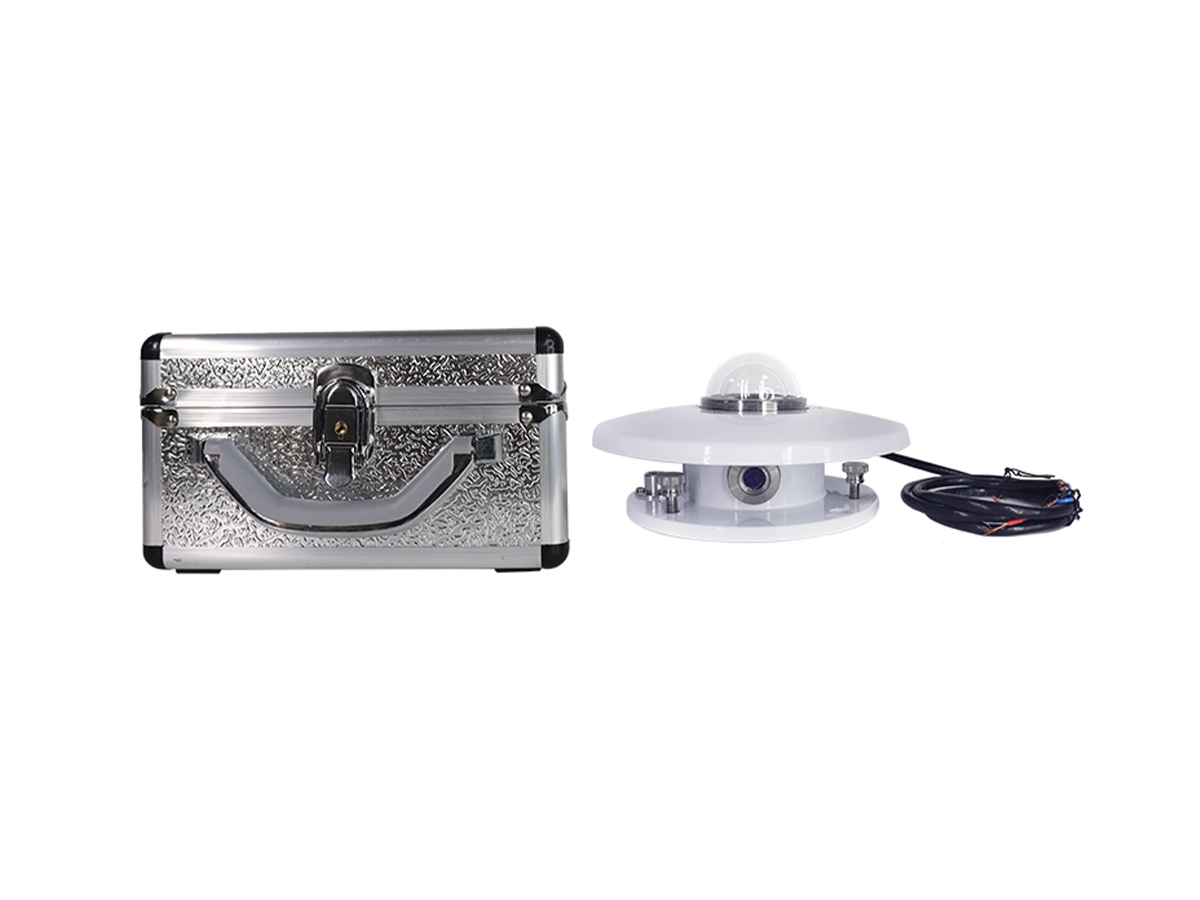
TBQ-2C Total solar radiation sensor
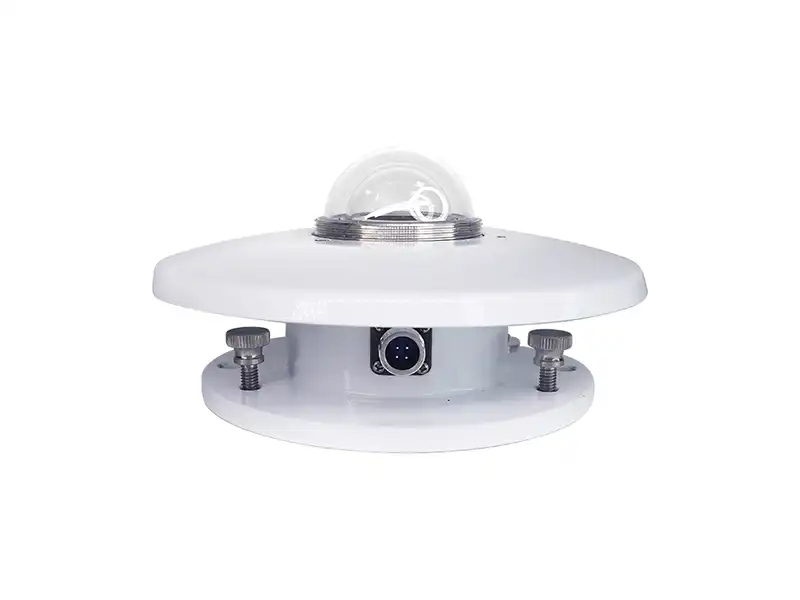
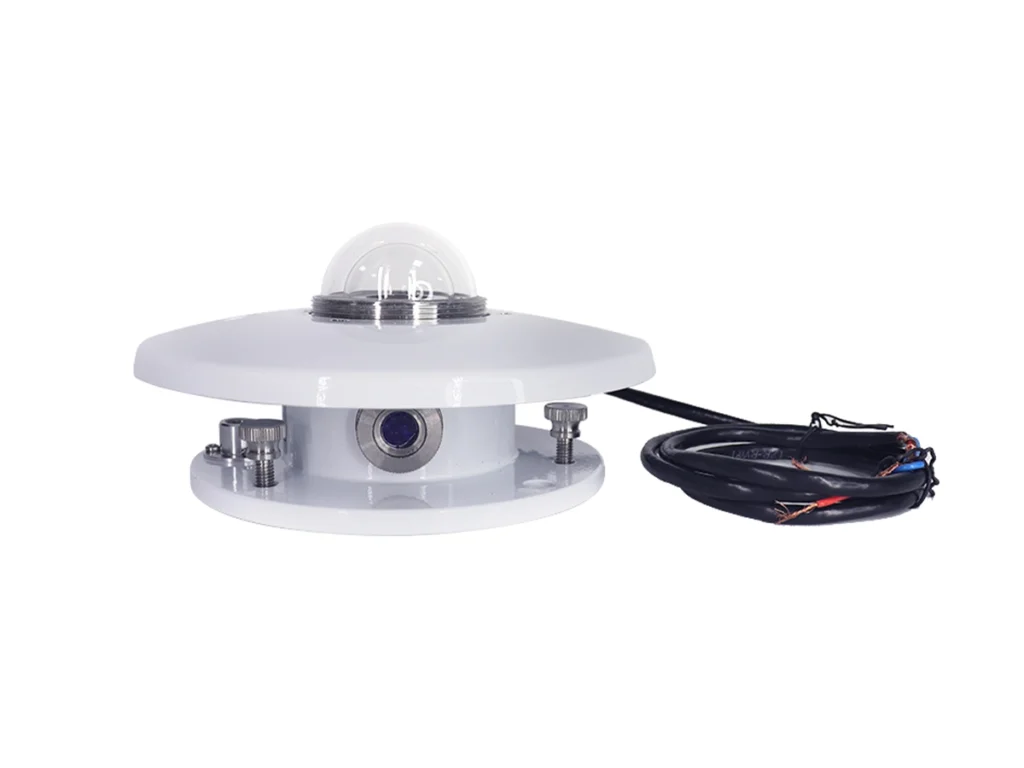
The TBQ-2C total solar radiation sensor is an integrated Class 1 radiometer designed to measure total solar radiation in the 0.3–3.2 μm wavelength band. It employs a fast-response wire-wound thermopile as its core sensing element, with the sensing surface coated in 3M matte black paint. This configuration precisely converts the thermoelectric potential generated by solar radiation into electrical signals. Its dual-layer quartz glass dome structure effectively suppresses air convection interference. The inner and outer dome design minimizes self-radiation effects, ensuring stable and high-precision radiation measurements. This solar radiation is highly suitable for applications including meteorological monitoring, environmental observation, and photovoltaic assessment.
|
Parameter |
Specification |
|---|---|
|
Sensitivity |
7-14mv/kw*-2 |
|
Response time |
<35s(99% response) |
|
Annual stability |
≤+2% |
|
Cosine response |
≤+7%(solar elevation10”) |
|
Position |
≤+5%(solar elevation10°) |
US$258.7–310.44/ Unit
Introduction
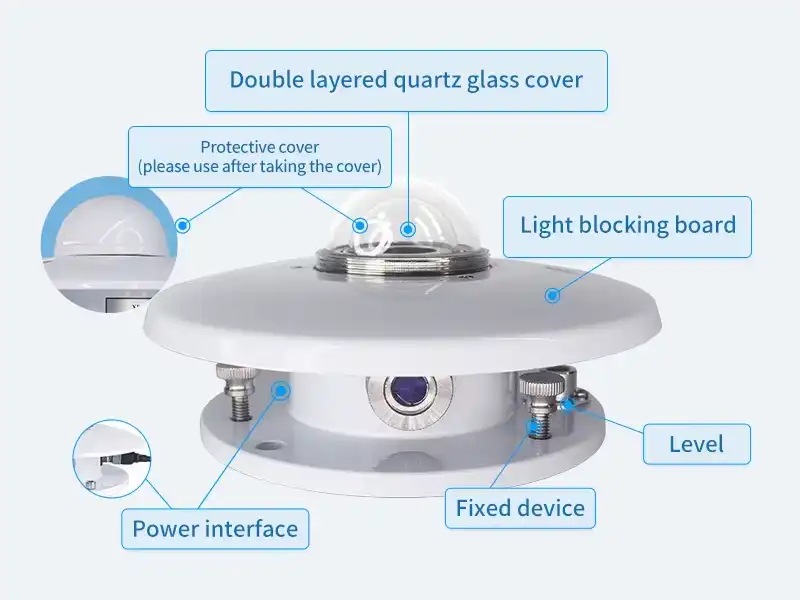
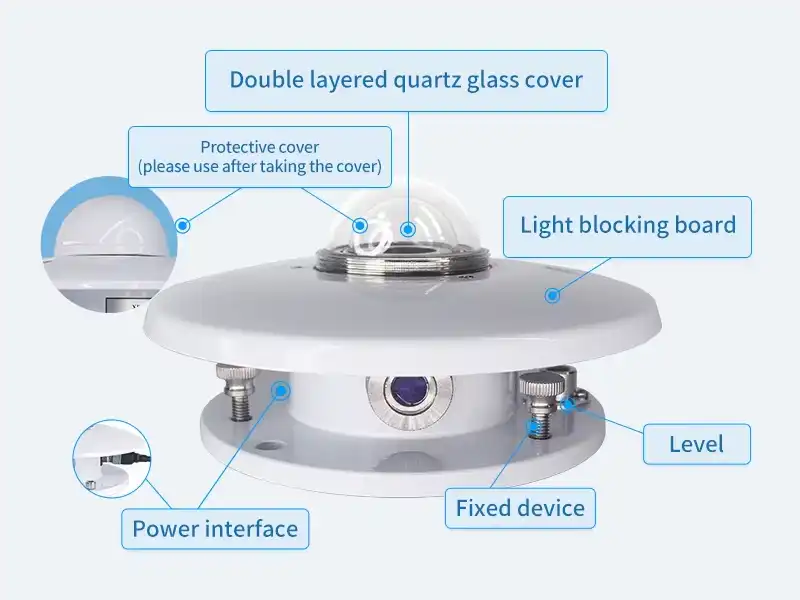
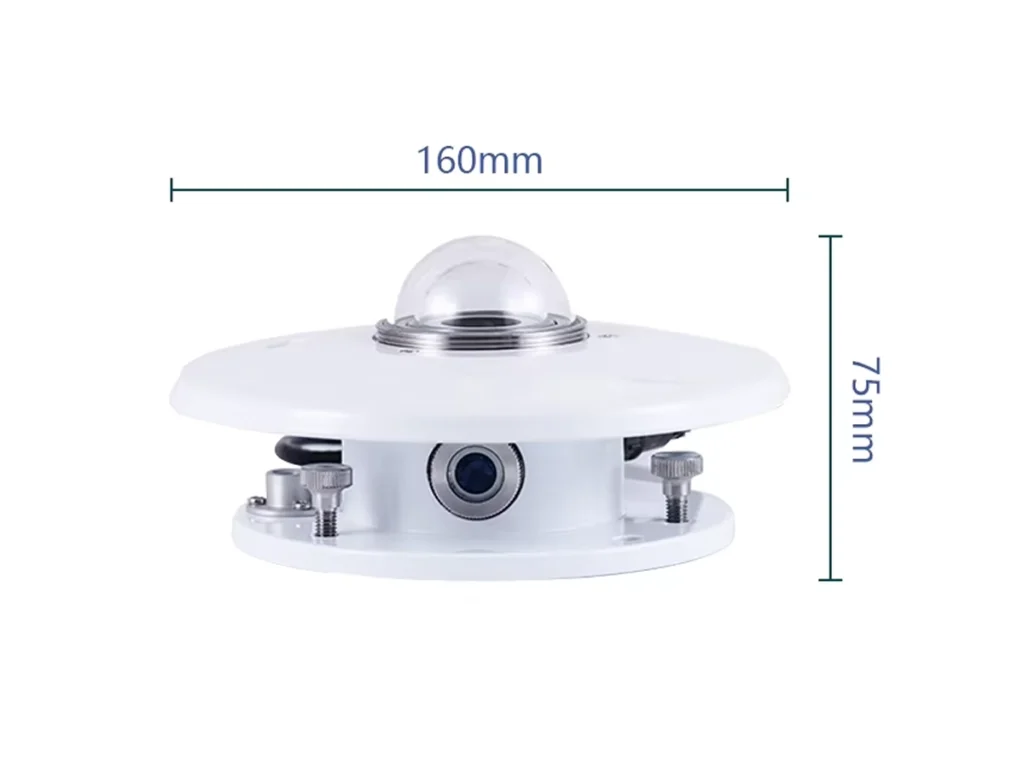
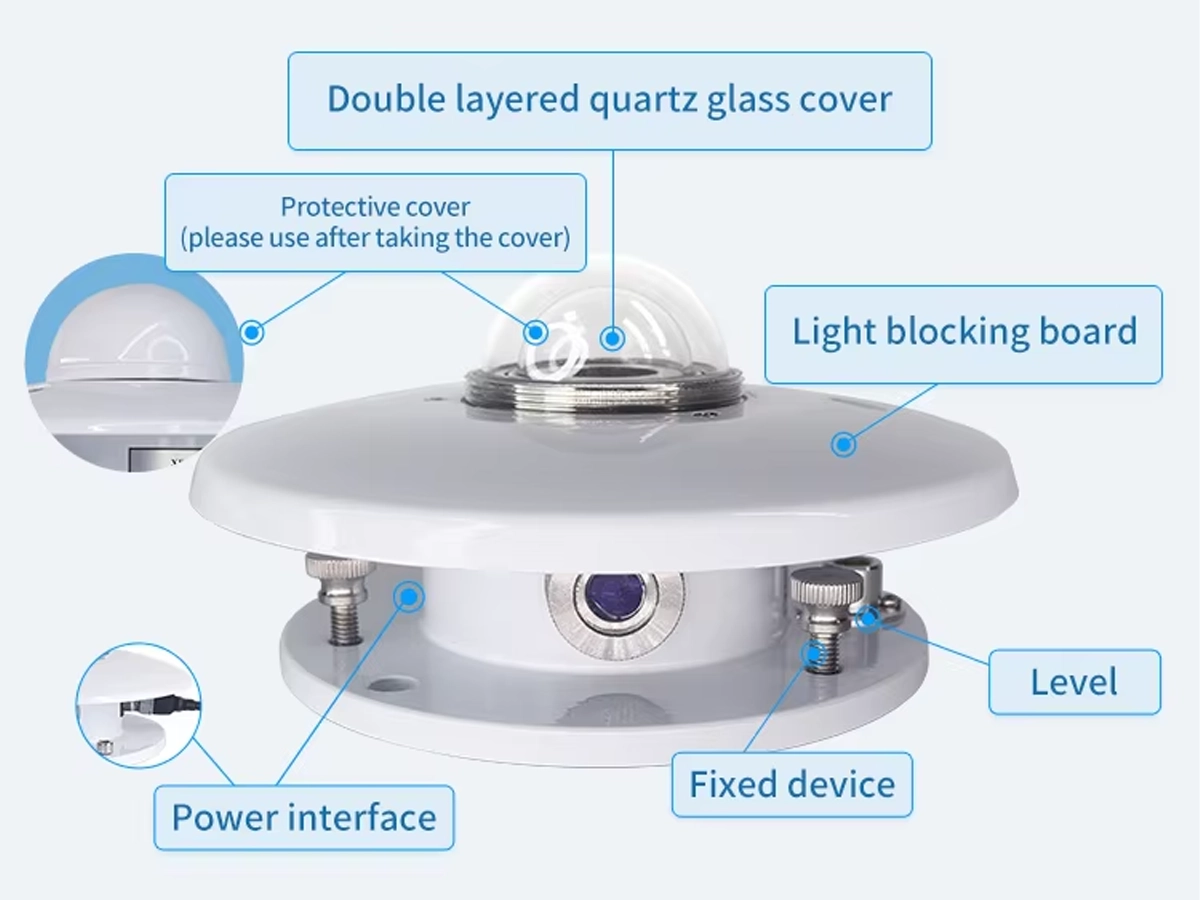
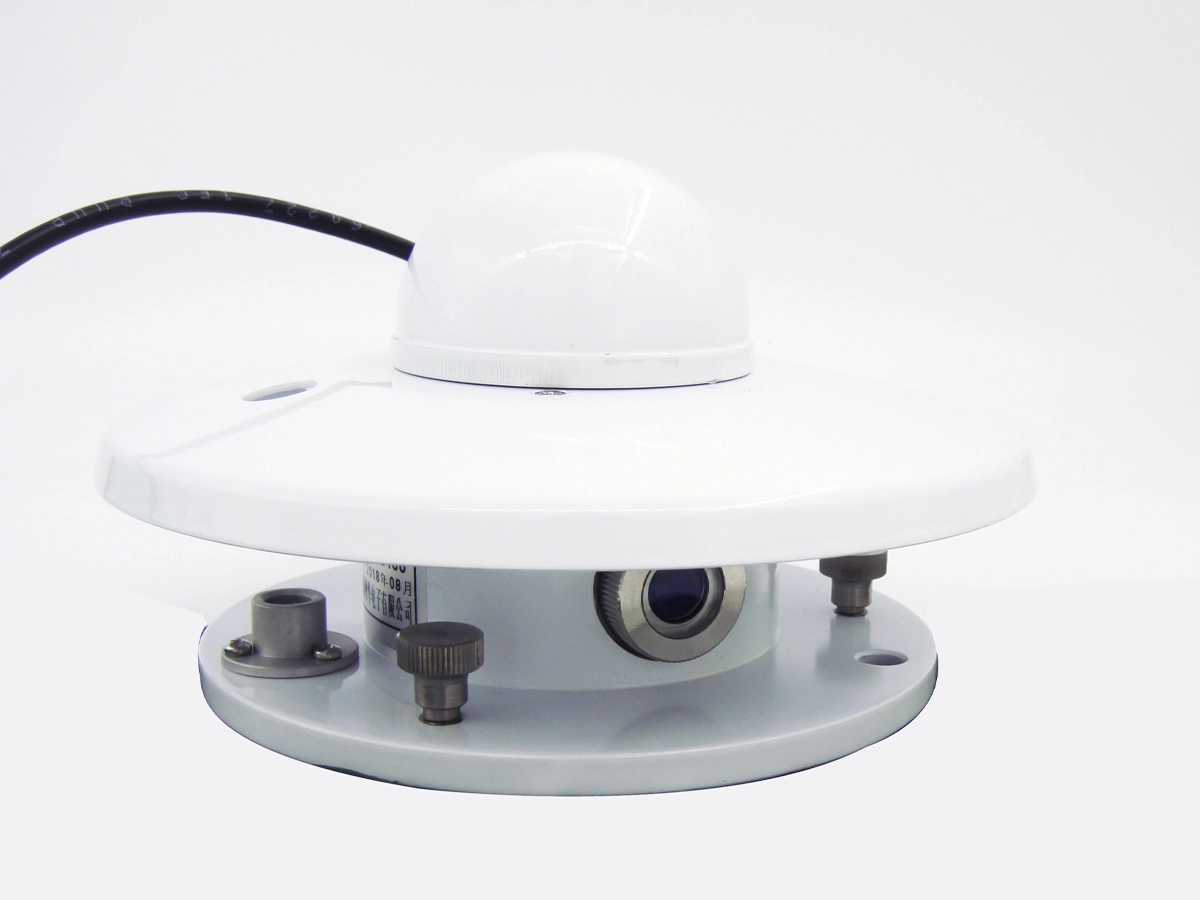
The TBQ-2C Total Radiation Sensor is primarily used as a Class 1 instrument for measuring total solar radiation within the wavelength range of 0.3–3.2 micrometers. This pyranometer consists of a double-layer quartz glass cover, sensing elements, a sunshield, and a desiccant chamber within the housing. The following sections will illustrate its key structural components, providing a clearer understanding of the product’s internal construction and fundamental performance characteristics.If you’d like to learn more about photovoltaic environmental monitoring systems, please click on the article below:PV Environmental Monitoring System: Components, Functions & ROI Explained
Structure of pyranometer solar radiation sensor
- Double-layer quartz glass cover: The outer cover minimizes temperature fluctuations caused by air convection, while the inner cover blocks infrared radiation emitted by the outer cover itself.
- Sensing Element: Utilizes a wire-wound, electroplated, fast-response thermopile. The sensing surface is coated with 3M matte black paint. When exposed to sunlight, the temperature rises, creating a thermoelectric potential difference with the cold junction on the opposite side. This potential difference is directly proportional to the intensity of solar radiation.
- Light shield: Used for periodic calibration and zero-point testing, it blocks incident radiation to ensure measurement accuracy.
- Desiccant in the housing: Maintains a dry internal environment, prevents fogging on the inner surface of the glass cover, and enhances long-term optical transmittance.
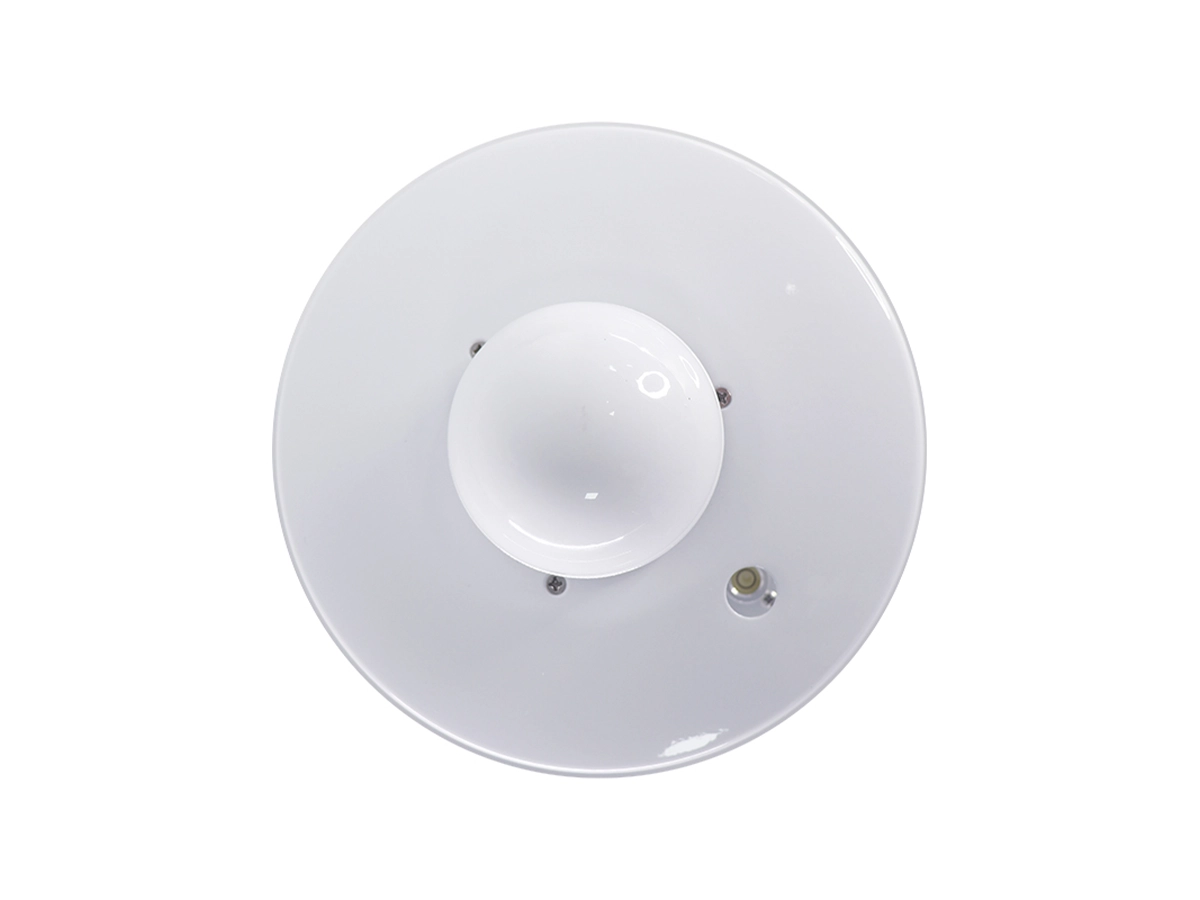
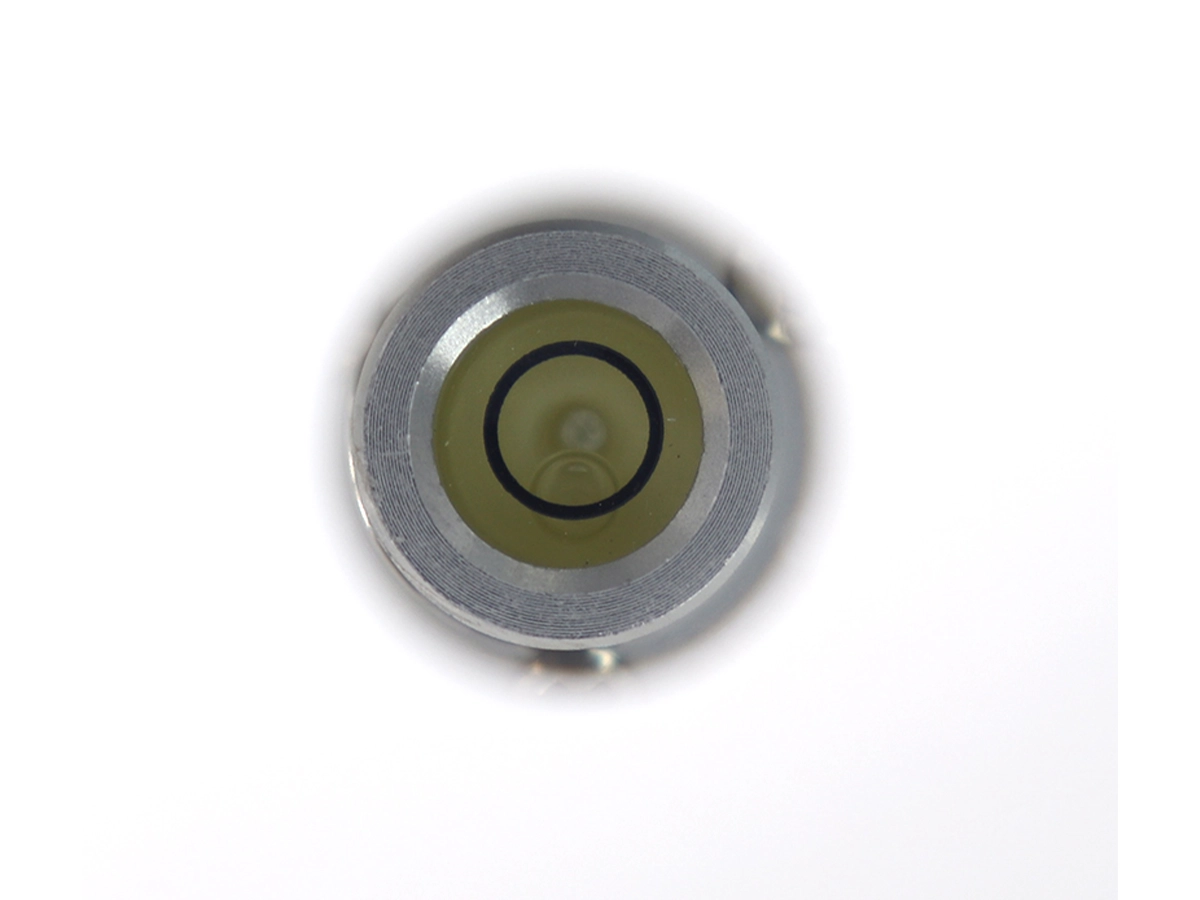
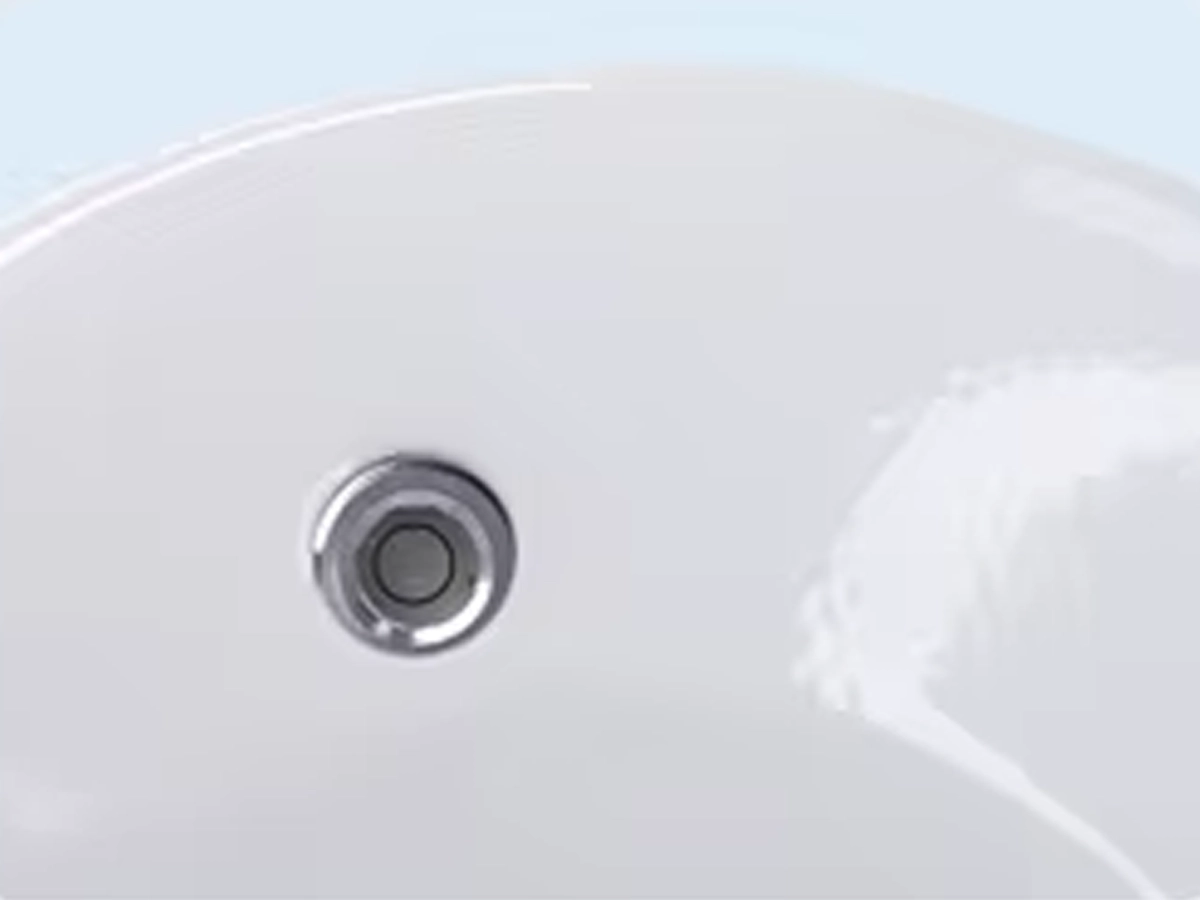
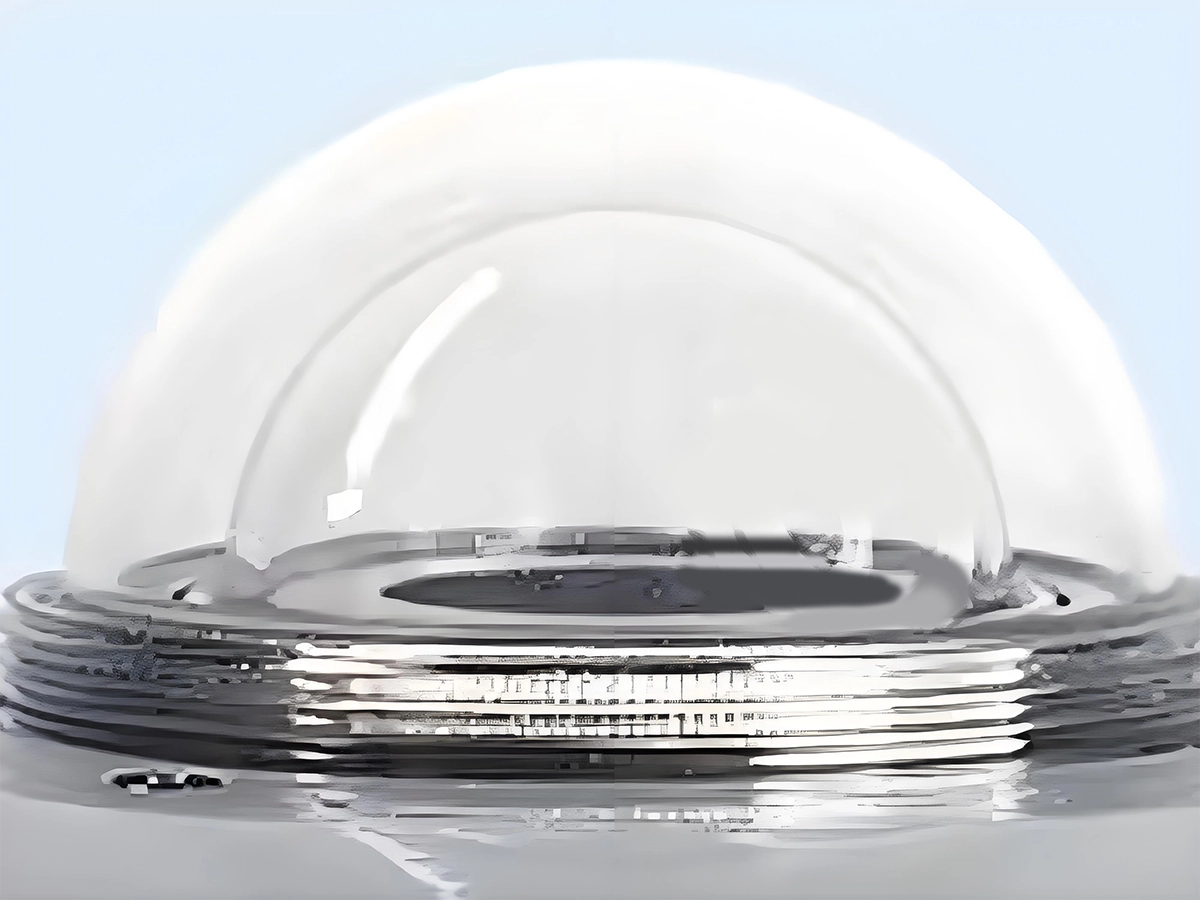
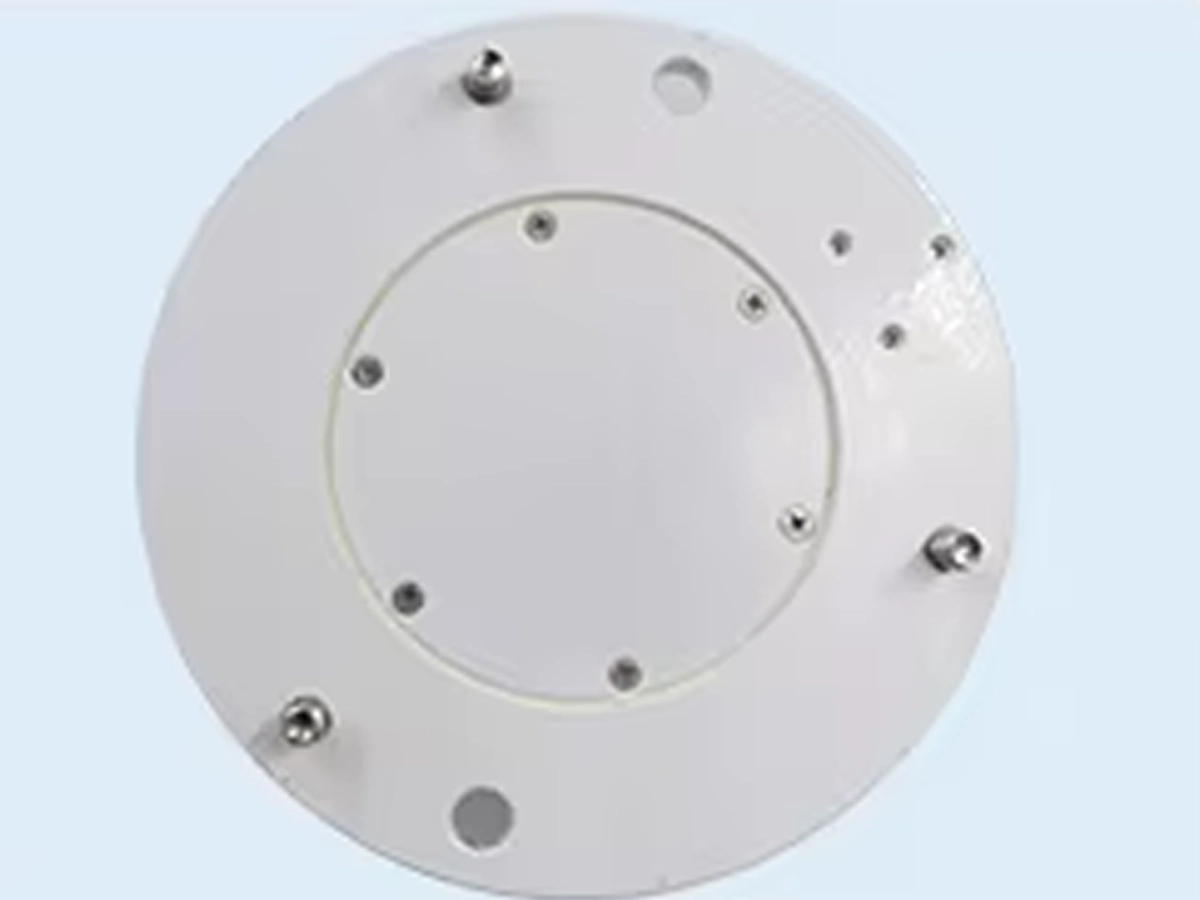
Details Show
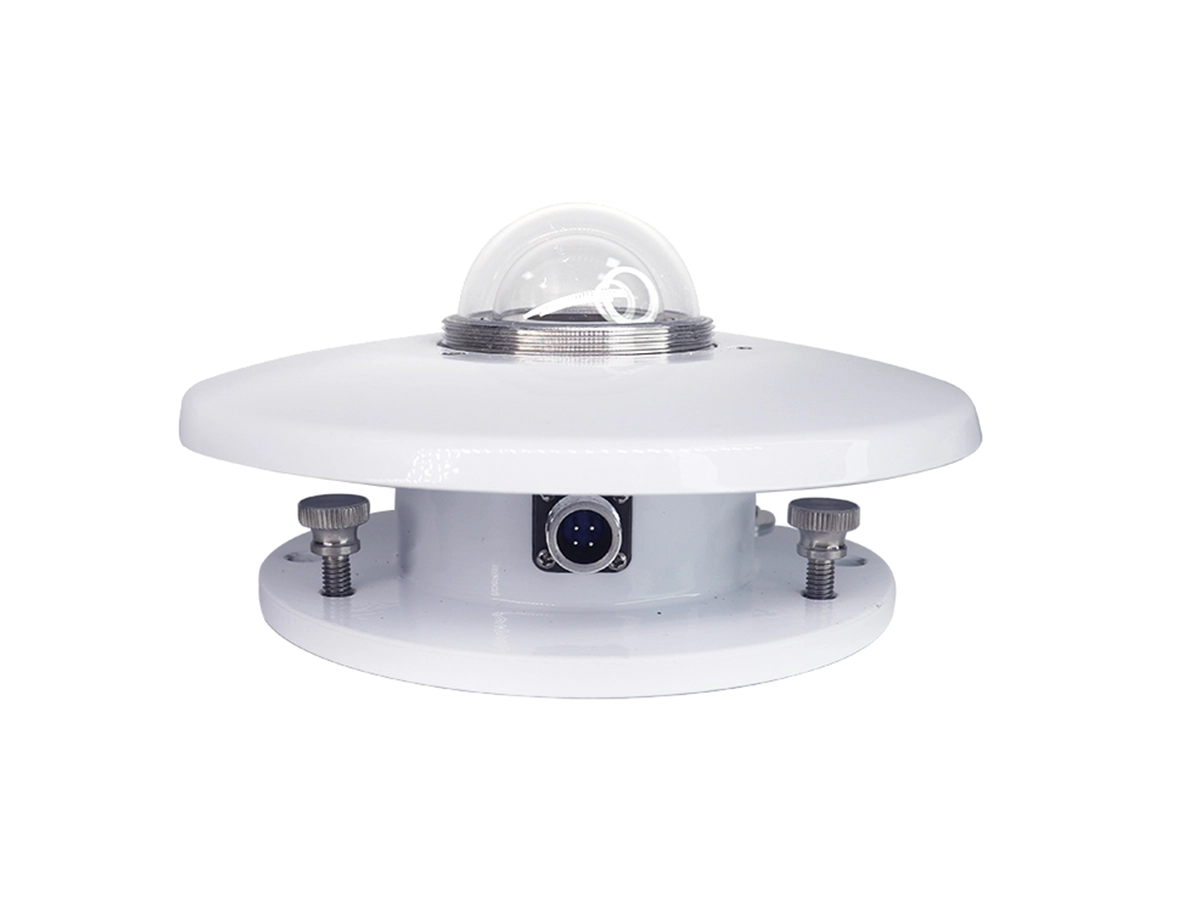
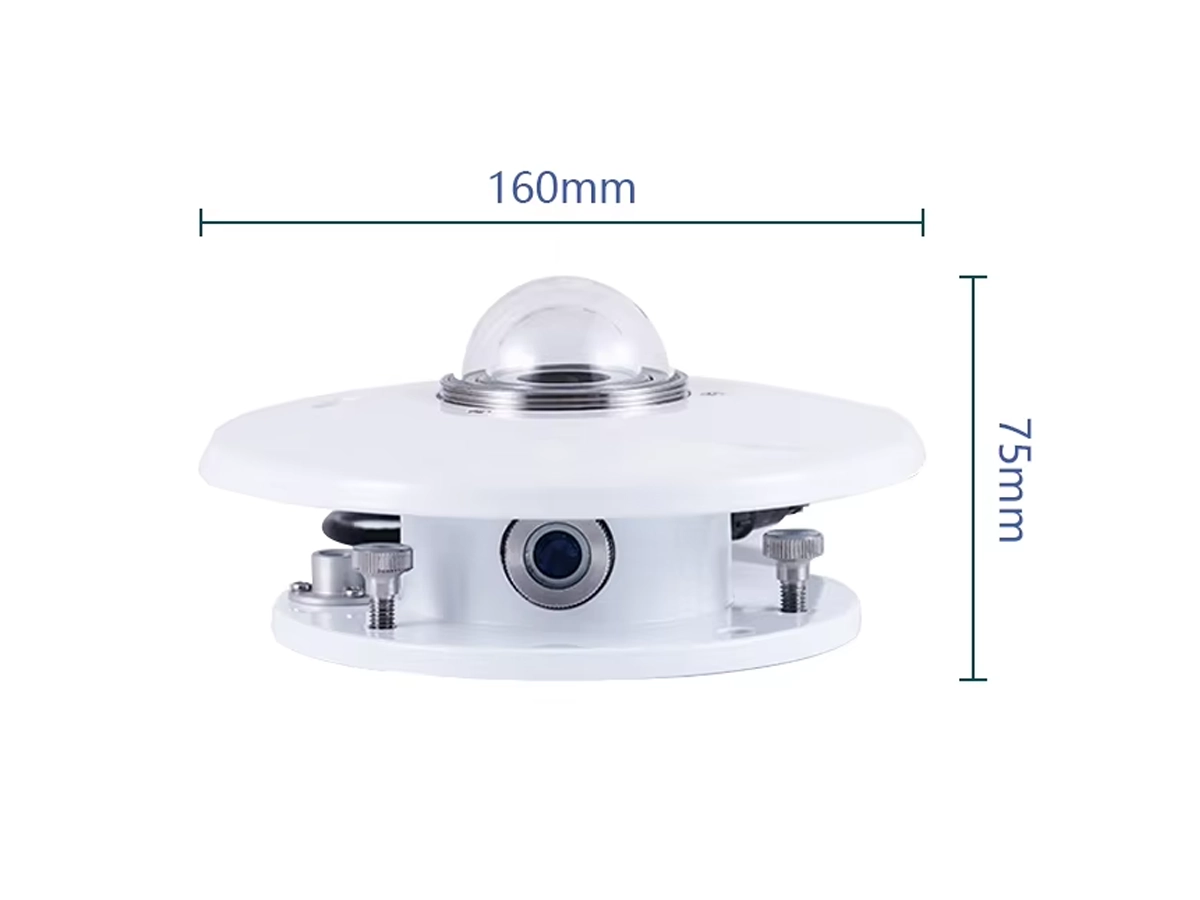
Below are the detailed product specifications for the TBQ-2C Total Solar Radiation Meter. Through close-ups of its multi-angle structure and manufacturing processes, you can gain a more intuitive understanding of its core components and manufacturing quality.
Should you have any questions regarding usage methods, model selection, or technical parameters, please feel free to contact our professional team for assistance at any time.
solar radiation sensor working principle
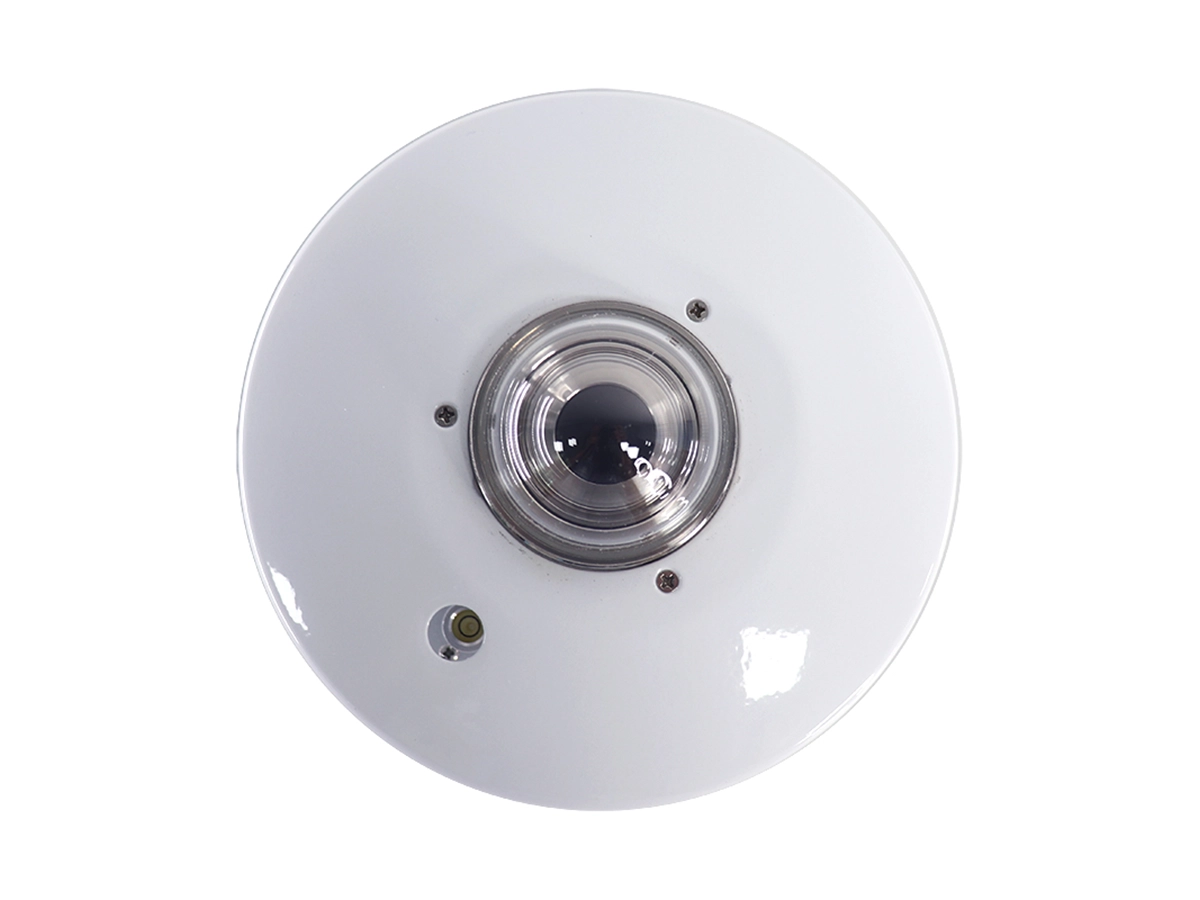
The weather station solar radiation sensor measures solar radiation intensity by absorbing sunlight and converting it into heat. An internal thermocouple then transforms the resulting temperature difference into an electrical signal. A double-layer quartz glass cover minimizes environmental interference, ensuring stable and reliable measurements. The following provides a concise overview of its operating principle to help you better understand the sensor’s functionality.If you’d like to learn more about “Pyranometer vs. Solar Radiation Sensor: What’s the Difference?”, please click on the article.
- Absorbing sunlight: The black coating on the sensor surface rapidly absorbs sunlight, converting light energy into heat.
- Generating a temperature difference: The sensing surface heats up while the opposite side remains cooler, creating a temperature gradient between them.
- Generating an electrical signal: The internal thermopile generates a weak voltage due to the temperature difference, with the voltage magnitude being directly proportional to the intensity of sunlight.
- Glass cover protects measurements: The double-layer quartz glass cover minimizes the effects of air convection and self-infrared radiation, ensuring more stable and accurate measurements.
- Outputting radiation values: The system calculates the total solar radiation intensity based on voltage changes, ultimately outputting stable and reliable data.
Specifications
The TBQ-2C Total Radiometer features multiple key performance indicators, including sensitivity, response time, annual stability, cosine response, azimuth error, and temperature coefficient. These parameters collectively determine the sensor’s measurement accuracy and long-term reliability. Below are the complete technical specifications to help you better understand the product’s performance and select the appropriate application solution.If you’d like to learn more about the best solar radiation sensors for PV monitoring systems, click on the article.
Parameters
| Series | HCD |
| Features | High Sensitivity |
| Mounting Type | multi-function |
| Description | Flange installation |
| Model Number | TBQ-2C |
| Type | weather station |
| Brand Name | XINFENG |
| Usage | PAR |
| Output | RS485 |
| Description | Total pyranometer solar radiation sensor |
| Description | solar radiation sensor |
| Output | 200mv of original output |
| Sensitivity | 7-14mv/kw*-2 |
| Response time | <35s(99% response) |
| Annual stability | ≤±2% |
| Cosine response | ≤±7%(solar elevation 10°) |
| Position | ≤±5%(solar elevation10°) |
| Non linear | ≤±2% |
| Spectral range | 0.3-3.2μm |
| Temperature coefficient | ≤±2%(-10–40℃) |
Features of Total solar radiation sensor
Wide spectral measurement range
Measures total solar radiation across the 0.3–3.2 μm band, suitable for diverse applications.
Highly sensitive sensor element
Features a fast-response thermopile design for stable, reliable radiation signal output.
Dual-layer quartz glass cover
Minimizes air convection and infrared interference, enhancing measurement accuracy and stability.
Premium Absorptive Coating
Sensor surface coated with 3M matte black paint for superior light absorption and faster thermal response.
Excellent Cosine Response
Maintains precise measurements across varying solar incidence angles.
Long-Term Stability
The built-in drying system and sealing structure allow the glass cover to be clearly transparent.
applications of Total solar radiation sensor
The XF-CQ10 solar radiation sensor is widely used in various fields such as transportation, meteorology, and environmental monitoring, helping customers improve safety and data accuracy.To learn about a real-world case study, click here: TBQ-2C Total Solar Radiation Sensor for the Zhenfa Pakistan Solar Power Plant

Meteorological Observation
Used in weather stations and scientific monitoring sites, providing core data for weather forecasting and environmental assessment.

Photovoltaic and Renewable Energy Monitoring
Evaluates solar resource potential, PV system efficiency, and operational status.

Environmental Science Research
Supports atmospheric, ecological, and agricultural research projects by monitoring solar radiation variations.

Architecture and Urban Planning
Analyzes solar radiation intensity to inform energy-efficient design and enhance lighting environments.

Agriculture and Greenhouse Monitoring
Oversees crop light conditions to optimize cultivation management and yield forecasting.

Education and Experimental Teaching
Supports solar radiation experiments and demonstration teaching at universities and research institutions.
Case
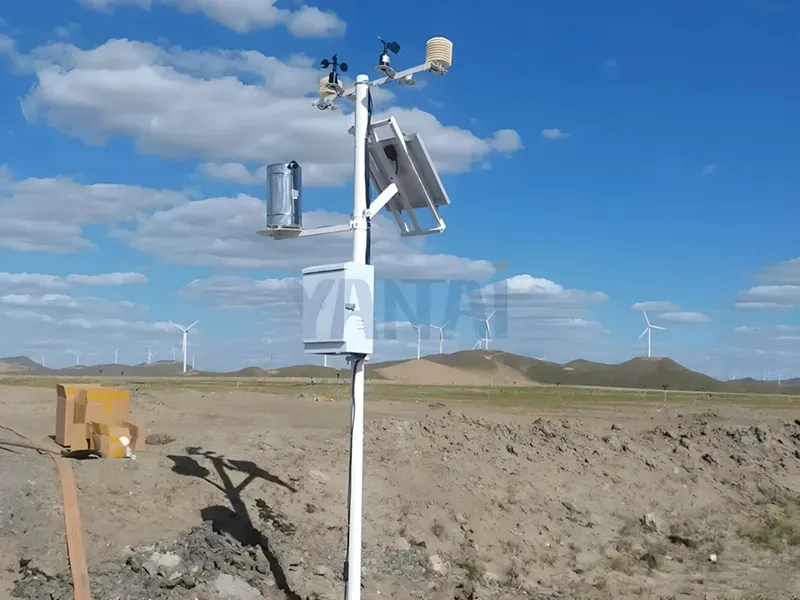
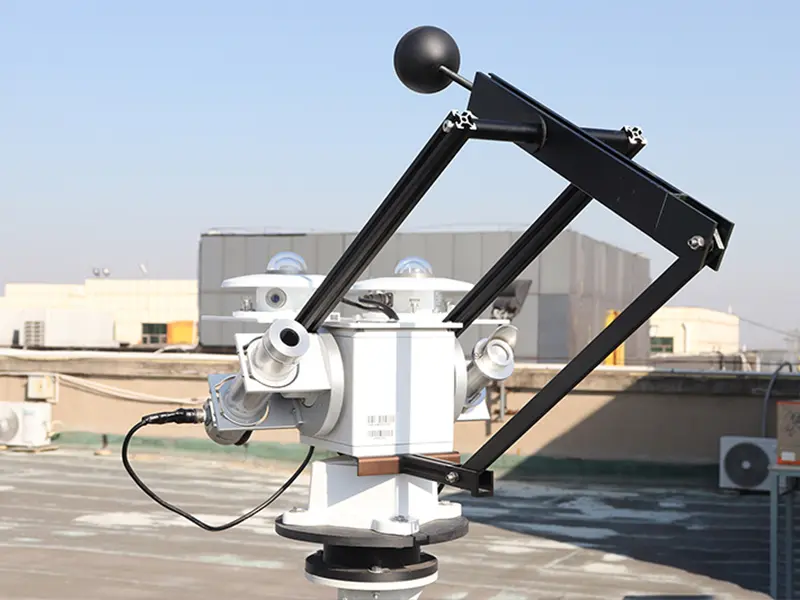
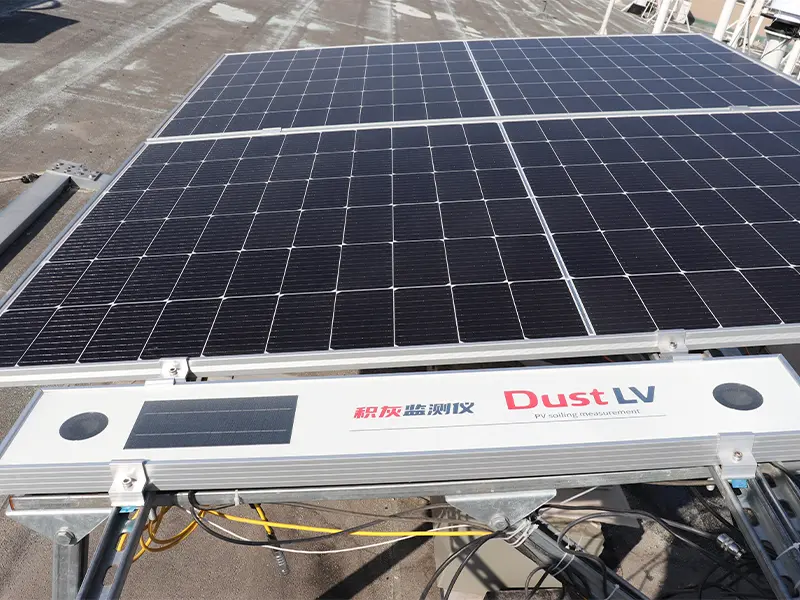
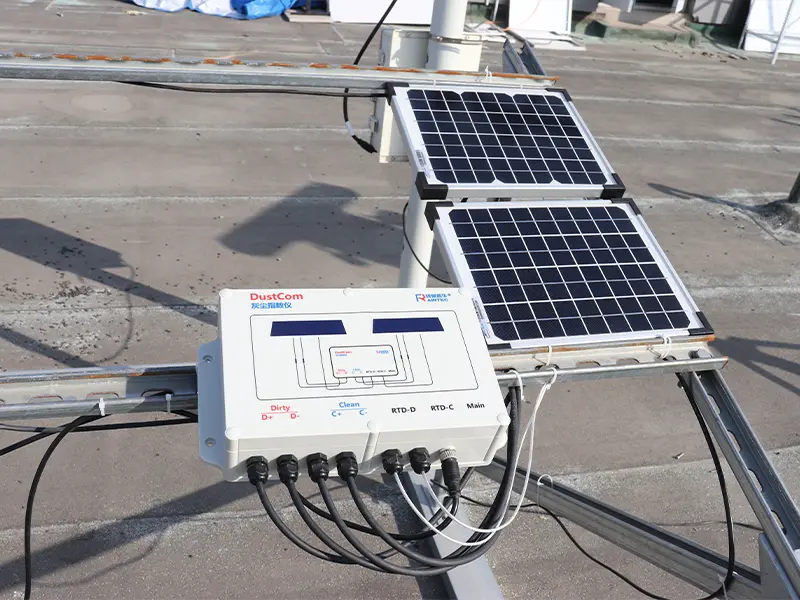
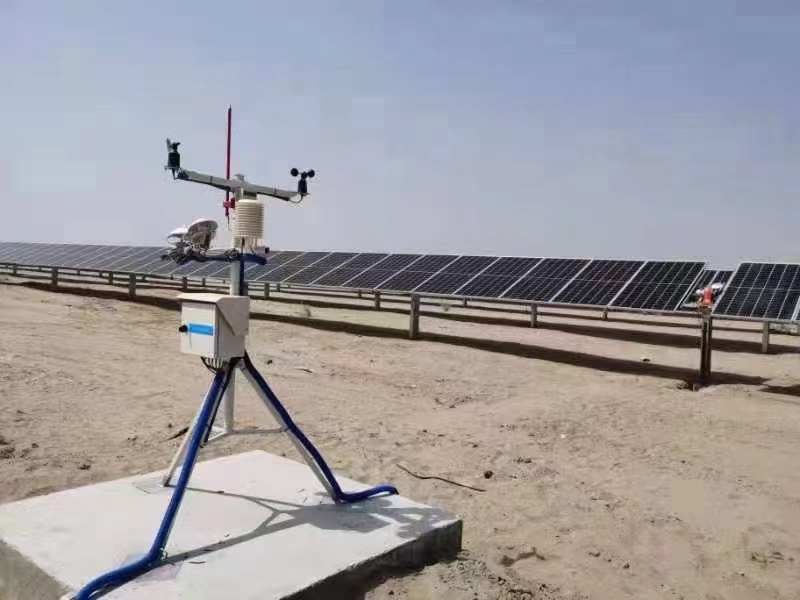
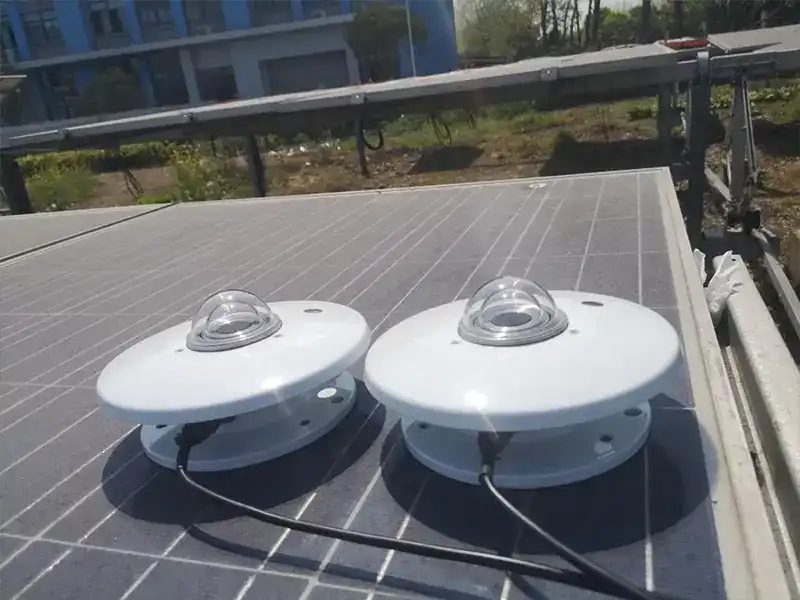
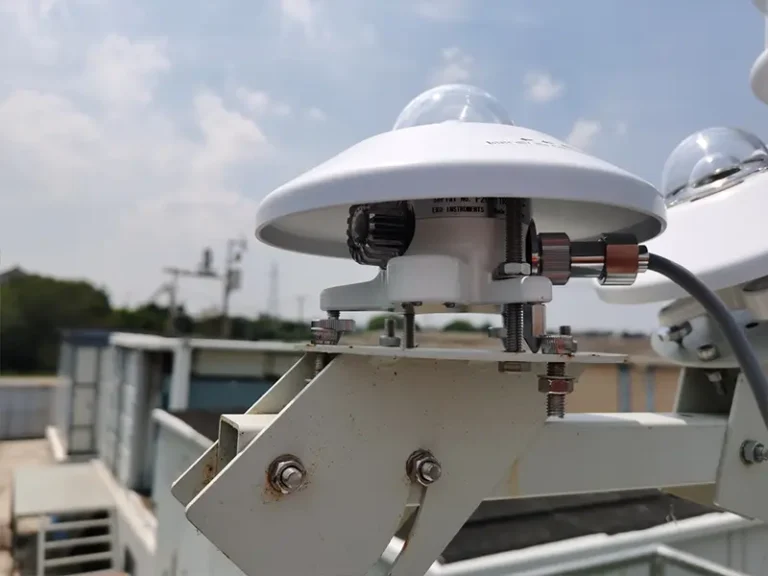
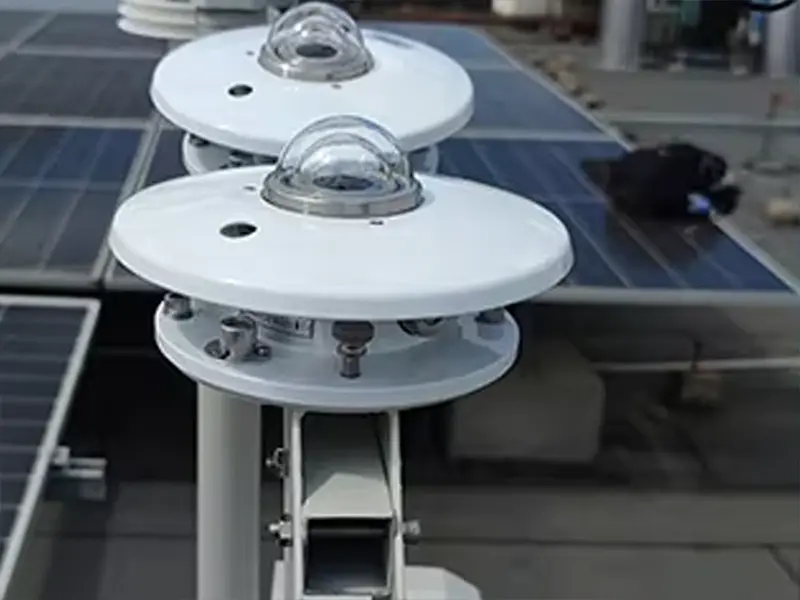
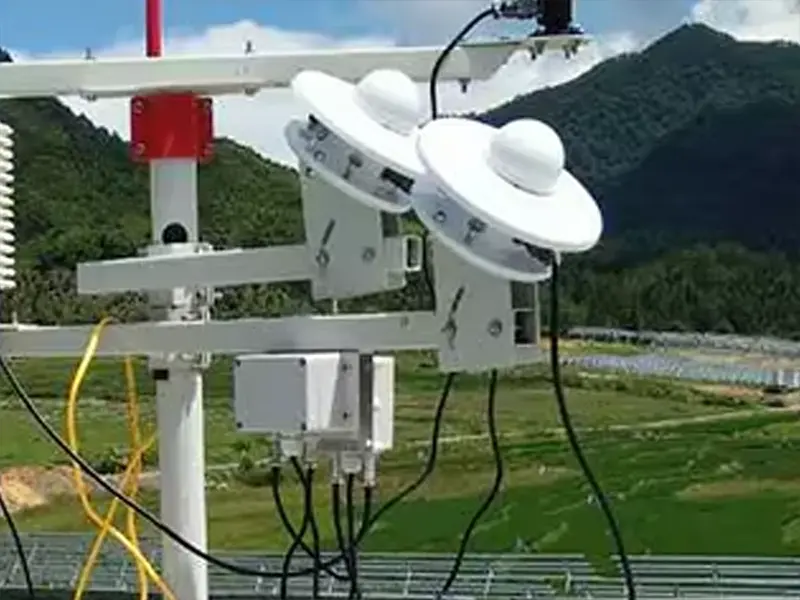
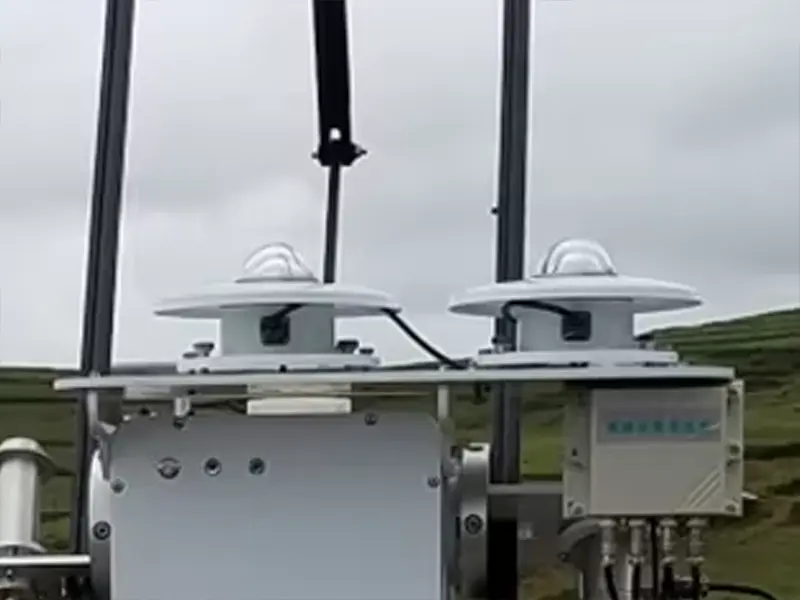
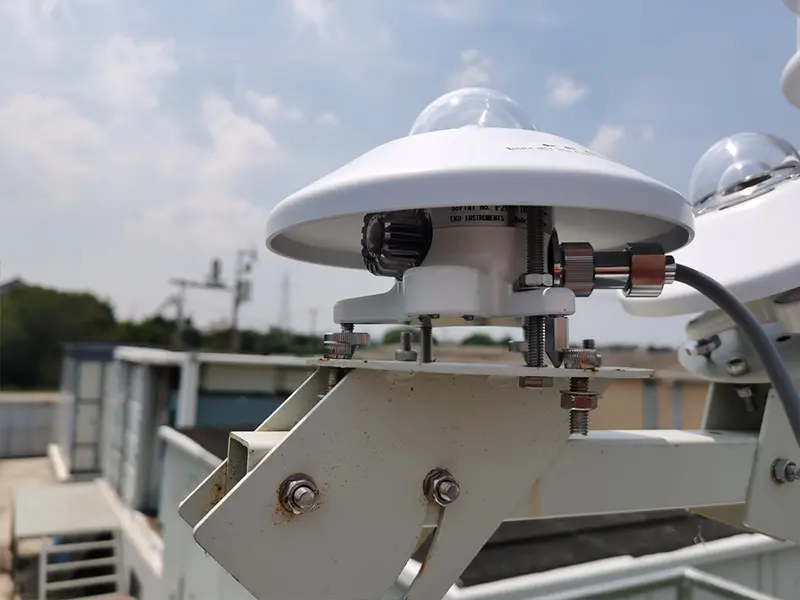
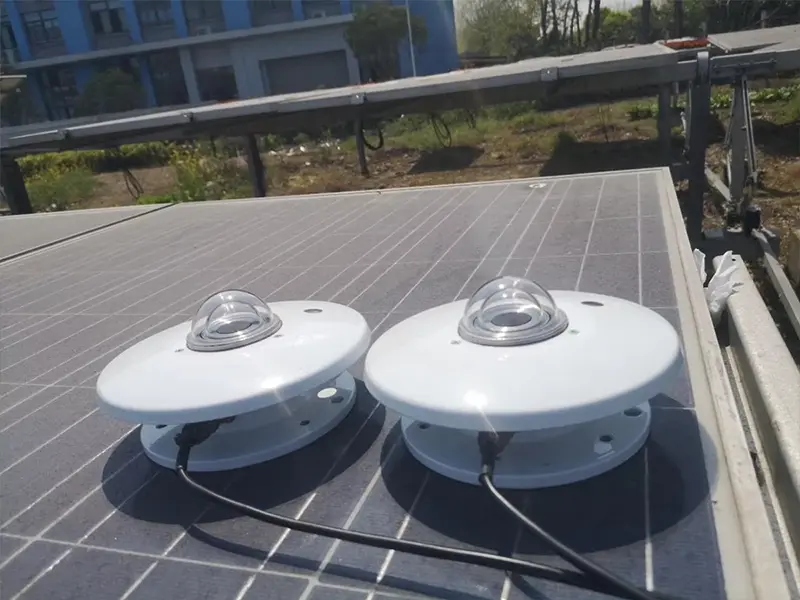
Below are field application photos of the TBQ-2C Total pyranometer solar radiation sensor in various scenarios, including meteorological observation, photovoltaic power generation, environmental monitoring, and agricultural greenhouses. These examples provide a visual understanding of the product. For project selection or technical consultation needs, please contact our team for assistance.

custom Total solar radiation sensors
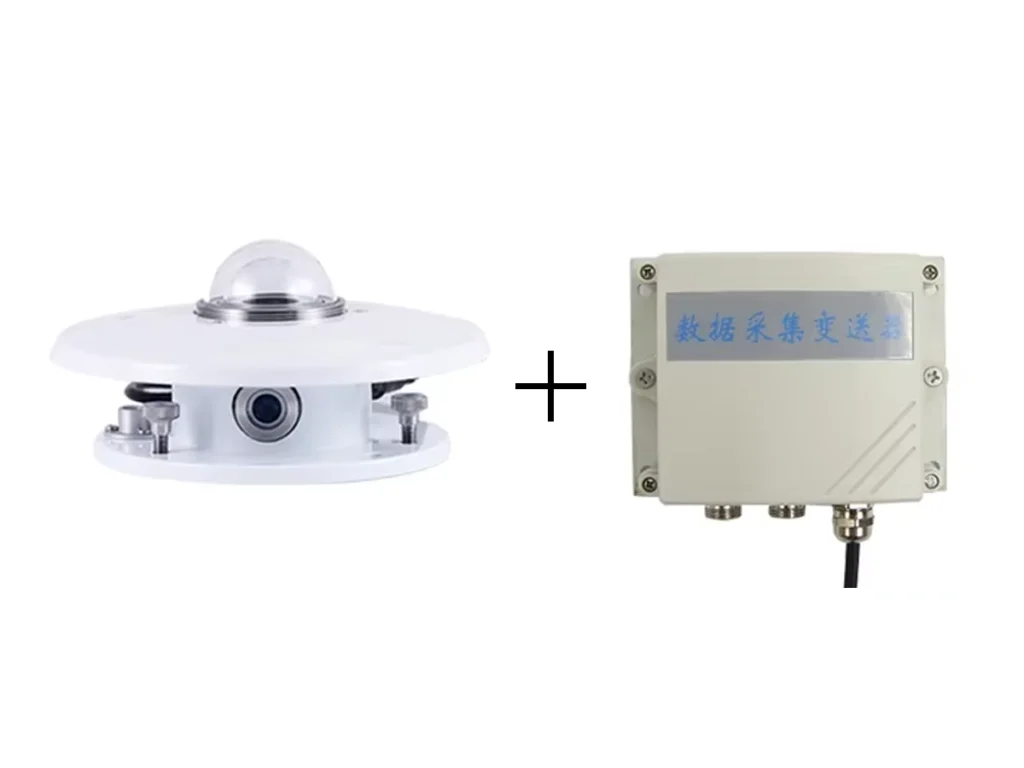
The low cost solar radiation sensor supports multiple customization options, allowing adjustment of parameter configurations, output interfaces, or installation methods to suit diverse application scenarios and technical requirements. Whether for research projects, photovoltaic systems, weather stations, or environmental monitoring, our professional team provides tailored customization services to ensure seamless sensor-system integration. Contact us for customized solutions.
- Customizable Measurement Range: Flexibly adjust the spectral response range or maximum total radiation measurement limit based on specific application requirements, accommodating scenarios from basic monitoring to high-intensity radiation observation.
- Customizable Output Interfaces: Supports multiple data output formats, including 4–20 mA, voltage, current pulses, or digital signals, enabling seamless integration with various monitoring systems and data acquisition devices.
- Response Time Adjustment: Select standard or fast-response versions based on actual monitoring requirements, balancing high-precision statistical analysis with real-time dynamic change capture.
- Installation Method Customization: Multiple mounting solutions—pole-mounted, bracket-mounted, base-mounted, or embedded structures—adapt to diverse field conditions for rapid deployment and stable fixation.
- Accuracy Grade Customization: Select standard or high-precision models based on project requirements, supporting both general engineering monitoring and research/laboratory-grade high-accuracy measurements.
- Appearance and Material Customization: Choose from various housing materials—corrosion-resistant, UV-resistant, high-temperature resistant, or reinforced structural designs—ensuring long-term stable operation in harsh outdoor environments.
pyranometer solar radiation sensors Manufacturer and Supplier
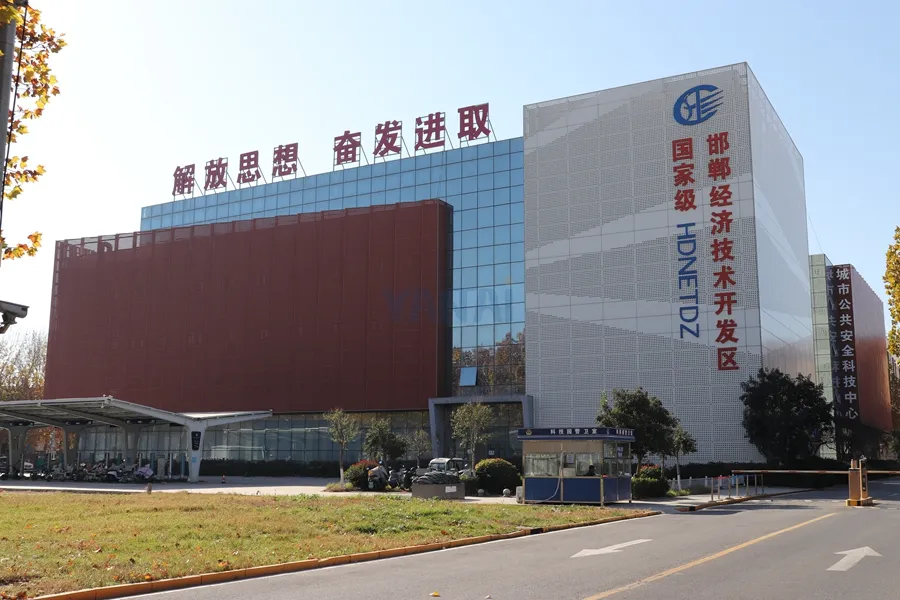
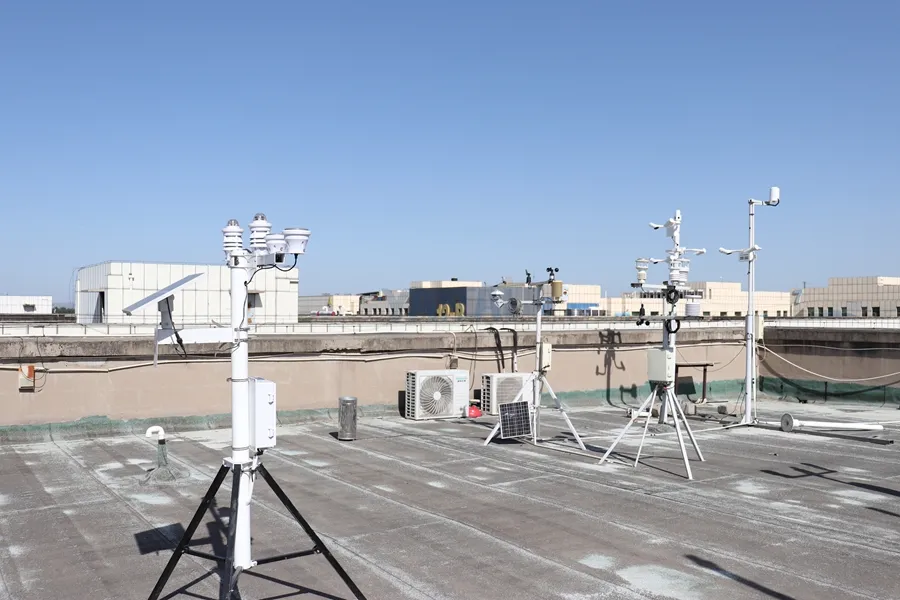
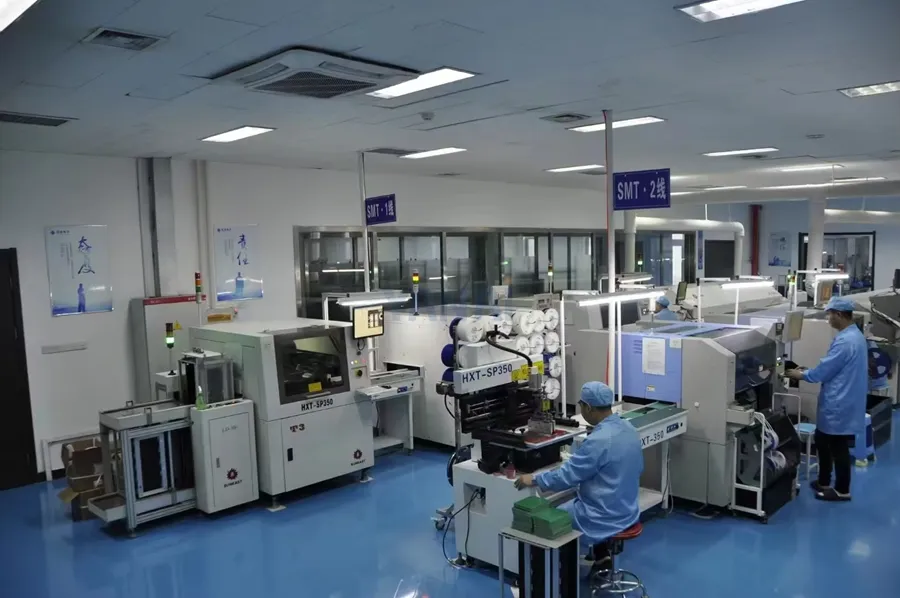
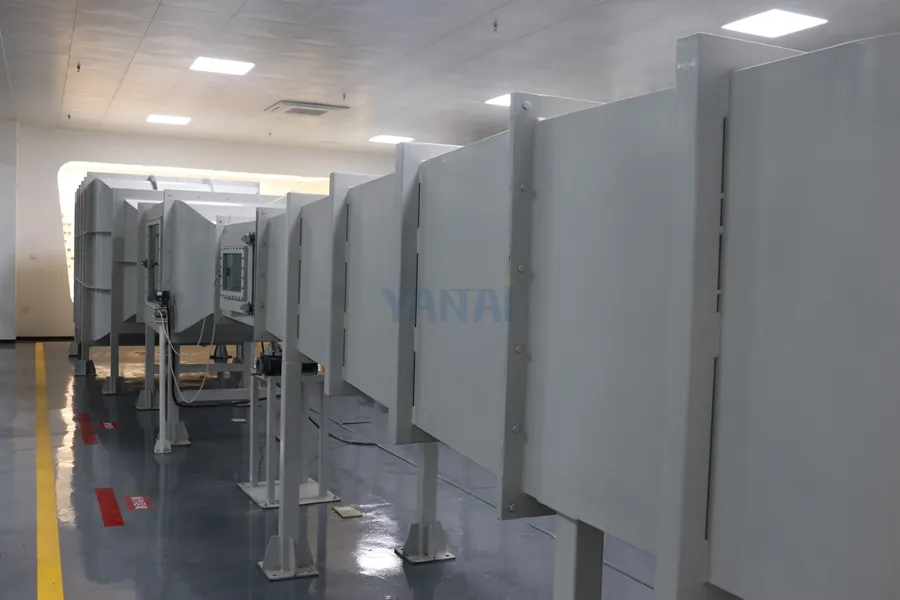
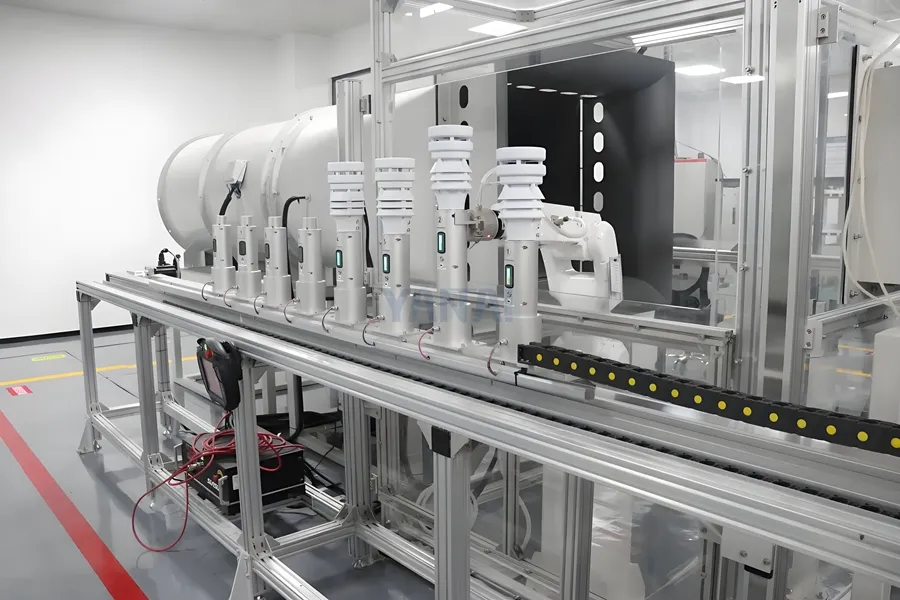
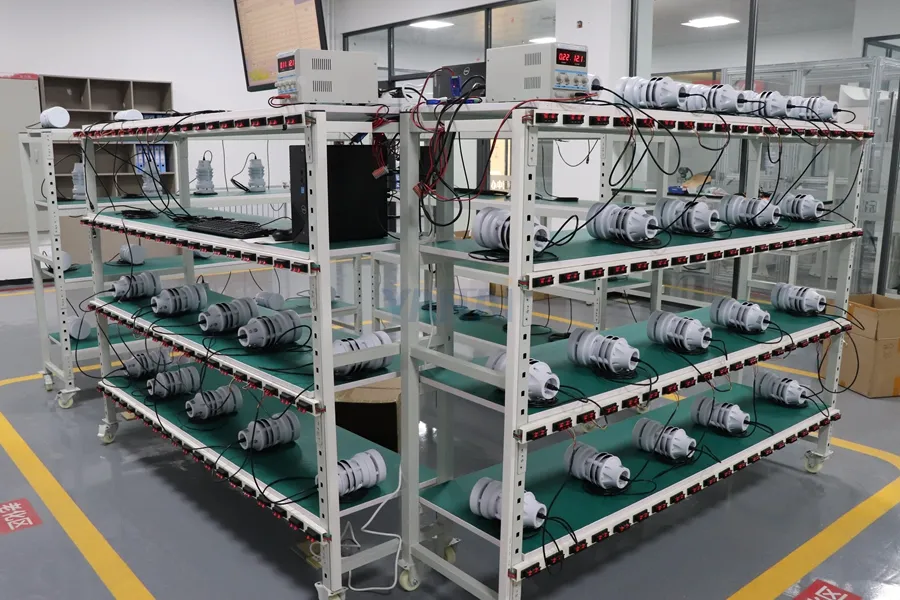
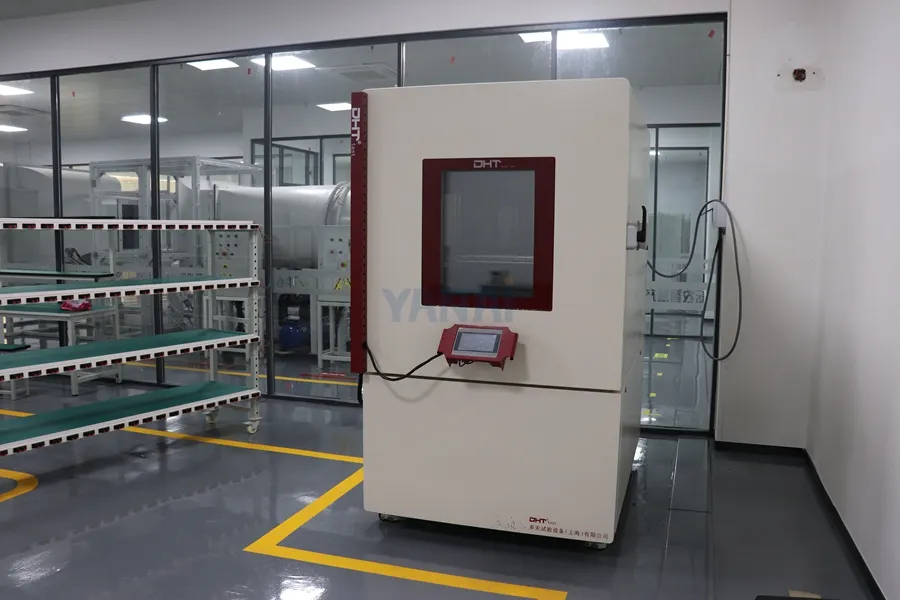
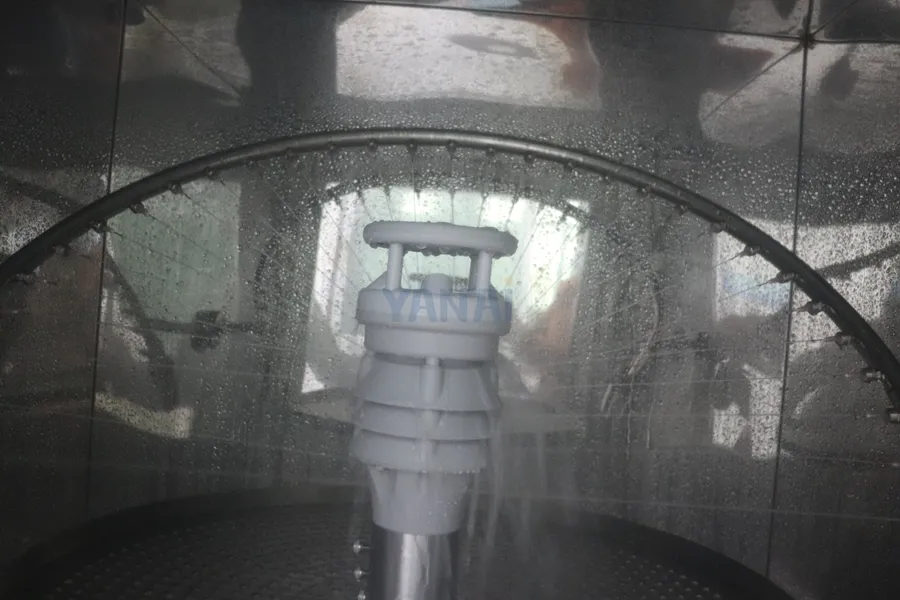
Yantai total solar radiation sensors specializes in the R&D and manufacturing of high-precision radiation sensors, committed to providing advanced environmental monitoring solutions for global customers. The company possesses an in-house R&D team, advanced production lines, and professional laboratories, having obtained multiple authoritative certifications including CNAS, CE, ISO, and RoHS. Our products are widely applied across multiple domains including sunlight, air, soil, and water, serving scenarios such as meteorological monitoring, agricultural research, and environmental protection. Additionally, we offer flexible customization solutions and system integration services to meet diverse customer requirements. Contact our professional team to access premium products and comprehensive technical support.
FAQs
Contact us
Looking for customized smart sensor solutions? Our team specializes in delivering scalable, flexible, and tailored solutions to meet your specific needs.
Fill out the form now to get a personalized solution. Our experts will provide professional advice and ensure your project runs smoothly. Contact us today to start boosting efficiency!