

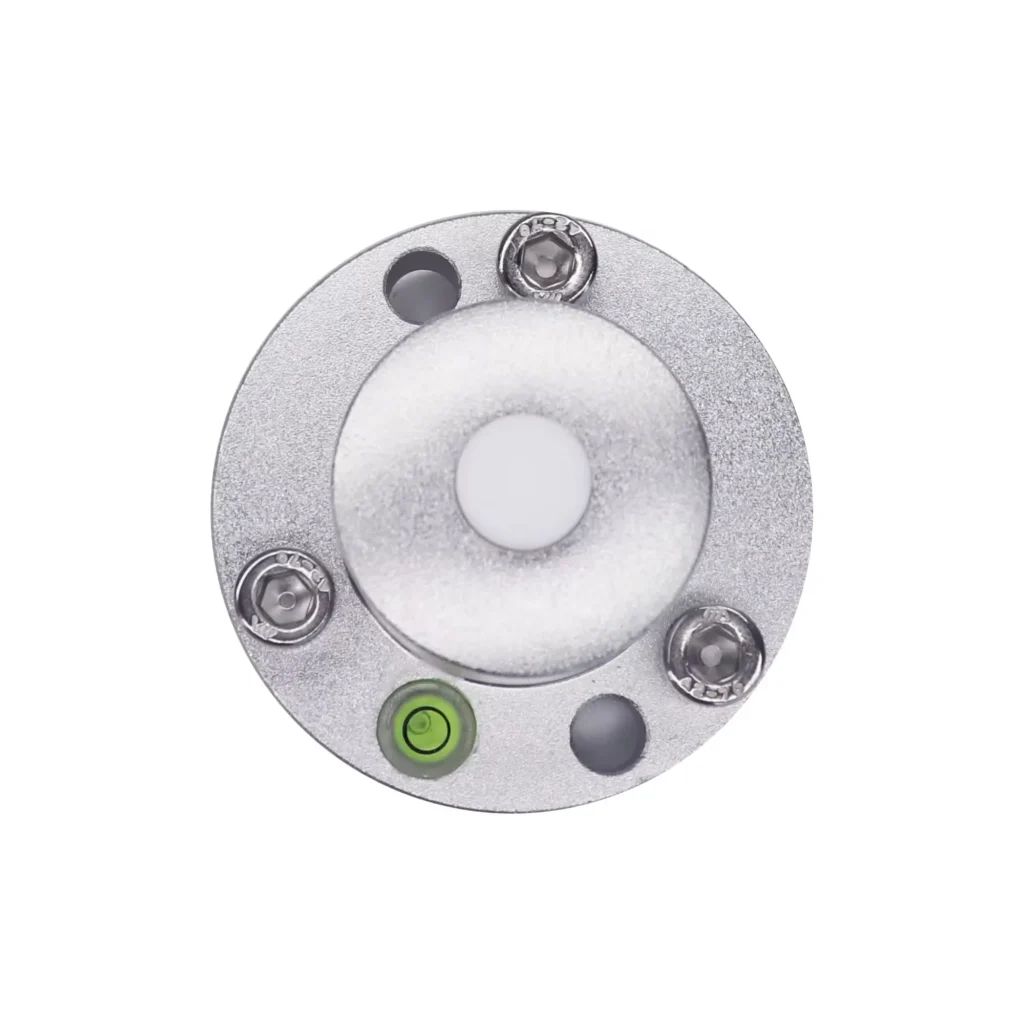
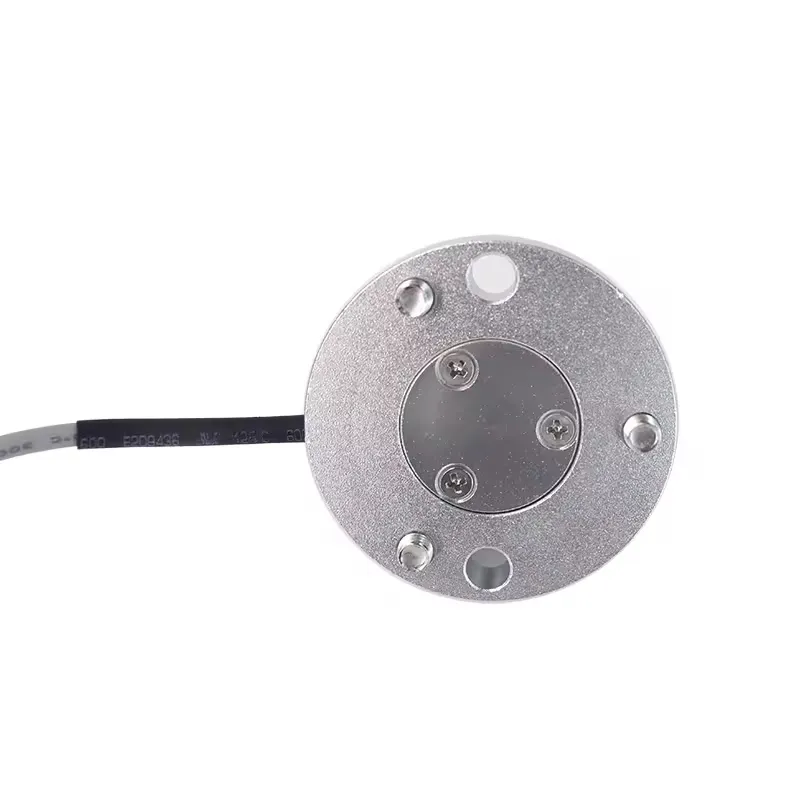
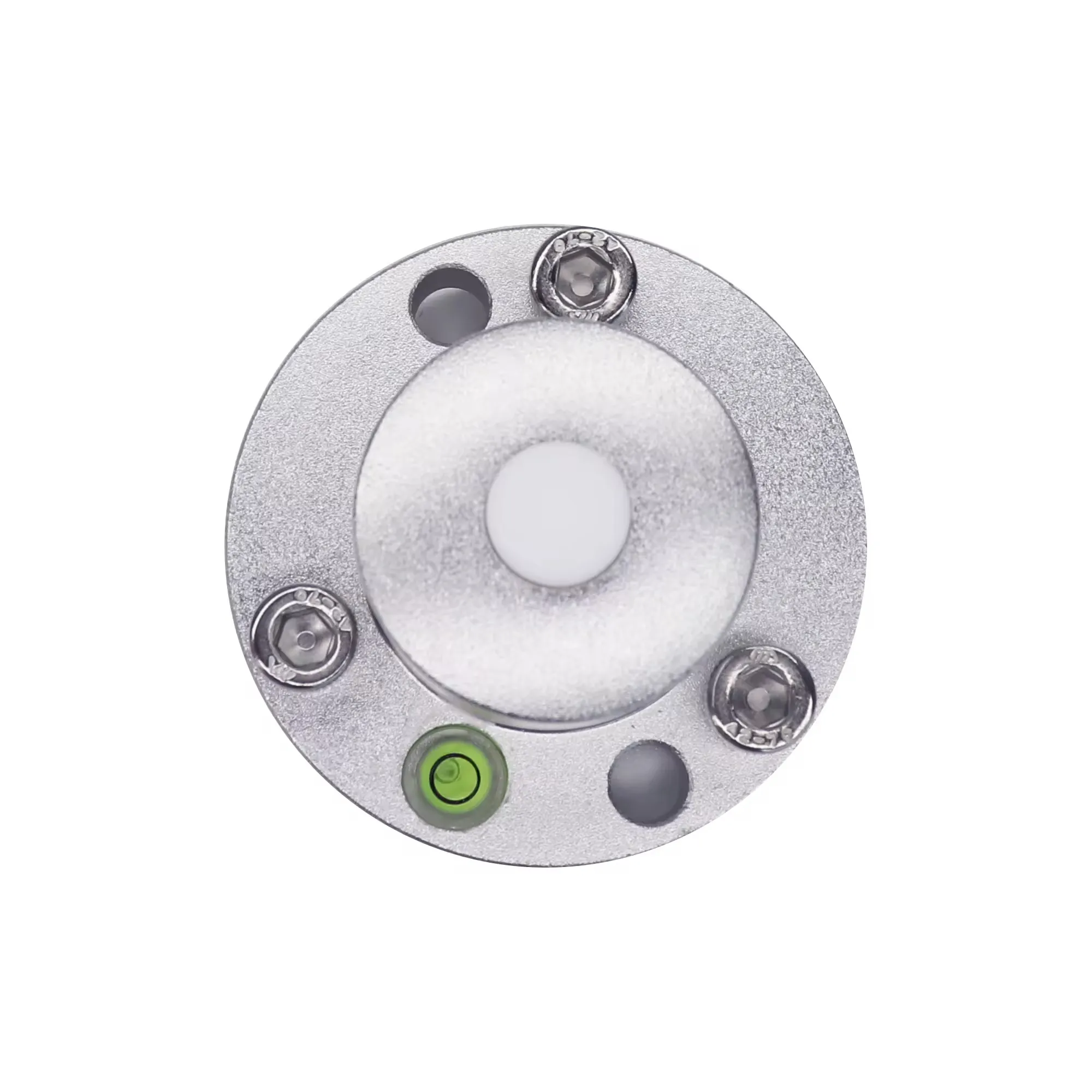
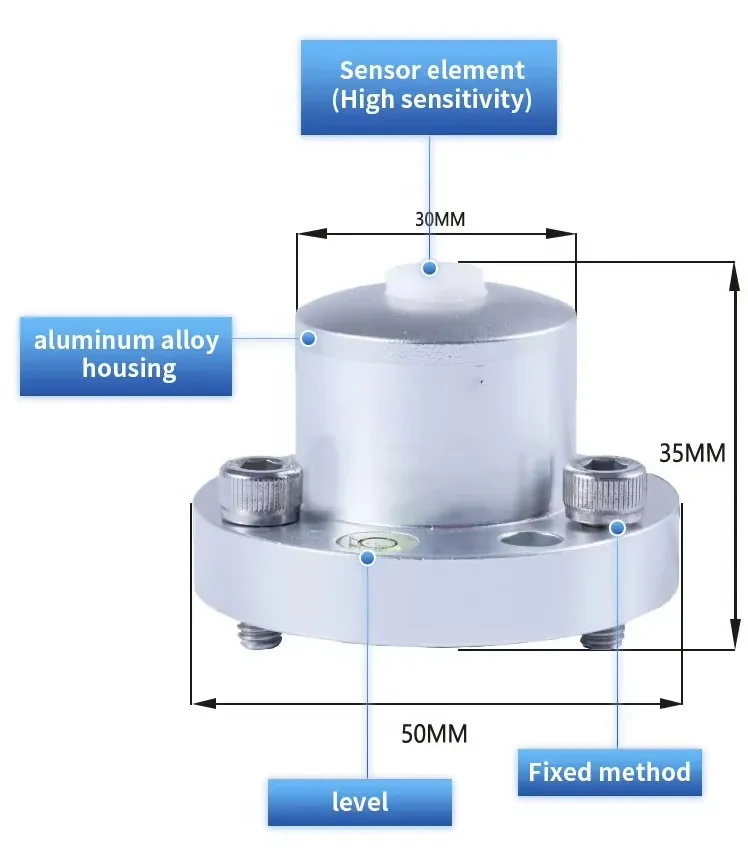
RY-ZW UV Light Radiation Sensor for Solar Panel System
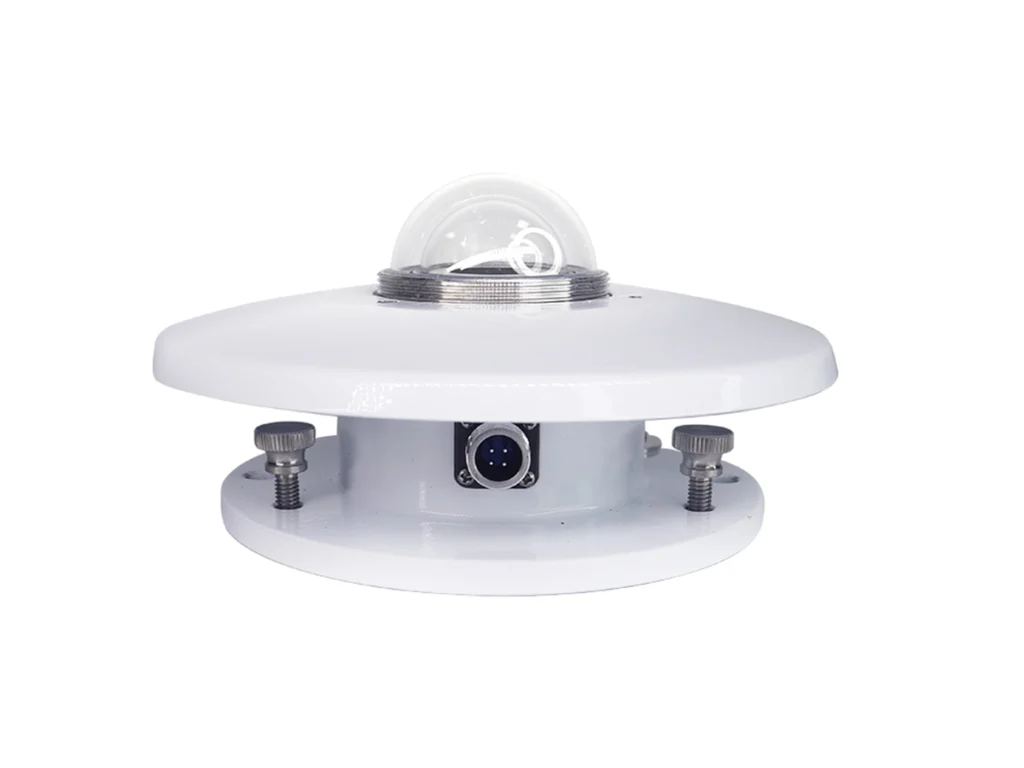
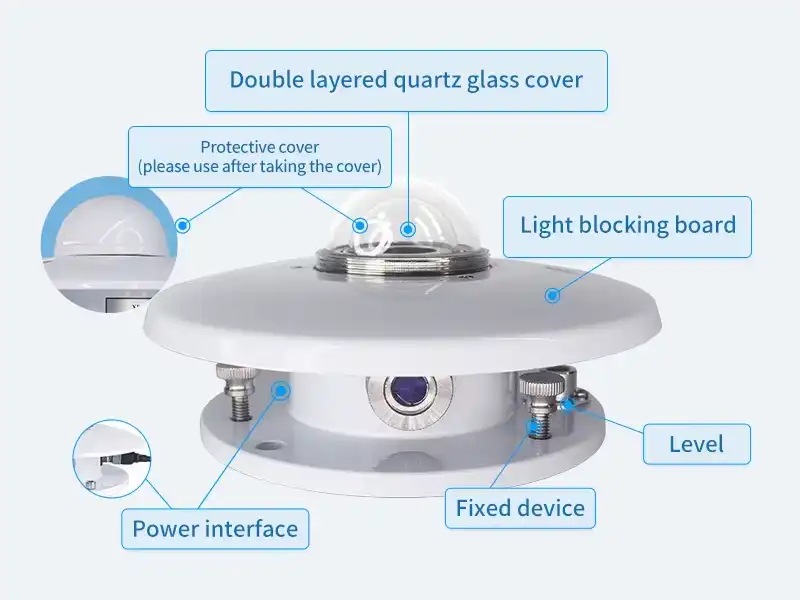
The RY-ZW UV light radiation sensor is a device used to measure the intensity of solar or environmental electromagnetic radiation. It converts radiant energy into an electrical signal using thermoelectric or photoelectric principles and is capable of measuring the intensity of ultraviolet radiation in the 280–400 nanometer wavelength range. Characterized by high precision, fast response, and excellent stability, it is widely used in meteorological monitoring, photovoltaic power generation, and agricultural, environmental, and ecological research.
|
Parameter |
Specification |
|---|---|
|
Spectral Range |
UV AB 280~400nm |
|
Cosine response |
≤4% (when the sun altitude angle is 30°) |
|
Operating temperature |
-50℃~+50℃ |
|
Measuring range |
0~70 w/m -² |
US$40.22–48.26/ Unit
Introduction
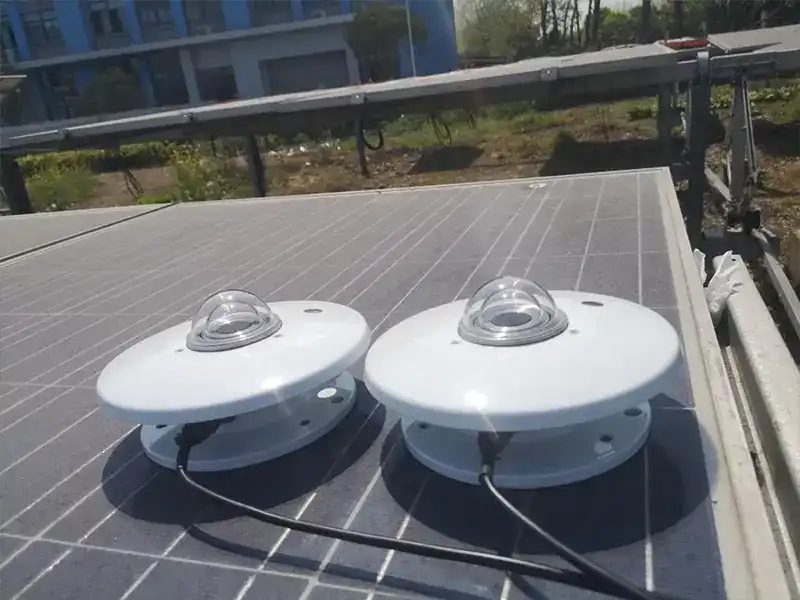
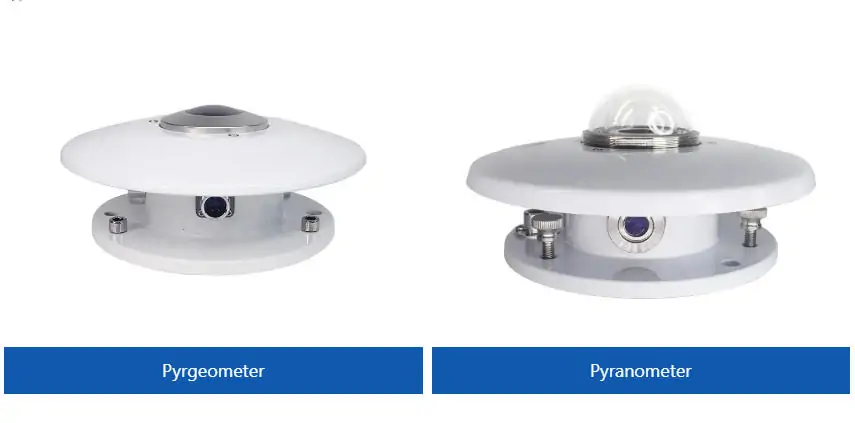
A radiation sensor, also known as a solar radiation sensor or pyranometer, is a specialized environmental monitoring device used to measure the intensity of shortwave solar radiation. Its core operates on the principle of a thermopile or photodetector to convert solar radiation energy into an electrical signal, outputting standardized radiation data for use in meteorological and photovoltaic system analysis. The typical measurement range is 0–2000 W/m².
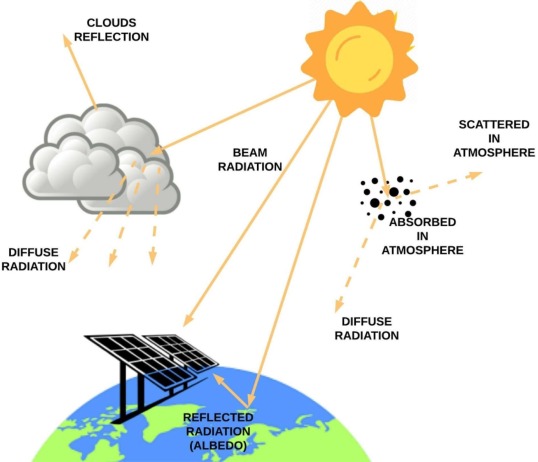
Radiation sensors are widely used in solar power plants and meteorological monitoring, providing real-time insights into changes in solar radiation and delivering critical data for evaluating power generation efficiency and conducting environmental research. Featuring a highly stable design, the device maintains a measurement accuracy of within ±2% even in outdoor environments, making it suitable for long-term, continuous monitoring applications.If you want to learn about “What Are GHI, DNI, and DHI in Solar Energy?”, please click on the article.
Radiation Sensor Working Principle
Radiation sensors measure radiation intensity with high precision by converting electromagnetic radiation from the sun or the environment into electrical signals. The core process is based on the thermoelectric or photoelectric effect; after signal processing, the sensors output standardized data and are widely used in fields such as meteorological monitoring, photovoltaic power generation, and agricultural environmental analysis. Below are the working principles for the radiation sensor:
- Radiation Energy Reception
The sensitive element receives electromagnetic radiation from the sun or the environment, which is the first step in the measurement process. - Energy Absorption and Conversion
Radiant energy is converted into thermal energy or an electrical charge signal, achieving the fundamental conversion of physical energy into an electrical signal. - Thermoelectric Effect / Photoelectric Effect
A voltage is generated by a thermopile, or a current is generated by a photodiode, representing the core mechanisms of different types of sensors. - Electrical Signal Generation
Weak physical changes are converted into detectable raw voltage or current signals. - Signal Processing and Calibration
Signals are amplified, filtered, and temperature-compensated, and standardized calibration is performed to improve accuracy. - Standardized Data Output
Radiation intensity data (such as W/m², UV Index, or PAR) is ultimately output for system monitoring and analysis.
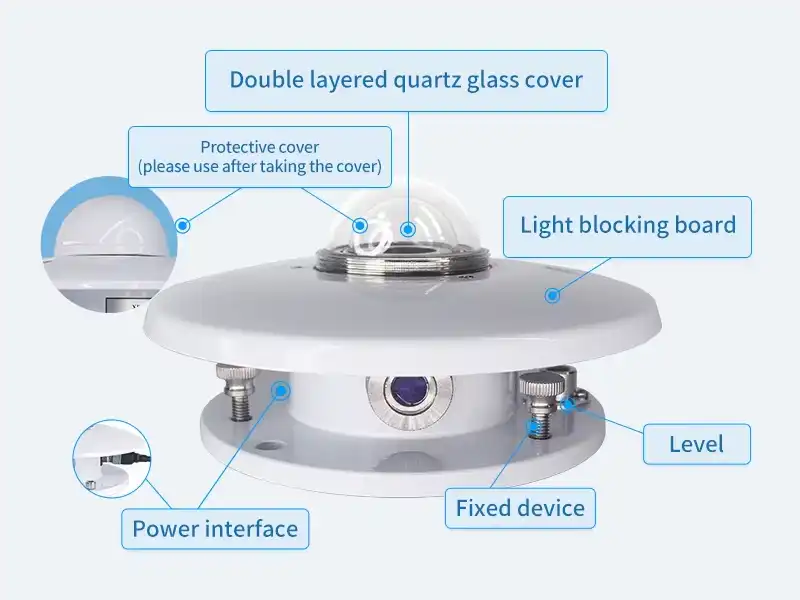
Details Show
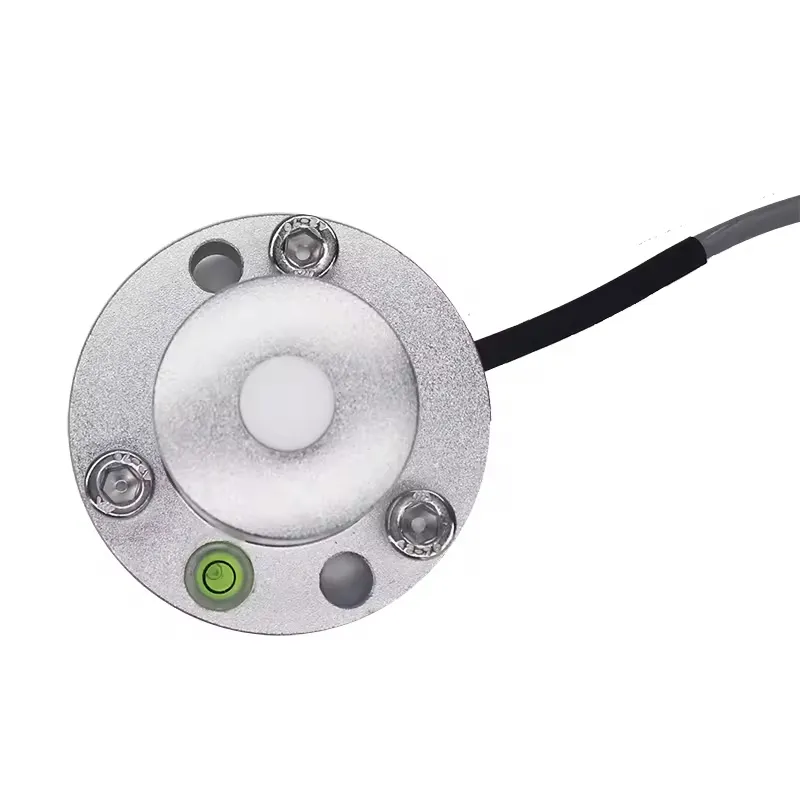
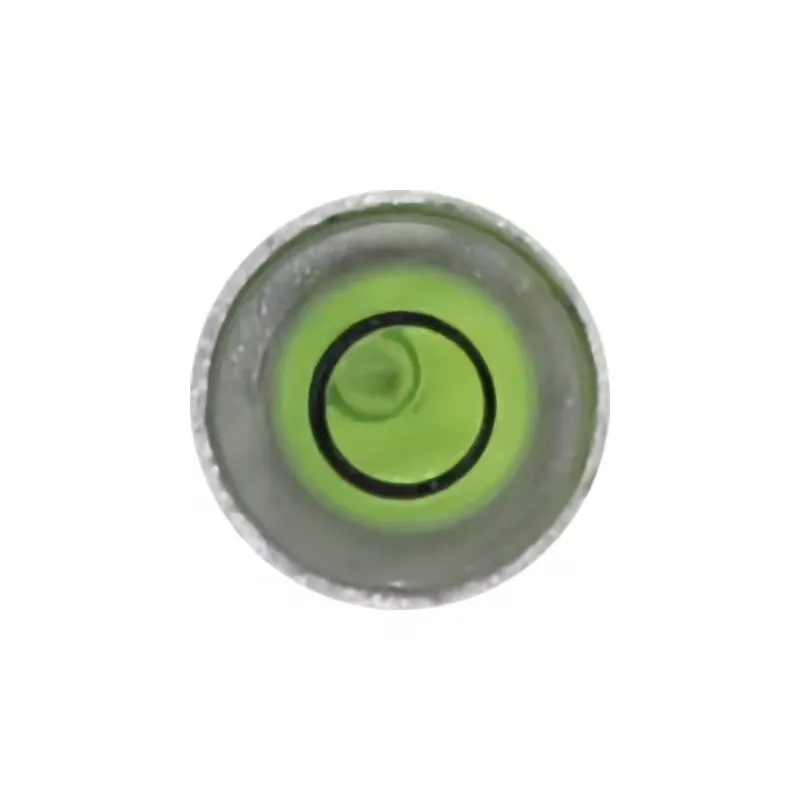
Specifications
| Item | Specification Details |
|---|---|
| Spectral range | UV AB 280~400nm |
| Cosine response | ≤4% (when the sun altitude angle is 30°) |
| Operating temperature | -50℃~50℃ |
| Measuring range | 0~70 w/m -² |
| Response time | ≤1s (99% response) |
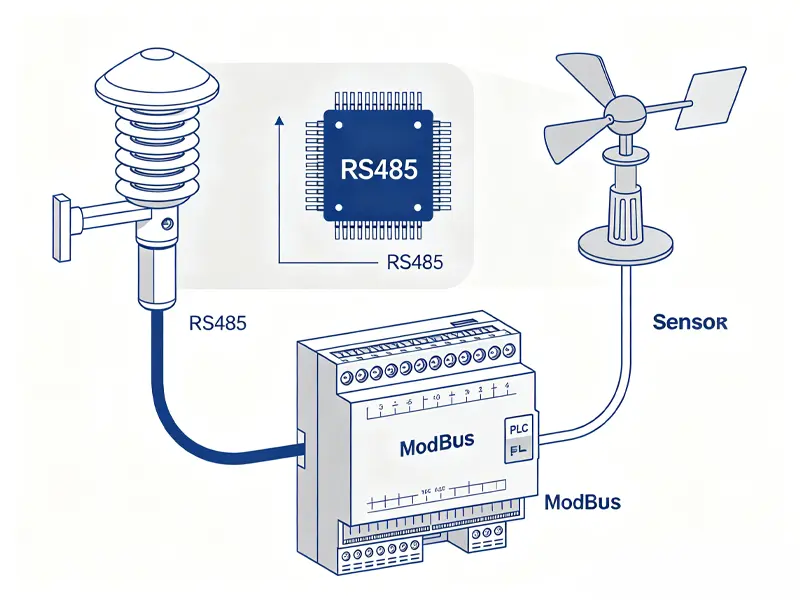
| Output signal | RS485 |
| Standard cable length | 3 meters |
| Wiring definition – RY-CEBN/S (4-20mA current output) | Red: Positive (+)Black: Negative (-)Yellow: Measuring analog output |
| Wiring definition – RY-CEBN/485 (RS485 output) | Red: Positive (+)Black: Negative (-)Yellow: Line ABlue: Line B |
| Protection level | IP65 |
| Weight | About 220g |
Radiation Sensor Manufacturer and Supplier
The RY-ZW UV Light Radiation Sensor is an outstanding essential product for industries that require UV radiation measurement. Its high level of accuracy, ease of use, and durability make it an excellent investment for any company that requires UV radiation measurement. With its RS485 interface, users can monitor radiation levels in real-time, allowing them to take prompt action when necessary. Invest in the RY-ZW UV Light Intensity Meter today and take the first step towards safer and more efficient operations.If you’d like to learn more about the best solar radiation sensors for PV monitoring systems, click on the article.




Related Products
Contact us
Looking for customized smart sensor solutions? Our team specializes in delivering scalable, flexible, and tailored solutions to meet your specific needs.
Fill out the form now to get a personalized solution. Our experts will provide professional advice and ensure your project runs smoothly. Contact us today to start boosting efficiency!