Introduction
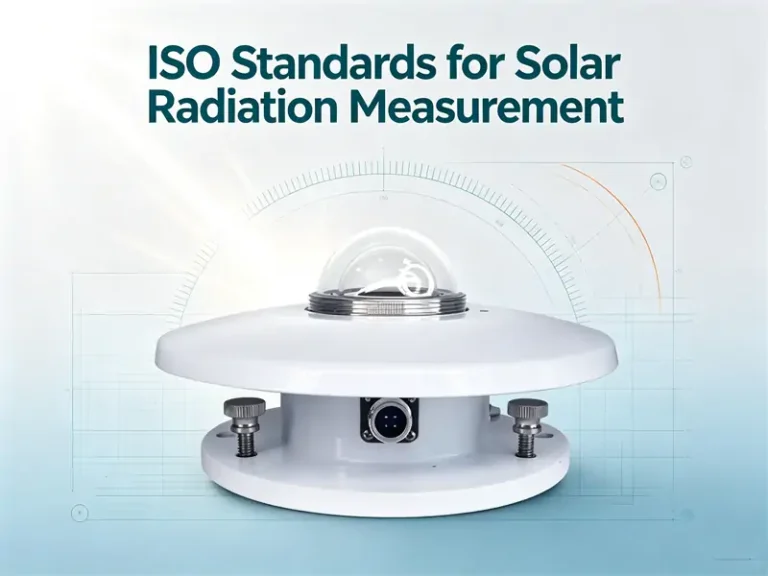
Solar radiation powers 99.9% of Earth’s energy systems, making it the foundation of life and industry alike. It is the electromagnetic energy emitted by the sun, encompassing visible light, ultraviolet, and infrared wavelengths. Understanding solar radiation is essential for optimizing renewable energy production, improving agricultural yields, and advancing climate research. This guide will walk you through how solar radiation is measured, the instruments and techniques used for monitoring, factors that influence its intensity, and practical applications for industry and buyers. By the end, you will have a clear understanding of solar radiation’s role and how to leverage it effectively.For more details on ISO 9060 and ISO 9847 requirements for solar radiation measurement, see our guide to Solar Radiation Measurement Standards: ISO 9060 & ISO 9847.
What is Solar Radiation? Definition and Fundamentals
Solar radiation is the electromagnetic energy emitted by the sun, forming the primary energy source for life and industry on Earth. It drives weather patterns, supports photosynthesis, and powers renewable energy systems. Understanding its fundamentals is critical for solar energy projects, climate research, and agricultural planning.
Solar Radiation Definition
Solar radiation refers to the energy emitted by the sun across a spectrum that includes ultraviolet (UV), visible light, and infrared (IR) wavelengths. It is the driving force behind photosynthesis, climate systems, and weather phenomena. For measurement purposes, solar radiation is quantified in watts per square meter (W/m²), providing a standard metric to evaluate energy availability at different locations and times.
The Science Behind Solar Radiation
The energy we receive from the sun originates from nuclear fusion in its core, where hydrogen atoms are converted into helium, releasing massive amounts of energy. This energy travels approximately 150 million kilometers to Earth, taking around 8 minutes and 20 seconds. At the top of Earth’s atmosphere, the solar constant measures about 1361 W/m². However, atmospheric effects such as scattering, reflection, and absorption reduce the intensity that reaches the surface, a phenomenon known as atmospheric attenuation.
Solar Radiation vs. Solar Irradiance: Key Terminology
It is important to distinguish between related terms in solar energy:
- Solar Radiation: The general term for all energy emitted by the sun.
- Solar Irradiance: The power received per unit area at a specific location, measured in W/m².
- Insolation: The total solar energy received over a defined time period, typically expressed in kWh/m².
- Irradiation: The cumulative energy accumulated over a period, such as daily, monthly, or annual totals.
Understanding these concepts ensures accurate planning and monitoring for solar energy systems, agricultural applications, and environmental studies.
How Solar Radiation is Measured
Accurate measurement of solar radiation is essential for energy planning, agricultural efficiency, and climate monitoring. By understanding both the intensity and distribution of solar energy, professionals can optimize solar panel performance, forecast energy yields, and assess environmental conditions. Below, we will describe the methods, instruments, and metrics used for effectively monitoring solar radiation.
What are factors affecting solar radiation?
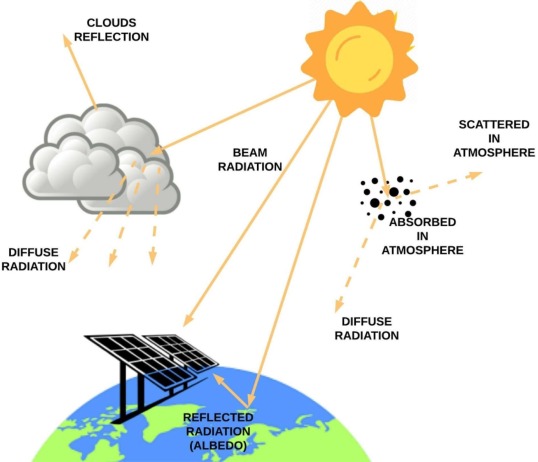
Solar radiation refers to the energy from the Sun received at the Earth’s surface, primarily comprising radiation across different wavelength bands such as visible light, infrared, and ultraviolet. The intensity and distribution of solar radiation are influenced by multiple factors, which determine how solar radiation varies across different regions, times of day, and climatic conditions. Understanding these influencing factors is crucial for fields such as solar power generation, climate research, and agricultural production. The following is Factors Affecting Solar Radiation:
Sun’s Altitude Angle
The sun’s altitude angle refers to the angle between the sun and the Earth’s horizon, which typically varies at different times of the day and throughout the seasons. The greater the sun’s altitude angle, the greater the amount of radiation received per unit area. Therefore, solar radiation is strongest in summer and at midday, while it is weaker in winter and during the early morning and evening hours.
Atmospheric Transparency
Gases in the atmosphere (such as water vapor and carbon dioxide) and particulate matter (such as dust and pollutants) can absorb, scatter, or reflect solar radiation. The higher the atmospheric transparency, the greater the amount of solar radiation that reaches the ground. Atmospheric pollution, cloud thickness, and haze all reduce the intensity of solar radiation.
The Effect of Clouds
Clouds are one of the most significant factors affecting solar radiation. Clouds can reflect and absorb solar radiation, reducing the amount of radiation reaching the ground. Thick clouds significantly reduce ground-level radiation, while thin or scattered clouds have a lesser impact. Different types of clouds (such as cumulus and stratus clouds) also affect solar radiation in distinct ways.
Geographical Location
Geographical location has a significant impact on the intensity and distribution of solar radiation. Regions near the equator receive the most solar radiation because the angle of the sun’s rays is more direct in these areas. In contrast, polar regions receive less radiation due to the shallow angle of the sun’s rays and the prolonged absence of sunlight during winter.
Seasonal Variations
The Earth’s axial tilt causes seasonal changes, which in turn affect the intensity and distribution of solar radiation. In summer, the Northern or Southern Hemisphere receives solar radiation more directly, while in winter, less radiation is received. During spring and autumn, solar radiation is more evenly distributed.
Altitude
At higher altitudes, the atmosphere is thinner and contains less water vapor and other particles, so the transmission of solar radiation is unobstructed, resulting in greater radiation reaching the ground. Solar radiation intensity is typically stronger in high-altitude regions than in low-altitude regions.
Surface Albedo
The albedo of the Earth’s surface determines how much of the received solar radiation is absorbed by the ground and how much is reflected back into the atmosphere. Surfaces such as snow, deserts, and glaciers have high albedo, while forests and oceans have low albedo. High-albedo surfaces cause more radiation to be reflected, reducing the amount of radiation absorbed by the ground.
Atmospheric Composition
Various components in the atmosphere, such as water vapor, carbon dioxide, and ozone, absorb and scatter solar radiation. Water vapor and carbon dioxide absorb long-wave radiation, while ozone absorbs ultraviolet radiation. Different combinations of climatic conditions and atmospheric components influence the intensity of solar radiation.
Wind Speed and Meteorological Conditions
Wind speed and local meteorological conditions, such as air temperature and humidity, also affect the stability and transparency of the atmosphere, thereby influencing the propagation of solar radiation. For example, higher wind speeds can carry away some water vapor and pollutants from the atmosphere, improving atmospheric transparency and increasing the intensity of solar radiation.
Instruments for Measuring Solar Radiation:
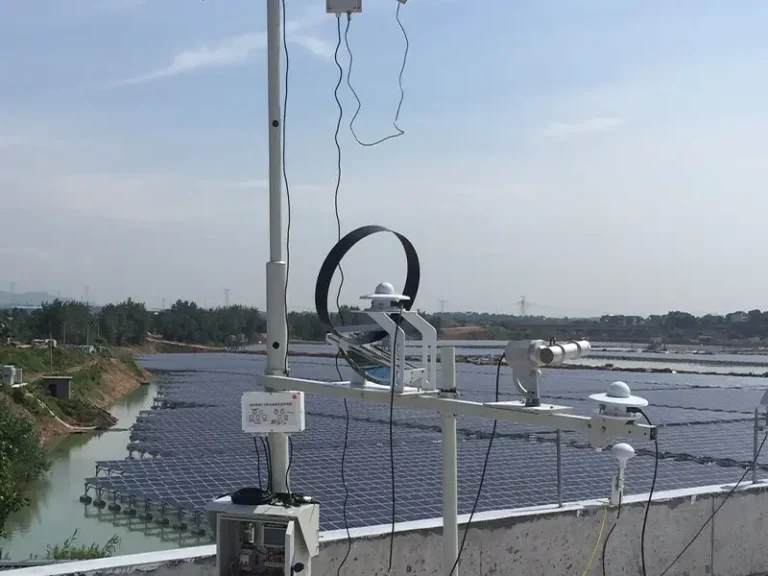
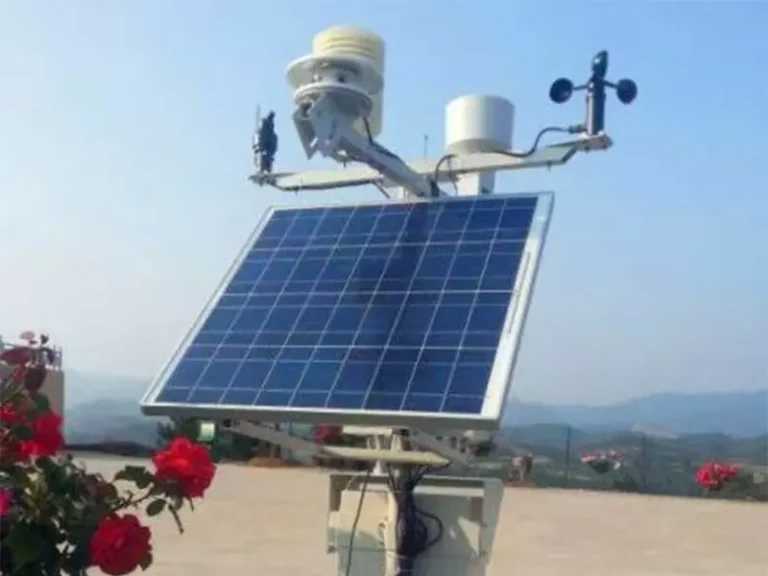
The following is a comprehensive integrated monitoring system provided by Yantai Sensor for photovoltaic power plants. This system comprehensively monitors solar radiation, environmental pollution, ultraviolet radiation, and the operational status of photovoltaic modules, ensuring that the photovoltaic power generation system operates at optimal performance. All devices can be seamlessly integrated, and data can be centrally managed and analyzed in real time through a unified platform, providing critical insights for system optimization and maintenance, thereby maximizing photovoltaic power generation efficiency and long-term economic returns.
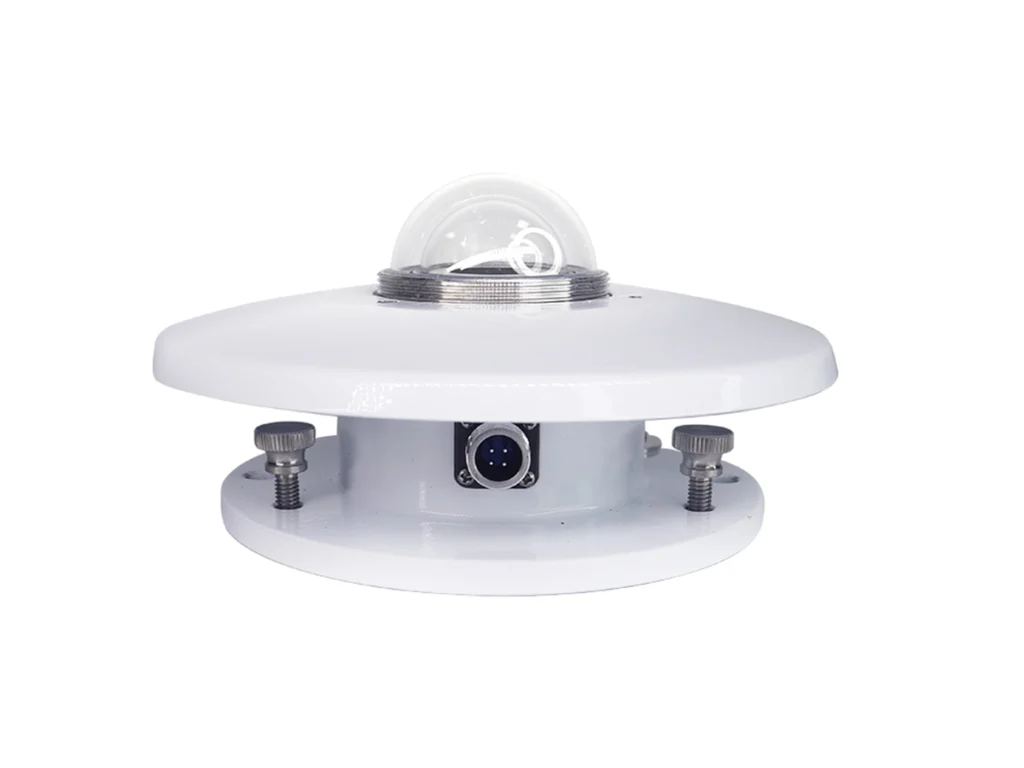
1. TBQ-2C Pyranometer Solar Radiation Sensor
The TBQ-2C radiation sensor is a high-precision solar radiation measurement device designed for various meteorological and photovoltaic applications. By measuring the total radiation reaching the Earth’s surface from the sun, it provides critical data for solar power generation, climate research, and environmental monitoring.
Measurement Range: 0–2000 W/m²
Accuracy: ±5%
Response Time: < 20 seconds
Features
- High-Precision Measurement: Offers a radiation intensity measurement range from 0 to 2000 W/m², accommodating various environmental changes.
- All-Weather Reliability: Constructed from high-temperature-resistant and corrosion-resistant materials to ensure long-term stability, making it suitable for use in harsh weather conditions.
- Wide Range of Applications: Suitable for solar power plants, agriculture, weather stations, and other fields, enabling real-time monitoring of solar radiation to optimize energy production.
- Output Signal: Supports analog signal output for easy integration with various monitoring systems.
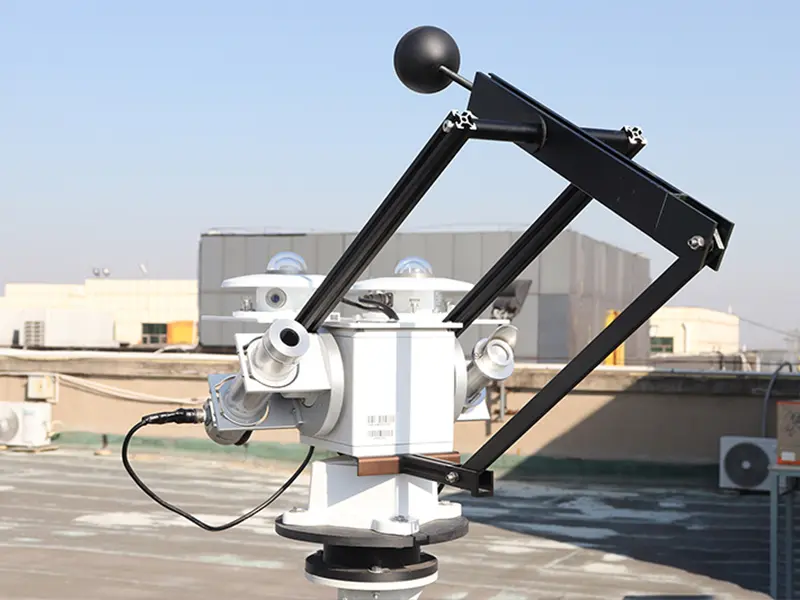
2. SAUT Automatic Tracking Solar Radiation Measurement System
The SAUT Automatic Tracking Solar Radiation Measurement System utilizes advanced solar tracking technology to automatically adjust the sensor’s angle in real time, maximizing the capture of solar radiation. This system is particularly suitable for photovoltaic power generation systems requiring high-precision radiation data and dynamic monitoring.
Maximum Radiation Measurement Range: 0–2000 W/m²
Tracking Accuracy: ±0.5°
Communication Interfaces: Modbus, RS485
Features
- Automatic Tracking: The system automatically adjusts the sensor position to ensure precise measurement of solar radiation around the clock.
- Efficient Monitoring: Suitable for large-scale solar power plants and research institutions, supporting long-term automated data collection.
- Multi-Sensor Integration: Supports parallel operation of multiple sensors, enhancing the accuracy and comprehensiveness of data collection.
- Intelligent Analysis: Equipped with intelligent software that provides data processing, analysis, and report generation functions, improving system operational efficiency.
3. RY-ZW UV Light Solar Radiation Sensor for Solar Panel Systems
The RY-ZW UV Radiation Sensor is specifically designed for photovoltaic power generation systems. It monitors solar UV radiation intensity in real time, helping to analyze solar panel performance and assess the impact of UV radiation on photovoltaic systems.
Measurement Range: 0–200 W/m² (UV-A), 0–50 W/m² (UV-B)
Accuracy: ±5%
Response Time: < 15 seconds

Features
- UV Radiation Monitoring: Focuses on UV-A and UV-B radiation, providing precise data support for photovoltaic panel operation.
- Performance Optimization: Helps optimize solar panel efficiency by analyzing UV radiation intensity.
- Long Service Life: High-quality photodetectors ensure reliable long-term operation, significantly extending the device’s lifespan.
- Easy Integration: Integrates seamlessly with existing photovoltaic monitoring systems for real-time monitoring and data collection.
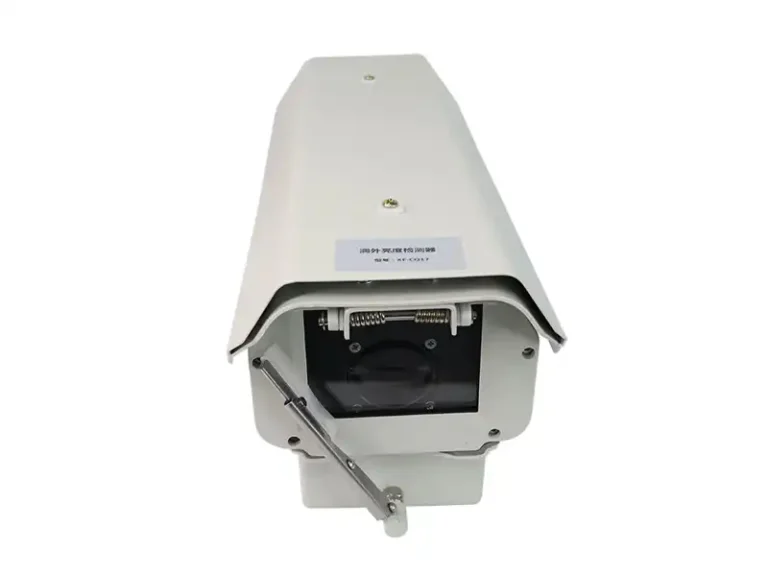
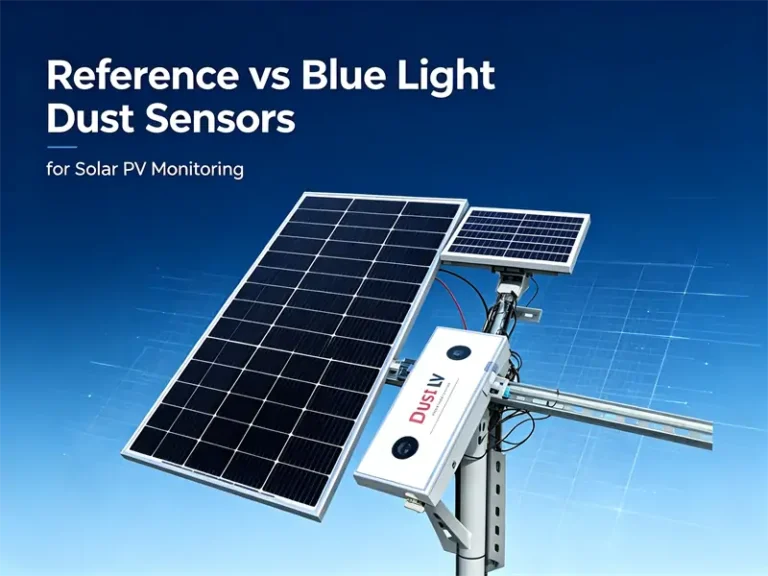
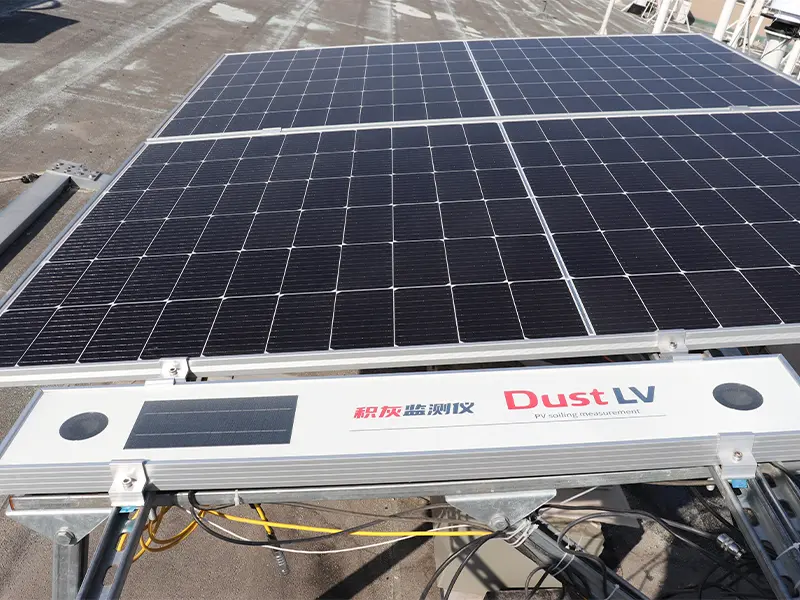
4. DustLV Photovoltaic Module Pollution Status Monitor
The DustLV Photovoltaic Module Pollution Status Monitor is a device specifically designed to monitor the contamination status of photovoltaic panels. By continuously monitoring the accumulation of surface contaminants in real time, it provides critical decision-making support for system maintenance and helps improve photovoltaic power generation efficiency.
Measurement Range: 0–100 µm (contaminant particle size)
Accuracy: ±3%
Data Update Frequency: Updated every 5 minutes
Features:
- Contamination Monitoring: Detects the accumulation of dust and debris on the surface of photovoltaic modules.
- Real-time Alerts: The system issues an alert when contamination levels reach preset thresholds, prompting cleaning and maintenance.
- Easy Installation: Simple to install and compatible with existing photovoltaic power generation systems.
- Data Transmission: Utilizes wireless data transmission to send contamination data in real time to the monitoring center, facilitating remote management.
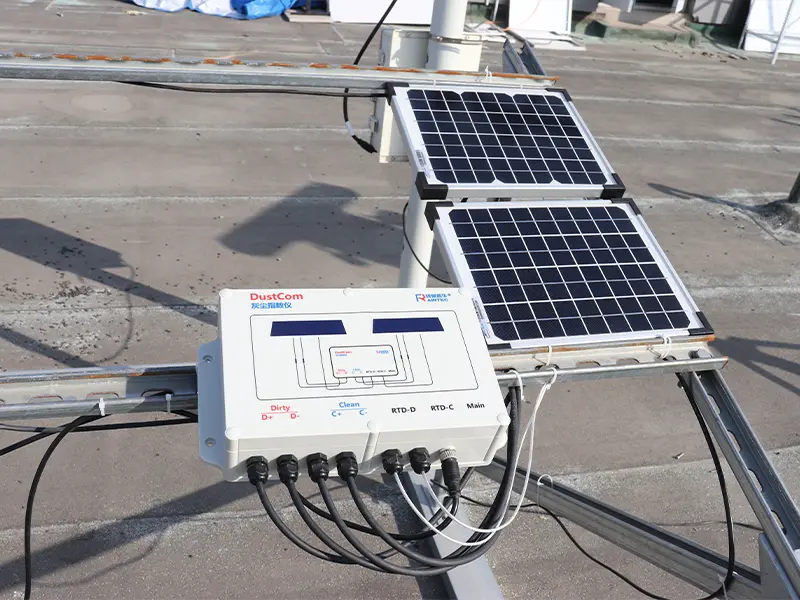
5. DustCom Photovoltaic Dust Index Monitoring System
The DustCom Photovoltaic Dust Index Monitoring System integrates multiple sensors to comprehensively monitor and assess contamination on photovoltaic panels. The system employs advanced algorithms to provide users with accurate dust contamination indices, helping to formulate effective cleaning strategies.
Dust concentration measurement range: 0–500 µg/m³
Accuracy: ±2%
System response time: < 10 minutes
Features:
- Comprehensive Monitoring: Combines particulate matter sensors and meteorological sensors to comprehensively analyze environmental pollution indices and weather conditions.
- Precise Data Analysis: Provides pollution indices and related data to help users develop cleaning and maintenance plans.
- Automated Management: The system automatically identifies changes in pollution levels and generates cleaning recommendations based on environmental data.
- Data Storage and Reporting: Supports long-term data storage and automatically generates cleaning recommendation reports.
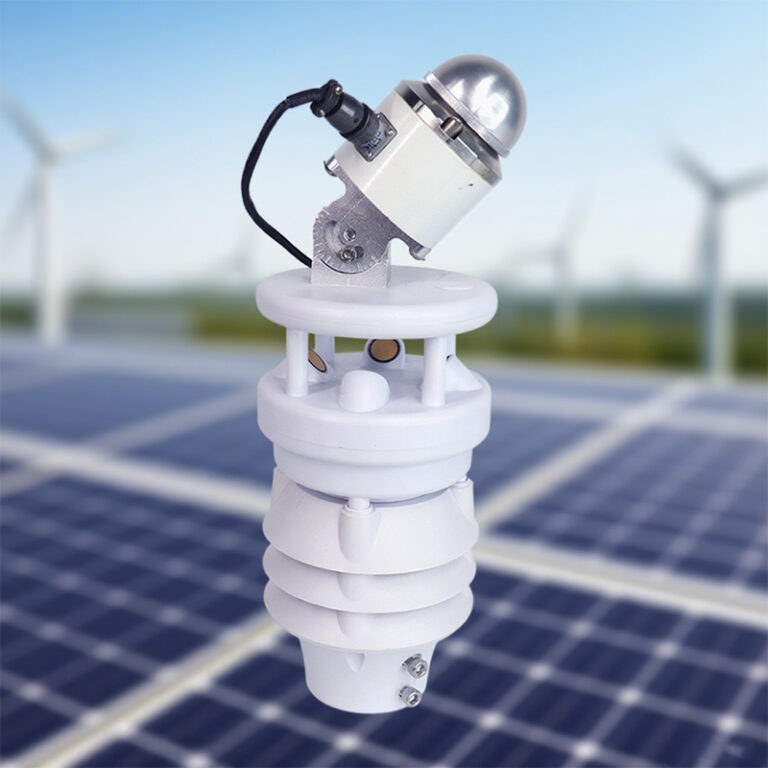
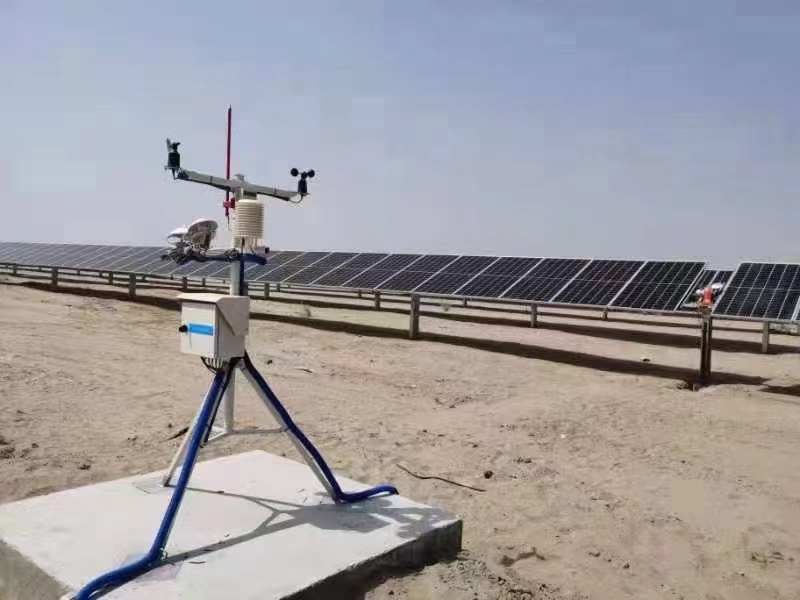
6. RYQ-3 Solar Photovoltaic Environmental Monitoring Station
The RYQ-3 Solar Photovoltaic Environmental Monitoring Station is an integrated monitoring system designed to provide comprehensive environmental monitoring solutions for solar power plants. It combines meteorological, radiation, pollution, and system operation data to deliver a comprehensive assessment of the photovoltaic system’s health.
Environmental Parameters: Solar radiation, temperature, humidity, wind speed, UV, etc.
Data Update Frequency: Every minute
Output Formats: CSV, XML, JSON; supports multiple protocols
Features:
- Multifunctional Monitoring: Includes real-time monitoring of multiple environmental data points such as solar radiation, wind speed, temperature and humidity, and UV radiation.
- System Integration: Integrates various monitoring data through a unified management platform, providing intuitive charts and reports.
- Data Analysis: Powerful data analysis capabilities supporting trend forecasting, fault alerts, performance analysis, and more.
- Remote Management: Supports remote access and management, allowing real-time viewing of monitoring data and on-the-fly adjustments.
Applications of Solar Radiation
As one of the primary energy sources on Earth’s surface, solar radiation is not only vital to the planet’s climate, ecosystems, and life processes, but it has also found widespread application across numerous fields. With the advancement of renewable energy technologies, the utilization of solar radiation has become more efficient and diverse, particularly in areas such as photovoltaic power generation, agriculture, and architectural design. The application of solar radiation not only helps reduce energy consumption and environmental pollution but also contributes to the goals of sustainable development. The following are specific applications of solar radiation:
Solar Power Generation
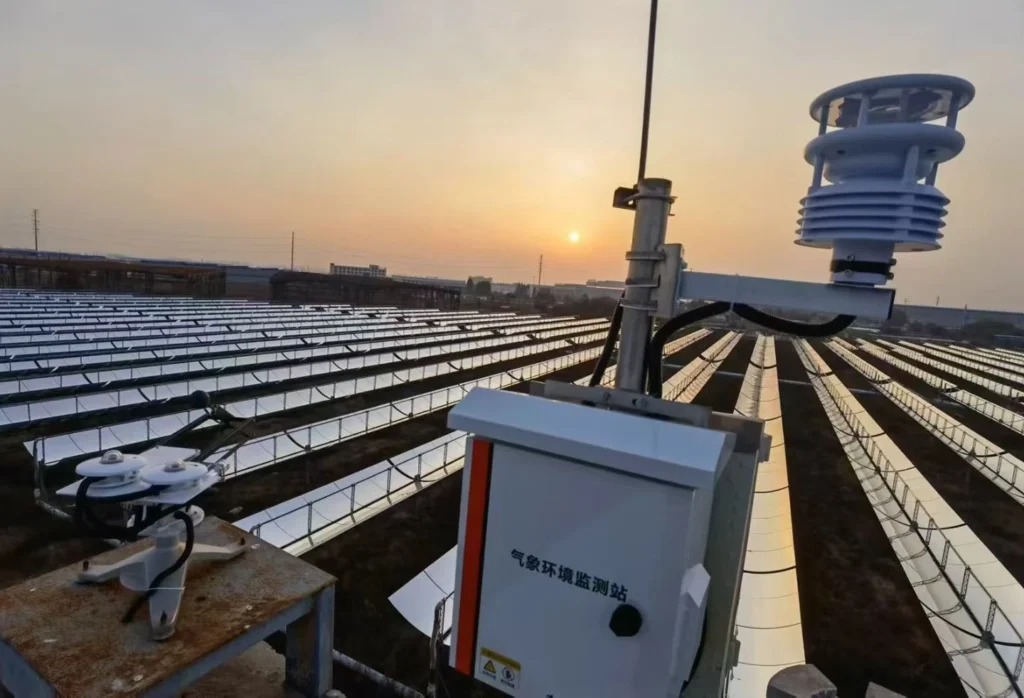
The most direct application of solar radiation is solar power generation, particularly photovoltaic (PV) technology. By converting solar radiation into electrical energy through photovoltaic cells, this technology is widely used in residential, commercial, and industrial sectors. With technological advancements, photovoltaic power generation has become one of the fastest-growing renewable energy sources globally.
Solar Thermal Energy Utilization
Solar radiation can also be utilized in solar thermal systems, such as solar water heaters and solar thermal power plants. These systems absorb solar radiation and convert it into thermal energy for applications including space heating, heating, and hot water production. They are particularly energy-efficient in regions with abundant sunlight.
Agriculture
Solar radiation plays a significant role in agriculture, particularly in greenhouse farming and research on plant photosynthesis. Through proper light management, crop growth conditions can be optimized to increase agricultural yields. Additionally, using solar radiation for greenhouse heating is a common agricultural energy application.
Architectural Design and Green Building
In architectural design, solar radiation is utilized to enhance building energy efficiency. Through thoughtful window design, facade materials, and solar shading, buildings can maximize the use of natural light and thermal energy, thereby reducing the energy demand for artificial lighting and air conditioning. Solar radiation is also utilized in solar roof and wall systems, helping to reduce a building’s energy consumption.
Climate Research and Weather Forecasting
Solar radiation is a critical parameter in climate research and weather forecasting. By monitoring solar radiation data and analyzing heat exchange between the atmosphere, oceans, and the Earth’s surface, scientists gain a better understanding of environmental issues such as climate change and global warming. Variations in solar radiation significantly influence weather patterns, climate cycles, and early warnings for natural disasters.
Performance Evaluation of Photovoltaic Cells
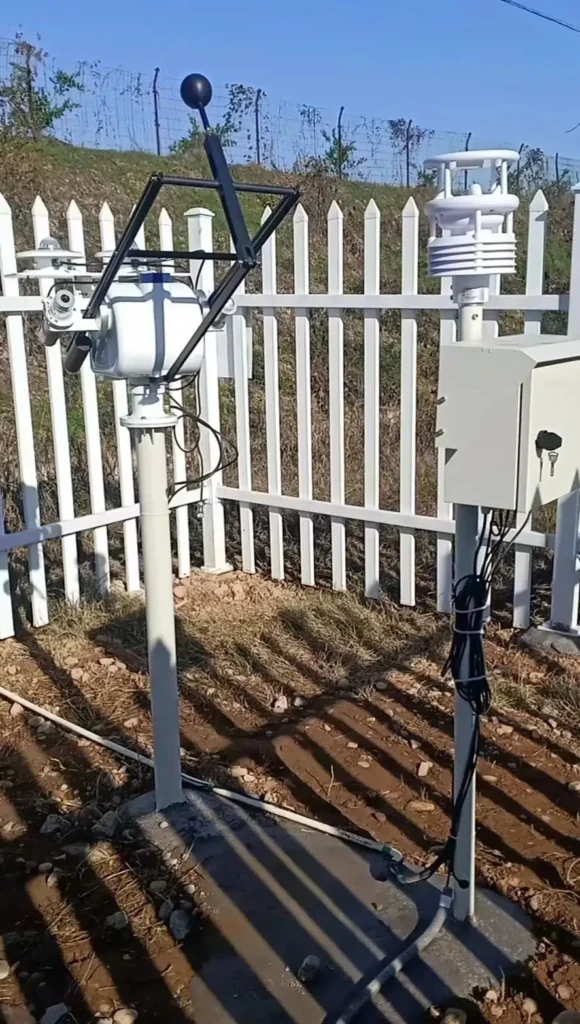
In photovoltaic power generation systems, the intensity of solar radiation directly affects the performance of photovoltaic cells. Through precise measurements of solar radiation, engineers can evaluate the efficiency of photovoltaic systems and optimize the installation angle and orientation of solar panels to achieve maximum energy efficiency.
Unmanned Aerial Vehicles and Satellite Power
Solar radiation also has extensive applications in the space sector, particularly in solar-powered satellites and unmanned aerial vehicles (UAVs). By harnessing solar radiation to power these devices, they can operate continuously without an external power source.
Solar Radiation Monitoring and Environmental Protection
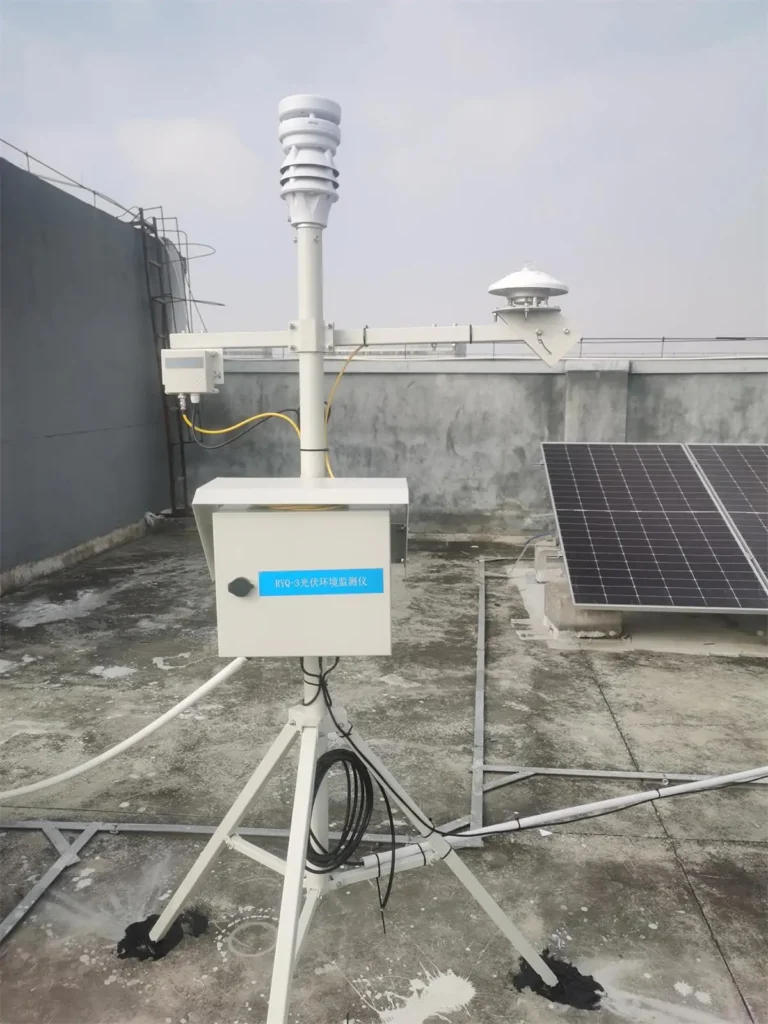
Solar radiation monitoring systems are widely used in environmental protection, particularly in photovoltaic power plants, weather stations, and environmental research. By monitoring radiation levels in real time, these systems help analyze air quality and pollutant dispersion, providing a scientific basis for environmental protection decisions.
Water Treatment and Disinfection
Solar radiation, particularly ultraviolet (UV) radiation, has been effectively applied in water treatment and disinfection. Direct exposure of water sources to solar UV radiation can disinfect and purify the water. This method is both environmentally friendly and cost-effective, especially in regions with limited resources.
Healthcare
Solar radiation. particularly ultraviolet (UV) radiation—has a profound impact on human health. Moderate sun exposure helps the body synthesize vitamin D, promoting bone health and immune system function. At the same time, UV light is used in phototherapy to treat skin conditions and other health issues.
Solar Radiation Project Video Show
Solar Project Monitoring in the Saudi Desert
Fully Automated Solar Tracking System for Photovoltaic Power Plants
Conclusion
Solar radiation is the primary source of energy on Earth, and accurate radiation measurements are crucial for optimizing photovoltaic systems, climate research, and environmental monitoring. Yantai Sensor offers a range of high-precision solar radiation measurement instruments, including the TBQ-2C radiation sensor, the SAUT automatic tracking system, and the RY-ZW UV sensor, helping to improve solar power generation efficiency, enhance agricultural production, and strengthen environmental monitoring.
For more product information or technical support, please feel free to contact our professional team at any time. We are here to help you monitor accurately and optimize energy management.
Frequently Asked Questions (FAQ)
What is the difference between solar radiation and solar irradiance?
Solar radiation is the general term for electromagnetic energy from the sun. Solar irradiance specifically refers to the power per unit area (measured in W/m²) at a given location and time. Irradiance is the instantaneous value, while irradiation refers to energy accumulated over time (kWh/m²).
What are the typical values of solar radiation on Earth?
At the top of Earth’s atmosphere, solar radiation is approximately 1361 W/m² (solar constant). At ground level, maximum values are 1000-1200 W/m² on clear days at solar noon. Daily totals range from 2-8 kWh/m²/day depending on latitude, season, and weather.
How is solar radiation measured?
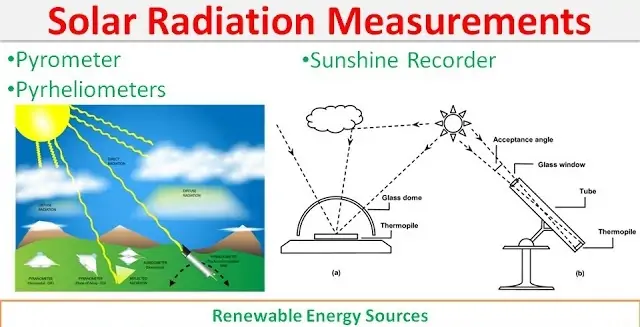
Solar radiation is primarily measured using pyranometers (for global horizontal irradiance) and pyrheliometers (for direct normal irradiance). These instruments use thermopile detectors or photodiodes that generate electrical signals proportional to incoming radiation. Measurements are recorded in watts per square meter (W/m²).
Why is DNI important for concentrating solar power (CSP)?
CSP technologies (parabolic troughs, solar towers) use mirrors or lenses to concentrate direct sunlight onto receivers. They cannot efficiently use diffuse radiation. Sites require DNI >5 kWh/m²/day (annual average) for economic viability. Regions with high DNI (deserts, high altitudes) are optimal for CSP deployment.
What is the difference between GHI and GTI?
GHI (Global Horizontal Irradiance) measures total radiation on a horizontal surface. GTI (Global Tilted Irradiance) or POA (Plane of Array) measures radiation on a tilted surface, such as a solar panel. GTI includes direct, diffuse, and ground-reflected components and is typically higher than GHI when panels are optimally tilted.
How often should solar radiation sensors be calibrated?
ISO 9060 recommends recalibration every 2 years for high-accuracy applications (Class A sensors). Operational monitoring sensors may extend to 3-5 years if field checks confirm stability. Regular cleaning and inspection are critical—dirty sensors cause larger errors than calibration drift.
Can solar radiation be forecasted?
Yes, solar radiation can be forecasted using satellite imagery, numerical weather prediction models, and machine learning algorithms. Short-term forecasts (1-6 hours) achieve 15-25% error (RMSE), useful for grid management and energy storage dispatch. Day-ahead forecasts (24-48 hours) have 20-35% error.
What is the solar radiation spectrum?
Solar radiation spans the electromagnetic spectrum from ultraviolet (UV, 100-400 nm, ~7% of total energy), visible light (400-700 nm, ~47%), and infrared (700-3000 nm, ~46%). Standard pyranometers measure 285-2800 nm (shortwave radiation). PV cells respond primarily to 300-1200 nm.
How does altitude affect solar radiation?
Higher altitude locations receive more solar radiation because there is less atmosphere to absorb and scatter sunlight. Radiation increases approximately 10% per 1000 meters of elevation gain. This is why solar installations in mountainous regions or high plateaus (e.g., Andes, Himalayas) can be highly productive.
What is the best location for solar radiation measurement?
Choose an open site with unobstructed horizon (no shading from buildings, trees, mountains). Mounting height should be 1.5-2 meters above ground (meteorological standard) or 0.5-1 meter above rooftops. Avoid reflective surfaces nearby (white roofs, water) that could introduce errors.