Introduction
Solar energy has become an important part of the global transition toward renewable power, but the sunlight available for photovoltaic systems is more complex than it appears. GHI vs DNI vs DHI Explained is essential for understanding how solar radiation is distributed and measured, as these three parameters describe different components of sunlight reaching the Earth’s surface.
In daily life, we experience sunlight as a single source of energy, but solar radiation changes continuously due to the sun’s position, atmospheric conditions, cloud cover, and weather variations. For solar engineers and PV operators, understanding these differences helps improve solar resource assessment, energy forecasting, and the accuracy of photovoltaic system performance analysis.If you want to know what a solar sensor is, click on the article.
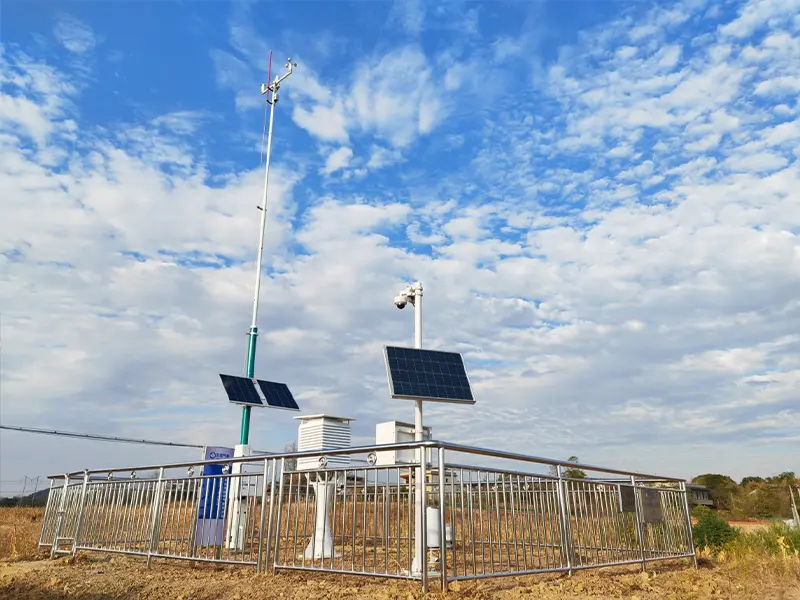
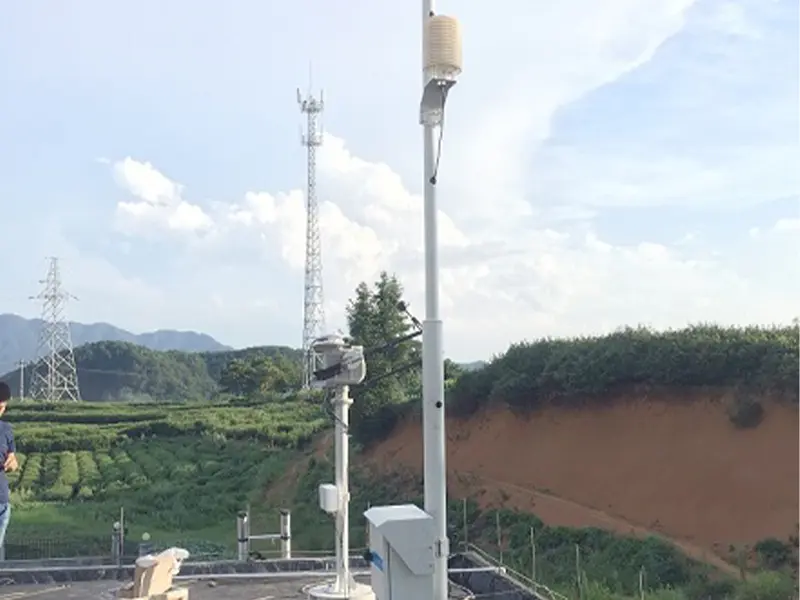
What Are GHI vs DNI vs DHI in Solar Energy?
Solar irradiance reaching the Earth’s surface is generally divided into three main components: GHI (Global Horizontal Irradiance), DNI (Direct Normal Irradiance), and DHI (Diffuse Horizontal Irradiance). These parameters describe different forms of solar radiation and are widely used for solar resource assessment and photovoltaic system analysis.
- GHI (Global Horizontal Irradiance): The total solar radiation received on a horizontal surface, including direct and diffuse radiation.
- DNI (Direct Normal Irradiance): The direct solar radiation received on a surface perpendicular to the sun’s rays.
- DHI (Diffuse Horizontal Irradiance): The solar radiation scattered by the atmosphere and received on a horizontal surface.
The relationship between these three parameters is: GHI = DNI × cos(θz) + DHI
where θz represents the solar zenith angle, which is the angle between the sun’s rays and the vertical direction.
This formula shows that GHI consists of two components: direct solar radiation and diffuse solar radiation. Therefore, GHI is commonly used as a key indicator for general solar resource evaluation, while DNI and DHI provide more detailed information about direct sunlight intensity and atmospheric scattering conditions.
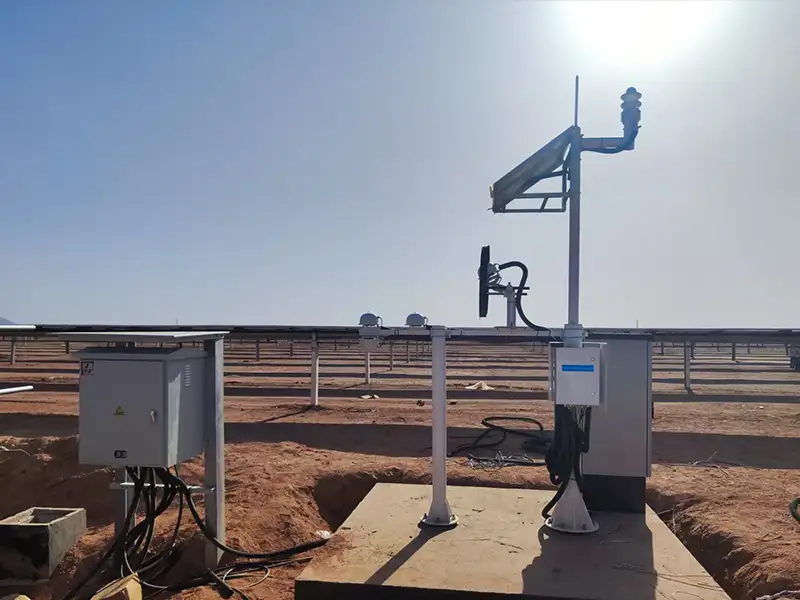
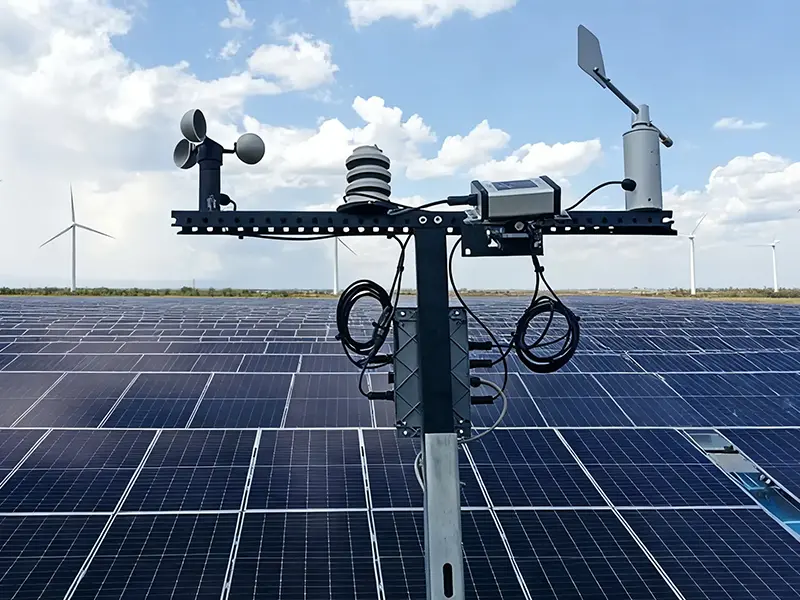
What Is Global Horizontal Irradiance (GHI)?
Definition of GHI
Global Horizontal Irradiance (GHI) refers to the total solar irradiance received on a horizontal surface from the entire sky. It is an important measurement parameter used to describe the solar radiation conditions at a specific location.
In solar energy applications, Global Horizontal Irradiance data helps engineers evaluate solar resource availability and understand the amount of solar radiation reaching the ground. The measured GHI value changes continuously with environmental conditions, including solar position, cloud cover, atmospheric particles, and seasonal variations. Therefore, accurate and continuous GHI monitoring is essential for obtaining reliable solar resource data.
How Is GHI Measured?
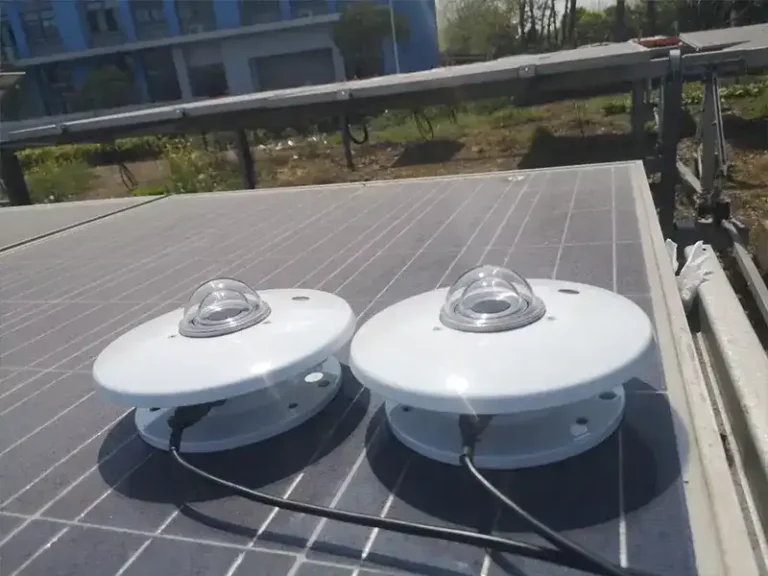
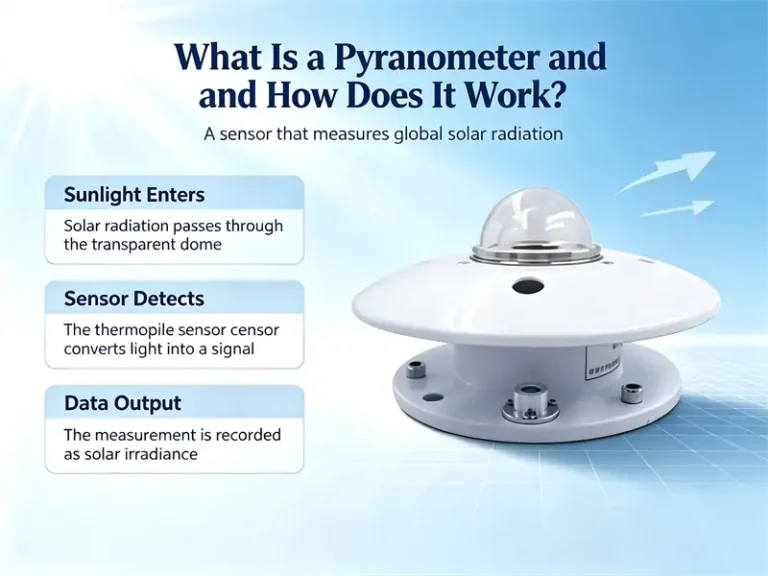
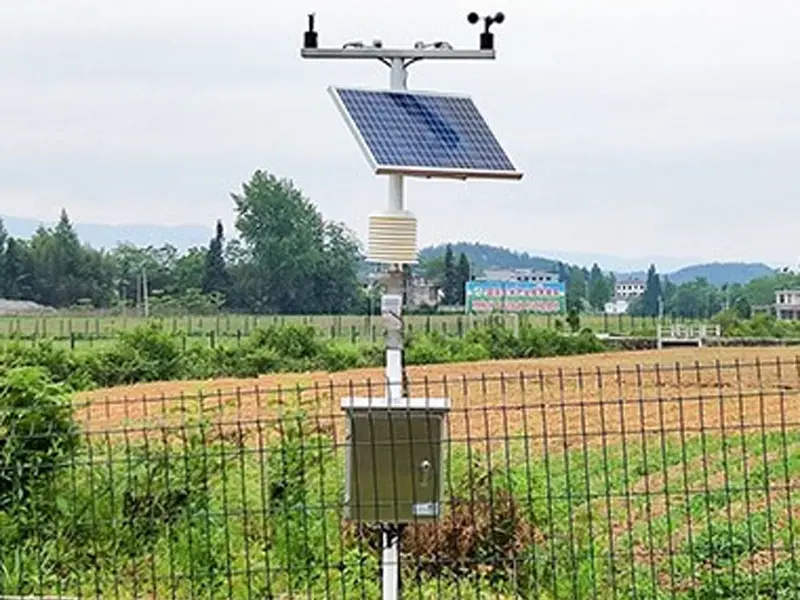
GHI is commonly measured using a pyranometer or solar radiation sensor installed on a horizontal surface with an unobstructed view of the sky.
A reliable GHI measurement system requires:
- 180° field of view to capture solar radiation from the entire sky hemisphere.
- Cosine response to maintain measurement accuracy when sunlight reaches the sensor at different angles.
- Horizontal installation to ensure the measurement matches the definition of global horizontal irradiance.
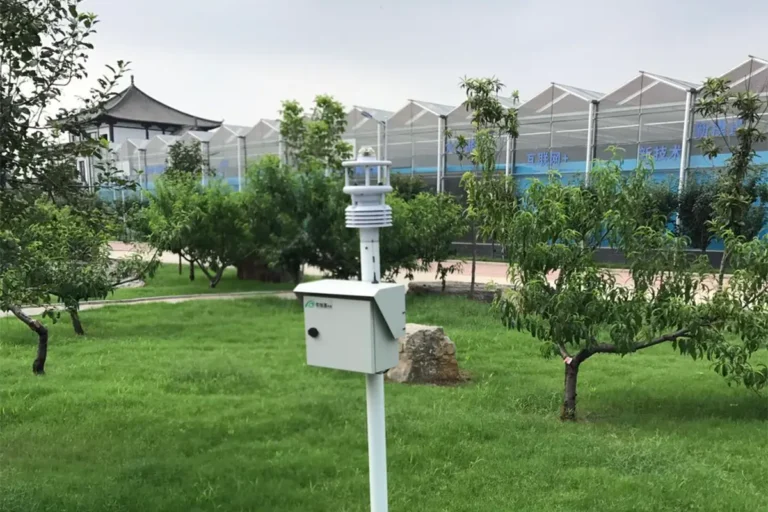
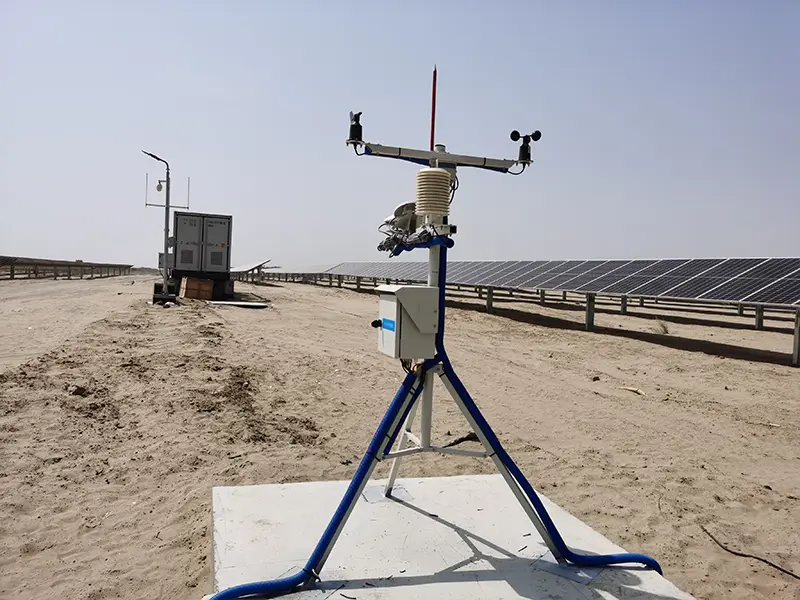
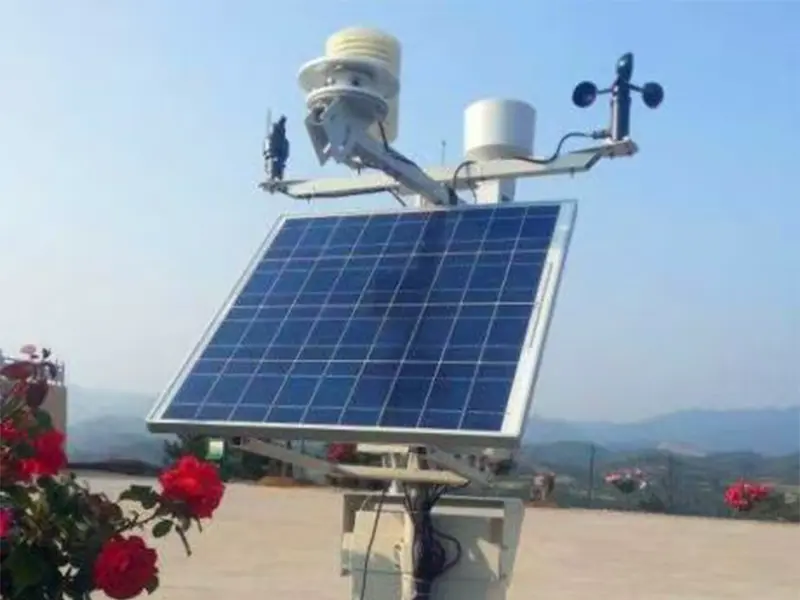
In photovoltaic monitoring applications, GHI sensors are often integrated with weather stations or data acquisition systems to continuously collect solar radiation data. Combined with other environmental parameters, such as temperature, humidity, and wind speed, the collected data supports accurate solar resource evaluation and PV system analysis.
Why Is GHI Important for PV Systems?
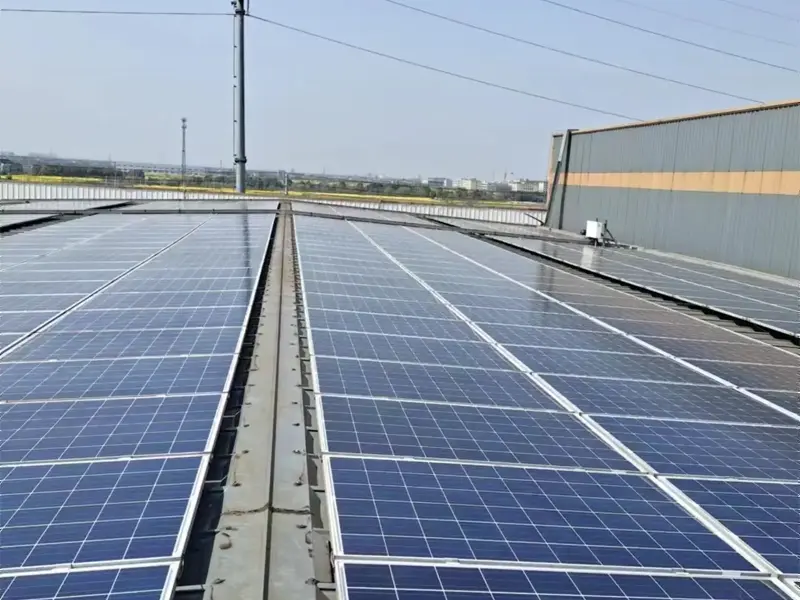
Global Horizontal Irradiance is one of the most important solar radiation parameters throughout the lifecycle of photovoltaic projects. Before constructing a PV plant, developers analyze long-term GHI data to evaluate solar potential, compare different locations, and estimate expected energy production.
During system design and operation, GHI data is used in PV simulation models to predict annual energy yield and optimize system configuration. Real-time GHI monitoring also improves solar power forecasting accuracy, helping operators manage weather-related fluctuations and maintain stable energy output.
By comparing measured irradiance data with actual electricity generation, PV operators can identify performance losses, evaluate system efficiency, and optimize operation and maintenance strategies.
What Is Direct Normal Irradiance (DNI)?
Definition of DNI
Direct Normal Irradiance (DNI) refers to the amount of direct solar radiation received on a surface that is perpendicular to the direction of sunlight. It measures only the direct beam radiation coming directly from the sun and does not include diffuse radiation scattered by the atmosphere or reflected radiation from surrounding surfaces.
DNI represents the intensity of direct sunlight available at a specific location and is an important parameter for evaluating solar resources in applications that depend on concentrated or tracked solar radiation. The measured value is affected by atmospheric conditions, including cloud cover, aerosols, humidity, and air pollution, which can reduce the amount of direct sunlight reaching the ground.
How Is DNI Measured?
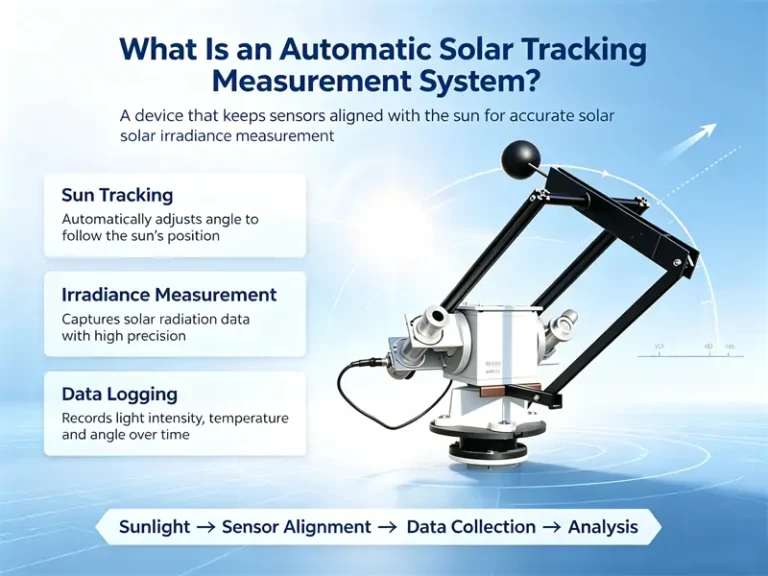
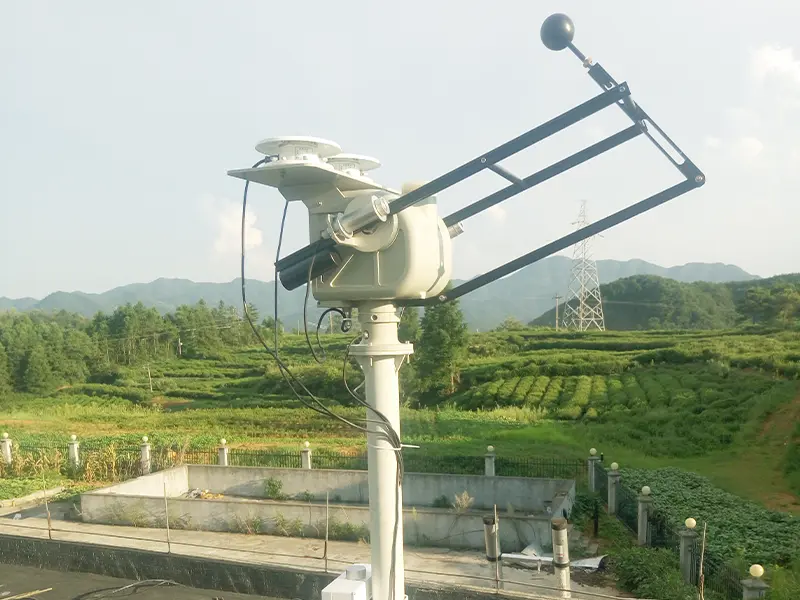
DNI measurement requires specialized equipment because the sensor must always be aligned with the direction of sunlight to accurately capture direct solar radiation. Unlike GHI measurement, which uses a fixed horizontal installation, DNI measurement requires continuous tracking of the sun’s movement.If you want to know more about how to accurately measure direct normal irradiance (DNI), please click here to read the article.
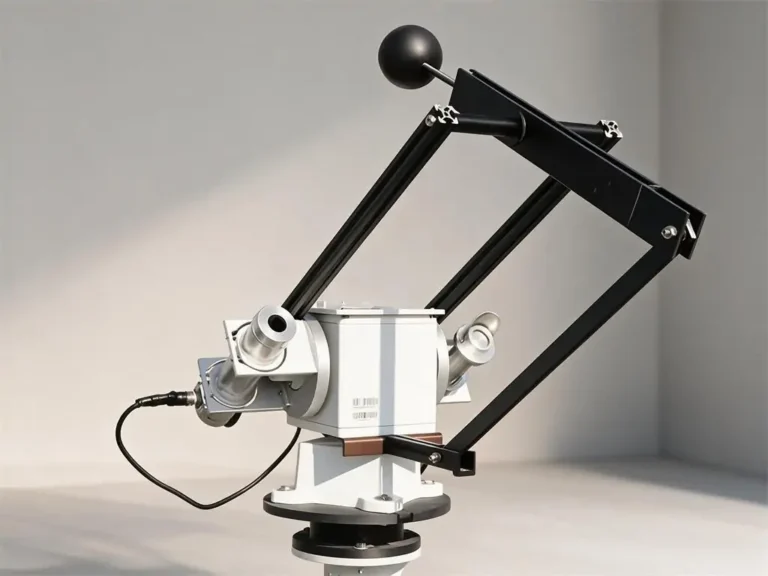
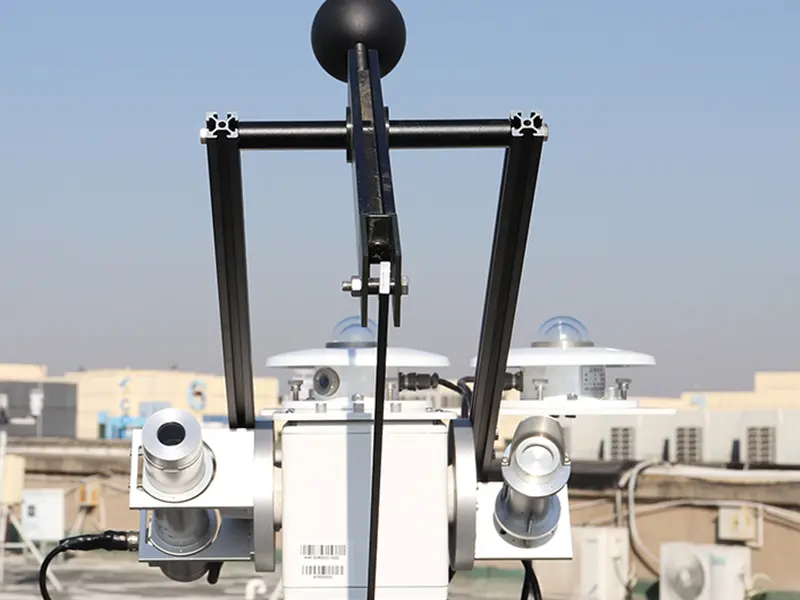
A typical Direct Normal Irradiancemeasurement system consists of a pyrheliometer and a solar tracker. The pyrheliometer is used to measure the intensity of direct solar radiation, while the solar tracker automatically adjusts the sensor position to keep it pointed directly toward the sun throughout the day.
Accurate DNI measurement depends on precise alignment and stable tracking performance. The sensor must remain perpendicular to incoming sunlight to avoid measurement errors caused by changes in the sun’s position. Due to these requirements, DNI measurement systems are more complex than standard solar radiation monitoring systems but provide critical data for direct solar energy applications.If you want to know how to measure solar irradiance for photovoltaic systems, click on the article.
Applications of DNI Measurement
DNI is especially important for solar technologies that rely on direct sunlight rather than total solar radiation. Accurate DNI data helps engineers evaluate whether a location is suitable for direct solar energy utilization and optimize system performance.
Concentrated Solar Power (CSP)
DNI is the most important solar resource parameter for concentrated solar power systems. CSP technologies use mirrors or lenses to focus direct sunlight and convert it into high-temperature thermal energy for electricity generation. Since diffuse radiation cannot be effectively concentrated, areas with high Direct Normal Irradiance values are more suitable for CSP development.
Solar Thermal Systems
Solar thermal systems rely on direct solar radiation to collect and convert solar energy into heat. DNI measurements help evaluate available solar resources, support system design, and improve energy output predictions for solar heating applications.
Tracking Solar Systems
DNI is also valuable for solar systems equipped with tracking mechanisms. By following the sun’s movement, tracking systems can capture more direct sunlight, especially in regions with high direct radiation levels. DNI data helps determine the potential benefits of solar tracking and supports performance evaluation.
What Is Diffuse Horizontal Irradiance (DHI)?
Definition of DHI
Diffuse Horizontal Irradiance (DHI) refers to the solar radiation received on a horizontal surface after sunlight has been scattered by the atmosphere. Unlike direct solar radiation that travels directly from the sun, DHI comes from scattered sunlight caused by clouds, air molecules, aerosols, and other atmospheric particles.
DHI represents the diffuse component of solar radiation from the entire sky dome, excluding the direct solar beam. Its value changes with environmental conditions such as cloud cover, atmospheric transparency, air quality, and seasonal variations, making it an important parameter for understanding local solar radiation characteristics.
How Is DHI Measured?
Diffuse Horizontal Irradiance measurement requires separating diffuse radiation from direct sunlight so that only scattered radiation from the sky is captured. The most common approach is using a shaded pyranometer, which measures solar radiation on a horizontal surface while blocking the direct solar beam.
A typical DHI measurement system combines a pyranometer with a shading device or solar tracking shading mechanism. The shading system continuously blocks the sun’s direct path while allowing diffuse radiation from the surrounding sky to reach the sensor. Since accurate DHI measurement depends on precise shading and stable positioning, proper calibration and installation are essential for obtaining reliable diffuse radiation data.
Why Is DHI Important?
DHI provides valuable information about atmospheric scattering conditions and is an important parameter for solar resource assessment and photovoltaic system modeling. By analyzing diffuse radiation, engineers can better understand how environmental conditions affect the solar energy available at a specific location.
Cloud cover, aerosols, and atmospheric changes can significantly influence the amount of diffuse radiation reaching the ground. Continuous DHI monitoring helps solar operators evaluate weather impacts, analyze changes in solar radiation patterns, and improve the accuracy of solar resource assessments.
For photovoltaic systems, especially tilted solar panels and advanced PV simulation models, accurate DHI data helps estimate the diffuse radiation received by solar modules. Combined with other solar radiation parameters, Diffuse Horizontal Irradiance measurements improve energy yield calculations, enhance PV performance predictions, and support more reliable system design and operation.
GHI vs DNI vs DHI: Main Differences
GHI, DNI, and DHI represent different components of solar radiation reaching the ground. GHI measures total solar radiation on a horizontal surface, DNI measures direct sunlight perpendicular to the sun’s rays, and DHI measures scattered solar radiation from the sky. Together, these three parameters provide a complete understanding of solar resources for photovoltaic systems and solar energy applications.
The key differences between GHI, DNI, and DHI can be summarized based on their measurement direction, radiation type, required equipment, and typical applications.
| Parameter | GHI | DNI | DHI |
| Full Name | Global Horizontal Irradiance | Direct Normal Irradiance | Diffuse Horizontal Irradiance |
| Measurement Surface | Horizontal plane | Surface perpendicular to sunlight | Horizontal plane |
| Radiation Type | Direct + diffuse radiation | Direct beam radiation only | Diffuse radiation only |
| Main Measurement Device | Pyranometer | Pyrheliometer with solar tracker | Shaded pyranometer |
| Measurement Method | Fixed horizontal measurement | Sun-tracking direct radiation measurement | Measures scattered radiation after blocking direct sunlight |
| Main Applications | PV resource assessment, energy yield estimation, solar monitoring | CSP systems, solar thermal systems, tracking solar systems | PV modeling, weather analysis, solar resource evaluation |
| Common Units | W/m², kWh/m² | W/m², kWh/m² | W/m², kWh/m² |
Relationship Between GHI, DNI, and DHI
Although GHI, DNI, and DHI represent different solar radiation components, they are closely connected and together provide a complete picture of solar energy conditions at a specific location. The measured values are influenced by atmospheric conditions during sunlight transmission, including cloud cover, atmospheric absorption, and aerosol concentration.
In practical solar monitoring, the proportion between direct and diffuse radiation can reveal local weather characteristics. A higher DNI value generally indicates clearer atmospheric conditions with stronger direct sunlight, while increased DHI often reflects greater atmospheric scattering caused by clouds, haze, or particles in the air.
For photovoltaic systems, analyzing these parameters together provides more reliable performance evaluation than using a single irradiance value. Combined with plane-of-array (POA) irradiance measurements, GHI, DNI, and DHI data help improve PV energy yield estimation, system modeling accuracy, and long-term performance analysis.
Why Solar Irradiance Measurement Matters for PV Systems?
Accurate solar irradiance data is an important reference for photovoltaic project development and operation. From evaluating a potential site to checking actual system performance, reliable irradiance measurements help engineers understand whether a PV system is working under expected solar conditions and where improvements may be needed.If you’d like to learn more about the best solar radiation sensors for PV monitoring systems, click on the article.
Solar Site Assessment
Before building a photovoltaic project, developers need long-term solar radiation data to understand the energy potential of a location. Measurements such as GHI, DNI, and DHI help evaluate local solar resources, compare different sites, and estimate possible energy production before investment decisions are made.
In practice, historical solar data is often more valuable than short-term weather observations because PV projects usually operate for decades. Reliable irradiance records provide a more accurate basis for system sizing, installation planning, and energy yield estimation.
PV Performance Monitoring
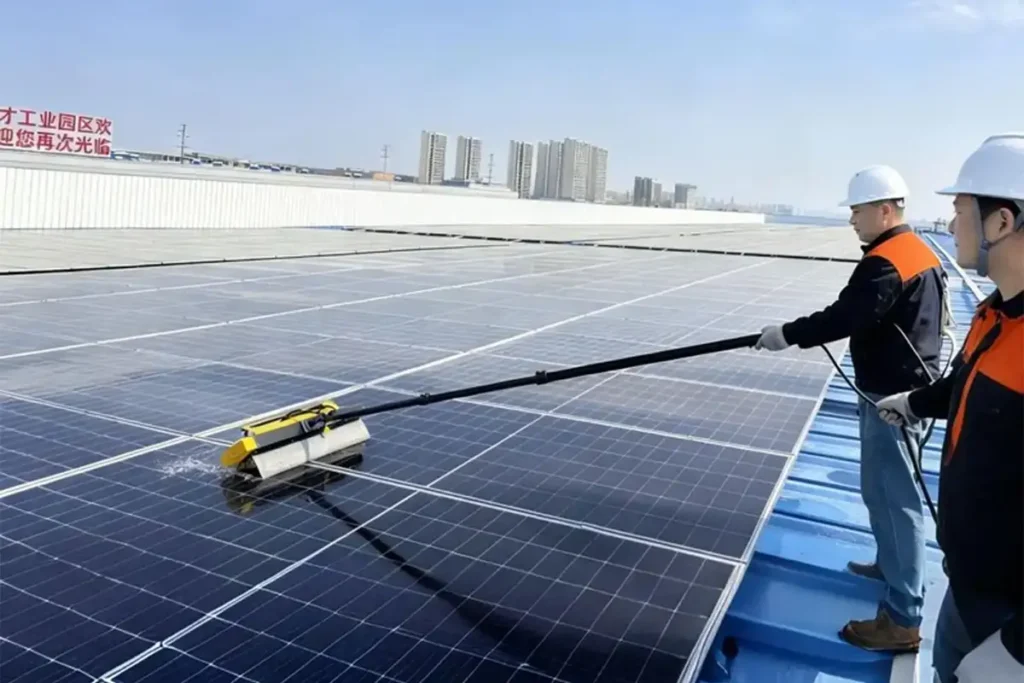
During PV system operation, solar irradiance measurement helps operators determine whether changes in power output are caused by weather conditions or actual system issues. By comparing measured irradiance with power generation data, operators can identify potential problems such as shading, module performance degradation, or inverter abnormalities.
From our experience working with solar monitoring applications, one common issue is that low power output does not always mean equipment failure. Without accurate irradiance data as a reference, it is difficult to distinguish between a cloudy day and a real system performance problem. Continuous monitoring provides the additional information needed for more efficient operation and maintenance decisions.
Solar Forecasting
Solar irradiance data is also widely used in photovoltaic power forecasting. When combined with environmental parameters such as temperature, humidity, and wind speed, irradiance measurements help improve prediction accuracy under changing weather conditions.
For large-scale PV plants, more accurate forecasting allows operators to better manage power fluctuations, support grid stability, and improve renewable energy scheduling.
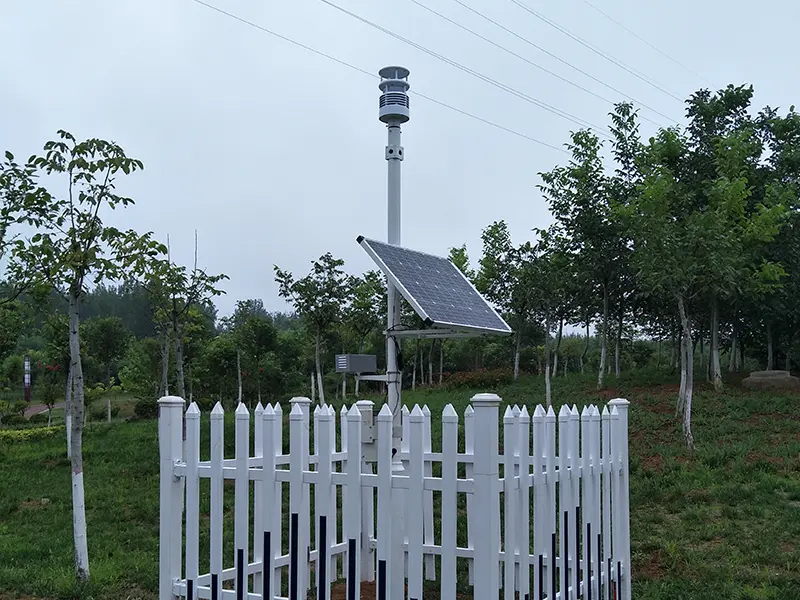
How Are GHI, DNI, and DHI Measured in Solar Monitoring Systems?
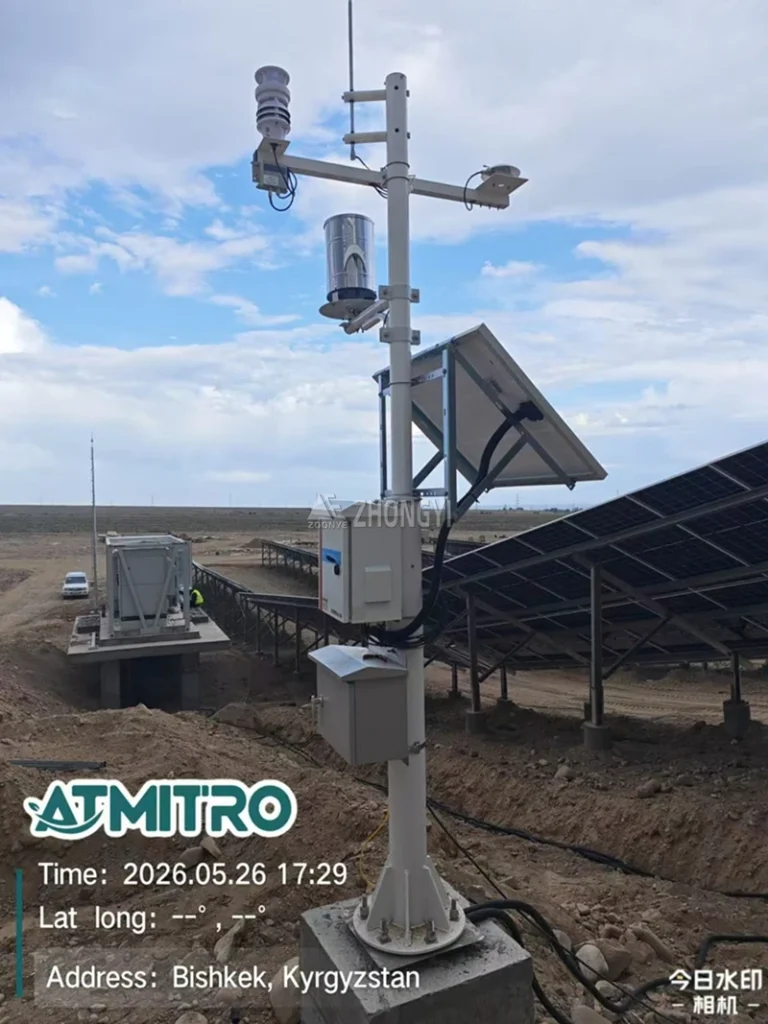
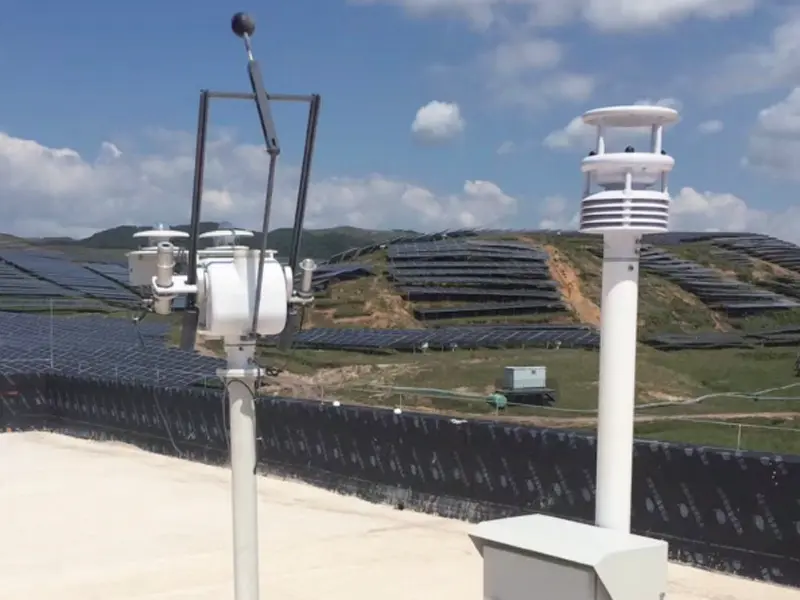
In solar monitoring systems, GHI, DNI, and DHI are measured through different sensing methods based on their radiation characteristics. GHI is typically measured with a horizontal solar radiation sensor, while DNI and DHI require more specialized measurement approaches, such as solar tracking or shading mechanisms, to separate direct and diffuse radiation components.
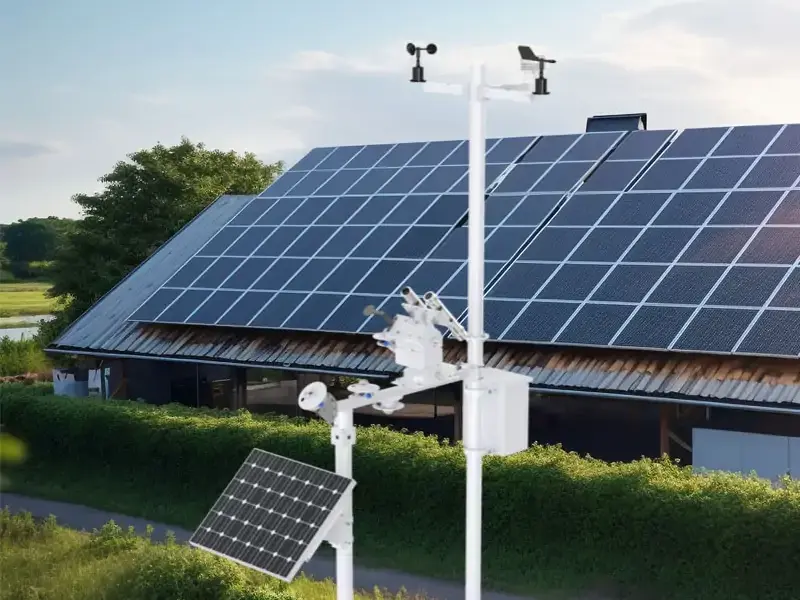
For practical PV monitoring applications, Yantai Sensor solar radiation measurement solutions provide reliable environmental data acquisition for photovoltaic plants, weather stations, and renewable energy research. The monitoring system can collect solar irradiance data together with temperature, humidity, wind speed, and other atmospheric conditions, then transmit the information through a data logger to a monitoring platform for PV performance analysis and energy management. A typical system structure includes: Solar radiation sensor → Data logger → Monitoring platform → PV analysis system.
GHI, DNI, and DHI Selection Guide for Different Solar Applications
Different solar projects require different irradiance parameters depending on system design, energy conversion method, and monitoring objectives. Choosing the right combination of GHI, DNI, and DHI measurements helps improve solar resource assessment, system simulation accuracy, and long-term performance analysis.
| Application | Important Parameters | Why These Parameters Matter |
| Rooftop PV Systems | GHI | Evaluates solar resource availability and supports energy estimation. |
| Utility-Scale PV Plants | GHI + POA Irradiance | Assesses solar resources and actual radiation received by PV modules. |
| Concentrated Solar Power (CSP) Plants | DNI | Measures direct sunlight available for solar concentration. |
| Solar Research Stations | GHI + DNI + DHI | Provides complete solar radiation data for analysis and modeling. |
| Weather Monitoring Stations | GHI + DHI | Monitors solar conditions and atmospheric scattering changes. |
For most photovoltaic projects, GHI is the starting point for solar resource evaluation, while DNI and DHI become more important when the project requires detailed radiation analysis. For example, areas with frequent cloud cover may have a higher diffuse radiation contribution, making DHI valuable for improving PV performance modeling. Projects using solar tracking systems or concentrated solar technologies usually require more accurate DNI monitoring because direct sunlight has a greater impact on system output.
From a practical monitoring perspective, selecting the right measurement combination should consider the project type, local climate conditions, and required data accuracy. A properly configured solar monitoring system can provide more reliable data for PV design, operation analysis, and future performance optimization.
Conclusion
GHI, DNI, and DHI are more than three solar radiation measurements — they provide different perspectives on how solar energy reaches the Earth’s surface and how it can be utilized in renewable energy projects. By understanding the relationship between direct, diffuse, and total solar radiation, engineers can select appropriate monitoring methods, improve PV system evaluation, and build more reliable energy forecasting models.
In real solar projects, accurate irradiance data is the foundation for making confident decisions, from site assessment and system design to daily operation and performance analysis. Yantai Sensor provides solar radiation monitoring solutions designed for photovoltaic plants, weather stations, and renewable energy applications, helping customers collect reliable environmental data for better system management.Contact Yantai Sensor to discuss your solar monitoring requirements and find a suitable measurement solution for your project.