Introduction
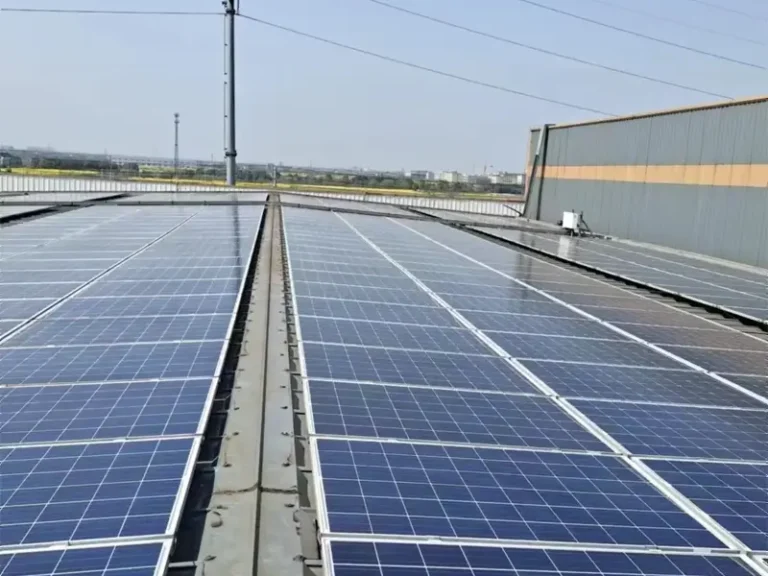
Measuring Solar Irradiance accurately is essential for photovoltaic systems to evaluate solar conditions, analyze system performance, and improve power forecasting accuracy. Modern Solar Irradiance Measurement solutions combine high-precision sensors, weather monitoring equipment, and data acquisition systems to provide reliable irradiance data for utility-scale solar farms, commercial PV installations, and research applications.
Whether you are designing a new PV project or upgrading an existing monitoring system, understanding How to Measure Solar Irradiance helps ensure accurate environmental data collection. This page covers solar irradiance measurement principles, sensor technologies, data sources, calculation methods, and practical applications to help engineers and project developers select the right Solar Irradiance Sensor and monitoring solution.To understand how irradiance data is used in solar PR calculation, see our Solar PR Calculation Guide.
What Is Solar Irradiance?
Solar irradiance refers to the amount of solar power received by a surface per unit area at a specific time, typically measured in watts per square meter (W/m²). It represents the intensity of sunlight available at a specific location and is a critical environmental parameter for photovoltaic systems. Accurate irradiance data helps assess solar resources, estimate energy yield, evaluate PV performance, and support reliable power forecasting.
To measure solar irradiance accurately, PV projects use specialized sensors and monitoring systems to collect real-time solar data. Depending on the receiving surface and measurement conditions, solar irradiance can be classified into Global Horizontal Irradiance (GHI), Direct Normal Irradiance (DNI), Diffuse Horizontal Irradiance (DHI), and Plane of Array Irradiance (POA). Unlike solar radiation, which describes the overall solar energy emitted by the sun, solar irradiance focuses on the solar power reaching a specific surface and is the key parameter for Solar Irradiance Measurement in photovoltaic monitoring.
Why Solar Irradiance Measurement Is Important for PV Systems?
Solar irradiance is the primary energy source for photovoltaic power generation and directly affects PV output, system efficiency, and project profitability. To measure solar irradiance accurately, PV projects use dedicated sensors and monitoring systems to collect real-time solar data. Reliable Solar Irradiance Measurement supports solar resource assessment, energy yield analysis, performance evaluation, and long-term PV asset management.
Energy Yield Analysis
Solar irradiance data is a key input for PV system design and energy production assessment. Historical and real-time measurements help estimate expected generation, compare actual output with predicted values, and evaluate whether a solar plant performs according to its design conditions.
Performance Evaluation and Power Forecasting
By combining irradiance data, including Plane of Array (POA) irradiance, with PV output measurements, operators can calculate Performance Ratio (PR) and identify losses caused by shading, soiling, temperature effects, or equipment issues. Accurate irradiance monitoring also improves PV power forecasting by providing reliable solar resource information.
Operation, Maintenance, and Investment Optimization
A reliable Solar Irradiance Sensor enables continuous monitoring of solar conditions and supports proactive maintenance decisions. Accurate irradiance data helps detect abnormal performance, optimize system operation, improve financial forecasting, and maximize long-term return on investment.
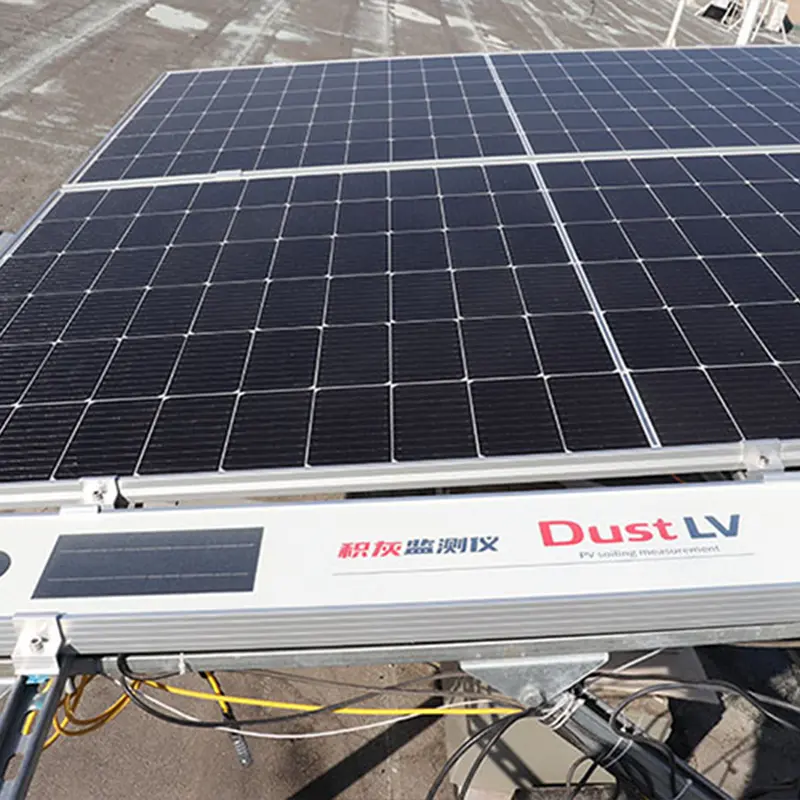
Types of Solar Irradiance Used in Photovoltaic Systems
Solar irradiance can be measured in different ways depending on the surface and application. In PV systems, the main types are Global Horizontal Irradiance (GHI), Direct Normal Irradiance (DNI), Diffuse Horizontal Irradiance (DHI), and Plane of Array Irradiance (POA). These data are used for solar resource evaluation, PV system design, and performance monitoring.
| Type | Definition | Measurement Method | Main Use |
| GHI | Total sunlight received on a horizontal surface, including direct and diffuse light | Horizontal pyranometer | Solar resource assessment and PV design |
| DNI | Direct sunlight received from the sun’s direction | Pyrheliometer with solar tracker | Direct radiation analysis |
| DHI | Scattered sunlight from the sky | Shaded pyranometer | Weather and irradiance analysis |
| POA | Total sunlight received by the PV panel surface | Tilted irradiance sensor or reference cell | PV performance monitoring |
Global Horizontal Irradiance (GHI)
GHI is the total solar irradiance received on a horizontal surface. It includes direct sunlight and diffuse light from the sky. GHI is commonly used to evaluate the solar resource of a location and estimate potential PV energy production.
Direct Normal Irradiance (DNI)
DNI measures direct sunlight coming straight from the sun. It excludes scattered light and requires a pyrheliometer installed on a solar tracker. DNI is mainly used for direct radiation analysis and concentrating solar applications.
Diffuse Horizontal Irradiance (DHI)
DHI measures sunlight scattered by clouds and the atmosphere. It does not include direct sunlight. DHI data is useful for understanding local weather conditions and improving solar resource calculations.
Plane of Array Irradiance (POA)
POA measures the total irradiance received by the PV module surface at its installed angle. It includes direct, diffuse, and reflected sunlight.
Because POA represents the actual sunlight received by solar panels, it is widely used in PV performance monitoring. It is usually measured with a tilted irradiance sensor or reference cell installed in the same direction as the PV modules.
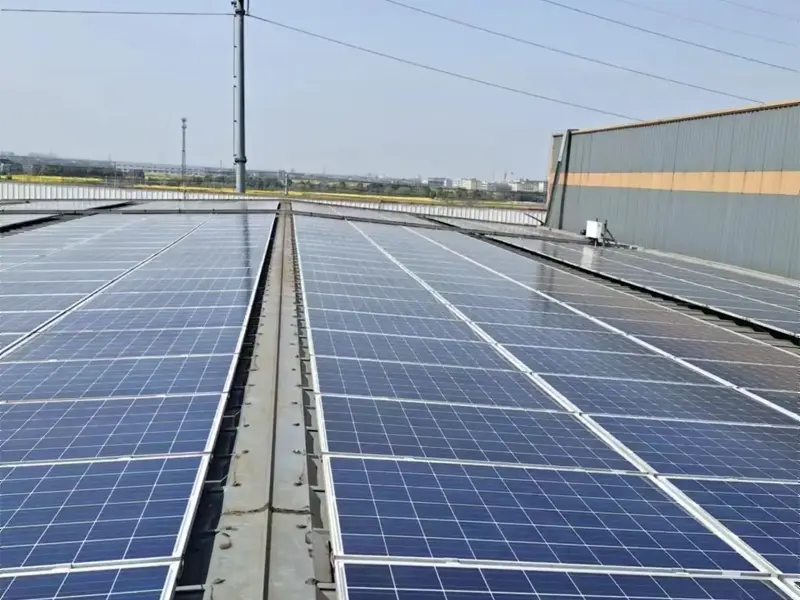
How Is Solar Irradiance Measured?
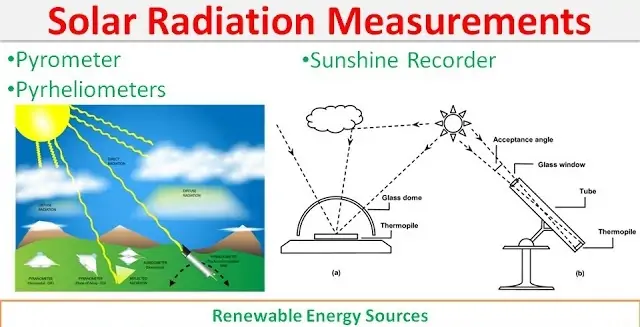
Solar irradiance is measured by sensors and monitoring systems that record sunlight intensity in W/m². In PV projects, common measurement methods include pyranometers, silicon irradiance sensors, satellite data, and Solar PV Environmental Monitoring Stations. These methods are used for solar resource assessment, PV performance monitoring, and power forecasting.To learn more, click on the Solar Measurement Accuracy Guide
Using Pyranometers
Pyranometers are high-accuracy instruments for measuring solar irradiance. They are widely used in solar resource assessment and utility-scale PV projects to measure GHI and POA irradiance. According to ISO 9060, pyranometers are classified into levels such as Secondary Standard and First Class based on measurement accuracy.
Using Silicon Irradiance Sensors
Silicon irradiance sensors use photovoltaic cells to measure sunlight intensity. They are compact, affordable, and require less maintenance than thermopile pyranometers. Due to their similar response to PV modules, they are commonly used for real-time irradiance monitoring in solar plants.
Satellite-Based Solar Irradiance Data
Satellite data from sources such as NASA, SolarGIS, and ERA5 provides estimated irradiance information for site assessment and PV simulation. However, it may not reflect local conditions such as shading, dust, and short-term weather changes, so on-site measurements are still needed for plant monitoring.
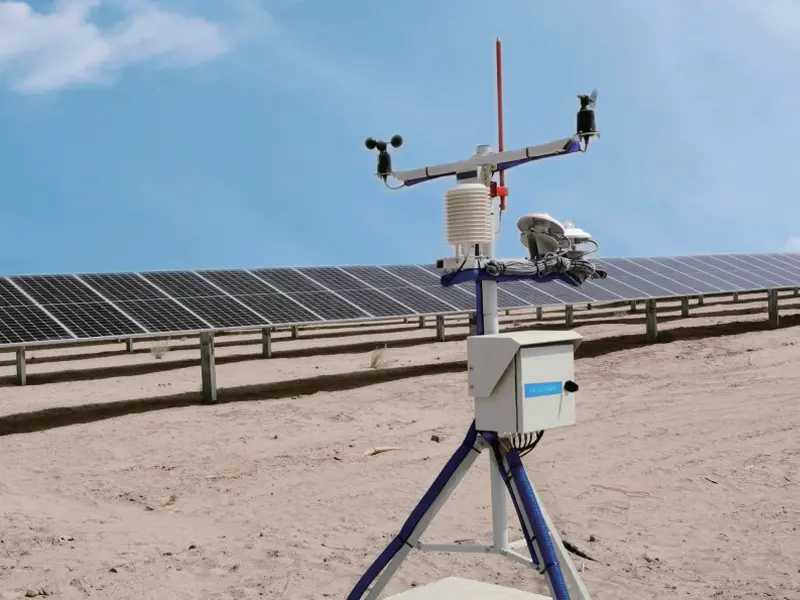
Solar PV Environmental Monitoring Station
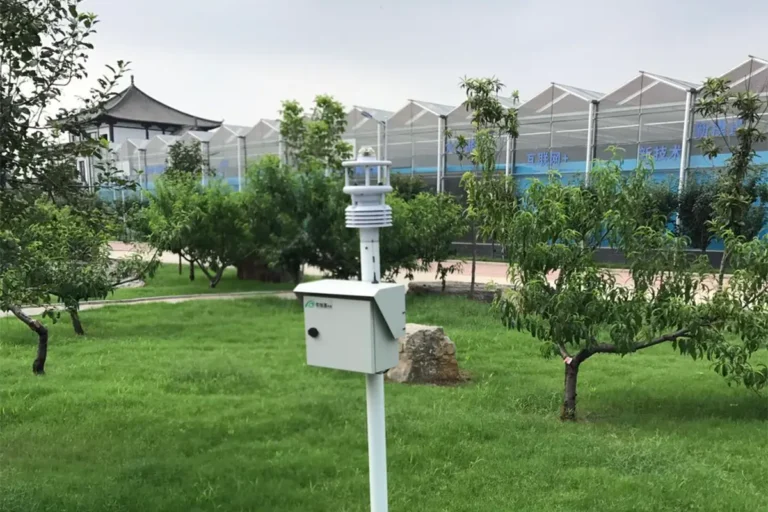
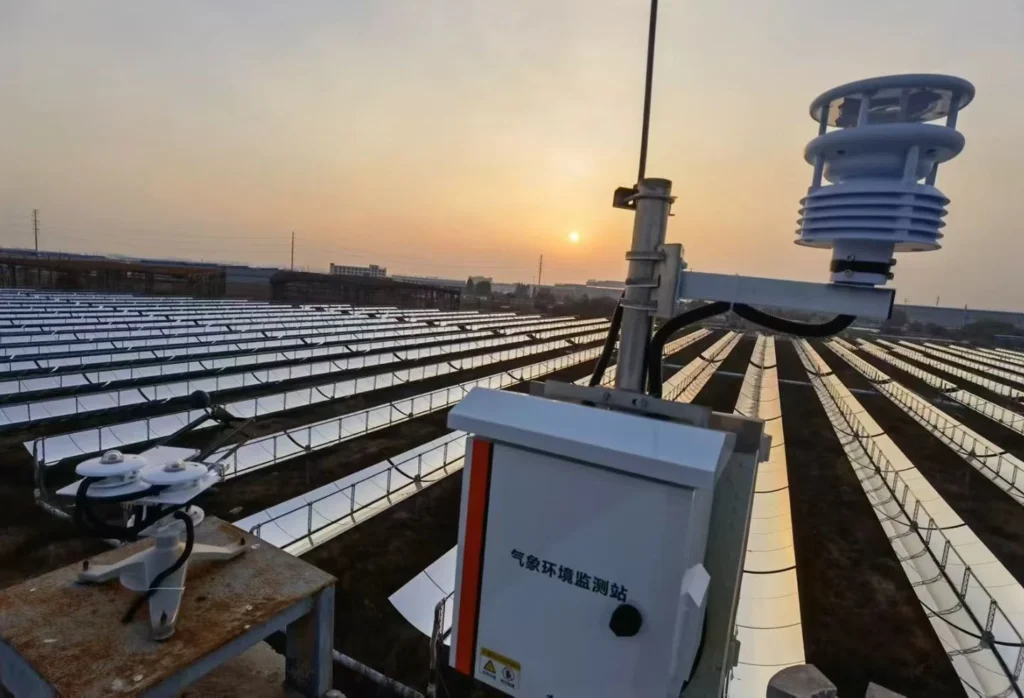
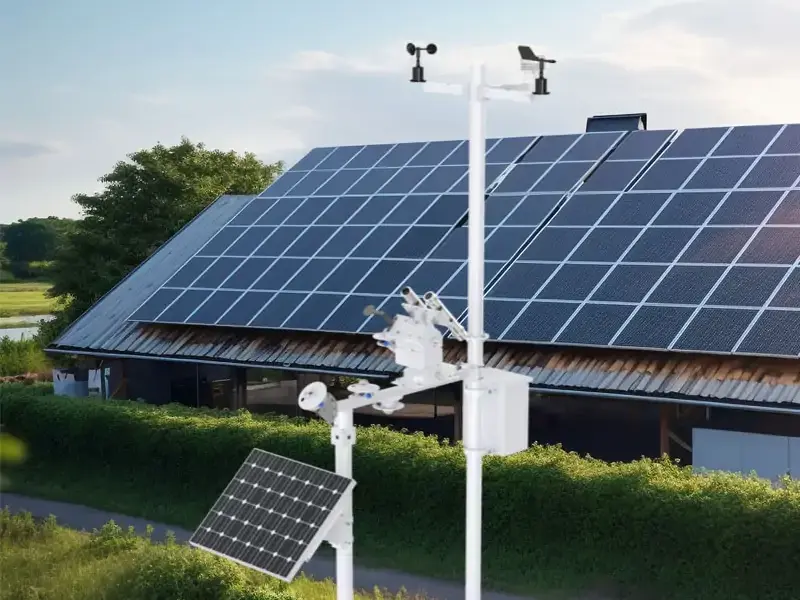
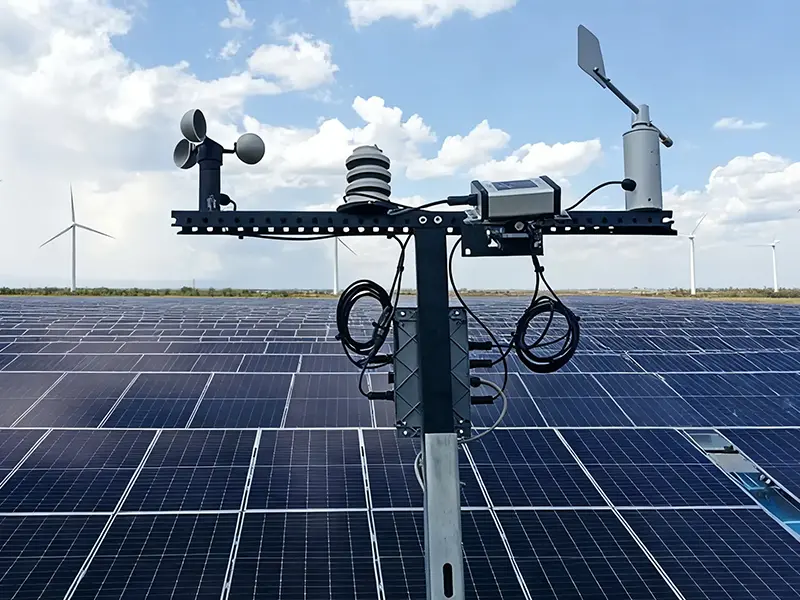
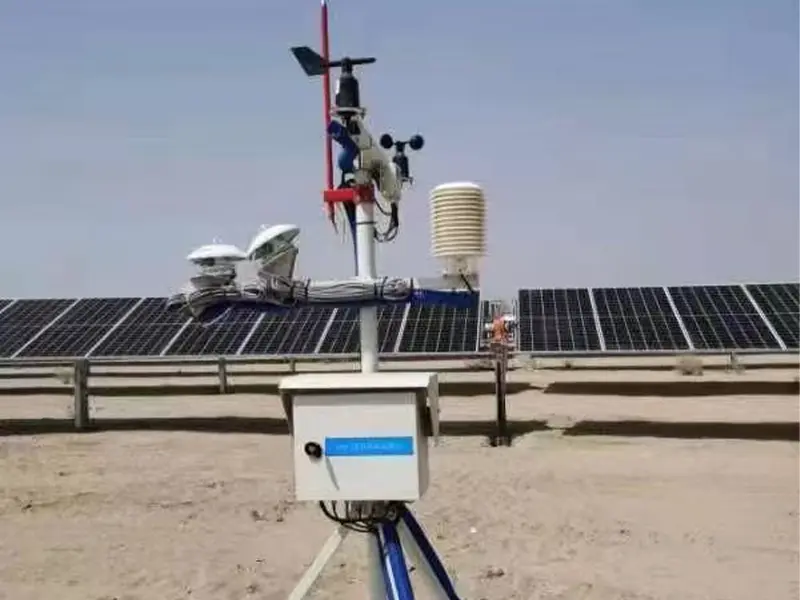
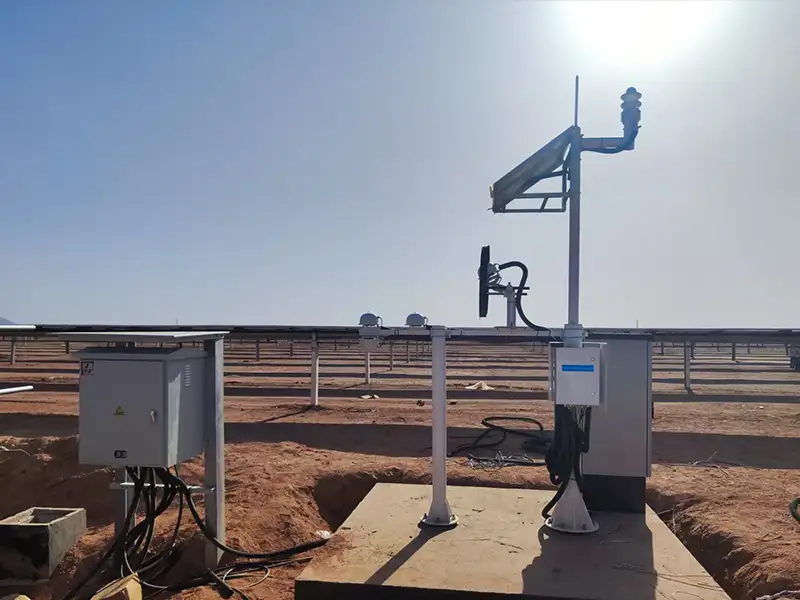
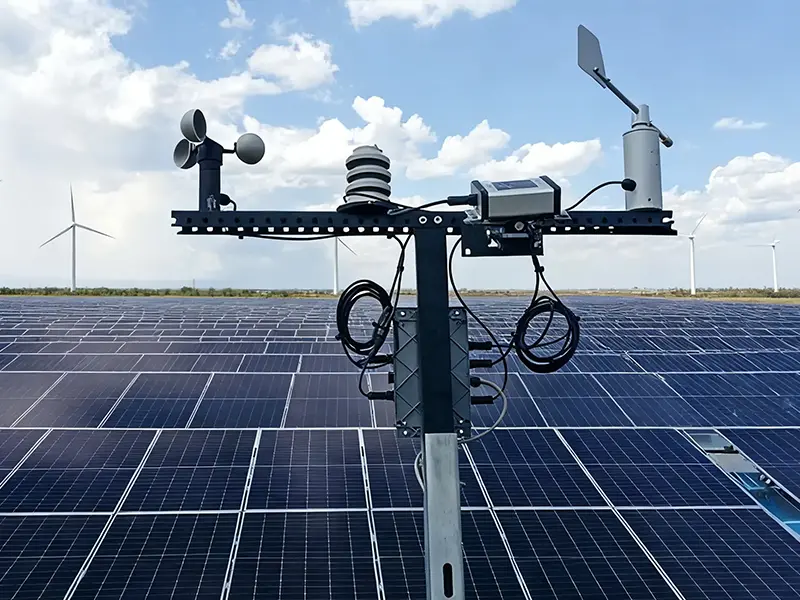
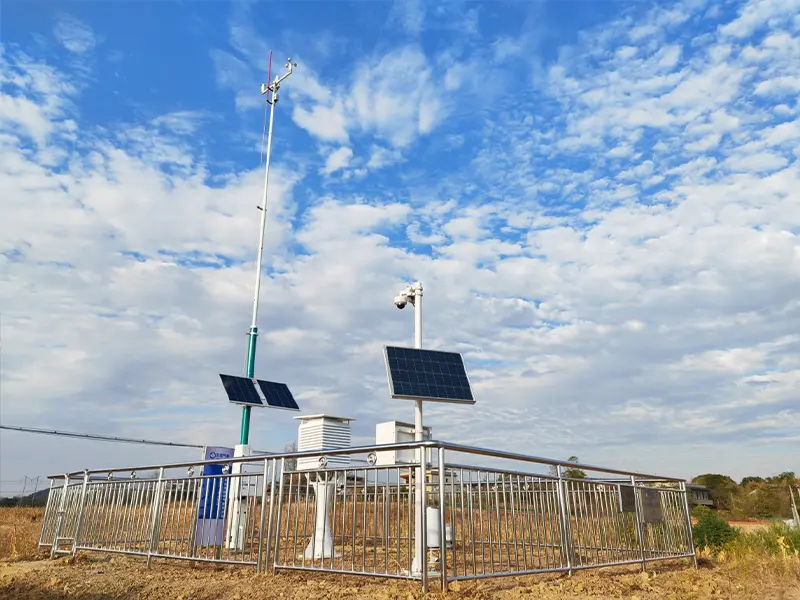
A Solar PV Environmental Monitoring Station combines irradiance sensors with weather sensors to collect PV site data. Typical measurements include solar irradiance, ambient temperature, module temperature, wind speed, humidity, pressure, and rainfall. The collected data is used for PV performance monitoring and generation forecasting.
Solar Irradiance Measurement Equipment
Solar irradiance measurement equipment is used to collect sunlight data for PV system design, performance monitoring, and energy yield analysis. Different measurement solutions are selected based on accuracy requirements and project applications, including pyranometers, solar radiation tracking systems, and PV weather monitoring stations.
Pyranometer
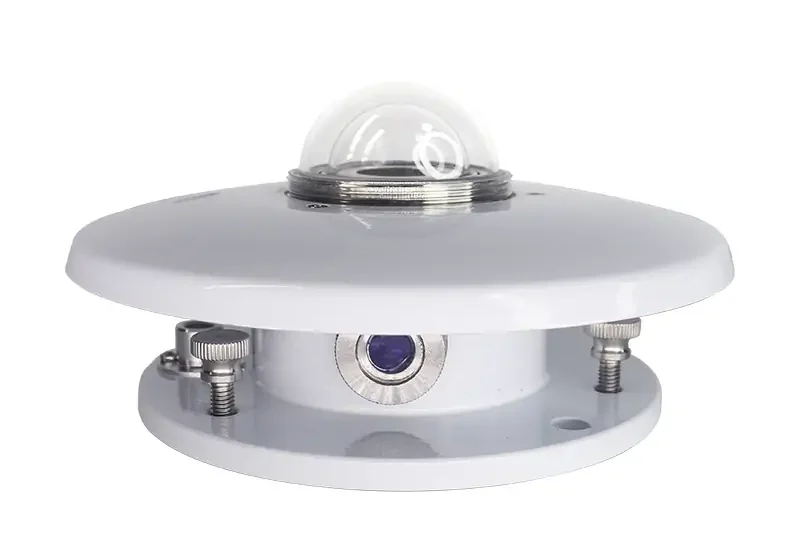
Featured Product:TBQ-2C Total Radiation Sensor
TBQ-2C Total Radiation Sensor is a pyranometer for accurate solar irradiance measurement in photovoltaic and solar resource monitoring applications. It measures solar radiation data for GHI and POA evaluation, helping PV operators assess available solar energy and system performance.
Solar Radiation Tracking System
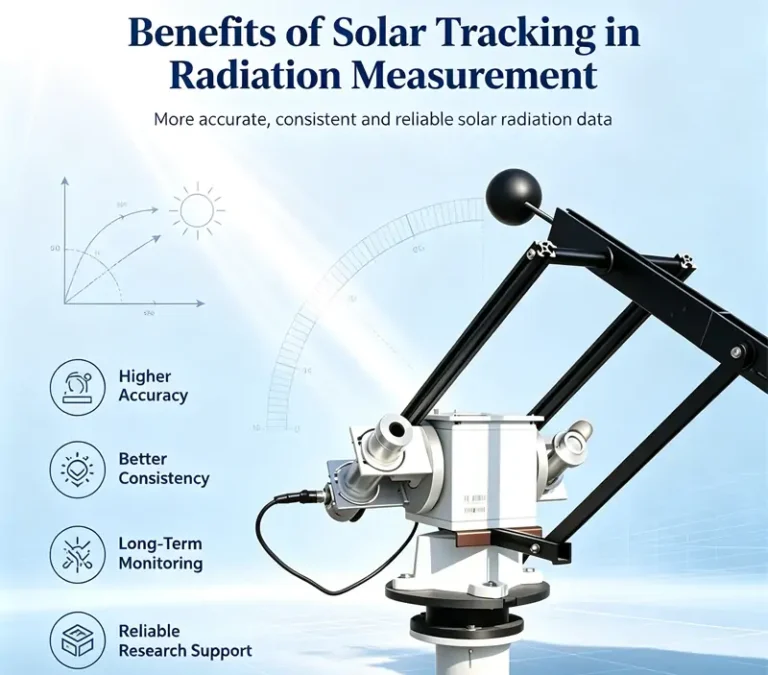
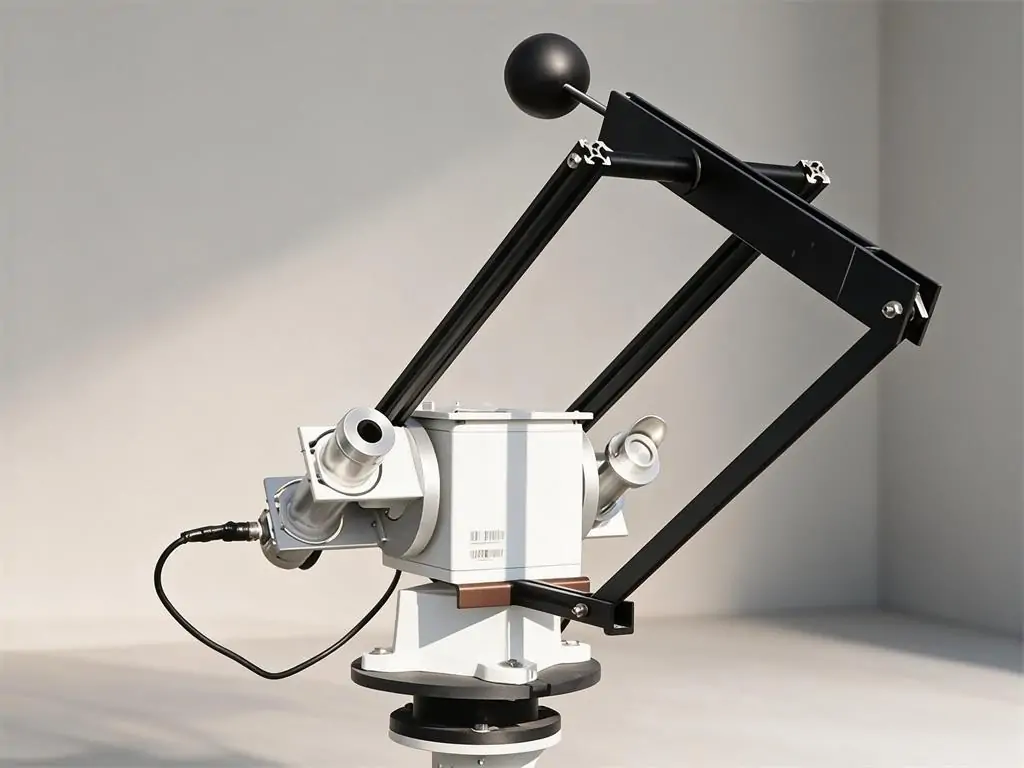
Featured Product:SAUT Automatic Solar Radiation Measurement System
SAUT Automatic Solar Radiation Measurement System combines solar tracking technology with high-precision radiation measurement to capture direct solar radiation data. It is mainly used for DNI measurement, solar resource research, and applications requiring accurate solar radiation monitoring.
PV Weather Monitoring Station
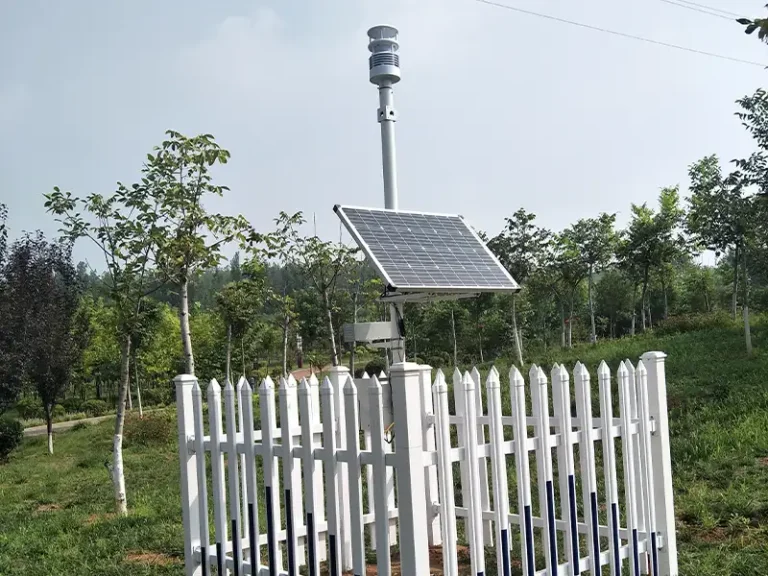
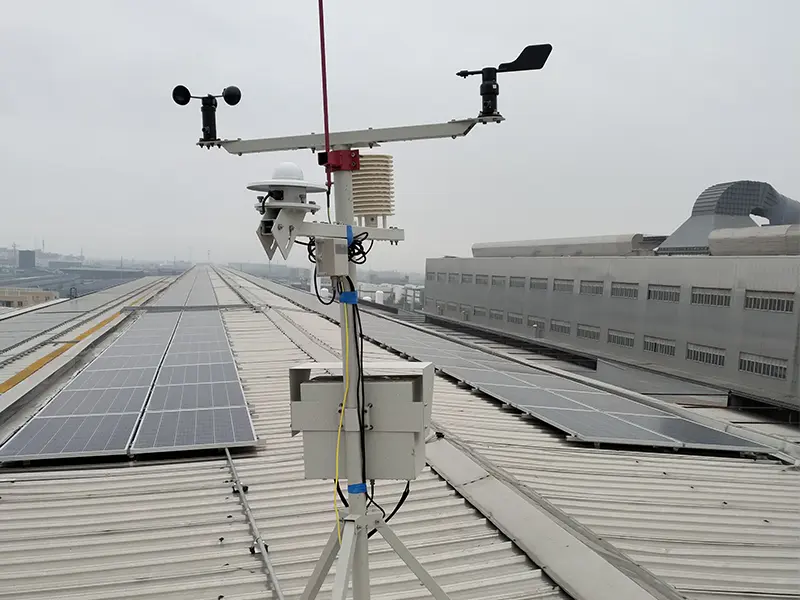
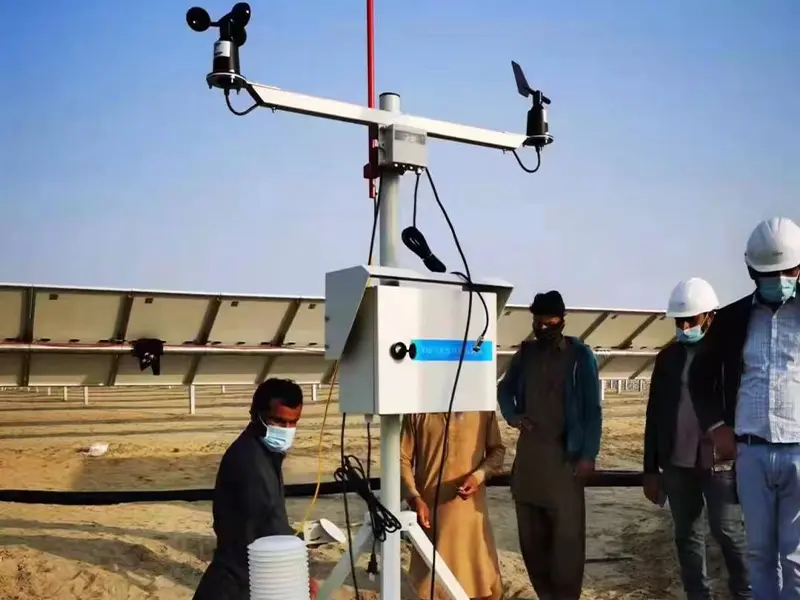
Featured Product:Solar PV Environmental Monitoring Station
Solar PV Environmental Monitoring Station integrates irradiance sensors and weather instruments to collect real-time environmental data from photovoltaic sites. It monitors solar and weather conditions to support PV performance analysis, energy yield assessment, and solar power forecasting.
How to Calculate Solar Irradiance?
Solar irradiance calculation estimates the solar energy received at a specific location and surface. In PV systems, factors such as solar constant, sun angle, panel tilt, atmospheric loss, and cloud cover affect irradiance values. Accurate data is important for PV design, energy yield estimation, and performance monitoring.
Using Measured Data
On-site sensors such as pyranometers and Solar PV Environmental Monitoring Stations provide real-time irradiance data, including POA irradiance, for PV performance monitoring and energy analysis.
Using Meteorological Databases
Historical solar databases such as NASA, SolarGIS, ERA5, and Meteonorm provide estimated irradiance data for solar resource assessment and early-stage PV project planning when field measurements are unavailable.
Using Simulation Software
PV simulation software combines irradiance data with system parameters such as module type, tilt angle, and orientation to estimate energy production and evaluate PV system performance.
How PV Software Uses Solar Irradiance Data?
Solar irradiance data is one of the most important inputs in PV simulation. PV software uses this data together with system parameters, module specifications, and weather conditions to estimate energy yield, evaluate performance ratio, and optimize photovoltaic system design.
The software can process irradiance data from meteorological databases or on-site monitoring systems, including GHI, DNI, DHI, and POA irradiance. By analyzing solar conditions, temperature effects, shading losses, and system configuration, PV simulation tools help predict power generation, compare design options, and improve the accuracy of PV performance evaluation.
Weather Data Required for Energy Yield Simulation
| Weather Data | Role in PV Simulation |
| GHI | Provides overall solar resource information |
| DNI | Calculates direct solar radiation contribution |
| DHI | Evaluates diffuse radiation impact |
| POA Irradiance | Represents radiation received by PV modules |
| Ambient Temperature | Calculates temperature-related efficiency losses |
| Wind Speed | Helps estimate module operating temperature |
| Humidity & Pressure | Supports environmental condition analysis |
What If You Don’t Have On-Site Irradiance Measurements?
When on-site solar irradiance measurements are not available, PV projects can use satellite-based data and meteorological databases for initial solar resource assessment. Sources such as TMY (Typical Meteorological Year), Meteonorm, ERA5, NASA POWER, and SolarGIS provide historical irradiance data for PV system design and energy yield estimation.
However, estimated data cannot fully replace field measurements. Local conditions such as shading, dust, terrain, and short-term weather changes may affect actual irradiance values. For PV plants requiring accurate performance evaluation and power forecasting, on-site Solar Irradiance Measurement with pyranometers or PV weather monitoring stations provides more reliable operating data.
What Factors Affect Solar Irradiance?
Solar irradiance is affected by geographic location, seasonal changes, and atmospheric conditions. Latitude determines solar angle and sun path, while seasonal variations in solar position and daylight duration influence the amount of radiation received by PV modules. Weather conditions such as cloud cover, air pollution, and aerosols can reduce solar radiation intensity and cause short-term fluctuations in PV power output.
PV system configuration also plays an important role in measured irradiance values. Module orientation, tilt angle, and shading from surrounding objects can directly affect Plane of Array (POA) irradiance received by solar panels. Proper system design, sensor installation, and continuous monitoring help ensure accurate irradiance data for PV performance analysis, energy yield evaluation, and power forecasting.
How High Temperature Reduces Solar Panel Efficiency?
Solar panel efficiency decreases as module temperature increases. For silicon PV modules, higher temperatures mainly reduce the open-circuit voltage, causing a drop in overall power output. The temperature coefficient describes this effect, with most modules losing around 0.3%–0.5% of rated power for every 1°C increase above the reference temperature.
In actual PV operation, module temperature is often higher than ambient temperature because panels absorb solar radiation during operation. Measuring both module temperature and ambient temperature helps assess temperature-related losses, improve PV performance analysis, and increase the accuracy of energy yield evaluation. Module temperature sensors are commonly used in Solar PV Environmental Monitoring Stations to collect this data in real time.
Solar Irradiance Measurement for Different PV Applications
Solar irradiance measurement requirements vary depending on PV project type, system size, and monitoring goals. Different solutions are used to collect reliable solar data for project assessment, performance analysis, and power forecasting.
| PV Application | Monitoring Requirements | Suitable Solution | Main Purpose |
| Utility-Scale Solar Farms | High-accuracy GHI, DNI, DHI, and POA data | Pyranometer + PV Weather Monitoring Station | Energy yield analysis and power forecasting |
| Commercial Rooftop PV | Local irradiance and module condition monitoring | Solar Irradiance Sensor + Temperature Sensor | Performance evaluation and fault detection |
| Floating Solar PV | Solar data with environmental monitoring | PV Weather Monitoring Station | Analyze weather impact and optimize operation |
| Agrivoltaics | Solar availability and environmental data | Integrated Solar Monitoring System | Balance power generation and agricultural needs |
Main Considerations for Accurate Solar Irradiance Measurement
Accurate irradiance data requires correct installation, regular maintenance, and reliable data collection. These factors directly affect PV system performance analysis and forecasting accuracy.
Sensor Installation and Positioning
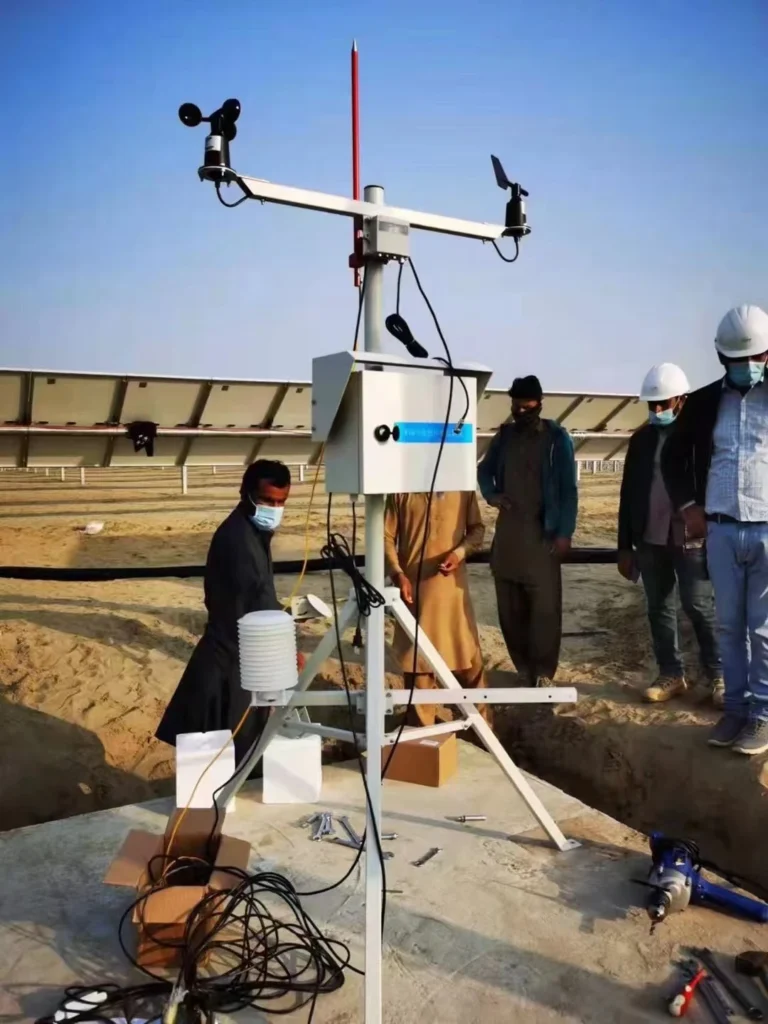
Install sensors at the same angle as PV modules and avoid shading to ensure accurate irradiance measurement.
Cleaning and Calibration
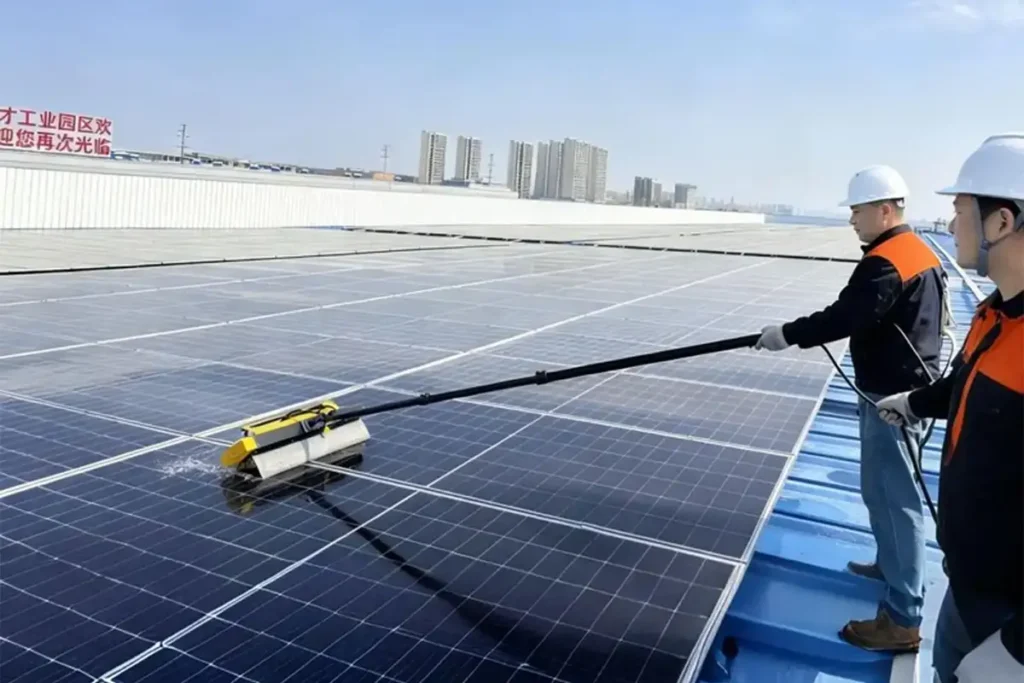
Regular cleaning and calibration reduce errors caused by dust, contamination, and sensor aging.
Maintenance and Data Quality
Check sensor mounting, cables, and communication status to maintain stable data collection.
Sampling Interval Selection
Choose suitable sampling intervals to capture solar changes and improve PV performance analysis.
Conclusion
Measuring solar irradiance for photovoltaic systems requires selecting the right sensor, installing it correctly, and collecting accurate radiation data under real operating conditions. Proper sensor positioning, regular maintenance, and calibration are essential to ensure reliable irradiance measurements.
Accurate solar irradiance data helps PV operators evaluate system performance, identify potential losses, and improve energy forecasting. By integrating irradiance measurement with a PV monitoring system, solar projects can achieve more efficient operation and better long-term performance management.Contact us to select the right solar irradiance monitoring solution for your PV project.