导言
精确测量太阳辐照度对于光伏系统评估太阳条件、分析系统性能以及提高功率预测精度至关重要。现代太阳辐照度测量解决方案结合了高精度传感器、气象监测设备和数据采集系统,为公用事业规模太阳能电站、商业光伏装置和研究应用提供可靠的辐照度数据。.
无论您是在设计新的光伏项目,还是升级现有的监测系统,了解如何测量太阳辐照度有助于确保准确的环境数据采集。本页面涵盖太阳辐照度测量原理、传感器技术、数据来源、计算方法及实际应用,以帮助工程师和项目开发商选择合适的太阳辐照度传感器和监测解决方案。.
什么是太阳辐照度?
太阳辐照度 指在特定时间内,单位面积表面接收到的太阳功率,通常以瓦特每平方米(W/m²)为单位。它表示特定位置可用的太阳光强度,是光伏系统的关键环境参数。准确的辐照度数据有助于评估太阳能资源、估算能量产量、评估光伏性能,并支持可靠的功率预测。.
为精确测量太阳辐照度,光伏项目使用专用传感器和监测系统收集实时太阳数据。根据接收表面和测量条件,太阳辐照度可分为总水平辐照度(GHI)、直接法向辐照度(DNI)、散射水平辐照度(DHI)和阵列平面辐照度(POA)。与描述太阳整体辐射能量的太阳辐射不同,太阳辐照度聚焦于到达特定表面的太阳功率,是光伏监测中太阳辐照度测量的关键参数。.
为什么太阳辐照度测量对光伏系统很重要?
太阳辐照度是光伏发电的主要能源,直接影响光伏输出、系统效率和项目盈利能力。为精确测量太阳辐照度,光伏项目使用专用传感器和监测系统收集实时太阳数据。可靠的太阳辐照度测量支持太阳能资源评估、能量产量分析、性能评估和长期光伏资产管理。.
能量产量分析
太阳辐照度数据是光伏系统设计和能源生产评估的关键输入。历史和实时测量有助于估算预期发电量,将实际输出与预测值进行比较,并评估太阳能电站是否按设计条件运行。.
性能评估与功率预测
通过结合辐照度数据(包括阵列平面(POA)辐照度)与光伏输出测量值,运营商可以计算性能比(PR),并识别由阴影、污垢、温度效应或设备问题引起的损失。准确的辐照度监测还通过提供可靠的太阳能资源信息,改善光伏功率预测。.
运维与投资优化
可靠的太阳辐照度传感器能够持续监测太阳条件,并支持主动维护决策。准确的辐照度数据有助于检测异常性能、优化系统运行、改善财务预测,并最大化长期投资回报。.
光伏系统中使用的太阳辐照度类型
根据表面和应用的不同,太阳辐照度可以以不同方式测量。在光伏系统中,主要类型包括总水平辐照度(GHI)、直接法向辐照度(DNI)、散射水平辐照度(DHI)和阵列平面辐照度(POA)。这些数据用于太阳能资源评估、光伏系统设计和性能监测。.
| 类型 | 定义 | 测量方法 | 主要用途 |
| GHI | 水平表面接收的总太阳光,包括直射光和散射光 | 水平总辐射表 | 太阳能资源评估与光伏设计 |
| DNI | 从太阳方向接收的直射太阳光 | 带太阳跟踪器的直接辐射表 | 直接辐射分析 |
| DHI | 来自天空的散射太阳光 | 遮光总辐射表 | 天气与辐照度分析 |
| POA | 光伏板表面接收的总太阳光 | 倾斜辐照度传感器或参考电池 | 光伏性能监测 |
全球水平辐照度(GHI)
GHI是水平表面接收的总太阳辐照度。它包括直射太阳光和来自天空的散射光。GHI通常用于评估地点的太阳能资源并估算潜在的光伏能量产量。.
直接法线辐照度 (DNI)
DNI测量来自太阳的直射太阳光。它排除散射光,需要安装在太阳跟踪器上的直接辐射表。DNI主要用于直接辐射分析和聚光太阳能应用。.
漫射水平辐照度 (DHI)
DHI测量由云层和大气散射的太阳光。它不包括直射太阳光。DHI数据有助于了解当地天气条件并改进太阳能资源计算。.
阵列平面辐照度 (POA)
POA测量光伏组件在其安装角度下接收的总辐照度。它包括直射、散射和反射太阳光。.
由于POA代表太阳能板实际接收的太阳光,它被广泛用于光伏性能监测。通常使用与光伏组件相同方向安装的倾斜辐照度传感器或参考电池进行测量。.
如何测量太阳辐照度?
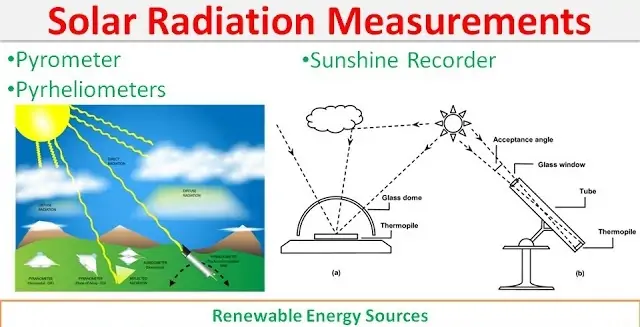
太阳辐照度通过记录太阳光强度(以W/m²为单位)的传感器和监测系统进行测量。在光伏项目中,常见的测量方法包括总辐射表、硅辐照度传感器、卫星数据和太阳能光伏环境监测站。这些方法用于太阳能资源评估、光伏性能监测和功率预测。.
使用总辐射表
日射强度计是用于测量太阳辐照度的高精度仪器,广泛应用于太阳能资源评估和公用事业级光伏项目,用于测量GHI和POA辐照度。根据ISO 9060标准,日射强度计按测量精度分为二级标准级和一级标准级等类别。.
使用硅基辐照度传感器
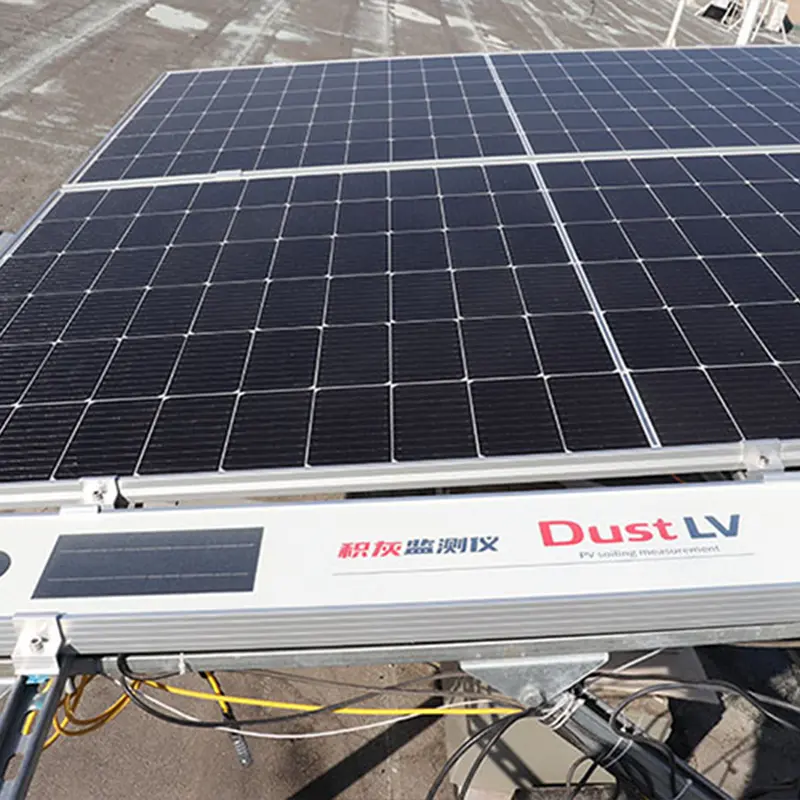
硅基辐照度传感器利用光伏电池测量太阳光强度。其结构紧凑、成本低廉,且维护需求低于热电堆式日射强度计。由于与光伏组件的响应特性相似,常用于太阳能电站的实时辐照度监测。.
基于卫星的太阳辐照度数据
来自NASA、SolarGIS和ERA5等来源的卫星数据可提供用于场地评估和光伏仿真的估算辐照度信息。但此类数据可能无法反映阴影、灰尘和短期天气变化等局部条件,因此电站监测仍需现场测量。.
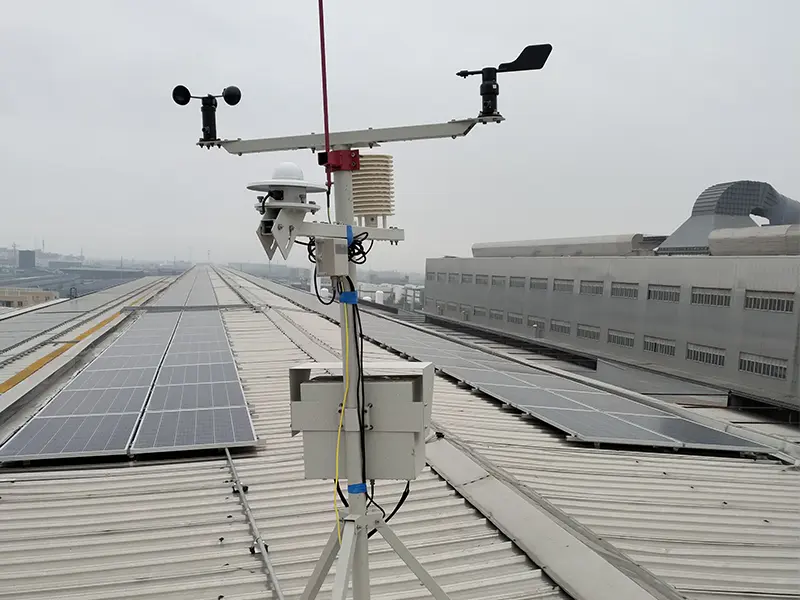
太阳能光伏环境监测站
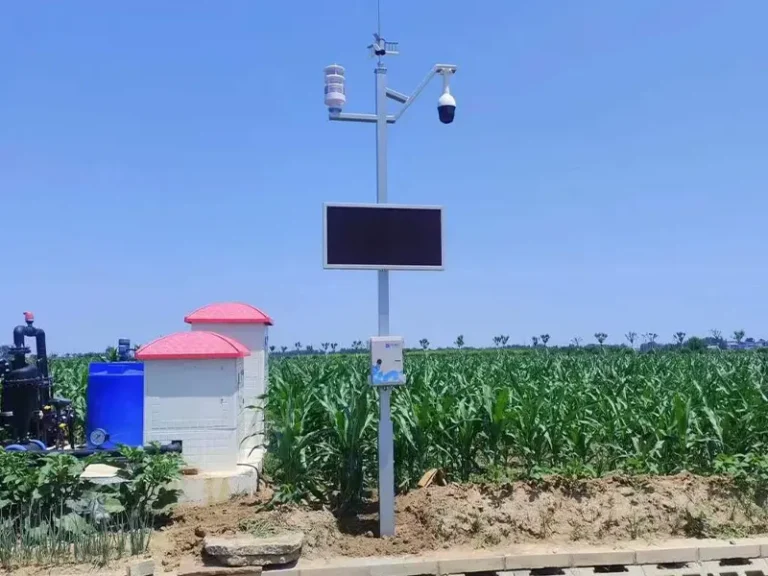
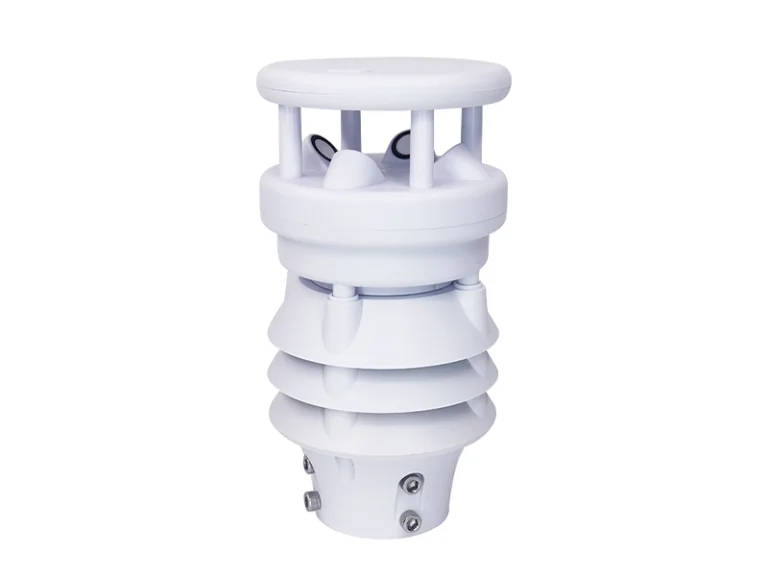
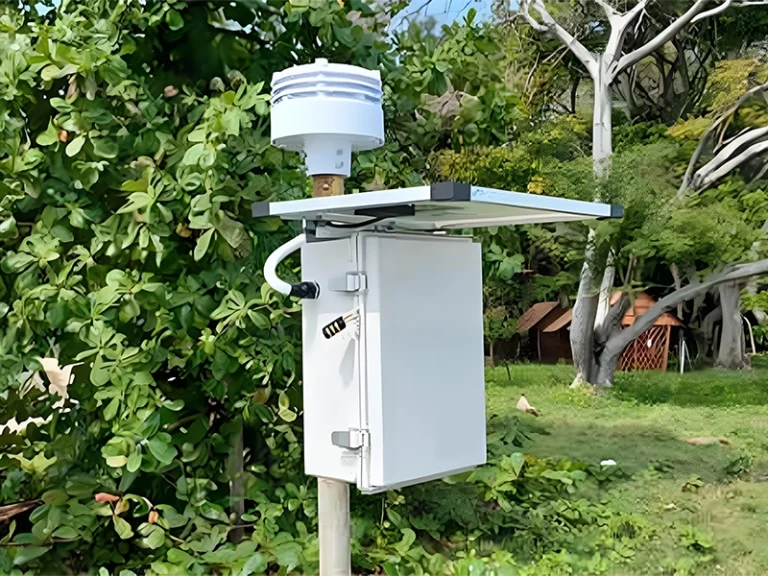
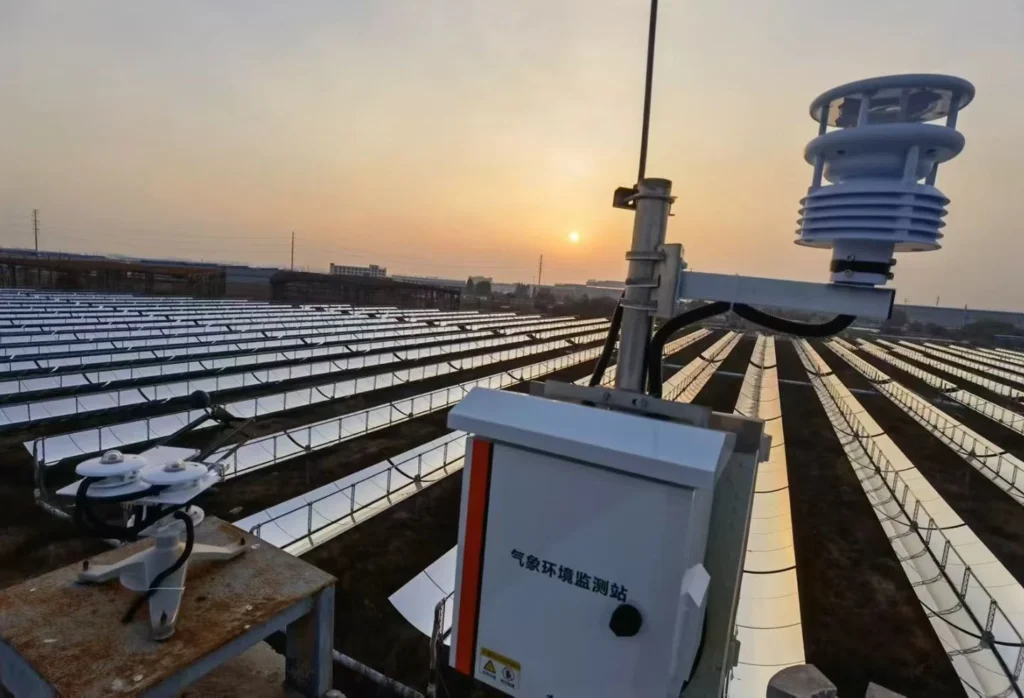
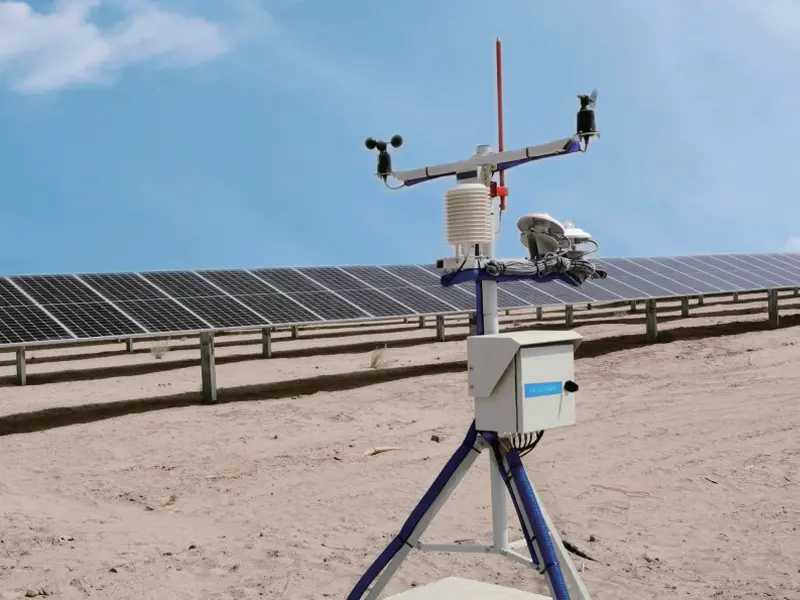
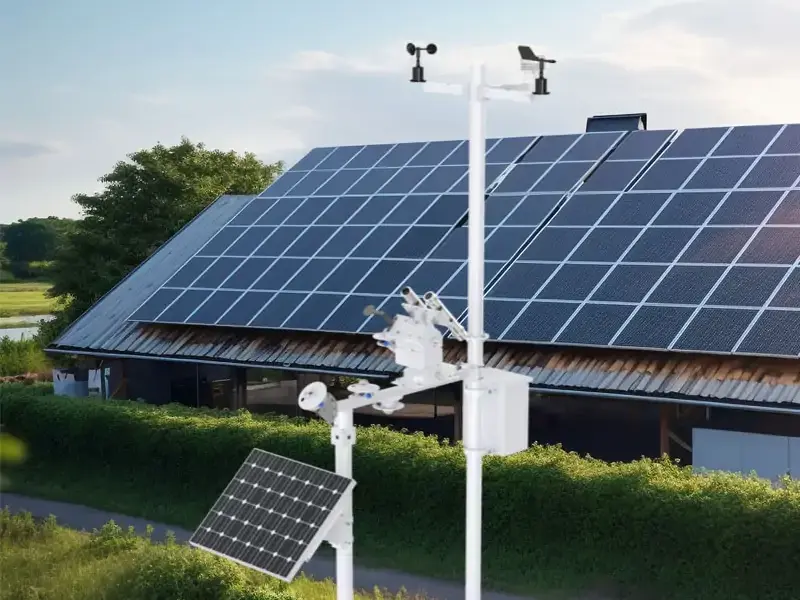
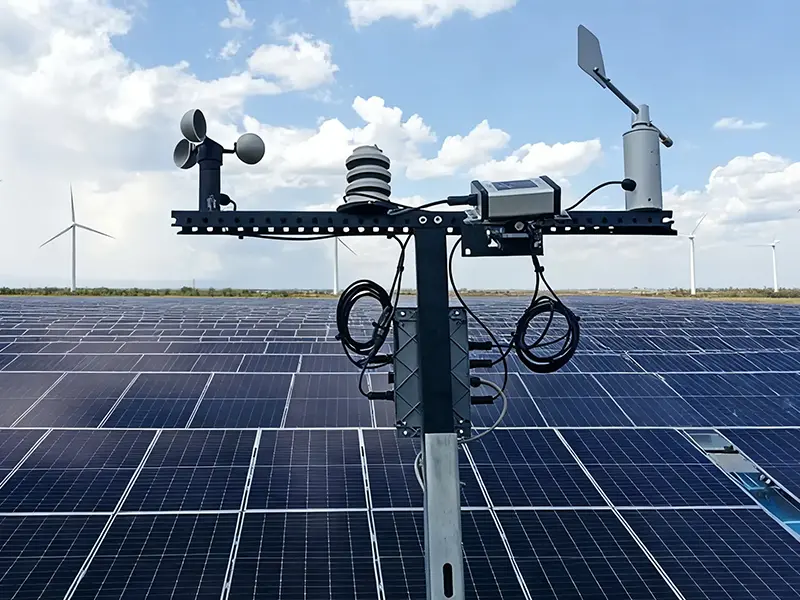
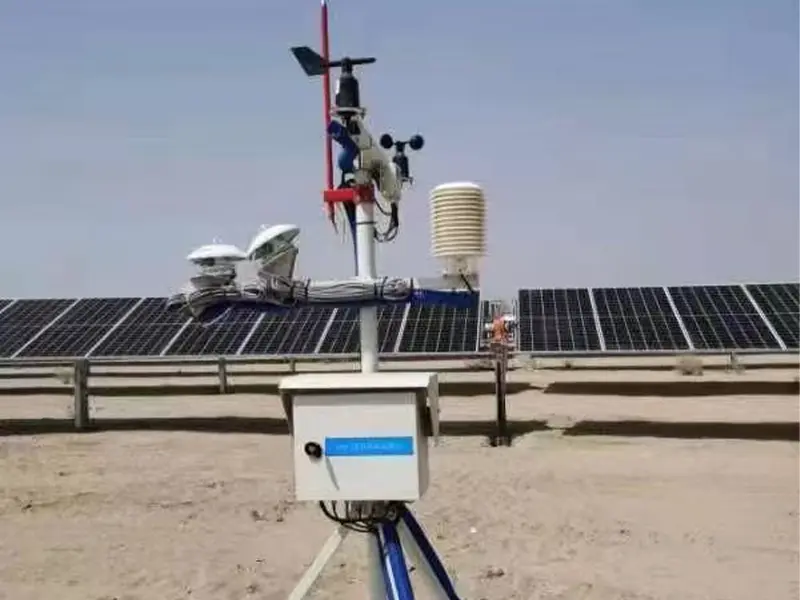
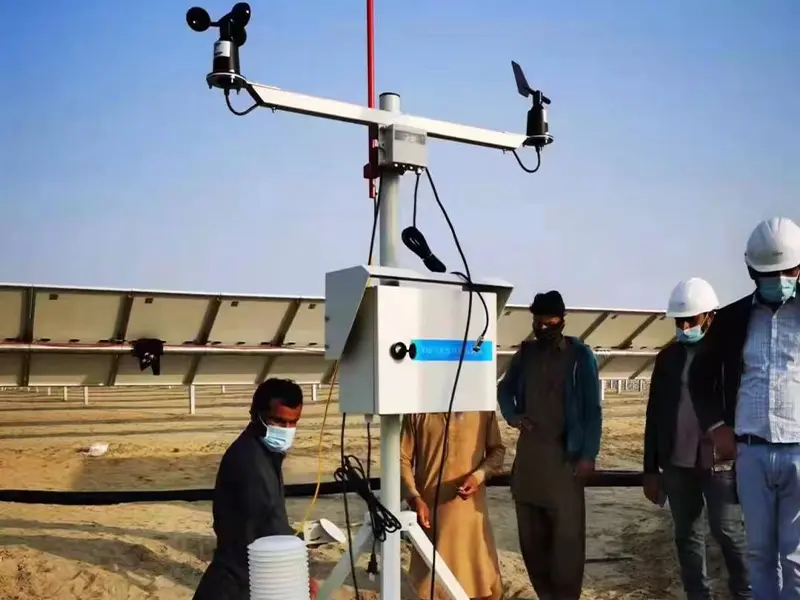
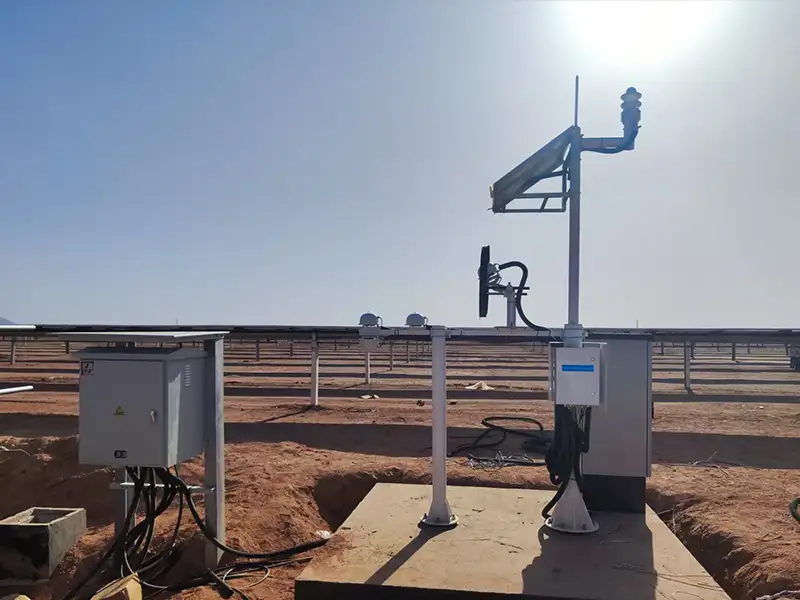
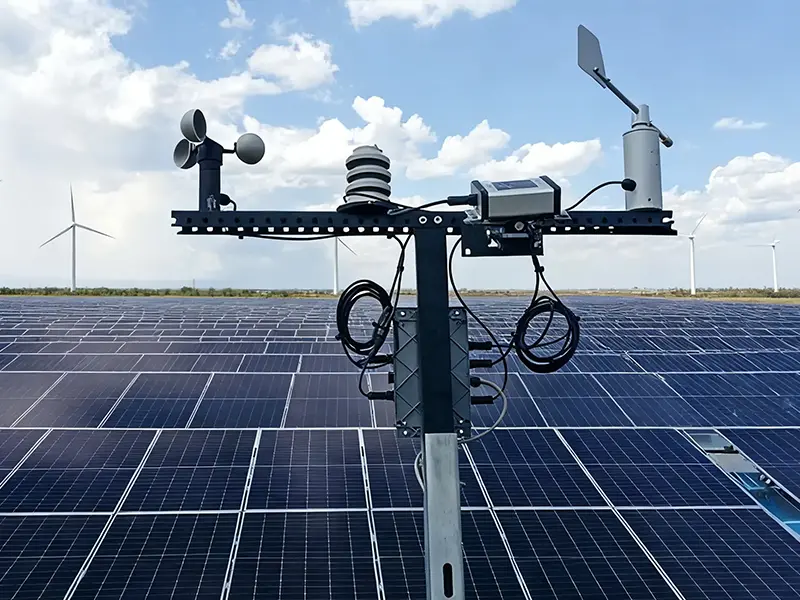
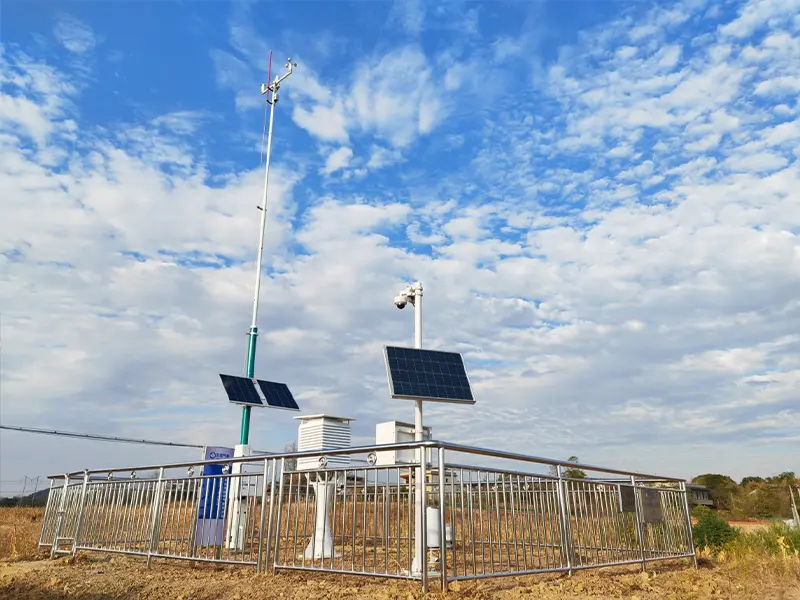
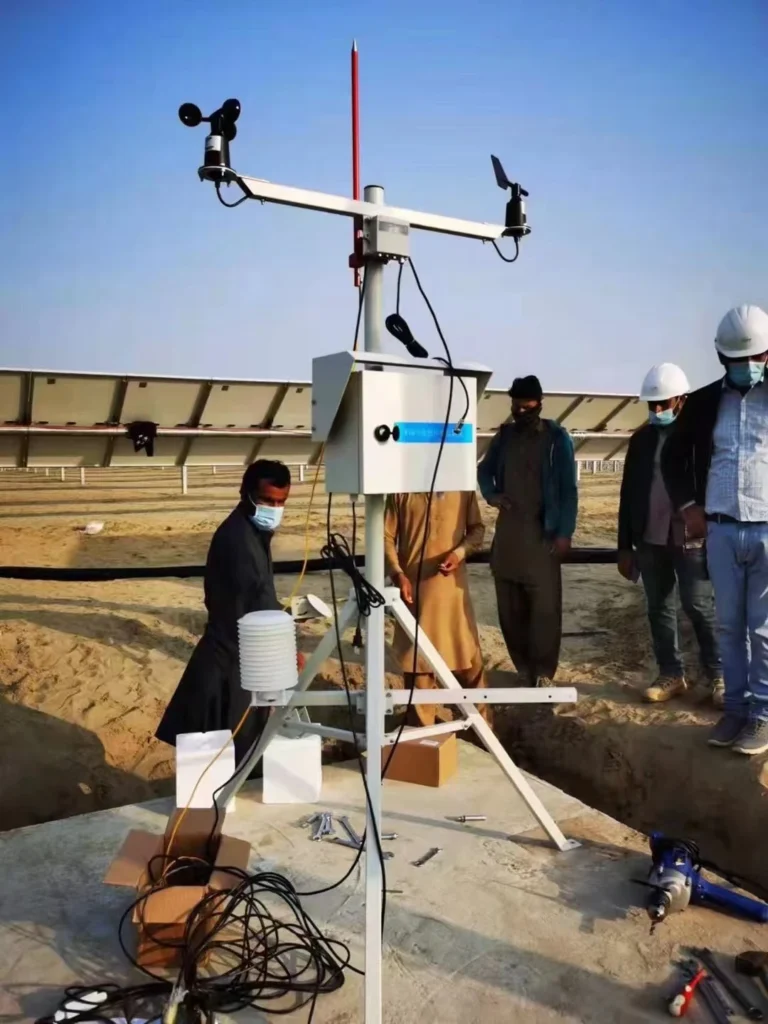
太阳能光伏环境监测站将辐照度传感器与气象传感器相结合,用于采集光伏场站数据。典型测量参数包括太阳辐照度、环境温度、组件温度、风速、湿度、气压和降雨量。采集的数据用于光伏性能监测和发电量预测。.
太阳辐照度测量设备
Solar irradiance measurement equipment is used to collect sunlight data for PV system design, performance monitoring, and energy yield analysis. Different measurement solutions are selected based on accuracy requirements and project applications, including pyranometers, solar radiation tracking systems, and PV weather monitoring stations.
测温仪
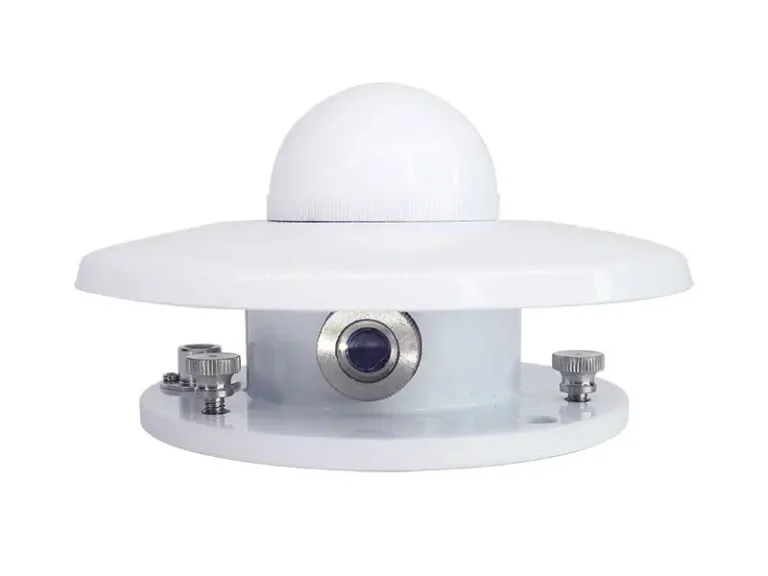
Featured Product:TBQ-2C Total Radiation Sensor
TBQ-2C Total Radiation Sensor is a pyranometer for accurate solar irradiance measurement in photovoltaic and solar resource monitoring applications. It measures solar radiation data for GHI and POA evaluation, helping PV operators assess available solar energy and system performance.
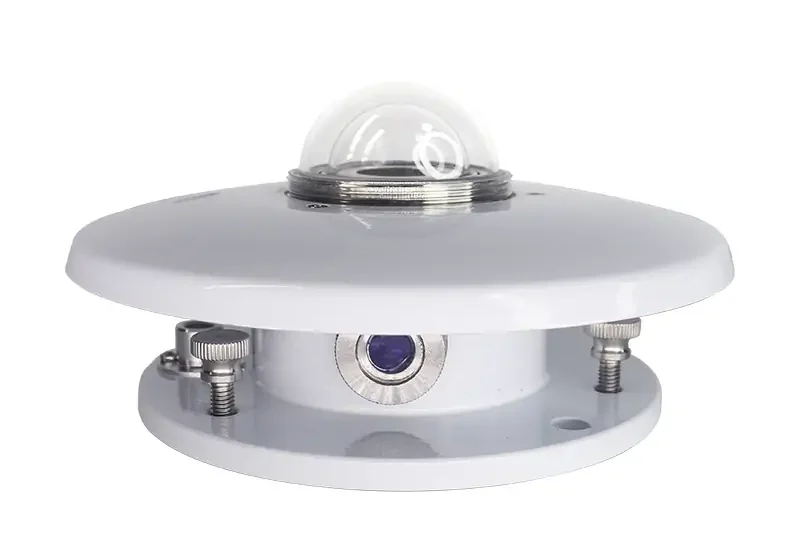
Solar Radiation Tracking System
Featured Product:SAUT Automatic Solar Radiation Measurement System
SAUT Automatic Solar Radiation Measurement System combines solar tracking technology with high-precision radiation measurement to capture direct solar radiation data. It is mainly used for DNI measurement, solar resource research, and applications requiring accurate solar radiation monitoring.
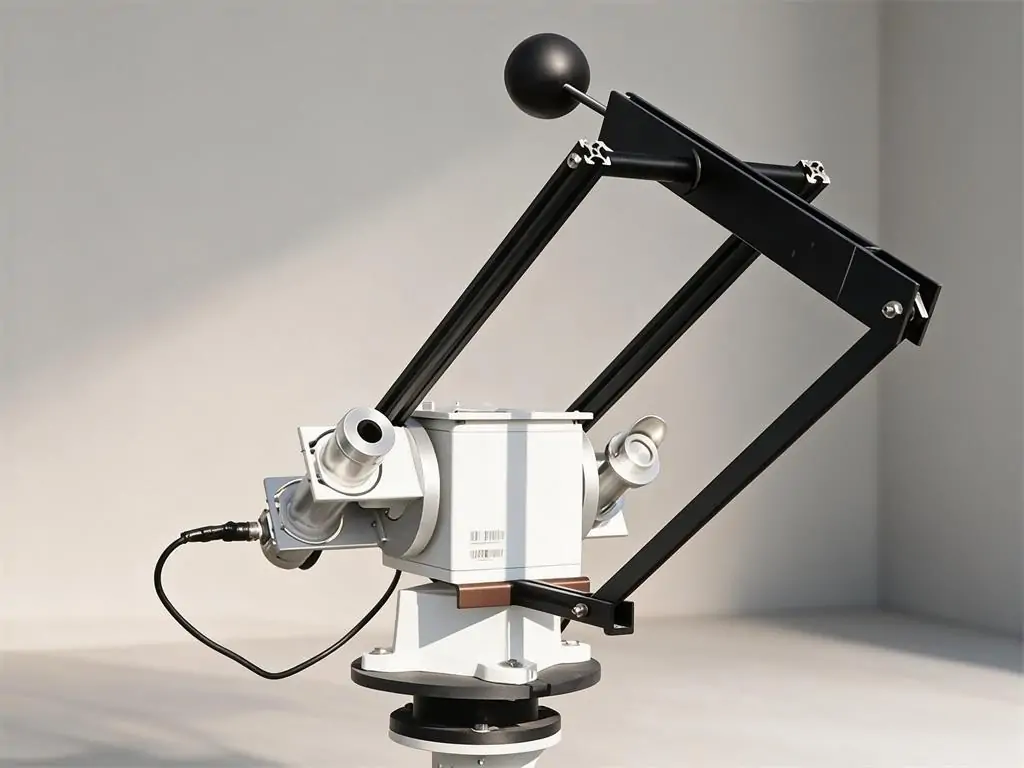
PV Weather Monitoring Station
Featured Product:Solar PV Environmental Monitoring Station
Solar PV Environmental Monitoring Station integrates irradiance sensors and weather instruments to collect real-time environmental data from photovoltaic sites. It monitors solar and weather conditions to support PV performance analysis, energy yield assessment, and solar power forecasting.
How to Calculate Solar Irradiance?
Solar irradiance calculation estimates the solar energy received at a specific location and surface. In PV systems, factors such as solar constant, sun angle, panel tilt, atmospheric loss, and cloud cover affect irradiance values. Accurate data is important for PV design, energy yield estimation, and performance monitoring.
Using Measured Data
On-site sensors such as pyranometers and Solar PV Environmental Monitoring Stations provide real-time irradiance data, including POA irradiance, for PV performance monitoring and energy analysis.
Using Meteorological Databases
Historical solar databases such as NASA, SolarGIS, ERA5, and Meteonorm provide estimated irradiance data for solar resource assessment and early-stage PV project planning when field measurements are unavailable.
Using Simulation Software
PV simulation software combines irradiance data with system parameters such as module type, tilt angle, and orientation to estimate energy production and evaluate PV system performance.
How PV Software Uses Solar Irradiance Data?
Solar irradiance data is one of the most important inputs in PV simulation. PV software uses this data together with system parameters, module specifications, and weather conditions to estimate energy yield, evaluate performance ratio, and optimize photovoltaic system design.
The software can process irradiance data from meteorological databases or on-site monitoring systems, including GHI, DNI, DHI, and POA irradiance. By analyzing solar conditions, temperature effects, shading losses, and system configuration, PV simulation tools help predict power generation, compare design options, and improve the accuracy of PV performance evaluation.
Weather Data Required for Energy Yield Simulation
| Weather Data | Role in PV Simulation |
| GHI | Provides overall solar resource information |
| DNI | Calculates direct solar radiation contribution |
| DHI | Evaluates diffuse radiation impact |
| 倾斜面辐照度 | Represents radiation received by PV modules |
| 环境温度 | Calculates temperature-related efficiency losses |
| 风速 | Helps estimate module operating temperature |
| 湿度与压力 | Supports environmental condition analysis |
What If You Don’t Have On-Site Irradiance Measurements?
When on-site solar irradiance measurements are not available, PV projects can use satellite-based data and meteorological databases for initial solar resource assessment. Sources such as TMY (Typical Meteorological Year), Meteonorm, ERA5, NASA POWER, and SolarGIS provide historical irradiance data for PV system design and energy yield estimation.
However, estimated data cannot fully replace field measurements. Local conditions such as shading, dust, terrain, and short-term weather changes may affect actual irradiance values. For PV plants requiring accurate performance evaluation and power forecasting, on-site Solar Irradiance Measurement with pyranometers or PV weather monitoring stations provides more reliable operating data.
What Factors Affect Solar Irradiance?
Solar irradiance is affected by geographic location, seasonal changes, and atmospheric conditions. Latitude determines solar angle and sun path, while seasonal variations in solar position and daylight duration influence the amount of radiation received by PV modules. Weather conditions such as cloud cover, air pollution, and aerosols can reduce solar radiation intensity and cause short-term fluctuations in PV power output.
PV system configuration also plays an important role in measured irradiance values. Module orientation, tilt angle, and shading from surrounding objects can directly affect Plane of Array (POA) irradiance received by solar panels. Proper system design, sensor installation, and continuous monitoring help ensure accurate irradiance data for PV performance analysis, energy yield evaluation, and power forecasting.
How High Temperature Reduces Solar Panel Efficiency?
Solar panel efficiency decreases as module temperature increases. For silicon PV modules, higher temperatures mainly reduce the open-circuit voltage, causing a drop in overall power output. The temperature coefficient describes this effect, with most modules losing around 0.3%–0.5% of rated power for every 1°C increase above the reference temperature.
In actual PV operation, module temperature is often higher than ambient temperature because panels absorb solar radiation during operation. Measuring both module temperature and ambient temperature helps assess temperature-related losses, improve PV performance analysis, and increase the accuracy of energy yield evaluation. Module temperature sensors are commonly used in Solar PV Environmental Monitoring Stations to collect this data in real time.
Solar Irradiance Measurement for Different PV Applications
Solar irradiance measurement requirements vary depending on PV project type, system size, and monitoring goals. Different solutions are used to collect reliable solar data for project assessment, performance analysis, and power forecasting.
| PV Application | Monitoring Requirements | Suitable Solution | 主要用途 |
| 公用事业级太阳能电站 | High-accuracy GHI, DNI, DHI, and POA data | Pyranometer + PV Weather Monitoring Station | Energy yield analysis and power forecasting |
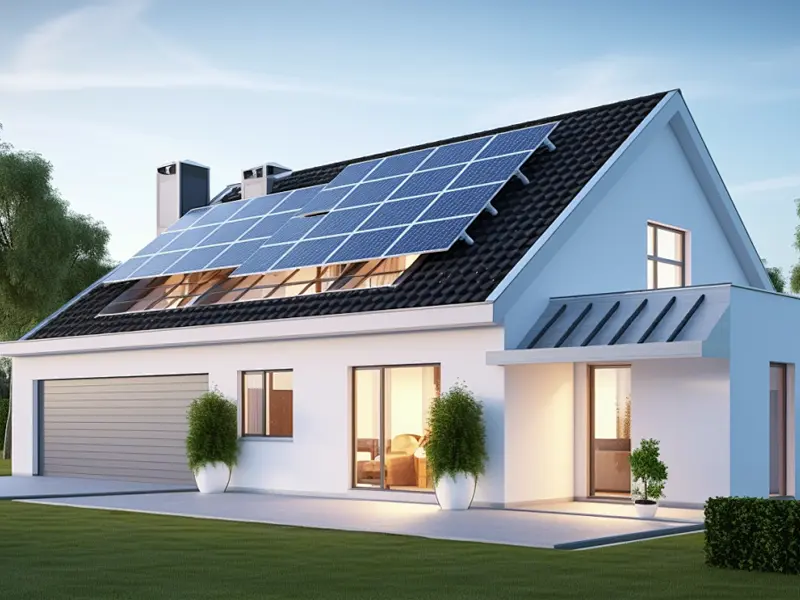
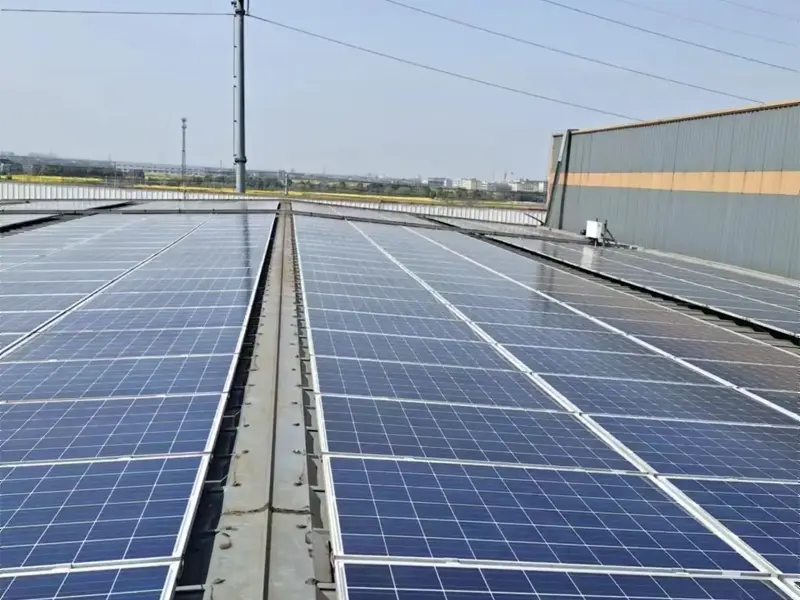
| Commercial Rooftop PV | Local irradiance and module condition monitoring | Solar Irradiance Sensor + Temperature Sensor | Performance evaluation and fault detection |
| Floating Solar PV | Solar data with environmental monitoring | PV Weather Monitoring Station | Analyze weather impact and optimize operation |
| Agrivoltaics | Solar availability and environmental data | Integrated Solar Monitoring System | Balance power generation and agricultural needs |
Main Considerations for Accurate Solar Irradiance Measurement
Accurate irradiance data requires correct installation, regular maintenance, and reliable data collection. These factors directly affect PV system performance analysis and forecasting accuracy.
Sensor Installation and Positioning
Install sensors at the same angle as PV modules and avoid shading to ensure accurate irradiance measurement.
Cleaning and Calibration
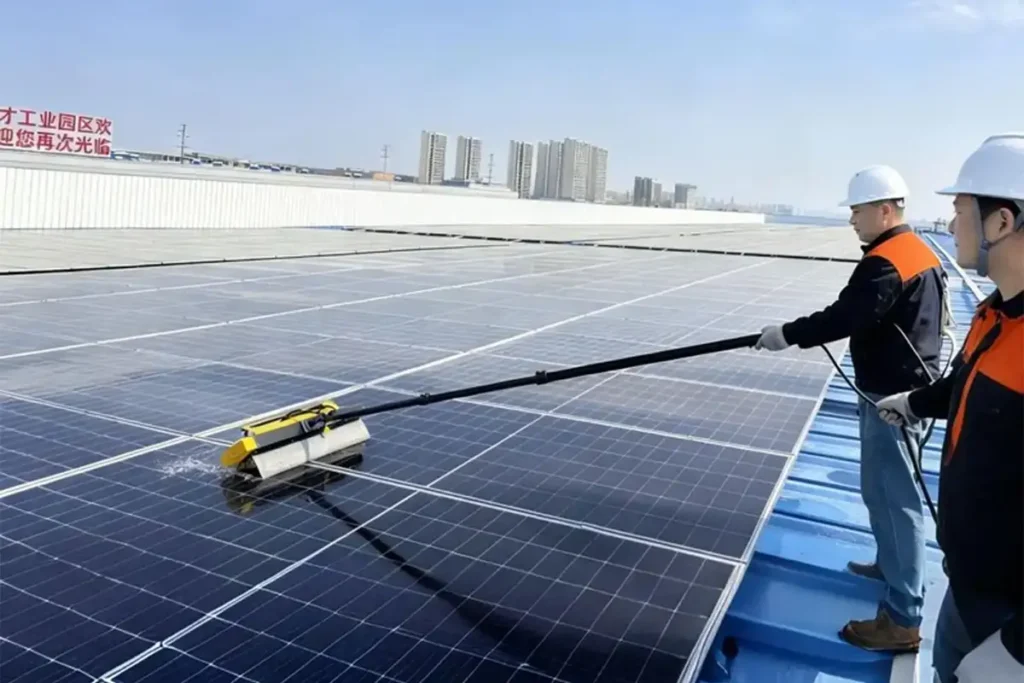
Regular cleaning and calibration reduce errors caused by dust, contamination, and sensor aging.
Maintenance and Data Quality
Check sensor mounting, cables, and communication status to maintain stable data collection.
Sampling Interval Selection
Choose suitable sampling intervals to capture solar changes and improve PV performance analysis.
结论
Measuring solar irradiance for photovoltaic systems requires selecting the right sensor, installing it correctly, and collecting accurate radiation data under real operating conditions. Proper sensor positioning, regular maintenance, and calibration are essential to ensure reliable irradiance measurements.
Accurate solar irradiance data helps PV operators evaluate system performance, identify potential losses, and improve energy forecasting. By integrating irradiance measurement with a PV monitoring system, solar projects can achieve more efficient operation and better long-term performance management.联系我们 to select the right solar irradiance monitoring solution for your PV project.