Introduction
At a solar site, engineers typically monitor solar irradiance, module temperature, and power output to assess system performance. However, these readings do not show how much ultraviolet (UV) radiation reaches the panels. When comparing sites or studying long-term changes in module materials, UV exposure is another factor worth tracking. Its effects depend on the materials and construction of the module, so it should be assessed alongside other environmental conditions.
A UV sensor for solar monitoring measures UV radiation within a defined wavelength range and records changes in exposure over time. Choosing the right sensor starts with understanding the measurement goal. UV irradiance measures UV radiation intensity, the UV Index indicates the potential for skin damage, and total solar irradiance covers a broader part of the solar spectrum. These measurements serve different purposes and should not be used interchangeably.
Why Does UV Exposure Matter for Solar Panels?
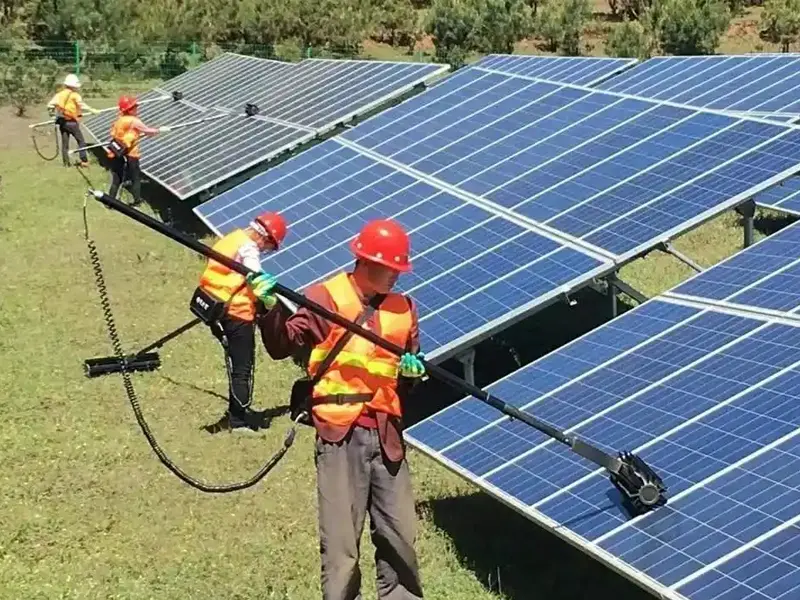
UV exposure is not routinely measured at every solar site, but it can be useful when engineers investigate module durability or compare long-term conditions across locations. It is only one factor that may affect panel performance. For a broader look at common causes of power loss, see our guide to Top 5 Factors Reducing Solar Panel Efficiency. The effects of UV exposure also depend on the materials used in a panel and how well the module limits UV transmission.
How UV Radiation Affects PV Module Materials?
Long-term UV exposure can contribute to changes in some materials used in PV modules. For example, EVA encapsulants may yellow under certain exposure conditions, reducing the amount of light reaching the solar cells. The extent of these changes depends on the material formulation, module construction, and UV protection. UV exposure should not be treated as the cause of every performance loss, nor do all panels respond in the same way.
Why Cumulative UV Exposure Matters?
A single reading shows the UV irradiance at that moment, not how much radiation a panel has received over a longer period. Recording UV measurements over time helps engineers estimate cumulative exposure and compare conditions between sites or seasons. For meaningful comparisons, the UV sensor for solar monitoring’s wavelength range and installation position should remain consistent, and missing data should be accounted for.
Why UV Data Should Be Analyzed with Other Environmental Data?
UV exposure is only part of the picture. Temperature, moisture, and thermal cycling can also affect PV module materials. Engineers should therefore review UV readings alongside module temperature, total solar irradiance, and power output. A UV sensor for solar monitoring records exposure; it cannot determine on its own whether a module has degraded or what caused a drop in output. The value of UV monitoring lies in adding specific exposure data to the wider picture of a panel’s operating conditions.
What Does a UV Sensor Measure in a Solar Monitoring System?
A UV sensor for solar monitoring measures ultraviolet radiation within a defined wavelength range, rather than all sunlight reaching a PV module. Because solar monitoring systems may also record broadband solar irradiance, engineers need to distinguish these measurements when selecting sensors. For a broader introduction to the solar spectrum, see What Is Solar Radiation? Complete Guide to Measurement & Monitoring.
UV Irradiance vs. UV Index vs. Solar Irradiance
These three measurements serve different purposes. UV irradiance measures radiation within a specific UV band, while the UV Index is weighted to indicate the potential for UV-related skin damage. Plane-of-array (POA) solar irradiance measures broadband sunlight reaching the panel plane.
| Measurement | What It Measures | Use in PV Monitoring |
| UV irradiance | Radiation within a defined UV wavelength range (W/m簡) | Records UV exposure |
| UV Index | UV radiation weighted for its effects on human skin (unitless) | Indicates UV-related health risks |
| POA solar irradiance | Broadband solar radiation reaching the module plane (W/m簡) | Assesses solar input and supports performance analysis |
For practical guidance on measuring sunlight at the panel plane, see How to Measure Solar Irradiance for Photovoltaic Systems.
Which UV Wavelength Range Is Relevant to PV Monitoring?
UV radiation is divided into UVA (315–400 nm), UVB (280–315 nm), and UVC (100–280 nm). At the Earth’s surface, sunlight contains mainly UVA and a smaller amount of UVB, while the atmosphere absorbs essentially all solar UVC.
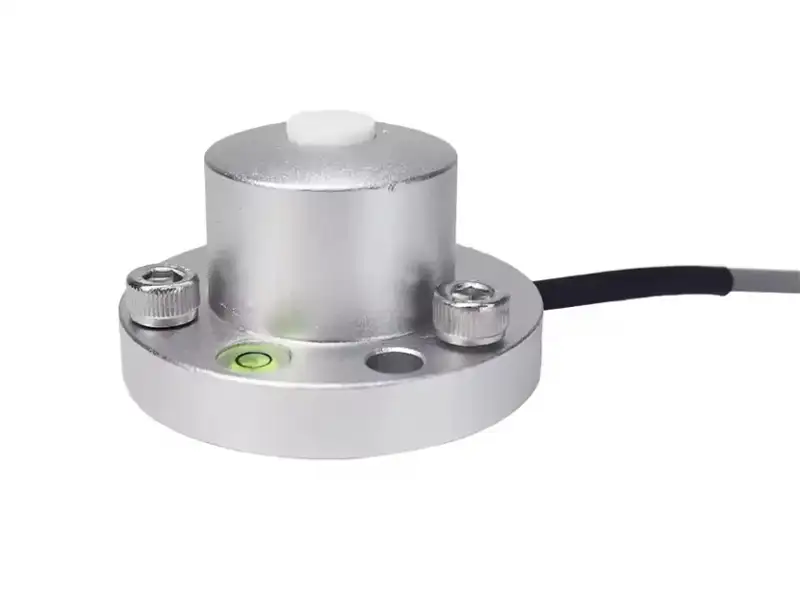
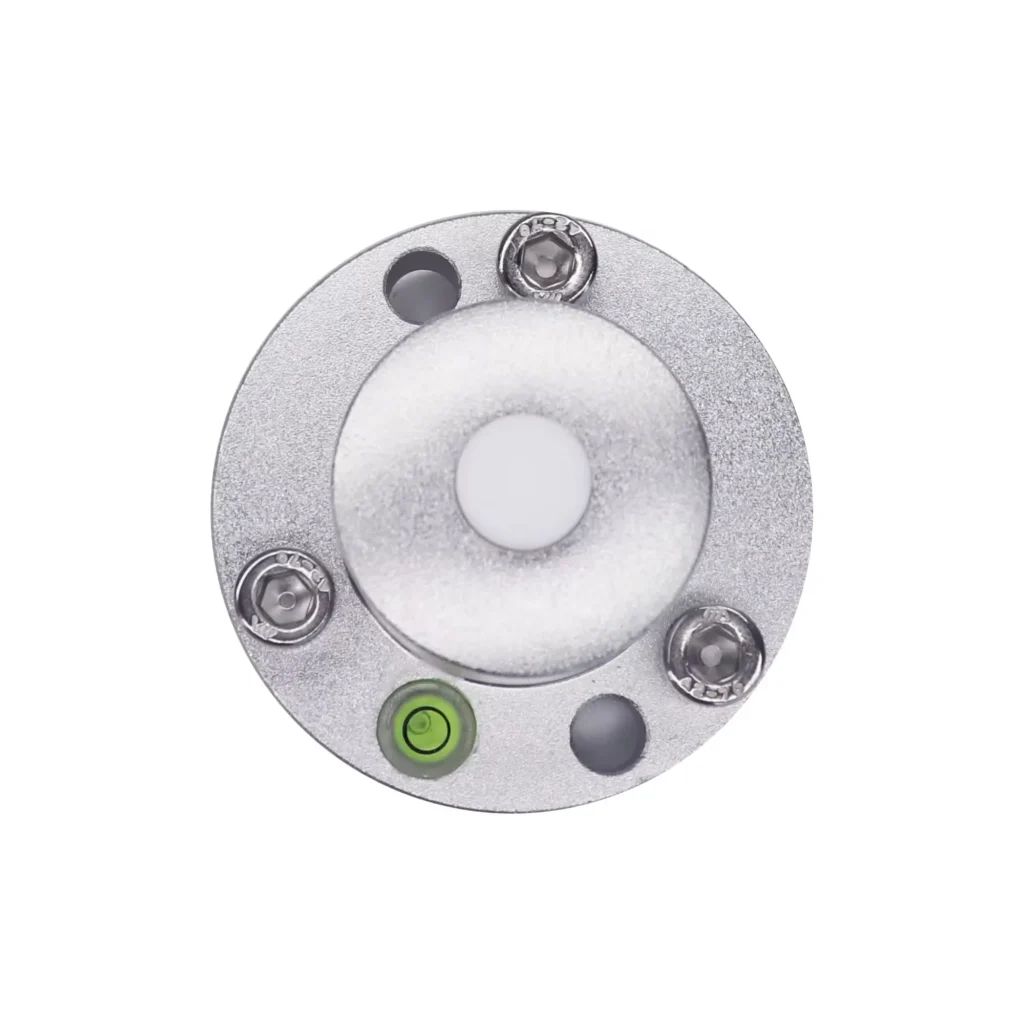
The Yantai Sensor RY-ZW UV Light Radiation Sensor specifies a UVAB spectral range of 280–400 nm, covering both UVA and UVB. This combined range does not mean the UV sensor for solar monitoring provides separate UVA and UVB readings. Before selecting a model, check its spectral response, measurement range, output signal, and compatibility with the data logger. For a wider comparison of instruments used in PV monitoring, see Best Solar Radiation Sensors for PV Monitoring Systems.
How Do UV Sensors Work in PV Field Monitoring?
In solar monitoring, a UV sensor for solar monitoring needs to measure the intended wavelength range and provide readings that can be recorded consistently over time. The sensing process is relatively straightforward, but the way measurements are collected and maintained affects how useful the data will be for long-term comparisons.
From UV Radiation to an Electrical Signal
A UV sensor for solar monitoring uses a light-sensitive detector to respond to incoming radiation within its spectral response range. The detector produces an electrical signal, which the sensor’s electronics or a connected data acquisition system converts into a UV irradiance value. The detection method and output interface vary by model, so the UV sensor for solar monitoring specifications need to match the monitoring system.
From Sensor Readings to Long-Term Exposure Records
A data logger or monitoring platform records UV readings with timestamps. Engineers can then integrate irradiance measurements over time to estimate cumulative UV exposure. Missing readings should be identified rather than treated as zero exposure, especially when comparing different monitoring periods.
Why Data Consistency Matters?
When comparing sites or seasons, engineers should use consistent spectral ranges, mounting arrangements, and calibration methods. The UV sensor for solar monitoring position also needs to match the measurement objective, since UV exposure recorded on a horizontal surface may differ from exposure on a tilted PV module. Dirt on the sensor window, condensation, and sensor drift can affect readings, making routine inspection and calibration records important for long-term monitoring.
Can UV Sensors Detect Solar Panel Degradation Directly?
No. A UV sensor for solar monitoring measures ultraviolet radiation within its specified wavelength range; it does not measure a panel’s electrical output or inspect its materials. For PV degradation monitoring, UV data records environmental exposure, but cannot prove that UV caused a power loss or calculate the degradation rate on its own.
What a UV Sensor Can Tell You?
UV irradiance readings collected over time can be used to estimate cumulative exposure and compare conditions between sites or monitoring periods. This helps engineers investigate whether UV exposure may be relevant when examining material changes or reduced output. However, the UV sensor for solar monitoring cannot identify yellowing, cell defects, or physical damage directly.
What Other Data Are Needed to Assess Degradation?
Engineers compare power output with solar irradiance, module temperature, and operating history to distinguish persistent performance losses from changes in weather or operating conditions. Reliable irradiance data is essential for this assessment. See How Accurate Should Solar Radiation Measurement Be? for factors that affect measurement quality.
Soiling can also reduce power output without indicating permanent module degradation. PV Module Soiling Loss Monitoring explains how to track losses caused by dust and other deposits. If further investigation is needed, I–V curve measurements assess electrical performance, electroluminescence (EL) imaging can reveal cell defects, and visual inspection can identify visible damage.
Where Are UV Sensors Used in Solar PV Projects?
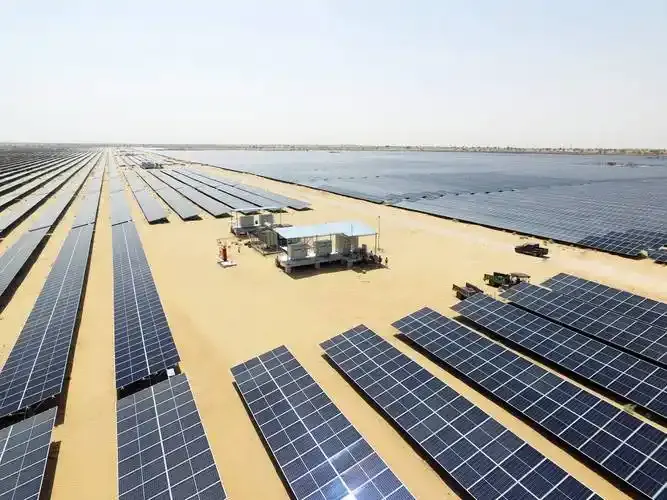
UV sensor for solar monitoring are not needed at every solar farm. They are useful when a project needs to track ultraviolet exposure, particularly in long-term durability studies, comparisons between PV module designs, or investigations of site conditions.
Long-Term PV Exposure Studies
At outdoor test sites, a solar UV sensor records how exposure changes across seasons and locations. Engineers can compare these readings with temperature, humidity, and module performance records to document the conditions PV modules experience over time. This information supports durability research, but cannot predict service life on its own.
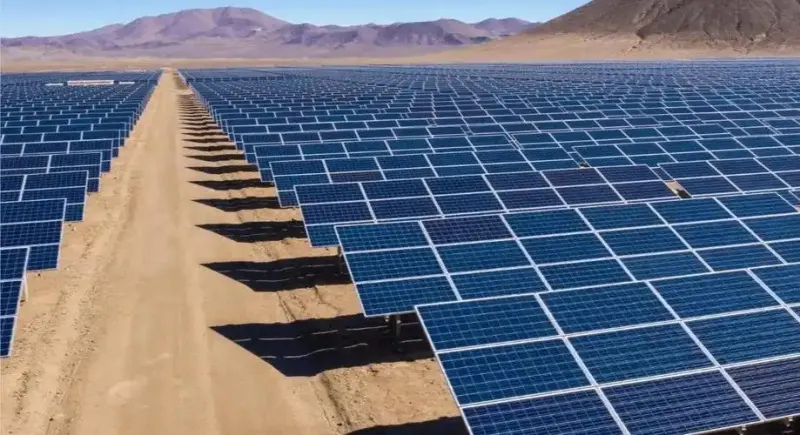
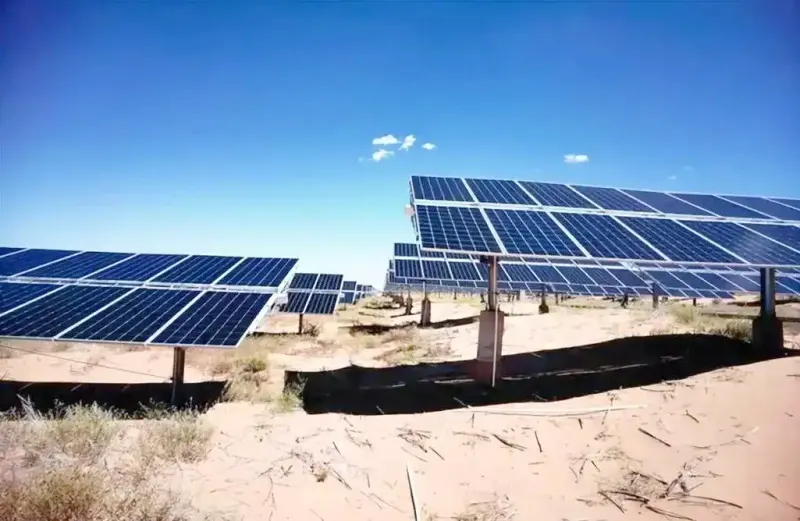
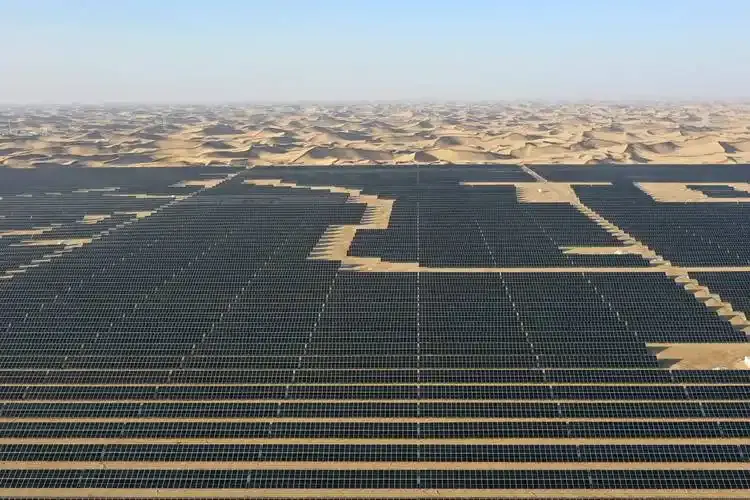
Solar Monitoring in Desert Environments discusses the environmental factors that affect monitoring requirements at desert PV plants. UV records can support durability research, but cannot predict module service life on their own.
Comparing PV Module Materials and Technologies
When comparing encapsulants, backsheets, or different module designs, UV exposure data provides context for understanding changes in material properties and module performance. Comparisons require consistent measurement settings and installation conditions. UV measured outside a module does not necessarily represent the radiation reaching its internal materials, since glass and encapsulation materials can filter UV differently.
Wireless Temperature Monitoring for Hot Components and Cables
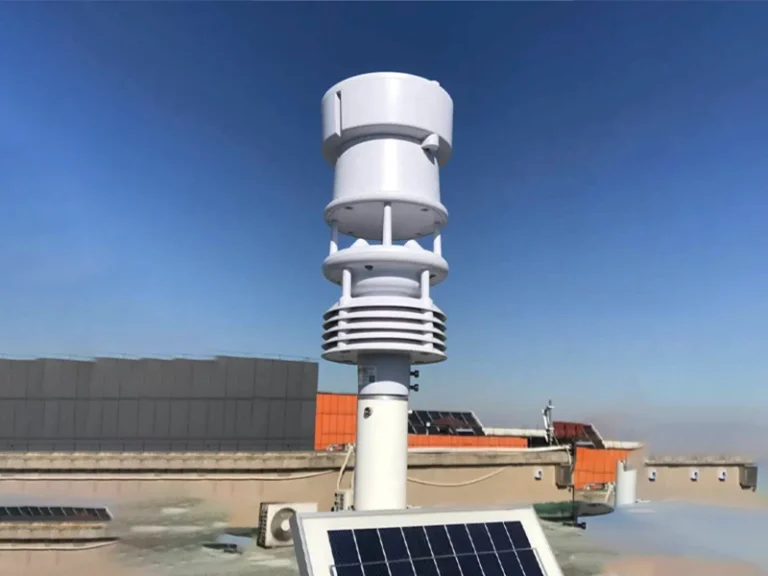
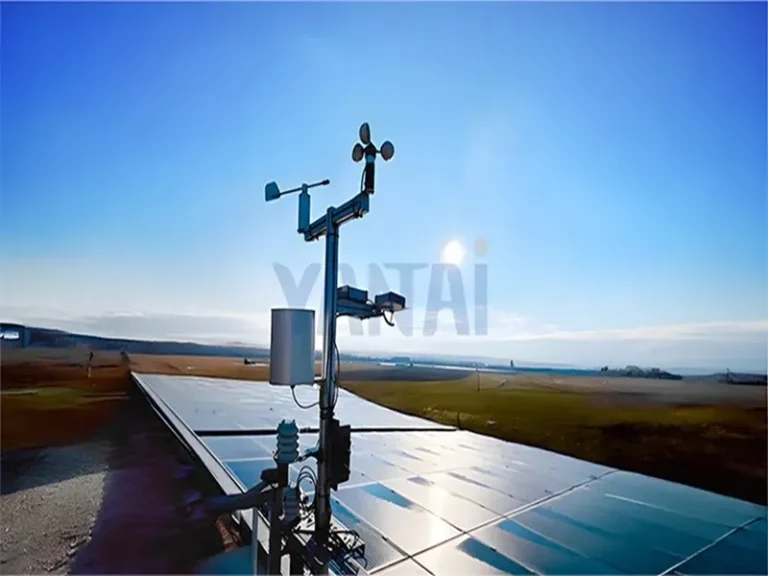
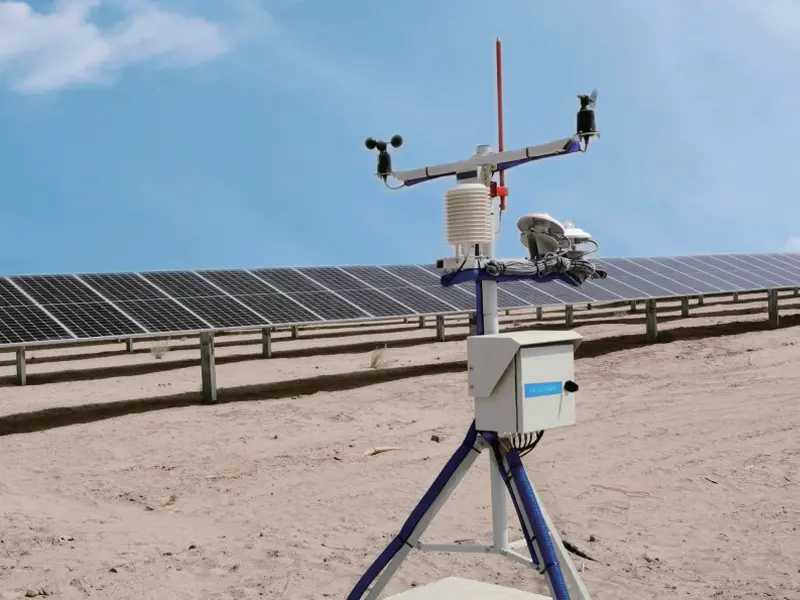
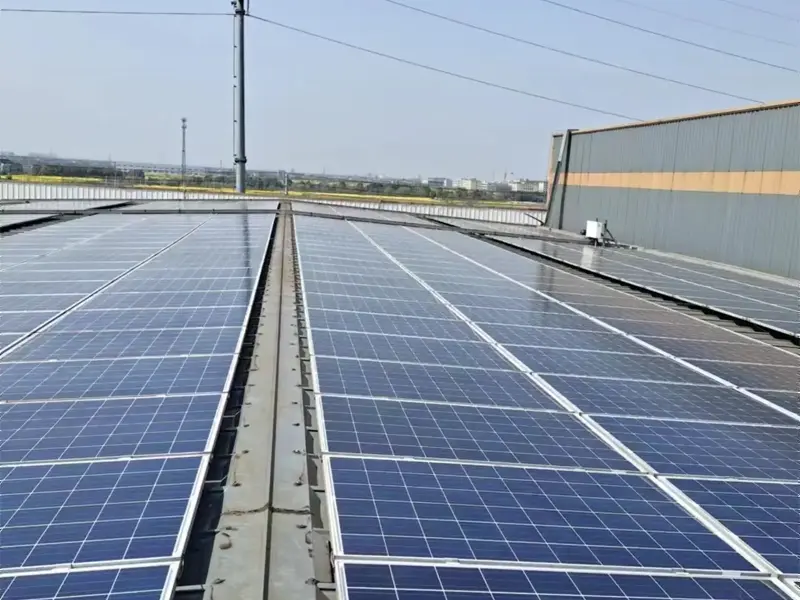
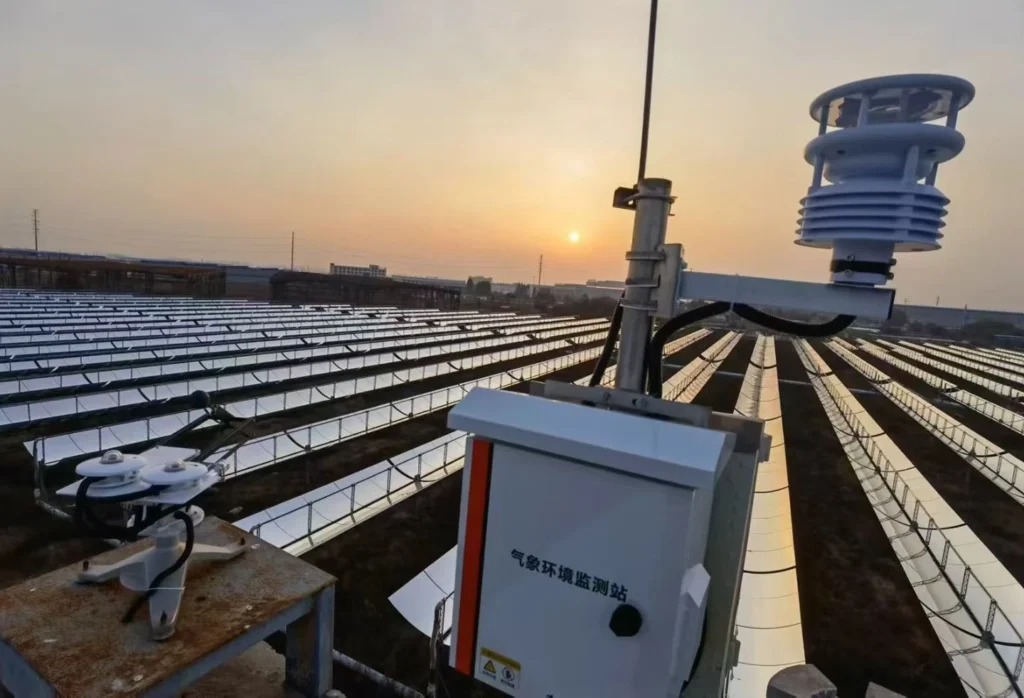
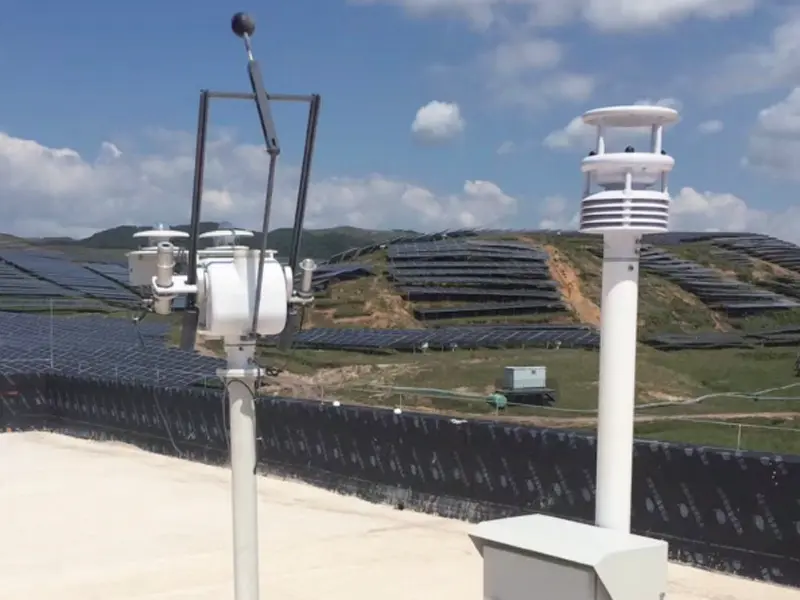
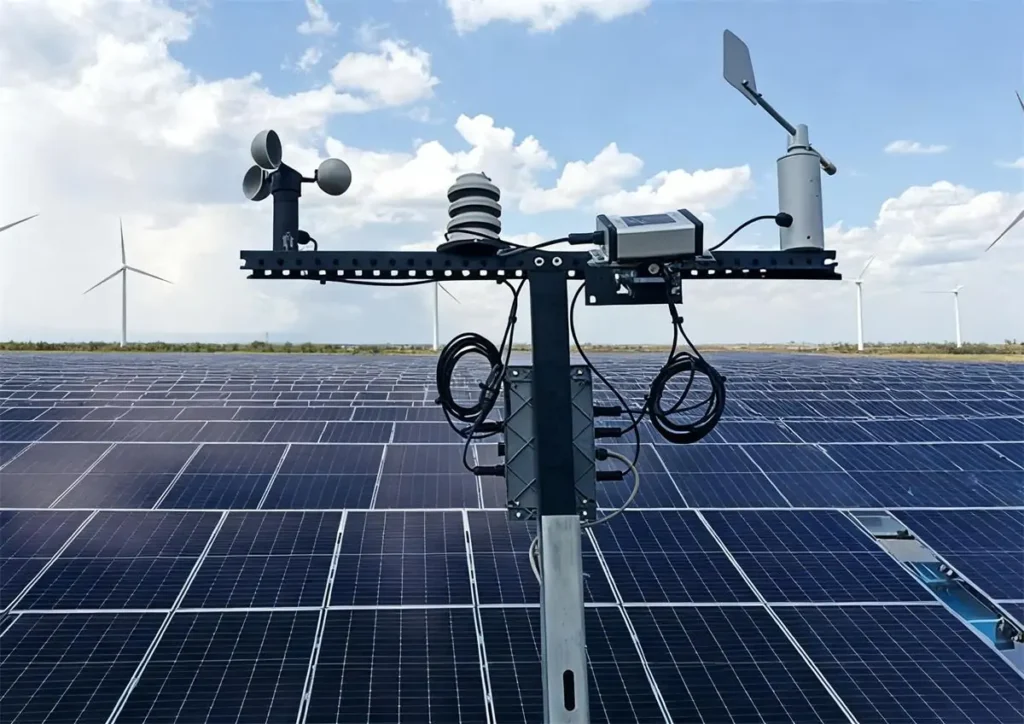
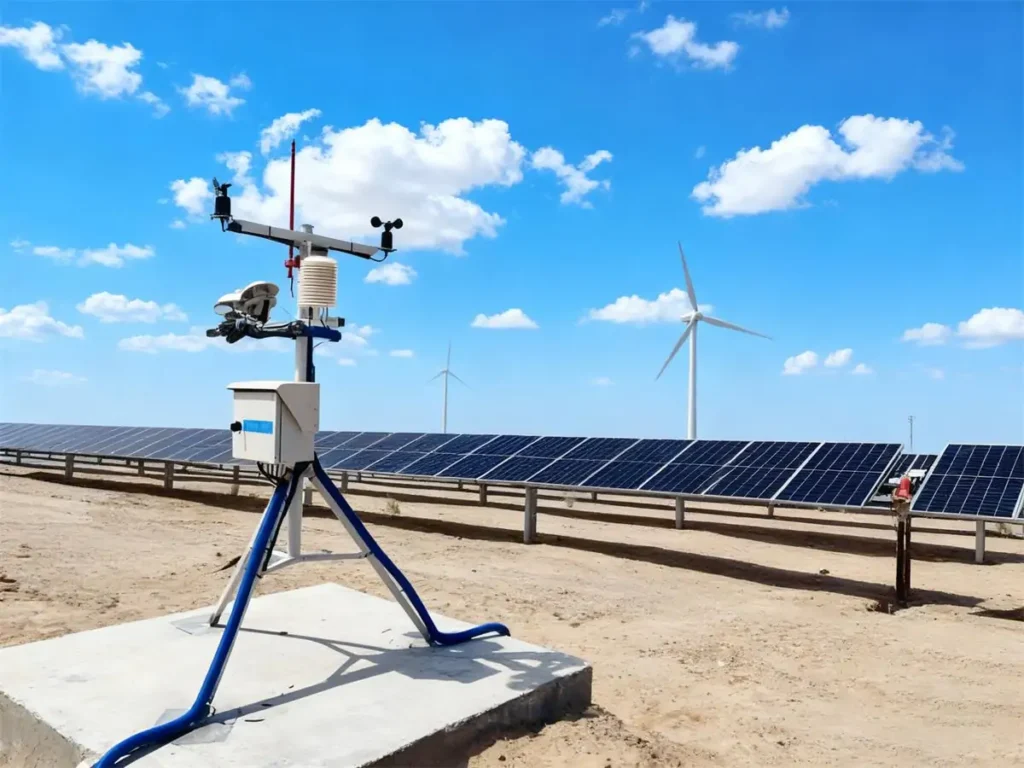
At operating solar farms, a UV sensor for solar monitoring can be added to a weather station when UV exposure is a specific monitoring requirement. Its readings can be analyzed alongside plane-of-array solar irradiance, module temperature, humidity, and power output. Where high temperatures also require closer monitoring, High Temperature Solar Monitoring Solutions covers the considerations involved in selecting temperature sensors and monitoring equipment for hot environments. UV measurement remains a project-specific addition, not a universal requirement for every PV installation.
How to Choose a UV Sensor for Solar Monitoring?
Start with the project’s measurement requirements and installation conditions. Before comparing prices or models, check four points:
- Spectral response: Confirm whether the project needs UVA, UVB, or combined UVAB measurements. If cumulative UV exposure is required, the sensor must provide suitable irradiance data.
- Measurement performance: Check the measurement range, accuracy, angular response, and calibration requirements. Higher resolution alone does not guarantee more accurate readings.
- Outdoor suitability: Check the operating temperature, IP rating, and resistance to prolonged exposure to UV radiation, moisture, and temperature changes.
- System compatibility: Confirm that the output signal, communication protocol, and power supply match the existing data logger.
For long-term PV exposure studies, spectral response and calibration consistency deserve particular attention. For routine field monitoring, reliable data collection and compatibility with the existing system are equally important.
Where Should solar UV sensors Be Installed in a Solar PV System?
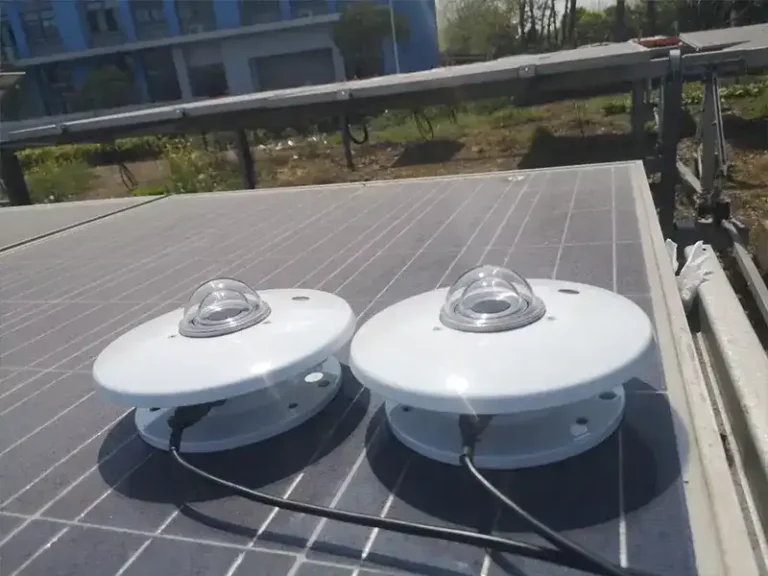
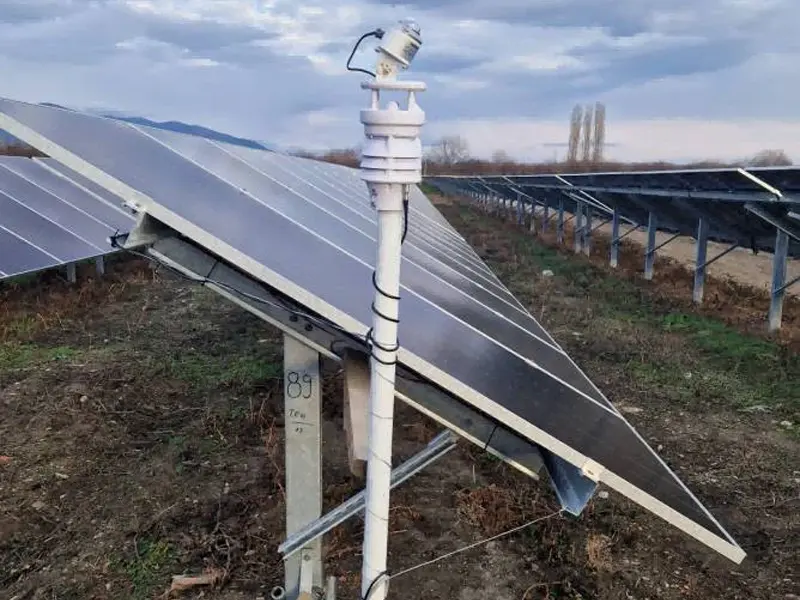
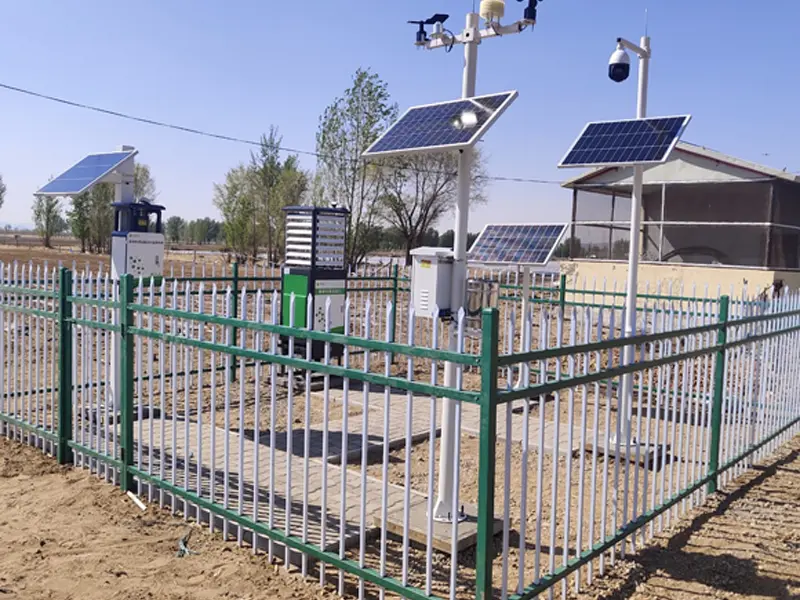
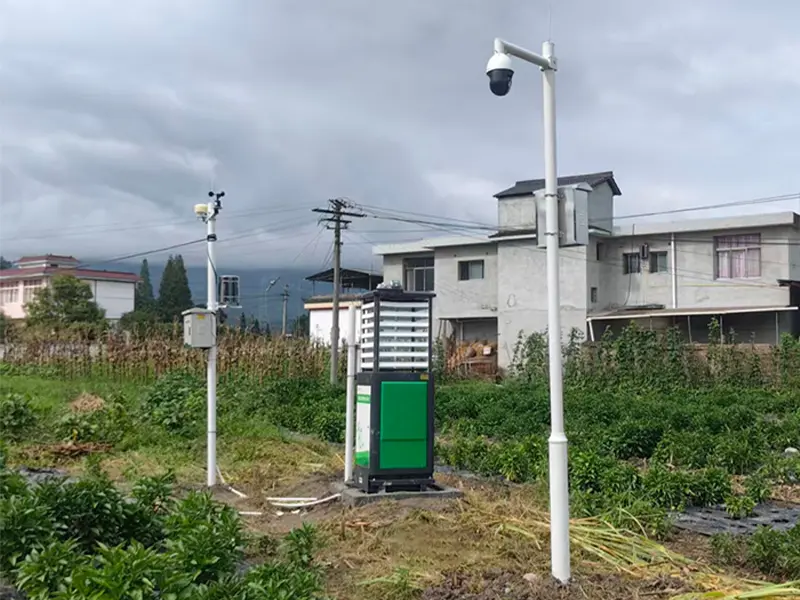
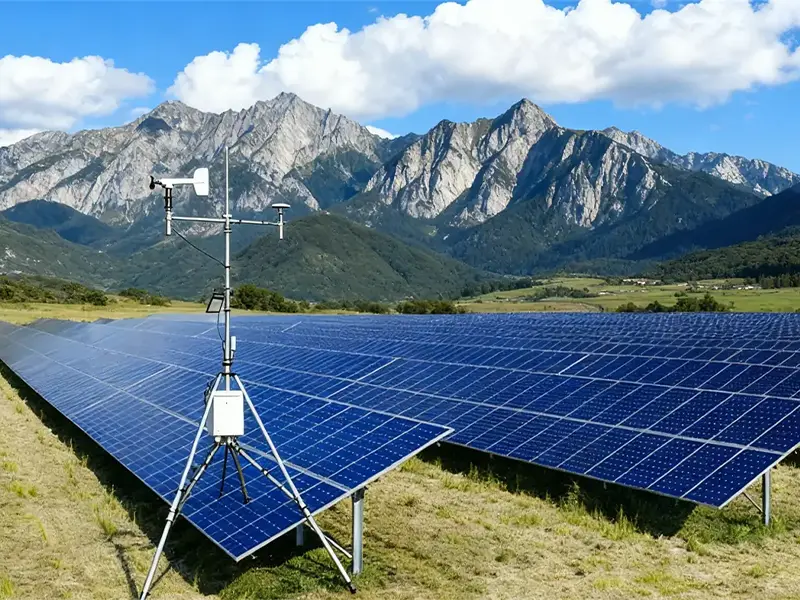
The installation position of a UV sensor for solar monitoring depends on what the project needs to measure. For horizontal UV monitoring, mount the sensor level. If the goal is to measure UV exposure on a PV module, align the sensor’s receiving surface parallel to the module plane.
Choose a location where buildings, trees, poles, or nearby equipment will not shade the sensor during the relevant measurement period. On a solar tracking system, mount the solar UV sensor on the tracker only when the aim is to measure UV radiation incident on the moving module plane. Secure the mounting bracket and route the cable so they do not interfere with the sensor or tracking movement.
Over time, dust on the sensor window, condensation, or a change in mounting angle can affect the readings. Inspect and clean the receiving surface regularly, check that the sensor remains correctly positioned, and follow the manufacturer’s calibration recommendations. When comparing UV exposure across sites or seasons, keep the measurement orientation consistent and record any installation or maintenance changes that may affect the data.
How to Integrate a UV Sensor into a PV Monitoring Setup?
A UV sensor for solar monitoring is typically connected to a data logger or gateway, which records measurements and sends them to the PV monitoring platform. Before installation, check that the sensor’s power supply, output signal, and communication protocol are compatible with the logger. Depending on the device, data may be transmitted through RS485, an analog output, or another supported interface.
Once connected, UV readings can be stored alongside plane-of-array solar irradiance, module temperature, and power output. Consistent timestamps and sampling intervals help engineers compare UV exposure with changes in site conditions and PV performance. If cumulative UV exposure is needed, it can be estimated by integrating UV irradiance over time. Missing readings should be flagged rather than treated as zero.
For projects that also need broadband solar irradiance data, the TBQ-2C Total Solar Radiation Sensor can provide a complementary measurement. UV irradiance and broadband solar irradiance cover different parts of the solar spectrum and should be interpreted separately. Visit the Yantai Sensor to compare available instruments. Before finalizing the setup, confirm the required measurement range, installation conditions, and compatibility with the existing data logger.
Conclusion
UV monitoring provides additional environmental data for solar PV projects, particularly when engineers study long-term module exposure or investigate changes in material condition. A solar UV sensor for solar monitoring records radiation within a defined wavelength range, but it cannot diagnose module degradation on its own. To make the readings useful, the sensor must be suited to the monitoring objective, installed correctly, and used alongside solar irradiance, module temperature, and electrical performance data.
Every PV site has its own monitoring requirements. Yantai Sensor works with project teams to assess measurement needs, installation conditions, and data acquisition requirements before selecting suitable monitoring equipment. Contact our team to discuss your project and get technical advice on planning a UV monitoring setup.