Introduction
High Temp Solar Monitoring is used to measure temperature and solar irradiance at photovoltaic (PV) sites exposed to extreme heat. Depending on the project, monitoring may cover PV module temperatures and local weather conditions, or focus on specific components operating at elevated temperatures.
Choosing equipment for these environments requires more than checking the sensor’s measurement range. The probe, electronics, and data acquisition equipment must all suit the temperatures they will encounter in service. The right configuration depends on what needs to be measured, where the sensors will be installed, and how the data will be used. These requirements determine which sensors and monitoring equipment a project needs.For PV projects in desert regions, see our guide to Solar Monitoring in Desert Environments for site-specific monitoring challenges and equipment considerations.
What Is High Temperature Solar Monitoring?
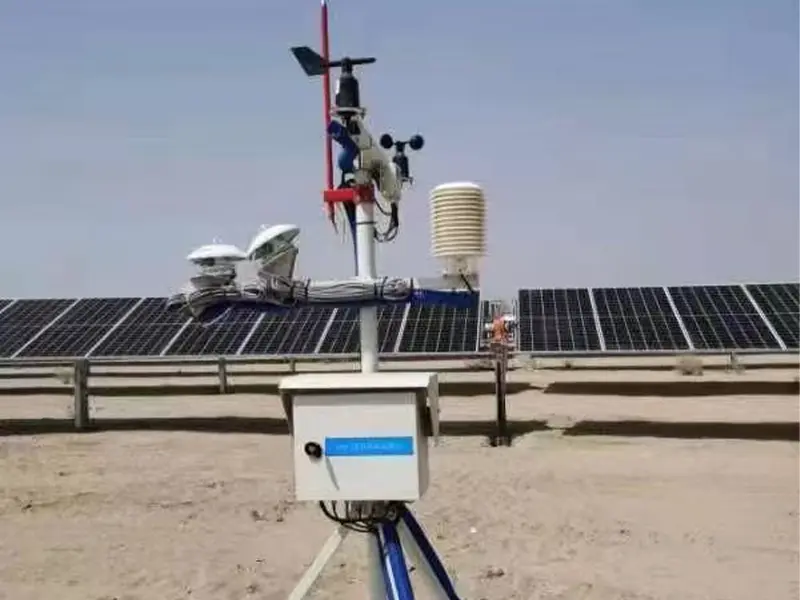
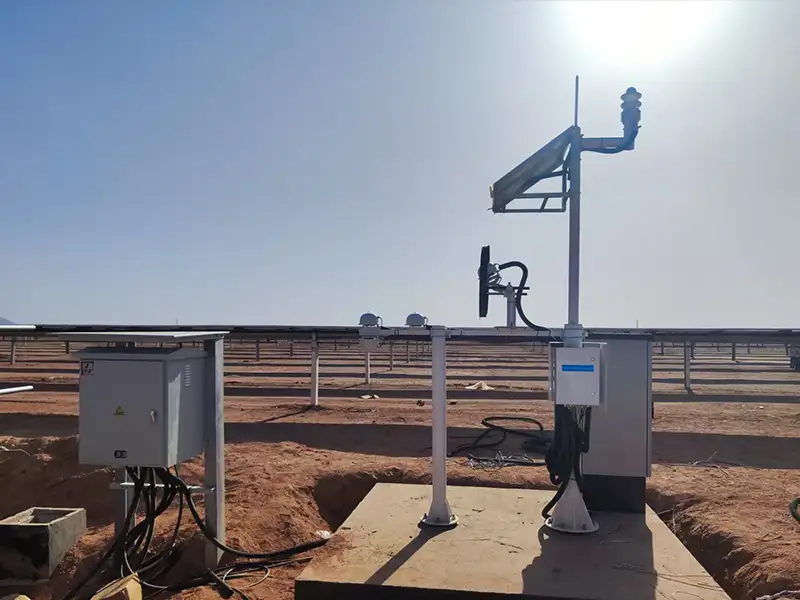
High Temperature Solar Monitoring refers to temperature and environmental monitoring at photovoltaic (PV) sites exposed to high heat. Depending on the project, measurements may include PV module temperature, ambient temperature, and solar irradiance, or focus on specific components operating at elevated temperatures. The monitoring scope should be defined by the measurement target rather than ambient temperature alone.For more information on UV exposure monitoring in photovoltaic systems, including sensor selection, installation, and data integration, see our guide to UV Sensors for Solar Panels.
High-Temperature Monitoring vs. Standard Solar Monitoring
Standard PV environmental monitoring typically measures module backsheet temperature, ambient temperature, and solar irradiance, with additional weather parameters where required. These measurements help operators assess module operating conditions alongside the local environment. For a broader overview of system configuration, see PV Environmental Monitoring System: Components, Functions & ROI Explained.
Dedicated high-temperature measurement addresses a different requirement: measuring a specific point that may exceed the operating limits of conventional sensors. When selecting a high-temperature sensor, check both its measurement range and allowable operating temperature. The probe, transmitter, cable, and data acquisition equipment may have different limits, so the complete setup must match the actual installation conditions.
When Is a Dedicated High-Temperature Monitoring Solution Needed?
High Temperature Solar Monitoring Solutions may be needed when PV sites experience sustained heat or when particular components require measurement beyond the capabilities of standard monitoring equipment. Desert and arid sites also require attention to direct solar exposure, dust, and daily temperature fluctuations. However, high ambient temperature does not automatically mean a dedicated high-temperature sensor is necessary. Selection depends on the target temperature, sensor location, installation environment, and intended use of the data.
What Parameters Should a High Temp Solar Monitoring System Measure?
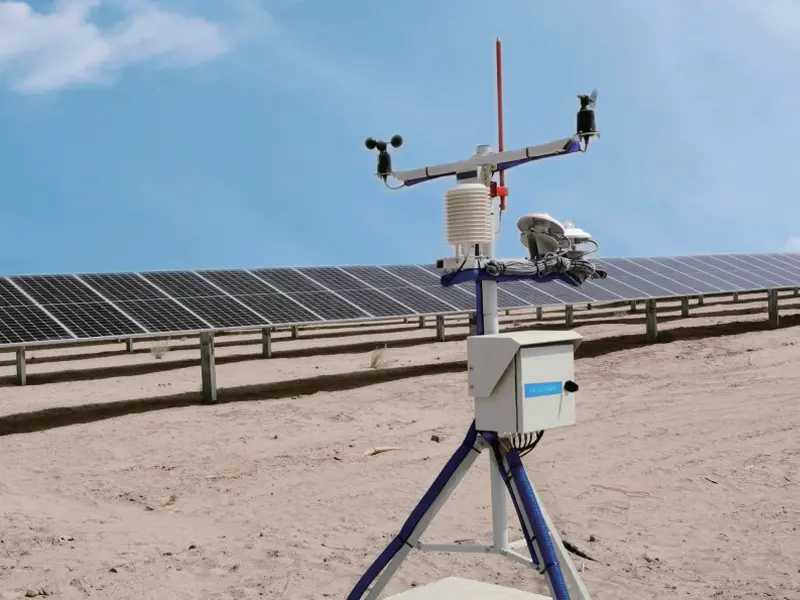
The parameters in a High Temp Solar Monitoring System depend on what the PV plant needs to monitor. Most environmental monitoring setups measure module temperature, ambient temperature, and solar irradiance. Sites exposed to extreme heat may also need additional sensors for specific components or local weather conditions.
The aim is to collect measurements that help engineers understand site conditions. Adding sensors without a clear monitoring purpose increases system complexity without necessarily providing useful information.
Temperature Monitoring
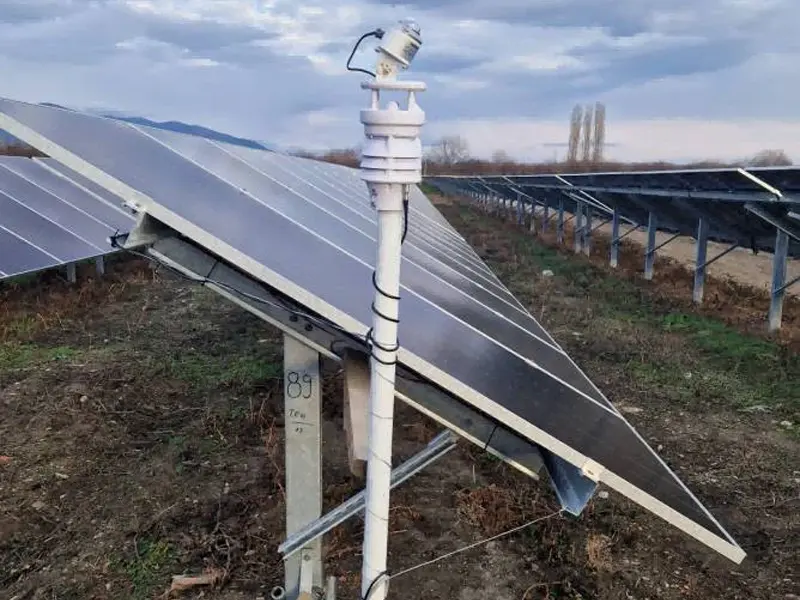
PV module temperature monitoring usually involves attaching a temperature sensor to the module backsheet. Ambient temperature is measured separately because the panel surface can become much hotter than the surrounding air under strong sunlight. Wind, mounting conditions, and heat dissipation also affect module temperature.
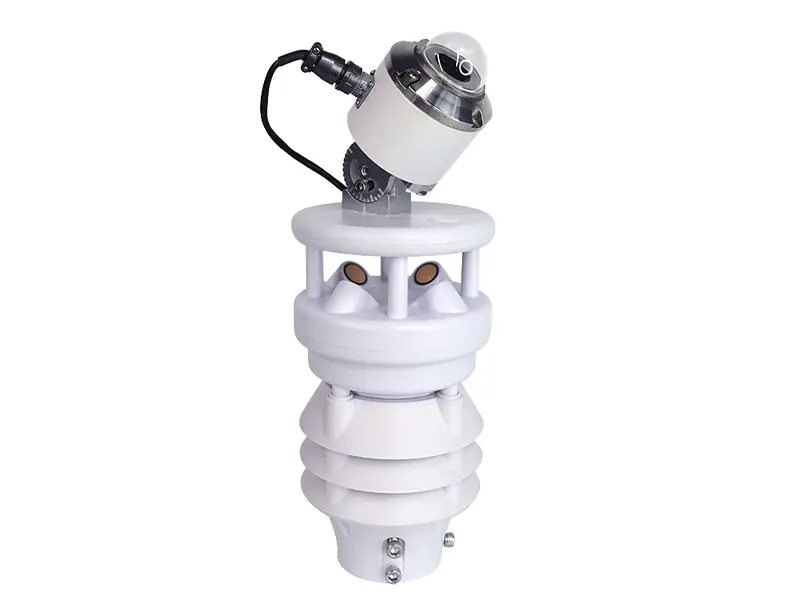
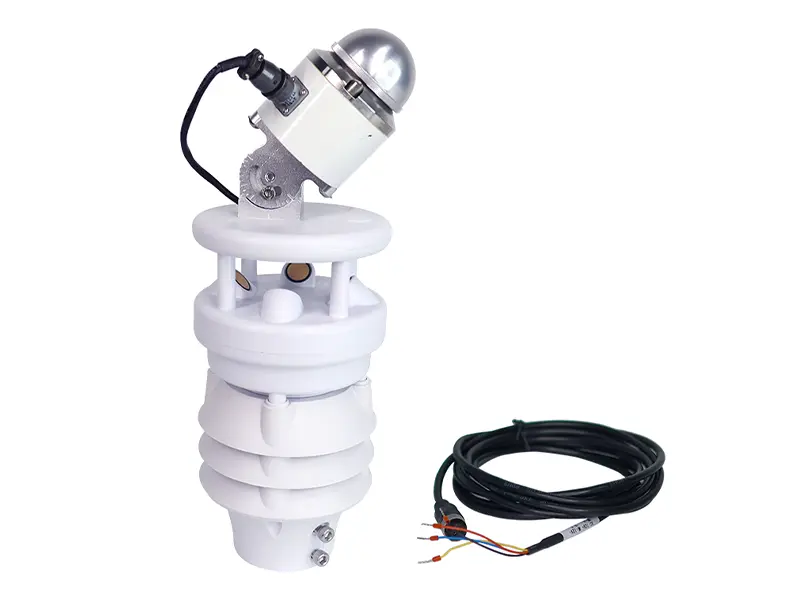
For routine PV environmental monitoring, the XF100S-CWB Compact Solar Monitoring Weather Station combines temperature and plane-of-array (POA) irradiance measurements in one unit.
Measuring the temperature of cables, electrical connections, or other components is a different task. If these points may exceed the limits of standard sensors, a dedicated high-temperature sensor may be needed. Check the expected temperature, sensor measurement range, allowable operating temperature, response time, and mounting method before choosing one.
Solar Irradiance and Weather Monitoring
Solar irradiance monitoring provides context for interpreting PV operating conditions. Plane-of-array (POA) irradiance measures solar radiation on the same plane as the PV modules, while global horizontal irradiance (GHI) measures radiation on a horizontal surface. The appropriate measurement depends on the monitoring objective. For a closer look at the different radiation components, see What Is GHI, DNI, and DHI in Solar Energy?.
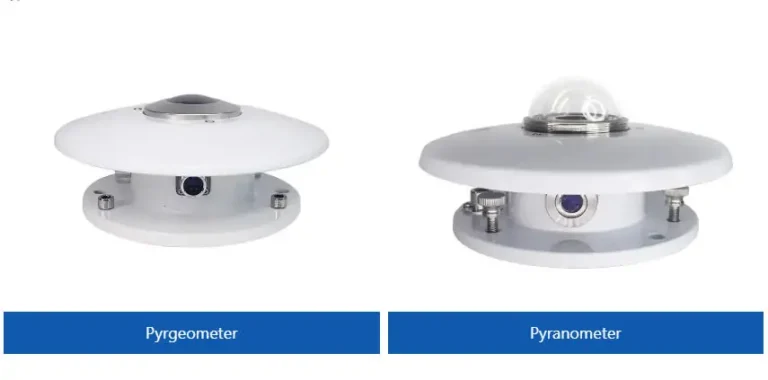
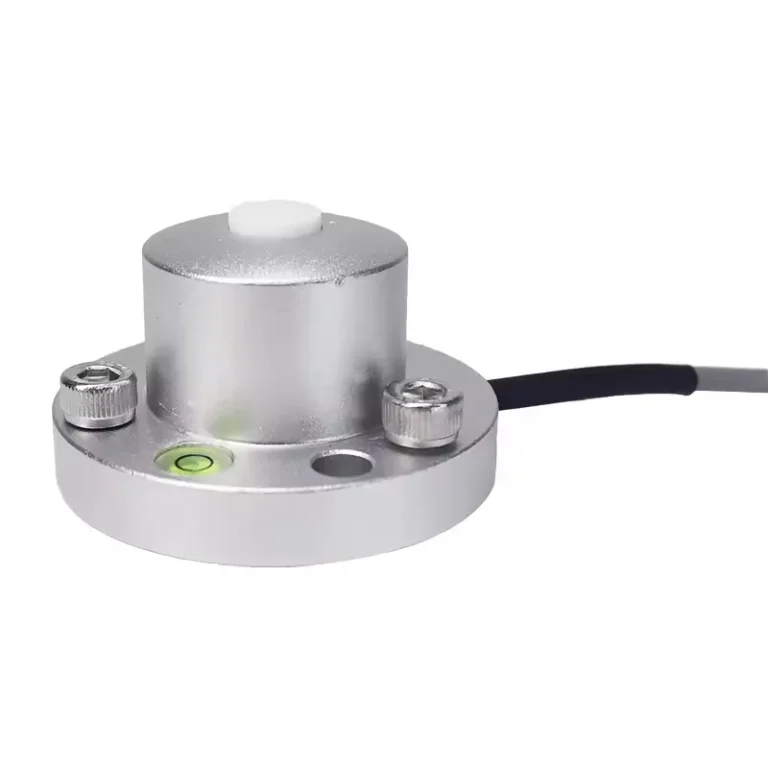
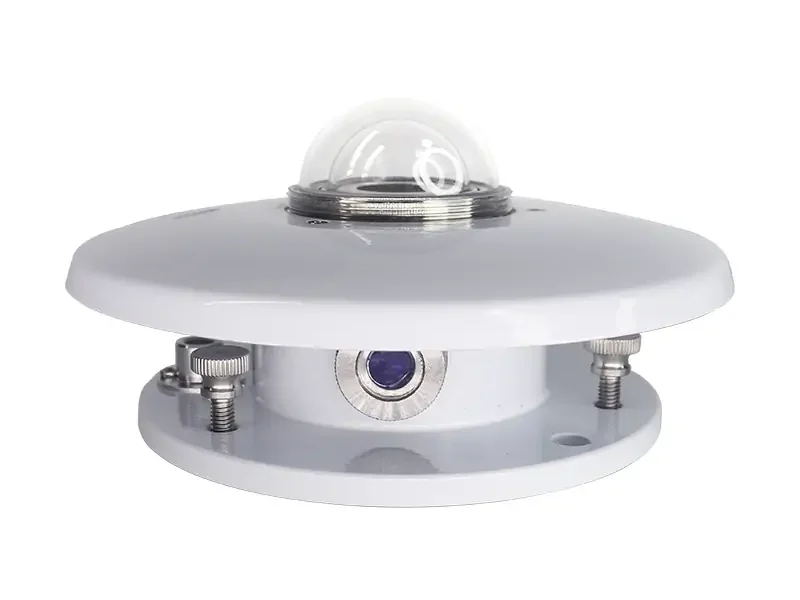
A solar radiation sensor or pyranometer can measure solar irradiance, depending on the instrument and application. The TBQ-2C Total Solar Radiation Sensor is one option for PV and meteorological monitoring. To compare instrument types before selecting equipment, see Pyranometer vs Solar Radiation Sensor: What’s the Difference?.
Projects that require direct normal irradiance (DNI) measurements need an instrument and setup suited to that measurement. The guide How to Measure Direct Normal Irradiance (DNI) Accurately covers the main measurement considerations.
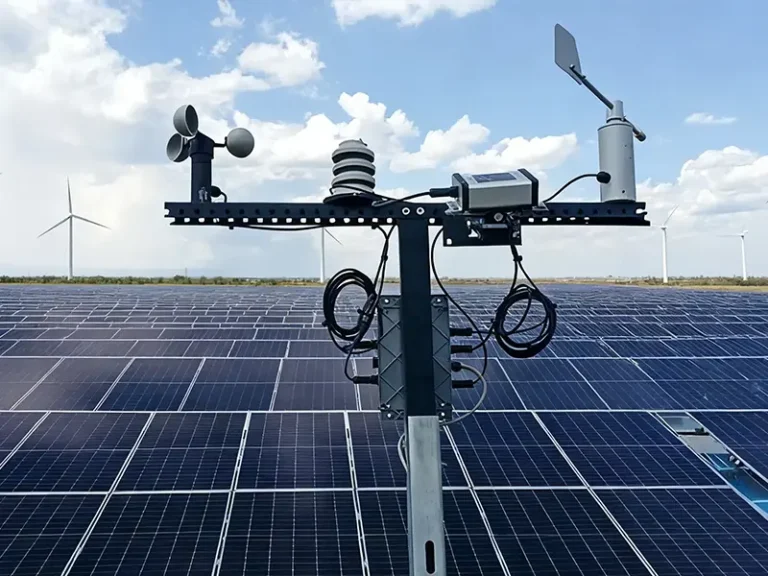
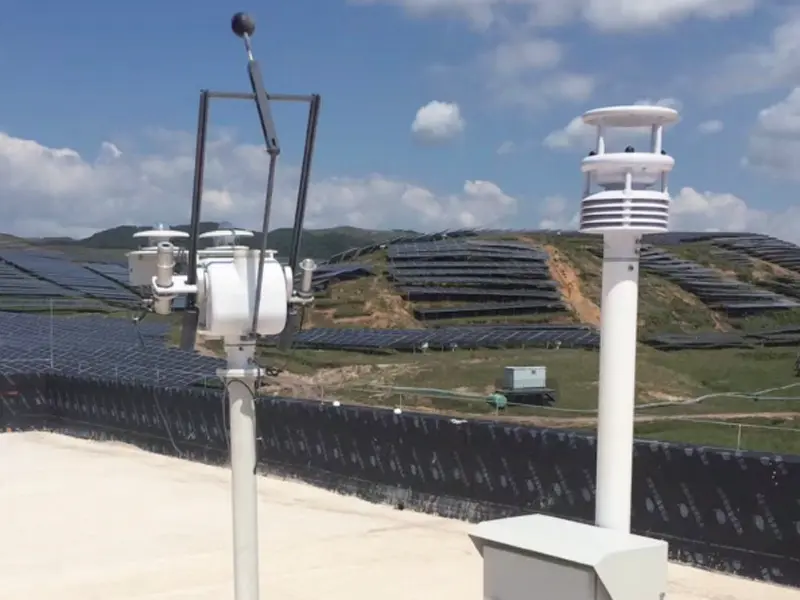
Other weather parameters may be useful depending on the site. A solar weather monitoring station can include wind speed, wind direction, relative humidity, or atmospheric pressure when these measurements support the project’s analysis requirements. For sites that need several measurements in one device, the XF500S-CWB Compact Weather Sensor for Solar integrates temperature, wind, humidity, pressure, and POA irradiance monitoring.
How to Select the Required Monitoring Parameters?
The configuration of a High Temperature Solar Monitoring System should follow the measurement objective rather than a fixed list of sensors.
- PV environmental monitoring: Start with module temperature, ambient temperature, and the appropriate irradiance measurement. Add weather sensors if the project needs them.
- Specific high-temperature components: Identify the measurement point and expected temperature before checking sensor range, construction, response time, and installation requirements.
- Remote or desert sites: Consider power supply, communication coverage, data logging, dust exposure, and access for maintenance.
A solar environmental monitoring system may also receive current, voltage, or inverter status data from compatible equipment. These are electrical operating parameters, however, and are not automatically included in environmental monitoring.
Main Technical Requirements for High-Temperature Solar Monitoring
High temperatures can affect sensor measurements, electronic equipment, and the continuity of data collection at PV sites. A High Temperature Solar Monitoring System must suit the actual installation environment, not just the temperature it needs to measure. Sensor selection, installation, power supply, and data handling all influence long-term monitoring performance.
Sensor Temperature Range and Measurement Accuracy
When selecting a high-temperature sensor, check three separate limits: the probe’s measurement range, the transmitter’s operating temperature, and the complete system’s allowable ambient temperature. A probe rated for high temperatures does not mean its electronics can withstand the same conditions.
Measurement accuracy, resolution, and response time describe different aspects of performance. For contact temperature measurements, probe placement, contact quality, and heat transfer between the sensor and target can affect readings. Ambient temperature sensors also need suitable radiation shielding and ventilation to limit direct solar heating.
Heat, UV, Dust, and Weather Protection
For high-temperature solar monitoring in outdoor environments, check enclosure protection, UV resistance, connector sealing, cable temperature limits, and lightning protection. Dust, condensation, and repeated day–night temperature changes can also affect equipment over time.
These checks are particularly relevant to desert solar monitoring, where intense sunlight and airborne dust may occur together. An IP rating indicates protection against specified ingress conditions; it does not establish resistance to prolonged heat or UV exposure. Verify these requirements separately against the expected site conditions.
Stable Power Supply and Data Communication
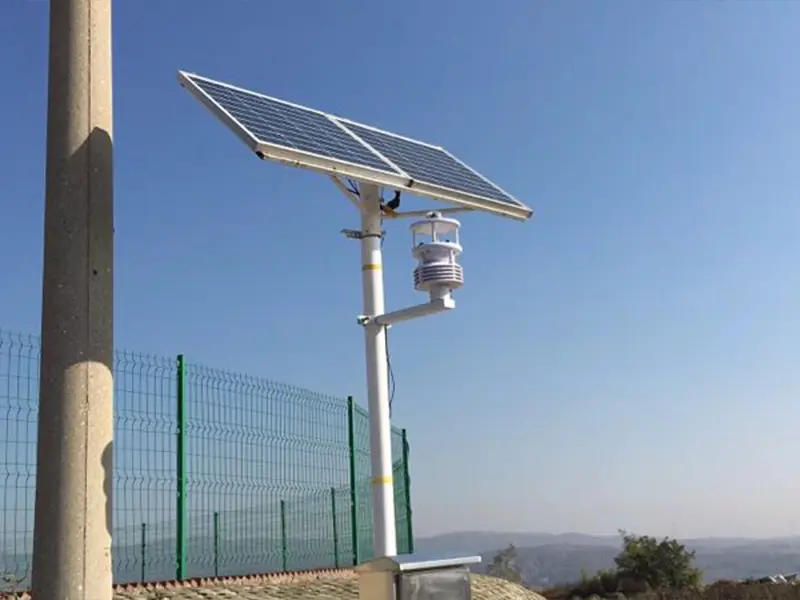
Power and communication requirements depend on the site’s location and access to infrastructure. For a solar-powered wireless temperature sensor, check battery capacity, charging conditions, nighttime operation, and performance during consecutive cloudy days. The battery’s operating temperature limits must also suit the installation environment.
RS485/Modbus and Ethernet support wired communication, while 4G and LoRa serve different wireless applications. A solar monitoring data logger should have sufficient storage for network interruptions. Check whether the equipment supports automatic data recovery and retransmission after communication resumes.
Calibration and Data Quality
Reliable remote temperature monitoring depends on correct sensor placement, calibration, sampling frequency, and time synchronization. Routine checks should identify missing data, implausible readings, and communication interruptions before they affect analysis.
For PV performance monitoring, consult the applicable requirements of IEC 61724-1 and the specifications of the installed instruments. The relevant requirements depend on the monitoring application and equipment configuration.
How to Verify a High Temp Solar Monitoring System for Real-World Conditions?
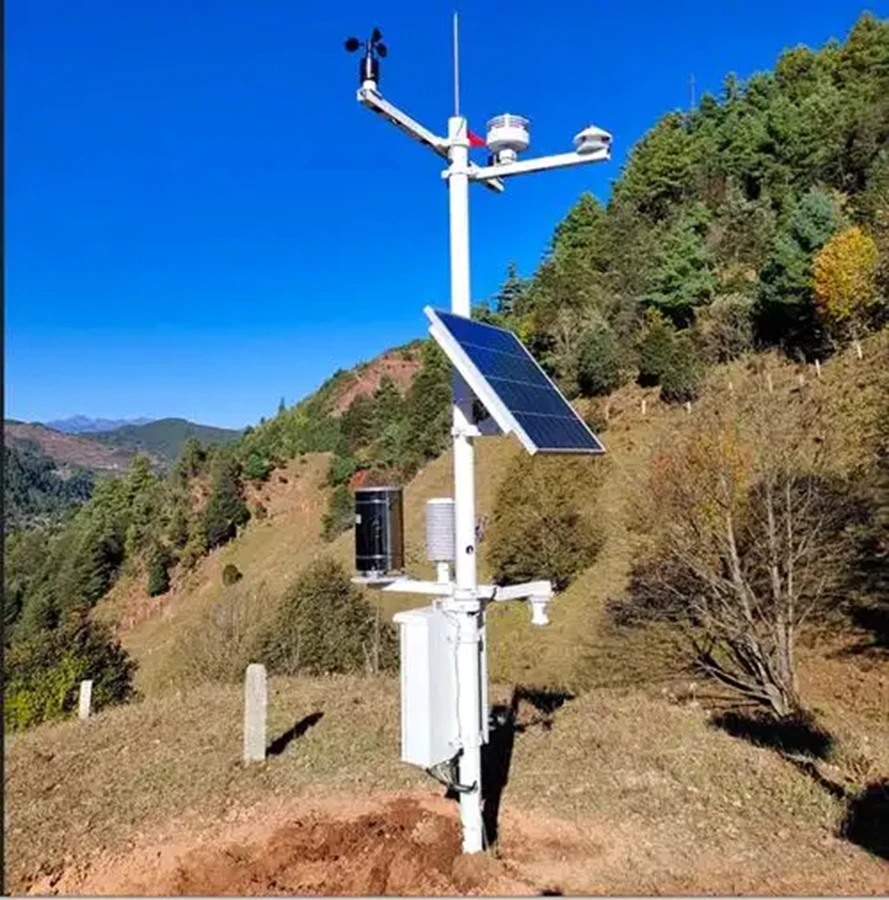
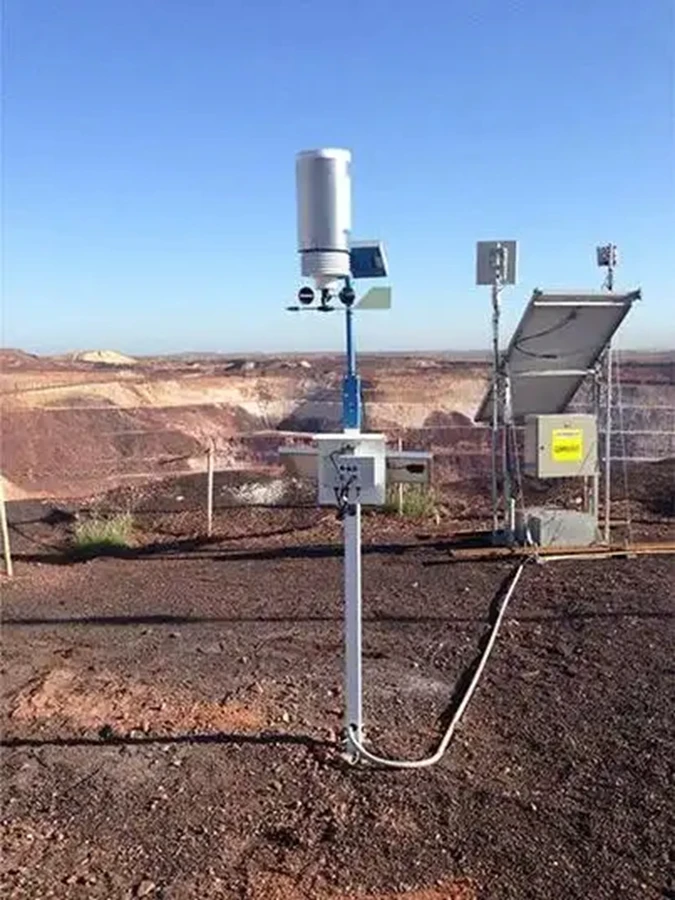
Before selecting a High Temp Solar Monitoring System, check how it will perform during the site’s hottest operating periods. The sensors, connected electronics, and data acquisition equipment must all suit the installation conditions.
Check the Complete Measurement Chain
Compare the expected site temperature with the limits of the probe, transmitter, cables, data logger, and power supply. A probe’s measurement range does not establish the temperature tolerance of the complete system.
For PV module temperature monitoring, confirm that the sensor can be securely mounted on the module backsheet. For dedicated high-temperature measurements, check whether both the probe and its electronics suit their respective installation locations.
Also verify signal compatibility, communication interfaces, and protocols. The high-temperature sensor operating range is only one factor in determining system suitability.
Evaluate Data Quality Under Site Conditions
Review temperature and irradiance records collected during hot, sunny periods. Ambient temperature sensors need appropriate radiation shielding, while module temperature probes require good thermal contact with the backsheet.
Check timestamps, missing records, and unexpected fluctuations. Comparing temperature readings with irradiance and ambient conditions can help identify data that needs further investigation, although these comparisons alone cannot confirm a sensor fault.
Finally, confirm whether the system stores readings during communication outages and can recover them when the connection returns. These checks help assess solar monitoring system accuracy and the suitability of remote temperature monitoring for the site.
High Temp Solar Monitoring Solutions for Different Applications
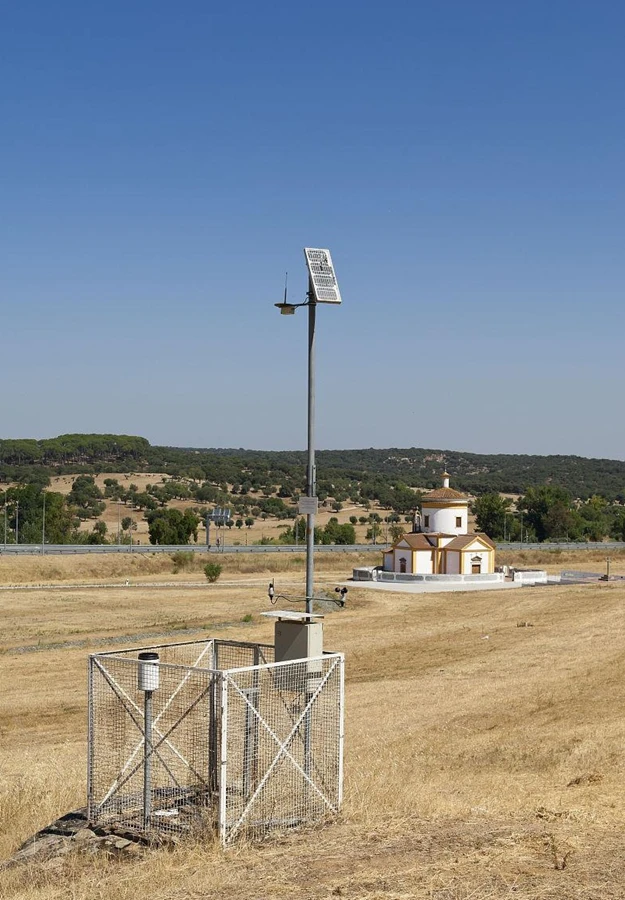
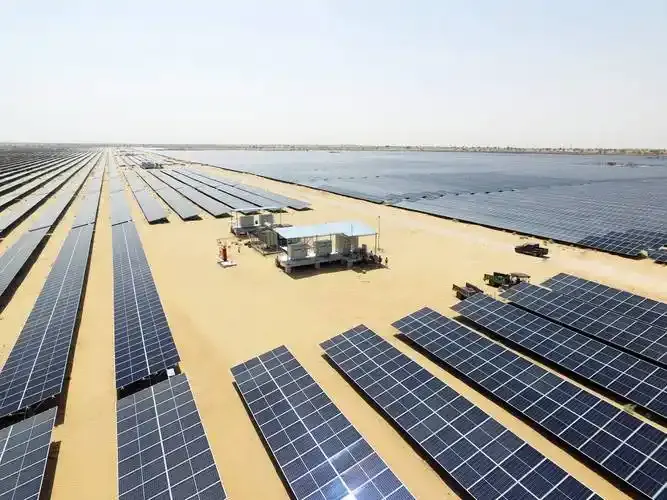
Solar monitoring requirements vary with the site and the data needed. Utility-scale PV plants need consistent irradiance and temperature measurements, while desert installations place greater demands on equipment protection and maintenance. Remote temperature monitoring of hot cables or electrical connections may require a separate sensor system.
High-Temperature Monitoring for Utility-Scale PV Plants
For utility-scale PV plants, irradiance, module temperature, and weather data help operators assess site conditions and analyze power generation. Measurement points should reflect the PV array layout and monitoring objectives. The XF100S-CWB Compact Solar Monitoring Weather Station combines POA irradiance and temperature measurements in one unit. Before installation, confirm that its data outputs are compatible with the plant’s data logger or monitoring platform.
Solar Monitoring in Desert and Arid Environments
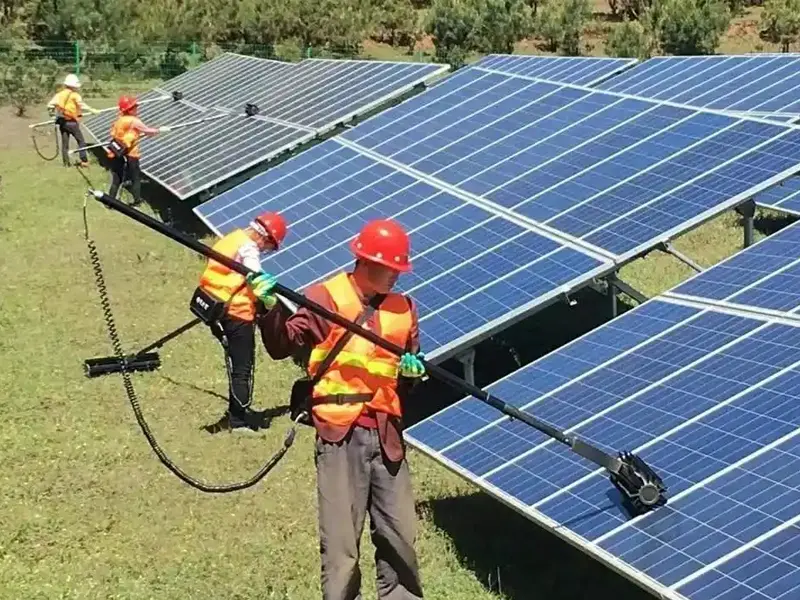
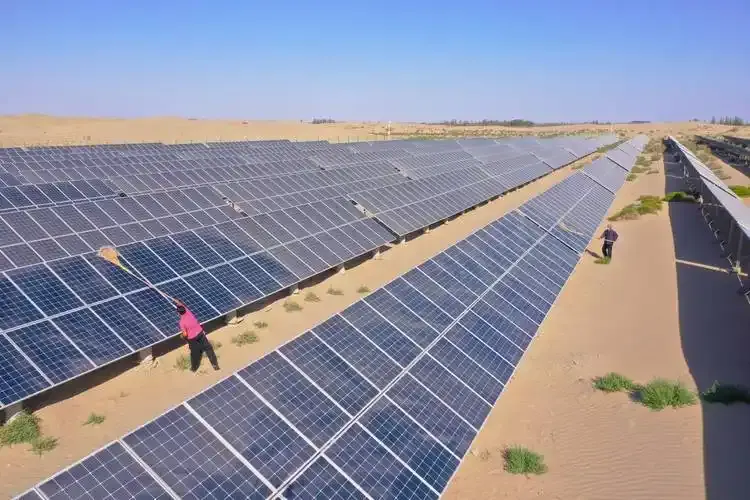
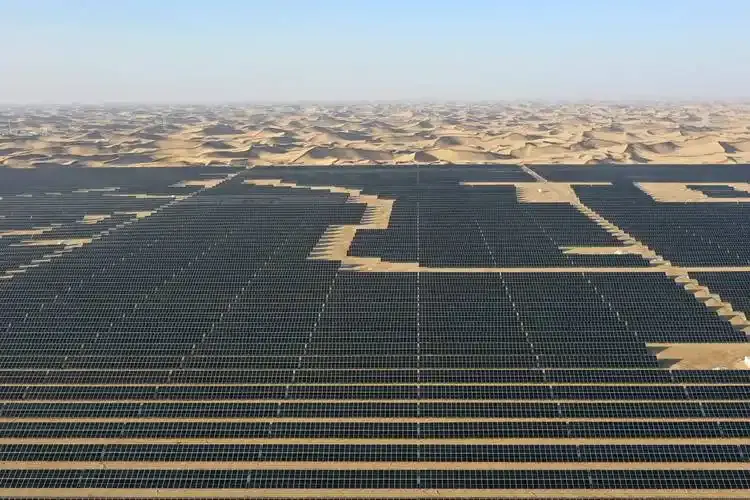
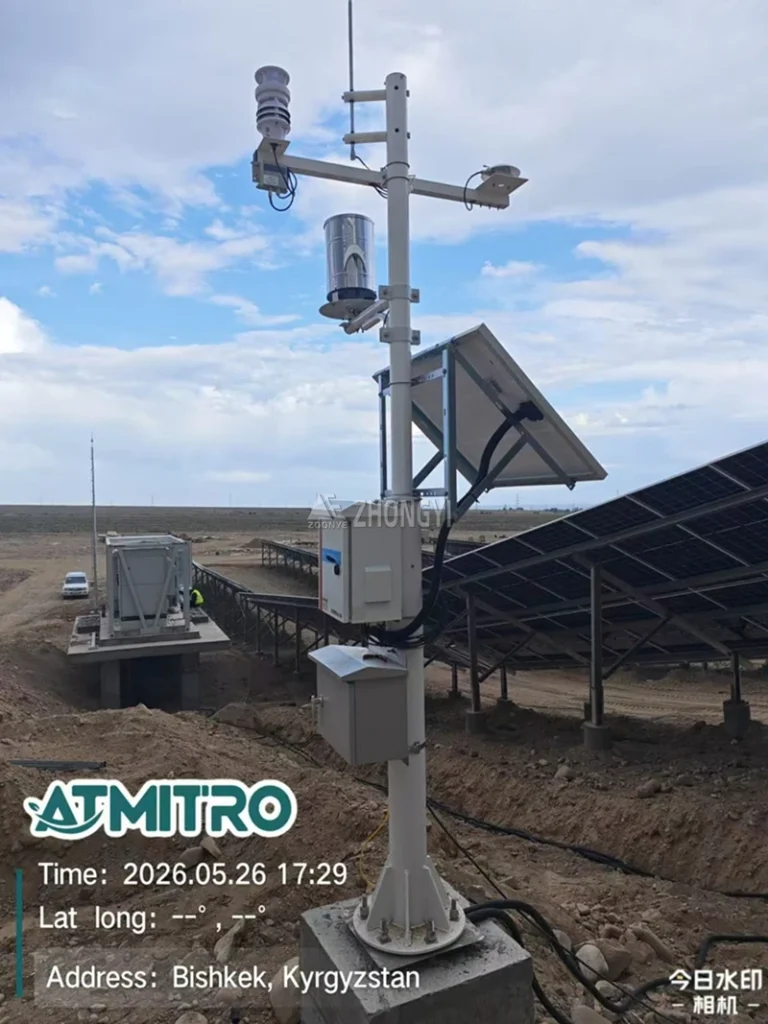
High solar radiation, airborne dust, and large day–night temperature changes can affect desert solar monitoring equipment and increase maintenance needs. Sensor protection, cleaning access, communication coverage, and power consumption should all be considered during system planning. At remote sites without grid power, evaluate solar panel capacity and battery storage against the equipment’s energy demand before choosing a solar monitoring system for extreme heat.
Wireless Temperature Monitoring for Hot Components and Cables
Temperature monitoring for hot cables and electrical connections differs from routine PV module temperature monitoring. These applications may require a dedicated high-temperature sensor with a suitable probe range and electronics rated for the installation environment. For a wireless temperature monitoring system, verify communication distance under actual site conditions and confirm how the sensor will be powered. A solar-powered wireless temperature sensor must meet both requirements; wireless communication does not itself provide a power supply.
How to Choose the Right High Temp Solar Monitoring Solution?
Choosing a High Temp Solar Monitoring Solution starts with the measurement task. Monitoring PV module temperature and solar irradiance requires a different setup from measuring high temperatures at cables or electrical connections. Define the measurement points and expected conditions before deciding which sensors the project needs.
Check the sensor’s measurement range, accuracy, and operating temperature limits. These specifications describe different aspects of performance. For outdoor PV sites, dust, moisture, direct sunlight, and maintenance access can also affect sensor installation and long-term operation.
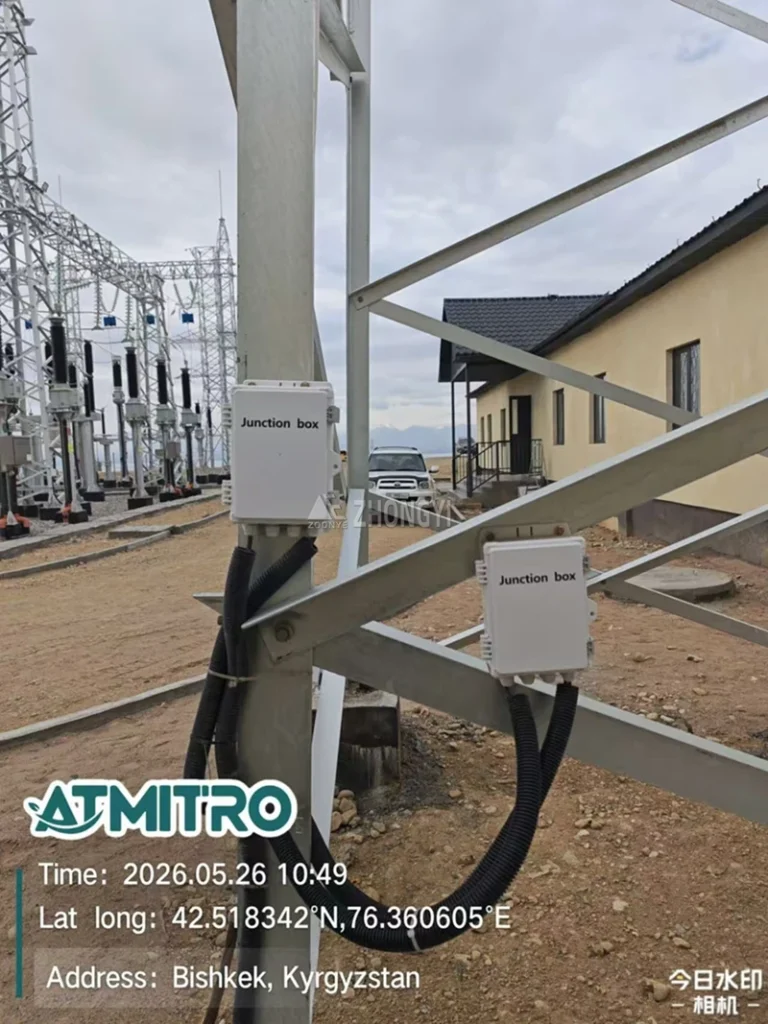
The data acquisition system needs the same attention. Match sensor outputs and communication protocols to the data logger or existing monitoring platform. For remote installations, power availability, communication coverage, and data storage during network outages may also affect solar monitoring system integration.
Yantai Sensor’s Solar PV Industry Solutions provides a starting point for matching measurement requirements and site conditions with suitable monitoring equipment. Before finalizing a High Temp Solar Monitoring System, verify the selected equipment’s specifications and compatibility with the project setup.
What to Consider When Working with a Solar Monitoring Equipment Supplier?
Before ordering High Temperature Solar Monitoring Solutions, make sure the proposed equipment suits the measurement task and site conditions. A clear specification review can also prevent interface mismatches and unnecessary changes during installation.
| What to Verify | What to Confirm |
| Measurement Specifications | Sensor measurement range, accuracy, and operating temperature limits |
| Installation Conditions | Probe placement, cable requirements, and outdoor exposure |
| Data Compatibility | Output signals, communication protocols, and data logger compatibility |
| Project Requirements | Measurement points, power supply, and maintenance access |
When contacting Yantai Sensor, share the measurement target, expected temperature range, required parameters, installation environment, power availability, and data interface. These details provide a practical starting point for discussing suitable equipment and solar monitoring system integration.
Common Mistakes in High-Temperature Solar Monitoring
In high-temperature solar monitoring, incorrect sensor selection or installation can lead to misleading readings and gaps in monitoring data. These five issues are worth checking when specifying equipment and reviewing an installation.
- Selecting by maximum temperature alone: Check the probe’s measurement range separately from the operating temperature limits of the transmitter, data logger, and other electronics.
- Confusing ambient and module temperatures: Ambient air temperature and PV module backsheet temperature serve different purposes. The sensor type and installation position must match the intended measurement.
- Ignoring direct solar radiation: An ambient temperature sensor without suitable radiation shielding may absorb heat from sunlight and report a temperature higher than the surrounding air.
- Overlooking power and communication limits: Remote sites need sufficient power for overnight operation and reliable data collection. Check data storage and recovery after network interruptions.
- Assuming enclosure protection means heat resistance: An IP rating describes protection against specified dust and water ingress, not resistance to prolonged heat or UV exposure. Verify these limits separately.
Conclusion
A suitable High Temp Solar Monitoring system must match the site’s measurement needs and operating conditions. Sensor range, electronics temperature limits, installation, power supply, and data communication all affect measurement accuracy and system operation. Checking these requirements before installation helps avoid equipment mismatches and data gaps.
Yantai Sensor offers monitoring equipment for different PV applications. Contact our team with your measurement targets, expected temperature range, site conditions, and data interface requirements to discuss suitable High Temperature Solar Monitoring Solutions.