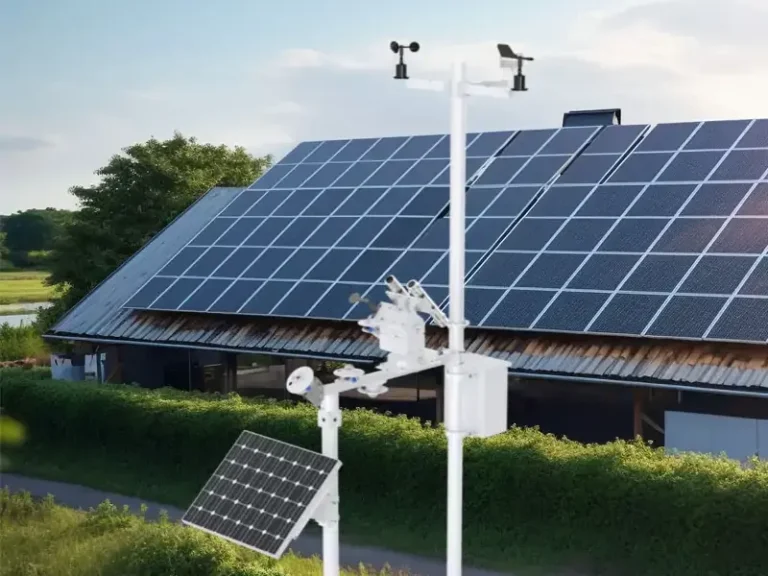
In meteorological monitoring, environmental assessment, and industrial safety, anemometers are indispensable measurement tools. So, what is an anemometer? what is an anemometer used to measure? What are its working principles and applications? Many people have heard about wind speed in weather forecasts, but may not understand the definition and technical principles of anemometers.
Let me take you to explore this issue in depth!
What is an anemometer?
Define anemometer:
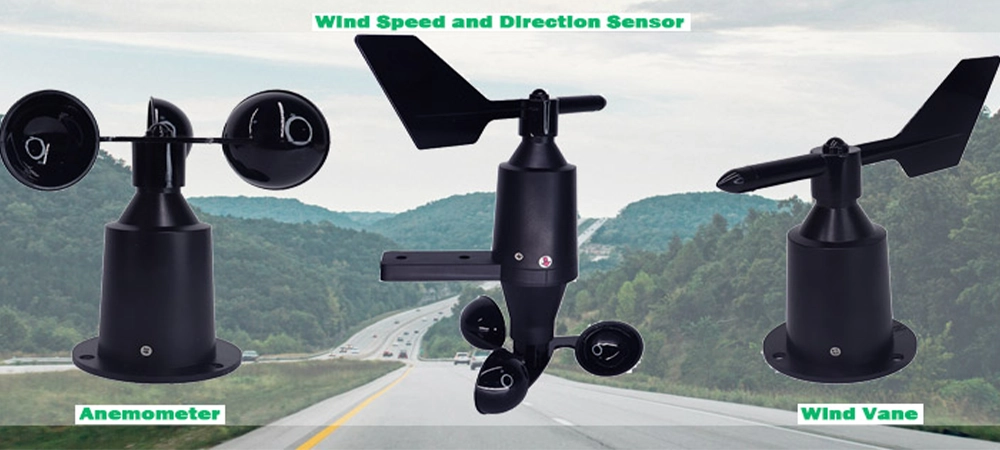
An anemometer is an instrument used to accurately measure wind speed, wind direction, and airflow characteristics. It converts dynamic changes in wind into readable data through mechanical structures or electronic sensing technology. Simply put, it’s a tool for measuring how fast the wind is.
what is measured by an anemometer?
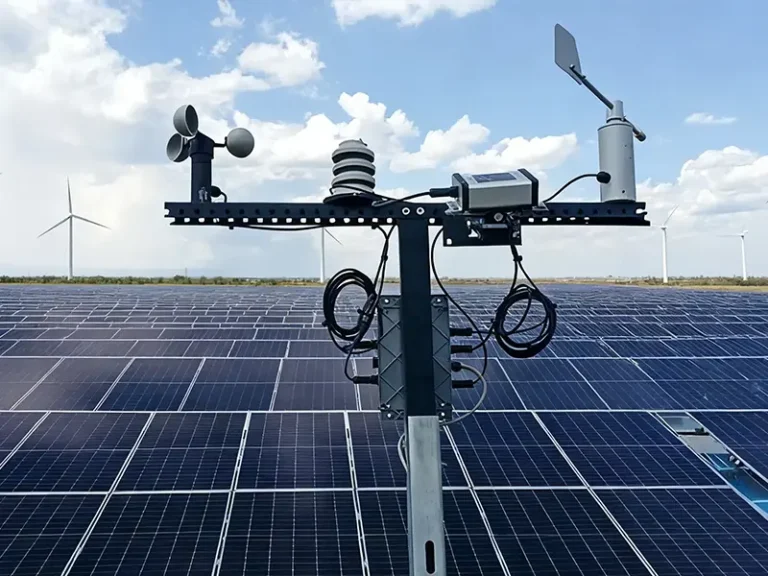
The core function of an anemometer is to convert the speed and direction of airflow into measurable data. Depending on the technical structure and application requirements, anemometers employ various working principles:
Ultrasonic Anemometer:
Ultrasonic anemometers calculate wind speed and direction by measuring the time difference of ultrasonic pulses propagating in the windward and upstream directions. They do not rely on any moving mechanical parts and offer advantages such as fast response, high accuracy, maintenance-free operation, and strong long-term stability. They are widely used in weather stations, wind power generation, bridge monitoring, and smart city projects.
Mechanical Anemometer (Cup Anemometer):
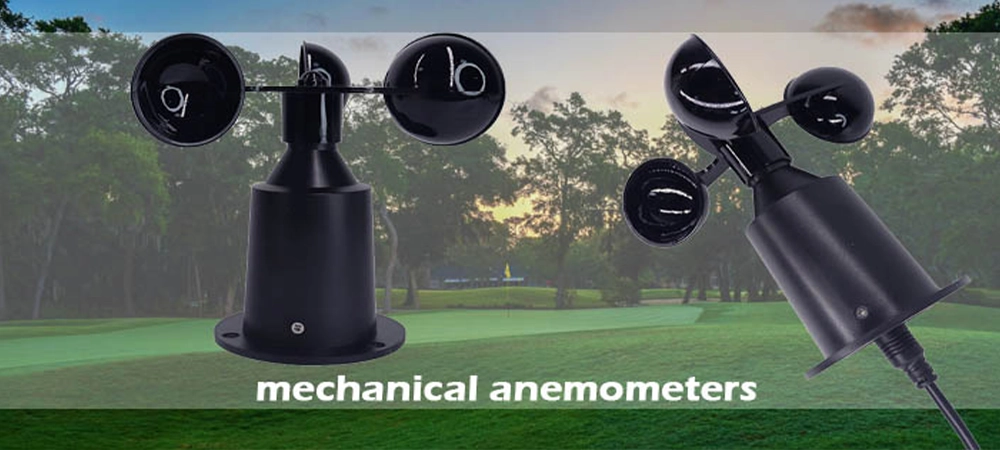
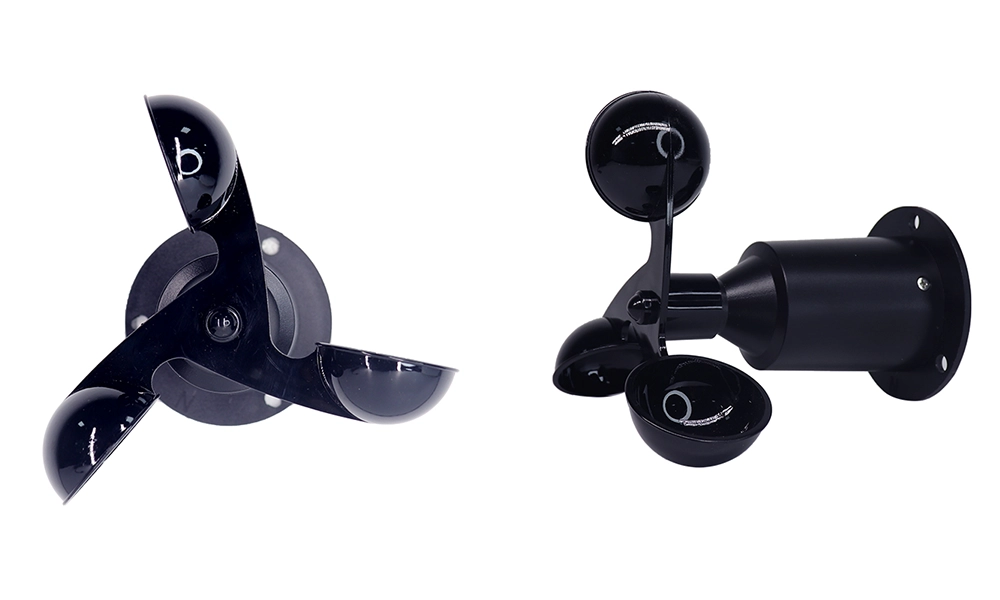
Mechanical anemometers are the most commonly used traditional type. Their principle utilizes wind power to drive a cup to rotate, obtaining accurate measurement data through the linear relationship between rotation speed and wind speed. They have a simple structure and high reliability, making them particularly suitable for outdoor scenarios such as construction sites, agriculture, tower cranes, and environmental monitoring.
Other Types of Anemometers:
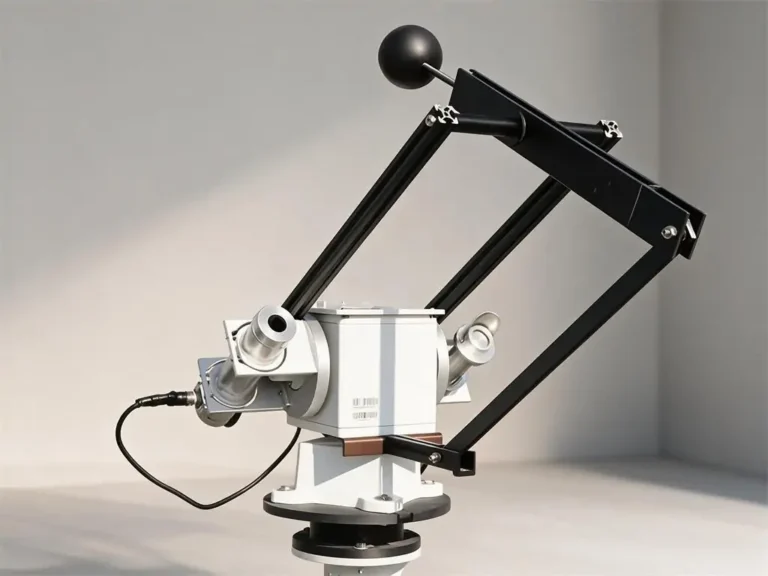
In addition, there are thermal anemometers (based on the heat dissipation principle of a thermal element), pressure anemometers (measuring airflow velocity based on air pressure difference), and laser Doppler anemometers (utilizing optical scattering and the Doppler effect), which are suitable for professional fields such as HVAC systems, scientific research experiments, and aerospace.
Who uses anemometers?
Who uses anemometers?Anemometers are essential for anyone or organization who wants to understand the weather conditions!
- Meteorology: Core equipment in weather stations, used for weather forecasting, climate research, and storm monitoring.
- Aviation: Ensures safe aircraft takeoff and landing, and controls wind direction and speed.
- Navigation: Provides real-time wind condition information for ship navigation.
- Architecture and Civil Engineering: Assesses the wind load capacity of structures such as high-rise buildings and bridges.
- Industrial Safety: Monitors the wind speed in the working environment of high-altitude equipment such as cranes and tower cranes.
- Agriculture: Studies the impact of climate on crops and assists in pest and disease prediction.
- Environmental Monitoring: Used for air quality monitoring and diffusion research.
- Sports and Recreation: Sports such as sailing, kitesurfing, golf, and mountaineering all require wind speed information.
- HVAC Systems: Measures and adjusts airflow in ventilation ducts.
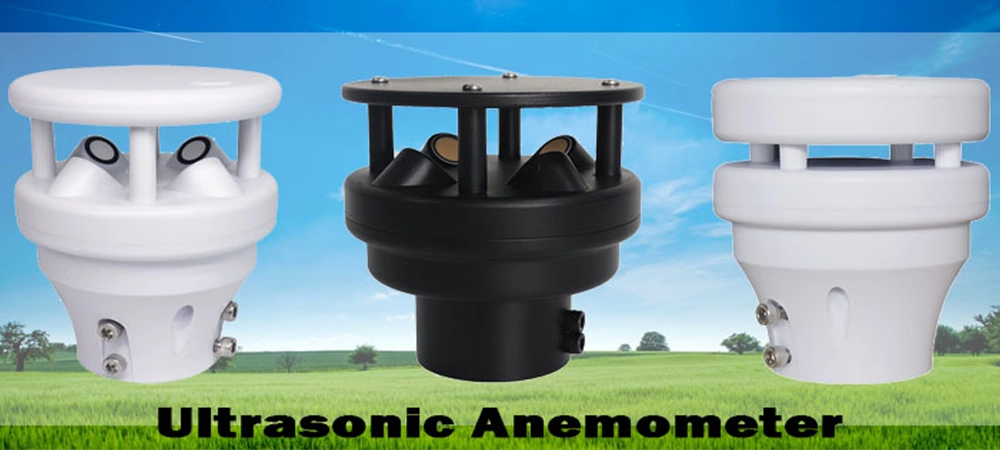
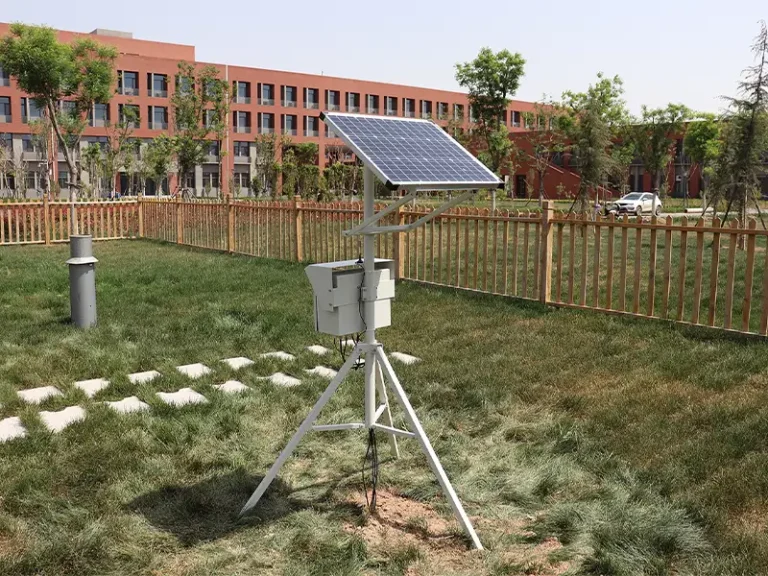
Anemometers are a crucial component of meteorological instruments, widely used in various meteorological monitoring systems to accurately measure wind speed and direction. Their working principles vary depending on the type; for example, ultrasonic anemometers measure wind speed and direction by calculating the time difference, while mechanical anemometers utilize wind power to drive the rotation of wind cups to acquire data. Anemometers are widely used in meteorological monitoring, wind power generation, environmental assessment, and other fields, helping to monitor weather changes and environmental dynamics in real time. (For example, the XF500 five-element weather station is equipped with ultrasonic wind speed and direction sensors, providing accurate wind speed data; while the RYQ-3 weather station is equipped with an anemometer, widely used in meteorological monitoring and environmental assessment.)
Yantai sensor offers a variety of anemometers and wind speed and direction sensors, covering different ranges and accuracies to meet diverse customer needs. Our product quality testing center is CNAS certified, ensuring reliable product quality. As a professional manufacturer, we not only have independent R&D and production capabilities but also provide customized services to help you solve specific application needs.
If you have any questions about anemometers or require customization, please feel free to contact our professional team. We will provide you with comprehensive technical support and services.