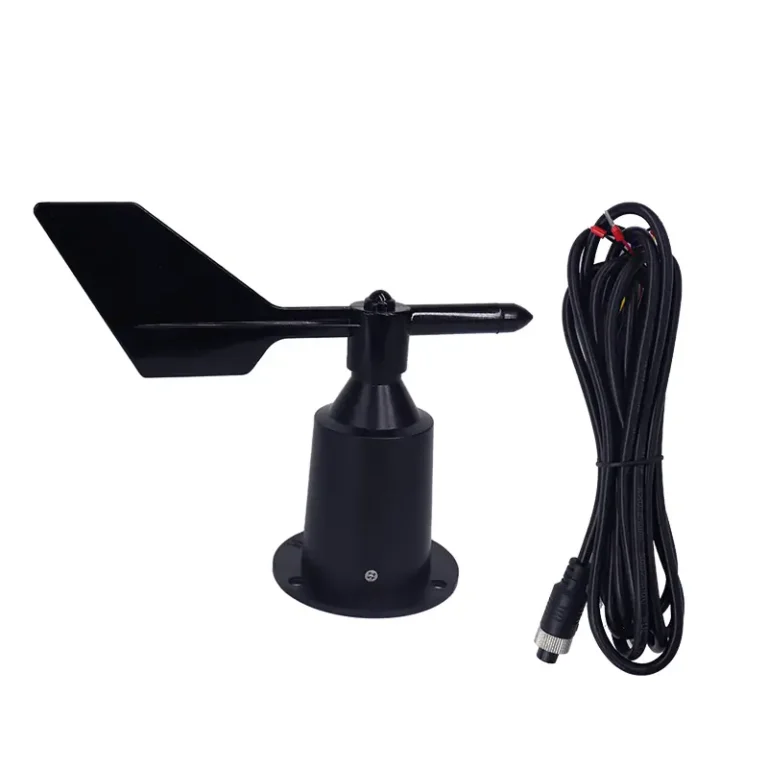
In modern meteorological monitoring and environmental assessment, digital anemometers play a crucial role. Whether in wind farms, smart city environmental monitoring systems, or maritime navigation and aviation operations, obtaining precise wind speed and direction data is vital for operational efficiency and safety assurance.
How to Use a Digital Anemometer? This article provides an in-depth analysis of this core question, systematically explaining the usage methods, key precautions, and how to select higher-precision, more reliable wind measurement equipment. Additionally, we briefly introduce a high-performance professional measurement instrument—the XF200AS Ultrasonic Wind Speed and Direction Sensor—to help you achieve more stable and accurate monitoring data in practical applications.
What is a Digital Anemometer?
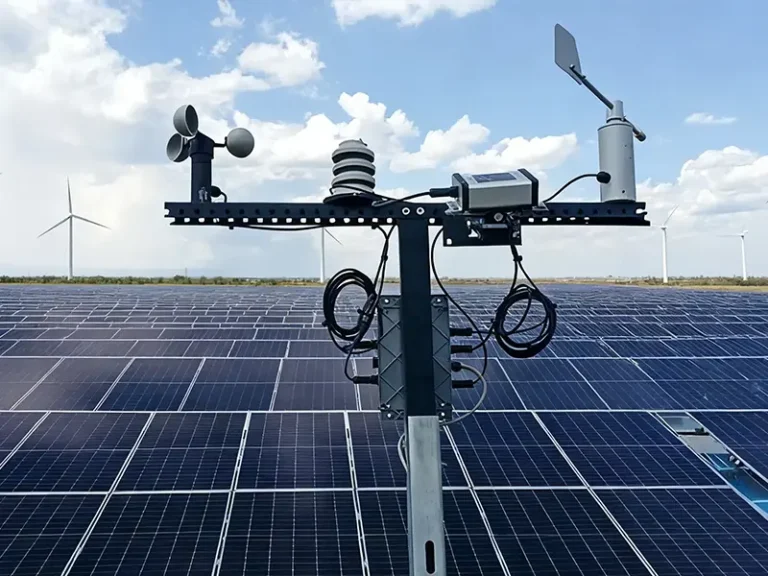
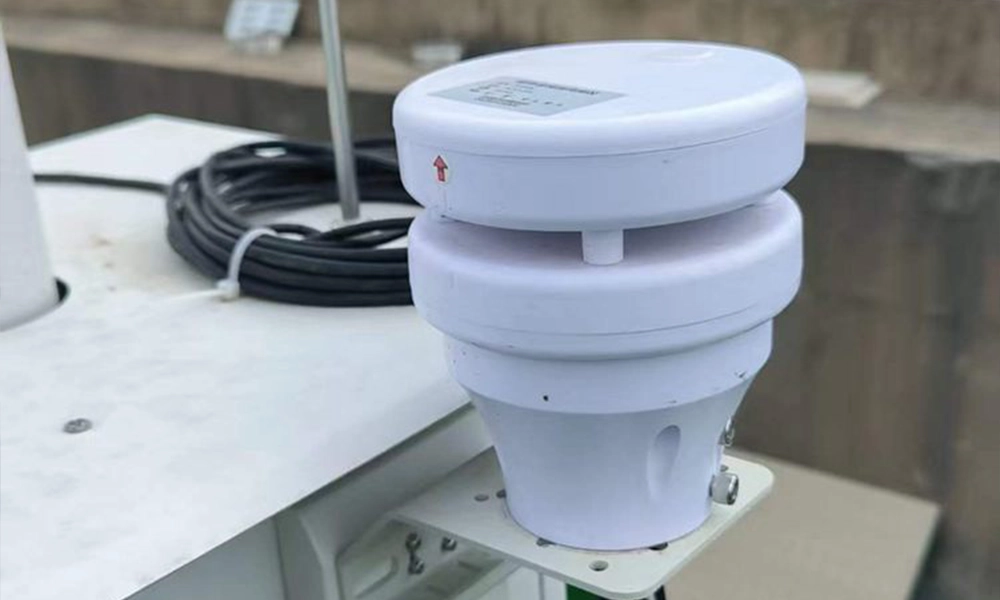
A digital anemometer is an electronic device used to measure wind speed and direction. It captures airflow changes through built-in sensors (such as ultrasonic, thermal, or laser sensors) and converts these changes into electrical signals, ultimately displaying wind speed and direction data in digital form. Compared to traditional mechanical anemometers, digital anemometers offer higher measurement accuracy, faster response times, and are unaffected by mechanical wear, ensuring stable performance over long-term use.
how does a Digital anemometer work?
Digital anemometers work by capturing airflow changes through electronic sensing elements, such as ultrasonic time-of-flight or precision vane sensors, to convert wind speed and direction into accurate, real-time digital data for meteorology, wind energy, construction safety, and environmental monitoring.
Applications of Digital Anemometers
Meteorological Monitoring
In weather stations, digital anemometers are widely used for real-time monitoring of wind speed and direction, providing accurate data for weather forecasting. Their high precision and rapid response make them ideal tools for meteorological research.
Wind Power Generation
Wind farms require precise wind speed measurements to optimize power generation efficiency. Digital anemometers provide reliable data support, helping determine the best turbine layout and operational strategies.
Urban Environmental Monitoring
In urban environments, digital anemometers help monitor air quality and assess pollutant dispersion. Their durability and low maintenance requirements make them ideal for long-term deployment.
Maritime and Aviation
In maritime and aviation fields, accurate measurement of wind speed and direction is critical for safe navigation. The fast response and high reliability of digital anemometers make them the preferred choice in these areas.
Bridges and Tunnels
In bridge and tunnel construction, digital anemometers can be used to monitor wind loads, ensuring structural safety. Their maintenance-free nature significantly reduces long-term costs.
How to Use a Digital Anemometer
Device Installation
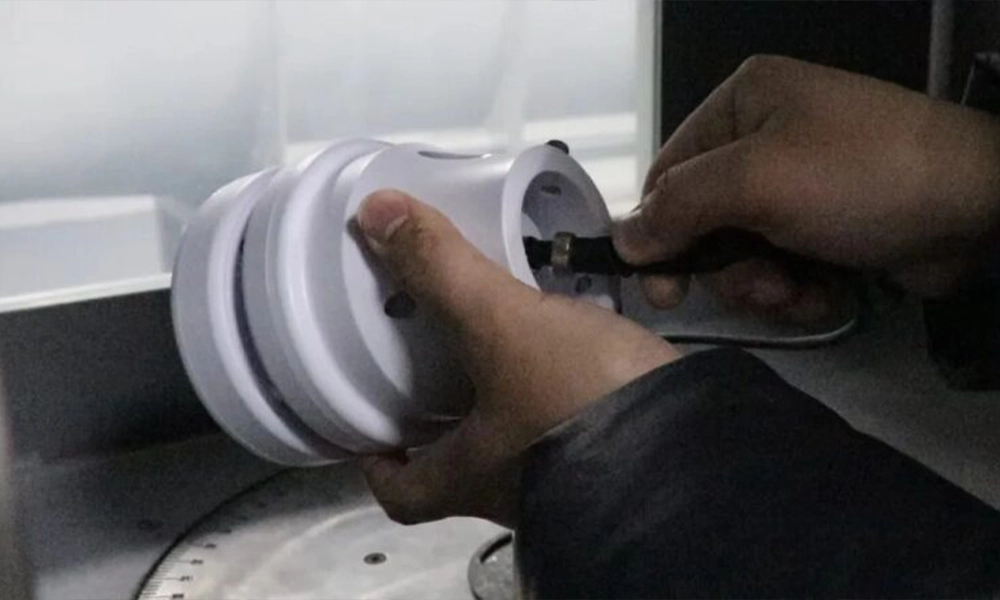
Choose an open and unobstructed location to install the digital anemometer to ensure accurate measurement data. Avoid areas near buildings or trees to prevent airflow interference.
Power On and Calibration
Turn on the device and perform initial calibration according to the manual. Most digital anemometers have an automatic calibration function, but manual checking is recommended during initial use to ensure accuracy.
Data Reading
Once the device is activated, the screen will display real-time wind speed and direction data. Some advanced models also support data storage and export functions for further analysis.
Data Analysis
Import the measurement data into a computer or mobile device and use professional software for analysis to generate reports or charts. This is particularly important for long-term monitoring and trend analysis.
Maintenance and Care
Although digital anemometers generally require minimal maintenance, regular checks of sensors and battery status are necessary. Clean the sensor surface to ensure its sensitivity.
Application of the XF200AS Ultrasonic Sensor in Wind Speed and Direction Monitoring
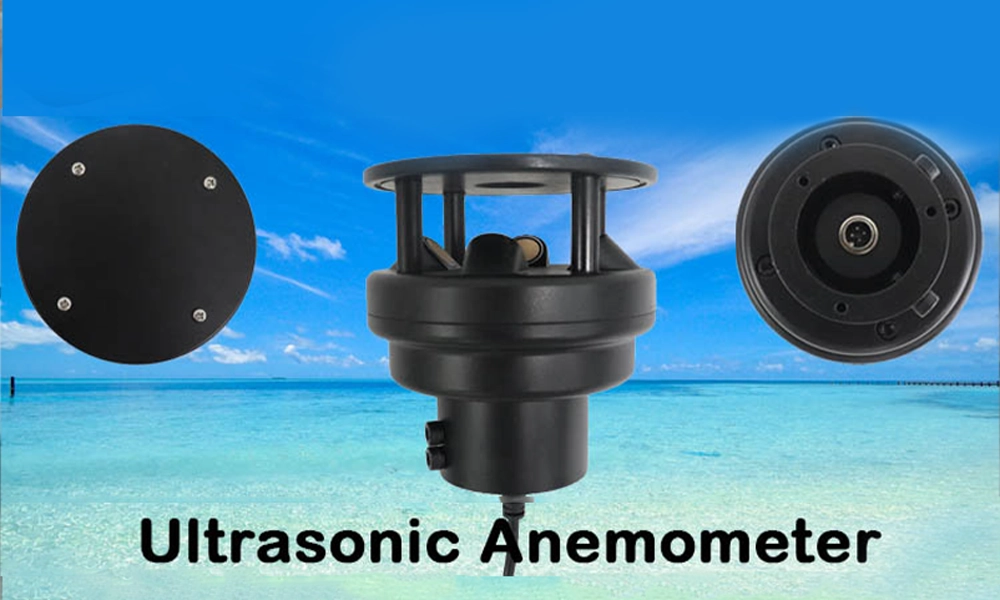
The XF200AS Ultrasonic Wind Speed and Direction Sensor is a professional-grade environmental monitoring instrument designed for high-precision, high-frequency wind speed and direction measurement. Featuring advanced ultrasonic measurement principles and a rugged structural design, it is widely used in meteorological observation, environmental assessment, engineering safety monitoring, and industrial applications.
The XF200AS adopts an integrated compact design, combining modern microelectronics technology with precision acoustic sensing mechanisms. It adapts to various complex and harsh outdoor environments, delivering continuous, accurate wind field data.
Working Principle:
The core technology of the XF200AS is ultrasonic Time-of-Flight (TOF) measurement. Typically equipped with multiple pairs (e.g., two or three) of ultrasonic transducers arranged at specific angles (such as orthogonal), the sensor forms a complete measurement path. This enables operation without minimum wind speed requirements, millisecond-level response times, and the ability to capture instantaneous wind field fluctuations. It delivers high measurement accuracy and remains unaffected by long-term drift caused by environmental factors like dust or humidity.
We offer flexible customization services, including:
- Communication Interfaces: Supports customization for multiple output protocols including RS485, RS232, SDI-12, and 4-20mA analog.
- Power Supply: Adaptable wide-voltage or low-power solutions tailored to diverse field requirements.
- Structural Design: Custom structural adaptations for specialized installation environments (e.g., ship masts, specific robotic arms).
- Data Output Format: Customize data frame structures and refresh rates for seamless integration into your existing monitoring systems or platforms.
- Protection Rating & Materials: Enhance protection ratings or select specialized materials for harsh environments (e.g., high-salinity coastal areas, extreme cold regions).
Conclusion
Through this article, we have learned about the working principles and applications of digital anemometers. As precision instruments utilizing modern sensor technology to measure wind speed and direction, they have completely replaced traditional mechanical wind cups. They are widely used in meteorological observation, wind energy, smart transportation, and industrial safety fields.
For further inquiries regarding digital anemometer selection, installation, or system integration solutions, or to explore the technical specifications and customization options for the XF200AS ultrasonic wind speed and direction sensor, please feel free to contact our professional technical team at any time. We stand ready to provide comprehensive technical support and tailor-made solutions.