Introduction
How can you tell whether a rooftop PV system is performing as expected under actual weather conditions? Rooftop solar monitoring uses measurements such as solar irradiance, PV module temperature and relevant weather parameters to support performance assessment and maintenance decisions. However, limited roof space, shading from nearby structures or rooftop equipment, roof-level heat and differences in array orientation can affect measurements. Sensor selection and placement therefore need to reflect the actual installation conditions.
This guide explains which parameters to monitor, how to plan a suitable rooftop PV monitoring system, and what to consider when selecting, installing and maintaining sensors. It also explores how weather data can be combined with inverter and energy data to help operators interpret changes in PV system performance and make better-informed operational decisions.
What Is Weather Monitoring for Rooftop Solar Systems?
Rooftop solar monitoring for rooftop solar systems measures solar irradiance, PV module temperature and other relevant environmental conditions to help operators assess PV system performance. Unlike general weather monitoring, it focuses on the conditions experienced by the solar array, including local shading, array orientation and module operating temperature.
How Rooftop Solar Weather Monitoring Works?
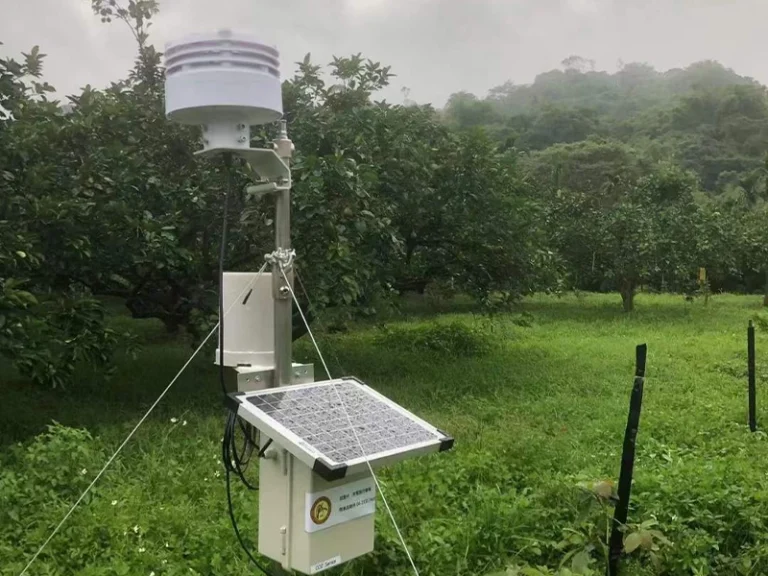
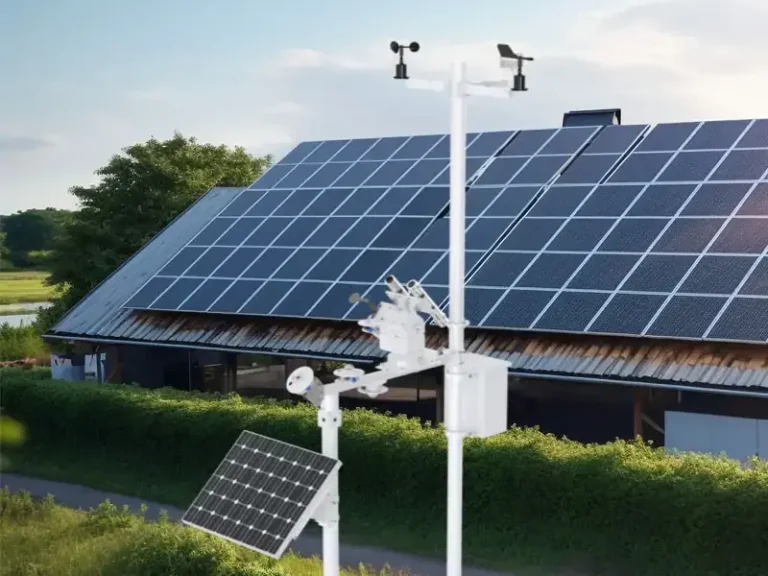
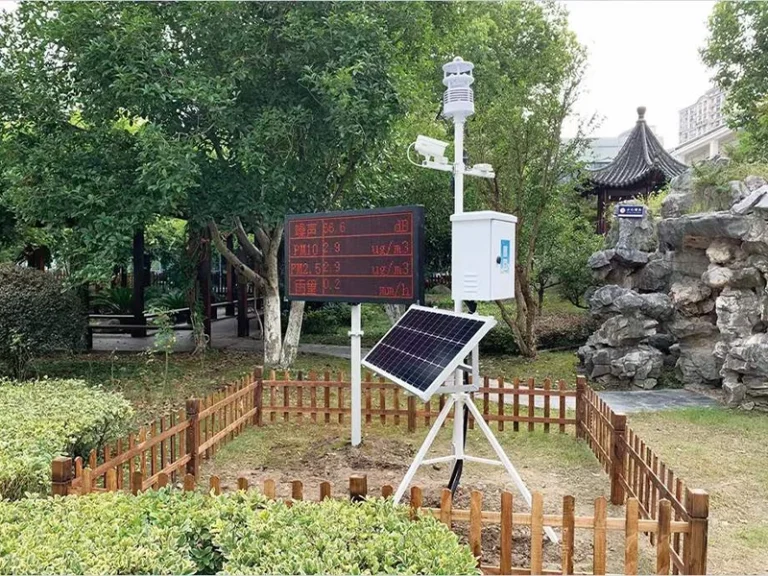
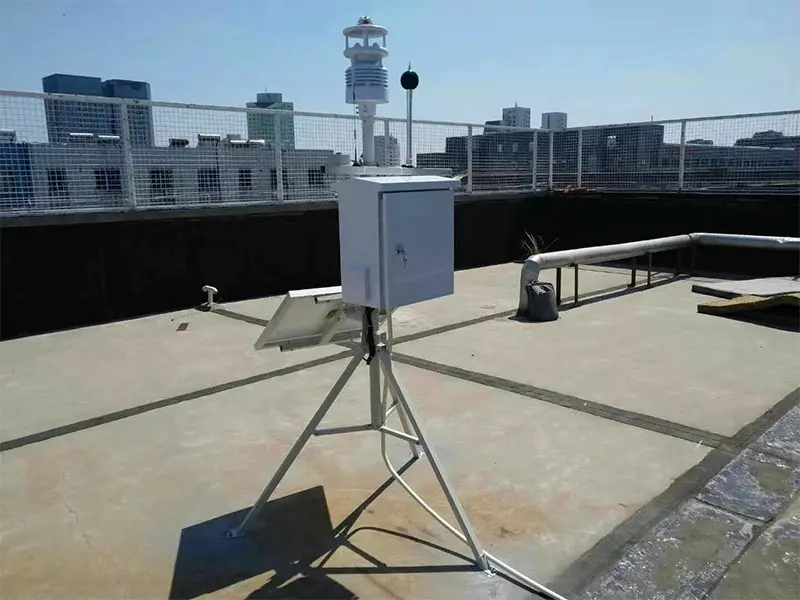
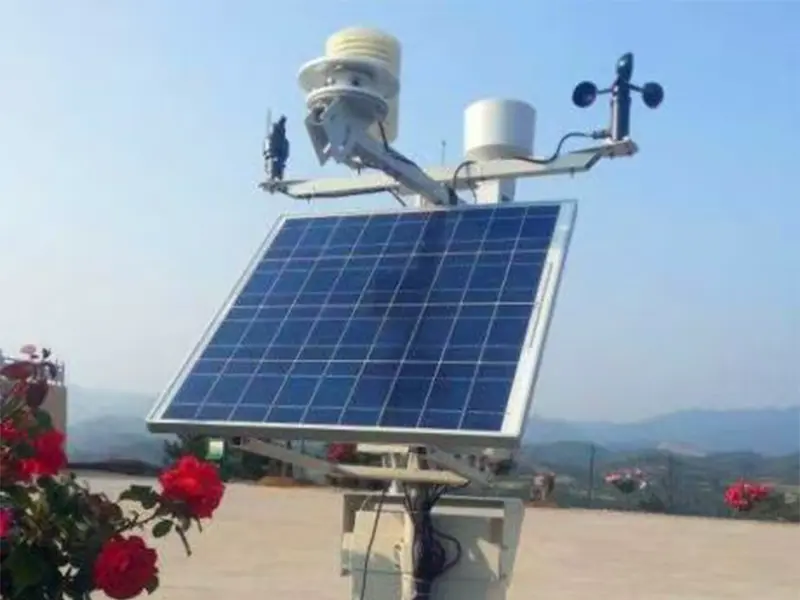
A rooftop solar weather monitoring system typically includes sensors, a data logger, communication interfaces and a monitoring platform. Sensors measure environmental conditions, the data logger collects readings, and the communication system transfers data for display and analysis. When combined with inverter power and energy records, weather data helps operators understand changes in output under different operating conditions.
Rooftop PV Monitoring vs. General Weather Monitoring
General weather stations mainly record atmospheric conditions such as ambient temperature, humidity, wind and rainfall. Rooftop solar monitoring also considers measurements directly relevant to solar generation, particularly plane-of-array (POA) irradiance and PV module temperature. POA irradiance measures sunlight received on the plane of the array, while module temperature helps explain temperature-related changes in electrical output. Other weather measurements can be selected according to the project’s operating environment and monitoring objectives.
What Weather Parameters Should a Rooftop Solar System Monitor?
The right rooftop solar monitoring parameters depend on the PV array layout, site conditions and project objectives. Solar irradiance and module temperature are particularly useful for performance assessment, while other weather measurements can be added according to operational needs.If you’d like to learn more about “How to Choose the Right PV Monitoring System,” please click here
Solar Irradiance on the Plane of Array (POA)
A solar irradiance sensor measures the solar radiation received by a surface. Plane-of-array (POA) irradiance measures radiation on the plane of the PV array, making it useful for assessing the conditions experienced by the modules. Sensor tilt and orientation should match the array being assessed. Arrays with different orientations or shading may require separate measurement points. For more details, see our guide on [How to Measure Solar Irradiance for Photovoltaic Systems].
PV Module Temperature and Ambient Temperature
A PV module temperature sensor is usually attached to the rear surface of a module to measure its operating temperature. Higher cell temperatures generally reduce PV power output. Ambient temperature records the surrounding air conditions, but it cannot replace module temperature because module heating also depends on irradiance, wind and module design.
Wind Speed, Wind Direction and Humidity
Wind speed helps explain how airflow affects module cooling, while wind direction provides context for airflow around rooftop structures. Relative humidity records moisture in the air. These measurements are not essential for every project; their value depends on site exposure, monitoring goals and operational requirements.
Rainfall, Soiling and Other Optional Measurements
Rainfall records help track wet-weather conditions and support maintenance planning, but rainfall alone cannot confirm whether modules are clean. Dust type, rainfall intensity and module tilt affect residual soiling. Where soiling losses are a concern, dedicated soiling sensors or performance comparisons between clean and soiled reference modules can provide more useful evidence.
Rooftop Solar Weather Monitoring Parameters at a Glance
The table below summarizes common rooftop solar monitoring parameters and their typical applications.
| Parameter | Measurement Purpose | Application |
| POA irradiance | Measures solar radiation on the module plane | PV performance assessment |
| Module temperature | Records PV module surface temperature | Temperature-related performance analysis |
| Ambient temperature | Records surrounding air temperature | Environmental data analysis |
| Wind speed and direction | Records local wind conditions | Site-dependent performance analysis |
| Relative humidity | Measures moisture in the air | Optional environmental monitoring |
| Rainfall | Records precipitation | Weather records and maintenance planning |
| Soiling measurement | Assesses dust accumulation or its performance effect | Useful for dusty sites |
POA irradiance and module temperature are key measurements for PV performance assessment. Other sensors depend on site conditions, while bifacial modules may also require rear-side irradiance measurements.
How to Design a rooftop solar monitoring System?
Designing a rooftop solar weather monitoring system requires matching the sensors, measurement points and data collection methods to the PV array layout and site conditions. Key considerations include:
- System components: Select suitable irradiance and temperature sensors, optional weather sensors, a solar weather station data logger, power supply and monitoring software.
- Sensor placement: Match irradiance sensor tilt and orientation to the monitored array. Different array orientations or shading conditions may require separate measurement points.
- Data integration: Align weather readings with inverter power, energy yield and equipment status to help explain changes in PV performance.
- Communication: Choose wired communication, such as RS485 with Modbus support, or wireless connections based on device compatibility, coverage, cabling and maintenance requirements.
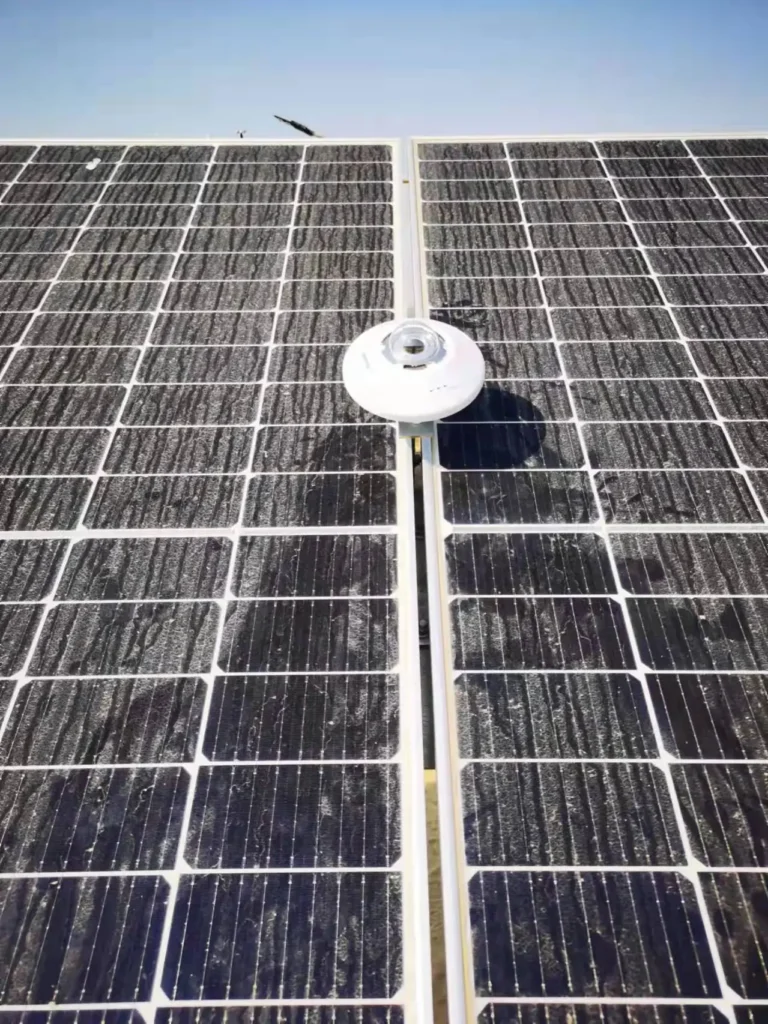
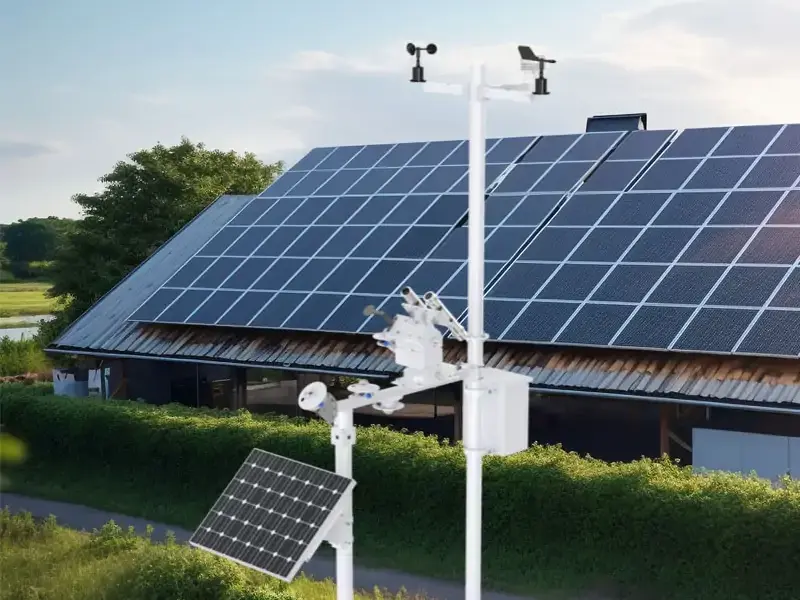
rooftop solar monitoring Solutions from Yantai Sensor
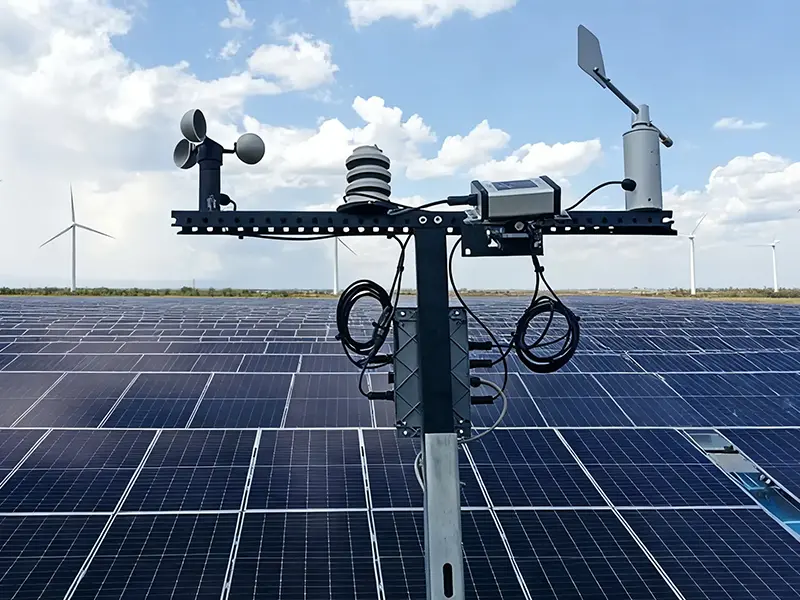
Yantai Sensor offers monitoring instruments for different rooftop PV requirements, from integrated weather monitoring to standalone solar radiation measurement. For larger PV installations, Environmental Monitoring for Utility-Scale Solar Farms explores environmental monitoring requirements for utility-scale projects. The following products address different rooftop PV measurement needs.
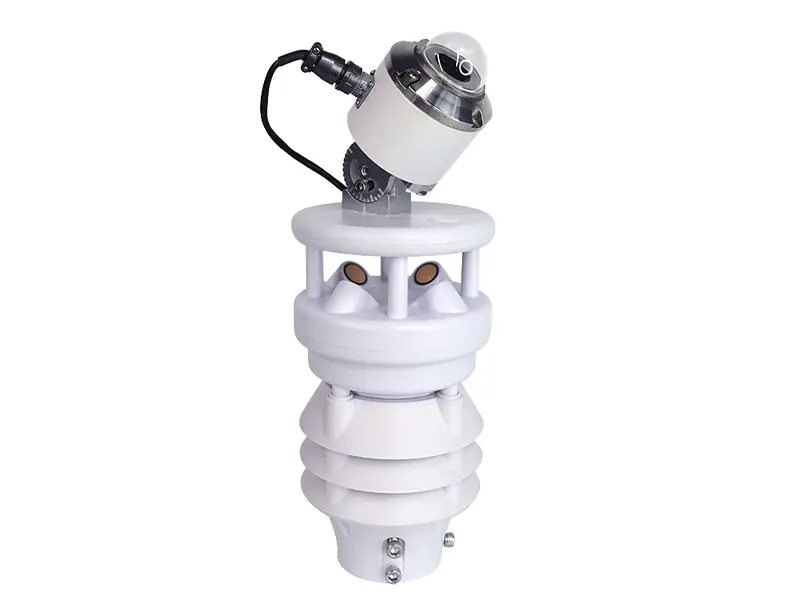
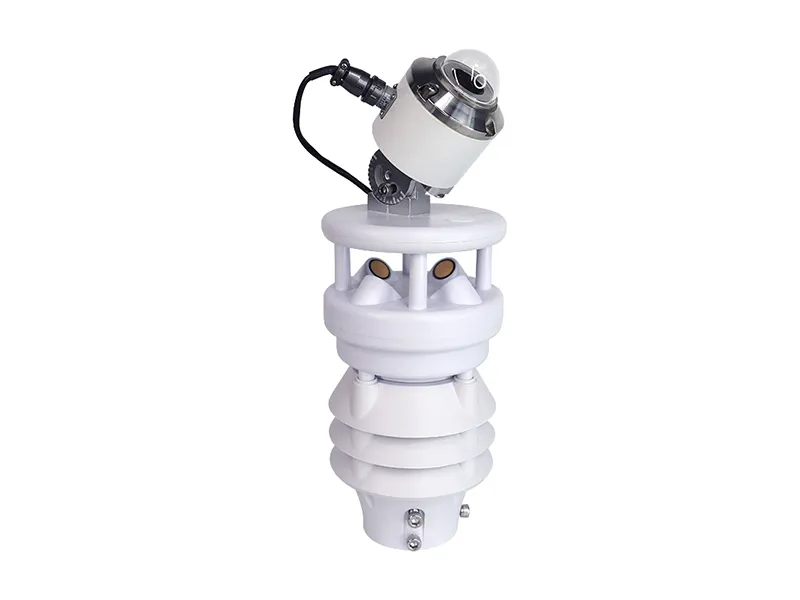
XF100S-CWB Compact Solar Monitoring Weather Station
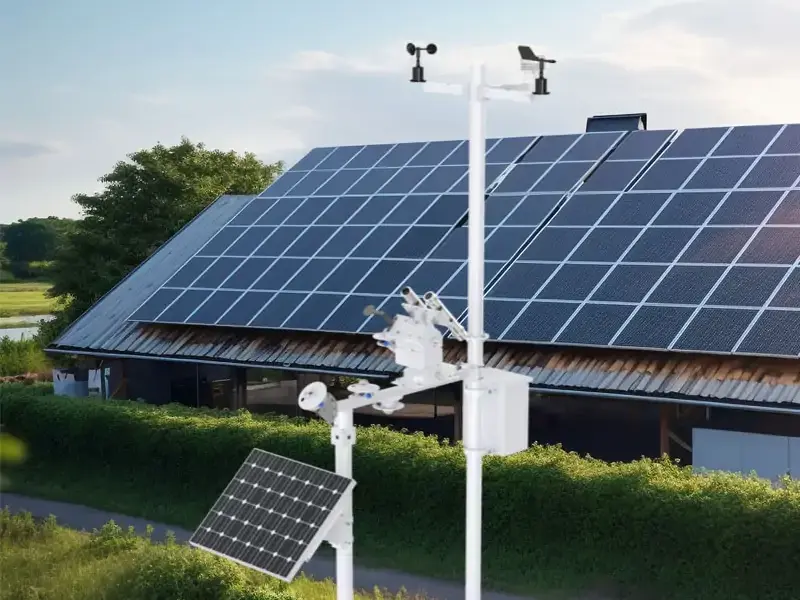
The XF100S-CWB Compact Solar Monitoring Weather Station measures POA irradiance, ambient temperature, module temperature and daily cumulative solar radiation. It suits rooftop PV projects that need these core measurements in one integrated unit, with RS485 communication and IP65 protection.

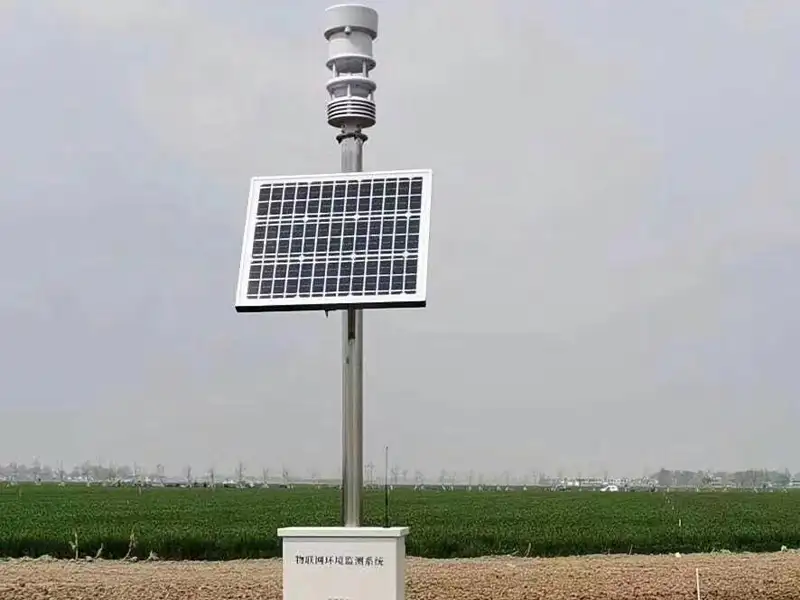
XF500S-CWB Compact Weather Sensor for Solar
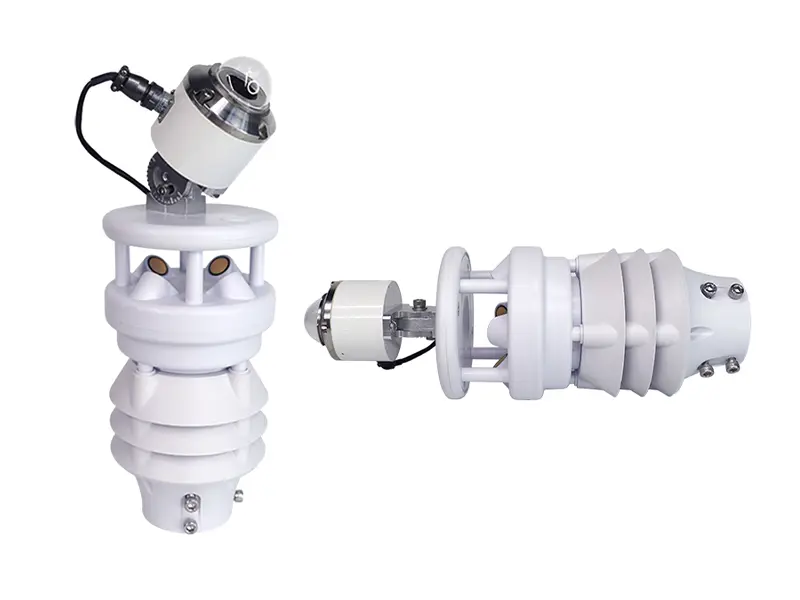
The XF500S-CWB Compact Weather Sensor for Solar adds environmental measurements, including relative humidity, wind speed, wind direction and atmospheric pressure, alongside solar irradiance and temperature measurements. It is worth considering when a rooftop PV project requires more than basic irradiance and temperature data. Communication options should be confirmed against the required configuration.
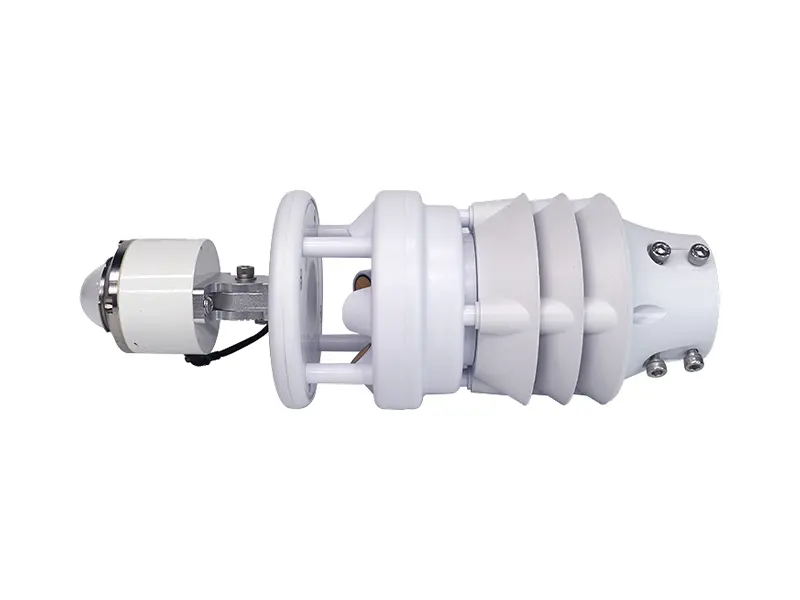
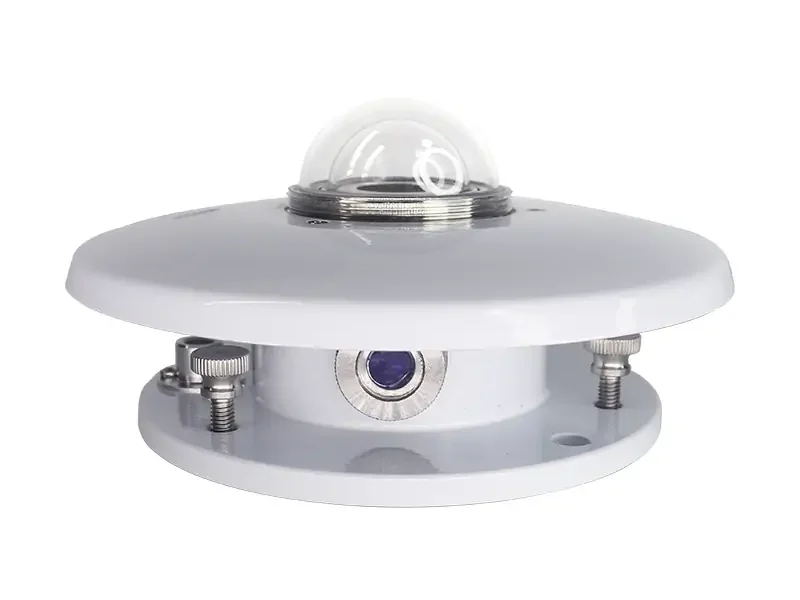
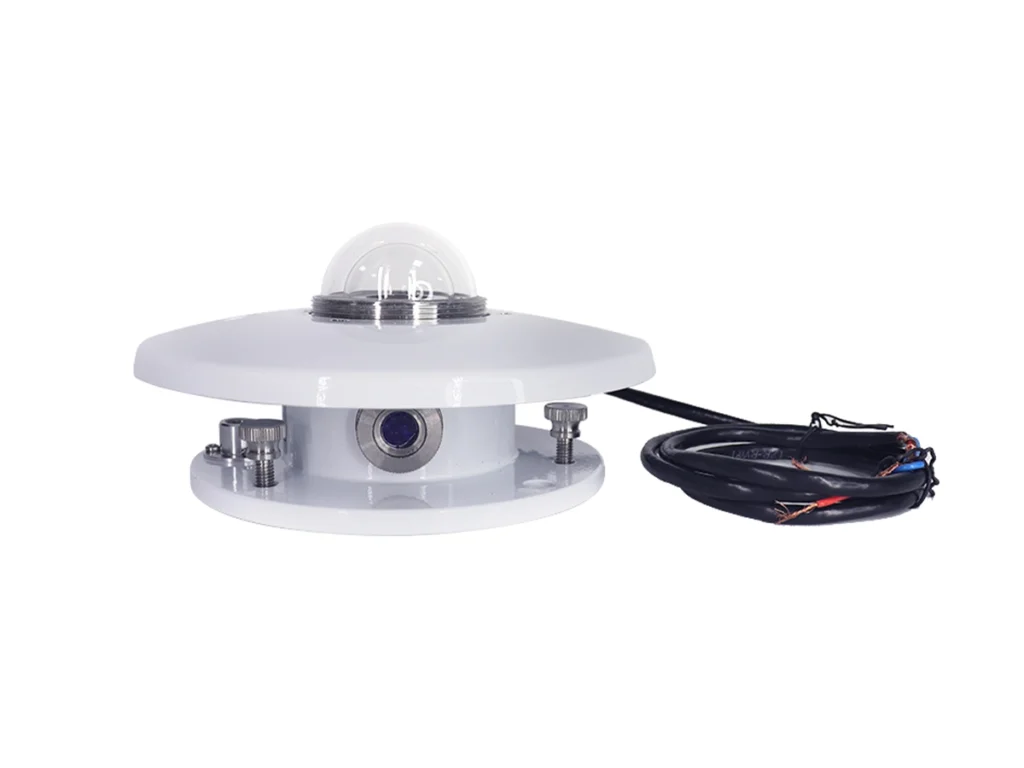
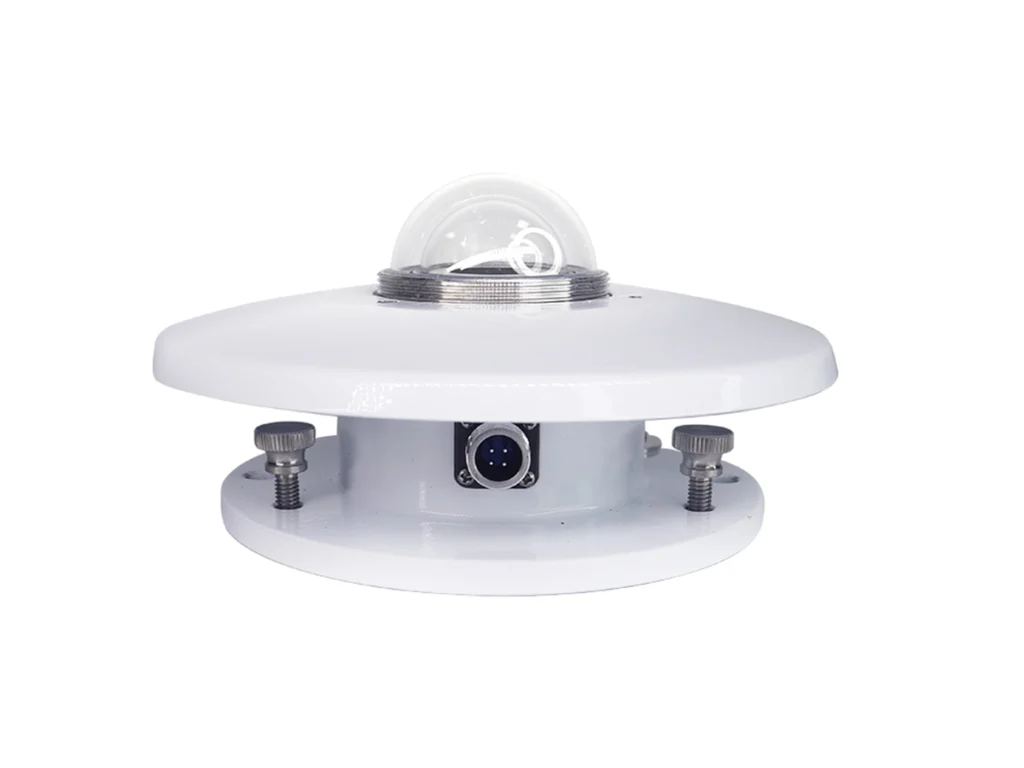
TBQ-2C Total Solar Radiation Sensor
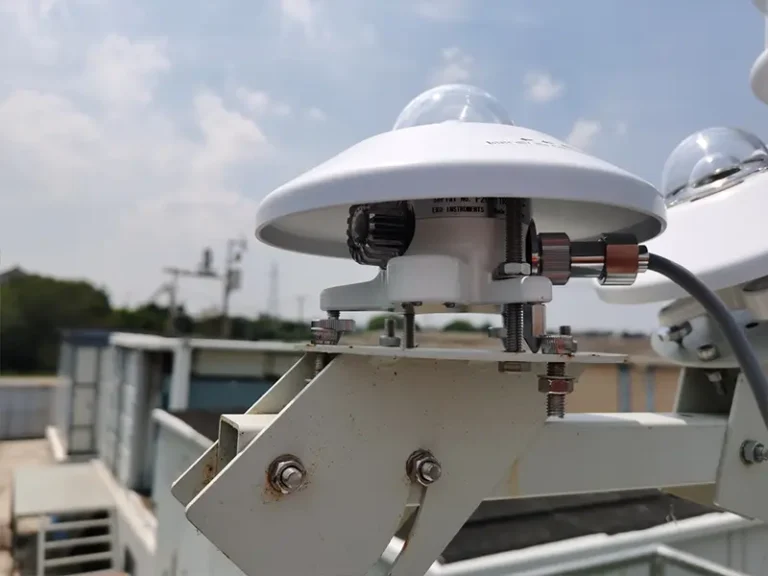
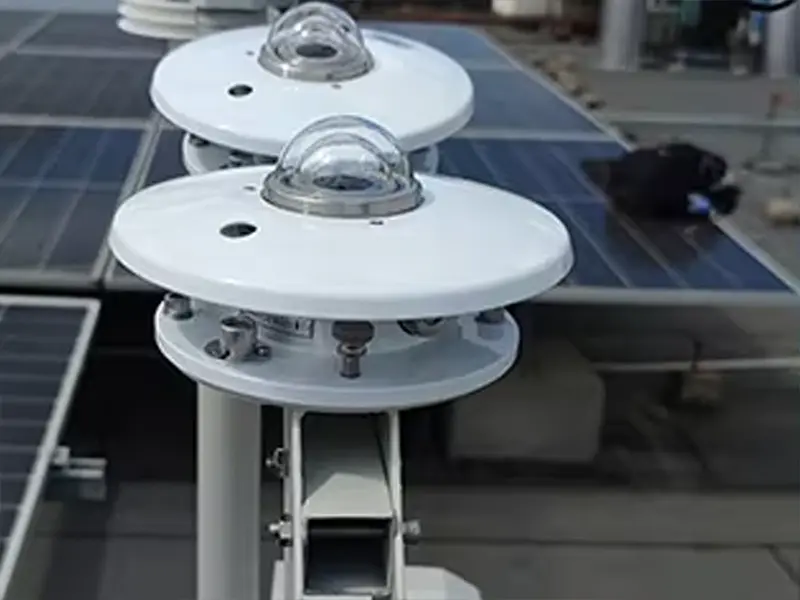
The TBQ-2C Total Solar Radiation Sensor measures solar radiation over a spectral range of 0.3–3.2 μm using a thermopile sensing element and a double-layer quartz glass dome. It may suit projects that need a standalone radiation sensor or an additional measurement point. Before integration, confirm the required measurement plane, output signal and compatibility with the existing data acquisition system.
Why Does Weather Monitoring Matter for Rooftop PV Performance?
Weather conditions affect rooftop PV output, but lower generation does not always indicate an equipment problem. Comparing on-site weather measurements with inverter and energy records helps operators understand output changes and decide when further investigation is necessary.
Interpreting Changes in Solar Power Output
Rooftop solar monitoring compares solar irradiance readings with inverter power and energy data. When output falls alongside irradiance, changing weather may explain the drop. If output remains lower than expected under similar irradiance conditions, operators can investigate possible system issues.
Understanding Temperature-Related Power Losses
Higher PV cell temperatures generally reduce module power output. PV module temperature monitoring helps quantify the operating conditions behind these changes. Roof ventilation, roofing materials and mounting clearance can affect heat dissipation, so ambient air temperature alone is not enough to assess module operating temperature.
Supporting Maintenance and Operational Decisions
Long-term weather records help operators identify performance trends, plan inspections and assess possible soiling losses. Rainfall alone cannot confirm whether modules are clean. Likewise, weather measurements cannot establish the cause of inverter faults, module damage or electrical abnormalities without supporting performance data and equipment checks.
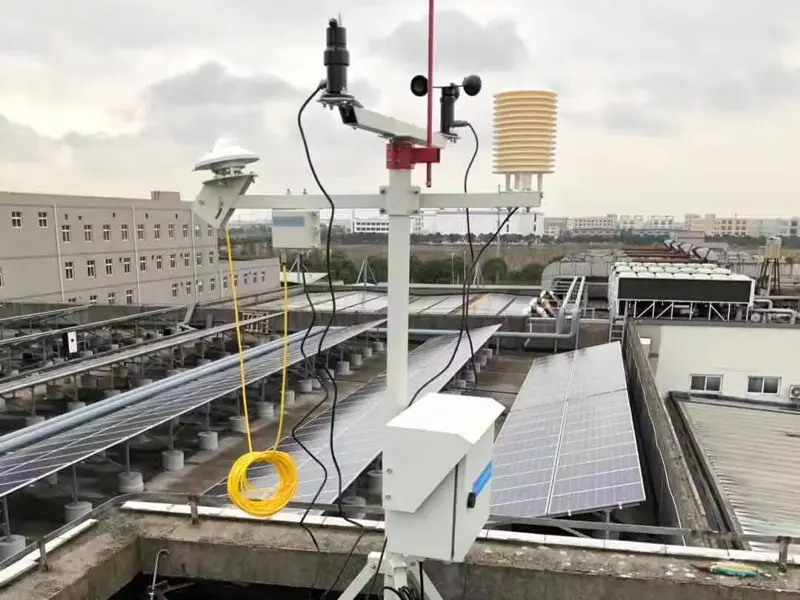
Weather Monitoring Requirements for Different Rooftop Solar Projects
Rooftop solar projects do not all need the same weather monitoring setup. The right configuration depends on array layout, local environmental conditions and how the data will be used. Start with the measurements needed for performance assessment, then add sensors or measurement points where the roof layout or operating environment requires them.
| Project Type | Monitoring Priorities | When Additional Monitoring May Be Needed |
| Commercial and industrial rooftops | POA irradiance and module temperature | Multiple array sections, different orientations, local shading or integration with an energy management platform |
| Residential and small commercial systems | Basic irradiance and temperature measurements, according to monitoring goals | More detailed performance analysis or significant shading differences |
| Multi-orientation or shaded arrays | Representative irradiance measurements for each distinct array section | Different tilts, orientations or shading patterns make a single reading unrepresentative |
| Hot or poorly ventilated rooftops | Module temperature and relevant environmental measurements | Roof surfaces or mounting conditions may affect heat dissipation |
| Humid, coastal or dusty sites | Measurements selected for local environmental conditions | Sensor protection, corrosion resistance, cleaning access and maintenance frequency need closer attention |
For commercial rooftop solar monitoring and industrial rooftop PV monitoring, sensor placement and data integration should reflect the actual array layout. Not every project needs a full weather station or multiple measurement points. Check sensor operating limits and enclosure protection ratings against the site conditions and manufacturer specifications.
How to Choose a Weather Monitoring System for Rooftop Solar?
Choose a rooftop solar weather station based on the required measurements, roof conditions and compatibility with the existing rooftop solar monitoring.
Compare Sensor Performance and Configuration
Individual sensors suit system upgrades or replacements, while an integrated weather station can simplify installation. When selecting solar monitoring sensors, compare measurement range, accuracy, long-term stability and calibration requirements. Choose parameters based on project needs rather than adding unnecessary sensors.
Check Compatibility and Installation Requirements
Confirm that sensor outputs, communication protocols and power requirements match the data logger and monitoring platform. Check mounting space, cable routing, roof waterproofing, environmental protection and maintenance access before installation.
Use this checklist when comparing suppliers:
| Check Item | What to Confirm |
| Measurement requirements | Required parameters and measurement points |
| Sensor performance | Range, accuracy and long-term stability |
| Interfaces | Output signals and protocol compatibility |
| Installation | Mounting, cabling and roof constraints |
| Environmental protection | Operating temperature and enclosure rating |
| After-sales support | Calibration, spare parts and technical assistance |
For effective rooftop solar monitoring system selection, verify the sensor specifications and system compatibility before ordering.
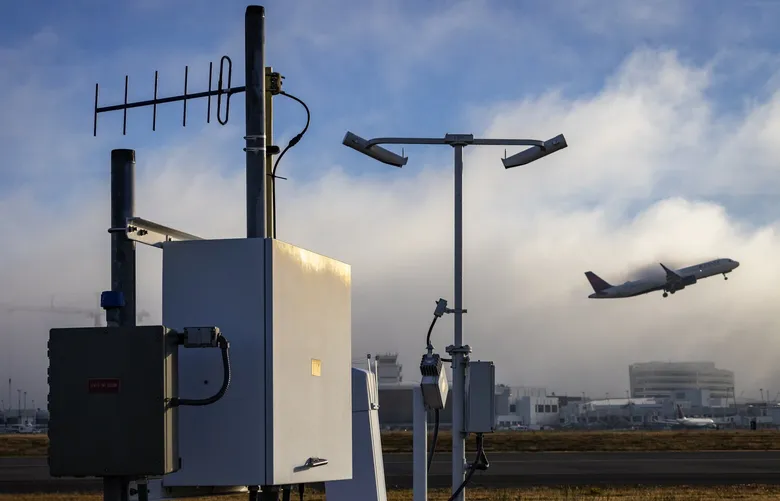
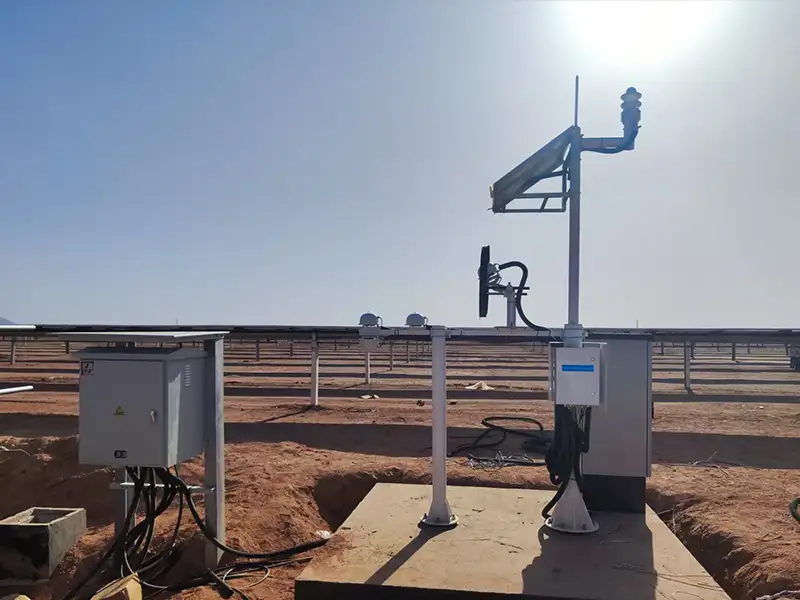
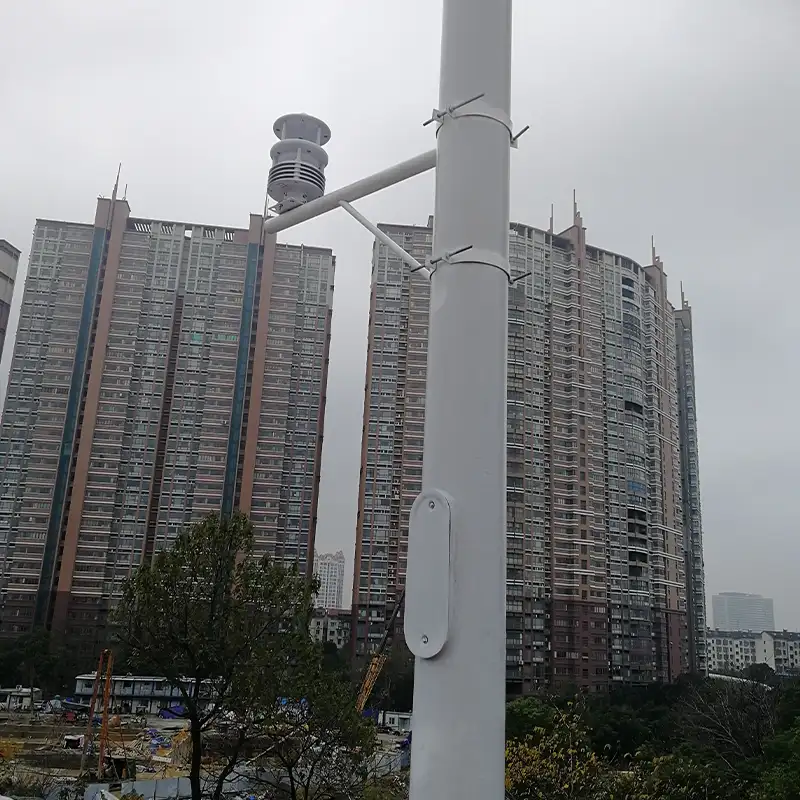
Rooftop Solar Weather Station Installation Guidelines
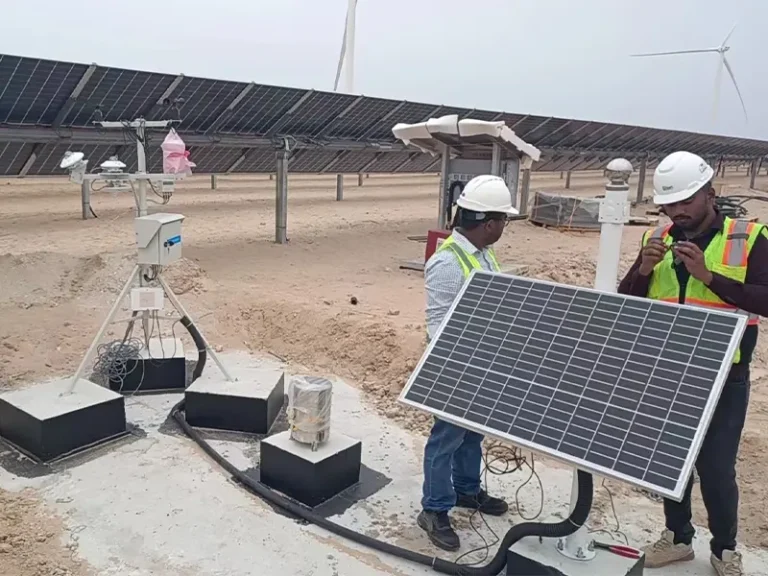
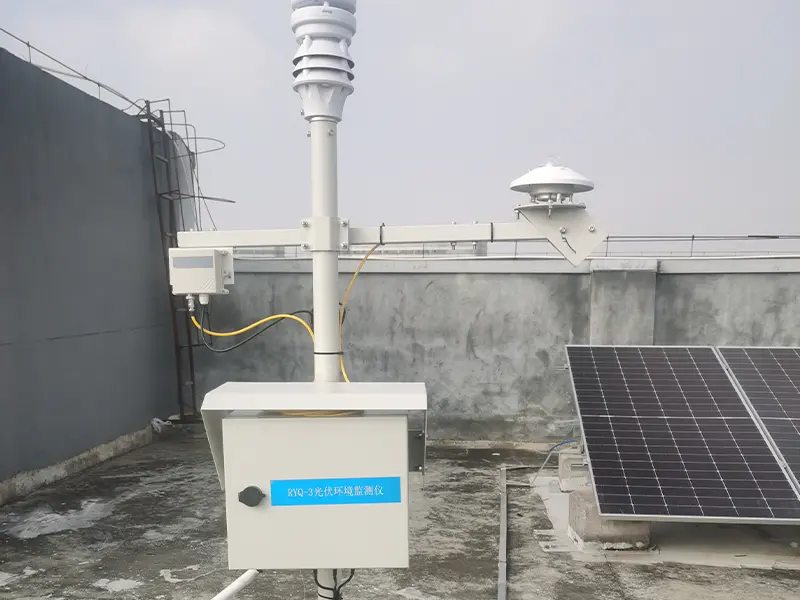
Proper rooftop weather station installation starts with selecting representative measurement points and avoiding local interference. For solar irradiance sensor installation, align the POA sensor with the monitored array’s tilt and orientation. Avoid shading from parapets, mounting structures and nearby equipment. For GHI measurements, install the sensor horizontally.
During PV temperature sensor installation, attach the sensor securely to the rear of a representative module with stable thermal contact. Ambient temperature cannot replace module temperature. Keep sensors away from hot surfaces and localized airflow disturbances. Secure equipment against local wind conditions, protect cable connections from water ingress, and verify sensor orientation, units, timestamps and data continuity after installation.
How to Maintain Data Quality in Rooftop Solar Weather Monitoring?
Dust, shading, sensor drift and communication failures can affect rooftop solar weather data. Regular inspection and data checks help identify measurement problems before they affect PV performance analysis.
Common Causes of Inaccurate Solar Weather Data
Dust on irradiance sensors, incorrect orientation, local shading and poor thermal contact can distort readings. Sensor aging, loose connections and communication faults can also cause measurement drift or missing data.
Sensor Cleaning, Inspection and Calibration
Clean sensor surfaces and inspect mounting hardware, cables and connections at intervals suited to the site conditions. Solar sensor calibration helps verify measurement accuracy and identify drift. Follow the manufacturer’s recommendations and project data quality requirements when setting cleaning and calibration intervals.
Detecting Missing Data and Abnormal Readings
Check for missing timestamps, communication interruptions, prolonged unchanged readings and unexpected nighttime irradiance values. Compare suspicious readings with local weather conditions, other available sensors and inverter records before deciding whether the data is faulty. Flag questionable values for review rather than automatically replacing them.
Maintaining Reliable Monitoring Over the System Lifecycle
Keep maintenance and calibration records, document sensor replacements, and back up communication settings and historical data. When replacing a sensor, check its specifications and configuration to maintain consistency across records. Suitable spare parts can also help reduce monitoring downtime.
Conclusion
Effective rooftop solar monitoring for rooftop solar systems starts with measuring the conditions that affect PV performance. Correct sensor placement, suitable measurement parameters and consistent data maintenance help operators interpret output changes and make informed maintenance decisions.
Yantai Sensor provides rooftop solar monitoring solutions, including integrated weather stations and standalone solar radiation sensors for different project requirements. Contact us to discuss your rooftop layout, monitoring objectives and system interfaces. Our team can help you select a suitable configuration for your project.