Introduction
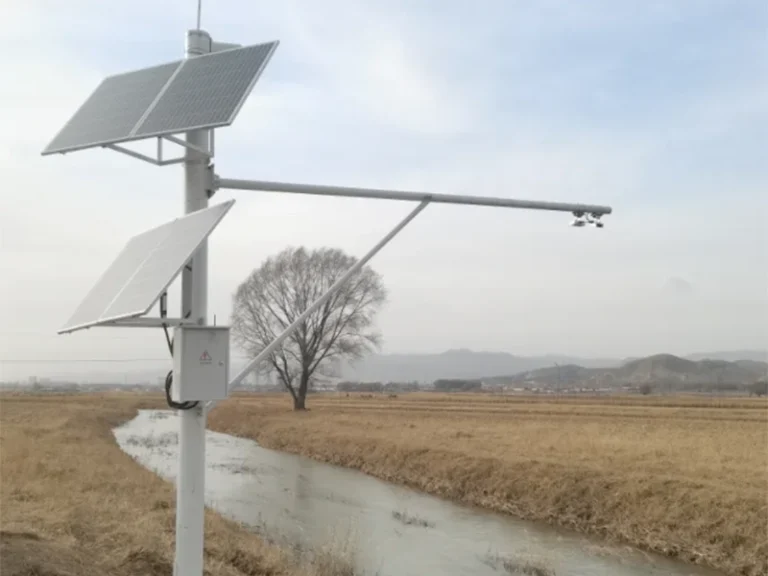
For PV operators and project engineers, a solar PR calculation may show an unexpected result even when the plant appears to be operating normally. The problem is not always the PV system itself. Incorrect POA irradiance measurement, sensor misalignment, soiling, calibration drift, missing data, or mismatched timestamps can all affect the reference yield used for PR. Because PV performance ratio relates actual energy production to the solar resource received by the array, reliable irradiance data is essential for meaningful results.
In practice, the key question is not simply how to calculate PR, but whether the irradiance data used in the calculation truly represents the PV array conditions. This guide explains how to use POA irradiance for PR calculation using irradiance data, shows the calculation formula with a practical PV example, and then examines sensor installation, data quality, and common measurement errors that can distort the result. It also covers practical irradiance sensor considerations for long-term PV performance monitoring.
What Is PV Performance Ratio and How Is It Calculated?
PV Performance Ratio (PR) is a normalized indicator that compares the actual energy produced by a PV system with the energy expected from the solar resource received by the PV array.
What Does PR Measure?
PR reflects how effectively a PV system converts the available solar resource into electricity. Unlike total energy output, it accounts for both the PV system capacity and the solar irradiation received during the evaluation period.
Solar PR Calculation Formula
The basic solar PR calculation is:
PR = Actual Energy Yield ÷ Reference Yield × 100%
The actual energy yield is calculated from the PV system’s AC energy output and installed DC capacity. The reference yield is calculated from the POA irradiation measured on the PV array plane and the reference irradiance.
Therefore, POA irradiance data is a key input for PR calculation. The measured irradiance is accumulated over the evaluation period to obtain the irradiation used in the calculation.
IEC 61724-1 provides the standard framework for PV system performance monitoring and PR evaluation.
How to Calculate PR Using POA Irradiance Data?
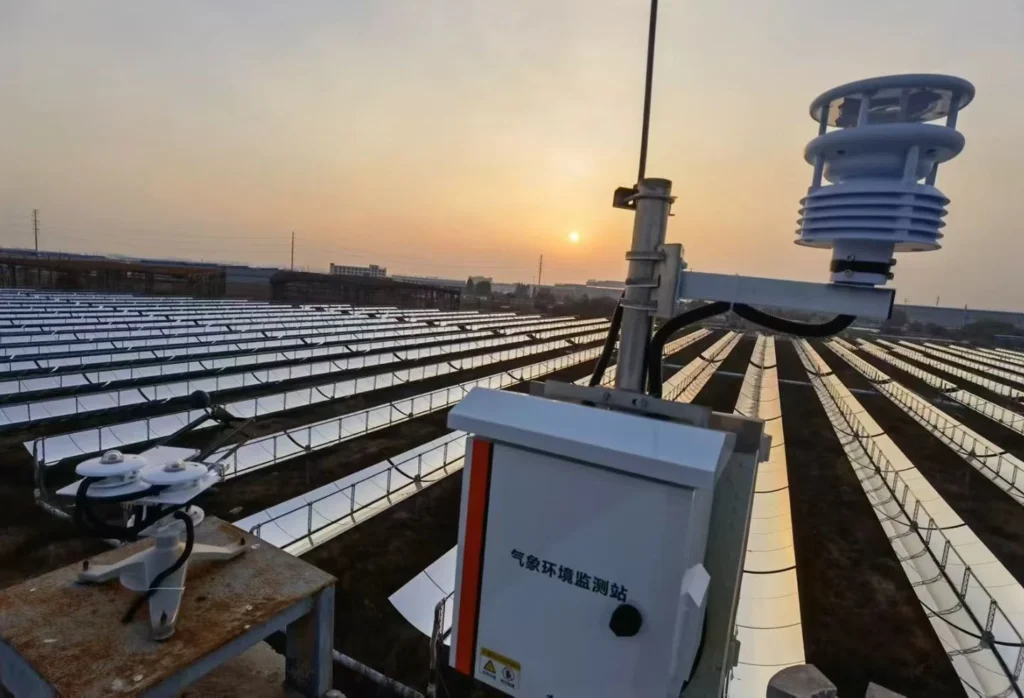
For a PR calculation using irradiance data, two datasets need to match: the energy generated by the PV system and the solar irradiation received by the array. In practice, we use POA irradiance because the sensor is measuring sunlight on the same plane as the modules. The calculation is then based on the measured solar resource and the actual energy output over the same period.
Why POA Irradiance Is Used?
POA (Plane of Array) irradiance is measured on the plane of the PV array. Because module tilt and orientation affect the radiation received by the modules, POA data is more suitable for PV performance monitoring than horizontal irradiance.
| Irradiance | Measurement Plane | Typical Use |
| GHI | Horizontal plane | Solar resource assessment |
| POA | PV array plane | PV performance monitoring |
| DNI | Normal to the sun | Direct radiation measurement |
For a PV performance ratio calculation, the POA measurement should represent the same array conditions as the PV system being evaluated.
Five Steps for Solar PR Calculation
- Collect POA irradiance data. Record irradiance on the array plane and integrate the measurements over the selected period to obtain POA irradiation.
- Collect AC energy output. Use the inverter or energy meter data for the same period. The timestamps and evaluation interval need to match the irradiance data.
- Calculate the reference yield. Divide the accumulated POA irradiation by the reference irradiance. When using the STC reference condition, the reference irradiance is 1,000 W/m².
- Calculate the final yield. Divide the actual AC energy output by the installed PV DC capacity.
- Calculate PR. Divide the final yield by the reference yield:
PR = Final Yield ÷ Reference Yield × 100%
The important point is that POA irradiation and AC energy output must come from the same evaluation period. If the irradiance data is shifted, incomplete, or not representative of the array, the calculated PR can also be misleading.For practical guidance on measuring and installing solar irradiance sensors, see How to Measure Solar Irradiance for Photovoltaic Systems.
Solar PR Calculation Example
Example of a 100 kWp PV System
Assume a 100 kWp PV system produces 120,000 kWh of AC energy during the same evaluation period in which the measured POA irradiation is 1,500 kWh/m². Using a reference irradiance of 1 kW/m², the reference yield is 1,500 h, while the actual energy yield is 1,200 h.
Therefore:
PR = 1,200 ÷ 1,500 × 100% = 80%
What Does an 80% PR Mean?
An 80% PR means the system produced 80% of the reference energy yield calculated from the measured POA irradiation. It does not mean that the PV modules have an 80% conversion efficiency. PV performance ratio is a system-level indicator comparing actual energy output with the available solar resource.
How Irradiance Measurement Affects PR Accuracy?
If the measured POA irradiation is wrong, the reference yield used in PR calculation is wrong as well. The calculated PR may then change even when the PV system itself has not changed.
Sensor Accuracy and Calibration
Check the irradiance measurement before assuming that a PR change comes from the PV system. A sensor can continue to transmit data normally while its measurement gradually drifts, and this is not always obvious from the monitoring screen.
For a PR study, the sensor’s calibration status should be known for the period being evaluated. When the PR changes without a clear change in energy output, the sensor calibration record is worth checking as part of the review.
Sensor Installation and Cleaning
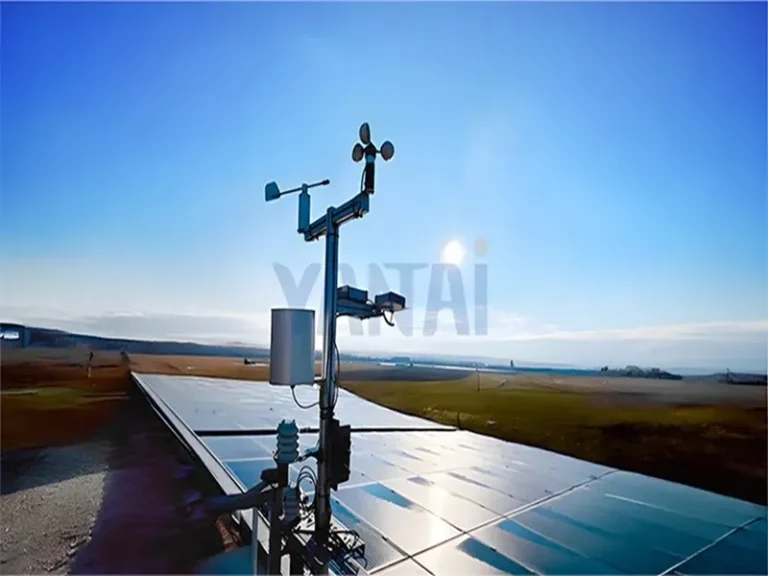
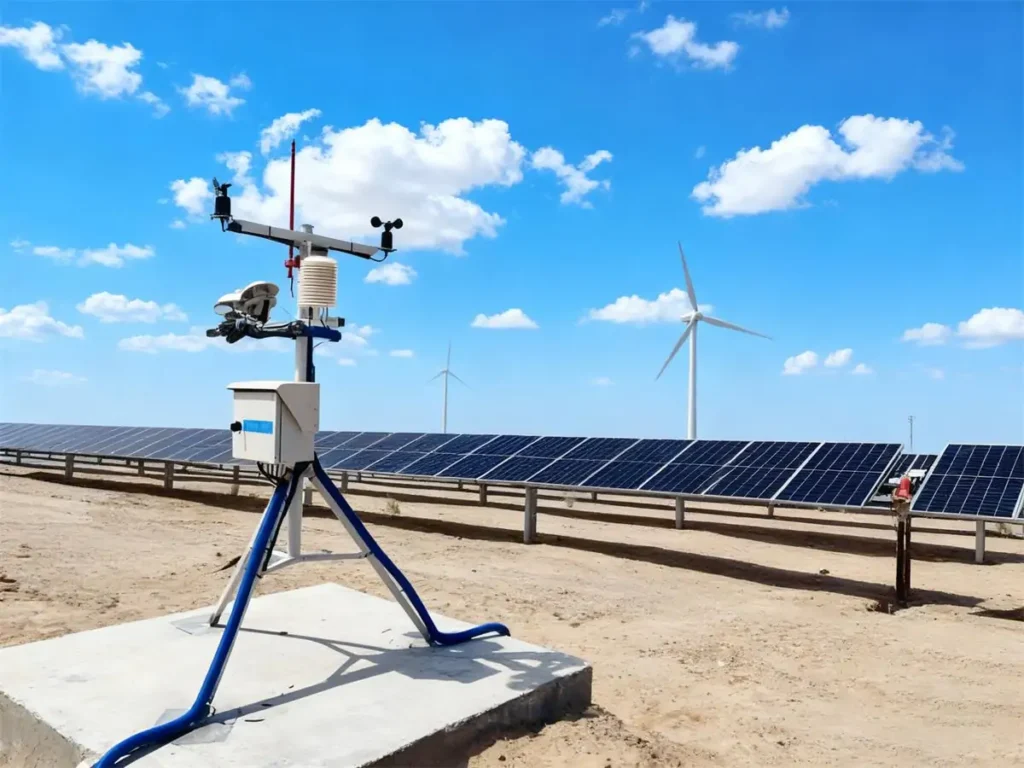
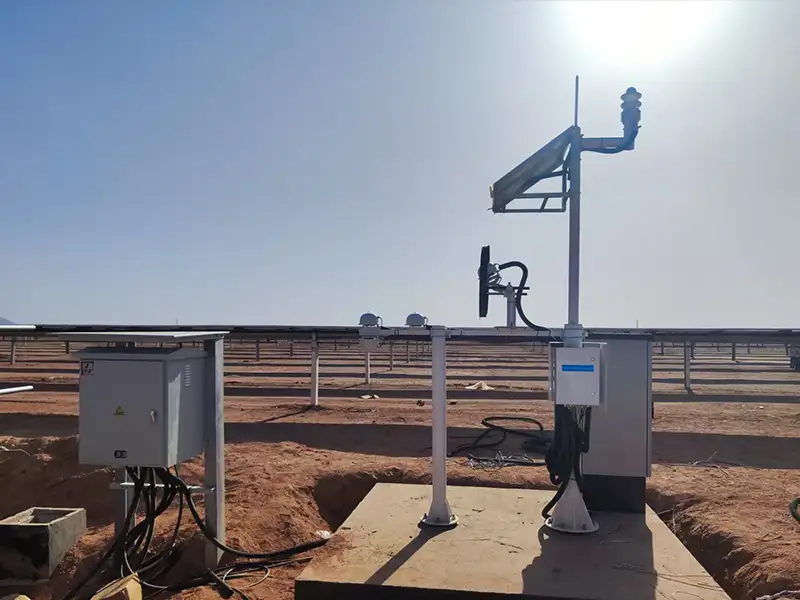
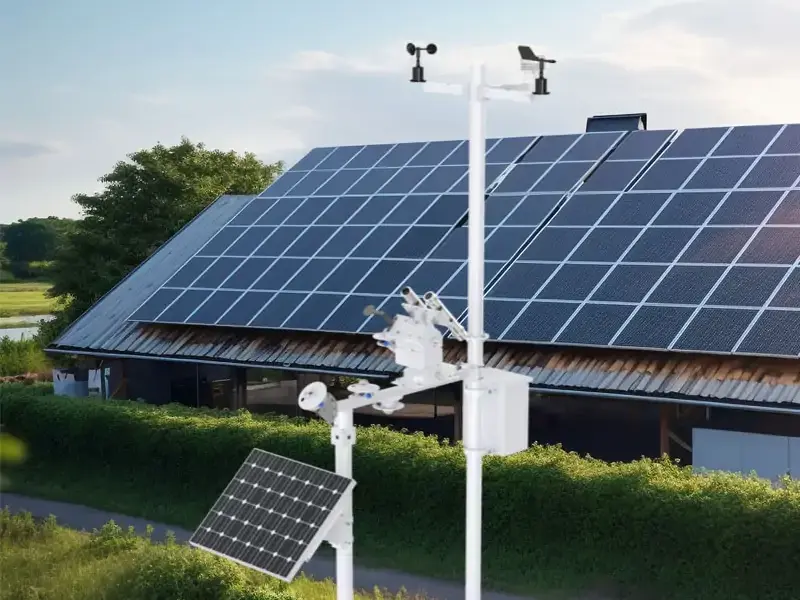
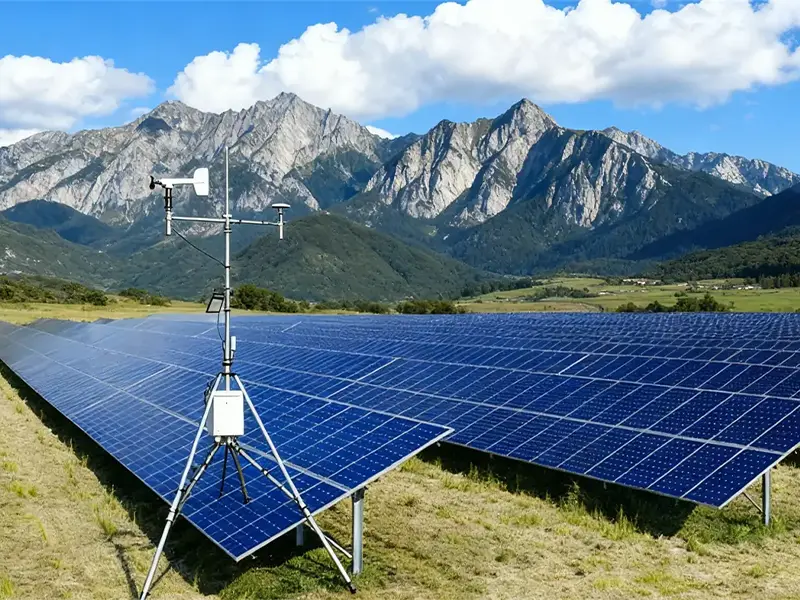
The sensor needs to represent the same measurement plane as the PV array being evaluated. Its tilt and azimuth should match the array, and the sensor should be properly leveled.
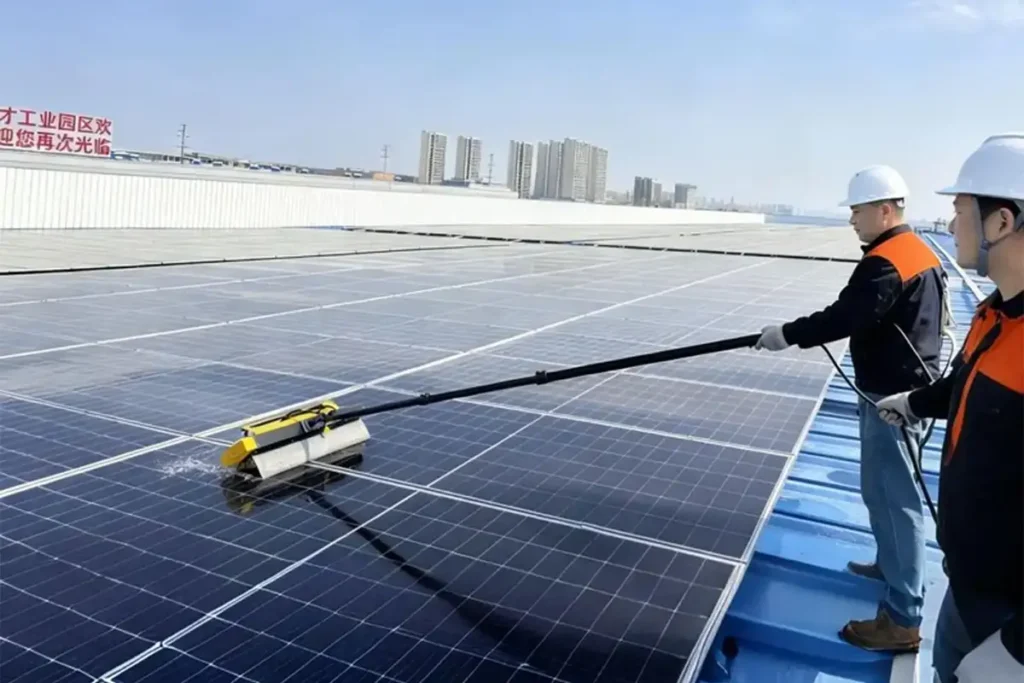
The sensing surface also needs regular inspection. Dust, bird droppings, water stains, or snow can reduce the recorded irradiance. A dirty sensor does not necessarily produce an obviously abnormal signal; it may simply record lower values than it should.
Data Synchronization and Missing Data
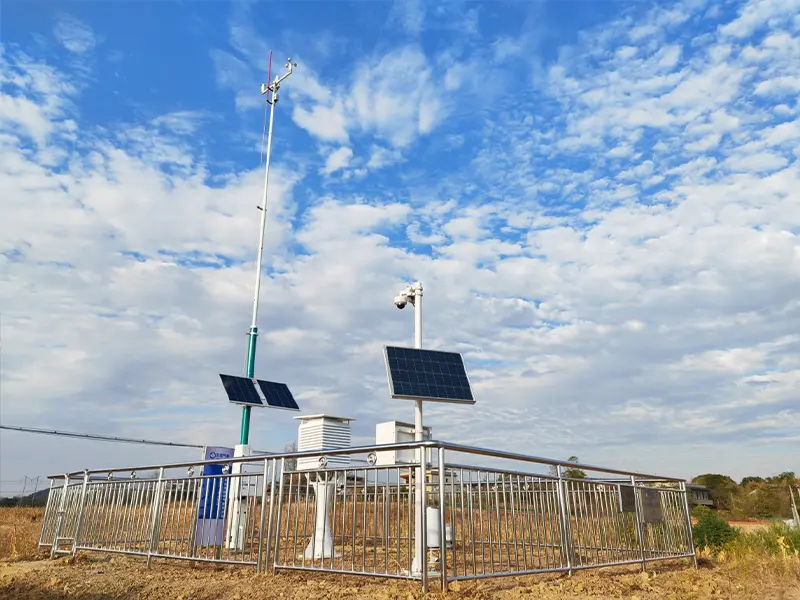
Before calculating PR, check that the irradiance and energy data cover the same time period.
Problems can occur when the inverter continues recording while the irradiance logger loses communication, or when the two systems use different timestamps or sampling intervals. A daily energy value paired with incomplete irradiance data can still produce a PR value, but that result should not be used to judge plant performance.
How to Interpret and Troubleshoot an Abnormal PR
An abnormal PV performance ratio does not always mean a PV system fault. First compare the PR with the site’s historical baseline under similar operating conditions. Once a clear deviation is found, check the monitoring data before inspecting the equipment.
Check in this order:
Irradiance data → Sensor installation → Data communication → Energy meter → Inverter → PV array → Grid conditions
Pay particular attention to the irradiance curve, missing data, timestamps, and sensor condition. A problem in irradiance measurement can affect the performance ratio calculation and make an actual system loss look larger or smaller than it is.
Common causes of lower PR include soiling, shading, high module temperature, inverter losses, downtime, sensor drift, and missing irradiance data.
Which Irradiance Sensor Is Suitable for PR Monitoring?
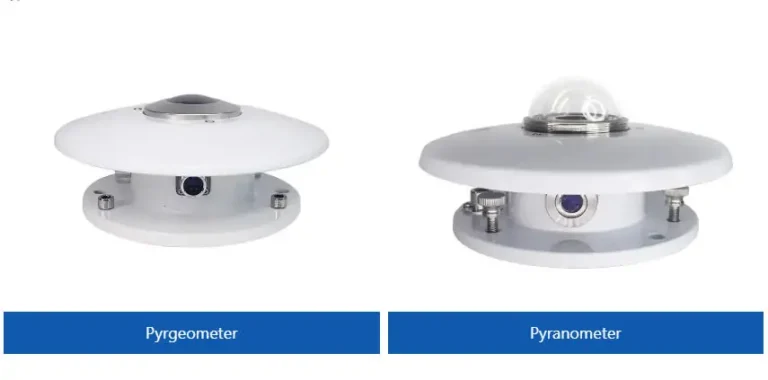
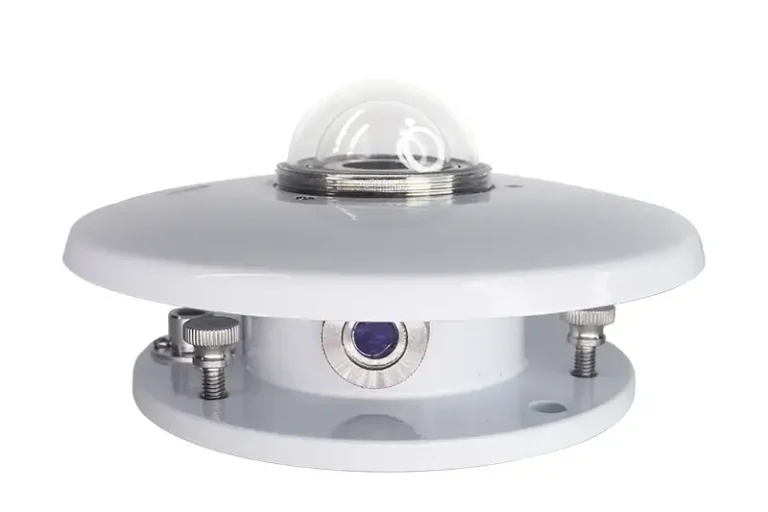
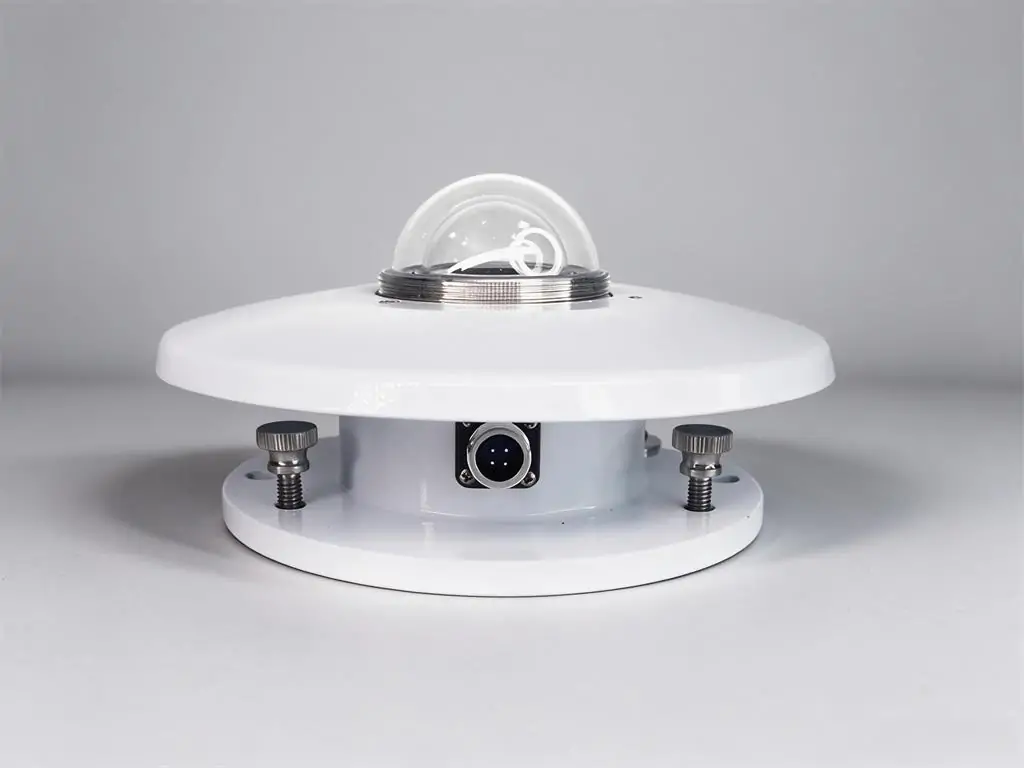
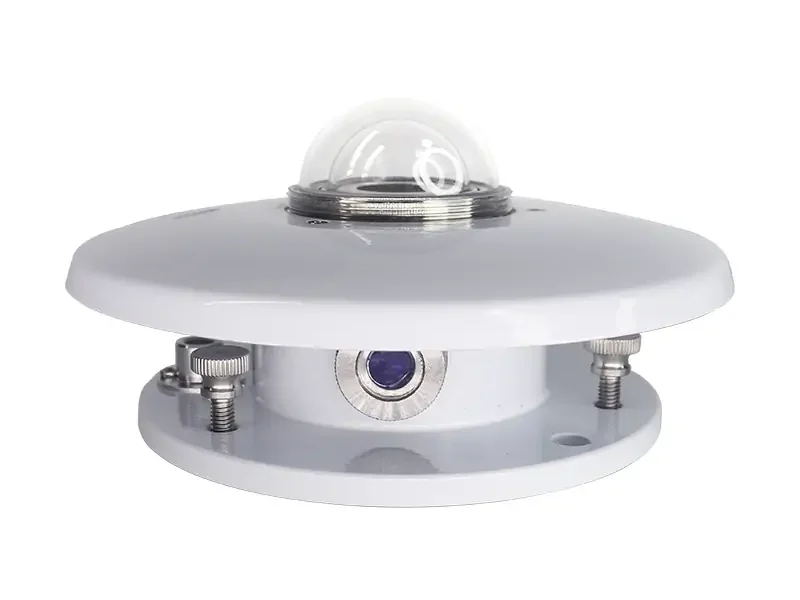
For PR calculation using irradiance data, the sensor should match the measurement plane and monitoring purpose. Thermopile pyranometers are commonly used for GHI and POA measurements, while reference cells are used for PV-specific irradiance measurement.
Thermopile Pyranometers vs Reference Cells
| Type | Typical Use |
| Thermopile pyranometer | GHI / POA monitoring |
| Reference cell | PV-specific irradiance measurement |
The two types serve different measurement purposes. For PR monitoring, consider the measurement plane, sensor class, spectral response, accuracy, output, installation, calibration, and outdoor durability when selecting the instrument. For a more detailed comparison of thermopile and silicon-based measurement, see Thermopile vs Silicon Pyranometer: Pros and Cons.
For POA monitoring, Yantai Sensor’s TBQ-2C pyranometer uses a thermopile sensing element, with a 0.3–3.2 μm spectral range and RS485 output.
When DNI Measurement Requires Automatic Tracking?
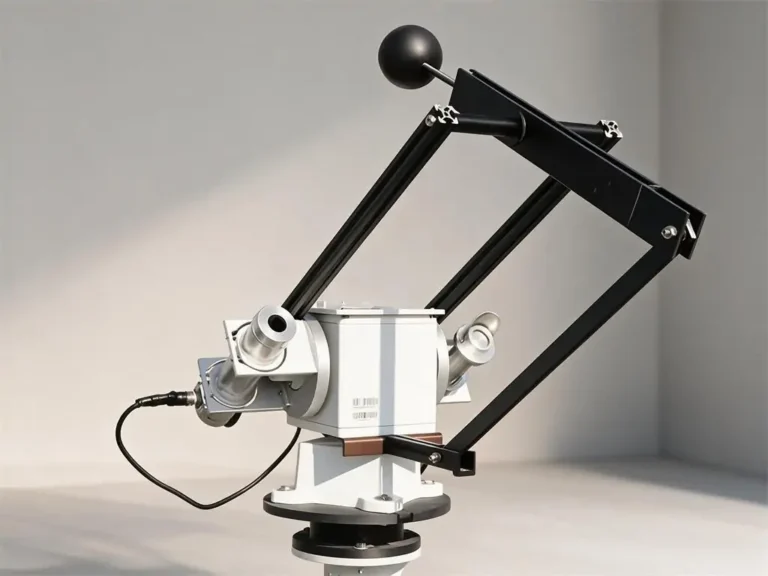
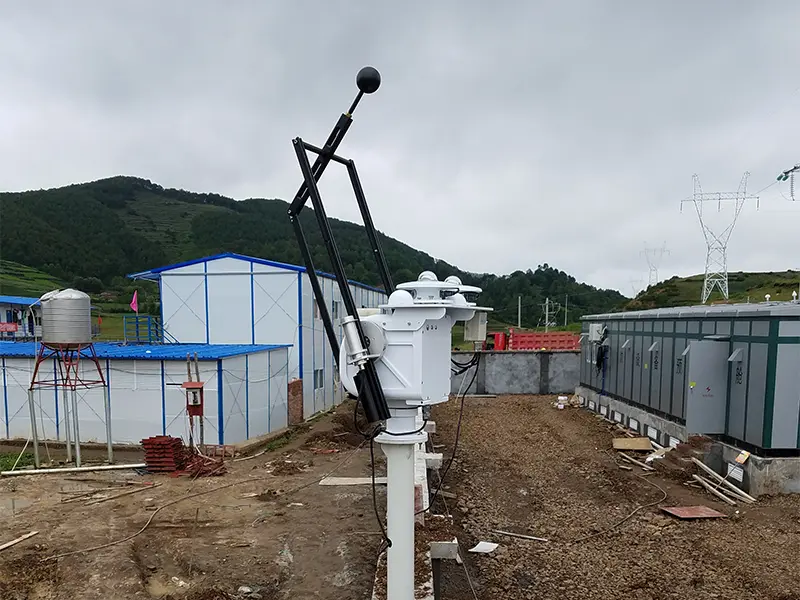
DNI (Direct Normal Irradiance) is measured along the direction of the sun, so the sensor must track the sun during measurement. For continuous DNI monitoring, an automatic tracking system keeps the instrument aligned throughout the day. See How to Measure Direct Normal Irradiance (DNI) Accurately for more details.
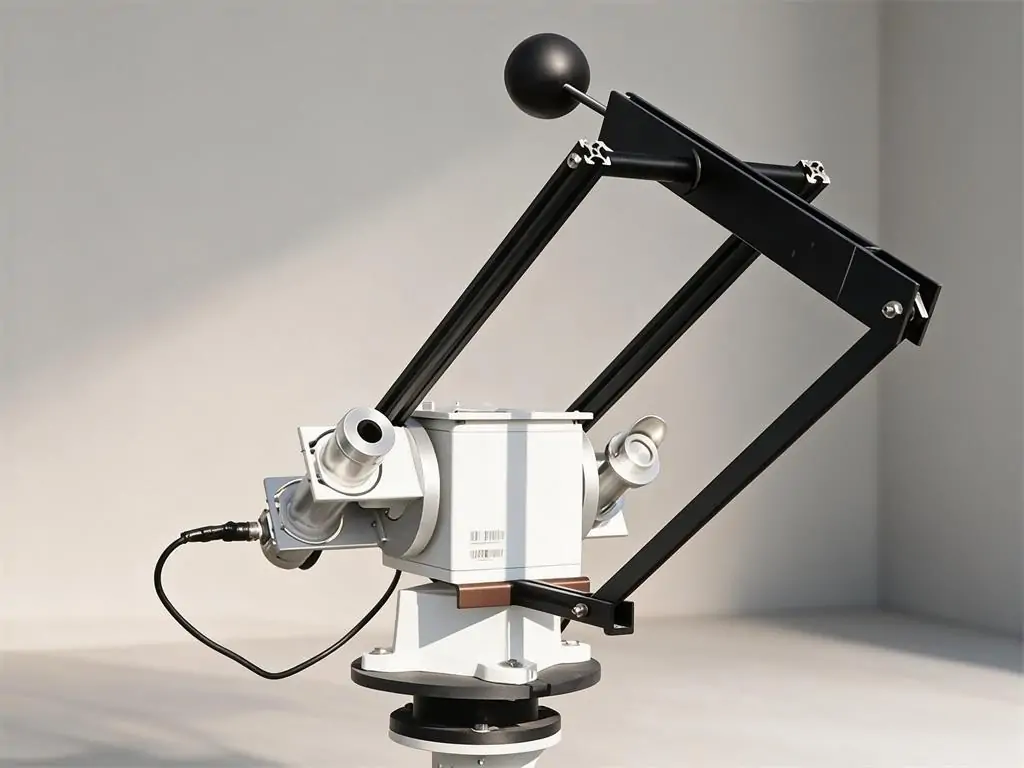
Yantai Sensor’s SAUT automatic tracking solar radiation measurement system is used for continuous DNI monitoring with automatic solar alignment.
Solar PR Calculation Checklist
Before calculating PR, confirm the calculation method, data period, and measurement conditions. In field monitoring, most problems come from inconsistent inputs rather than the PR formula itself.
- PR calculation method and evaluation period confirmed
- Installed DC capacity and system boundary confirmed
- POA irradiance data available and complete
- POA irradiation calculated for the same evaluation period
- AC energy data confirmed at the defined metering point
- Irradiance and energy timestamps synchronized
- Irradiance sensor correctly oriented and leveled
- Sensor surface clean and free from obstruction
- Sensor calibration status checked
- Missing data, curtailment, and downtime reviewed
Once these inputs are consistent, the performance ratio calculation itself is relatively straightforward.

Conclusion
A meaningful solar PR calculation starts with representative irradiance data. For most PV performance monitoring, POA irradiance is used to calculate the reference yield and compare it with the actual energy output. The calculation is only useful when the irradiance, energy data, system capacity, timestamps, and evaluation period are consistent.
At Yantai Sensor, we focus on the measurement side of PV monitoring, including sensor selection, installation, calibration, and data collection for POA, GHI, and DNI applications. We work with the actual measurement conditions of the project rather than treating every PV site in the same way. Need reliable irradiance measurement for PV performance monitoring? Contact Yantai Sensor to discuss your POA, GHI, or DNI measurement requirements.