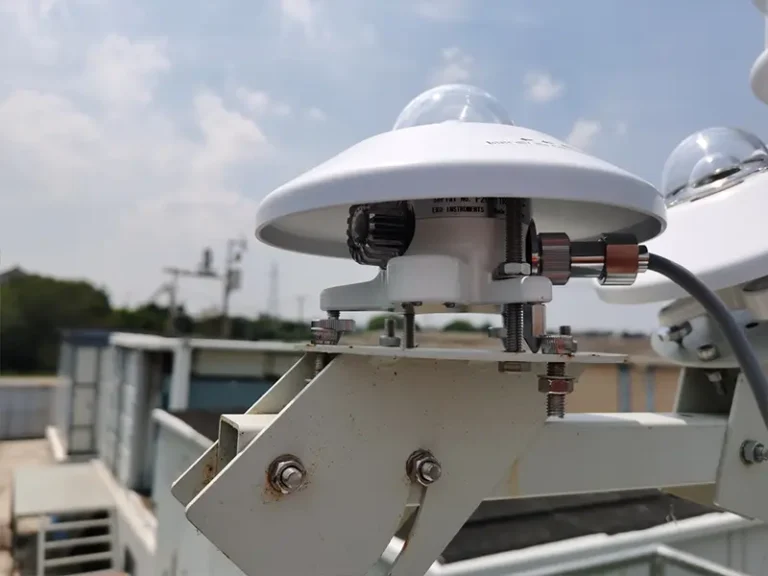
India is a huge country with various types of climate. West India is hot and dry while east India is humid and wet. This means different weather conditions for people of different part of India. In addition to the different types of weather, India can also experience natural disasters such as storms, floods, and droughts. India is such a big country and the climate is different everywhere; by keeping track of the weather, we help ensure the safety of people. Through the study of weather, we can better equipment ourselves for hazardous conditions
Bringing accurate weather data with automatic weather stations in India
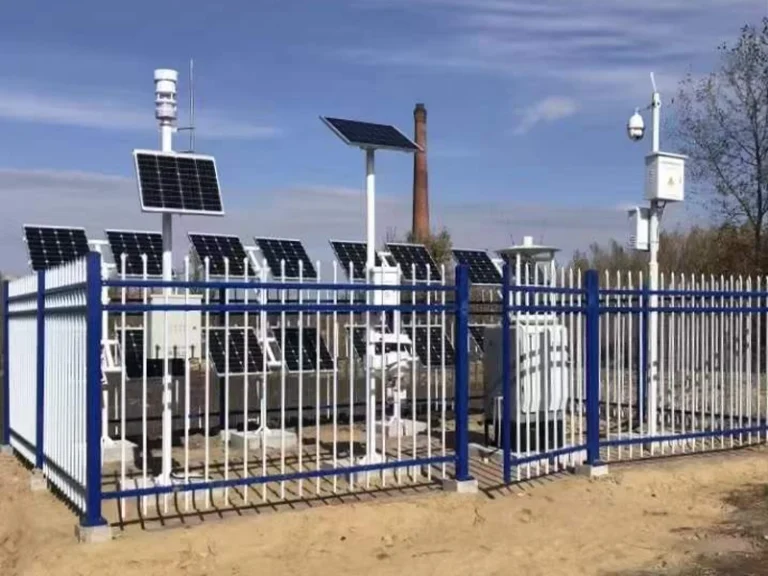
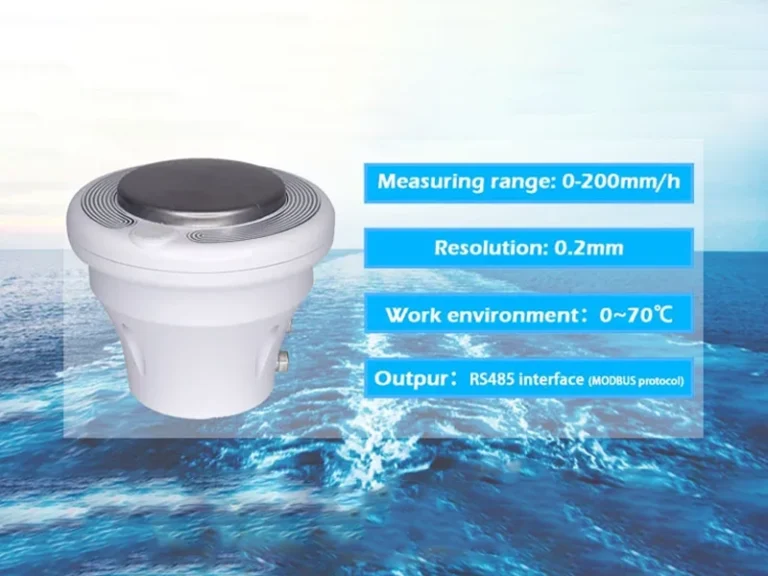
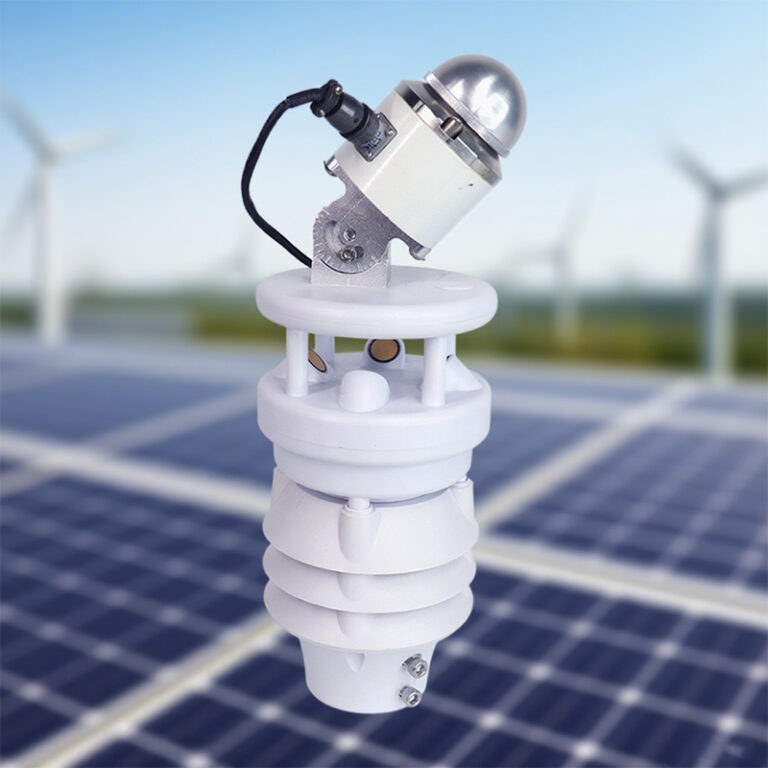
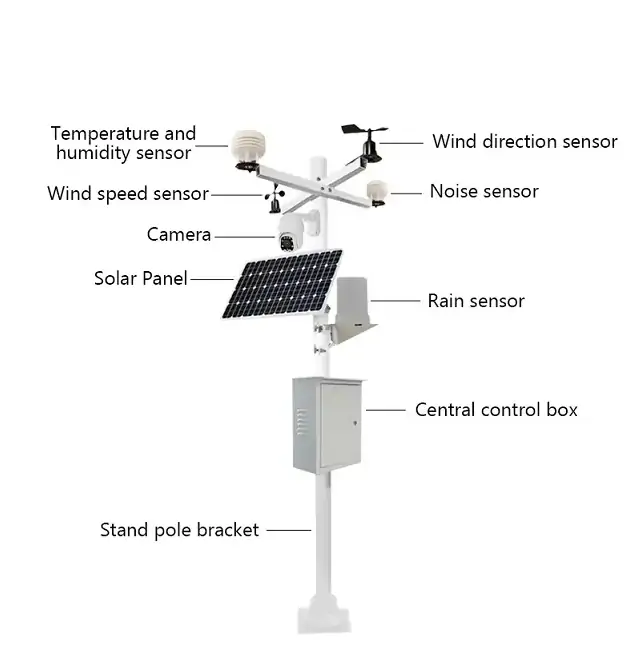
There are over 900 AWS stations across the country in India. These XF Compact Weather Station monitor a variety of weather conditions, such as temperature, humidity, air pressure, wind speed, and rainfall. The AWS weather stations can take readings every 10 minutes, providing almost real-time updates on weather conditions. In the IMD Main office, this is analyzed and mad available to everyone
Latest developments in India’s automatic weather station network
An additional key project is the GPS Radiosonde technology. It is relatively new Indoor Environmental Monitoring technology used to glean information high in the atmosphere about the conditions under which precipitation forms. Such important weather data is temperature, humidity, air pressure, and wind direction, is tracked using GPS signals. With the GPS Radiosondes, the data is then used to improve weather forecasting and monitor severe weather which is crucial for saving lives and protecting property.
The role of automatic weather stations in forecasting extreme weather events
AWS is used to create weather Intelligent Agriculture Sensor models and forecasts from the real-time weather data it gathers. The IMD draws on this data to forecast when dangerous weather could strike and to alert the public. It provides early warnings, which are vital because they allow people to take necessary measures to protect themselves during severe weather occurrences. Cyclones are common in coastal areas of India, and AWS is particularly important for predicting them. Accurate cyclone predictions enable officials to evacuate people from vulnerable areas, and that can save thousands of lives.
How automatic weather station technology is improving India’s agriculture industry
AWS technology is enabling farmers in India to increase their crop yields and improve their farming practices. AWS real-time weather data helps farmers plan their days more efficiently as they farm in the fields. That means they can know when it’s best to plant the seeds, when to irrigate their crops and how to best apply fertilizers. Another time-saving and efficiency-boosting application of AWS data is its ability to predict pest infestations and disease outbreaks before they can have an impact on crops.