Introduction
During winter road operations, air temperature does not always reflect the actual pavement surface condition. Local drainage, shading, traffic, wind, and surface temperature differences can cause thin water films, black ice, or snow to form even when conventional weather data does not clearly indicate a hazardous road surface. For road operators, the challenge is therefore not only to monitor the weather, but to determine what is actually present on the pavement. A road surface condition sensor provides this direct measurement by using non-contact optical or infrared sensing to analyze changes in reflected signals from the road surface. Based on the sensing technology, these signal changes can be used to identify water, ice, snow, or mixed conditions and, in some systems, determine surface-layer thickness and other road-condition parameters.
This makes the detection principle particularly important: how can reflected signals reveal whether a pavement surface is wet, frozen, or covered with snow? This article focuses on that process, explaining how a road surface condition sensor detects ice and water, how the measured data is converted into practical road-condition information, and how it can be combined with visibility and weather data for road and tunnel safety monitoring. For a broader overview of sensor functions and applications, see What Is a Road Condition Sensor? Working Principle & Applications.
What Makes Ice and Water Difficult to Detect on Road Surfaces?
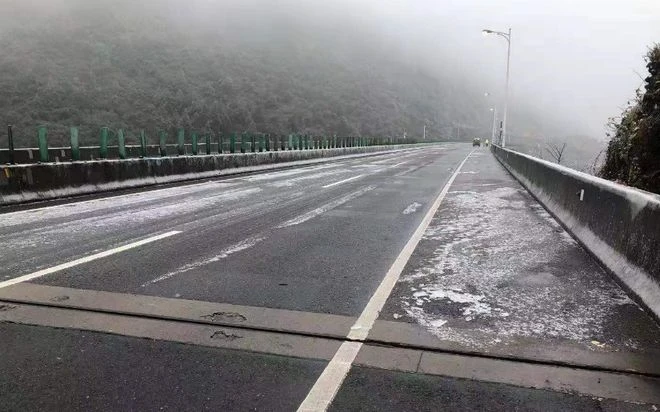
Ice and water on pavement are difficult to identify because their surface signals can change significantly with layer thickness, temperature, lighting, and pavement material. A thin water film may be almost invisible, while black ice can blend into the road surface and remain difficult to recognize visually. Snow, wet snow, slush, and mixed ice-water conditions add further complexity, making simple visual inspection or single-parameter measurement unreliable.
Air temperature can indicate freezing risk, but it does not directly show what is present on the pavement. Cameras may also miss thin water films or black ice, while embedded sensors require pavement installation and are less convenient for some retrofit projects. These limitations have driven the use of road surface condition sensors that directly analyze the pavement using non-contact optical or infrared detection.

How Does a Road Surface Condition Sensor Detect Ice and Water?
A road surface condition sensor detects ice and water by examining how the pavement responds to controlled optical or infrared signals. Instead of relying only on air temperature or visual inspection, the sensor looks directly at the road surface. Water, ice, snow, and dry pavement interact with light differently, creating measurable changes in the returned signal. The sensor processes these differences to identify the surface condition and, in some systems, estimate the thickness of the material covering the pavement.
Send a Controlled Signal to the Road Surface
The sensor first directs optical, infrared, or laser energy toward a defined area of pavement. Because the measurement is non-contact, the sensing unit can be installed above or beside the road rather than embedded in it. This is particularly useful when monitoring existing highways, bridges, or tunnel approaches where pavement cutting and lane closures can complicate installation.
The important point is that the sensor is not simply measuring temperature from a distance. It creates a controlled measurement area and observes how the road surface responds to the emitted signal.
Analyze the Reflected Signal
Once the signal reaches the pavement, part of the energy is absorbed, reflected, or scattered. A dry asphalt surface does not respond in the same way as a surface covered by water, ice, or snow. Even a thin surface layer can change the characteristics of the returned signal.
The receiver captures these changes and sends the data for analysis. The basic process is :
Emitted Signal → Pavement Interaction → Returned Signal → Signal Analysis → Surface Condition
This is what makes non-contact detection useful for conditions such as thin water films or black ice, which may be difficult to identify through visual inspection alone.
Identify More Than Just “Ice or No Ice”
For road operators, a simple ice alarm is often not enough. The important question is what condition is actually developing on the pavement.
Based on the sensor design and detection method, the system may distinguish between conditions such as dry, moist, wet, icy, snow-covered, slushy, or mixed ice-water surfaces. Multi-wavelength optical sensing and other measurement techniques can provide a more detailed picture when the road surface changes rapidly or when different materials are present at the same time.
This distinction matters because a wet road approaching the freezing point requires a different response from an already frozen surface.
Measure How Much Water, Ice, or Snow Is Present
Identifying the surface state answers one question: what is on the road? Thickness data helps answer another: how much is there?
Some systems can measure or estimate the thickness of water, ice, or snow layers. This gives road operators more useful information than a simple condition label. A light water film, for example, does not present the same maintenance challenge as a thicker layer of water or ice.
For winter maintenance and traffic management, this quantitative information can support decisions such as whether to inspect a section, issue a warning, or adjust maintenance operations.
Turn Surface Measurements Into Usable Road Data
The optical measurement itself is only the first step. The sensor converts the returned signal into information that operators can use, such as pavement condition, water or ice thickness, surface temperature, and, where supported by the sensing method, slipperiness-related data.
The process can be summarized as:
Surface Signal → Data Processing → Pavement Condition → Measured Parameters → Operational Decision
This is where the value of a road surface condition sensor becomes clearer. It gives road operators direct information about the pavement rather than asking them to infer surface conditions solely from weather data. The resulting data can then be used for winter maintenance, road warnings, traffic management, and, later in this article, integration with wider road and tunnel monitoring systems.
What Can a Road Surface Condition Sensor Measure?
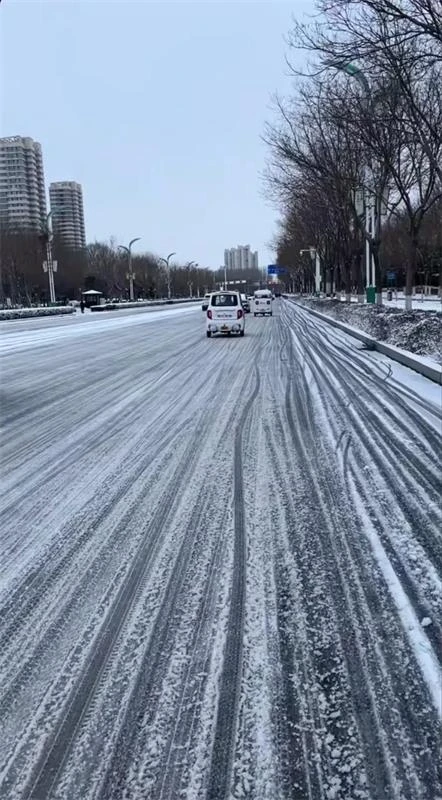
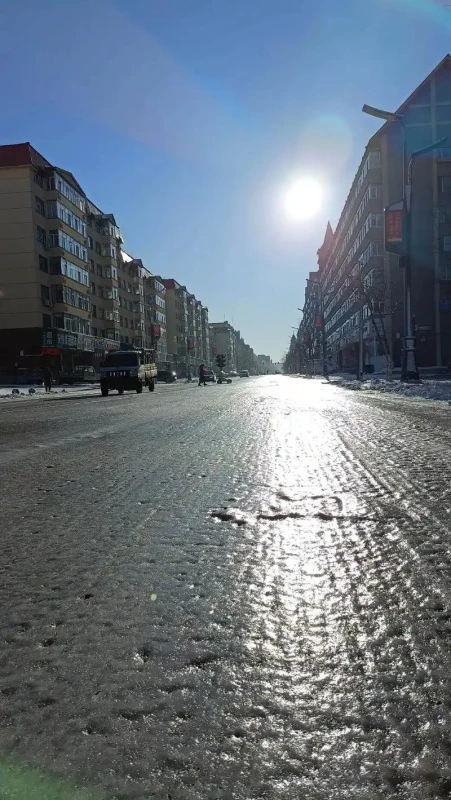
A road surface condition sensor provides more than a simple wet-or-icy indication. Depending on the sensing technology, it can identify the pavement state, measure water, ice, or snow thickness, and monitor surface temperature and other indicators related to winter road safety. These measurements give road operators direct information about the pavement, helping them assess changing conditions and make more informed decisions about maintenance, warnings, and traffic management.
| Measurement | What It Indicates | Why It Matters |
| Road Surface Condition | Dry, moist, wet, icy, snowy, slushy, or mixed conditions | Shows the current state of the pavement |
| Water Film Thickness | Amount of water covering the road surface | Helps identify wet or potentially hazardous conditions |
| Ice Thickness | Thickness of ice formed on the pavement | Indicates the severity of surface icing |
| Snow Thickness | Depth of accumulated snow | Supports snow removal and winter maintenance |
| Surface Temperature | Actual temperature of the pavement | Helps identify freezing and refreezing conditions |
| Slipperiness-Related Data | A measured or calculated indicator of surface slipperiness | Supports road-risk assessment and safety warnings |
| Freezing Point / Salt-Related Data | Available on some road weather monitoring systems | Helps evaluate whether treated pavement may freeze |
Why Use Non-Contact Detection for Road Surface Monitoring?
Non-contact detection measures the pavement from a distance rather than placing sensing elements directly in the road. This approach is useful for monitoring existing roads where pavement cutting, lane closures, or embedded installation can complicate deployment. By observing the road surface continuously, the sensor can provide direct condition data without changing the pavement structure.
Easier Installation on Existing Roads
A non-contact road surface condition sensor can be mounted above or beside the roadway and monitor a defined area of pavement. No pavement cutting or embedded installation is required, which makes this approach practical for existing highways, bridges, tunnel approaches, ramps, and retrofit projects. It also reduces the need for traffic disruption during installation or replacement.
Continuous Monitoring Without Direct Pavement Contact
Because the sensing unit does not remain in contact with the pavement, it is less exposed to vehicle loading, pavement wear, and routine road maintenance. The sensor can continuously monitor changes in road surface condition, water or ice accumulation, and surface temperature, then transmit the measurements to a monitoring platform. Compared with periodic manual inspection, this provides more consistent pavement-condition data for road maintenance and safety decisions.


Non-Contact vs Embedded Road Surface Sensors: Which Fits Your Project?
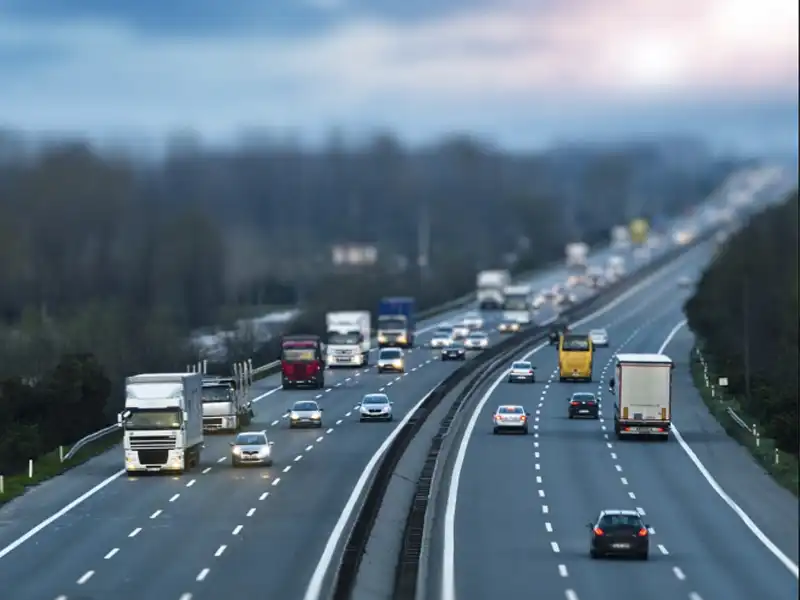
Both non-contact and embedded road surface sensors can be used for pavement condition monitoring, but they suit different installation and monitoring requirements. Non-contact sensors measure the pavement remotely from above or beside the road, while embedded sensors are installed directly into the pavement. The choice should consider installation conditions, required measurements, maintenance access, and whether pavement construction is acceptable.
| Factor | Non-Contact Sensor | Embedded Sensor |
| Installation | Above or beside the pavement | Installed inside the pavement |
| Pavement Cutting | Normally not required | Required |
| Direct Contact | No direct pavement contact | Direct contact with the pavement |
| Retrofit Projects | Generally easier to deploy | More involved to install |
| Maintenance Access | Accessible above ground | May require pavement access |
| Typical Use | Existing roads, bridges, tunnel approaches, and critical sections | New road construction, permanent monitoring, and specialized studies |
| Main Strength | Flexible installation with minimal road disruption | Direct measurement of pavement or subsurface parameters |
When Is a Non-Contact Sensor a Better Fit?
We usually recommend non-contact sensing for existing roads and retrofit projects where cutting the pavement or closing a lane would make installation unnecessarily complicated. It is also practical for bridges, tunnel approaches, ramps, and other sections where the pavement needs to remain intact. In these projects, the main advantage is not that the sensor is automatically more accurate, but that it can be installed and serviced without working directly inside the road.
When Is an Embedded Sensor a Better Fit?
We tend to consider embedded sensors when the project needs information from inside the pavement, rather than only from its surface. This is more common in new road construction, test sections, and long-term pavement studies, where engineers may need temperature measurements at different depths or internal moisture data. From our project experience, these requirements are difficult to address with a surface-mounted sensor alone.
The better choice ultimately depends on the installation conditions, required measurements, maintenance strategy, and whether pavement construction is acceptable. For retrofit road monitoring, we generally favor non-contact sensing when the main objective is to monitor surface conditions without interrupting normal road operation.
How Does Road Surface Condition Data Support Road and Tunnel Safety?
For road and tunnel operators, detecting an icy or wet pavement is only the first step. The more important question is what the data can support after the condition is detected. A road surface condition sensor can continuously provide information such as surface temperature, water film, ice, and snow conditions. When this data is connected to a monitoring platform, operators can use it to identify high-risk sections, review changing conditions, and decide when inspection or maintenance is required.
From Pavement Detection to Winter Road Decisions
Road conditions can change faster than a scheduled inspection can capture. A section that is wet during one inspection may develop ice later as the pavement temperature drops. Continuous monitoring gives operators a way to follow this change rather than relying on isolated observations.
In practical road maintenance, the data can support several decisions:
Check a high-risk section when surface conditions begin to deteriorate.
Arrange de-icing or snow removal when ice or snow reaches a level that requires intervention.
Issue traffic warnings or adjust speed controls when pavement conditions present an increased risk.
Prioritize maintenance resources by identifying which sections require attention first.
The sensor does not replace the operator’s decision. Its value is that it provides measured pavement data at the time the decision needs to be made.
Why Tunnel Entrances and Exits Need Closer Monitoring?
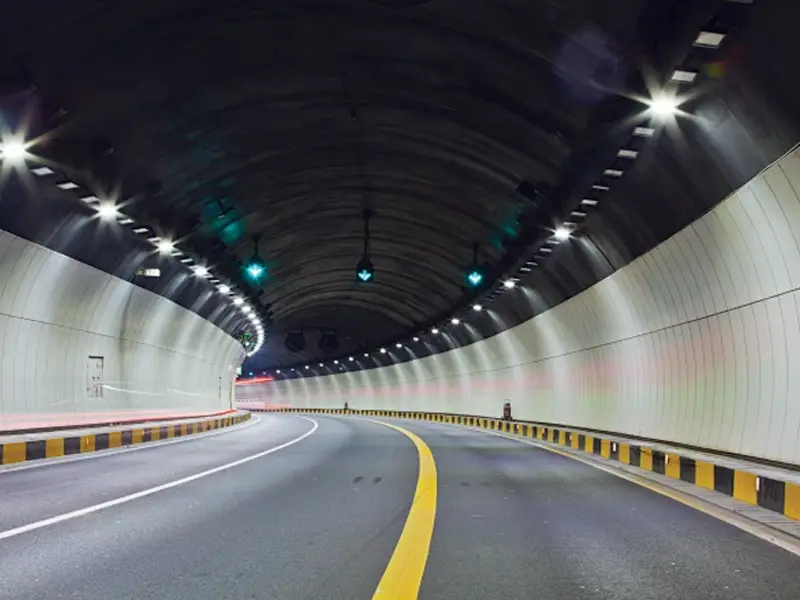
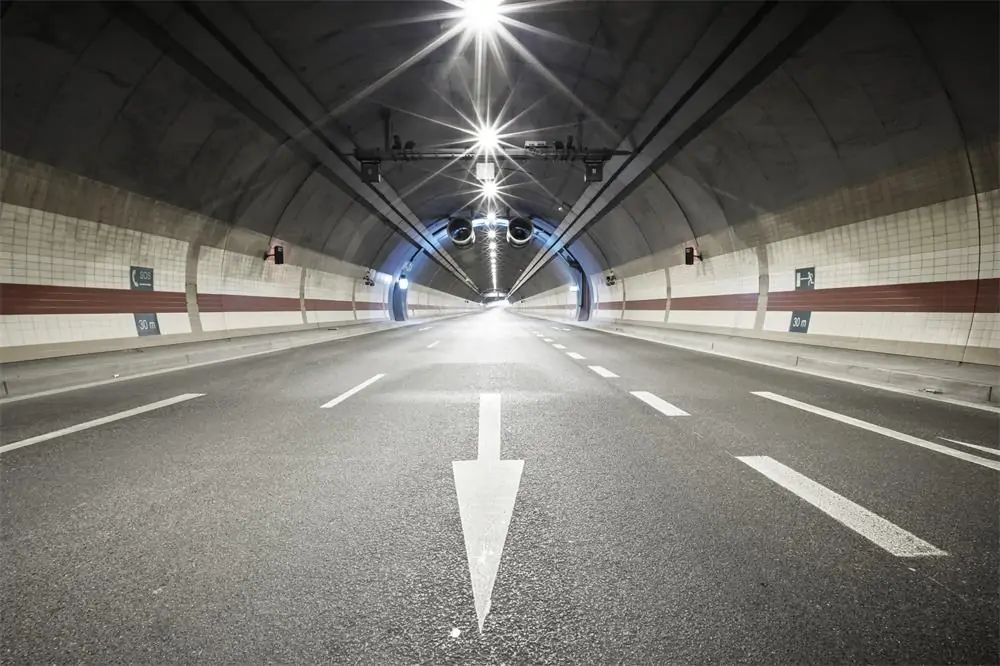
Tunnel portals are particularly important because the road environment changes over a short distance. The exposed approach may be affected by rain, snow, wind, shading, and low pavement temperatures, while conditions inside the tunnel can be quite different. Bridges, ramps, long downhill sections, and shaded road surfaces can present similar problems.
For operators, these locations are often difficult to manage through routine patrols alone. A road surface condition sensor can continuously monitor selected high-risk points and provide an additional source of information between physical inspections. This is especially useful when the monitoring system needs to cover multiple tunnel entrances, exits, or remote road sections without increasing the frequency of manual patrols.
Combining Road Surface, Visibility and Weather Data
Road surface condition is only one part of the operating environment. When pavement conditions are evaluated together with visibility, temperature, humidity, wind, and precipitation, operators can better understand the conditions affecting drivers. For example, wet pavement combined with reduced visibility from fog, rain, or snow presents a different risk from wet pavement alone.
A road surface sensor can therefore work alongside a visibility sensor, such as the XF-CQ10, with both providing complementary data to the same monitoring platform. The road condition sensor focuses on what is happening on the pavement, while the visibility sensor provides information about the atmospheric conditions affecting the driver’s field of view. Combining these measurements gives operators a more complete picture of changing road conditions.For more information, see How Is Visibility Measured?
From Tunnel Sensor Data to Operational Decisions
Sensor data becomes useful when it supports a specific operational response. A monitoring platform can collect current road surface monitoring data and retain historical records for reviewing recurring problems at tunnel entrances, exits, bridges, highways, and other critical sections.
Operators can use this information to determine when a site needs inspection, de-icing, snow removal, a traffic warning, or closer monitoring. In a tunnel safety system, the road surface sensor becomes one part of a wider tunnel sensor network. The same pavement-condition data can also be integrated into an RWIS (Road Weather Information System) to support road maintenance and traffic management.

How Does a Road Surface Condition Sensor Work With RWIS?
A road surface condition sensor is an important field data source for a Road Weather Information System (RWIS). The sensor collects pavement information such as surface temperature, water film, ice, snow, or other road-condition parameters and sends the measurements to a data acquisition device or monitoring platform. These data can then be combined with information from weather sensors and visibility sensors, allowing the RWIS to monitor both pavement conditions and the surrounding weather environment. For more details, see What Is a Road Weather Information System (RWIS)? Components & Applications.
When RWIS brings these data sources together, road operators can monitor changing conditions in real time and use historical records to identify recurring risks. Pavement data combined with temperature, humidity, precipitation, wind, and visibility information can support decisions such as road inspection, de-icing, snow removal, traffic warnings, and traffic management. In this system architecture, the road surface sensor provides direct pavement data, while RWIS connects field measurements with analysis and operational decisions. For highway, bridge, and tunnel projects that require non-contact pavement monitoring, Yantai Sensor Road Surface Condition Sensor can serve as a field sensing device within this wider monitoring structure.

Yantai Sensor Road Surface Condition Sensor for Non-Contact Monitoring
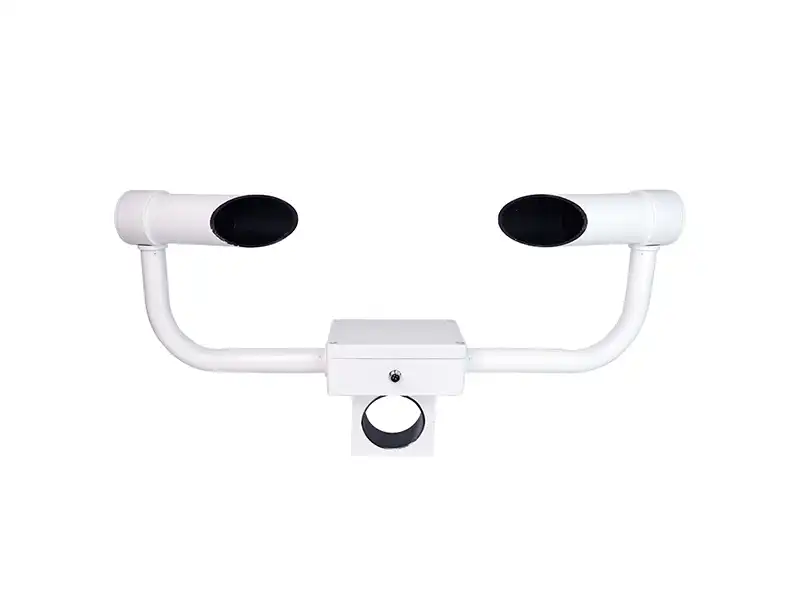
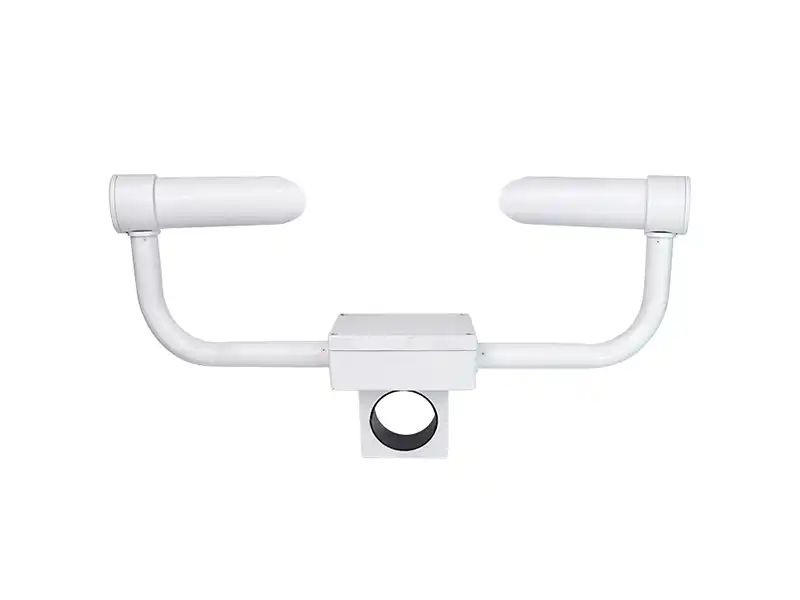
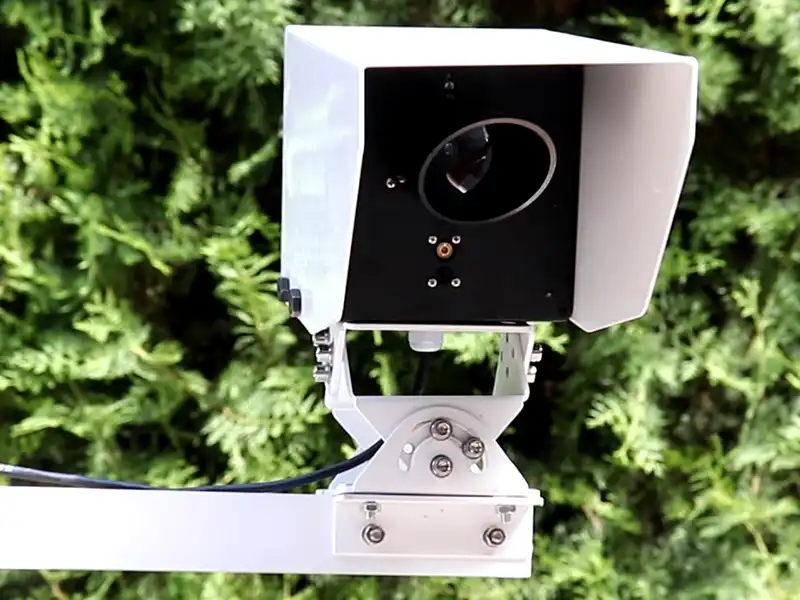
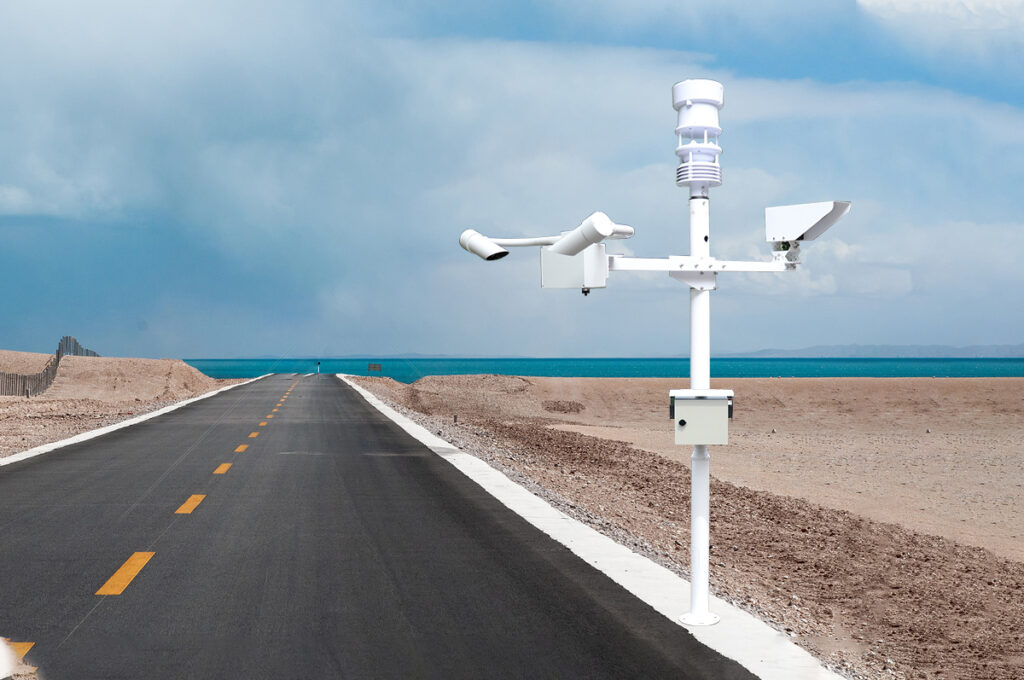
After explaining how road surface data can be integrated into an RWIS, the next step is to look at the field sensor used to collect this pavement information. Yantai Sensor’s XF-CQ11 is designed for non-contact road surface monitoring, providing direct measurements of pavement conditions without requiring the sensor to be embedded in the road. This makes it suitable for highways, bridges, airports, tunnel approaches, and other road monitoring locations where pavement integrity and traffic continuity need to be maintained.
XF-CQ11 Road Condition Sensor for Highway
The XF-CQ11 road condition sensor uses infrared laser remote sensing to monitor pavement conditions in real time. It detects the type and thickness of water, ice, and snow on the road surface and calculates a slipperiness coefficient to help identify changes in surface conditions. As a non-contact device, it can monitor the pavement without physical contact or modification of the road structure. The sensor is designed for integration with road weather monitoring and data acquisition systems, making it suitable for applications where direct pavement-condition data is required.
| Parameter | Specification |
| Detection Distance | 3–10 m |
| Detection Area Diameter | Approx. 50 cm at 6 m |
| Installation Angle to Horizontal | 30–90° |
| Power Supply | DC 9–30 V |
| Operating Temperature | -40°C to +60°C |
| Working Humidity | 0–100% RH |
| Road Surface Temperature | -40°C to +85°C |

What Should Engineers Consider When Selecting a Road Surface Condition Sensor?
Once the sensing principle, measurement parameters, installation methods, road and tunnel applications, and RWIS integration are clear, the next step is selecting the right road surface condition sensor for the project. Engineers should evaluate the sensing technology, detection range, environmental conditions, communication requirements, and installation and maintenance requirements together. The right choice is not simply the sensor with the most specifications, but the one that matches the monitored road section and the existing monitoring architecture.
- Detection Technology: Select optical, infrared, laser, or embedded sensing according to the required measurements and installation conditions.
- Detection Distance and Measurement Range: Check the installation height, detection area, and measurable water, ice, and snow range to ensure proper pavement coverage.
- Environmental Adaptability: Verify operating temperature, humidity, weather protection, and resistance to rain, snow, frost, and dust.
- Communication and System Integration: Confirm compatibility with RS485, PLC, data acquisition systems, RWIS, or tunnel monitoring platforms.
- Installation and Maintenance: Consider mounting position, installation angle, power supply, accessibility, and maintenance requirements without disrupting traffic.
Conclusion
A road surface condition sensor detects ice and water by analyzing changes in optical or infrared signals reflected from the pavement. These changes allow the sensor to identify surface conditions and, depending on the sensing technology, measure water, ice, or snow thickness. Compared with relying only on air temperature or visual inspection, direct pavement measurements provide operators with more immediate information about what is actually occurring on the road surface.
When combined with visibility, weather, and other tunnel sensors, pavement condition data can become part of an integrated RWIS or tunnel safety system, helping operators move from weather-based prediction toward real-time surface condition monitoring. This supports practical decisions such as road inspection, de-icing, snow removal, traffic warnings, and monitoring of high-risk sections such as tunnel entrances, exits, bridges, and exposed roadways.
For projects requiring reliable non-contact pavement monitoring, Yantai Sensor provides road surface sensing solutions that can connect road condition data with a broader tunnel sensor network and smart tunnel solution. If you are planning a road, bridge, highway, airport, or tunnel monitoring project, contact Yantai Sensor to discuss the required detection parameters, installation conditions, and system integration requirements.