Introduction
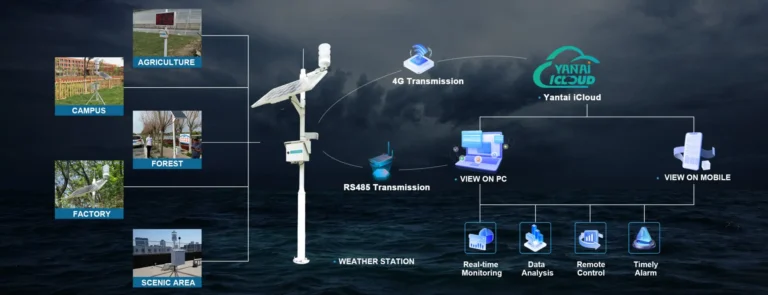
In today’s era of rapid advancement in smart manufacturing and industrial digitization, factories compete not only on the tonnage and production capacity of their equipment, but also on the accuracy and responsiveness of their data. And at the heart of it all are industrial sensors. In actual production, are you also facing these challenging issues: equipment suddenly failing and shutting down without warning, resulting in costly production line losses? Product defect rates that fluctuate wildly, with no clear key variables to identify? Wanting to implement predictive maintenance but not knowing where to start?
As the 2026 Selection and Application Guide, this article avoids empty concepts and focuses solely on solving real-world problems. We’ll address the pain points of industrial operations head-on, outline the selection criteria for core sensors—from temperature and pressure to vision—and provide actionable industry solutions to help your factory reduce costs and improve efficiency, truly turning data into productivity.
What Are Industrial Sensors?
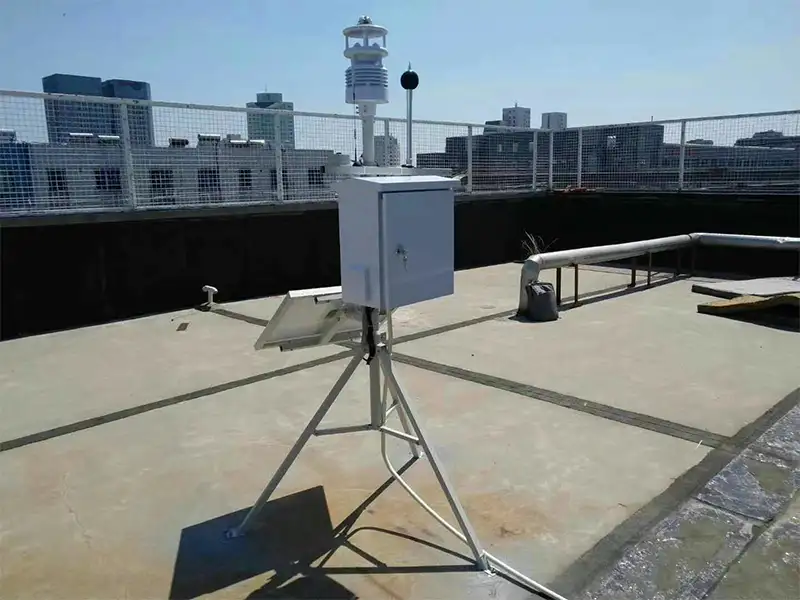
Industrial sensors—often referred to within the industry as the “eyes of industry” or the “tentacles of the production line”—are core digital components that convert physical or chemical changes on the factory floor, such as temperature, pressure, vibration, and displacement, into standard electrical signals. They serve as the foundational building blocks of the Industrial Internet of Things (IIoT) and smart manufacturing.
According to industry reports from authoritative organizations such as McKinsey, in highly automated modern factories, more than 85% of core production line decisions and safety alerts rely directly on real-time data transmitted by front-end sensors. Simply put, the essence of industrial sensors is to digitize the ambiguous physical world; they endow machines with sensory capabilities and serve as the primary link in achieving automated detection and control.
How Do Industrial Sensors Work?
The operating principle of smart industrial sensors can be simply summarized in three steps: “sensing—conversion—output”:
- First, through its internal sensing element, the sensor directly detects physical or chemical changes in the industrial environment (such as a rise in temperature, an increase in pressure, or mechanical vibration);
- Next, they utilize physical effects such as piezoelectric, electromagnetic, or photoelectric phenomena to convert these faint physical quantities into measurable electrical signals;
- Finally, after amplification and digital processing by the built-in circuitry, a standardized signal is output to a PLC, enterprise gateway, or cloud-based control system. The entire process is analogous to how the body’s nerve endings transmit tactile sensations to the brain, enabling real-time translation from “physical changes” to “digital code.”
Types of Industrial Sensors
1. Temperature Sensor
In industrial settings, temperature is often the most direct indicator of equipment health and process status. Temperature sensors convert thermal changes into electrical signals using components such as resistance temperature detectors (e.g., Pt100) or thermocouples. From mold temperature control in injection molding machines and food sterilization to boiler safety monitoring, these industrial sensors are indispensable to process control for detecting temperature or heat.
2. Humidity Sensor
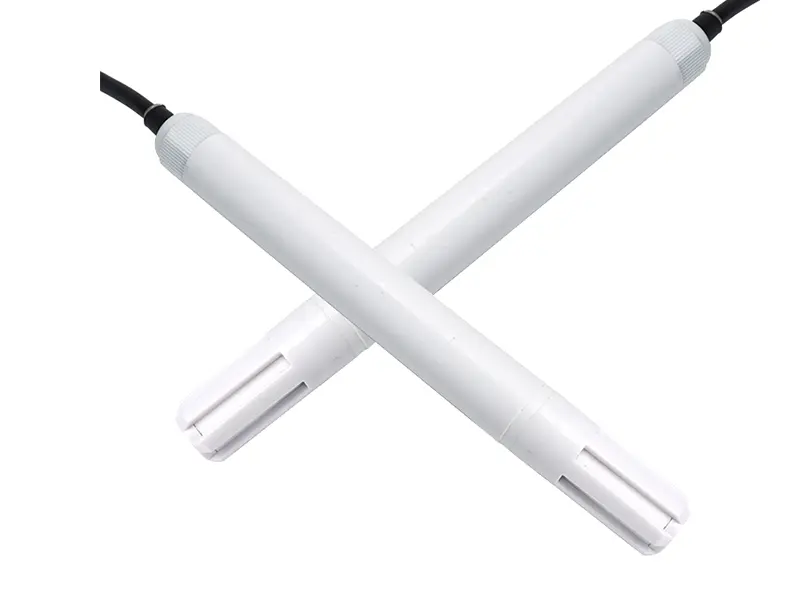
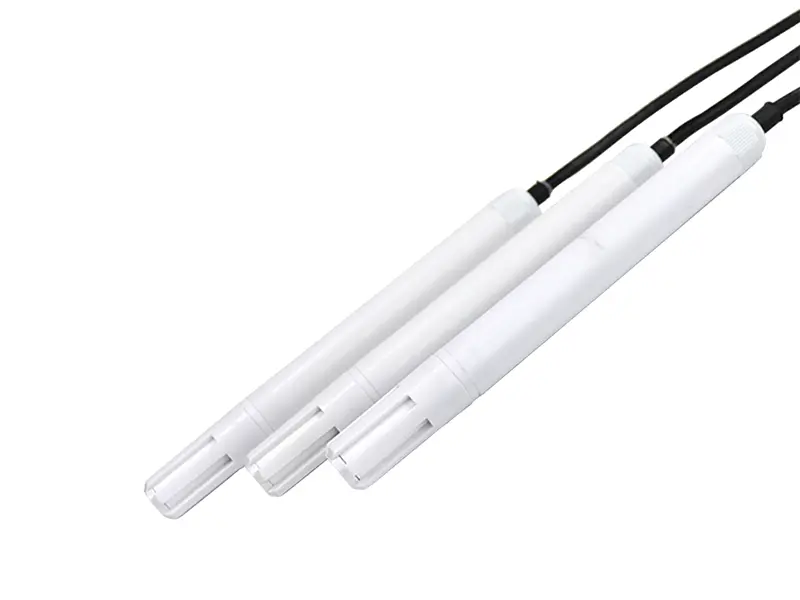
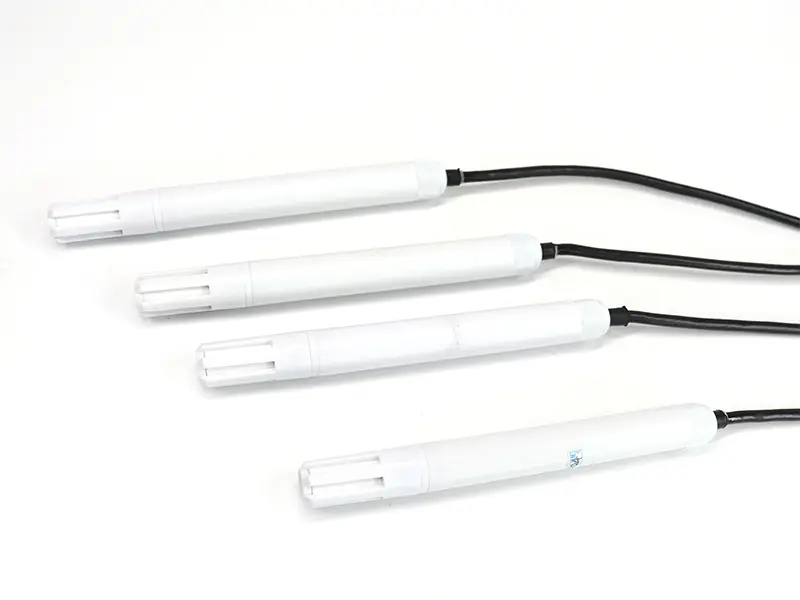
Humidity sensors are primarily responsible for monitoring the water vapor content in the air or in specific gases. In pharmaceutical cleanrooms, paper mills, tobacco drying facilities, and semiconductor wafer manufacturing, even minor fluctuations in humidity can result in the entire batch of products being scrapped. These sensors detect moisture using polymer or ceramic sensing elements, helping central control systems precisely regulate the environment to strictly prevent damage caused by moisture, condensation, or static electricity.
3. Pressure Sensor
Pressure sensors serve as the “safety valves” of hydraulic and pneumatic systems and pipeline transportation. They utilize piezoresistive or capacitive effects to detect changes in gas or liquid pressure in real time. Whether monitoring the output air pressure of an air compressor, the fluid pressure in chemical pipelines, or the gripping force of hydraulic machinery, they can detect pipeline leaks, blockages, or component failures within the system. Monitoring systems use pressure sensors to send alerts to operations and maintenance personnel.
4. Wind Sensor
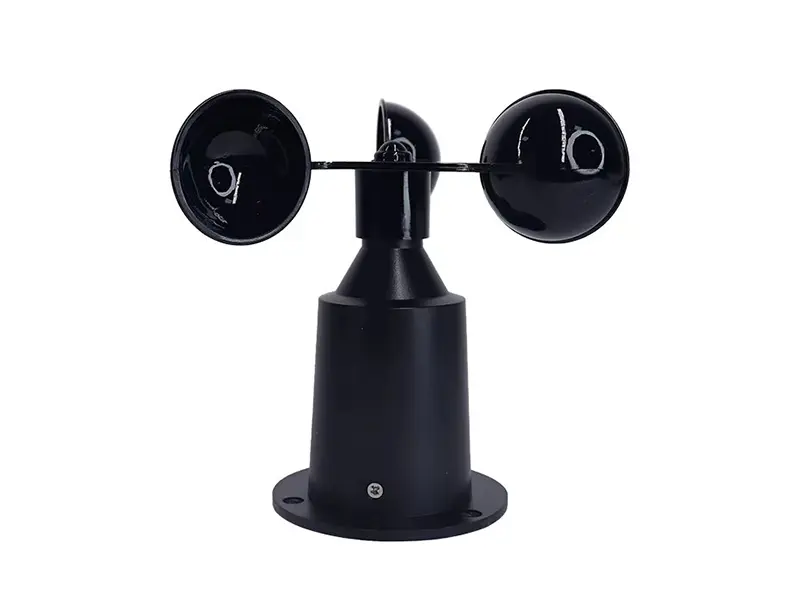
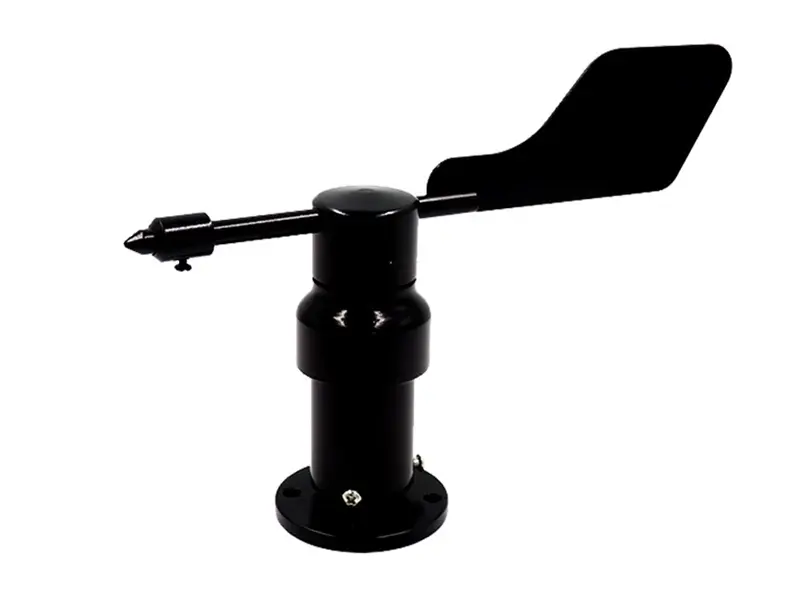
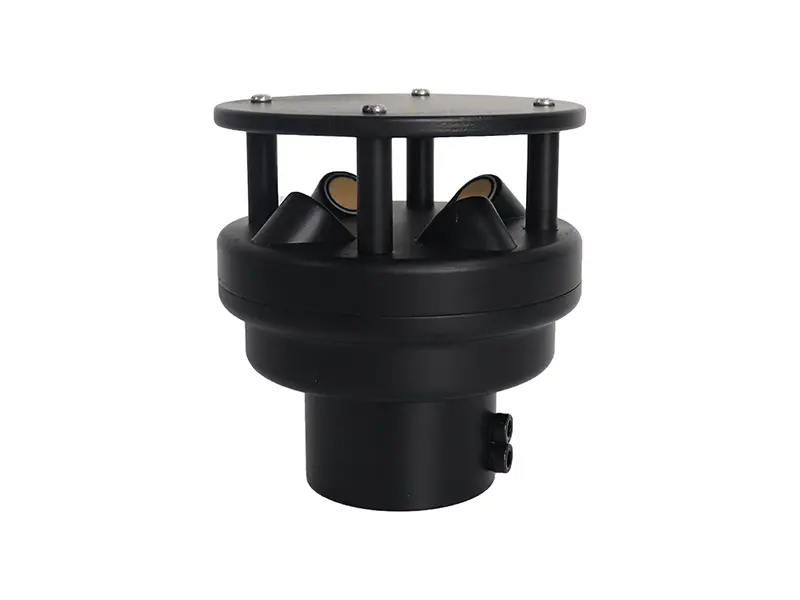
Wind speed and direction sensors play a vital role in open-air industrial operations, wind power generation, and smart ports. Common types include mechanical sensors (such as 3 cup anemometers and wind vanes) and ultrasonic sensors. The wind data they provide—covering both speed and direction—serves as a critical basis for ensuring safety during high-altitude operations (such as tower crane work), managing the yaw control of wind turbines, and predicting the dispersion of toxic gas leaks at chemical plants, thereby supporting emergency response and disaster mitigation efforts.
5. Rain Sensor
Rainfall sensors are primarily used for the automated management of outdoor industrial and mining sites, rail transit systems, and open-air storage facilities. Using either a tipping-bucket mechanism or optical reflection principles, they can accurately measure rainfall or detect the onset of rain. When a sudden downpour occurs, they immediately trigger the factory’s drainage system or send an early warning to the rail dispatch center to prevent landslides, embankment collapses, or flooding of open-air freight yards.
To address the demanding requirements of outdoor disaster-prevention scenarios, we have specifically launched the [Rainfall Sensor for Hydrological & Meteorological Monitoring Project], offering a comprehensive solution that spans everything from hardware selection to cloud-based meteorological data integration.
6. Solar Radiation Sensor
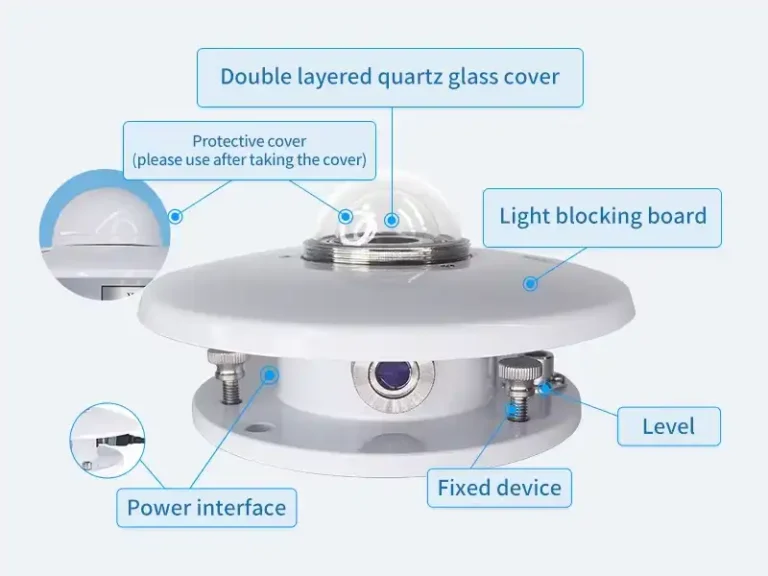
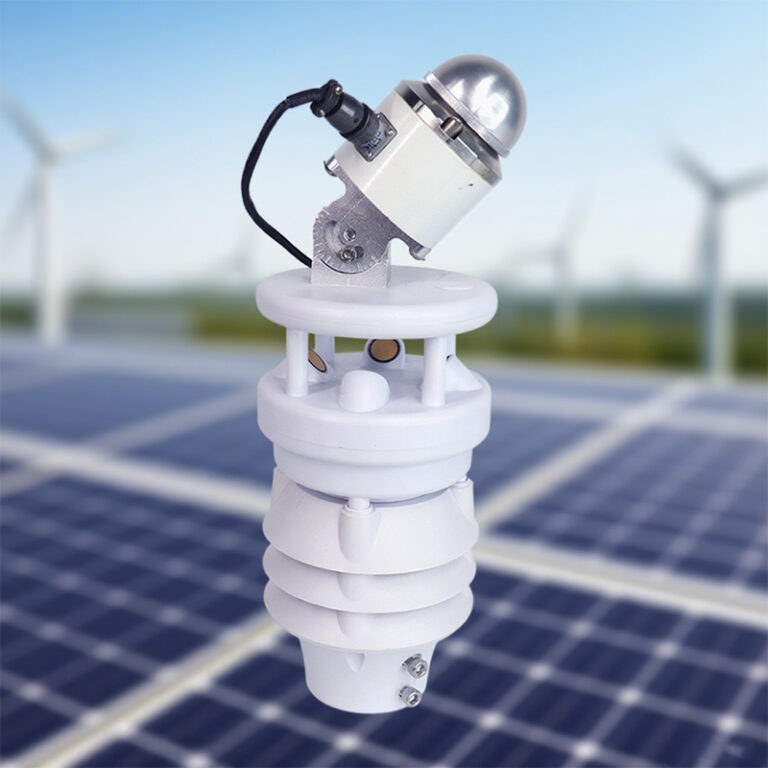
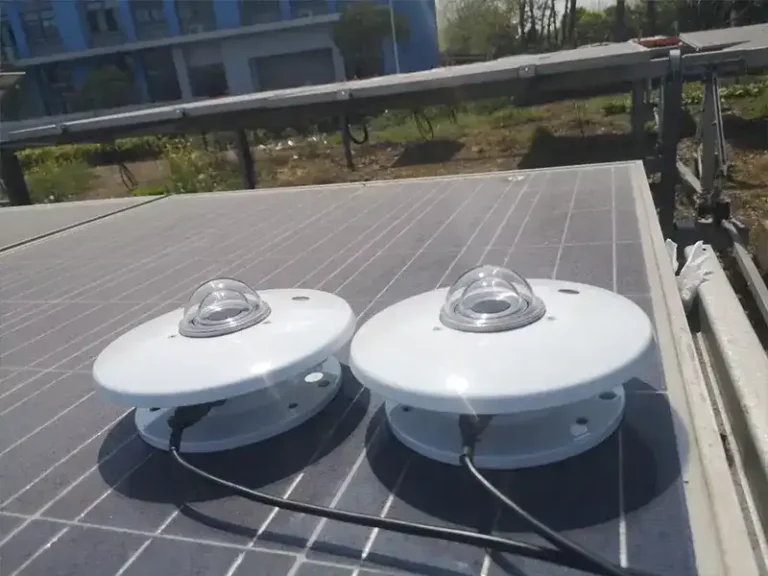
A pyranometer serves as a “meteorological benchmark” for photovoltaic power plants and modern greenhouses. Utilizing thermopiles or photodiodes, it precisely measures the total energy of incident solar radiation. In the new energy sector, it is an essential sensor for evaluating the power generation efficiency of photovoltaic panels, optimizing tracking system angles, and forecasting grid loads.
7. Water Quality Sensor
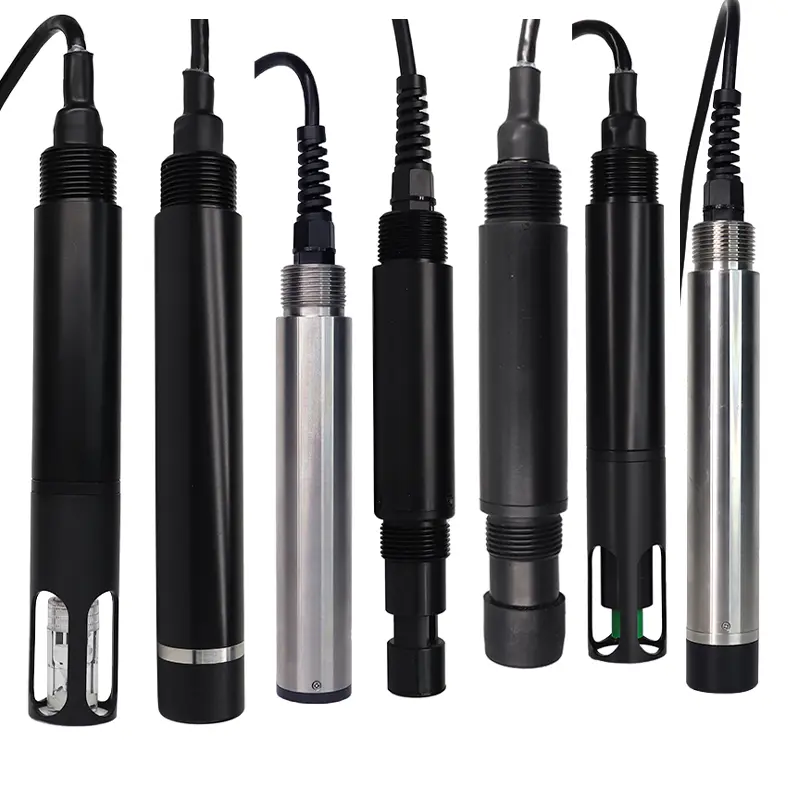
Water quality sensors serve as “environmental guardians” for industrial wastewater treatment and process water in manufacturing. They monitor multiple parameters, including pH, conductivity, dissolved oxygen (DO), and turbidity. Whether monitoring wastewater discharge compliance at chemical and textile dyeing plants or controlling water quality in ultrapure water systems at electronics factories, these sensors closely track changes in water quality in real time, ensuring that production remains compliant and environmentally friendly.
8. Gas Sensor
Gas sensors play a crucial role in many industrial processes; they utilize electrochemical, infrared, or catalytic combustion principles to specifically detect the concentration of specific gases in the air. In high-risk work environments such as metallurgy, petroleum and petrochemical facilities, and underground utility tunnels, they can detect leaks of flammable gases (such as methane) or toxic gases (such as carbon monoxide and hydrogen sulfide) within one second, directly triggering audible and visual alarms as well as ventilation systems to safeguard the lives of frontline workers.
9. Smoke sensors
Smoke sensors serve as “invisible sentinels” for fire safety and electrical hazard prevention in factories. Operating primarily on photoelectric or ionization principles, they monitor the concentration of minute smoke particles in the air in real time. In settings such as industrial cable trenches, power distribution rooms, warehouses storing flammable materials, and server rooms that operate continuously, electrical aging or localized overheating often precedes the outbreak of open flames. These sensors can keenly detect smoke signals during the initial smoldering stage of a fire, immediately triggering audible and visual alarms, cutting off power, and activating fire suppression systems to nip potential fire hazards in the bud.
10. Optical sensors
The optical sensor is based on the optical principle for measurement. It has many advantages, such as non-contact and non-destructive measurement, almost no interference and remote control. They convert changes in light intensity, reflection, transmission, or interruption into electrical signals that can be processed by monitoring and control systems. In industrial applications, it is mainly used to detect whether the target object appears, or to perform various industrial automation motion detection.
11. Level Sensor
A level sensor is a device used to measure and monitor the level of liquids or bulk solids. It converts level information into an electrical signal output. Whether measuring liquids in storage tanks or reactors, or solid powders in cement silos or grain silos, ultrasonic, radar, or admittance-type level sensors can penetrate complex environments to provide precise material height readings. Not only do they prevent overflow and dry-out, but they also serve as a dynamic basis for factory inventory management and automated material distribution.
12. Flow Sensor
A flow sensor is an instrument used to measure the flow velocity of fluids—including liquids, gases, or steam—in pipes or conduits. It converts fluid flow information into electrical signals that can be measured and processed. Using principles such as electromagnetic, vortex, or ultrasonic technology, it measures the flow velocity and volume of liquids, gases, or steam within pipes. In energy metering (such as natural gas and steam), precise chemical blending, and water supply and distribution systems, flow meters are essential tools for calculating production costs and optimizing fluid transport efficiency.
13. Proximity Sensor
It detects the presence of objects without physical contact and is commonly used for position detection and limit control. Without requiring mechanical contact with the object, it senses the proximity of metallic or non-metallic objects through changes in electromagnetic fields (inductive) or capacitance. In high-frequency motion applications such as robotic gripping, conveyor belt counting, and mold positioning, its high precision and long service life ensure seamless mechanical operation.
14. Vibration Sensor
A vibration sensor is essentially a device that converts mechanical vibrations into electrical signals. It can collect data such as the velocity and amplitude of an object’s vibrations, as well as the amplitude of its reciprocating motion. It typically uses a piezoelectric accelerometer to capture micro-vibrations in real time while equipment is in operation. By analyzing anomalies in vibration frequency, technicians can detect problems—such as bearing wear or misalignment of rotating shafts—at an early stage. It serves as the cornerstone for factories transitioning from a “repair-after-failure” approach to “predictive maintenance.”
Industrial Sensor Communication Protocols
When integrating Industrial Internet of Things (IIoT) or automation systems, selecting the right communication protocol is just as important as choosing the sensors themselves. It directly determines the system’s resistance to interference, transmission range, and overall wiring costs.
Industrial Sensor Communication Protocols Comparison
| Protocol / Interface | Signal Type | Max Distance | Key Advantage | Best Application Scenario |
| 4-20mA | Analog (Current) | Up to 1,000m | Highly immune to EMI; automatic broken-wire detection. | Chemical plants, water treatment, high-noise environments. |
| 0-10V | Analog (Voltage) | Short (< 15m) | Simple architecture; easy to test and debug via multimeter. | Inside control cabinets, short-distance equipment linkage. |
| RS485 | Digital (Physical Layer) | Up to 1,200m | Differential signaling; excellent noise immunity; multi-drop setup. | Foundation for legacy industrial serial networks. |
| Modbus RTU | Digital (Protocol) | Up to 1,200m | Industry-standard setup; zero data loss; universal PLC compatibility. | Industrial Sensors networks, factory automation, power monitoring. |
| SDI-12 | Digital (Protocol) | Up to 60m | Ultra-low power consumption; strict sleep/wake mechanisms. | Remote meteorological, hydrological, and soil monitoring. |
| CAN Bus | Digital (Protocol) | Up to 1,000m | Multi-master topology; real-time hardware-level error correction. | AGVs, automotive electronics, high-speed robotics. |
| LoRa | Wireless (LPWAN) | Up to 15km (LOS) | Long-range penetration; zero-fee private network setup; long battery life. | Large-scale yards, pipeline inspections, non-critical remote tracking. |
| NB-IoT | Wireless (Cellular) | Telecom Coverage | Direct cloud connectivity via SIM cards; exceptional deep-indoor coverage. | Smart water meters, city gas grids, cross-regional IIoT infrastructure. |
Industrial Sensor Applications
Industrial automation sensors are widely used across different industries to collect real-time data, improve process control, increase operational efficiency, and support predictive maintenance.
- Manufacturing – Machine monitoring, quality control, process automation
- Industrial Automation – PLC control, equipment monitoring, production optimization
- Smart Factory – IIoT, predictive maintenance, energy management
- Solar Power Plant – Solar irradiance, module temperature, weather monitoring
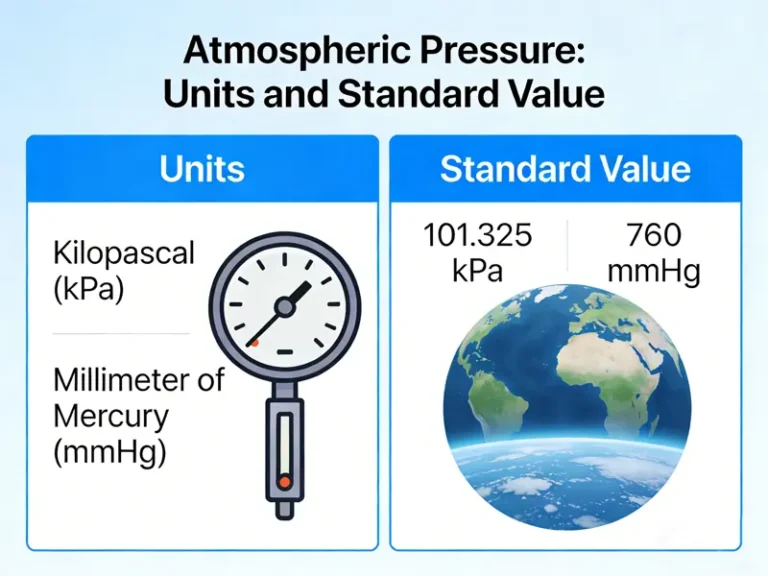
- Weather Monitoring – Wind, rainfall, temperature, humidity, atmospheric pressure
- Agriculture – Precision farming, greenhouse control, irrigation management
- Water Treatment – Water quality, liquid level, flow and pressure monitoring
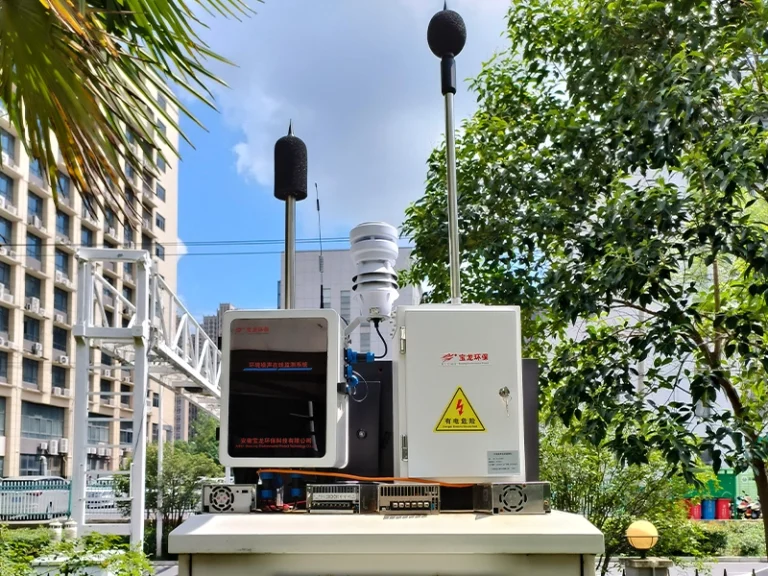
- Environmental Monitoring – Air quality, noise, dust, emissions monitoring
- Mining – Equipment health, gas detection, environmental safety
- Transportation – Traffic monitoring, road weather, visibility and infrastructure monitoring

How to Choose the Right Industrial Sensor
When selecting industrial sensors, it is not enough to simply look at the spec sheets; you must also consider the actual operating conditions. Proper selection should be based on the actual needs of the industrial site and involve a systematic evaluation across the following seven key dimensions:
1. Measurement Object and Range
Identify the physical quantity to be monitored (e.g., temperature, pressure, level) and ensure that the target measurement value falls within the optimal linearity range of 30% to 80% of the sensor’s rated maximum and minimum ranges.
2. Accuracy and Resolution Requirements
Select an appropriate accuracy grade based on process requirements to avoid paying a premium for unnecessarily high accuracy, while ensuring the sensor’s minimum resolution can capture minor fluctuations on-site.
3. Environmental Conditions
An “IP67” protection rating alone is insufficient. In environments with high humidity and oil mist—such as metalworking—attention must be paid to the sensor’s corrosion-resistant materials (e.g., 316 stainless steel) and vibration resistance rating
4. Output & Protocols
It is essential to verify that the sensor’s output signal type (e.g., NPN/PNP) matches the PLC’s input type; otherwise, signal incompatibility may cause the system to malfunction.
5. Form Factor & Installation
Consider the confined or unique physical spaces typical of industrial sites, and evaluate the sensor’s size, form factor (e.g., threaded mounting, flange mounting, or non-contact), and wiring routes.
6. Power Supply & Consumption
Confirm the supply voltage available on-site (e.g., the industrial standard 24 V DC). For field or pipeline network monitoring where wiring is difficult, prioritize low-power sensors that support battery or solar power.
7. Total Cost and Maintenance
Comprehensively evaluate hardware procurement costs, the frequency of subsequent calibration (e.g., certain water quality or gas sensors require periodic calibration), the availability of spare parts, and the brand’s technical support capabilities within the industry.
Conclusion
In this era of deep integration between digital technology and smart manufacturing, industrial sensors are no longer merely peripheral components on equipment; they have become the core driving force behind factories’ efforts to optimize production processes, ensure operational safety, and achieve cost reductions and efficiency gains. Whether dealing with complex, strong electromagnetic interference or harsh outdoor weather conditions—from selecting the right sensors for diverse parameters such as temperature, pressure, water quality, and level to matching them with stable and reliable communication protocols—precise decision-making at every stage directly impacts the ultimate success or failure of an Industrial Internet of Things (IIoT) project. Only by keeping pace with the latest technological trends and conducting scientific selection based on the actual pain points of your industrial site can you truly unlock the value of data and enable traditional factories to thrive in future market competition.
If you are facing difficulties in selecting industrial monitoring sensors, encountering obstacles in the digital upgrade of aging production lines, or seeking customized system solutions for specific industries (such as hydrometeorology, smart factories, and environmental monitoring). Yantai Sensor is industrial sensor manufacturer and supplier, click the [Contact Us] page to submit your specific on-site requirements. Drawing on the latest Industrial Internet of Things (IIoT) technologies for 2026, we will tailor a one-stop sensor selection and integrated solution for you, helping your enterprise gain a competitive edge in the intelligent transformation.