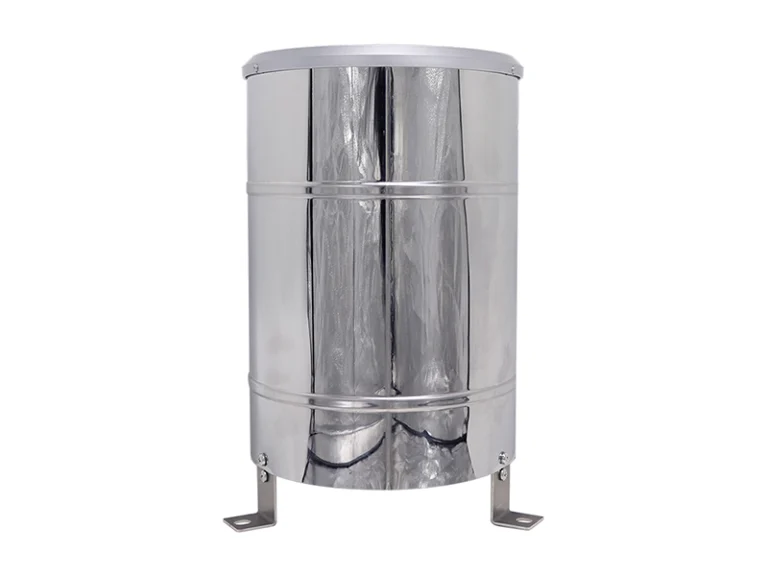
Introduction
In the smart era of the Internet of Everything, environmental sensors are becoming humanity’s “electronic senses” for perceiving the microscopic world. From fine-tuning temperature and humidity in everyday homes to real-time monitoring of harmful gases in industrial parks, these miniaturized, intelligent, and precision sensor components can convert complex and variable environmental parameters into accurate data streams, building an invisible digital safety net for modern society.
If you want to learn what is environmental sensor, how it works, its common types, and how to select the right environmental sensor for different application scenarios, this article will provide a comprehensive overview of the definition, functions, application areas, and selection criteria for environmental sensors, helping you choose an environmental monitoring solution that best meets your project’s needs.

What Is Environmental Sensor?
An environmental sensor, also known as an environmental monitoring sensor, is a smart sensing device used to detect and measure parameters of the surrounding environment. It converts environmental changes—such as temperature, humidity, wind speed, atmospheric pressure, air quality, light intensity, and precipitation—into electrical or digital signals, which are then transmitted to a monitoring platform via RS485, Modbus, 4–20 mA, SDI-12, or wireless communication, enabling real-time collection, analysis, and remote management of environmental data.
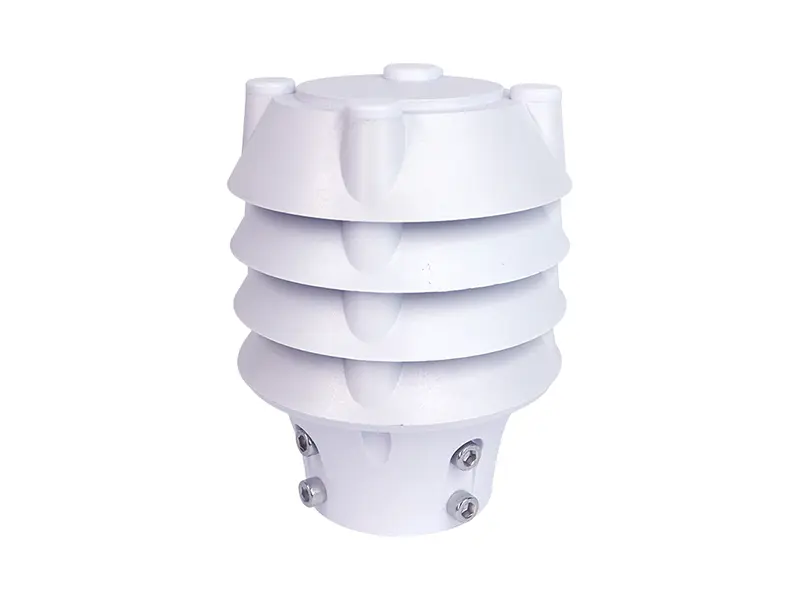
Atmospheric Temperature, Humidity Air Pressure Sensor
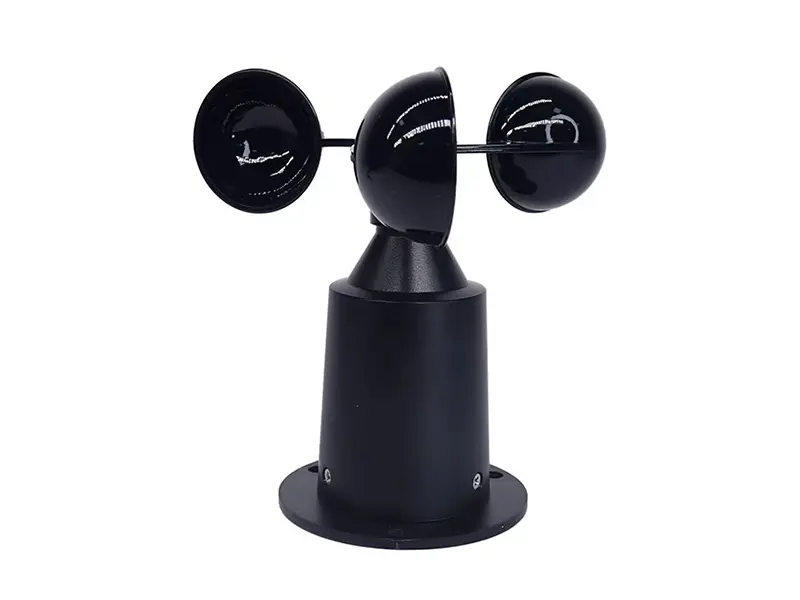
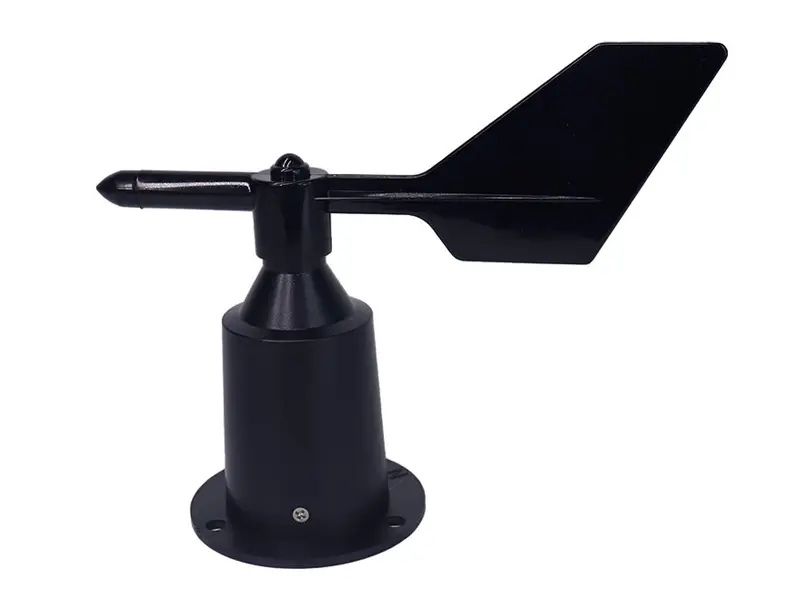
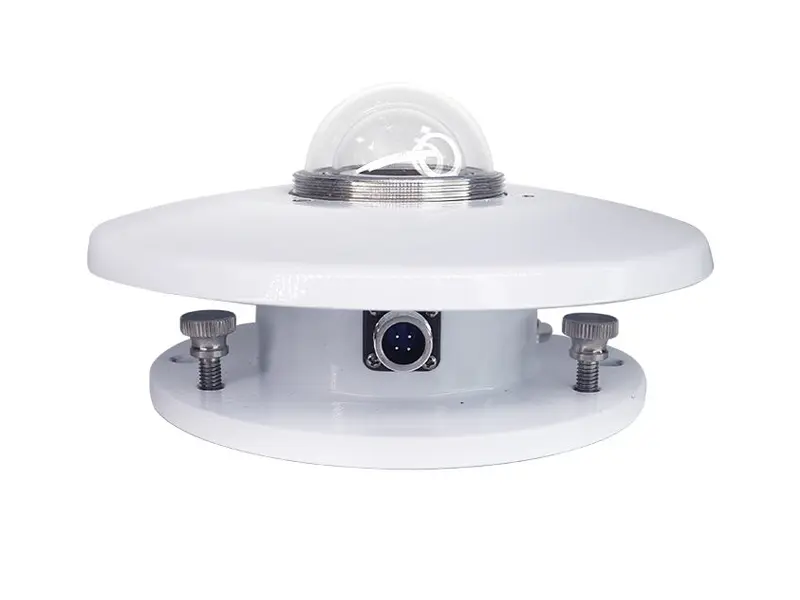
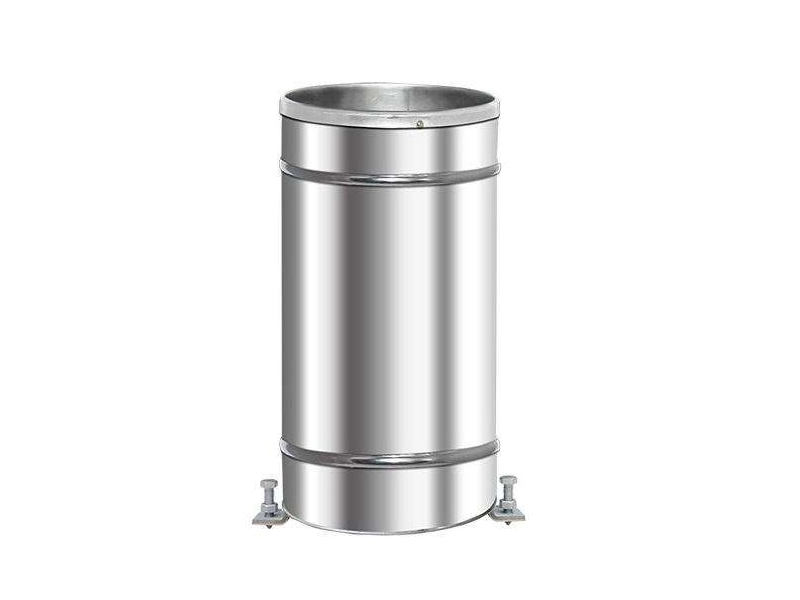
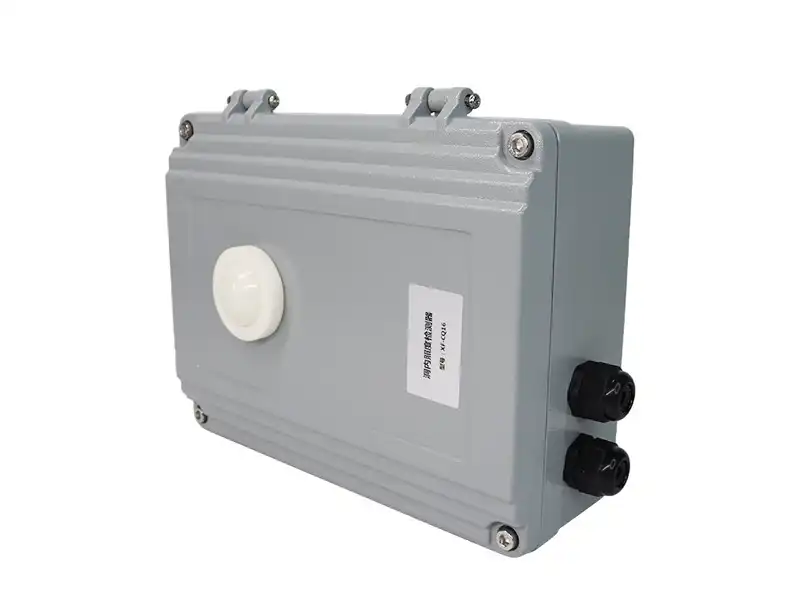
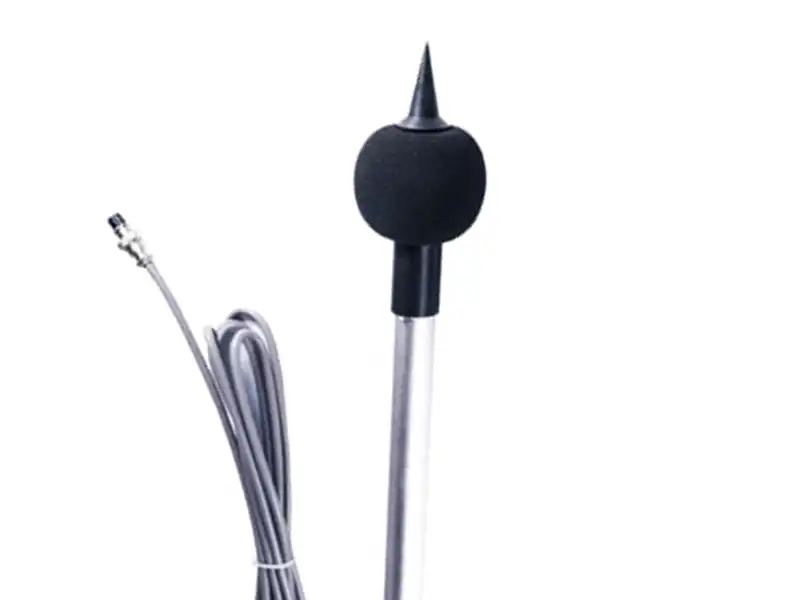
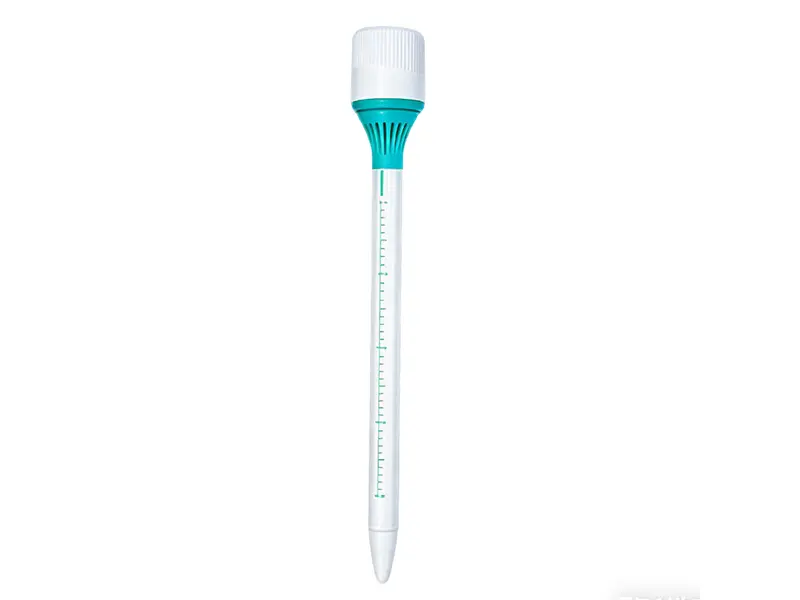

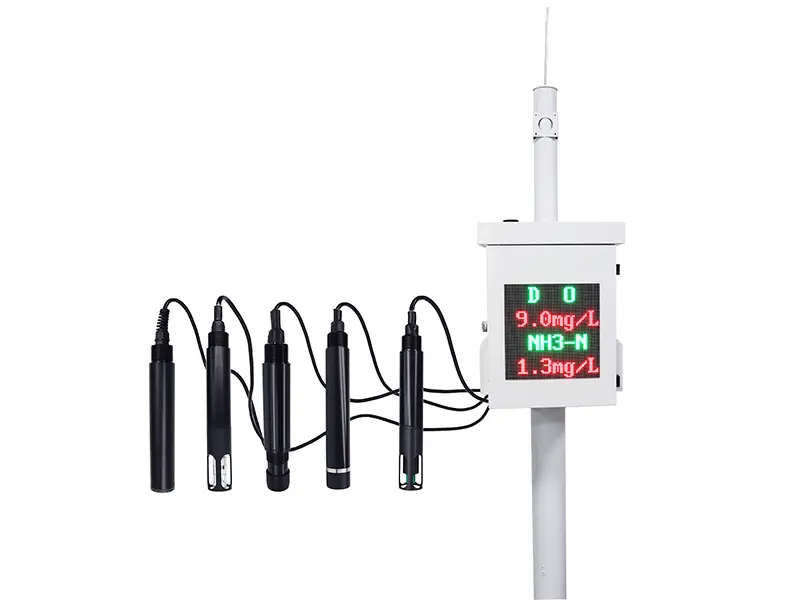
With the advancement of the Internet of Things (IoT) and smart monitoring technologies, environmental sensors have become integral components across sectors such as smart factories, new energy power plants, smart agriculture, meteorological monitoring, transportation, and environmental protection. By continuously acquiring accurate environmental data, enterprises can optimize equipment operations, boost productivity, reduce operating costs, and meet requirements for environmental monitoring and safety management.
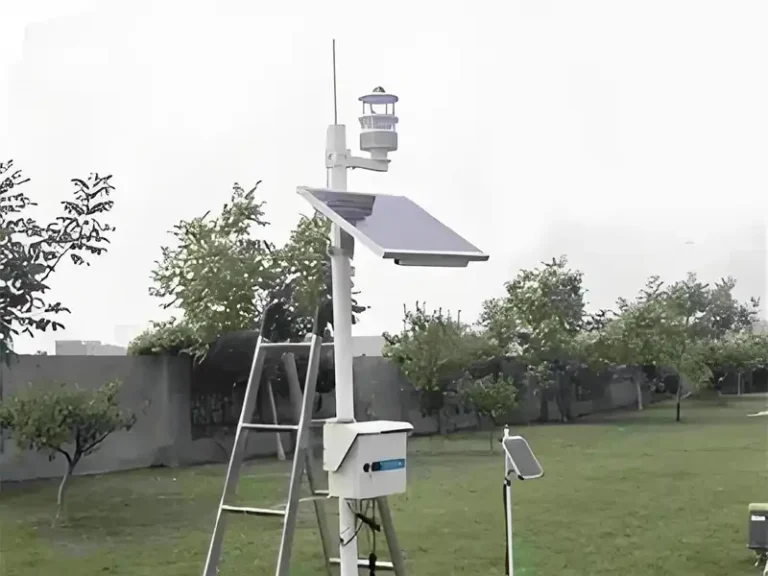
Environmental monitoring has become a critical part of smart factories, renewable energy projects, agriculture, and environmental protection. Modern environmental monitoring stations combine multiple environmental sensors into a single system, enabling continuous monitoring of weather, air quality, and other environmental parameters. As industries increasingly rely on real-time environmental data, environmental sensors help improve operational efficiency, support predictive maintenance, and enable data-driven decision-making.
How environmental sensors work?
Environmental sensors enable real-time monitoring of environmental parameters by detecting environmental changes, converting signals, processing data, and transmitting information. Their basic workflow is as follows:
Detecting Environmental Changes: Sensing elements detect environmental parameters such as temperature, humidity, wind speed, atmospheric pressure, light intensity, precipitation, and air quality in real time.
Signal Conversion: Detected physical or chemical quantities are converted into electrical or digital signals.
Data Processing: Built-in circuits amplify, filter, compensate, and calibrate the signals to improve measurement accuracy and stability.
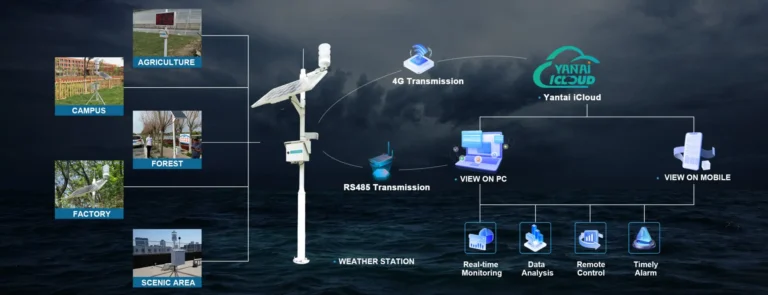
Data Output: Monitoring data is output via RS485, Modbus RTU, 4–20 mA, SDI-12, or wireless communication (LoRa, NB-IoT, Wi-Fi, 4G).
Data Transmission: Sends data to PLCs, data loggers, environmental monitoring platforms, or the cloud to enable remote monitoring and data management.
Data Analysis and Early Warning: The monitoring system stores, analyzes, and visualizes data; when parameters exceed preset thresholds, it can automatically trigger alarms or activate control devices.
Continuous Monitoring: Sensors operate continuously at a preset sampling frequency, providing continuous and reliable data support for industrial production, agricultural management, meteorological observations, and environmental protection.
What Can Environmental Sensors Measure?
| Parameter | Typical Application |
|---|---|
| Temperature | Climate monitoring, industrial process control, equipment protection |
| Humidity | Warehouses, greenhouses, HVAC systems, environmental monitoring |
| Atmospheric Pressure | Weather forecasting, aviation, and environmental research |
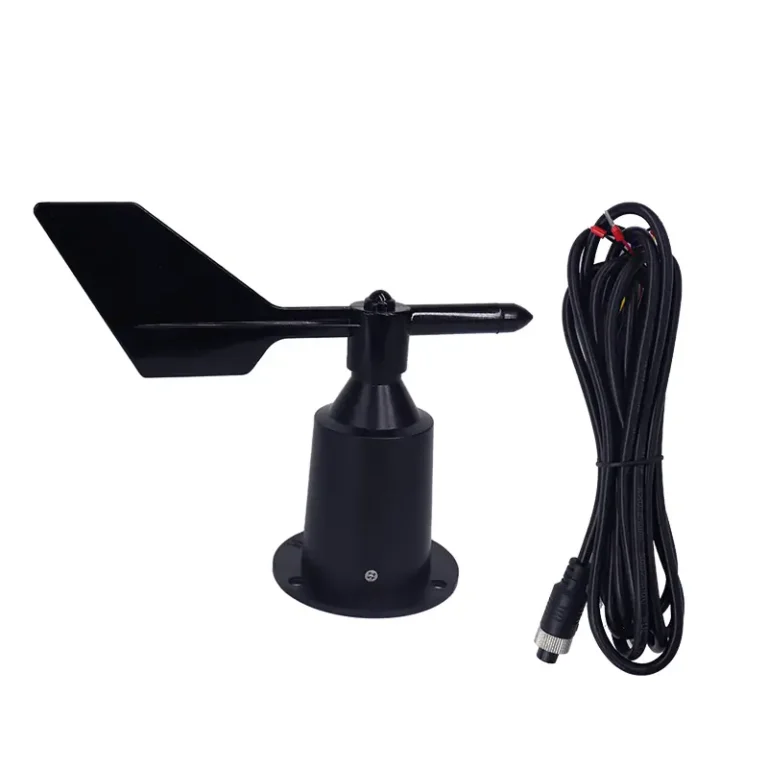
| Wind Speed | Weather stations, wind farms, and construction safety |
| Wind Direction | Meteorological observation, pollution dispersion analysis |
| Rainfall | Agriculture, flood warning, hydrological monitoring |
| Solar Radiation | Solar power plants, meteorology, climate studies |
| Illuminance | Smart cities, greenhouse lighting, outdoor illumination monitoring |
| PM2.5 / PM10 | Air quality monitoring and pollution assessment |
| CO₂ | Indoor air quality, agriculture, industrial ventilation |
| VOC | Industrial safety, environmental monitoring, indoor air quality |
| Noise | Urban noise monitoring, industrial environmental assessment |
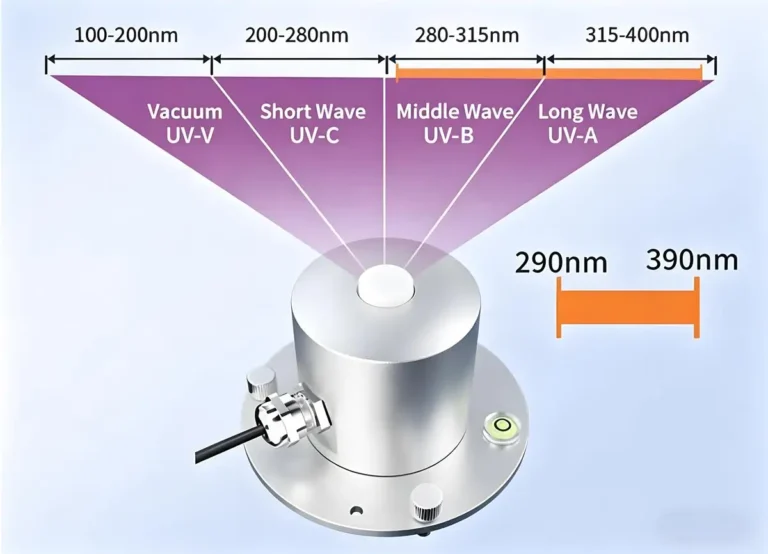
| UV Radiation | Weather monitoring, environmental research, public health |
| Soil Moisture | Precision irrigation and smart agriculture |
| Soil Temperature | Crop management and soil condition monitoring |
| Water Quality | Water treatment, aquaculture, rivers and reservoirs monitoring |
environmental sensor applications
Environmental sensors typically support the integrated monitoring of single or multiple parameters and can be flexibly configured to meet specific project requirements, enabling comprehensive monitoring of environmental elements—such as air, meteorology, soil, and water—while satisfying data acquisition needs across diverse industrial scenarios.
- Weather Monitoring – Measure temperature, humidity, wind, rainfall, and atmospheric pressure for meteorological observation and climate analysis.
- Smart Agriculture – Monitor soil moisture, weather conditions, and environmental parameters to improve crop growth and irrigation management.
- Industrial Automation – Track environmental conditions in factories to protect equipment, optimize production, and improve workplace safety.
- Solar Power Plants – Measure solar radiation, ambient temperature, wind speed, and module temperature to optimize PV system performance.
- Air Quality Monitoring – Detect PM2.5, PM10, CO₂, VOC, and other pollutants for environmental compliance and public health.
- Water Treatment – Monitor water quality parameters such as pH, dissolved oxygen, conductivity, and turbidity.
- Smart Cities – Support urban environmental management through real-time monitoring of weather, air quality, noise, and lighting conditions.
- Environmental Protection – Collect environmental data for pollution monitoring, ecological research, and regulatory compliance.
Benefits of Environmental Sensors
Environmental sensors provide real-time data that helps organizations improve operational efficiency, enhance safety, and make informed decisions across a wide range of industries.
- Improve Safety – Continuously monitor environmental conditions to reduce operational risks and protect personnel and equipment.
- Reduce Downtime – Detect abnormal environmental changes early, helping prevent unexpected equipment failures.
- Increase Efficiency – Optimize production processes, resource utilization, and environmental control through accurate data.
- Meet Environmental Regulations – Support compliance with environmental standards and regulatory monitoring requirements.
- Enable Remote Monitoring – Access real-time environmental data from centralized platforms or cloud-based systems.
- Lower Maintenance Costs – Reduce manual inspections and unnecessary maintenance through continuous monitoring.
- Support Predictive Maintenance – Analyze environmental trends to identify potential issues before they impact operations.
- Improve Data Accuracy – Deliver stable and reliable measurements for better operational analysis and decision-making.
Environmental Sensor vs Weather Sensor
Although the terms are often used interchangeably, an environmental sensor and a weather sensor serve different purposes. A weather sensor mainly focuses on meteorological measurements, while an environmental sensor covers a broader range of environmental monitoring applications.
| Feature | Environmental Sensor | Weather Sensor |
|---|---|---|
| Measurement | Temperature, humidity, air quality, solar radiation, soil, water quality, noise, gases, and more | Temperature, humidity, wind speed, wind direction, rainfall, atmospheric pressure, solar radiation |
| Application | Industrial automation, smart agriculture, environmental protection, factories, smart cities | Meteorological observation, weather stations, renewable energy, aviation, agriculture |
| Installation | Indoor or outdoor, depending on monitoring requirements | Primarily installed outdoors in open environments |
| Accuracy | Varies by sensor type and application requirements | Designed for high-accuracy meteorological measurements |
| Typical Industries | Manufacturing, environmental monitoring, water treatment, mining, transportation, smart cities | Weather forecasting, agriculture, solar power plants, wind farms, and climate research |

How to Choose the Right Environmental Sensor?
Selecting the right environmental sensors is crucial not only for the accuracy of monitoring data but also for system stability and long-term maintenance costs. When making a selection, it is recommended to focus on the following aspects:
Define Monitoring Parameters: Determine which environmental parameters you need to measure, such as temperature, humidity, wind speed, air quality, solar radiation, soil moisture, or water quality.
Consider Measurement Accuracy: Accuracy refers to how closely a measured value matches the actual value; higher isn’t necessarily better. Laboratory calibration may require high accuracy of ±1% RH, while ±3% RH may offer better value for general environmental monitoring.
Select Communication Interfaces: The sensor’s output signal (such as 4–20 mA analog, I²C/SPI digital, RS485, etc.) must be compatible with your backend data acquisition system (such as a PLC, microcontroller, or central control system). In one real-world example, a project incurred an additional 200,000 yuan in costs to purchase protocol converters due to incompatible sensor interfaces.
Consider the Installation Environment: Select products with appropriate protection ratings (such as IP65 or IP67) based on whether they will be installed indoors, outdoors, or in harsh environments, and pay attention to their resistance to high and low temperatures as well as corrosion.
Evaluate long-term stability: Prioritize industrial-grade environmental sensors that offer high stability, minimal drift, and support for long-term continuous operation to reduce the frequency of future maintenance.
Calibration and maintenance requirements: Determine whether the product supports quick calibration, is easy to maintain, and requires periodic calibration to minimize operational and maintenance costs.
Compatibility with monitoring systems: Ensure the sensors are compatible with PLCs, data loggers, SCADA systems, IoT platforms, or cloud platforms to enable data sharing and remote management.
Select a Reliable Supplier: Prioritize manufacturers with R&D capabilities, production experience, technical support, and OEM/ODM services to ensure product quality and consistent supply.
Tip: Do not focus solely on the unit purchase price; instead, calculate the total cost: “purchase price + annual calibration fees + replacement costs.” For volume deployments, prioritize models that support in-situ calibration; although the initial purchase cost is 30% higher, annual maintenance costs can be reduced by 70%.
Environmental Sensor Installation Tips
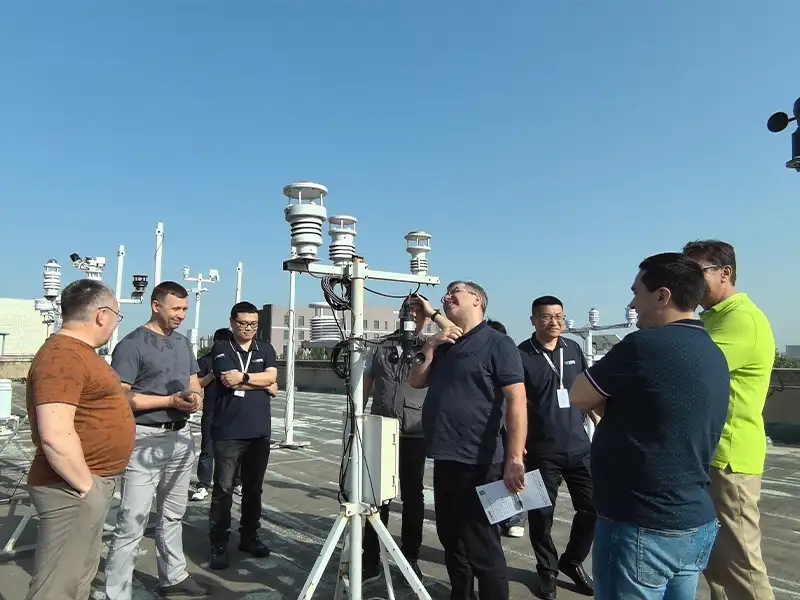
The proper installation of environmental sensors requires focusing on four key stages—site selection, mechanical mounting, wiring, and power-up commissioning—while avoiding various environmental interferences and common installation errors, in order to ensure data accuracy and the long-term, stable operation of the equipment.
1. Installation Location
Install the sensor in an open area, away from buildings, trees, heat sources, or other objects that may affect measurement results. When installing a temperature sensor, select a location that is representative of temperature variations; if there are significant temperature differences between areas, install multiple temperature sensors to collect data that is as representative as possible. When installing a wind speed and temperature sensor, avoid locations such as pipe bends or curves to prevent data distortion.
2. Installation Method
Taking humidity sensors as an example, if used to measure indoor humidity, a wall-mounted type is suitable; if used to measure humidity inside ducts, a duct-mounted type should be used. If the sensor’s installation method does not match the measurement environment, it will affect the collected data. Avoid electromagnetic interference and ensure the sensor is securely mounted to prevent vibration or displacement caused by strong winds or mechanical impacts.
3. Mechanical Mounting
- Bracket Mounting Requirements: Use an electric drill to drill holes at the marked locations; drive expansion bolts into concrete walls; for tiled walls, use a glass drill bit at low speed to prevent cracking. Calibrate the bracket with a level to ensure a secure installation with minimal horizontal deviation.
- Installation Orientation Requirements: In accordance with mandatory national standards, gas, temperature, and humidity sensors must be installed vertically with the sensor facing downward. Sideways or inverted installation will impede heat dissipation, leading to distorted temperature and humidity readings and significantly shortening the device’s lifespan. The sensor’s air intake must remain facing downward to prevent blockages caused by dust or condensation buildup.
- Sealing and Protection: In outdoor or humid environments, use sealant to fill gaps between the sensor and the mounting bracket, and install a rain cover or sunshade; in pressurized rooms, seal wire entry holes to prevent cold air from entering the sensor through the wiring ports, which could distort readings.
4. Safety Guidelines for Wiring Operations
- All wiring work must be performed with the power off to prevent short circuits or component damage caused by working on live circuits.
- Use three-core cables with shielding whenever possible to connect signal lines; ensure the shielding is securely grounded at one end to effectively protect against electromagnetic interference. Cables must be routed through metal conduits or PVC cable trays to prevent damage to exposed wiring.
- In flammable and explosive environments, use cable glands that meet the applicable explosion-proof rating for sealing incoming cables. Do not compromise the equipment’s original explosion-proof structure. Ground resistance must be maintained at <4Ω, and SPD surge protection devices must be installed in areas prone to lightning strikes.
- After wiring is complete, verify the wire sequence one by one to ensure all connections are secure and free of looseness. Exposed wires must be properly insulated to prevent circuit deterioration caused by moisture and corrosion.
5. Power-Up Testing and Ongoing Maintenance
- Power-On Self-Test: After verifying that the wiring is correct, turn on the power. The device will enter a warm-up and self-test phase lasting from several tens of seconds to several minutes. Observe whether the indicator lights are functioning normally and whether the screen displays the current ambient background value. Troubleshoot any issues corresponding to error codes.
- Calibration and Verification: Follow the manufacturer’s calibration guidelines to perform zero-point calibration using standard reference materials or the provided test tools. In industrial settings, use standard gas to perform range calibration, ensuring that measurement errors remain within acceptable limits.
- Routine Maintenance: Remove dust, dirt, fallen leaves, or other debris from the sensor elements, and inspect them for signs of wear or damage. Recalibrate the device at intervals recommended by the manufacturer to prevent data drift. Do not disassemble or modify the sensor without authorization.
Common Challenges and Solutions
- Incorrect Readings – Regularly calibrate the sensor and install it away from heat sources, direct sunlight, or other interference to ensure accurate measurements.
- Communication Failure – Check the power supply, communication cables, Modbus settings, baud rate, and device address to restore stable data transmission.
- Condensation – Use sensors with waterproof protection and install them in well-ventilated locations to minimize moisture buildup.
- Dust Contamination – Clean the sensing element periodically and use protective covers when operating in dusty or harsh environments.
- Cable Problems – Inspect cables and connectors regularly, and use shielded cables for long-distance or outdoor installations.
- Electromagnetic Interference (EMI) – Keep sensors away from high-voltage equipment, ensure proper grounding, and use shielded communication cables to reduce signal interference.
Future Trends of Environmental Sensors
Environmental sensors are rapidly evolving towards intelligence, connectivity, and sustainability; their future trajectory is defined not only by improvements in technical specifications but, more significantly, by a profound shift in their role from mere “data collectors” to components of “decision support systems.”
Artificial Intelligence (AI): Future environmental sensors will no longer be isolated measuring devices, but rather intelligent systems deeply integrated with artificial intelligence (AI). By combining AI algorithms, they will enable anomaly detection, trend analysis, and intelligent early warning.
Internet of Things (IoT): Sensors are evolving from single-purpose applications toward systematic integration. Driven by concepts such as Industry 4.0 and smart cities, environmental sensors will function as part of the Internet of Things (IoT), enabling interconnectivity between devices (such as machine-to-machine, or M2M, communication). This integration allows for real-time monitoring of parameters such as air quality, water quality, noise levels, and soil health, helping businesses and governments address climate change and comply with environmental regulations.
Edge Computing: Data preprocessing and analysis are performed at the sensor or edge device level, reducing data transmission latency and improving response times.
Digital Twin: By integrating digital twin technology, digital models of real-world environments are constructed to enable visual monitoring and predictive analytics.
Cloud Monitoring: Leveraging cloud platforms to enable centralized monitoring across multiple sites, data storage, historical analysis, and remote operations and maintenance.
Miniaturization and High Precision: Sensor technology will continue to evolve toward higher precision and miniaturization. Smaller sizes allow sensors to be deployed more flexibly in various environments, while higher precision ensures data quality, providing a reliable foundation for subsequent analysis and decision-making.
Sustainability: Sustainability is becoming a key consideration in the development of sensor technology. Future sensor solutions will place greater emphasis on energy efficiency, durability, and recyclability.

Conclusion
Environmental sensors have become integral components of modern environmental monitoring systems and industrial automation systems. Capable of real-time monitoring of parameters such as temperature, humidity, wind speed, air quality, and solar radiation, they provide reliable data support for sectors including smart agriculture, industrial manufacturing, new energy, meteorological monitoring, and environmental protection. Selecting the right environmental sensor helps enhance monitoring efficiency, optimize operational management, and establish an accurate data foundation for informed decision-making.
Driven by advancements in the Internet of Things (IoT), artificial intelligence, and cloud computing, environmental sensors are continuously evolving toward greater intelligence, network connectivity, and multi-parameter integration. If you are seeking sensor solutions for industrial, agricultural, energy, or environmental monitoring projects, partnering with a manufacturer that offers stable performance, flexible communication interfaces, and professional technical support—such as Yantai Sensor—will deliver greater long-term value to your projects.