مقدمة
مع تطور الزراعة الدقيقة والزراعة الذكية، بدأت المزيد والمزيد من المزارع في استخدام بيانات الطقس في الوقت الفعلي لتحسين إدارة المحاصيل. إذن، ما هي أهمية محطات الطقس في الزراعة؟ في الواقع، تؤثر الظروف الجوية بشكل مباشر على نمو المحاصيل، وجداول الري، ومكافحة الآفات والأمراض، وتوقيت التسميد، وفي النهاية، على غلة المحاصيل. تقوم محطات الطقس الزراعية بمراقبة مستمرة للمعلمات الرئيسية مثل درجة الحرارة، والرطوبة، وهطول الأمطار، وسرعة الرياح، والإشعاع الشمسي، وظروف التربة، مما يوفر دعمًا موثوقًا للبيانات للإنتاج الزراعي ويساعد المزارعين على اتخاذ قرارات أكثر استنارة علميًا.
سواء كان ذلك للمزارع التجارية واسعة النطاق، أو زراعة البيوت المحمية، أو البساتين، أو إنتاج محاصيل الحبوب، فقد أصبح نشر محطات الطقس الزراعية وسيلة حيوية لتحسين كفاءة الإنتاج وتقليل المخاطر التشغيلية. ستقدم هذه المقالة شرحًا تفصيليًا لأهمية محطات الطقس في الزراعة، وتقوم بتحليل متعمق للمزايا العشر الأساسية لمحطات الطقس الزراعية، وسيناريوهات تطبيقها الرئيسية، ومقاييس المراقبة، وكيفية اختيار حلول مراقبة الطقس المناسبة لمشاريع زراعية مختلفة - مما يساعدك على اكتساب فهم شامل لقيمة مراقبة الطقس في الزراعة الحديثة.

ما هي محطة الطقس الزراعية؟
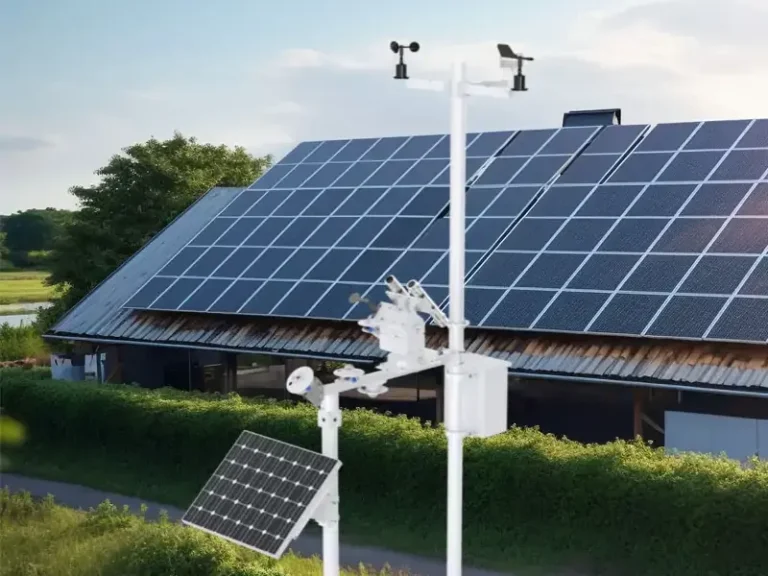
أن محطة أرصاد جوية زراعية, تُعرف أيضًا باسم محطة طقس المزرعة أو محطة الأرصاد الجوية الزراعية، وهي نظام مراقبة مصمم لجمع بيانات بيئية في الوقت الفعلي للإنتاج الزراعي. من خلال دمج أجهزة استشعار متعددة، تقوم بقياس مستمر للمعلمات الرئيسية مثل درجة الحرارة، والرطوبة، والأمطار، وسرعة الرياح، والإشعاع الشمسي، وظروف التربة، مما يوفر بيانات طقس موثوقة لدعم الري، وإدارة المحاصيل، والوقاية من الأمراض، والزراعة الدقيقة. يمكن لمحطة الطقس الزراعية النموذجية مراقبة 10 معايير بيئية أو أكثر في وقت واحد، مما يجعلها أداة أساسية للزراعة الذكية الحديثة.
المكونات الرئيسية لمحطة الطقس الزراعية
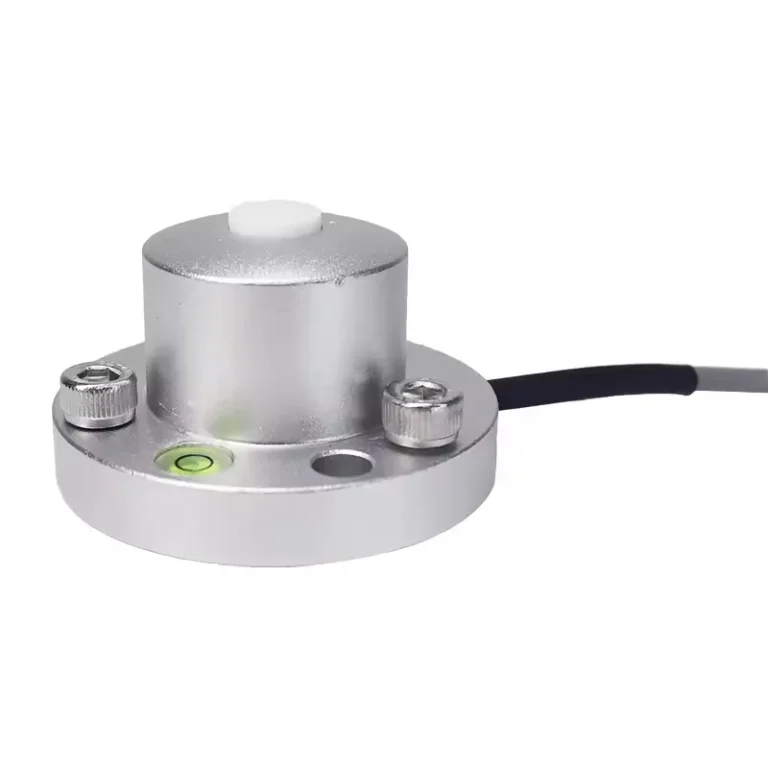
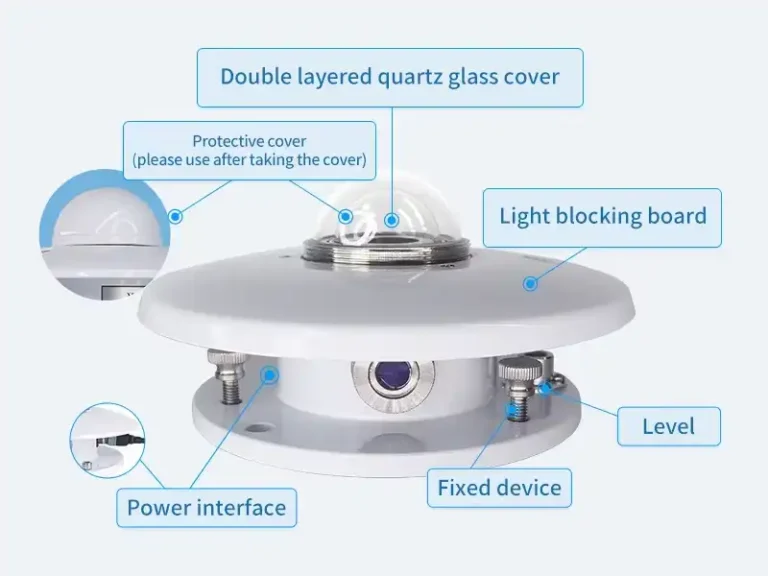
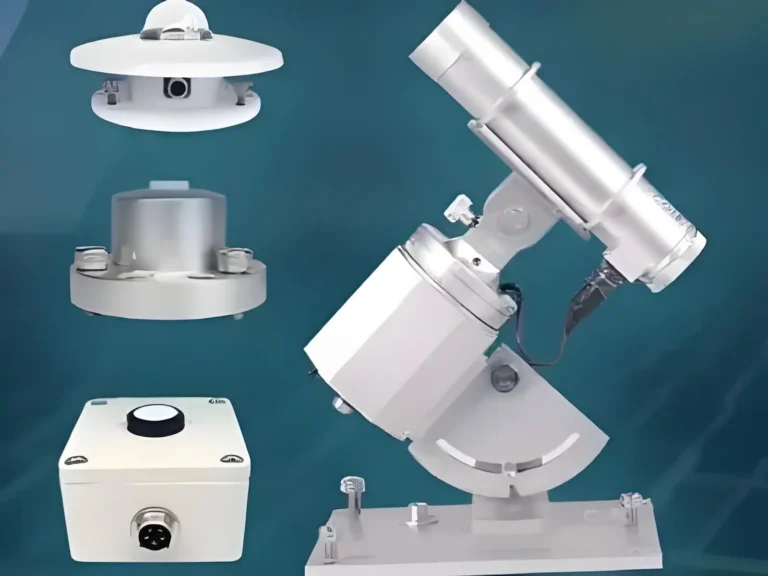
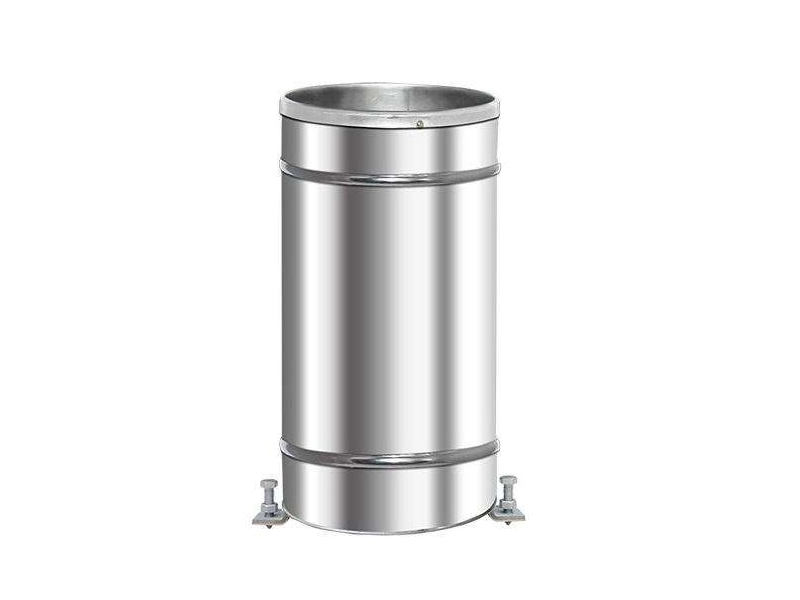
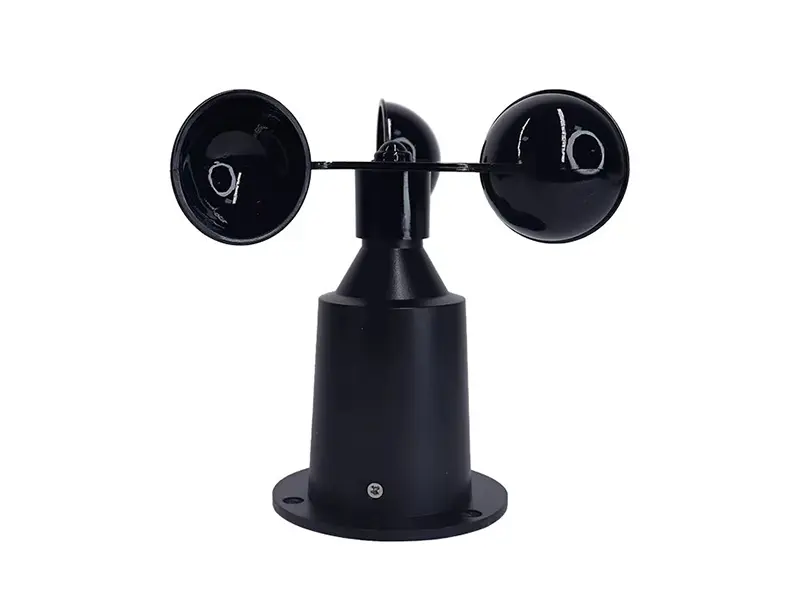
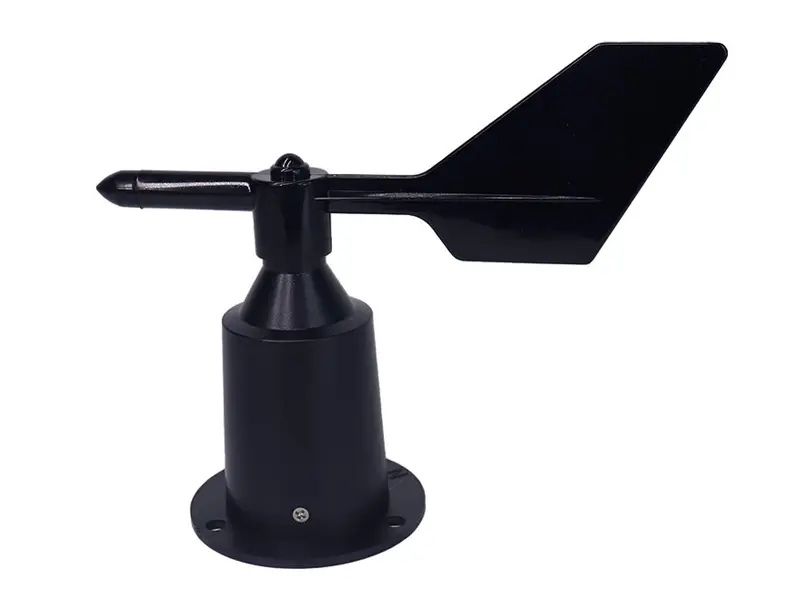
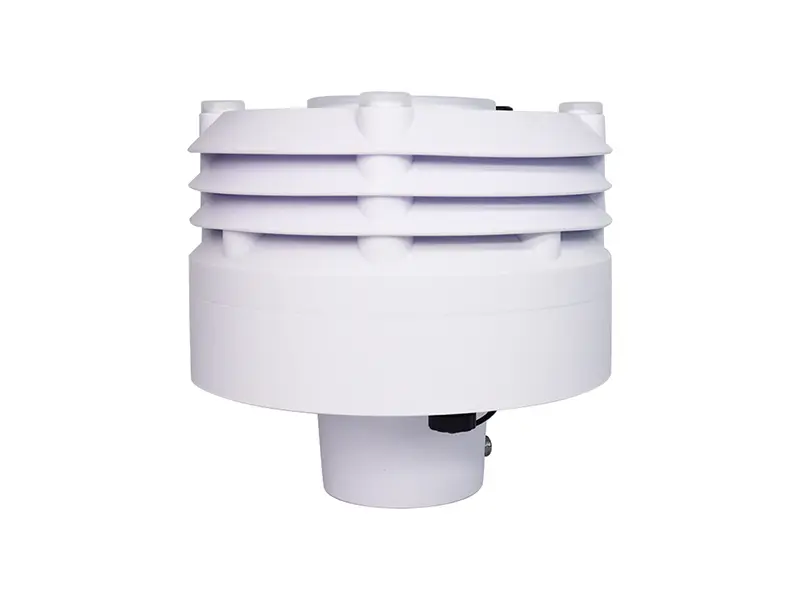
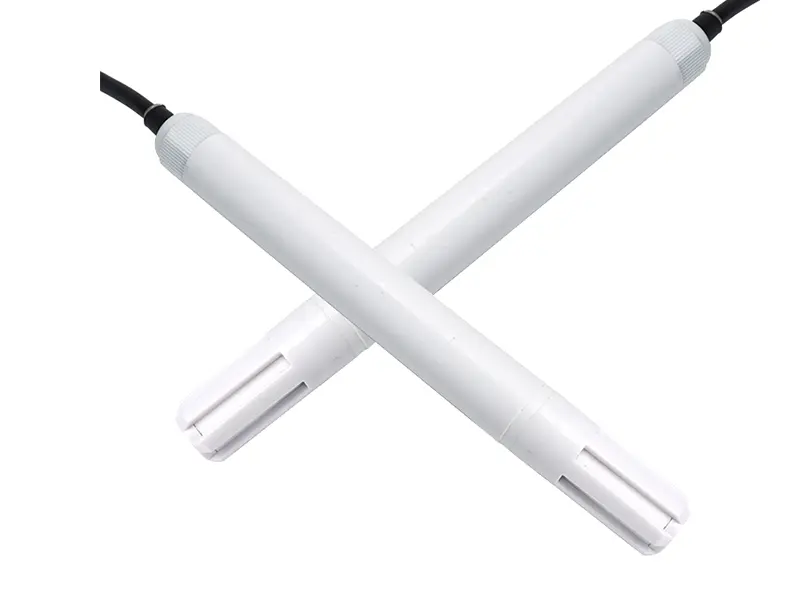
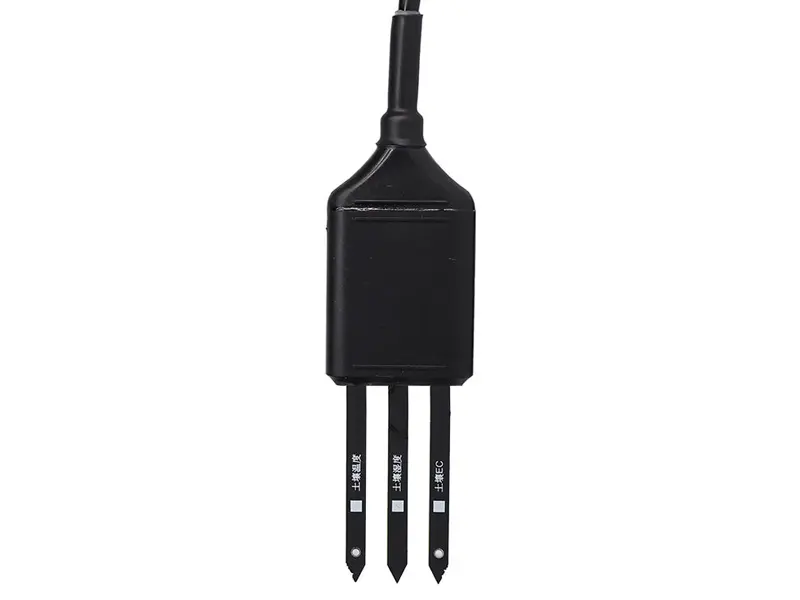
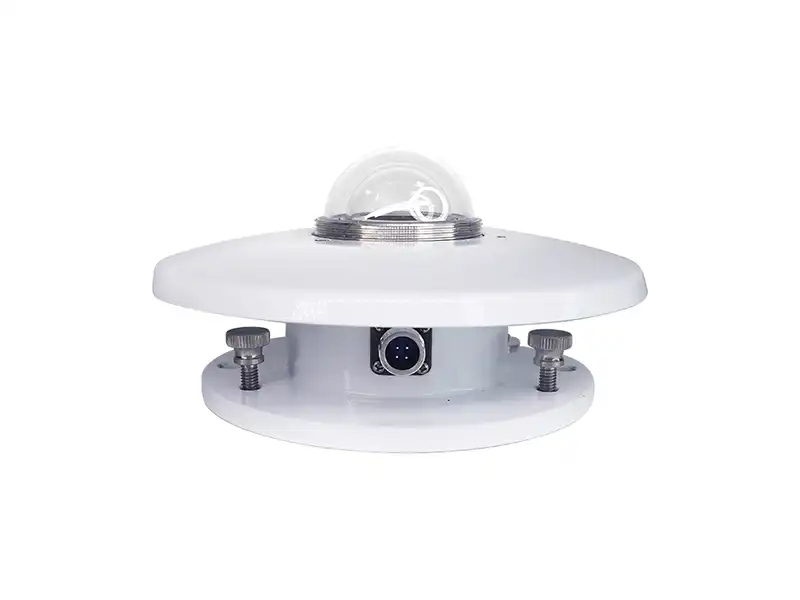
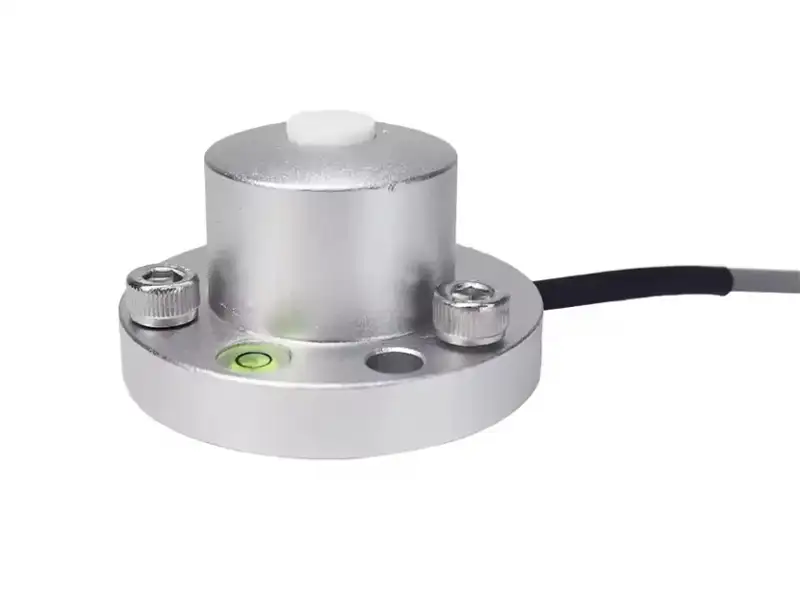
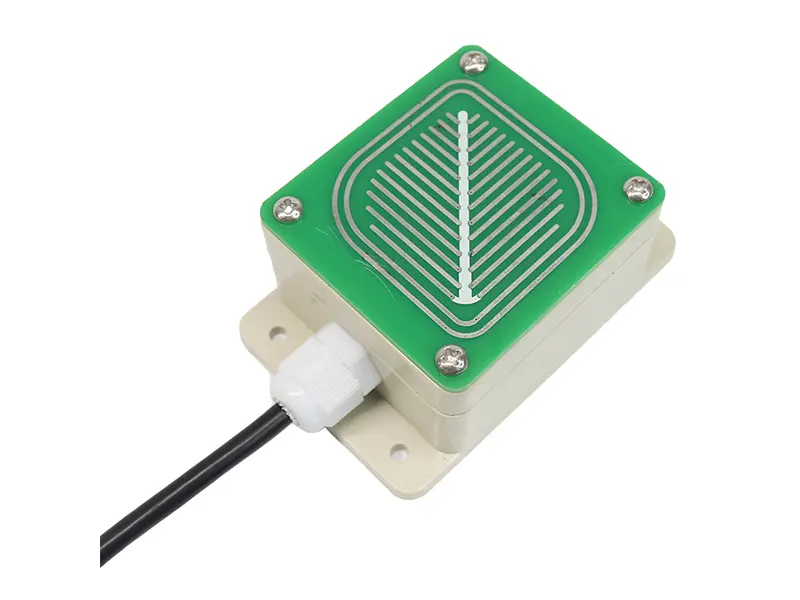
تتكون محطة الطقس الزراعية من مسجل بيانات مركزي، ووحدة اتصال، ومصدر طاقة، وهيكل تثبيت، ومجموعة من أجهزة الاستشعار البيئية. يمكن تكوين مجموعات مختلفة من أجهزة الاستشعار وفقًا لنوع المحصول، والظروف المناخية، ومتطلبات المراقبة، مما يتيح جمعًا شاملاً لبيانات الطقس والتربة لتطبيقات زراعية متنوعة.
مبدأ العمل
- الاستشعار البيئي – تراقب أجهزة الاستشعار معايير الطقس والتربة مثل درجة الحرارة، والأمطار، والرطوبة، والرياح، والإشعاع الشمسي.
- جمع البيانات – يستقبل مسجل البيانات القياسات من جميع أجهزة الاستشعار المتصلة ويعالجها.
- نقل البيانات – يتم نقل المعلومات إلى منصة سحابية أو كمبيوتر محلي عبر RS485، LoRa، 4G، NB-IoT، Wi-Fi، أو Ethernet.
- تحليل البيانات – يعرض برنامج المراقبة السجلات التاريخية والاتجاهات والتنبيهات والتقارير البيئية في الوقت الفعلي.
- دعم القرار – يستخدم المزارعون البيانات التي تم جمعها لتحسين جداول الري والتسميد وحماية المحاصيل والحصاد.
أنواع محطات الطقس الزراعية
تتطلب التطبيقات الزراعية المختلفة قدرات مراقبة مختلفة. يمكن تصنيف محطات الطقس الزراعية وفقًا لبيئة التثبيت، والغرض من المراقبة، وطريقة الاتصال.
- محطة الطقس الأوتوماتيكية (AWS) – يقوم بمراقبة بيئية مستمرة مع جمع البيانات ونقلها تلقائيًا.
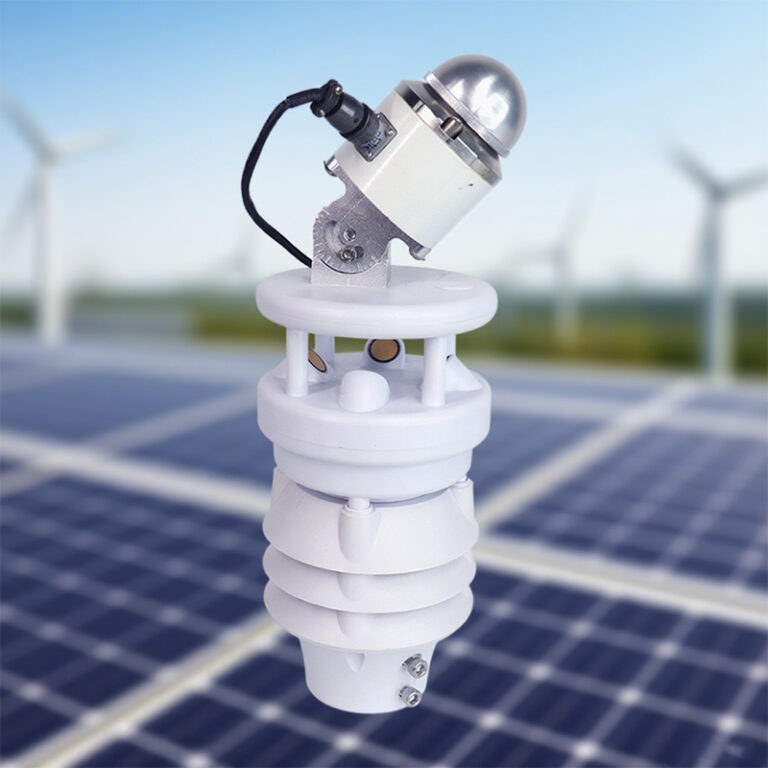
- محطة أرصاد جوية مدمجة – يدمج أجهزة استشعار متعددة في تصميم مضغوط لسهولة التركيب وانخفاض الصيانة.
- محطة طقس زراعية لاسلكية – يستخدم تقنيات الاتصال اللاسلكي للمراقبة عن بعد دون الحاجة إلى كابلات معقدة.
- محطة طقس تعمل بالطاقة الشمسية – تعمل بشكل مستقل باستخدام الطاقة الشمسية، مما يجعلها مناسبة للمواقع الزراعية النائية.
- محطة طقس ذكية لإنترنت الأشياء – تتصل بالمنصات السحابية للمراقبة في الوقت الفعلي، وتحليل البيانات، والوصول عبر الهاتف المحمول.
- محطة طقس محمولة – خفيفة الوزن وقابلة للنقل للمسوحات الميدانية المؤقتة، والبحوث، ومراقبة المحاصيل الموسمية.
- محطة طقس من الدرجة البحثية – توفر قياسات عالية الدقة للتجارب الزراعية والجامعات والبحوث العلمية.
- محطة طقس مزرعة متكاملة – تجمع بين مراقبة الطقس وأنظمة إدارة التربة والري والمحاصيل للزراعة الدقيقة.
لماذا تعتبر بيانات الطقس مهمة في الزراعة؟
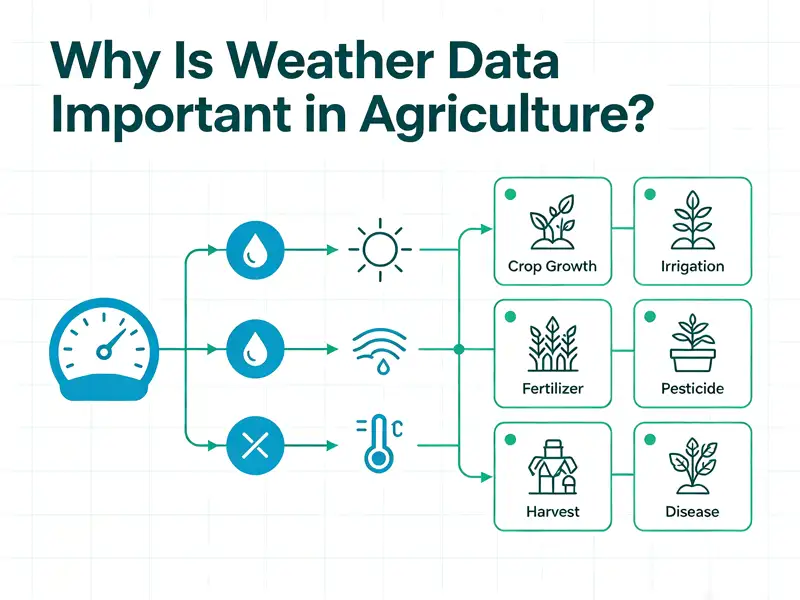
البيانات الجوية الدقيقة هي حجر الزاوية لتحقيق غلة مستقرة وزيادة الدخل في الزراعة الحديثة. يمكن لبيانات درجة الحرارة، وهطول الأمطار، وأشعة الشمس، والرطوبة في أوقات مختلفة أن توفر توجيهًا مباشرًا لجميع العمليات الحقلية: بناءً على قيم درجة الحرارة المتراكمة، يمكن التنبؤ بدورات نمو المحاصيل، مما يسمح بالتخطيط المسبق لتواريخ البذر والحصاد؛;
من خلال الجمع بين بيانات هطول الأمطار وقياسات رطوبة التربة، يمكن تقليل الري غير الفعال بأكثر من 20%، مما يحافظ على الموارد المائية؛ من خلال تعديل توقيت التسميد بناءً على نطاقات درجة الحرارة والرطوبة، يمكن للمزارعين تجنب فقدان الأسمدة الناجم عن التسميد العلوي في درجات الحرارة المرتفعة؛;
من خلال الاعتماد على تنبيهات هطول الأمطار والرطوبة العالية لجدولة تطبيقات المبيدات، يمكن للمزارعين تقليل احتمالية تفشي الآفات والأمراض بشكل كبير مع تقليل هدر المبيدات؛;
مع اقتراب موسم الحصاد، استخدم توقعات الرياح القوية وفترات الأمطار الطويلة لجدولة الحصاد مسبقًا، وبالتالي منع تعفن الثمار ورقاد المحاصيل الذي يؤدي إلى خسائر في الإنتاج؛;
كما تتيح المراقبة المناخية طويلة المدى التنبؤ المبكر بفترات الخطر العالية التي تؤدي فيها الرطوبة العالية إلى ظهور الأمراض، مما يمكن من اتخاذ إجراءات مكافحة ميدانية استباقية للحد بشكل شامل من مخاطر الزراعة المرتبطة بالمناخ وتحقيق استقرار الإنتاج الإجمالي للمحاصيل.
10 فوائد رئيسية لمحطات الأرصاد الجوية في الزراعة
يعتمد الإنتاج الزراعي بشكل كبير على الظروف الجوية؛ فكل مرحلة - من البذر والري إلى مكافحة الآفات والأمراض والحصاد - تتطلب بيانات بيئية دقيقة كمرجع. تقوم محطات الأرصاد الجوية الزراعية بمراقبة مستمرة لدرجة الحرارة والرطوبة وهطول الأمطار وسرعة الرياح والإشعاع الشمسي وظروف التربة، مما يوفر دعمًا للبيانات في الوقت الفعلي لإدارة المزرعة. من خلال التحليل العلمي لهذه البيانات، يمكن للمزارعين تحسين خطط الإنتاج، وتقليل تكاليف التشغيل، وتحسين جودة المحاصيل وإنتاجيتها. فيما يلي أهم عشر مزايا أساسية لمحطات الأرصاد الجوية الزراعية في الزراعة الحديثة.
تحسين كفاءة الري
يمكن لمحطات الأرصاد الجوية الزراعية مراقبة المؤشرات الرئيسية مثل هطول الأمطار ودرجة حرارة الهواء والرطوبة ومحتوى رطوبة التربة في الوقت الفعلي، مما يساعد المزارعين على ترتيب وقت الري وكمية الري بشكل معقول، وتقليل الإفراط في الري وهدر المياه، وتحسين كفاءة الري.
زيادة إنتاجية المحاصيل
يمكن للبيانات البيئية المستقرة أن تساعد في تعديل تدابير إدارة الزراعة لتوفير بيئة نمو أكثر ملاءمة للمحاصيل. من خلال مراقبة التغيرات الجوية، يمكن تقليل الآثار السلبية للعوامل البيئية على المحاصيل وتحسين الإنتاجية والجودة بشكل أكبر.
3. تقليل مخاطر أمراض المحاصيل
يمكن للرطوبة العالية ودرجات الحرارة المرتفعة والرطوبة المستمرة على الأوراق أن تحفز بسهولة مجموعة متنوعة من الأمراض. يمكن للمحطات الزراعية الجوية مراقبة العوامل البيئية التي تؤثر على حدوث الأمراض، وتوفير الإنذار المبكر والمكافحة، وتقليل خسائر المحاصيل.
4. تحسين استخدام الأسمدة
تتأثر فعالية التسميد بسهولة بهطول الأمطار ودرجة الحرارة ورطوبة التربة. بالاقتران مع بيانات الطقس في الوقت الفعلي، يمكن للمزارعين استخدام الأسمدة في الوقت المناسب، مما يحسن استخدام الأسمدة مع تقليل فقدان العناصر الغذائية.
5. تحسين إدارة الآفات
بعض الظروف المناخية مواتية لظهور وتطور الأمراض النباتية والآفات الحشرية. توفر محطات الطقس بيانات يمكن أن تساعد المزارعين في تتبع حدوث هذه الظروف، مثل الرطوبة العالية أو انقلابات درجات الحرارة. وهذا يمكن المزارعين من اتخاذ تدابير في الوقت المناسب لمنع أو تخفيف تفشي الآفات والأمراض والإصابات.
6. دعم الزراعة الدقيقة
تعتبر محطات الطقس الزراعية جزءًا مهمًا من الزراعة الدقيقة. يمكنها العمل مع منصات إنترنت الأشياء وأنظمة الري الآلي وبرامج الإدارة الزراعية لتحقيق المراقبة البيئية وتحليل البيانات والإدارة عن بُعد، وتحسين مستوى الإدارة الرقمية للمزرعة.
حماية المحاصيل من الطقس القاسي
في مواجهة الطقس القاسي مثل الصقيع ودرجات الحرارة المرتفعة والأمطار الغزيرة والثلوج والرياح القوية، يمكن للمحطات الزراعية الجوية مراقبة التغيرات البيئية مسبقًا وإصدار إنذارات مبكرة. بهذه الطريقة، يمكن للمزارعين تقليل الخسائر الناجمة عن الكوارث الطبيعية.
تقليل تكاليف الإنتاج
يمكن لاتخاذ القرارات العلمية بناءً على البيانات البيئية في الوقت الفعلي أن يقلل من الري غير الضروري واستخدام الأسمدة والمبيدات، ويقلل من مدخلات العمالة واستهلاك الموارد، ويتحكم بفعالية في تكاليف الإنتاج مع ضمان نمو المحاصيل.
تحسين تخطيط الحصاد
يمكن لمراقبة الظروف الجوية مثل هطول الأمطار وسرعة الرياح والرطوبة قبل الحصاد أن تساعد في اختيار وقت الحصاد المناسب، وتقليل تدهور الجودة وخسائر الحصاد الناجمة عن سوء الأحوال الجوية، وزيادة القيمة السلعية للمنتجات الزراعية.
دعم إدارة المزرعة طويلة الأجل
يشكل التراكم الطويل الأجل للبيانات البيئية “ملفًا مناخيًا” كاملاً، يمكن استخدامه لتتبع المنتجات الزراعية، وقبول المشاريع، وتحسين خطط الزراعة للعام القادم، مما يجعل الإدارة أكثر توحيدًا وانتظامًا.
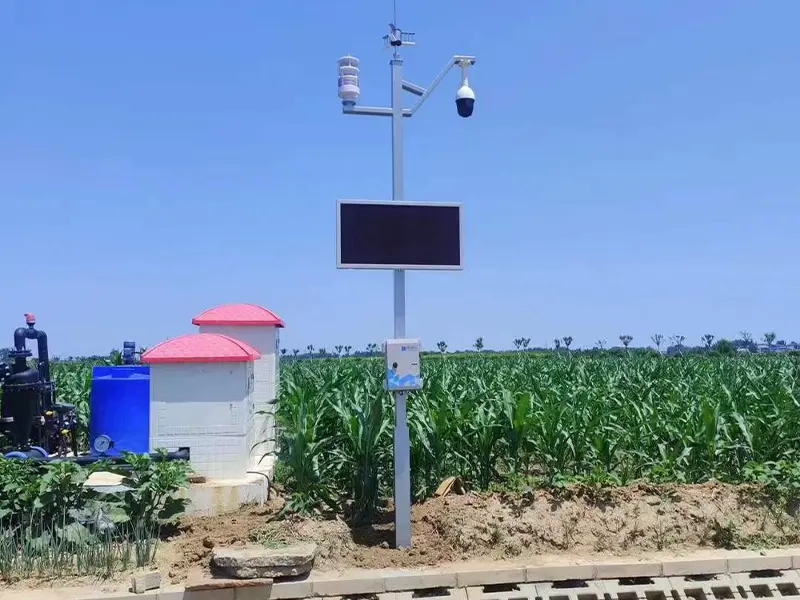
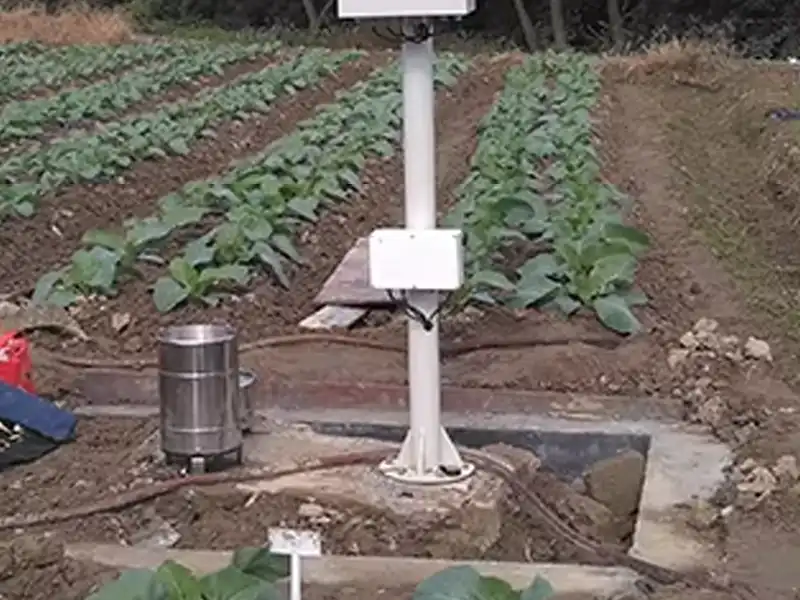

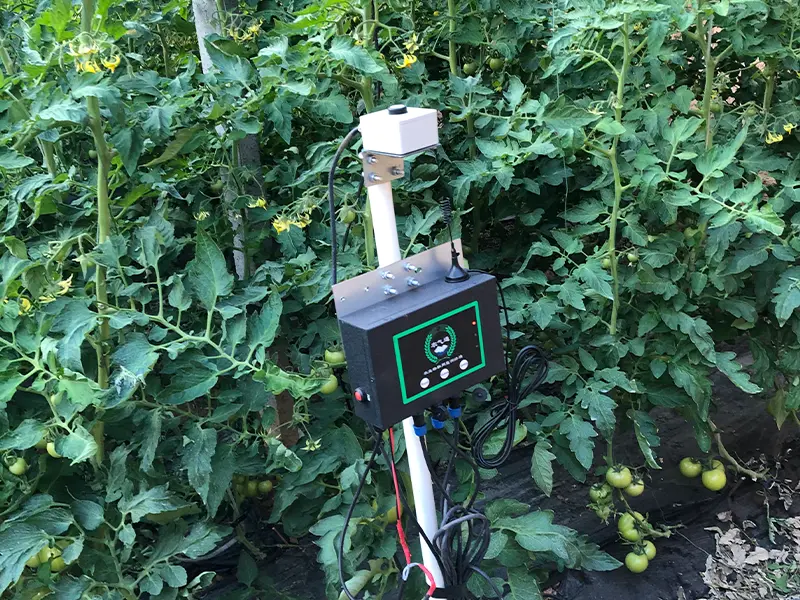
محطة الطقس ليست جهازًا منعزلاً؛ إنها الواجهة الأمامية الأساسية لنظام الزراعة الذكي بأكمله. يمكن ربط محطة الطقس بـ نظام التسميد الذكي, صمامات الري, والمراوح وشبكات التظليل وغيرها من المعدات. تقوم بتشغيل التهوية تلقائيًا عندما تتجاوز الرطوبة الحد المسموح به، والري تلقائيًا عندما تكون التربة بحاجة للماء، مما يحقق إدارة مؤتمتة بالكامل ويوفر العمالة بشكل كبير.
ما هي معايير الطقس التي يجب على المزارعين مراقبتها؟
تؤثر الظروف الجوية بشكل مباشر على نمو المحاصيل وجدولة الري ومكافحة الآفات والأمراض وتوقيت الحصاد. من خلال مراقبة المعايير البيئية الرئيسية باستخدام محطة طقس زراعية، يمكن للمزارعين اتخاذ قرارات إدارية في الوقت المناسب، وتحسين كفاءة الموارد، وتقليل مخاطر الإنتاج. يوضح الجدول التالي أهم معايير الطقس لمحطة الطقس الزراعية وتطبيقاتها العملية.
| معيار الطقس | لماذا هو مهم |
|---|---|
| درجة حرارة الهواء | يؤثر على إنبات البذور ونمو المحاصيل والإزهار وتطور الثمار وإدارة إجهاد الصقيع أو الحرارة. |
| الرطوبة النسبية | يساعد في تقييم مخاطر الأمراض ومناخ البيوت المحمية واحتياجات المحاصيل المائية. |
| هطول الأمطار | يدعم تخطيط الري ويمنع نقص المياه والإفراط في الري. |
| سرعة الرياح | يحسن سلامة رش المبيدات ويحمي المحاصيل ويراقب الظروف الجوية القاسية. |
| اتجاه الرياح | يساعد في تقليل انجراف الرش ويوفر نظرة ثاقبة لأنماط الطقس المحلية. |
| الإشعاع الشمسي | يقيس ضوء الشمس المتاح لعملية التمثيل الضوئي وتطور المحاصيل وحسابات التبخر والنتح. |
| رطوبة التربة | يشير إلى توفر مياه التربة للري الدقيق والإدارة الفعالة للمياه. |
| درجة حرارة التربة | يدعم قرارات الزراعة وإنبات البذور وتطور الجذور الصحي. |
| رطوبة الأوراق | يحدد الظروف المواتية للأمراض النباتية ويحسن التنبؤ بالأمراض. |
| الضغط الجوي | يساعد في تحديد التغيرات الجوية قصيرة المدى والتنبؤ بالاتجاهات. |
| التبخر والنتح (ET) | يقدر استهلاك المحاصيل للمياه لتحسين جدولة الري. |
| كشف المطر/الثلج | يكتشف أحداث هطول الأمطار أو تساقط الثلوج في الوقت الفعلي لدعم التحكم في الري والعمليات الميدانية والتنبيهات الجوية. |
نصيحة: يعتمد المزيج المثالي من المعايير المراقبة على التطبيق. تعطي البيوت المحمية الأولوية عادةً لدرجة الحرارة والرطوبة والإشعاع الشمسي، بينما قد تتطلب البساتين مراقبة هطول الأمطار والرياح والصقيع. غالبًا ما تجمع الزراعة الحقلية واسعة النطاق بين قياسات رطوبة التربة وهطول الأمطار والإشعاع الشمسي والرياح لدعم الزراعة الدقيقة.
كيف تعمل محطة الطقس على تحسين الزراعة؟
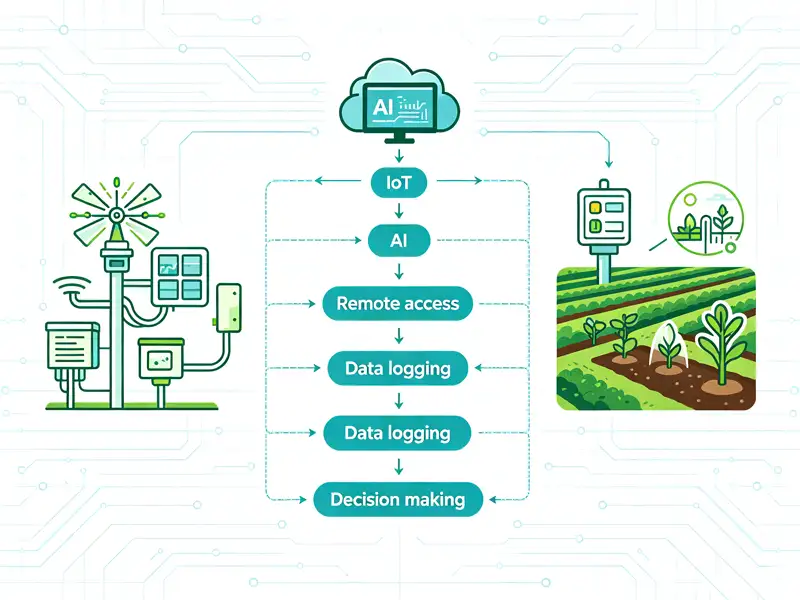
تعتمد الزراعة الدقيقة على بيانات بيئية دقيقة وفي الوقت الفعلي لتحسين كل مرحلة من مراحل إنتاج المحاصيل. تدمج محطات الطقس الزراعية الحديثة اتصال إنترنت الأشياء ومنصات السحابة وتحليل البيانات الذكي لتحويل معلومات الطقس الخام إلى قرارات زراعية عملية. من خلال توفير مراقبة مستمرة ووصول عن بُعد إلى الظروف الحقلية، تساعد المزارعين على تحسين الكفاءة وتقليل هدر الموارد واتخاذ قرارات إدارية مستنيرة.
- اتصال إنترنت الأشياء – يربط محطات الطقس بأجهزة الاستشعار وأنظمة الري ومنصات إدارة المزرعة لمشاركة البيانات في الوقت الفعلي بسلاسة.
- المراقبة السحابية – يقوم بتحميل البيانات البيئية إلى منصات سحابية، مما يسمح للمستخدمين بالوصول إلى معلومات الطقس من أي موقع عبر أجهزة الكمبيوتر أو الأجهزة المحمولة.
- التحليل المدعوم بالذكاء الاصطناعي – يستخدم بيانات الطقس التاريخية واللحظية لتحديد الاتجاهات، ودعم التنبؤ بالأمراض، وتحسين استراتيجيات الري وإدارة المحاصيل.
- الوصول عن بُعد – يتيح للمزارعين ومديري المزارع مراقبة ظروف الحقول عن بُعد دون الحاجة لزيارة الموقع، مما يحسن الكفاءة التشغيلية.
- التسجيل المستمر للبيانات – يسجل تلقائيًا بيانات الطقس والتربة على المدى الطويل، مما ينشئ قاعدة بيانات قيمة للتحليل الموسمي والتخطيط المستقبلي للمزرعة.
- التنبيهات الفورية – يرسل إشعارات عند تجاوز الحدود المحددة مسبقًا لدرجة الحرارة، هطول الأمطار، سرعة الرياح، الصقيع، أو غيرها من المعايير، مما يتيح الاستجابة في الوقت المناسب.
- التحكم الدقيق في الري – يجمع بين بيانات الطقس ورطوبة التربة لتحديد جدول الري الأمثل، مما يقلل استهلاك المياه مع الحفاظ على صحة المحاصيل.
- تحسين عملية اتخاذ القرارات – يوفر بيانات بيئية موثوقة لدعم القرارات المتعلقة بالزراعة، التسميد، تطبيق المبيدات، الحصاد، وتخصيص الموارد.
- التكامل مع أنظمة الزراعة الذكية – يعمل مع نظام تحديد المواقع العالمي (GPS)، الري الآلي، الطائرات بدون طيار، وبرامج إدارة الزراعة لدعم عمليات الزراعة الدقيقة المتكاملة بالكامل.
- إنتاجية أعلى وتكاليف أقل – يساعد في تعظيم أداء المحاصيل مع تقليل مدخلات العمالة، المياه، الأسمدة، والمبيدات، مما يحسن ربحية المزرعة بشكل عام.
سيناريوهات التطبيق في مختلف القطاعات الزراعية
زراعة المحاصيل الحقلية: استخدام بيانات مراقبة الأرصاد الجوية لإدارة الري، التسميد، ومكافحة الآفات والأمراض؛ التنبؤ بمخاطر الجفاف، الفيضانات، والرقاد؛ وتحسين إدارة زراعة القمح، الذرة، والأرز على نطاق واسع.
زراعة الخضروات والفواكه في البيوت المحمية: تنظيم درجة الحرارة، الرطوبة، الضوء، ومستويات ثاني أكسيد الكربون في البيوت المحمية في الوقت الفعلي؛ التحكم الدقيق في الظروف البيئية خلال فترات الإزهار وعقد الثمار؛ تقليل تعفن الثمار والتشوهات؛ وتحسين جودة الخضروات والفواكه.
زراعة أشجار الفاكهة التجارية: مراقبة الصقيع، الرياح القوية، وهطول الأمطار لفترات طويلة لتنفيذ تدابير الحماية المبكرة من الصقيع، الرياح، والوقاية من الأمراض لأشجار الفاكهة، مما يضمن إنتاجية مستقرة للمحاصيل التجارية مثل التفاح، الحمضيات، والشاي.
زراعة الزهور في البيوت المحمية: التحكم الدقيق في درجة الحرارة، الرطوبة، ومدة الإضاءة لتتوافق بدقة مع دورات ازدهار الزهور، تقليل خسائر الزراعة، وتحقيق طرح متدرج في الأسواق.
تربية الماشية: مراقبة درجة الحرارة، الرطوبة، وظروف التهوية في المزارع لتجنب الإجهاد الحراري والضرر الناتج عن البرد، تقليل أمراض الماشية والدواجن، وتحسين معدلات البقاء على قيد الحياة.
تربية الأحياء المائية: مراقبة درجة حرارة الماء، مستويات الأكسجين المذاب، وهطول الأمطار لتوفير إنذارات مبكرة لازدهار البرك وتدهور جودة المياه، مما يحقق استقرار إنتاجية مزارع الأسماك، الجمبري، وسرطان البحر.
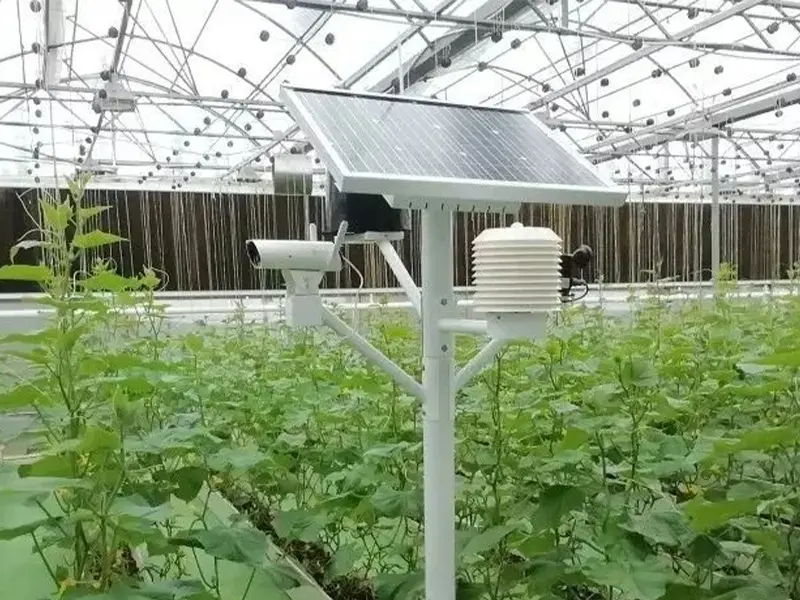
العوامل الرئيسية التي يجب مراعاتها عند اختيار محطة أرصاد جوية
مطابقة حجم المزرعة: اختر محطات المراقبة بناءً على حجم مزرعتك. يجب على صغار المزارعين ذوي القطع المتناثرة اختيار أجهزة بسيطة متكاملة، بينما يجب على الحقول الكبيرة المتجاورة والمتنزهات الزراعية اختيار نماذج متعددة الحساسات ومعيارية.
معلمات المراقبة: حدد العناصر الجوية المحددة التي تحتاج إلى مراقبتها. إذا كنت تحتاج فقط إلى قياس درجة الحرارة، الرطوبة، وهطول الأمطار، اختر نموذجًا أساسيًا؛ إذا كنت تحتاج إلى التخطيط لحماية المحاصيل والري، أضف حساسات لشدة الضوء، سرعة الرياح، ورطوبة التربة.
جمع البيانات والاتصال: ضع في اعتبارك كيفية جمع محطة الأرصاد الجوية للبيانات وتخزينها. تحتوي بعض محطات الأرصاد الجوية على مسجلات بيانات مدمجة، بينما تتطلب أخرى أجهزة خارجية. بالإضافة إلى ذلك، تحقق مما إذا كانت محطة الأرصاد الجوية تقدم خيارات اتصال مثل شبكات Wi-Fi أو الشبكات الخلوية لتمكين الوصول عن بُعد إلى البيانات في الوقت الفعلي.
البرمجيات وتحليل البيانات: قم بتقييم البرمجيات أو أدوات تحليل البيانات المضمنة مع محطة الأرصاد الجوية. تساعد البرمجيات سهلة الاستخدام التي تتيح التصور والتفسير السهل للبيانات المجمعة في تسهيل اتخاذ القرارات المستنيرة. تأكد من توافق البرمجيات مع نظام تشغيل جهاز الكمبيوتر أو الجهاز المحمول الخاص بك.
تصنيف الحماية: للاستخدام الخارجي طويل الأمد في الحقول، اختر نماذج مقاومة للماء، الغبار، والرياح القوية. في المناطق ذات هطول الأمطار الغزيرة أو مستويات الغبار العالية، أعط الأولوية للمنتجات ذات معايير الحماية العالية.
الصيانة والدعم: قم بتقييم متطلبات صيانة محطة الأرصاد الجوية. تحقق مما إذا كانت الشركة المصنعة توفر الدعم الفني، تحديثات البرامج الثابتة، وخدمات الضمان. قد يكون توفر قطع الغيار الكافية وخدمات الدعم المحلية مفيدًا.
الميزانية: ضع في اعتبارك ميزانيتك عند اختيار محطة أرصاد جوية. يمكن أن تتراوح الأسعار من بضع مئات إلى عدة آلاف من الدولارات؛ قم بتقييم فعالية التكلفة بناءً على احتياجاتك الخاصة والفوائد طويلة الأجل التي توفرها محطة الأرصاد الجوية. قارن خدمات ما بعد البيع والمعايرة—نظرًا لأن الاستخدام طويل الأمد يتطلب معايرة منتظمة للحساسات، فإن اختيار شركة مصنعة تقدم دعم المعايرة والإصلاح في الموقع سيوفر عليك المتاعب.
محطة الأرصاد الجوية الزراعية مقابل توقعات الطقس التقليدية
اعتماد واسع النطاق لأجهزة مراقبة مدمجة ومنخفضة التكلفة
في الماضي، كانت أنظمة محطات الأرصاد الجوية الكاملة باهظة الثمن نسبيًا ومناسبة فقط للمزارع الكبيرة. في المستقبل، سيتم نشر أجهزة استشعار دقيقة خفيفة الوزن ومتكاملة على نطاق واسع في الحقول. سيتمكن المزارعون من تركيب هذه الحساسات في نقاط متعددة عبر قطع أراضيهم الخاصة، ولم يعودوا يعتمدون فقط على بيانات الطقس العامة من محطة واحدة، وسيكونون قادرين على مراقبة الظروف البيئية المحددة لقطع الأراضي الزراعية الصغيرة.
التكامل العميق لبيانات الطقس مع معدات المزرعة
بدلاً من مجرد عرض بيانات درجة الحرارة، الرطوبة، وهطول الأمطار، ستتفاعل أنظمة المراقبة تلقائيًا مع صمامات الري، آلات حماية المحاصيل، ومعدات تهوية البيوت المحمية. عندما يكتشف النظام مخاطر مثل الجفاف أو الأمراض المرتبطة بالرطوبة العالية، سيقوم تلقائيًا بتشغيل المعدات الزراعية المقابلة، مما يتيح إدارة حقلية آلية بالكامل دون تدخل بشري.
نماذج التنبؤ بالذكاء الاصطناعي المصممة خصيصًا لظروف الزراعة المحلية
التكامل العميق لبيانات الطقس مع معدات المزرعة.
بدلاً من مجرد عرض بيانات درجة الحرارة والرطوبة وهطول الأمطار، ستتفاعل أنظمة المراقبة تلقائيًا مع صمامات الري، وآلات حماية المحاصيل، ومعدات تهوية البيوت المحمية. عندما يكتشف النظام مخاطر مثل الجفاف أو الأمراض المرتبطة بالرطوبة العالية، سيقوم تلقائيًا بتفعيل المعدات الزراعية المقابلة، مما يتيح إدارة حقلية غير مأهولة وآلية بالكامل.
نماذج التنبؤ بالذكاء الاصطناعي الأكثر تكيفًا مع ظروف الزراعة المحلية.
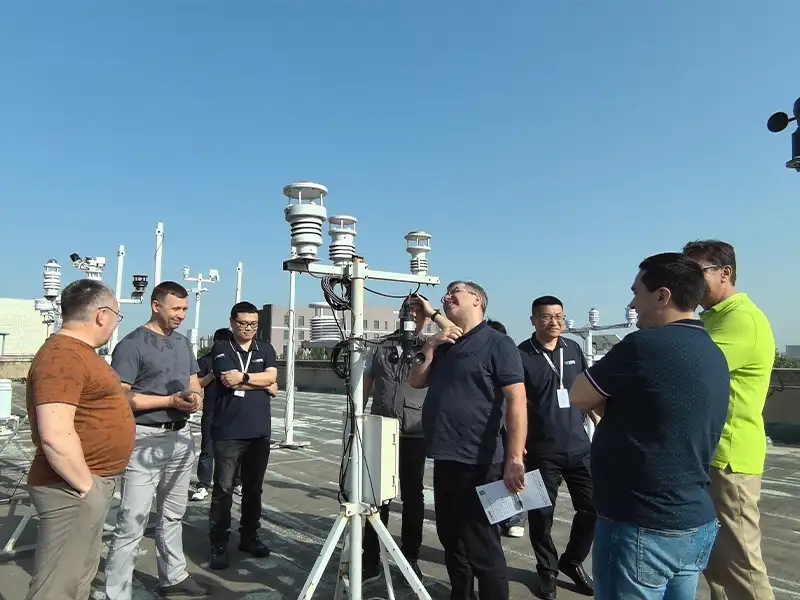
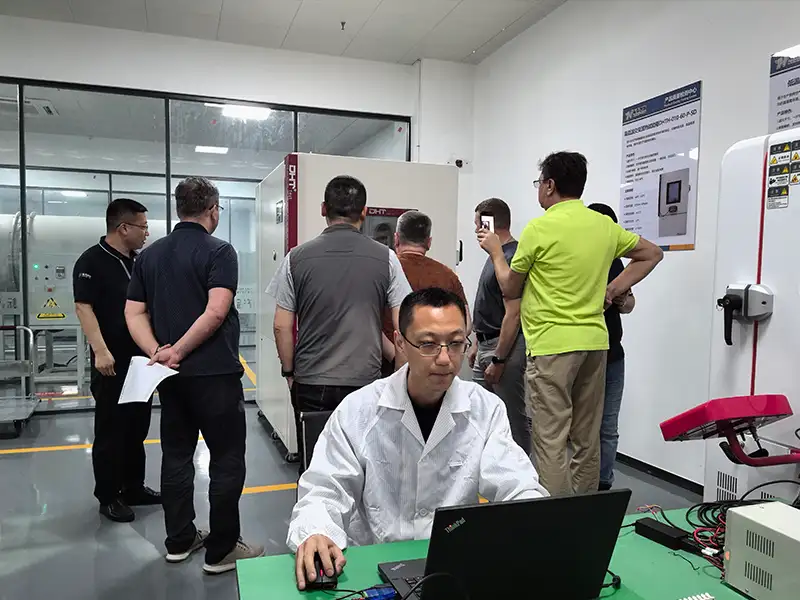
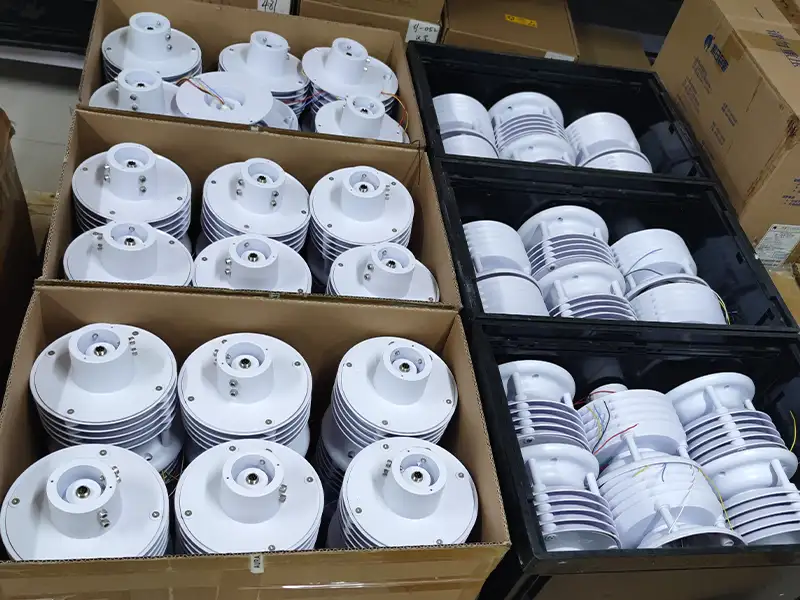
الخاتمة
غالبًا ما تكون توقعات الطقس التقليدية تنبؤات إقليمية واسعة النطاق. في المستقبل، من خلال الجمع بين سنوات من البيانات الميدانية الفعلية، سيكون الذكاء الاصطناعي قادرًا على تقديم توقعات دقيقة لمحاصيل مختلفة وقطع أراضٍ محددة. سيتنبأ مسبقًا بالصقيع والأمطار الغزيرة وفترات ذروة الآفات والأمراض، ويقدم توصيات عملية مصممة خصيصًا للممارسات الزراعية المحلية بدلاً من استنتاجات الطقس العامة.
مراقبة تكامل البيانات متعددة الأبعاد.
لن تقتصر المراقبة بعد الآن على المؤشرات الجوية الجوية؛ بل ستدمج في الوقت نفسه معلومات عن رطوبة التربة وجودة المياه وظروف نمو المحاصيل. من خلال تحليل بيانات مثل درجة حرارة ورطوبة الهواء، ودرجة حرارة ورطوبة التربة، وشدة الضوء، ودرجة الحرارة المتراكمة، سيتم إنشاء قاعدة بيانات بيئية شاملة للأراضي الزراعية لدعم إدارة المحاصيل على مدار الدورة الكاملة. اتصل بنا أصبحت محطات الأرصاد الجوية الزراعية الحديثة تعتمد بشكل متزايد على البيانات، وتعتبر معلومات الطقس الموثوقة ضرورية لتحسين الإنتاجية وتقليل المخاطر التشغيلية. توفر محطة الأرصاد الجوية الزراعية بيانات بيئية دقيقة وفي الوقت الفعلي تساعد المزارعين على تحسين الري والتسميد وإدارة الآفات وتخطيط الحصاد، مع دعم الزراعة الدقيقة والممارسات الزراعية المستدامة. مع تزايد عدم القدرة على التنبؤ بالظروف المناخية، لم يعد الاستثمار في نظام مراقبة الطقس مجرد ميزة - بل هو حل عملي لاتخاذ قرارات زراعية أكثر ذكاءً وتحسين أداء المزرعة على المدى الطويل.