导言
随着精准农业和智慧农业的发展,越来越多的农场开始利用实时气象数据优化作物管理。那么,气象站在农业中的重要性体现在哪里?事实上,气象条件直接影响作物生长、灌溉计划、病虫害防治、施肥时机,并最终决定作物产量。农业气象站持续监测温度、湿度、降水量、风速、太阳辐射和土壤状况等关键参数,为农业生产提供可靠的数据支持,帮助农民做出更科学的决策。.
无论是大型商业农场、温室种植、果园,还是粮食作物生产,部署农业气象站已成为提高生产效率、降低运营风险的重要手段。本文将详细阐述气象站在农业中的重要性,并深入分析农业气象站的10大核心优势、主要应用场景、监测指标,以及如何为不同农业项目选择合适的气象监测方案——帮助您全面了解气象监测在现代农业中的价值。.

什么是农业气象站?
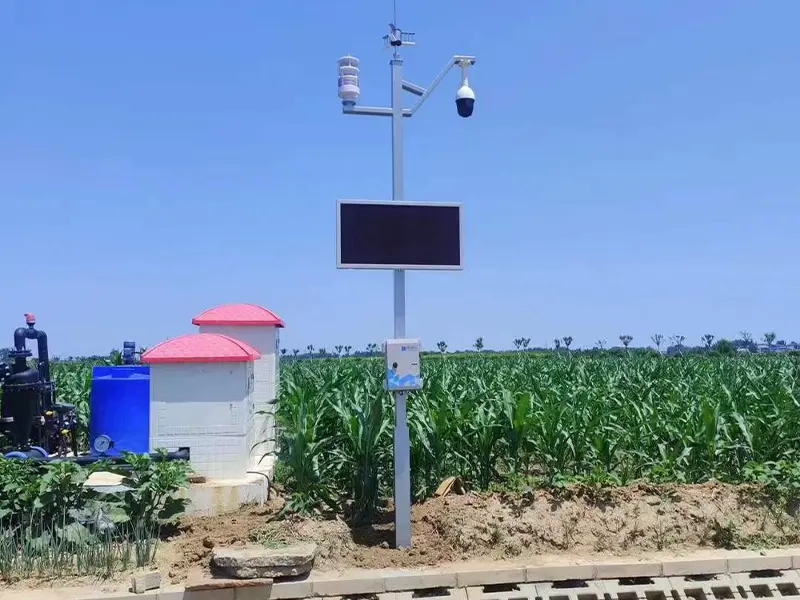
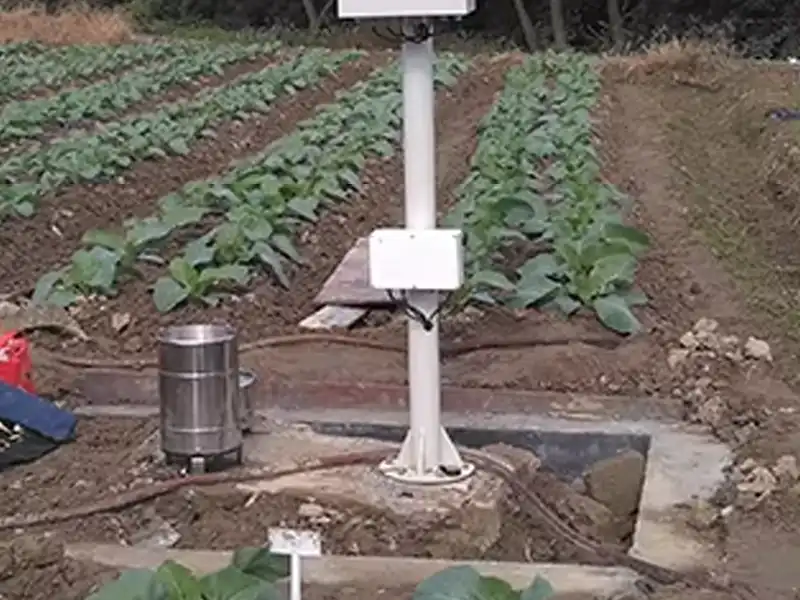
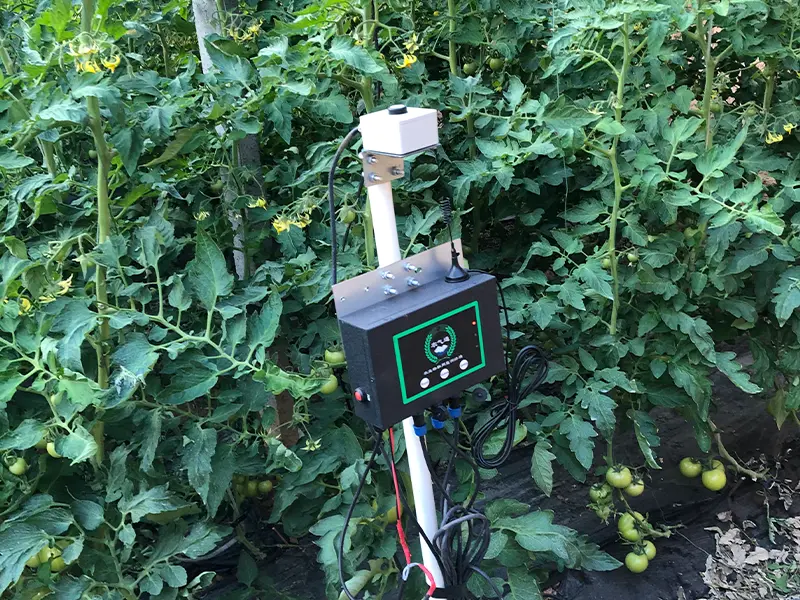
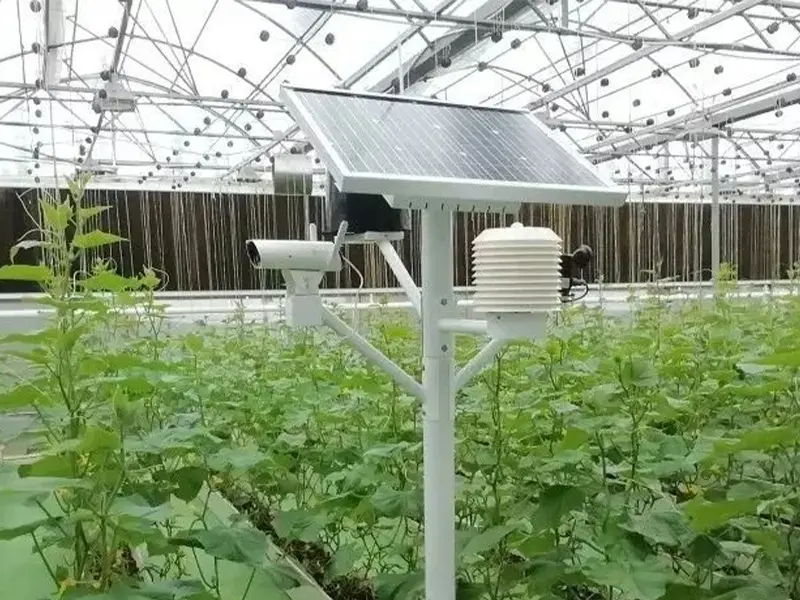
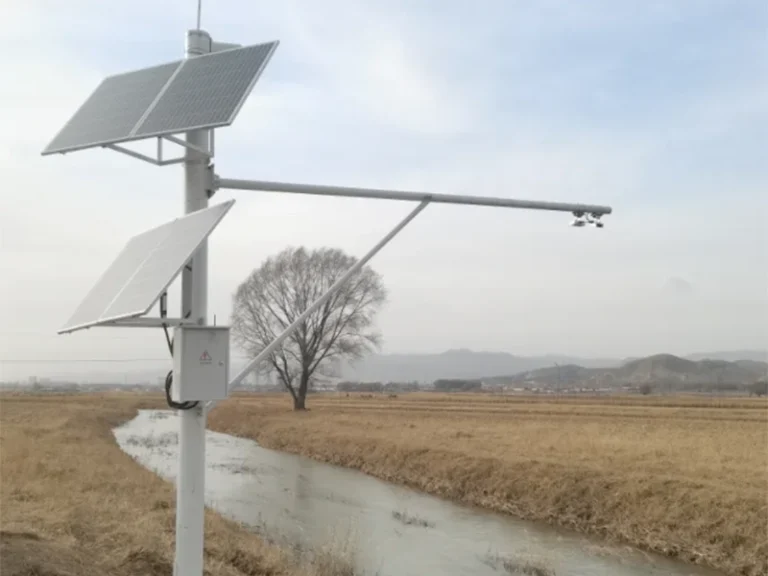
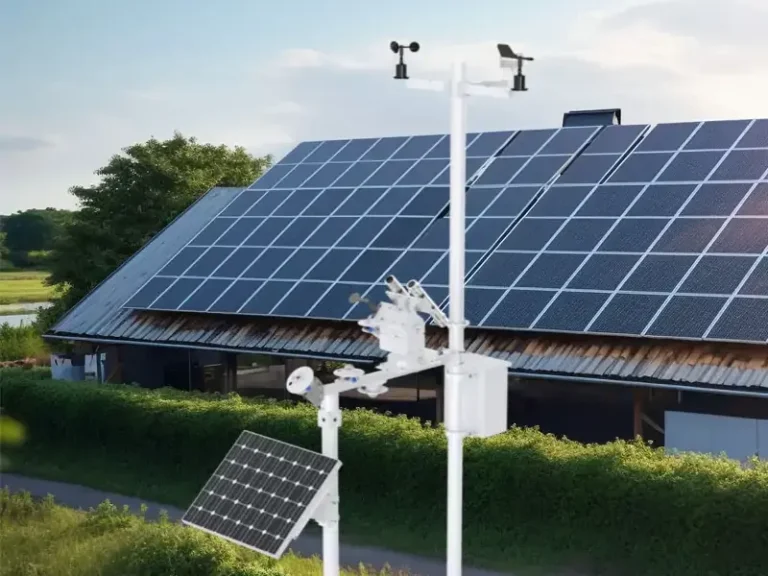
一个 农业气象站, ,又称农场气象站或农业气象站,是一种专为农业生产采集实时环境数据的监测系统。通过集成多种传感器,它持续测量温度、湿度、降雨量、风速、太阳辐射和土壤状况等关键参数,为灌溉、作物管理、病害防治和精准农业提供可靠的气象数据。典型的农业气象站可同时监测10个以上环境参数,是现代智慧农业不可或缺的工具。.
农业气象站的主要组成部分
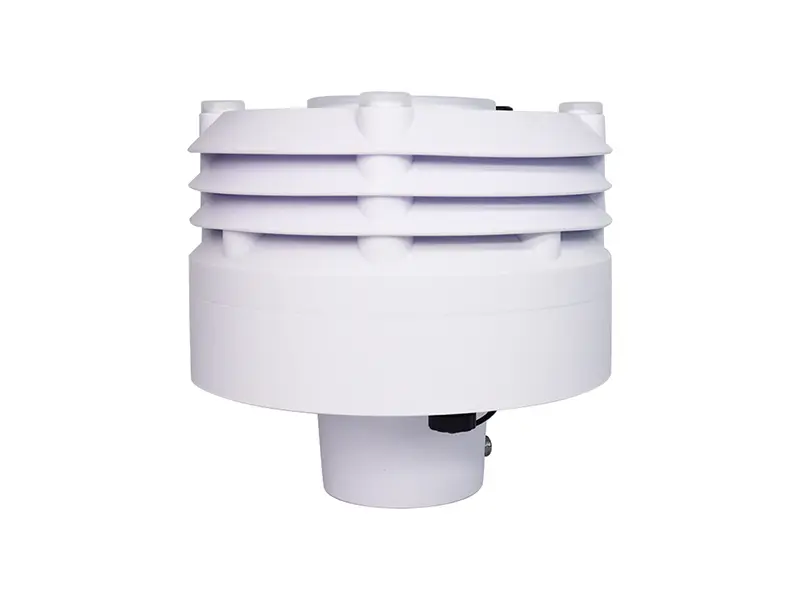
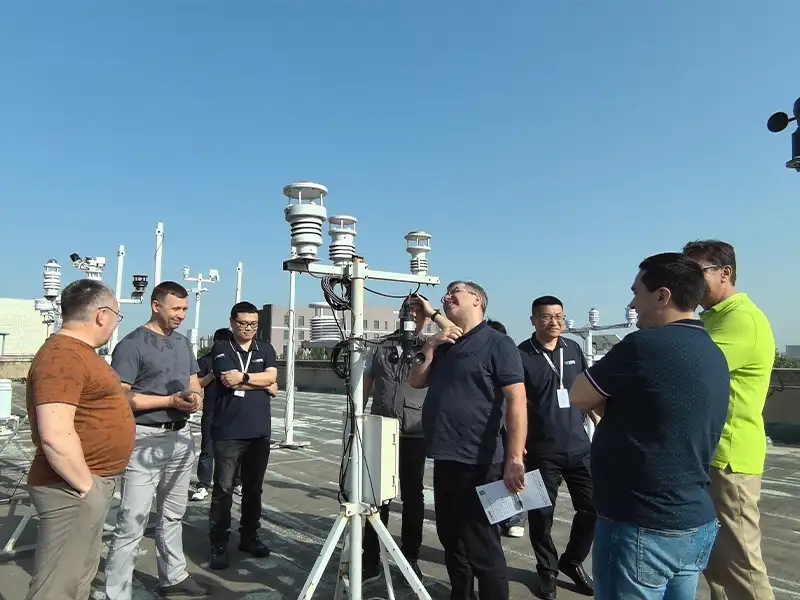
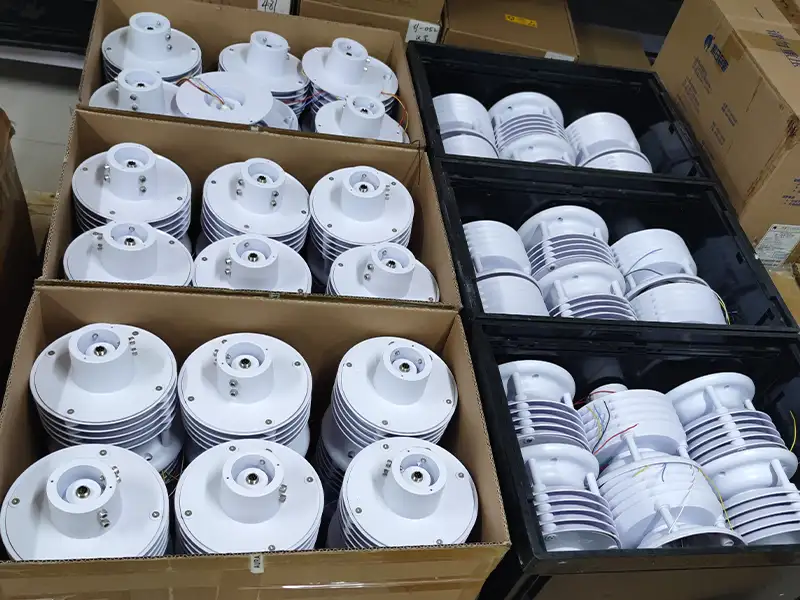
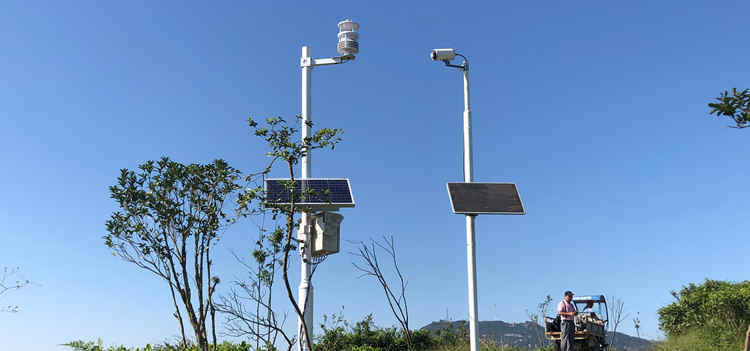
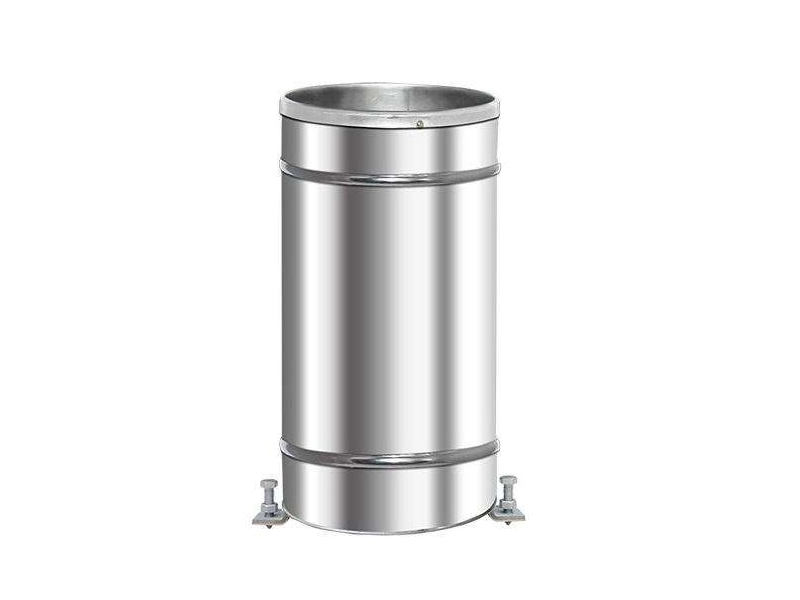
农业气象站由中央数据采集器、通信模块、电源、安装支架以及一系列环境传感器组成。可根据作物类型、气候条件和监测需求配置不同的传感器组合,实现针对各种农业应用的综合气象与土壤数据采集。.
工作原理
- 环境感知 – 传感器监测气象和土壤参数,如温度、降雨量、湿度、风和太阳辐射。.
- 数据收集 – 数据采集器接收并处理所有连接传感器的测量数据。.
- 数据传输 – 信息通过RS485、LoRa、4G、NB-IoT、Wi-Fi或以太网传输至云平台或本地计算机。.
- 数据分析 – 监测软件实时显示历史记录、趋势、报警和环境报告。.
- 决策支持 – 农民利用采集的数据优化灌溉、施肥、作物保护和收获计划。.
农业气象站的类型
不同的农业应用需要不同的监测能力。农业气象站可根据安装环境、监测目的和通信方式进行分类。.
- 自动气象站(AWS) – 执行连续环境监测,具备自动数据采集和传输功能。.
- 小型气象站 – 将多种传感器集成到紧凑设计中,便于安装且维护成本低。.
- 无线农业气象站 – 采用无线通信技术实现远程监测,无需复杂布线。.
- 太阳能气象站 – 利用太阳能独立运行,适用于偏远农业区域。.
- 物联网智能气象站 – 连接云平台,实现实时监测、数据分析和移动端访问。.
- 便携式气象站 – 轻便且可移动,适用于临时田间调查、研究和季节性作物监测。.
- 科研级气象站 – 为农业实验、大学和科学研究提供高精度测量。.
- 综合农场气象站 – 将气象监测与土壤、灌溉和作物管理系统相结合,用于精准农业。.
为什么气象数据在农业中很重要?
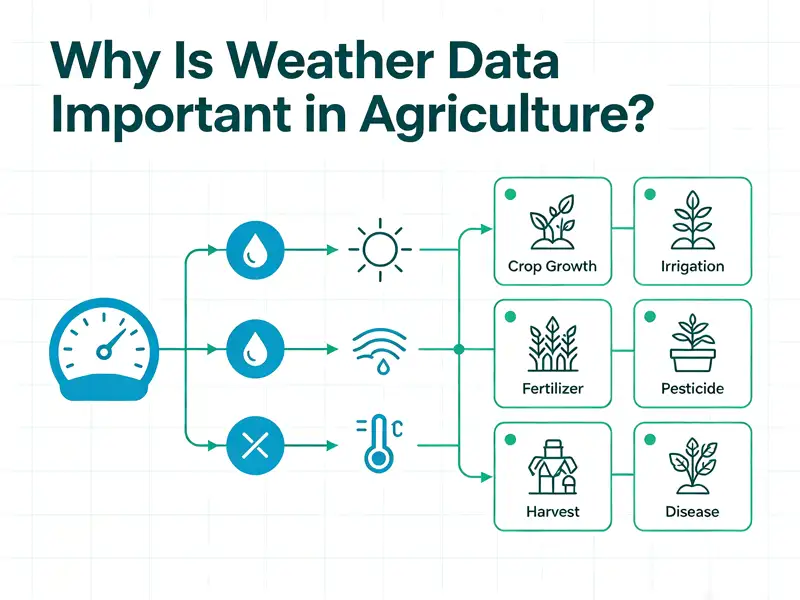
准确的气象数据是现代农业稳产增收的基石。不同时期的温度、降水、光照和湿度数据可为所有田间作业提供直接指导:基于积温值可预测作物生长周期,从而提前规划播种和收获日期;;
结合降雨数据和土壤湿度测量,可将无效灌溉减少20%以上,节约水资源;根据温湿度范围调整施肥时机,农民可避免高温追肥导致的肥料损失;;
依靠降雨和高湿度警报安排农药施用,农民可显著降低病虫害爆发的可能性,同时减少农药浪费;;
随着收获期的临近,利用强风和持续降雨预报提前安排收割,从而防止果实霉变和倒伏导致的产量损失;;
长期气象监测还能提前预测高湿引发病害的高风险期,使农户能够主动采取田间防控措施,全面降低气候相关的种植风险,稳定作物总产量。.
农业气象站的10大关键优势
农业生产高度依赖天气条件——从播种、灌溉到病虫害防治和收获,每个环节都需要准确的环境数据作为参考。农业气象站持续监测温度、湿度、降水量、风速、太阳辐射和土壤状况,为农场管理提供实时数据支持。通过科学分析这些数据,种植者可以优化生产计划、降低运营成本,并提高作物品质和产量。以下是农业气象站在现代农业中的十大核心优势。.
提高灌溉效率
农业气象站可实时监测降雨量、空气温湿度、土壤含水量等关键指标,帮助农户合理安排灌溉时间和灌溉量,减少过度灌溉和水资源浪费,提升灌溉效率。.
2. Increase Crop Yield
Stable environmental data can help adjust planting management measures to provide a more suitable growing environment for crops. By monitoring weather changes, the adverse effects of environmental factors on crops can be reduced and yield and quality can be further improved.
3. Reduce Crop Disease Risks
High humidity, high temperature and continuous moisture on the leaves can easily induce a variety of diseases. Agricultural meteorological stations can monitor environmental factors that affect the occurrence of diseases, provide early warning and control, and reduce crop losses.
4. Optimize Fertilizer Application
The effectiveness of fertilization is easily affected by rainfall, temperature and soil moisture. Combined with real-time weather data, farmers can apply fertilizer at the right time, improving fertilizer utilization while reducing nutrient loss.
5. Improve Pest Management
Certain climatic conditions are conducive to the occurrence and development of plant diseases and insect pests. Weather stations provide data that can help farmers track the occurrence of these conditions, such as high humidity or temperature inversions. This enables farmers to take timely measures to prevent or mitigate pest and disease outbreaks and infestations.
6. Support Precision Agriculture
Agricultural weather stations are an important part of precision agriculture. They can work together with Internet of Things platforms, automatic irrigation systems and agricultural management software to achieve environmental monitoring, data analysis and remote management, and improve the level of farm digital management.
7. Protect Crops from Extreme Weather
In the face of severe weather such as frost, high temperature, heavy rain, snow, and strong winds, agricultural meteorological stations can monitor environmental changes in advance and issue early warnings. In this way, farmers can reduce losses caused by natural disasters.
8. Reduce Production Costs
Scientific decision-making based on real-time environmental data can reduce unnecessary irrigation, fertilization and pesticide use, reduce labor input and resource consumption, and effectively control production costs while ensuring crop growth.
9. Improve Harvest Planning
Monitoring weather conditions such as rainfall, wind speed, and humidity before harvest can help select the appropriate harvest time, reduce quality degradation and harvest losses caused by bad weather, and increase the commodity value of agricultural products.
10. Support Long-Term Farm Management
The long-term accumulation of environmental data forms a complete “climate file”, which can be used for traceability of agricultural products, project acceptance, and optimization of planting plans for the coming year, making management more standardized and standardized.
The weather station is not an isolated device; it is the core front-end of the entire smart agricultural system. The weather station can be linked with the 智能施肥系统, irrigation valves, fans, sunshade nets and other equipment. Automatically turns on ventilation when the humidity exceeds the standard, and automatically irrigates when the soil is short of water, realizing fully automated management and greatly saving labor.
What Weather Parameters Should Farmers Monitor?
Weather conditions directly affect crop growth, irrigation scheduling, pest and disease control, and harvest timing. By monitoring key environmental parameters with an agricultural weather station, farmers can make timely management decisions, improve resource efficiency, and reduce production risks. The following table outlines the most important weather parameters for farm weather station and their practical applications.
| Weather Parameter | Why It Matters |
|---|---|
| 空气温度 | Influences seed germination, crop growth, flowering, fruit development, and frost or heat stress management. |
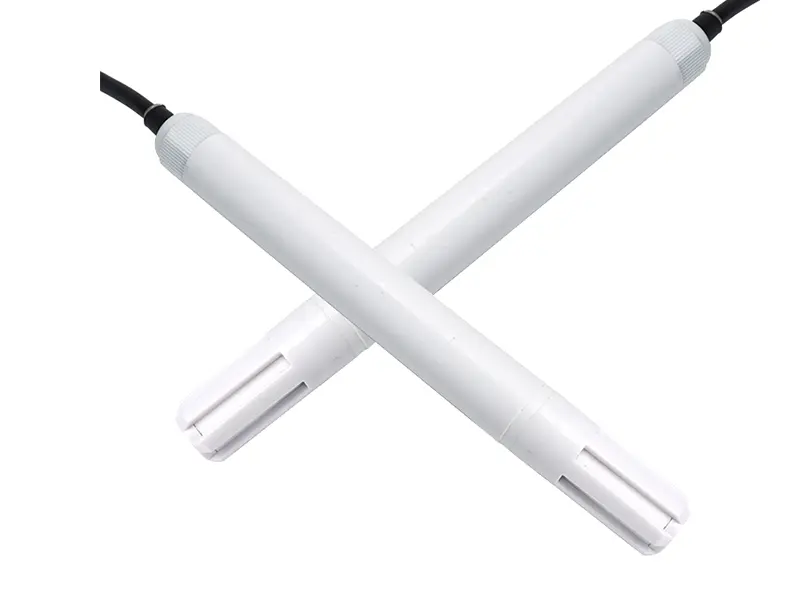
| 相对湿度 | Helps assess disease risk, greenhouse climate, and crop water demand. |
| 降雨量 | Supports irrigation planning and prevents both water shortages and overwatering. |
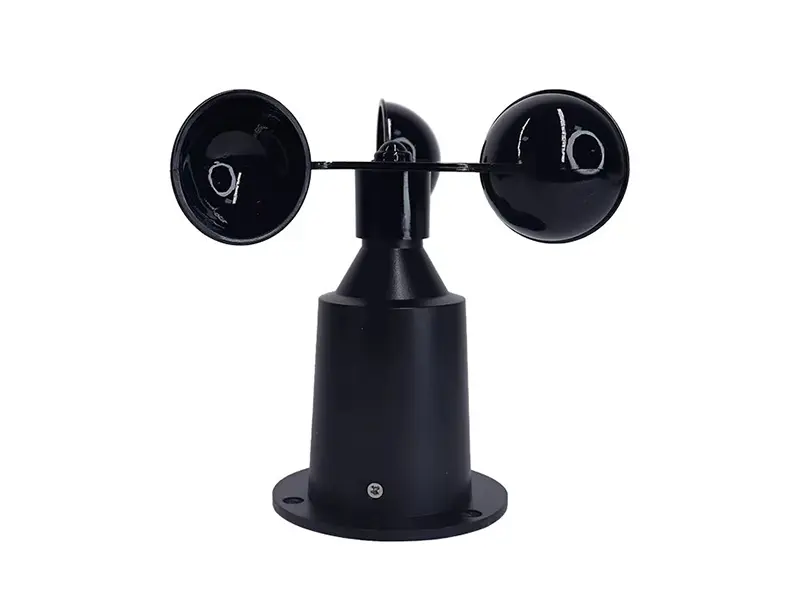
| 风速 | Improves pesticide spraying safety, protects crops, and monitors severe weather conditions. |
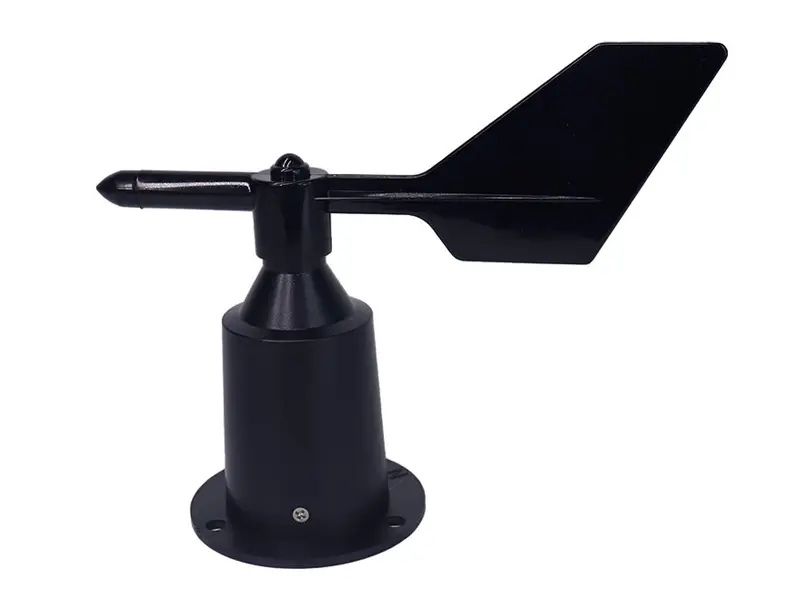
| 风向 | Helps reduce spray drift and provides insight into local weather patterns. |
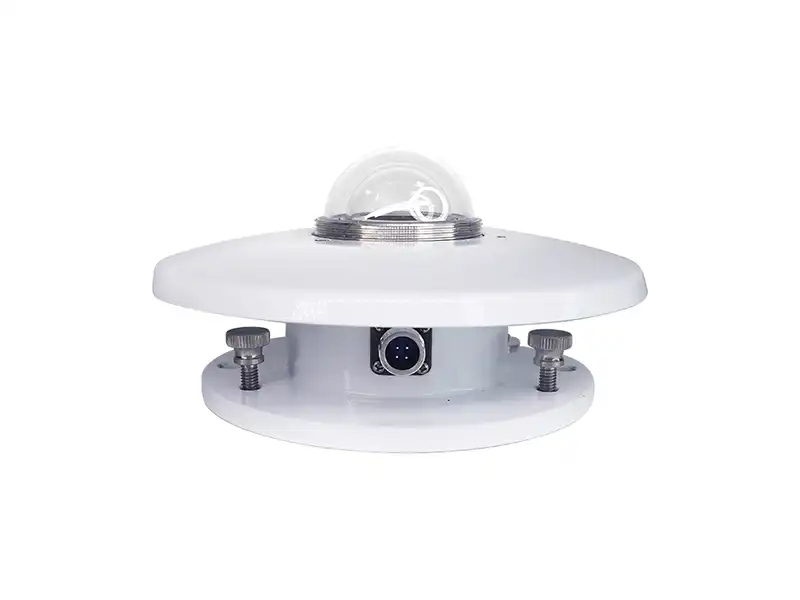
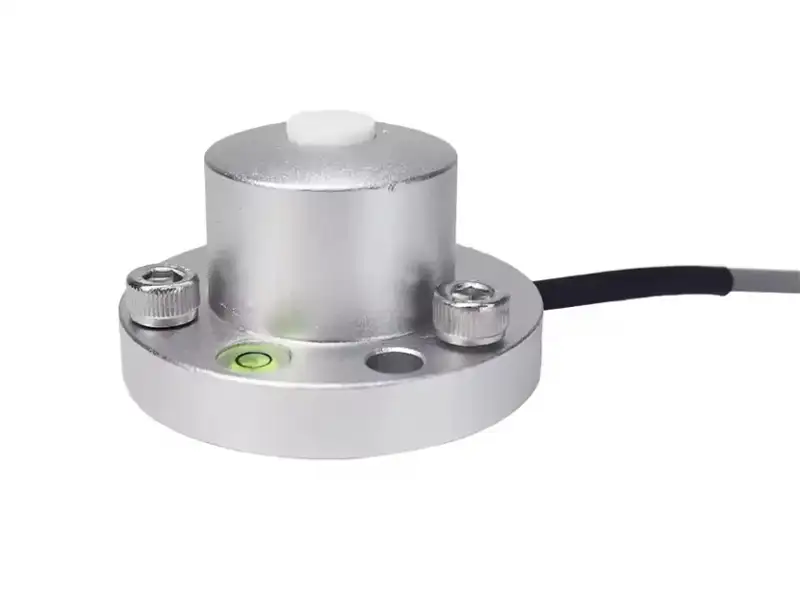
| 太阳辐射 | Measures available sunlight for photosynthesis, crop development, and evapotranspiration calculations. |
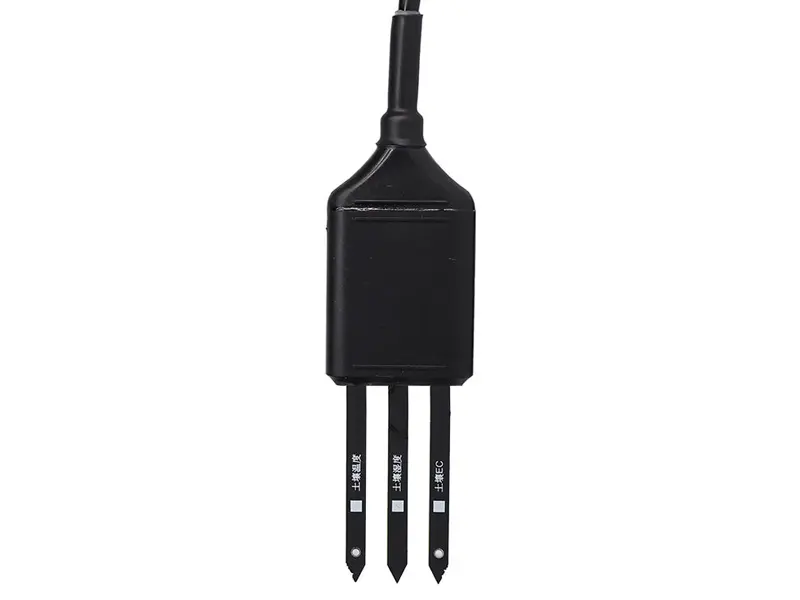
| 土壤湿度 | Indicates soil water availability for precision irrigation and efficient water management. |
| 土壤温度 | Supports planting decisions, seed germination, and healthy root development. |
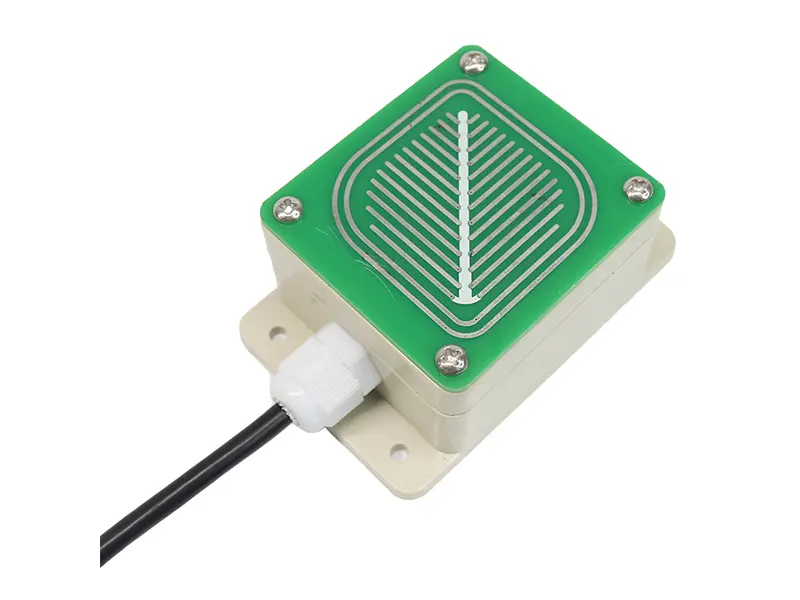
| Leaf Wetness | Identifies conditions favorable for plant diseases and improves disease forecasting. |
| 大气压力 | Assists in identifying short-term weather changes and forecasting trends. |
| Evapotranspiration (ET) | Estimates crop water consumption to optimize irrigation scheduling. |
| Rain/Snow Detection | Detects rainfall or snowfall events in real time to support irrigation control, field operations, and weather alerts. |
Tip: The ideal combination of monitored parameters depends on the application. Greenhouses typically prioritize temperature, humidity, and solar radiation, while orchards may require rainfall, wind, and frost monitoring. Large-scale field farming often combines soil moisture, rainfall, solar radiation, and wind measurements to support precision agriculture.
How Does a Weather Station Improve Agriculture?
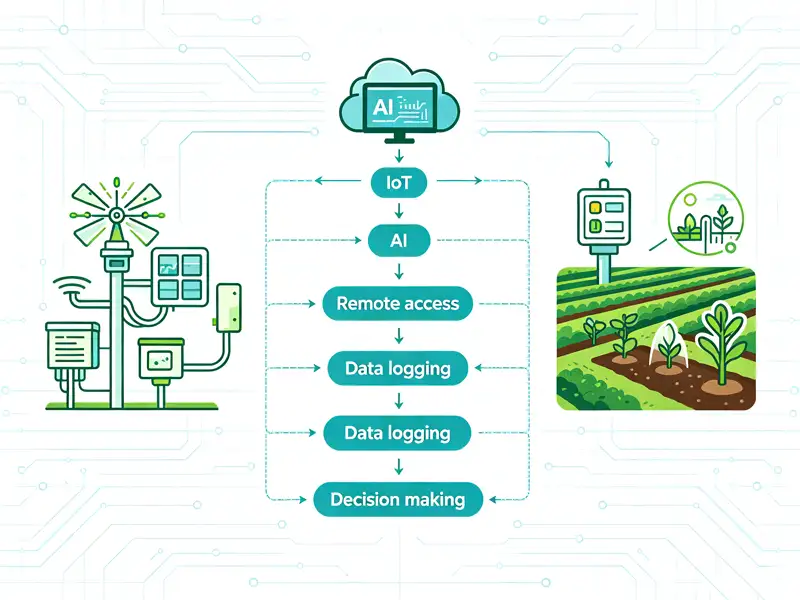
Precision agriculture relies on accurate, real-time environmental data to optimize every stage of crop production. Modern agricultural weather stations integrate IoT connectivity, cloud platforms, and intelligent data analysis to transform raw weather information into practical farming decisions. By providing continuous monitoring and remote access to field conditions, they help farmers improve efficiency, reduce resource waste, and make informed management decisions.
- IoT Connectivity – Connects weather stations with sensors, irrigation systems, and farm management platforms for seamless real-time data sharing.
- Cloud-Based Monitoring – Uploads environmental data to cloud platforms, allowing users to access weather information from any location through computers or mobile devices.
- AI-Powered Analysis – Uses historical and real-time weather data to identify trends, support disease forecasting, and optimize irrigation and crop management strategies.
- 远程访问 – Enables farmers and farm managers to monitor field conditions remotely without visiting the site, improving operational efficiency.
- Continuous Data Logging – Automatically records long-term weather and soil data, creating a valuable database for seasonal analysis and future farm planning.
- Real-Time Alerts – Send notifications when preset thresholds for temperature, rainfall, wind speed, frost, or other parameters are exceeded, enabling timely responses.
- Precision Irrigation Control – Combines weather and soil moisture data to determine the optimal irrigation schedule, reducing water consumption while maintaining crop health.
- Improved Decision Making – Provides reliable environmental data to support decisions on planting, fertilization, pesticide application, harvesting, and resource allocation.
- Integration with Smart Farming Systems – Works with GPS, automated irrigation, drones, and agricultural management software to support fully integrated precision farming operations.
- Higher Productivity and Lower Costs – Help maximize crop performance while minimizing labor, water, fertilizer, and pesticide inputs, improving overall farm profitability.

Application Scenarios in Various Agricultural Sectors
Field Crop Cultivation: Utilize meteorological monitoring data to manage irrigation, fertilization, and pest and disease control; predict risks of drought, flooding, and lodging; and optimize the management of large-scale wheat, corn, and rice cultivation
Greenhouse Fruit and Vegetable Cultivation: Regulate greenhouse temperature, humidity, light, and carbon dioxide levels in real time; precisely control environmental conditions during flowering and fruit-setting periods; reduce fruit rot and deformities; and improve fruit and vegetable quality
Commercial Fruit and Tree Farming: Monitor frost, high winds, and prolonged rainfall to implement early frost protection, wind protection, and disease prevention measures for fruit trees, ensuring stable yields of commercial crops such as apples, citrus, and tea.
Greenhouse Flower Cultivation: Precisely control temperature, humidity, and light duration to accurately align with floral blooming cycles, reduce cultivation losses, and achieve staggered market releases.
Livestock Farming: Monitor temperature, humidity, and ventilation conditions at farms to avoid heat stress and cold damage, reduce livestock and poultry diseases, and improve survival rates
Aquaculture: Monitor water temperature, dissolved oxygen levels, and precipitation to provide early warnings of pond blooms and water quality deterioration, thereby stabilizing the yield of fish, shrimp, and crab farming

Key Factors to Consider when Selecting a Weather Station
Matching Farm Size: Select monitoring stations based on your farm size. Small-scale farmers with scattered plots should choose simple, all-in-one devices, while large contiguous fields and agricultural parks should opt for multi-sensor, modular models.
监测参数: Identify the specific meteorological elements you need to monitor. If you only need to measure temperature, humidity, and rainfall, choose a basic model; if you need to plan for crop protection and irrigation, add sensors for light intensity, wind speed, and soil moisture.
Data Collection and Connectivity: Consider how the weather station collects and stores data. Some weather stations have built-in data loggers, while others require external devices. Additionally, check whether the weather station offers connectivity options such as Wi-Fi or cellular networks to enable remote access to real-time data.
Software and Data Analysis: Evaluate the software or data analysis tools included with the weather station. User-friendly software that allows for easy visualization and interpretation of collected data helps facilitate informed decision-making. Ensure the software is compatible with the operating system of your computer or mobile device.
保护等级 For long-term outdoor use in fields, choose models that are waterproof, dustproof, and resistant to strong winds. In areas with heavy rainfall or high dust levels, prioritize products with high protection standards.
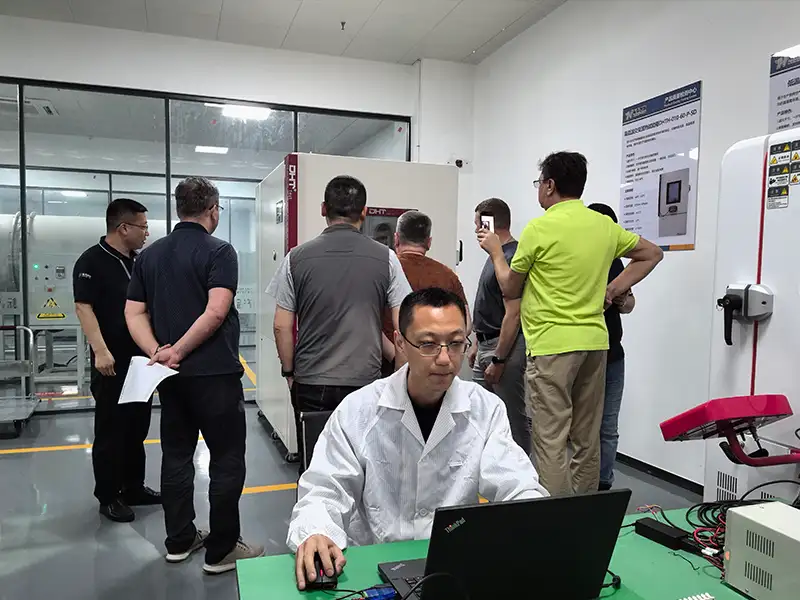
Maintenance and Support: Assess the weather station’s maintenance requirements. Check whether the manufacturer provides technical support, firmware updates, and warranty services. Adequate availability of replacement parts and local support services may be advantageous.
预算: Consider your budget when selecting a weather station. Prices can range from a few hundred to several thousand dollars; evaluate the cost-effectiveness based on your specific needs and the long-term benefits the weather station provides. Compare after-sales and calibration services—since long-term use requires regular sensor calibration, choosing a manufacturer that offers on-site calibration and repair support will save you the hassle.
Agricultural Weather Station vs Traditional Weather Forecasts
1. Widespread Adoption of Compact, Low-Cost Monitoring Devices
In the past, complete weather station systems were relatively expensive and suitable only for large farms. Going forward, lightweight, all-in-one micro-sensors will be widely deployed in fields. Farmers will be able to install these sensors at multiple points across their own plots, no longer relying solely on general weather data from a single station, and will be able to monitor the specific environmental conditions of small plots of farmland.
2. Deep Integration of Weather Data with Farm Equipment
Rather than simply viewing temperature, humidity, and rainfall data, monitoring systems will automatically interface with irrigation valves, crop protection machinery, and greenhouse ventilation equipment. When the system detects risks such as drought or high-humidity-related diseases, it will automatically activate the corresponding agricultural equipment, enabling truly unmanned, automated field management.
3. AI Prediction Models Better Tailored to Local Farming Conditions
Traditional weather forecasts are often broad, regional predictions. In the future, by combining years of actual field data, artificial intelligence will be able to provide precise forecasts for different crops and specific plots. It will predict frost, heavy rain, and peak periods for pests and diseases in advance, offering practical recommendations tailored to local farming practices rather than general weather conclusions.
4. Multi-dimensional Data Fusion Monitoring
Monitoring will no longer be limited to atmospheric meteorological indicators; it will simultaneously integrate information on soil moisture, water quality, and crop growth conditions. By analyzing data such as air temperature and humidity, soil temperature and humidity, light intensity, and accumulated temperature, a comprehensive farmland environmental database will be established to support full-cycle crop management.
结论
Modern agricultural weather stations are becoming increasingly data-driven, and reliable weather information is essential for improving productivity and reducing operational risks. An agricultural weather station provides accurate, real-time environmental data that helps farmers optimize irrigation, fertilization, pest management, and harvest planning while supporting precision agriculture and sustainable farming practices. As climate conditions become more unpredictable, investing in a weather monitoring system is no longer just an advantage—it is a practical solution for making smarter farming decisions and improving long-term farm performance.
Whether you manage a commercial farm, greenhouse, orchard, vineyard, or agricultural research project, choosing the right agricultural weather station can significantly improve operational efficiency and crop quality. If you are looking for a reliable weather monitoring solution tailored to your application, our team is ready to help.
Looking for a professional agricultural weather station for your project? 联系方式 our experts for customized recommendations, technical support, and competitive pricing.