Introducción
Con el desarrollo de la agricultura de precisión y la agricultura inteligente, cada vez más granjas están comenzando a utilizar datos meteorológicos en tiempo real para optimizar la gestión de cultivos. Entonces, ¿cuál es la importancia de las estaciones meteorológicas en la agricultura? De hecho, las condiciones meteorológicas afectan directamente el crecimiento de los cultivos, los programas de riego, el control de plagas y enfermedades, el momento de la fertilización y, en última instancia, el rendimiento de los cultivos. Las estaciones meteorológicas agrícolas monitorean continuamente parámetros clave como temperatura, humedad, precipitación, velocidad del viento, radiación solar y condiciones del suelo, proporcionando un soporte de datos confiable para la producción agrícola y ayudando a los agricultores a tomar decisiones más informadas desde el punto de vista científico.
Ya sea para granjas comerciales a gran escala, cultivos en invernadero, huertos o producción de cultivos de grano, la implementación de estaciones meteorológicas agrícolas se ha convertido en un medio vital para mejorar la eficiencia de la producción y reducir los riesgos operativos. Este artículo proporcionará una explicación detallada de la importancia de las estaciones meteorológicas en la agricultura y realizará un análisis en profundidad de las 10 ventajas principales de las estaciones meteorológicas agrícolas, sus principales escenarios de aplicación, métricas de monitoreo y cómo seleccionar soluciones de monitoreo meteorológico adecuadas para diferentes proyectos agrícolas, ayudándole a obtener una comprensión integral del valor del monitoreo meteorológico en la agricultura moderna.

¿Qué es una Estación Meteorológica Agrícola?
En estación meteorológica agrícola, también conocida como estación meteorológica de granja o estación meteorológica agrícola, es un sistema de monitoreo diseñado para recopilar datos ambientales en tiempo real para la producción agrícola. Al integrar múltiples sensores, mide continuamente parámetros clave como temperatura, humedad, lluvia, velocidad del viento, radiación solar y condiciones del suelo, proporcionando datos meteorológicos confiables para apoyar el riego, la gestión de cultivos, la prevención de enfermedades y la agricultura de precisión. Una estación meteorológica agrícola típica puede monitorear 10 o más parámetros ambientales simultáneamente, lo que la convierte en una herramienta esencial para la agricultura inteligente moderna.
Componentes Principales de una Estación Meteorológica Agrícola
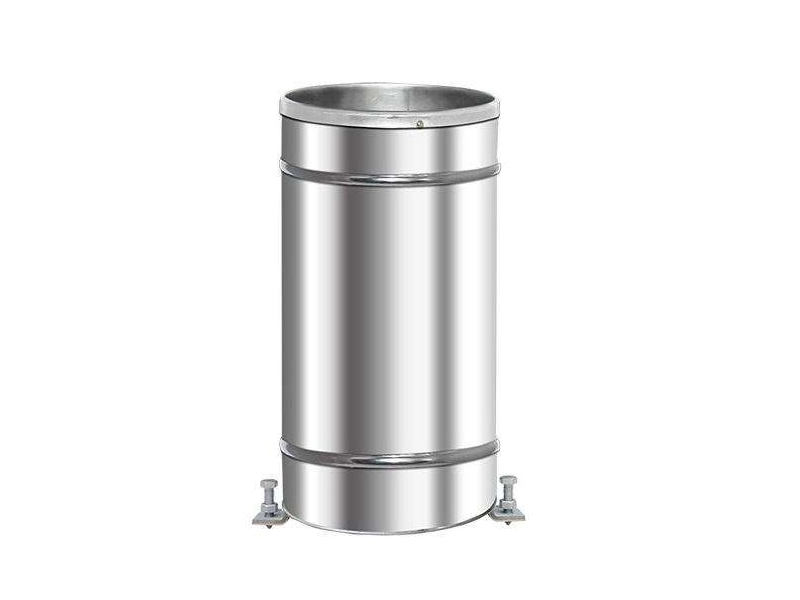
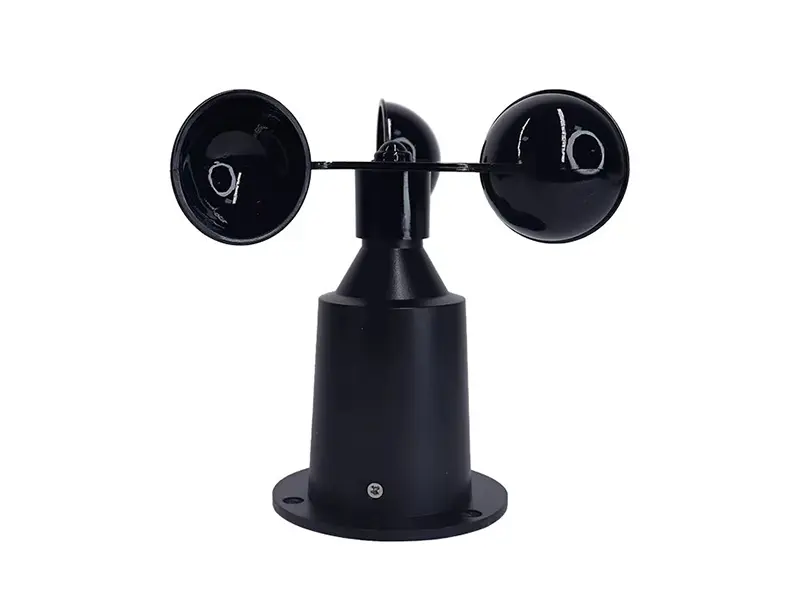
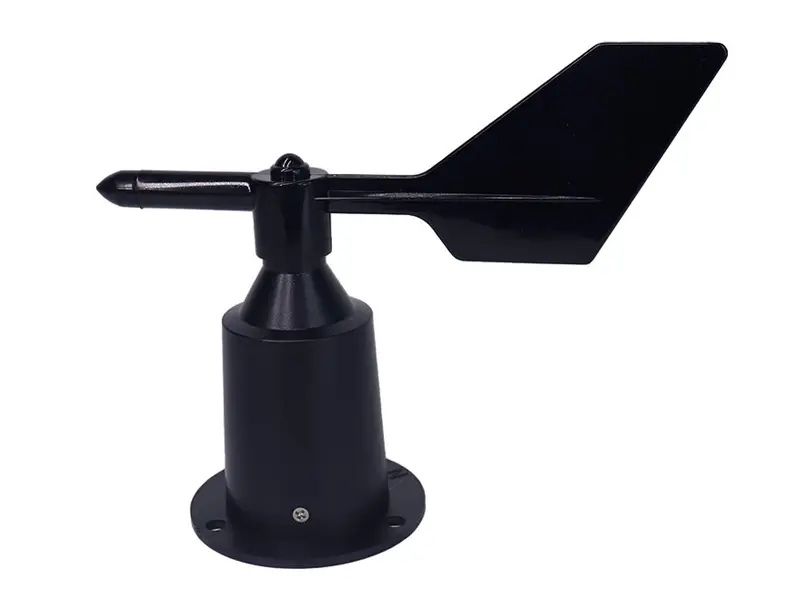
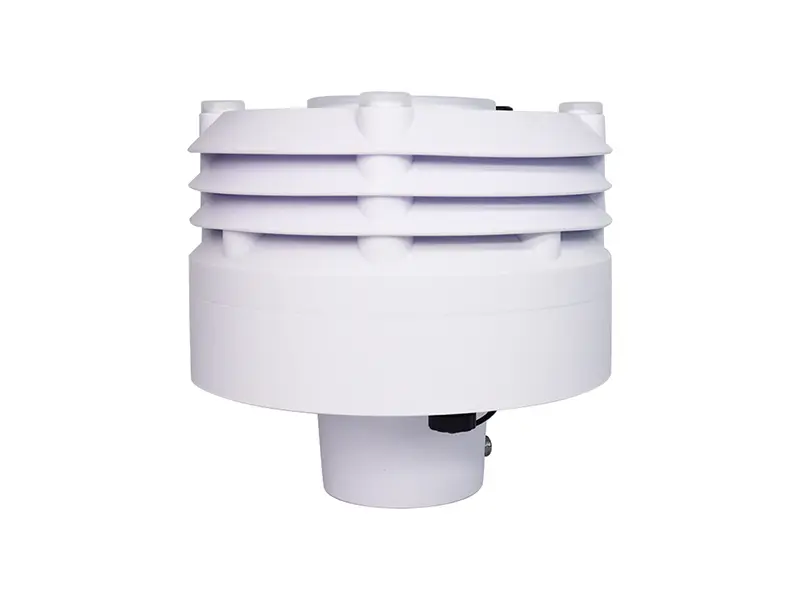
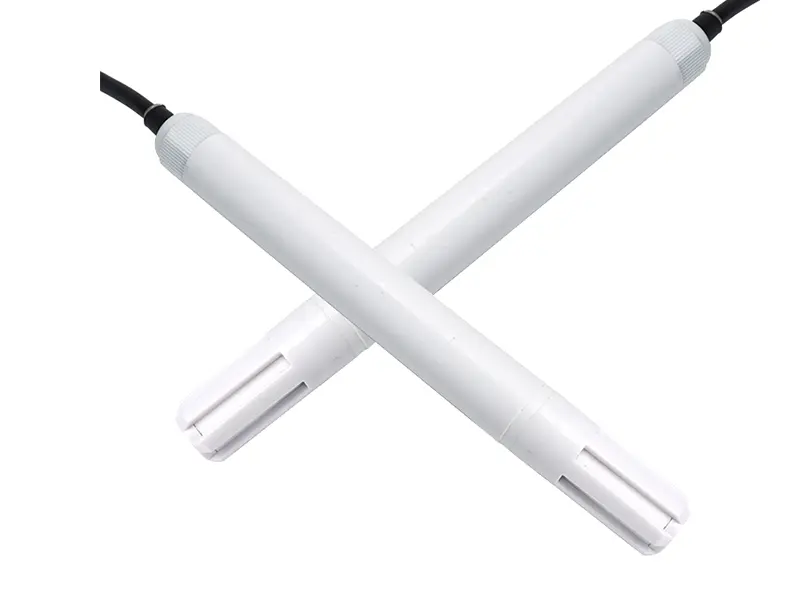
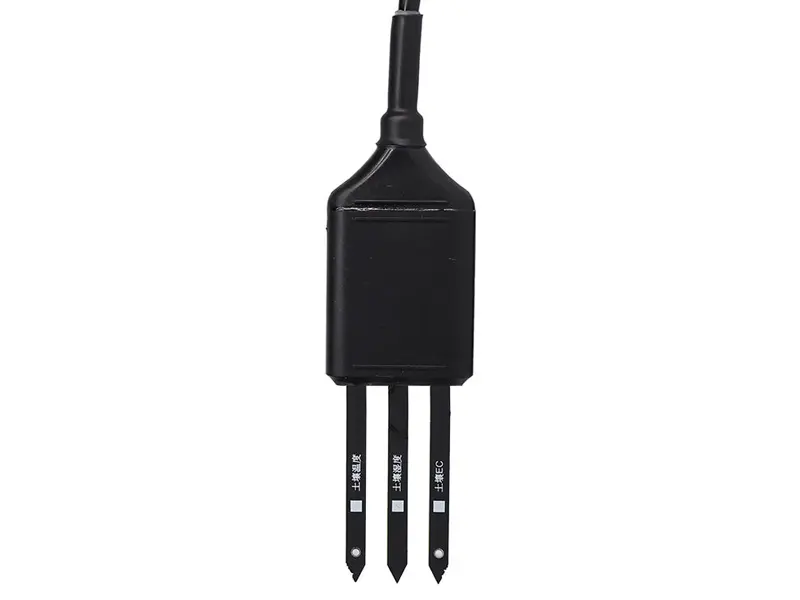
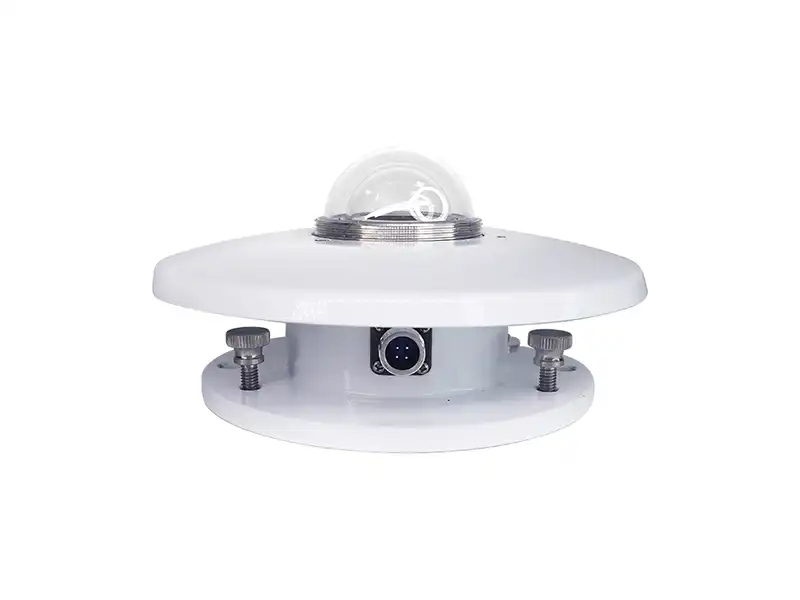
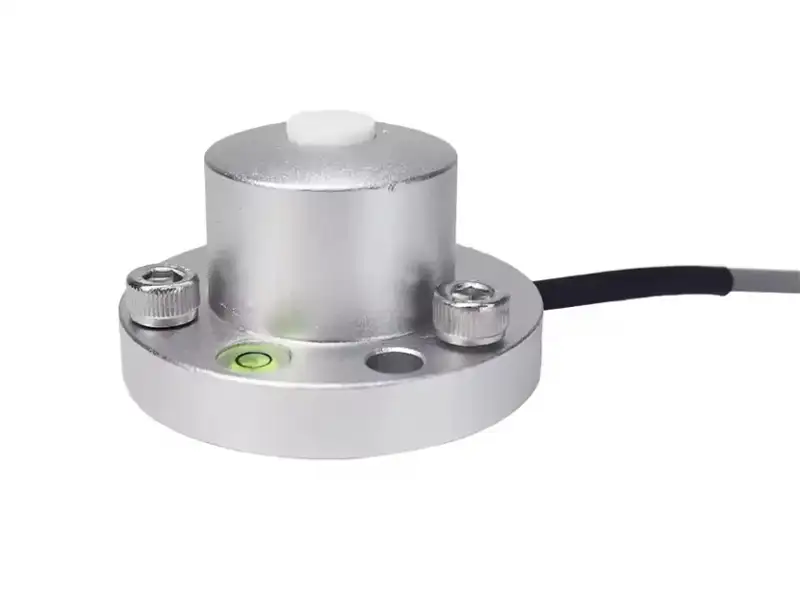
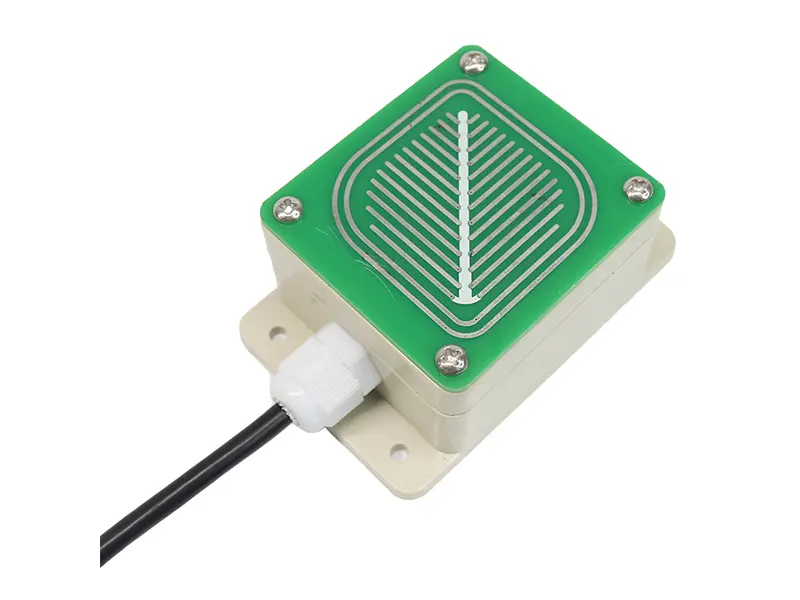
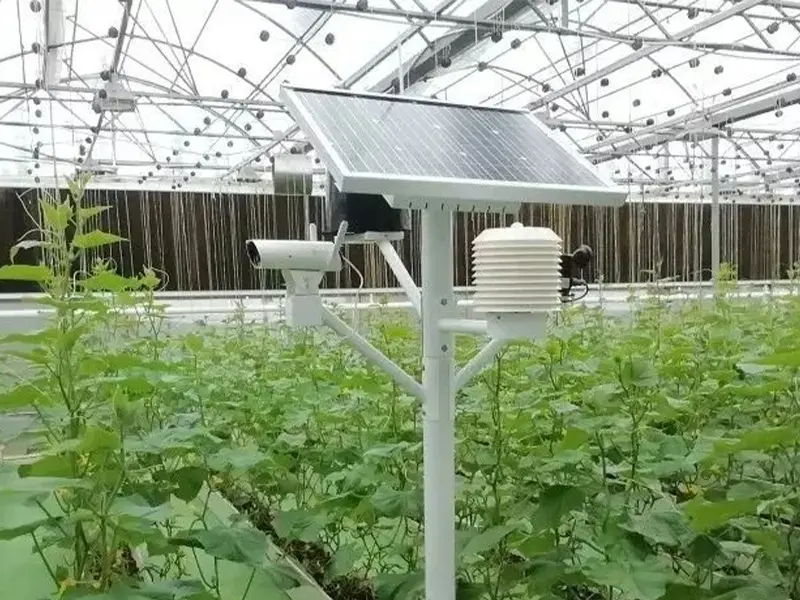
Una estación meteorológica agrícola consta de un registrador de datos central, un módulo de comunicación, una fuente de alimentación, una estructura de montaje y una variedad de sensores ambientales. Se pueden configurar diferentes combinaciones de sensores según el tipo de cultivo, las condiciones climáticas y los requisitos de monitoreo, lo que permite una recopilación integral de datos meteorológicos y del suelo para diversas aplicaciones agrícolas.
Principio de funcionamiento
- Detección Ambiental – Los sensores monitorean parámetros meteorológicos y del suelo como temperatura, lluvia, humedad, viento y radiación solar.
- Recogida de datos – Un registrador de datos recibe y procesa las mediciones de todos los sensores conectados.
- Transmisión de datos – La información se transmite a una plataforma en la nube o a una computadora local a través de RS485, LoRa, 4G, NB-IoT, Wi-Fi o Ethernet.
- Análisis de datos – El software de monitoreo muestra registros históricos, tendencias, alarmas e informes ambientales en tiempo real.
- Soporte de Decisiones – Los agricultores utilizan los datos recopilados para optimizar los programas de riego, fertilización, protección de cultivos y cosecha.
Tipos de Estaciones Meteorológicas Agrícolas
Diferentes aplicaciones agrícolas requieren diferentes capacidades de monitoreo. Las estaciones meteorológicas agrícolas se pueden clasificar según el entorno de instalación, el propósito de monitoreo y el método de comunicación.
- Estación meteorológica automática (AWS) – Realiza un monitoreo ambiental continuo con recopilación y transmisión automática de datos.
- Estación meteorológica compacta – Integra múltiples sensores en un diseño compacto para una fácil instalación y bajo mantenimiento.
- Estación Meteorológica Agrícola Inalámbrica – Utiliza tecnologías de comunicación inalámbrica para monitoreo remoto sin cableado complejo.
- Estación Meteorológica Alimentada por Energía Solar – Opera de forma independiente utilizando energía solar, lo que la hace adecuada para sitios agrícolas remotos.
- Estación Meteorológica Inteligente IoT – Se conecta a plataformas en la nube para monitoreo en tiempo real, análisis de datos y acceso móvil.
- Estación Meteorológica Portátil – Ligera y móvil para estudios de campo temporales, investigación y monitoreo estacional de cultivos.
- Estación Meteorológica de Grado de Investigación – Proporciona mediciones de alta precisión para experimentos agrícolas, universidades e investigación científica.
- Estación Meteorológica de Granja Integrada – Combina el monitoreo meteorológico con sistemas de gestión de suelo, riego y cultivos para la agricultura de precisión.
¿Por Qué son Importantes los Datos Meteorológicos en la Agricultura?
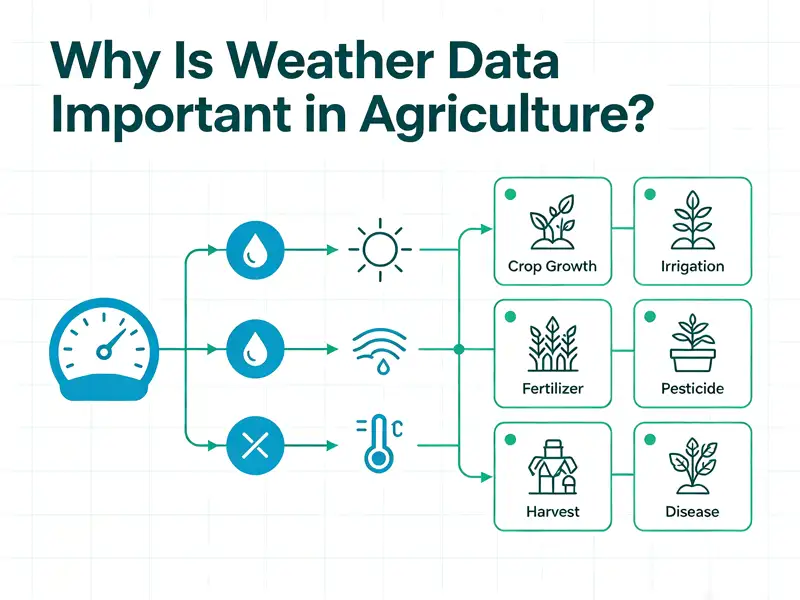
Los datos meteorológicos precisos son la piedra angular de los rendimientos estables y el aumento de ingresos en la agricultura moderna. Los datos sobre temperatura, precipitación, luz solar y humedad en diferentes momentos pueden proporcionar una guía directa para todas las operaciones de campo: basándose en los valores de temperatura acumulada, se pueden predecir los ciclos de crecimiento de los cultivos, lo que permite planificar con anticipación las fechas de siembra y cosecha;
Combinar los datos de lluvia con las mediciones de humedad del suelo puede reducir el riego ineficaz en más del 20%, conservando los recursos hídricos; al ajustar el momento de la fertilización según los rangos de temperatura y humedad, los agricultores pueden evitar la pérdida de fertilizante causada por la fertilización en cobertura a altas temperaturas;
Al confiar en las alertas de lluvia y alta humedad para programar las aplicaciones de pesticidas, los agricultores pueden reducir significativamente la probabilidad de brotes de plagas y enfermedades, minimizando al mismo tiempo el desperdicio de pesticidas;
A medida que se acerca la cosecha, utilice pronósticos de vientos fuertes y períodos prolongados de lluvia para programar la cosecha con anticipación, evitando así el moho en los frutos y el encamado que provocan pérdidas de rendimiento.;
El monitoreo meteorológico a largo plazo también permite predecir tempranamente los períodos de alto riesgo en los que la alta humedad desencadena enfermedades, lo que permite implementar medidas de control proactivas en el campo para reducir de manera integral los riesgos de cultivo relacionados con el clima y estabilizar los rendimientos generales de los cultivos.
10 Beneficios Clave de las Estaciones Meteorológicas en la Agricultura
La producción agrícola depende en gran medida de las condiciones climáticas; cada etapa, desde la siembra y el riego hasta el control de plagas y enfermedades y la cosecha, requiere datos ambientales precisos como referencia. Las estaciones meteorológicas agrícolas monitorean continuamente la temperatura, la humedad, la precipitación, la velocidad del viento, la radiación solar y las condiciones del suelo, proporcionando soporte de datos en tiempo real para la gestión de la finca. Al analizar científicamente estos datos, los productores pueden optimizar los planes de producción, reducir los costos operativos y mejorar la calidad y el rendimiento de los cultivos. A continuación se presentan las diez ventajas principales de las estaciones meteorológicas agrícolas en la agricultura moderna.
Mejorar la Eficiencia del Riego
Las estaciones meteorológicas agrícolas pueden monitorear en tiempo real indicadores clave como la precipitación, la temperatura y humedad del aire, y el contenido de humedad del suelo, ayudando a los agricultores a programar razonablemente el momento y el volumen de riego, reduciendo el riego excesivo y el desperdicio de agua, y mejorando la eficiencia del riego.
Aumentar el Rendimiento de los Cultivos
Los datos ambientales estables pueden ayudar a ajustar las medidas de gestión de siembra para proporcionar un entorno de crecimiento más adecuado para los cultivos. Al monitorear los cambios climáticos, se pueden reducir los efectos adversos de los factores ambientales en los cultivos y mejorar aún más el rendimiento y la calidad.
3. Reducir los Riesgos de Enfermedades en los Cultivos
La alta humedad, las altas temperaturas y la humedad continua en las hojas pueden inducir fácilmente diversas enfermedades. Las estaciones meteorológicas agrícolas pueden monitorear los factores ambientales que afectan la aparición de enfermedades, proporcionar alertas tempranas y control, y reducir las pérdidas de cultivos.
4. Optimizar la Aplicación de Fertilizantes
La efectividad de la fertilización se ve fácilmente afectada por la lluvia, la temperatura y la humedad del suelo. Combinado con datos meteorológicos en tiempo real, los agricultores pueden aplicar fertilizantes en el momento adecuado, mejorando la utilización del fertilizante y reduciendo la pérdida de nutrientes.
5. Mejorar el Manejo de Plagas
Ciertas condiciones climáticas son propicias para la aparición y desarrollo de enfermedades y plagas de plantas. Las estaciones meteorológicas proporcionan datos que pueden ayudar a los agricultores a rastrear la aparición de estas condiciones, como alta humedad o inversiones térmicas. Esto permite a los agricultores tomar medidas oportunas para prevenir o mitigar brotes e infestaciones de plagas y enfermedades.
6. Apoyar la Agricultura de Precisión
Las estaciones meteorológicas agrícolas son una parte importante de la agricultura de precisión. Pueden trabajar junto con plataformas de Internet de las Cosas, sistemas de riego automático y software de gestión agrícola para lograr monitoreo ambiental, análisis de datos y gestión remota, y mejorar el nivel de gestión digital de la granja.
Proteger los Cultivos del Clima Extremo
Ante condiciones climáticas severas como heladas, altas temperaturas, lluvias intensas, nieve y vientos fuertes, las estaciones meteorológicas agrícolas pueden monitorear los cambios ambientales con anticipación y emitir alertas tempranas. De esta manera, los agricultores pueden reducir las pérdidas causadas por desastres naturales.
Reducir los Costos de Producción
La toma de decisiones científicas basada en datos ambientales en tiempo real puede reducir el riego, la fertilización y el uso de pesticidas innecesarios, disminuir la mano de obra y el consumo de recursos, y controlar efectivamente los costos de producción mientras se asegura el crecimiento de los cultivos.
Mejorar la Planificación de la Cosecha
Monitorear las condiciones climáticas como la lluvia, la velocidad del viento y la humedad antes de la cosecha puede ayudar a seleccionar el momento adecuado para la cosecha, reducir la degradación de la calidad y las pérdidas de cosecha causadas por el mal tiempo, y aumentar el valor comercial de los productos agrícolas.
Apoyar la Gestión de la Granja a Largo Plazo
La acumulación a largo plazo de datos ambientales forma un “archivo climático” completo, que puede utilizarse para la trazabilidad de productos agrícolas, la aceptación de proyectos y la optimización de los planes de siembra para el próximo año, haciendo que la gestión sea más estandarizada y normalizada.
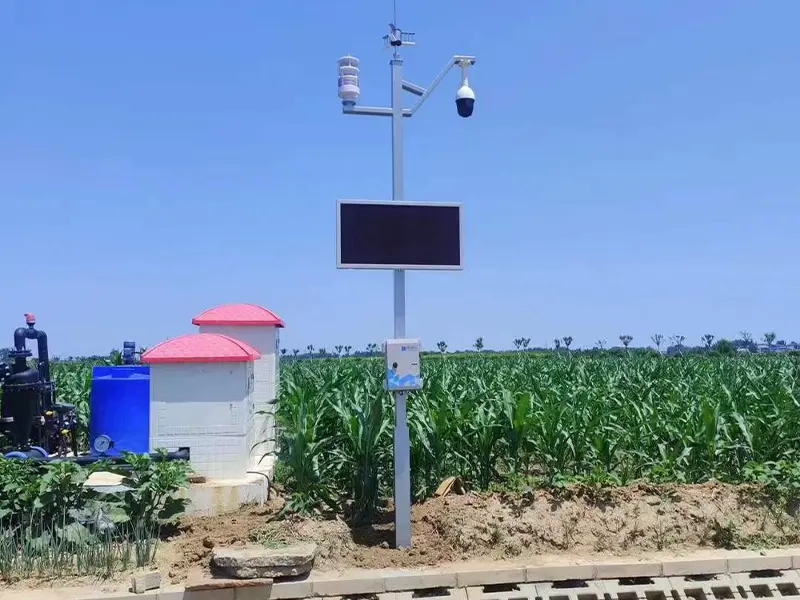
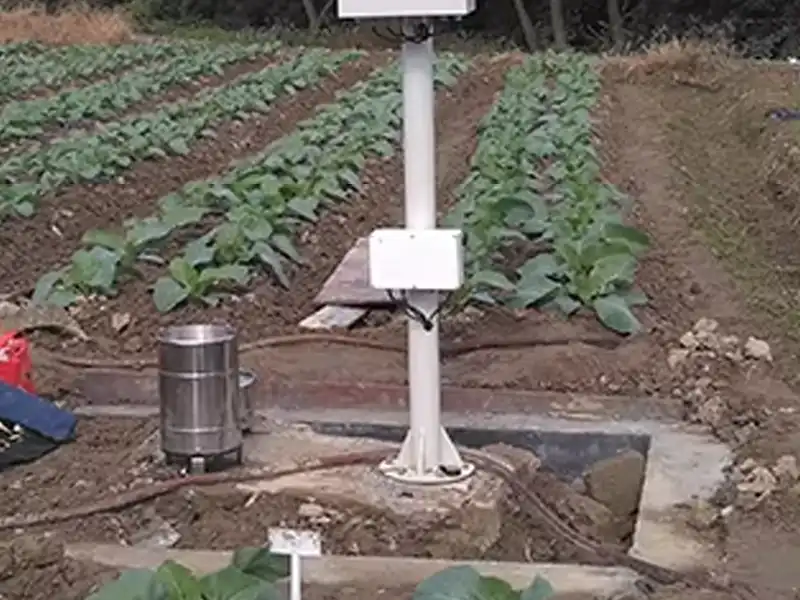

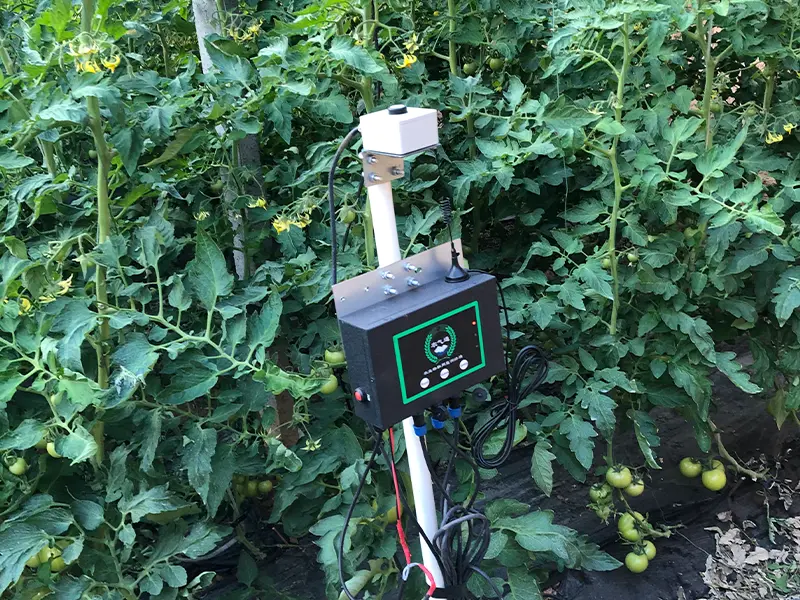
La estación meteorológica no es un dispositivo aislado; es el núcleo frontal de todo el sistema agrícola inteligente. La estación meteorológica puede vincularse con sistema de fertirrigación inteligente, las válvulas de riego, ventiladores, mallas de sombra y otros equipos. Enciende automáticamente la ventilación cuando la humedad supera el estándar, y riega automáticamente cuando el suelo tiene falta de agua, logrando una gestión totalmente automatizada y ahorrando mucha mano de obra.
¿Qué Parámetros Meteorológicos Deberían Monitorear los Agricultores?
Las condiciones climáticas afectan directamente el crecimiento de los cultivos, la programación del riego, el control de plagas y enfermedades, y el momento de la cosecha. Al monitorear parámetros ambientales clave con una estación meteorológica agrícola, los agricultores pueden tomar decisiones de gestión oportunas, mejorar la eficiencia de los recursos y reducir los riesgos de producción. La siguiente tabla describe los parámetros meteorológicos más importantes para una estación meteorológica agrícola y sus aplicaciones prácticas.
| Parámetro Meteorológico | Por Qué es Importante |
|---|---|
| Temperatura del aire | Influye en la germinación de semillas, el crecimiento de cultivos, la floración, el desarrollo de frutos y la gestión del estrés por heladas o calor. |
| Humedad relativa | Ayuda a evaluar el riesgo de enfermedades, el clima del invernadero y la demanda de agua de los cultivos. |
| Precipitaciones | Apoya la planificación del riego y previene tanto la escasez de agua como el exceso de riego. |
| Velocidad del viento | Mejora la seguridad en la aplicación de pesticidas, protege los cultivos y monitorea las condiciones climáticas severas. |
| Dirección del viento | Ayuda a reducir la deriva de la pulverización y proporciona información sobre los patrones climáticos locales. |
| Radiación solar | Mide la luz solar disponible para la fotosíntesis, el desarrollo de cultivos y los cálculos de evapotranspiración. |
| Humedad del suelo | Indica la disponibilidad de agua en el suelo para un riego de precisión y una gestión eficiente del agua. |
| Temperatura del suelo | Apoya las decisiones de siembra, la germinación de semillas y el desarrollo saludable de las raíces. |
| Humectación Foliar | Identifica condiciones favorables para enfermedades de las plantas y mejora la predicción de enfermedades. |
| Presión atmosférica | Ayuda a identificar cambios climáticos a corto plazo y a pronosticar tendencias. |
| Evapotranspiración (ET) | Estima el consumo de agua de los cultivos para optimizar la programación del riego. |
| Detección de Lluvia/Nieve | Detecta eventos de lluvia o nieve en tiempo real para apoyar el control de riego, las operaciones de campo y las alertas meteorológicas. |
Consejo: La combinación ideal de parámetros monitoreados depende de la aplicación. Los invernaderos suelen priorizar la temperatura, la humedad y la radiación solar, mientras que los huertos pueden requerir monitoreo de lluvia, viento y heladas. La agricultura de campo a gran escala a menudo combina mediciones de humedad del suelo, lluvia, radiación solar y viento para apoyar la agricultura de precisión.
¿Cómo Mejora una Estación Meteorológica la Agricultura?
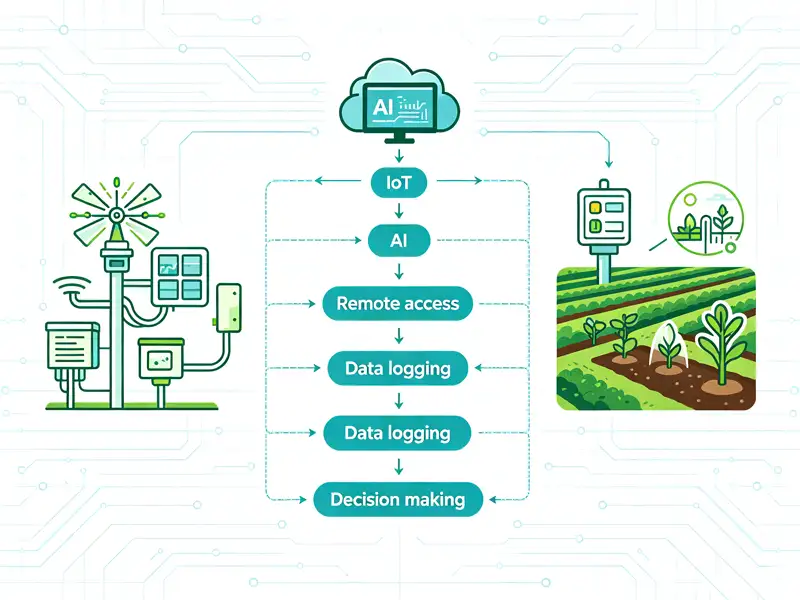
La agricultura de precisión se basa en datos ambientales precisos y en tiempo real para optimizar cada etapa de la producción de cultivos. Las estaciones meteorológicas agrícolas modernas integran conectividad IoT, plataformas en la nube y análisis de datos inteligentes para transformar la información meteorológica bruta en decisiones agrícolas prácticas. Al proporcionar monitoreo continuo y acceso remoto a las condiciones del campo, ayudan a los agricultores a mejorar la eficiencia, reducir el desperdicio de recursos y tomar decisiones de gestión informadas.
- Conectividad IoT – Conecta estaciones meteorológicas con sensores, sistemas de riego y plataformas de gestión agrícola para un intercambio de datos fluido en tiempo real.
- Monitoreo Basado en la Nube – Carga datos ambientales a plataformas en la nube, permitiendo a los usuarios acceder a información meteorológica desde cualquier ubicación a través de computadoras o dispositivos móviles.
- Análisis impulsado por IA5. – Utiliza datos meteorológicos históricos y en tiempo real para identificar tendencias, respaldar la predicción de enfermedades y optimizar las estrategias de riego y gestión de cultivos.6. – Permite a los agricultores y administradores de fincas monitorear las condiciones del campo de forma remota sin visitar el sitio, mejorando la eficiencia operativa. – Utiliza datos meteorológicos históricos y en tiempo real para identificar tendencias, respaldar la predicción de enfermedades y optimizar las estrategias de riego y gestión de cultivos.
- Acceso remoto – Permite a los agricultores y administradores de fincas monitorear las condiciones del campo de forma remota sin visitar el sitio, mejorando la eficiencia operativa.
- Registro Continuo de Datos – Registra automáticamente datos meteorológicos y del suelo a largo plazo, creando una valiosa base de datos para el análisis estacional y la planificación futura de la finca.
- Alertas en Tiempo Real – Envía notificaciones cuando se superan los umbrales preestablecidos para temperatura, precipitación, velocidad del viento, heladas u otros parámetros, permitiendo respuestas oportunas.
- Control de Riego de Precisión – Combina datos meteorológicos y de humedad del suelo para determinar el programa de riego óptimo, reduciendo el consumo de agua mientras se mantiene la salud del cultivo.
- Mejora en la Toma de Decisiones – Proporciona datos ambientales confiables para respaldar decisiones sobre siembra, fertilización, aplicación de pesticidas, cosecha y asignación de recursos.
- Integración con Sistemas de Agricultura Inteligente – Funciona con GPS, riego automatizado, drones y software de gestión agrícola para respaldar operaciones de agricultura de precisión totalmente integradas.
- Mayor Productividad y Menores Costos – Ayuda a maximizar el rendimiento de los cultivos mientras minimiza los insumos de mano de obra, agua, fertilizantes y pesticidas, mejorando la rentabilidad general de la finca.
Escenarios de Aplicación en Diversos Sectores Agrícolas
Cultivo de Cultivos en Campo Abierto: Utilice datos de monitoreo meteorológico para gestionar el riego, la fertilización y el control de plagas y enfermedades; prediga riesgos de sequía, inundaciones y encamado; y optimice la gestión del cultivo a gran escala de trigo, maíz y arroz.
Cultivo de Frutas y Verduras en Invernadero: Regule en tiempo real la temperatura, humedad, luz y niveles de dióxido de carbono del invernadero; controle con precisión las condiciones ambientales durante los períodos de floración y cuajado de frutos; reduzca la pudrición y deformidades de los frutos; y mejore la calidad de las frutas y verduras.
Cultivo Comercial de Frutas y Árboles: Monitoree heladas, vientos fuertes y lluvias prolongadas para implementar medidas tempranas de protección contra heladas, viento y prevención de enfermedades para los árboles frutales, asegurando rendimientos estables de cultivos comerciales como manzanas, cítricos y té.
Cultivo de Flores en Invernadero: Controle con precisión la temperatura, humedad y duración de la luz para alinearse con precisión con los ciclos de floración, reduzca las pérdidas de cultivo y logre lanzamientos al mercado escalonados.
Ganadería: Monitoree la temperatura, humedad y condiciones de ventilación en las granjas para evitar el estrés por calor y el daño por frío, reduzca las enfermedades del ganado y las aves de corral, y mejore las tasas de supervivencia.
Acuicultura: Monitoree la temperatura del agua, los niveles de oxígeno disuelto y la precipitación para proporcionar alertas tempranas de floraciones de algas en estanques y deterioro de la calidad del agua, estabilizando así el rendimiento del cultivo de peces, camarones y cangrejos.
Factores Clave a Considerar al Seleccionar una Estación Meteorológica
Correspondencia con el Tamaño de la Finca: Seleccione estaciones de monitoreo según el tamaño de su finca. Los agricultores a pequeña escala con parcelas dispersas deben elegir dispositivos simples y todo en uno, mientras que los grandes campos contiguos y parques agrícolas deben optar por modelos modulares con múltiples sensores.
Parámetros de control: Identifique los elementos meteorológicos específicos que necesita monitorear. Si solo necesita medir temperatura, humedad y precipitación, elija un modelo básico; si necesita planificar la protección de cultivos y el riego, agregue sensores para intensidad de luz, velocidad del viento y humedad del suelo.
Recopilación y Conectividad de Datos: Considere cómo la estación meteorológica recopila y almacena datos. Algunas estaciones meteorológicas tienen registradores de datos integrados, mientras que otras requieren dispositivos externos. Además, verifique si la estación meteorológica ofrece opciones de conectividad como Wi-Fi o redes celulares para permitir el acceso remoto a datos en tiempo real.
Software y Análisis de Datos: Evalúe el software o las herramientas de análisis de datos incluidos con la estación meteorológica. Un software fácil de usar que permita una visualización e interpretación sencillas de los datos recopilados ayuda a facilitar la toma de decisiones informadas. Asegúrese de que el software sea compatible con el sistema operativo de su computadora o dispositivo móvil.
Grado de protección: Para uso exterior a largo plazo en el campo, elija modelos que sean resistentes al agua, al polvo y a los vientos fuertes. En áreas con fuertes lluvias o altos niveles de polvo, priorice productos con altos estándares de protección.
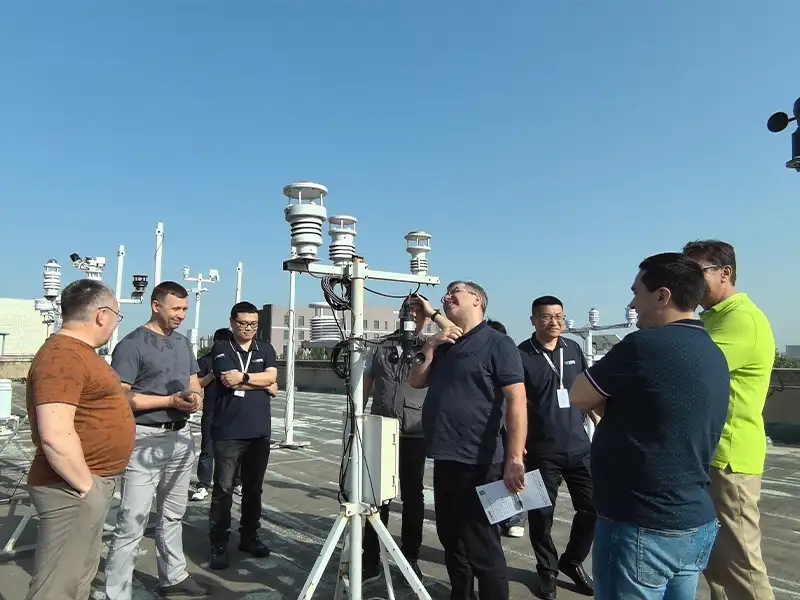
Mantenimiento y Soporte: Evalúe los requisitos de mantenimiento de la estación meteorológica. Verifique si el fabricante proporciona soporte técnico, actualizaciones de firmware y servicios de garantía. La disponibilidad adecuada de piezas de repuesto y servicios de soporte local puede ser ventajosa.
Presupuesto: Considere su presupuesto al seleccionar una estación meteorológica. Los precios pueden variar desde unos pocos cientos hasta varios miles de dólares; evalúe la relación costo-beneficio en función de sus necesidades específicas y los beneficios a largo plazo que proporciona la estación meteorológica. Compare los servicios postventa y de calibración, ya que el uso a largo plazo requiere una calibración regular del sensor; elegir un fabricante que ofrezca soporte de calibración y reparación in situ le ahorrará problemas.
Estación Meteorológica Agrícola vs. Pronósticos Meteorológicos Tradicionales
Adopción Generalizada de Dispositivos de Monitoreo Compactos y de Bajo Costo
En el pasado, los sistemas completos de estaciones meteorológicas eran relativamente costosos y adecuados solo para grandes fincas. En el futuro, los microsensores ligeros y todo en uno se desplegarán ampliamente en los campos. Los agricultores podrán instalar estos sensores en múltiples puntos de sus propias parcelas, sin depender únicamente de datos meteorológicos generales de una sola estación, y podrán monitorear las condiciones ambientales específicas de pequeñas parcelas de tierra de cultivo.
Integración Profunda de Datos Meteorológicos con Equipos Agrícolas
En lugar de simplemente ver datos de temperatura, humedad y precipitación, los sistemas de monitoreo se interfazarán automáticamente con válvulas de riego, maquinaria de protección de cultivos y equipos de ventilación de invernaderos. Cuando el sistema detecte riesgos como sequía o enfermedades relacionadas con la alta humedad, activará automáticamente el equipo agrícola correspondiente, permitiendo una gestión de campo verdaderamente no tripulada y automatizada.
Modelos de Predicción de IA Mejor Adaptados a las Condiciones Agrícolas Locales
Integración Profunda de Datos Meteorológicos con Equipos Agrícolas.
En lugar de simplemente visualizar datos de temperatura, humedad y precipitación, los sistemas de monitoreo se interfazarán automáticamente con válvulas de riego, maquinaria de protección de cultivos y equipos de ventilación de invernaderos. Cuando el sistema detecte riesgos como sequía o enfermedades relacionadas con alta humedad, activará automáticamente el equipo agrícola correspondiente, permitiendo una gestión de campo verdaderamente no tripulada y automatizada.
Modelos de Predicción de IA Mejor Adaptados a las Condiciones Agrícolas Locales.
Conclusión
Los pronósticos meteorológicos tradicionales suelen ser predicciones regionales amplias. En el futuro, al combinar años de datos reales de campo, la inteligencia artificial podrá proporcionar pronósticos precisos para diferentes cultivos y parcelas específicas. Predecirá heladas, lluvias intensas y períodos pico de plagas y enfermedades con anticipación, ofreciendo recomendaciones prácticas adaptadas a las prácticas agrícolas locales en lugar de conclusiones meteorológicas generales.
Monitoreo de Fusión de Datos Multidimensionales.
El monitoreo ya no se limitará a indicadores meteorológicos atmosféricos; integrará simultáneamente información sobre humedad del suelo, calidad del agua y condiciones de crecimiento de los cultivos. Al analizar datos como temperatura y humedad del aire, temperatura y humedad del suelo, intensidad lumínica y temperatura acumulada, se establecerá una base de datos integral del entorno agrícola para apoyar la gestión del ciclo completo del cultivo. Póngase en contacto con Las estaciones meteorológicas agrícolas modernas son cada vez más impulsadas por datos, y la información meteorológica confiable es esencial para mejorar la productividad y reducir los riesgos operativos. Una estación meteorológica agrícola proporciona datos ambientales precisos y en tiempo real que ayudan a los agricultores a optimizar el riego, la fertilización, el manejo de plagas y la planificación de la cosecha, al tiempo que respalda la agricultura de precisión y las prácticas agrícolas sostenibles. A medida que las condiciones climáticas se vuelven más impredecibles, invertir en un sistema de monitoreo meteorológico ya no es solo una ventaja, sino una solución práctica para tomar decisiones agrícolas más inteligentes y mejorar el rendimiento agrícola a largo plazo.