Giới thiệu
After tunnel lighting installation or replacement, project teams need to verify whether the installed lights meet the specified color temperature requirements. A color temperature sensor measures the correlated color temperature (CCT) at a designated location and transmits the readings to the lighting monitoring system. These measurements help engineers check lighting conditions during commissioning and track changes throughout system operation.
In tunnel and road lighting applications, however, a CCT reading is only useful when the sensor is properly selected, installed and integrated into the monitoring system. This article introduces the working principle and applications of color temperature sensors, explains the factors that affect measurement accuracy, and discusses key considerations for sensor selection and system integration.
What Is a Color Temperature Sensor?
A color temperature sensor, also called a correlated color temperature (CCT) sensor, is an optical device used to measure the color appearance of white light. It reports a value in kelvin (K), indicating whether the light appears warmer or cooler. For example, white light at 3000 K generally looks warmer than white light at 5000 K. These values describe light color, rather than the temperature of the lamp or surrounding air. The term “correlated” is used because practical sources such as LEDs are compared with an ideal heated reference source to describe their color appearance.
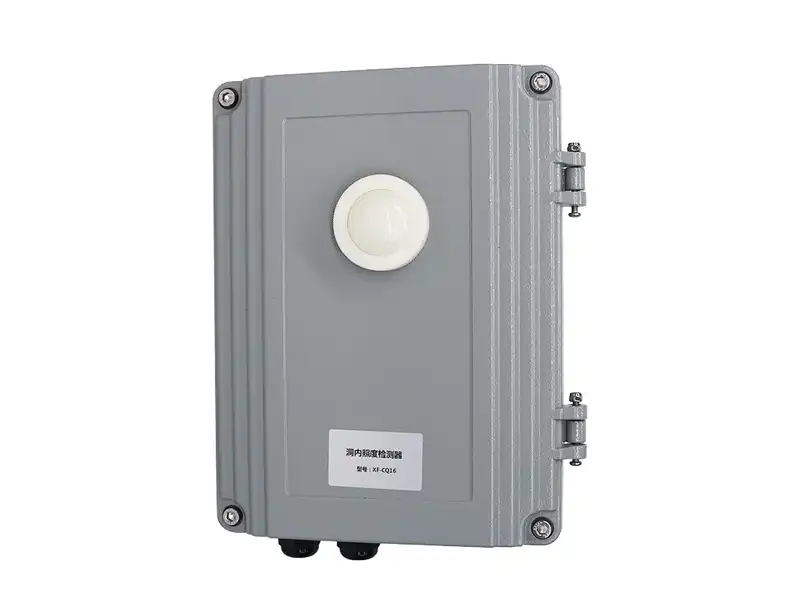
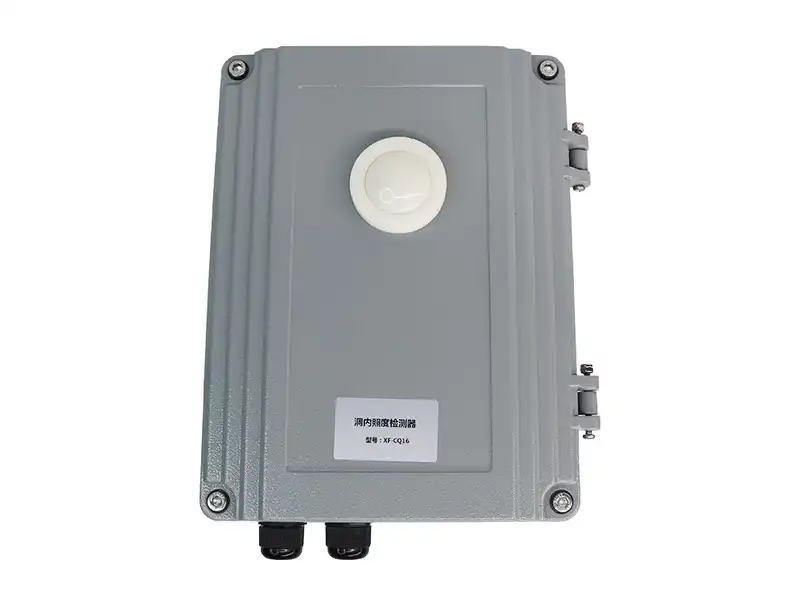
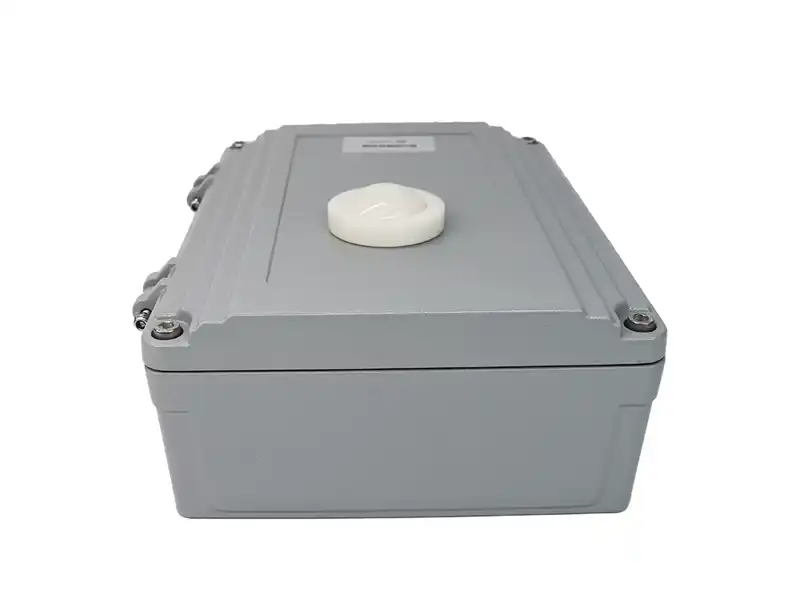
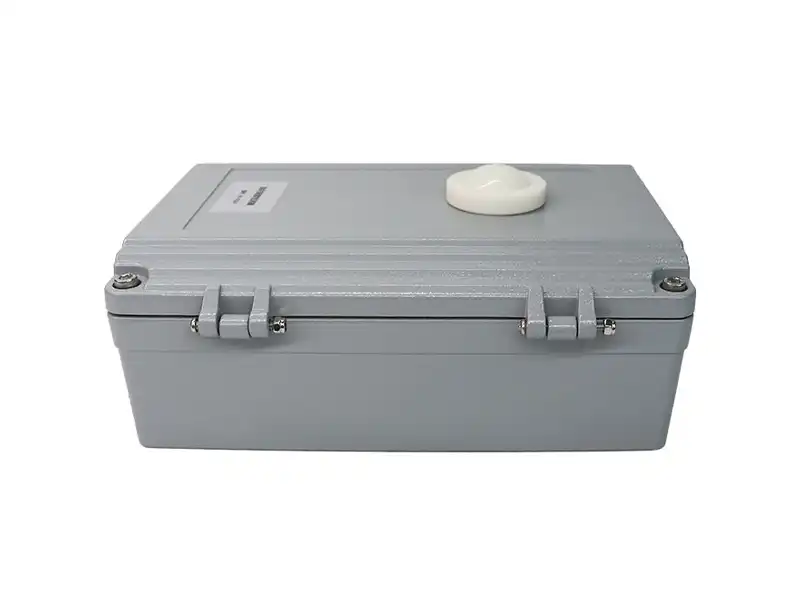
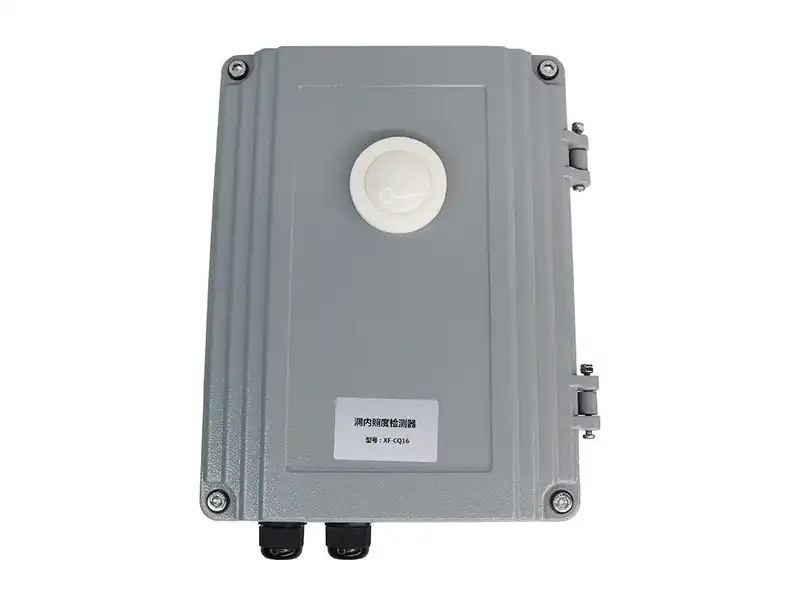
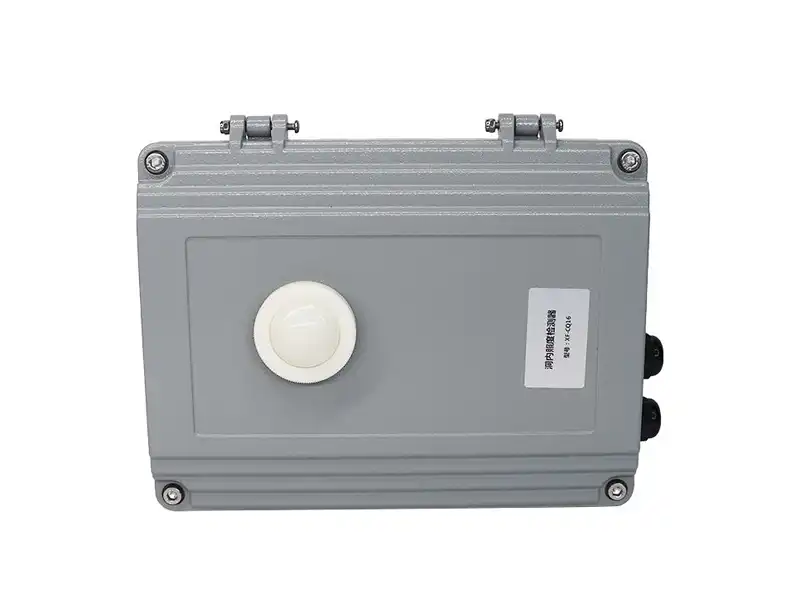
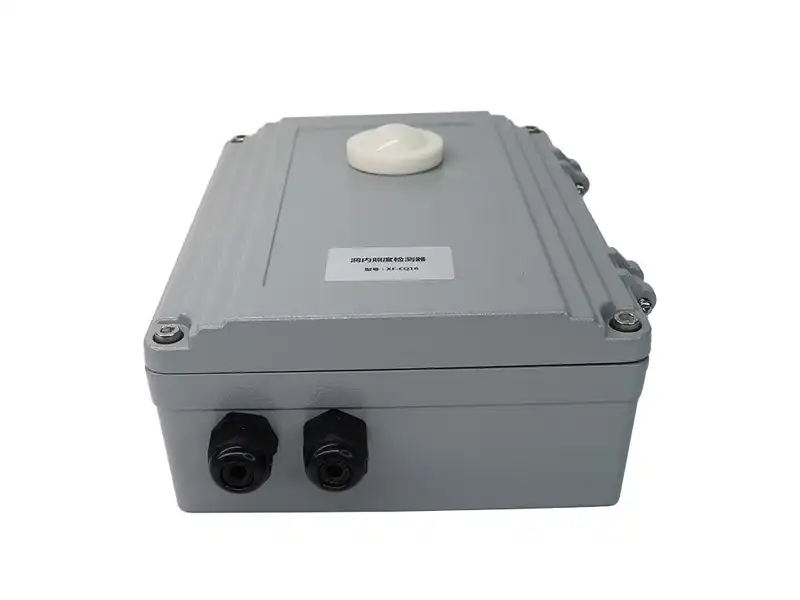
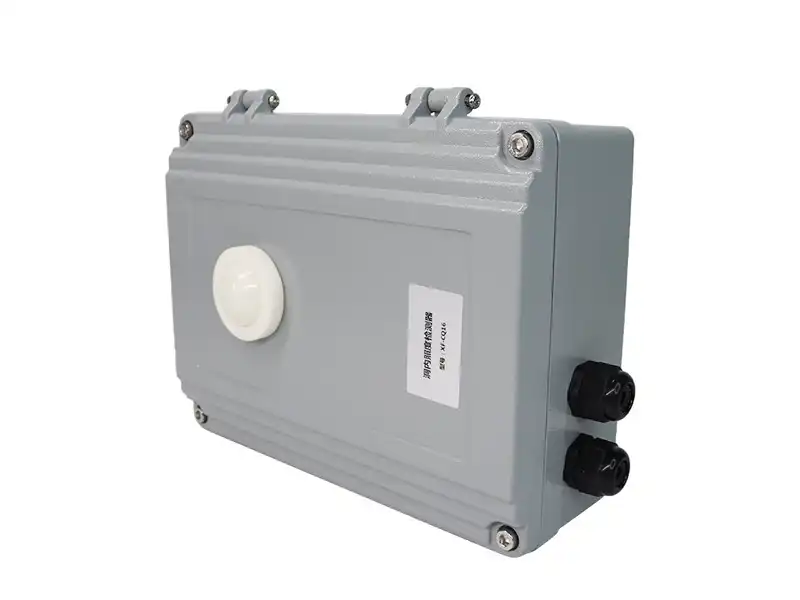
Yantai’s tunnel color temperature sensor is designed to provide this measurement in tunnel lighting systems, with a specified range of 1500–25000 K. Installed at a selected monitoring point, it measures the light reaching its optical receiver and supplies readings to a connected monitoring system. Operators can use these records to review light color during commissioning and routine operation. Each reading represents the conditions at that point; it does not describe every lamp or the whole tunnel. The measurement range also describes the sensor’s capability, while the acceptable CCT for a particular installation comes from the project’s lighting requirements.Specifications and configuration options are listed on the Cảm biến nhiệt độ màu trong đường hầm product page.
How Does a Color Temperature Sensor Work?
The color temperature sensor working principle involves optical detection, signal processing and data output. Light-sensitive channels detect incoming light and convert it into electrical signals. The processor uses these signals to calculate CCT, then sends the result to connected monitoring equipment.
Receiving Light
Light enters through the sensor’s optical window and reaches the filtered sensing channels. These channels respond to different parts of the visible spectrum, and their light-sensitive elements convert the received light into electrical signals. Together, the signals provide information about the light’s color. The sensor responds to the light that reaches it, which may include contributions from several lamps and, near a tunnel entrance, daylight. Its reading therefore depends on the installation position and viewing direction. It should not be treated as the rated CCT of one nearby lamp unless the measurement arrangement isolates that lamp’s light.
Calculating Color Temperature
The electrical signals pass through conditioning circuits, where they are amplified and filtered before being converted into digital data. The processor then uses the channel responses, calibration information and a calculation method to estimate correlated color temperature. Calibration helps relate the sensor’s response to reference measurements, so the result depends on more than the calculation alone. The optical filters and sensing elements also influence how the instrument responds to different light sources. For a tunnel project, this means that the displayed Kelvin value is a processed measurement of the received light. Checking accuracy requires suitable reference equipment and comparable measurement conditions.
Sending the Measurement
The Yantai unit provides a 4–20 mA output and RS485 communication for transferring readings to connected equipment. With an analog connection, the receiving instrument converts the current signal into a CCT value using the agreed measurement scaling. With RS485, the receiving system needs the correct communication settings and the manufacturer’s protocol information to read the data. The monitoring platform can then display and store the measurements. Where the lighting system supports CCT adjustment, a compatible controller may also use them as feedback. The sensor supplies the measurement; adjustments are carried out by the controller, drivers and luminaires.
Color Temperature Measurement vs. Illuminance and Luminance
A CCT reading describes whether the received white light appears warmer or cooler. It cannot show whether the road is adequately lit. Tunnel lighting assessment also uses illuminance and luminance: one measures light reaching a surface, while the other describes brightness in a specified viewing direction. The table below separates these three quantities and their units.
| Đo lường | Đơn vị | What It Tells Engineers |
|---|---|---|
| Color temperature (CCT) | kelvin (K) | The warm or cool appearance of white light received at the monitoring point |
| Độ rọi | lux (lx) | The luminous flux reaching each unit area of the road or another measurement surface |
| Độ chói | candela per square metre (cd/m²) | The brightness of the road surface in a specified viewing direction |
Two lamps with the same rated CCT can produce different road illuminance because their light output, beam distribution, mounting height or spacing differs. A lamp can also maintain a similar CCT while its light output falls. A stable color temperature reading therefore gives no assurance that the required amount of light is still reaching the road.
Luminance adds another consideration: how the road reflects that light toward the observer. Even where illuminance is similar, changes in pavement material or wetness can alter the brightness and distribution of reflected light. This is why an illuminance reading alone does not establish road luminance, and why the viewing direction matters when measuring it.
CCT has its own limits as well. Two light sources with the same CCT can have different spectra and color-rendering properties. For tunnel projects, the measurement plan should follow the lighting specification: use CCT to check light color, illuminance to assess incident light, and luminance to assess road surface brightness from the required viewing position. Together, these measurements provide a fuller picture than any one reading.
For the differences between the other two measurements, see Tunnel Luminance Sensor Vs Illumination Sensor: Differences Explained. The U.S. Department of Energy’s Color and Spectrum resources also treat chromaticity and color rendition as distinct aspects of lighting quality.
Why Monitor Color Temperature in Tunnels?
Replacement lamps may have a different color appearance from the units already installed. Near a tunnel entrance, changing daylight can also affect the light received at a monitoring point. A color temperature sensor gives engineers a measured value to check alongside lamp specifications and maintenance records. Its readings are useful for checking specified lighting requirements, comparing locations and following changes over time, provided the measurement conditions are recorded.
Checking Lighting Conditions Against Project Requirements
For projects with a specified color temperature range, commissioning measurements provide a way to check the installed lighting. The lamp’s rated value and the field reading describe different conditions: one comes from the manufacturer’s stated test conditions; the other represents light reaching the sensor on site. That light may come from several luminaires or include daylight. Acceptance checks should therefore follow the agreed measurement procedure and account for the permitted tolerance and instrument accuracy. An unexpected reading calls for checking lamp models, settings and measurement conditions before judging compliance. Keeping these details with the commissioning results provides a useful reference after lamp replacement.
Tracking Differences Between Monitoring Locations
A sensor near the entrance may receive both daylight and artificial light, while a point farther inside usually receives mainly artificial light. Different readings do not, by themselves, indicate a lighting fault. Engineers need to consider the lighting layout, sensor position and operating conditions at each location. To compare installed lamps, measurements should use a consistent method under comparable conditions; an entrance reading in sunlight cannot be treated as equivalent to an interior reading at night. Where sensors remain installed, each point can be followed against its own baseline. This avoids treating normal differences between tunnel sections as equipment problems.
Observing Changes During Operation
Routine color temperature measurement can reveal changes that are difficult to judge consistently by eye. Commissioning readings provide a baseline, provided the original lighting and measurement conditions are documented. After lamp replacement, a persistent shift is a reason to check the new lamp specifications and installation records. For tunable-white systems, the commanded color setting also matters; ordinary dimming should not be assumed to change color temperature. Unexplained drift requires checks of both the lighting and the measuring instrument, including the optical window and sensor orientation. The readings can guide maintenance, but they cannot identify LED aging or a lamp fault without supporting inspection and reference measurements.
Color temperature is only one aspect of tunnel lighting assessment. At the entrance, engineers also need to evaluate luminance to assess the brightness conditions drivers encounter when entering the tunnel.The Cảm biến độ sáng trong hầm measures luminance for that part of the lighting assessment.
Color Temperature Sensor Applications
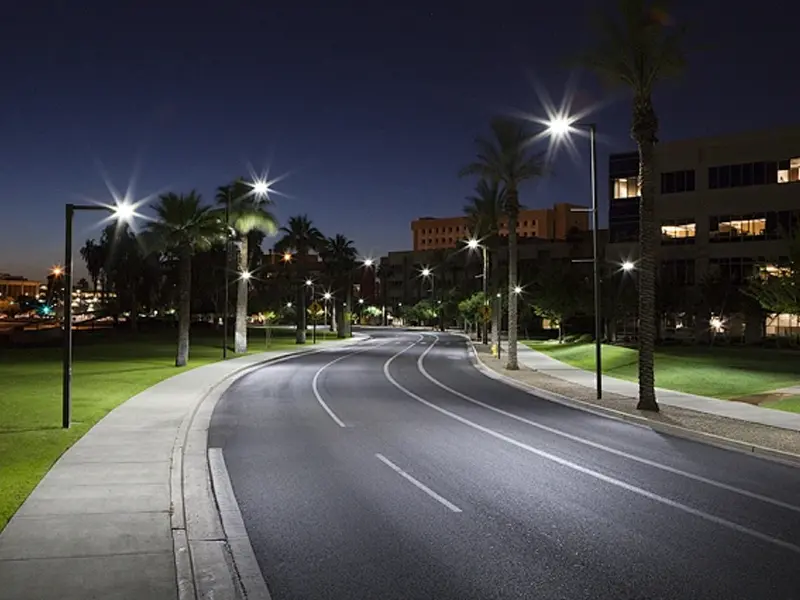
Understanding what a color temperature sensor is also means knowing how its readings are used on site. In tunnels, road networks and industrial facilities, light-color data supports commissioning checks and routine monitoring. Where the lighting equipment supports color temperature adjustment, the readings can also serve as a control input.For the wider monitoring arrangement, Hệ thống Giám sát Đường hầm: Cảm biến, Ứng dụng & Lợi ích explains how lighting measurements fit alongside other tunnel sensors.
Tunnel Lighting Monitoring and Feedback
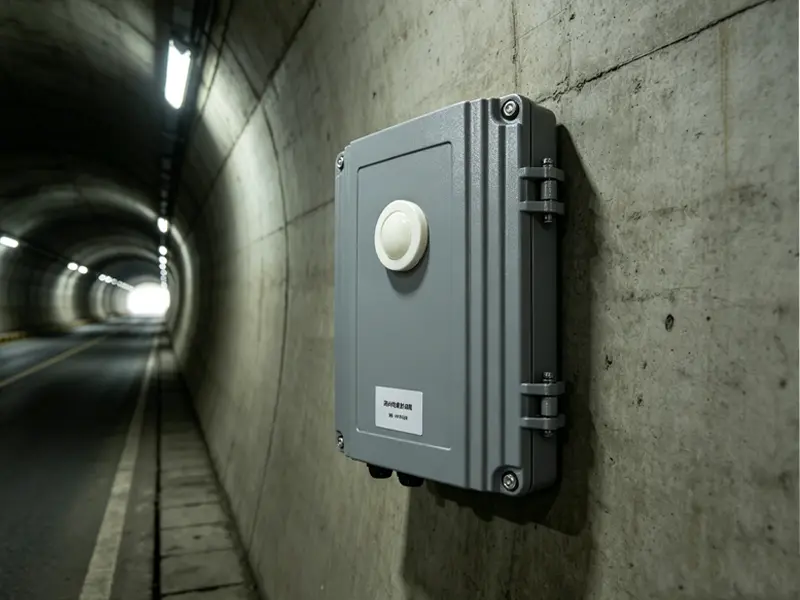
In highway tunnels and urban underpasses, Yantai’s color temperature sensor measures light color at selected points and sends readings to connected monitoring equipment. These measurements provide a record of lighting conditions during commissioning and operation. With tunable-white luminaires, suitable drivers and a compatible controller, the system can also use the readings as feedback to adjust light color toward a specified setting.
Highway Monitoring and Intelligent Road Systems
A highway monitoring platform can display light-color readings from several tunnels and illuminated road sections alongside lighting modes and circuit status. Each reading needs an identifiable location and collection time so operators can review the relevant section. Keeping these records together makes it easier to check lighting changes after maintenance or lamp replacement across multiple sites.
Smart City and Industrial Lighting
Facilities teams use color temperature measurement to check white-light conditions in public buildings, factories and workshops. Readings from selected areas can be compared with the lighting specifications or used as feedback in compatible adjustable systems. Daylight-responsive projects may also use outdoor measurements to guide indoor light-color settings. The measurement location depends on whether the task is to monitor daylight, artificial lighting or the combined light within a space.

What Affects Color Temperature Measurement Accuracy?
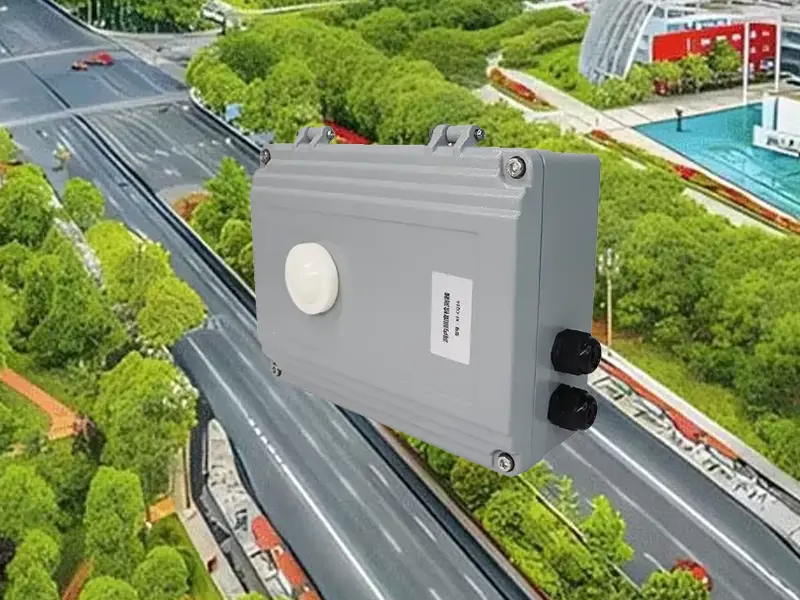
Knowing what a color temperature sensor is measuring helps explain differences between readings. Check these three factors before treating a change as an instrument error:
- Light source: Spectral response and calibration affect how closely a color temperature sensor agrees with a reference instrument. Mixed daylight and lamp light cannot be assessed by averaging their Kelvin values.
- Position and orientation: Moving or tilting the receiver changes the light it collects. Compare instruments at comparable positions and orientations under stable lighting.
- Window and operating conditions: Dust or water can affect incoming light, even with Yantai’s IP66 enclosure. Reliable color temperature measurement requires a clear window and operation within the instrument’s specified measurement conditions.
How to Choose a Color Temperature Sensor for Tunnel Projects
Understanding what a color temperature sensor is used for in the project sets the selection criteria. Tracking gradual lighting changes and supplying control feedback can place different demands on response time. Compare the following items against the planned installation.
| Selection item | What to check |
|---|---|
| Phạm vi đo | Cover the expected light sources and adjustable lighting settings. A wider Kelvin range does not mean higher accuracy. |
| Accuracy and repeatability | Request the stated error limits and test conditions for color temperature measurement. Check repeatability under unchanged conditions, particularly when tracking small shifts. |
| Response and update rate | Confirm how quickly the reading follows a lighting change and how often new data becomes available. Match both to the monitoring task. |
| Environment and mounting | Check operating temperature, enclosure protection, mounting dimensions and access to the optical window for cleaning. |
| Nguồn điện | The product page lists 220 V AC ±15%, 50 Hz. Confirm the ordered supply configuration and any required power conversion equipment before wiring. |
| Documentation and interfaces | Request wiring details and output documentation. For digital connections, confirm the communication protocol and data format as well as the physical interface. |
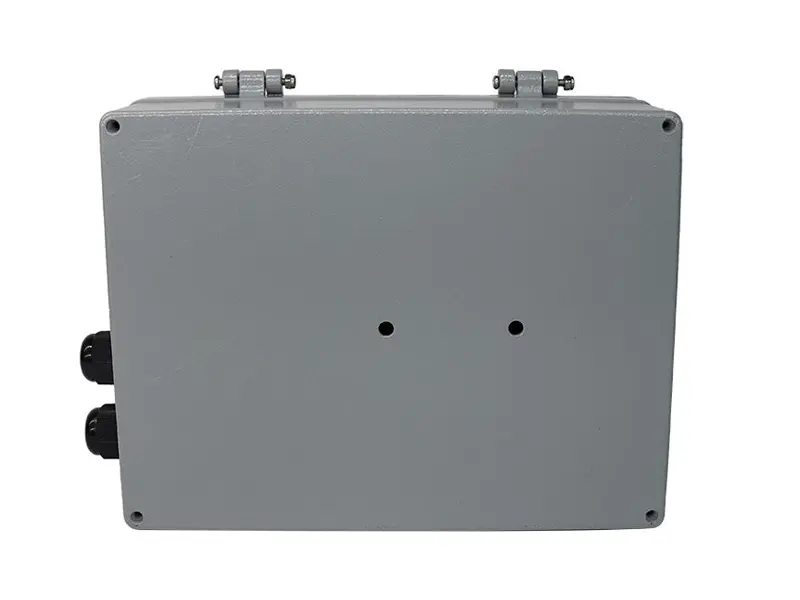
Yantai’s color temperature sensor lists a measurement range of 1500–25000 K and an IP66 enclosure. These specifications establish range coverage and enclosure protection; accuracy, repeatability and response requirements still need confirmation for the intended lighting.
Provide the light source type, monitoring location, available power and controller input requirements when requesting a suitable configuration.For procurement teams coordinating several road sensors, Cách lựa chọn cảm biến giao thông để giám sát đường cao tốc? covers the broader selection process.
Connecting Color Temperature Monitoring to Tunnel Lighting Systems
Before wiring starts, confirm what a color temperature sensor is expected to send and which device will receive it. Check the available inputs on the controller, then decide how the readings will be displayed, recorded or used to adjust the lighting.
Connecting the Outputs
Yantai’s color temperature sensor lists one 4–20 mA output, one RS485 interface and one relay alarm output. Match the connection to the receiving equipment:
- 4–20 mA: Check the analog input type and set the current-to-Kelvin scaling from the sensor documentation. Incorrect scaling can produce a plausible but wrong reading.
- RS485: Confirm the protocol, address, baud rate and data format for the ordered configuration. Modbus is listed among the customization options; request the applicable protocol and register documentation before integration.
- Relay alarm: Check the contact rating and trigger/reset conditions. This connection reports an alarm state, not a Kelvin value.
Using the Readings for Monitoring and Control
Once the signal reaches the PLC or monitoring system, check the displayed unit and scaling. Record each color temperature measurement against the correct monitoring point and collection time. Operators need to know where a reading came from and whether it is still current.
For automatic adjustment, the controller compares the reading with the target and commands compatible drivers and tunable-white luminaires. Set a suitable tolerance and delay so the lighting does not keep adjusting around the target. If communication stops, the screen should show the fault rather than leave the last value looking live. The control program also needs an agreed backup mode for missing or invalid data.The wider platform and sensor roles are covered in Cảm biến Hệ thống Giao thông Thông minh: Các Loại, Ứng dụng & Lợi ích.
Installation, Commissioning and Maintenance Support
Yantai’s support starts with confirming what a color temperature sensor is required to monitor on site. Mounting, electrical connections and calibration requirements can then be agreed for the selected configuration.
- Mounting options: Wall-mounted, bracket-mounted and flush-mounted configurations are available for different installation layouts.
- System connection: The color temperature sensor can be configured with suitable output, power supply and cable options to match project requirements.
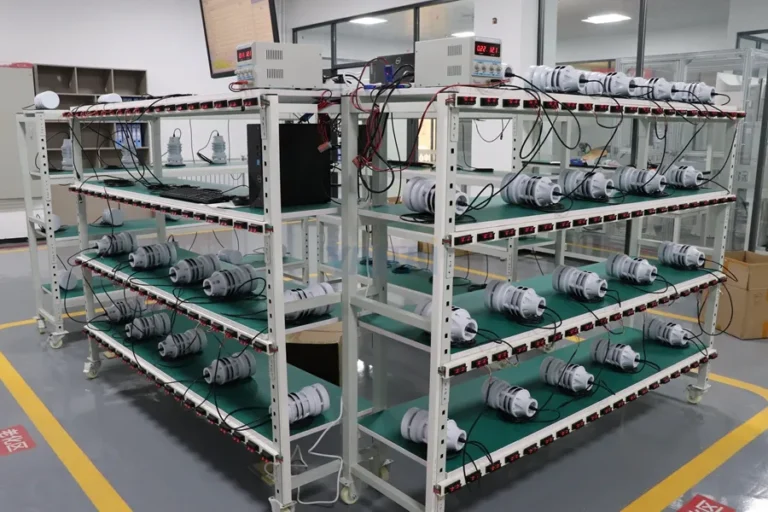
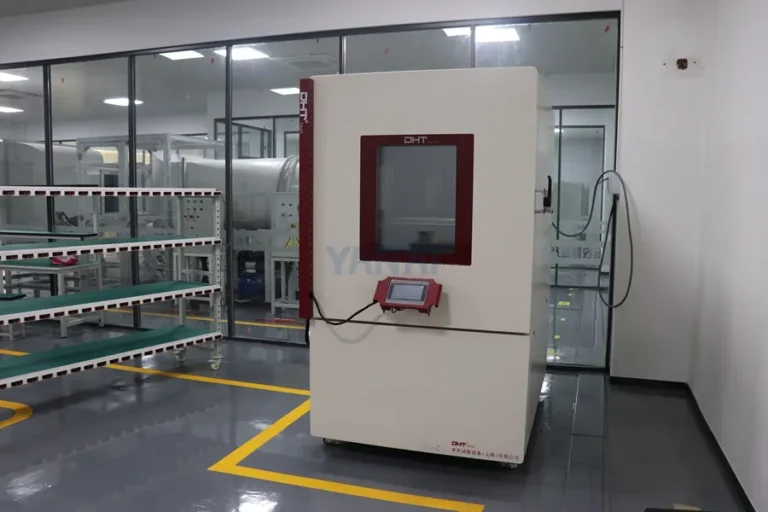
- Calibration services: Factory and on-site calibration options support color temperature measurement checks and consistency between instruments.
For installation or maintenance enquiries, share the mounting arrangement, controller details and any abnormal readings with Yantai’s technical team. These details provide a practical basis for checking the configuration and investigating the issue.
Kết luận
A color temperature sensor measures the color appearance of white light and provides data for lighting monitoring and compatible control systems. In tunnels, these readings allow project teams to check specified color temperature ranges and track changes during operation. Useful results depend on suitable measurement performance, representative monitoring positions and correct system connections.
Yantai supplies tunnel monitoring sensors with configuration options and technical support covering mounting, electrical connections and calibration. Our team can review your lighting layout, light source details and controller requirements to help select a suitable configuration and plan the installation. For your next tunnel lighting project, contact Yantai to discuss your color temperature measurement requirements, sensor options and the support needed on site.
Câu hỏi thường gặp
These questions explain what a color temperature sensor is used for in tunnel projects and what buyers should check before ordering. They also address common concerns about field readings, lighting control and maintenance.