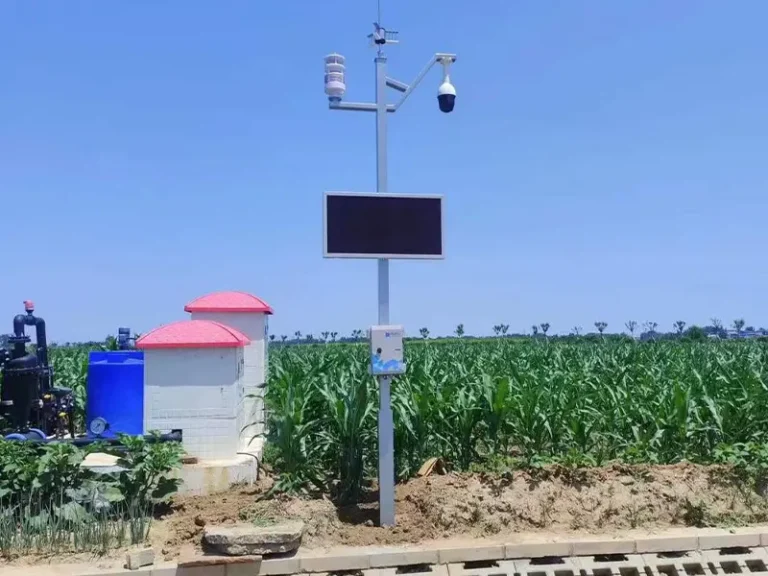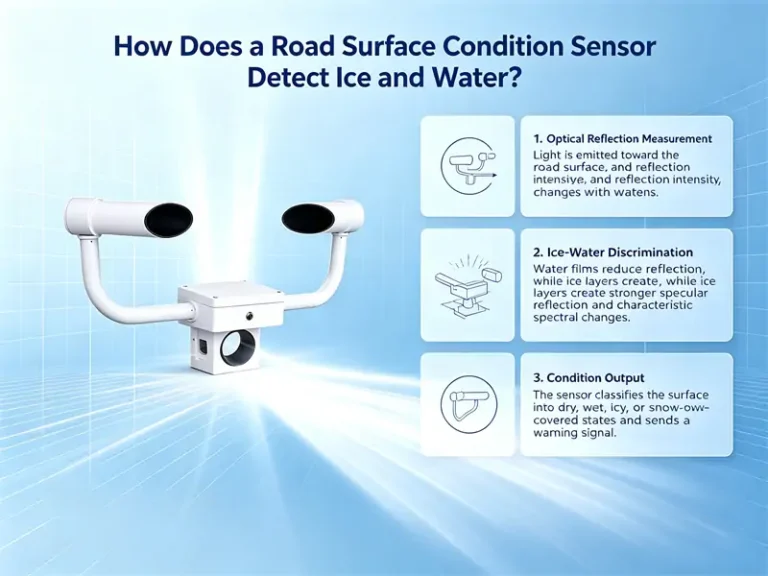
Việc lựa chọn đúng loại máy đo gió là yếu tố quyết định đến độ chính xác của việc đo gió. Mặc dù các yếu tố môi trường cũng có ảnh hưởng, nhưng phần lớn sự không nhất quán trong dữ liệu và các lỗi của hệ thống điều khiển đều xuất phát từ sự không phù hợp cơ bản giữa công nghệ cảm biến và ứng dụng của nó.
Với rất nhiều loại máy đo gió hiện có trên thị trường, bao gồm máy đo gió cốc, máy đo gió cánh quạt, máy đo gió siêu âm và nhiều loại khác, mỗi thiết kế đều có những ưu điểm và hạn chế riêng. Các tình huống ứng dụng khác nhau đặt ra những yêu cầu rất khác nhau về độ ổn định, độ chính xác, tốc độ phản hồi và khả năng thích ứng với môi trường.
Do đó, việc lựa chọn giải pháp phù hợp không phải là chọn thiết bị đắt tiền nhất, mà là khớp loại máy đo gió với điều kiện vận hành và yêu cầu hiệu suất cụ thể của bạn. Bài viết này phân tích đặc điểm và ứng dụng điển hình của các loại máy đo gió chính từ góc độ thực tiễn, giúp bạn xác định một lộ trình lựa chọn rõ ràng và đáng tin cậy. Nếu bạn muốn tìm hiểu thêm về “Anemometer siêu âm so với Anemometer cơ học: Loại nào tốt hơn cho việc giám sát trang trại năng lượng mặt trời?”, vui lòng bấm vào đây.
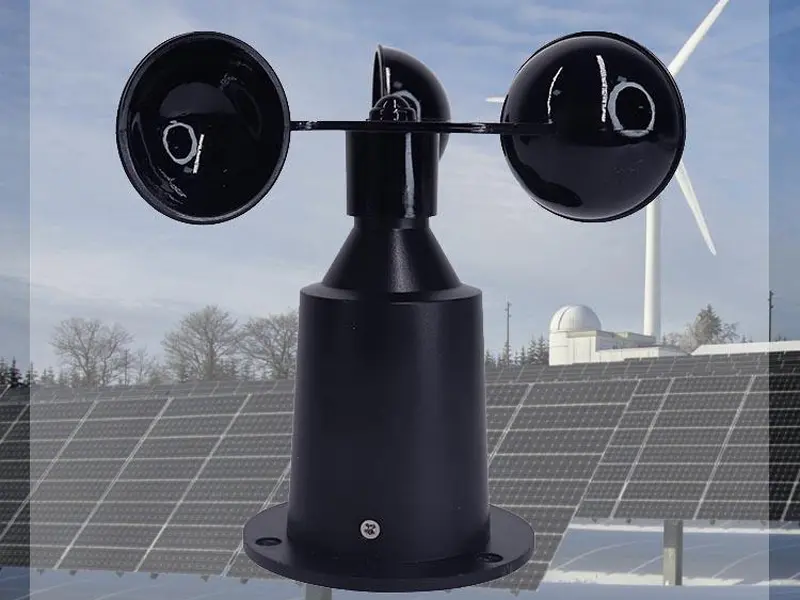
Bảy loại máy đo gió khác nhau
Mỗi mục dưới đây được trình bày theo thứ tự sau: nguyên lý → đặc điểm → ứng dụng → ưu và nhược điểm, giúp bạn dễ dàng so sánh và lựa chọn phương án phù hợp nhất.
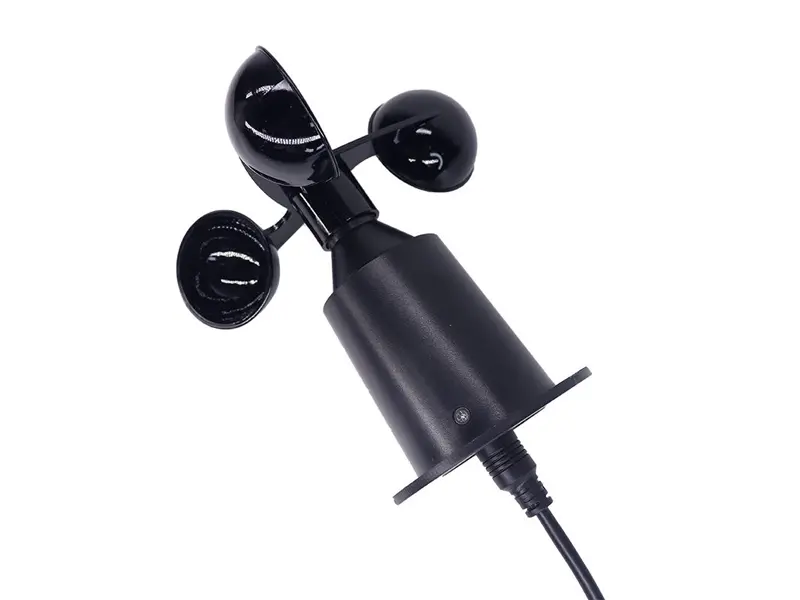
1. Máy đo gió kiểu cốc
Nguyên lý hoạt động: Gió đẩy các cốc quay, với tốc độ quay tỷ lệ thuận với tốc độ gió.
Tính năng
- Độ chính xác: Trung bình
- Phạm vi: Tốc độ gió từ thấp đến trung bình đến trung bình đến cao
- Tốc độ phản hồi: Trung bình
- Độ bền: Cao
- Chi phí: Thấp
Đơn đăng ký
- Trạm khí tượng
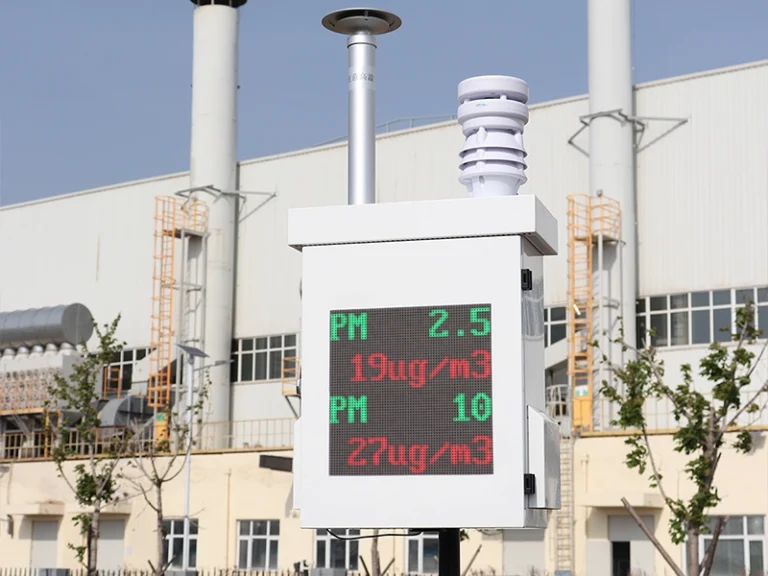
- Giám sát môi trường
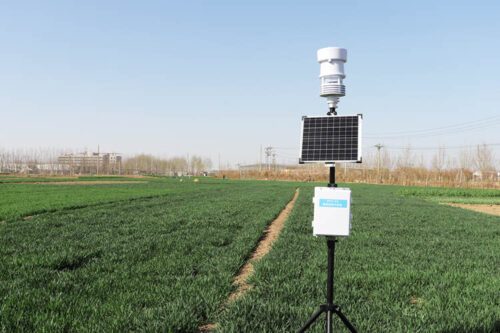
- Khí tượng nông nghiệp
- Giám sát thực địa tổng quát dài hạn
| Ưu điểm | Nhược điểm |
|---|---|
| Cấu trúc đơn giản, ổn định và đáng tin cậy | Độ nhạy thấp ở tốc độ gió thấp |
| Chi phí thấp, dễ bảo trì | Dễ bị mài mòn cơ học |
| Được ngành công nghiệp đón nhận rộng rãi | Cần hiệu chuẩn định kỳ |
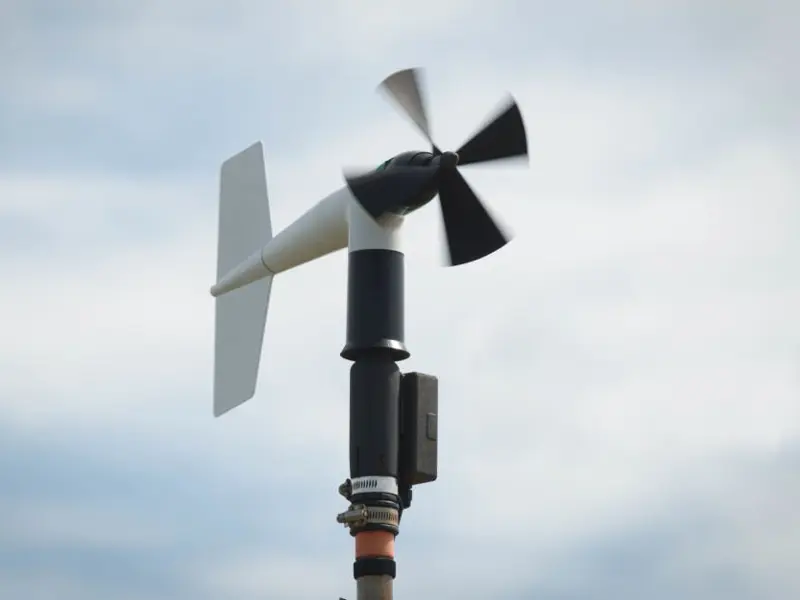
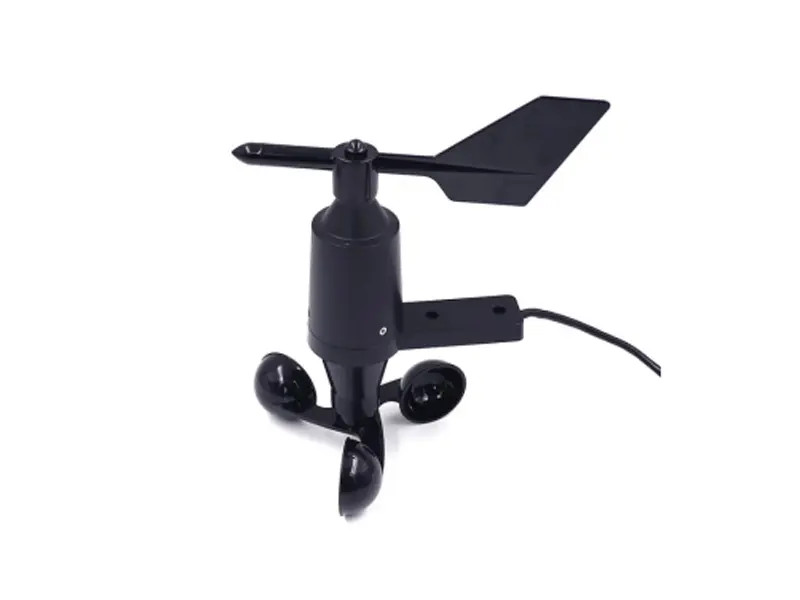
2. Máy đo gió kiểu cánh quạt
Nguyên lý hoạt động: Luồng không khí làm cánh quạt quay, đồng thời xác định hướng gió thông qua cơ chế định hướng.
Tính năng
- Độ chính xác: Khá cao
- Phạm vi: Tốc độ gió từ thấp đến trung bình
- Tốc độ phản hồi: Khá nhanh
- Giá cả: Trung bình
Đơn đăng ký
- Hệ thống HVAC hệ thống
- Kiểm tra hệ thống thông gió tòa nhà
- Thiết bị đo lường di động
| Ưu điểm | Nhược điểm |
|---|---|
| Đo tốc độ và hướng gió | Nhạy cảm với hướng lắp đặt |
| Hoạt động hiệu quả ở tốc độ gió thấp | Cấu trúc cơ khí cần được bảo trì |
| Khả năng di động cao | Không phù hợp với môi trường khắc nghiệt |
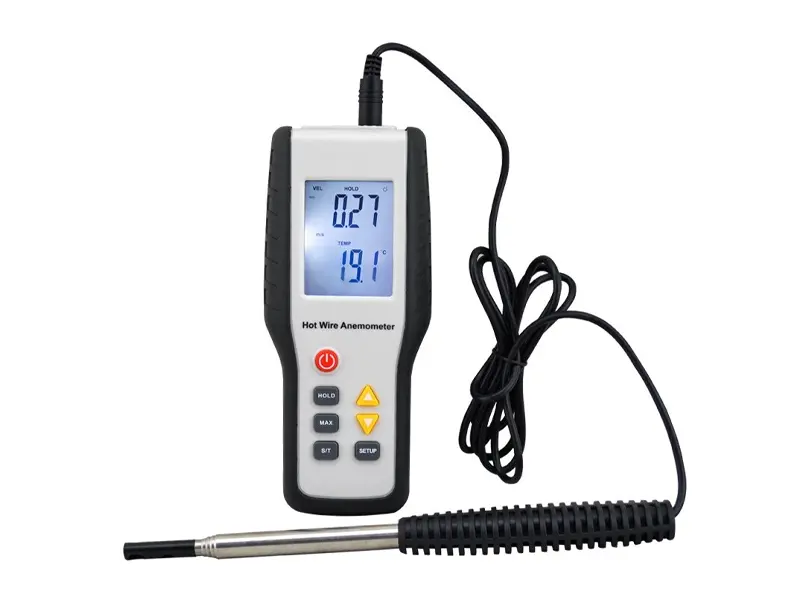
3. Máy đo tốc độ gió bằng nhiệt điện trở
Nguyên lý hoạt động: Tính toán tốc độ gió dựa trên sự thay đổi của quá trình tỏa nhiệt từ các bộ phận gia nhiệt.
Tính năng
- Độ chính xác: Cao (tốc độ gió thấp)
- Phạm vi: Tốc độ gió thấp
- Tốc độ phản hồi: Cực kỳ nhanh
- Giá cả: Trung bình
Đơn đăng ký
- Phòng thí nghiệm
- Phòng sạch
- Các nghiên cứu về luồng không khí trong nhà
| Ưu điểm | Nhược điểm |
|---|---|
| Độ nhạy cực cao | Dễ bị ảnh hưởng bởi nhiệt độ và độ ẩm |
| Phản hồi cực kỳ nhanh chóng | Phản hồi cực kỳ nhanh chóng |
| Rất thích hợp để đo gió nhẹ | Cần hiệu chuẩn thường xuyên |
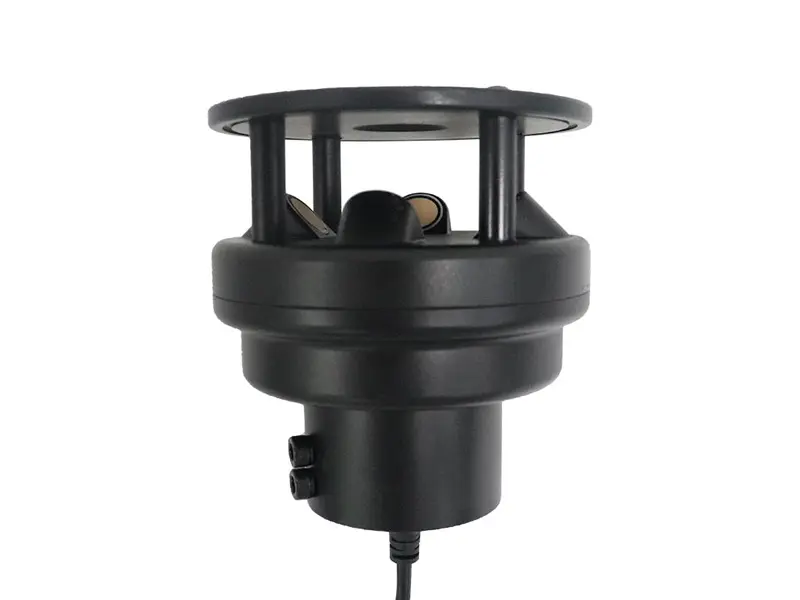
4. Máy đo tốc độ gió bằng sóng siêu âm
Máy đo tốc độ gió bằng sóng siêu âm Nguyên lý hoạt động: Đo tốc độ và hướng gió bằng cách tính toán chênh lệch thời gian của sóng siêu âm truyền qua không khí.
Tính năng
- Độ chính xác: Cao
- Phạm vi: Rộng
- Tốc độ phản hồi: Cực kỳ nhanh
- Độ bền: Rất cao
- Chi phí: Khá cao
Đơn đăng ký
- Điều khiển tuabin gió
- Nghiên cứu khoa học và quan sát
- Trạm thời tiết thông minh
- Môi trường biển và môi trường khắc nghiệt
| Ưu điểm | Nhược điểm |
|---|---|
| Không có sự mài mòn cơ học | Chi phí ban đầu cao |
| Không cần bảo trì, độ ổn định cao | Yêu cầu lắp đặt khắt khe |
| Phù hợp với môi trường khắc nghiệt |
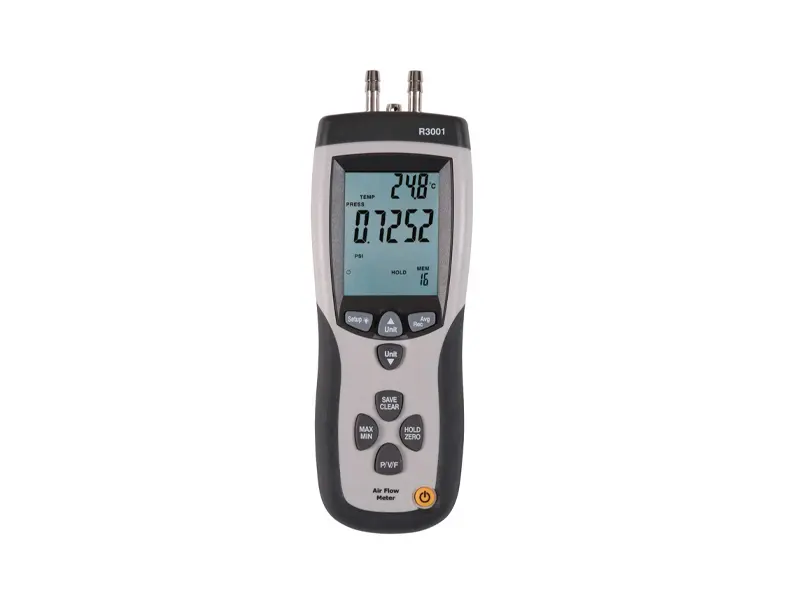
5. Máy đo tốc độ gió bằng ống Pitot đo chênh lệch áp suất
Nguyên lý hoạt động: Tính toán tốc độ gió dựa trên sự chênh lệch giữa áp suất động và áp suất tĩnh.
Tính năng
- Độ chính xác: Cao (Tốc độ cao)
- Phạm vi: Tốc độ gió cao
- Chi phí: Thấp đến trung bình
Đơn đăng ký
- Hàng không vũ trụ
- Thử nghiệm trong hầm gió
- Hệ thống ống dẫn công nghiệp
| Ưu điểm | Nhược điểm |
|---|---|
| Độ chính xác cao ngay cả khi tốc độ gió cao | Không chính xác ở tốc độ gió thấp |
| Cấu trúc đơn giản | Thiết bị phức tạp |
| Ngành công nghiệp đã phát triển | Không phù hợp với các kiểu luồng khí phức tạp |
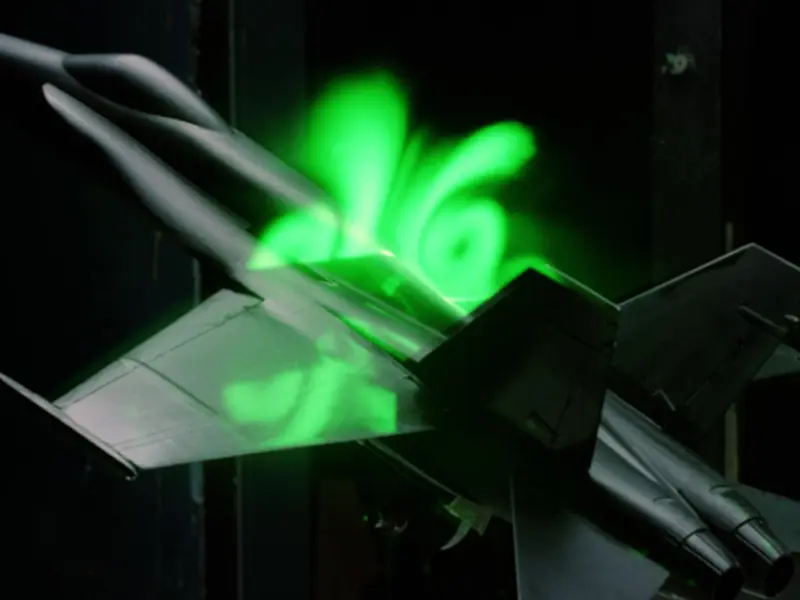
6. Máy đo tốc độ gió bằng laser Doppler
Nguyên lý hoạt động: Đo vận tốc của các hạt trong không khí bằng cách sử dụng sự dịch chuyển tần số do hiện tượng tán xạ laser.
Tính năng
- Độ chính xác: Rất cao
- Phương thức liên hệ: Không tiếp xúc
- Chi phí: Rất cao
Đơn đăng ký
- Nghiên cứu cao cấp
- Các thí nghiệm về động lực học chất lỏng
- Phân tích chuyển động của các hạt
| Ưu điểm | Nhược điểm |
|---|---|
| Độ chính xác hàng đầu | Chi phí cực kỳ cao |
| Không cản trở luồng không khí | Phụ thuộc vào vị trí lắp đặt |
| Đo lường không tiếp xúc | Các ứng dụng phi công nghiệp |
7. Cảm biến tốc độ và hướng gió
Cảm biến tốc độ và hướng gió Nguyên lý hoạt động: Phân tích chuyển động của luồng không khí thông qua công nghệ nhận diện hình ảnh và các thuật toán trí tuệ nhân tạo.
Tính năng
- Độ chính xác: Đang trong quá trình phát triển
- Đặc điểm: Không tiếp xúc, thông minh
- Giá: Không ổn định
Đơn đăng ký
- Thành phố thông minh
- Các thí nghiệm nghiên cứu khoa học chuyên sâu
| Ưu điểm | Nhược điểm |
|---|---|
| Không có cảm biến vật lý | Các tiêu chuẩn vẫn chưa được thống nhất |
| Có thể đo từ xa | Dễ bị nhiễu do ánh sáng |
| Tiềm năng của trí tuệ nhân tạo là có thật | Công nghệ vẫn còn non trẻ |
Làm thế nào để chọn máy đo gió phù hợp?
Việc lựa chọn máy đo gió phù hợp không phụ thuộc vào giá cả mà phụ thuộc vào việc đáp ứng các yêu cầu cụ thể của ứng dụng. Trước tiên, cần làm rõ mục tiêu đo lường: liệu chỉ cần đo tốc độ gió hay cần một cảm biến kết hợp cả tốc độ và hướng gió. Tiếp theo, cần xem xét môi trường hoạt động — dù là giám sát thực địa dài hạn, các khu công nghiệp hay đo lường chính xác trong phòng thí nghiệm — vì những môi trường này đòi hỏi các mức độ chống thấm nước, chống bụi, chống ăn mòn và độ ổn định khác nhau. Đồng thời, đánh giá độ chính xác và tốc độ phản hồi cần thiết, phân biệt giữa giám sát cấp công nghiệp và phân tích cấp nghiên cứu. Cuối cùng, tính đến ngân sách bằng cách cân nhắc cả chi phí mua ban đầu và chi phí bảo trì liên tục. Chỉ bằng cách cân bằng giữa tình huống ứng dụng, yêu cầu về độ chính xác, điều kiện môi trường và chi phí, bạn mới có thể chọn được máy đo gió thực sự phù hợp.
Các khuyến nghị về giải pháp ứng dụng trong ngành đo gió
| Ngành / Ứng dụng | Giải pháp được đề xuất | Ưu điểm |
|---|---|---|
| Ngành công nghiệp điện gió | Máy đo tốc độ gió bằng sóng siêu âm có độ tin cậy cao | Kết hợp việc hiệu chuẩn định kỳ với thiết kế dự phòng |
| Giám sát môi trường | Máy đo gió dạng cốc bền bỉ + truyền dữ liệu từ xa | Hiệu quả về chi phí và ổn định lâu dài |
| Xây dựng & Hệ thống HVAC | Máy đo gió cánh quạt hoặc máy đo gió nhiệt | Dễ dàng mang theo, với khả năng phản ứng tuyệt vời trong điều kiện gió yếu |
| Nghiên cứu khoa học | Máy đo tốc độ gió bằng laser Doppler / Máy đo tốc độ gió siêu âm có độ chính xác cao | Độ chính xác tối ưu và độ tin cậy của dữ liệu |

Kết luận
Việc lựa chọn máy đo gió về cơ bản đòi hỏi phải cân nhắc hài hòa giữa các tình huống ứng dụng, độ chính xác của phép đo và các yêu cầu vận hành lâu dài. Giá cả không đồng nghĩa với hiệu suất; dữ liệu thực sự đáng tin cậy chỉ có thể thu được từ các giải pháp thiết bị phù hợp chặt chẽ với điều kiện vận hành. Chỉ thông qua những lựa chọn hợp lý, dựa trên sự hiểu biết sâu sắc về môi trường sử dụng, yêu cầu về hiệu suất và chi phí bảo trì, máy đo gió mới có thể mang lại giá trị tối đa trong các ứng dụng thực tế, từ đó đạt được các mục tiêu đo lường ổn định, chính xác và bền vững.