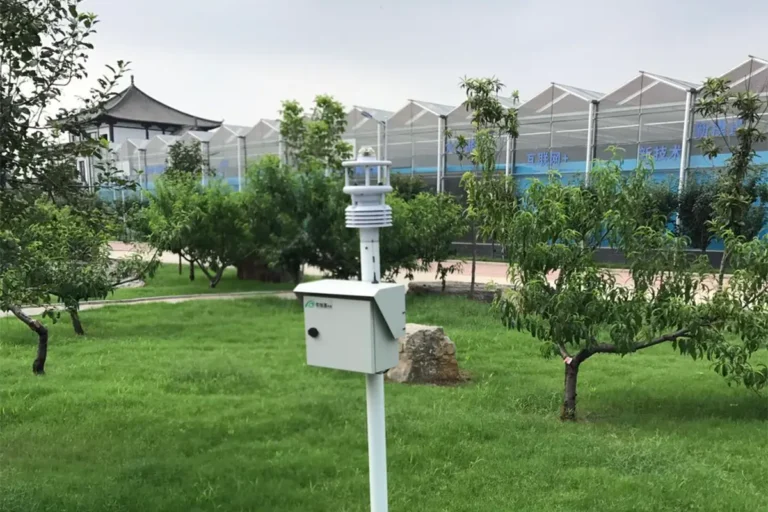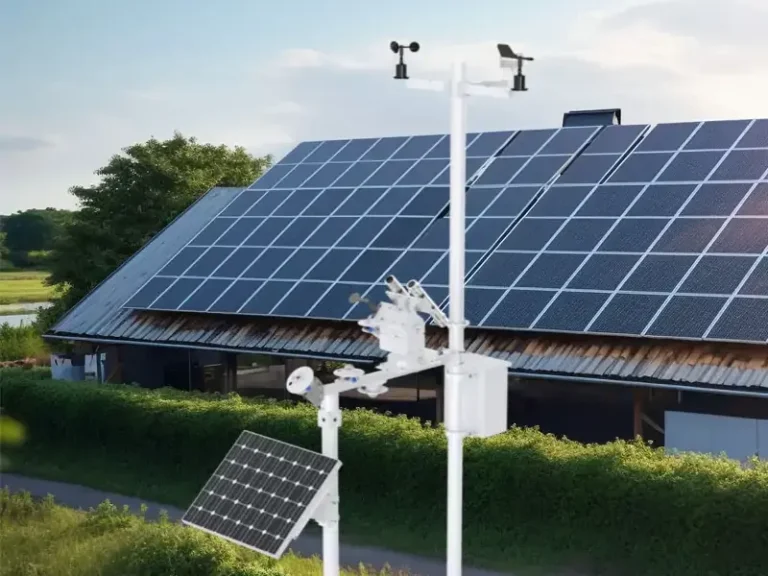
Trong các lĩnh vực như quan trắc khí tượng, tưới tiêu nông nghiệp và nghiên cứu môi trường, cả máy đo mưa và cảm biến mưa đều là những thiết bị phổ biến. Nhiều người thắc mắc liệu có sự khác biệt nào giữa hai loại thiết bị này hay không. Bài viết này sẽ giải thích rõ ràng vấn đề này!
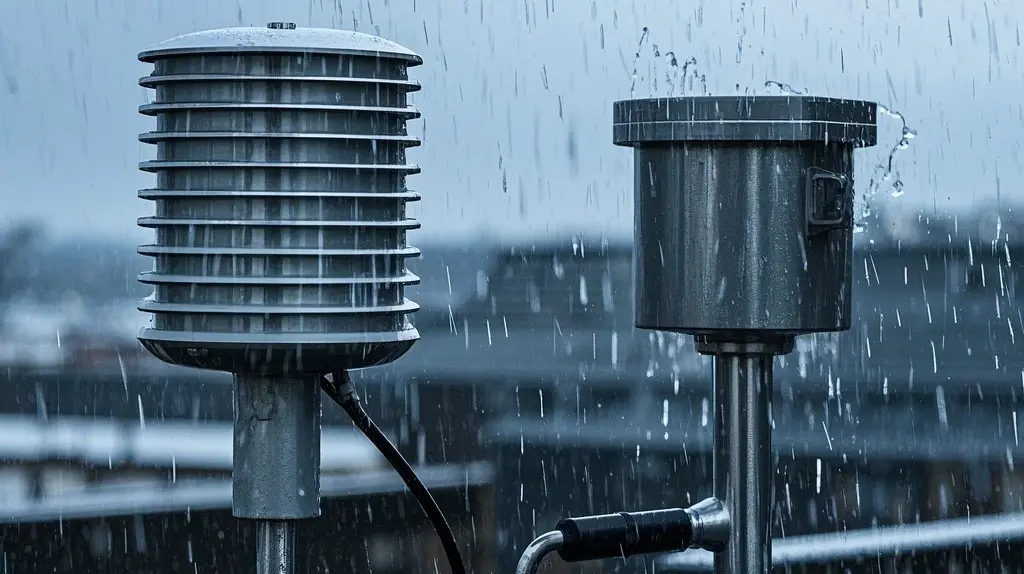
(Hình ảnh do trí tuệ nhân tạo tạo ra. Chỉ mang tính minh họa.)
Máy đo lượng mưa là gì?
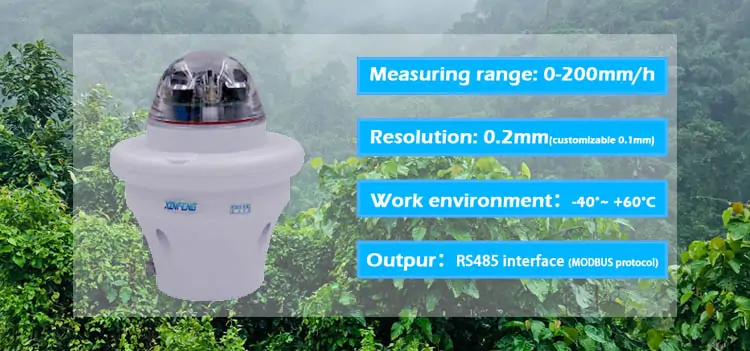
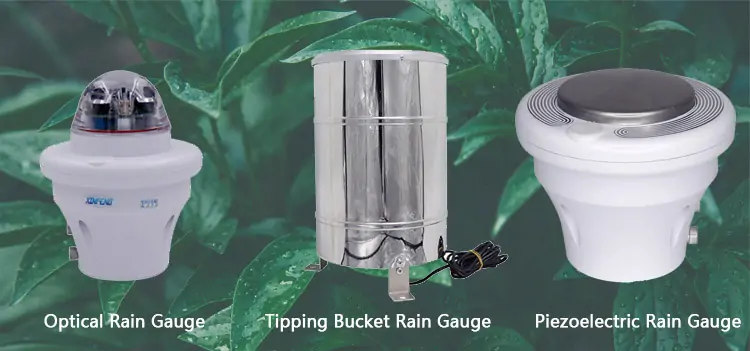
Máy đo mưa là một thiết bị dùng để đo lượng mưa, chủ yếu phục vụ cho công tác quan trắc khí tượng và quản lý tài nguyên nước. Nguyên lý cơ bản của máy đo mưa là thu thập nước mưa vào một bình chứa và tính toán lượng mưa dựa trên chiều cao mực nước tích lũy. Các loại máy đo mưa phổ biến bao gồm:
Máy đo lượng mưa kiểu xô lật: Có một chiếc xô nhỏ có thể nghiêng và ghi lại lượng mưa mỗi khi xô đầy nước mưa.
Máy đo lượng mưa áp điện: Đo lượng mưa bằng cách phát hiện dao động do những giọt mưa gây ra.
Máy đo lượng mưa quang học: Sử dụng hiện tượng phản xạ và tán xạ hồng ngoại để theo dõi các giọt mưa.
Cảm biến mưa là gì?
Cảm biến mưa là một thiết bị điện tử dùng để phát hiện lượng mưa và được sử dụng rộng rãi trong các hệ thống tự động hóa. Ví dụ, cần gạt nước kính chắn gió tự động trên ô tô hoạt động dựa trên cảm biến mưa. Các loại cảm biến mưa bao gồm:
Cảm biến mưa điện trở: Phát hiện những thay đổi về độ dẫn điện do những giọt mưa gây ra để xác định xem trời có đang mưa hay không.
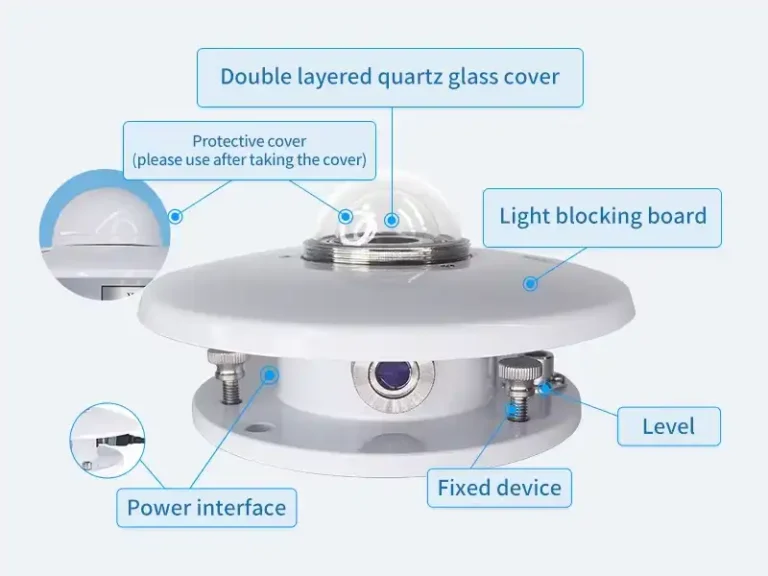
Cảm biến mưa quang học: Sử dụng sự thay đổi trong hiện tượng phản xạ hoặc tán xạ của tia hồng ngoại hoặc tia laser để phát hiện các giọt mưa.
Cảm biến mưa điện dung: Xác định lượng mưa dựa trên sự thay đổi hằng số điện môi của tụ điện do nước mưa gây ra.
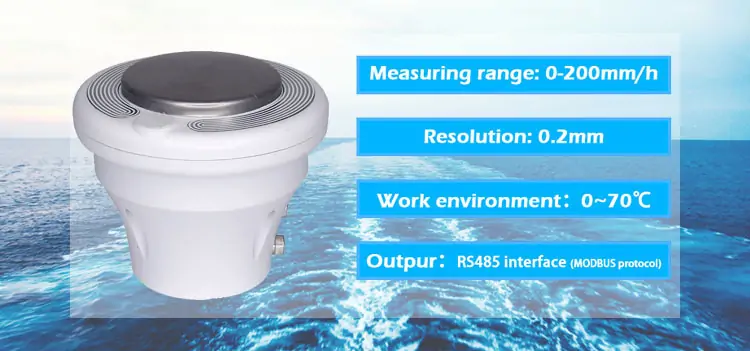
Những điểm khác biệt chính giữa máy đo lượng mưa và cảm biến mưa
Mặc dù cả máy đo mưa và cảm biến mưa đều liên quan đến lượng mưa, nhưng chúng có một số điểm khác biệt:
| So sánh | Thiết bị đo lượng mưa | Cảm biến mưa |
| Chức năng chính | Tính toán tổng lượng mưa | Phát hiện xem trời có đang mưa hay không |
| Nguyên lý hoạt động | Đo lường trực tiếp lượng mưa hoặc trọng lượng nước mưa | Cảm biến điện tử hoặc phát hiện quang học |
| Dữ liệu đầu ra | Lượng mưa (mm hoặc inch) | Sự xuất hiện của mưa (tín hiệu bật/tắt) hoặc cường độ mưa |
| Lĩnh vực ứng dụng | Trạm khí tượng, nông nghiệp, bảo vệ môi trường | Nhà thông minh, ô tô |
| Độ chính xác | Mạnh (có thể đo lường lượng mưa) | Mức độ trung bình (chủ yếu để phát hiện sự xuất hiện của mưa) |
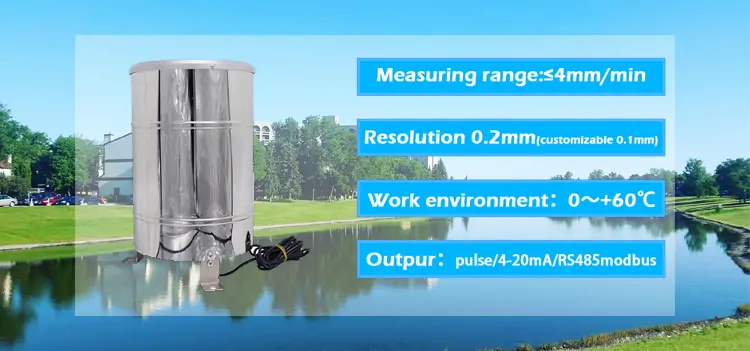
Các tình huống ứng dụng của máy đo mưa và cảm biến mưa
Chúng sẽ được áp dụng trong những lĩnh vực nào? Hãy cùng tìm hiểu nhé.
Theo dõi thời tiết
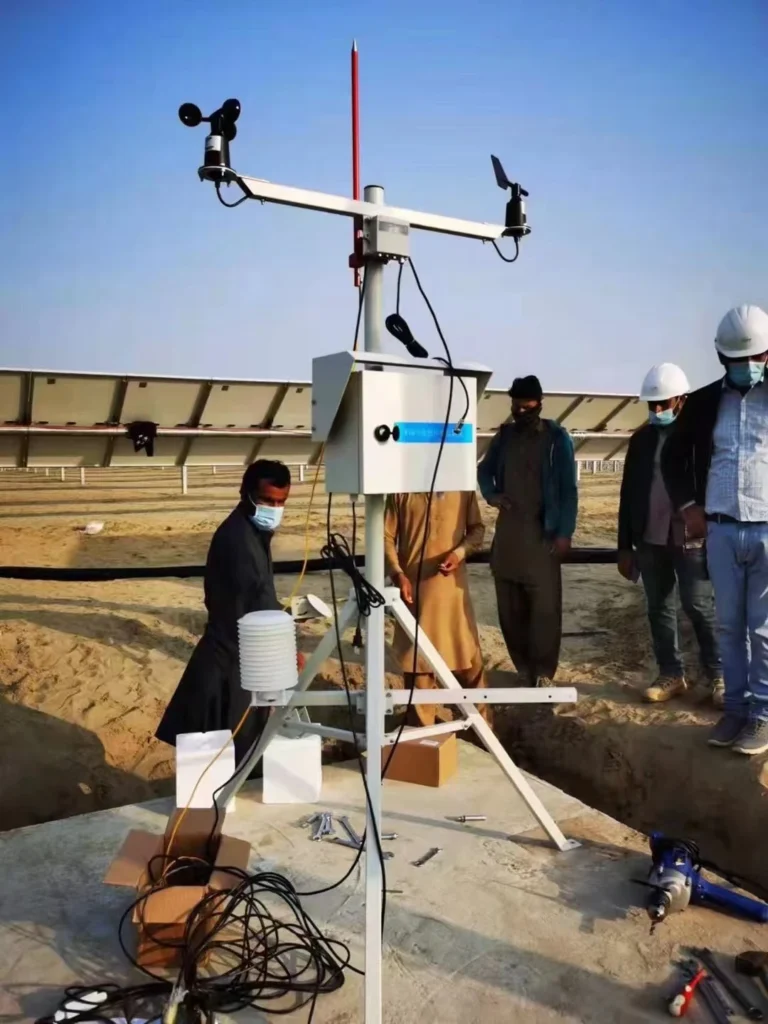
Máy đo mưa là thiết bị không thể thiếu trong lĩnh vực khí tượng học. Các trạm khí tượng sử dụng máy đo mưa kiểu xô lật hoặc máy đo mưa kiểu cân để ghi nhận chính xác lượng mưa và dự báo những thay đổi của thời tiết.
Nông nghiệp thông minh
Các hệ thống tưới tiêu trong nông nghiệp thường được trang bị cảm biến mưa. Khi phát hiện có mưa, hệ thống tưới sẽ tự động ngừng hoạt động, giúp tiết kiệm nước và nâng cao hiệu quả quản lý cây trồng.
Giao thông thông minh
Các dòng xe hiện đại sử dụng cảm biến mưa quang học trong hệ thống gạt nước kính chắn gió tự động. Khi những giọt mưa rơi vào kính chắn gió, hệ thống sẽ tự động kích hoạt gạt nước, giúp tăng cường an toàn khi lái xe.
Tòa nhà thông minh
Trong các hệ thống tòa nhà thông minh, cảm biến mưa điện trở có thể được sử dụng để tự động đóng cửa sổ mái, thu gọn mái che ban công hoặc cảnh báo người dùng thực hiện các biện pháp phòng chống mưa khi phát hiện có mưa.