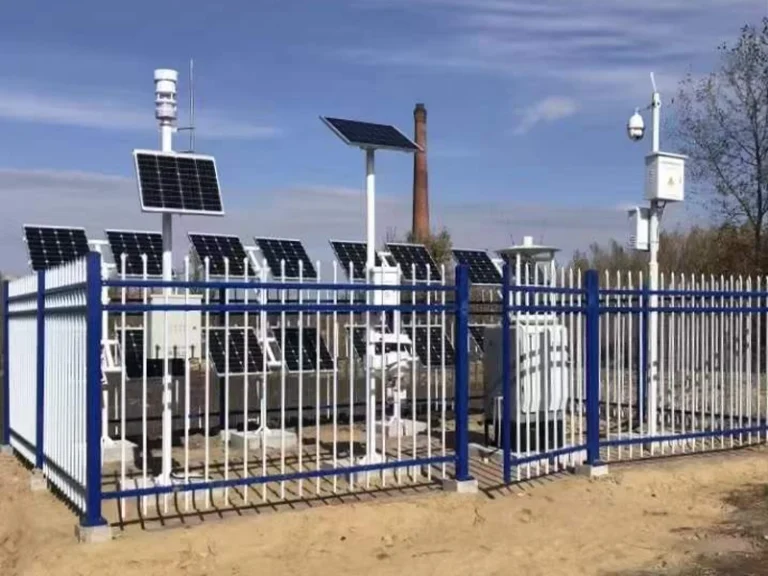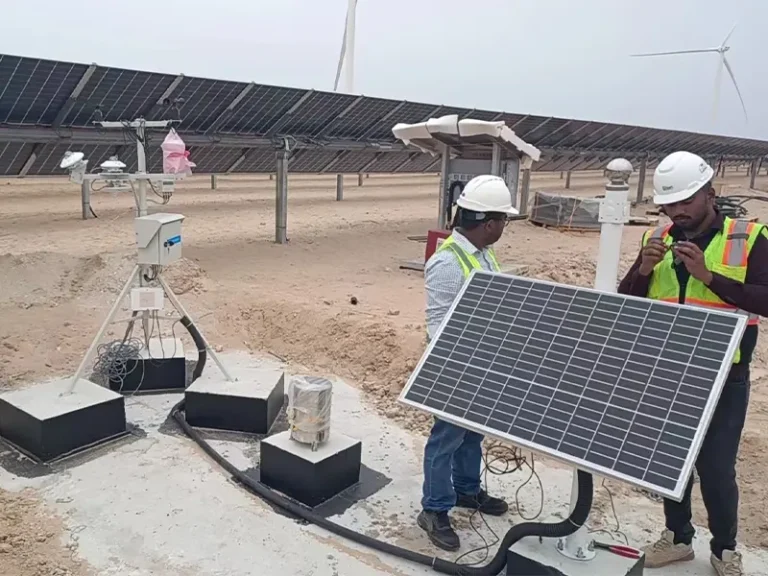
Giới thiệu
For city authorities, road operators, and environmental monitoring contractors, traffic noise is difficult to assess with occasional measurements. Noise levels change with traffic volume, vehicle types, peak hours, road conditions, and surrounding environments. A road noise sensor provides continuous sound-level data from roads, intersections, and highways, helping project teams understand these changes over time.
For smart city projects, this data can be integrated with noise monitoring equipment and environmental monitoring platforms for centralized monitoring and analysis. But how should an outdoor noise sensor be installed, what specifications matter, and how can it work reliably in changing outdoor conditions? The following sections explore its key applications, working principles, and selection considerations.Want to learn more about the Traffic Noise Monitoring System: Components, How It Works, and Applications? Click here to find out.

Why Road Noise Monitoring Matters in Smart Cities?
For smart city projects, road noise monitoring is not only about measuring sound levels. It provides continuous environmental data that helps project teams understand traffic noise patterns, evaluate monitoring locations, and support practical urban management decisions.
Road Traffic Creates Continuously Changing Noise
Road traffic noise is dynamic, not static. Peak traffic, heavy vehicles, acceleration and braking, motorcycles, and busy intersections can all cause short-term increases in sound levels. Nighttime traffic may create a different noise pattern from daytime conditions. A road noise sensor allows these changes to be monitored continuously instead of relying on measurements taken at only one point in time.
Periodic Measurements Cannot Show Long-Term Noise Patterns
A single measurement can show the noise level at a specific moment, but it cannot explain how the acoustic environment changes throughout the day or across different seasons. Continuous environmental noise monitoring can reveal daily patterns, peak-hour changes, nighttime variations, and unusual noise events. This gives project teams a more reliable dataset for comparing locations, identifying trends, and evaluating changes over time.
Noise Data Supports More Than Compliance
Noise monitoring data can support a wider range of smart city decisions. Traffic authorities can use long-term noise trends alongside traffic data when evaluating road conditions or planning infrastructure. Urban planners can consider noise exposure when assessing residential and commercial areas, while construction teams can monitor noise during major infrastructure projects. In this way, noise monitoring becomes part of broader environmental and urban management rather than a standalone compliance task.


How Does an Outdoor Noise Sensor Work?
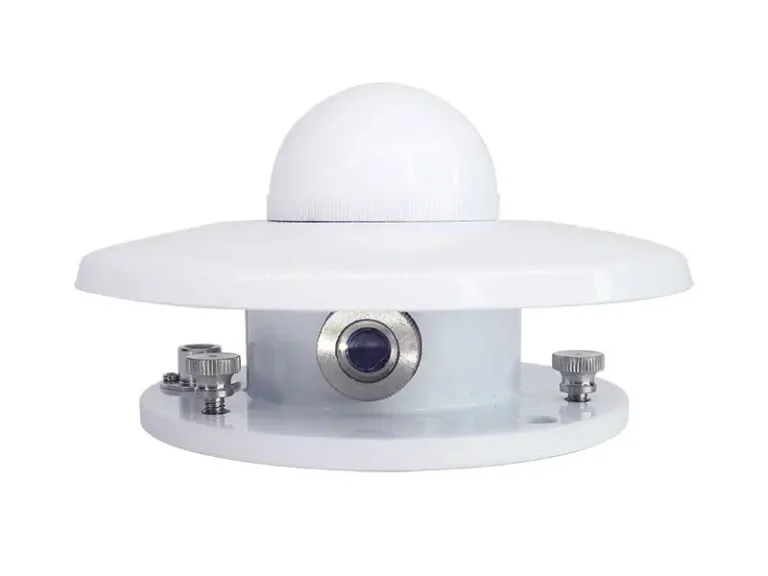
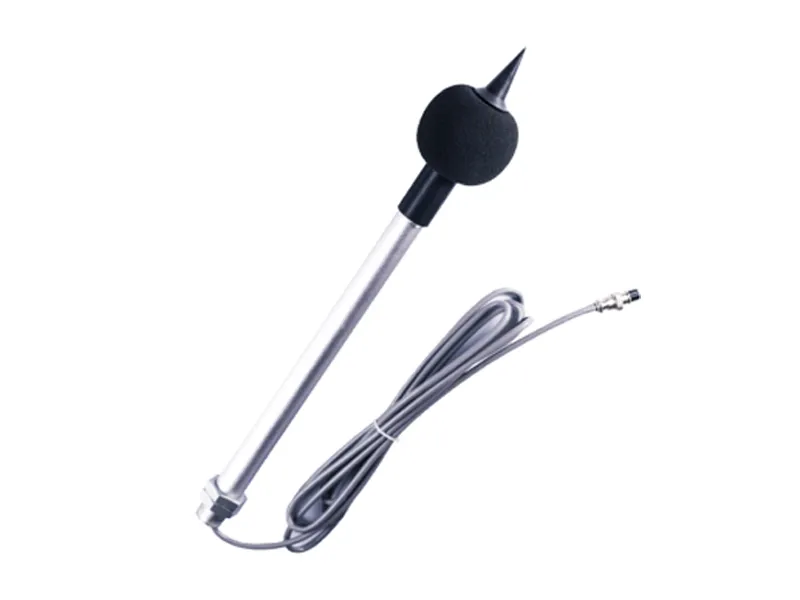
An outdoor noise sensor detects changes in sound pressure through a sensitive microphone and converts the acoustic signal into digital sound-level data, typically expressed in decibels (dB). The signal is processed using frequency weighting such as A-weighting and then transmitted to a monitoring platform through interfaces such as RS485.
From Sound Detection to Digital Data
The basic measurement process is:
Sound Pressure → Microphone → Signal Processing → Frequency Weighting → dB Data → Monitoring Platform
For outdoor applications, the microphone and processing circuit are protected against changing environmental conditions to support stable long-term measurement. With RS485/Modbus-RTU, the collected data can be connected to PLCs, data acquisition units, or environmental monitoring platforms.
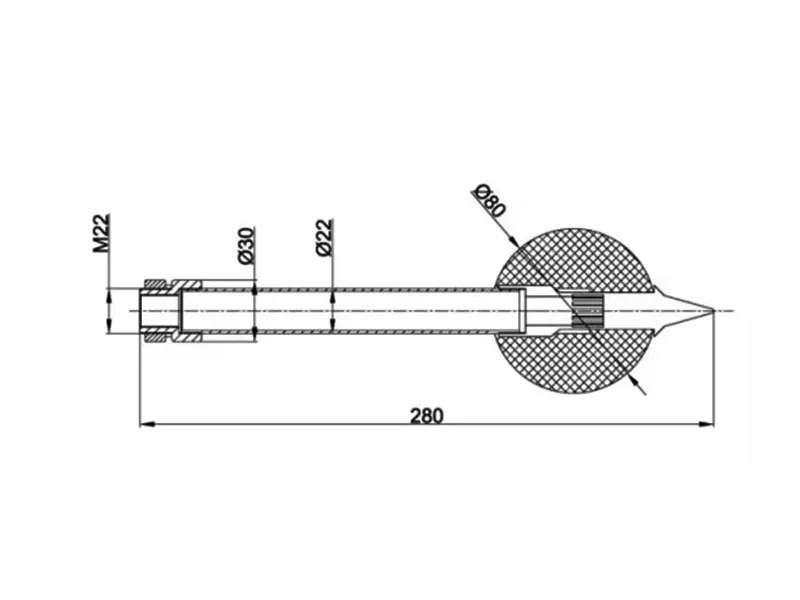
For example, the RY-CZS/485 provides a 30–130 dB measuring range, ±1.5 dB accuracy at 23 ± 5°C, and a 31.5 Hz–12.5 kHz frequency range, making it suitable for continuous roadside, construction, industrial, and smart city noise monitoring.

Where Are Road Noise Sensors Used?
Road noise sensors are mainly used where traffic-related noise needs to be monitored continuously over time. Their deployment can range from busy urban roads and highway corridors to construction zones, industrial parks, and transportation hubs. The monitoring objective is not simply to obtain a single decibel reading, but to build a more useful picture of how noise changes across locations, time periods, and operating conditions.
Roadside and Urban Traffic Monitoring
Traffic noise in cities can vary considerably between rush hours, off-peak periods, and nighttime. A road noise sensor installed near urban roads, intersections, arterial roads, or residential streets can continuously record these changes and reveal patterns that occasional measurements may miss.
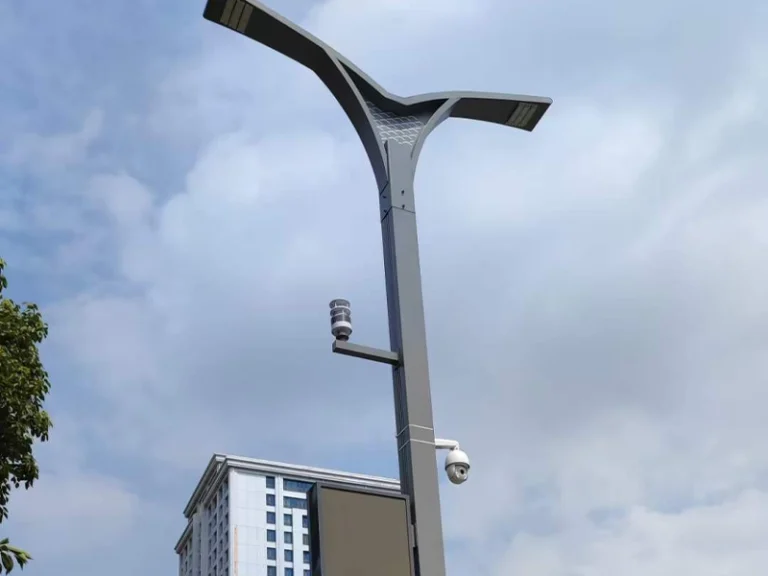
For smart city projects, monitoring points can be selected around high-traffic corridors or noise-sensitive areas. The resulting data helps compare different road sections, identify recurring high-noise periods, and provide supporting information for environmental management and future traffic or infrastructure planning.
Highway and Expressway Noise Monitoring
Along highways and expressways, location becomes an important part of noise monitoring. Residential communities, roadside facilities, interchanges, and other sensitive areas may experience different noise exposure depending on their distance and position relative to the traffic corridor.
Outdoor noise sensors can therefore be distributed across multiple points to establish a longer-term monitoring network. This approach is useful for highway expansion projects, environmental impact assessment, and evaluating the effectiveness of measures such as noise barriers or other mitigation solutions.
Construction and Infrastructure Projects
Construction noise is highly dependent on the work being carried out at a particular stage. Road excavation, bridge construction, piling, demolition, and subway works can all produce different acoustic conditions.
Continuous noise monitoring equipment gives contractors and project managers a clearer record of these changes than isolated manual measurements. Data from monitoring points around the construction boundary can help identify periods of elevated noise, assess potential impacts on nearby sensitive areas, and support environmental management throughout the project lifecycle.
Industrial Parks and Transportation Hubs
Industrial parks and transportation hubs present a more complex monitoring environment because road traffic is often only one of several noise sources. Vehicle movement may overlap with factory operations, loading activities, railway traffic, aircraft operations, or port logistics.
In these locations, outdoor noise sensors can be deployed at selected points to monitor overall sound-level changes and provide continuous data to a centralized environmental platform. When combined with other environmental parameters, the data can give project teams a broader view of local environmental conditions rather than treating road noise as an isolated measurement.


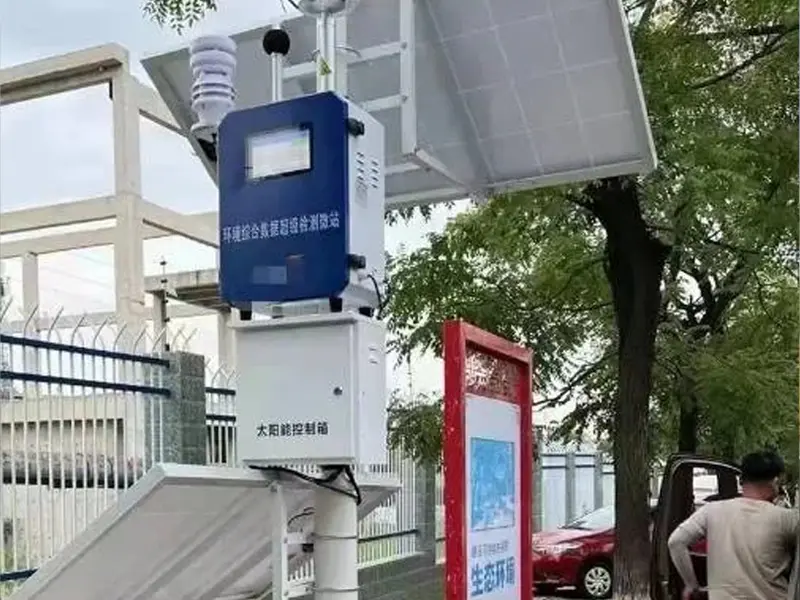
What Can Noise Monitoring Equipment Tell You?
Noise monitoring equipment provides more than a real-time decibel reading. Data collected by a road noise sensor can show how sound levels change over time and provide a quantitative record of the acoustic environment. Depending on the sensor and monitoring system, measurements can include sound pressure levels, A-weighted sound levels, time-based changes, threshold exceedance, and historical records. These data help users understand whether noise conditions remain stable or show significant changes, while identifying a specific noise source may require additional acoustic analysis or supporting information.
Typical noise data may include:
- Real-time sound level in dB
- A-weighted sound level (dBA)
- Time-based noise variations
- Predefined threshold exceedance
- Historical measurement records


Main Factors When Choosing a Road Noise Sensor
Choosing a road noise sensor requires considering measurement performance, outdoor durability, communication, and deployment conditions. The right configuration should match the monitoring environment and system requirements rather than simply use the highest specification available.
| Yếu tố lựa chọn | Những điều cần kiểm tra | Tại Sao Nó Quan Trọng |
| Dải đo | Suitable dB range for the target environment | Avoids insufficient range or measurement saturation |
| Accuracy & Frequency Response | Accuracy, frequency range, microphone, and calibration | Supports reliable noise measurement |
| Bảo vệ ngoài trời | Wind, rain, dust, humidity, and temperature resistance | Supports stable long-term outdoor operation |
| Giao diện truyền thông | RS485, Modbus-RTU, analog, or required output | Enables integration with monitoring systems |
| Deployment Requirements | Installation type, power, duration, and network | Ensures the sensor fits the actual project |
How to Build a Smart City Noise Monitoring System?
A smart city noise monitoring system should connect multiple monitoring points to a centralized platform rather than operate each road noise sensor independently. Sensors can be deployed at roads, intersections, highways, and other selected locations, with their data integrated through RS485/Modbus or other suitable communication methods. This enables noise data from different locations to be collected, stored, compared, and managed within one system.
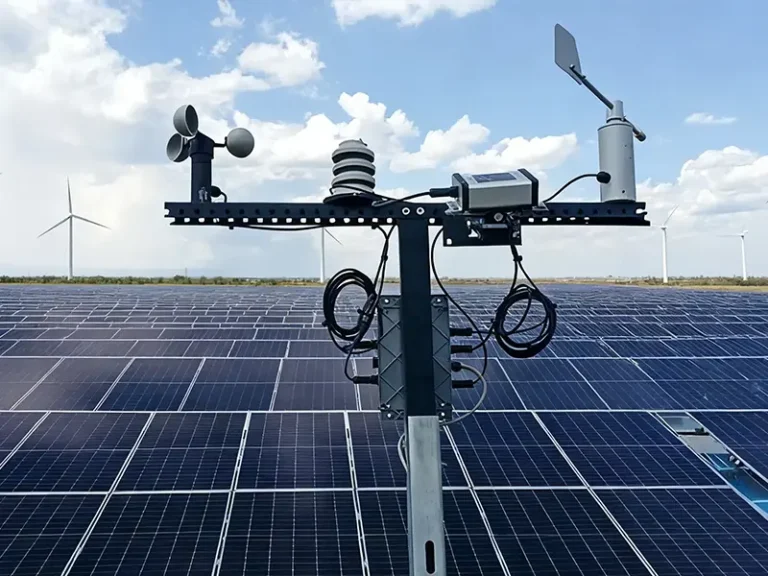
For projects that require noise data alongside weather conditions, Yantai Sensor’s XF600L compact smart weather station can be added as a complementary monitoring device. It measures wind speed, wind direction, temperature, humidity, atmospheric pressure, and optical rainfall, with IP65/IP66 protection and RS485/Modbus/4-20mA communication. This allows road noise monitoring networks to incorporate local weather data for a more complete environmental monitoring system.

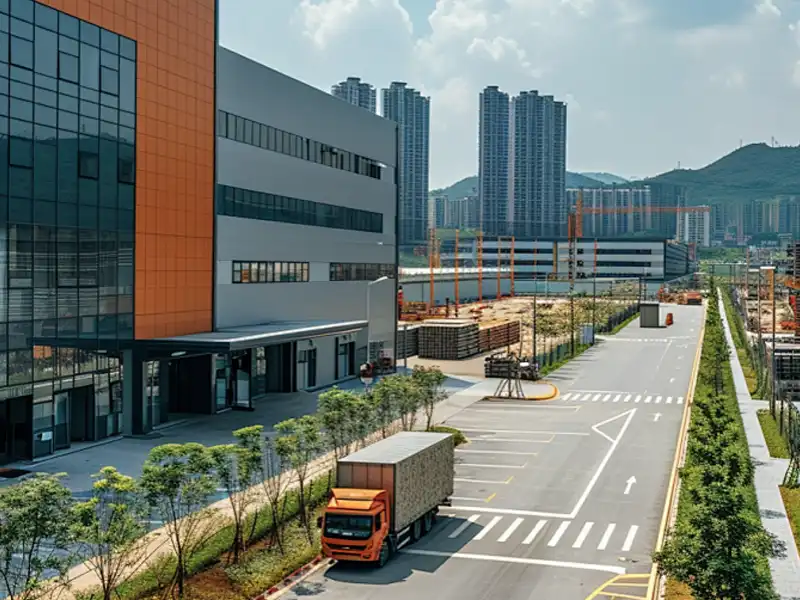
Outdoor Noise Sensor vs. Traditional Noise Measurement
Traditional noise measurement is generally suitable for periodic, point-based testing, while an outdoor noise sensor is designed for continuous monitoring and easier integration into distributed monitoring networks. The main differences are in monitoring continuity, data access, deployment efficiency, and system integration.
| Monitoring Aspect | Traditional Noise Measurement | Cảm biến tiếng ồn ngoài trời |
| Giám sát | Định kỳ | Continuous |
| Data | Individual readings | Long-term records |
| Truy cập từ xa | Số lượng có hạn | Khả dụng |
| Multi-point Deployment | Labor intensive | Easier to scale |
| Outdoor Operation | Mainly portable | Designed for outdoor use |
| Giao tiếp | Số lượng có hạn | RS485/Modbus |
| Tích hợp hệ thống | Số lượng có hạn | Monitoring platform integration |
| Smart City Use | Số lượng có hạn | Well suited |
Kết luận
Outdoor noise sensors provide a practical way to move from occasional noise measurements to continuous monitoring of changing road and urban sound conditions. By combining reliable measurement, suitable outdoor protection, digital communication, and flexible system integration, they can support roadside, highway, construction, and wider smart city environmental monitoring projects.
Yantai Sensor develops outdoor noise sensors and configurable environmental monitoring solutions for different measurement ranges, communication interfaces, installation conditions, and system requirements. If you are planning a road noise monitoring project or need to integrate noise data into an existing environmental monitoring network, liên hệ Yantai Sensor to discuss the appropriate sensor and configuration for your application.