导言
对于EPC承包商、太阳能开发商和光伏电站运营商而言,传感器选型往往比表面看起来更为复杂。一个太阳能电站可能需要辐照度、组件温度、环境温度、风速、湿度、降雨量或积灰测量,但并非每个项目都需要相同的配置。不合适的传感器组合可能导致性能数据不完整、不必要的设备成本,或与电站数据采集及 SCADA系统.
那么,太阳能电站需要哪些传感器?太阳能传感器清单的答案取决于电站规模、光伏组件配置、现场气候、监测目标及适用的性能要求。本太阳能传感器清单介绍了光伏电站中使用的主要传感器类型、其测量目的、典型应用、安装注意事项及选型因素,帮助项目团队确定哪些传感器是必需的,哪些仅在特定运行条件下才需要。如果您想了解IEC 61724如何影响光伏监测和传感器选型,我们的[IEC 61724指南]提供了实用概述。.
太阳能发电厂需要哪些传感器?
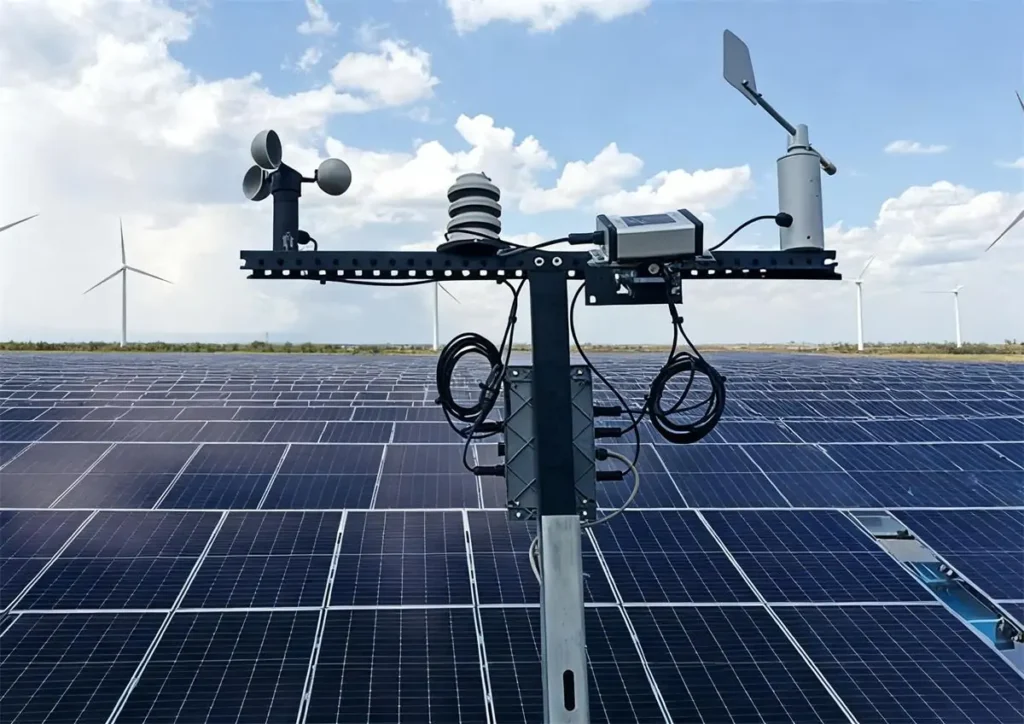
太阳能电站通常使用太阳辐照度、组件温度、环境温度、风速、风向、湿度和降雨量传感器的组合来进行光伏性能和环境监测。这些太阳能电站传感器清单提供了评估太阳能资源条件、运行条件及可能影响发电量的因素所需的数据。根据现场和光伏系统情况,还可增加积灰传感器、反照率传感器及其他专用传感器。.
并非每个太阳能电站都有单一的传感器配置。电站规模、光伏组件配置、固定倾角或跟踪支架结构、当地气候、监测目标及所需测量精度都会影响合适的传感器组合。以下章节涵盖了光伏电站中使用的主要太阳能传感器,并说明了每种类型的典型适用场景。.
太阳能电站传感器清单一览
并非每个光伏电站都需要所有传感器。正确的组合取决于电站设计、监测目标、组件配置和当地环境条件。.
| 传感器类型 | 主要测量参数 | 典型用途 |
| 辐照度传感器 / 总辐射表 | 太阳辐照度 | POA / GHI与光伏性能监测 |
| 模块温度传感器 | 组件温度 | 光伏运行条件分析 |
| 环境温度传感器 | 空气温度 | 现场气象监测 |
| 风速传感器 | 风速 | 气象与热条件监测 |
| 风向传感器 | 风向 | 现场风况监测 |
| 湿度传感器 | 相对湿度 | 湿度与环境监测 |
| 积灰传感器 | 组件积灰 | 清洗评估 |
| 雨量计 | 降水 | 气象与运维记录 |
| 紫外线传感器 | 紫外线辐射 | 专业环境监测 |
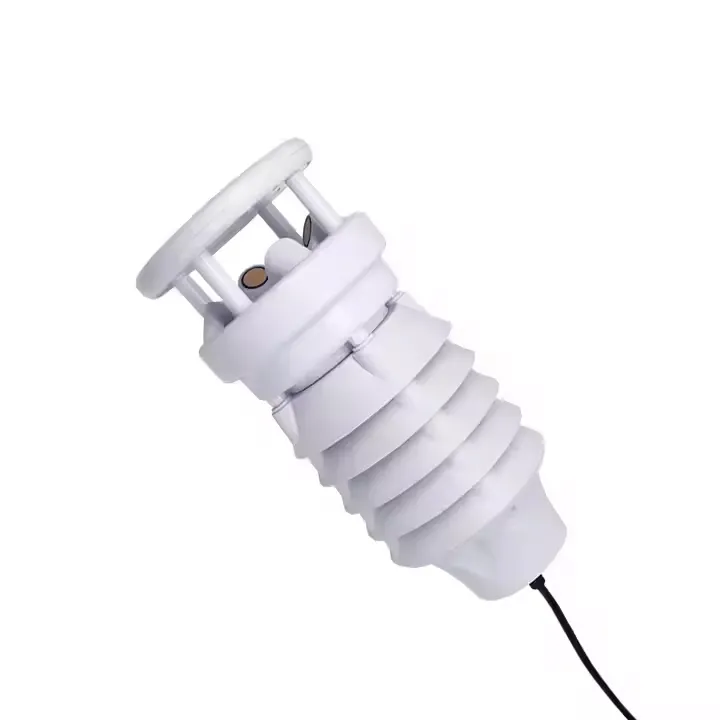
| 太阳能气象站 | 多参数 | 集中式光伏气象监测 |
太阳能光伏性能监测的核心传感器
光伏电站不能仅凭发电量来评估。辐照度显示了阵列可获得的太阳能资源量,而组件温度和气象测量则提供了解读该发电量所需的运行条件。这些测量共同帮助工程师区分由太阳能资源和天气引起的变化与光伏系统性能的潜在变化。.
实际传感器配置取决于电站规模、组件和安装设计、跟踪系统、当地气候及监测要求。以下章节涵盖了光伏性能监测中最常用的测量参数,包括辐照度、组件温度、环境温度、风速、风向和相对湿度。当现场或监测目标需要时,可增加积灰、降雨量、反照率、背面辐照度及其他测量。.
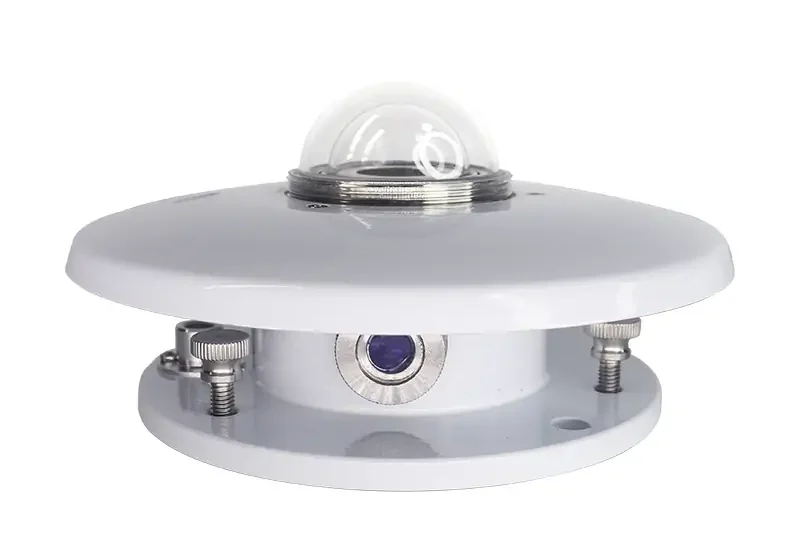
太阳辐照度传感器 — TBQ-2C总辐射表
太阳辐照度是光伏性能分析的基本参考,因为它代表了阵列可获得的太阳能。当发电量发生变化时,辐照度数据有助于判断该变化是与太阳能条件有关还是与光伏系统本身有关。.
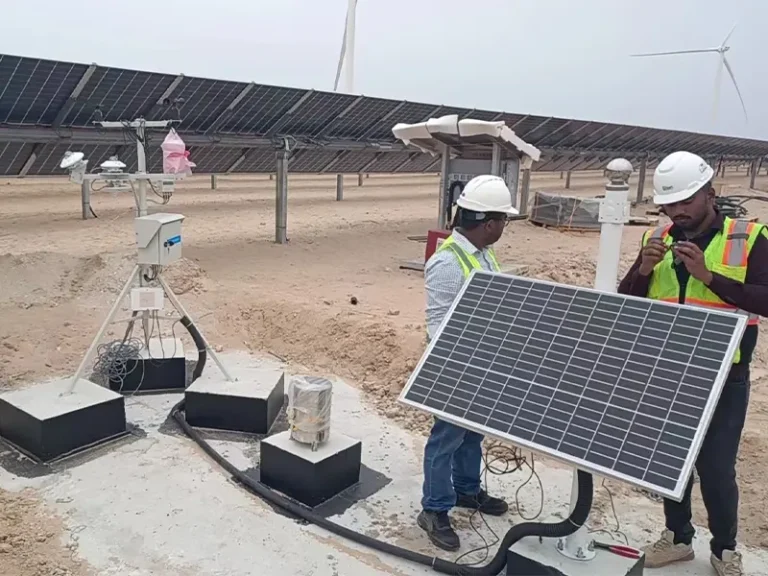
对于光伏电站传感器清单而言,测量平面也很重要。安装在与组件同一平面的总辐射表可以测量阵列平面(POA)辐照度,为光伏阵列接收的辐射提供直接参考。.
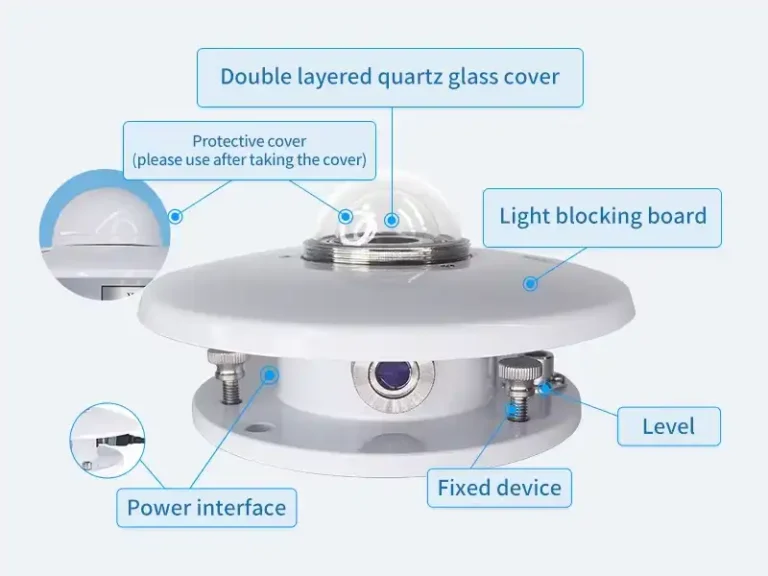
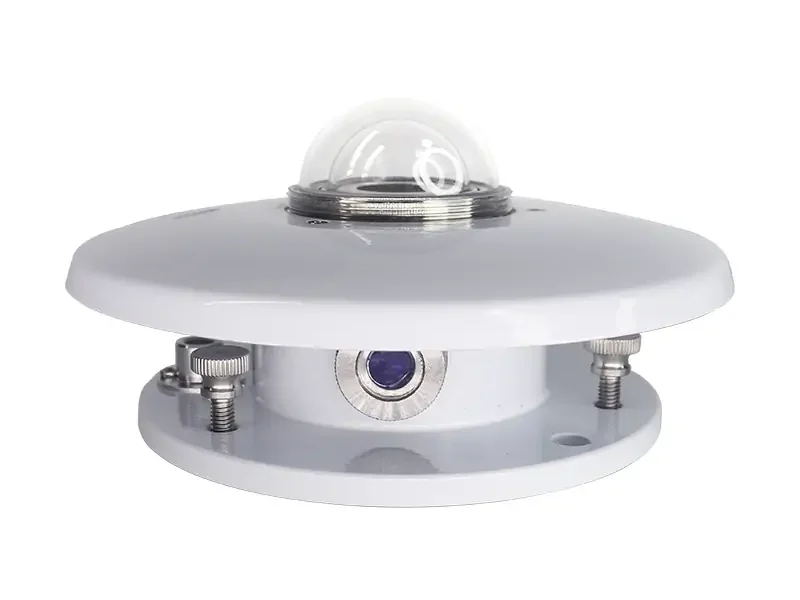
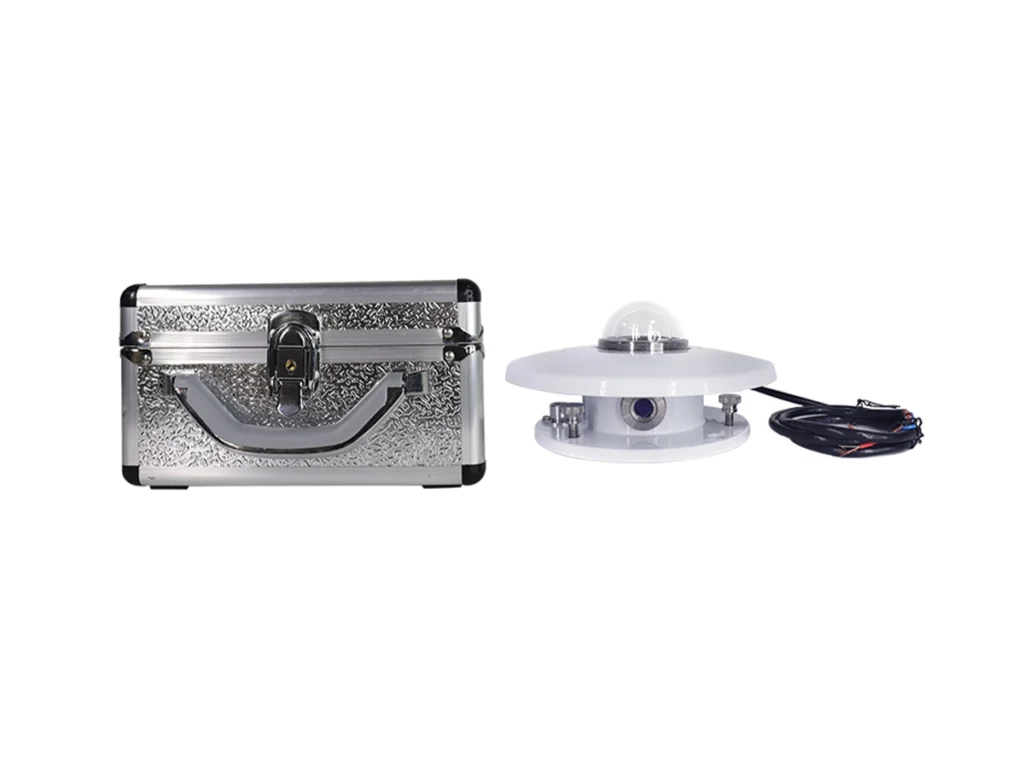
烟台传感器TBQ-2C总辐射表
TBQ-2C 是一款一级热电堆总辐射表,用于0.3–3.2 μm范围内的总太阳辐射测量。其响应时间<35秒,年稳定性≤±2%,适用于太阳能资源和光伏性能监测。提供RS485用于数字数据集成。.
辐照度数据有助于确定什么?
辐照度数据主要用于:
- 将可用太阳能资源与实际光伏发电量进行比较
- 支持性能比(PR)和性能分析
- 判断发电量变化是否与太阳能条件相关
- 比较不同时段或电站区域的运行条件
安装也会影响测量质量。对于POA监测,总辐射表应与光伏阵列正确对齐,并远离建筑物、立柱、跟踪器或其他设备造成的阴影。.
总辐射表与参考电池对比
热电堆总辐射表测量宽带太阳辐射,而硅参考电池的光谱响应更接近光伏器件。对于一般太阳能资源和环境监测,TBQ-2C等总辐射表是实用选择;当测量需要更贴近光伏组件响应时,参考电池更为合适。.
组件温度传感器 — RYQ-3
太阳组件在强烈阳光下运行时温度可能显著高于环境气温。由于组件温度影响光伏电气性能,仅凭环境温度无法代表组件的实际热状态。专用的组件温度测量可提供更准确的光伏性能分析所需的运行温度数据。.
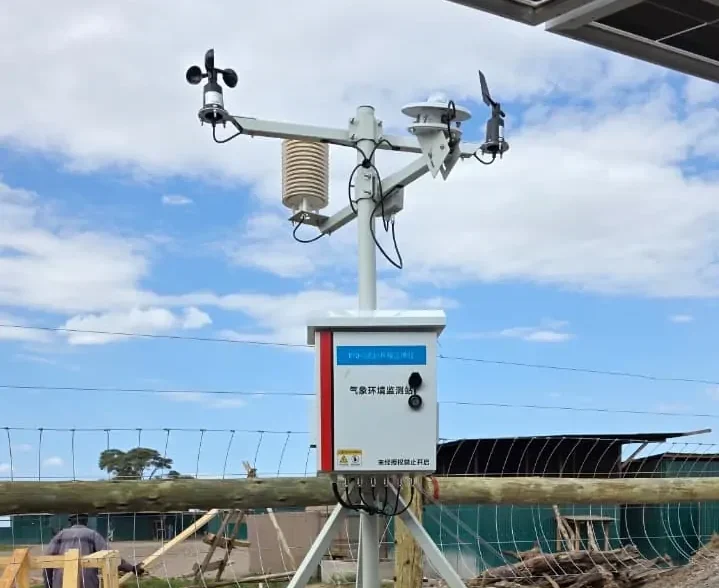
烟台传感器RYQ-3
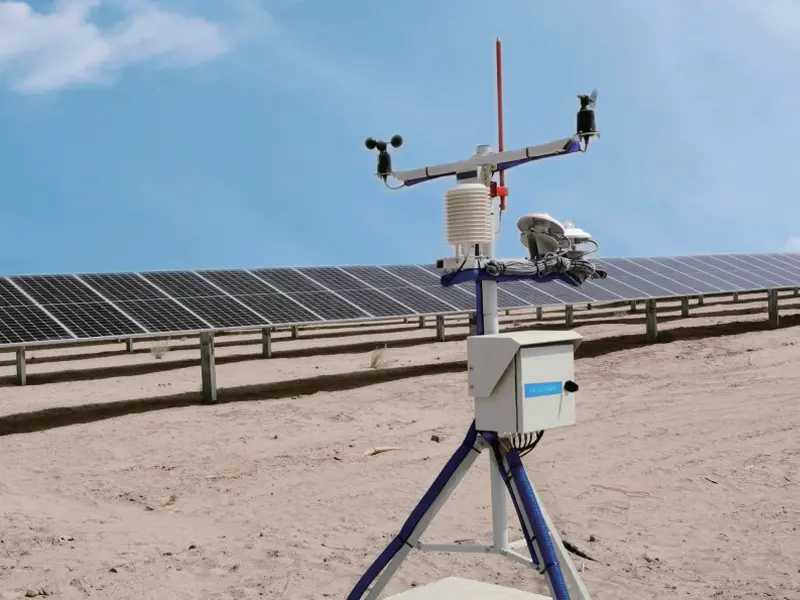
RYQ-3太阳能光伏环境监测站 集成了组件温度传感器与太阳辐射、风速、风向及室外温湿度测量。其组件温度测量范围为-40°C至120°C,精度≤±0.3°C,分辨率为0.01°C。该站点采用RS485通信,专为光伏环境监测设计。(Yantai Sensor
为什么组件温度有用?
组件温度在与辐照度和功率输出一起评估时最为有用。当组件工作温度不同时,两个太阳辐照度相似的时段可能产生不同的光伏输出。将这些参数一起记录有助于工程师解读与温度相关的性能变化,并更准确地评估长期运行条件。.
实际安装注意事项
温度传感器通常附着在具有代表性的光伏组件背面,并保持良好的热接触。所选位置应避免异常遮挡、通风或局部热源,以使读数代表正常的组件运行状态。该测量反映的是所选点的温度,不应视为电池级热斑检测;局部热斑诊断需要专用检测设备。.
环境温度传感器 — XF103
环境温度描述的是光伏阵列周围的空气条件,而非组件本身的温度。它是一项基础气象测量,用于记录现场条件并为其他光伏监测数据提供环境背景。与组件温度不同,它应代表周围空气,而不受光伏表面或附近设备热量的直接影响。.
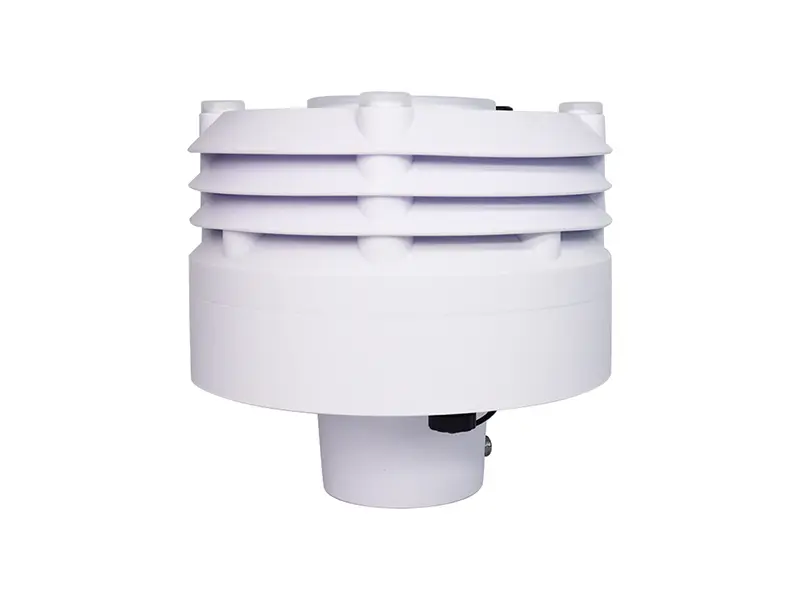
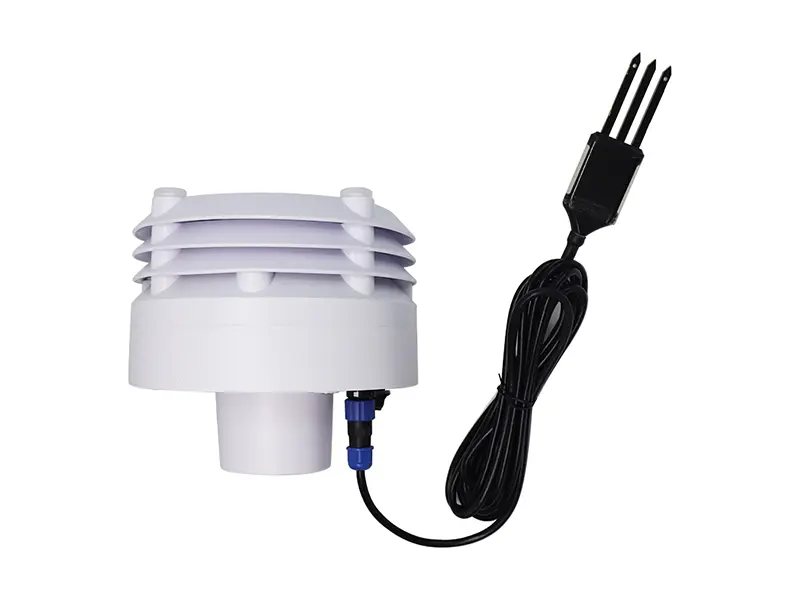
烟台传感器 XF103
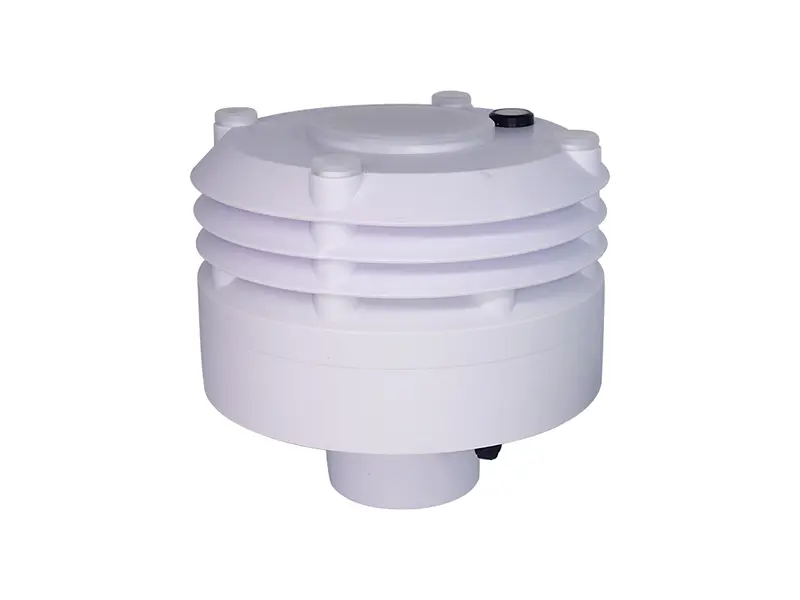
XF103 温湿度气压传感器 将环境温度、相对湿度和大气压力集成于一体化的户外单元中。它测量 -40 至 85°C 的环境温度,在 25°C 时典型精度为 ≤±0.3°C,同时覆盖 0–100%RH 和 500–1100 hPa 大气压力。其三层防辐射罩有助于减少太阳直接辐射的影响,RS485 Modbus RTU 通信支持与数据采集和监测系统集成。(烟台传感器
环境温度用于何处?
环境温度主要作为光伏电站气象数据的一部分被记录。它有助于记录日常和季节性天气条件,并可与湿度、风速、降雨量和大气压力一起评估,以描述运行环境。当传感器集成到太阳能气象站或更广泛的环境监测系统中时,环境温度尤为有用。.
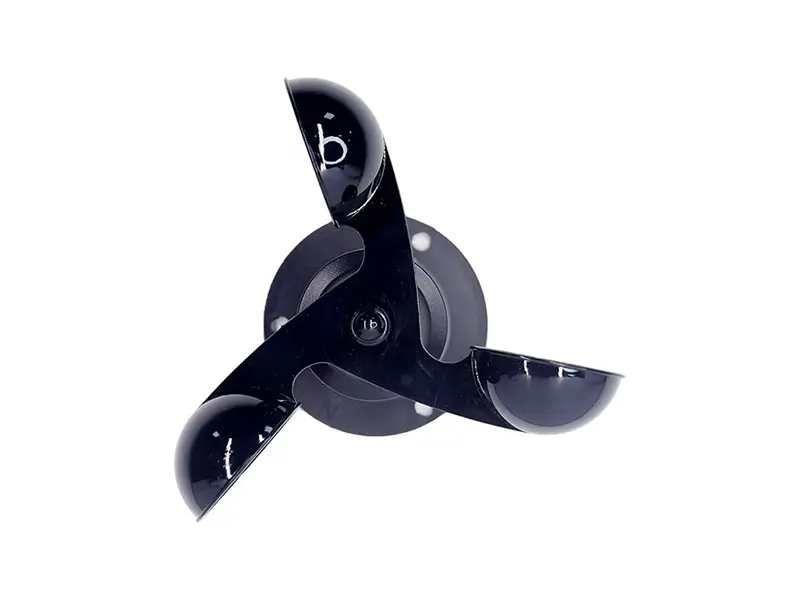
风速传感器 — RY-FX01-X
风速是了解光伏阵列周围条件的有用环境参数。空气流动影响组件表面的热交换,而变化的风况也可为跟踪系统运行、现场天气监测和户外设备管理提供有用信息。它应被视为辅助环境数据,而非光伏性能的独立指标。.
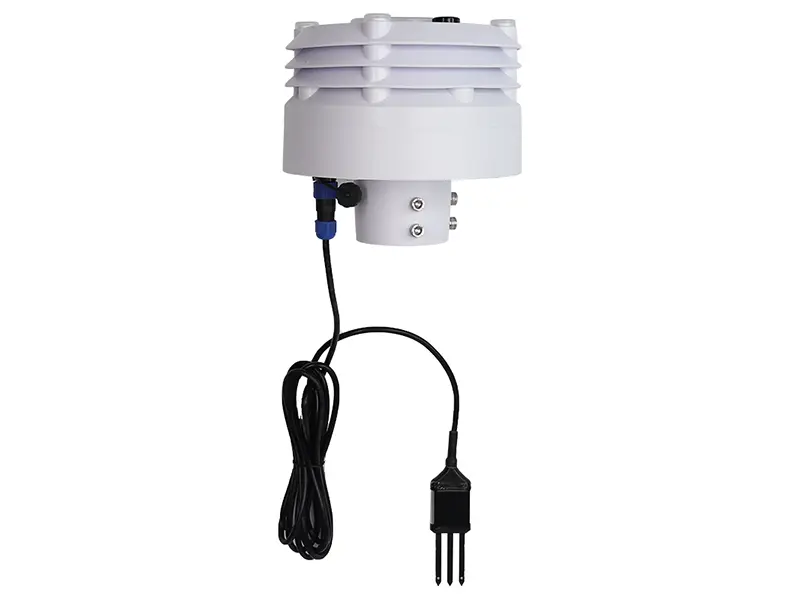
烟台传感器 RY-FX01-X
RY-FX01-X 户外风速传感器 采用传统的三杯结构,通过风杯的转速来测量风速。烟台太阳能传感器列出的配置中,风速范围可达 0–60 m/s,启动风速 ≤0.3 m/s,并提供 RS485、4–20 mA、0–5 V、0–10 V 和脉冲输出等选项。该传感器专为户外气象和环境监测设计,可集成到光伏监测系统中。.
风速数据应如何解读?
当风速与辐照度、组件温度、环境温度和风向一起评估时,其价值更大。例如,相似的辐照条件下,不同的风速可能产生不同的组件温度,因为对流热交换随气流变化。对于跟踪式光伏电站,风数据也可纳入更广泛的环境监测系统,但跟踪器保护和收停阈值应始终遵循跟踪器制造商的策略,而非通用的风速值。.
风向传感器 — RY-FX02-X-485
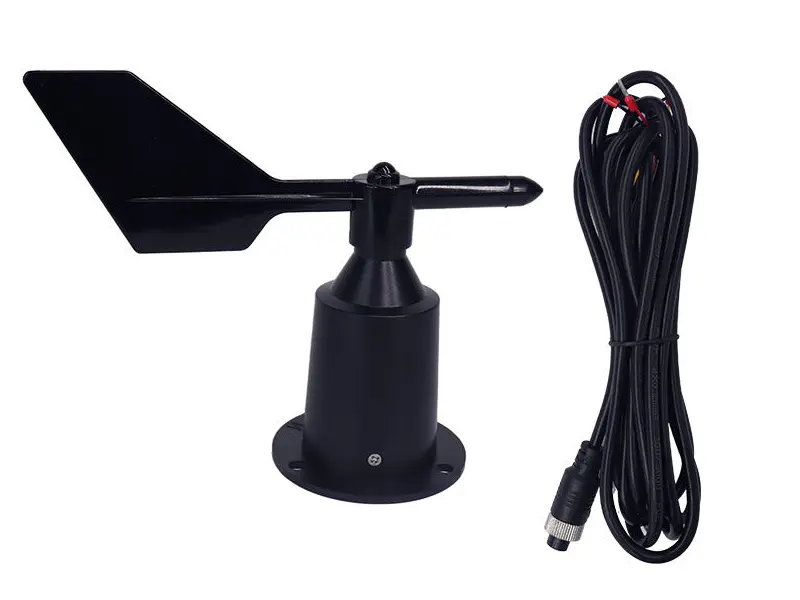
风速描述气流的强度,而风向标识其来源。在光伏电站中,这一额外维度有助于将风况置于地理背景中。气流的影响会因其相对于光伏行、跟踪器结构、地形和附近障碍物的方向而变化,因此仅凭风速无法提供现场风况的完整图景。.
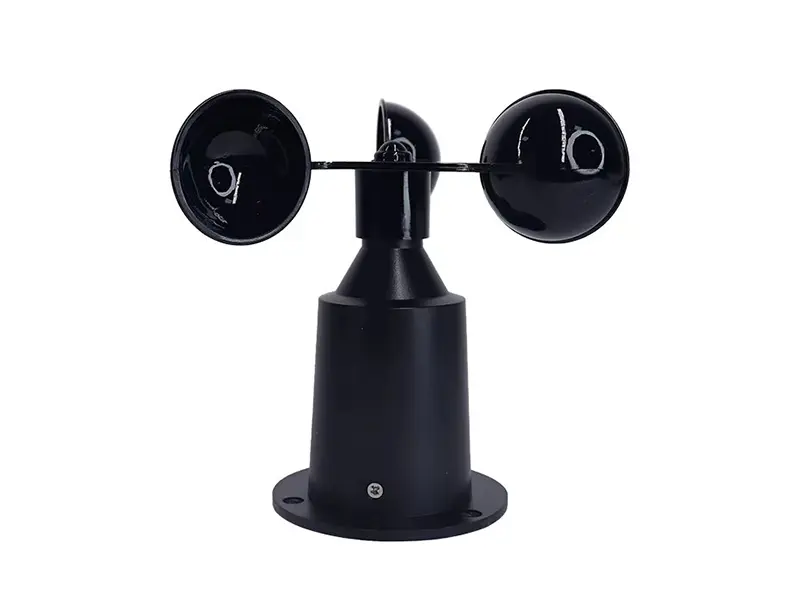
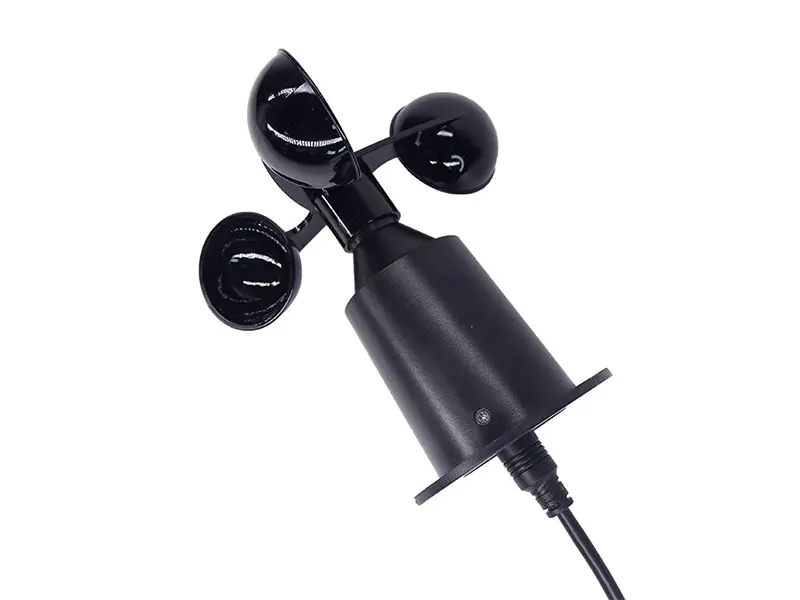
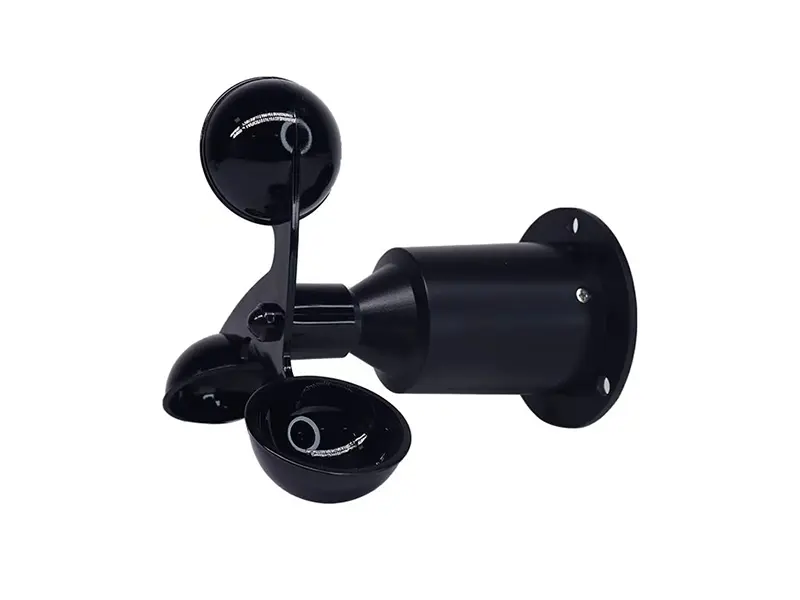
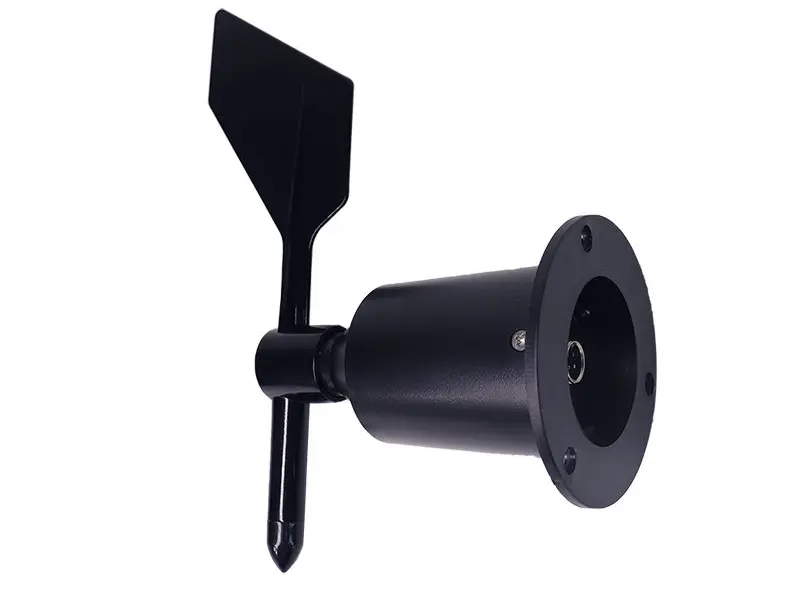
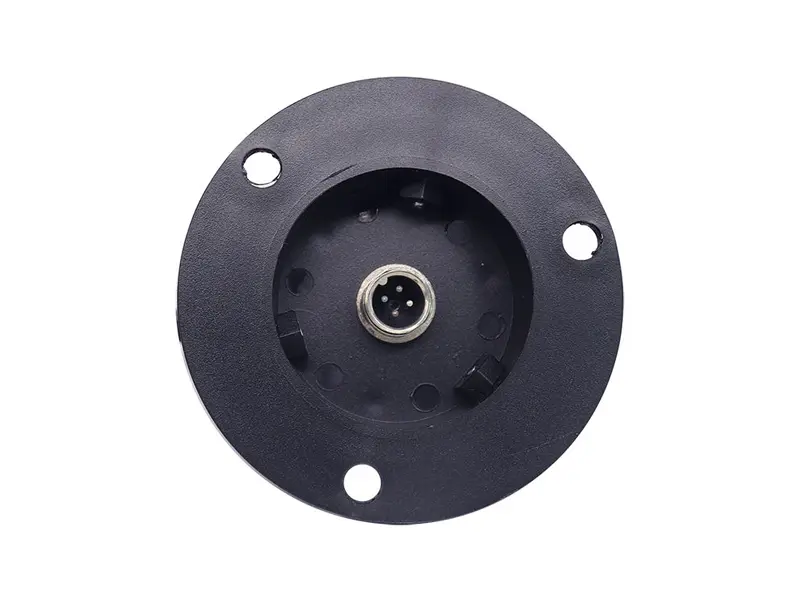
烟台传感器 RY-FX02-X-485
RY-FX02-X-485 风向传感器 专为户外风向监测设计,测量范围为 0–360°,采用 RS485 通信。它使用风向标跟踪气流方向的变化,并将风向标位置转换为电信号,供数据采集和监测系统使用。.
风向在光伏监测中如何使用?
风向数据主要用于识别现场的主导风向模式和气流条件变化。当与风速、环境温度、组件温度和其他天气测量结合时,它可提供当地运行环境的更完整图景。对于较大的光伏电站和跟踪系统,历史风向数据还可帮助工程师将天气事件与设备运行和现场条件的变化相关联。.
与其将风向视为独立的性能指标,不如将其作为补充风速测量的背景气象数据,这样更为有用。在为项目构建太阳能气象站或选择所需的光伏监测太阳能传感器清单时,这一区分非常重要。.
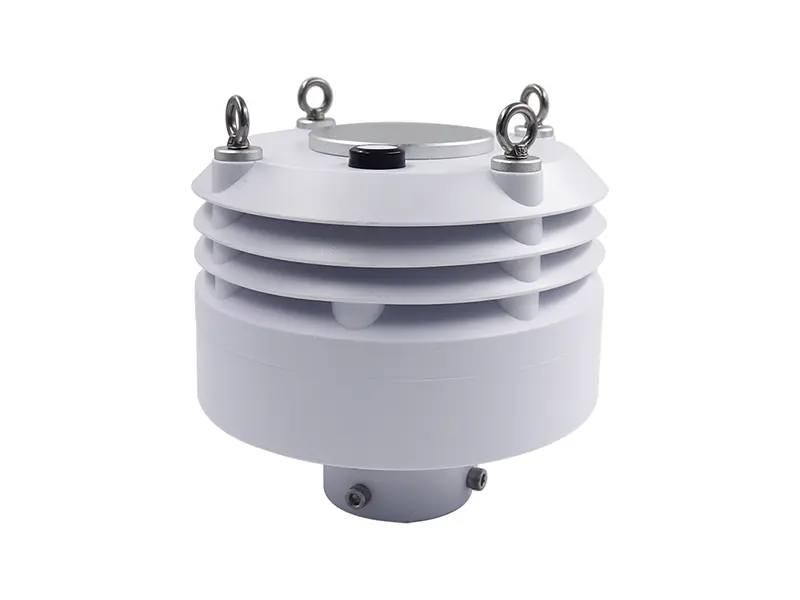
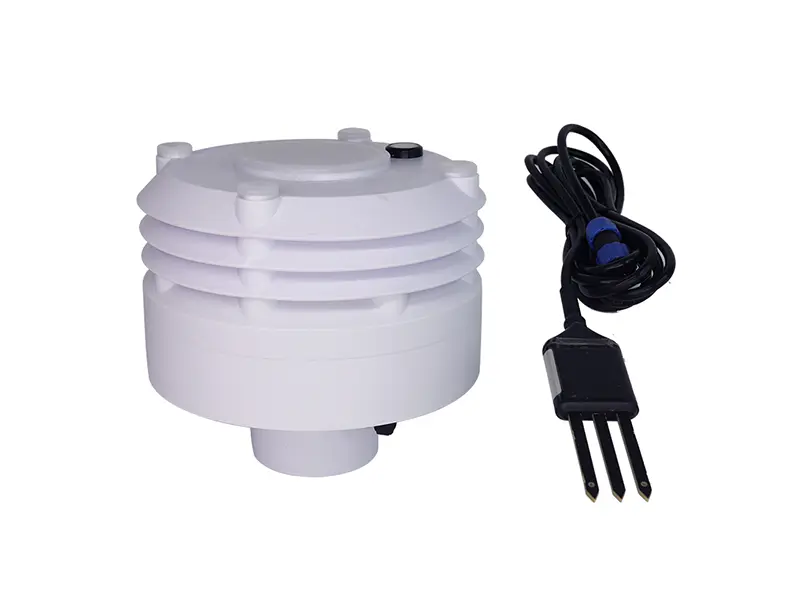
相对湿度传感器 — XF103
相对湿度描述空气中水分相对于给定温度下饱和水平的含量。它并非每个光伏电站太阳能传感器清单中的优先测量项,但在沿海、热带、多雨或高湿度环境中更为相关,因为湿气可能是现场运行条件的重要组成部分。.
烟台传感器 XF103
XF103 温湿度气压传感器 在单一户外单元中提供相对湿度测量以及环境温度和大气压力。它覆盖 0–100%RH,在规定的 10–80%RH 范围内,25°C 时典型精度为 ≤±3%RH,并支持 RS485 Modbus RTU 通信。其防辐射户外结构专为气象和环境监测设计。.
湿度监测何时有用?
当湿度数据与环境温度和其他天气测量一起评估时,其信息量更大。例如,高相对湿度与气温下降的组合可表明条件日益趋向潮湿,而长期湿度记录有助于表征光伏电站的环境暴露情况。这使得湿度对于潮湿沿海地区、热带气候和降雨频繁地区的电站尤为有用。.
因此,湿度应被视为一种取决于站点的环境测量参数,而非每个太阳能电站都必须配备的传感器。在天气监测系统已要求测量湿度的情况下,诸如XF103之类的集成传感器即可提供该测量,而无需额外增加一台仅测湿度的仪器。.
针对不同光伏电站条件的附加传感器
太阳能传感器清单中针对太阳能电站的附加传感器并非普遍必需。其选择取决于站点气候、组件技术、环境条件、电站规模及运维要求。当特定站点条件或监测目标需要比核心光伏传感器套件提供更多数据时,才会增加这些测量项目。.
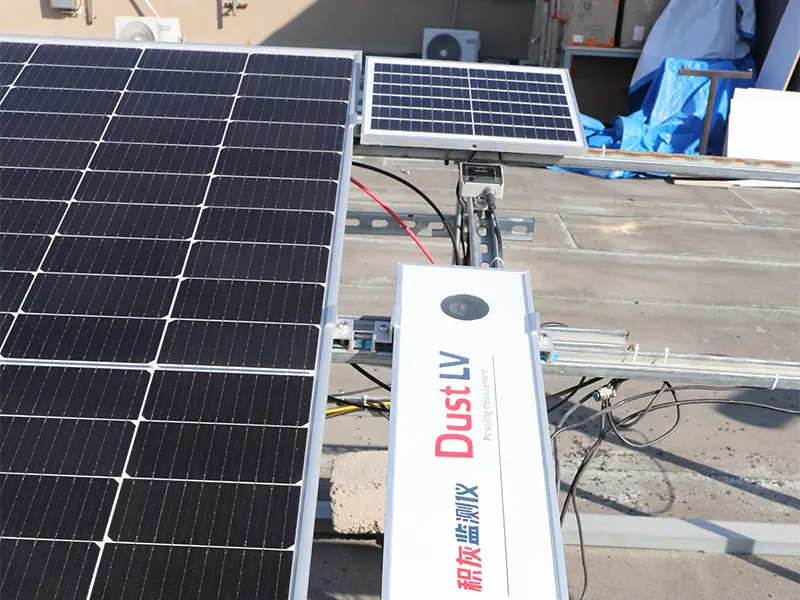
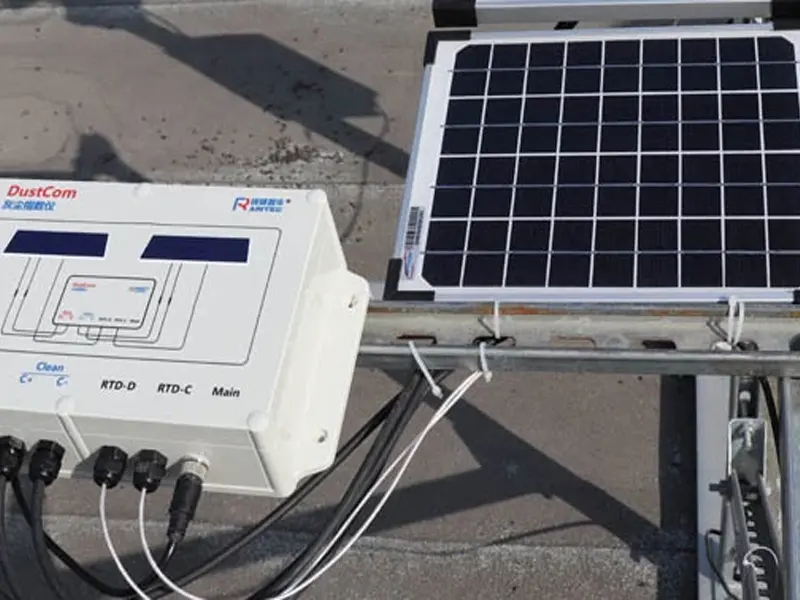
用于多尘太阳能电站的积灰传感器
积灰传感器监测光伏组件上的灰尘积累和污染,帮助运维人员估算积灰损失并确定何时清洗具有经济价值。它们在沙漠、戈壁、干燥和多尘环境中尤为有用,因为积累的灰尘会降低发电量并增加清洗需求。.
烟台传感器提供 DustLV光伏组件污染状态监测仪, ,该设备利用光学传感和短波蓝光测量来监测组件污染。. DustCom光伏灰尘指数监测系统 量化灰尘污染及其对光伏发电的影响,提供可支持清洗周期和清洗投资回报评估的数据。.
雨量计和降水传感器
雨量计 和降水传感器记录光伏站点的降雨情况,提供可与组件积灰和清洗活动相关联的数据。降雨强度和频率会影响组件表面去除的积灰量,因此降水数据在评估自然清洗效果时非常有用。.
降水记录还可支持天气监测、运维规划和运行评估,尤其在降雨频繁或季节性降雪的地区。因此,它们是依据当地气候和电站监测要求而选择的补充测量项目。.
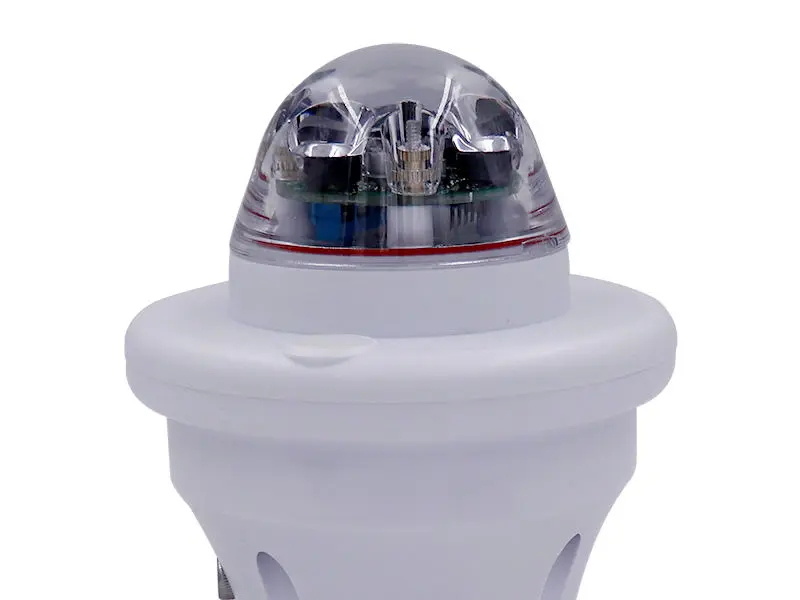
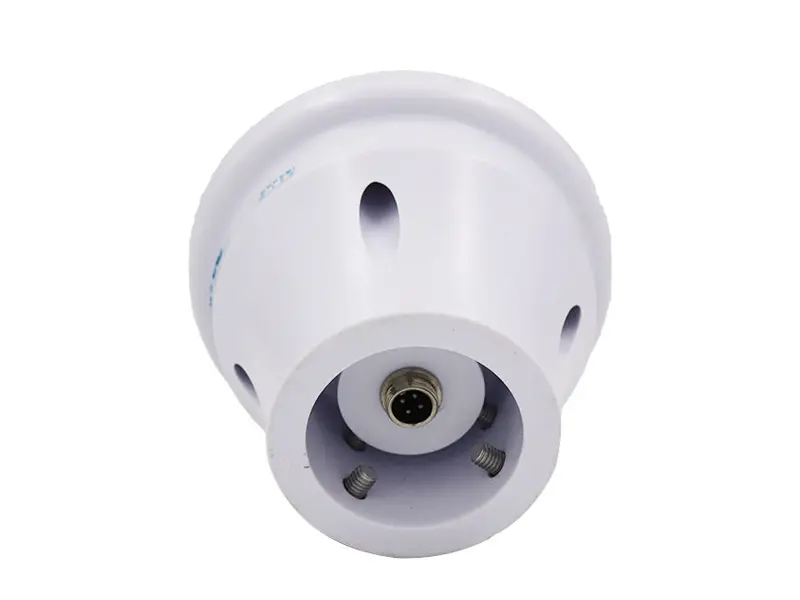
紫外辐射传感器 — RY-ZW
紫外辐射传感器测量太阳辐射中的紫外线部分,而传统总辐射表测量的太阳辐射光谱范围要宽得多。. RY-ZW紫外光辐射传感器 因此可为需要紫外线暴露或辐射表征的太阳能和环境监测系统提供额外的辐射数据。.
紫外线测量通常是辅助功能,而非核心光伏性能测量。它更适合需要环境暴露记录、辐射研究或额外站点数据的项目,而非常规光伏性能监测。.
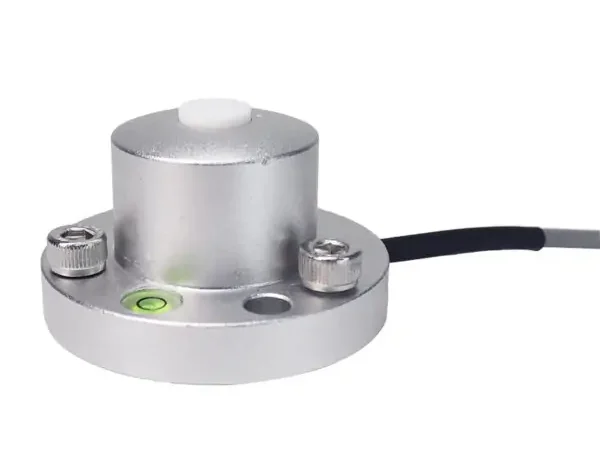
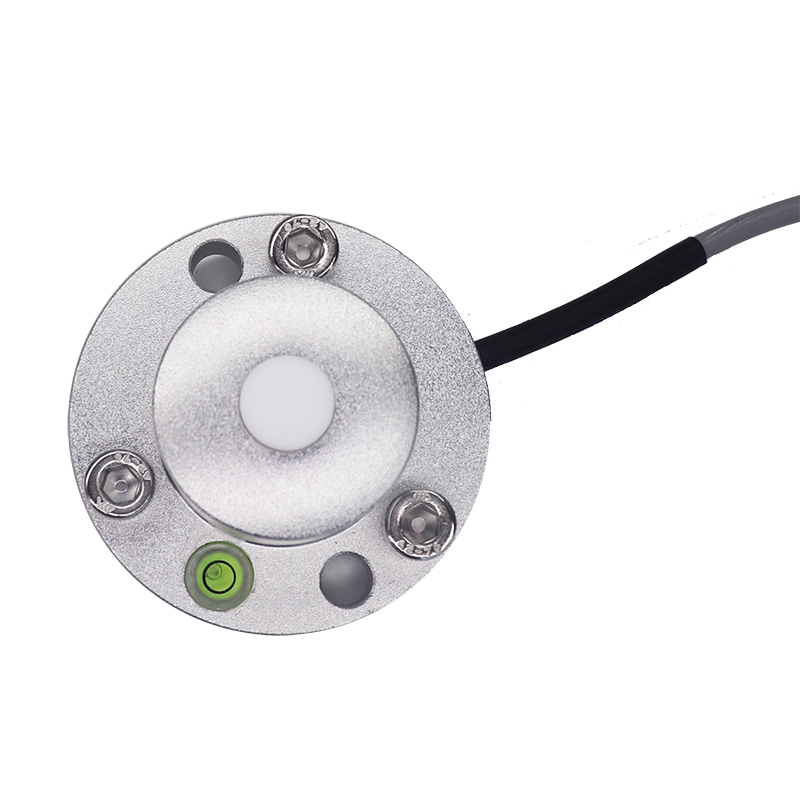
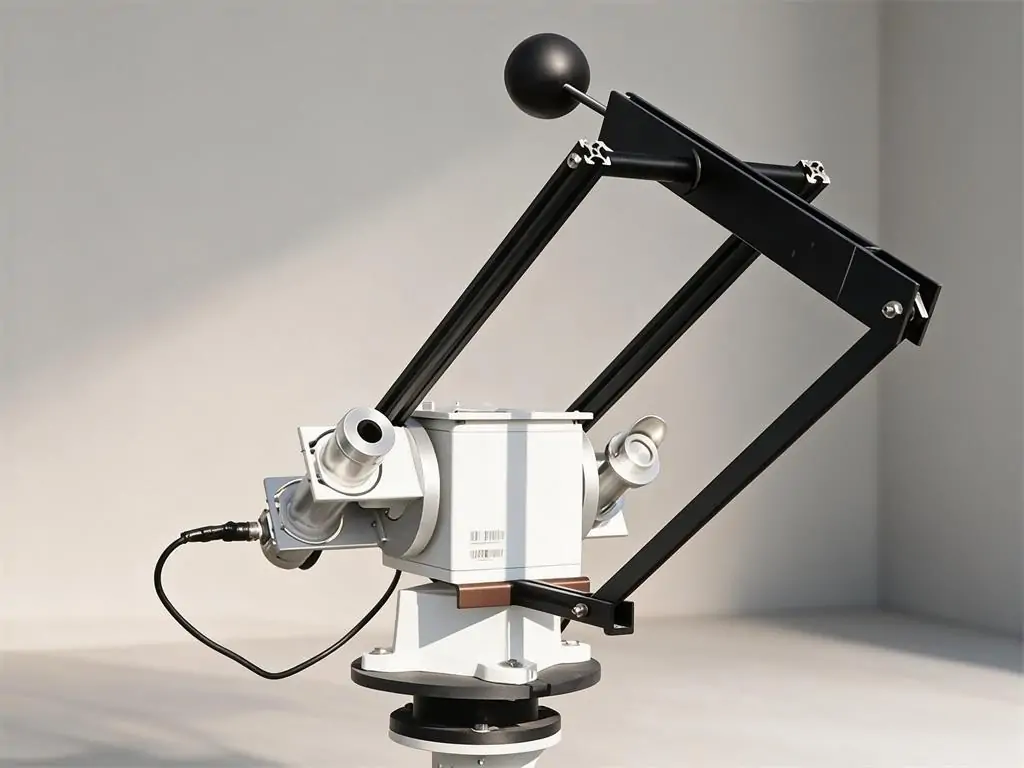
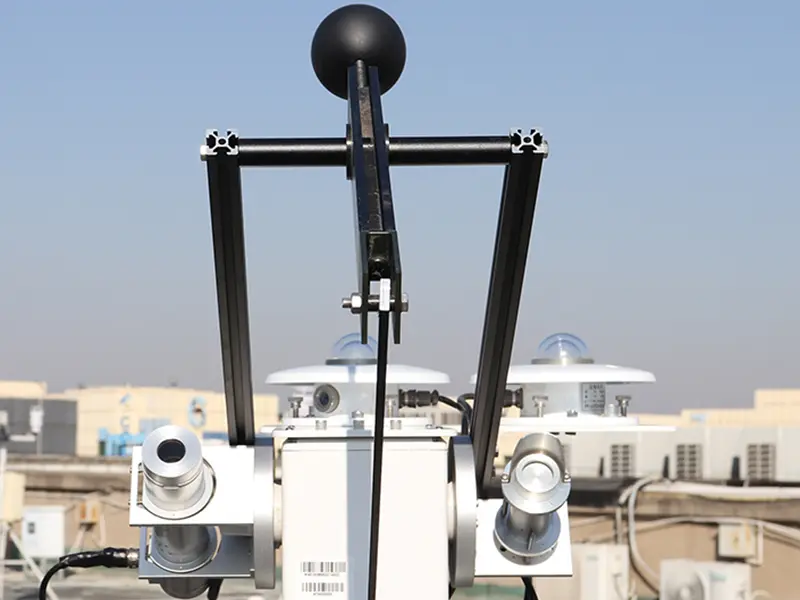
自动太阳辐射跟踪系统 — SAUT
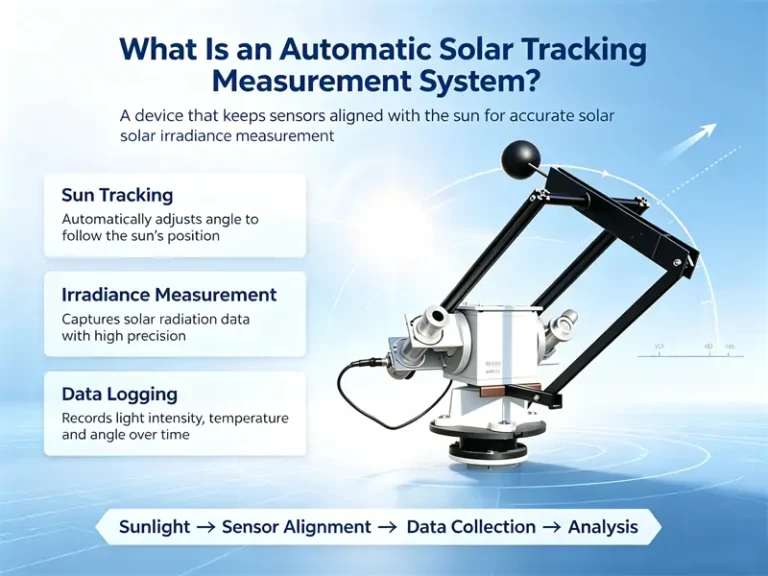
SAUT 是一种专用的太阳辐射测量系统,而非传统的独立传感器。它跟随太阳位置并连续获取太阳辐照度数据,适用于高精度太阳辐射测量、太阳能资源研究和专项监测研究等专业应用。.
与传统固定式总辐射表不同,SAUT并非每个商业光伏电站太阳能传感器清单的标准要求。当项目需要详细的太阳能资源数据、专业辐射测量或研究型监测时,可考虑采用。.
太阳能气象站:何时需要?
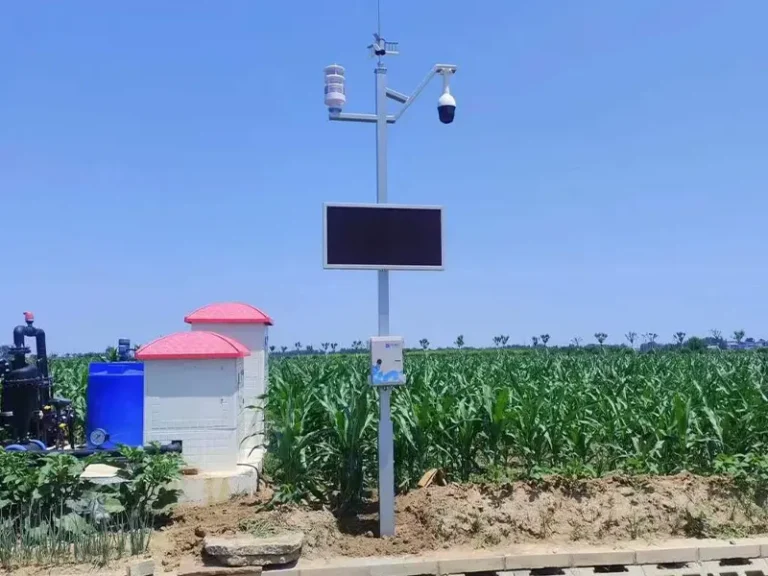
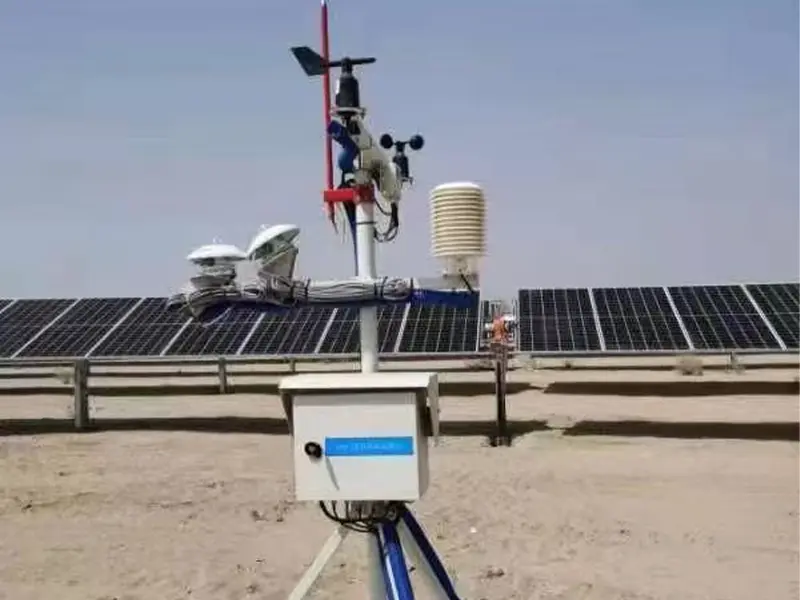
太阳能气象站将多项现场测量集成于一个系统中。它并非每个光伏电站都必需。选择通常取决于需监测的参数数量、现有SCADA架构、安装空间和电站规模。.
Individual Sensors for Specific Measurements
Individual sensors are practical for small PV projects solar sensors list, retrofit work, and single-parameter monitoring. They are also a common choice when an existing irradiance, temperature, wind, or other sensor needs replacement. The main advantage is that only the required measurement is added or replaced without changing the rest of the monitoring system.
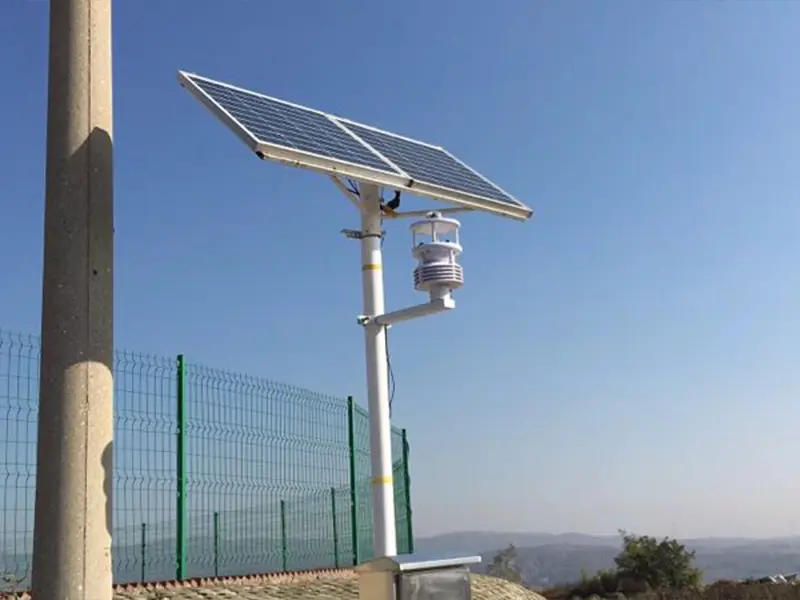
Compact Weather Stations for Space-Limited Projects
A compact weather station combines several measurements in one field unit, reducing the number of separate instruments and mounting points. It fits commercial PV, industrial PV, and distributed solar projects where installation space is limited or a simple data interface is preferred. Yantai Sensor offers the XF500S-CWB and XF100S-CWB for compact PV environmental monitoring.
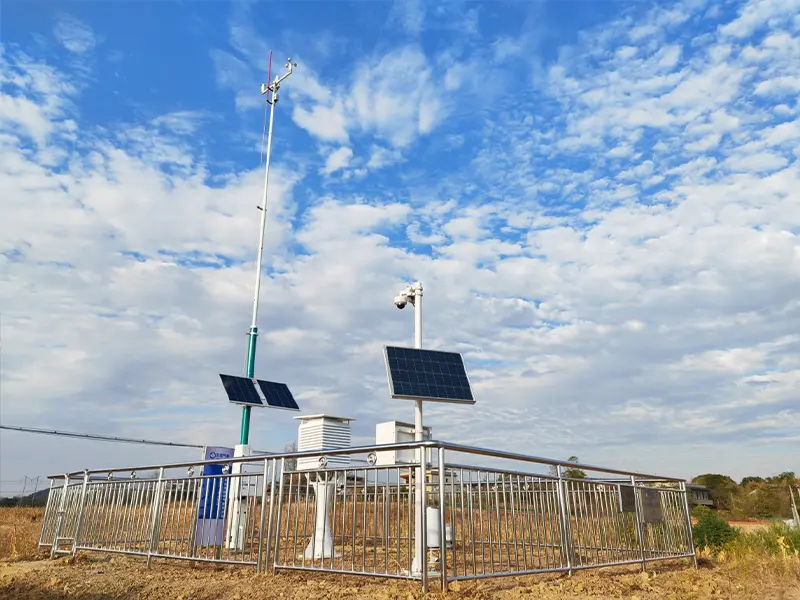
Multi-Sensor Stations for Utility-Scale PV Plants
Large PV plants usually collect more environmental data and connect multiple field devices to a central SCADA system. A multi-sensor station can combine solar radiation, temperature, humidity, wind, and module temperature measurements in one monitoring setup. Yantai Sensor’s RYQ-3 Solar Photovoltaic Environmental Monitoring Station, XF700S, and XF700SL are options for larger PV monitoring networks and performance analysis.
| Project condition | Typical choice |
| Small PV, retrofit, or one parameter | Individual sensor |
| Commercial, industrial, or space-limited PV | 紧凑型气象站 |
| Utility-scale PV or centralized SCADA | Multi-sensor monitoring station |
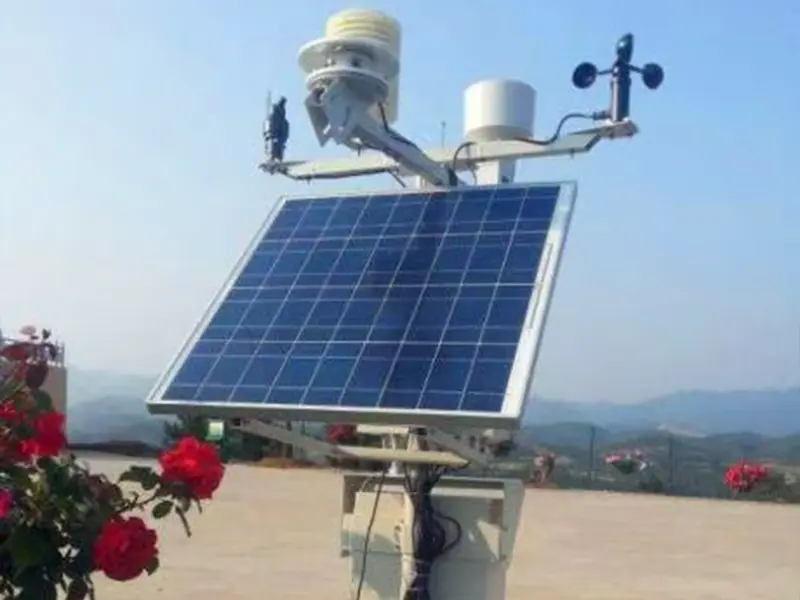
Solar Sensor Installation Guide
Solar sensor installation has a direct effect on measurement accuracy. Different instruments need different mounting conditions. For a PV plant in solar sensors list, pay attention to the measurement plane, exposure, mounting point, cable routing, and access for maintenance rather than using one installation method for every sensor.
Where Should Irradiance Sensors Be Installed?
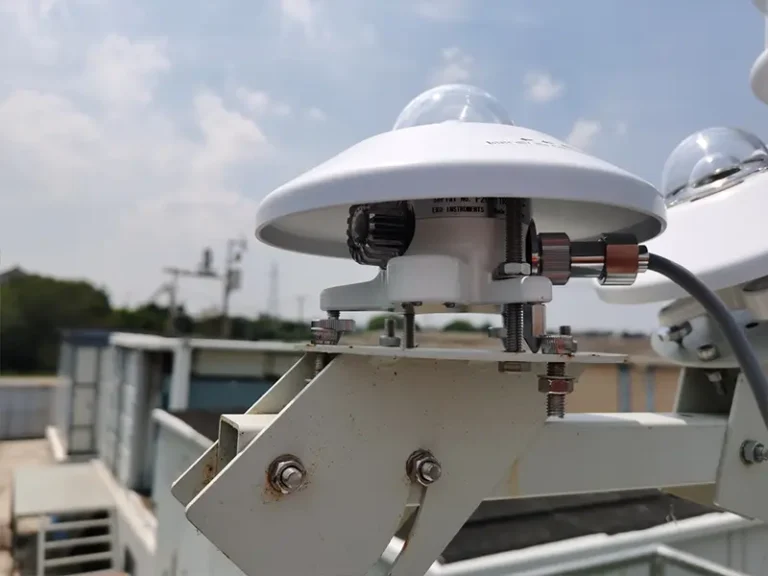
For POA irradiance, mount the solar irradiance sensor in the same plane as the PV modules, using the same tilt and azimuth. This keeps the reading representative of the radiation received by the array. If GHI is required, the pyranometer should be mounted horizontally. In both cases, keep the sensing surface free from shadows, reflections, and obstructions from structures or equipment.
Keep the dome or sensing surface clean during operation. Dust, bird droppings, condensation, and a small change in sensor angle can introduce measurement errors. Check the mounting position during routine maintenance and follow the manufacturer’s instructions for cleaning and calibration.
Where Should Module Temperature Sensors Be Installed?
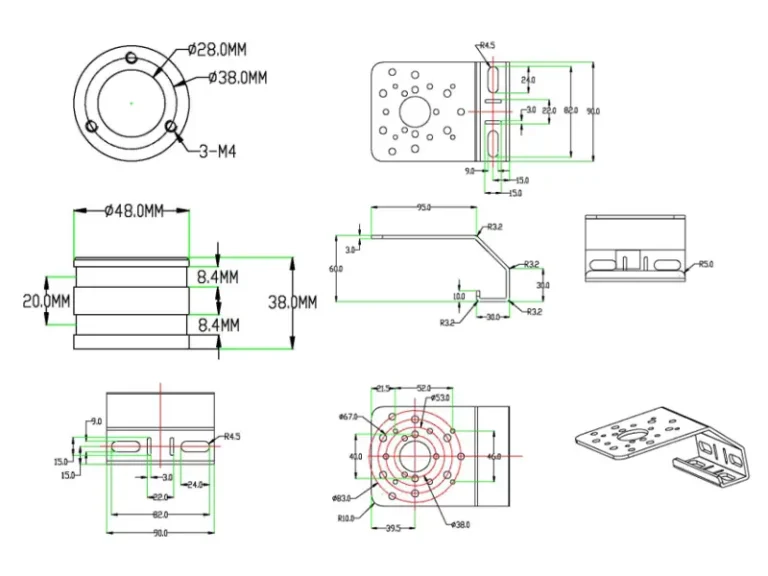
A module temperature sensor is usually fixed to the rear of a representative PV module with good thermal contact. A location near the center of the module is commonly selected, while areas around cell boundaries, frames, junction boxes, or other structural features should be avoided if they do not represent normal module temperature.
Secure the sensor and cable firmly so vibration, wind, or maintenance work cannot move the measurement point. Avoid locations affected by unusual airflow, shade, or nearby heat sources. The selected module should represent the typical operating condition of the monitored array.
Where Should Weather Sensors Be Installed?
Weather sensors for solar power plants solar sensors list need clear exposure to the environment being measured. Ambient temperature and humidity sensors should have free airflow and protection from direct solar radiation. Wind speed and wind direction sensors need an open position away from buildings, trees, PV structures, inverter exhaust, and other obstacles that can disturb airflow.
For a wind direction sensor, set the reference orientation according to the monitoring system, normally using True North. Mounting height and location should match the PV plant layout and monitoring purpose. In our experience, a sensor placed in a convenient location is not necessarily a representative sensor point. Before commissioning, check orientation, mechanical fixing, wiring, communication, and initial readings, then record the final installation position for future maintenance.
Solar Sensor Selection: What Should You Check Before Buying?
Choosing the right solar sensors for a PV plant solar sensors list starts with the measurements the project actually needs. Confirm whether the system requires POA, GHI, or DNI irradiance, module and ambient temperature, wind speed and direction, humidity, or other site data. Then check the required measurement range, accuracy, resolution, measurement class, calibration method, and long-term stability. The specification should cover the site’s expected conditions rather than simply using the highest available accuracy or widest range.
The installation environment and data interface are equally important. Check exposure to dust, humidity, salt spray, strong wind, rain, and snow, along with enclosure protection and mounting requirements. For system integration, confirm the power supply and communication method, such as RS485, Modbus RTU, 4–20 mA, 0–5 V, 0–10 V, LoRa, NB-IoT, or Ethernet. Before purchase, we recommend matching these details with the plant’s SCADA or data acquisition system and confirming the required cables, mounting accessories, calibration documents, and warranty. This avoids selecting a technically suitable sensor that cannot be integrated easily in the field.
结论
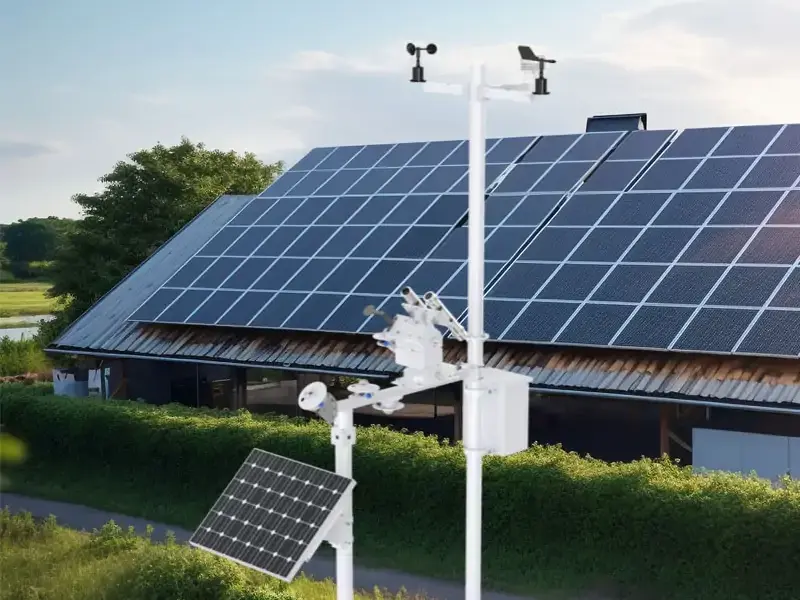
A solar power plant does not need every available sensor. The right solar sensor package depends on what the plant needs to measure, the monitoring standard, module configuration, local climate, plant size, and O&M requirements. Irradiance and temperature measurements form the basic monitoring layer, while wind, humidity, rainfall, and soiling sensors can be added when site conditions or project requirements call for them. Installation position, measurement accuracy, communication interface, and system compatibility should also be considered before procurement.
A practical solar sensors list should lead to a suitable configuration, not simply a longer solar sensors list of devices. Yantai Sensor can support PV projects with individual irradiance, temperature, wind, humidity, soiling, and other environmental sensors, as well as integrated solar weather stations and communication options for SCADA or third-party platforms. Need help selecting sensors for a PV project? Send us your plant capacity, location, required monitoring parameters, and communication requirements. Our team can review the project conditions and recommend a suitable sensor configuration for your application. 联系我们 to discuss your PV monitoring requirements.