导言
In photovoltaic (PV) projects, radiation sensors are used to track solar irradiance, the most direct factor affecting how much power a system can generate. As projects move toward more precise performance management, having stable and accurate irradiance data becomes essential. In real projects, even a small measurement gap can affect yield estimates, PR calculations, and overall system evaluation.
This guide focuses on how radiation sensors are used in PV systems, including common options like pyranometer and reference cells. It covers their basic working principles and where they fit into daily monitoring and performance analysis, helping you choose a practical solution for your project.

What is a Radiation Sensor?
Radiation refers to the emission and transfer of energy in the form of electromagnetic waves or particles through space or a medium. It includes a wide range of energy types such as solar radiation, infrared radiation, ultraviolet radiation, and particle radiation.
In solar energy and photovoltaic (PV) systems, radiation (solar radiation) is the key environmental factor that determines power generation potential. It is typically measured in watts per square meter (W/m²) and represents the amount of solar energy reaching the Earth’s surface. Accurate radiation measurement is essential for PV system design, performance monitoring, and energy yield prediction.
How Radiation Sensors Work?
Radiation sensors work by converting incoming radiation energy—such as solar radiation, ultraviolet, or thermal radiation—into a measurable electrical signal. In photovoltaic (PV) applications, most radiation sensors detect solar irradiance and transform it into voltage or current outputs that are proportional to the intensity of sunlight, typically measured in W/m².
Different sensor types use different sensing principles, such as thermopile effects, photodetectors, or photovoltaic cells, but the core idea is the same: capture radiation energy and convert it into an accurate electrical signal for monitoring and analysis. This allows users to evaluate solar conditions in real time and optimize system performance based on reliable radiation data.
Types of Radiation Sensors
In solar and environmental monitoring, choosing the right radiation sensor depends on what you need to measure—total irradiance, thermal response, UV intensity, or long-term site monitoring. At Yantai Sensor, we usually recommend matching the sensor type to your project’s measurement target, installation conditions, and required data accuracy.
1. Solar Radiation Sensor
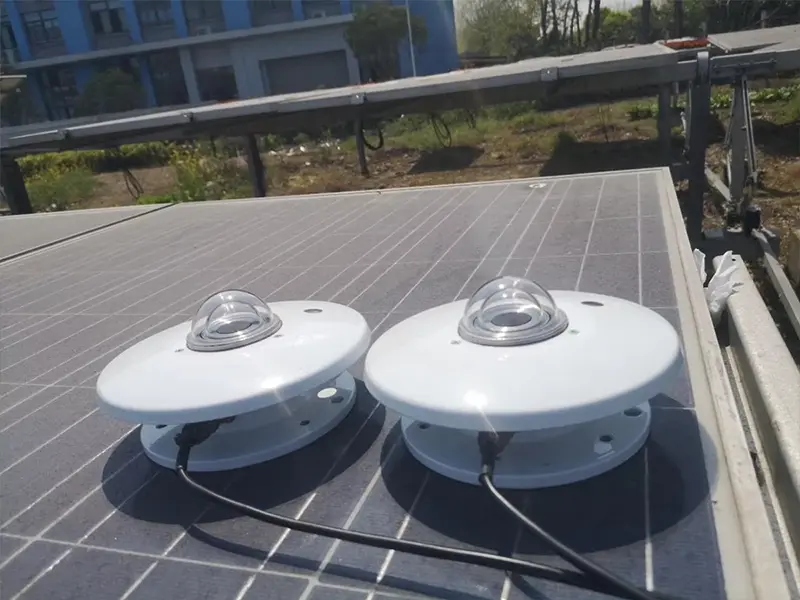
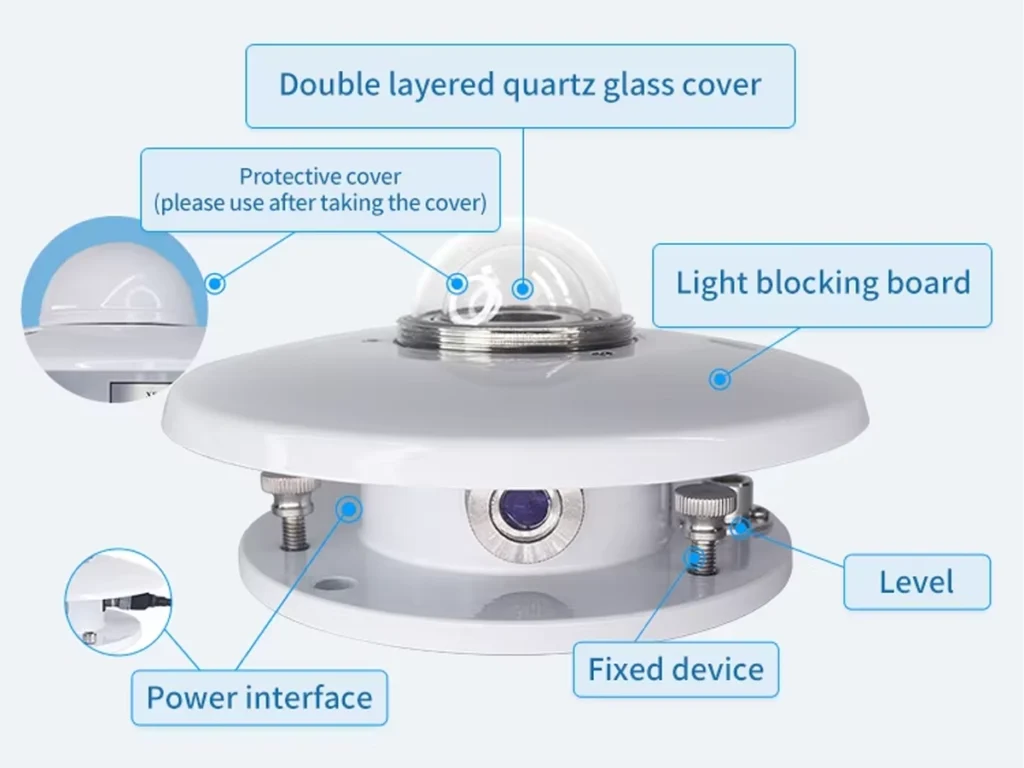
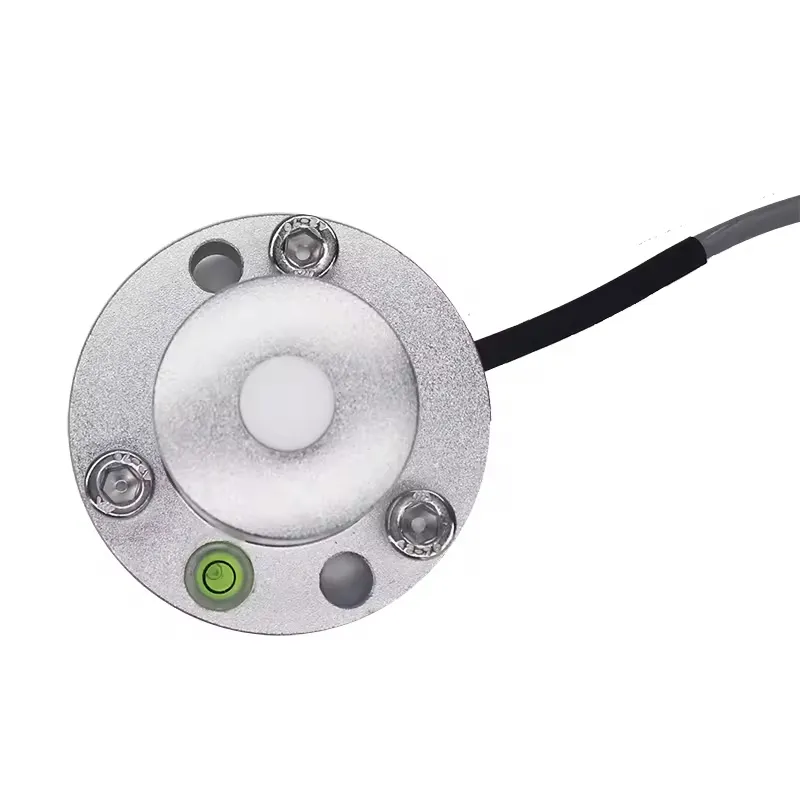
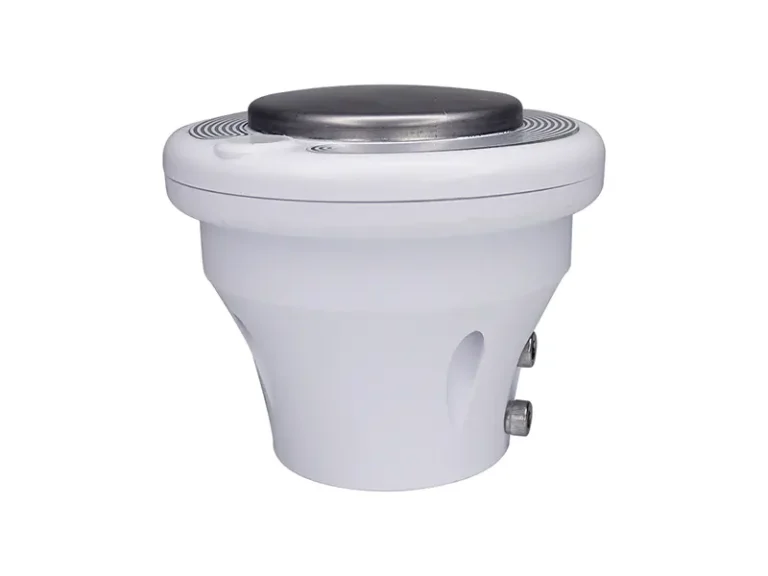
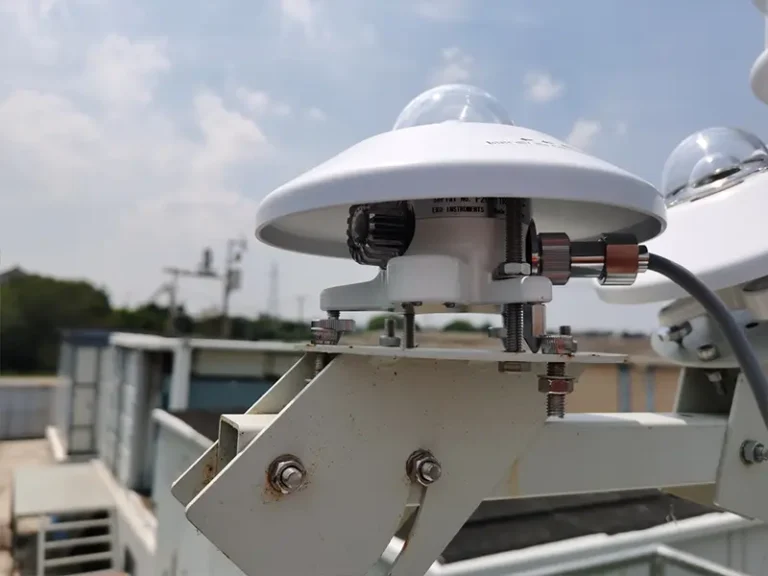
A solar radiation sensor is mainly used to measure total solar irradiance within the spectral range of 0.3–3 μm. If you install the sensing surface facing upward, you can measure global solar radiation. When mounted downward, it can capture reflected radiation, and with a shading ring, it can also measure diffuse radiation. This is one of the most common options for PV system monitoring.
Basic Parameters:
- Spectral Range: 300–3000 nm
- Measurement Range: 0–2000 W/m²
- Output Signal: RS485, analog voltage, or current
- Typical Accuracy: ±2% to ±5%
2. Thermal Radiation Sensor
A thermal radiation sensor uses a thermopile sensing element to convert temperature differences into electrical signals. When sunlight heats the coated sensing surface, it creates a temperature gradient that generates voltage proportional to radiation intensity. If your project requires stable long-term monitoring, this type usually offers better consistency.
Basic Parameters:
- Sensing Principle: Thermopile differential measurement
- Response Time: <15 seconds
- Sensitivity: 5–20 μV/W/m²
- Operating Temperature: -40°C to +80°C
3. Ultraviolet Radiation Sensor
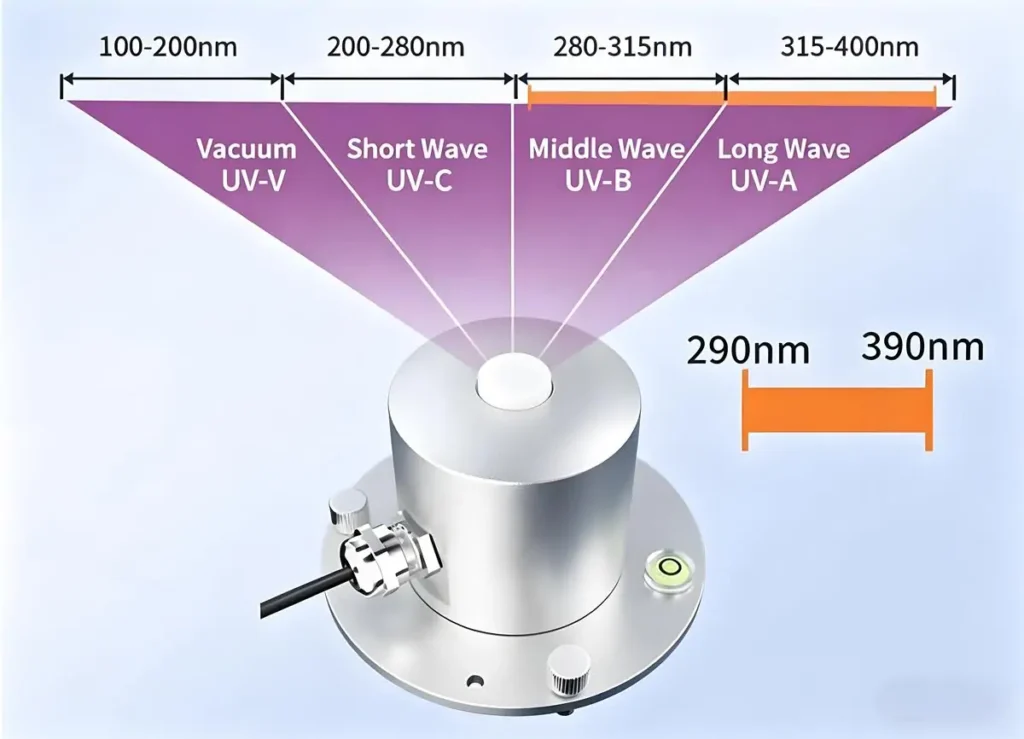
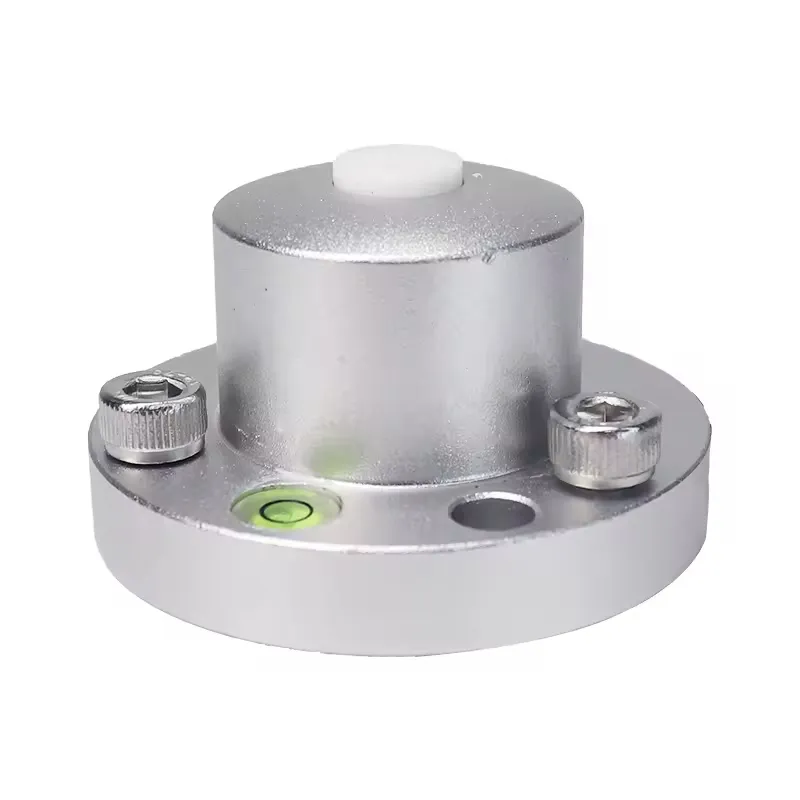
An ultraviolet radiation sensor detects UV-A and UV-B radiation using a photodetector. You would typically use this sensor when monitoring atmospheric UV levels, studying module aging, or evaluating material durability under long-term solar exposure.
Basic Parameters:
- Spectral Range: 280–400 nm
- Measurement Range: 0–100 W/m²
- Output Interface: Analog or digital
- Response Speed: Millisecond-level detection
4. Radiation Monitoring Sensor
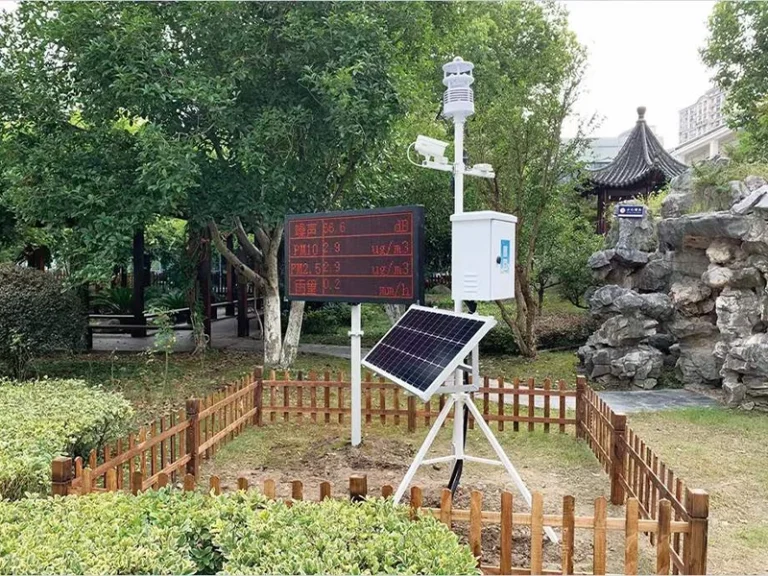
A radiation monitoring sensor is designed for continuous measurement of solar irradiance received at the Earth’s surface. We often see these used in weather stations and utility-scale solar plants where you need ongoing data for performance evaluation and system diagnostics.
Basic Parameters:
- Measurement Types: Total, direct, and diffuse radiation
- Field of View: Typically 180°
- Communication Protocol: RS485 / Modbus
- Protection Level: Usually IP65 or higher
When choosing among these options, you should match the sensor type to your application. For example, if you’re focused on PV output analysis, a solar radiation sensor is usually the most practical choice. If you need more precise thermal response data, a thermopile-based solution may be a better fit.
Radiation Sensor Applications
Radiation sensors measure solar irradiance in real time and provide the basic data needed for system design, performance analysis, and energy optimization. In solar and environmental projects, this data directly affects energy yield calculation and operational decisions.
Photovoltaic (PV) Power Plants: Used to monitor solar irradiance for performance ratio (PR), energy yield tracking, and system efficiency evaluation.
Solar Resource Assessment: Used in early-stage project development to evaluate site solar conditions and estimate annual power generation.
Meteorological Monitoring: Used in weather stations to record global, direct, and diffuse radiation for climate and weather data analysis.
Environmental Monitoring: Used to track long-term solar exposure and support climate and radiation trend studies.
Agriculture / Agrivoltaics: Used to monitor sunlight conditions for crop growth and manage shading in PV-agriculture systems.
Building Energy Management: Used to measure solar gain for HVAC optimization, daylight planning, and energy-saving design.
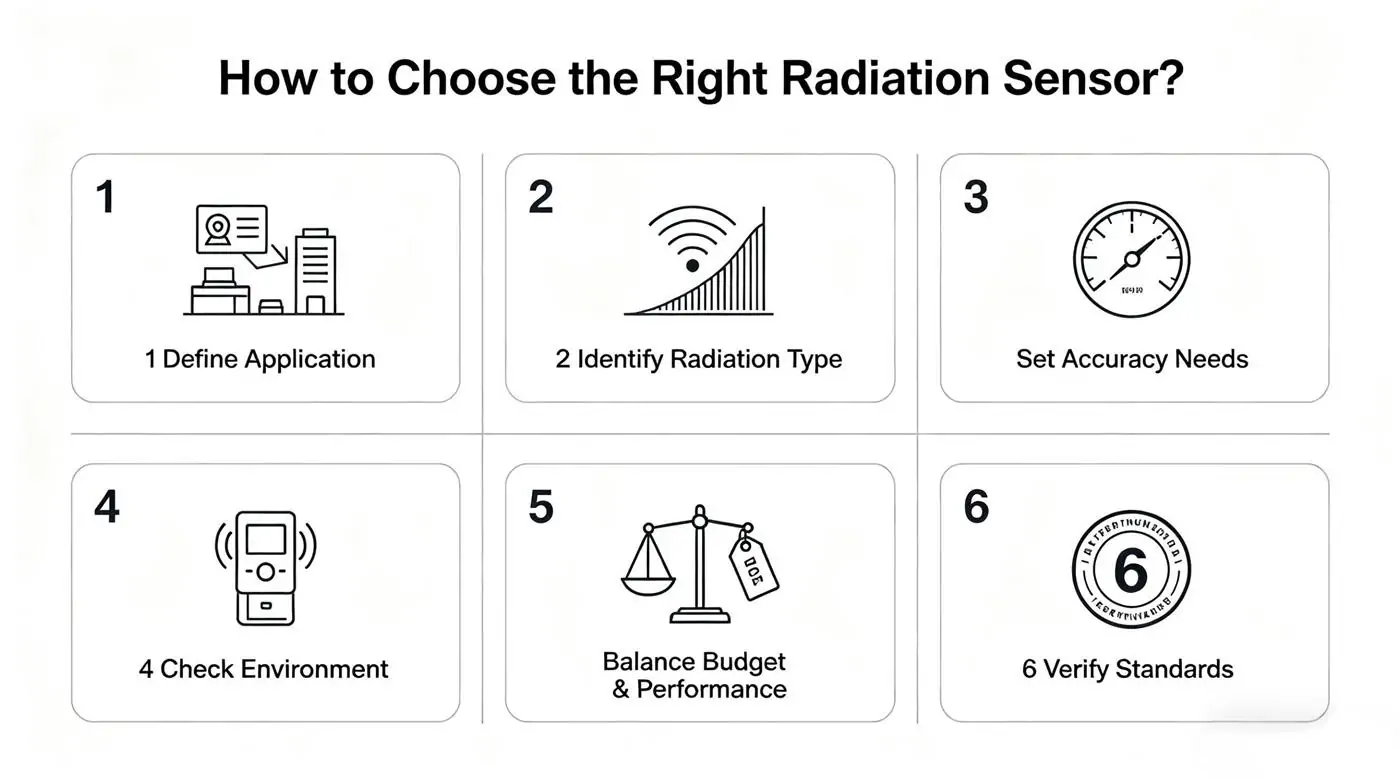
How to Choose the Right Radiation Sensor?
Choosing a radiation sensor is not just about specifications—it’s about matching the device to your actual application. A mismatch can easily lead to unstable readings, higher maintenance costs, or data that cannot be used for analysis. In practice, we always suggest starting from the application first, then narrowing down the technical requirements step by step.

Step 1: Define Your Application
First, be clear about what you are measuring. Is it solar irradiance for a PV system, UV exposure for material testing, or thermal radiation in an industrial process? Different scenarios require completely different sensor designs. For example, PV monitoring usually relies on pyranometer-type sensors measuring in W/m².
Step 2: Identify Radiation Type
Next, distinguish between ionizing and non-ionizing radiation. Solar and thermal applications fall under non-ionizing radiation, while nuclear and medical applications involve ionizing radiation. This step determines the sensor category and measurement principle you should consider.
Step 3: Define Accuracy and Sensitivity Requirements
Not every application needs ultra-high precision. In PV performance monitoring, an accuracy of around ±2% to ±5% is often sufficient. However, in scientific research or calibration environments, higher sensitivity and lower drift are required. We usually help users balance accuracy with cost at this stage.
Step 4: Consider Installation Environment
Environmental conditions matter more than most people expect. Outdoor sensors should be designed for IP65 or higher protection, with stable performance under temperature ranges from -40°C to +80°C. In harsh environments like deserts or coastal PV plants, additional anti-corrosion and thermal compensation features are important.
Step 5: Evaluate Budget vs. Performance
Radiation sensors can range widely in cost—from around $100 for basic UV sensors to over $50,000 for high-precision research-grade instruments. The key is not to over-specify. In most PV projects, mid-range industrial sensors already provide sufficient accuracy for reliable system evaluation.
Step 6: Check Standards and Compliance
Finally, always check whether the sensor meets relevant standards such as IEC 61724 (PV monitoring) or ISO 9060 (pyranometers). These standards ensure measurement consistency and make your data acceptable for project reporting and financing.
If you’re unsure which option fits your project, we often suggest speaking directly with engineers at 烟台传感器. In real applications, a short discussion about your system setup can usually save a lot of time and avoid costly selection mistakes later.
结论
Radiation sensors are tools that help you turn invisible radiation into data you can actually work with. Whether you’re dealing with nuclear safety, solar energy monitoring, or industrial systems, the key is not just picking a “high-spec” device, but choosing one that really matches your application and environment. What works in a lab may not perform the same way in the field. If you’re not sure which type fits your project, you can always contact us for technical support and selection advice.
The most reliable results come when you start from your actual use case, not from product specifications alone. If you take time to understand what you’re measuring and how the sensor will be used, you’ll usually end up with a more stable system, fewer issues later, and better long-term performance.