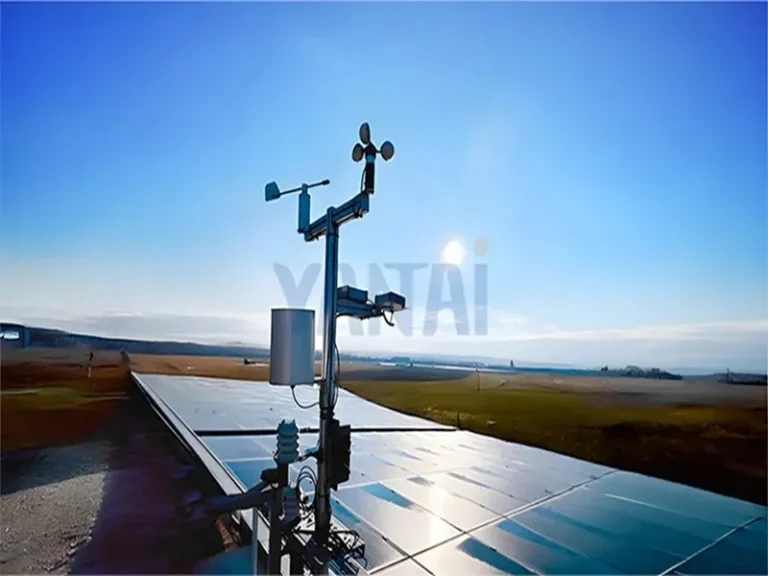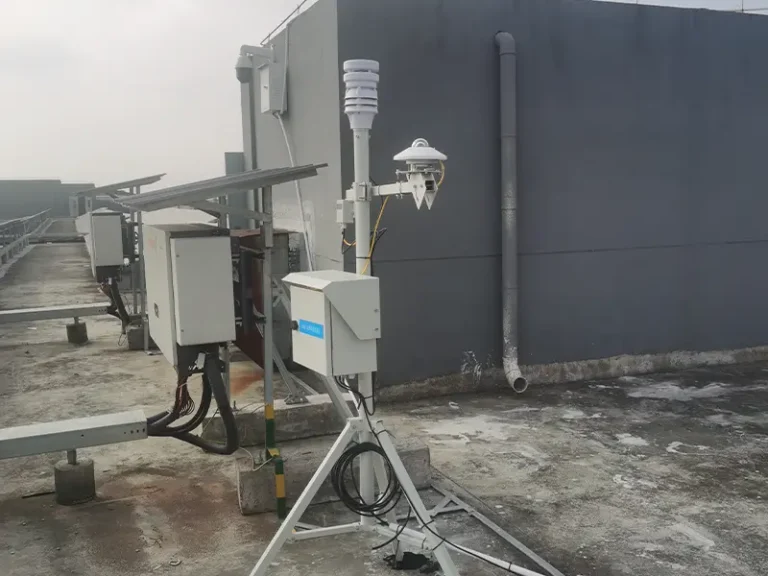
A solar power plant may show stable inverter readings while actual operating conditions vary across different areas of the site. Changes in solar irradiance, module temperature, dust accumulation, and local weather can all affect power generation. When operators rely mainly on inverter and output data, it can be difficult to identify what is causing performance changes or distinguish environmental influences from equipment-related issues. Without reliable field measurements, understanding the conditions behind a plant’s actual performance becomes more challenging.
Smart solar monitoring systems address this gap by combining environmental monitoring, electrical and equipment data, data acquisition, and operational analysis within a connected monitoring framework. This article explores how these systems work, the key monitoring components used in modern PV plants, and how different data sources support plant operation and performance assessment. It also examines the role of PV environmental monitoring equipment, including solar radiation sensors, PV weather stations, and soiling monitors, with examples from Yantai Sensor’s solar measurement products and PV project support.
Why Do Modern PV Plants Need Smart Solar Monitoring Systems?
As PV plants grow in scale, monitoring only power generation and inverter status is no longer enough. Operators also need to understand changing site conditions, differences between plant areas, and how environmental factors relate to equipment performance.
Monitoring More Than Electricity Generation
Traditional PV monitoring mainly tracks power output, energy production, and inverter status. These records show what the equipment is doing, but do not always explain why generation changes.
Solar irradiance, module temperature, and soiling measurements provide the environmental context behind these changes. Yantai Sensor’s radiation sensors, PV weather stations, and soiling monitors help supply this missing field data.
Identifying Operating Differences Across the PV Plant
Conditions are not always uniform across a large solar farm. Different array orientations, shading, terrain, and local weather can cause variations in irradiance, temperature, and soiling between areas.
Relying on one monitoring point may overlook these differences. A suitable combination of distributed weather stations, irradiance sensors, and soiling monitors helps operators understand conditions across the site.
Understanding the Relationship Between Environmental Conditions and Equipment Performance
Environmental changes do not affect every part of a PV plant in the same way. Comparing environmental measurements with inverter output and equipment status helps operators assess whether a generation change may be related to weather, soiling, or equipment operation.
For example, reduced output during low irradiance may have a different explanation from reduced output under stable solar conditions. Looking at both data sources gives operators a more complete basis for investigation.
Managing Data Across Large PV Installations
As monitoring points and equipment sources increase, operators need a consistent way to review information across the plant. Smart solar monitoring systems bring environmental measurements and equipment records into a shared view.
This makes it easier to compare different plant areas, review historical records, and identify unusual readings. The available functions depend on the connected devices and platform, while Yantai Sensor’s monitoring products provide environmental measurements for system integration.
Smart PV Monitoring Systems: Architecture and Operation
A smart solar monitoring system connects field sensors, data acquisition devices, communication networks, and monitoring platforms. These components work together to collect, transmit, and organize environmental and electrical data from PV plants.
Field Sensors and Equipment Data Sources
Smart PV monitoring systems collect two main types of data: environmental measurements and equipment operating data. Environmental sensors measure solar irradiance, weather conditions, module temperature, and soiling, while inverters and energy meters provide electrical and operating records.
Yantai Sensor provides environmental monitoring equipment for these applications, including the TBQ-2C pyranometer, XF series PV weather stations, DustCom PV Dust Index, and DustLV.
Data Acquisition and Signal Integration
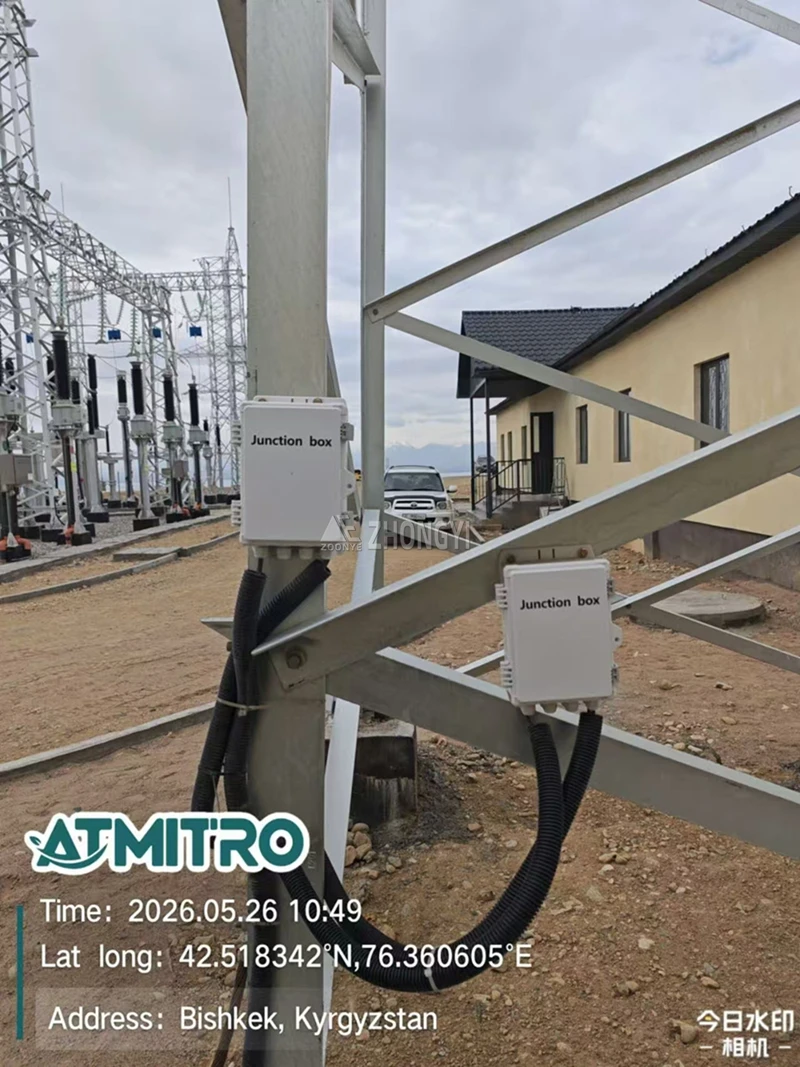
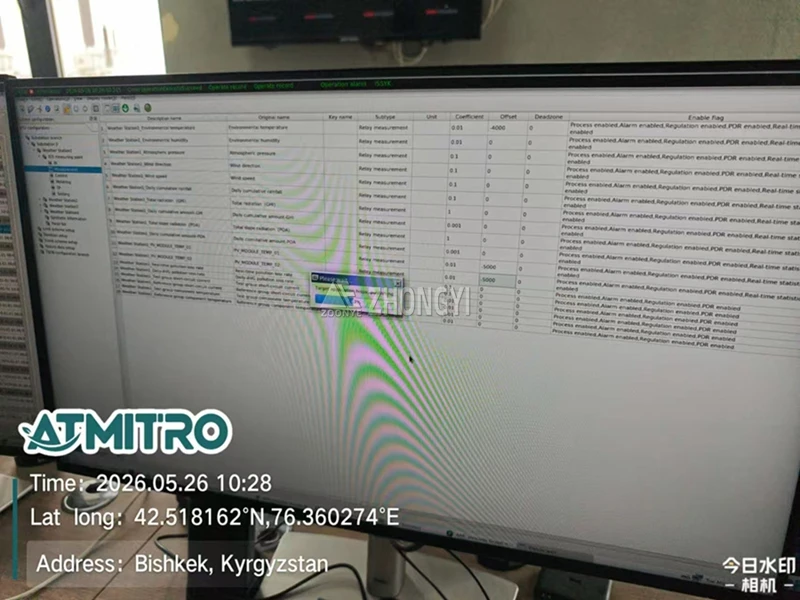
Data loggers and gateways receive sensor signals and read data from compatible electrical equipment. They process different input types, such as analog signals (4–20 mA) and digital signals, before organizing measurements for transmission.
Interface and protocol compatibility are essential when selecting acquisition equipment. For example, sensors using RS485 with Modbus RTU require a compatible data logger or gateway to read their measurements correctly.
For wiring and protocol checks, 气象传感器 RS485 和 Modbus 协议指南 explains the field connection requirements.
Data Communication and Transmission
Communication connects field acquisition devices with the monitoring platform. At the field level, RS485 can link compatible sensors and data loggers, while Ethernet, cellular networks, or wireless connections can transfer collected data to higher-level systems.
Communication in smart solar monitoring systems depends on device interfaces, transmission distance, and network availability at the PV site. Not every sensor supports every communication method.
Centralized Monitoring Platform and Data Management
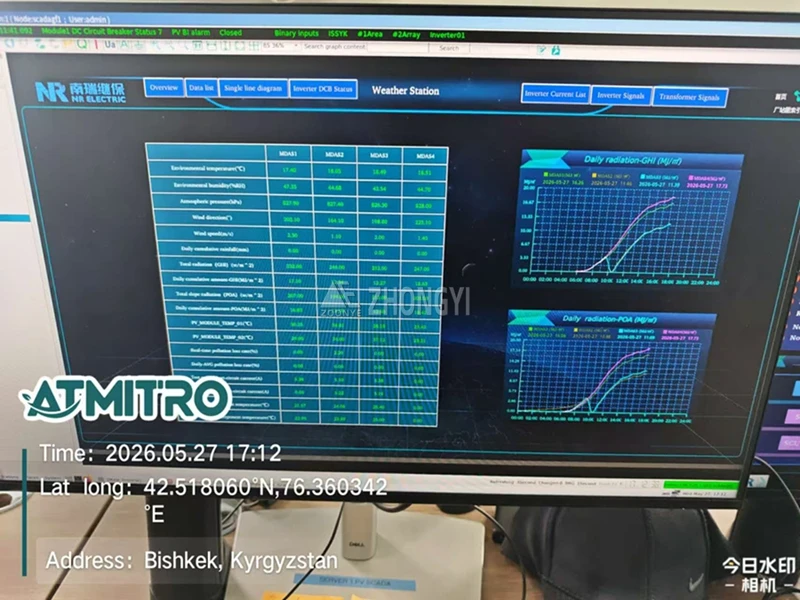
The monitoring platform receives and organizes data from connected devices, allowing operators to review environmental measurements and equipment status in one place. Typical functions include data visualization, historical records, trend analysis, and operating reports.
Consistent timestamps, units, and records allow smart PV monitoring systems to compare readings from different devices reliably. Yantai Sensor’s products provide environmental measurement data for integration into compatible third-party platforms.
Monitoring Data Processing and Operational Use
Once data is organized, operators can review measurement trends, compare monitoring points, and investigate changes in plant conditions. Combining environmental records with equipment data provides a more complete basis for performance assessment and maintenance planning.
Main Components of Smart Solar Monitoring Systems
PV environmental monitoring equipment measures solar radiation, site weather, module temperature, and surface soiling. Different sensors serve different monitoring tasks and should be selected according to project requirements.
Solar Irradiance Monitoring Sensors
Solar irradiance is a key reference for evaluating the solar energy available to a PV plant. GHI measures global horizontal irradiance, while POA measures radiation received on the plane of the PV modules.
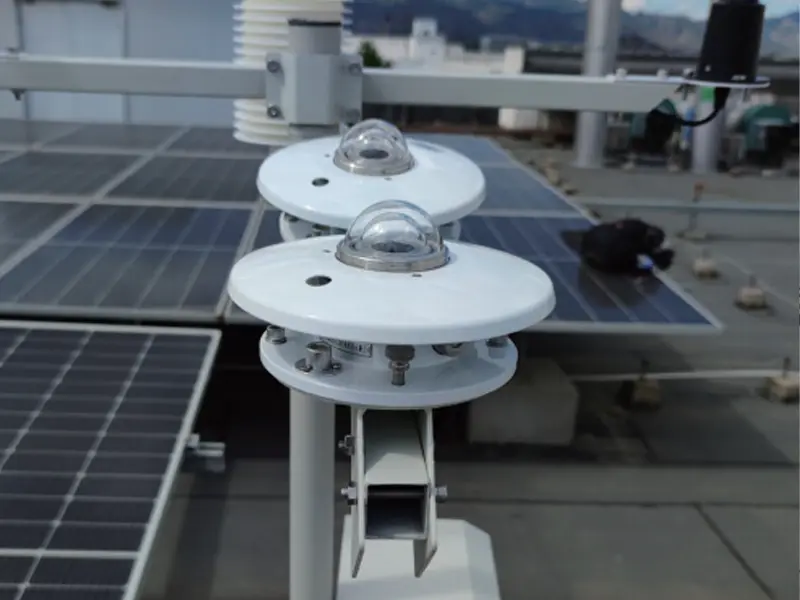
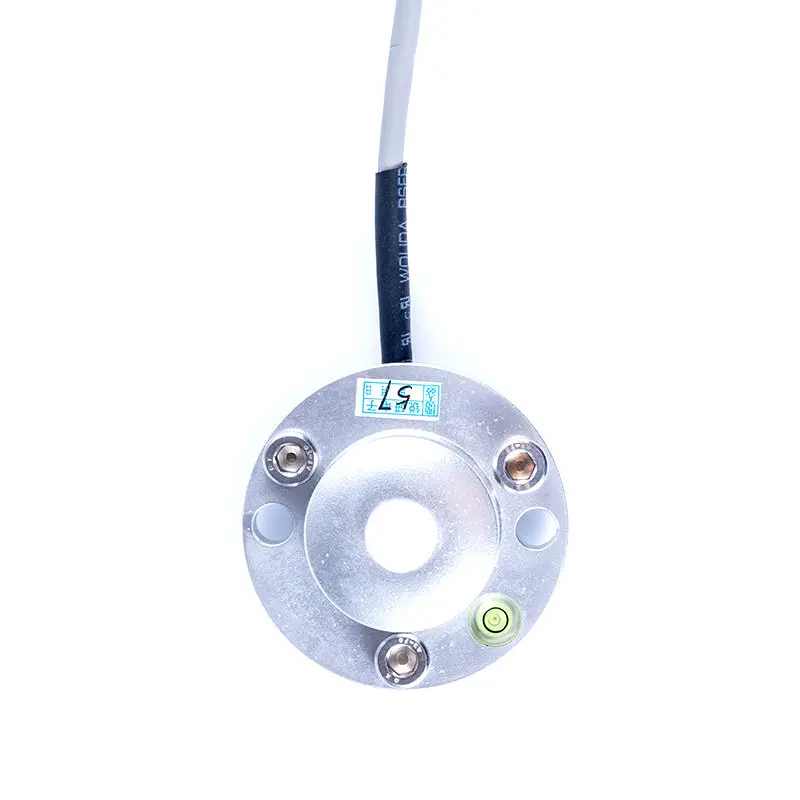
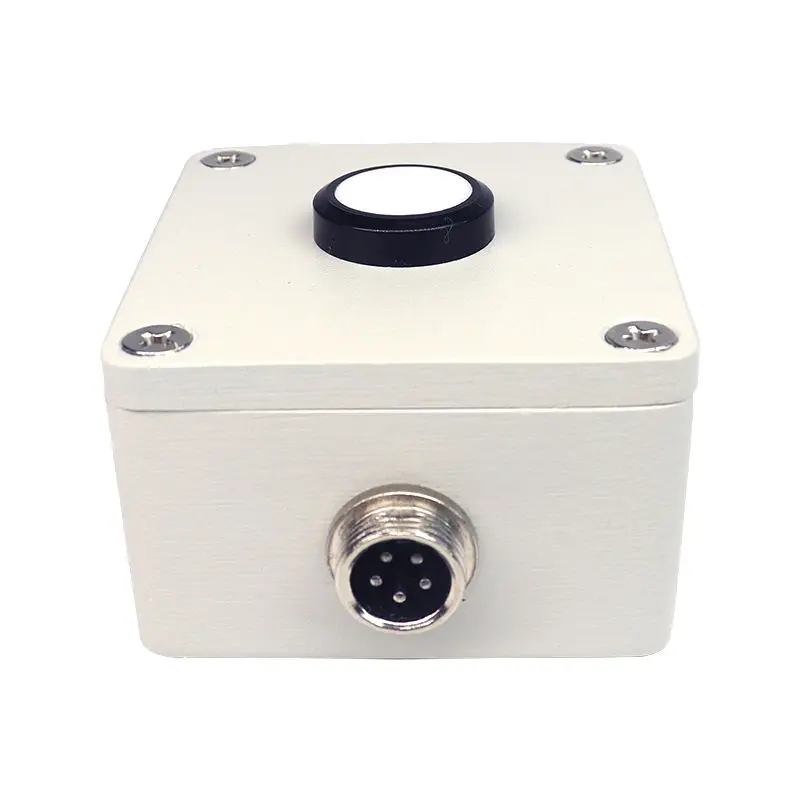
Pyranometers provide irradiance measurements for plant monitoring and performance assessment. Yantai Sensor’s TBQ-2C Class 1 Pyranometer has a spectral range of 0.3–3.2 μm. Selection should also consider measurement range, accuracy, output signal, and calibration requirements.
PV Weather Stations for Environmental Monitoring
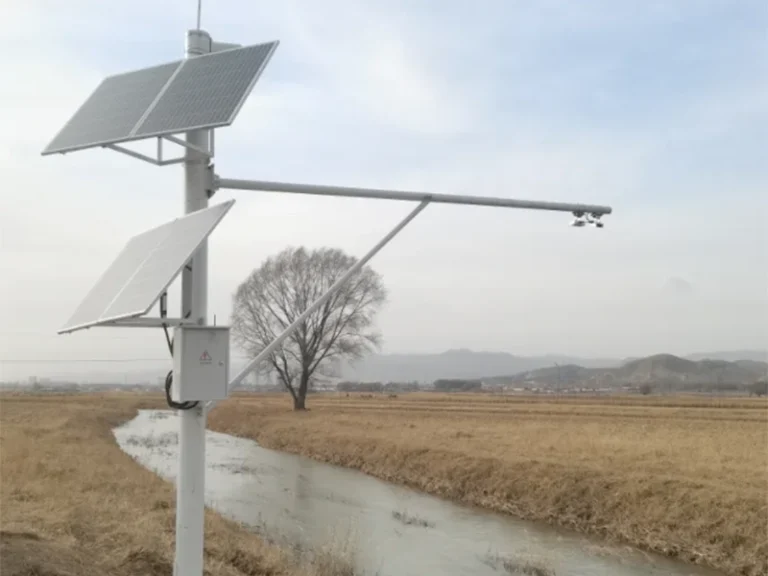
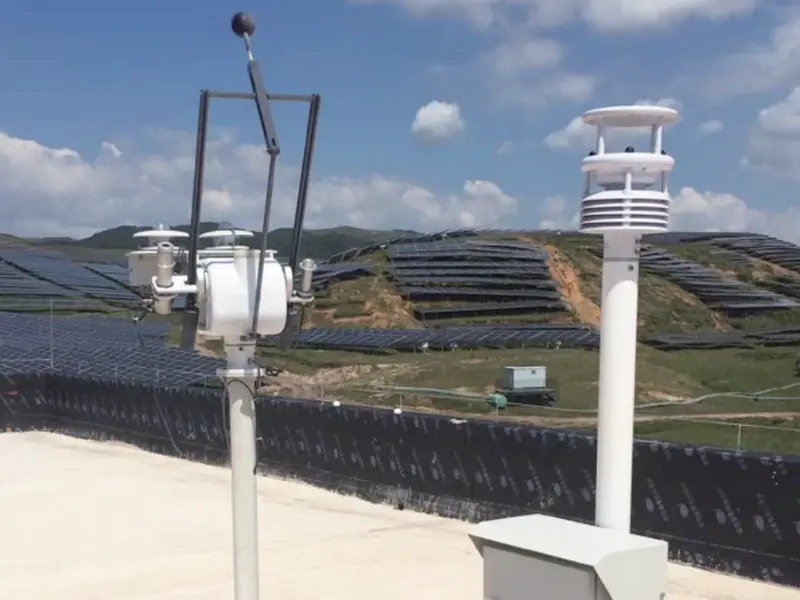
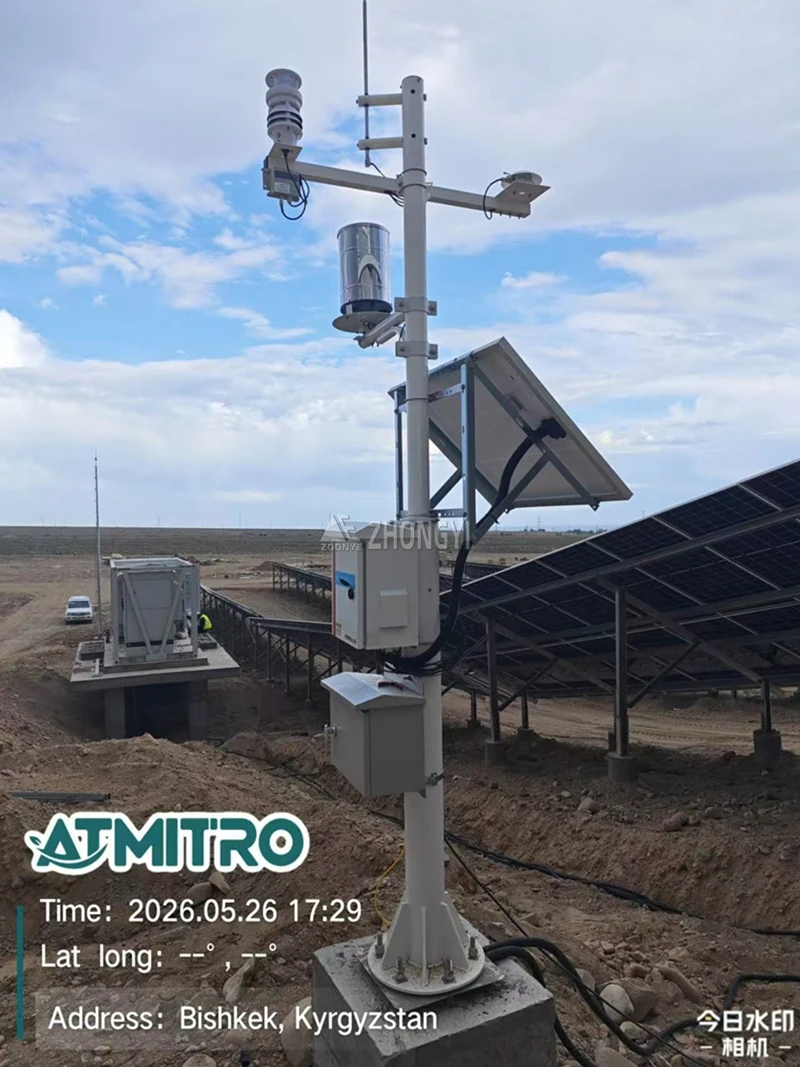
PV weather stations combine multiple environmental measurements to record conditions around a solar plant. Depending on the model, monitored parameters may include ambient temperature, humidity, wind speed, wind direction, and rainfall.
Yantai Sensor offers different configurations, including XF100S-CWB, XF500S-CWB, and XF700SL. The appropriate model depends on the required measurements and project conditions. Parameters such as solar radiation should be checked against each model’s specifications rather than assumed to be standard across the series.
Module Temperature Monitoring Sensors
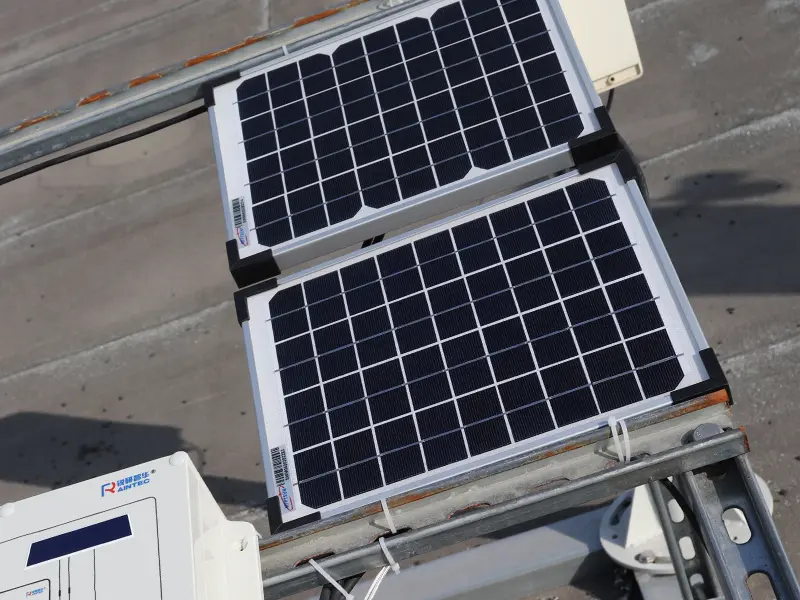
Ambient temperature does not represent the actual operating temperature of PV modules. Module backsheet temperature provides a more direct reference for assessing the thermal conditions of the panels.
Comparing module temperature with ambient temperature and irradiance helps operators understand how site conditions affect module operation. Sensor selection should consider measurement range, accuracy, thermal contact, and whether the measurement represents the intended array area.
Check the probe assembly as well as its rated accuracy; 光伏组件背板温度测量 explains how contact design, fixing materials and cable tension can affect field readings.
PV Soiling Monitoring Equipment
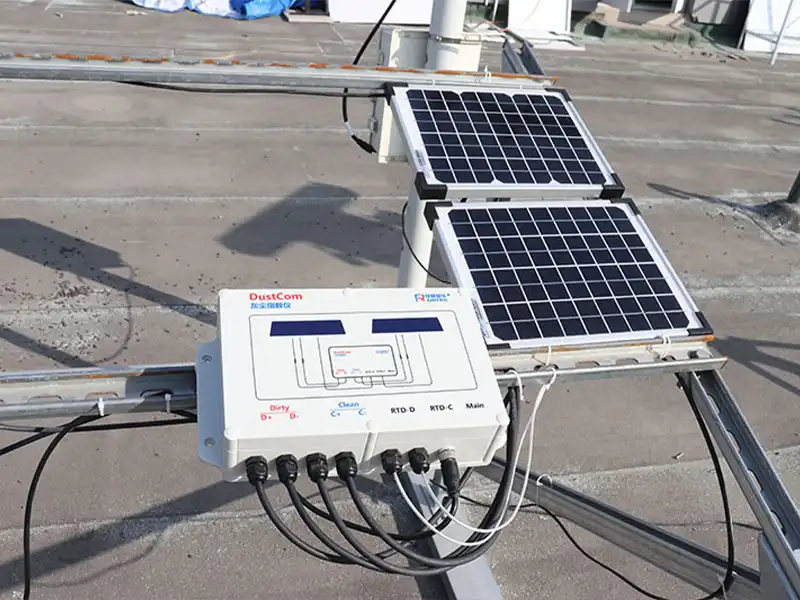
Dust and other deposits on module surfaces reduce the sunlight reaching PV cells. Their accumulation varies with local dust levels, rainfall, seasonal conditions, and cleaning frequency, making fixed cleaning intervals unsuitable for every site.
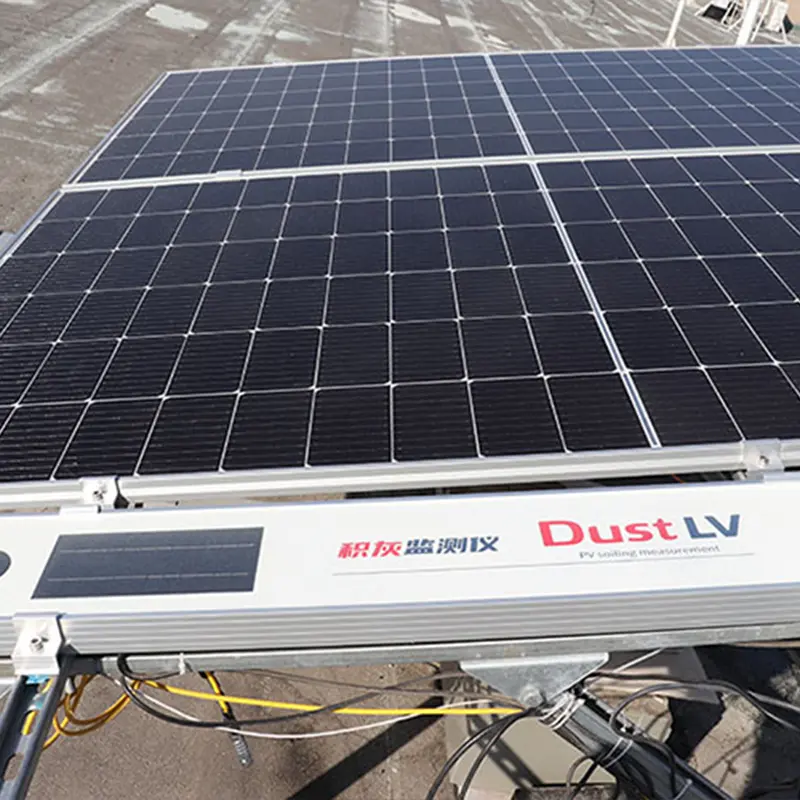
PV soiling monitors provide measurements that help track contamination changes and assess cleaning requirements. Yantai Sensor’s DustCom 光伏积尘指数 和 尘埃LV address PV soiling monitoring needs. Their measurement principles, outputs, and application differences should be evaluated separately when selecting equipment.
How Environmental and Electrical Monitoring Data Work Together
In smart solar monitoring systems, environmental measurements provide the context needed to interpret electrical data. Comparing these records helps operators understand generation changes and investigate differences in PV plant operating conditions.
Several data relationships are particularly useful in daily plant monitoring:
- Solar Irradiance and Power Generation: Measured irradiance indicates the solar input received by the PV array, while inverter data records actual power output. Comparing synchronized readings helps operators determine whether generation changes correspond to variations in solar conditions.
- Temperature and PV Operating Conditions: Module temperature reflects the thermal condition of PV panels, while ambient temperature and wind speed help explain changes in that condition. Reviewing these measurements alongside irradiance provides a better basis for understanding temperature-related differences in plant operation.
- Soiling Measurements and Cleaning Records: Soiling data helps track contamination on PV module surfaces over time. Comparing these records with irradiance measurements and cleaning dates helps operators assess changing soiling conditions and determine when cleaning may be necessary.
Environmental measurements can also be reviewed alongside inverter status and electrical records. For example, if irradiance remains stable but comparable inverters show different output trends, operators can investigate their operating status and related equipment data. These comparisons support intelligent solar monitoring but do not independently confirm the cause of a fault.
Intelligent Monitoring Features for Modern Solar Power Plants
An intelligent solar monitoring system turns environmental and electrical measurements into useful information for plant operations. Its functions cover real-time status review, abnormal data alerts, historical analysis, and remote access.
Real-Time Plant Status Visualization
Smart PV monitoring systems use a centralized dashboard to display irradiance, temperature, wind speed, rainfall, and connected equipment status. Operators can review these measurements across different monitoring points and compare environmental conditions between plant areas.
This helps identify local differences without switching between separate monitoring interfaces.
Alarm Notifications and Abnormal Data Identification
Monitoring platforms can flag environmental readings outside predefined thresholds, missing measurements, communication interruptions, and inverter alarms. However, these conditions require different checks.
- Unusual sensor readings: Check the sensor power supply, signal wiring, and data acquisition channel.
- Missing or interrupted data: Check communication links, device connections, and data transmission status.
- Changes in environmental conditions: Compare multiple sensor readings with local weather records to determine whether the changes reflect actual site conditions.
Electrical and environmental data should also be reviewed together. If irradiance remains stable while power output declines, operators can investigate inverter status and other equipment conditions. These alerts help narrow the possible causes but do not independently confirm a fault.
Historical Data Analysis and Performance Reporting
Historical records help operators review seasonal changes in irradiance, temperature, and other site conditions. Comparing measurements across plant areas can also reveal persistent differences that may require further investigation.
PV environmental monitoring records can be reviewed alongside cleaning dates and maintenance logs to assess soiling. Yantai Sensor supplies environmental measurement equipment for integration into compatible monitoring platforms.
Remote Monitoring and Multi-Site Management
For geographically distributed PV plants, centralized remote access allows operators to review site conditions and connected equipment status from different locations.
Comparing weather and soiling records across sites helps identify regional differences and prioritize inspections. This also reduces reliance on manual data collection from individual plants.
Solar Plant Monitoring System Applications Across Different PV Sites
Monitoring requirements for a solar plant monitoring system vary with plant layout, array orientation, and local environmental conditions. Sensor placement and measurement priorities should reflect the differences between site areas.
公用事业级太阳能电站
Large ground-mounted solar farms can have significant variations in irradiance, temperature, wind exposure, and soiling across array sections. Terrain elevation, array orientation, local shading, and distances between monitoring areas all affect where sensors should be installed.
A single PV environmental monitoring station may not represent conditions across the entire site. Where array sections differ significantly, additional measurement points can provide more representative data for comparing local conditions and reviewing operating trends.
Commercial and Industrial PV Plants
Rooftop PV installations often have different environmental conditions across roof sections. Module orientation, tilt, nearby buildings, rooftop equipment, and ventilation can all affect shading and temperature exposure.
Roof sections with different orientations or shading conditions may require separate measurement points. Check existing building management and energy monitoring interfaces before integrating a solar plant monitoring system with the site’s infrastructure.
Distributed and Multi-Site Solar Installations
Smart solar monitoring systems need consistent data to compare site conditions across different regions. Standardized measurement units, sensor configurations, acquisition intervals, and data formats help maintain comparable records between locations.
A centralized third-party monitoring platform can bring these records together for regional comparisons and long-term management. This becomes particularly useful as operators add more sites to an existing portfolio.
Solar Plants in Dusty and Extreme Weather Environments
Dust, heat, rainfall, and low temperatures place different demands on environmental monitoring. Dust-prone sites may require irradiance and soiling measurements, while hot regions need temperature sensors suited to local operating conditions. Rainfall, humidity, and wind measurements are also relevant in wet and exposed locations.
Cold regions require sensors rated for the site’s minimum operating temperature. Snowfall and icing need separate consideration because ordinary weather sensors cannot directly identify ice accumulation on PV modules or control snow removal.
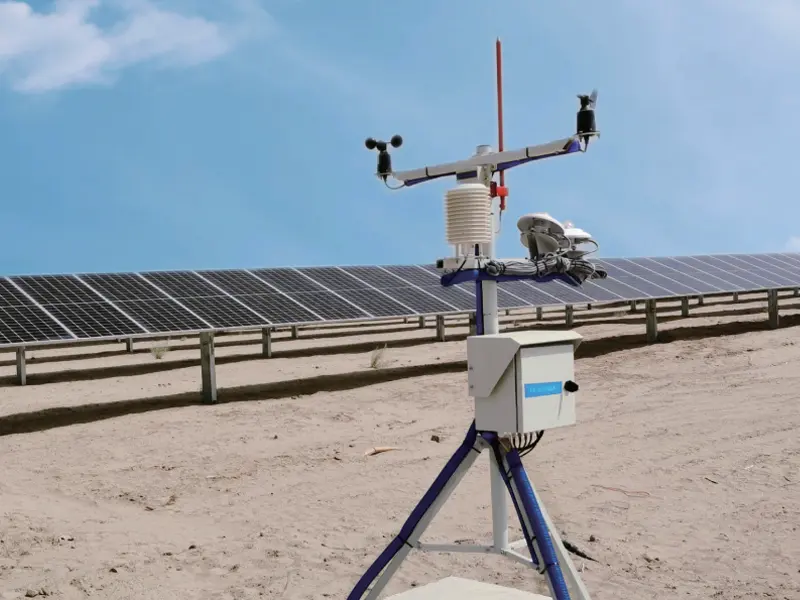
Engineering Case: Monitoring Configuration for a 100+ MW Solar PV Plant in Pakistan
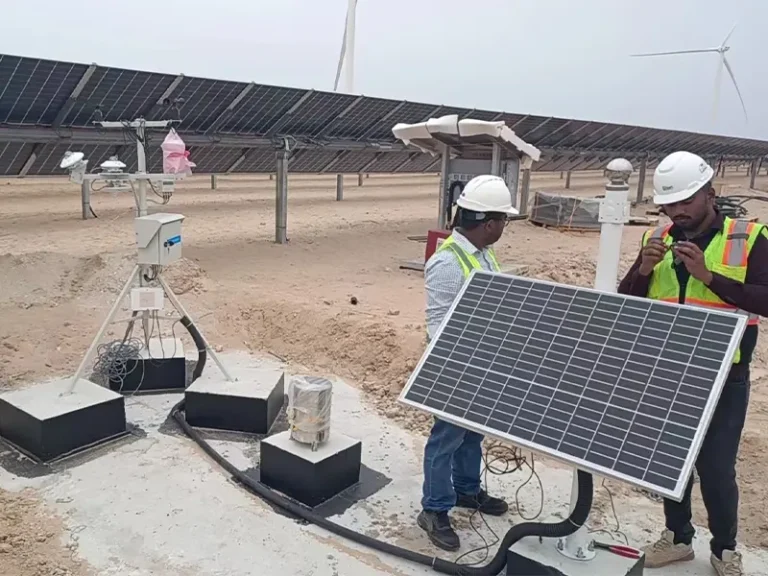
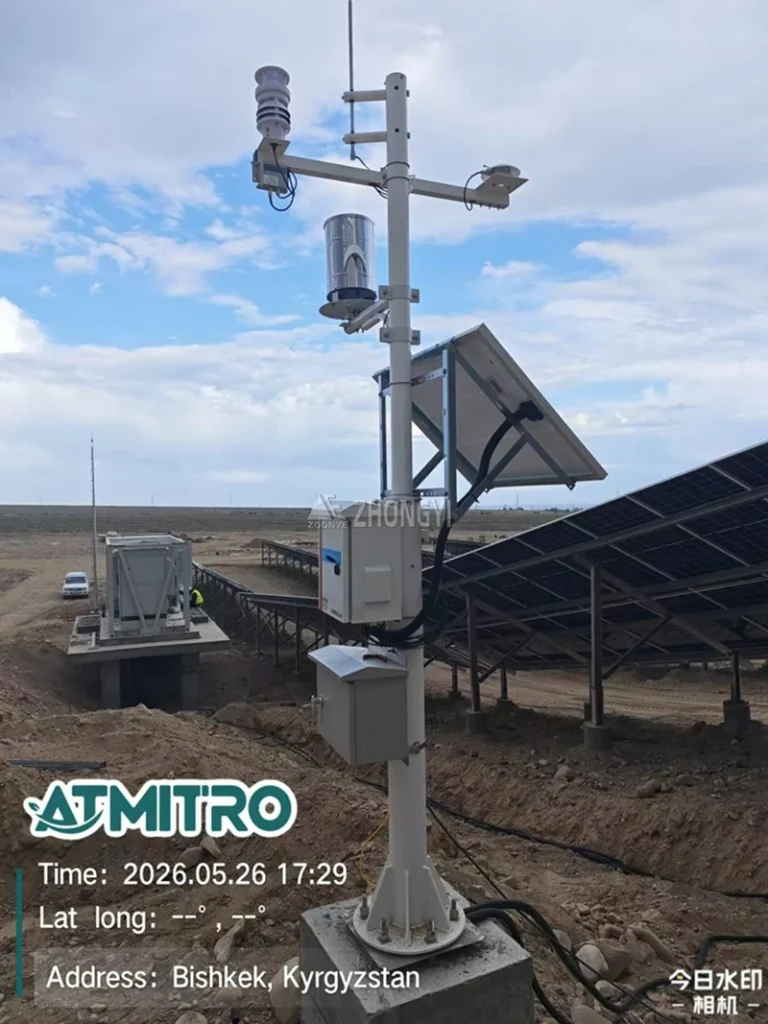
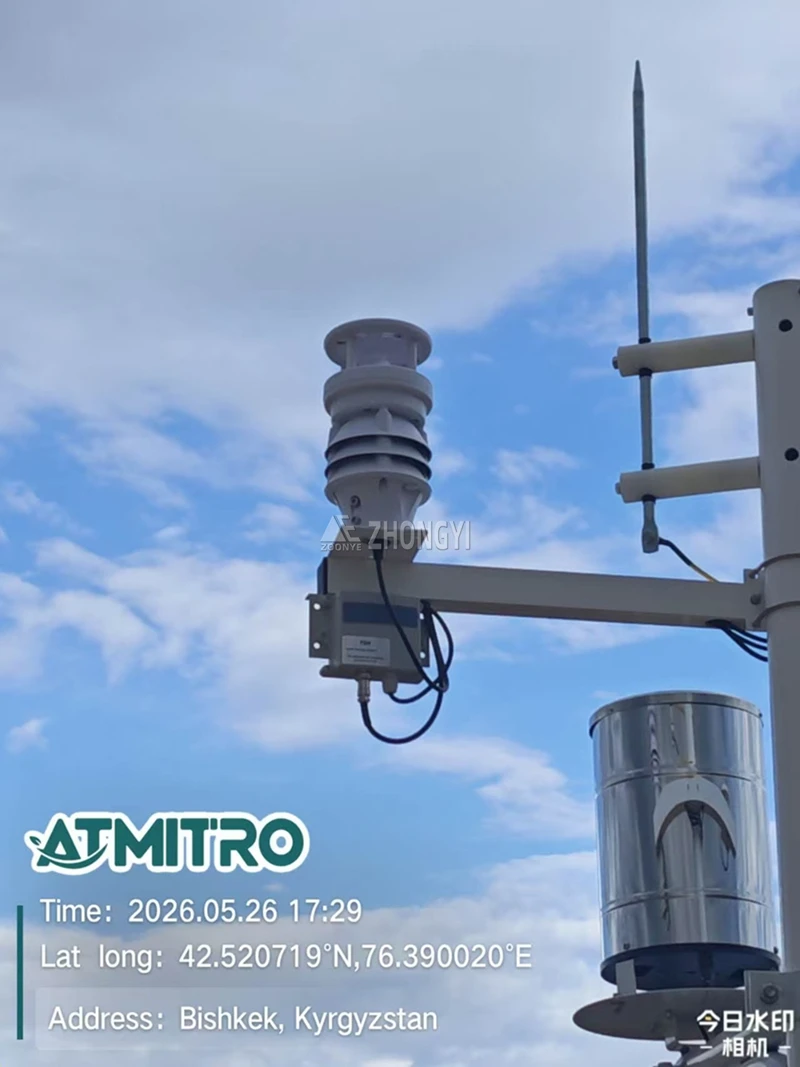
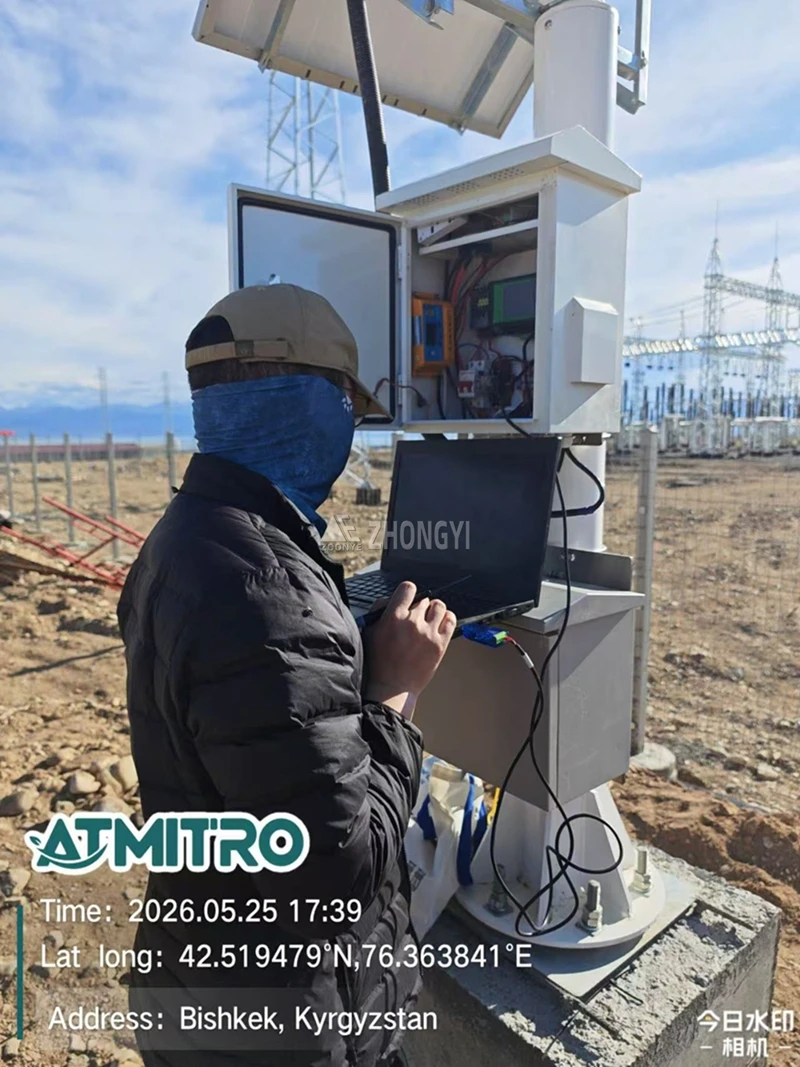
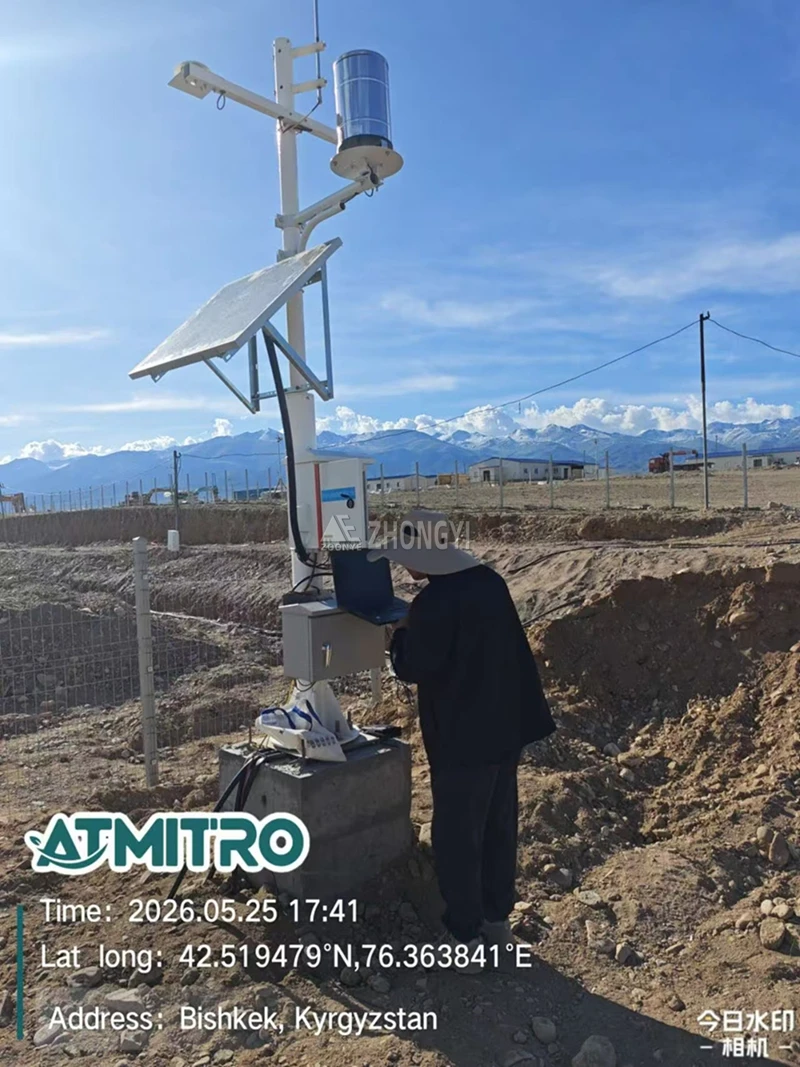
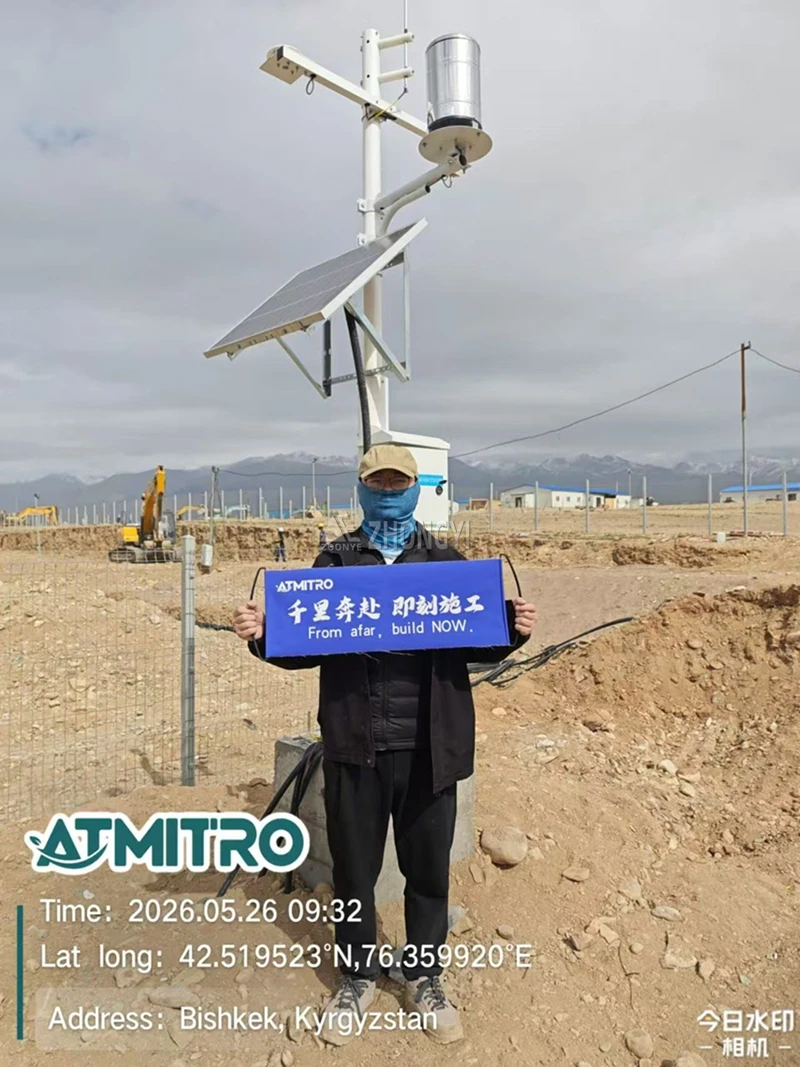
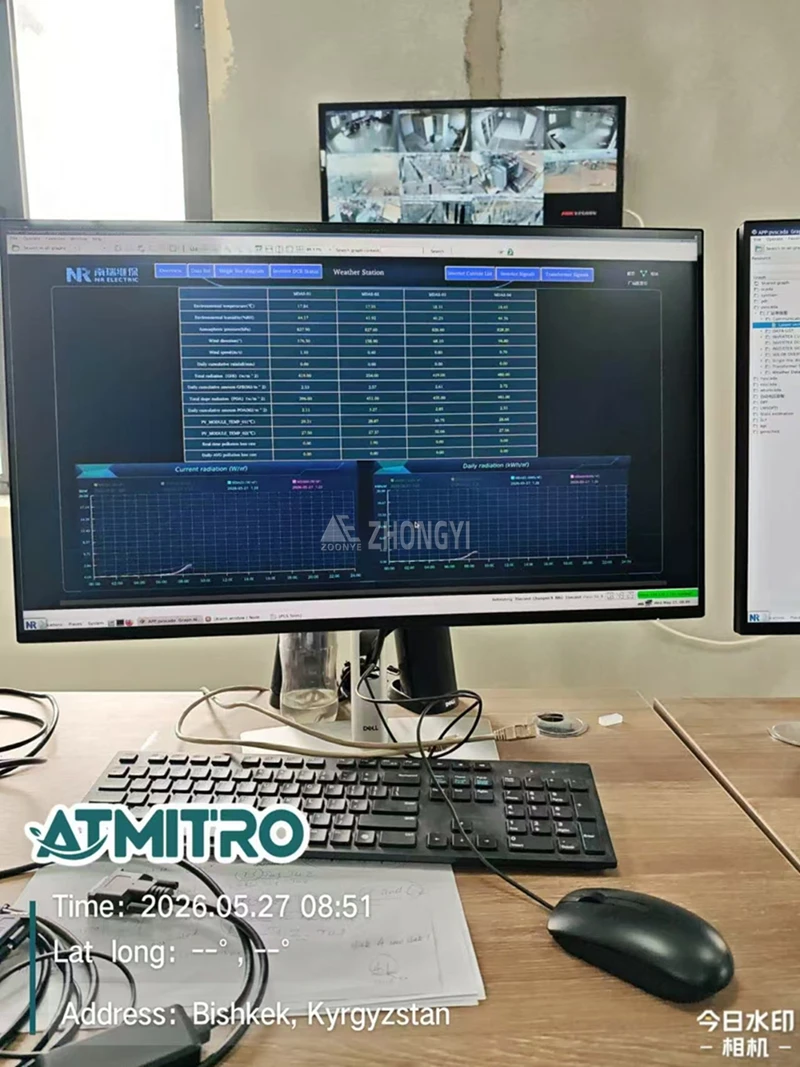
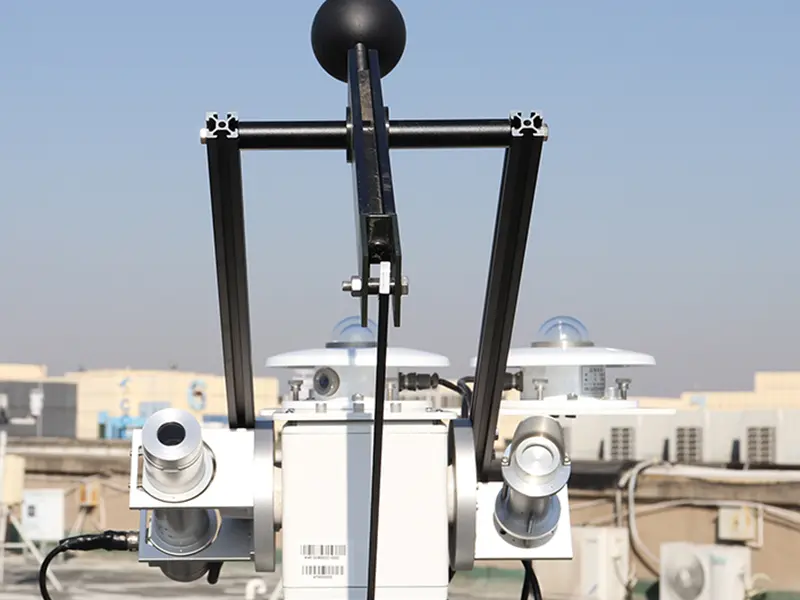
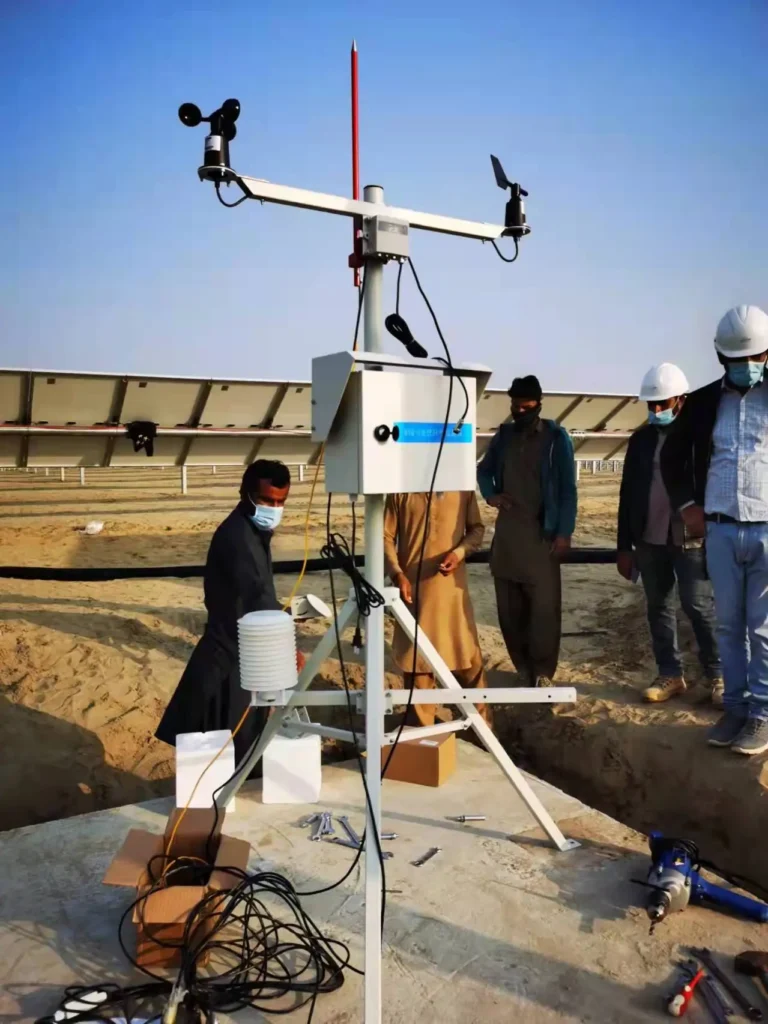
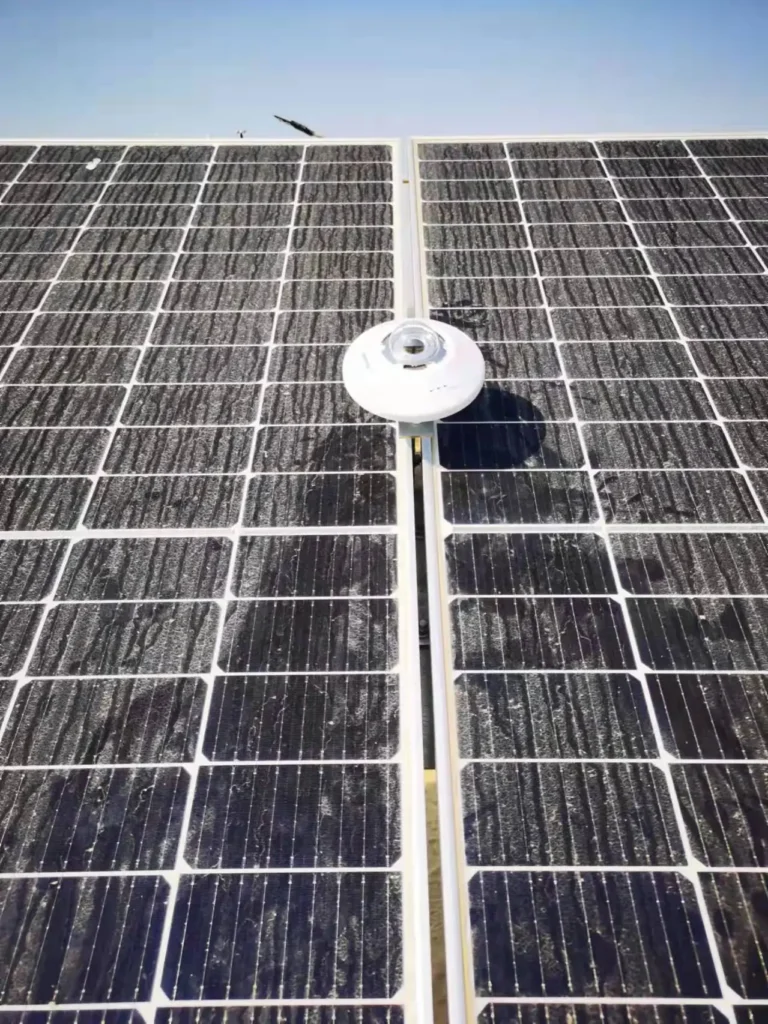
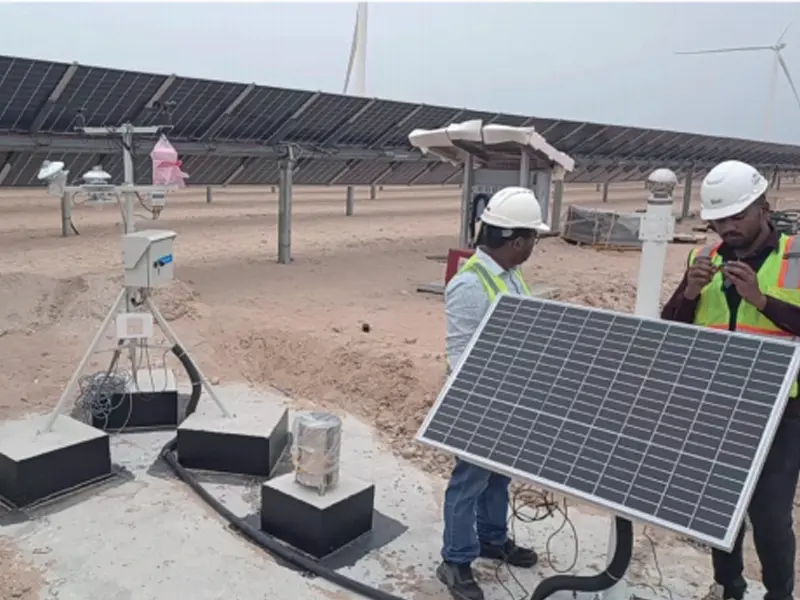
The monitoring requirements discussed above become more specific when applied to an actual PV project. For a 100+ MW ground-mounted solar PV plant in Pakistan, Yantai Sensor supplied TBQ-2C total solar radiation sensors and supporting meteorological equipment. The project used two irradiance measurement arrangements: sensors mounted on PV module support frames to measure radiation on the module plane, and sensors installed at the weather station to measure horizontal solar radiation. The meteorological setup also included wind speed, wind direction, and temperature-humidity monitoring. This arrangement provided separate irradiance references for the PV array and the surrounding site conditions.
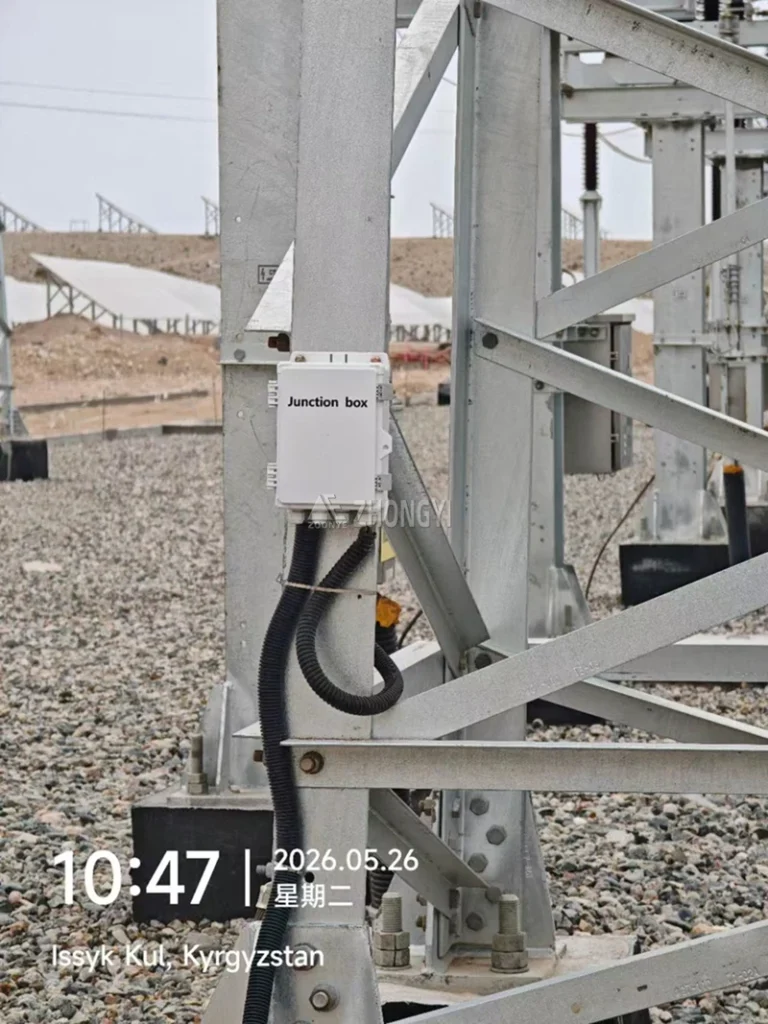
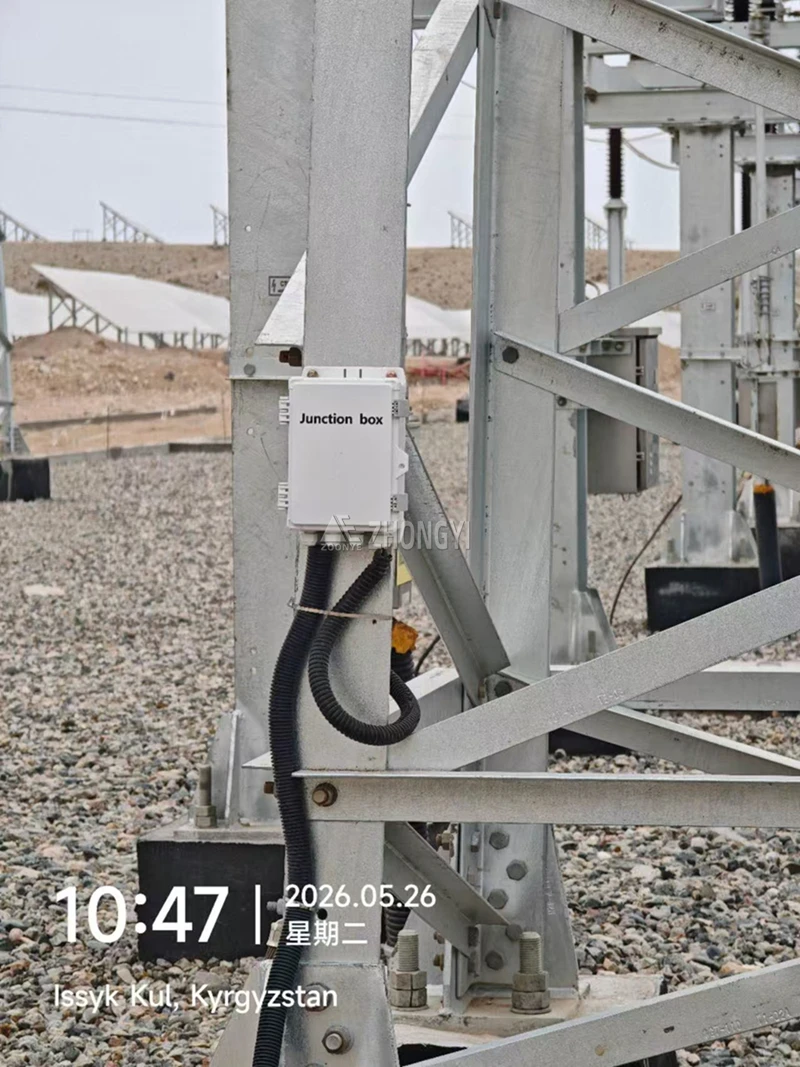
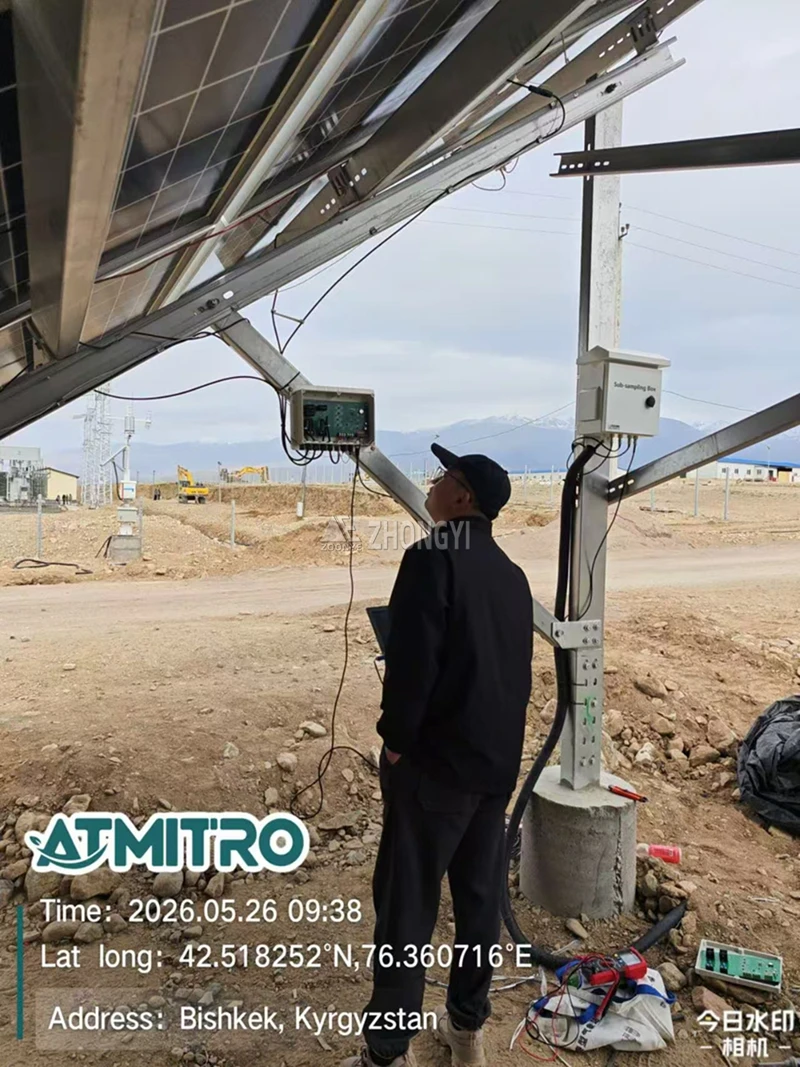
Sensor selection was only part of the engineering work. The TBQ-2C sensors used 4–20 mA analog outputs to connect with the plant’s existing data acquisition and SCADA systems. Signal types, cable lengths, and installation accessories were checked before delivery. After installation, sensor readings, data acquisition, and communication links were tested. The project demonstrates why monitoring point placement, sensor outputs, and compatibility with existing equipment must be considered together. These practical requirements also provide a basis for selecting the right monitoring configuration for other PV plants.
The installation arrangements are shown in TBQ‑2C总太阳辐射传感器,用于振发巴基斯坦太阳能电站.
How to Choose the Right Smart Solar Monitoring Configuration
Configuring smart solar monitoring systems starts with identifying the measurements a PV plant needs. The required monitoring parameters, existing equipment, and site layout determine which sensors and data acquisition devices should be included.
Select Monitoring Modules Based on Project Requirements
Smart PV monitoring systems need different equipment combinations for different monitoring objectives:
- Solar Resource Monitoring: A pyranometer such as Yantai Sensor’s TBQ-2C measures solar irradiance for PV performance assessment.
- 环境监测: XF series PV weather stations collect multiple weather parameters, depending on the selected model.
- Module Temperature Monitoring: Dedicated temperature sensors are needed when direct module temperature measurements are required. Selection depends on the measurement range and installation conditions.
- Soiling Monitoring: DustCom PV Dust Index and DustLV can be considered for projects requiring dedicated PV soiling measurements.
- Equipment Data and Integration: Inverter and electrical data come from compatible monitoring equipment. Data loggers or gateways collect sensor signals and connect them with the plant’s monitoring platform.
Not every project needs all these modules. The equipment combination for smart PV monitoring systems should reflect actual measurement requirements and data already available from existing systems.
Choose an Integrated or Distributed Configuration
An integrated configuration uses a multi-parameter weather station to collect several environmental measurements at one location. It suits projects with centralized monitoring points and clearly defined parameter requirements. A distributed configuration uses independent sensors for irradiance, module temperature, or soiling measurements. It is more suitable when monitoring locations and measurement requirements vary across the site. Both approaches can also be combined, such as using an XF series weather station alongside independent radiation or soiling monitors. Actual combinations depend on model interfaces and system compatibility.
A reliable configuration for smart PV monitoring systems should also allow for future expansion. Before procurement, check spare data logger channels, compatibility with additional sensors, and whether the existing platform can receive new measurement data. Yantai Sensor can provide product specifications and interface information to help customers verify sensor models, power requirements, and communication options before finalizing the configuration.
Engineering Considerations for Smart PV Monitoring Systems
Reliable smart solar monitoring system design starts with defining what the project needs to measure. A plant focused on environmental data may require irradiance and weather monitoring, while a dust-prone site may also need dedicated soiling measurements. Large installations may require monitoring points across different areas, and projects with existing inverter systems must consider data integration. These requirements determine the sensor combination, monitoring layout, and system interfaces.
When specifying smart solar monitoring systems, check measurement range, accuracy, resolution, and response time against the intended application. Operating temperature, long-term stability, and calibration requirements also affect sensor suitability. IEC 61724-1 provides guidance for PV system performance monitoring, while ISO 9060 classifies instruments used to measure solar radiation. Electrical compatibility matters just as much: analog outputs, RS485 communication, Modbus RTU support, power supply, data logger channels, and platform interfaces must all match. A sensor that meets the measurement requirements may still be unsuitable if its output cannot be read by the existing acquisition system.
Long-term reliability also depends on maintenance planning and future expansion. Consider calibration intervals, replacement arrangements, spare parts, and whether data loggers have spare channels for additional monitoring points. Solar monitoring sensor selection should account for both current measurement needs and possible changes in the plant. Yantai Sensor can support this process by providing product specifications and interface information, helping customers check sensor models, power requirements, and communication options against their project conditions before procurement.
结论
A smart PV monitoring system brings different measurements together to support plant operations. Combining solar irradiance, weather, temperature, and soiling data with equipment operating records helps operators understand the conditions behind changes in plant performance. The right system also needs compatible data interfaces and a configuration suited to the site’s monitoring objectives.
Yantai Sensor provides solar radiation sensors, PV weather stations, and PV soiling monitoring equipment for different solar applications. Our product selection and technical support help customers match measurement requirements with suitable sensors and check interface compatibility before procurement. Whether you are planning a new monitoring system or expanding an existing one, 请联系烟台传感器 with your project requirements, measurement parameters, and interface specifications. Our team can help assess a suitable sensor configuration for your PV plant.