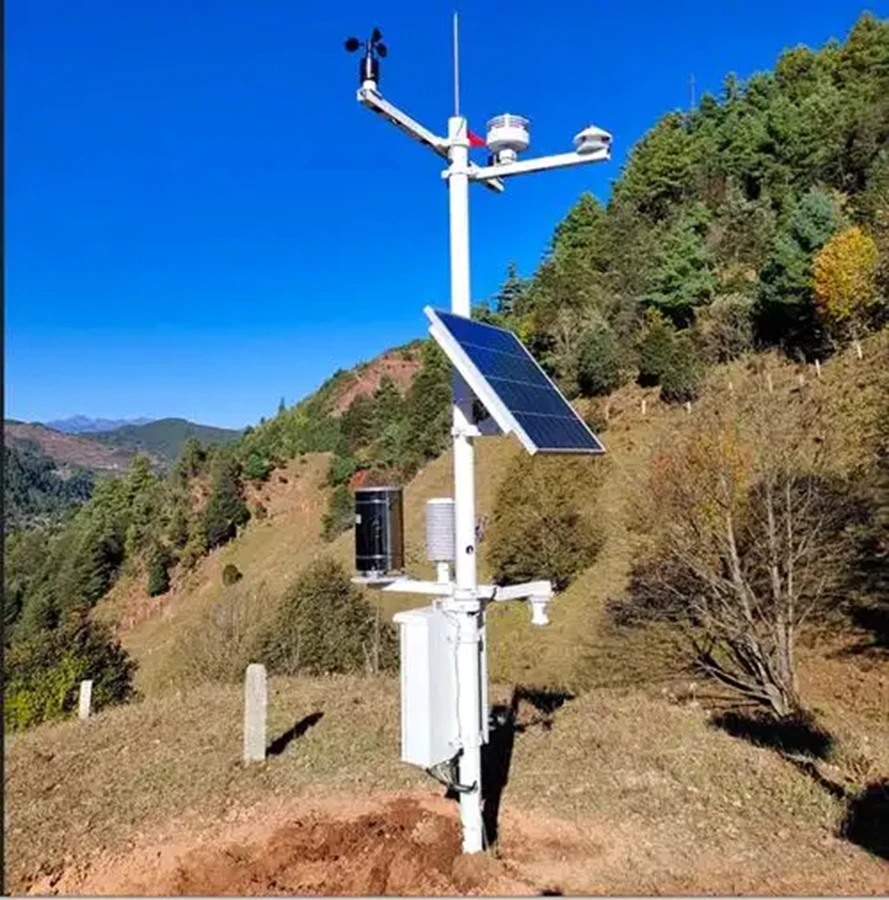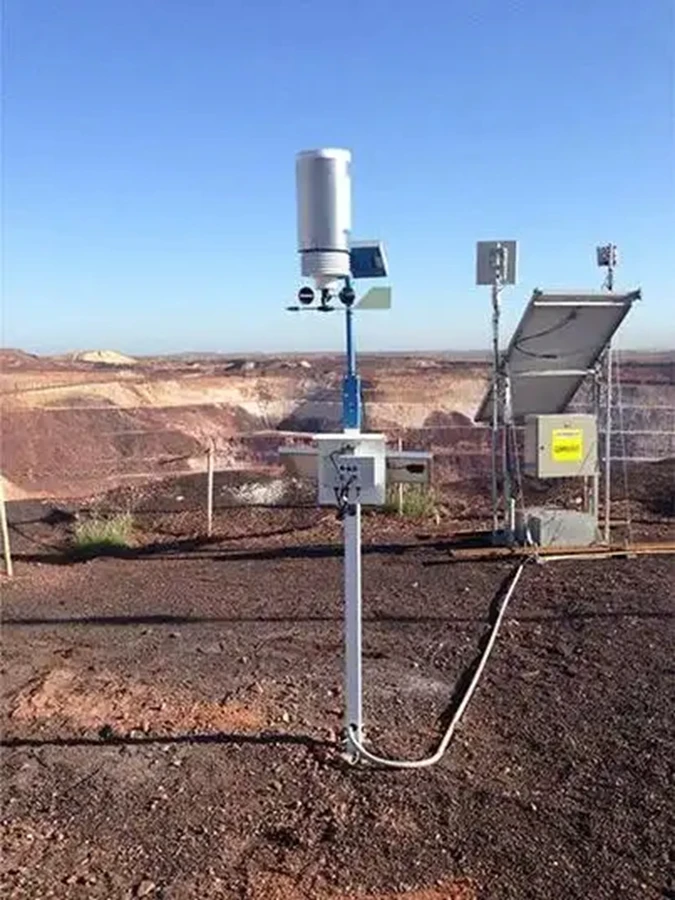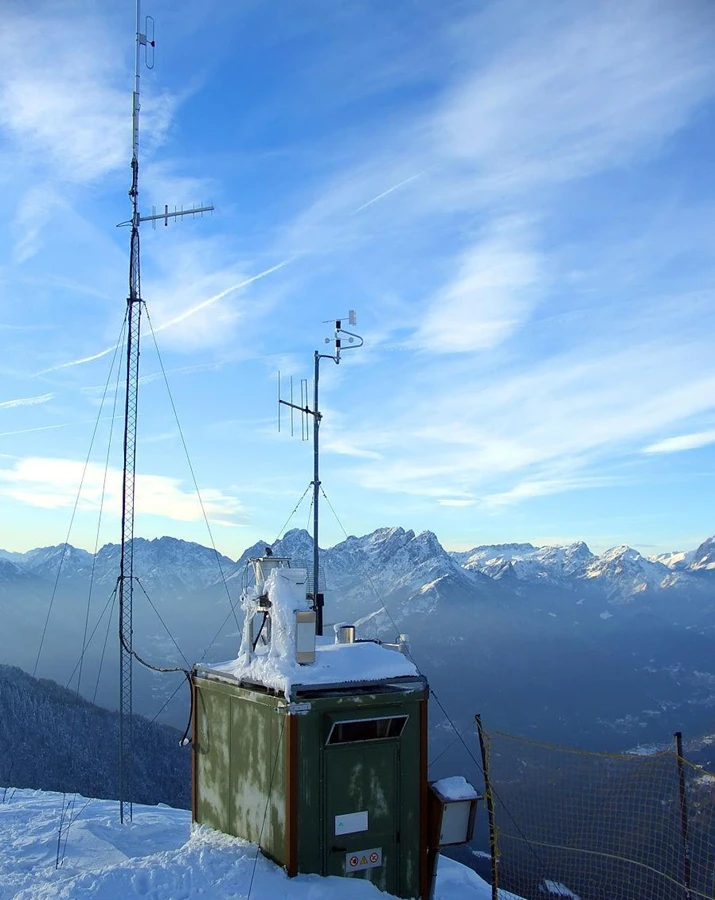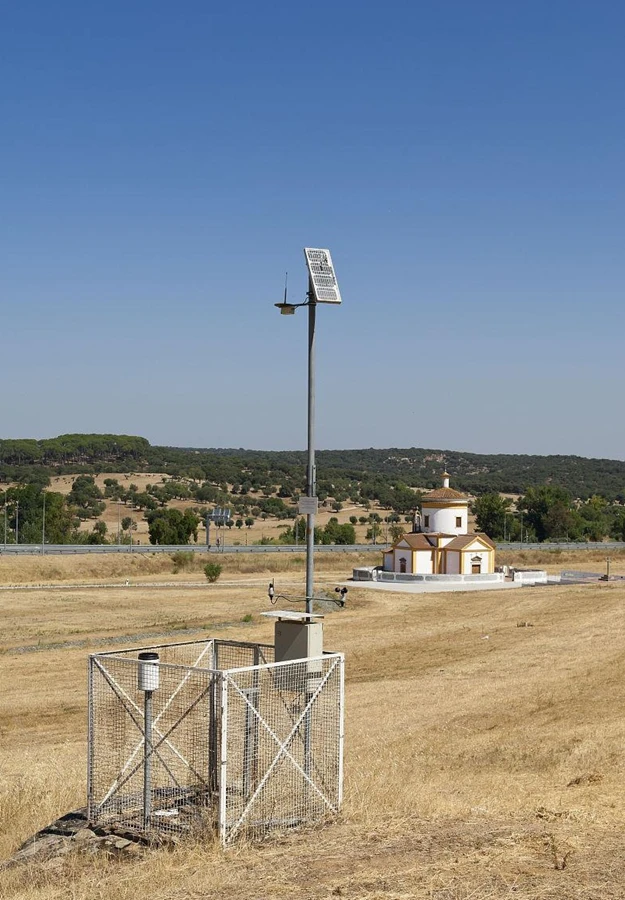
为恶劣环境选择气象传感器:沿海、矿区及高海拔案例研究。.

导言

Weather monitoring in harsh environments requires sensors with high reliability and long-term stability. In coastal, mining, and high-altitude areas, weather sensors are exposed to challenging conditions such as salt spray corrosion, dust contamination, strong vibration, extreme temperature changes, and freezing or icing.

These harsh conditions can affect sensor accuracy and service life, causing issues such as corrosion, measurement errors, mechanical failures, and increased maintenance costs. Therefore, selecting suitable weather sensors for harsh environments requires careful consideration of protection level, sensor technology, material design, and long-term operating reliability.

This article explores how to choose reliable weather monitoring solutions for different applications, including coastal ports, offshore wind farms, mining operations, mountain weather stations, and high-altitude transportation. It also introduces suitable solutions such as corrosion-resistant weather sensors, industrial monitoring sensors, and ultrasonic sensors for high-altitude wind speed measurement.

Why Standard Weather Sensors Fail in Harsh Environments?

Standard weather sensors are typically designed for general outdoor monitoring conditions. However, in harsh environments such as coastal areas, mining sites, and high-altitude regions, continuous exposure to corrosion, dust, vibration, and extreme weather can gradually reduce sensor accuracy, reliability, and service life.

Selecting reliable weather sensors for harsh environments requires understanding the major factors that affect sensor performance, including corrosion, dust contamination, mechanical stress, freezing conditions, and long-term outdoor exposure.

Corrosion Challenges in Coastal Environments

Coastal environments create some of the most challenging conditions for outdoor weather monitoring. Continuous exposure to salt spray, high humidity, and marine atmosphere can accelerate corrosion and gradually affect sensor accuracy, component durability, and long-term reliability.

Common failure issues include:

  • Metal corrosion on sensor housings and components
  • Connector damage caused by moisture and salt exposure
  • Signal instability due to environmental degradation

For ports, harbors, offshore facilities, and coastal monitoring networks, corrosion-resistant weather sensors are essential to ensure reliable operation. Industrial sensors for coastal areas should feature sealed structures, corrosion-resistant materials, and robust outdoor protection designs to maintain stable performance in marine environments.

Dust and Vibration Challenges in Mining Environments

Mining environments expose weather sensors to high dust concentration, heavy equipment vibration, and frequent temperature fluctuations. These harsh conditions can gradually affect sensor accuracy, structural durability, and long-term operational reliability.

Common problems include:

  • Sensor contamination caused by dust accumulation
  • Mechanical wear caused by continuous vibration
  • Data instability under harsh operating conditions

For open-pit mining, mine slope monitoring, and underground mining applications, industrial weather sensors for mining applications are essential to ensure reliable environmental monitoring. These sensors should feature dust protection, vibration-resistant design, and stable performance under demanding industrial conditions.

Freezing and Icing Problems at High Altitudes

High-altitude regions expose weather sensors to extreme conditions, including low temperatures, strong UV exposure, ice accumulation, and rapid weather changes. These harsh conditions can affect sensor accuracy, measurement stability, and long-term outdoor reliability.

Common problems include:

  • Sensor freezing caused by ice accumulation
  • Measurement errors under extreme cold conditions
  • Increased maintenance requirements in remote locations

For mountain weather stations and wind resource assessment projects, high-altitude wind speed measurement requires reliable ultrasonic technology with no moving parts, anti-icing capability, and stable operation in cold environments.

Factors When Selecting Weather Sensors for Harsh Environments

Selecting the right weather sensors for harsh environments requires more than focusing on measurement accuracy. Environmental conditions, sensor technology, structural design, and communication capabilities all play critical roles in determining long-term reliability, maintenance requirements, and overall system performance.

Protection Design and Environmental Sealing

The protection design of weather sensors for harsh environments directly affects their reliability and service life in demanding outdoor applications. For coastal, mining, and high-altitude environments, sensors should be designed to withstand exposure to moisture, dust, salt spray, temperature changes, and other environmental stresses.

When selecting a weather sensor, engineers should evaluate key factors such as housing protection, sealing structure, connector durability, moisture resistance, and material quality. A robust design helps prevent environmental damage and maintain stable measurement performance during long-term operation.

However, protection capability alone does not determine overall sensor reliability. Sensor structure, measurement technology, operating temperature range, and communication performance should also be considered to ensure consistent data output in challenging environments.

Ultrasonic vs Mechanical Weather Sensors: Which Is Better for Harsh Environments?

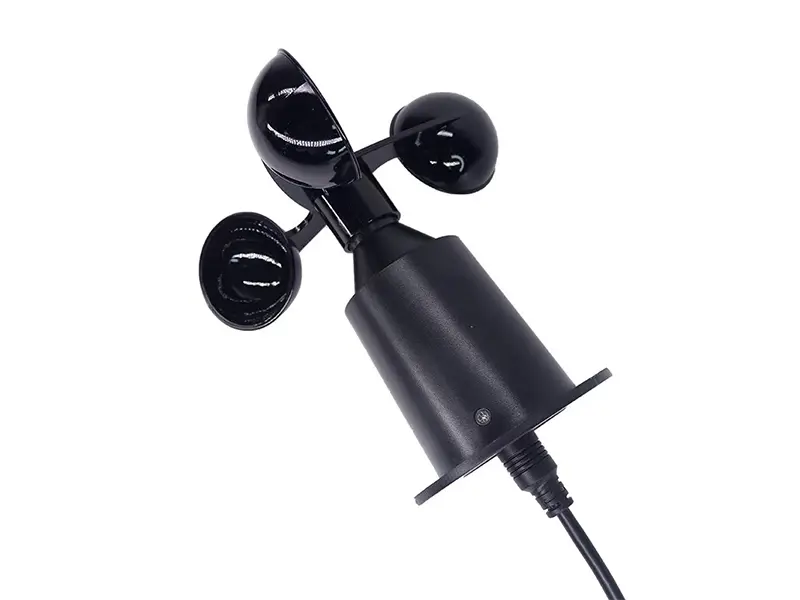
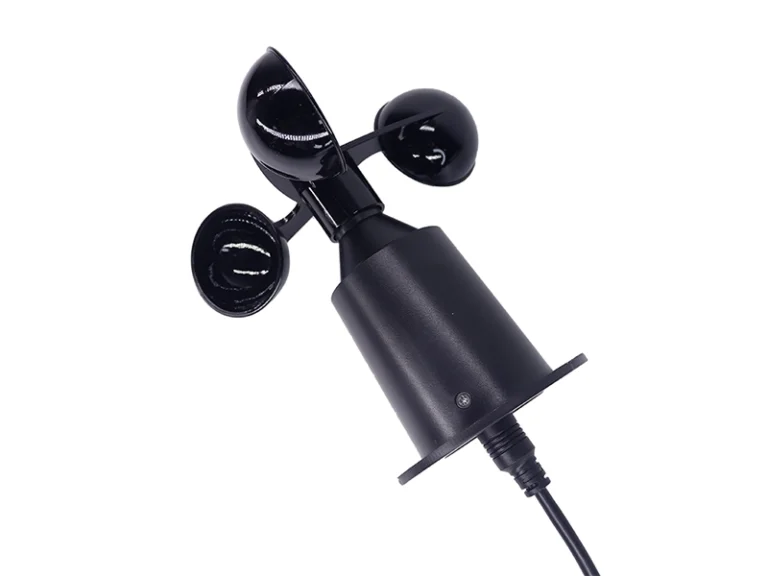
Sensor technology directly affects reliability in harsh outdoor environments. Mechanical weather sensors rely on rotating components such as wind cups and bearings, which can be affected by dust accumulation, freezing conditions, salt corrosion, and mechanical wear over long-term operation.

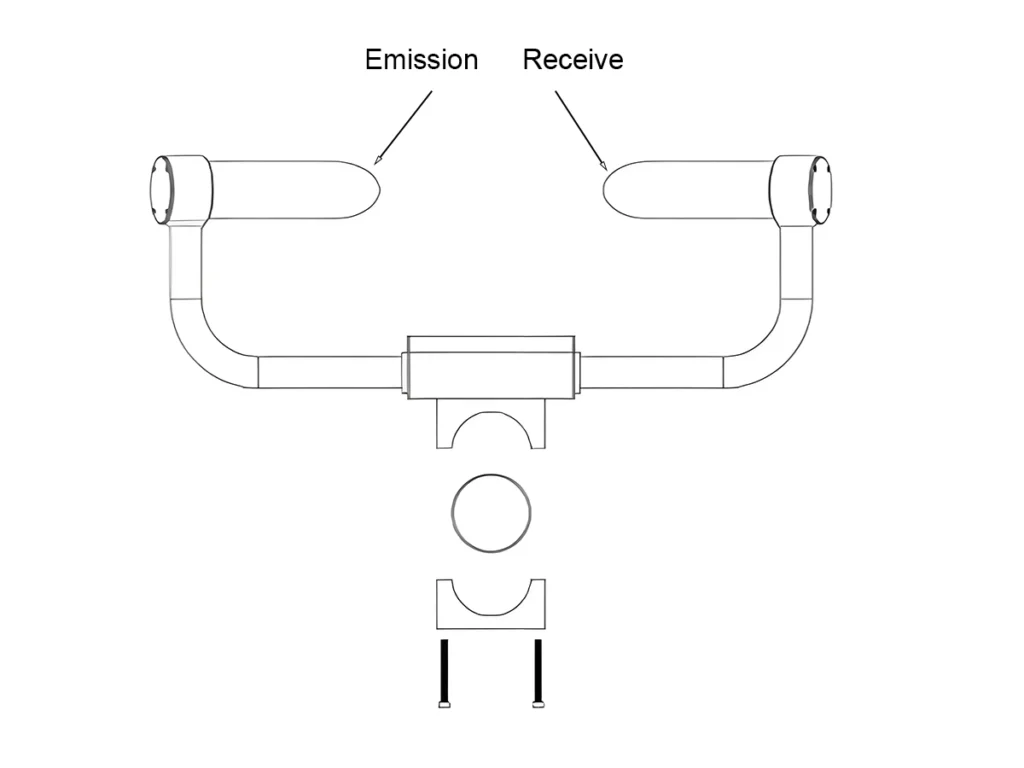
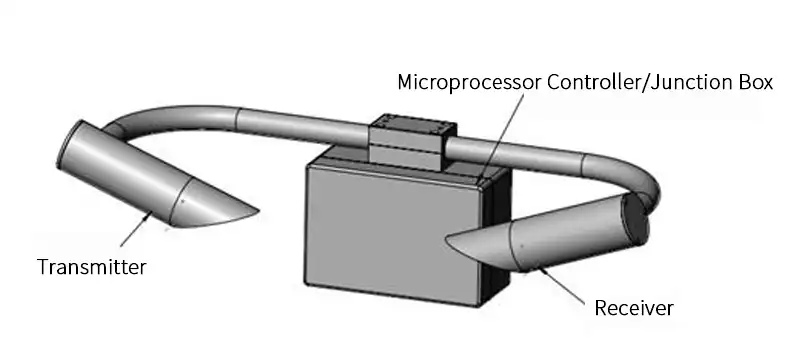
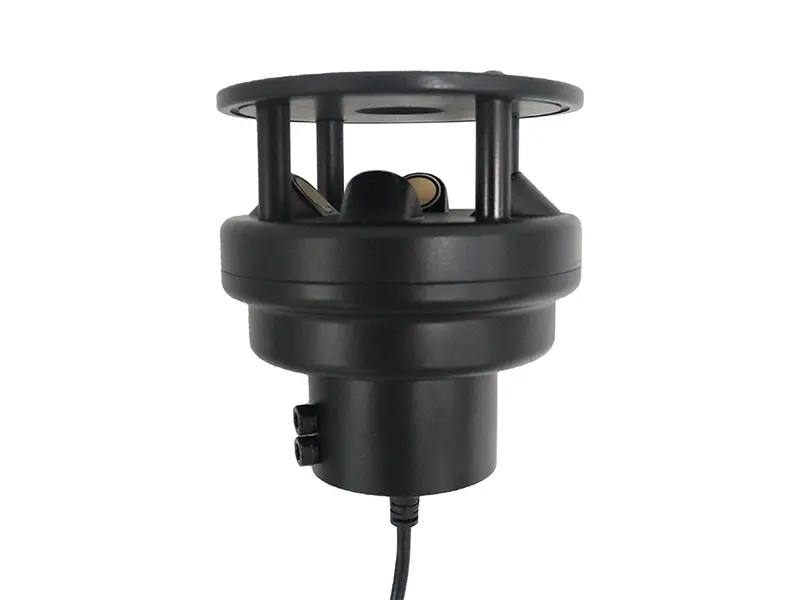
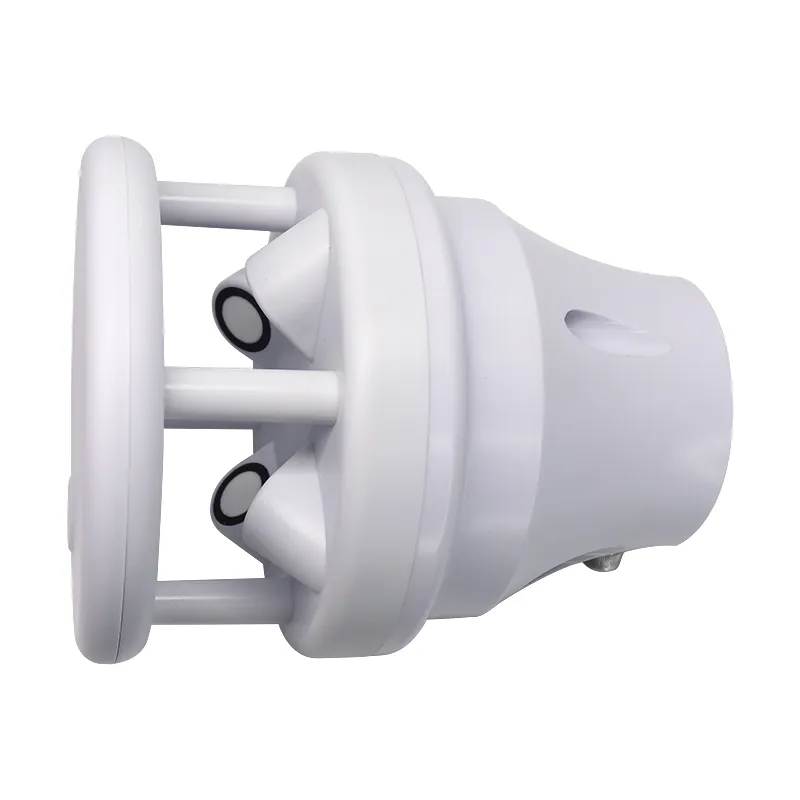
Ultrasonic weather sensors use sound wave technology without moving parts, reducing maintenance requirements and improving long-term stability. This makes them suitable for demanding applications such as offshore wind farms, mining sites, and mountain weather stations where reliable wind monitoring and high-altitude wind speed measurement are required.If you’d like to learn more about “超声波风速计与机械风速计:太阳能电站监测,哪种更优?”,请点击此处。.

Material Design and Long-Term Reliability

Sensor materials play an important role in long-term performance, especially in corrosive and extreme outdoor environments. When selecting weather sensors for harsh environments, factors such as housing durability, corrosion resistance, UV protection, and operating temperature range should be considered.

Reliable material design helps sensors maintain stable operation in challenging applications, including coastal monitoring, mining operations, and alpine weather stations, where exposure to salt spray, dust, temperature changes, and harsh weather conditions is common.

Data Communication and Remote Monitoring Capability

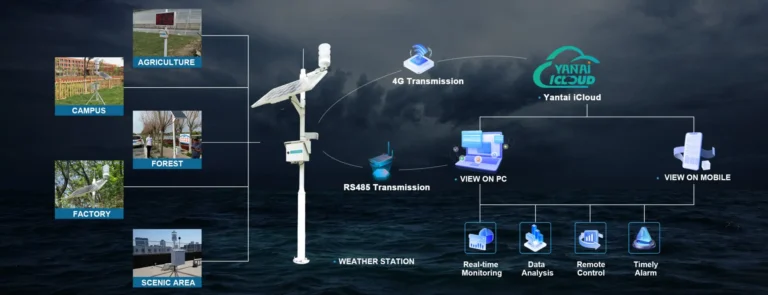
Many weather monitoring systems in harsh environments are installed in remote locations where frequent maintenance is difficult. Therefore, reliable data transmission, remote access, and system integration capabilities are important factors when selecting weather sensors for long-term outdoor operation.

A well-designed monitoring solution enables continuous environmental data collection from locations such as remote mining sites, offshore facilities, and mountain weather stations. By supporting remote monitoring and seamless data integration, weather sensors can improve operational safety, reduce maintenance requirements, and provide reliable information for environmental analysis and decision-making.

Weather Sensor Solutions for Coastal Applications

Coastal Weather Stations and Port Monitoring

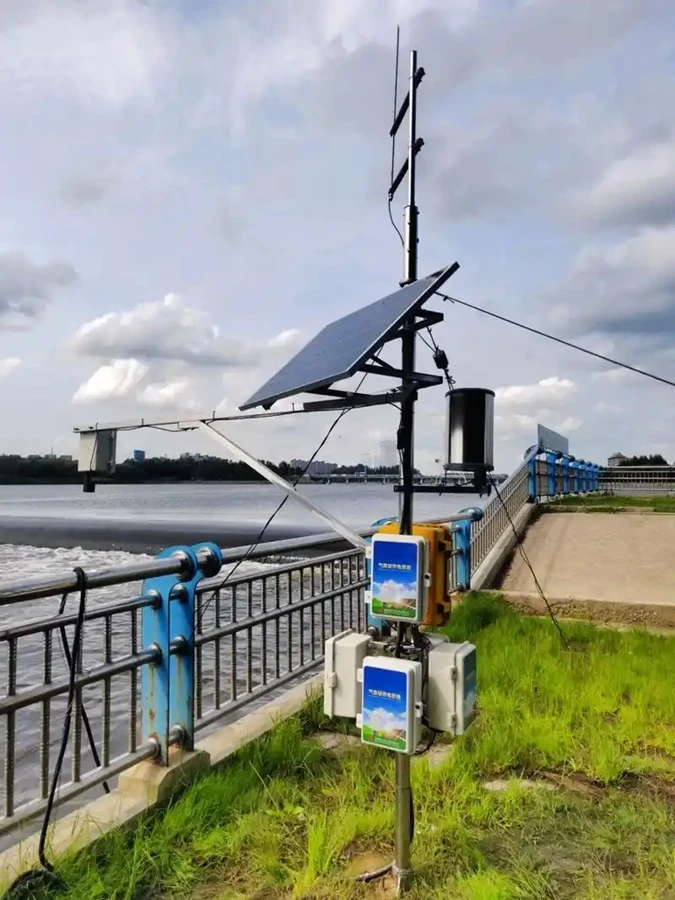
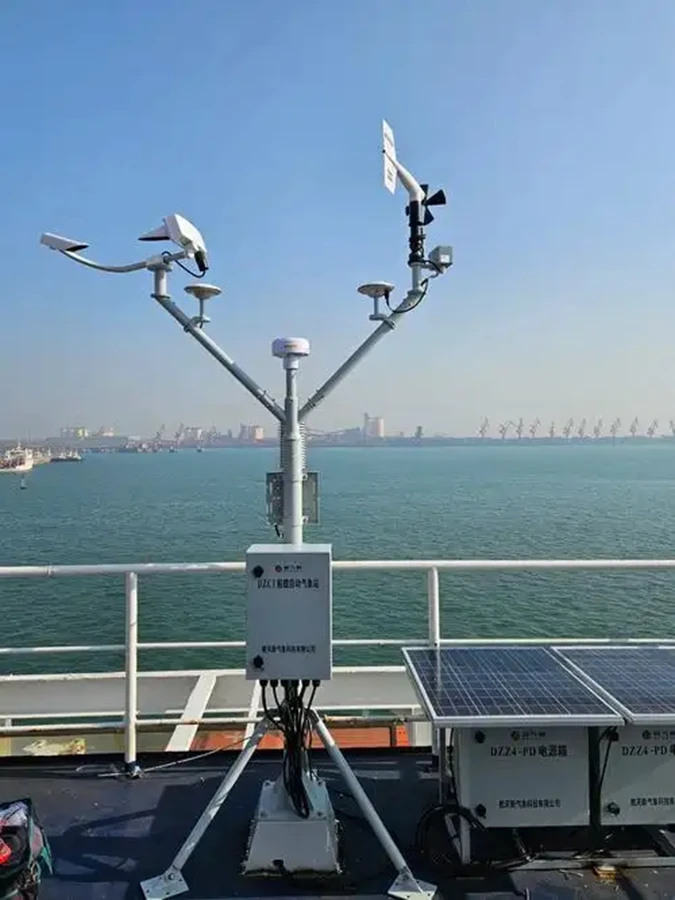
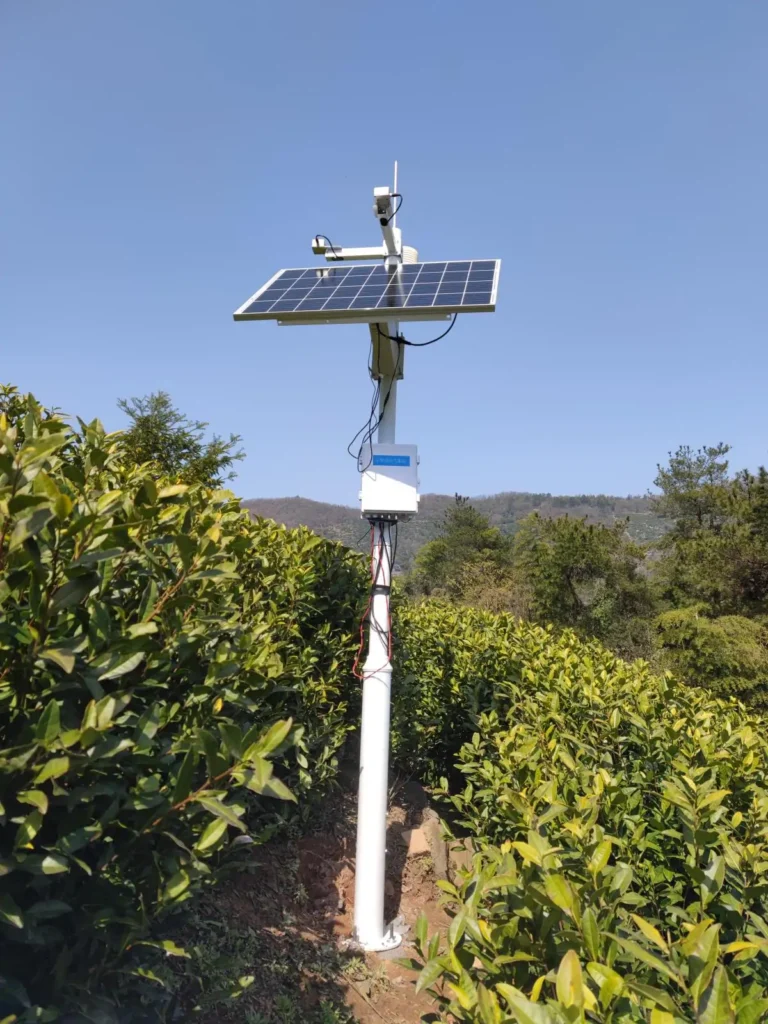
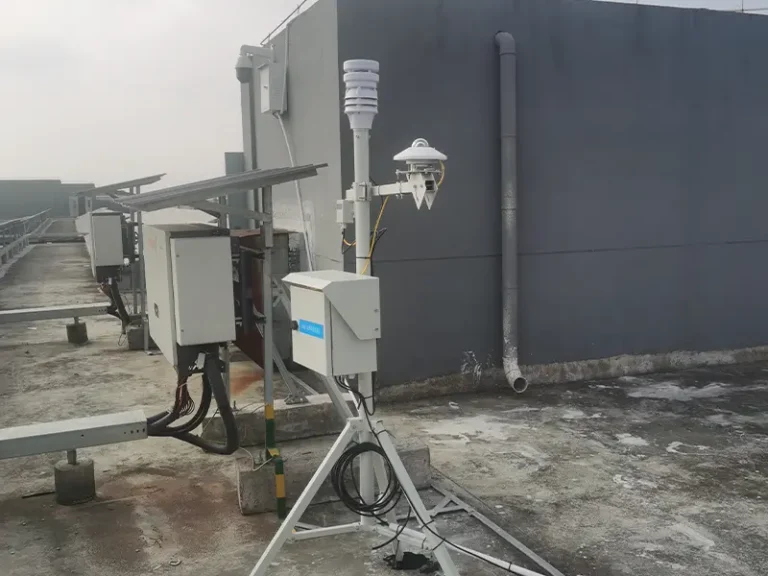
Coastal weather stations and port monitoring systems require continuous measurement of key meteorological parameters, including wind speed, wind direction, temperature, humidity, atmospheric pressure, and rainfall, to support marine observation, port safety management, and environmental monitoring.

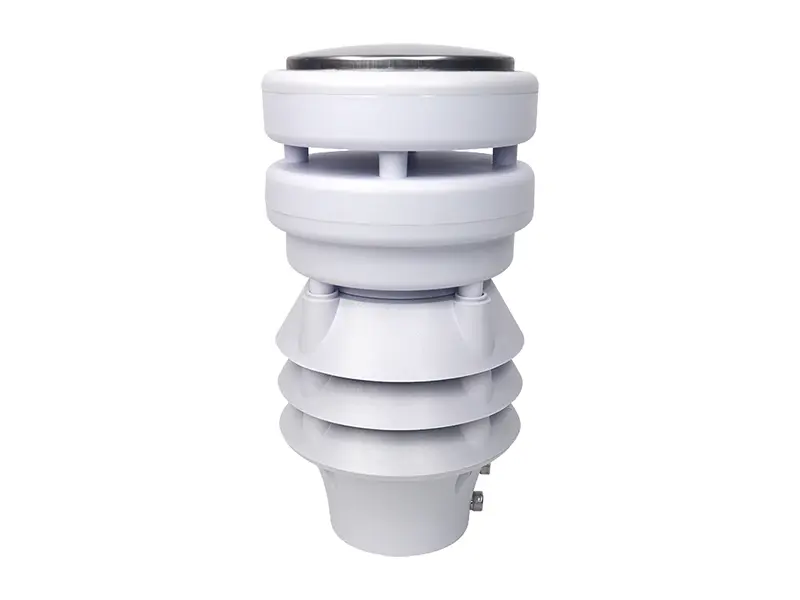
The XF600 Compact Weather Station integrates multiple weather parameters into a compact monitoring solution, providing reliable data collection for coastal applications. With its multi-parameter design and flexible integration capability, it is suitable for industrial sensors for coastal areas, including ports, harbors, and marine observation networks.

Offshore Wind Farms

Offshore wind farms require reliable wind monitoring for turbine operation and long-term performance evaluation. Wind speed and wind direction are the key parameters, while sensors must maintain stable operation in remote marine environments.

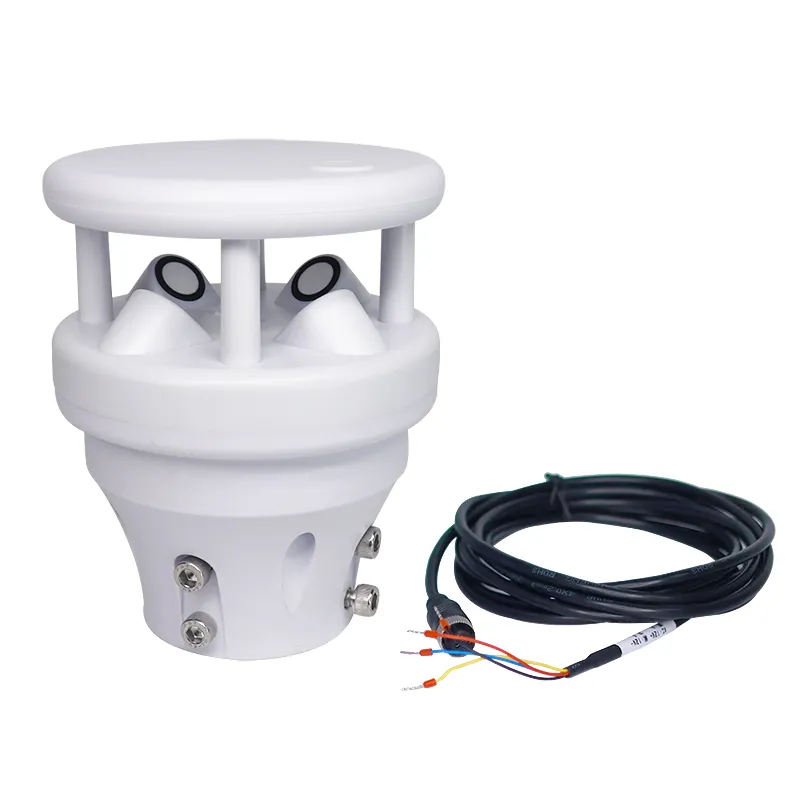
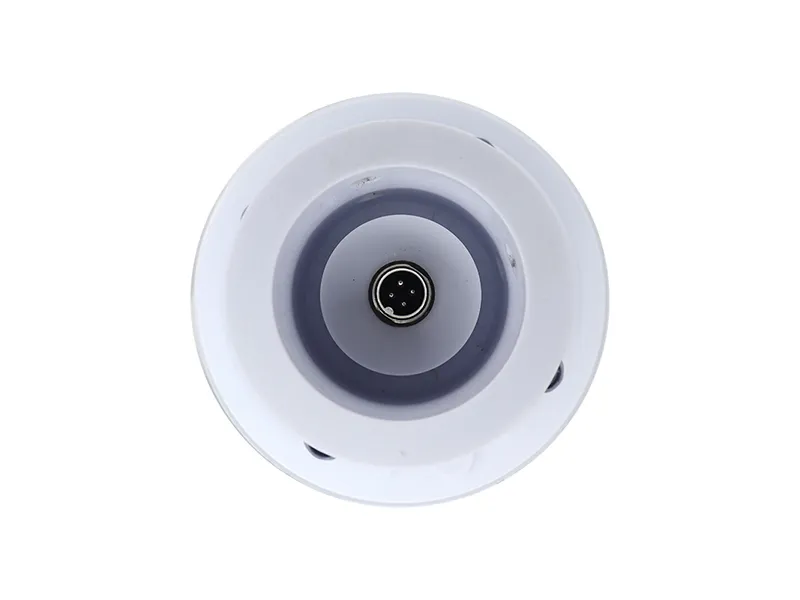
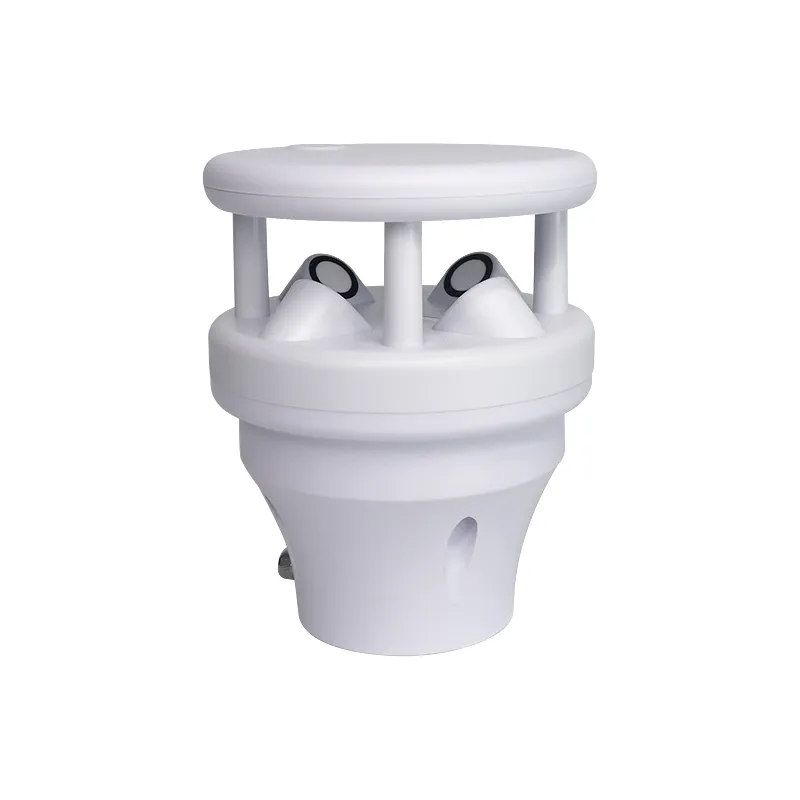
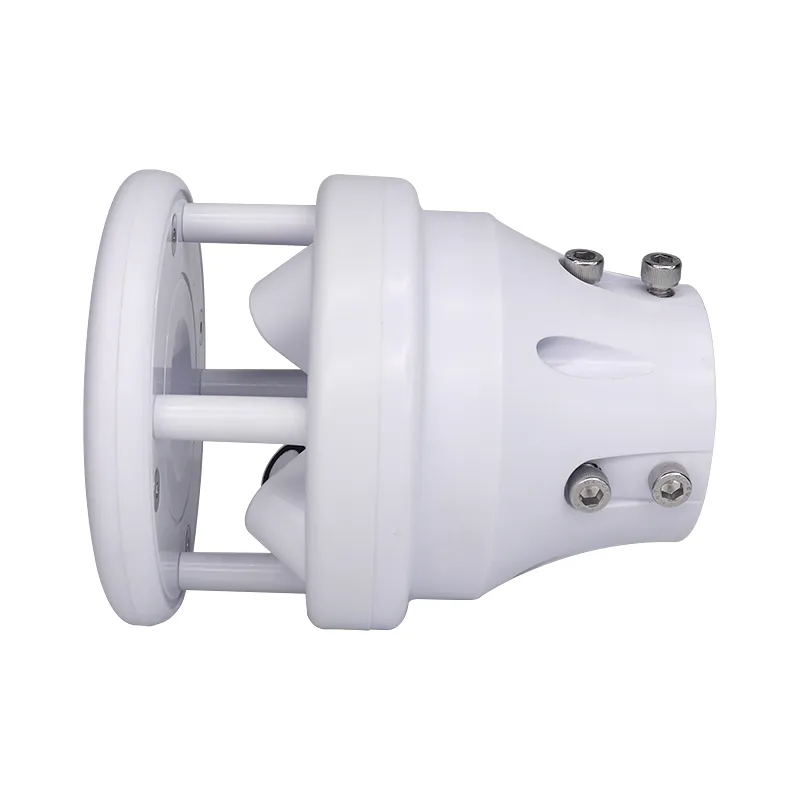
The XF200A Ultrasonic Wind Speed and Direction Sensor uses ultrasonic measurement technology without moving parts, reducing mechanical wear and maintenance requirements compared with traditional anemometers. With stable wind measurement and reliable outdoor performance, it is suitable for offshore wind farms and marine applications requiring corrosion-resistant weather sensors.

Weather Sensor Solutions for Mining Applications

Mining Operations (Open-pit and Underground Mining)

Mining operations involve complex environmental conditions, including dust, vibration, temperature fluctuations, high humidity, and limited installation space. Reliable monitoring of wind speed, wind direction, temperature, humidity, and atmospheric pressure is essential for improving operational safety and environmental management.

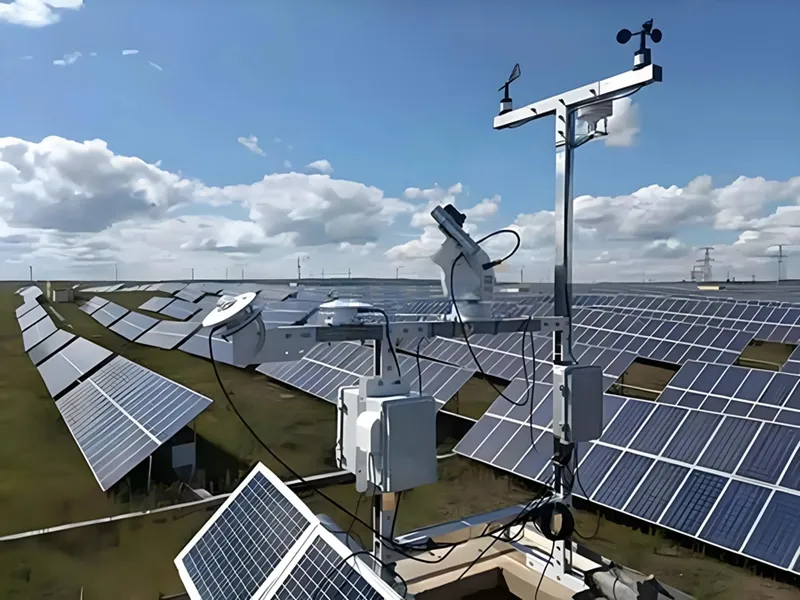
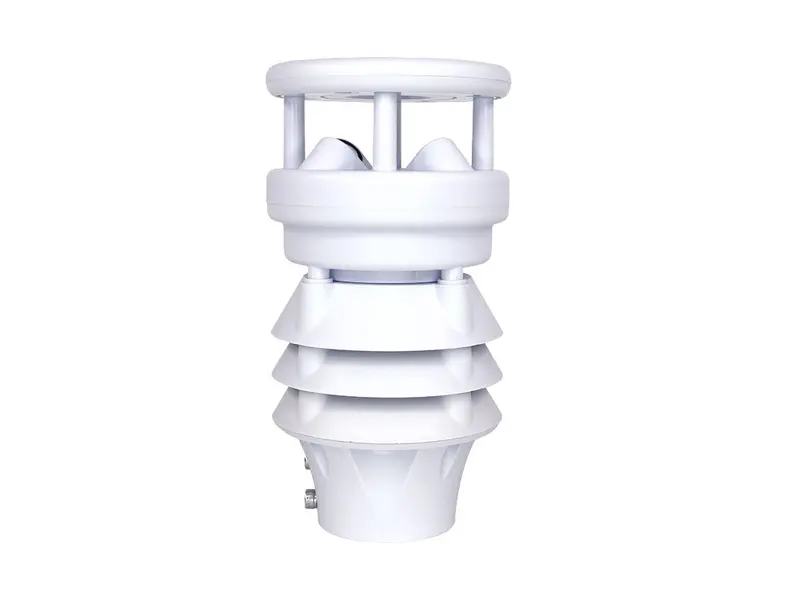
The XF500 Series Integrated Weather Sensor is designed for industrial monitoring applications with a compact structure and solid-state design without moving parts. It provides stable multi-parameter measurement with dust resistance, vibration resistance, and wide temperature operation capability, making it suitable for both open-pit mining and underground mining environments.

Mine Slope Monitoring

Mine slope monitoring requires continuous environmental data collection in high-risk and remote areas to support safety management and early warning systems. Key monitoring requirements include wind conditions, temperature, humidity, pressure, rainfall, and other environmental parameters.

The XF-80X 8-in-1 Compact Ultrasonic Weather Station is designed for smart environmental monitoring applications, integrating multiple meteorological parameters into a compact system. With ultrasonic measurement technology, remote data transmission capability, and long-term unattended operation, it provides reliable environmental monitoring support for mine slope monitoring and other critical mining applications.

Weather Sensor Solutions for High-Altitude Applications

Mountain Weather Stations & Wind Resource Assessment

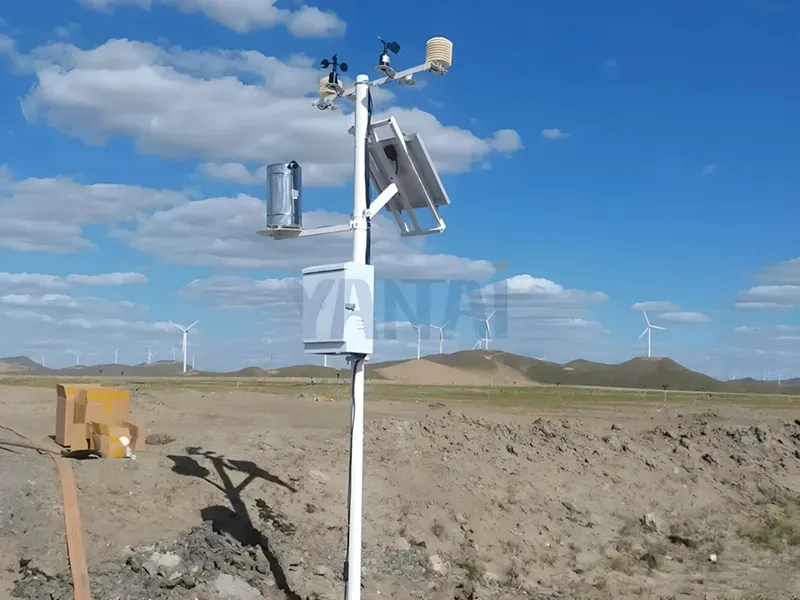
Mountain weather stations and wind resource assessment projects often operate in cold, remote areas where icing, low temperatures, and strong UV exposure can affect wind measurement reliability. Accurate monitoring of wind speed and direction is important for plateau observation, alpine research, and wind energy development.

The XF200A Ultrasonic Wind Speed and Direction Sensor uses ultrasonic technology with no moving parts, avoiding mechanical wear and reducing maintenance needs during long-term outdoor operation. Its stable wind measurement performance makes it a reliable choice for high-altitude wind speed measurement, including mountain weather stations and wind resource assessment projects.

High-altitude Roads & Transportation

High-altitude roads are often affected by snow, ice, fog, and strong winds, creating challenges for road safety and winter maintenance. Continuous monitoring of wind conditions, visibility, temperature, and road surface conditions helps improve weather-related risk management.

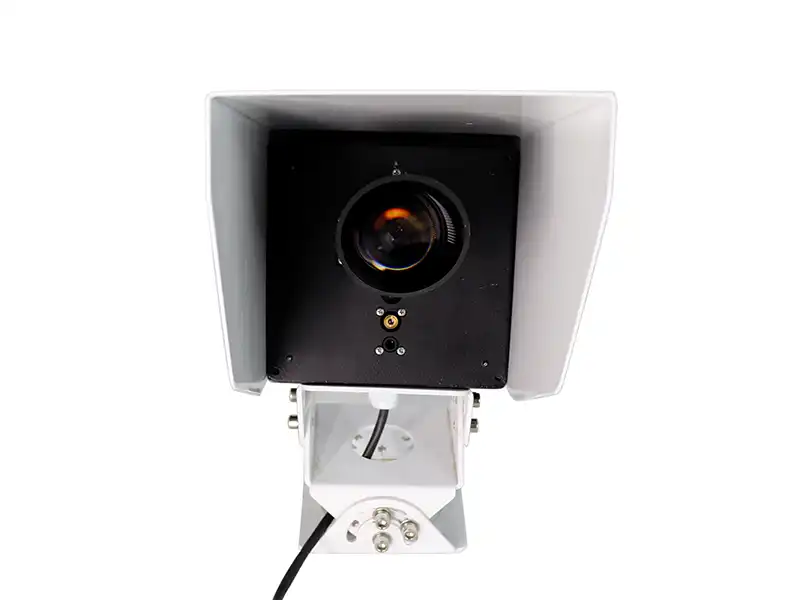
The XF-CQ11 Road Condition Sensor uses non-contact infrared laser sensing technology to detect road surface conditions, including water, ice, and snow, without affecting traffic operation. Combined with the XF600L Compact Smart Weather Station, it provides an integrated RWIS solution for highway weather monitoring, ice detection, and road safety warning in high-altitude areas.

How to Choose the Right Weather Sensor for Harsh Environments?

Choosing the right weather sensor for harsh environments requires evaluating actual site conditions rather than focusing only on measurement accuracy. Factors such as environmental exposure, required monitoring parameters, installation conditions, maintenance requirements, and system integration should all be considered to ensure reliable long-term operation.

Evaluate Environmental Conditions

The first step in selecting weather sensors for harsh environments is to identify the actual operating conditions, including corrosion exposure, dust levels, temperature range, precipitation, and icing risks. Different environments require different protection and measurement capabilities.

Coastal applications should prioritize corrosion resistance and moisture protection, mining sites require durable designs for dust and vibration, while high-altitude locations need stable performance under low temperatures and icing conditions.

Match Sensor Functions with Application Needs

Different applications require different monitoring parameters, so weather sensors should be selected based on actual environmental monitoring objectives. Coastal monitoring usually requires wind, rainfall, temperature, and humidity measurements, while mining applications focus more on wind and environmental data for operational safety. High-altitude areas often prioritize wind measurement and temperature monitoring, whereas highway systems combine weather data with road condition detection.

Matching sensor functions with specific application needs helps avoid unnecessary features while ensuring reliable data collection and effective long-term monitoring.

Consider Long-term Maintenance Requirements

Many monitoring sites in harsh environments are located in remote areas where frequent maintenance is difficult. When selecting weather sensors, factors such as service life, calibration requirements, installation conditions, and remote data access capability should be considered.

For long-term unattended operation, sensors with fewer mechanical components, stable communication, and proven reliability can help reduce maintenance costs and improve monitoring continuity.

结论

Selecting weather sensors for harsh environments requires a balance between environmental adaptability, measurement reliability, and long-term operating performance. Coastal areas, mining sites, and high-altitude regions each present different challenges, so the right solution should be matched with specific monitoring needs, installation conditions, and maintenance requirements.

With experience in developing weather monitoring solutions for demanding outdoor applications, our team can help you select the right sensor configuration for your project. Contact our professional team to discuss your environmental monitoring requirements and find a reliable solution for long-term operation.

常见问题

专为恶劣环境设计的天气传感器,应在腐蚀、粉尘、极端温度、振动和结冰等条件下提供可靠性能。关键因素包括传感器结构、材料耐久性、测量技术、防护设计及通信能力。选择合适的配置有助于保持数据采集的准确性,并减少沿海、矿区及高海拔应用中的运行问题。.

超声波气象传感器因其无移动部件,减少了机械磨损和维护需求,常被优先用于恶劣环境。与传统机械传感器相比,在受灰尘、冰冻条件、强风及远程操作挑战影响的地区,它们能提供更稳定的风测量。这使得它们适用于海上、采矿和高海拔监测应用。.

沿海和海洋监测应用要求传感器具备强大的环境耐久性和可靠的长期运行能力。集成气象站和超声波风速传感器常用于港口、海上设施及沿海监测网络。这些解决方案提供风速、风向、温度、湿度和降雨量等关键测量数据,同时支持持续的户外数据采集。.

采矿环境要求工业气象传感器能够应对粉尘、振动、温度变化以及远程安装条件。集成式气象监测解决方案采用耐用结构和稳定通信,常用于露天采矿、地下采矿和矿山边坡监测。它们有助于为作业安全和现场管理提供连续的环境数据。.

高海拔环境使气象传感器面临低温、结冰、强紫外线辐射以及多变天气条件的考验。超声波风速传感器因其无旋转部件,能够在较低维护需求下保持稳定的风速测量性能,因此适用于此类应用场景。它们广泛应用于高山气象站和高海拔风速测量项目。.

安装在偏远地区的天气传感器应设计为适合长期无人值守运行。采用更少机械部件、耐用材料、稳定通信和可靠测量技术的解决方案可降低维护频率。这对于海上设施、矿区以及难以定期到达的山地监测站尤为重要。.

是的。许多现代气象监测系统支持远程数据传输及与监测平台的集成。这使得操作人员能够从难以到达的地点(包括偏远矿区、海上设施和高山气象站)收集并分析环境数据,从而提高监测效率,减少频繁现场巡检的需求。.

选择合适的气象传感器取决于环境条件、所需测量参数、安装位置、维护要求及系统集成需求。沿海、矿区、高海拔和高速公路应用场景的监测重点各不相同,因此传感器选型应基于实际运行环境和长期可靠性要求。.

相关文章