太阳能测量精度指南

导言

太阳辐射测量应达到多高的精度?答案取决于测量的用途。太阳能资源评估、公用事业规模光伏项目以及一般气象监测站对数据质量的要求可能差异很大。这意味着不存在一个适用于所有太阳监测应用的单一精度值。.

在实践中,太阳测量精度不仅受传感器本身的影响,还受其校准、安装和现场维护方式的影响。评估太阳辐射传感器精度时也是如此:传感器规格提供了关于性能的重要信息,但并不一定代表完整测量系统在真实户外条件下的太阳测量精度。.

理解这些差异有助于用户选择合适的测量设备,而不必仅仅选择宣称精度最高的传感器。本指南解释了影响太阳辐射测量精度的因素、如何解读ISO 9060等级、不同应用的需求,以及如何选择适合长期可靠监测的太阳辐射传感器。.
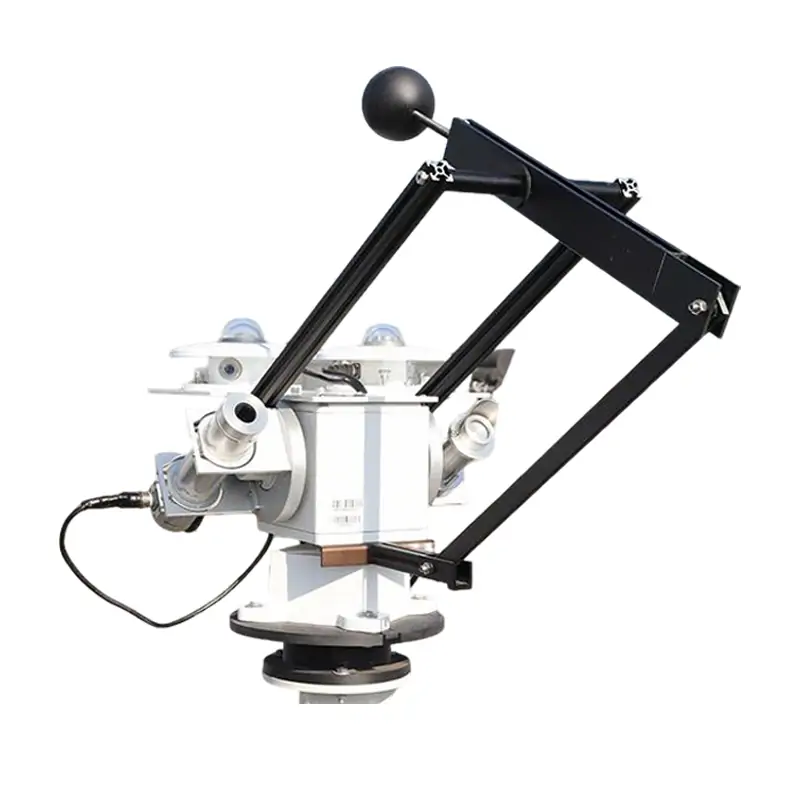
太阳辐射测量应达到多高的精度?

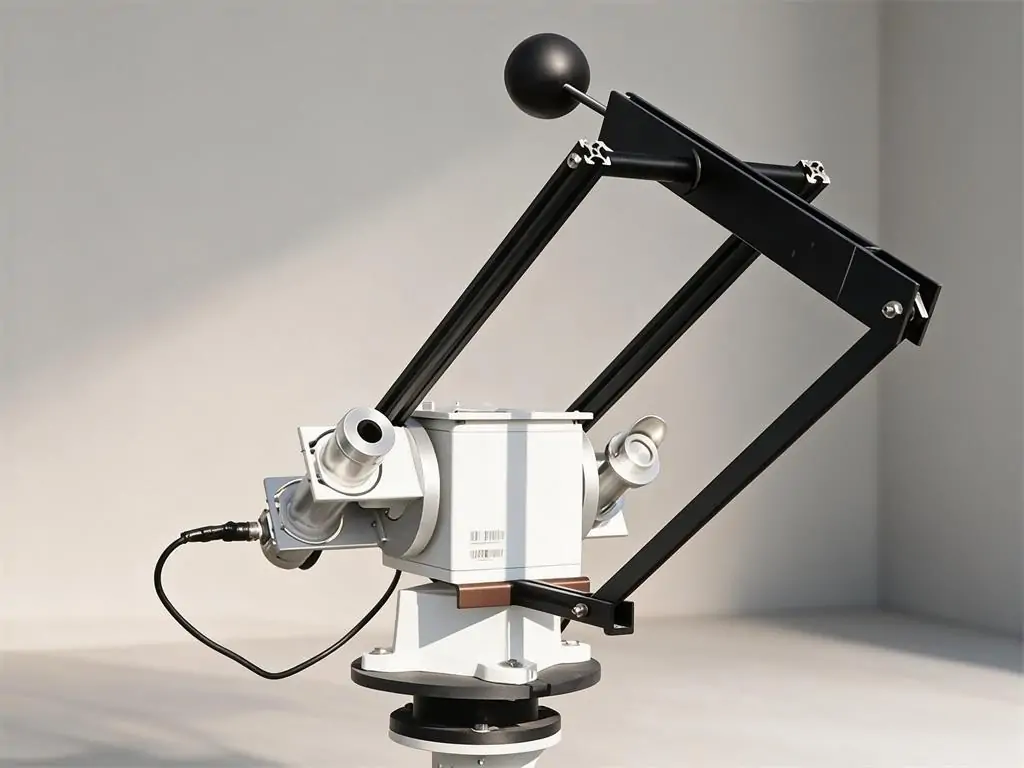
并非每个太阳辐射测量项目都有统一的精度水平。要求主要取决于数据的用途。气象站可能只需要可靠的常规测量,而太阳能资源评估或光伏性能分析则可能需要对测量不确定度进行更严格的控制。欲了解更多,请点击“什么是自动太阳跟踪测量系统?

太阳能资源评估

太阳能资源评估依赖长期GHI、DNI或DHI数据来表征可用的太阳能资源。微小的测量偏差可能影响最终的太阳能资源估算结果,尤其是在数据采集时间较长的情况下。.

对于此类应用,太阳辐射测量精度应结合校准溯源性、传感器稳定性、余弦响应、光谱响应和现场条件来综合考虑。一个校准良好且现场性能稳定的传感器,通常比仅根据标称精度数字选择设备更有价值。.

光伏性能监测

光伏监测利用辐照度数据来评估发电量和系统性能。根据项目不同,测量可能包括GHI或阵列平面(POA)辐照度。.

所需的太阳辐射测量精度应与监测标准和分析目的相匹配。ISO 9060分类在比较仪器时很有用,但不应将其视为一个单一的总体精度百分比。非线性、不稳定性、方向响应和温度响应等个体特性也同样重要。.

气象与环境监测

对于常规天气、农业和环境监测,并不总是需要最高性能的传感器。通常优先考虑的是精度、稳定性、环境耐受性、维护和成本之间的合理平衡。.

在这些应用中,一个安装和维护得当、能提供一致数据的传感器,可能比一个不必要的高规格仪器更实用。.
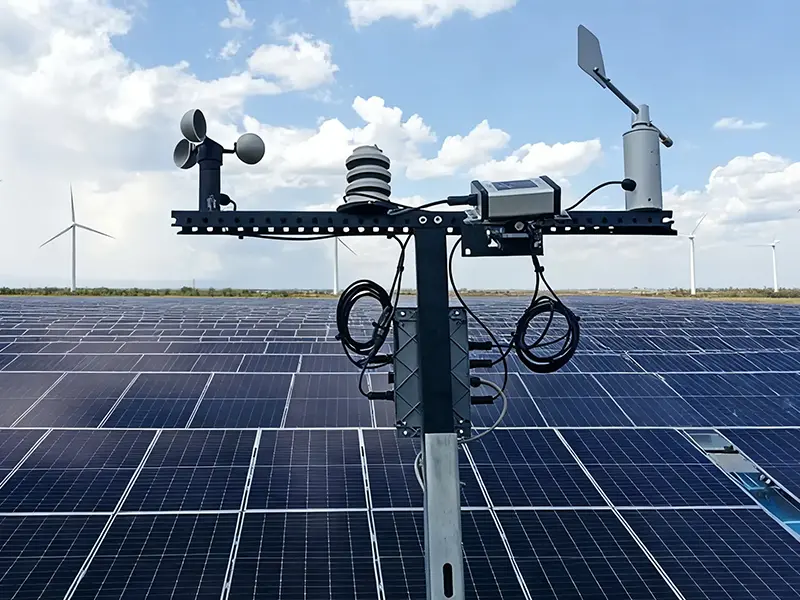
什么决定太阳测量精度?

太阳测量系统的精度并非仅由传感器规格决定。传感器性能、校准、安装、环境条件、维护和数据采集都可能影响最终结果。在长期光伏监测和太阳能资源评估中,当测量数据在数月或数年内进行比较时,即使相对较小的误差源也可能变得重要。.

在实践中,主要挑战不仅仅是选择一个数据表规格良好的传感器。测量设置必须在实际运行条件下保持适用。因此,在现场评估太阳测量精度时,以下因素很重要。欲了解更多,请点击此处: 太阳测量错误:影响太阳辐照度数据质量的常见误差。.

传感器性能

太阳辐射传感器精度的起点是传感元件和光学设计的性能。关键特性包括非线性、不稳定性、光谱响应、温度响应、方向响应、倾斜响应和响应时间。这些规格描述了传感器行为的不同方面,应综合考虑,而不是简化为一个单一的太阳测量精度数字。.

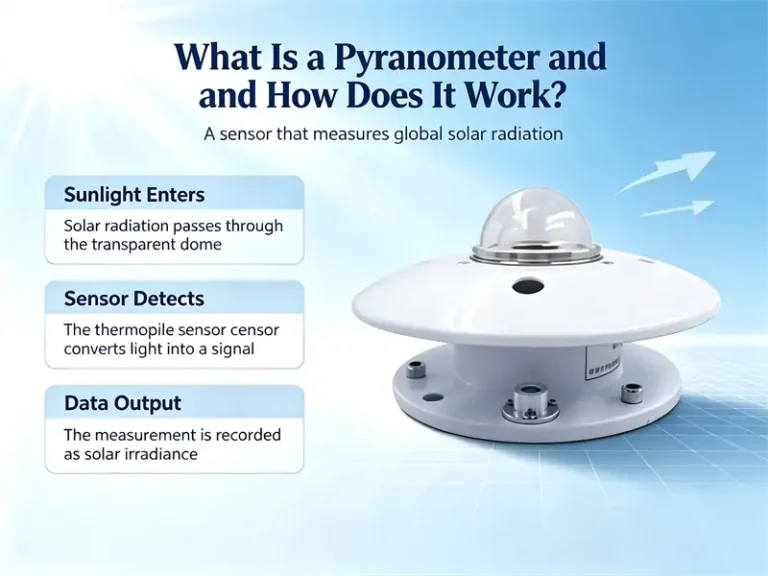
对于总辐射表,这些特性决定了仪器在辐照度、太阳位置、温度和大气条件变化时的响应一致性。例如,方向响应在太阳高度角较低时更为相关,而长期稳定性对于预期连续运行数年的监测系统尤为重要。如需深入了解总辐射表的结构和测量原理,请参阅《什么是总辐射表及其工作原理?》

校准与溯源性

校准建立了传感器输出与定义条件下参考测量之间的关系。评估太阳辐射传感器时,校准证书很有用,但买家还应考虑校准方法、参考标准、溯源性、实测灵敏度和标称校准不确定度。.

校准并不能消除传感器安装后可能出现的误差。灵敏度随时间的变化、安装条件、污染、温度效应以及测量链中的其他环节都可能影响最终现场结果。对于长期项目,维护校准记录并定期检查传感器性能,有助于在漂移显著影响测量数据集之前识别问题。.

余弦与方向响应

太阳辐射在一天中会从不同角度到达传感器,因此仪器需要在太阳天顶角变化时保持适当的响应。这一特性通常通过方向响应或余弦响应来评估,当辐射从传感器法线轴的大角度入射时,该特性变得尤为重要。.

这种效应在日出和日落前后尤为明显,此时太阳接近地平线。如果传感器未准确调平,安装过程还可能进一步增加误差。对于低太阳高度辐照度对分析有显著贡献的测量场景,应同时考虑传感器的方向性能和安装精度。.
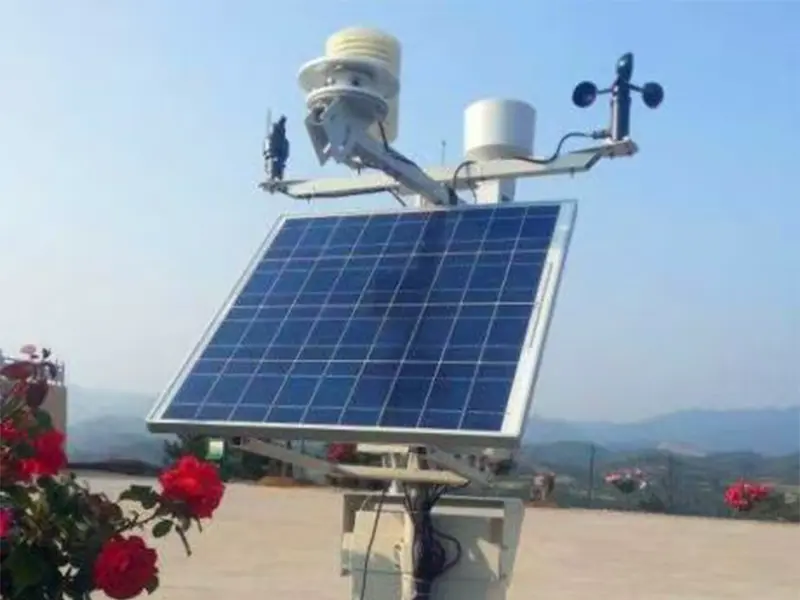
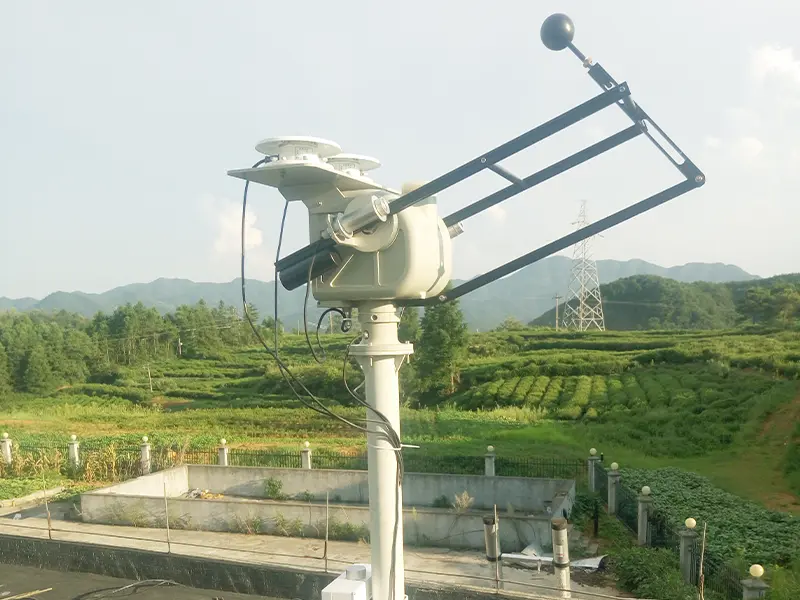
温度响应

室外太阳传感器在较宽的环境温度范围内运行,温度变化可能影响传感器输出。因此,仪器的温度响应是评估太阳辐射传感器精度时的重要考量因素,尤其是对于暴露在较大昼夜或季节温度变化下的监测系统。.

相关规格不仅仅是传感器的工作温度范围。采购方还应审查测量响应在该范围内的变化情况,以及所声明的性能是否适用于安装现场预期的条件。这也是实验室或室温性能不应自动被视为长期室外测量代表的原因之一。.

光谱响应

入射阳光的光谱随太阳高度、大气条件、云量和空气质量而变化。由于传感器不一定对每个波长都有相同的响应,其光谱响应可能影响测量值与实际宽带辐照度之间的关系。.

在比较不同探测器技术或使用辐照度数据进行光伏性能分析时,这一考量变得更加重要。工程师不应仅关注标称波长范围,而应考虑传感器在该范围内的响应方式,以及其光谱特性是否适合预期的测量应用。.

安装与对准

正确安装对于获得可靠的现场测量至关重要。用于水平辐照度测量的总辐射表应准确调平、牢固安装,并放置在附近结构、设备或植被不会造成显著遮挡或反射辐射的位置。安装结构还应在整个监测期间保持稳定。.

安装几何结构应与测量目标相匹配。对于POA辐照度,传感器应遵循所评估光伏表面的朝向和倾角,而GHI测量则需要水平基准。在跟踪系统上,测量布置可能还需要考虑阵列的运动。这些细节可能直接影响所收集辐照度数据的质量。.

清洁与环境条件

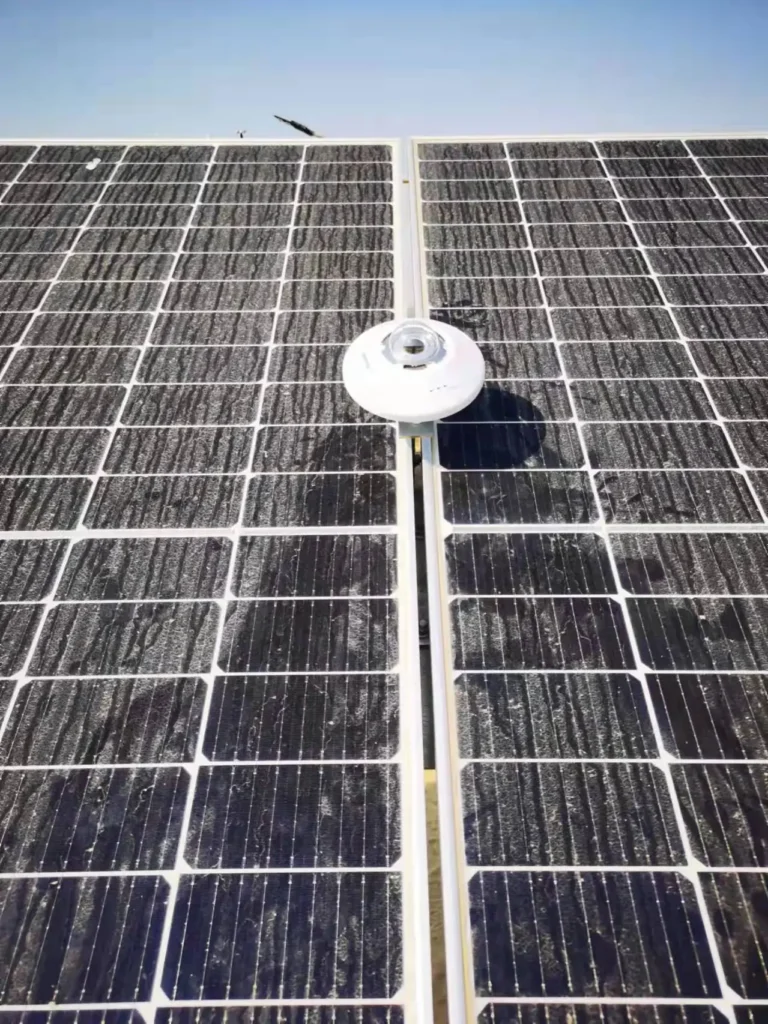
室外暴露可能逐渐影响太阳辐射传感器的光学表面。灰尘、花粉、盐沉积、雪、霜、露水和水滴可能减少或改变到达传感元件的辐射。影响程度在很大程度上取决于当地气候和现场条件,因此相同的维护间隔可能并不适用于所有安装场景。.

冷凝可能特别难以检测,因为它可能发生在日常检查中传感器看似清洁的时段。定期检查和清洁,配合适当的环境保护,有助于保持测量的一致性。对于多尘、沿海、多雪或高湿度环境中的项目,维护计划应被视为测量系统的一部分,而不是作为独立的运营问题处理。.
太阳测量精度与测量不确定度

传感器的标称精度描述了其在规定测试条件下的预期性能,而测量不确定度反映了可合理与测量结果相关联的数值范围。这两个术语相关,但不可互换。因此,诸如±2%的规格不应被视为对现场每次测量不确定度的直接表述。.

对于太阳辐射监测,最终测量可能受到传感器本身以外的多个因素影响,包括校准、安装、温度、遮挡、污染和数据采集系统。校准证书提供了有关仪器校准性能和可追溯性的重要信息,但校准不确定度只是总现场测量不确定度的一个组成部分。.

这一区别在长期监测选择太阳辐射传感器时尤为重要。采购方不应仅通过单一的太阳测量精度百分比来比较仪器,而应考虑相关性能特征、校准与可追溯性、安装要求、环境条件和预期维护。实际而言:传感器规格 ≠ 校准不确定度 ≠ 总现场测量不确定度。如需了解更多,请点击“什么是总辐射表及其工作原理?

ISO 9060精度等级说明

什么是ISO 9060?

ISO 9060:2018 为用于测量半球和直接太阳辐射的仪器提供了分类框架。对于总辐射表,分类考虑了多项性能特征,而非分配一个总体精度百分比。这些特征包括响应时间、偏移、不稳定性、非线性、方向响应、光谱响应、温度响应和倾斜响应。.

这意味着ISO 9060等级不应被理解为诸如“A级 = ±1%”或“B级 = ±2%”之类的简单表述。该等级仅表明仪器在多项性能特性上是否满足规定的性能要求。因此,在评估太阳辐射传感器时,应将等级与单项规格、校准信息、安装条件及测量项目的需求结合考虑。.

A级、B级和C级

ISO 9060等级为区分不同性能水平的仪器提供了一种实用方法。A级代表最高性能类别,而B级和C级则对应逐步降低的性能要求。适当的选择取决于辐照度数据的用途、项目可容忍的测量误差范围,以及是否有特定的监测标准或合同要求适用。.

例如,长期太阳能资源评估项目可能适合采用A级仪器,因为在整个监测期间,数据一致性和测量质量至关重要。许多常规光伏和气象应用在单项规格满足项目要求时可采用B级,而C级则适用于基础监测。关键在于根据测量目标选择等级,而非自动选用最高可用等级。.

分类总体性能水平Typical Application Consideration
Class AHighest performance categorySolar resource assessment, research, high-quality irradiance monitoring, demanding PV applications
Class BIntermediate performance categoryRoutine PV monitoring, meteorological stations, general solar radiation measurement
Class CBasic performance categoryGeneral-purpose monitoring and applications with less demanding data requirements

How to Choose the Right ISO 9060 Class?

Start with the measurement purpose, not the sensor class. If the data will be used to characterize solar resources, support bankable project studies, compare long-term irradiance data, or evaluate PV performance where measurement quality is critical, a higher-performance Class A instrument may be appropriate. For routine operational monitoring, weather stations, and applications where moderate measurement performance is sufficient, Class B may provide a more practical balance between performance and cost. Class C should be considered when the measurement objective does not require tighter performance.

The class is only the first filter. Before purchasing, check the specific performance characteristics relevant to the site and measurement parameter, along with calibration uncertainty, traceability, temperature response, directional response, non-stability, installation requirements, environmental protection, and maintenance needs. A Class B sensor with appropriate calibration and a well-controlled installation can be more suitable for a particular project than a higher-class instrument that is poorly matched to the application or operating environment.

What Accuracy Do Different Solar Applications Need?

The required solar measurement accuracy depends mainly on how the irradiance data will be used. Solar resource assessment and high-quality PV performance monitoring generally require stronger control of sensor performance, calibration, and long-term stability, while routine meteorological, agricultural, and general monitoring can use a more application-specific approach. The goal is not to select the highest-rated sensor in every case, but to choose a measurement system that provides sufficient data quality for the intended purpose.

应用Solar measurement accuracy PriorityRecommended Approach
太阳能资源评估极高High-performance sensor with reliable calibration and traceability
光伏性能监测Appropriate ISO 9060 class matched to the monitoring requirements
Utility-Scale PV MonitoringStandard-compliant sensor and measurement setup
气象监测Medium–HighSensor selected according to the required observation quality
农业监测中型Fit-for-purpose accuracy with good outdoor stability
General Solar Monitoring中型Balanced solution based on accuracy, reliability, and cost

Main Specifications to Compare When Selecting a Solar Radiation Sensor

When selecting a solar radiation sensor, buyers should compare more than the advertised accuracy value. The most relevant specifications describe how the sensor performs under different irradiance levels, solar angles, temperatures, spectral conditions, and long-term outdoor operation. Calibration information and data output should also be checked to ensure the sensor can be integrated and maintained properly within the measurement system.

规格重要性说明
Calibration & UncertaintyShows how the sensor response is established and how reliably the measurement can be traced to a reference standard.
Non-StabilityIndicates how sensor performance changes over time, which matters for long-term monitoring.
Non-LinearityShows whether the sensor maintains consistent response across its measurement range.
Directional ResponseDetermines how accurately the sensor measures radiation at different solar angles.
温度响应Indicates how temperature changes can affect sensor output in outdoor conditions.
光谱响应Shows how the sensor responds across the solar spectrum and affects measurement consistency under changing atmospheric conditions.

How to Improve Solar Radiation Measurement Accuracy?

Improving solar measurement accuracy is not simply a matter of choosing a sensor with a tighter specification. In a field installation, the sensor, calibration, mounting, environmental conditions, maintenance, and data acquisition system all contribute to the final measurement result. A practical approach is to match the instrument to the measurement objective first, then control the factors that can introduce additional error during operation.If you would like to learn more, click on “太阳跟踪在辐射测量中的优势。.

Select the Right Sensor and Calibration Level

Sensor selection should start with the parameter being measured—such as GHI, DHI, DNI, or POA irradiance—and the data quality required by the project. ISO 9060 classification provides a useful basis for comparing pyranometer performance, but buyers should also review calibration uncertainty, non-stability, directional response, temperature response, and spectral characteristics. For DNI measurements, the pyrheliometer and tracking system need to be considered as one measurement setup rather than as separate components.

Calibration records are equally important. A suitable calibration certificate should identify the calibration method, reference standard, traceability, and applicable uncertainty. For long-term monitoring, the expected calibration interval and the sensor’s stability over time should also be considered. A high-performance sensor with clear traceability provides a stronger basis for comparing data between sites and identifying changes in measurement performance.

Install and Maintain the Sensor Correctly

Even a well-calibrated sensor can produce poor field data if it is installed incorrectly. The sensor should be properly leveled and securely mounted, with the installation orientation matched to the measurement objective. The site should also be checked for shading, reflected radiation, nearby obstructions, and other conditions that can affect the sensor’s exposure to the sky. For long-term outdoor stations, the mounting structure must remain stable throughout seasonal temperature and weather changes.

Routine maintenance is part of solar measurement accuracy, not just equipment care. Dust, pollen, bird droppings, dew, frost, and condensation can change the optical response of the sensor surface. Inspection and cleaning should therefore follow the site’s environmental conditions rather than a fixed schedule alone. In areas with frequent condensation, frost, or heavy soiling, appropriate ventilation, heating, or environmental protection may be necessary to keep measurements usable.

Monitor Data Quality Over the Operating Period

Reliable solar measurements also require attention to the data acquisition chain. The sensor output, cable connections, data logger, power supply, sampling interval, and data processing should be checked as part of the measurement system. Sudden offsets, unrealistic values, flat-line data, or unusual differences from nearby reference measurements can indicate problems that may not be visible from the sensor itself.

For long-term PV monitoring and solar resource assessment, periodic data validation is particularly useful. Comparing the sensor with a suitable reference instrument, reviewing long-term trends, and retaining calibration and maintenance records can help distinguish real changes in irradiance from measurement problems. This is often more valuable in practice than relying on the sensor’s nominal accuracy figure alone.

How to Choose a Solar Radiation Sensor for Your Project?

The first step is to define what needs to be measured and how the data will be used. GHI, DHI, DNI, POA irradiance, and albedo are not interchangeable measurements, and each may require a different sensor configuration. For example, GHI and POA measurements normally use a pyranometer, while DNI measurement requires a pyrheliometer with a suitable tracking system. The required measurement interval and whether the data will be used for resource assessment, PV performance analysis, research, or general monitoring should also be established before comparing sensor models.

Once the measurement objective is clear, compare the specifications that have a direct effect on the quality of the intended data. ISO 9060 classification provides a useful starting point, but the individual performance characteristics should still be reviewed, particularly when measurements will be used for long-term analysis or project verification. Calibration documentation, traceability, spectral response, directional response, temperature response, and long-term stability can reveal differences between instruments that are not obvious from a single solar measurement accuracy figure.

The final decision should also account for the actual installation and operating environment. A sensor installed at a dusty utility-scale PV site may require different protection and maintenance provisions from one used in a controlled research station. Output type and data logger compatibility should be confirmed before purchase, especially for systems using RS485, Modbus, or other digital interfaces. For long-term projects, replacement parts, cleaning requirements, calibration arrangements, and technical support are practical considerations that can affect the reliability and total cost of the measurement system over several years.

结论

Good solar measurement is not simply about choosing a sensor with the highest accuracy rating. The right choice depends on what you need to measure, how the data will be used, and the conditions where the sensor will operate. A sensor that works well for a general weather station may not be the right choice for long-term PV performance monitoring or solar resource assessment.

In actual projects, sensor class, calibration, installation, environmental conditions, tracking, maintenance, and data checking all have a role in the final data quality. Paying attention to these details from the beginning can help reduce avoidable measurement errors and make the collected data more consistent and useful over time.

Yantai Sensor provides solar radiation measurement solutions for PV monitoring, meteorological observation, solar resource assessment, and other outdoor applications. We can help match the sensor type, performance level, and measurement configuration to your project requirements. 联系我们 to discuss the right solar radiation measurement solution for your application.

常见问题

所需的太阳辐射传感器精度取决于应用场景、测量参数及所需的数据质量。一般天气监测可能接受与太阳能资源评估或光伏性能分析不同的性能水平。买家不应仅根据宣传的精度百分比选择传感器,而应审查适用的ISO 9060分类、校准不确定度、稳定性及现场条件,以确定传感器是否适合该项目。.

合适的ISO 9060等级取决于测量目的。高性能等级通常更适用于研究、太阳能资源评估及要求严苛的光伏监测,而较低等级可能足以满足一般环境监测需求。买家还应比较等级背后的各项性能特征,因为ISO 9060等级应与校准、安装条件、维护要求及所需数据质量一并考虑。.

传感器类型主要取决于所测量的辐射参数。总辐射表通常用于测量GHI和POA辐照度,而DHI测量需要一种排除直接太阳辐射的方法。DNI测量通常使用带有太阳跟踪器的直接辐射表。涉及反照率或特殊光谱测量的项目可能需要额外配置。首先明确测量量可避免选择无法提供所需数据的传感器。.

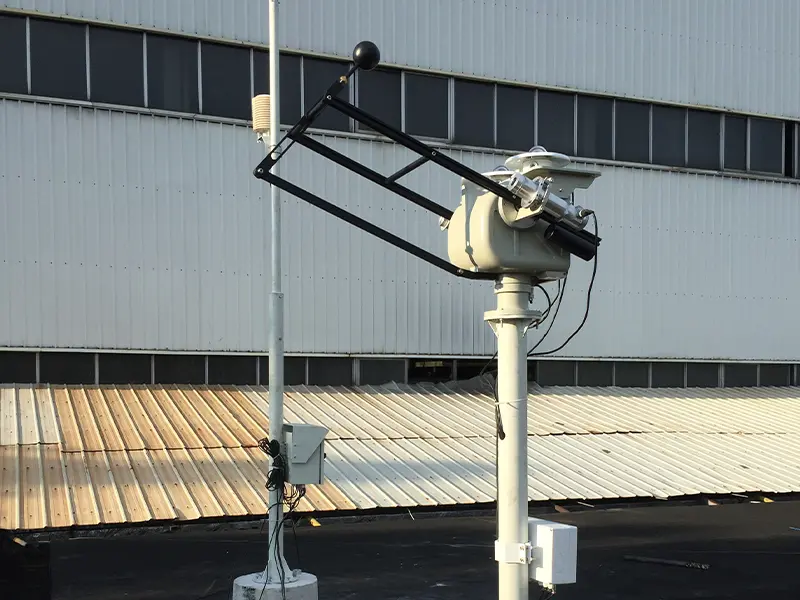
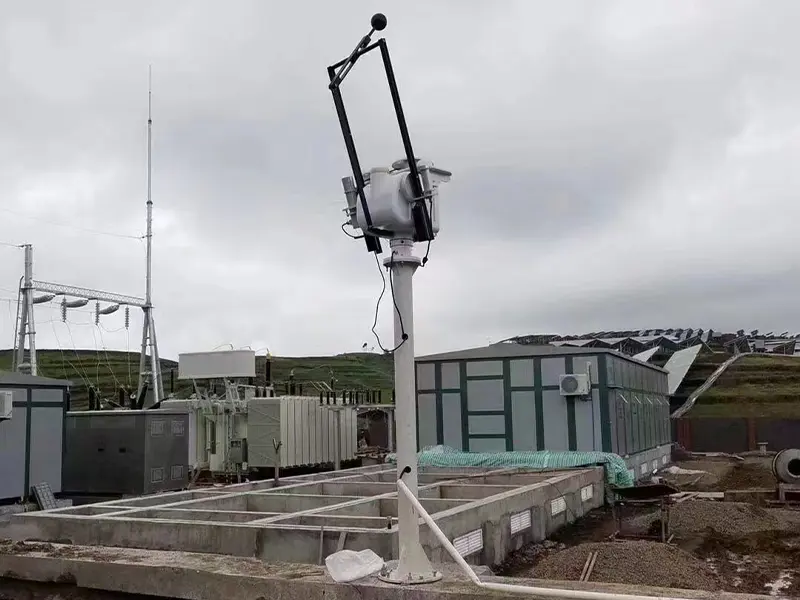
For conventional pyrheliometer-based DNI measurement, a solar tracker is normally required to keep the instrument aligned with the sun. The tracker is part of the measurement setup because even a high-quality pyrheliometer cannot measure the direct solar beam correctly when it is misaligned. Tracking accuracy, mechanical stability, sun-position calculation, and the pyrheliometer’s field of view should therefore be considered together when evaluating a DNI measurement system.

A sensor’s stated accuracy is normally based on defined test or calibration conditions. In the field, the measurement is also affected by installation, leveling, shading, soiling, temperature, condensation, long-term drift, and the data acquisition system. As a result, the sensor specification should not be treated as the total field measurement uncertainty. Reliable results depend on the performance of the complete measurement chain throughout the monitoring period.

采购方不应仅检查是否附带校准证书。重要信息包括校准方法、参考标准、溯源性、校准不确定度、校准日期及建议的再校准间隔。对于研究、资源评估及长期光伏监测而言,清晰的校准记录便于比较测量结果并调查传感器性能变化。记录完善的校准历史是维持对长期太阳辐射数据信心的关键部分。.

The most useful specifications depend on the application, but buyers should normally review ISO 9060 classification, calibration uncertainty, non-stability, non-linearity, directional response, temperature response, spectral response, and response time. Environmental protection and output compatibility are also important for outdoor installations. Rather than comparing one accuracy number between products, evaluate the specifications that are most relevant to the site’s operating conditions and the intended use of the measurement data.

长期可靠性不仅仅依赖于定期清洁传感器。传感器应保持正确水平并牢固安装,同时应检查光学表面是否有灰尘、霜冻、露水或其他污染物。还应检查数据是否存在异常值、突然偏移或长期变化。对于关键监测系统,定期与合适的参考仪器进行比对并保留正确的校准记录,有助于在问题影响项目分析之前识别传感器或安装问题。.

相关文章