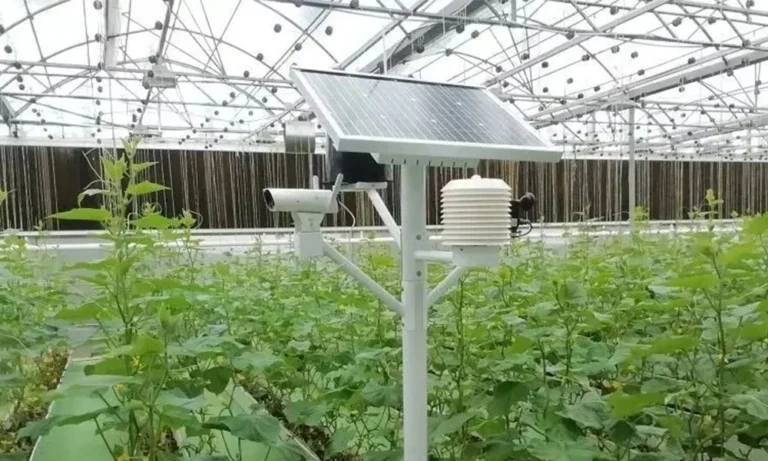
如何使用环境传感器提高太阳能电站的发电量?

导言

A solar farm can have plenty of sunlight and still produce less electricity than expected. So where is the lost output going? A change in 太阳辐照度, higher PV module temperature, accumulated dust, or shifting wind conditions can all affect plant performance. However, when generation falls, it is not always easy to tell whether the change is simply caused by weather or indicates a performance issue that requires attention.

This is why reliable environmental data matters when you want to Increase Solar Output. By continuously monitoring solar irradiance, module temperature, wind, humidity, soiling, and other site conditions, operators can build a clearer picture of how the PV system is performing under actual operating conditions. When these measurements are compared with real-time power generation, they provide a useful reference for identifying unusual output, evaluating performance changes, and deciding when maintenance or further inspection is necessary.

This guide explores how environmental sensors for solar farms can support higher and more consistent energy production, including the role of irradiance monitoring, module temperature measurement, wind and weather monitoring, and soiling assessment. It also explains how environmental data can be integrated with solar farm performance monitoring and existing SCADA systems, how sensor measurements can support performance analysis and maintenance decisions, and how to select a practical sensor configuration based on plant size, site conditions, tracking system, monitoring requirements, and existing infrastructure.

What Affects Solar Farm Output?

Solar farm output is first determined by the amount of solar energy available at the site. Irradiance is the most direct environmental input, while module temperature, clouds, wind, and soiling can change how the PV array performs under actual conditions. For example, higher module temperatures generally reduce PV power output, while dust on the module surface can limit the sunlight reaching the cells. These conditions vary throughout the day and across seasons, so lower generation does not always indicate an equipment problem. For a more detailed explanation of common efficiency losses, see 影响太阳能电池板效率的5大因素.

System design and equipment performance then determine how effectively the available solar resource is converted into electricity. Module orientation, array layout, mounting structures, inverter selection, MPPT operation, cable design, shading, mismatch, and equipment condition can all affect the final energy yield. A well-designed system reduces avoidable electrical and conversion losses, while suitable tracking and equipment configuration can help the PV array capture more available solar energy under the right site conditions.

The final part is operation and maintenance. Regular cleaning, inspection, fault detection, and performance monitoring help prevent small issues from developing into prolonged energy losses. However, operators need reliable reference data to know whether a change in output is caused by weather or a potential system issue. Comparing actual generation with irradiance, module temperature, wind, and other environmental measurements provides a clearer basis for solar farm performance monitoring and helps identify where practical improvements can be made. This is where environmental sensors become valuable for efforts to Increase Solar Output.

How Environmental Monitoring Helps Increase Solar Output?

Environmental sensors help solar farm operators make better decisions by showing the conditions under which the PV system is generating electricity. Instead of looking at power output alone, operators can use irradiance, module temperature, wind, humidity, and soiling data to understand whether the plant is performing as expected. This makes it easier to separate normal weather-related changes from performance issues that may require inspection or maintenance.

The value comes from connecting environmental measurements with actual generation data. Irradiance provides a reference for available solar energy, module temperature helps explain thermal effects on PV performance, while wind and other weather measurements add operating context. Soiling data can also support cleaning decisions. When these measurements are compared with SCADA or inverter data, operators can identify performance deviations earlier, focus maintenance where it is needed, and use more reliable information to Increase Solar Output over the operating life of the solar farm.

Establish an Accurate Solar Resource Baseline

Solar irradiance is the first measurement to look at when assessing solar farm output. It tells operators how much solar energy is actually reaching the PV array at a given time. When irradiance and power output change together, the variation may simply reflect changing sunlight. When the available solar resource stays relatively stable but generation falls, however, there is a reason to look more closely at the PV system. Reliable irradiance data therefore gives operators a practical reference for solar farm performance monitoring and helps them judge whether the plant is producing as expected.

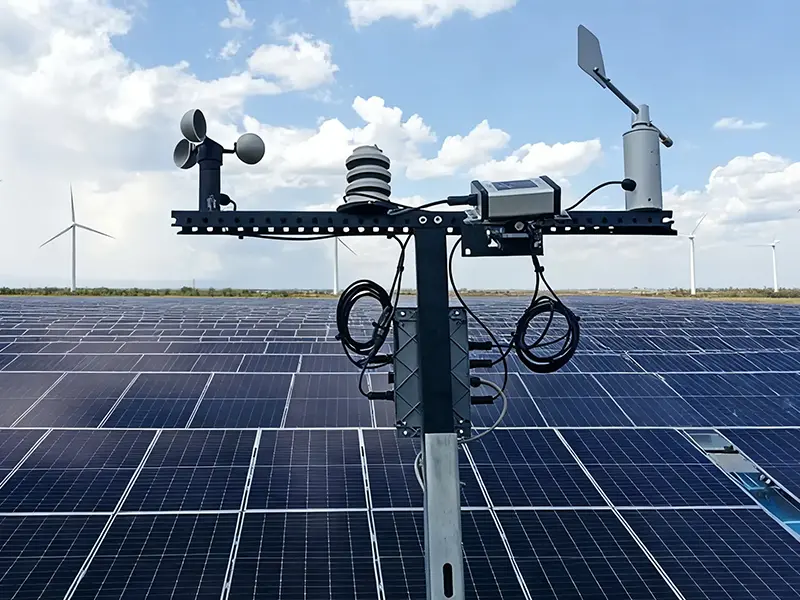
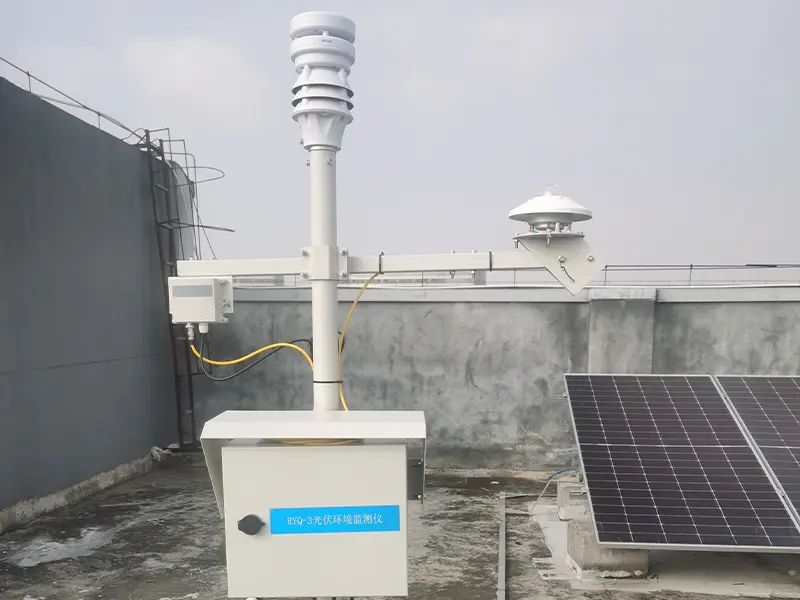
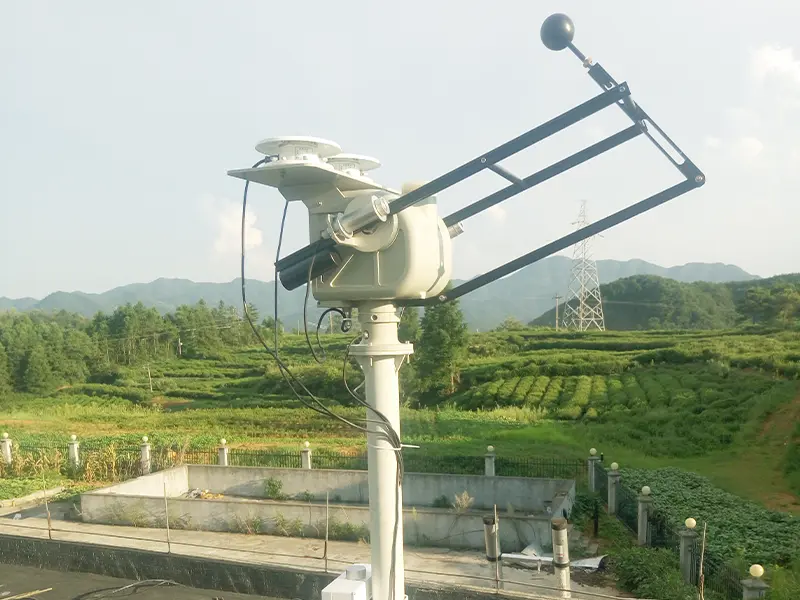
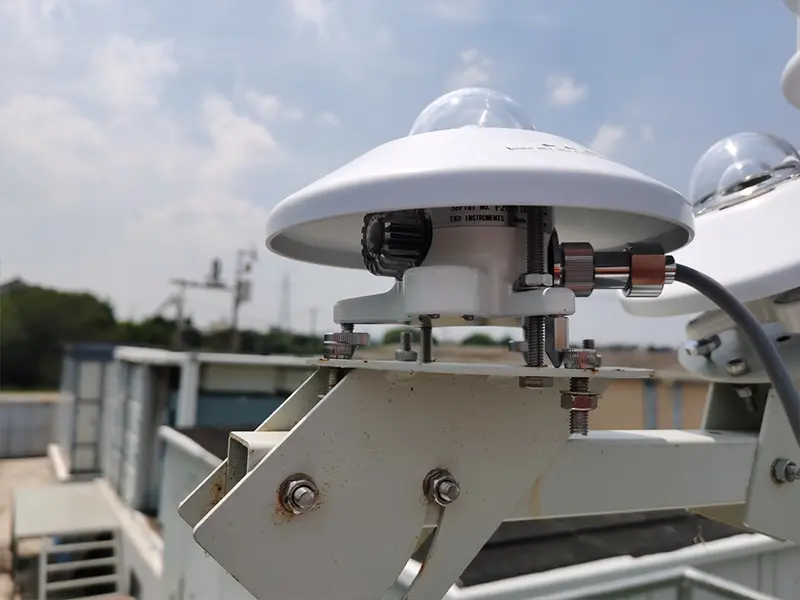
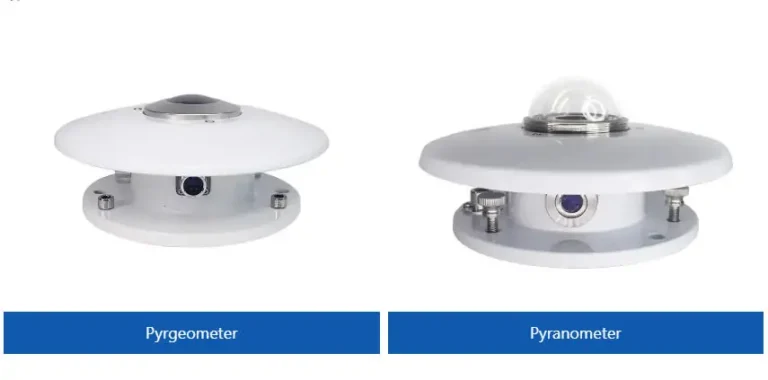
The right measurement equipment depends on how the solar resource needs to be evaluated. For routine radiation monitoring, the RYQ-3 Solar Radiation Total Radiation Meter, TBQ-2C 总辐射测量仪, 和 SR30 Solar Radiation Sensor provide options for measuring solar radiation at the site. Where the application requires the measurement system to follow the sun automatically, the SAUT Automatic Tracking Solar Radiation Measurement System offers a different approach. By combining these measurements with power-generation data, operators can build a more reliable picture of plant performance and identify changes that may otherwise be difficult to explain.

Monitor PV Module Temperature

PV modules do not operate at the same temperature as the surrounding air. Under strong sunlight, the module surface can become significantly hotter than the ambient environment, and higher operating temperatures generally reduce the electrical output of PV modules. Monitoring module temperature alongside solar irradiance gives operators a better way to understand changes in generation, especially when two periods have similar sunlight but different thermal conditions.

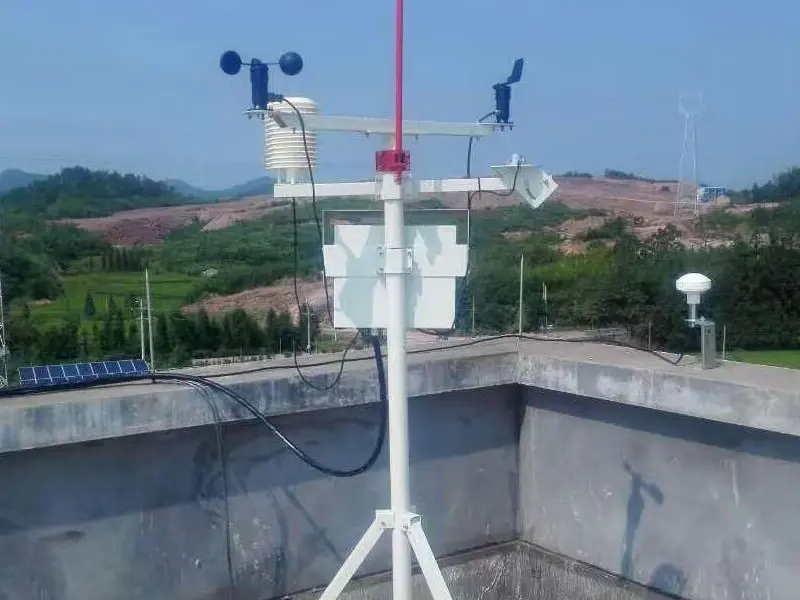
For this reason, temperature monitoring is often included in a PV weather monitoring system rather than treated as a separate measurement. The XF500S-CWB PV Compact Weather Sensor provides temperature and other environmental measurements in a compact setup for PV sites. When its temperature data is compared with irradiance and actual power generation, operators can better assess normal thermal performance, identify unusual changes, and build a more useful basis for long-term solar farm performance monitoring.

Track Wind and Ambient Conditions

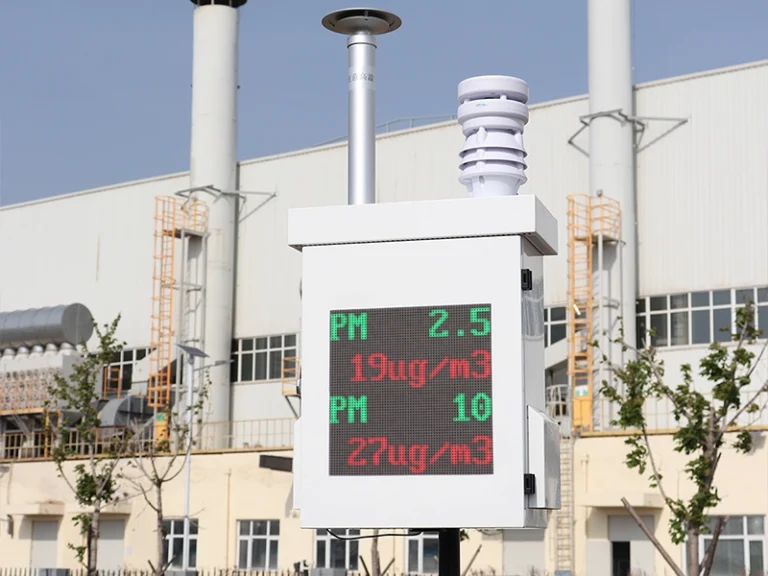
Wind speed, wind direction, ambient temperature, and humidity provide important context for understanding PV operating conditions. Wind influences how quickly modules dissipate heat, while ambient temperature helps explain changes in module temperature. Humidity can also help characterize local weather conditions, particularly at sites with significant seasonal or daily variations. By monitoring these conditions alongside irradiance and power output, operators can better distinguish normal weather-related changes from potential performance issues.

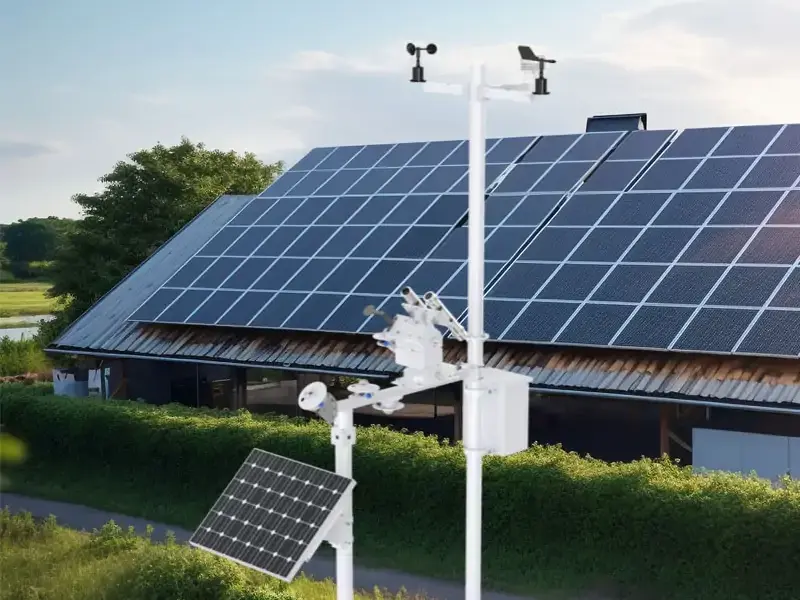
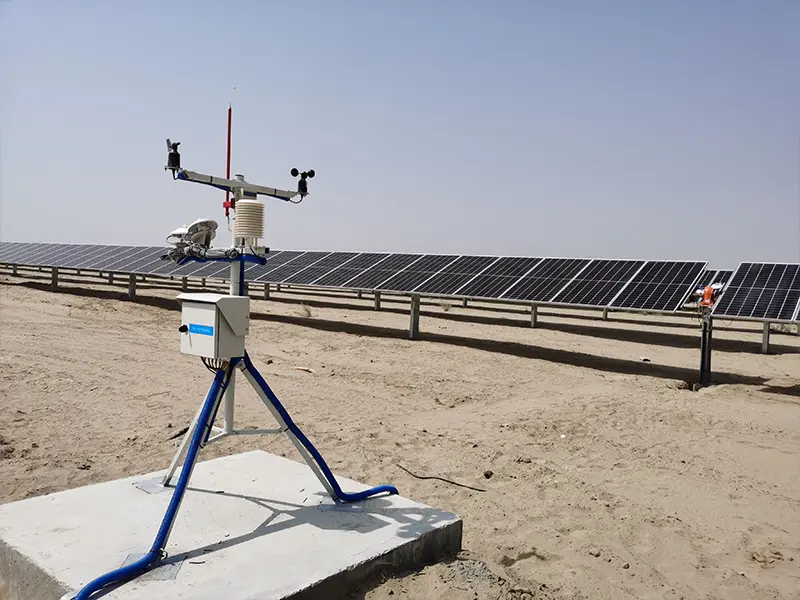
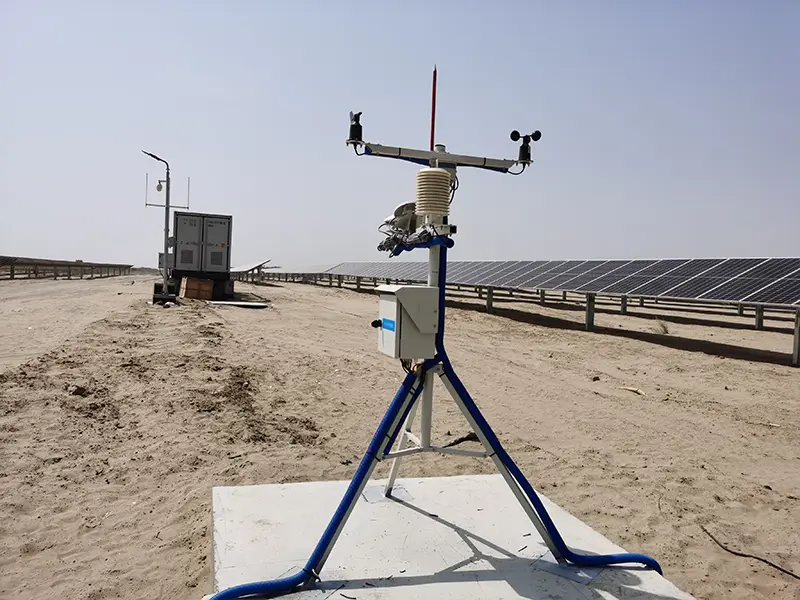
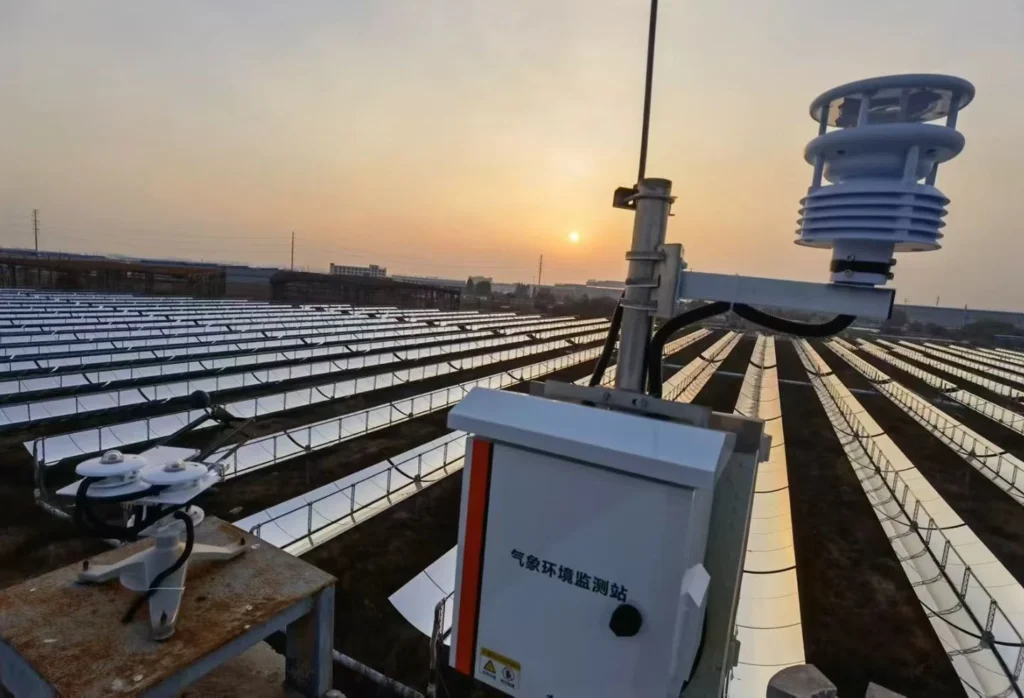
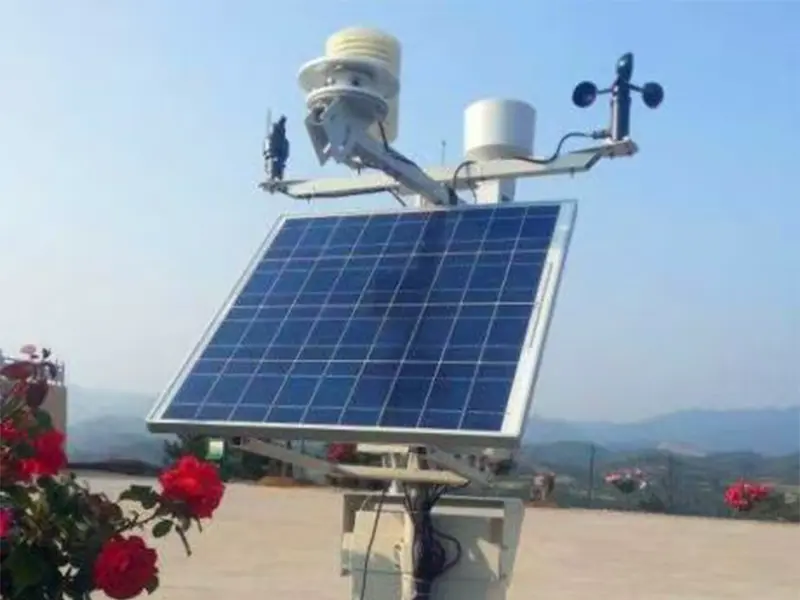
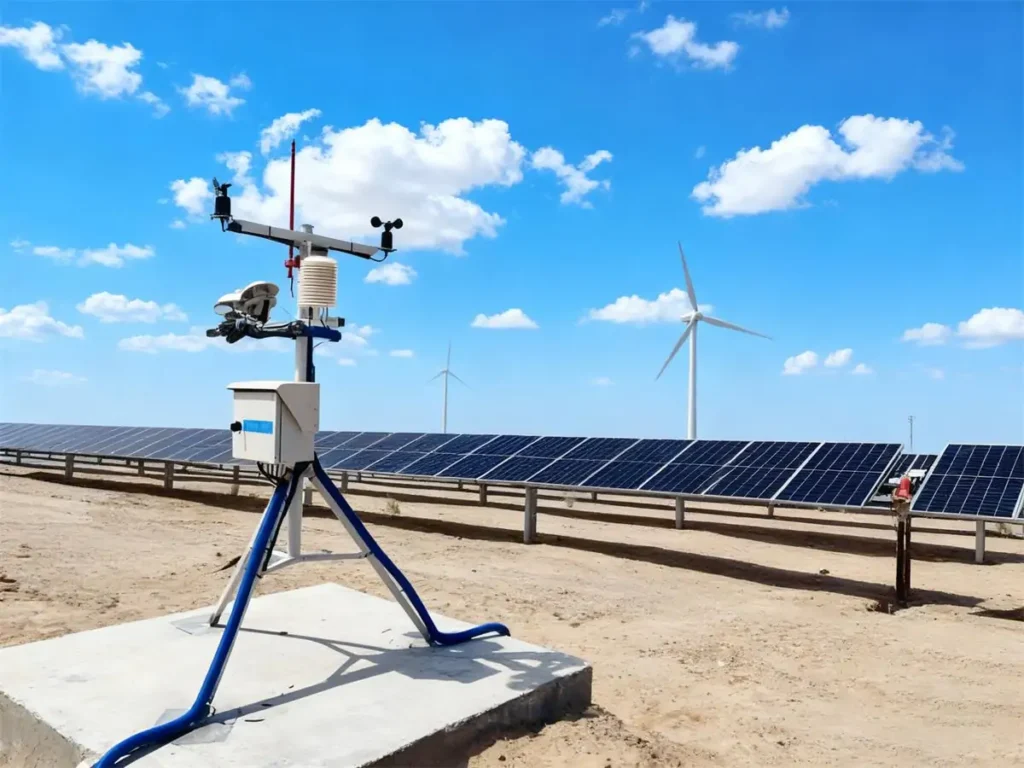
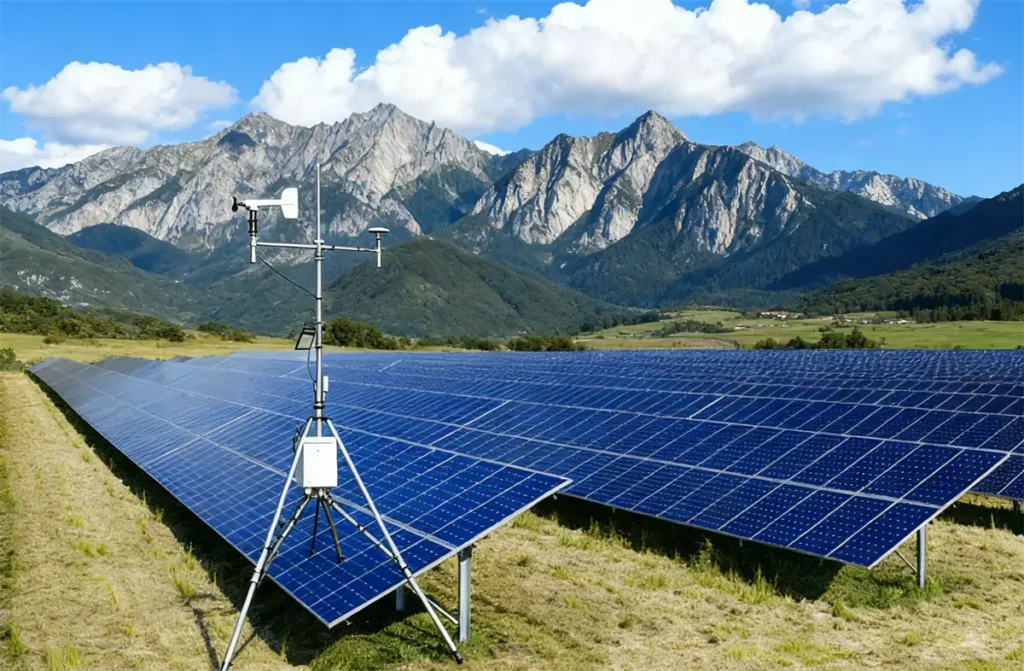
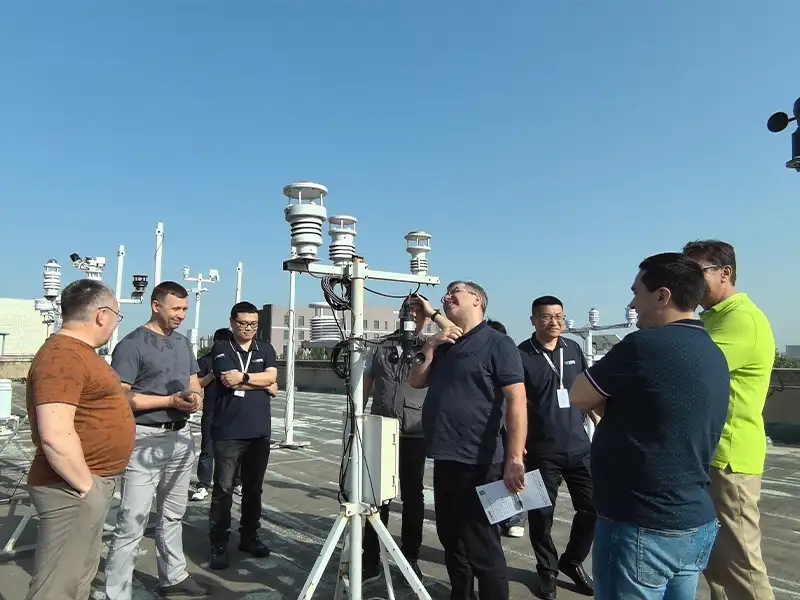
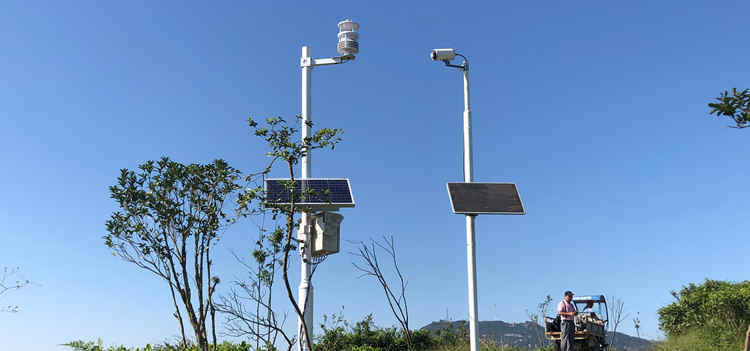
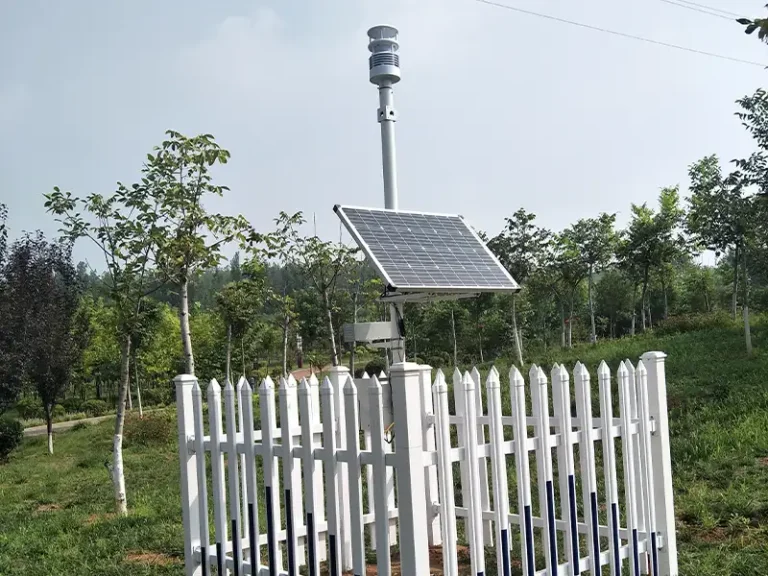
A Solar Meteorological Station can combine multiple environmental measurements into a single monitoring setup, making it easier to collect consistent data across the solar farm. For projects that mainly require outdoor solar radiation measurements, the RYZW Solar Radiation Outdoor Sensor provides a more focused option. The appropriate configuration should be based on the site’s climate, monitoring objectives, sensor placement, and compatibility with the existing data acquisition or SCADA system.

Monitor Soiling and Cleaning Conditions

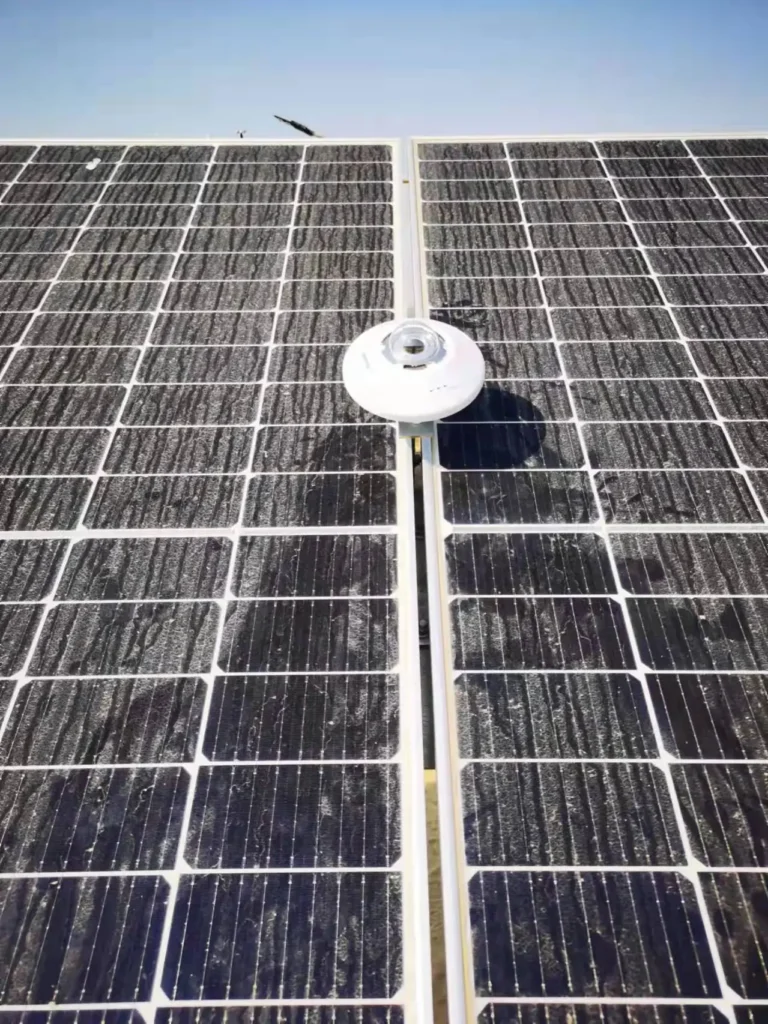
Soiling can gradually reduce the amount of sunlight reaching PV modules, but cleaning on a fixed schedule may not always be the most efficient approach. Dust accumulation, rainfall, humidity, and changes in PV performance can vary significantly by site and season. Monitoring these conditions gives operators a better basis for deciding when cleaning is necessary and helps connect maintenance actions with actual changes in solar farm output.

For solar farms where dust accumulation is a significant concern, the DustCom PV Dust Index Monitoring SystemDustLV PV Module Soiling Status Monitor can be used for dedicated soiling assessment. Their measurements can be evaluated together with solar irradiance and power-generation data to determine whether a growing performance gap is potentially related to module surface contamination. This provides a more practical basis for solar soiling monitoring, cleaning decisions, and ongoing PV performance monitoring.

Compare Environmental Conditions with Actual Power

Environmental data becomes most useful when it is compared with the electricity actually produced by the PV system. A reduction in output during low irradiance may simply reflect changing weather conditions, while unusually low generation under similar irradiance and temperature conditions may indicate a system issue. This comparison helps operators determine whether further investigation is needed instead of treating every output fluctuation as an equipment fault.

By combining solar irradiance monitoring, module temperature, weather measurements, and SCADA or inverter data, operators can build a clearer picture of solar farm performance under real operating conditions. When a performance deviation is identified, the data can help narrow the investigation toward areas such as inverters, strings, modules, shading, or soiling. This makes environmental monitoring a practical part of PV performance monitoring and helps operators make more informed decisions to Increase Solar Output.

How to Select Environmental Sensors for a Solar Farm?

Not every solar farm needs the same environmental sensors. The right combination depends on the plant size, monitoring requirements, tracker configuration, and local climate. Start with the measurements needed for PV performance monitoring, then add sensors based on specific site conditions.

Select Sensors Based on Monitoring Requirements

For basic solar farm performance monitoring, solar irradiance, module temperature, and ambient temperature are usually the starting point. Projects with stronger weather or maintenance concerns can add wind, humidity, rainfall, or soiling monitoring.

Monitoring RequirementRecommended Sensors
Basic PV monitoringIrradiance + module temperature + ambient temperature
天气监测Core sensors + wind + humidity
Dust-prone sitesCore sensors + soiling sensor
Rainfall monitoringCore sensors + rain sensor
Detailed radiation measurementPyranometer or tracking radiation system

For radiation measurement, RYQ-3 Solar Radiation Total Radiation Meter, TBQ-2C Total Radiation Meter, SR30 Solar Radiation Sensor, and the SAUT Automatic Tracking Solar Radiation Measurement System can be selected according to project requirements. For soiling monitoring, DustCom PV Dust Index Monitoring System and DustLV PV Module Soiling Status Monitor are available for dedicated assessment.

Match Sensors to Site and Monitoring System

Sensor selection should also consider the actual installation environment and existing monitoring system. Fixed-tilt and tracking PV systems may require different installation arrangements, while dusty, windy, humid, or high-rainfall sites may need additional environmental measurements. Sensors should be installed in representative locations and avoid unnecessary shading or local interference.

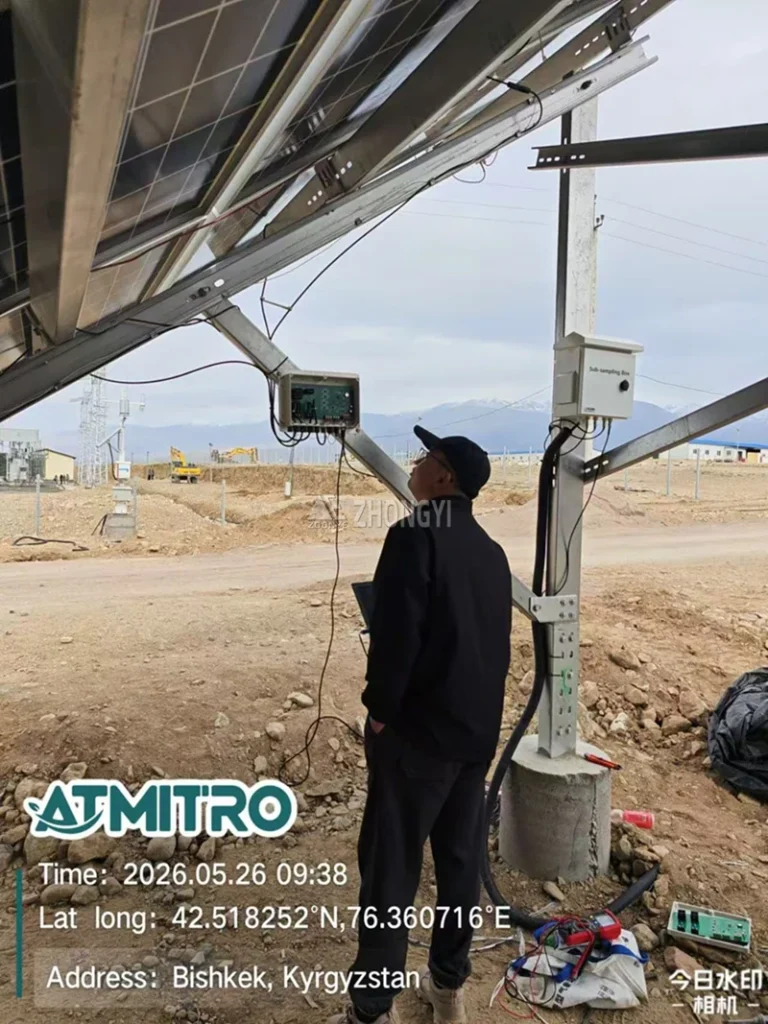
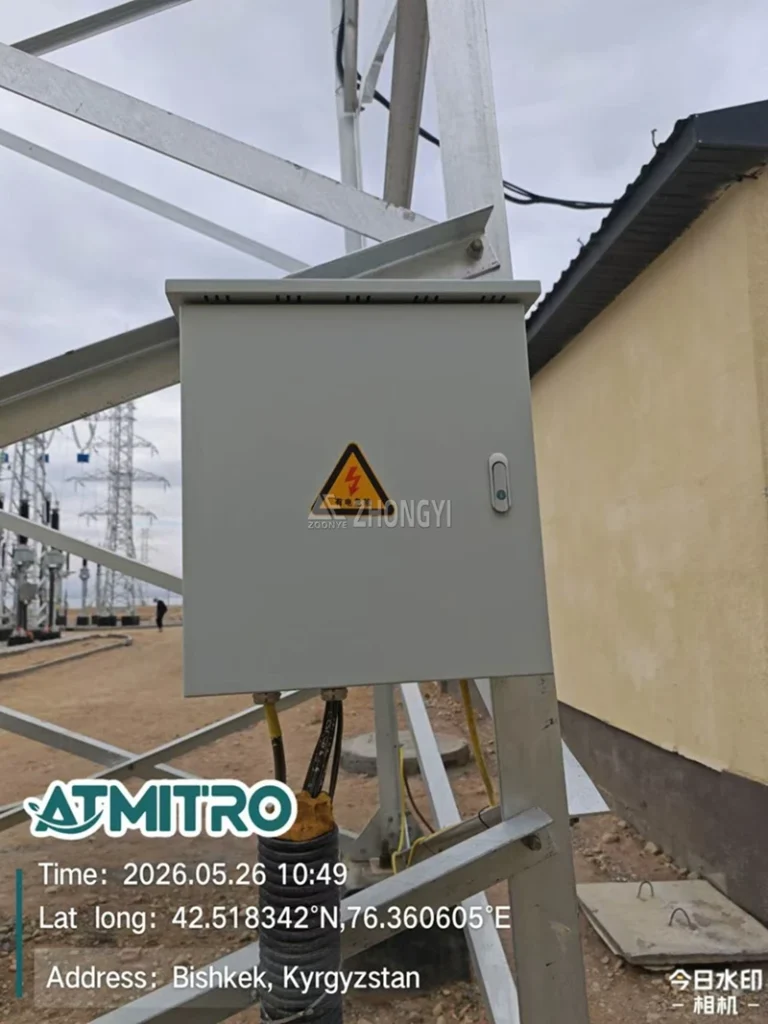
The selected sensors should also be compatible with the site’s data logger and SCADA system, including communication interfaces and power requirements. The required sensor combination depends on plant size, monitoring requirements, tracker configuration, and local climate. A practical PV weather monitoring system should collect the data needed for performance analysis without unnecessary equipment.

How Environmental Sensors Support Higher Solar Farm Output?

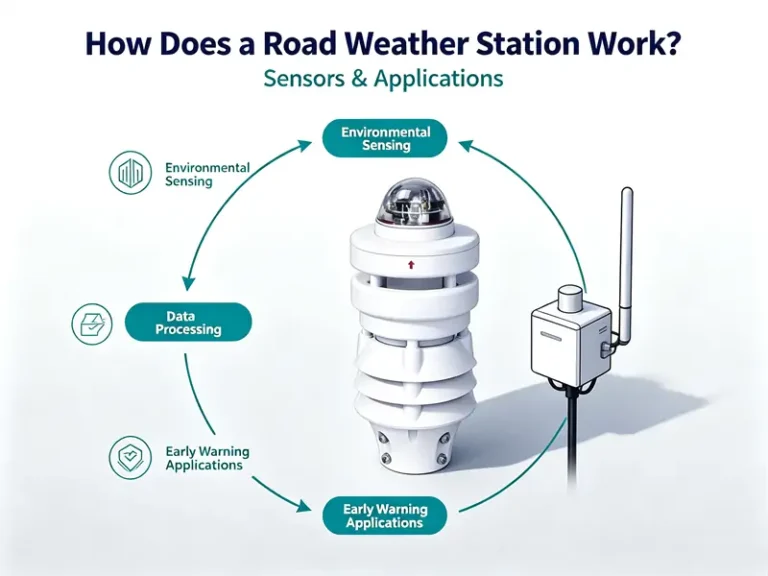
Environmental sensors provide the operating data needed to understand why solar farm output changes. Sensors measure conditions such as solar irradiance, module temperature, wind, humidity, rainfall, and soiling, while a data logger collects and stores the measurements. This creates a continuous record of the environmental conditions affecting the PV system rather than relying on power output alone.

The collected data can then be integrated with SCADA, inverter, and power-generation data. Comparing environmental conditions with actual generation helps operators identify when a change in output is simply caused by lower sunlight or unfavorable weather and when it may indicate a potential performance problem. This provides a more reliable basis for investigating issues such as excessive module temperature, soiling, shading, or abnormal equipment behavior.

The final step is turning these findings into maintenance and operating decisions. Operators can use environmental data to prioritize cleaning when soiling becomes significant, investigate abnormal output when environmental conditions are stable, and evaluate performance changes over time. Environmental sensors do not directly increase electricity generation; they provide the data needed to identify avoidable losses and make better decisions that can support higher and more consistent solar farm output.

Environmental Sensor Configuration for Different Solar Farms

Environmental sensor configuration should match the solar farm’s scale, site conditions, and monitoring goals. Utility-scale plants typically require reliable irradiance and module temperature data together with ambient weather monitoring and SCADA integration, while high-dust sites may add soiling monitoring to support cleaning decisions. Tracking systems should prioritize POA irradiance and wind conditions, whereas hot or humid sites may require closer monitoring of temperature, humidity, rainfall, and wind. The final configuration should also consider sensor placement, data logger and communication compatibility, and whether multiple measurement points are needed to represent conditions across the PV array.

Solar Farm TypeCore MonitoringRecommended Sensors
Utility-Scale Solar FarmSolar resource, module performance, weatherIrradiance sensor, module temperature sensor, ambient temperature & humidity sensor, wind speed/direction sensor
High-Dust Solar FarmIrradiance, soiling, cleaning conditionsIrradiance sensor, module temperature sensor, soiling monitoring system
Solar Farm with Tracking SystemPOA irradiance, weather, tracker operating conditionsPOA irradiance sensor, module temperature sensor, wind sensor
Hot or Humid ClimateThermal conditions, humidity, rainfall, windModule temperature sensor, ambient temperature & humidity sensor, irradiance sensor, wind sensor, rainfall sensor

安装与维护注意事项

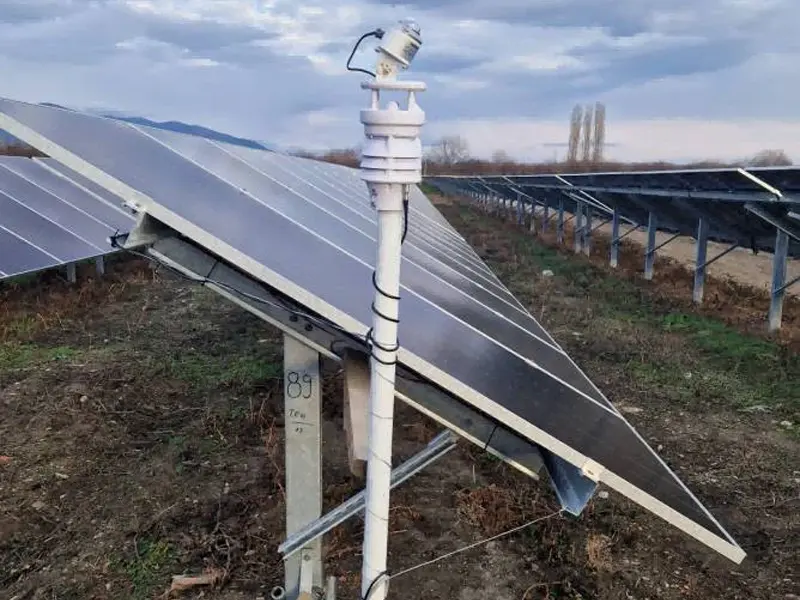
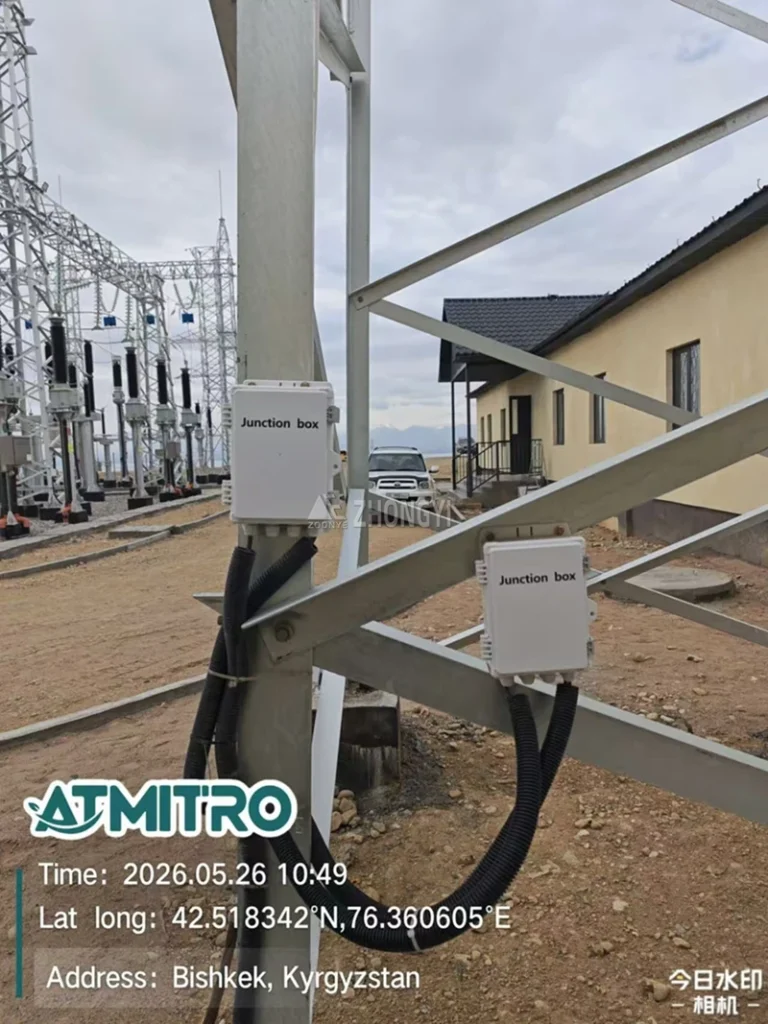
Correct installation is essential for reliable environmental data. Irradiance sensors should be installed with the same tilt and orientation as the monitored PV array and positioned where nearby structures, equipment, or vegetation will not cause shading. Module temperature sensors should be firmly attached to the rear surface of representative modules with good thermal contact, avoiding locations affected by junction boxes, mounting rails, or unusual heat sources. Cable routing should also reduce unnecessary electrical interference and mechanical stress, particularly in large outdoor PV sites.

Regular maintenance keeps measurement quality stable over the operating life of the solar farm. Irradiance sensor surfaces should be inspected and cleaned regularly because dust, bird droppings, or water deposits can bias radiation measurements, while temperature and weather sensors should be checked for physical damage, loose connections, and environmental exposure. Calibration should follow the sensor manufacturer’s requirements and the project’s monitoring standard, with periodic verification against a suitable reference instrument where required. Accurate sensors are essential because poor environmental data can lead to incorrect performance assessments and maintenance decisions.

结论

Environmental sensors do not generate additional electricity themselves. Their value is in providing reliable site data that helps solar farm operators understand actual operating conditions and determine whether changes in power output are related to irradiance, temperature, weather, soiling, or other site conditions. By combining environmental measurements with actual generation data, operators can establish a clearer performance baseline, identify unusual changes, and make better decisions about inspection, cleaning, maintenance, and system operation.

In practice, the approach is Measure → Monitor → Compare → Diagnose → Act. The right sensor configuration depends on the solar farm’s size, climate, tracking system, and monitoring requirements, with measurements integrated into the existing data acquisition or SCADA system where required. If you are looking to Increase Solar Output through better environmental monitoring, 联系我们的团队 to discuss your PV project and find a monitoring configuration suited to its actual operating conditions.

常见问题

环境传感器并不直接产生更多电力。它们提供可靠的现场数据,帮助运营者了解光伏电站输出的变化。通过将辐照度、组件温度、天气及污秽数据与实际发电量进行对比,运营者可识别潜在性能问题,优化清洁与维护决策,并减少可避免的损失。这使得环境监测成为支持光伏性能更稳定的实用工具。.

典型的太阳能电站监测系统包括太阳总辐射传感器、组件温度传感器、环境温湿度传感器以及风速风向传感器。在灰尘问题突出的地区,可增加污秽监测功能。实际配置应根据电站规模、气候条件、光伏布局、跟踪系统、监测需求以及与现有SCADA或数据采集系统的兼容性来确定。.

太阳辐照度监测为光伏阵列可用的太阳能提供参考依据。将辐照度数据与实际发电量进行比较时,运维人员可以判断输出变化是由日照变化还是潜在系统问题引起的。因此,可靠的辐照度测量支持光伏电站性能监测、性能分析、异常输出检测以及更准确地评估光伏系统运行状态。.

在强日照条件下,光伏组件温度可能显著高于环境空气温度。较高的工作温度通常会降低光伏组件的电气性能。监测组件温度并结合辐照度数据,有助于运维人员了解热效应对发电量的影响,并评估输出变化是否与运行条件一致。该信息还可支持光伏长期性能监测,帮助识别异常的温度或发电模式。.

是的。太阳能污损监测可帮助运维人员了解灰尘及其他沉积物对光伏组件表面的影响。当污损数据与辐照度及发电数据结合评估时,运维人员能更准确地判断是否需要清洗。这支持基于状态的清洗策略,而非仅依赖固定周期,有助于减少不必要的维护,同时限制因长期污损导致的发电损失。.

是的。环境传感器可以将测量数据发送至数据记录器或采集系统,在此处数据可与逆变器、发电及SCADA信息集成。这使得操作员能够将环境条件与电站性能并排查看。在采购前,应检查传感器通信协议、数据格式、记录器兼容性及SCADA接口要求,以确保数据采集与集成的可靠性。.

传感器安装位置直接影响测量可靠性。辐照度传感器通常应与被监测光伏阵列的倾角和朝向一致,并安装在远离建筑物、设备或植被遮挡的地方。组件温度传感器应与代表性组件保持良好的热接触。对于大型或地理分布广泛的电站,可能需要多个测量点,以更好地代表光伏阵列不同区域的环境条件。.

Calibration requirements depend on the sensor type, manufacturer recommendations, site conditions, and applicable monitoring standards. Irradiance sensors should be regularly inspected and cleaned, while temperature and weather sensors should be checked for damage, contamination, and loose connections. Periodic calibration or verification should be performed according to the project requirements. Maintaining measurement quality is important because inaccurate environmental data can lead to incorrect performance assessments.

相关文章