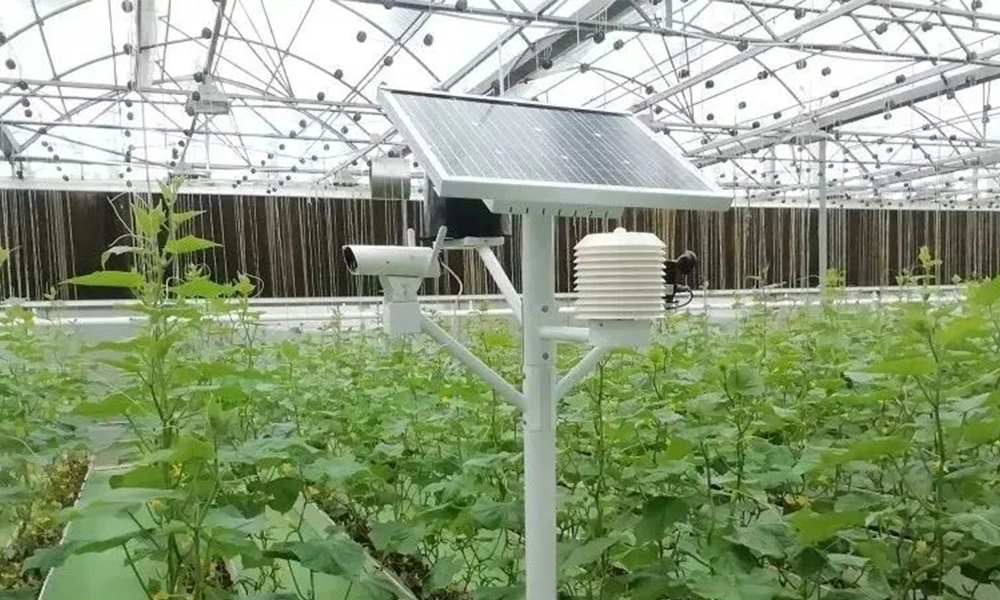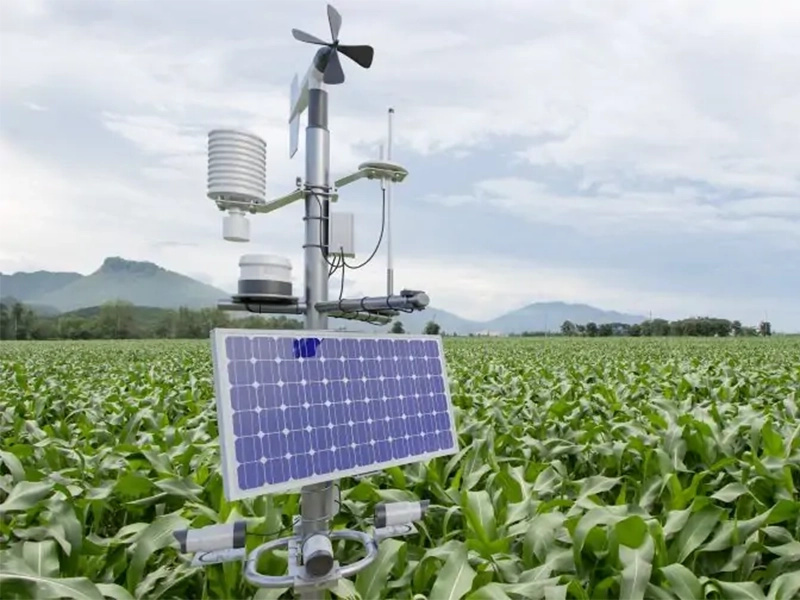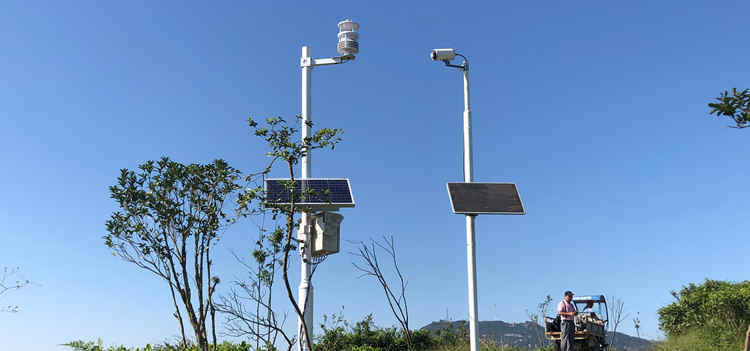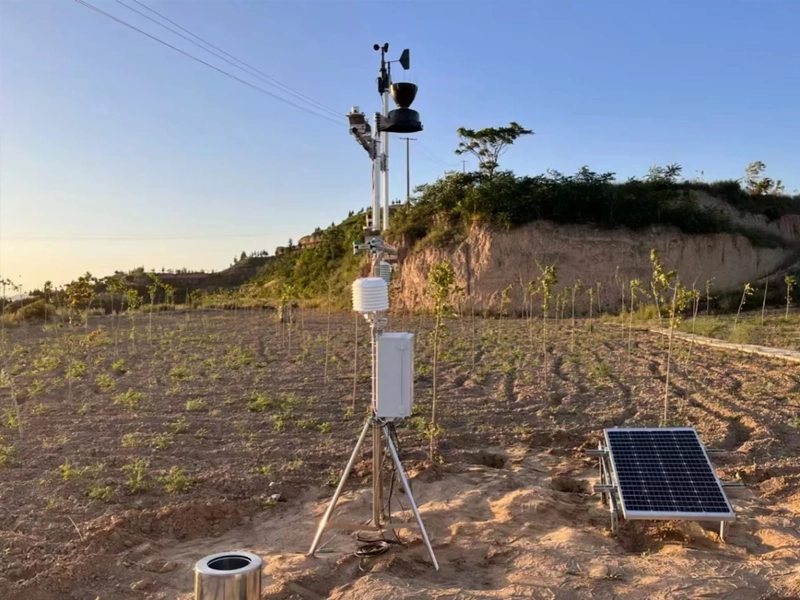
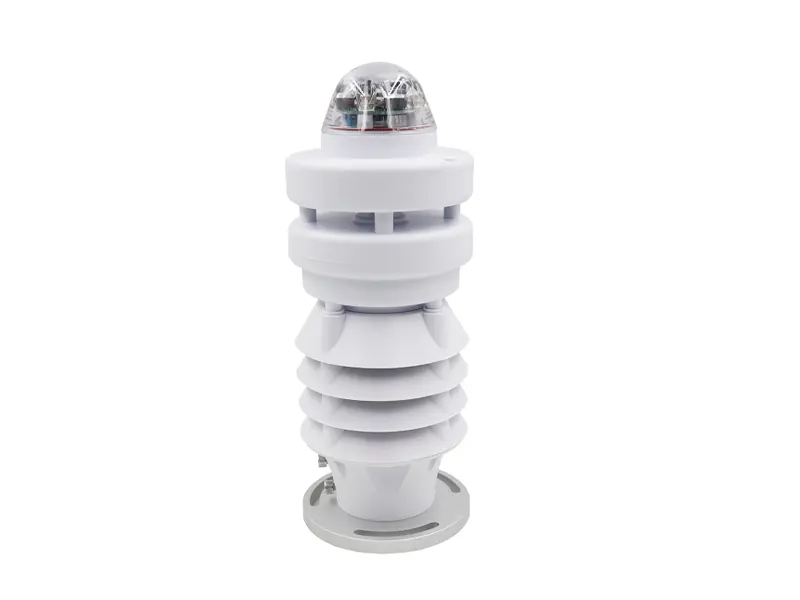
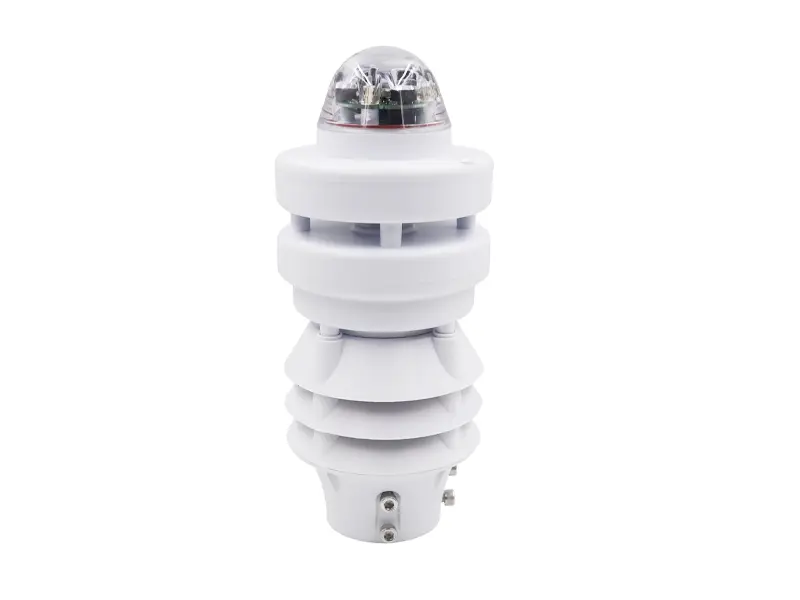
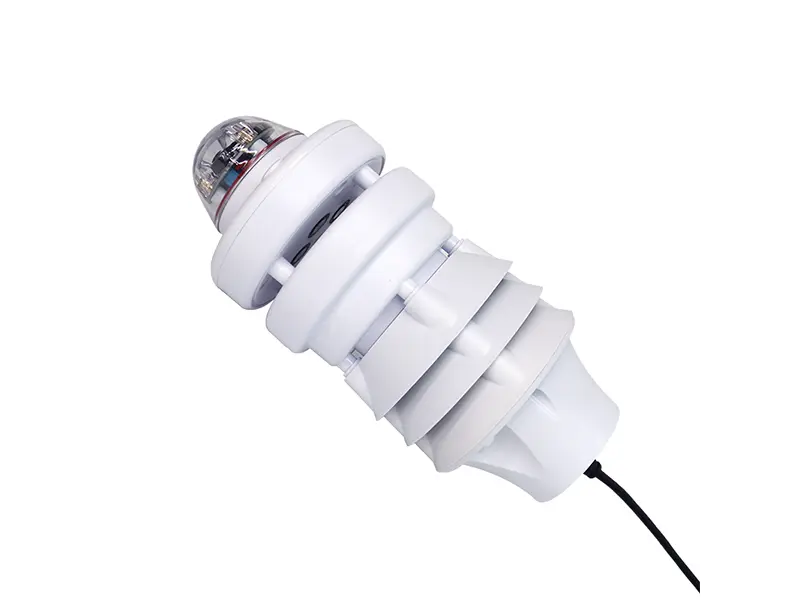
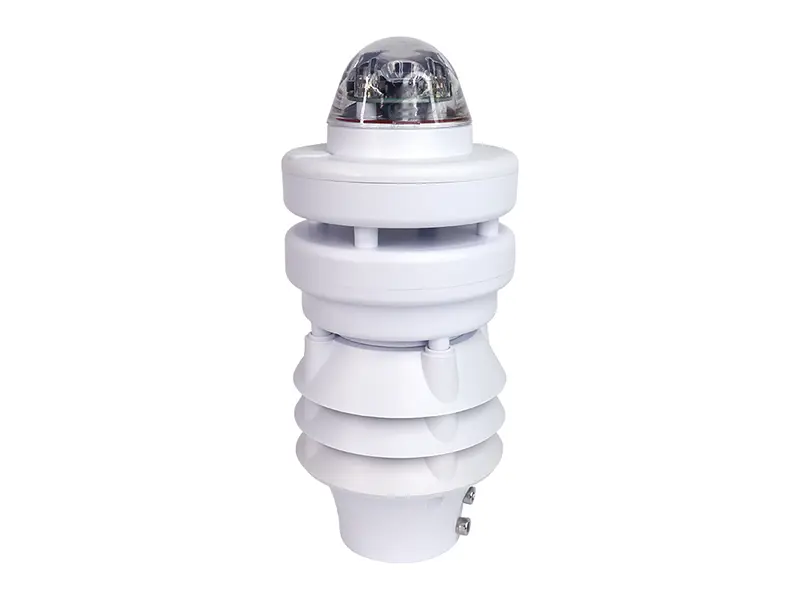
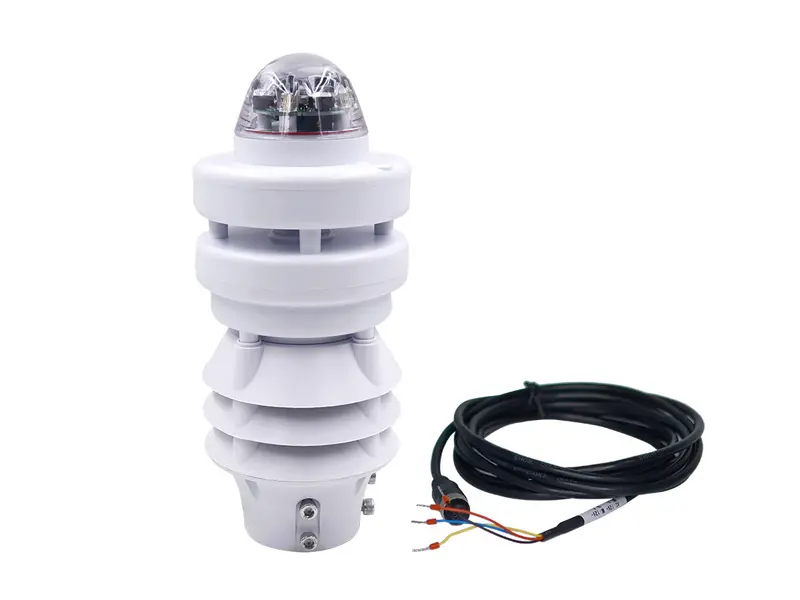
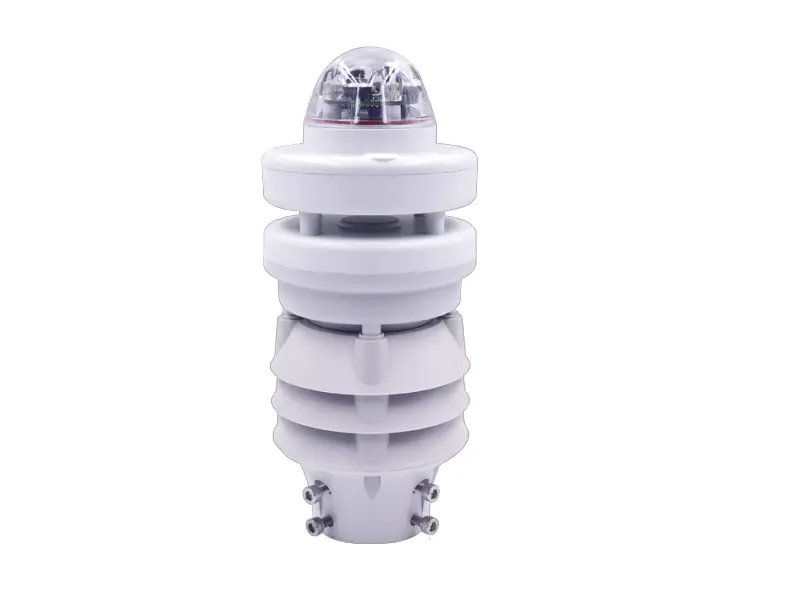
محطة طقس الإشعاع الشمسي المدمجة XF700SL المزودة بمستشعرات للأمطار والرياح
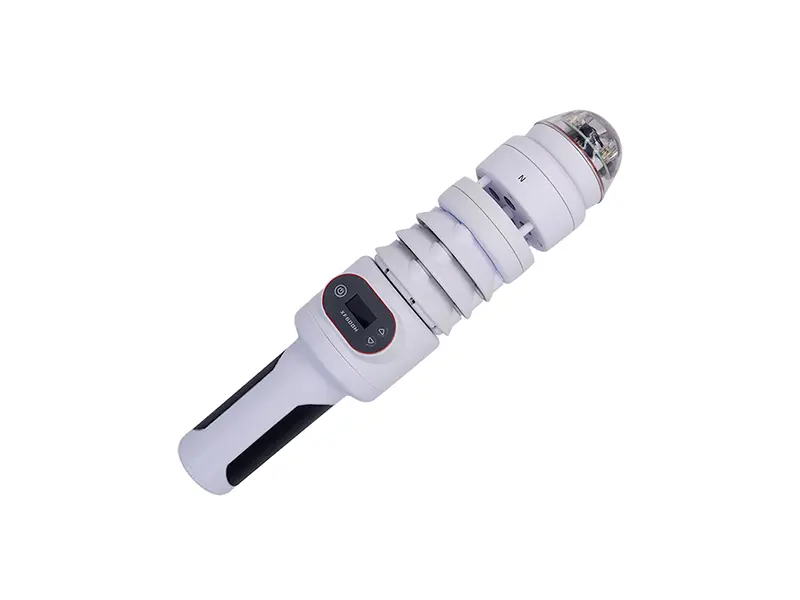
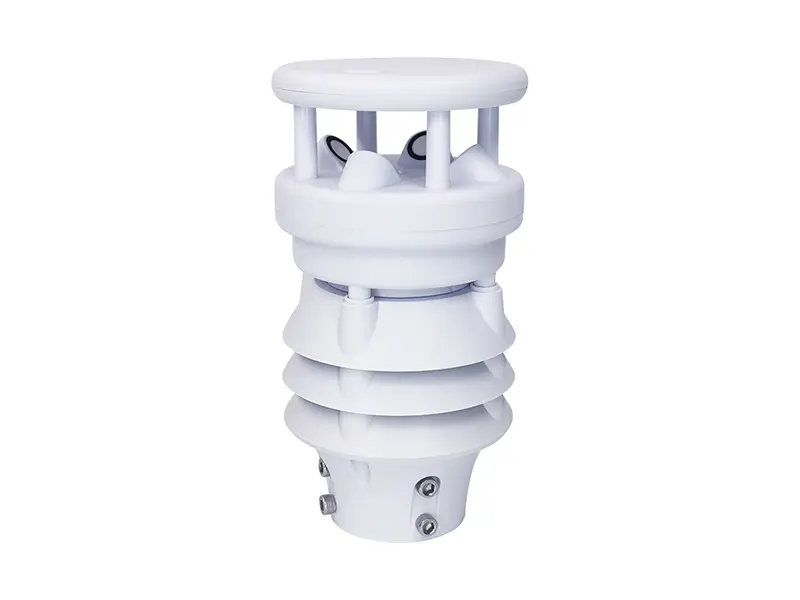
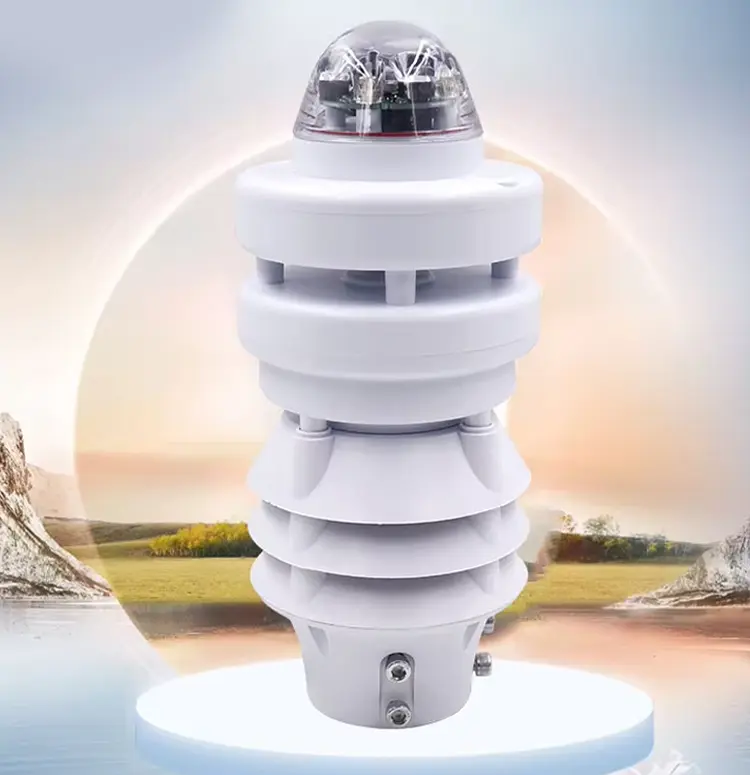
محطة XF700SL المدمجة لرصد الطقس بالإشعاع الشمسي المزودة بمستشعرات الأمطار والرياح تدمج سبعة معايير أرصاد جوية: درجة حرارة المحيط، الرطوبة النسبية، الضغط الجوي، سرعة الرياح (الجيل الثالث)، اتجاه الرياح (الجيل الثالث)، هطول الأمطار البصري، والإشعاع الشمسي في هيكل واحد. تحقق مراقبة مستمرة على مدار الساعة للمعايير الجوية الخارجية، وتُخرج هذه البيانات للمستخدمين عبر واجهة اتصال رقمية دفعة واحدة.
- درجة الحرارة المحيطة: -40-85 درجة مئوية تحت الصفر
- درجة حرارة التشغيل: -40 درجة مئوية إلى 70 درجة مئوية
- معدل هطول الأمطار البصري: 0-200 ملم/ساعة
- الإشعاع الشمسي: 0-2000 واط/م²
- الضغط الجوي: 500-1100hPa
- معدل هطول الأمطار البصري: 0-200 ملم/ساعة
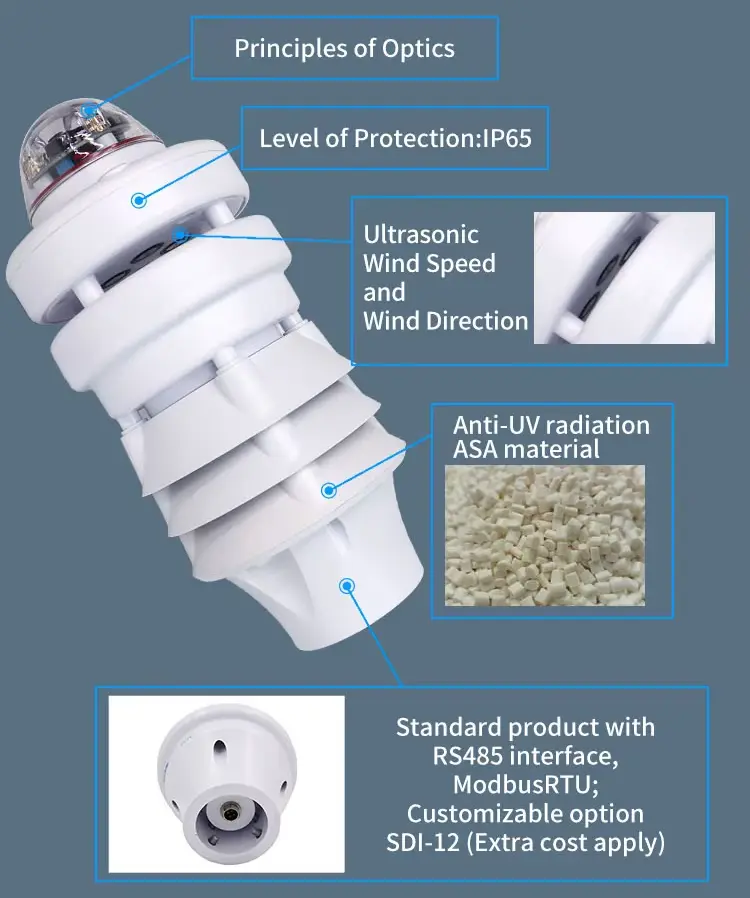
- مستوى الحماية: IP65
السعر: $372.65~$447.18
مقدمة
محطة XF700SL لرصد الطقس بالإشعاع الشمسي هي نظام متكامل لرصد البيئة مصمم لقياس الطاقة الشمسية والمعايير الجوية الرئيسية في الوقت الفعلي. من خلال دمج مستشعرات الإشعاع الشمسي مع أجهزة الأرصاد الجوية مثل مستشعرات درجة الحرارة والرطوبة والرياح والأمطار والضغط، توفر بيانات شاملة لتقييم توفر الموارد الشمسية وظروف الطقس والتغيرات البيئية.
هيكل محطة رصد الطقس بالإشعاع الشمسي
- مستشعر الإشعاع الشمسي (مقياس البيرانومتر): يقيس الإشعاع الشمسي الكلي لتقييم شدة الطاقة الشمسية وأداء الخلايا الكهروضوئية.
- مستشعر درجة الحرارة المحيطة: يراقب درجة حرارة الهواء لتحليل البيئة والمناخ.
- مستشعر الرطوبة النسبية: يكتشف محتوى الرطوبة في الهواء لدعم تطبيقات التنبؤ الجوي والزراعة.
- مستشعر الضغط الجوي: يقيس الضغط الجوي لتحليل اتجاهات الأرصاد الجوية والحسابات المتعلقة بالارتفاع.
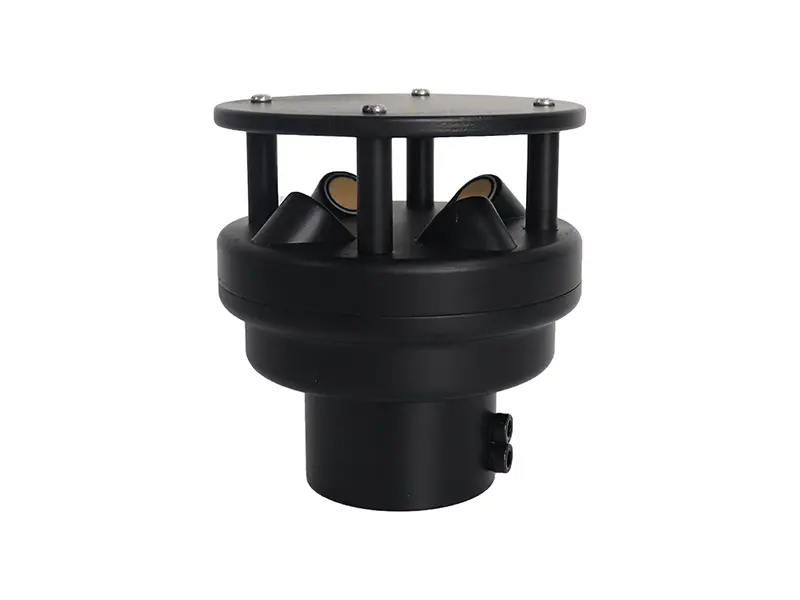
- مستشعر سرعة الرياح: يسجل سرعة الرياح في الوقت الفعلي لتقييم الظروف البيئية وسلامة النظام.
- مستشعر اتجاه الرياح: يحدد اتجاه الرياح لدعم مراقبة الطقس وتقييم الموقع.
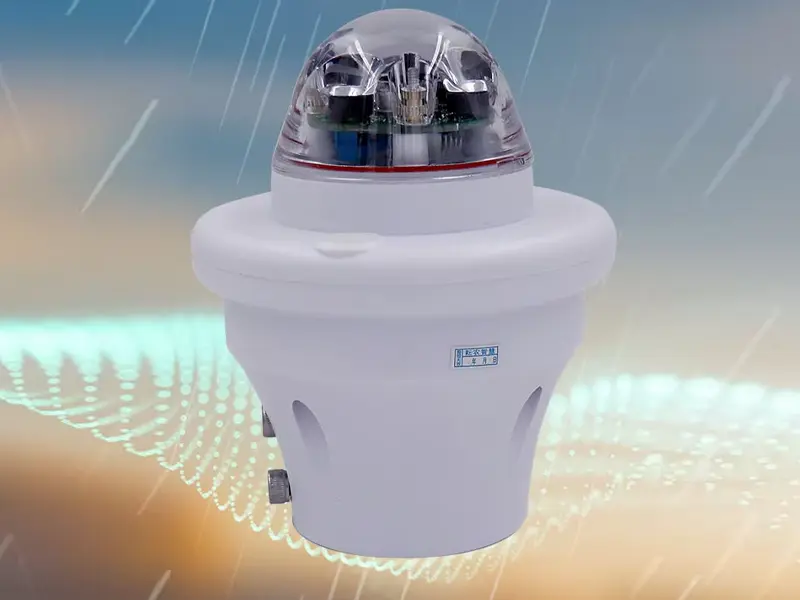
- مستشعر هطول الأمطار البصري: يكتشف كمية هطول الأمطار وأحداثها دون أجزاء ميكانيكية متحركة.
- هيكل مستشعر متكامل: تصميم مدمج الكل في واحد يقلل من تعقيد التركيب ويحسن المتانة.
- وحدة جمع البيانات ومعالجتها: تجمع وتعالج وتحول إشارات المستشعر إلى مخرجات رقمية موحدة.
- واجهة الاتصال الرقمية: تدعم بروتوكولات RS485 أو Modbus أو غيرها للمراقبة عن بُعد وتكامل النظام.
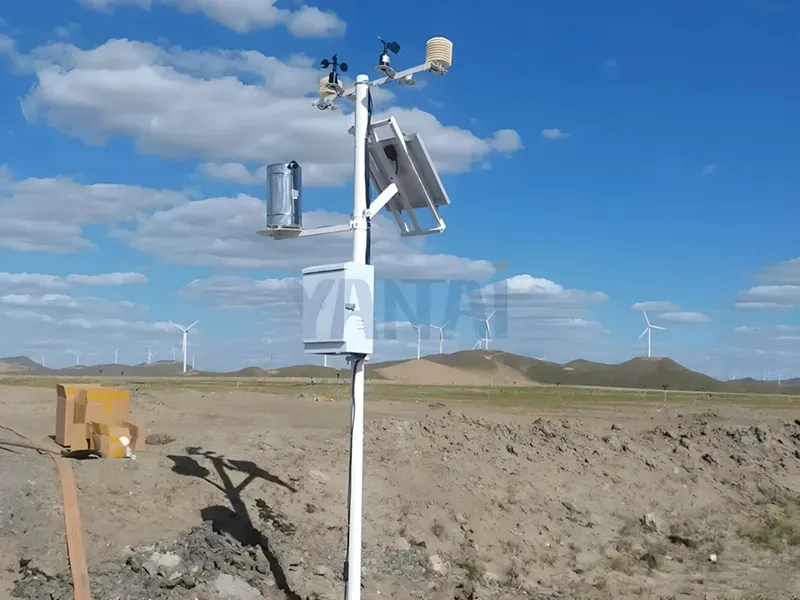
- نظام حامل التثبيت / الصاري: يضمن تثبيتًا خارجيًا مستقرًا وتحديدًا دقيقًا لموضع المستشعر.
- نظام إمداد الطاقة (لوحة شمسية + بطارية اختياري): يتيح التشغيل المستقل في البيئات النائية أو خارج الشبكة.
عرض التفاصيل
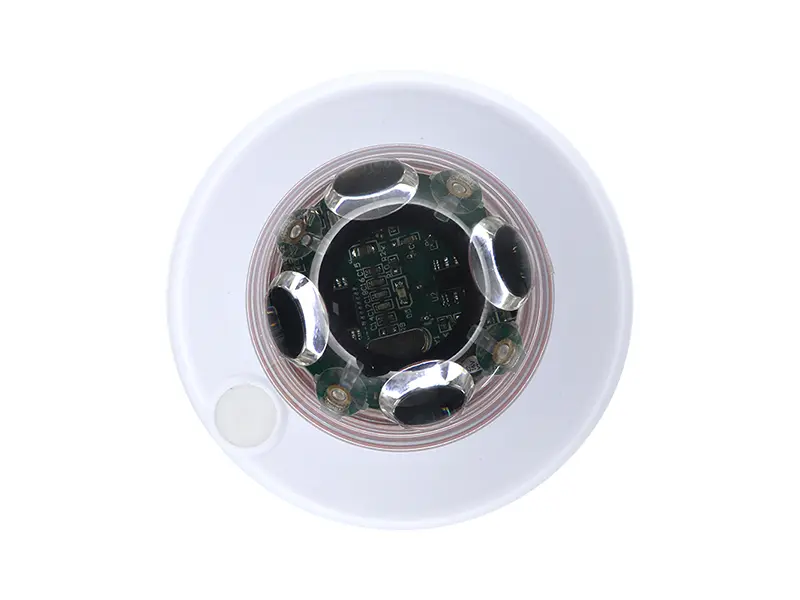
احصل على فهم متعمق لتصميم كل مكون داخل محطة رصد الطقس بالإشعاع الشمسي. من قياس الإشعاع الشمسي إلى المراقبة المتكاملة للرياح والأمطار والغلاف الجوي، يجسد كل تفصيل هيكلي فلسفة تصميم مدمجة ومتكاملة تبسط التركيب. تسلط الأقسام التالية الضوء على الميزات الهيكلية الرئيسية والتفاصيل الوظيفية التي تدعم المراقبة البيئية المستمرة في الوقت الفعلي عبر تطبيقات متنوعة، بما في ذلك تقييم الطاقة الشمسية والزراعة والأبحاث الأرصاد الجوية.
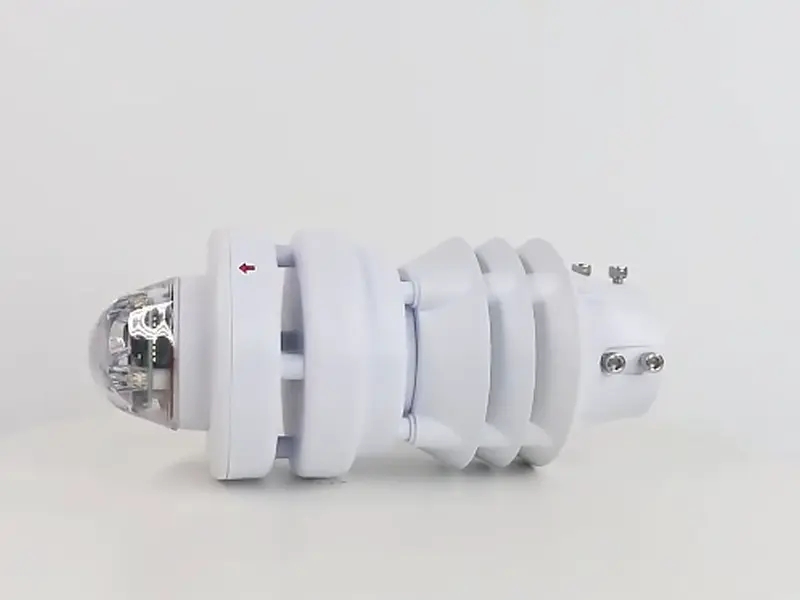
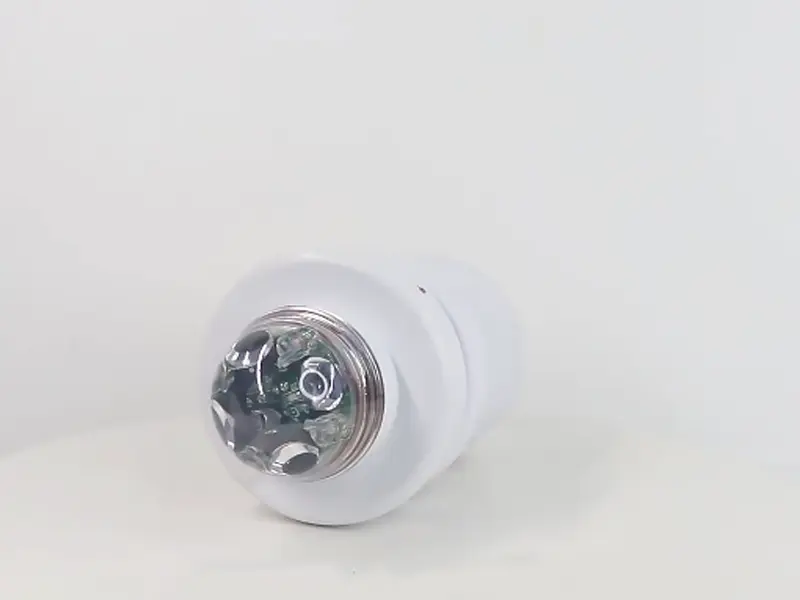
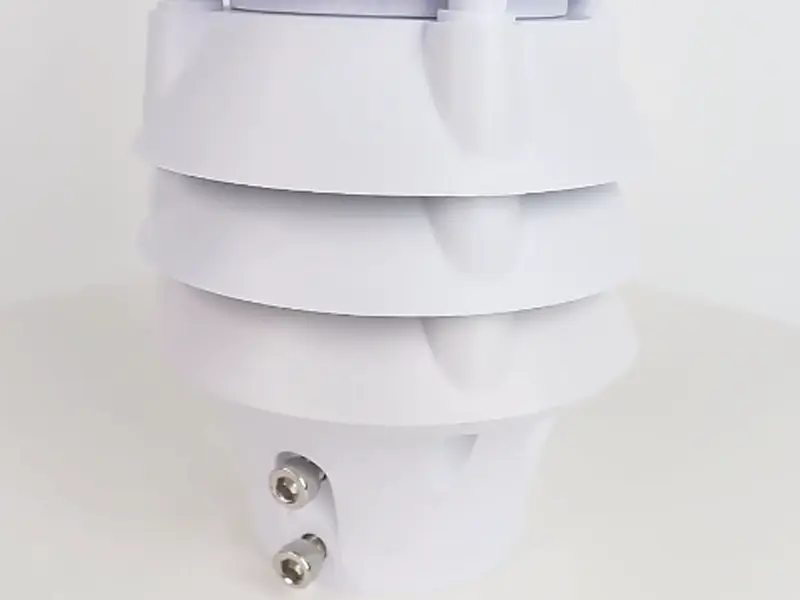
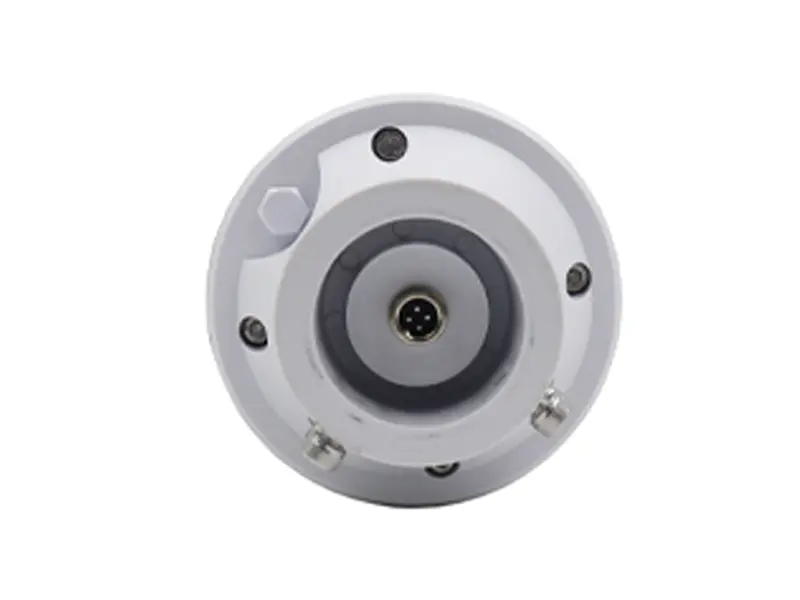
طريقة التثبيت
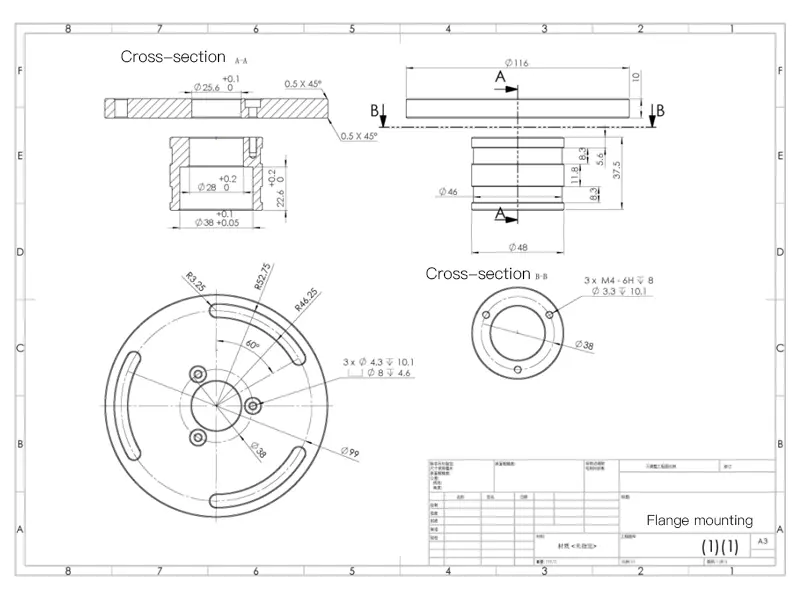
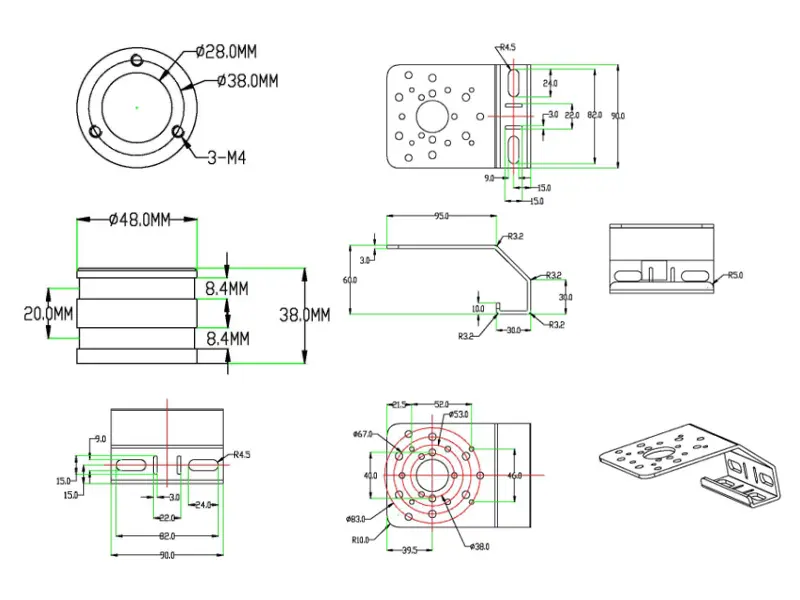
الأحجام
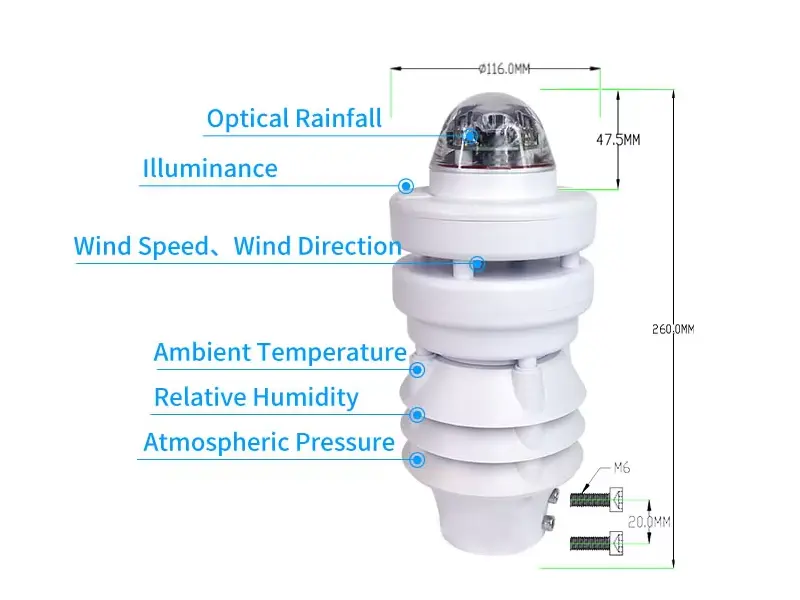
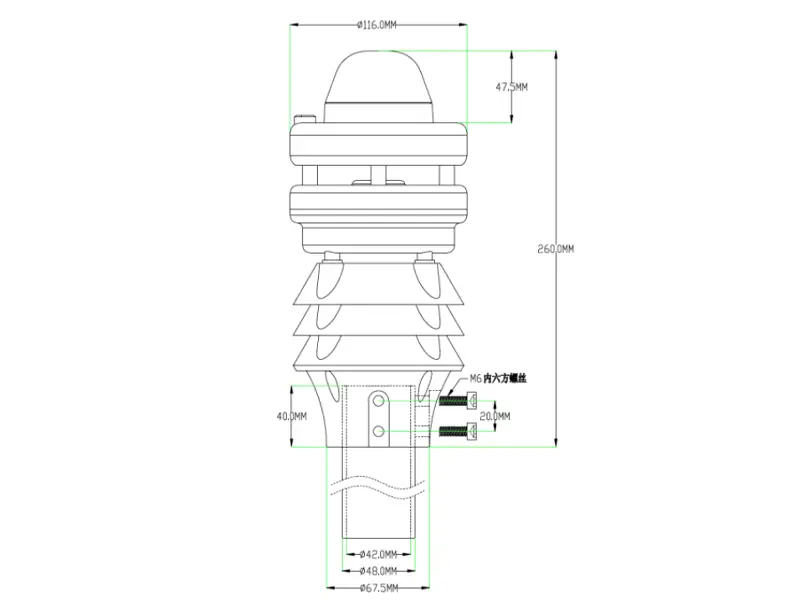
المواصفات
تستخدم محطة XF700SL لرصد الطقس بالإشعاع الشمسي تصميمًا مدمجًا ومتكاملًا لمراقبة الإشعاع الشمسي مركزيًا إلى جانب معايير مثل درجة الحرارة والرطوبة وسرعة الرياح واتجاه الرياح وهطول الأمطار، مما يتيح جمع البيانات الآلي في جميع الأحوال الجوية. يوفر الجهاز قدرة ممتازة على التكيف البيئي والموثوقية، مما يجعله مناسبًا لتقييم الموارد الشمسية وسيناريوهات مراقبة الأرصاد الجوية الشاملة. فيما يلي معايير محطة رصد الطقس بالإشعاع الشمسي المحددة:
المعلمات
| المعلمات | نطاق القياس | الدقة | القرار | تكرار أخذ العينات |
| درجة الحرارة المحيطة | -40-85℃ | ±0.3℃@25℃ | 0.01℃ | 1 هرتز |
| الرطوبة النسبية | 0-100%RH-0-100%RH | ±3%RH(10%-80%RH، بدون تكاثف) | 0.01%RH | 1 هرتز |
| سرعة الرياح (الجيل الثالث) | 0-40 م/ثانية | 0.01 م/ثانية | ±(0.5+0.05 فولت/ثانية) م/ثانية | 10 هرتز |
| اتجاه الرياح (الجيل الثالث) | 0-359.9° | ± 5 ° (سرعة الرياح < 10 م/ثانية) | 0.1° | 10 هرتز |
| الضغط الجوي | 500-1100hPa | ±0.5hPa(25℃,950-1100hPa) | 0.1hPa | 1 هرتز |
| هطول الأمطار البصرية | 0-200 مم/ساعة | ±15% | 0.2 مم | 1 هرتز |
| الإشعاع الشمسي | 0-2000 واط/م² | ±5% | 1 واط | 1 هرتز |
| درجة حرارة التشغيل | -30℃-70℃ | |||
| المخرجات | منتج قياسي مزود بواجهة RS485، ModbusRTU؛ خيار قابل للتخصيص SDI-12 (تُطبق تكاليف إضافية) | |||
| الحد الأقصى لتردد الإخراج الأقصى | الوضع الخامل: 1/ثانية الوضع النشط: 1/دقيقة | |||
| مزود الطاقة | DC9-24 فولت | |||
| مستوى الحماية | IP65 | |||
| طريقة التركيب | المنتج القياسي عبارة عن كم ثابت (اختياري: قطع غيار مطابقة، تطبق تكاليف إضافية، انظر الملحقات والقطع) | |||
| حامل الحامل الثابت | اختياري: قوس بطول 1.5 متر أو 1.8 متر (تُطبق تكلفة إضافية) | |||
| الكابل | خط كابل بطول 3 أمتار (اختياري: يتوفر خط كابل بطول 10 أمتار مقابل تكلفة إضافية) | |||
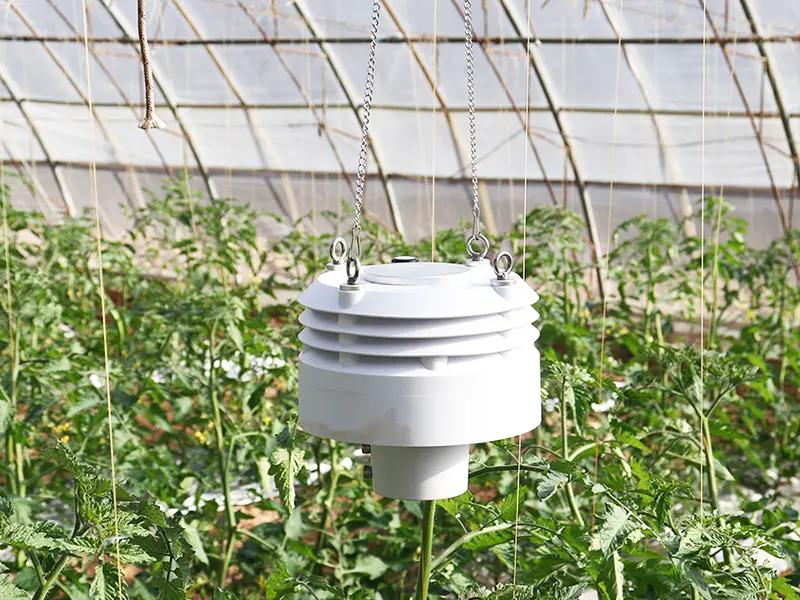
| الملاحظات | هذا المستشعر المدمج مع درجة حرارة المحيط والرطوبة النسبية والضغط الجوي، يتم تركيبه في درع إشعاع خارجي ثلاثي الطبقات. يعتمد درع الإشعاع على تكوين خاص من البولي كربونات والألياف، ويتم رش الجزء الداخلي بطبقة عازلة حرارية، لتقليل تأثير الإشعاع الشمسي. وصف تكميلي لسرعة الرياح واتجاه الرياح: يتم قياس سرعة الرياح واتجاهها من خلال مبدأ الموجات فوق الصوتية. هطول الأمطار البصري: يستشعر تلقائيًا المطر المتساقط على سطحه الخارجي ويحسب كمية هطول الأمطار وفقًا لحجم وعدد قطرات المطر. بالمقارنة مع مقياس المطر التقليدي ذو الدلو الميكانيكي، فإن دقة مقياس المطر البصري هي نقطة ضعفه. في معظم الأوقات، ستكون قراءة مقياس المطر البصري قريبة من مقياس الدلو، لكن الأحداث غير الطبيعية ستظهر اختلافًا كبيرًا (الأمطار الغزيرة). لكنه تصميم متكامل، أكثر ملاءمة للتطبيق في المواقع التي يصعب فيها تطبيق مقياس المطر ذو الدلو المقلوب، وغير مقيد بحالة التركيب. وعندما يكون هطول الأمطار خفيفًا وقليلًا، يكون أكثر حساسية. الإشعاع الشمسي: اختيار عنصر حراري بصري عالي المواصفات مع مرشح لتحقيق القياس. | |||
ميزات محطة رصد الطقس بالإشعاع الشمسي
التصميم المتكامل
يتم دمج مستشعرات متعددة في هيكل واحد، مما يلغي الحاجة إلى وحدات جمع بيانات خارجية ويبسط التركيب.
تشغيل لا يحتاج إلى صيانة
الهيكل المحسّن وتصميم المكونات المستقرة يقللان من تكاليف الصيانة، مما يجعله مناسبًا للتطبيقات غير المراقبة طويلة الأمد.
بروتوكول اتصال مفتوح
يدعم بروتوكولات النظام المفتوحة، مما يسهل التكامل مع منصات المراقبة المختلفة وأنظمة البيانات التابعة لجهات خارجية.
واجهة الاتصال RS485
يستخدم واجهة RS485 الصناعية شائعة الاستخدام، مما يضمن نقلًا مستقرًا مناسبًا لنقل البيانات لمسافات طويلة.
تصميم منخفض استهلاك الطاقة
إدارة طاقة محسّنة، مناسبة لسيناريوهات المراقبة المستمرة طويلة الأمد في الميدان التي تعمل بالطاقة الشمسية.
هيكل حماية صناعي
تصميم غلاف حماية عالي القوة يضمن تشغيلًا مستقرًا في بيئات درجات الحرارة العالية والأمطار والثلوج.
تطبيقات محطة رصد الطقس بالإشعاع الشمسي
تُستخدم محطات رصد الطقس بالإشعاع الشمسي على نطاق واسع في السيناريوهات التي تكون فيها بيانات الطاقة الشمسية والبيئية الدقيقة ضرورية للتحليل والتخطيط والإدارة التشغيلية. من خلال توفير مراقبة مستمرة للإشعاع الشمسي إلى جانب المعايير الجوية الرئيسية، تدعم اتخاذ القرار وتقييم الأداء والتقييم البيئي طويل الأمد عبر صناعات متعددة. فيما يلي تطبيقات محطات رصد الطقس بالإشعاع الشمسي:

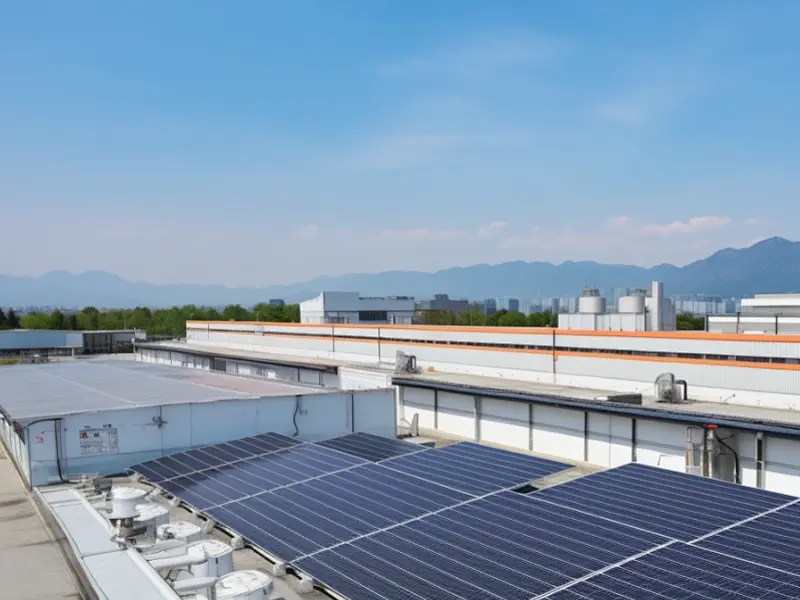
مراقبة محطات الطاقة الكهروضوئية
يُستخدم لتقييم موارد الطاقة الشمسية، وتحليل كفاءة الألواح، وتحسين أداء تشغيل محطات الطاقة.

المراقبة الجوية
إنشاء محطات الأرصاد الجوية ومراقبة بيانات المناخ الإقليمي والبحث العلمي.

الزراعة والزراعة الذكية
لتحليل نمو المحاصيل، وإدارة الري، والمناخ الزراعي.
تقييم المباني والطاقة الخضراء
يُستخدم في تصميم توفير الطاقة في المباني وتحليل جدوى استخدام الطاقة الشمسية.

Transportation and Infrastructure
Provides meteorological and environmental monitoring data for highways, airports, and key projects.
Hydrology and Ecological Monitoring
Water resource management, ecological protection, and long-term natural environment monitoring projects.
custom solar radiation weather station
Solar Radiation Weather Stations offer flexible customization solutions. By tailoring monitoring parameters, communication methods, power supply modes, and installation structures, the equipment can better adapt to photovoltaic power plants, scientific research observations, agricultural monitoring, and special environmental projects, achieving higher monitoring efficiency and system compatibility. Key customization options include:
Weather elements can be added or removed based on project requirements, such as incorporating soil parameters, additional radiation types, or specialized environmental monitoring sensors.
: Customizable options include NMEA protocol, Vaisala-compatible ASCII protocol, and CAN interface (ASCII). Supports custom SDI-12 interface (requires separate module purchase). The base model includes RS485 digital communication interface.
Hardware Function Modules:
Optional tilt angle/electronic compass modules (for wind direction correction), heating modules; supports custom GPS positioning modules (for true wind speed/direction calculation), and built-in 4G modules.
Power System Customization:
Select solar power, grid power, or hybrid power modes to suit diverse installation environments.
Offers adjustable-height mounting brackets, diverse installation methods, and wind-resistant designs for complex terrains and construction sites.
Supports data interfacing and protocol development with third-party monitoring platforms,
systems, or cloud platforms.
Functional Module Expansion:
Optional GPS positioning, electronic compass, data storage modules, and remote operation/maintenance capabilities enable intelligent monitoring management.
Provides meteorological and environmental monitoring data for highways, airports, and key projects.

Hydrology and Ecological Monitoring
Water resource management, ecological protection, and long-term natural environment monitoring projects.
custom solar radiation weather station
Solar Radiation Weather Stations offer flexible customization solutions. By tailoring monitoring parameters, communication methods, power supply modes, and installation structures, the equipment can better adapt to photovoltaic power plants, scientific research observations, agricultural monitoring, and special environmental projects, achieving higher monitoring efficiency and system compatibility. Key customization options include:
خيارات التخصيص
- معلمات المراقبة: Weather elements can be added or removed based on project requirements, such as incorporating soil parameters, additional radiation types, or specialized environmental monitoring sensors.
- طرق التواصل: Customizable options include NMEA protocol, Vaisala-compatible ASCII protocol, and CAN interface (ASCII). Supports custom SDI-12 interface (requires separate module purchase). The base model includes RS485 digital communication interface.
- Hardware Function Modules: Optional tilt angle/electronic compass modules (for wind direction correction), heating modules; supports custom GPS positioning modules (for true wind speed/direction calculation), and built-in 4G modules.
- Power System Customization: Select solar power, grid power, or hybrid power modes to suit diverse installation environments.
- هيكل التركيب: Offers adjustable-height mounting brackets, diverse installation methods, and wind-resistant designs for complex terrains and construction sites.
- تكامل منصة البيانات: Supports data interfacing and protocol development with third-party monitoring platforms, SCADA systems, or cloud platforms.
- Functional Module Expansion: Optional GPS positioning, electronic compass, data storage modules, and remote operation/maintenance capabilities enable intelligent monitoring management.
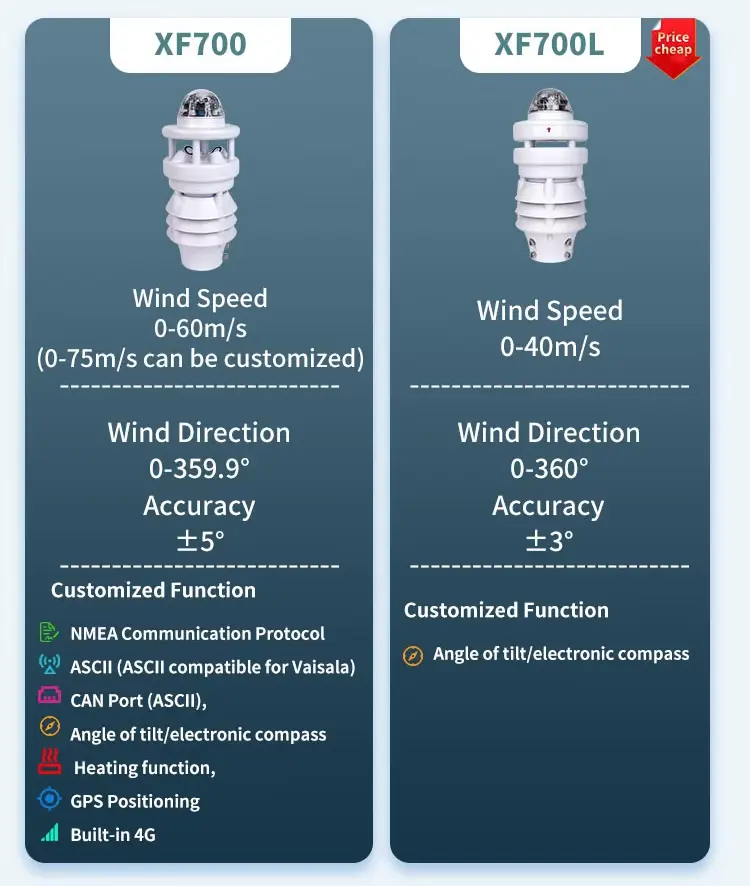
xf700 مقابل xf700l
محطة الطقس XF700 الكل في واحد XF700 محطة الطقس المدمجة VS XF700L للمراقبة الصناعية
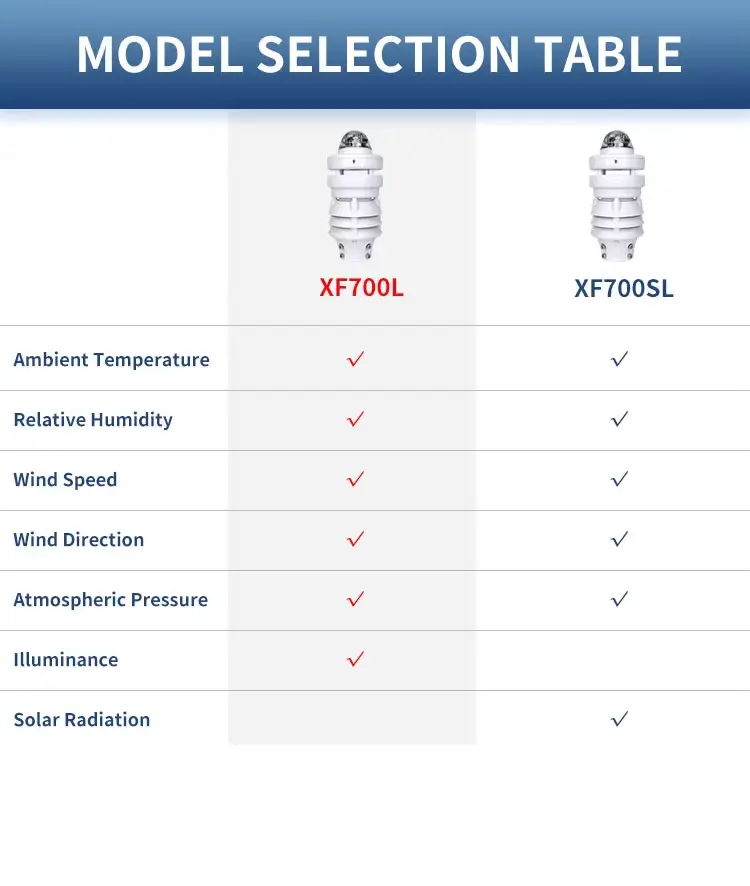
XF700L مقابل XF700SL
محطة طقس مدمجة XF700L للمراقبة الصناعية VS XF700SL Compact Solar Radiation Weather Station
Solar Radiation Weather Station الشركة المصنعة والمورد
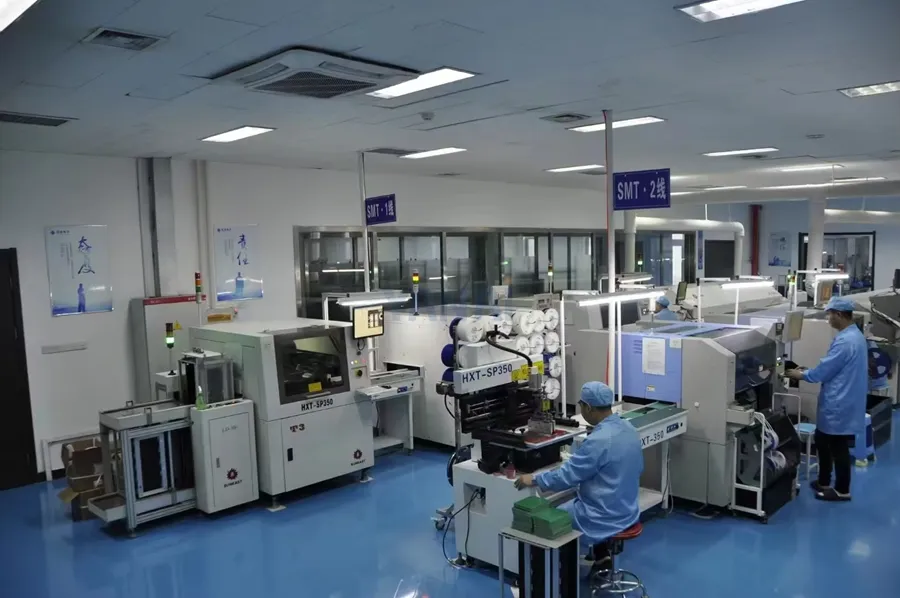
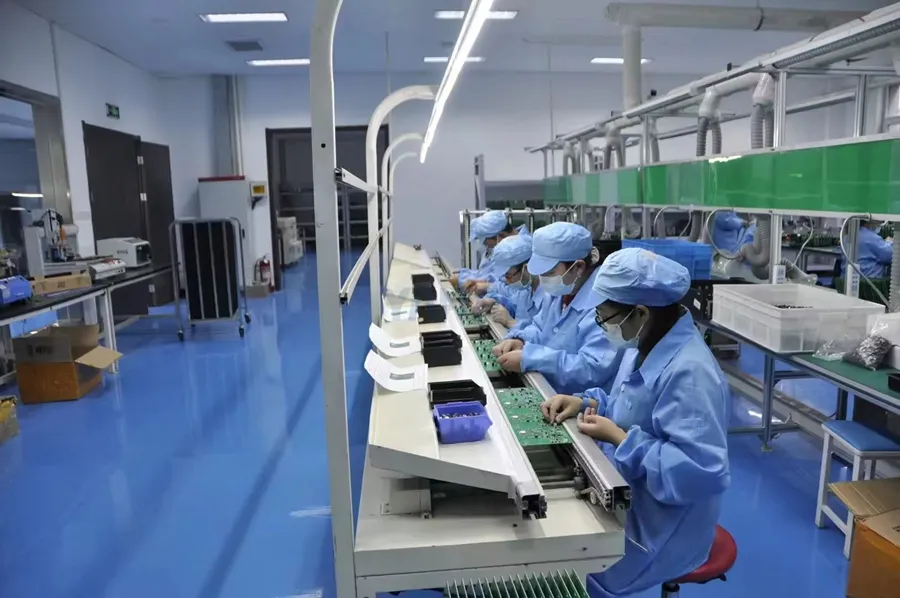
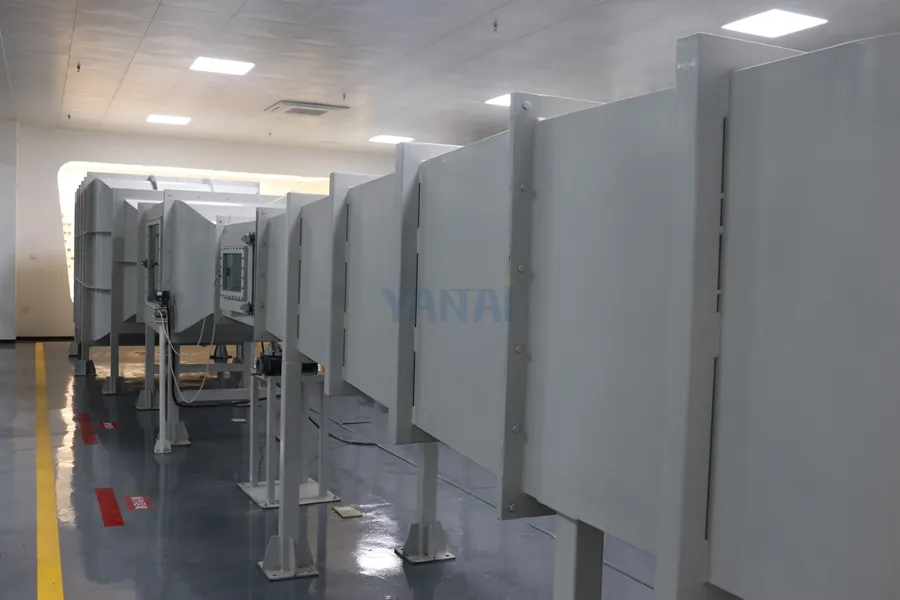
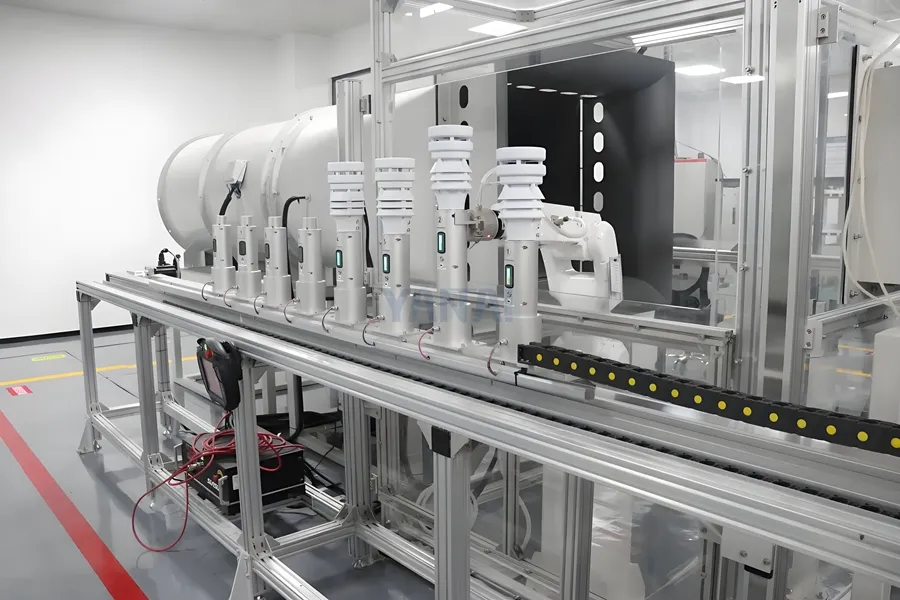
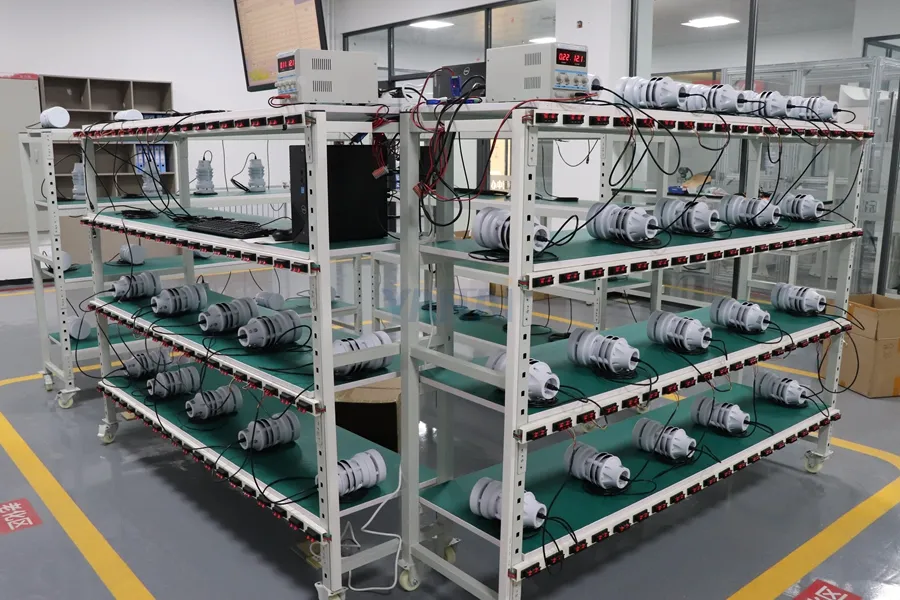
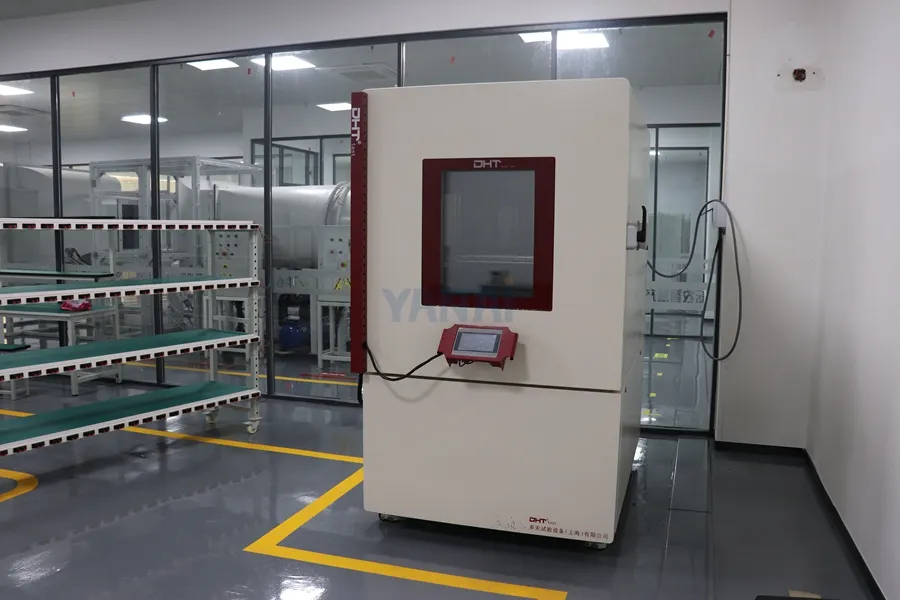
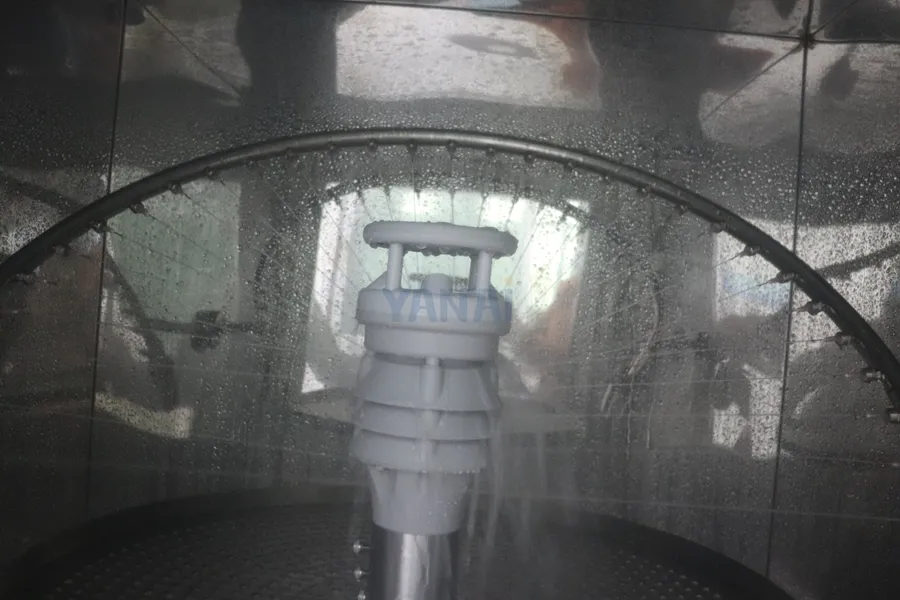
Yantai Sensor is a professional manufacturer and supplier of solar radiation weather stations, specializing in integrated environmental monitoring solutions for solar energy and industrial applications. With independent R&D capabilities, modern production facilities, CNAS authoritative certification, and a dedicated wind tunnel laboratory, we conduct rigorous environmental and performance testing, including high-temperature and humidity aging, low-temperature freeze-thaw cycles, and strong wind simulation, ensuring long-term stability and measurement accuracy in harsh outdoor environments.
We operate multiple independent brands, hold more than 10 technical patents, and comply with international standards such as CE, ISO, and RoHS. Supported by advanced automated production lines and a strict quality management system, we deliver high-quality solar radiation weather stations, pyranometers, ultrasonic wind sensors, and integrated meteorological monitoring systems. Our solutions are widely used in photovoltaic power plants, smart agriculture, environmental monitoring, transportation infrastructure, and scientific research. Whether you require customized sensors or complete solar monitoring systems, our professional team provides tailored solutions and reliable technical support to help you achieve efficient and long-term project success.