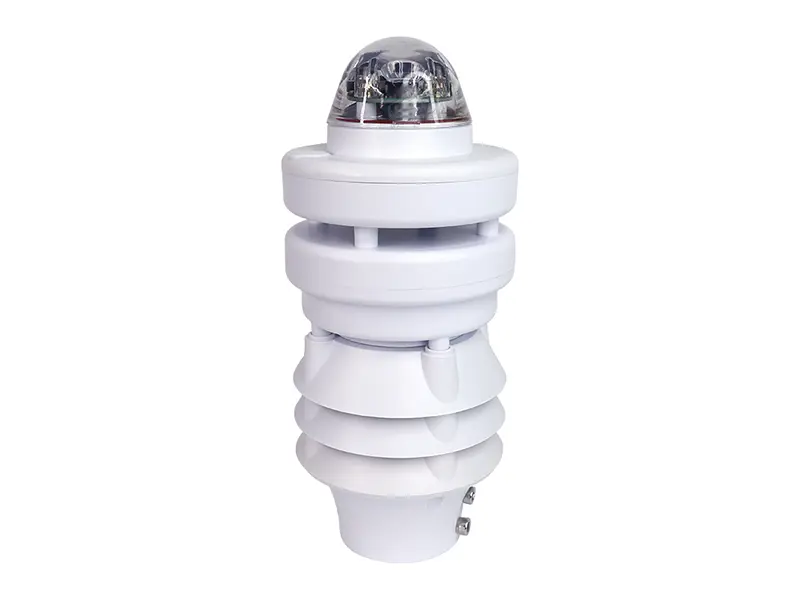
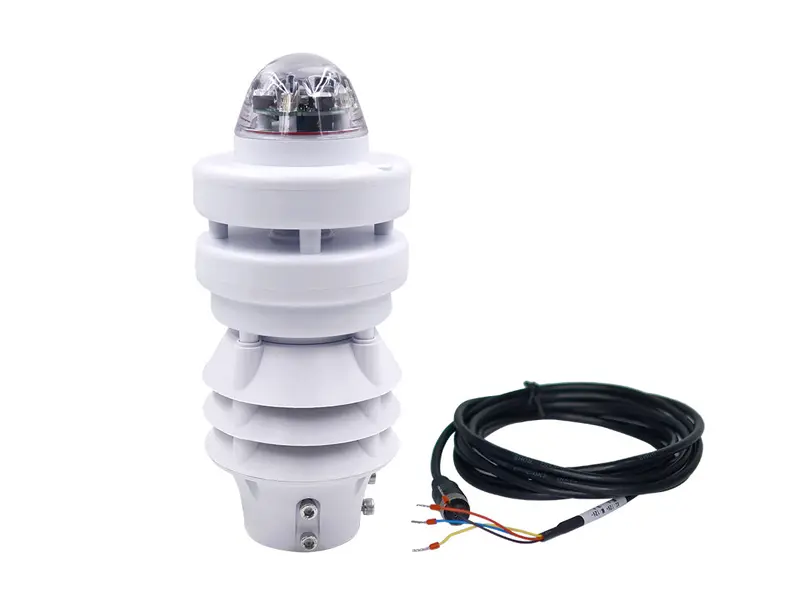
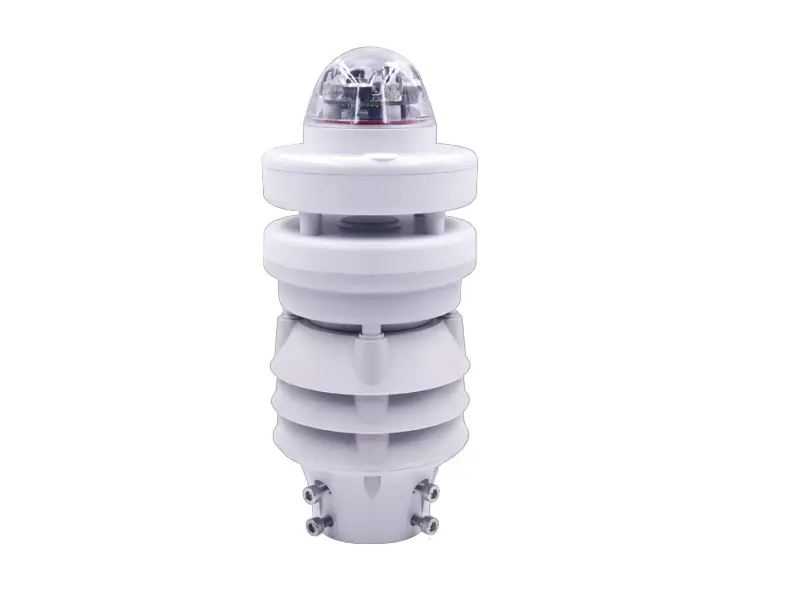
XF700SL Compact Weather Station with Solar Radiation Monitoring
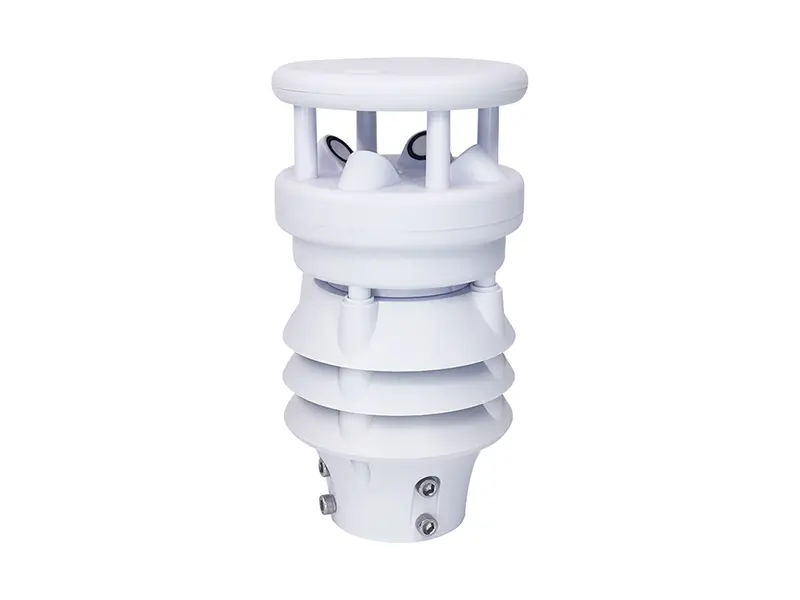
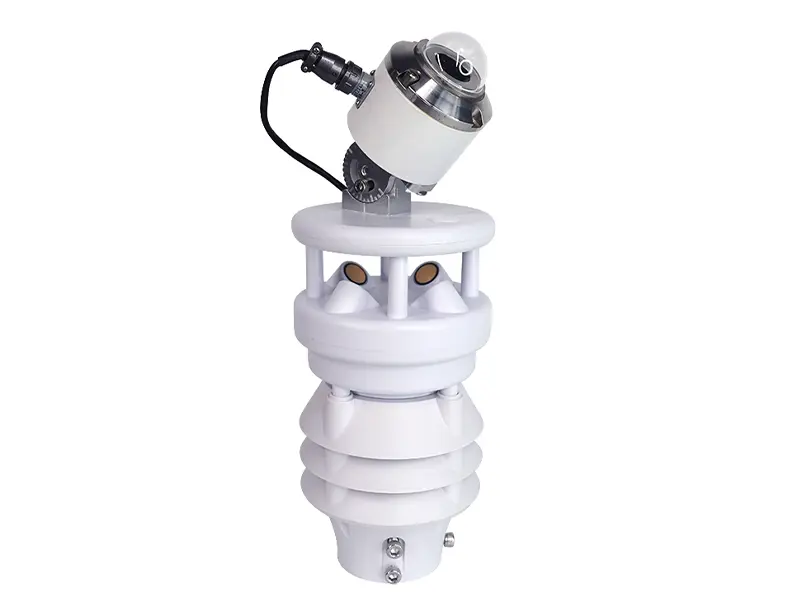
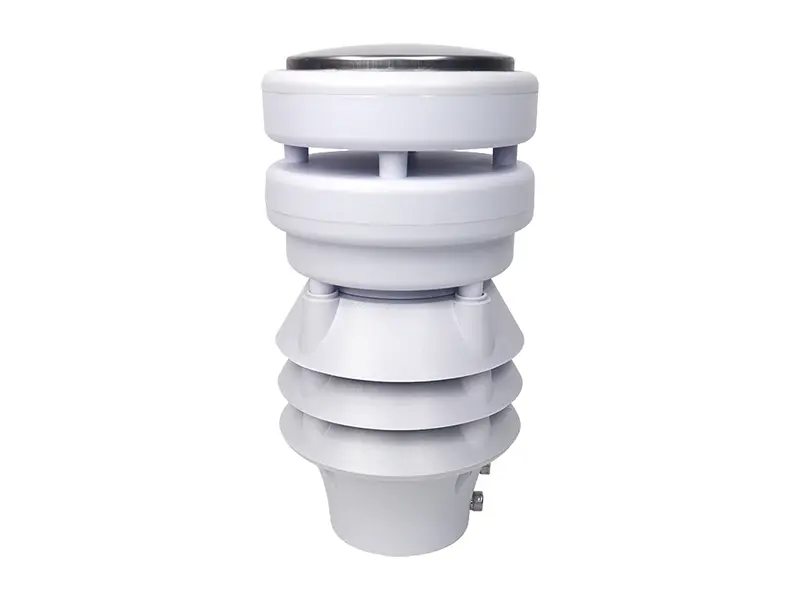
The XF700SL combines ultrasonic wind measurement, optical rainfall detection, and solar radiation sensing in a compact outdoor monitoring unit. Its integrated design simplifies equipment installation, while RS485 communication with Modbus RTU support allows connection to compatible data acquisition systems.
- Ambient Temperature: -40°C to 85°C
- Operating Temperature: -30°C to 70°C
- Wind Speed: 0–40 m/s
- Wind Direction: 0–359.9°
- Atmospheric Pressure: 500–1100 hPa
- Optical Rainfall: 0–200 mm/h
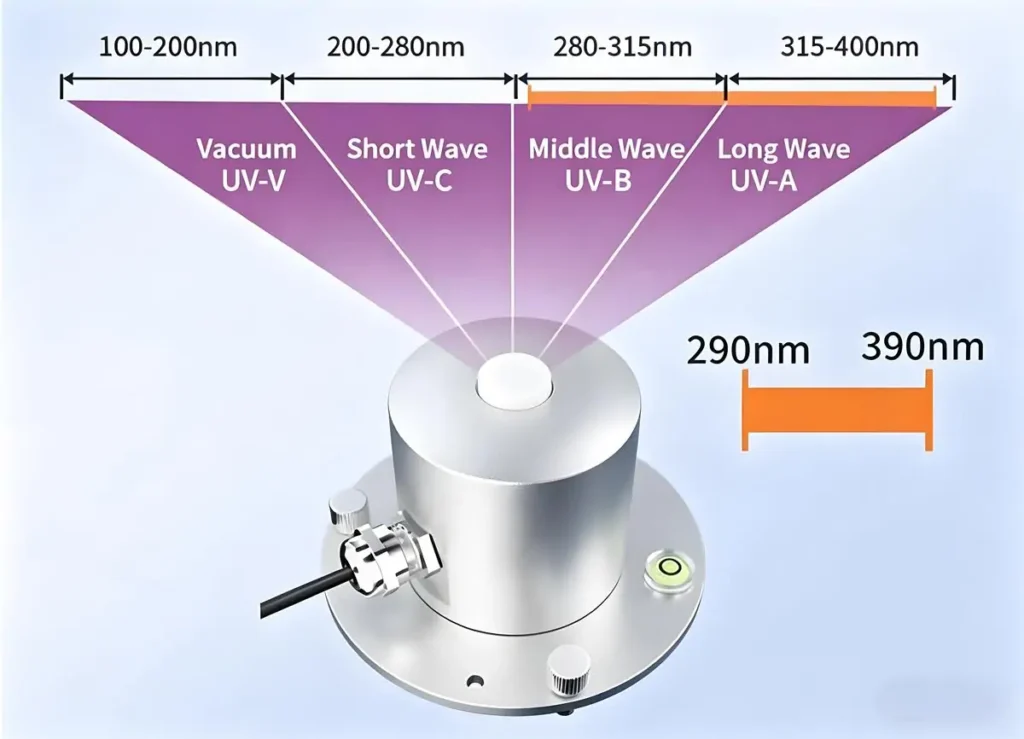
- Solar Radiation: 0–2000 W/m²
Precio: $372.65~$447.18
Introducción
The XF700SL is a solar radiation weather station with radiación solar designed for real-time monitoring of solar radiation and key meteorological parameters. Its all-in-one structure integrates seven measurements: ambient temperature, relative humidity, wind speed, wind direction, atmospheric pressure, optical rainfall, and solar radiation. Equipped with third-generation ultrasonic wind sensors and an optical rainfall sensor, it provides continuous outdoor weather data through RS485 communication with Modbus RTU protocol support. It is suitable for photovoltaic weather monitoring, agricultural meteorological observation, and outdoor environmental monitoring.
Seven-Parameter Integrated Monitoring Structure
The XF700SL integrates seven meteorological measurement parameters into one compact weather station. Each measurement is handled by a dedicated sensing unit, providing continuous outdoor data for weather observation and environmental monitoring.
- Ambient Temperature: Measures air temperature from -40°C to 85°C, with an accuracy of ±0.3°C at 25°C and a resolution of 0.01°C.
- Relative Humidity: Measures relative humidity from 0–100% RH, with an accuracy of ±3% RH under 10–90% RH non-condensing conditions and a resolution of 0.01% RH.
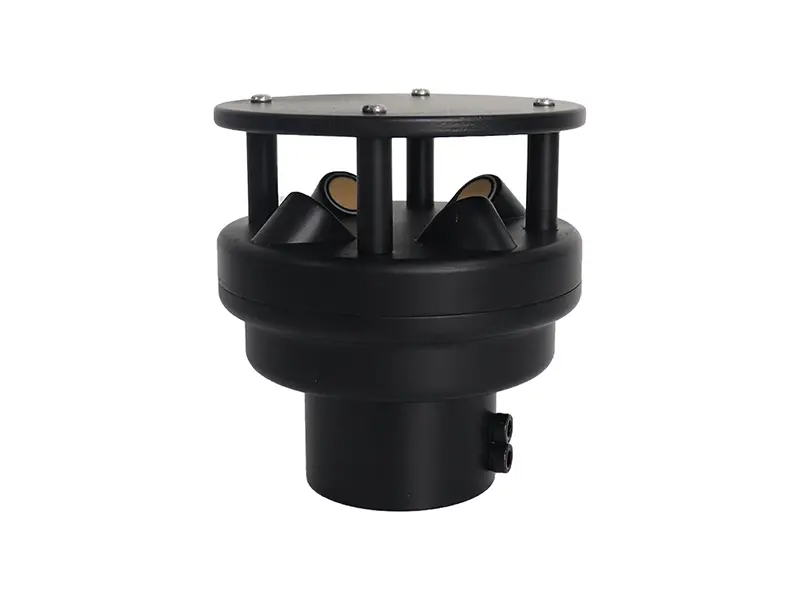
- Wind Speed and Direction: Third-generation ultrasonic sensors measure wind speed from 0–40 m/s and wind direction from 0–359.9°. Wind speed accuracy is ±(0.3 + 0.03V) m/s at speeds up to 30 m/s and ±(0.3 + 0.05V) m/s above 30 m/s. Wind direction accuracy is ±5° when wind speed is below 10 m/s.
- Atmospheric Pressure: Measures atmospheric pressure from 500–1100 hPa, with an accuracy of ±0.5 hPa under the specified conditions (25°C, 950–1100 hPa) and a resolution of 0.1 hPa.
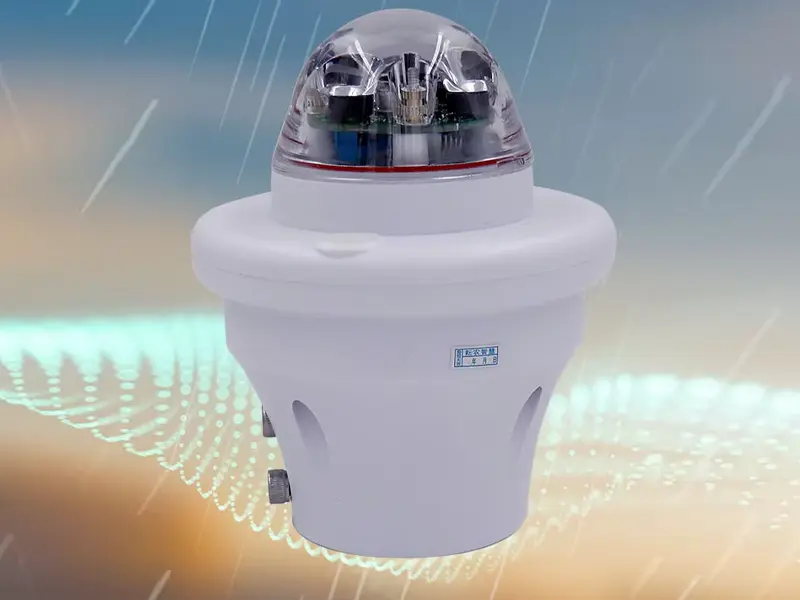
- Optical Rainfall: Uses optical measurement to monitor rainfall intensity from 0–200 mm/h, with a resolution of 0.2 mm.
- Solar Radiation: Measures solar radiation from 0–2000 W/m², with an accuracy of ±5% and a resolution of 1 W/m².
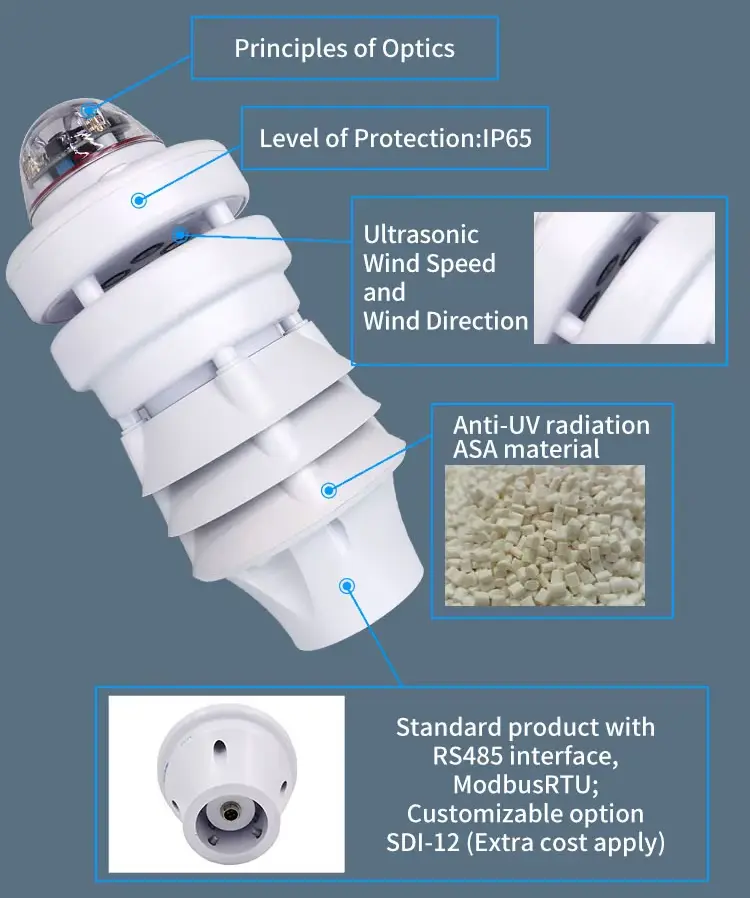
Detalles
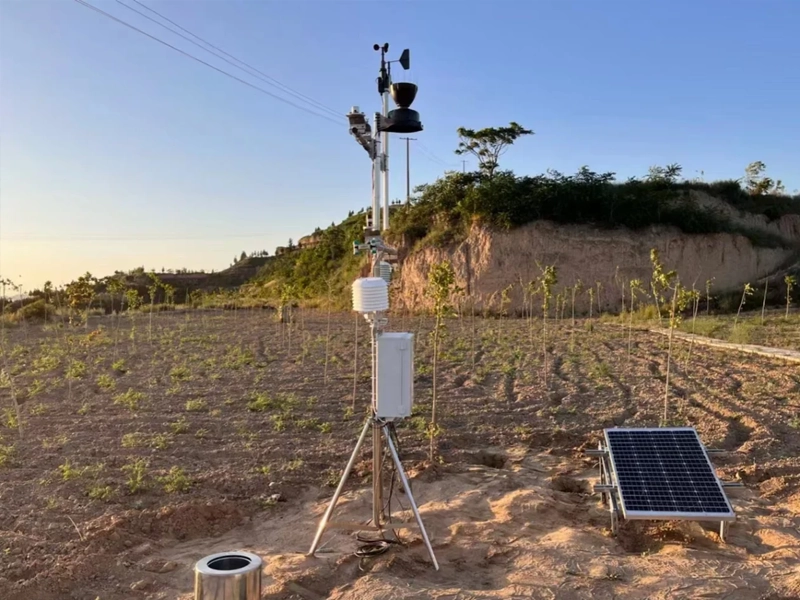
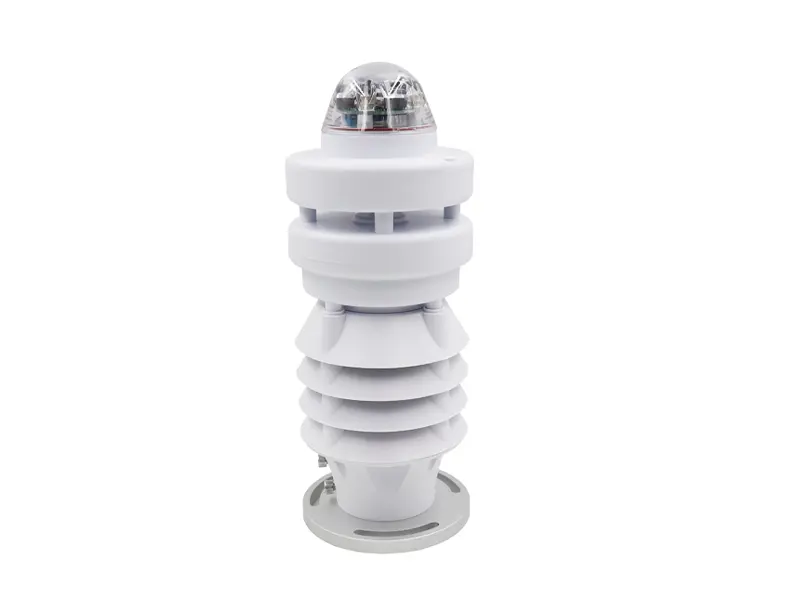
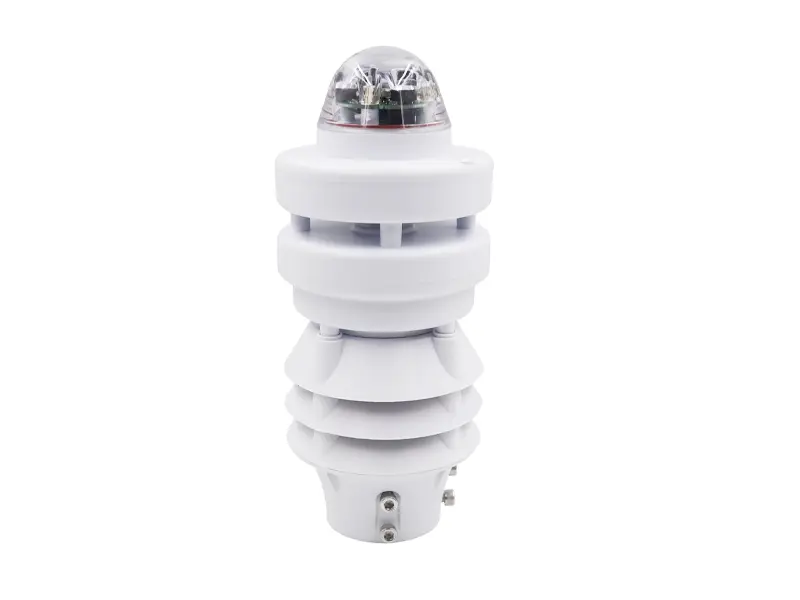
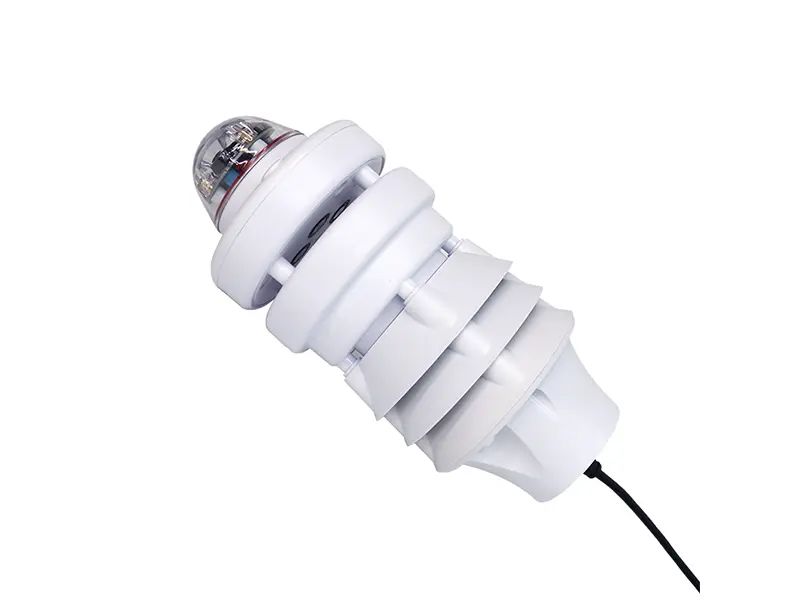
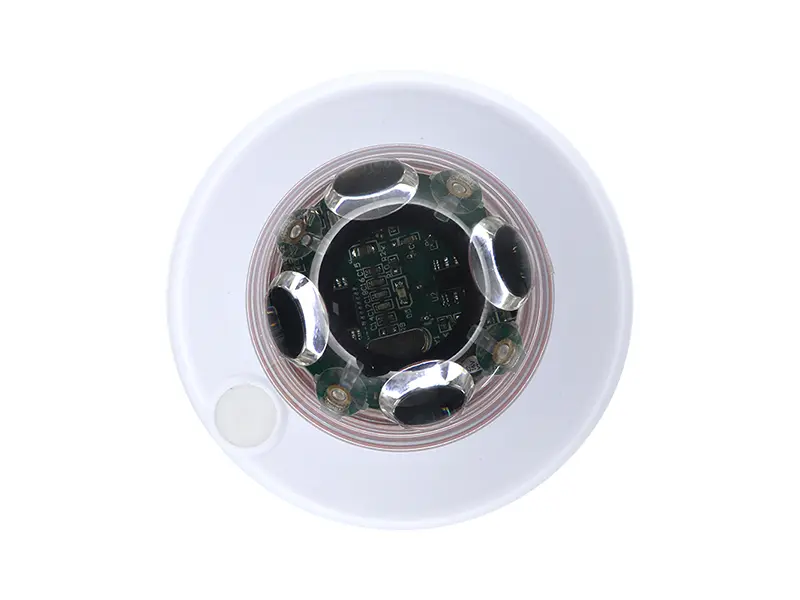
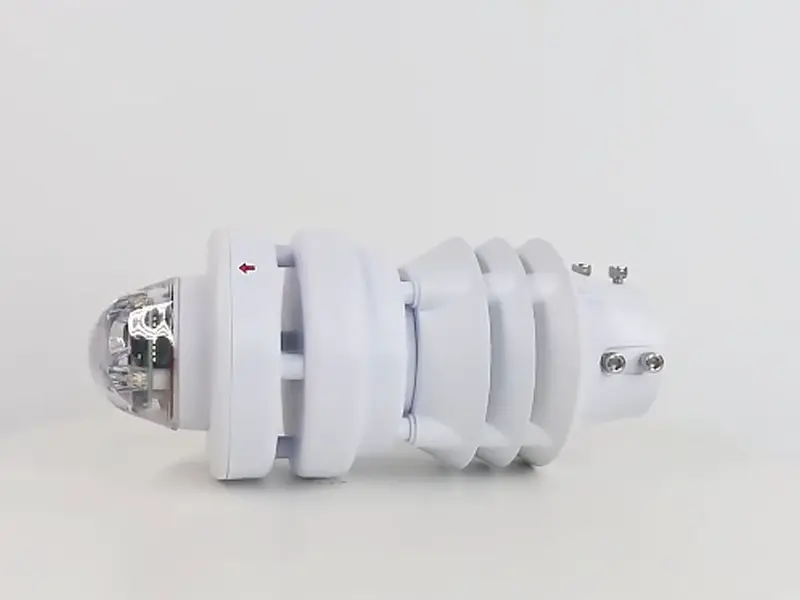
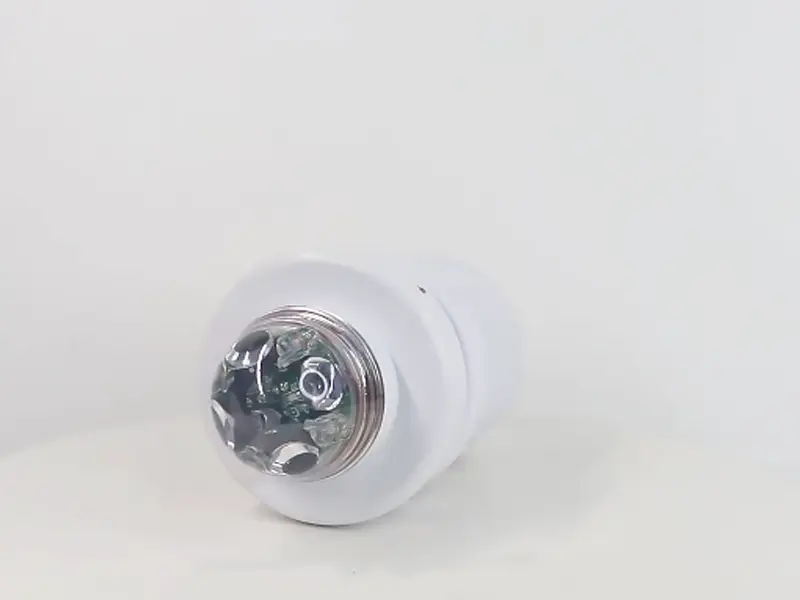
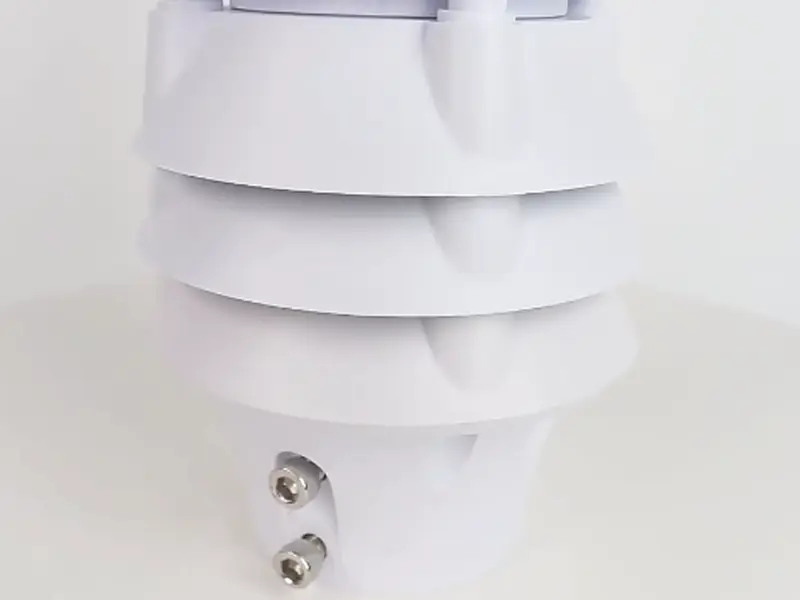
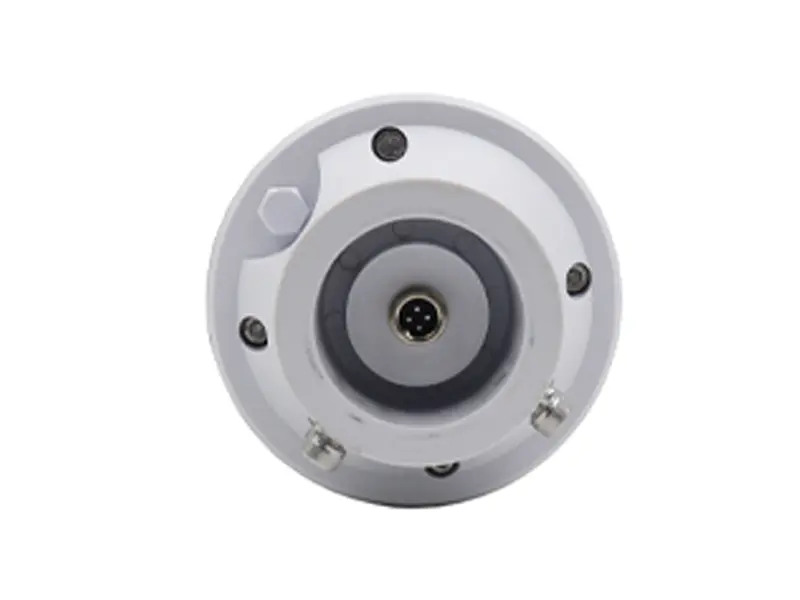
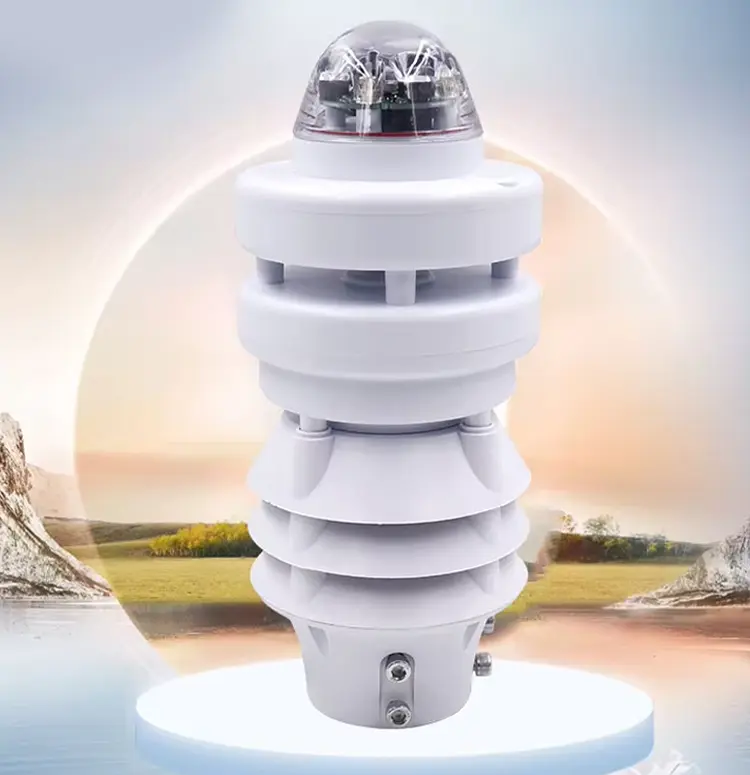
Explore the XF700SL integrated weather station’s sensor arrangement, structural design, and mounting details. The following images provide a closer look at the integrated unit and its installation features.
Método de instalación
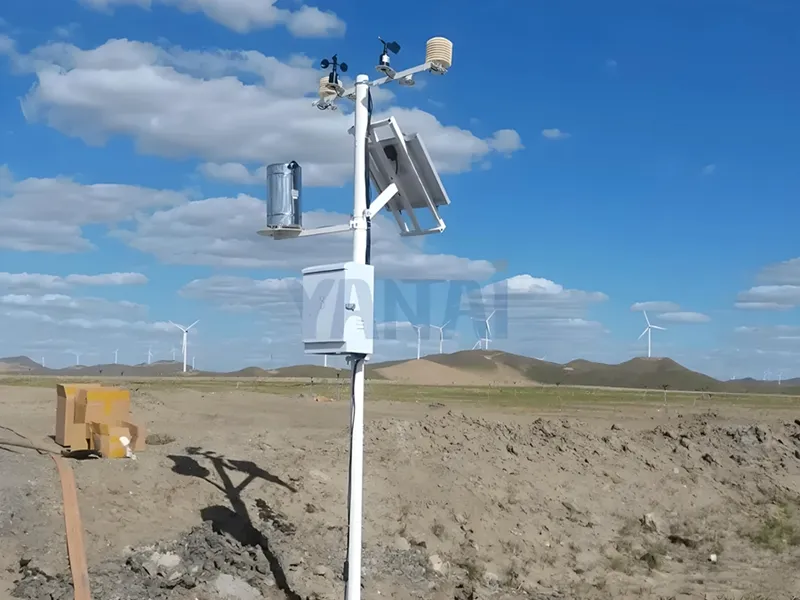
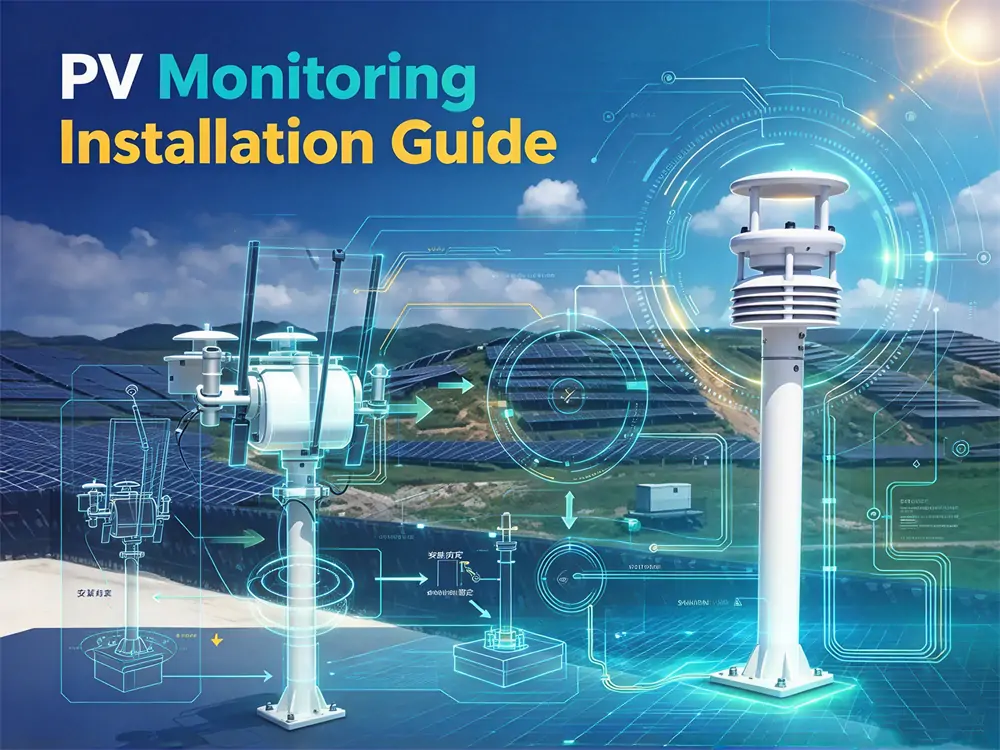
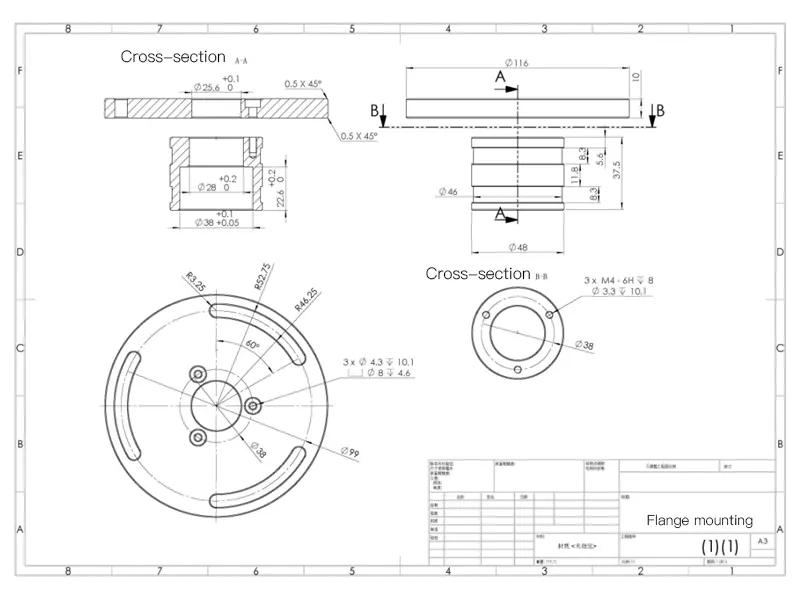
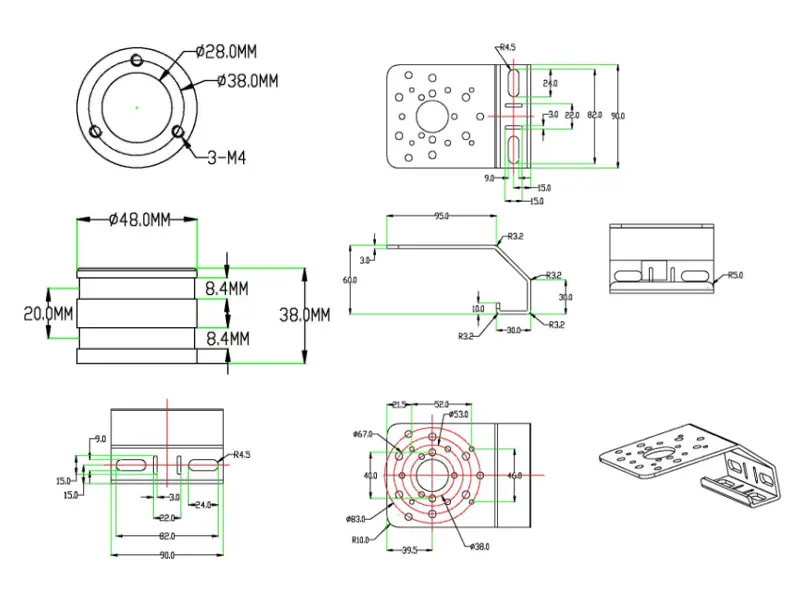
The XF700SL integrated weather station supports flexible mounting options for different outdoor monitoring environments. The following installation methods show how to mount this compact weather station with solar radiation monitoring for stable positioning and convenient deployment.
tallas
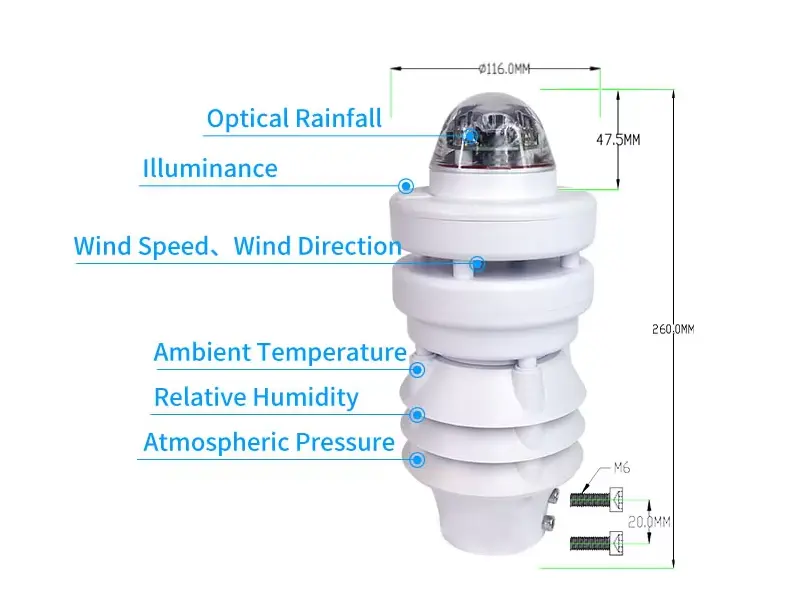
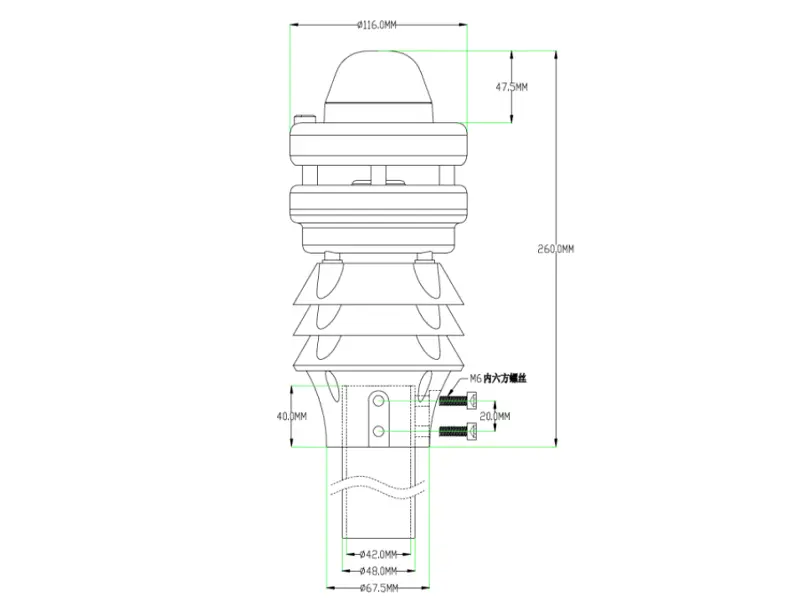
The dimensions of this all-in-one weather station provide a clear reference for evaluating its installation space, mounting requirements, and suitability for different outdoor monitoring sites.
Especificaciones
The XF700SL integrated weather station with solar radiation measures seven meteorological parameters through integrated sensing units. The following table lists the measurement ranges, accuracy, resolution, sampling frequency, and operating specifications for technical selection and system integration.
Parámetros
| Parámetros | Rango de medición | Precisión | Resolución | Frecuencia de muestreo |
| Temperatura ambiente | -40-85℃ | ±0.3℃@25℃ | 0.01℃ | 1HZ |
| Humedad relativa | 0-100%RH | ±3%RH(10%-90%RH, No Condensation) | 0,01%RH | 1HZ |
| Velocidad del viento (tercera generación) | 0-40 m/s | ±(0.3+0.03V) m/s,V≤30 m/s;±(0.3+0.05V) m/s,V>30 m/s | 0,01 m/s | 10 HZ |
| Dirección del viento (tercera generación) | 0-359.9° | ±5°(Velocidad del viento <10M/S) | 0.1° | 10 HZ |
| Presión atmosférica | 500-1100hPa | ±0.5hPa(25℃,950-1100hPa) | 0,1hPa | 1HZ |
| Lluvia óptica | 0-200 mm/h | ±15% | 0,2 mm | 1HZ |
| Radiación solar | 0-2000W/㎡ | ±5% | 1 W/m² | 1HZ |
| Temperatura de funcionamiento | -30℃-70℃ | |||
| Salida | Producto estándar con interfaz RS485, ModbusRTU;Opción personalizable SDI-12(se aplican costes adicionales) | |||
| Frecuencia máxima de salida | Modo pasivo: 1/S Modo activo: 1/min | |||
| Fuente de alimentación | DC9-30V | |||
| Nivel de protección | IP65 | |||
| Forma de montaje | El producto estándar es el manguito fijo (Opcional: piezas a juego, se aplican costes adicionales, ver Accesorios y Piezas) | |||
| Caballete fijo | Opcional: soporte de 1,5 metros o 1,8 metros (con coste adicional) | |||
| Cable | Línea de cable de 3 metros (Opcional: línea de cable de 10 metros disponible por un coste adicional ) | |||
| Observaciones | 1. Temperature, Humidity and Pressure Sensors: These three sensors are integrated into a three-layer outdoor radiation shield. The shield uses a PC-based fiber-reinforced material formulation with an internal thermal insulation coating to reduce the influence of direct solar radiation on measurement readings. 2. Wind Measurement: Wind speed and wind direction are measured using ultrasonic sensing technology, without conventional mechanical rotating components. 3. Optical Rainfall Measurement: The sensor detects raindrops on its external sensing surface and estimates rainfall based on raindrop size and quantity. It has no mechanical tipping bucket and is suitable for installations where conventional tipping-bucket gauges are difficult to mount. It is sensitive to light rainfall, although readings may differ from tipping-bucket gauges, particularly during heavy rainfall. 4. Solar Radiation Measurement: The solar radiation sensor uses a filtered optical-thermal sensing element to measure incoming solar radiation. | |||
Características
Seven-Parameter All-in-One Weather Monitoring
The XF700SL all-in-one weather station integrates temperature, humidity, wind speed, wind direction, atmospheric pressure, optical rainfall, and solar radiation into one compact structure. This integrated design reduces separate sensor installations and simplifies equipment layout.
Integrated Solar Radiation Measurement
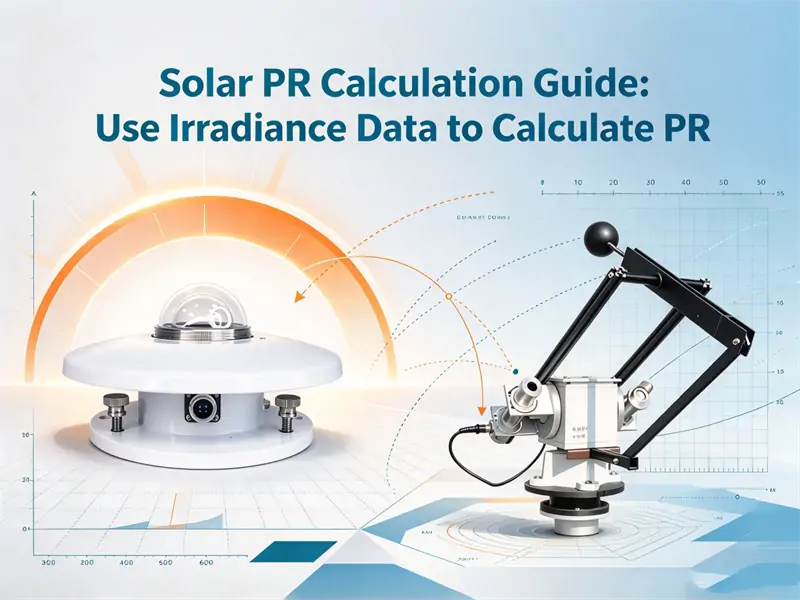
This solar radiation weather station measures incoming solar radiation from 0–2000 W/m², with ±5% accuracy. Its filtered optical-thermal sensing element enables solar radiation monitoring alongside other meteorological parameters.
Ultrasonic Wind and Optical Rainfall Sensors
Ultrasonic sensors measure wind speed from 0–40 m/s and direction from 0–359.9° without mechanical rotating components. The optical rainfall sensor detects raindrops without a tipping bucket and responds well to light rain, although readings may differ during heavy rainfall.
Communication and Outdoor Protection
The RS485 interface supports Modbus RTU for connection to compatible data acquisition systems, with optional SDI-12 communication. IP65 protection, a three-layer radiation shield, and an operating temperature range of -30°C to 70°C support installation in different outdoor weather monitoring environments.
Aplicaciones
The XF700SLweather station with solar radiation sensor is an integrated monitoring device for collecting solar radiation and key meteorological data. Its compact structure and seven-parameter measurement capabilities support applications in photovoltaic projects, meteorological observation, agriculture, transportation, wind energy, and environmental monitoring.

Control fotovoltaico del medio ambiente
The XF700SL solar radiation weather station monitors solar radiation, temperature, wind, and rainfall around PV installations for solar resource assessment and site weather observation.

Observación meteorológica
The station collects temperature, humidity, atmospheric pressure, wind, rainfall, and solar radiation data for weather stations, regional meteorological observation, and climate research.
Vigilancia meteorológica agrícola
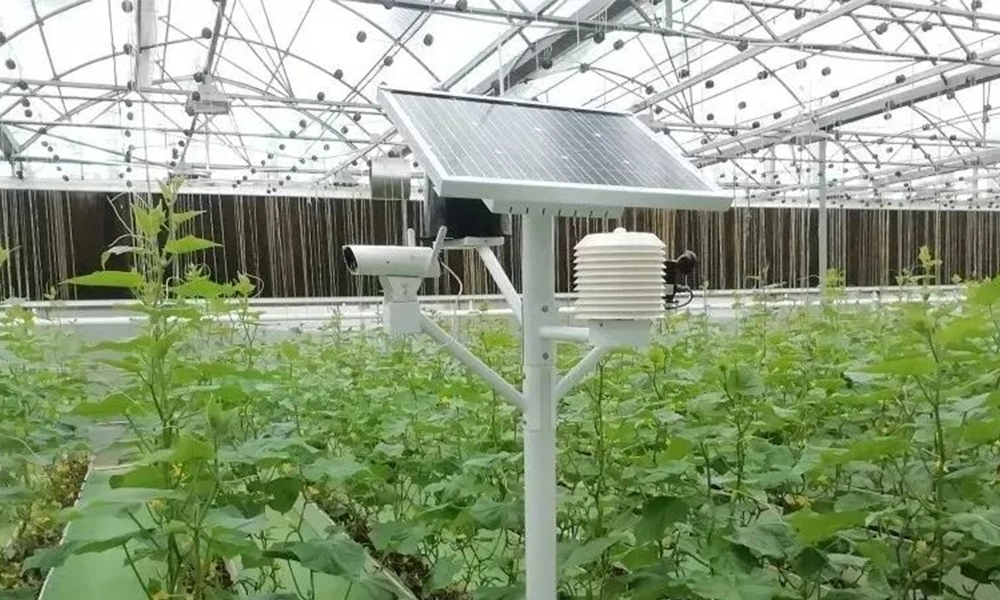
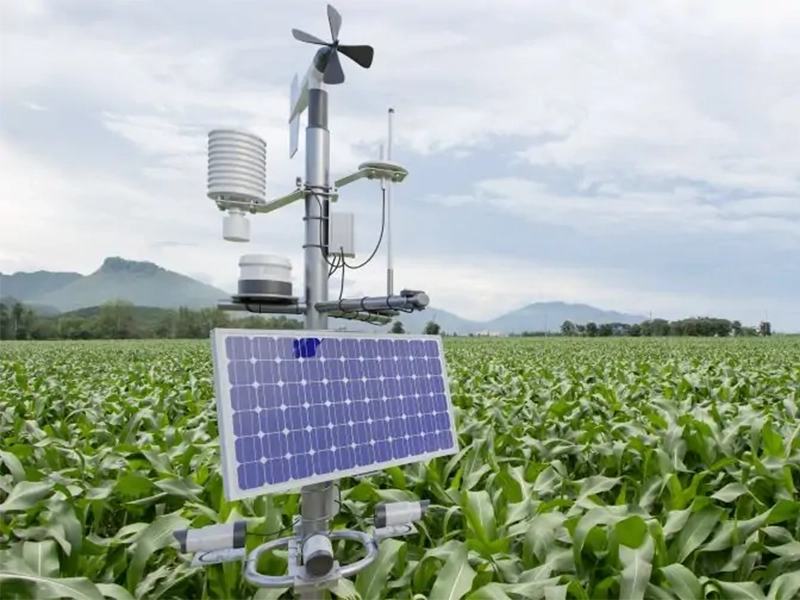
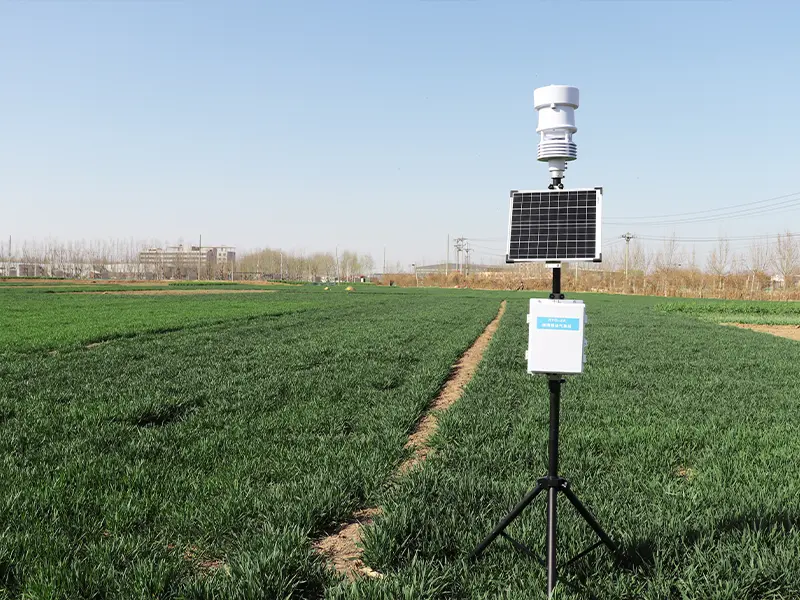
This all-in-one weather station provides field measurements of temperature, humidity, wind, rainfall, and solar radiation to support crop environment observation and agricultural planning.

Vigilancia medioambiental
The station can be deployed in parks, residential areas, campuses, and urban monitoring networks. Multiple units collect localized meteorological data for micro-environmental observation and regional analysis.

Vigilancia meteorológica del transporte
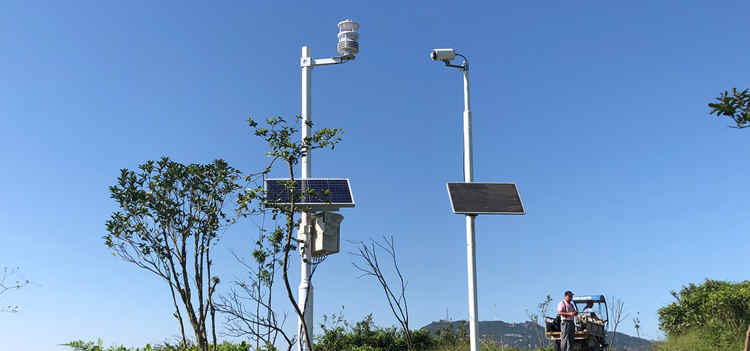
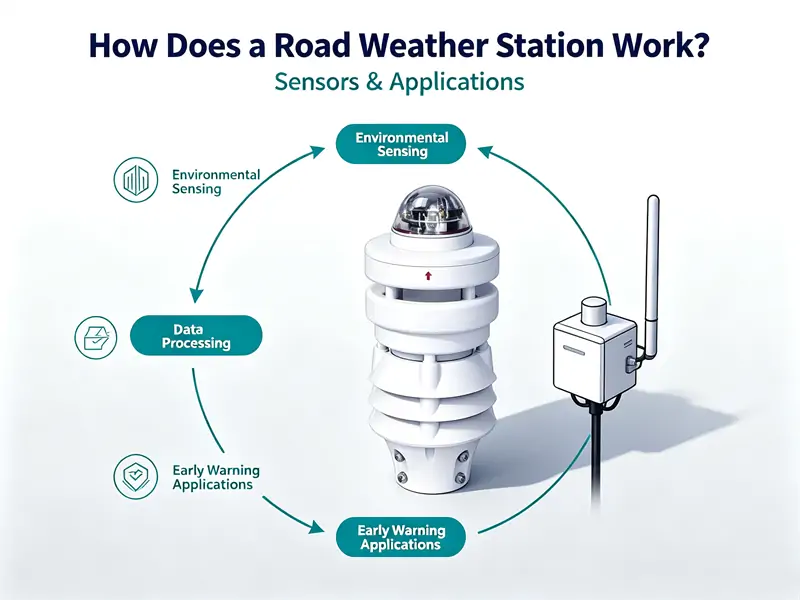
Installed along highways and transportation infrastructure, the station monitors local wind, rainfall, temperature, and other weather conditions to support road weather observation and traffic management.

Control meteorológico de la energía eólica
The station measures wind speed, wind direction, temperature, atmospheric pressure, and other meteorological parameters around wind energy sites for local weather observation.
Customization Options for XF700SL Solar Radiation Weather Station
The XF700SL integrated weather station supports configuration adjustments for different project requirements, including monitoring parameters, communication interfaces, power supply, installation accessories, and functional modules.
Opciones de personalización
- Parámetros de control: Additional soil sensors, radiation sensors, and environmental monitoring instruments can be integrated according to project requirements, subject to interface compatibility and installation space.
- Métodos de comunicación: Standard RS485 with Modbus RTU; optional SDI-12, NMEA, Vaisala-compatible ASCII, and CAN interfaces or protocols. Third-party platform integration is available subject to interface requirements.
- Fuente de alimentación: Grid power, solar power, or hybrid power configurations according to site conditions.
- Installation Accessories: Standard sleeve mounting and 3 m cable; optional 1.5 m or 1.8 m mounting brackets and 10 m cable.
- Optional Functional Modules: GPS positioning, electronic compass, tilt angle measurement, heating, 4G communication, and data storage.
XF700 VS XF700L
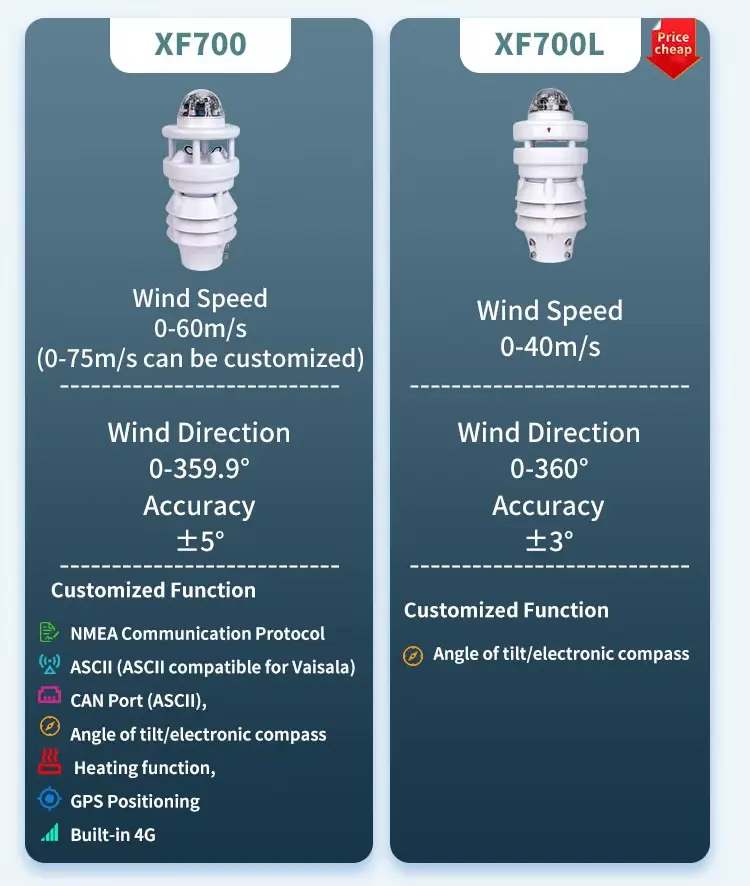
Estación meteorológica XF700 todo en uno VS XF700L Compact Weather Station for Industrial Monitoring.The XF700 and XF700L both integrate seven meteorological parameters into a compact structure. Their main differences lie in wind measurement specifications and sensor configurations. Compare the two models below to identify the differences and select the appropriate weather station for your monitoring requirements.
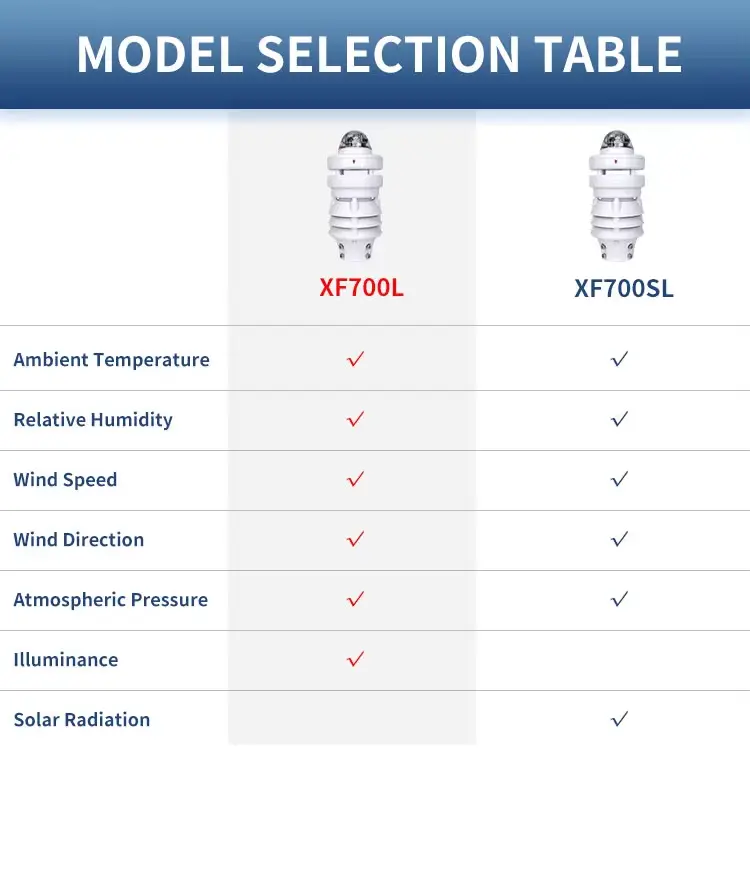
XF700L VS XF700SL
XF700L Estación meteorológica compacta para la vigilancia industrial VS XF700SL Compact Solar Radiation Weather Station.The XF700L and XF700SL share several core meteorological measurements, including temperature, humidity, wind speed, wind direction, atmospheric pressure, and optical rainfall. The main difference is the additional measurement parameter: the XF700L measures illuminance, while the XF700SL measures solar radiation. Compare their configurations below to determine which model better matches your project requirements.
Solar Radiation Weather Station Manufacturer and Supplier
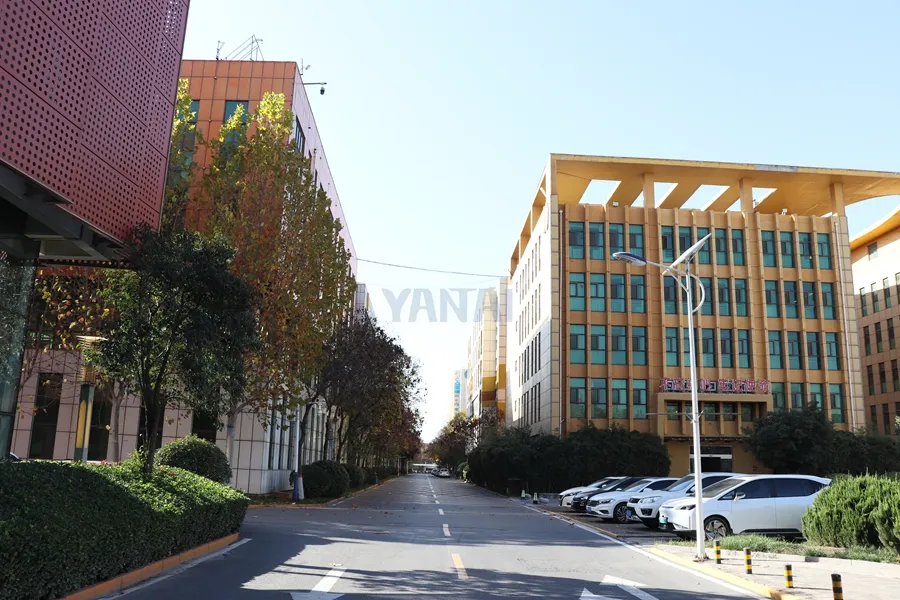
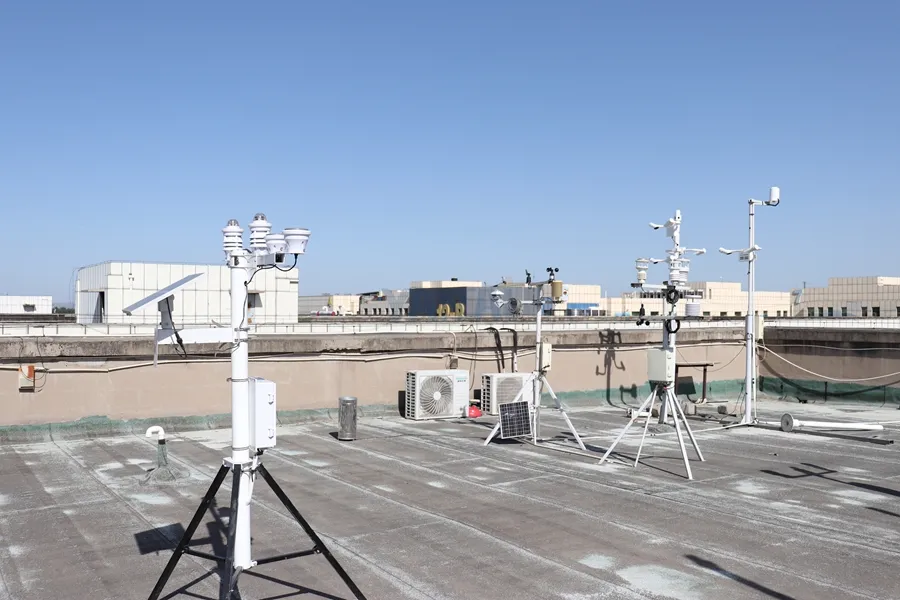
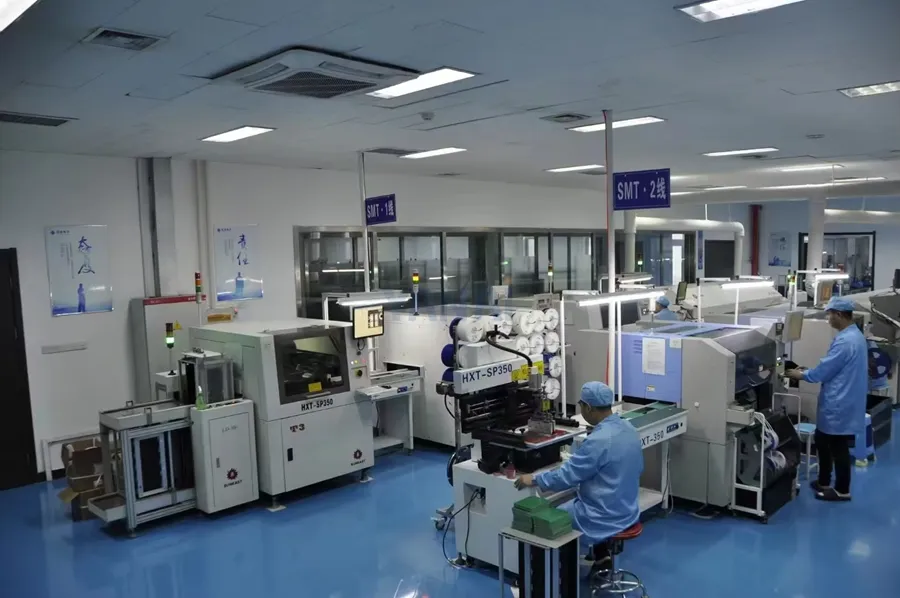
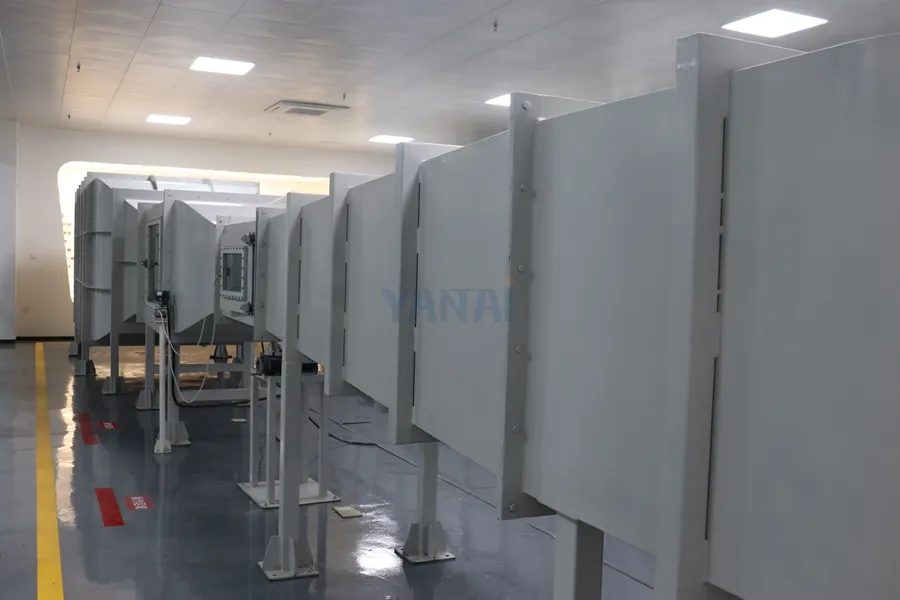
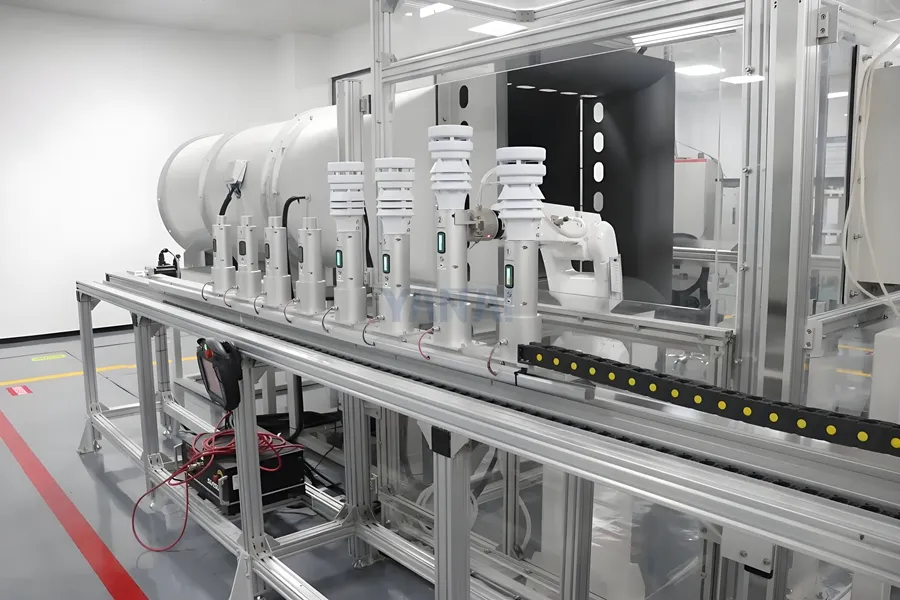
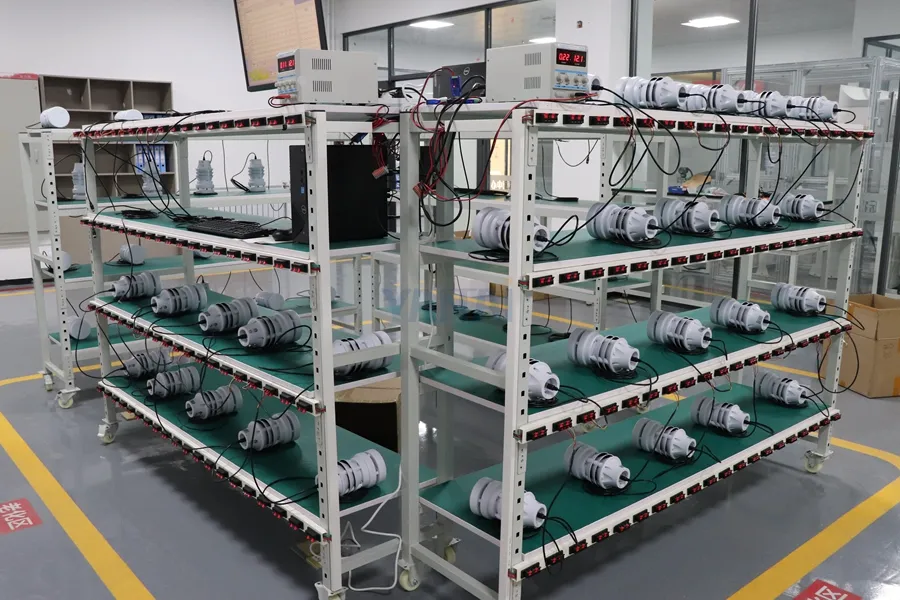
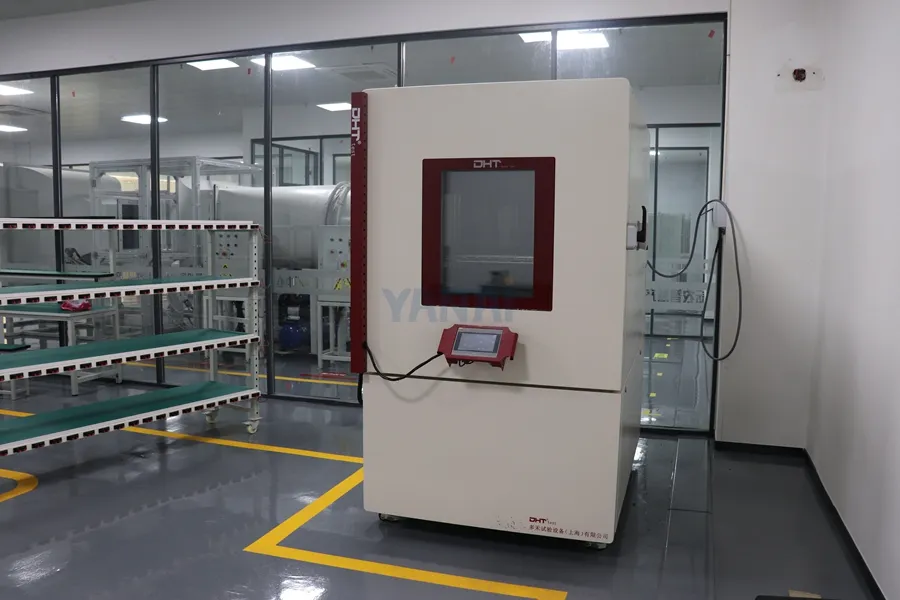
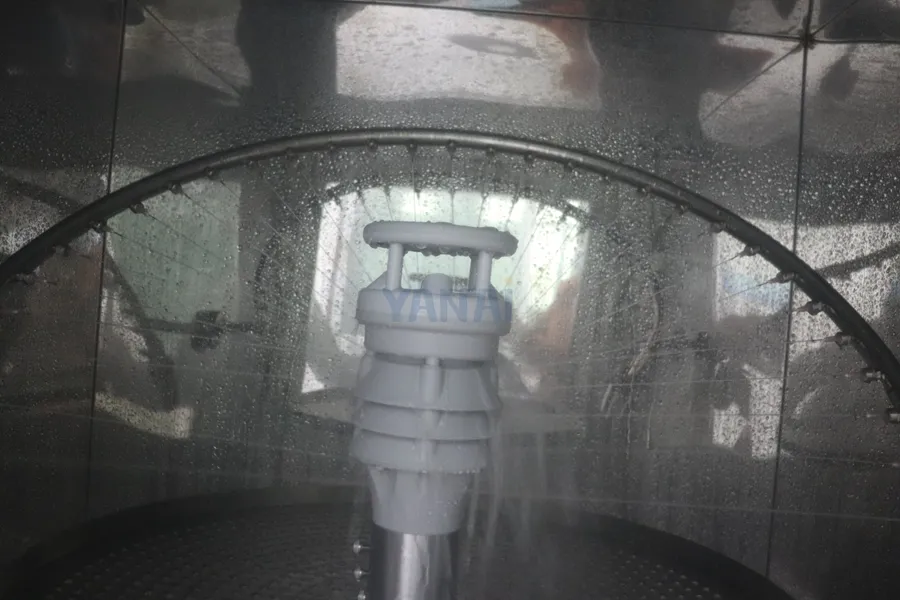
Yantai Sensor specializes in the R&D and manufacturing of meteorological and environmental monitoring equipment, including compact weather stations, solar radiation sensors, and ultrasonic wind sensors. Our production and testing facilities include a CNAS-accredited laboratory, a wind tunnel laboratory, and environmental testing equipment for temperature, humidity, and wind conditions. Supported by an ISO 9001:2015 quality management system, we maintain product quality through manufacturing and testing. CE and RoHS certificates are available for applicable products.
As a solar radiation weather station manufacturer, Yantai Sensor provides project-based configuration and technical support for different monitoring requirements. Our compact weather station with solar radiation can be configured with suitable sensor combinations, communication interfaces, mounting accessories, and optional modules. We also provide technical documentation, installation guidance, and system integration support. Contact our team to discuss your project requirements and request a quotation.