When choosing a solar PV monitoring system, buyers need to consider how data will be collected, stored, and accessed. Some solar plants have stable internet connections and require remote access to operating data, while others are located in areas with limited network coverage and need local data storage. These site conditions affect whether real-time or offline monitoring is more suitable.
Real-time vs offline solar monitoring systems differ in how current readings and stored records become available to operators. Real-time monitoring can display data locally or send it to a remote platform at defined update intervals. Offline monitoring records measurements locally for later retrieval, without continuous internet access. This article compares data access, storage, communication and practical selection checks for PV projects.
What Is a Solar PV Monitoring System and How Does It Work?
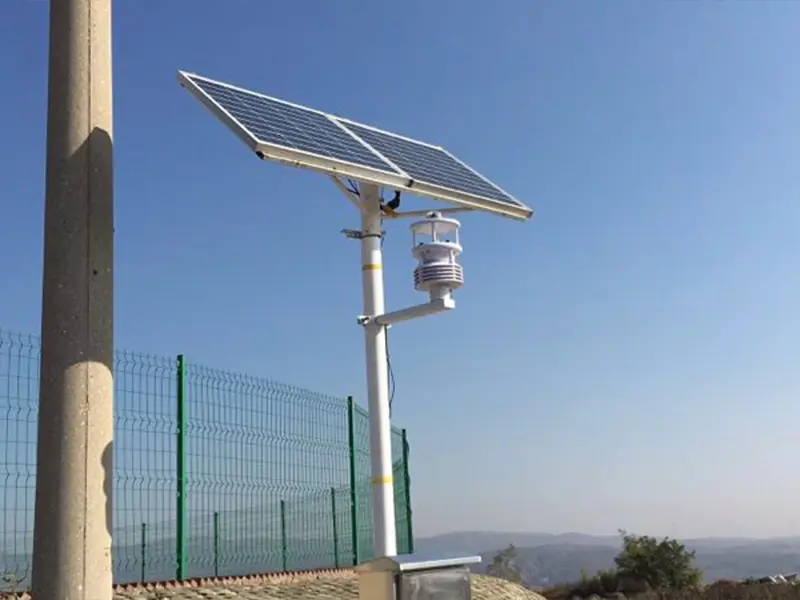
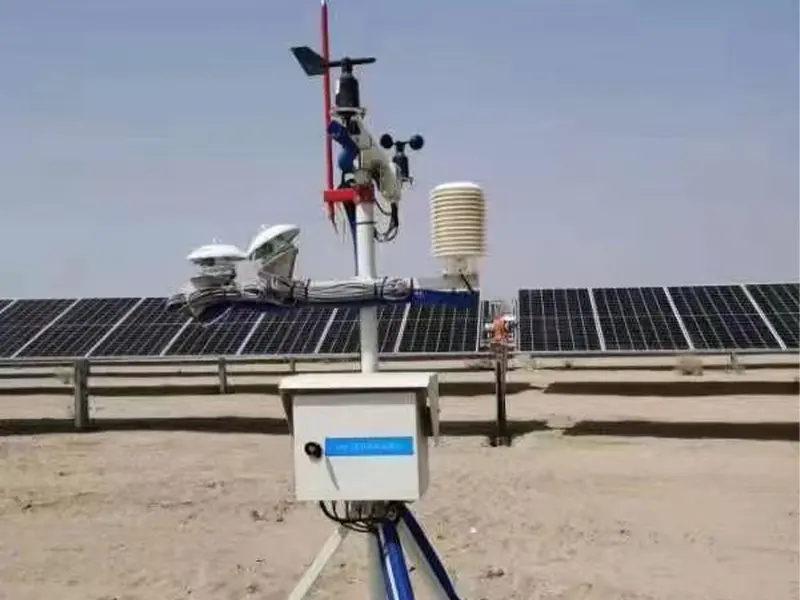
A solar PV monitoring system combines sensors, data acquisition devices, communication equipment, and monitoring software to collect and manage data from a solar power plant. It monitors environmental conditions and electrical parameters to help operators assess system performance and identify abnormal changes.
A typical system has three main layers:
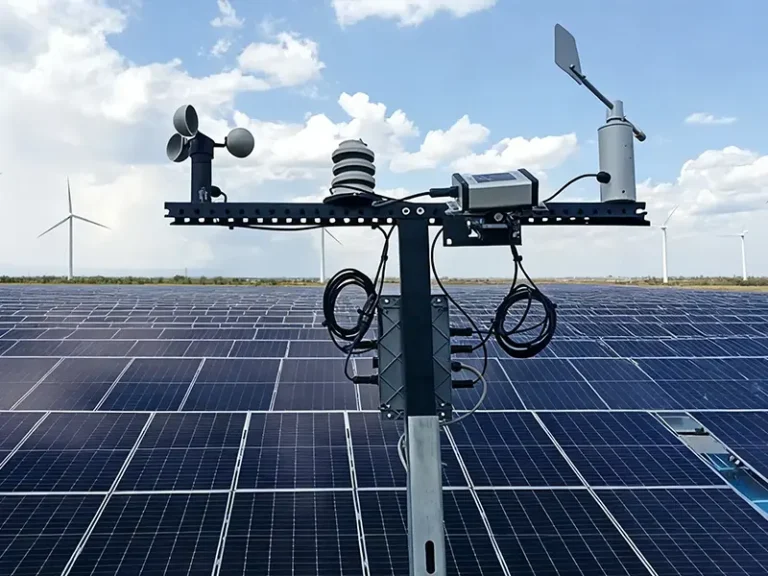
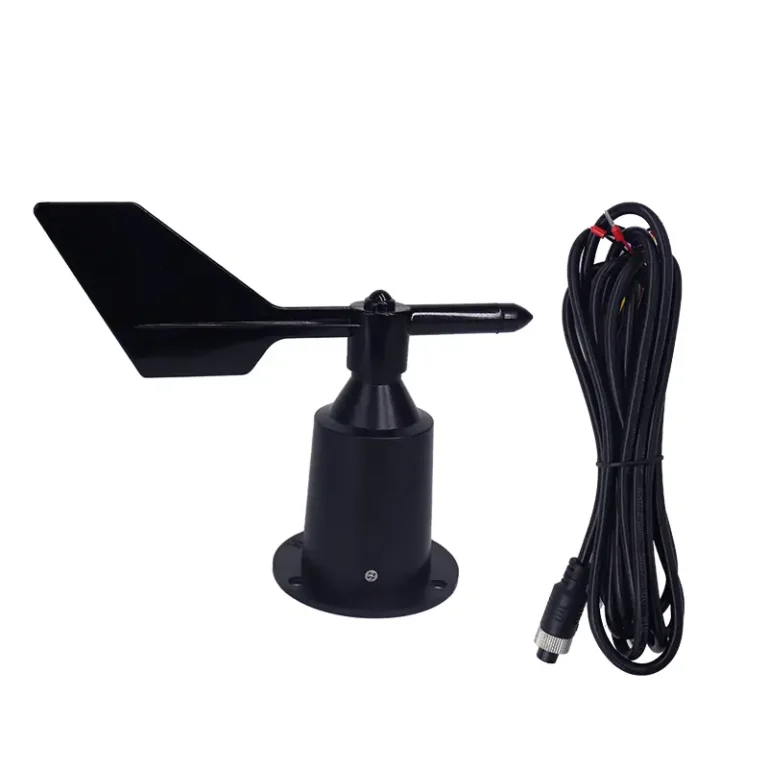
- Sensor layer – data collection: Solar monitoring sensors measure irradiance, module temperature, ambient temperature and humidity, wind speed and direction, rainfall, and PV soiling. Electrical data, such as inverter output, voltage, current, and energy production, usually comes from inverters and smart meters.
- Data acquisition layer – processing: A solar data logger reads sensor signals and equipment data, converts them into usable readings, and records measurements at configured intervals. Some devices also provide local storage.
- Communication and monitoring layer – data access: Field devices may connect through RS485, with a compatible protocol such as Modbus RTU. Ethernet, Wi-Fi or 4G can provide the network connection. Operators view readings through local displays, PC software, cloud platforms or SCADA systems. The supported interfaces and protocols must match at each connection.
These layers define the data path; recording and access depend on the devices configured at each stage.
The measurement plan is covered in What Data Should a Solar Monitoring System Collect?, including the distinction between environmental readings and electrical records.

What Is Real-Time Solar Monitoring?
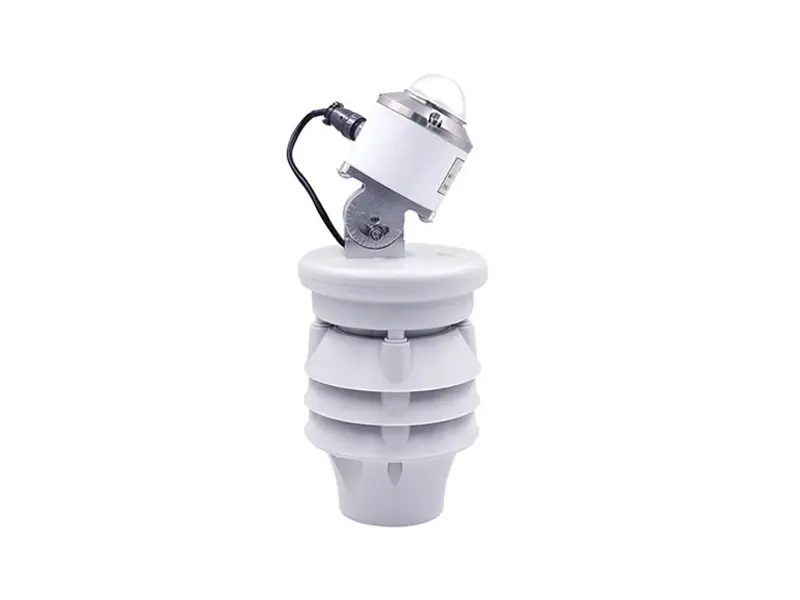
Real-time solar monitoring makes current operating data available at defined update intervals. Readings may be displayed locally or transmitted to a remote platform. For remote monitoring, the data logger, network connection and platform settings determine how quickly new measurements become available. Typical readings include solar irradiance, module temperature, inverter status and power output.
How Real-Time PV Monitoring Works
For remote access, a real-time PV monitoring system collects data from field sensors, inverters and electrical meters. A data logger reads and processes the measurements, then passes them to a compatible gateway, which may be integrated into the logger. The gateway sends data over Ethernet, Wi-Fi or 4G to a monitoring platform. A local SCADA system or display can also provide live readings without an internet connection.
RS485 is commonly used between field devices and the logger, while Modbus RTU defines serial data exchange where supported. The actual update speed depends on sampling intervals, logger processing, transmission frequency and platform refresh settings. A remote dashboard may therefore show a reading several intervals after it was measured; the timestamp matters as much as the displayed value.
What Is Offline Solar Monitoring?
Offline solar monitoring collects and stores solar plant data locally without requiring a continuous internet connection. It is useful for projects where network access is limited or remote data transmission is not required. Connected sensors and monitoring devices collect selected environmental and electrical measurements, which are recorded for local access and later analysis.
How Offline PV Monitoring Works
An offline PV monitoring system uses sensors and a data logger to collect site measurements. Sensors measure solar irradiance, module temperature, ambient conditions, and other selected parameters. The data logger reads and processes these signals, then saves the readings to local memory at configured intervals. Depending on the device, operators can access the records through a built-in display, PC software, or a local communication interface.
Stored data can be exported for historical analysis, performance comparisons, and report preparation. Some data loggers also provide internal data processing and timestamp management, depending on their configuration. An offline PV data logger must have suitable recording and storage functions; an ordinary RS485 sensor only provides measurement data and does not necessarily store historical records.
Real-Time vs Offline Solar Monitoring Systems: Key Differences
The main differences concern data availability, access and storage. A real-time setup makes current measurements available at defined intervals; an offline setup emphasizes local recording and later retrieval. Neither label, by itself, confirms sensor accuracy, historical storage capacity or recovery after a power failure. The comparison below focuses on timely remote access versus local logging, while allowing for live local displays.
Differences in Data Availability and Response Time
With remote real-time monitoring, operators can check the latest uploaded PV data without visiting the plant. Changes in irradiance, module temperature and equipment status can be reviewed centrally. A local live display provides timely readings too, but does not give an off-site operator access unless a suitable communication link is available.
With offline solar monitoring, measurements can still be recorded at configured intervals, but operators usually need to visit the site or connect to the local device to retrieve them.
The term “real-time” does not mean zero delay. New readings become available according to the sensor sampling interval, data logger processing time, network upload frequency, and platform refresh settings. These settings determine how current the data is when operators view it remotely.
Differences in Data Reliability and Storage
A network interruption does not always mean data loss. A system with local buffering can continue recording while the connection is unavailable. Uploading these records after reconnection requires support from both the logger and platform. Confirm that recovered records retain their original measurement timestamps and that missing or duplicate records can be identified.
Offline logging avoids dependence on internet access, but local storage has limits. Full memory may stop recording or overwrite older records, depending on the device. Network loss and power loss are separate tests: confirm how stored records survive a restart, whether the clock is retained and how logging resumes. Calibration, sensor condition and time synchronization also affect data quality.
Can a Solar Monitoring System Support Both Online and Offline Modes?
Yes. A hybrid solar monitoring system combines local data logging with remote transmission. During normal operation, the data logger sends measurements to a remote platform while retaining a local copy. If the network connection is interrupted, local recording can continue. After the connection returns, stored data can be uploaded if the equipment supports this function.
This arrangement allows operators to access PV data remotely while keeping local records as a backup. When selecting a data logger, check its storage capacity and whether it supports data recovery after network interruptions.
Real-Time vs Offline Solar Monitoring: Comparison Summary
| Facteur de comparaison | Surveillance en temps réel | Offline Monitoring |
|---|---|---|
| Data Access | Live local display and/or remote platform | Primarily local retrieval of stored records |
| Transmission des données | Local communication; network uploads for remote access | No continuous internet connection required |
| Stockage des données | Local, platform-based, or both; configuration-dependent | Local logger storage |
| Data Updates | Defined sampling, processing and display/upload intervals | Defined recording intervals; reviewed later |
| Remote Alerts | Require communication and configured alarm rules | Unavailable without a suitable communication link |
| Network Dependence | Internet not needed for local live display; remote access needs connectivity | Not needed for local recording |
| Analyse des données | Local software or remote platform | Local analysis or analysis after export |
| Maintenance | Remote checks possible; field maintenance still required | On-site retrieval may be needed |
What Parameters Can Real-Time and Offline PV Monitoring Systems Measure?
A solar PV monitoring system collects environmental and electrical data to help operators assess solar conditions and plant performance. Real-time and offline monitoring can measure the same parameters when equipped with suitable sensors and data acquisition devices. The main difference is how the collected data is transmitted, stored, and accessed.
Solar and Environmental Monitoring Parameters
Environmental measurements help operators understand solar radiation conditions, weather changes, and PV module operating temperatures. A solar irradiance monitoring system may measure the following parameters, depending on the project requirements:
| Paramètres | Objectif de surveillance | Related Equipment |
|---|---|---|
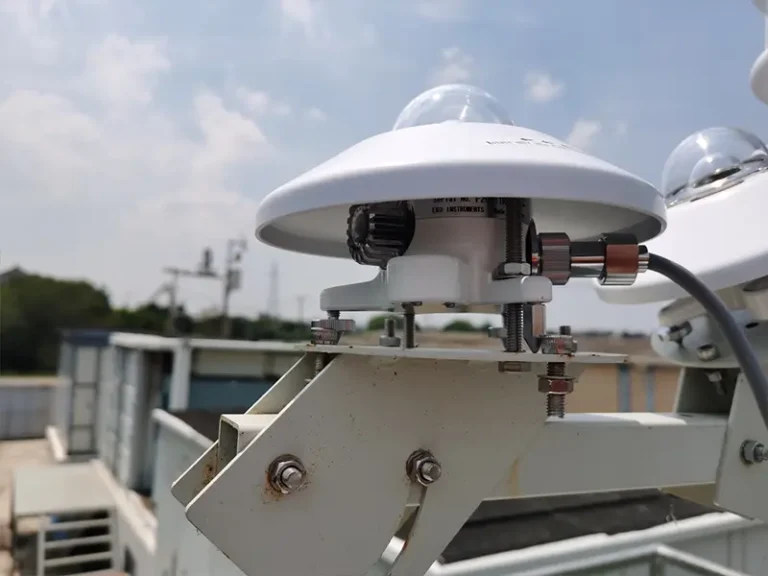
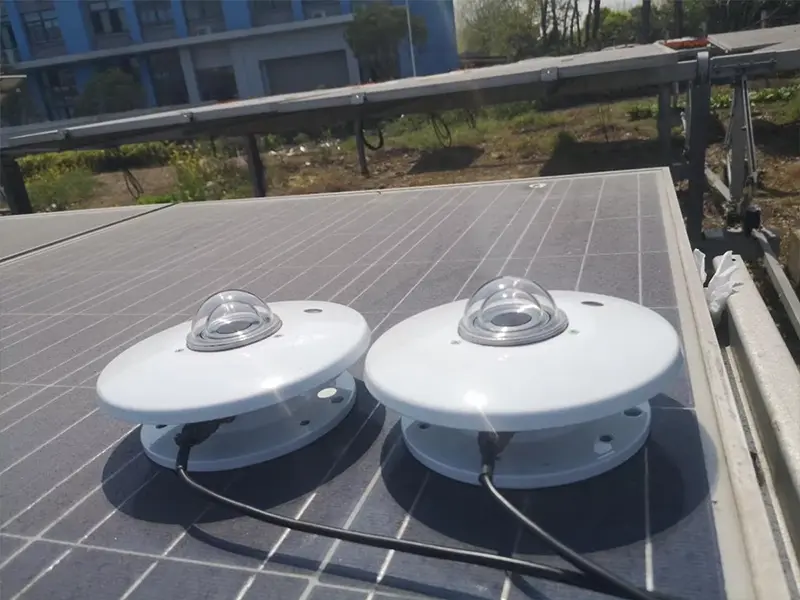
| Irradiance horizontale globale (GHI) | Measures solar radiation on a horizontal plane | Pyranomètre |
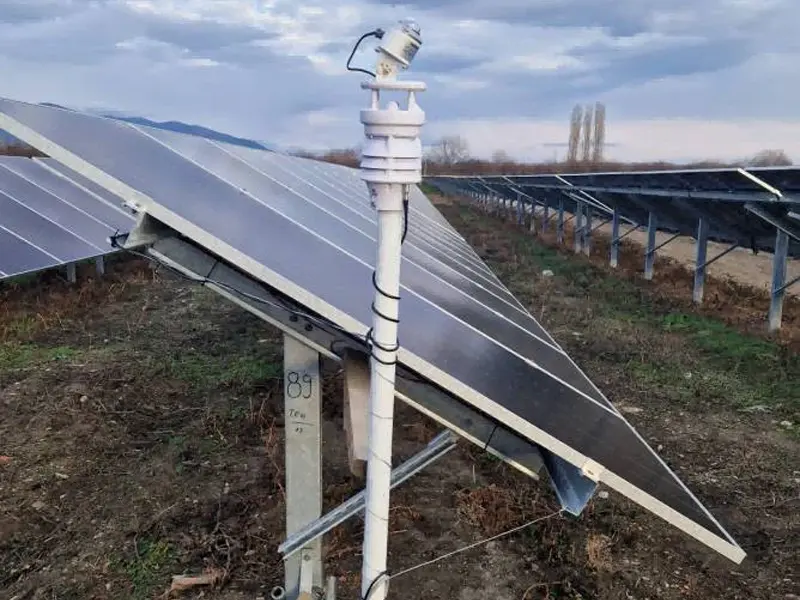
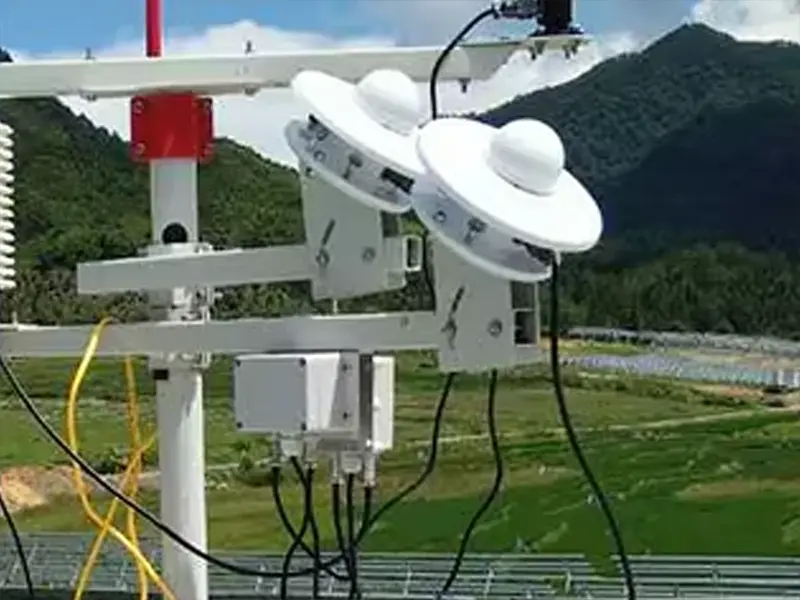
| Plane of Array (POA) Irradiance | Measures radiation received on the module installation plane | Pyranometer or calibrated reference device mounted in the array plane |
| Température ambiante | Enregistre la température de l'air environnant | Capteur de température |
| Température du module | Tracks PV module operating temperature | Capteur de température du module |
| Wind Speed and Direction | Enregistre les conditions de vent locales | Anemometer / Wind Direction Sensor |
| Humidité relative | Monitors moisture in the surrounding air | Capteur d'humidité |
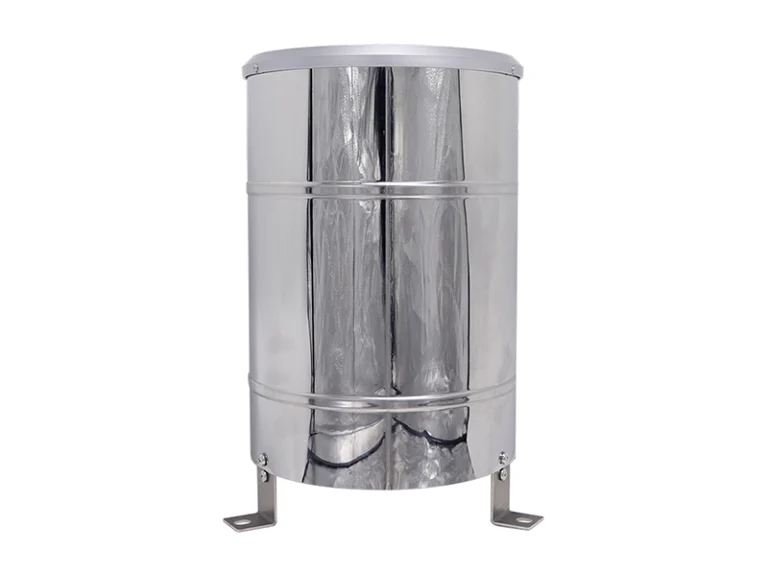
| Pluies | Records local precipitation | Capteur de précipitations |
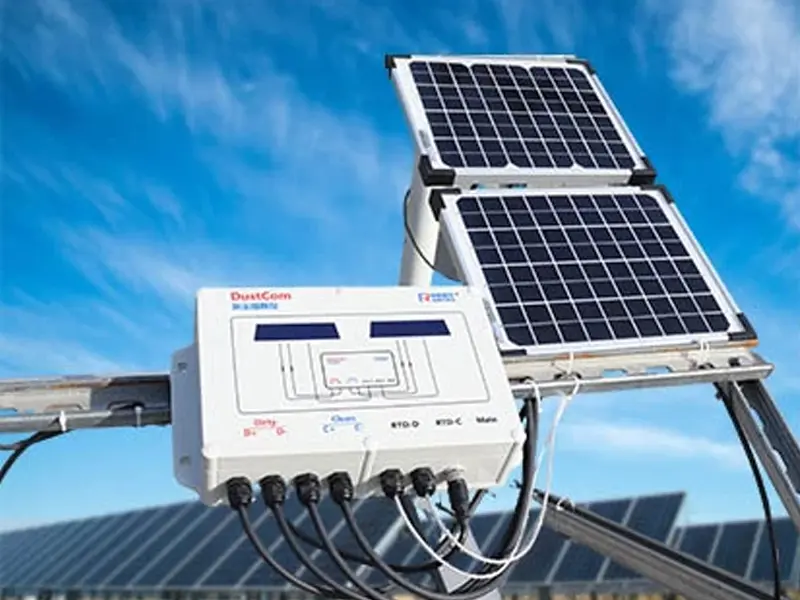
| Soiling Index | Evaluates dust accumulation on PV modules | PV Soiling Monitor |
GHI and POA describe different measurement planes and should not be used interchangeably. Ambient temperature describes surrounding air conditions; module temperature describes the PV panel surface. Soiling measurements help assess contamination and its effect at the monitoring point. The result should not be treated as the same percentage of energy loss across the entire plant.
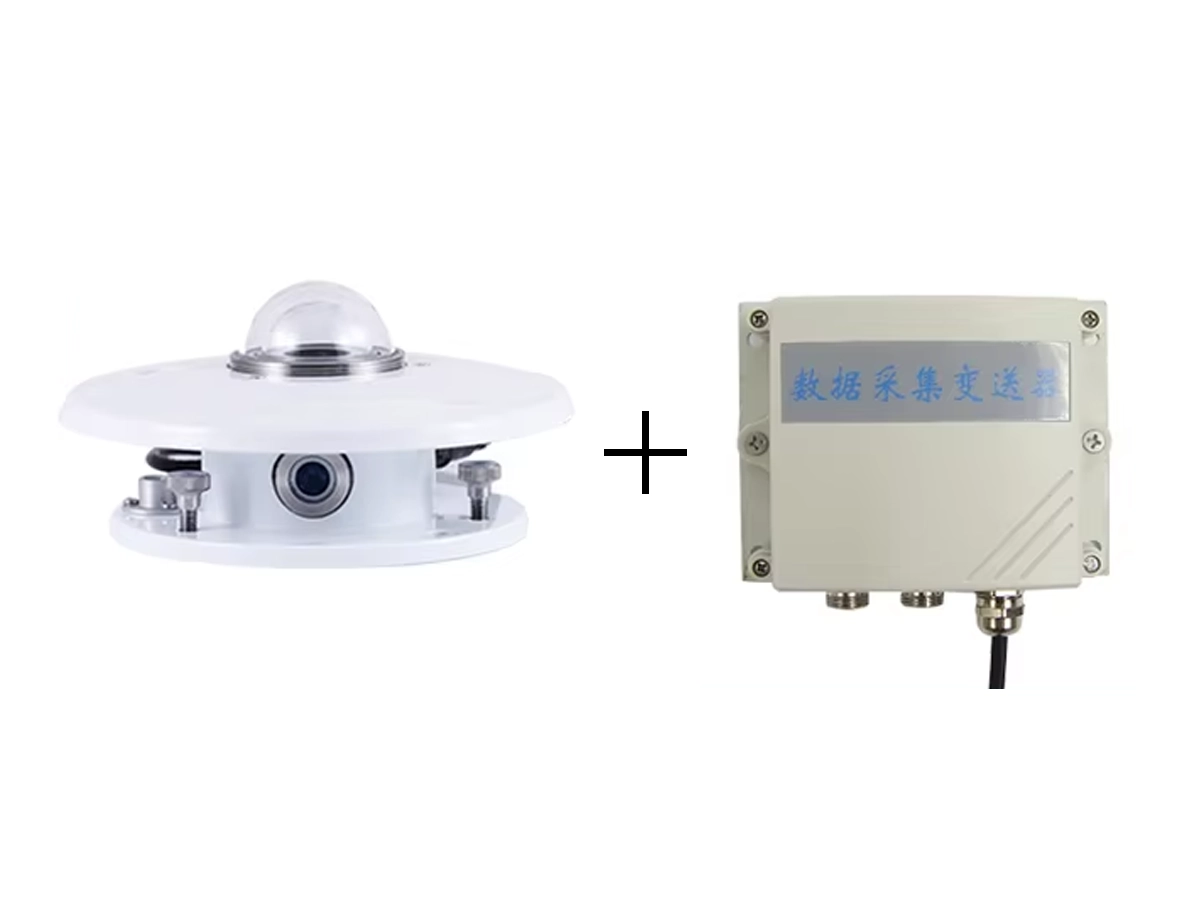
For a separate irradiance channel, TBQ-2C Total solar radiation sensor can be paired with a compatible data acquisition device; mounting determines whether the measurement represents a horizontal or tilted plane.
Electrical and Energy Monitoring Parameters
Environmental data alone cannot show how much electricity a PV plant generates. Operators also need electrical measurements to check power production and inverter operation. Common parameters include:
- DC and AC Voltage and Current: Show electrical conditions on the PV and grid sides.
- Active Power and Energy Generation: Record power output and accumulated electricity production.
- Grid Frequency: Tracks the frequency of the connected power grid.
- Inverter Operating Status: Provides operating information, warnings, and fault records from the inverter.
These readings usually come from inverters, smart meters, and other electrical monitoring devices. They are transferred to the data logger or monitoring platform through compatible communication interfaces. Combining electrical readings with environmental measurements gives operators a clearer view of plant performance and helps determine the monitoring requirements for different PV projects.
Which Solar Monitoring System Is Best for Different PV Applications?
The choice of a solar monitoring system depends on plant size, site access, connectivity and the records operators need. Solar power plant monitoring for a centrally managed site often requires remote data access, while a short measurement campaign may prioritize local storage and measurement consistency. These requirements should be considered separately from whether the electrical plant is grid-connected or off-grid.
Grid-Connected Commercial and Utility-Scale Solar Plants
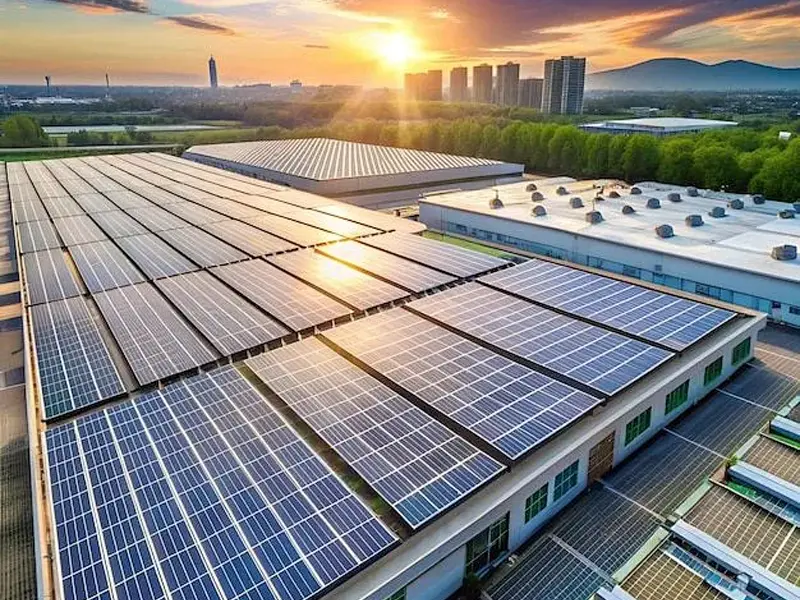
Commercial solar monitoring and utility-scale solar monitoring usually involve multiple inverters, environmental sensors, and monitoring points. Operators need a central platform to check power generation and environmental data across the plant. A remote solar monitoring system makes it easier to review operating conditions without frequent site visits, while historical irradiance, module temperature, and generation records support performance analysis. Real-time or hybrid monitoring is a practical choice when network access and centralized management are available.
Remote Solar Farms with Limited Network Coverage
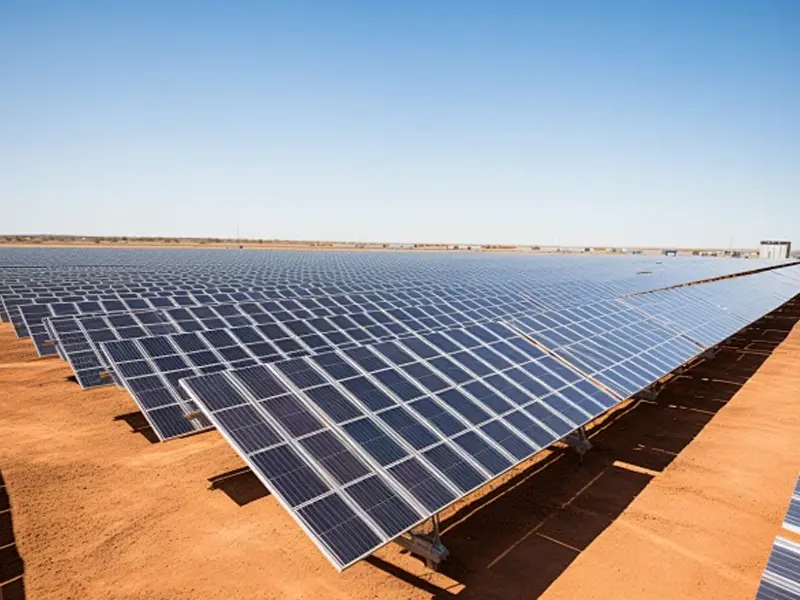
Solar farms in mountainous areas, deserts, and other remote locations may have unstable 4G coverage. An offline PV monitoring system allows sensors and data loggers to keep recording measurements without a continuous internet connection. When choosing a solar data logger, check its storage capacity, recording intervals, and data export options to avoid gaps in long-term records. If operators still need access to site data, local storage combined with scheduled uploads can provide a more suitable hybrid setup.
Off-Grid and Independent Solar Systems
Off-grid describes the electrical supply arrangement, while offline describes how monitoring data is accessed. An off-grid system can still have remote monitoring if power and communication are available. Its monitoring plan may include generation, battery status and environmental conditions. At sites with limited connectivity, establish local recording first and add a suitable communication link if remote checks are needed. Select environmental sensors and electrical monitoring devices for their separate measurement tasks.
Solar PV Testing and Research Projects
Solar PV performance monitoring requires consistent measurements over the test period. Sensor accuracy, calibration, installation angle, and sampling intervals all affect data quality, especially when comparing irradiance with module temperature and power output. Research setups may also need synchronized readings and long-term storage of raw data for later analysis. The equipment and recording method should therefore follow the test objectives, rather than being selected simply because a system supports online or offline monitoring.
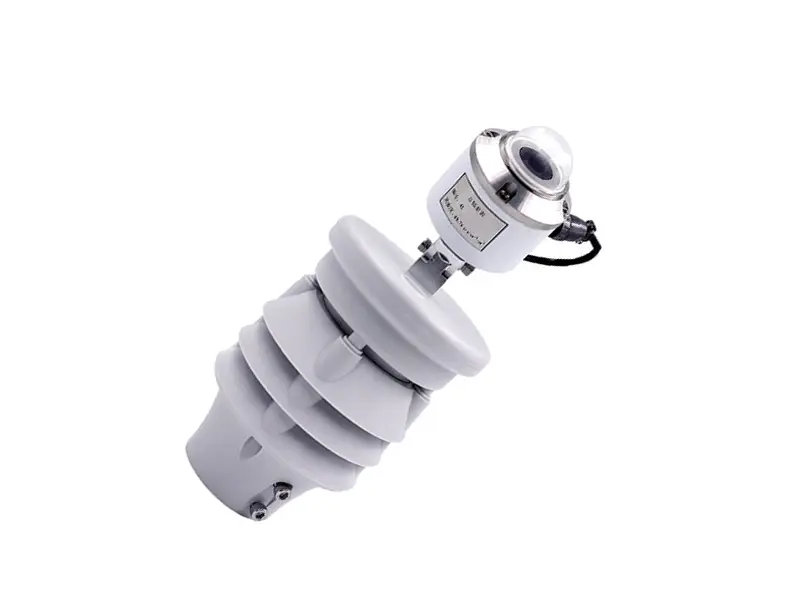
For projects requiring POA irradiance and temperature measurements, XF100S-CWB Station météorologique compacte de surveillance solaire provides a compact sensor configuration. Select the logger and communication equipment separately for the required recording and access mode.
How to Choose the Right Solar Monitoring System?
Choosing a solar monitoring system depends on the project’s monitoring needs, network conditions, and data requirements. Buyers should check five factors before selecting PV monitoring equipment.
1. Network Availability and Communication Requirements
Check the availability of 4G, Wi-Fi, or Ethernet and whether remote access is required. For sites with unstable networks, confirm local data recording and automatic data upload after reconnection. Also consider ongoing communication costs.
For the connections between sensors, loggers and gateways, Wireless vs Wired PV Monitoring Systems covers cable routes, radio coverage and equipment compatibility.
2. Required Monitoring Parameters
Select sensors for the required measurements, such as GHI or POA irradiance, ambient and module temperature, wind, humidity and soiling. Electrical data usually comes from inverters and meters. Define the measurement points and purpose before selecting devices; this avoids paying for channels that the project will not use.
3. Data Logging and Storage Capacity
Check the logger’s channel count, recording interval and retention period together. One channel recorded every five minutes for 30 days produces 8,640 readings; ten channels produce 86,400 readings. These are record counts, not memory sizes. Required storage also depends on timestamps, data formats and other logged information.
- Confirm retention days at the actual channel count and logging interval.
- Check whether full memory stops logging or overwrites the oldest records.
- Test recording during network loss and recovery after power loss separately.
- Verify original timestamps, missing records and duplicate handling after backfill.
For platform procurement, the U.S. Department of Energy guidance on Monitoring Platforms for Solar Photovoltaic Systems also addresses data access, backup and recovery, and security considerations.
4. Communication Protocol and System Compatibility
Confirm that the interface and protocol match the connected devices. RS485 is a wired interface; Modbus RTU is a communication protocol. Before integration, check device addresses, baud rates, register maps, data types, units and scaling. A matching connector or RS485 label alone does not confirm compatibility with a logger or SCADA system.
5. Installation Environment and Long-Term Maintenance
Check operating temperature, protection rating, power supply, and consumption against site conditions. Sensor orientation, cable protection, cleaning, calibration, and replacement access also affect long-term operation.
The broader selection process in Comment choisir un système de surveillance PV pour un suivi précis d'une centrale solaire ? connects these checks with sensor configuration and site requirements.
Yantai Sensor Solar Monitoring Solutions for Different Project Needs
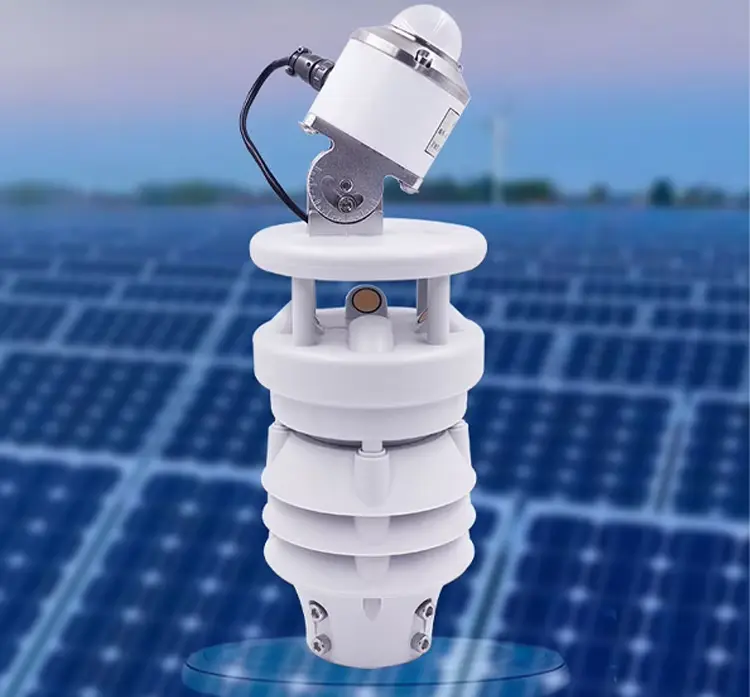
Solar monitoring requirements vary by project. Some PV plants only need irradiance measurements, while others require combined weather monitoring and soiling assessment. Yantai Sensor provides different sensors and monitoring equipment that can be configured with compatible data loggers and communication devices to meet these needs.
Solar Weather and Irradiance Monitoring Configurations
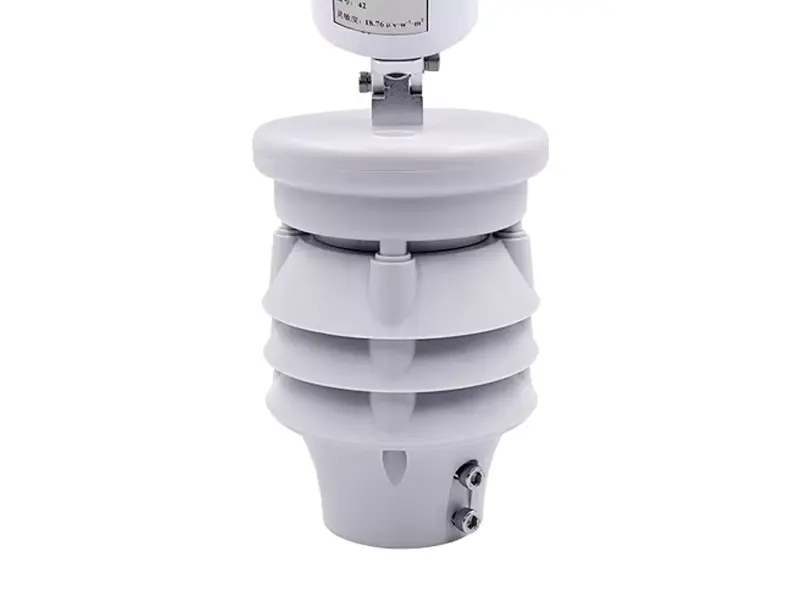
For a single irradiance measurement, the TBQ-2C pyranometer can feed a compatible logger. The XF100S-CWB combines POA irradiance, ambient temperature, module temperature and daily cumulative radiation for basic PV environmental monitoring. The XF500S-CWB adds measurements such as humidity, wind and atmospheric pressure for projects needing broader weather data. Position the irradiance receiver in the required plane and install the module temperature probe against the module surface as specified. These sensors supply measurements; historical storage and remote access require a suitable acquisition and communication setup.
For the additional weather channels, see XF500S-CWB - Sonde météorologique compacte pour l'énergie solaire and compare its measurement list and interfaces with the project specification.
PV Soiling Monitoring and Data Integration
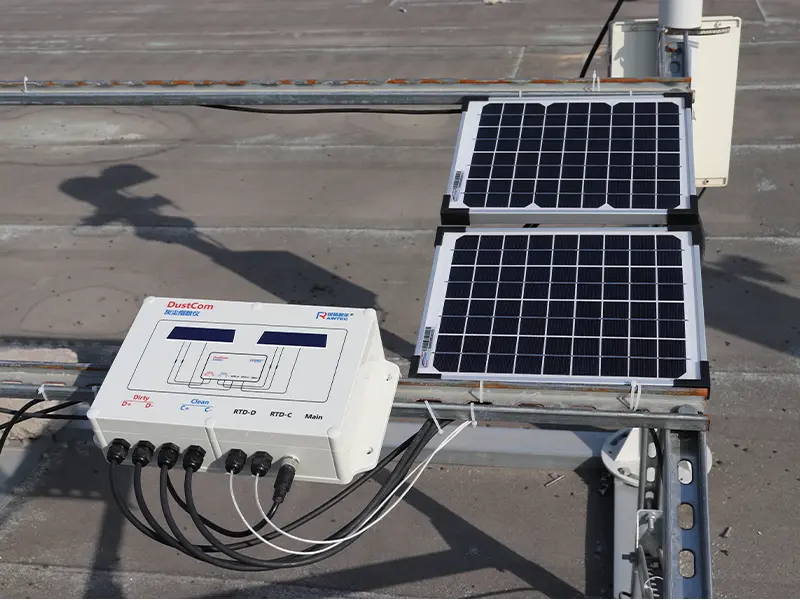
DustCom provides soiling measurements for assessing contamination at a monitoring point. Read them alongside irradiance, weather and generation data when planning cleaning. Before integration, confirm power, communication and the required data fields. Local recording, remote access and later upload depend on the connected logger and platform. Check these functions in the proposed system configuration rather than assuming they are included in the sensor.
The equipment layout and integration information for Système de surveillance de l'indice de poussière photovoltaïque DustCom help define the soiling measurement arrangement before connecting it to the monitoring system.

Conclusion
Choosing between real-time and offline solar monitoring systems starts with how operators will use the data. Timely remote access supports centralized checks and configured alerts; local recording keeps measurements available where connectivity is limited. A hybrid setup can provide both, provided its storage and recovery functions are specified and tested.
Before ordering, confirm the required measurements, update and logging intervals, retention period, interfaces and maintenance access. Yantai Sensor offers irradiance sensors, PV weather monitoring equipment and soiling monitors for different measurement needs. Share your site conditions and proposed logger or platform with our team so we can discuss suitable devices and the connection details.
Contactez Yantai Sensor with your measurement list, site connectivity and storage requirements.