Introduction
Un système photovoltaïque solaire peut continuer à fonctionner normalement même lorsqu'une couche de poussière s'est accumulée sur les panneaux. Mais si la production d'énergie commence à chuter, comment savoir si la perte est causée par une réduction de l'irradiance solaire, une température élevée des modules, les conditions météorologiques, ou simplement l'encrassement de la surface des panneaux ? Et si la poussière en est la cause, quelle quantité d'énergie est réellement perdue ?
L'impact de la poussière sur les panneaux solaires n'est pas déterminé par l'aspect sale d'un module. La poussière peut réduire la lumière du soleil atteignant les cellules photovoltaïques et provoquer une contamination inégale de la surface, tandis que la perte d'énergie réelle varie selon les caractéristiques de la poussière sur les panneaux solaires, les précipitations, le vent, l'inclinaison des modules et les conditions du site. Pour les exploitants de centrales solaires, le défi pratique consiste donc non seulement à savoir que la poussière est présente, mais à mesurer son impact sur les performances photovoltaïques et à décider quand le nettoyage est économiquement rentable. La surveillance de l'encrassement solaire peut fournir des données spécifiques au site pour aider à évaluer ces pertes et soutenir des décisions d'exploitation et de maintenance plus éclairées.
Cet article explique comment la poussière affecte les performances des panneaux solaires, quels facteurs influencent les pertes par encrassement, comment l'impact de la poussière sur les panneaux solaires peut être mesuré, et comment les solutions de surveillance de la poussière sur les panneaux solaires peuvent aider les exploitants photovoltaïques à identifier les pertes de performance et à prendre des décisions de nettoyage et de maintenance plus éclairées. Si vous souhaitez en savoir plus sur le 5 principaux facteurs réduisant l’efficacité des panneaux solaires, cliquez sur l'article.
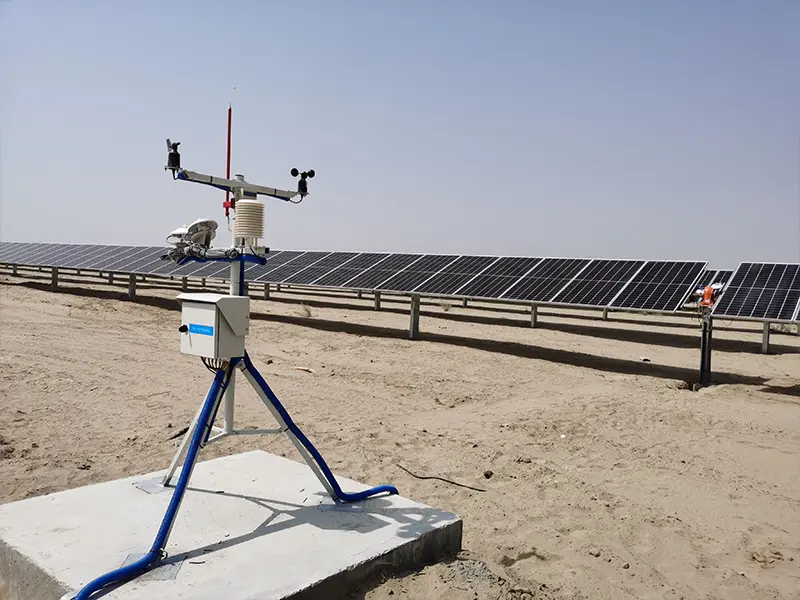
Comment la poussière affecte-t-elle l'efficacité des panneaux solaires ?
La poussière sur la surface avant d'un panneau solaire réduit la lumière du soleil atteignant les cellules photovoltaïques. Même une couche relativement fine peut interférer avec la transmission de la lumière, tandis que des dépôts plus lourds ou inégaux peuvent créer des problèmes électriques supplémentaires. Au fil du temps, ces effets se manifestent par une réduction de la production des modules et une baisse du rendement énergétique.
La façon dont la poussière sur les panneaux solaires affecte un module photovoltaïque ne se limite pas à un simple blocage de la lumière. Les dépôts de surface peuvent réduire l'irradiance disponible, créer un ombrage localisé et interagir avec l'environnement de fonctionnement du module. Ces effets sont particulièrement importants lorsque la contamination est concentrée sur une partie d'un module plutôt que répartie uniformément sur la surface. Si vous souhaitez voir comment l'IEC 61724 affecte la surveillance photovoltaïque et la sélection des capteurs, notre [Guide IEC 61724] fournit un aperçu pratique.
Réduction de la lumière du soleil atteignant les cellules photovoltaïques
Le premier effet de la poussière sur les panneaux solaires se produit à la surface du module. Les particules de poussière déposées sur le verre avant absorbent, réfléchissent ou diffusent une partie du rayonnement solaire entrant avant qu'il n'atteigne les cellules. Les cellules reçoivent alors moins d'irradiance utilisable, ce qui peut réduire la production électrique. C'est la principale raison pour laquelle l'encrassement devient une source directe de perte d'énergie dans les systèmes photovoltaïques en exploitation.
La quantité de lumière perdue est liée aux propriétés et à la couverture du dépôt. Une couche légère et uniforme peut avoir un effet relativement faible au début, tandis qu'un dépôt dense peut bloquer considérablement plus de rayonnement. En pratique, la question importante n'est pas simplement de savoir si la poussière sur les panneaux solaires est visible, mais quelle quantité du rayonnement entrant est empêchée d'atteindre la zone active des cellules.
Une poussière inégale peut provoquer des pertes électriques localisées
La poussière se dépose rarement en une couche parfaitement uniforme. Les déjections d'oiseaux, la boue, les feuilles et les particules accumulées autour du cadre du module peuvent couvrir des sections spécifiques du verre. Les cellules affectées reçoivent moins de lumière que les cellules des zones plus propres, créant une distribution de courant inégale à l'intérieur du module.
Ce type de contamination est différent d'un encrassement uniforme sur toute la surface. Un ombrage localisé peut provoquer un déséquilibre électrique et peut exercer un stress supplémentaire sur les cellules affectées. Dans des conditions défavorables, il peut également contribuer à l'apparition de points chauds. Le résultat réel dépend de l'endroit où se produit la contamination, de la disposition des cellules et de la configuration des diodes de dérivation du module.
La poussière sur les panneaux solaires peut affecter la température de fonctionnement du module
La température du module est un autre facteur à prendre en compte lors de l'évaluation de la production photovoltaïque. La température des cellules augmente avec l'irradiance solaire et est également influencée par la température ambiante, le vent, la structure de montage et la ventilation autour du module. Étant donné que les caractéristiques électriques photovoltaïques changent avec la température, un module chaud peut produire moins d'énergie même lorsque les niveaux d'ensoleillement restent élevés.
La poussière ne doit pas se voir attribuer une augmentation de température fixe ou un pourcentage fixe de perte de puissance. Son effet varie selon le matériau déposé sur la surface et les conditions météorologiques environnantes. En exploitation sur le terrain, une baisse de production peut impliquer plusieurs facteurs simultanément, notamment l'encrassement, l'irradiance et la température du module. Séparer ces effets est important lors de l'évaluation de l'impact réel de la poussière sur les panneaux solaires.
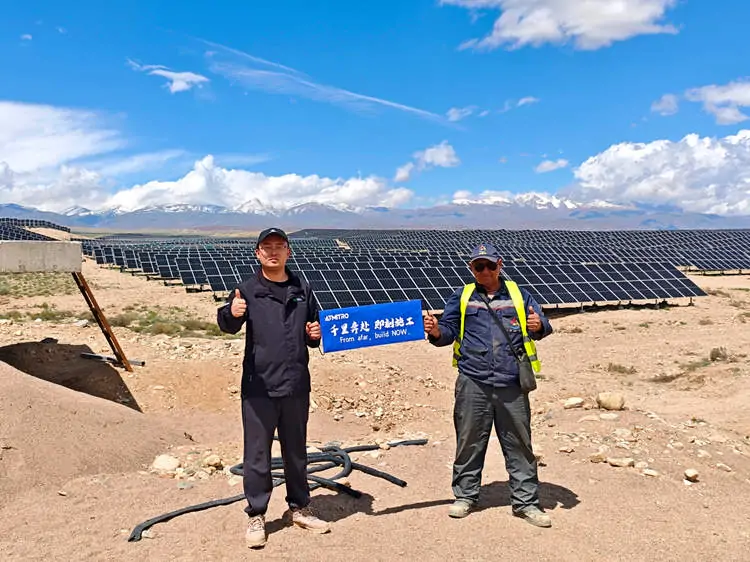
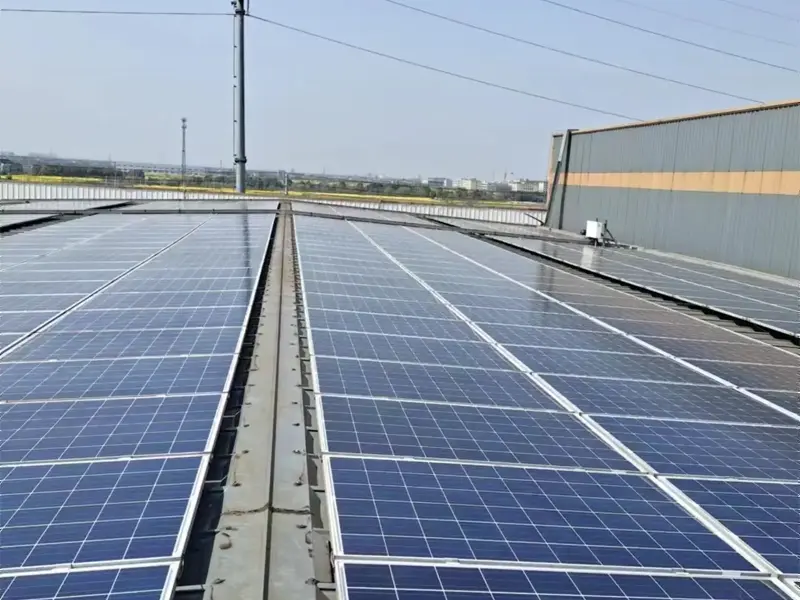
Quels facteurs déterminent l'accumulation de poussière sur les panneaux solaires ?
L'accumulation de poussière sur les panneaux solaires n'est pas la même sur chaque site photovoltaïque. Le temps sec, les sources de poussière locales, les précipitations, l'exposition au vent, l'inclinaison des modules et le type de matériau déposé sur le verre influent tous sur la rapidité avec laquelle l'encrassement se développe. Même au sein d'une même région, une centrale peut nécessiter un nettoyage plus fréquent qu'une autre en raison des différences dans son environnement immédiat.Découvrez quels capteurs sont couramment requis pour les centrales photovoltaïques dans notre guide : Quels capteurs sont nécessaires pour une centrale solaire ?
Climat et précipitations
Les longues périodes sèches laissent généralement plus de temps aux particules en suspension dans l'air pour s'accumuler sur les surfaces des modules, c'est pourquoi l'encrassement peut devenir un problème d'exploitation et de maintenance plus important dans les régions arides et semi-arides. Les précipitations saisonnières modifient ce schéma, mais la pluie ne doit pas automatiquement être considérée comme un événement de nettoyage. De fortes précipitations peuvent laver la poussière lâche des panneaux solaires, tandis qu'une pluie légère peut déplacer les particules sur le verre et laisser des résidus après l'évaporation de l'eau. Le résultat dépend de l'intensité des précipitations, de leur durée et du matériau déjà présent sur le module.
Vent, sources de poussière et environnement local
Le vent est l'un des principaux moyens par lesquels la poussière atteint un parc photovoltaïque, en particulier lorsque le site est exposé à un sol nu ou à des sources proches de particules en suspension. Les zones désertiques, les terres agricoles, les chantiers de construction, les opérations minières, les autoroutes et les installations industrielles peuvent chacun produire différents types d'encrassement. Une centrale située à côté d'une route non pavée, par exemple, peut connaître un taux d'accumulation très différent d'une autre centrale située à seulement quelques kilomètres. Les sites côtiers peuvent également présenter des dépôts persistants associés à des aérosols contenant du sel et à des conditions humides.
Inclinaison des modules et conditions d'installation
L'inclinaison des modules affecte la facilité avec laquelle les particules libres restent sur le verre et la manière dont les précipitations s'écoulent à la surface. Les modules à faible inclinaison peuvent retenir davantage de poussière de panneaux solaires, tandis qu'une surface plus inclinée peut aider le matériau libre à se déplacer vers le bas avec la pluie ou la gravité. Il n'existe pas d'angle d'inclinaison unique garantissant un faible encrassement, car le résultat dépend également de la latitude, des précipitations, du vent, de la configuration du tracker, du cadre du module et du drainage. Les zones autour du bord inférieur du module et du cadre peuvent être particulièrement sujettes à la rétention d'eau sale et de matériau accumulé.
Caractéristiques des particules et type d'encrassement
Le matériau lui-même détermine également la persistance du dépôt. La poussière minérale fine peut former une couche mince et relativement uniforme, tandis que l'argile, la boue, les particules industrielles, les résidus agricoles et la poussière mixte de panneaux solaires peuvent adhérer différemment au verre. L'humidité et les cycles répétés de mouillage et de séchage peuvent rendre certains dépôts plus difficiles à éliminer. La contamination localisée telle que les fientes d'oiseaux ou la boue doit être considérée séparément de la poussière générale, car une petite zone contaminée peut créer un ombrage beaucoup plus important qu'une couche uniformément répartie de particules libres.
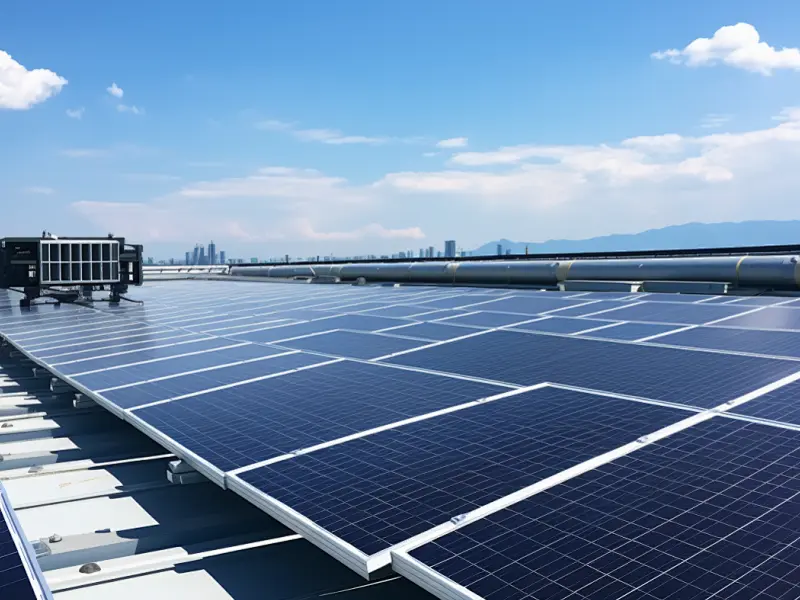
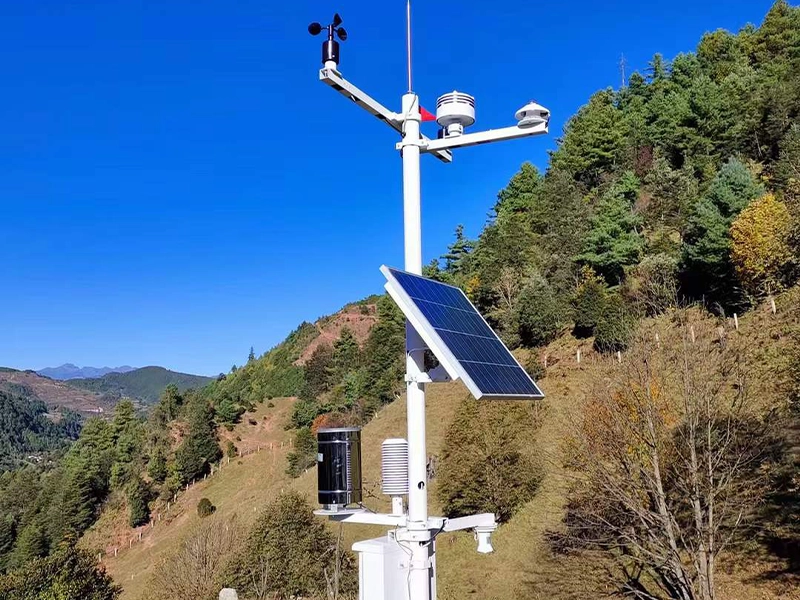
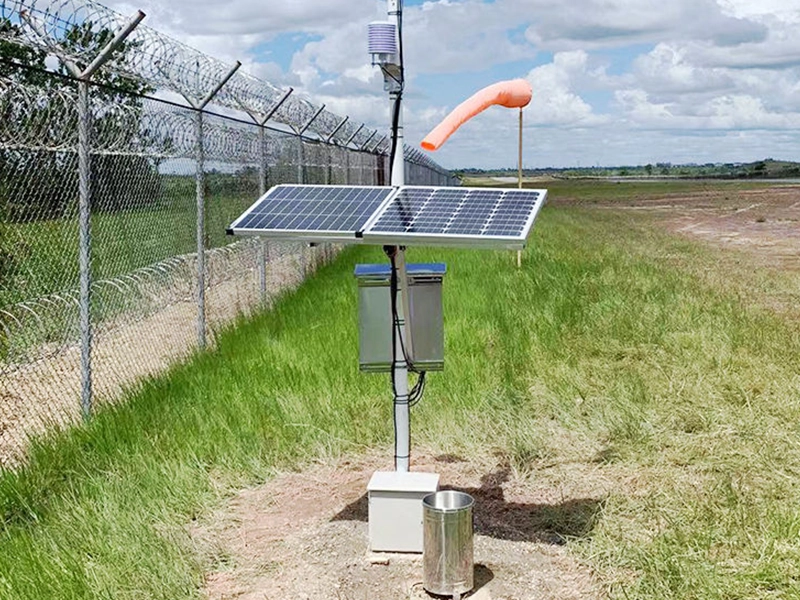
Quelle quantité d'efficacité les panneaux solaires peuvent-ils perdre à cause de la poussière ?
Il n'existe pas de pourcentage universel de perte d'efficacité causée par la poussière. Dans l'exploitation photovoltaïque, l'effet est généralement décrit comme une perte par encrassement, faisant référence à la réduction de la puissance de sortie ou du rendement énergétique causée par le matériau déposé sur la surface du module. La perte réelle varie en fonction du taux de dépôt de poussière, des précipitations, de l'environnement local, des propriétés des particules et du temps écoulé depuis le dernier nettoyage.
Les études de terrain montrent des différences substantielles entre les sites photovoltaïques. Des recherches dans le désert d'Atacama ont trouvé des taux d'encrassement quotidiens allant de moins de 0,05 % à plus de 0,4 % par jour à différents endroits, démontrant que les pertes liées à la poussière peuvent se développer à des rythmes très différents, même au sein d'une même région. Une valeur fixe telle que 5 %, 10 %, 20 % ou 30 % ne peut donc pas représenter tous les systèmes photovoltaïques.
| État. | Impact photovoltaïque typique |
| Poussière de surface légère | Perte optique faible mais mesurable |
| Dépôt sec continu | Perte par encrassement progressive |
| Accumulation importante de poussière | Réduction significative du rendement énergétique |
| Contamination localisée | Impact électrique potentiellement disproportionné |
| Poussière combinée à une température élevée | Effet combiné sur la sortie photovoltaïque |
| Longues périodes sans nettoyage | Perte d'énergie cumulée croissante |
Comment mesurer l'impact de la poussière sur les panneaux solaires ?
Savoir qu'un module photovoltaïque est poussiéreux ne vous indique pas combien d'énergie l'encrassement coûte. Une évaluation fiable doit séparer l'effet de la contamination de surface des variations d'irradiance, de température du module, des conditions météorologiques et d'autres conditions d'exploitation. Pour cette raison, l'évaluation de l'encrassement photovoltaïque se concentre sur la comparaison des performances d'une référence propre avec celles d'une référence naturellement encrassée dans les mêmes conditions environnementales.
L'inspection visuelle ne suffit pas
L'inspection visuelle est utile pour identifier la saleté évidente, les fientes d'oiseaux, la boue ou les dépôts inégaux, mais elle ne peut pas fournir une valeur fiable de la perte d'énergie. Deux modules peuvent sembler également sales tout en produisant des pertes par encrassement différentes, car les dépôts diffèrent en termes de couverture, de propriétés des particules ou de distribution. Inversement, une couche d'apparence mince peut encore avoir un effet mesurable sur le rayonnement solaire disponible. Une photographie ou une inspection de routine du site peut donc identifier où la contamination existe, mais pas déterminer avec précision la quantité de performance photovoltaïque perdue.
Comparer les références photovoltaïques propres et encrassées
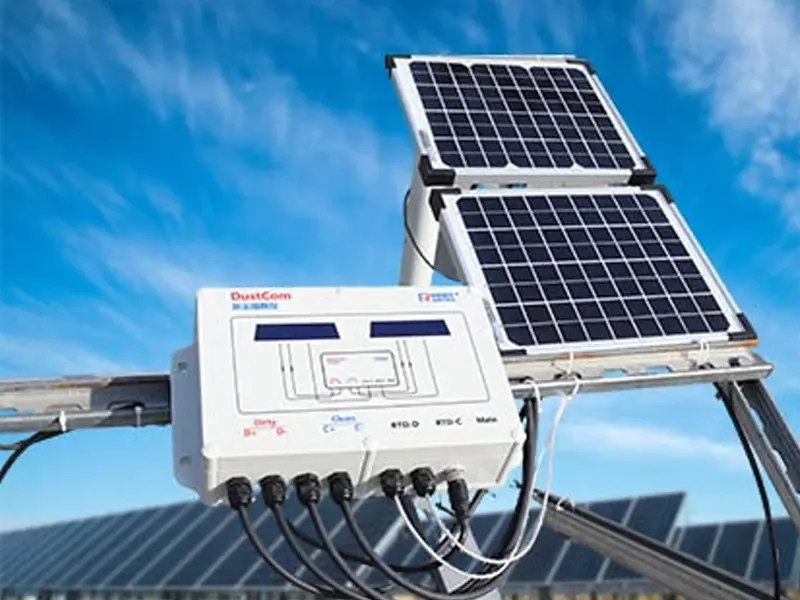
Une approche plus directe consiste à comparer une référence propre avec une référence encrassée exposée aux mêmes conditions de site. Les deux références subissent essentiellement la même irradiance et les mêmes conditions météorologiques, tandis que leur différence de réponse électrique reflète l'effet de l'encrassement de surface. Le calcul de base peut être exprimé comme suit :
Perte par encrassement = 1 − (Performance de la référence encrassée / Performance de la référence propre)
Cette comparaison entre panneau propre et panneau encrassé est cohérente avec l’approche utilisée pour l’évaluation de l’encrassement des modules PV dans la norme IEC 61724-1. Plutôt que d’estimer l’effet à partir de l’apparence d’un module sale, cette méthode produit une mesure qui peut être suivie dans le temps et utilisée pour quantifier la perte réelle due à l’encrassement sur le site.
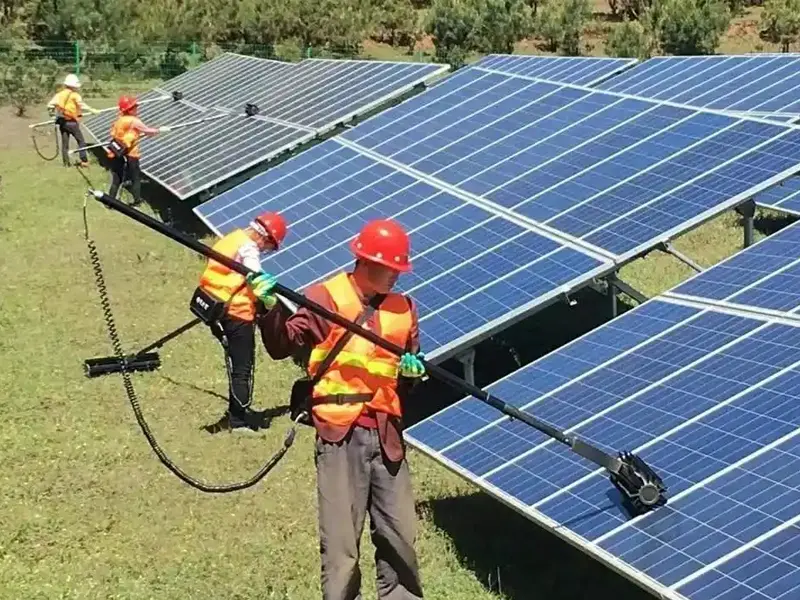
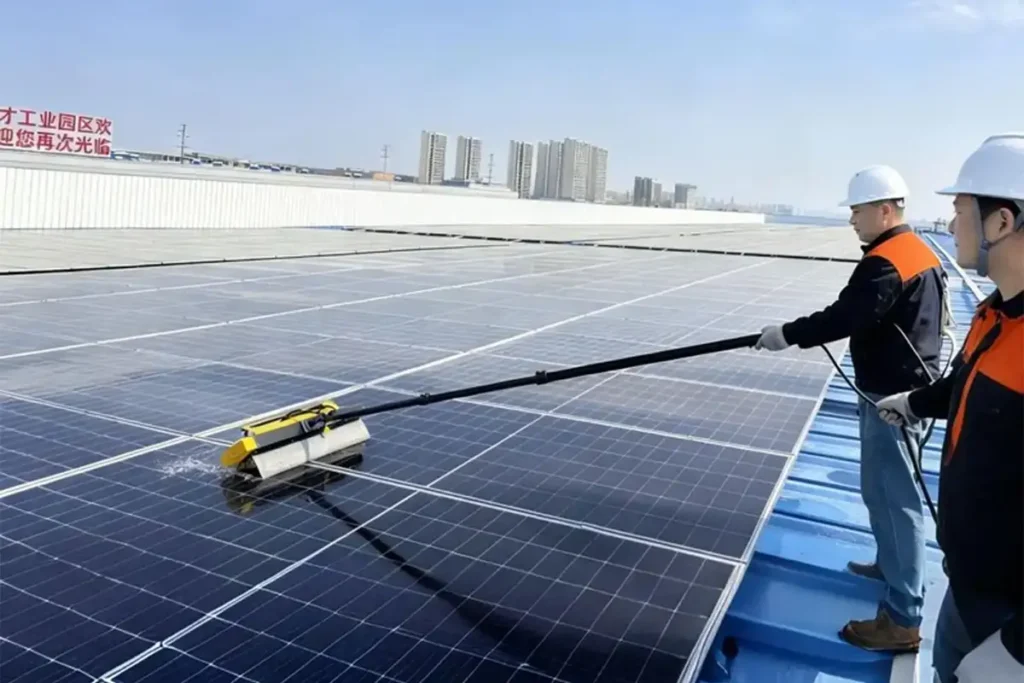
DustLV vs DustCom : Quelle solution de surveillance de l’encrassement solaire vous faut-il ?
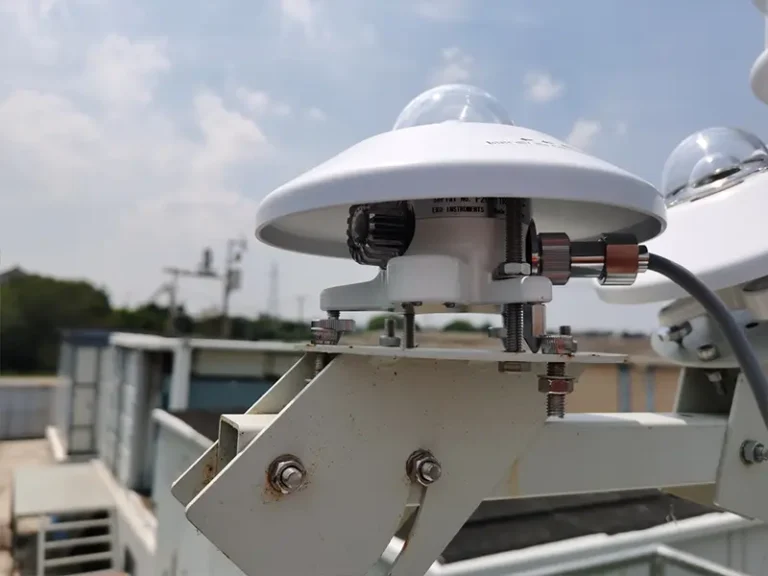
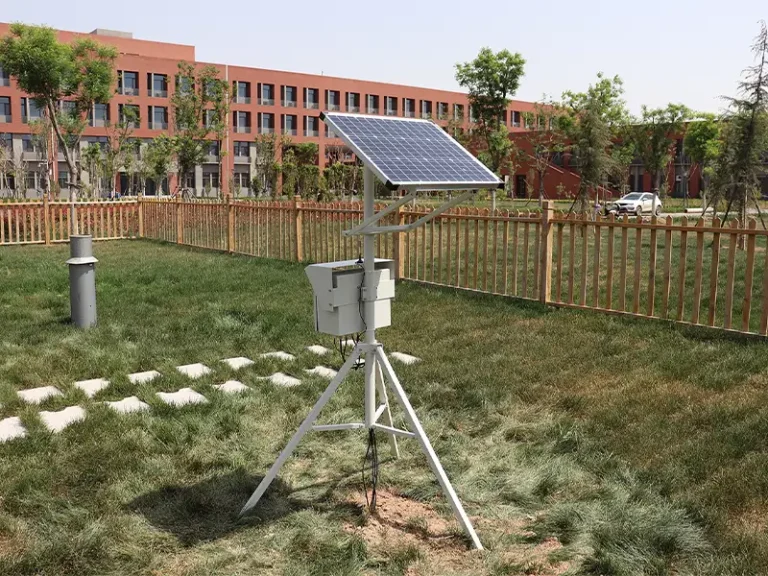
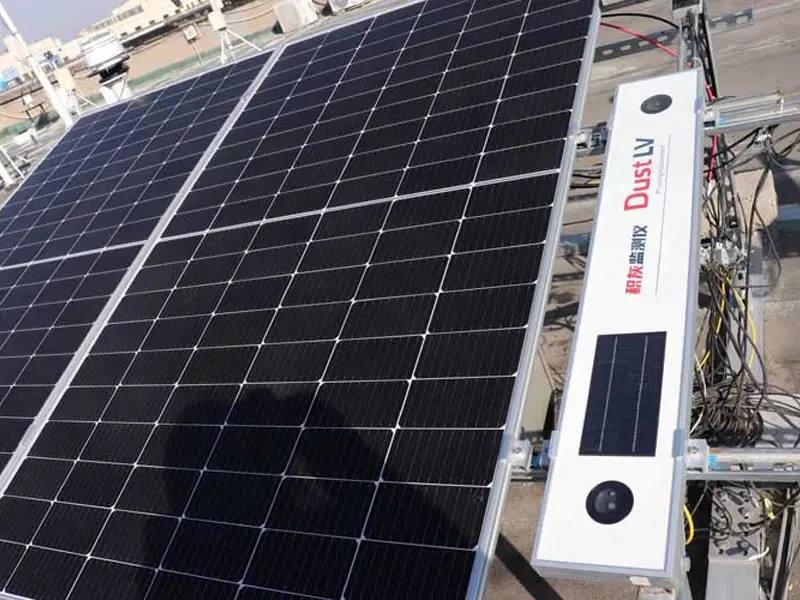
Yantai Sensor propose deux solutions de surveillance de l’encrassement solaire pour différents besoins d’exploitation et de maintenance des installations PV. Contrôle de l'état de pollution des modules photovoltaïques DustLV se concentre sur le suivi de la contamination de surface et de l’accumulation de poussière, tandis que Système de surveillance de l'indice de poussière photovoltaïque DustCom est conçu pour quantifier l’effet de l’encrassement sur les performances PV. Pour une comparaison plus approfondie des technologies de détection, voir Capteurs de poussière à référence vs à lumière bleue : lequel est le meilleur ?
| Exigence | DustLV | DustCom |
| Détecter la contamination de surface | ✓ | ✓ |
| Surveiller l’accumulation de poussière | ✓ | ✓ |
| Quantifier la perte de performance liée à l’encrassement | En quantité limitée | ✓ |
| Comparer les références PV propres et encrassées | — | ✓ |
| Appuyer les décisions de nettoyage | ✓ | ✓ |
| Surveillance continue | ✓ | ✓ |
| Intégration RS485 / Modbus | Selon la configuration | ✓ |
Comment la surveillance de l’encrassement aide-t-elle à optimiser le nettoyage des panneaux solaires ?
Le nettoyage traditionnel des panneaux solaires suit souvent des calendriers fixes, comme un nettoyage tous les 15, 30 ou 60 jours. Cependant, une approche basée sur le calendrier ne reflète pas l’accumulation réelle de poussière ni les conditions météorologiques changeantes. Les précipitations peuvent réduire la contamination de surface, tandis que des périodes sèches prolongées peuvent accélérer l’encrassement. La surveillance de l’encrassement des panneaux solaires fournit des données spécifiques au site qui permettent aux équipes d’exploitation et de maintenance de suivre les tendances de contamination et d’évoluer vers une approche davantage basée sur les conditions : Mesurer → Surveiller → Comparer → Diagnostiquer → Agir. Cela aide à déterminer quand l’encrassement est devenu suffisamment important pour justifier une action de nettoyage, au lieu de se fier uniquement à l’inspection visuelle ou à des intervalles fixes.
L’objectif n’est pas simplement de nettoyer les panneaux plus fréquemment, mais d’équilibrer la récupération d’énergie par rapport aux coûts de nettoyage. Les données de surveillance peuvent aider à identifier les zones où l’accumulation de poussière est plus rapide, à comparer les conditions d’encrassement avec les performances PV et les données météorologiques, et à prioriser le nettoyage là où il est le plus susceptible d’apporter de la valeur. Les données historiques peuvent également révéler des schémas d’accumulation saisonniers et soutenir les ajustements des futurs calendriers de nettoyage. Ainsi, la surveillance de l’encrassement des panneaux solaires transforme le nettoyage d’une tâche calendaire de routine en une décision d’exploitation et de maintenance basée sur les données, aidant les opérateurs à utiliser la main-d’œuvre, l’eau et les ressources de nettoyage plus efficacement.
Comment intégrer la surveillance de l’encrassement dans un système de surveillance PV solaire ?
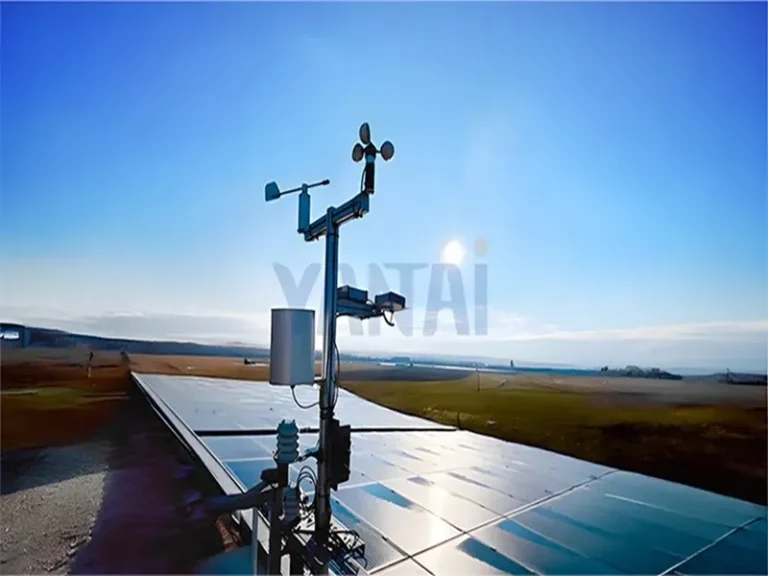
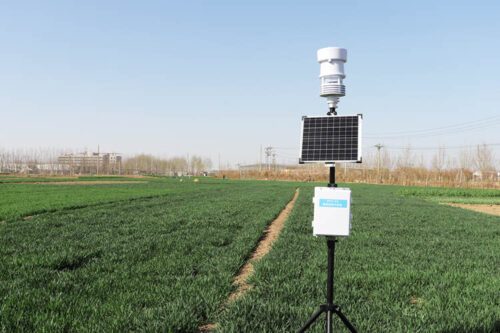
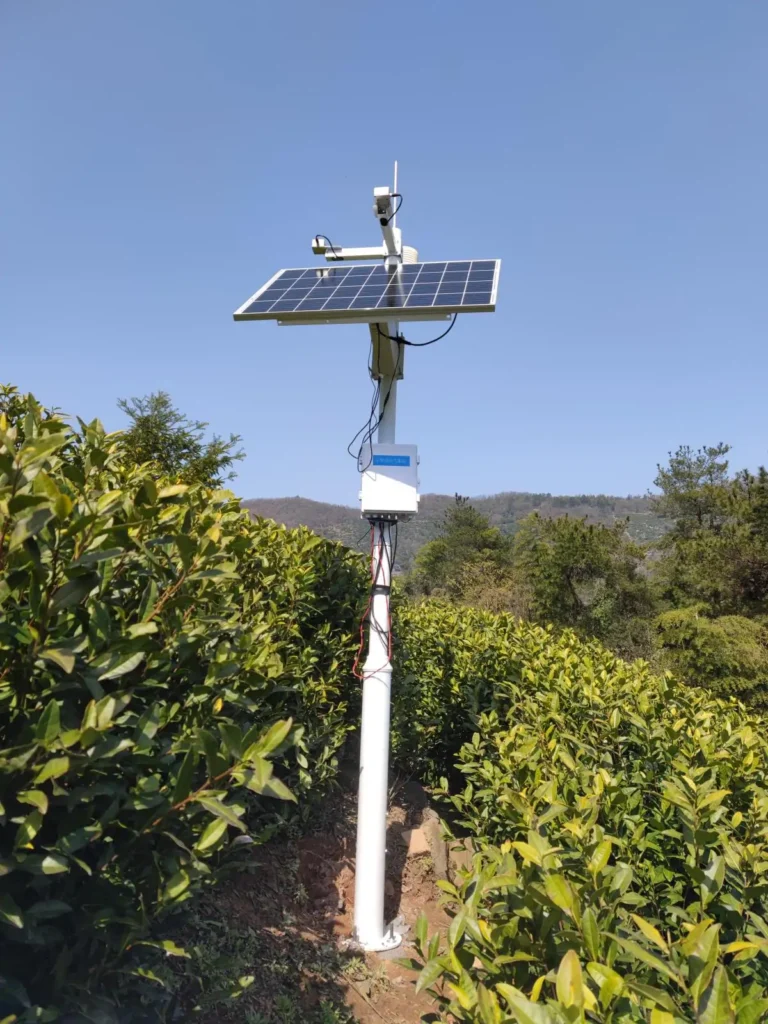
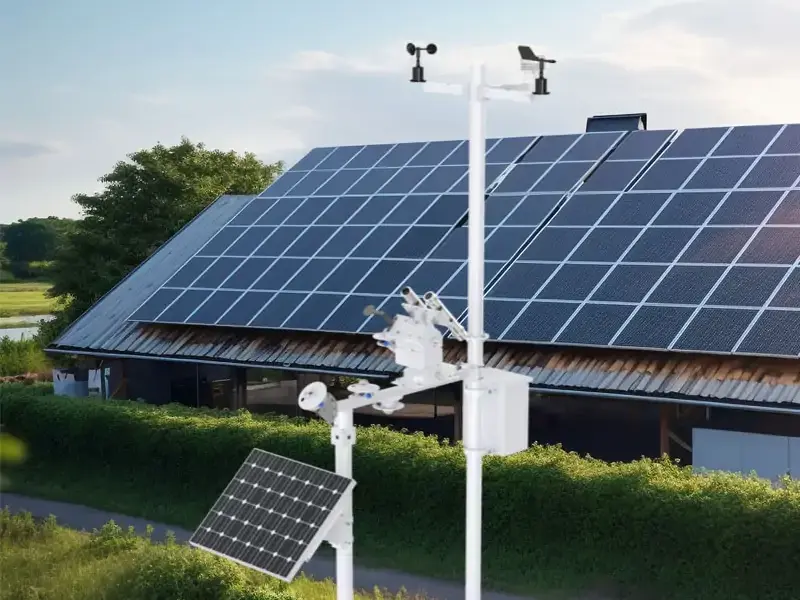
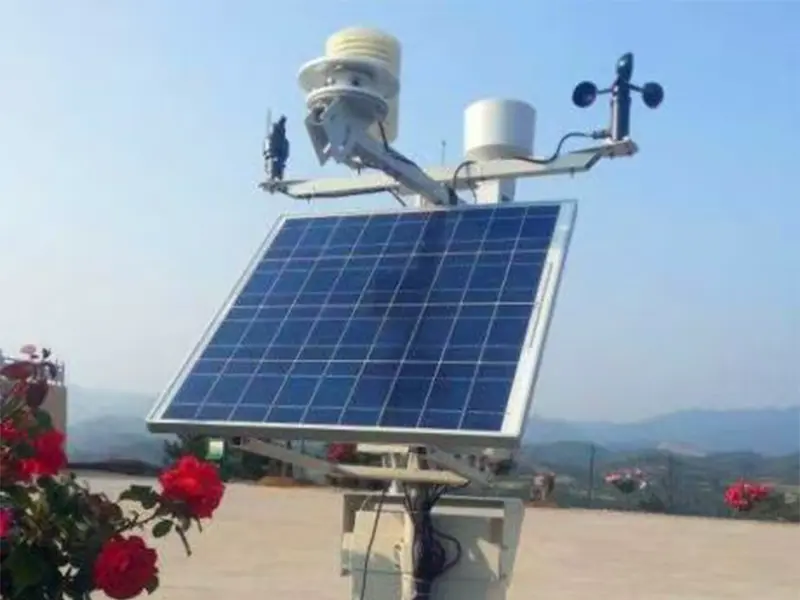
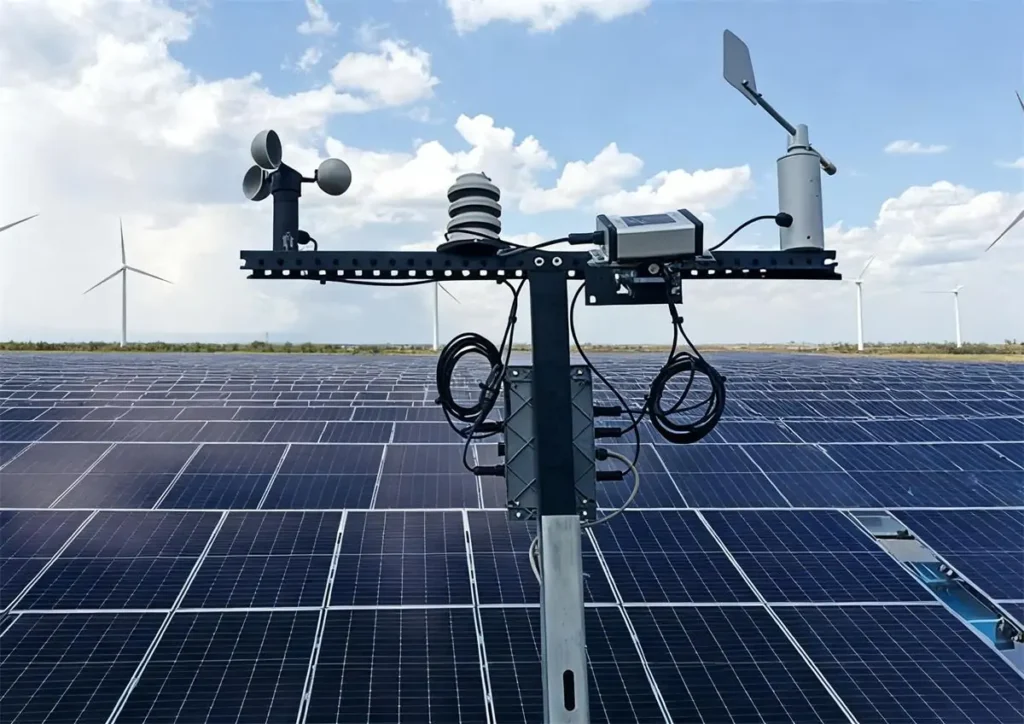
La surveillance de l’encrassement des panneaux solaires doit être intégrée à d’autres capteurs environnementaux et de performance PV plutôt que d’être utilisée comme une mesure autonome. Une configuration typique peut combiner un capteur d’encrassement avec l'irradiance solaire, la température des modules, la température ambiante, l’humidité, précipitations, et des capteurs de vent pour fournir une image plus complète des conditions du site. Cela permet aux opérateurs de comparer l’accumulation de poussière avec les changements météorologiques et la production PV, aidant à distinguer les pertes liées à l’encrassement des variations environnementales et opérationnelles normales.
Les dispositifs de surveillance peuvent envoyer des données via un enregistreur de données ou un RTU vers la plateforme de surveillance PV existante, le SCADA ou l’EMS. Avec des interfaces de communication telles que RS485 / Modbus RTU, les données d’encrassement peuvent être collectées parallèlement aux autres mesures de capteurs pour l’analyse des tendances, les alarmes de seuil, les enregistrements de nettoyage et l’évaluation de l’exploitation et de la maintenance. Cette approche intégrée fournit les données nécessaires pour suivre le flux de travail Mesurer → Surveiller → Comparer → Diagnostiquer → Agir et prendre des décisions de nettoyage basées sur les conditions réelles du site.
Où un capteur de surveillance de l’encrassement solaire doit-il être installé ?
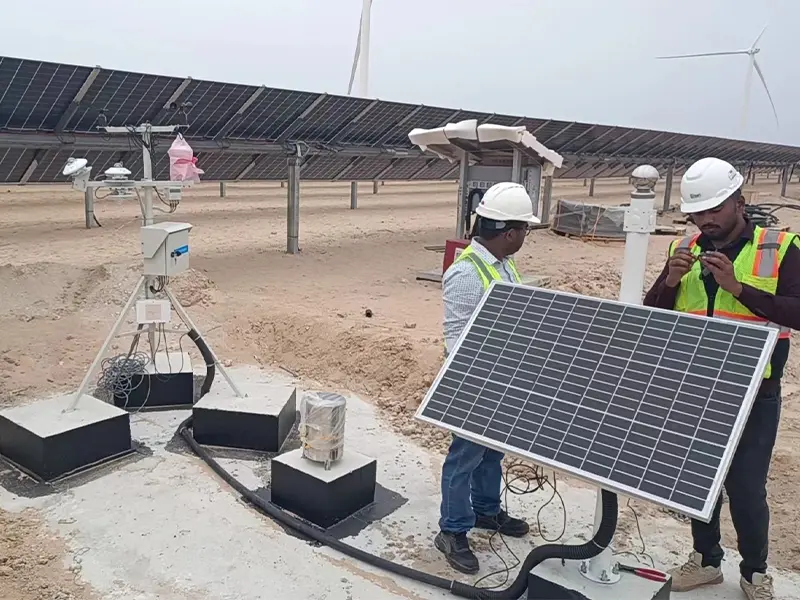
Installez le capteur de surveillance de l’encrassement des panneaux solaires dans une section représentative du champ PV, où il est exposé à un ensoleillement, un vent, des précipitations et des particules en suspension similaires à ceux des modules surveillés. Pour les systèmes à inclinaison fixe, faites correspondre l’inclinaison et l’orientation des modules. Les installations avec trackers nécessitent une configuration qui reflète la configuration de suivi et l’objectif du point de surveillance.
L’environnement environnant est tout aussi important. Les routes, l’activité agricole, la construction, le terrain désertique, l’exploitation minière et les opérations industrielles peuvent tous introduire différentes sources de poussière et schémas de dépôt. Sur les grands sites, les points de surveillance peuvent devoir couvrir des zones avec une exposition sensiblement différente, comme le côté au vent, le périmètre du site et le champ central, plutôt que de se fier à un seul emplacement pour l’ensemble de la centrale.
Évitez les positions affectées par l’ombrage, un flux d’air obstrué, des structures à proximité, la végétation ou des pratiques de nettoyage inhabituelles. Un capteur placé dans un coin protégé ou dans une zone nettoyée plus souvent que les modules environnants peut produire des données qui ne reflètent pas les conditions réelles du champ. Un placement approprié commence donc par l’adéquation de l’exposition du capteur avec celle des modules qu’il est censé représenter.
Conclusion : Utiliser la surveillance de l’encrassement solaire pour améliorer l’exploitation et la maintenance PV
La poussière sur les panneaux solaires n’est pas un problème qui peut être jugé de manière fiable par la seule apparence. L’impact réel de la surveillance de l’encrassement des panneaux solaires dépend de la quantité et du type d’encrassement, des conditions météorologiques, de la configuration des modules et de la durée pendant laquelle la contamination reste en surface. Pour cette raison, une gestion efficace de l’encrassement devrait se concentrer sur la mesure des conditions du site et leur mise en relation avec les performances PV réelles, plutôt que de se fier uniquement à des calendriers de nettoyage fixes.
La valeur de la surveillance de l’encrassement des panneaux solaires est de transformer ces conditions en données d’exploitation et de maintenance exploitables. En mesurant la contamination, en surveillant sa tendance, en la comparant avec les performances PV et en évaluant le besoin de nettoyage, les opérateurs peuvent prendre de meilleures décisions sur le moment et le lieu où la maintenance est justifiée. Yantai Sensor fournit DustLV et DustCom pour différents besoins de surveillance, allant du suivi de l’état de contamination à l’évaluation quantifiée de l’impact de l’encrassement. Contactez Yantai Sensor pour discuter d’une solution de surveillance de l’encrassement des panneaux solaires pour votre centrale PV.