Introduction
Un parc solaire peut bénéficier d'un ensoleillement abondant et produire néanmoins moins d'électricité que prévu. Alors, où va la production perdue ? Un changement de l'irradiance solaire, une température de module PV plus élevée, une accumulation de poussière ou des conditions de vent variables peuvent tous affecter les performances de la centrale. Cependant, lorsque la production diminue, il n'est pas toujours facile de déterminer si le changement est simplement dû aux conditions météorologiques ou s'il indique un problème de performance nécessitant une attention particulière.
C'est pourquoi des données environnementales fiables sont essentielles lorsque vous souhaitez augmenter la production solaire. En surveillant en continu l'irradiance solaire, la température des modules, le vent, l'humidité, l'encrassement et d'autres conditions du site, les exploitants peuvent établir une image plus claire de la performance du système PV dans des conditions d'exploitation réelles. Lorsque ces mesures sont comparées à la production d'énergie en temps réel, elles fournissent une référence utile pour identifier les anomalies de production, évaluer les changements de performance et décider quand une maintenance ou une inspection supplémentaire est nécessaire.
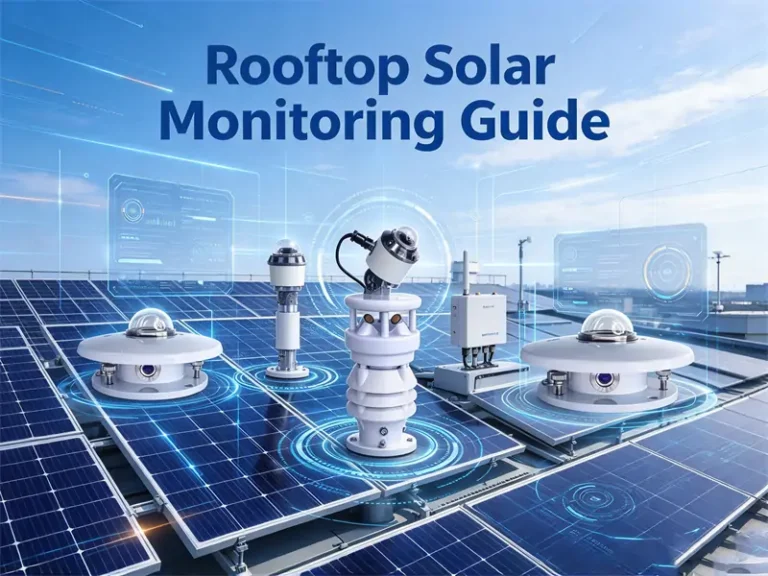
This guide explores how environmental sensors for solar farms can support higher and more consistent energy production, including the role of irradiance monitoring, module temperature measurement, wind and weather monitoring, and soiling assessment. It also explains how environmental data can be integrated with solar farm performance monitoring and existing SCADA systems, how sensor measurements can support performance analysis and maintenance decisions, and how to select a practical sensor configuration based on plant size, site conditions, tracking system, monitoring requirements, and existing infrastructure.For more information on UV exposure monitoring in photovoltaic systems, including sensor selection, installation, and data integration, see our guide to Capteurs UV pour panneaux solaires.
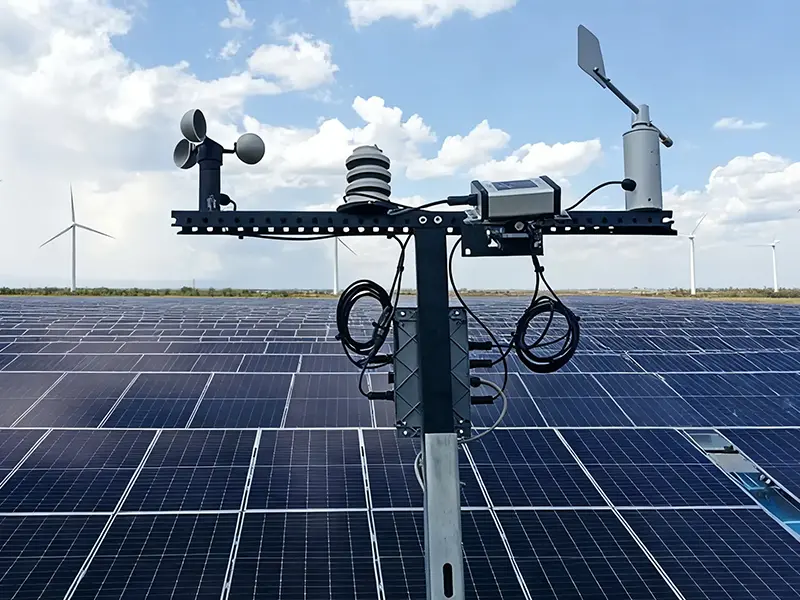
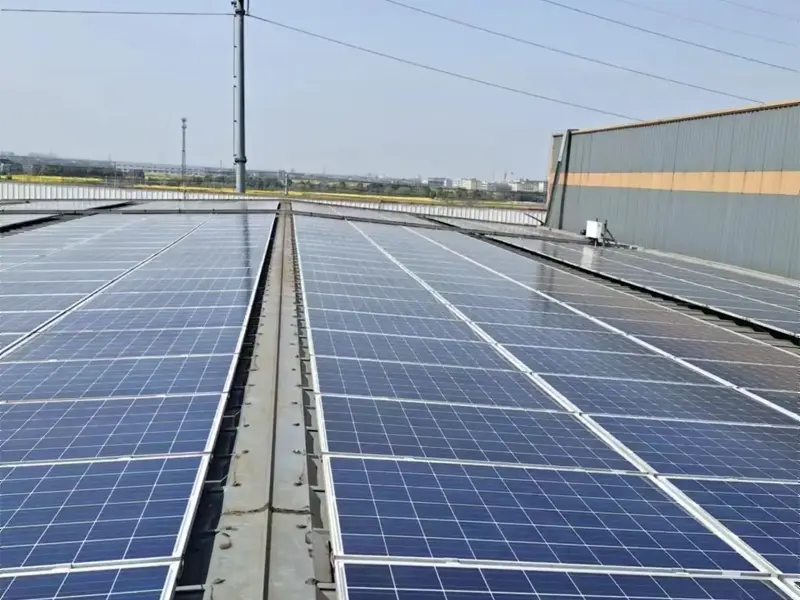
Qu'est-ce qui affecte la production d'un parc solaire ?
La production d'un parc solaire est d'abord déterminée par la quantité d'énergie solaire disponible sur le site. L'irradiance est l'intrant environnemental le plus direct, tandis que la température des modules, les nuages, le vent et l'encrassement peuvent modifier la façon dont le réseau PV fonctionne dans des conditions réelles. Par exemple, des températures de modules plus élevées réduisent généralement la production d'énergie PV, tandis que la poussière sur la surface des modules peut limiter la lumière du soleil atteignant les cellules. Ces conditions varient tout au long de la journée et selon les saisons, de sorte qu'une production plus faible n'indique pas toujours un problème d'équipement. Pour une explication plus détaillée des pertes d'efficacité courantes, voir 5 principaux facteurs réduisant l’efficacité des panneaux solaires.
La conception du système et les performances des équipements déterminent ensuite l'efficacité avec laquelle la ressource solaire disponible est convertie en électricité. L'orientation des modules, la disposition du réseau, les structures de montage, le choix de l'onduleur, le fonctionnement MPPT, la conception des câbles, l'ombrage, les déséquilibres et l'état des équipements peuvent tous affecter le rendement énergétique final. Un système bien conçu réduit les pertes électriques et de conversion évitables, tandis qu'un système de suivi et une configuration d'équipement appropriés peuvent aider le réseau PV à capter davantage d'énergie solaire disponible dans les bonnes conditions du site.
La dernière partie concerne l'exploitation et la maintenance. Un nettoyage régulier, des inspections, la détection des défauts et la surveillance des performances aident à empêcher que de petits problèmes ne se transforment en pertes d'énergie prolongées. Cependant, les exploitants ont besoin de données de référence fiables pour savoir si un changement de production est causé par les conditions météorologiques ou par un problème potentiel du système. La comparaison de la production réelle avec l'irradiance, la température des modules, le vent et d'autres mesures environnementales fournit une base plus claire pour la surveillance des performances des parcs solaires et aide à identifier les domaines où des améliorations pratiques peuvent être apportées. C'est là que les capteurs environnementaux deviennent précieux pour les efforts visant à augmenter la production solaire.
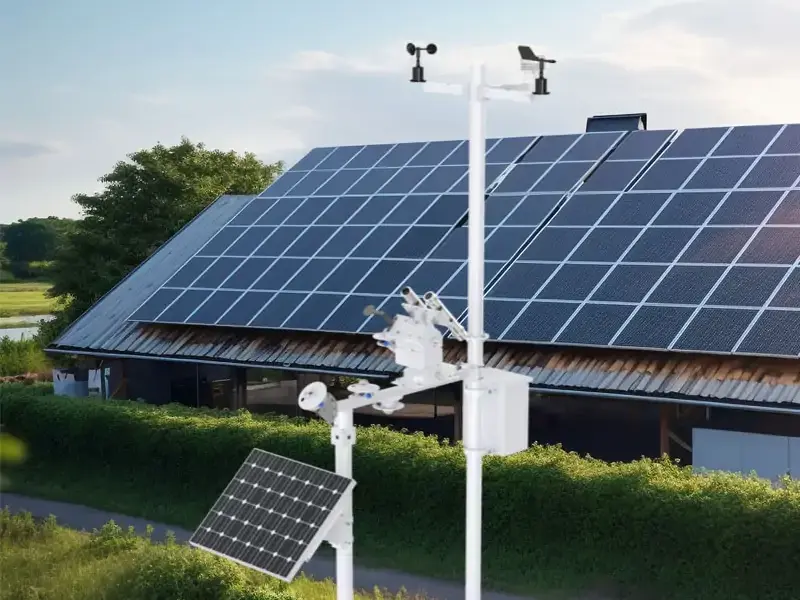
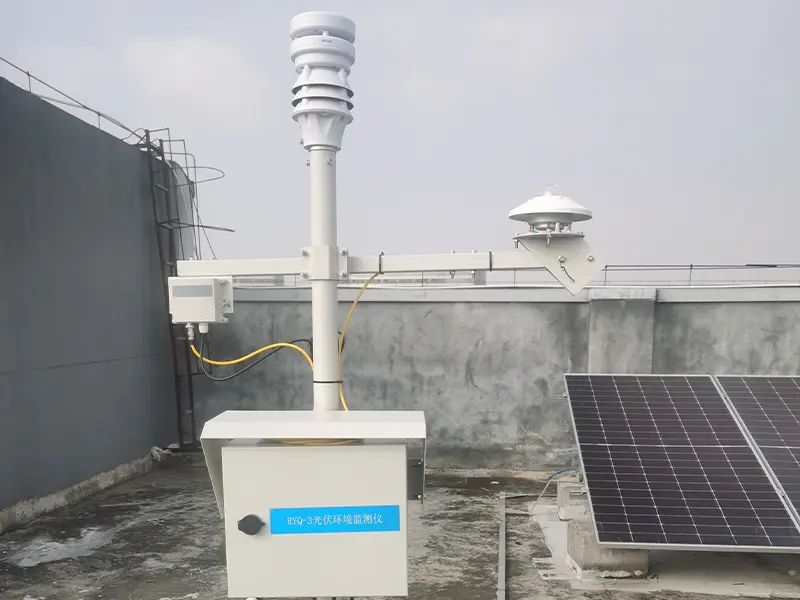
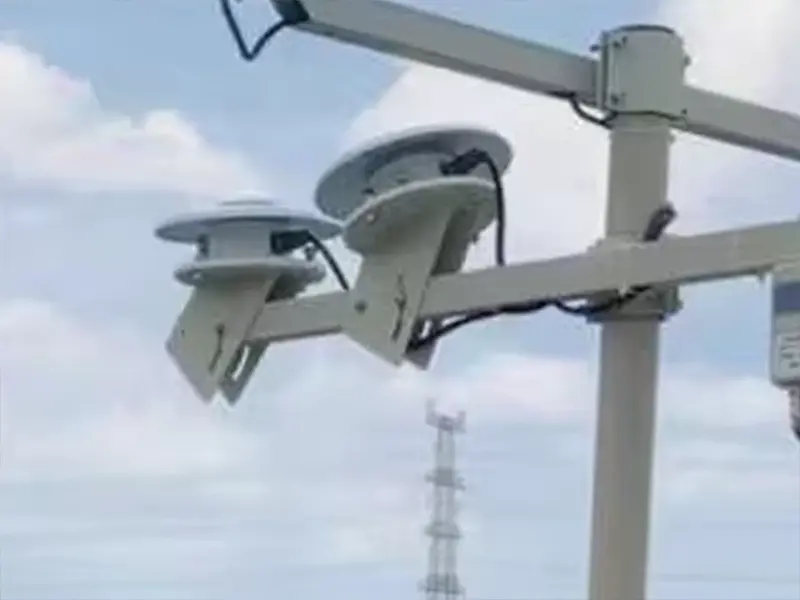
Comment la surveillance environnementale aide-t-elle à augmenter la production solaire ?
Les capteurs environnementaux aident les exploitants de parcs solaires à prendre de meilleures décisions en montrant les conditions dans lesquelles le système PV génère de l'électricité. Au lieu de se concentrer uniquement sur la production d'énergie, les exploitants peuvent utiliser les données d'irradiance, de température des modules, de vent, d'humidité et d'encrassement pour comprendre si la centrale fonctionne comme prévu. Cela facilite la distinction entre les changements normaux liés aux conditions météorologiques et les problèmes de performance qui peuvent nécessiter une inspection ou une maintenance.
La valeur provient de la connexion entre les mesures environnementales et les données de production réelles. L'irradiance fournit une référence pour l'énergie solaire disponible, la température des modules aide à expliquer les effets thermiques sur les performances PV, tandis que le vent et d'autres mesures météorologiques ajoutent un contexte opérationnel. Les données d'encrassement peuvent également soutenir les décisions de nettoyage. Lorsque ces mesures sont comparées aux données SCADA ou des onduleurs, les exploitants peuvent identifier plus tôt les écarts de performance, concentrer la maintenance là où elle est nécessaire et utiliser des informations plus fiables pour augmenter la production solaire sur la durée de vie opérationnelle du parc solaire.
Établir une référence précise de la ressource solaire
L'irradiance solaire est la première mesure à examiner lors de l'évaluation de la production d'un parc solaire. Elle indique aux exploitants la quantité d'énergie solaire qui atteint réellement le réseau PV à un moment donné. Lorsque l'irradiance et la production d'énergie changent ensemble, la variation peut simplement refléter un changement d'ensoleillement. Lorsque la ressource solaire disponible reste relativement stable mais que la production diminue, il y a en revanche une raison d'examiner de plus près le système PV. Des données d'irradiance fiables donnent donc aux exploitants une référence pratique pour la surveillance des performances des parcs solaires et les aident à juger si la centrale produit comme prévu.
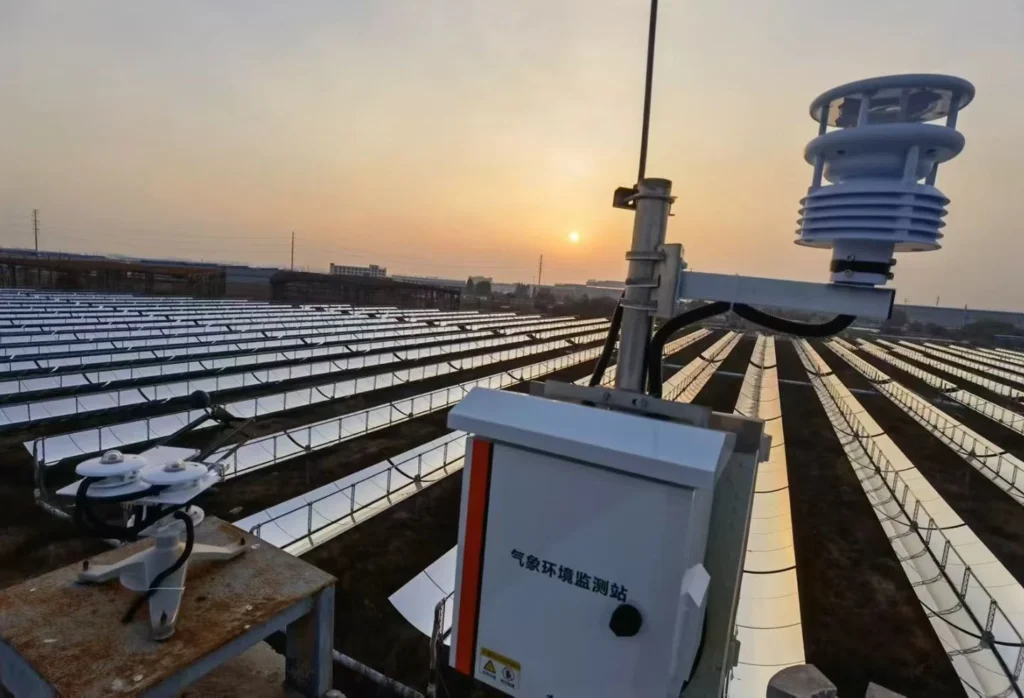
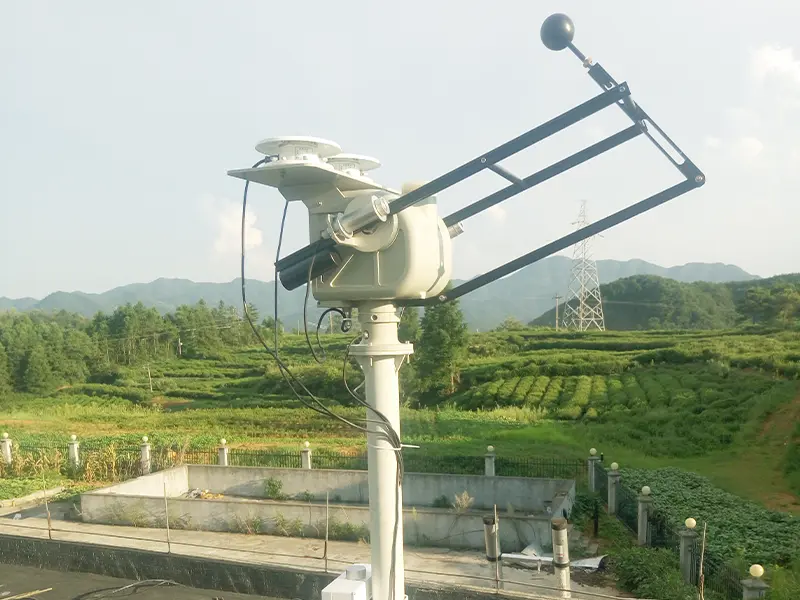
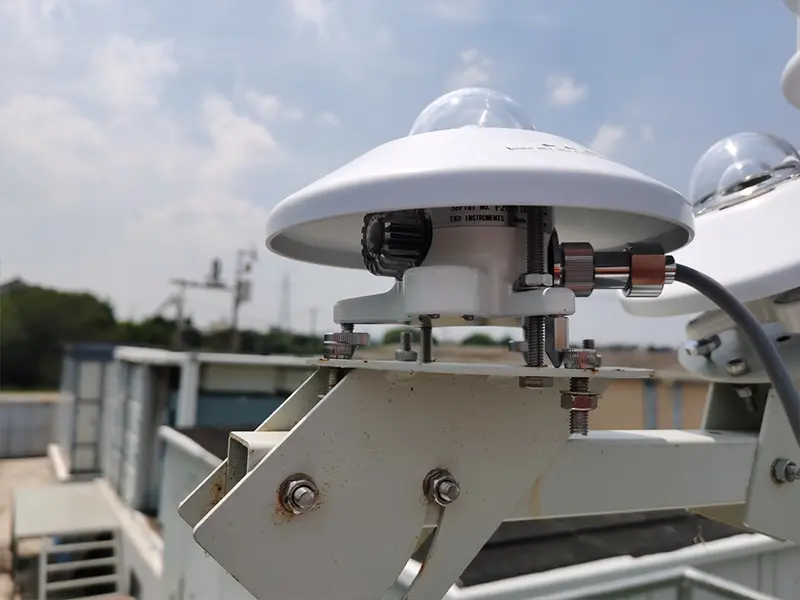
Le choix de l'équipement de mesure dépend de la manière dont la ressource solaire doit être évaluée. Pour la surveillance de routine du rayonnement, le RYQ-3 Solar Radiation Total Radiation Meter, TBQ-2C Compteur de rayonnement total, et le SR30 Solar Radiation Sensor offrent des options pour mesurer le rayonnement solaire sur le site. Lorsque l'application nécessite que le système de mesure suive automatiquement le soleil, le SAUT Automatic Tracking Solar Radiation Measurement System propose une approche différente. En combinant ces mesures avec les données de production d'énergie, les exploitants peuvent construire une image plus fiable des performances de la centrale et identifier des changements qui pourraient autrement être difficiles à expliquer.
Surveiller la température des modules PV
Les modules PV ne fonctionnent pas à la même température que l'air ambiant. Sous un fort ensoleillement, la surface du module peut devenir nettement plus chaude que l'environnement, et des températures de fonctionnement plus élevées réduisent généralement la production électrique des modules PV. La surveillance de la température des modules, associée à celle du rayonnement solaire, permet aux exploitants de mieux comprendre les variations de production, en particulier lorsque deux périodes présentent un ensoleillement similaire mais des conditions thermiques différentes.
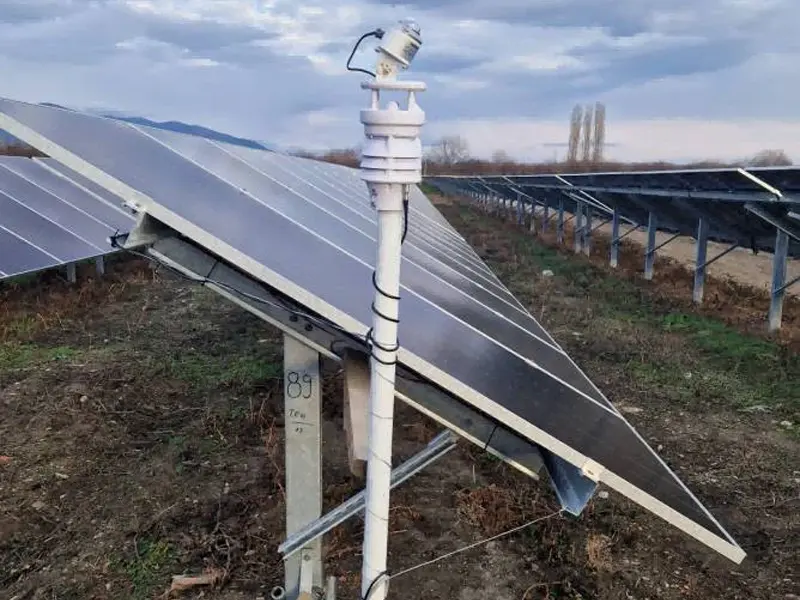
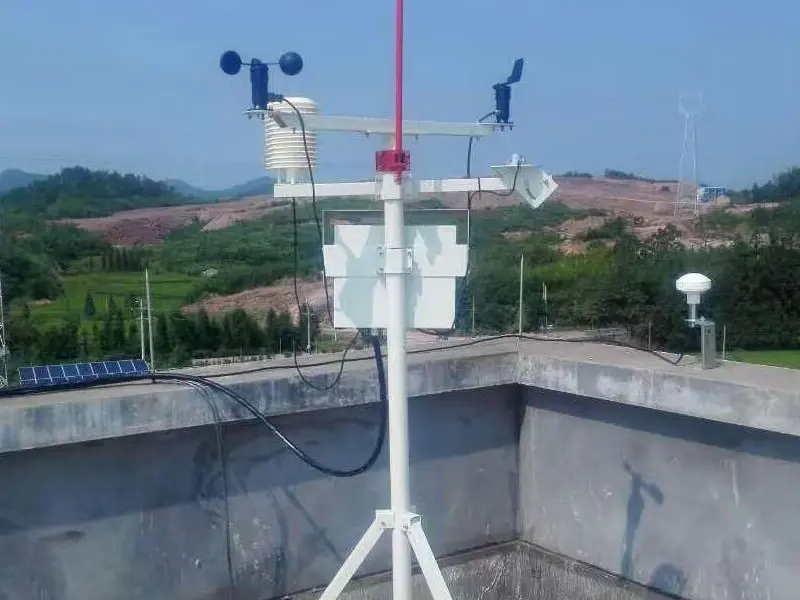
Pour cette raison, la surveillance de la température est souvent intégrée à un système de surveillance météorologique PV plutôt que traitée comme une mesure distincte. Le capteur météorologique compact PV XF500S-CWB fournit des mesures de température et d'autres paramètres environnementaux dans une configuration compacte pour les sites PV. Lorsque ses données de température sont comparées au rayonnement et à la production réelle, les exploitants peuvent mieux évaluer les performances thermiques normales, identifier les variations inhabituelles et établir une base plus utile pour le suivi à long terme des performances des centrales solaires.
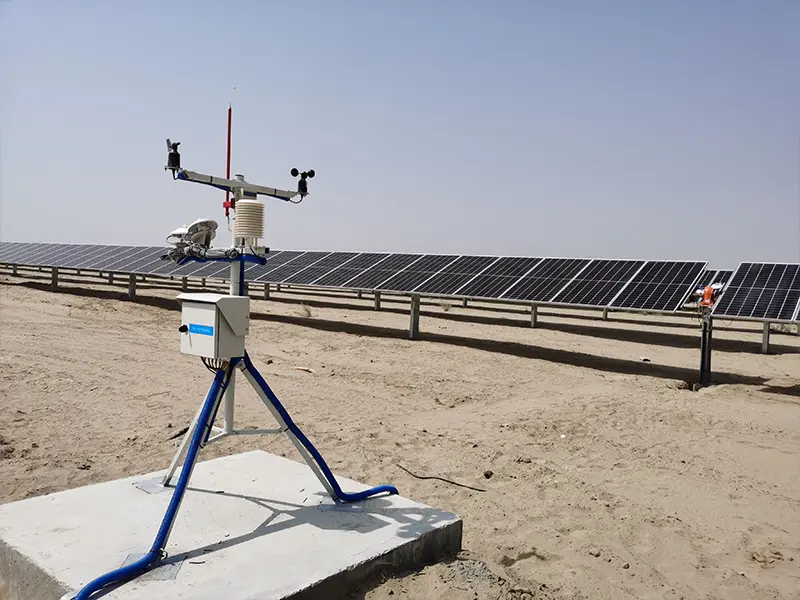
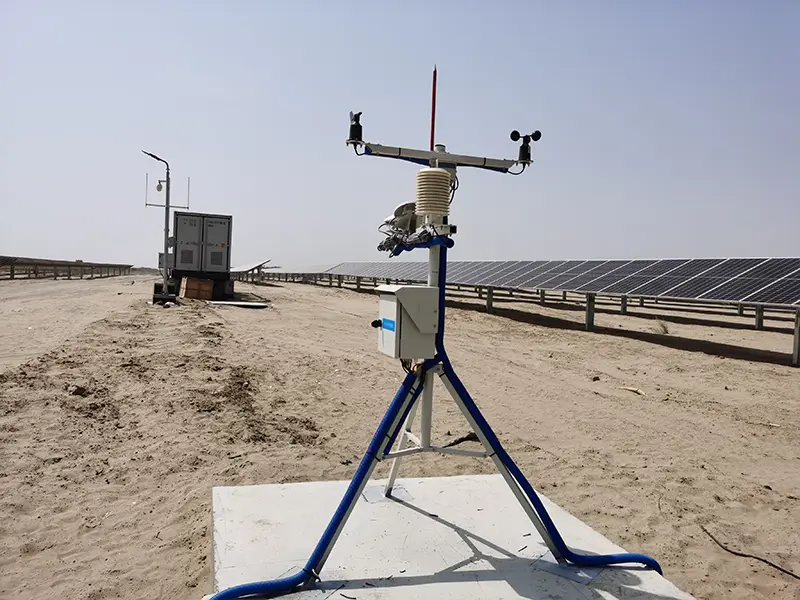
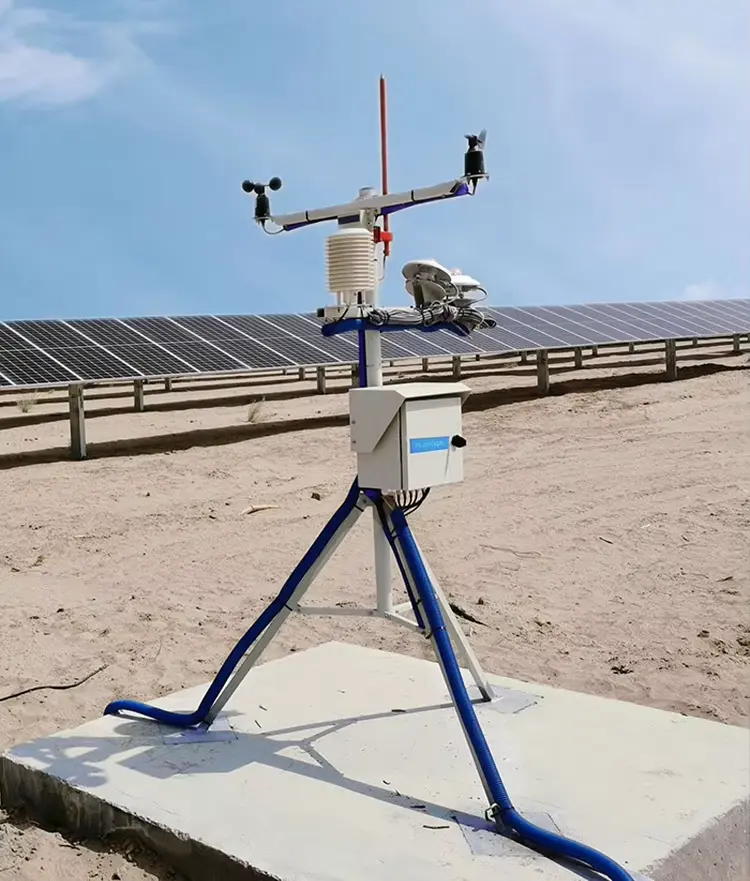
Suivre le vent et les conditions ambiantes
La vitesse du vent, la direction du vent, la température ambiante et l'humidité fournissent un contexte important pour comprendre les conditions de fonctionnement des modules PV. Le vent influence la rapidité avec laquelle les modules dissipent la chaleur, tandis que la température ambiante aide à expliquer les variations de température des modules. L'humidité peut également aider à caractériser les conditions météorologiques locales, en particulier sur les sites présentant des variations saisonnières ou quotidiennes importantes. En surveillant ces conditions parallèlement au rayonnement et à la production, les exploitants peuvent mieux distinguer les variations météorologiques normales des problèmes de performance potentiels.
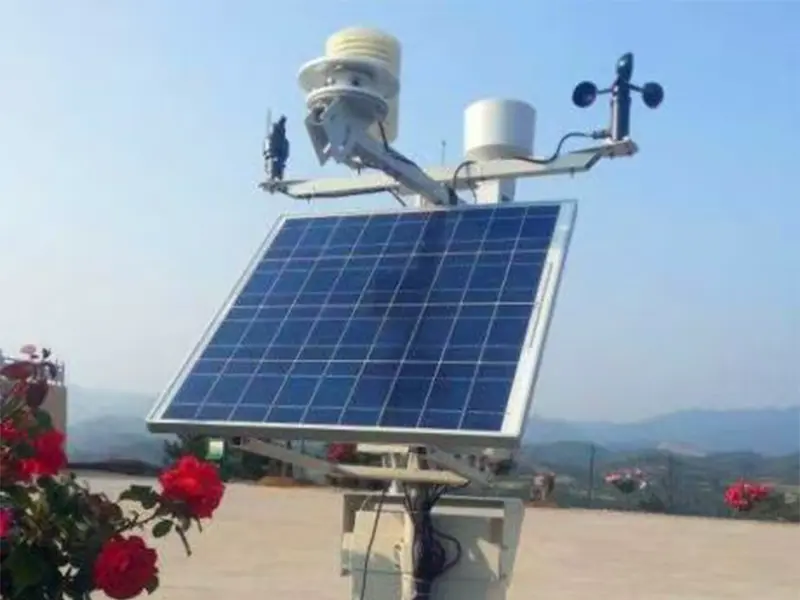
Une station météorologique solaire peut combiner plusieurs mesures environnementales dans une configuration de surveillance unique, facilitant ainsi la collecte de données cohérentes sur l'ensemble de la centrale solaire. Pour les projets nécessitant principalement des mesures de rayonnement solaire extérieur, le capteur extérieur de rayonnement solaire RYZW offre une option plus ciblée. La configuration appropriée doit être basée sur le climat du site, les objectifs de surveillance, l'emplacement des capteurs et la compatibilité avec le système d'acquisition de données ou SCADA existant.
Surveiller l'encrassement et les conditions de nettoyage
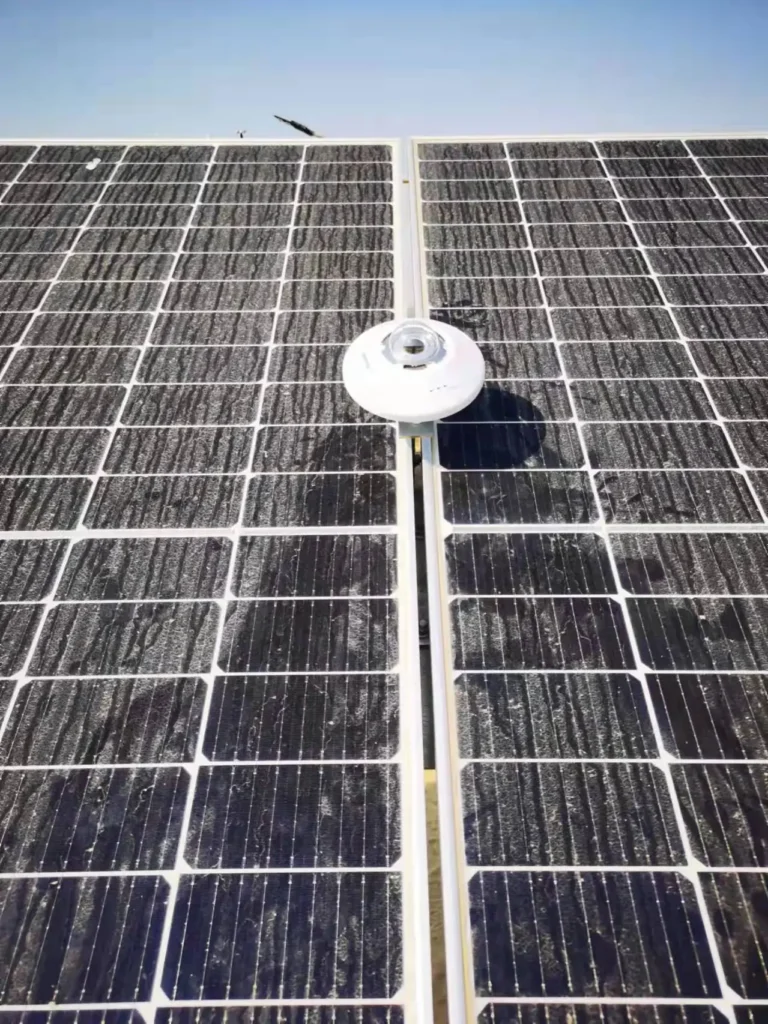
L'encrassement peut réduire progressivement la quantité de lumière solaire atteignant les modules PV, mais un nettoyage à intervalles fixes n'est pas toujours l'approche la plus efficace. L'accumulation de poussière, les précipitations, l'humidité et les variations de performance PV peuvent varier considérablement selon le site et la saison. La surveillance de ces conditions donne aux exploitants une meilleure base pour décider quand un nettoyage est nécessaire et aide à relier les actions de maintenance aux variations réelles de la production de la centrale solaire.
Pour les centrales solaires où l'accumulation de poussière est une préoccupation majeure, le système de surveillance de l'indice de poussière PV DustCom et le moniteur d'état d'encrassement des modules PV DustLV peuvent être utilisés pour une évaluation dédiée de l'encrassement. Leurs mesures peuvent être évaluées conjointement avec le rayonnement solaire et les données de production afin de déterminer si un écart de performance croissant est potentiellement lié à la contamination de la surface des modules. Cela fournit une base plus pratique pour la surveillance de l'encrassement solaire, les décisions de nettoyage et le suivi continu des performances PV.
Comparer les conditions environnementales avec la production réelle
Les données environnementales deviennent plus utiles lorsqu'elles sont comparées à l'électricité réellement produite par le système PV. Une réduction de la production pendant une faible irradiation peut simplement refléter des conditions météorologiques changeantes, tandis qu'une production anormalement faible dans des conditions d'irradiation et de température similaires peut indiquer un problème système. Cette comparaison aide les exploitants à déterminer si une enquête plus approfondie est nécessaire, au lieu de traiter chaque fluctuation de production comme un défaut d'équipement.
En combinant la surveillance du rayonnement solaire, la température des modules, les mesures météorologiques et les données SCADA ou onduleur, les exploitants peuvent obtenir une image plus claire des performances de la centrale solaire dans des conditions de fonctionnement réelles. Lorsqu'un écart de performance est identifié, les données peuvent aider à cibler l'enquête vers des domaines tels que les onduleurs, les chaînes, les modules, l'ombrage ou l'encrassement. Cela fait de la surveillance environnementale un élément pratique du suivi des performances PV et aide les exploitants à prendre des décisions plus éclairées pour augmenter la production solaire.
Comment sélectionner les capteurs environnementaux pour une centrale solaire ?
Toutes les centrales solaires n'ont pas besoin des mêmes capteurs environnementaux. La combinaison appropriée dépend de la taille de l'installation, des exigences de surveillance, de la configuration du tracker et du climat local. Commencez par les mesures nécessaires au suivi des performances PV, puis ajoutez des capteurs en fonction des conditions spécifiques du site.
Sélectionner les capteurs en fonction des exigences de surveillance
Pour le suivi de base des performances des centrales solaires, le rayonnement solaire, la température des modules et la température ambiante constituent généralement le point de départ. Les projets présentant des préoccupations météorologiques ou de maintenance plus importantes peuvent ajouter la surveillance du vent, de l'humidité, des précipitations ou de l'encrassement.
| Exigence de surveillance | Capteurs recommandés |
| Surveillance PV de base | Rayonnement + température des modules + température ambiante |
| Surveillance météorologique | Capteurs principaux + vent + humidité |
| Sites sujets à la poussière | Capteurs principaux + capteur d’encrassement |
| Surveillance des précipitations | Capteurs principaux + capteur de pluie |
| Mesure détaillée du rayonnement | Pyranomètre ou système de suivi du rayonnement |
Pour la mesure du rayonnement, le RYQ-3 Solar Radiation Total Radiation Meter, le TBQ-2C Total Radiation Meter, le SR30 Solar Radiation Sensor et le système SAUT Automatic Tracking Solar Radiation Measurement System peuvent être sélectionnés selon les exigences du projet. Pour la surveillance de l’encrassement, le DustCom PV Dust Index Monitoring System et le DustLV PV Module Soiling Status Monitor sont disponibles pour une évaluation dédiée.
Adapter les capteurs au site et au système de surveillance
La sélection des capteurs doit également tenir compte de l’environnement d’installation réel et du système de surveillance existant. Les systèmes PV à inclinaison fixe et à suivi peuvent nécessiter des dispositions d’installation différentes, tandis que les sites poussiéreux, venteux, humides ou à fortes précipitations peuvent exiger des mesures environnementales supplémentaires. Les capteurs doivent être installés dans des emplacements représentatifs et éviter tout ombrage inutile ou toute interférence locale.
Les capteurs sélectionnés doivent également être compatibles avec l’enregistreur de données et le système SCADA du site, y compris les interfaces de communication et les exigences d’alimentation. La combinaison de capteurs requise dépend de la taille de l’installation, des exigences de surveillance, de la configuration du suiveur et du climat local. Un système pratique de surveillance météorologique PV doit collecter les données nécessaires à l’analyse des performances sans équipement superflu.

Comment les capteurs environnementaux contribuent-ils à augmenter la production des centrales solaires ?
Les capteurs environnementaux fournissent les données d’exploitation nécessaires pour comprendre pourquoi la production d’une centrale solaire varie. Les capteurs mesurent des conditions telles que l’irradiance solaire, la température des modules, le vent, l’humidité, les précipitations et l’encrassement, tandis qu’un enregistreur de données collecte et stocke les mesures. Cela crée un enregistrement continu des conditions environnementales affectant le système PV, plutôt que de se fier uniquement à la production d’énergie.
Les données collectées peuvent ensuite être intégrées aux données SCADA, aux onduleurs et aux données de production d’électricité. La comparaison des conditions environnementales avec la production réelle aide les opérateurs à identifier quand une variation de production est simplement due à un ensoleillement réduit ou à des conditions météorologiques défavorables, et quand elle peut indiquer un problème de performance potentiel. Cela fournit une base plus fiable pour investiguer des problèmes tels qu’une température excessive des modules, l’encrassement, l’ombrage ou un comportement anormal des équipements.
La dernière étape consiste à transformer ces constatations en décisions de maintenance et d’exploitation. Les opérateurs peuvent utiliser les données environnementales pour prioriser le nettoyage lorsque l’encrassement devient significatif, investiguer une production anormale lorsque les conditions environnementales sont stables, et évaluer les variations de performance dans le temps. Les capteurs environnementaux n’augmentent pas directement la production d’électricité ; ils fournissent les données nécessaires pour identifier les pertes évitables et prendre de meilleures décisions pouvant soutenir une production solaire plus élevée et plus constante.
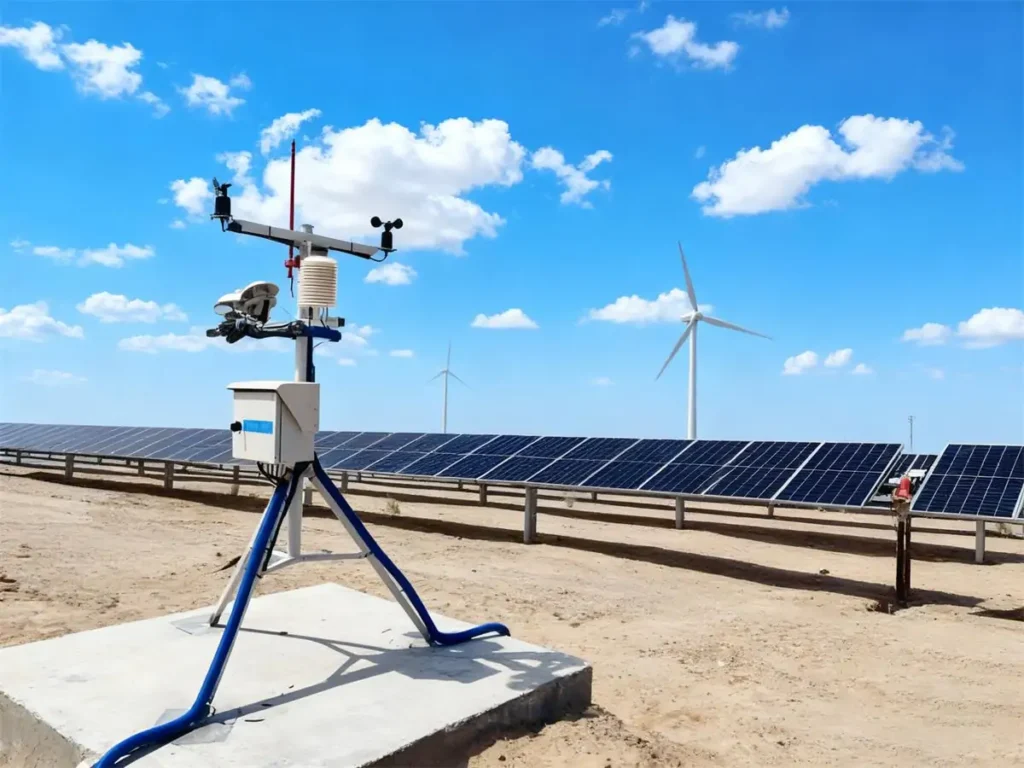
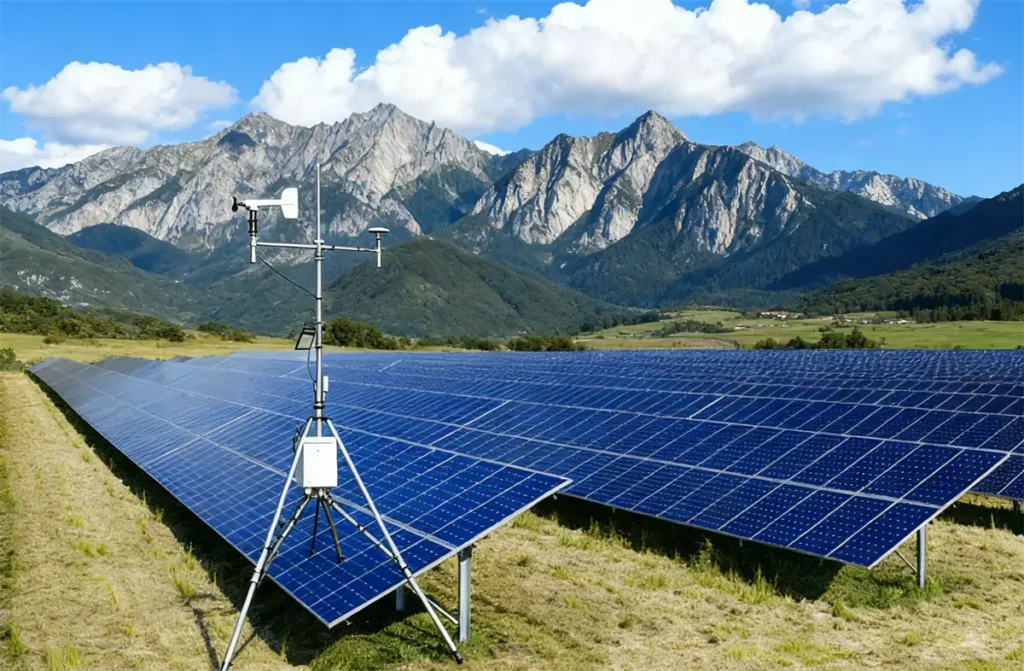
Configuration des capteurs environnementaux pour différentes centrales solaires
La configuration des capteurs environnementaux doit correspondre à l’échelle de la centrale solaire, aux conditions du site et aux objectifs de surveillance. Les installations à l’échelle utilitaire nécessitent généralement des données fiables d’irradiance et de température des modules, ainsi qu’une surveillance météorologique ambiante et une intégration SCADA, tandis que les sites très poussiéreux peuvent ajouter une surveillance de l’encrassement pour soutenir les décisions de nettoyage. Les systèmes à suivi doivent prioriser l’irradiance POA et les conditions de vent, tandis que les sites chauds ou humides peuvent nécessiter une surveillance plus étroite de la température, de l’humidité, des précipitations et du vent. La configuration finale doit également prendre en compte l’emplacement des capteurs, la compatibilité de l’enregistreur de données et des communications, et la nécessité de plusieurs points de mesure pour représenter les conditions sur l’ensemble du champ PV.
| Type de centrale solaire | Surveillance principale | Capteurs recommandés |
| Centrale solaire à l’échelle utilitaire | Ressource solaire, performance des modules, météo | Capteur d’irradiance, capteur de température des modules, capteur de température et d’humidité ambiantes, capteur de vitesse/direction du vent |
| Centrale solaire très poussiéreuse | Irradiance, encrassement, conditions de nettoyage | Capteur d’irradiance, capteur de température des modules, système de surveillance de l’encrassement |
| Centrale solaire avec système de suivi | Irradiance POA, météo, conditions de fonctionnement du suiveur | Capteur d’irradiance POA, capteur de température des modules, capteur de vent |
| Climat chaud ou humide | Conditions thermiques, humidité, précipitations, vent | Capteur de température des modules, capteur de température et d’humidité ambiantes, capteur d’irradiance, capteur de vent, capteur de pluie |
Considérations relatives à l'installation et à la maintenance
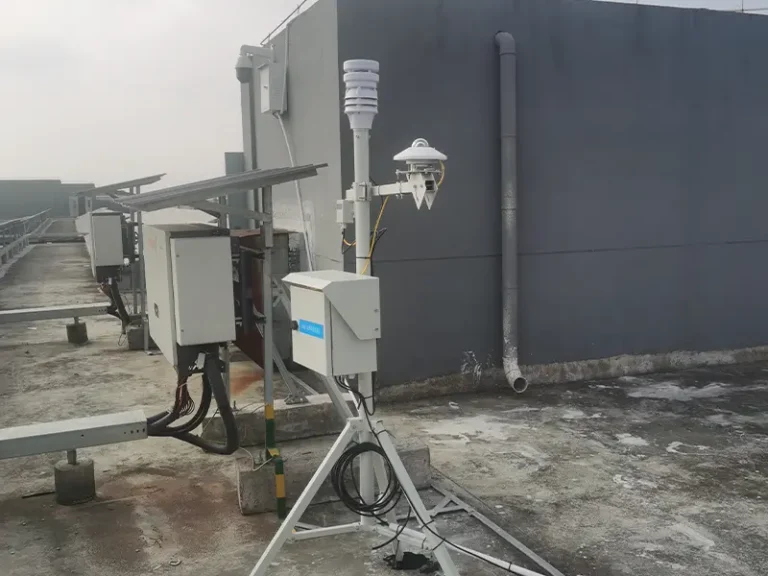
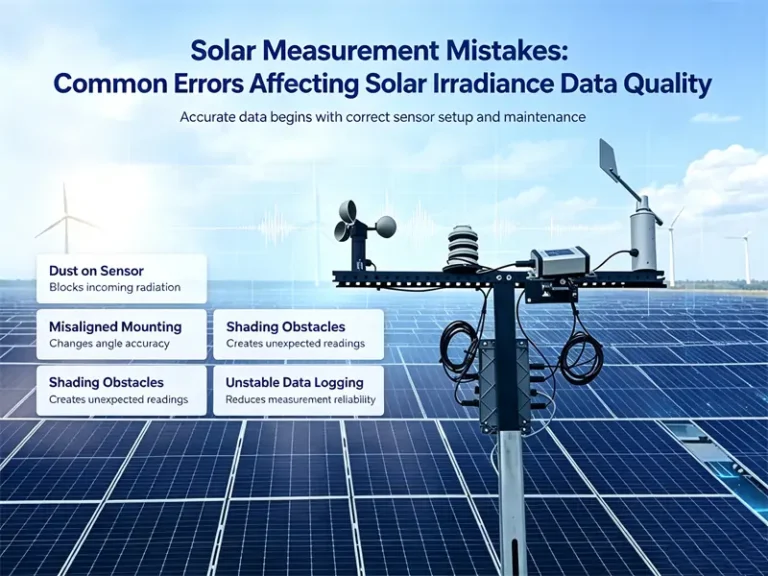
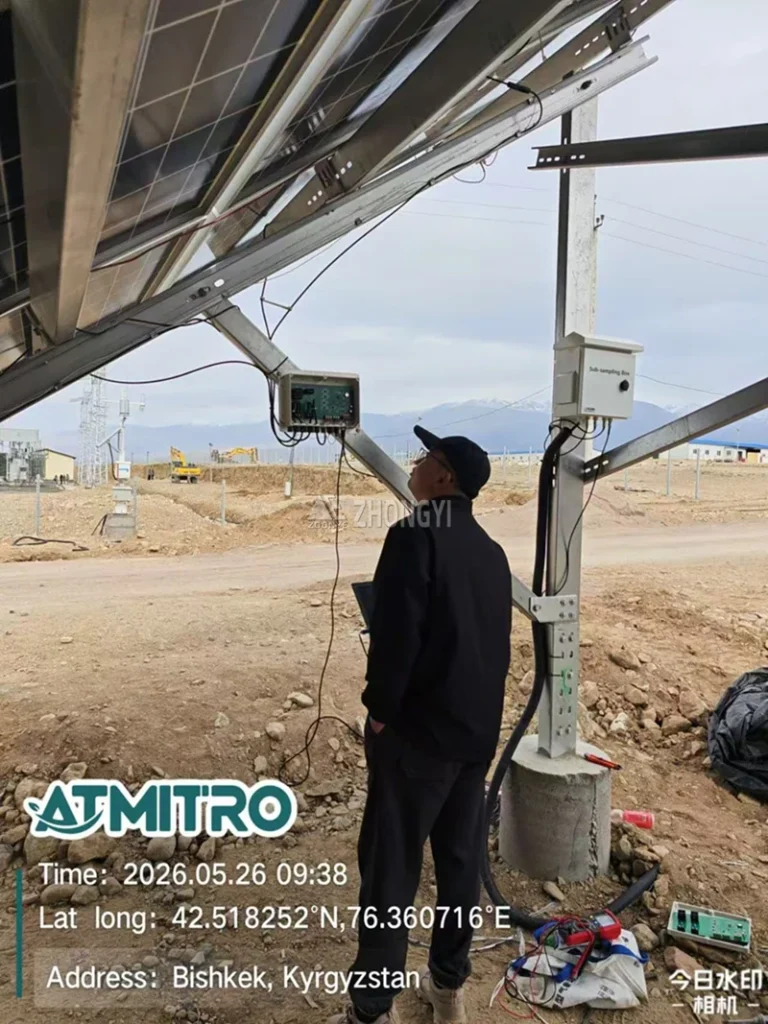
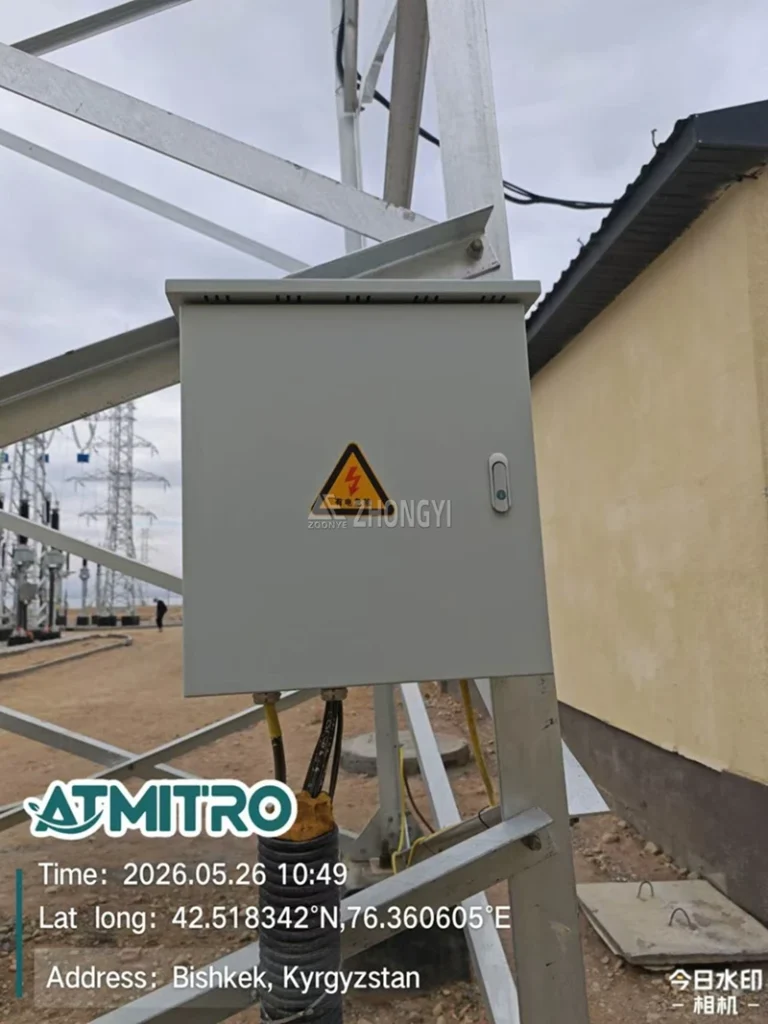
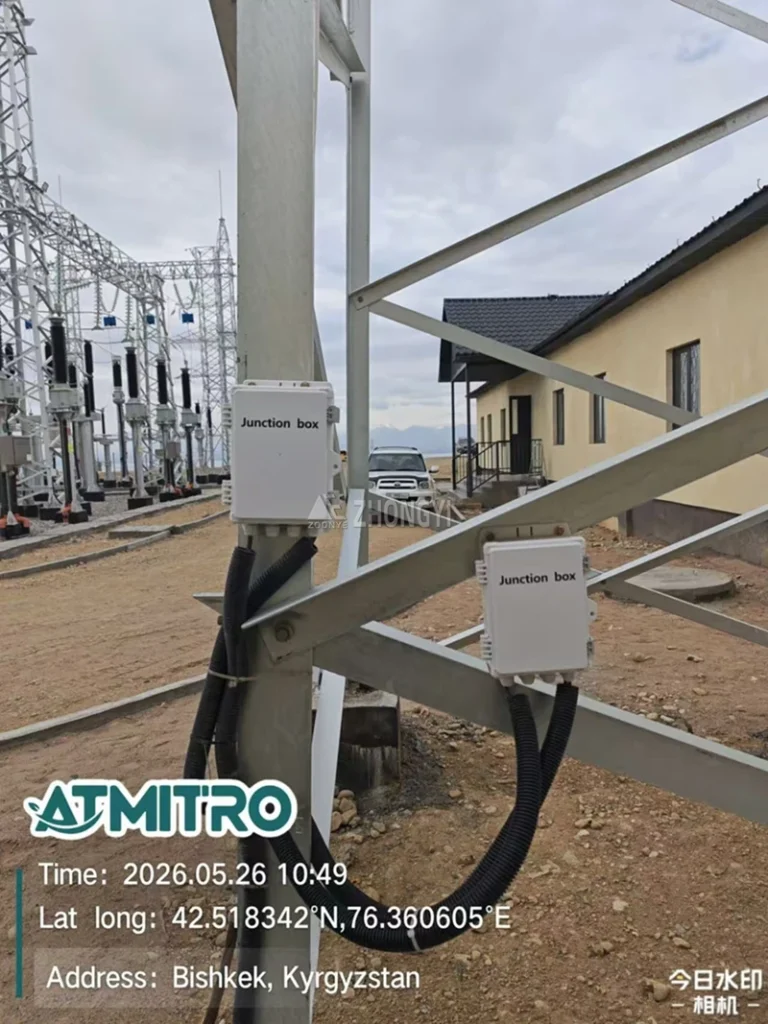
Une installation correcte est essentielle pour obtenir des données environnementales fiables. Les capteurs d’irradiance doivent être installés avec la même inclinaison et la même orientation que le champ PV surveillé et positionnés de manière à ce que les structures, équipements ou végétation environnants ne provoquent pas d’ombrage. Les capteurs de température des modules doivent être fermement fixés à la surface arrière des modules représentatifs avec un bon contact thermique, en évitant les emplacements affectés par les boîtes de jonction, les rails de montage ou les sources de chaleur inhabituelles. Le cheminement des câbles doit également réduire les interférences électriques et les contraintes mécaniques inutiles, en particulier sur les grands sites PV extérieurs.
Une maintenance régulière maintient la qualité des mesures stable sur la durée de vie opérationnelle de la centrale solaire. Les surfaces des capteurs d’irradiance doivent être inspectées et nettoyées régulièrement, car la poussière, les déjections d’oiseaux ou les dépôts d’eau peuvent fausser les mesures de rayonnement, tandis que les capteurs de température et météorologiques doivent être vérifiés pour détecter tout dommage physique, connexion desserrée ou exposition environnementale. L’étalonnage doit suivre les exigences du fabricant du capteur et la norme de surveillance du projet, avec une vérification périodique par rapport à un instrument de référence approprié lorsque cela est requis. Des capteurs précis sont essentiels, car des données environnementales de mauvaise qualité peuvent conduire à des évaluations de performance et à des décisions de maintenance incorrectes.
Conclusion
Les capteurs environnementaux ne génèrent pas eux-mêmes d'électricité supplémentaire. Leur valeur réside dans la fourniture de données fiables sur le site, aidant les exploitants de centrales solaires à comprendre les conditions de fonctionnement réelles et à déterminer si les variations de production sont liées à l'irradiation, à la température, aux conditions météorologiques, à l'encrassement ou à d'autres conditions du site. En combinant les mesures environnementales avec les données de production réelles, les exploitants peuvent établir une référence de performance plus claire, identifier les anomalies et prendre de meilleures décisions concernant l'inspection, le nettoyage, la maintenance et l'exploitation du système.
En pratique, l'approche consiste à Mesurer → Surveiller → Comparer → Diagnostiquer → Agir. La configuration de capteurs appropriée dépend de la taille de la centrale solaire, du climat, du système de suivi et des exigences de surveillance, les mesures étant intégrées au système d'acquisition de données ou au système SCADA existant si nécessaire. Si vous cherchez à augmenter la production solaire grâce à une meilleure surveillance environnementale, contacter notre équipe pour discuter de votre projet photovoltaïque et trouver une configuration de surveillance adaptée à ses conditions de fonctionnement réelles.