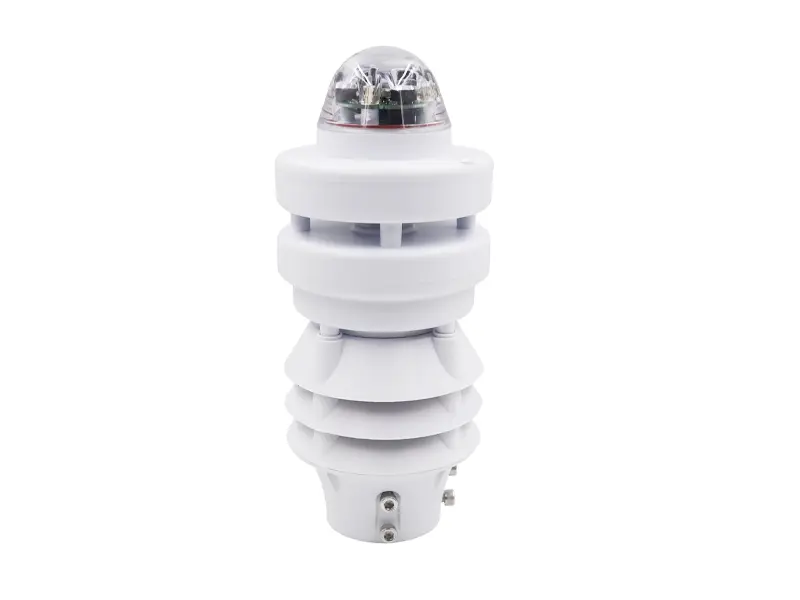
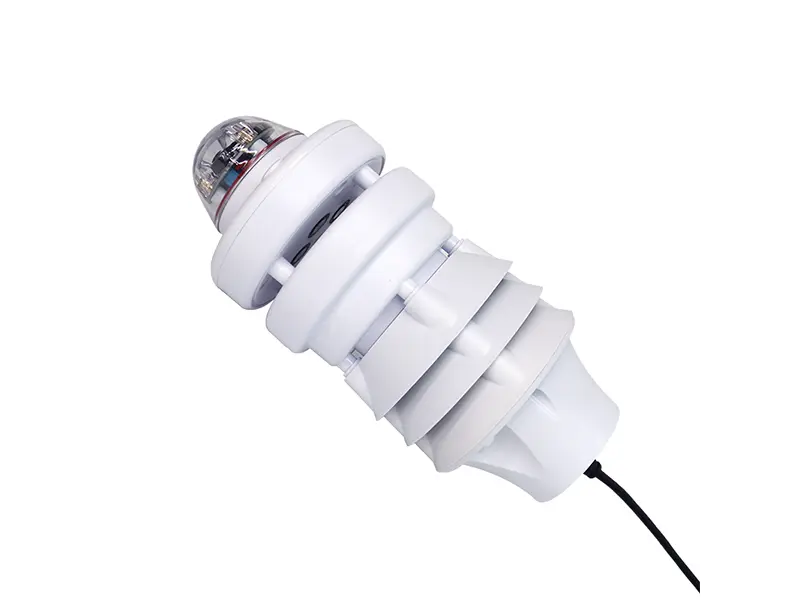
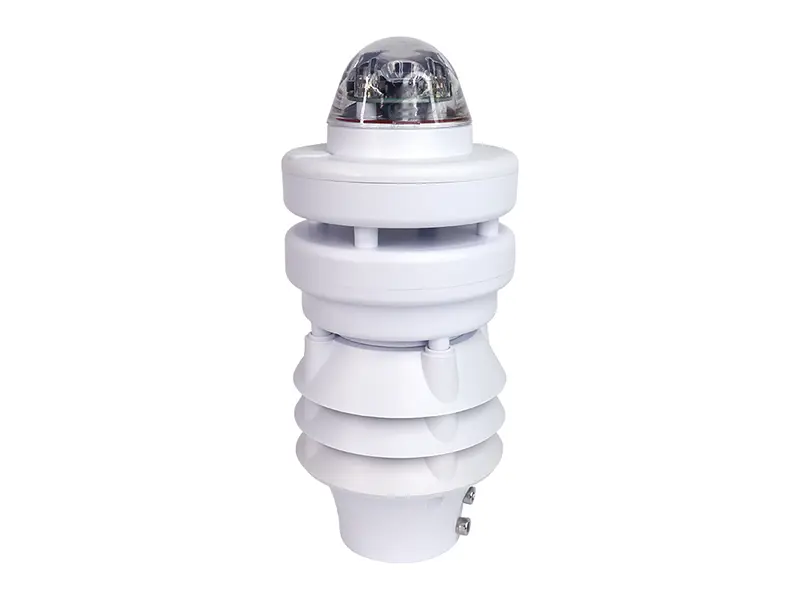
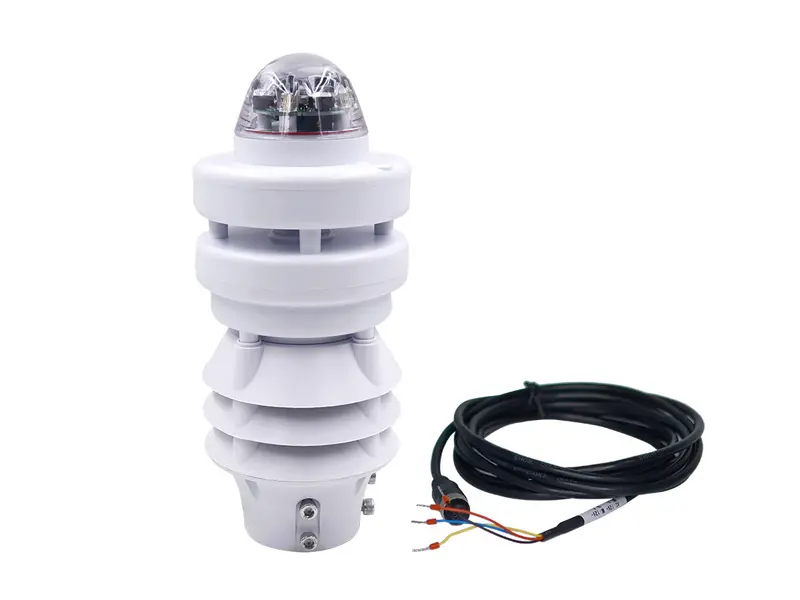
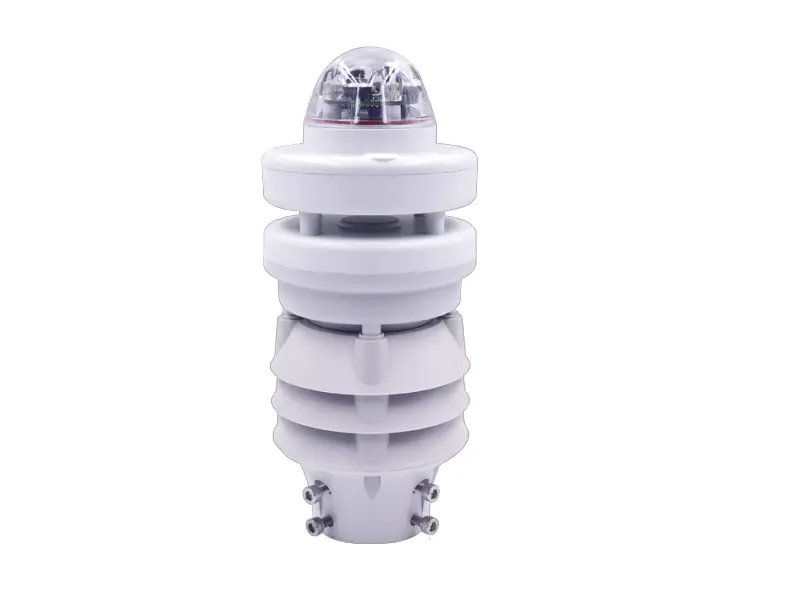
XF700SL Compact Solar Radiation Weather Station with Rainfall & Wind Sensors

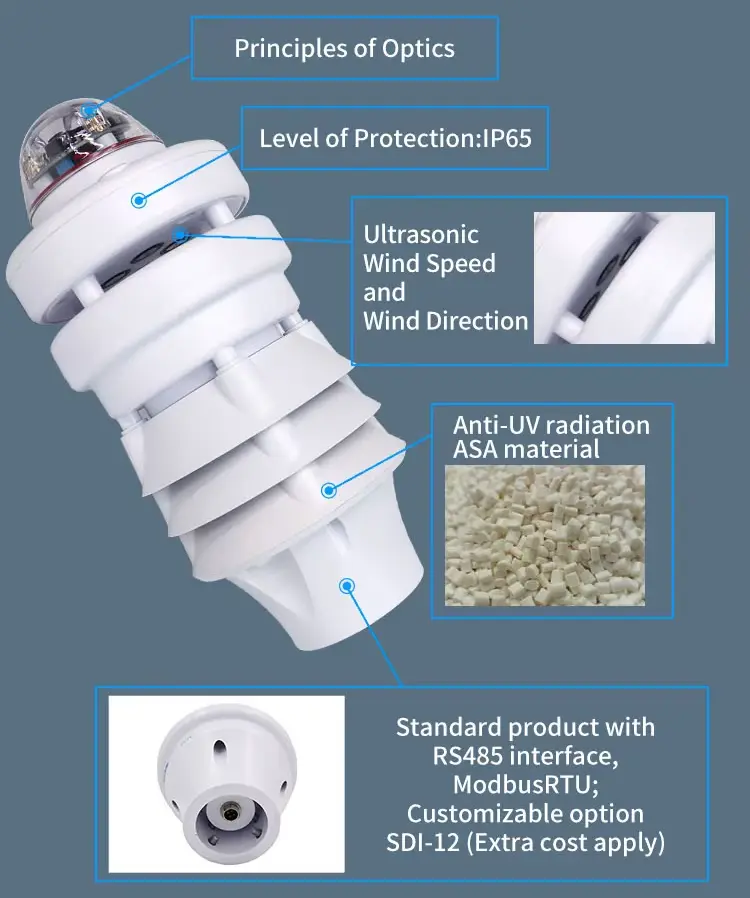
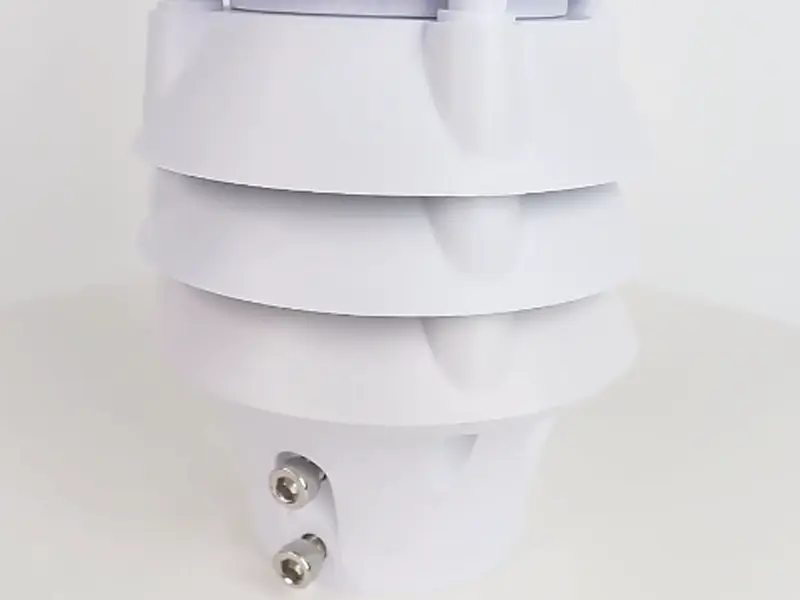
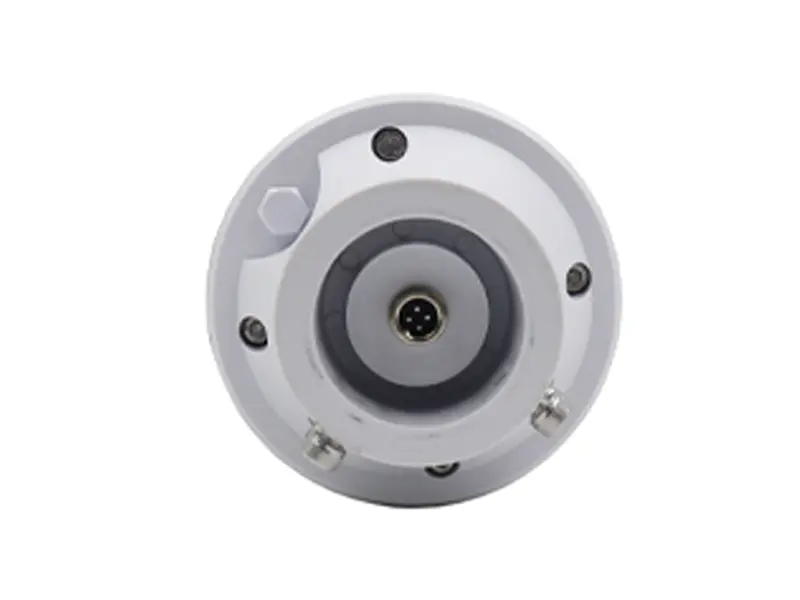
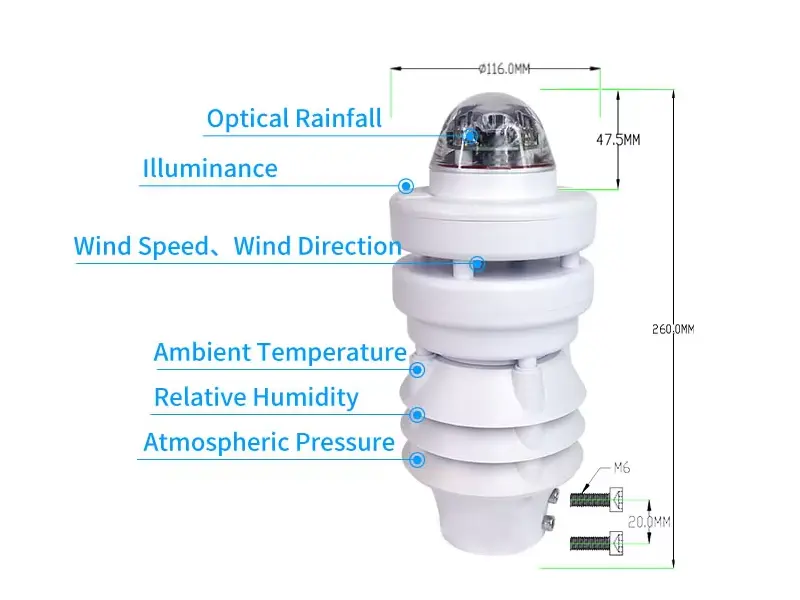
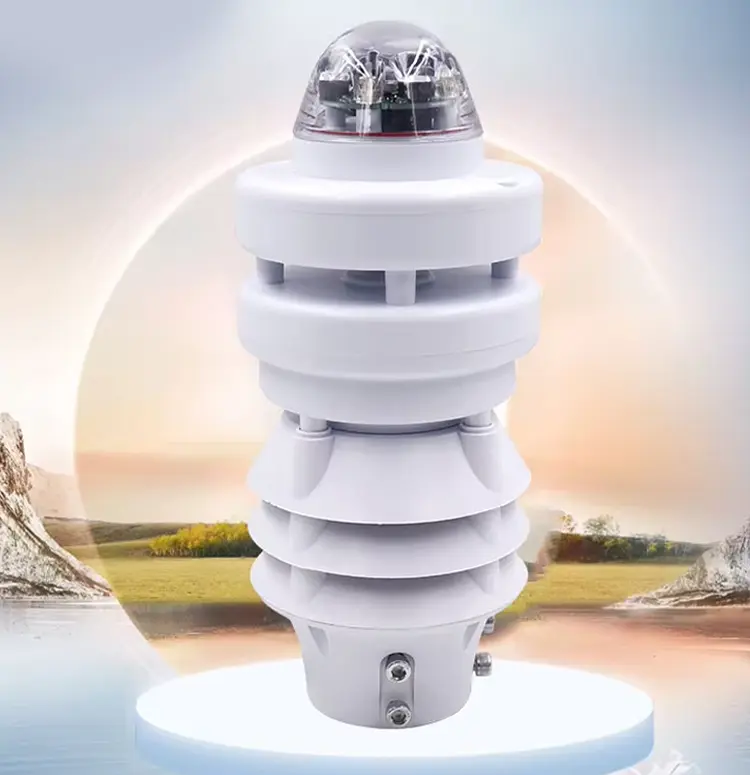
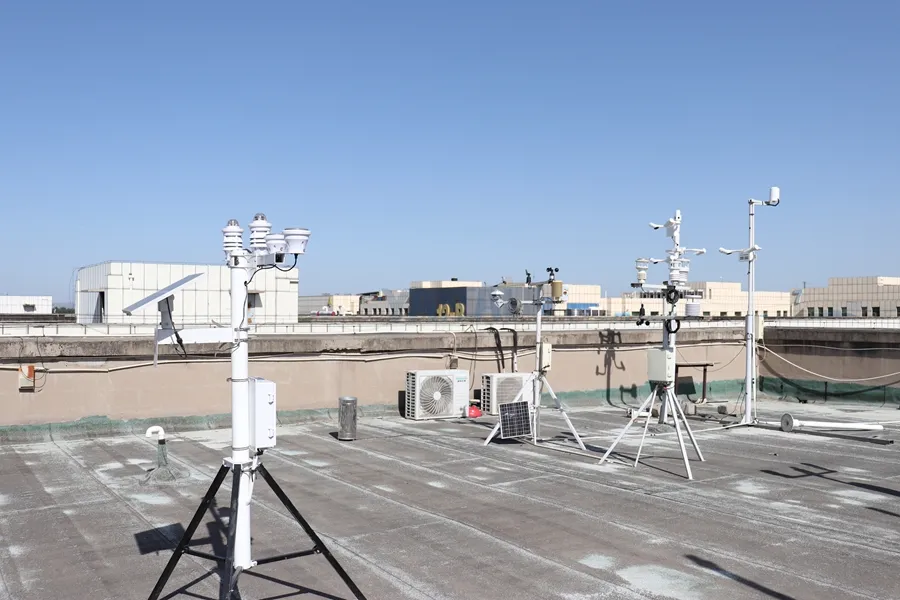
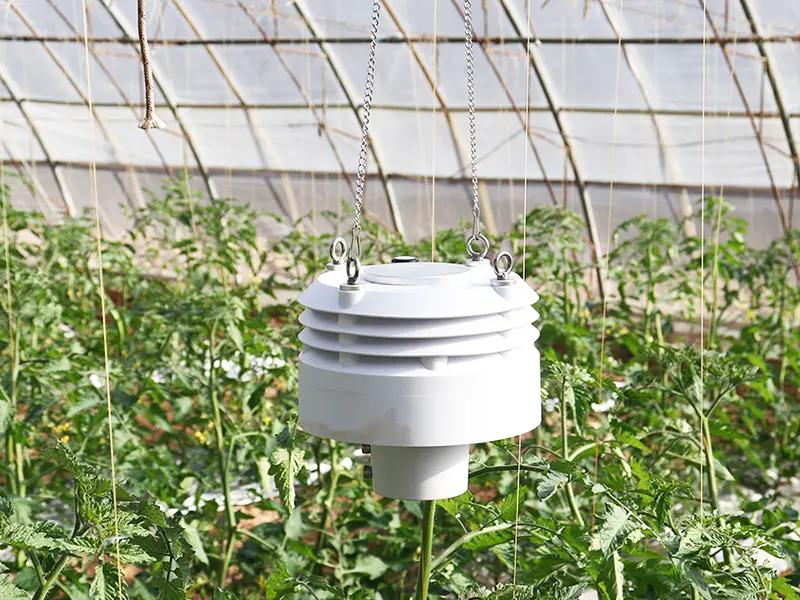
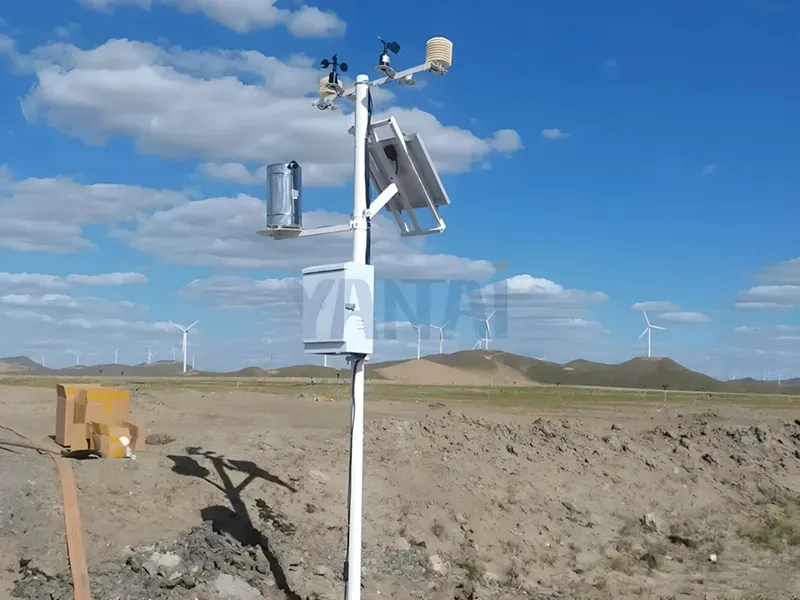
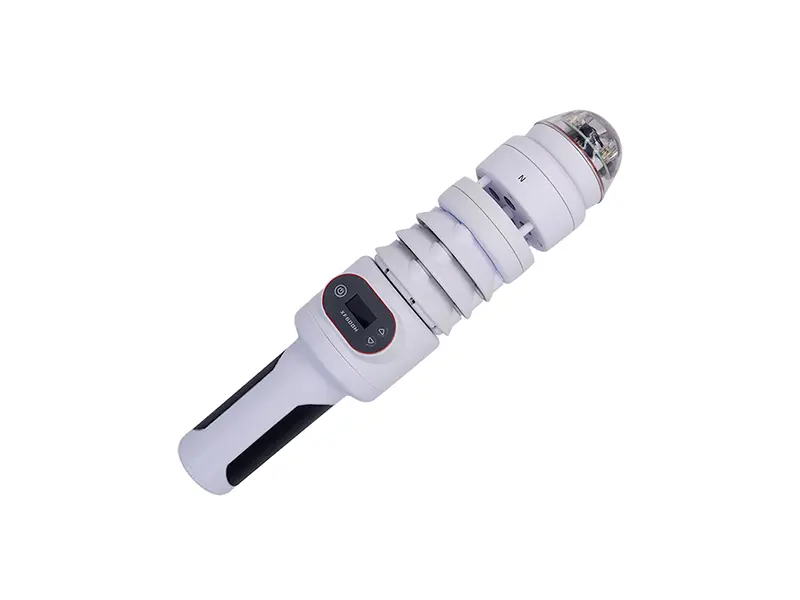
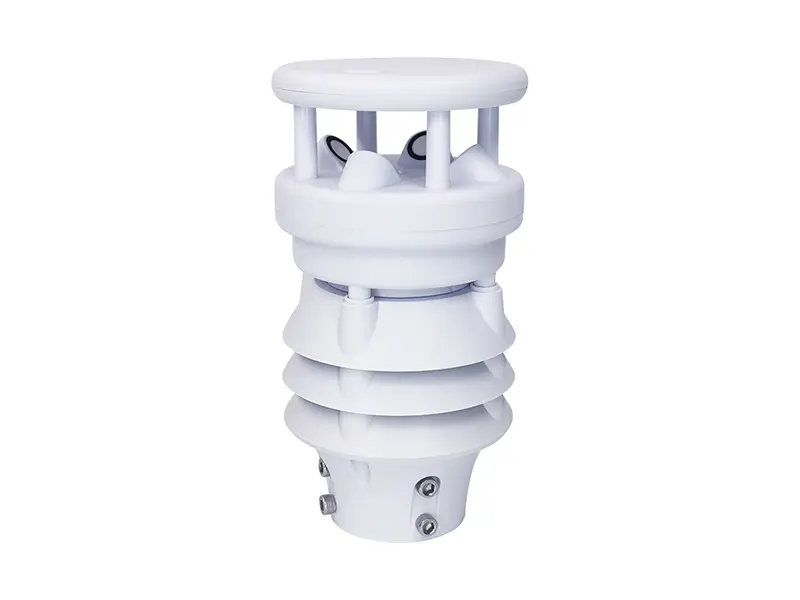
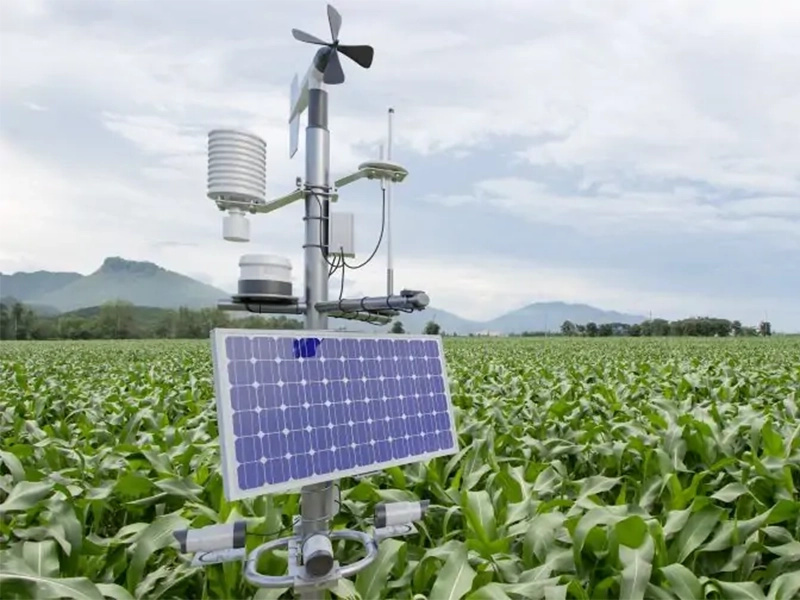
XF700SL compact solar radiation weather station with rainfall & wind sensors integrates seven meteorological parameters, Ambient Temperature, Relative Humidity, Atmospheric Pressure, Wind Speed (Third Generation), Wind Direction (Third Generation), Optical Rainfall and Solar Radiation, in one structure. It realizes 24-hour continuous online monitoring of outdoor meteorological parameters, and output these data to users through digital communication interface all at once.

  • Ambient Temperature: -40-85℃
  • Operating Temperature: -40℃-70℃
  • Optical Rainfall: 0-200mm/h
  • Solar Radiation: 0-2000W/㎡
  • Atmospheric Pressure: 500-1100hPa
  • Optical Rainfall: 0-200mm/h
  • Level of Protection: IP65

소개

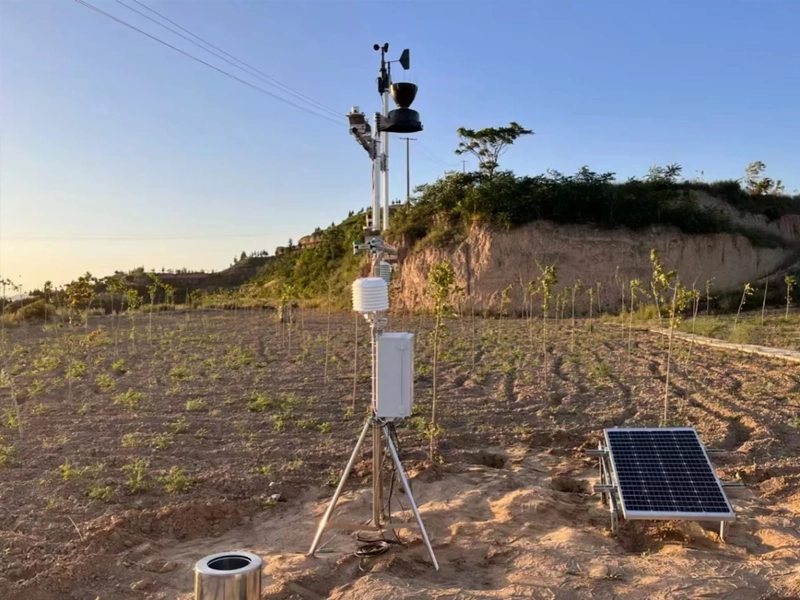
XF700SL solar radiation weather station is an integrated environmental monitoring system designed to measure solar energy and key atmospheric parameters in real time. By combining solar radiation sensors with meteorological instruments such as temperature, humidity, wind, rainfall, and pressure sensors, it provides comprehensive data for evaluating solar resource availability, weather conditions, and environmental changes.

Structure Solar Radiation Weather Station

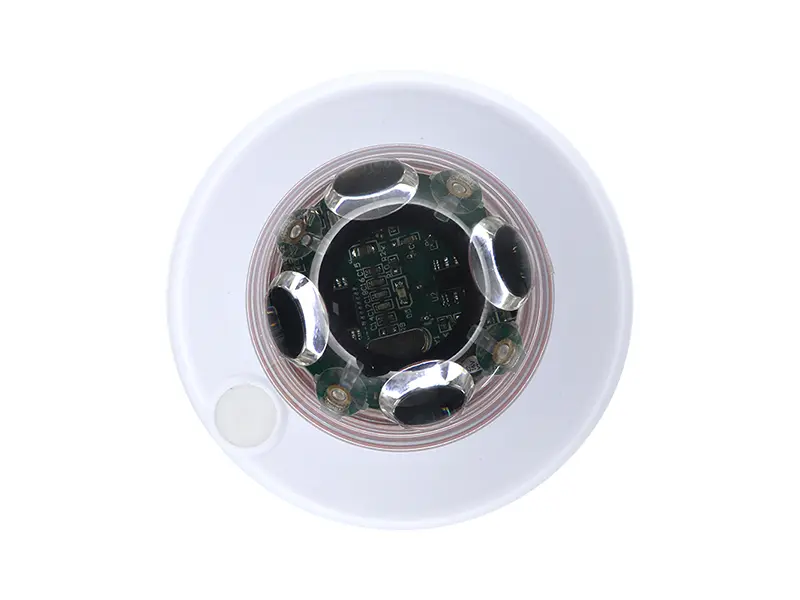
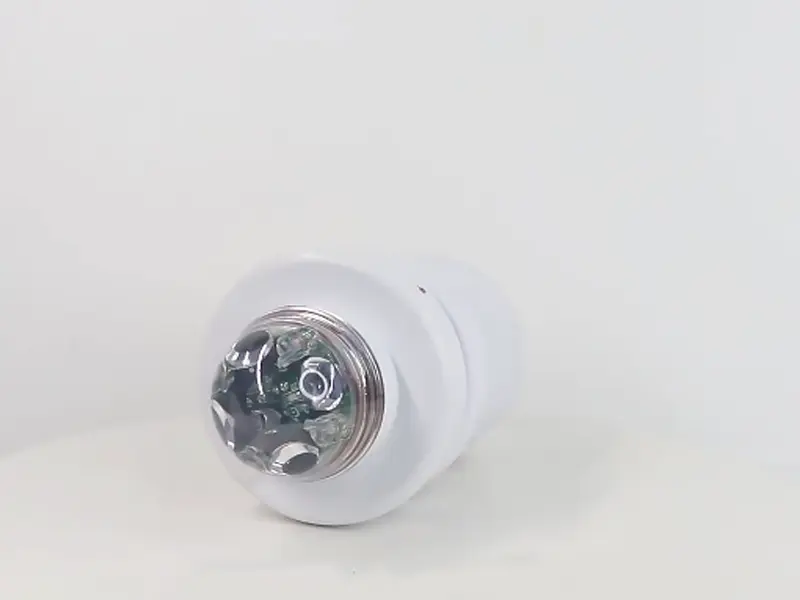
  • Solar Radiation Sensor (Pyranometer): Measures global solar irradiance to evaluate solar energy intensity and photovoltaic performance.
  • Ambient Temperature Sensor: Monitors air temperature for environmental and climate analysis.
  • Relative Humidity Sensor: Detects moisture content in the air to support weather forecasting and agricultural applications.
  • Atmospheric Pressure Sensor: Measures barometric pressure for meteorological trend analysis and altitude-related calculations.
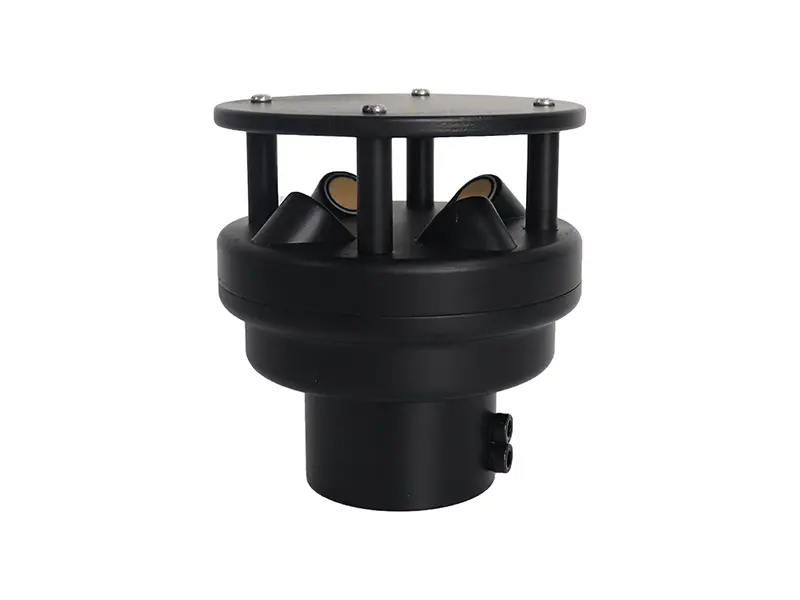
  • Wind Speed Sensor: Records real-time wind velocity to assess environmental conditions and system safety.
  • Wind Direction Sensor: Identifies wind direction to support weather monitoring and site evaluation.
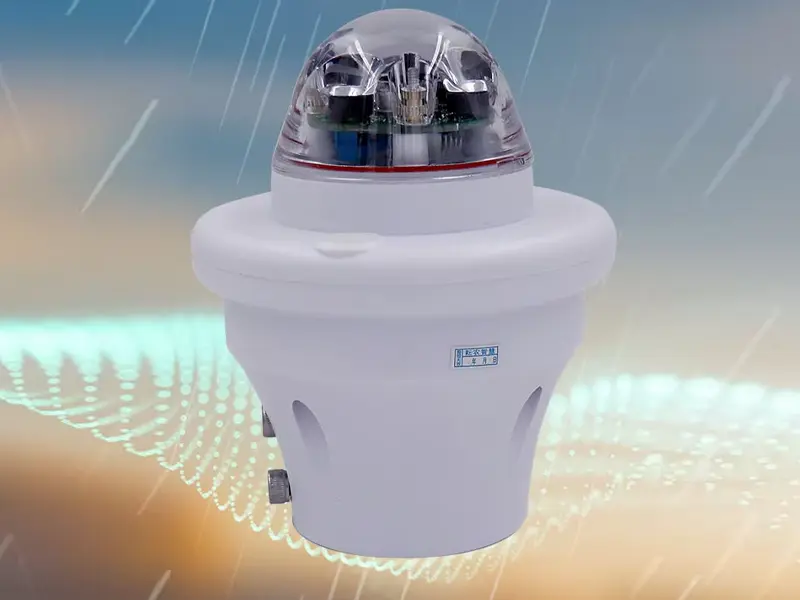
  • Optical Rainfall Sensor: Detects precipitation amount and rainfall events without mechanical moving parts.
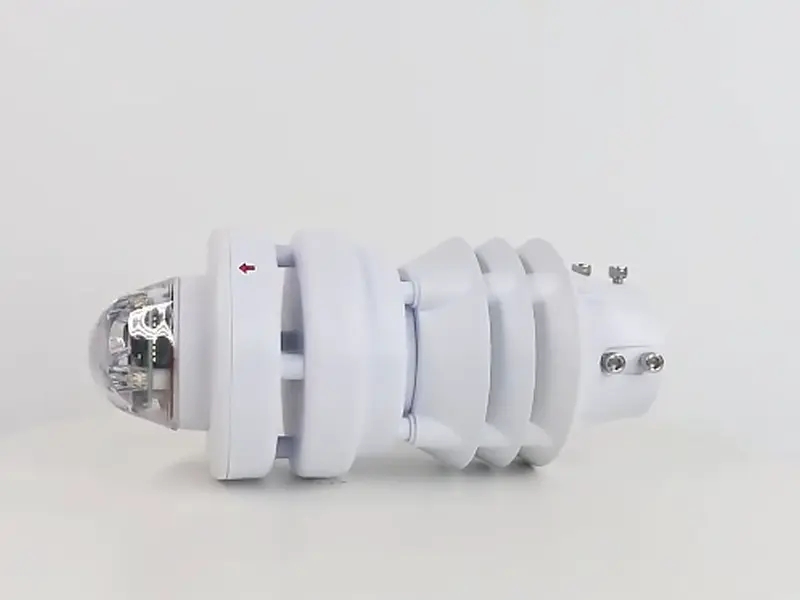
  • Integrated Sensor Housing Structure: Compact all-in-one design that reduces installation complexity and improves durability.
  • Data Acquisition & Processing Unit: Collects, processes, and converts sensor signals into standardized digital outputs.
  • Digital Communication Interface: Supports RS485, Modbus, or other protocols for remote monitoring and system integration.
  • Mounting Bracket / Mast System: Ensures stable outdoor installation and accurate sensor positioning.
  • Power Supply System (Solar Panel + Battery Optional): Enables autonomous operation in remote or off-grid environments.
compact weather station for industrial monitoring

세부 정보 표시

Gain an in-depth understanding of the design of each component within the solar radiation weather station. From solar radiation measurement to integrated wind, rain, and atmospheric monitoring, every structural detail embodies a compact, integrated design philosophy that simplifies installation. The following sections highlight key structural features and functional details that support continuous, real-time environmental monitoring across diverse applications, including solar energy assessment, agriculture, and meteorological research.

Installation Method

sizes

사양

XF700SL solar radiation weather station employs a compact, integrated design to centrally monitor solar radiation alongside parameters such as temperature, humidity, wind speed, wind direction, and precipitation, enabling all-weather automated data collection. The device offers excellent environmental adaptability and reliability, making it suitable for solar resource assessment and comprehensive meteorological observation scenarios. Below are the specific solar radiation weather station parameters:

 매개변수

매개변수측정 범위정확성해상도샘플링 빈도
Ambient Temperature-40-85℃±0.3℃@25℃0.01℃1HZ
Relative Humidity0-100%RH±3%RH(10%-80%RH, No Condensation)0.01%RH1HZ
Wind Speed(Third Generation)0-40m/s0.01m/s±(0.5+0.05V)M/S 10HZ
Wind Direction(Third Generation)0-359.9°±5°(Wind Speed <10M/S)0.1° 10HZ
Atmospheric Pressure500-1100hPa±0.5hPa(25℃,950-1100hPa) 0.1hPa1HZ
Optical Rainfall0-200mm/h±15%0.2mm1HZ
Solar Radiation0-2000W/㎡±5%1W1HZ
작동 온도-30℃-70℃
출력Standard product with RS485 interface, ModbusRTU;Customizable option SDI-12(Extra costs apply)
최대 출력 주파수패시브 모드: 1/S 액티브 모드: 1/분
전원 공급 장치DC9-24V
Level of  ProtectionIP65
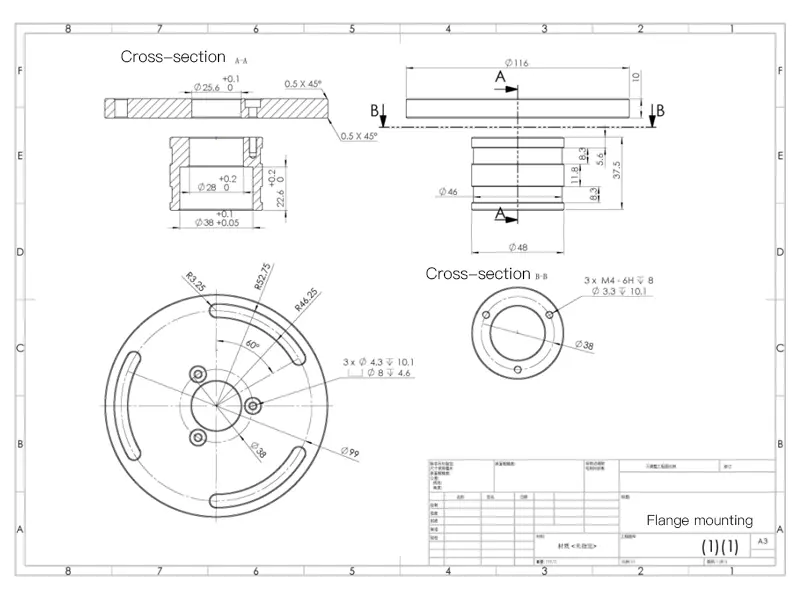
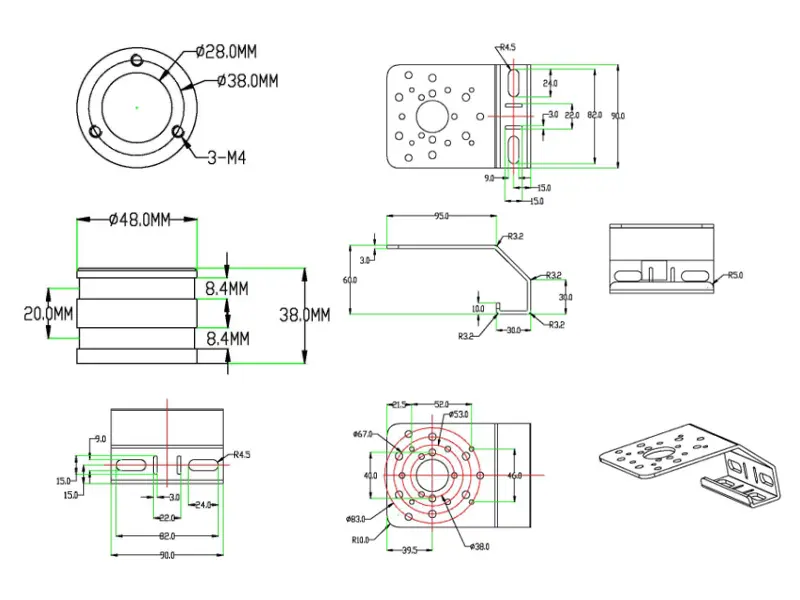
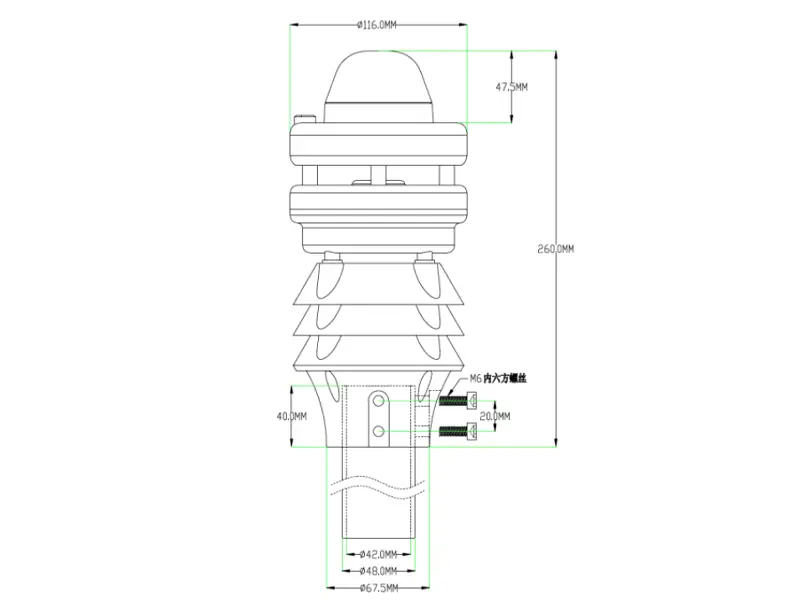
Mounting MannerStandard Product is sleeve fixed (Optional: matching parts, extra costs apply, see Accessory and Parts)
Fixed TrestleOptional: 1.5 meter, or 1.8 meter bracket (extra cost apply)
케이블3미터 케이블 라인(옵션: 추가 비용으로 10미터 케이블 라인 구매 가능)
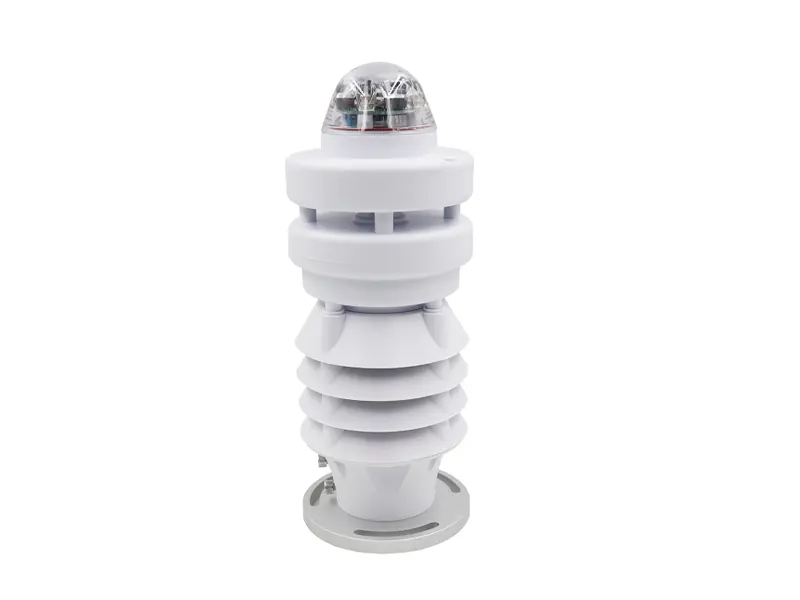
Remarks1. This Sensor with Ambient Temperature, Relative Humidity and Atmospheric Pressure integrated, is installed in a three-layer outdoor radiation shield. The radiation shield adopts PC+ fiber special proportion configurataion, and the interior is sprayed with thermal insulation layer, to minimize the solar radiation influence.
2. Supplementary Description on Wind Speed, Wind Direction: The wind speed and wind direction is measured through ultrasonic principle.
3. Optical Rainfall: automatically senses rain falling on its outer surface and calcultes the amount of rainfall according to the size and number of raindrops. Compare with the traditional physical bucket rain gauge, the accuracy of the optical rain gauge is its weakness. Most of the time, the reading of the optical rain gauge will be close to the bucket rain gauge, but abnormal events will be significantly different (heavy rain). But it is an integrated design, more suitable for application in site where tipping bucket rainfall is hard to apply, not restried by the installation situation. And when the rainfall is small and light, it is more sensitive.
4. Solar Radiation: Select high specification optical heat element with filter to achieve measurement.

Features solar radiation weather station

Applications Solar radiation weather station

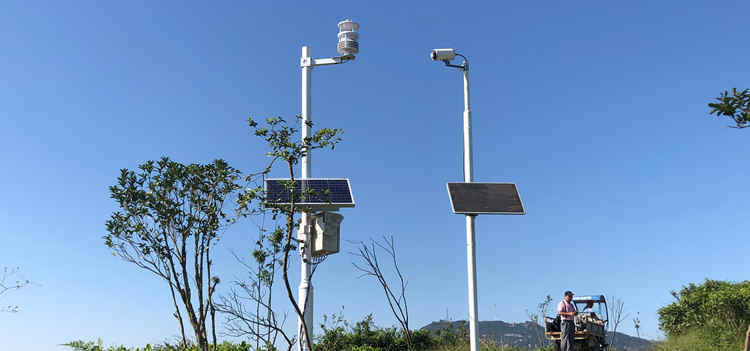
Solar radiation weather stations are widely used in scenarios where accurate solar energy and environmental data are essential for analysis, planning, and operational management. By providing continuous monitoring of solar radiation together with key meteorological parameters, they support decision-making, performance evaluation, and long-term environmental assessment across multiple industries. Below are the applications for solar radiation weather stations solar radiation weather station:

XF700S-solar-radiation weather-station

Photovoltaic Power Plant Monitoring

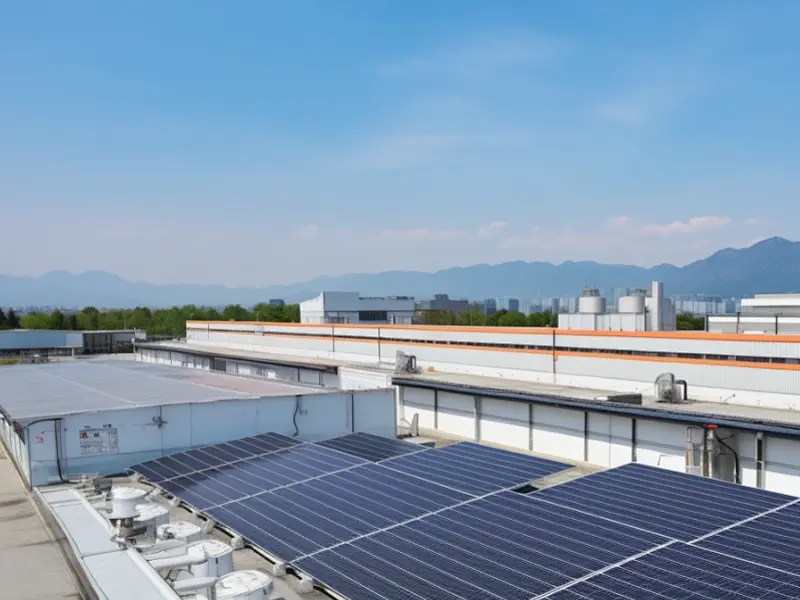
Used for solar energy resource assessment, module efficiency analysis, and power plant operation performance optimization.

Meteorological Observation

Construction of meteorological stations and regional climate data monitoring and research.

XF700S-solar-radiation weather-station

Agriculture and Smart Agriculture

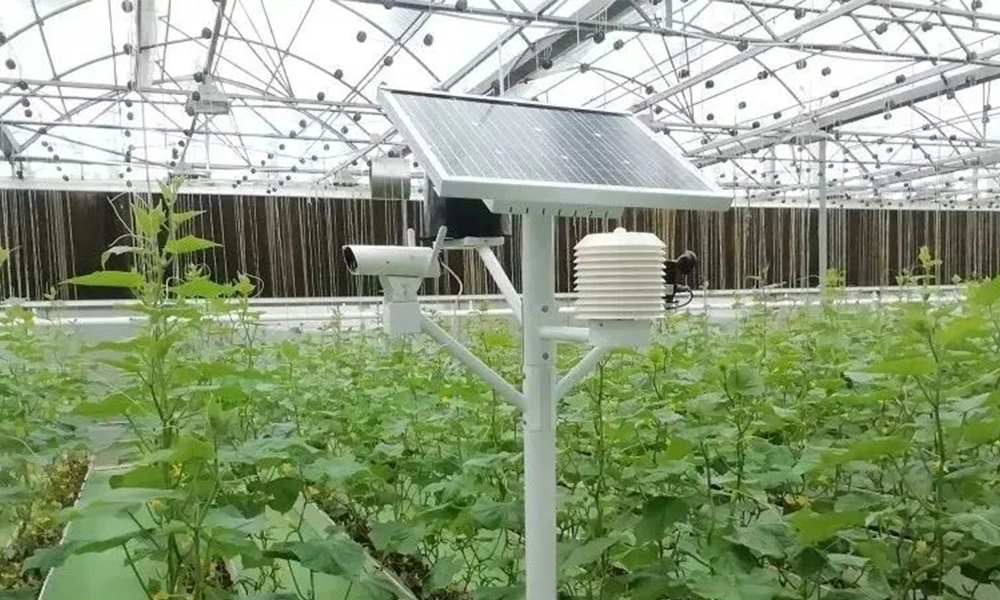
For crop growth analysis, irrigation management, and agricultural climate.

XF700S-solar-radiation weather-station

Building and Green Energy Assessment

Used for building energy-saving design and feasibility analysis of solar energy utilization.

XF700S-solar-radiation weather-station

Transportation and Infrastructure

Provides meteorological and environmental monitoring data for highways, airports, and key projects.

XF700S-solar-radiation weather-station

Hydrology and Ecological Monitoring

Water resource management, ecological protection, and long-term natural environment monitoring projects.

custom solar radiation weather station

Solar Radiation Weather Stations offer flexible customization solutions. By tailoring monitoring parameters, communication methods, power supply modes, and installation structures, the equipment can better adapt to photovoltaic power plants, scientific research observations, agricultural monitoring, and special environmental projects, achieving higher monitoring efficiency and system compatibility. Key customization options include:

Customization Options

  • Monitoring Parameters: Weather elements can be added or removed based on project requirements, such as incorporating soil parameters, additional radiation types, or specialized environmental monitoring sensors.
  • Communication Methods: Customizable options include NMEA protocol, Vaisala-compatible ASCII protocol, and CAN interface (ASCII). Supports custom SDI-12 interface (requires separate module purchase). The base model includes RS485 digital communication interface.
  • Hardware Function Modules: Optional tilt angle/electronic compass modules (for wind direction correction), heating modules; supports custom GPS positioning modules (for true wind speed/direction calculation), and built-in 4G modules.
  • Power System Customization: Select solar power, grid power, or hybrid power modes to suit diverse installation environments.
  • Installation Structure: Offers adjustable-height mounting brackets, diverse installation methods, and wind-resistant designs for complex terrains and construction sites.
  • Data Platform Integration: Supports data interfacing and protocol development with third-party monitoring platforms, SCADA systems, or cloud platforms.
  • Functional Module Expansion: Optional GPS positioning, electronic compass, data storage modules, and remote operation/maintenance capabilities enable intelligent monitoring management.
XF700L compact weather station

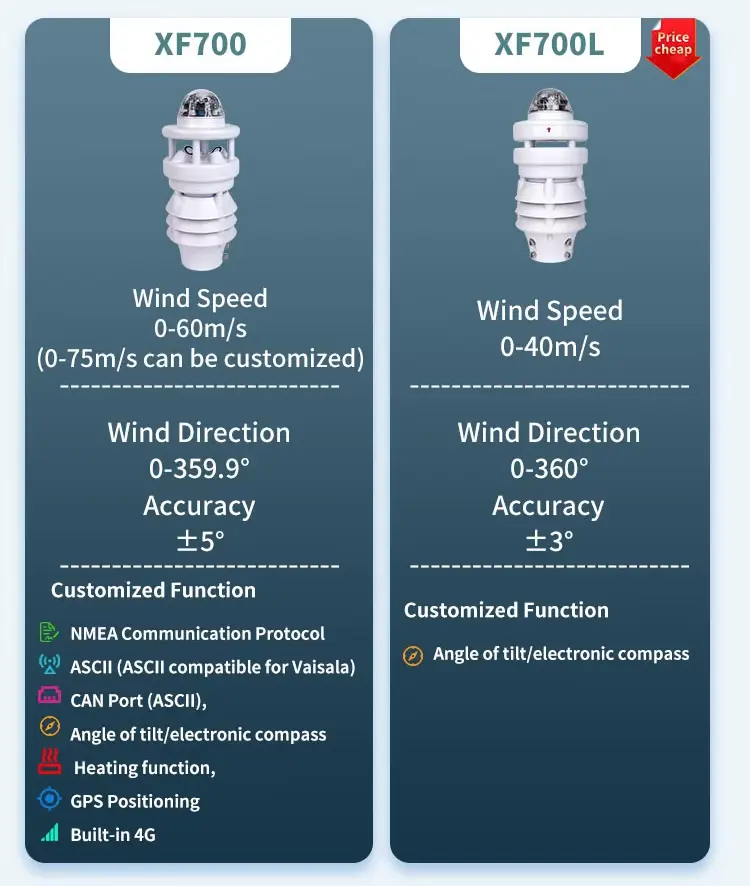
XF700 VS XF700L

XF700 All-in-One Weather Station VS XF700L Compact Weather Station for Industrial Monitoring

XF700L compact weather station

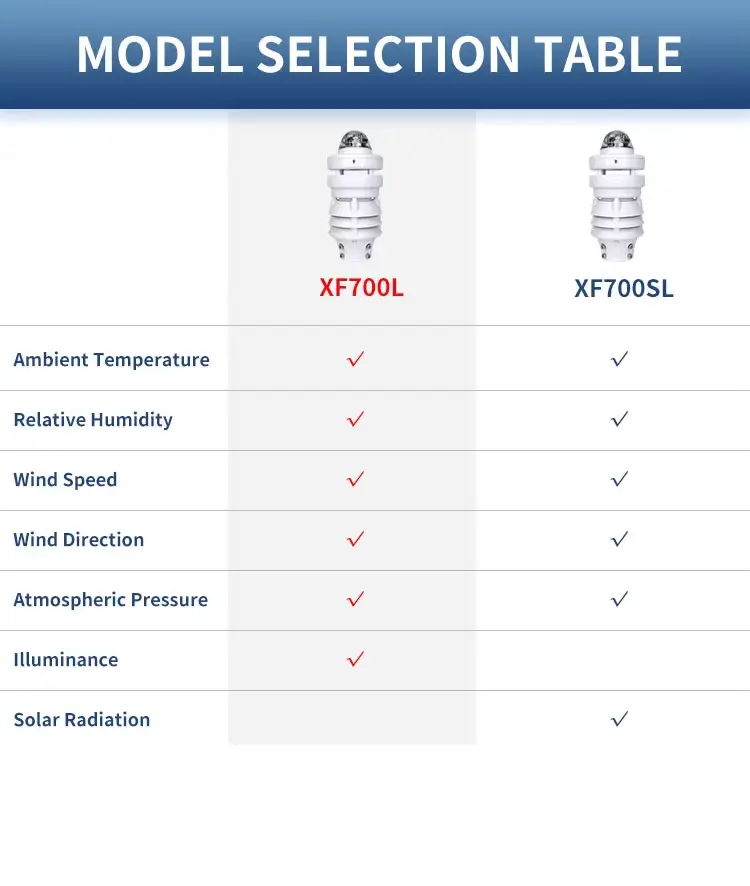
XF700L VS XF700SL

XF700L Compact Weather Station for Industrial Monitoring VS XF700SL Compact Solar Radiation Weather Station

Solar Radiation Weather Station 제조업체 및 공급업체

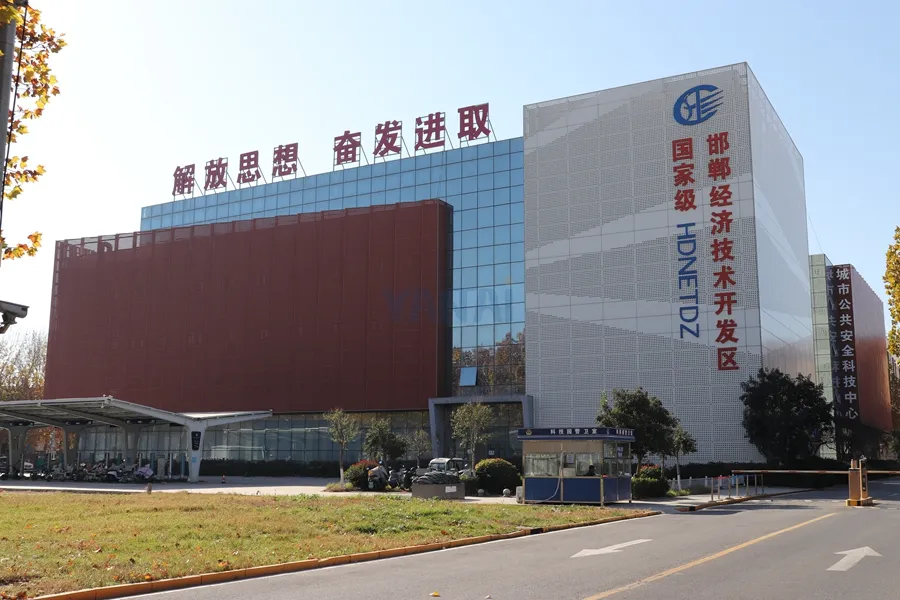
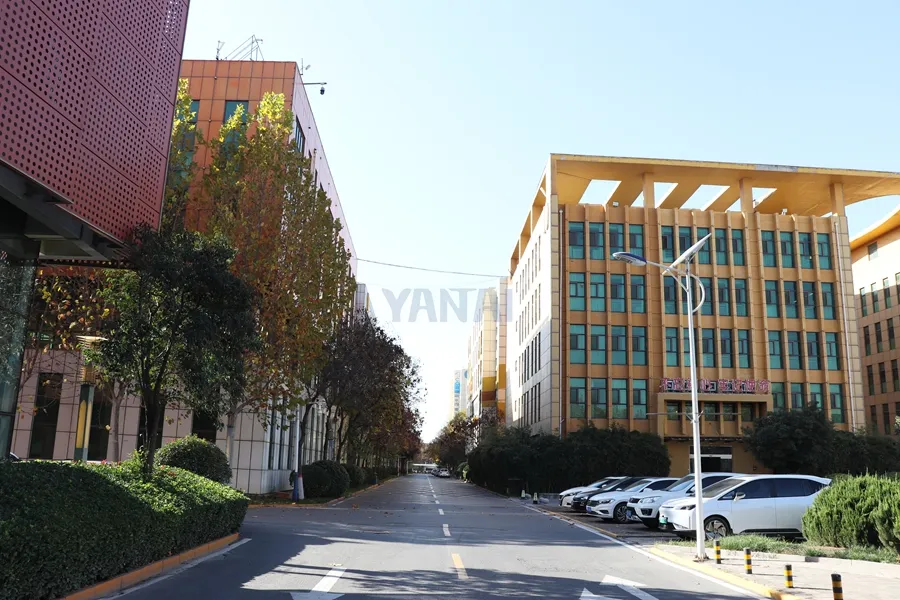
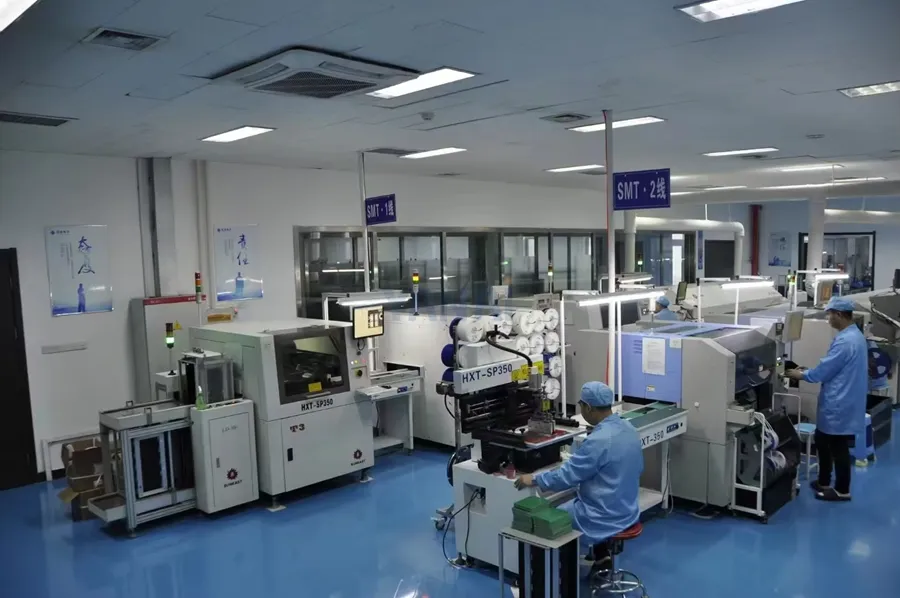
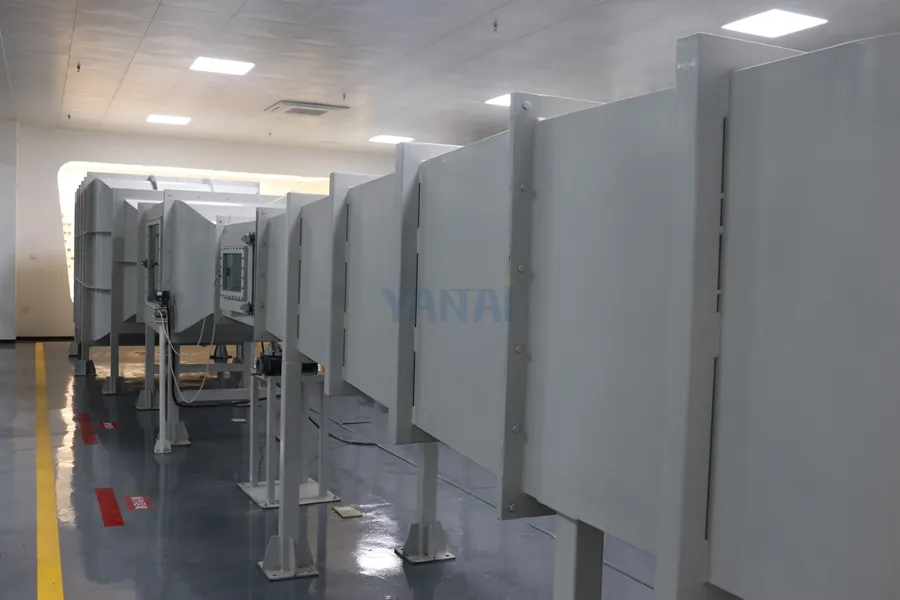
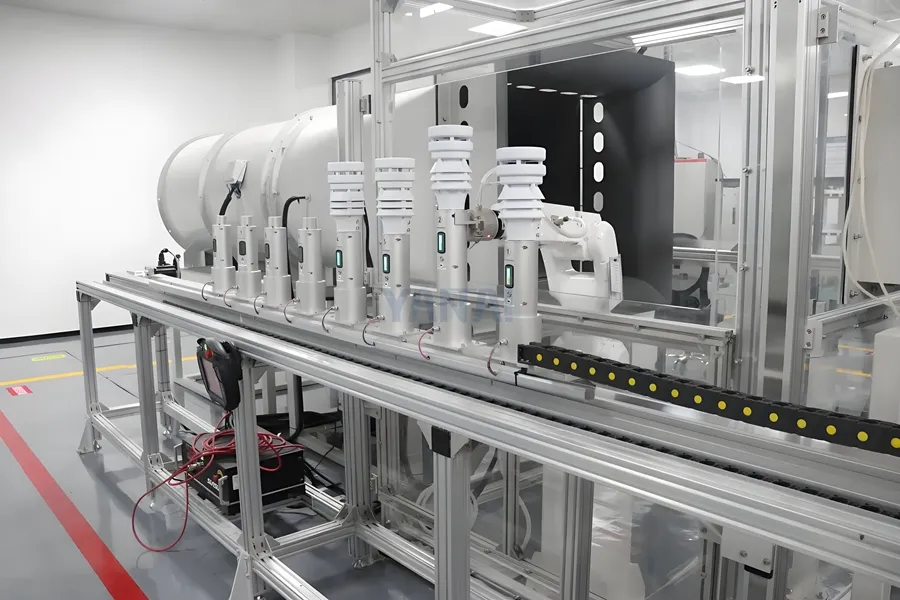
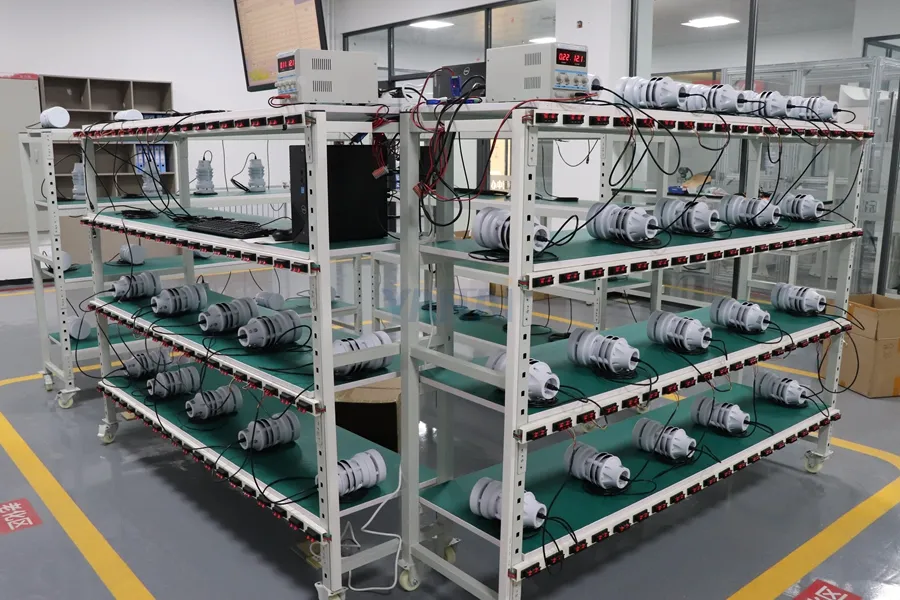
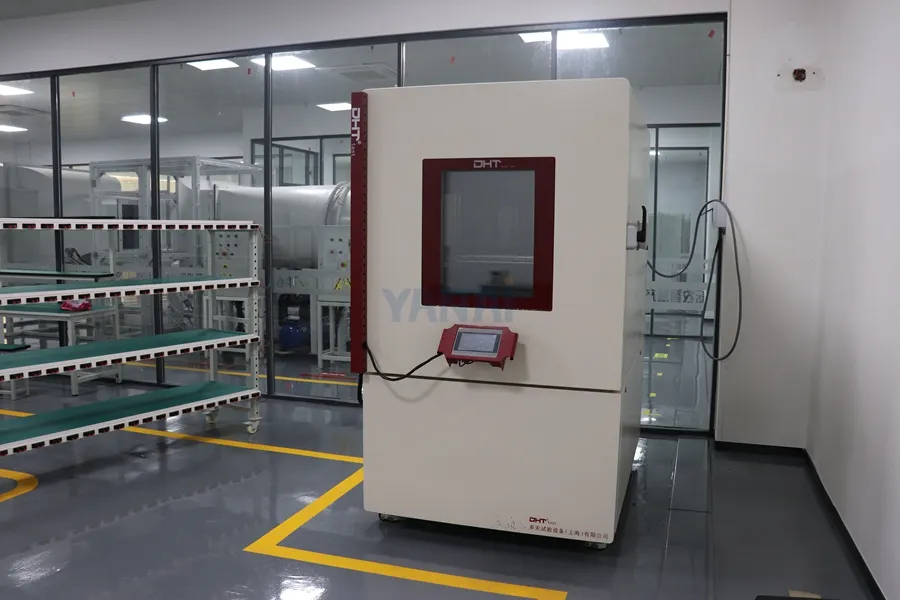
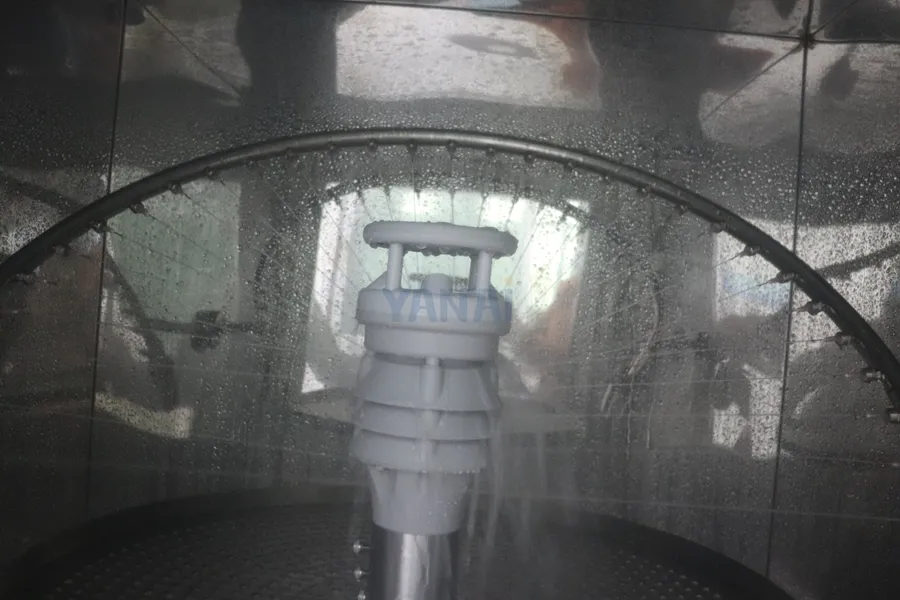
Yantai Sensor is a professional manufacturer and supplier of solar radiation weather stations, specializing in integrated environmental monitoring solutions for solar energy and industrial applications. With independent R&D capabilities, modern production facilities, CNAS authoritative certification, and a dedicated wind tunnel laboratory, we conduct rigorous environmental and performance testing, including high-temperature and humidity aging, low-temperature freeze-thaw cycles, and strong wind simulation, ensuring long-term stability and measurement accuracy in harsh outdoor environments.

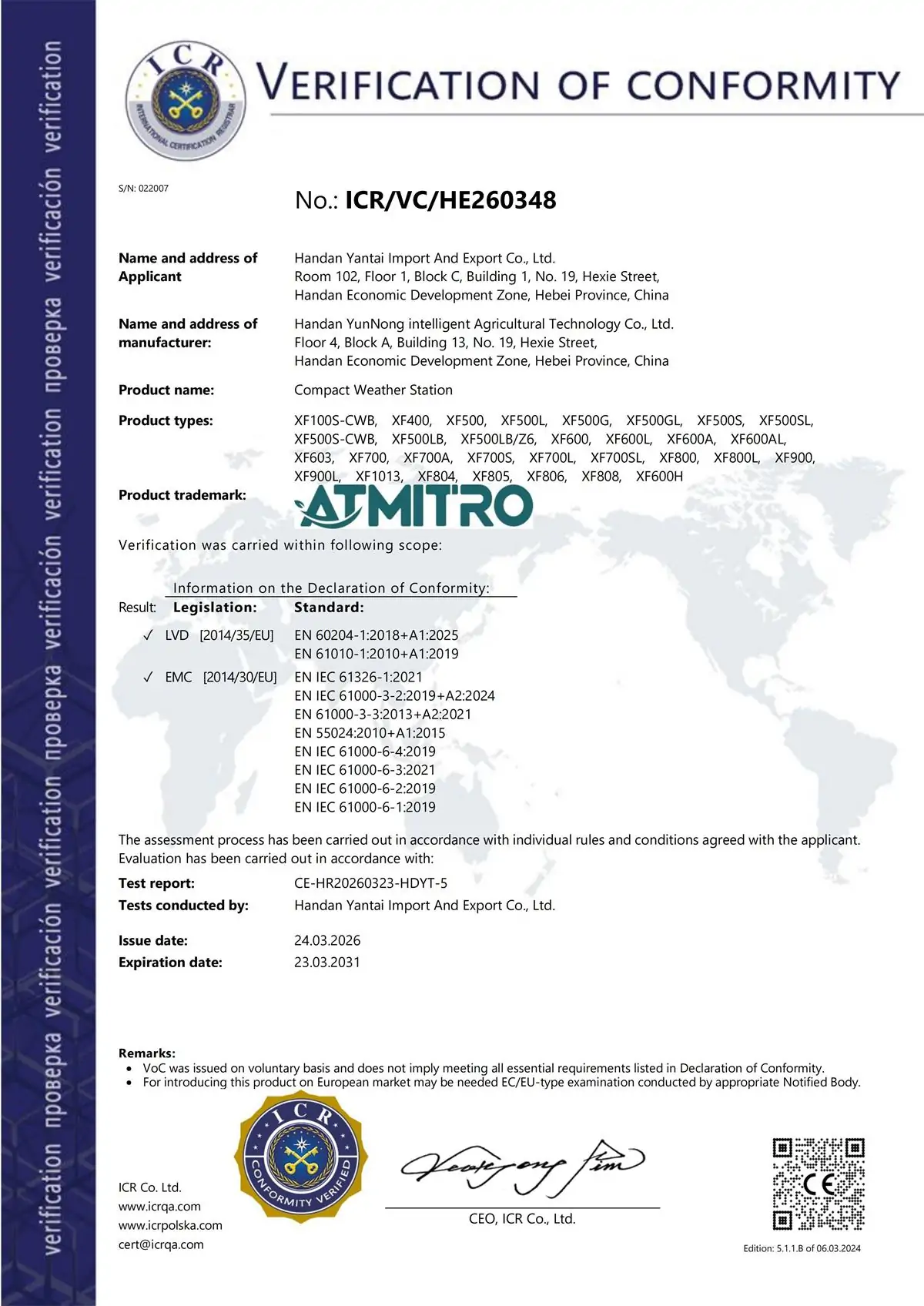
We operate multiple independent brands, hold more than 10 technical patents, and comply with international standards such as CE, ISO, and RoHS. Supported by advanced automated production lines and a strict quality management system, we deliver high-quality solar radiation weather stations, pyranometers, ultrasonic wind sensors, and integrated meteorological monitoring systems. Our solutions are widely used in photovoltaic power plants, smart agriculture, environmental monitoring, transportation infrastructure, and scientific research. Whether you require customized sensors or complete solar monitoring systems, our professional team provides tailored solutions and reliable technical support to help you achieve efficient and long-term project success.

인증서

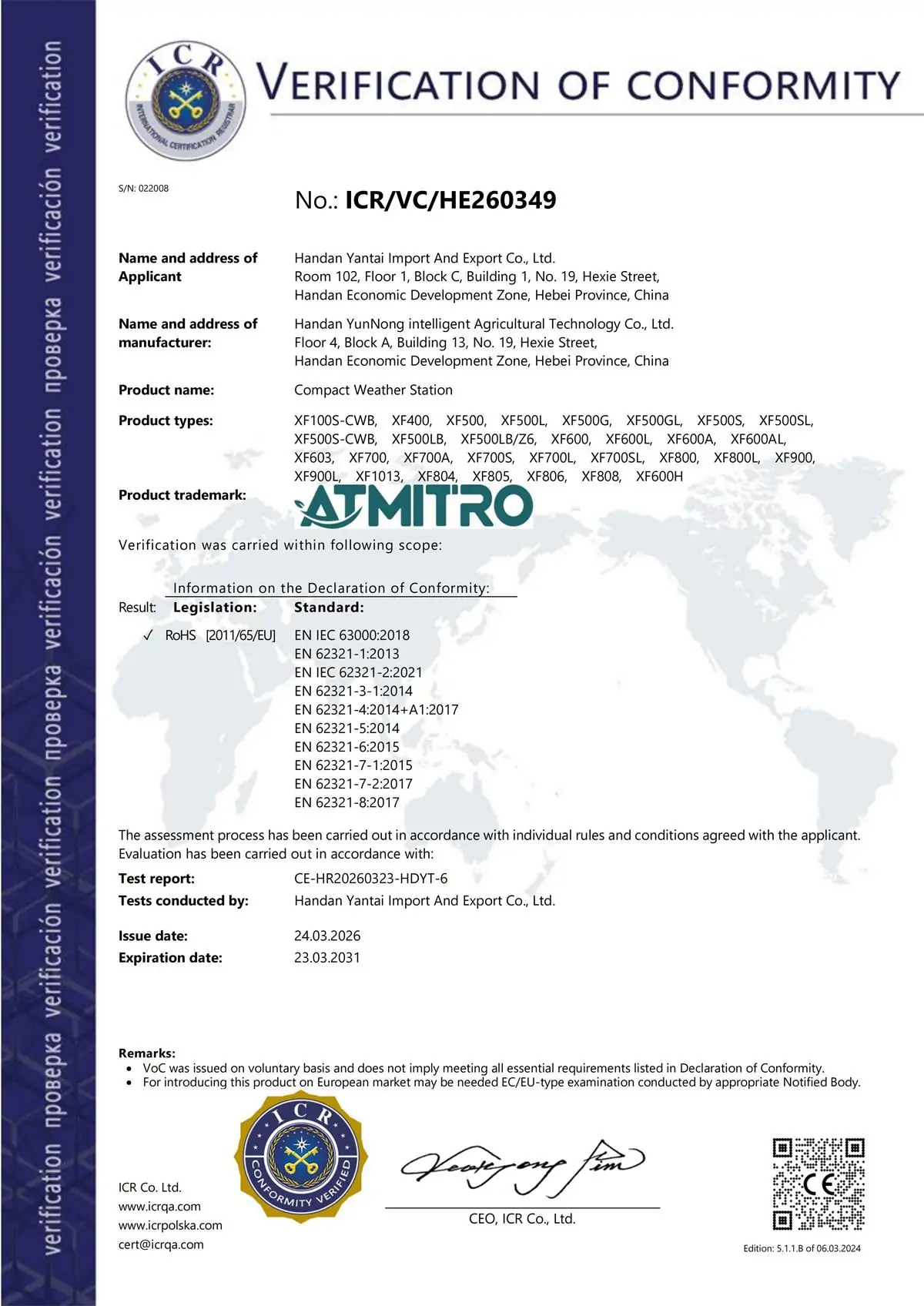
We have CNAS, ISO, CE, and RoHS certifications, and all weather monitoring systems meet rigorous international standards.

자주 묻는 질문

What is a solar radiation weather station used for?

A solar radiation weather station is mainly used to measure solar irradiance together with key meteorological parameters such as temperature, humidity, wind speed, wind direction, rainfall, and atmospheric pressure. It helps evaluate solar resources, optimize photovoltaic system performance, and support environmental monitoring.

What parameters can a solar radiation weather station measure?

Typical systems monitor solar radiation, ambient temperature, relative humidity, atmospheric pressure, wind speed, wind direction, and rainfall. Additional sensors can be customized based on project requirements

How accurate is solar radiation measurement?

Accuracy depends on the sensor grade and calibration method. High-quality stations use optical sensing elements with filters to ensure stable measurement and reliable long-term data for solar energy analysis.

Is the system suitable for outdoor long-term use?

Yes. Most solar radiation weather stations are designed with industrial-grade protection, radiation shields, and weather-resistant housings, allowing stable operation under harsh environments such as high temperature, rain, dust, and strong wind.

Can the solar radiation weather station be customized?

Yes. Parameters, communication protocols, power supply options, mounting structures, and additional modules such as GPS or electronic compass can be customized according to project needs.

Which industries commonly use solar radiation weather stations?

They are widely applied in solar power plants, smart agriculture, meteorological observation, environmental monitoring, transportation infrastructure, and scientific research projects.