Introdução
Ao especificar sensores para um projeto de iluminação de túnel, os engenheiros frequentemente enfrentam uma questão simples, porém importante: o sistema deve usar um sensor de luminância de túnel ou um sensor de iluminância de túnel? Ambos os sensores medem condições de luz, mas não medem a mesma grandeza fotométrica nem servem exatamente ao mesmo propósito. Escolher o sensor errado pode resultar em dados de medição inadequados, controle de iluminação ineficaz ou ajustes desnecessários no sistema de monitoramento.
A principal diferença entre um sensor de luminância de túnel e um sensor de iluminância é o que o sensor mede. Um sensor de luminância de túnel mede o brilho de uma superfície ou cena a partir de uma direção de visão definida, expresso em cd/m², enquanto um sensor de iluminância de túnel mede a quantidade de luz que incide sobre uma superfície, expressa em lux (lx). Essa distinção torna-se particularmente importante ao projetar o monitoramento de iluminação de túnel para iluminação de entrada, zonas de limiar, iluminação interior e controle de iluminação.
Para engenheiros e integradores de sistemas, a escolha, portanto, não se resume simplesmente a qual sensor possui maior precisão. Ela começa com a compreensão do que precisa ser medido, onde a medição é realizada e como os dados resultantes serão usados no sistema de iluminação. É aí que a diferença entre luminância e iluminância se torna importante.
Sensor de Luminância de Túnel vs Sensor de Iluminância: Comparação Rápida
Ao selecionar um sensor de luz para um projeto de túnel, a principal diferença não é simplesmente onde o dispositivo é instalado. É qual grandeza óptica o sensor é projetado para medir e como essa medição é utilizada. Um sensor de luminância de túnel mede a luminância a partir de uma direção de visão definida, enquanto um sensor de iluminância de túnel mede a quantidade de luz incidente em uma superfície. Essa diferença afeta o projeto óptico do sensor, a geometria de instalação e seu papel no monitoramento da iluminação do túnel.
| Caraterística | Sensor de luminância de túnel | Sensor de Iluminância para Túneis |
| Grandeza de medição | Luminância | Iluminação |
| Unidade | cd/m² | lux (lx) |
| O que mede | Brilho de uma superfície ou cena a partir de uma direção de visão definida | Luz incidente sobre uma superfície |
| Alvo típico | Superfície da estrada, entrada do túnel ou outro campo visual definido | Superfície da estrada ou plano de medição |
| Aplicação típica | Iluminação de entrada, avaliação da zona de limiar, controle de iluminação adaptativo | Monitoramento de iluminação interior, verificação de iluminação e feedback de controle |
| Consideração óptica principal | Campo de visão e direção de visão | Orientação do sensor e resposta cosseno |
| Instalação típica | Posicionado para visualizar a área alvo a partir de um ângulo definido | Posicionado para medir a luz incidente no plano necessário |
| Função principal no sistema | Fornece dados de luminância para controle de iluminação e avaliação das condições visuais | Fornece dados de iluminância para monitoramento de iluminação e verificação de desempenho |
| Saídas típicas | RS485, Modbus, 4–20 mA, 0–10 V* | RS485, Modbus, 4–20 mA, relé, etc.* |
O Que É um Sensor de Luminância de Túnel?
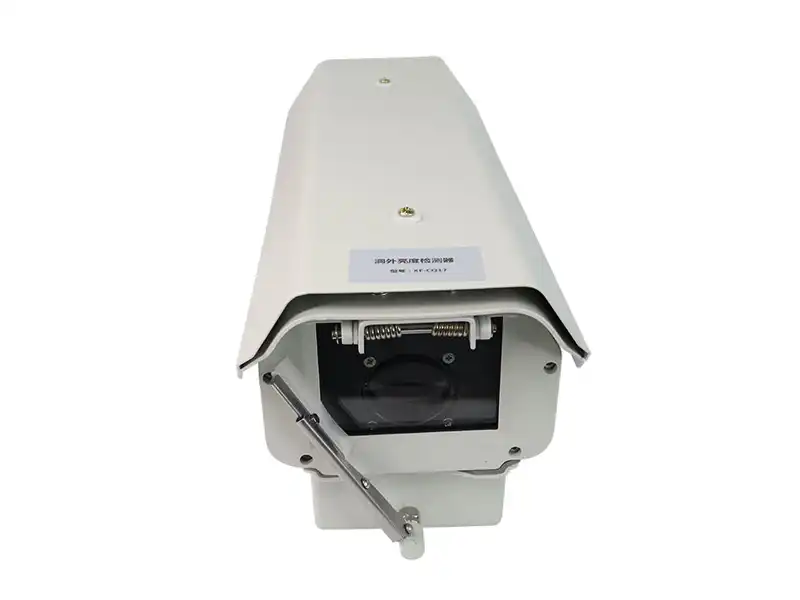
Um sensor de luminância de túnel é um dispositivo óptico que mede o brilho de uma superfície de estrada ou área visual definida em candela por metro quadrado (cd/m²). Diferentemente de um sensor de iluminância, que mede a quantidade de luz incidente sobre uma superfície em lux, um sensor de luminância mede a luz refletida do alvo em direção ao sensor a partir de uma direção de visão definida.
O Que um Sensor de Luminância de Túnel Mede?
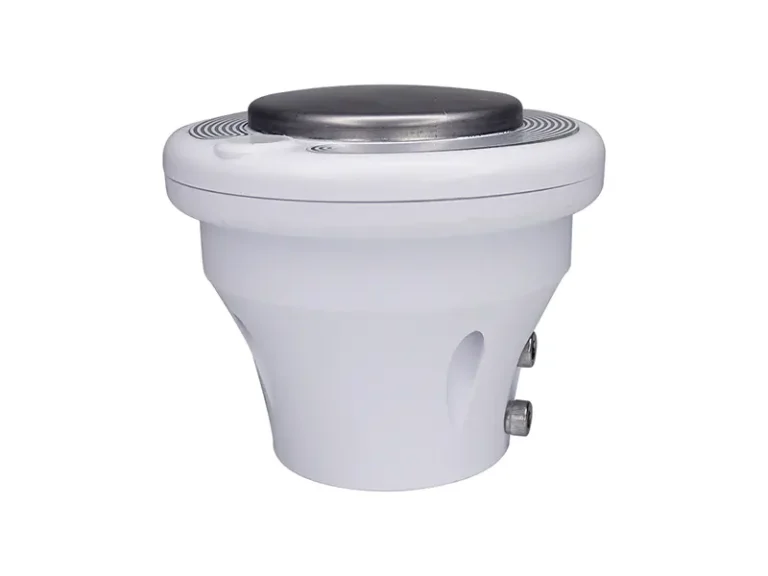
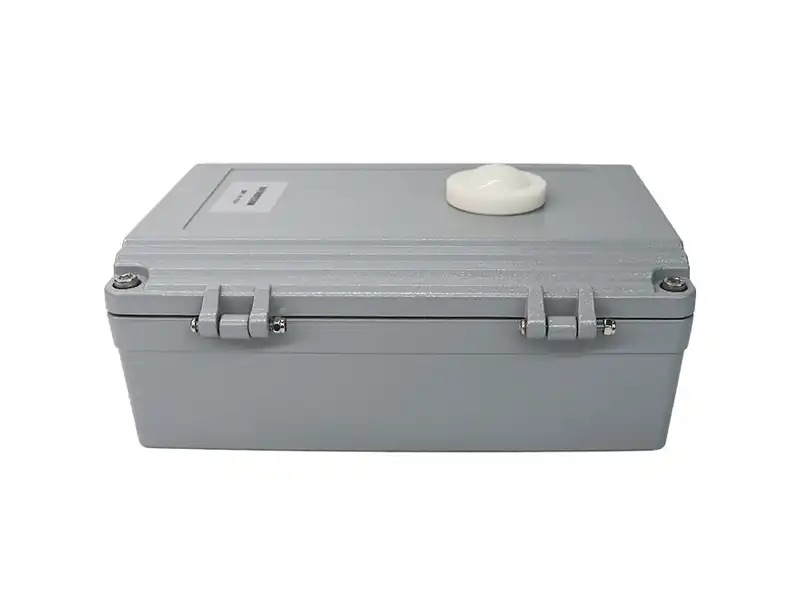
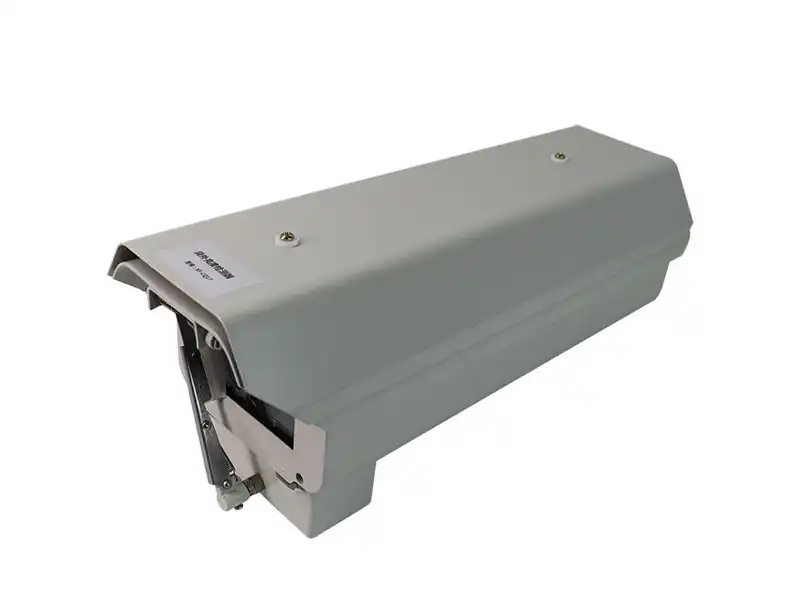
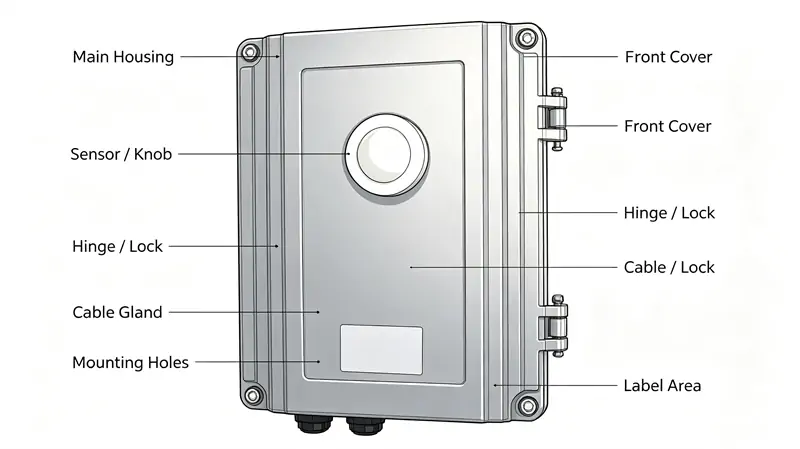
Um sensor de luminância de túnel mede o brilho de uma superfície de estrada ou área visual definida em cd/m², com base em uma direção de visão e campo de visão específicos. Utilizando uma lente óptica, fotodiodo e filtro espectral V(λ), ele converte a luz refletida em um valor de luminância calibrado. O modelo da Yantai Sensor cobre 0–7000 cd/m², com ângulos de medição horizontais e verticais ≥20° e saídas RS485/4–20 mA para integração em sistemas.
Por Que a Luminância é Importante na Entrada do Túnel?
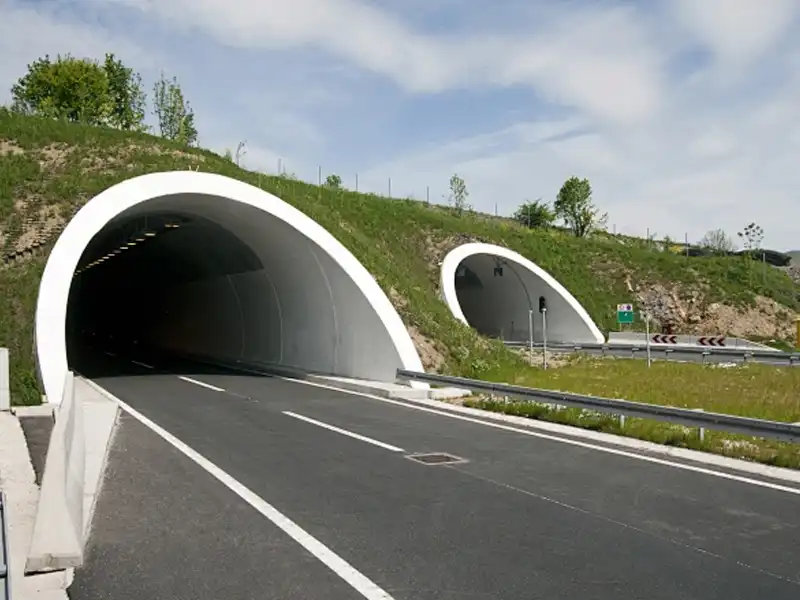
Na entrada de um túnel, os motoristas fazem a transição de um ambiente externo claro para um interior muito mais escuro. Uma grande diferença de brilho pode fazer o túnel parecer um buraco negro, reduzindo temporariamente a capacidade do motorista de reconhecer a estrada e os obstáculos.
Medir a luminância de entrada ajuda a determinar as condições de brilho ao redor da zona de limiar e da zona de transição. Esses dados podem ser usados para ajustar a iluminação de entrada de acordo com as condições variáveis de luz do dia, apoiando a iluminação adaptativa enquanto mantém condições visuais adequadas para os motoristas.
O Que é um Sensor de Iluminância de Túnel?
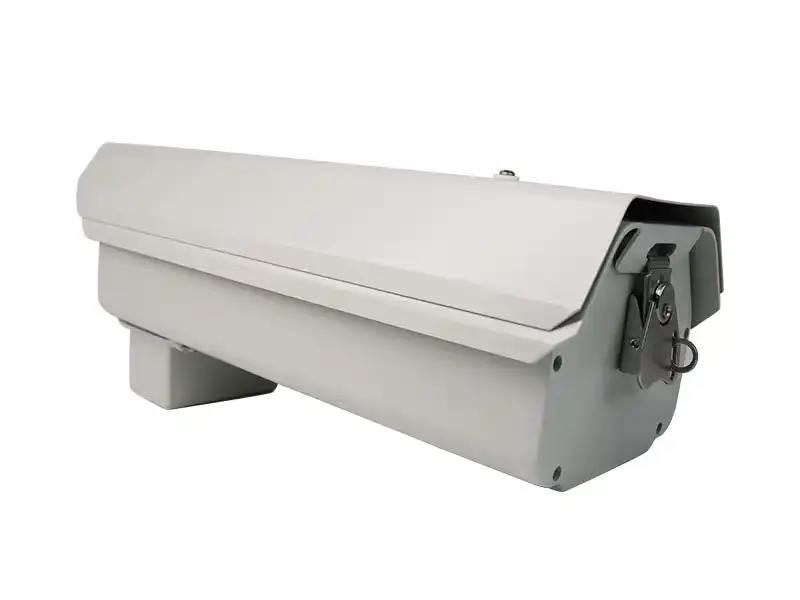
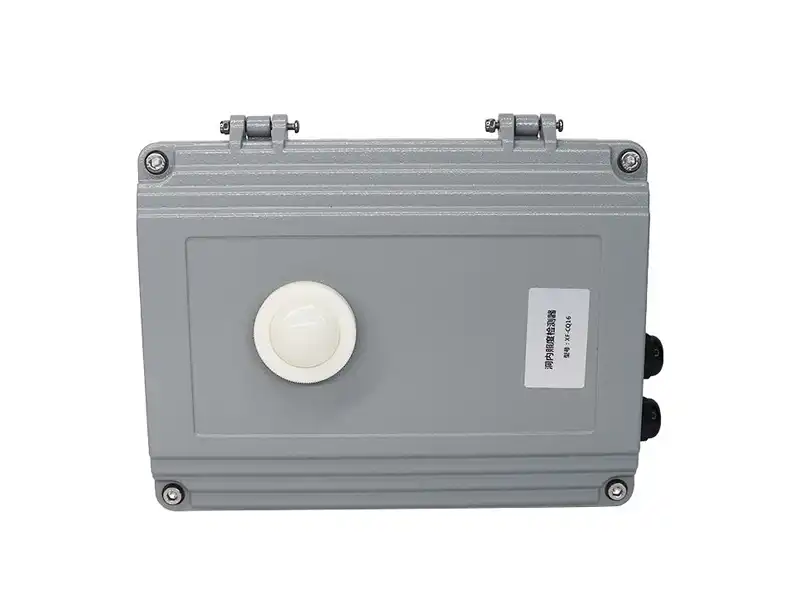
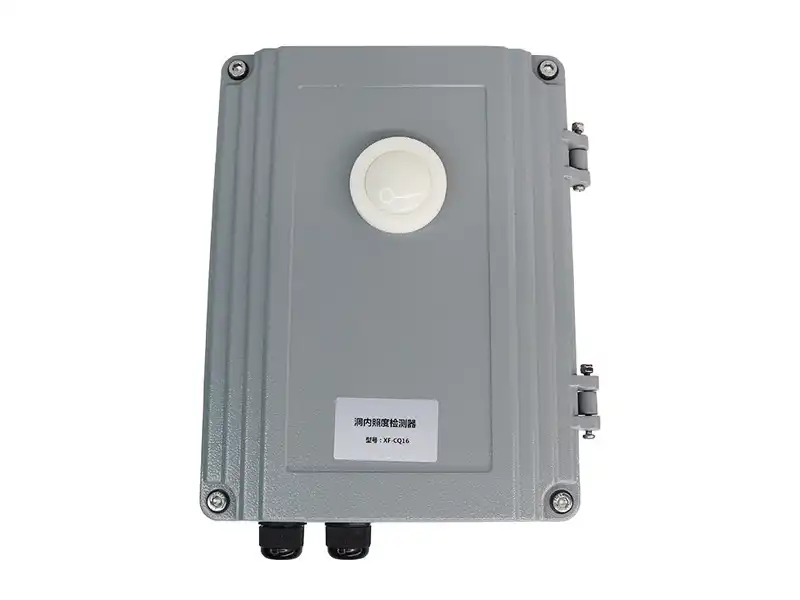
Um sensor de iluminância de túnel mede a quantidade de luz incidente sobre uma superfície em lux (lx). Em aplicações de túnel, ele determina a iluminação efetivamente recebida por um plano de medição definido, como a superfície da estrada, fornecendo aos engenheiros dados para avaliar o nível de iluminação entregue pelas luminárias do túnel e sua conformidade com os requisitos de uma área específica.
O Que um Sensor de Iluminância de Túnel Mede?
O valor de iluminância medido representa a quantidade de luz recebida pelo plano de medição especificado sob condições operacionais reais. Para projetos de túnel, isso permite que os engenheiros avaliem o nível de iluminação na superfície da estrada, em vez de julgar o brilho visualmente. O resultado pode ser afetado pela distribuição das luminárias, orientação do sensor e posição do plano de medição, portanto, a instalação correta e uma resposta óptica adequada são importantes para obter dados representativos.
Onde um Sensor de Iluminância é Usado em um Túnel?
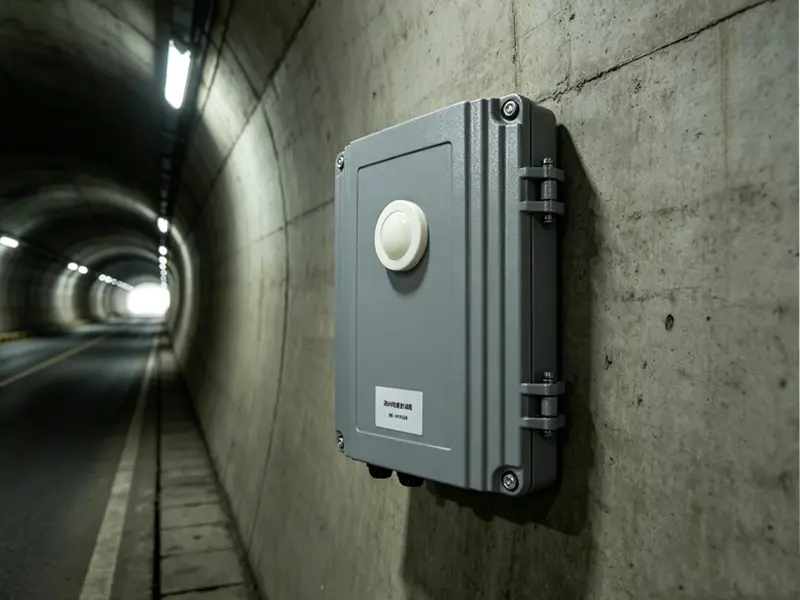
Um sensor de iluminância de túnel é comumente instalado no interior do túnel para medir os níveis de iluminação da superfície da estrada e verificar o desempenho real da iluminação. Dependendo dos requisitos do projeto, ele também pode ser usado nas entradas, saídas ou outras áreas de medição designadas do túnel. Os dados de medição podem apoiar a verificação da iluminação, comissionamento e manutenção, ajudando os engenheiros a identificar iluminação insuficiente ou mudanças no desempenho da iluminação.
Luminância vs Iluminância em Túnel: Qual é a Diferença?
A principal diferença entre luminância e iluminância em túneis é o que cada sensor mede. A luminância descreve a luz proveniente de uma superfície ou campo visual, enquanto a iluminância descreve a luz que incide sobre uma superfície. Essa diferença determina a unidade apropriada, a geometria óptica e a aplicação de medição.
Grandeza de Medição: cd/m² vs lux
Um sensor de luminância de túnel mede a luminância em cd/m², descrevendo a luz refletida ou emitida por uma superfície em uma direção de visualização definida. Um sensor de iluminância de túnel mede a iluminância em lux (lx), descrevendo a luz incidente em um plano de medição definido. Como medem grandezas fotométricas diferentes, os dois valores não são intercambiáveis para a mesma tarefa de medição.
Direção de Medição e Campo de Visão
A geometria de medição é fundamentalmente diferente entre os dois sensores. Um sensor de luminância de túnel deve considerar o ângulo de visão, o campo de visão, a área alvo, a direção de visualização e a luz refletida que entra no sensor. Um sensor de iluminância de túnel concentra-se na orientação do sensor, na luz incidente, no plano de medição e na resposta cosseno.
Em termos simples, um sensor de luminância observa um alvo, enquanto um sensor de iluminância mede a luz que chega a uma superfície.
Local de Medição
| Local de Medição | Grandeza de medição típica |
| Entrada do túnel | Luminância |
| Zona de limiar | Luminância |
| Zona de transição | Luminância / específico do projeto |
| Interior do túnel | Iluminação |
| Verificação da iluminação da superfície da via | Iluminação |
| Verificação do desempenho da iluminação | Iluminação |
O local real de medição deve seguir o projeto de iluminação do túnel e os requisitos aplicáveis do projeto. A luminância é particularmente relevante para a avaliação da entrada e da zona de limiar, enquanto a iluminância é comumente usada para verificar os níveis de iluminação em superfícies definidas no interior do túnel.
Controle vs Monitoramento
Em um sistema de iluminação, os dados de luminância podem ser usados como entrada para o controle da iluminação de entrada, enquanto os dados de iluminância podem ser usados para verificar o nível de iluminação entregue em um local definido. Para o monitoramento da iluminação de túneis, a configuração adequada do sensor depende do projeto de iluminação, das normas aplicáveis e da arquitetura geral do sistema.
Como os sensores de luminância e iluminância de túnel apoiam o monitoramento da iluminação de túneis?
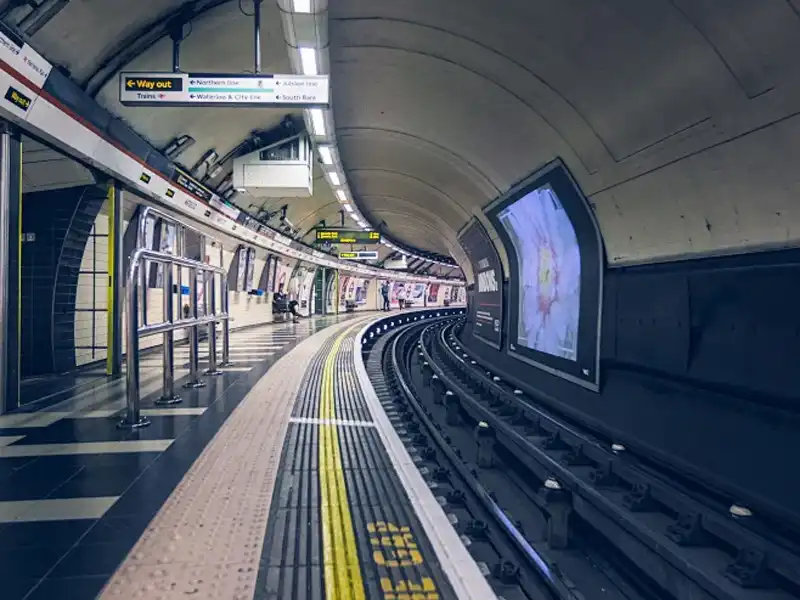
O monitoramento da iluminação de túneis utiliza diferentes medições fotométricas para compreender tanto as condições de luz ao redor da entrada do túnel quanto o nível real de iluminação no interior do túnel. Um sensor de luminância de túnel pode fornecer dados de luminância para o controle da iluminação de entrada, enquanto um sensor de iluminância de túnel mede a iluminação em locais definidos no interior. Juntos, eles podem apoiar o controle, a verificação e a manutenção da iluminação sem tratar as duas medições como intercambiáveis.
Controle de iluminação de túnel baseado em luminância
Um sensor de luminância de túnel mede as variações de luminância na entrada do túnel ou em seus arredores. Essas informações podem ser usadas como entrada para o controle da iluminação de entrada, permitindo que o sistema de iluminação responda às condições variáveis de luz natural. Em uma estratégia de iluminação adaptativa, a luminância medida ajuda a determinar um nível de iluminação adequado para a área de entrada e de limiar.
Monitoramento de iluminância no interior do túnel
Um sensor de iluminância de túnel mede a iluminação recebida por um plano de medição definido em lux (lx). No interior do túnel, isso fornece informações diretas sobre o nível de iluminação na superfície da via ou em outros locais especificados. A medição de iluminância resultante pode ser usada para verificação da iluminação interna, comissionamento, inspeção de rotina e manutenção.
Combinando ambos os sensores em um único sistema de monitoramento de iluminação de túnel
Em alguns projetos de túneis, os dois sensores podem trabalhar juntos porque fornecem diferentes tipos de dados de medição:
Luz externa / entrada → Sensor de luminância de túnel → Controlador de iluminação / CLP → Iluminação do túnel → Sensor de iluminância de túnel → Monitoramento e verificação
O sensor de luminância de túnel fornece informações sobre as condições variáveis de entrada, enquanto o sensor de iluminância de túnel ajuda a verificar o nível de iluminação entregue no interior do túnel. Essa abordagem complementar pode melhorar a consistência do monitoramento da iluminação do túnel, enquanto a configuração exata do sensor e a lógica de controle devem seguir o projeto, as normas aplicáveis e a arquitetura do sistema.
Qual sensor você deve escolher para o seu projeto de túnel?
O sensor adequado depende do que precisa ser medido, de onde a medição é feita e de como os dados serão usados. Use a tabela abaixo para associar rapidamente os requisitos comuns de iluminação de túneis ao sensor apropriado.
| Requisito do projeto | Sensor Recomendado | Propósito Principal |
| Medição do brilho na entrada do túnel | Sensor de luminância de túnel | Mede a luminância da entrada ou da área visual definida em cd/m² |
| Controle de iluminação da zona de limiar | Sensor de luminância de túnel | Fornece dados de luminância para o ajuste da iluminação de entrada |
| Avaliação da adaptação visual do motorista | Sensor de luminância de túnel | Avalia as condições de brilho a partir da perspectiva de visualização do motorista |
| Iluminação de entrada adaptativa ou dinâmica | Sensor de luminância de túnel | Responde às variações da luminância externa e de entrada |
| Medição da iluminação no interior do túnel | Sensor de Iluminância para Túneis | Mede a iluminação recebida por uma superfície definida em lux |
| Verificação da iluminação da superfície da via | Sensor de Iluminância para Túneis | Verifica os níveis reais de iluminação no plano de medição |
| Comissionamento e manutenção da iluminação | Sensor de Iluminância para Túneis | Apoia a verificação do desempenho da iluminação e a inspeção de rotina |
| Controle de entrada + verificação interna | Ambos os sensores | Combina a medição de luminância de entrada com a verificação de iluminância interna |
Em termos simples, escolha um sensor de luminância de túnel quando o projeto se concentrar no brilho de uma cena visual, particularmente na entrada e na zona de limiar. Escolha um sensor de iluminância de túnel quando o requisito for medir o nível de iluminação recebido por uma superfície definida no interior do túnel.
Para projetos que exigem tanto o controle baseado em luminância de entrada quanto o monitoramento de iluminância interna, os dois sensores podem ser usados em conjunto. A seleção final deve ser baseada no projeto de iluminação do túnel, nos requisitos de medição, nas normas aplicáveis e na arquitetura do sistema.
Fatores na seleção de um sensor de luz para túnel
Ao selecionar um sensor de luz para túnel, a faixa de medição e a precisão são apenas parte da decisão. O sensor deve primeiro corresponder às condições de luz esperadas e ao alvo de medição exigido, com faixa suficiente para evitar saturação, mantendo resolução útil em níveis de luz mais baixos. As características ópticas também importam: campo de visão, geometria de visualização, resposta espectral e resposta cosseno devem corresponder ao método de medição pretendido. A capacidade de calibração e a estabilidade de medição de longo prazo são igualmente importantes, especialmente quando o sensor é usado para controle contínuo ou verificação, em vez de testes ocasionais.
Para a operação de longo prazo de um túnel, o sensor também deve integrar-se de forma confiável à infraestrutura de controle e monitoramento existente. Verifique as interfaces RS485, Modbus, 4–20 mA, relé ou outras necessárias, bem como a compatibilidade de comunicação com o PLC, SCADA ou controlador de iluminação. A proteção ambiental é igualmente importante em túneis expostos a poeira, umidade, condensação, vibração e variações de temperatura, portanto, o invólucro, o grau de proteção IP, o arranjo de montagem e o acesso para manutenção devem adequar-se às condições reais de instalação. Para projetos B2B, uma seleção confiável é, portanto, aquela que combina desempenho de medição, compatibilidade de sistema, durabilidade ambiental, suporte de calibração e manutenibilidade de longo prazo, em vez de simplesmente escolher o sensor com a maior especificação de precisão.
Erros Comuns ao Selecionar Sensores de Luminância e Iluminância para Túneis?
Selecionar um sensor de luz para túnel com base apenas em um parâmetro ou no preço inicial de compra pode criar problemas durante a instalação e a operação de longo prazo. Os erros comuns incluem:
- Confundir luminância com iluminância — selecionar o tipo de medição errado porque ambos são usados para iluminação de túneis.
- Escolher apenas pela precisão de medição — ignorando o desempenho óptico, a estabilidade de calibração, as características de resposta e os requisitos reais de medição.
- Ignorar o campo de visão e a geometria de instalação — um ângulo de visão, orientação do sensor ou plano de medição incorretos podem afetar a representatividade dos dados coletados.
- Usar o local de medição errado — aplicar sensores de luminância e iluminância sem considerar se o projeto exige medição das condições visuais de entrada ou verificação dos níveis de iluminação interna.
- Selecionar apenas pelo preço — um custo inicial baixo pode resultar em custos mais altos de manutenção ou substituição se o sensor não tiver proteção ambiental ou durabilidade adequadas.
- Ignorar a compatibilidade do sistema — a saída do sensor, o protocolo de comunicação, a fonte de alimentação ou a interface podem não corresponder ao PLC, SCADA ou sistema de controle de iluminação existente.
- Não verificar a capacidade do fornecedor — capacidade insuficiente de fabricação, calibração, suporte técnico ou fornecimento de peças de reposição pode criar riscos de longo prazo para o projeto.
- Não confirmar as especificações principais com antecedência — faixa de medição, classificação IP, temperatura de operação, tempo de resposta, interface de saída e protocolo de comunicação devem ser verificados em relação aos requisitos reais do projeto.
Uma seleção confiável deve, portanto, considerar o alvo de medição, a configuração óptica, o ambiente de instalação, a compatibilidade do sistema e o suporte do fornecedor como um pacote completo. Antes da aquisição, os engenheiros devem confirmar a faixa de medição e a precisão necessárias, a geometria de instalação, a interface de comunicação, a proteção ambiental e os requisitos de integração para garantir que o sensor opere de forma confiável durante todo o ciclo de vida do projeto e funcione corretamente no sistema geral de monitoramento de iluminação de túneis.
Conclusão
A principal diferença entre um sensor de luminância de túnel e um sensor de iluminância de túnel é a grandeza fotométrica e a geometria de medição utilizadas. Um sensor de luminância de túnel mede a luminância da superfície em cd/m², tornando-o adequado para condições de entrada, avaliação da zona de limiar e iluminação adaptativa. Um sensor de iluminância de túnel mede a luz incidente em lux, fornecendo dados para avaliação do nível de iluminação interna, verificação, comissionamento e manutenção. Compreender essas diferenças ajuda os engenheiros a selecionar o sensor certo de acordo com o alvo de medição, a posição de instalação e os requisitos do sistema, melhorando a confiabilidade do monitoramento de iluminação de túneis.
Para projetos de túneis, o sensor certo é apenas parte da solução. A Yantai Sensor fornece soluções de sensores de luminância e iluminância para túneis com faixas de medição configuráveis, interfaces de comunicação, fontes de alimentação, arranjos de montagem e opções de proteção ambiental para atender a diferentes requisitos de projeto. Desde a seleção do sensor e especificação técnica até a integração do sistema, podemos apoiar engenheiros e integradores de sistemas no desenvolvimento de uma solução prática de sensoriamento para aplicações de iluminação de túneis. Entre em contato com a Yantai Sensor para discutir os requisitos do seu projeto e obter uma recomendação adequada de sensor.