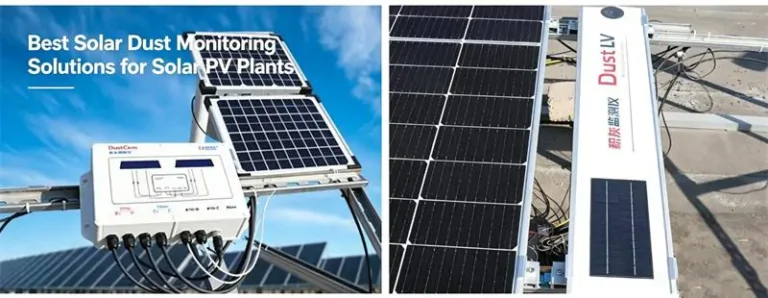
Введение
В последние годы проблема загрязнения воздуха приобретает всё большее значение в мировом масштабе, что обусловливает высокий спрос на экологические данные в режиме реального времени в городах, промышленных зонах и в рамках научно-исследовательских проектов. На этом фоне вопрос «Что такое станция мониторинга качества воздуха?» становится всё более популярным в поисковых системах, поскольку всё больше пользователей стремятся понять, как современные системы мониторинга отслеживают загрязняющие вещества и способствуют принятию решений в сфере охраны окружающей среды.
Станция мониторинга качества воздуха — это система, которая непрерывно измеряет уровни основных загрязняющих веществ, таких как PM2,5, PM10, CO₂, NO₂ и озон, а также метеорологические показатели, например температуру и влажность. Она помогает органам власти, промышленным предприятиям и исследователям отслеживать состояние воздуха в режиме реального времени и оперативно реагировать на случаи загрязнения.
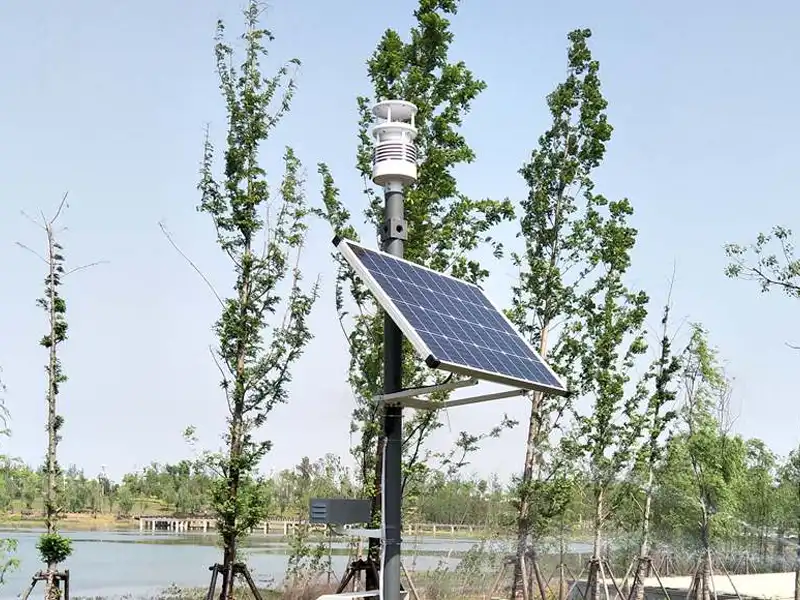
Что такое станция мониторинга качества воздуха?
Инфраструктура, используемая для мониторинга концентраций загрязняющих веществ в атмосфере в режиме реального времени, обеспечивающая информационную поддержку для оценки качества воздуха и борьбы с загрязнением. Станции мониторинга качества воздуха, также известные как станции мониторинга воздуха, служат основной платформой для контроля и оценки качества воздуха и являются ключевым компонентом инфраструктуры охраны городской атмосферы. Они осуществляют измерение и анализ различных загрязнителей атмосферы посредством точечного, непрерывного или периодического отбора проб и передают данные мониторинга в режиме реального времени, обеспечивая научную основу для органов охраны окружающей среды при оценке качества воздуха и выработке политики и решений.
Основные параметры мониторинга
Параметры, подлежащие регулярному мониторингу на станциях контроля качества воздуха, подразделяются на две основные категории:
- Загрязняющие вещества: Основная программа мониторинга охватывает шесть основных показателей: PM2,5, PM10, озон, диоксид серы, оксид углерода и диоксид азота. На некоторых станциях мониторинга спектр анализируемых веществ может быть расширен за счёт включения таких загрязняющих веществ, как сероводород, оксиды азота, летучие органические соединения, общие взвешенные частицы, свинец и бензол.
- Метеорологические параметры: Осуществляет одновременный мониторинг температуры, атмосферного давления, влажности, направления и скорости ветра, видимости и других параметров для содействия анализу влияния метеорологических условий на качество воздуха.
По функциям
| Тип функции | Требования к макету | Роль мониторинга |
|---|---|---|
| Пункты экологической оценки в городе | Равномерно распределенные по всей застроенной территории города | Отражает средний уровень общего качества воздуха в городе |
| Станции мониторинга территории / Станции фонового мониторинга | Станции мониторинга регионального уровня расположены на расстоянии более 20 км от источника загрязнения, а станции мониторинга фонового уровня — на расстоянии более 50 км от источника загрязнения. | Региональные пункты мониторинга отражают региональные фоновые уровни в атмосфере, тогда как пункты мониторинга фоновых показателей отражают фоновые уровни качества воздуха в масштабах страны. |
| Станции мониторинга загрязнения окружающей среды | Расположенные в районах с высокой концентрацией загрязняющих веществ и в районах, подверженных воздействию крупных стационарных источников загрязнения | Тщательно контролировать выбросы из основных источников загрязнения |
| Пункт мониторинга в придорожной зоне | Точка отбора проб расположена не далее 20 метров от края дороги | Мониторинг влияния выхлопных газов автомобилей на качество воздуха |
Основные технические характеристики
Высокоточные измерения
Благодаря использованию технологий фотохимического, бета-лучевого и электрохимического зондирования данные являются точными и надежными
Интеллектуальный мониторинг в режиме реального времени
Данные подключаются к сети и загружаются в режиме реального времени, что позволяет просматривать их удаленно с помощью мобильных устройств.
Защита на открытом воздухе
Защита от дождя, пыли и ударов, обеспечивающая длительную и стабильную работу на открытом воздухе
Почему мониторинг качества воздуха так важен?
Качество воздуха напрямую влияет на экологическую безопасность, здоровье населения и устойчивое развитие городов. В условиях ускорения процессов индустриализации и урбанизации точные данные о качестве воздуха в режиме реального времени стали важнейшей основой для управления окружающей средой и принятия научно обоснованных решений. Ниже приведены основные причины, по которым необходимо осуществлять мониторинг качества воздуха.
Охрана окружающей среды
Мониторинг качества воздуха позволяет непрерывно отслеживать изменения концентраций таких загрязняющих веществ, как PM2,5, PM10, SO₂, NO₂ и озон, что помогает выявлять источники загрязнения и зоны их воздействия. Благодаря анализу данных за длительный период органы по охране окружающей среды и предприятия могут оценивать эффективность мер по борьбе с загрязнением, разрабатывать более эффективные стратегии сокращения выбросов и обеспечивать надежную информационную поддержку в сфере охраны окружающей среды.
Общественное здравоохранение
Загрязнение воздуха тесно связано с заболеваниями дыхательной системы, сердечно-сосудистыми заболеваниями и другими проблемами со здоровьем. Осуществляя мониторинг качества воздуха в режиме реального времени и своевременно рассылая предупреждения, соответствующие органы могут помочь населению свести к минимуму воздействие высоких уровней загрязнения, тем самым снижая риски для здоровья, что особенно важно для детей, пожилых людей и уязвимых групп населения.
Соблюдение нормативных требований
Во многих странах и регионах установлены строгие стандарты качества воздуха и системы регулирования выбросов, такие как стандарты качества воздуха Агентства по охране окружающей среды США (EPA), руководящие принципы Всемирной организации здравоохранения (ВОЗ) по качеству воздуха, а также местные экологические нормы. Внедрение систем мониторинга качества воздуха может помочь компаниям осуществлять постоянный контроль за своими выбросами, соблюдать нормативные требования и снизить риск нарушений природоохранного законодательства.
Развитие умного города
В процессе развития «умных городов» станции мониторинга качества воздуха выступают в качестве важнейших узлов сбора данных. Данные мониторинга могут быть интегрированы с Погодная станция IoT платформы, системы управления дорожным движением и платформы по управлению окружающей средой, обеспечивающие поддержку в виде данных в режиме реального времени для городского планирования, борьбы с загрязнением, оптимизации дорожного движения и оказания коммунальных услуг, что способствует повышению эффективности управления городом и улучшению качества жизни жителей.
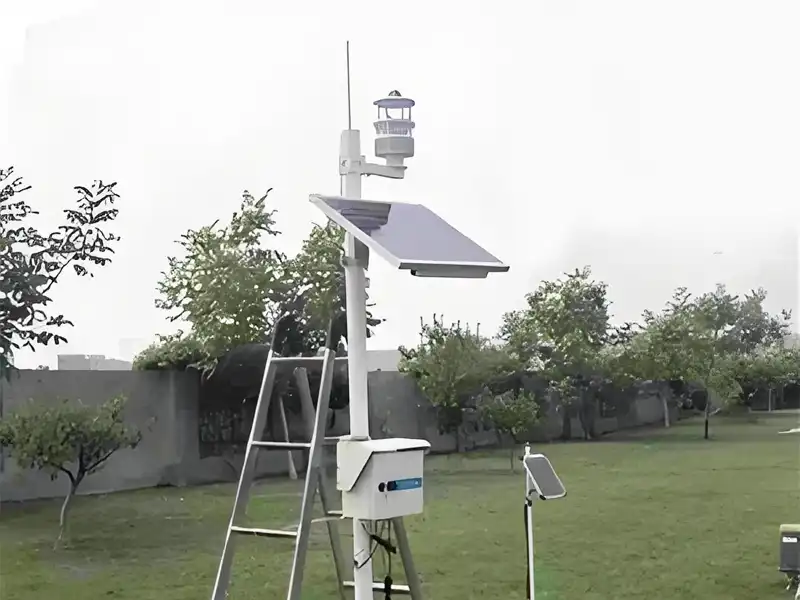
Что измеряет станция мониторинга качества воздуха
Станции мониторинга качества воздуха оснащены различными типами высокоточных сенсорных модулей, способных одновременно собирать многомерные данные о твердых частицах в атмосфере, токсичных и вредных газах, а также о соответствующих метеорологических и экологических условиях. Они дают всестороннее представление о качестве воздуха в регионе, обеспечивая полную и объективную информационную поддержку для борьбы с загрязнением и проведения экологических оценок. Ниже приведены параметры станций мониторинга качества воздуха:
| Параметр | Описание | Значение |
|---|---|---|
| PM2.5 | Мелкие твердые частицы | Влияние на здоровье |
| PM10 | Частицы пыли | Загрязнение воздуха |
| CO | Окись углерода | Контроль безопасности |
| NO₂ | Диоксид азота | Загрязнение от дорожного движения |
| SO₂ | Диоксид серы | Промышленные выбросы |
| O₃ | Озон | Фотохимическое загрязнение |
| ЛОС | Летучие органические соединения | Качество воздуха в помещениях и на улице |
| Температура | Параметр погоды | Корректировка данных |
| Влажность | Параметр погоды | Коррекция датчика |
| Скорость ветра | Анализ дисперсии | Мониторинг загрязнения окружающей среды |
компоненты станции мониторинга качества воздуха
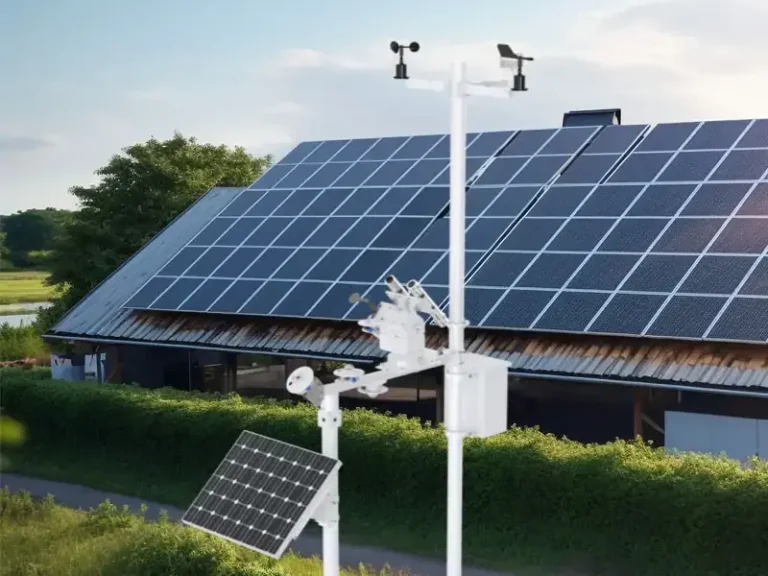
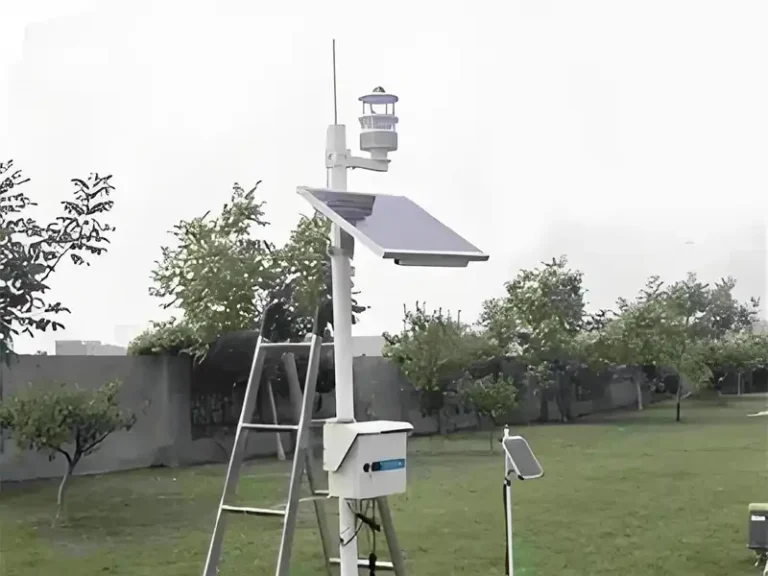
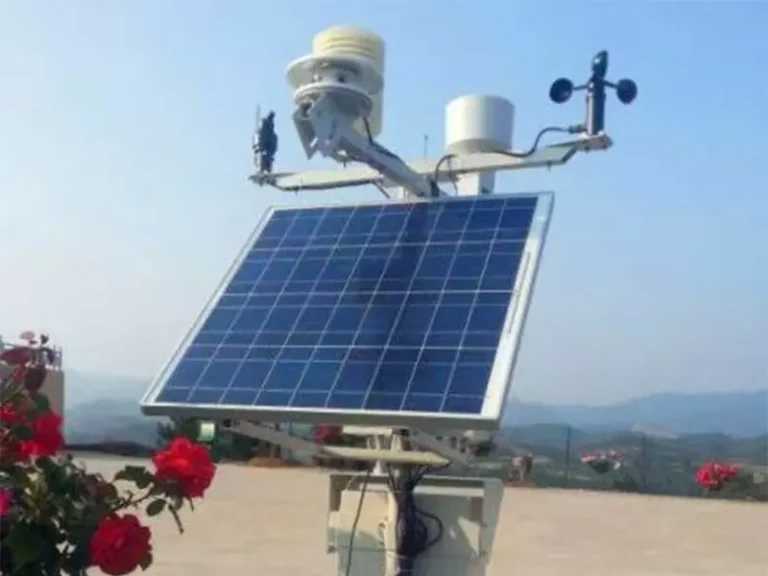
Конструкция станции мониторинга качества воздуха позволяет ей обеспечивать непрерывную и достоверную передачу данных об окружающей среде для целей промышленного мониторинга, развития «умных городов» и охраны окружающей среды. Ниже приведен наглядный обзор основных компонентов станции мониторинга качества воздуха и их функций.
| Компонент | Описание | Измеренное значение / Функция |
|---|---|---|
| Датчики качества воздуха | Обнаружение загрязнителей в воздухе в режиме реального времени | PM2,5, PM10, CO, CO₂, SO₂, NO₂, O₃, TVOC |
| Метеорологические датчики | Измерить погодные условия, влияющие на рассеивание загрязняющих веществ в атмосфере | Температура, влажность, скорость ветра, направление ветра, давление, количество осадков |
| Регистратор данных | Сбор и обработка сигналов датчиков | Хранение данных, фильтрация, управление устройствами |
| Модуль связи | Передает данные на удаленные системы или облачные платформы | RS485, Modbus, 4G/5G, LoRa, Wi-Fi, NB-IoT |
| Система электропитания | Обеспечивает стабильное энергоснабжение для непрерывной работы | Солнечная энергия, переменный ток, аккумуляторные системы |
| Облачная платформа / Программное обеспечение | Обеспечивает мониторинг и анализ данных | Визуализация в режиме реального времени, оповещения, исторические данные, отчетность |
| Корпус и монтажная конструкция | Обеспечивает защиту оборудования при эксплуатации на открытом воздухе | Водонепроницаемый, пыленепроницаемый, антикоррозионный и устойчивый к ультрафиолетовому излучению корпус |
Как работают станции мониторинга качества воздуха?
Станции мониторинга качества воздуха обеспечивают мониторинг загрязнителей атмосферы в режиме реального времени посредством замкнутого цикла, включающего в себя обнаружение с помощью датчиков, сбор и обработку данных, передачу данных и вывод результатов на терминал; основные принципы работы практически одинаковы для различных типов станций, а различия сводятся к выбору датчиков и степени интеграции системы. Ниже приведены Принципы работы станций мониторинга качества воздуха:
1. Отбор проб воздуха
Внутренний насос всасывает воздух из окружающей среды; предварительный фильтр удаляет примеси, после чего воздух распределяется по различным датчикам.
2. Точное обнаружение загрязняющих веществ
- PM2,5/PM10: метод ослабления бета-излучения (расчет концентрации твердых частиц на основе потерь излучения);
- Вредные газы: электрохимическое и фотохимическое детектирование (преобразование сигналов химических реакций в показатели концентрации газа).
3. Калибровка и обработка данных
Автоматическая компенсация влияния внешних факторов (температуры, влажности и атмосферного давления) и алгоритмическая коррекция исходных сигналов обеспечивают точность выходных значений.
4. Интеллектуальная передача данных
Загрузка данных в облако в режиме реального времени с возможностью удаленного просмотра; автоматические оповещения о превышении пороговых значений и самодиагностика устройств на наличие неисправностей.
5. Стабильная работа в любых погодных условиях
Прочный, устойчивый к воздействию погодных условий корпус, пригодный для использования на открытом воздухе; встроенная мультисенсорная конструкция обеспечивает возможность развертывания систем мониторинга на основе сетки.
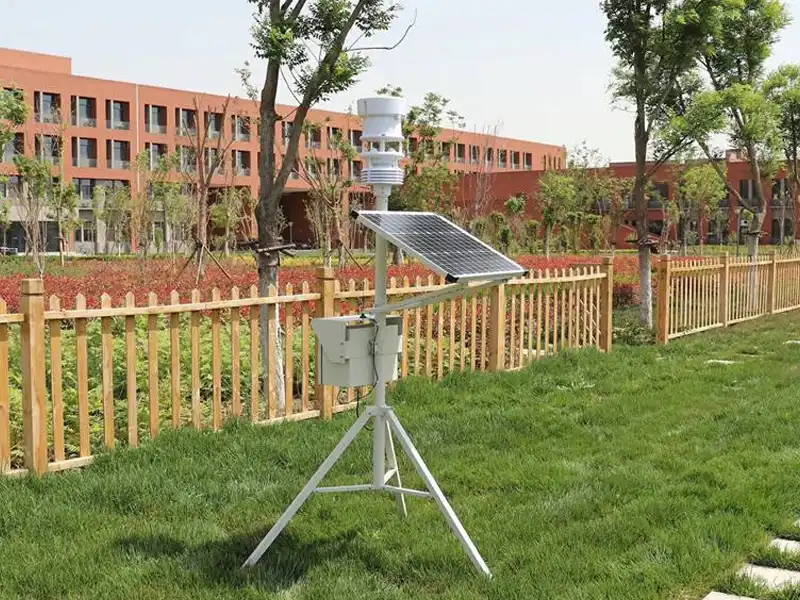
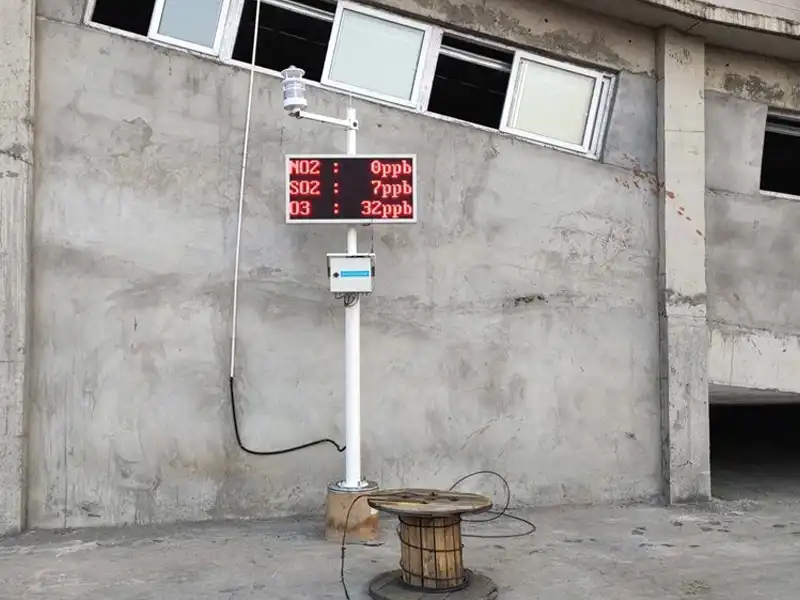
Области применения станций мониторинга качества воздуха
Станции мониторинга качества воздуха широко используются в различных отраслях промышленности и условиях эксплуатации. Они предоставляют данные об окружающей среде в режиме реального времени, помогая пользователям принимать обоснованные решения в области борьбы с загрязнением, обеспечения безопасности и соблюдения нормативных требований.
Мониторинг состояния окружающей среды в «умном городе»
Используется в городских районах для создания систем мониторинга качества воздуха, которые отслеживают уровень загрязнения в режиме реального времени и помогают в управлении городом и оповещении населения.
Контроль промышленных выбросов
Применяется на заводах, электростанциях и химических предприятиях для мониторинга выбросов и обеспечения соблюдения экологических норм с помощью станции мониторинга качества воздуха.
Мониторинг запыленности на строительной площадке
Помогает строительным проектам контролировать уровни PM2,5 и PM10, снижая запыленность и обеспечивая безопасные условия труда.
Мониторинг дорожного движения и состояния дорог
Устанавливаются вблизи автомагистралей и городских дорог для измерения выбросов, связанных с движением транспортных средств, таких как NO₂ и CO, что способствует анализу загрязнения, вызванного дорожным движением.
Исследования в области окружающей среды и климатологии
Используется научно-исследовательскими институтами для сбора долгосрочных данных с целью изучения тенденций загрязнения воздуха, изменения климата и поведения атмосферы.
Школы, больницы и общественные места
Обеспечивает безопасные условия воздуха в чувствительных зонах за счет непрерывного мониторинга загрязняющих веществ и улучшения качества воздуха как внутри помещений, так и снаружи.
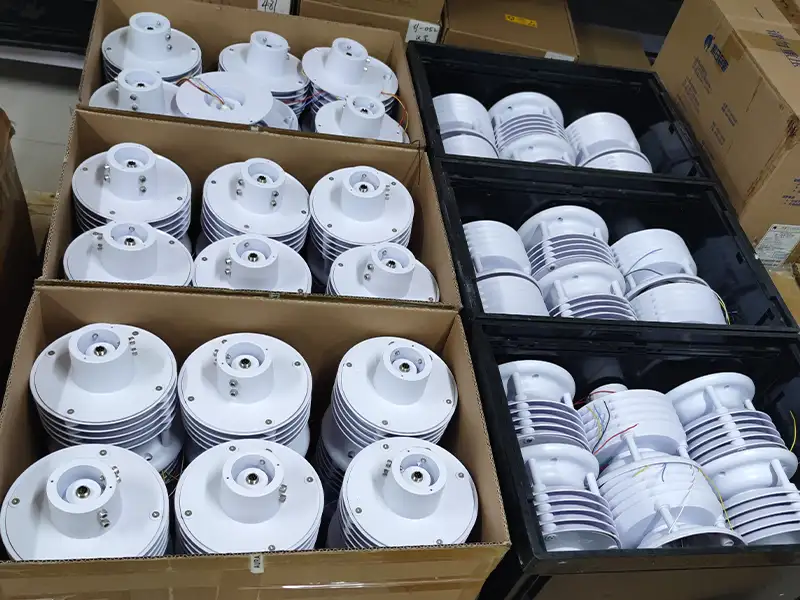
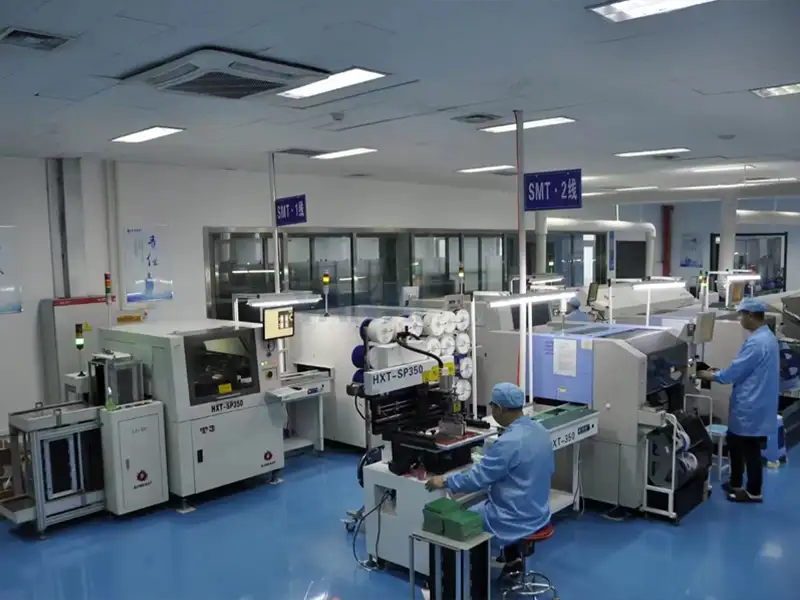
Компания «Yantai Sensor» предлагает индивидуальные решения разработанные с учетом различных сценариев применения, что поможет вам быстро развернуть надежную сеть мониторинга качества воздуха для более эффективного достижения целей в области мониторинга и управления состоянием окружающей среды.

Преимущества использования станции мониторинга качества воздуха
1. Сбор данных об окружающей среде в режиме реального времени
Осуществляет круглосуточный мониторинг таких ключевых показателей, как PM2,5, PM10 и CO₂, что позволяет вам всегда быть в курсе изменений качества воздуха и повысить оперативность мер по охране окружающей среды.
2. Раннее предупреждение о рисках загрязнения
Когда концентрация загрязняющих веществ превышает заданные пороговые значения, система автоматически включает сигнализацию, что помогает ответственному персоналу оперативно принять меры по ограничению распространения загрязнения и снижению рисков для здоровья.
3. Поддержка управления соблюдением природоохранного законодательства
Соответствует требованиям Агентства по охране окружающей среды США (EPA), Всемирной организации здравоохранения (ВОЗ) и местным стандартам в области охраны окружающей среды, помогая предприятиям обеспечить прозрачность данных о выбросах, снизить риск несоблюдения нормативных требований и укрепить потенциал в области соблюдения нормативных требований.
4. Укрепление системы охраны здоровья населения
Благодаря постоянному мониторингу изменений качества воздуха система эффективно снижает воздействие сильно загрязненной среды на население, что делает её особенно подходящей для таких чувствительных зон, как школы, больницы и жилые районы.
5. Оптимизация промышленного производства и управление выбросами
Помогает предприятиям отслеживать выбросы в режиме реального времени, оперативно корректировать производственные процессы, повышать эффективность использования ресурсов и одновременно снижать воздействие на окружающую среду.
6. Содействие развитию «умных городов»
Данные мониторинга качества воздуха могут быть интегрированы в городские платформы Интернета вещей (IoT), обеспечивая базу данных для управления дорожным движением, городского планирования и экологического регулирования.
7. Анализ данных за длительный период и поддержка принятия решений
Благодаря накоплению исторических данных можно проанализировать тенденции в динамике уровней загрязнения, что служит основой для разработки правительствами и предприятиями долгосрочных стратегий по улучшению состояния окружающей среды.
8. Более удобный удаленный мониторинг и управление
Данные можно просматривать удаленно через облачную платформу без необходимости проведения работ на месте, что позволяет значительно сократить эксплуатационные и технические расходы и повысить эффективность управления.
Как выбрать подходящую станцию мониторинга качества воздуха
1. Определить цели и сферу применения мониторинга
Определите, будет ли система использоваться для мониторинга промышленных выбросов, состояния городской окружающей среды или строительной пыли; для различных сценариев требуются станции мониторинга качества воздуха с разными конфигурациями.
2. Выберите необходимые параметры, характеризующие содержание газов и твердых частиц
Выберите комбинацию показателей для мониторинга — PM2,5, PM10 или несколько газов (CO, SO₂, NO₂, O₃ и т. д.) — исходя из ваших потребностей, чтобы избежать избыточности функций или пробелов в мониторинге.
3. Проверка точности и стабильности датчика
Отдавайте предпочтение датчикам с высокой стабильностью и низким дрейфом, чтобы обеспечить долгосрочную надежность и сопоставимость данных.
4. Выберите подходящий способ связи
Выберите способы связи, такие как RS485, 4G, LoRa или Ethernet, с учетом особенностей проектной системы, чтобы обеспечить стабильную передачу данных на платформу системы мониторинга качества воздуха.
5. Оценка среды установки
Учитывайте такие факторы, как температура, влажность, запыленность и коррозионная среда, и выбирайте оборудование со степенью защиты IP65 или выше, чтобы обеспечить его долговечную эксплуатацию на открытом воздухе.
6. Подтвердите параметры источника питания
Поддержка питания от сети, солнечной энергии или гибридного источника питания для обеспечения соответствия требованиям развертывания в отдаленных районах или условиях, где отсутствует доступ к электросети.
Будущие тенденции в области мониторинга качества воздуха
Будущее мониторинга качества воздуха будет связано с внедрением микросетей, интеграцией нескольких параметров, отслеживанием источников загрязнения с помощью искусственного интеллекта и подключением к Интернету вещей в режиме реального времени. Устройства будут отличаться низким энергопотреблением и простотой развертывания, а данные мониторинга будут синхронизироваться с государственными и корпоративными системами регулирования, а также с системами коммунальных служб, что обеспечит комплексное, точное и долгосрочное цифровое управление состоянием окружающей среды.
- Микроразвертывание на основе сетки
Широкое внедрение небольших интегрированных станций мониторинга компенсирует нехватку пунктов мониторинга национального уровня и позволяет осуществлять детальный мониторинг в масштабах всего города. - Применение искусственного интеллекта и больших данных
Алгоритмы используются для автоматической корректировки данных, прогнозирования тенденций загрязнения и отслеживания источников загрязнения, что позволяет перевести систему с уровня простого сбора данных на уровень интеллектуального анализа. - Взаимосвязь устройств Интернета вещей (IoT)
Передача данных в режиме реального времени через сети 5G и беспроводные сети обеспечивает бесперебойную координацию между устройствами, платформами мониторинга и городскими системами, включая автоматические оповещения о превышении допустимых значений, а также удаленное управление, техническое обслуживание и администрирование. - Интегрированная, энергоэффективная и компактная конструкция
Благодаря высокоинтегрированным многопараметрическим датчикам удалось создать компактные и простые в установке устройства. Эти надежные устройства, питающиеся от солнечной энергии и обладающие степенью защиты IP67 от пыли, воды и ударов, подходят для использования в самых разных условиях на открытом воздухе.
Заключение
Станции мониторинга качества воздуха, являющиеся важнейшими инструментами современного управления окружающей средой, способны непрерывно и надежно собирать данные о PM2,5, PM10, различных газах и метеорологических условиях, обеспечивая важнейшую поддержку в области экологического регулирования, контроля промышленных выбросов и развития «умных» городов. Благодаря комплексной системе станций мониторинга качества воздуха пользователи могут отслеживать весь процесс — от сбора и передачи данных до их анализа, — тем самым повышая научную обоснованность и эффективность управления окружающей средой.
При выборе системы необходимо всесторонне учитывать такие факторы, как требования к мониторингу, конфигурация датчиков, способы связи, условия установки и функциональные возможности платформы, чтобы выбрать систему мониторинга качества воздуха, наиболее подходящую для данного проекта. Грамотно разработанная конфигурация не только повышает точность данных, но и снижает долгосрочные затраты на техническое обслуживание, обеспечивая стабильную работу системы в течение длительного времени.
Ищете надежную станцию мониторинга качества воздуха для экологических, промышленных проектов или проектов в сфере «умных городов»? Обратитесь в компанию «Yantai Sensor» для получения индивидуальных решений по мониторингу, услуг OEM/ODM и квалифицированной технической поддержки.