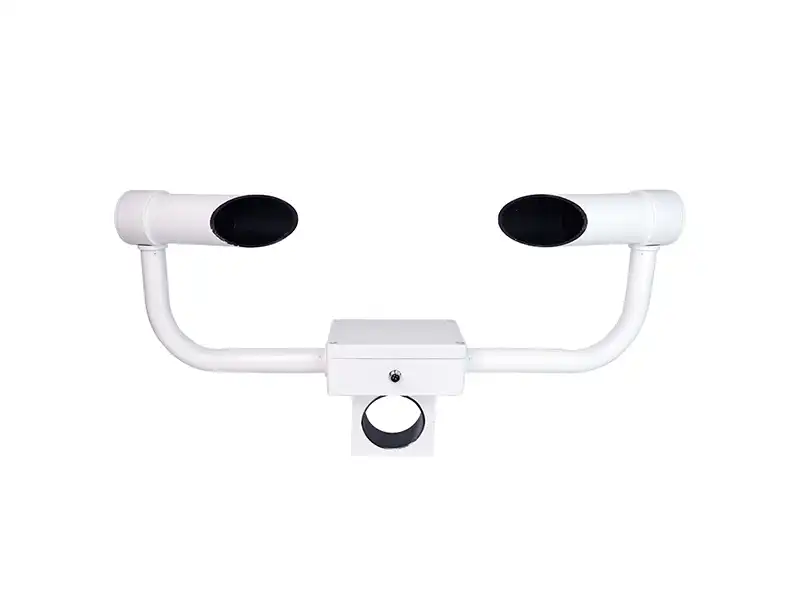
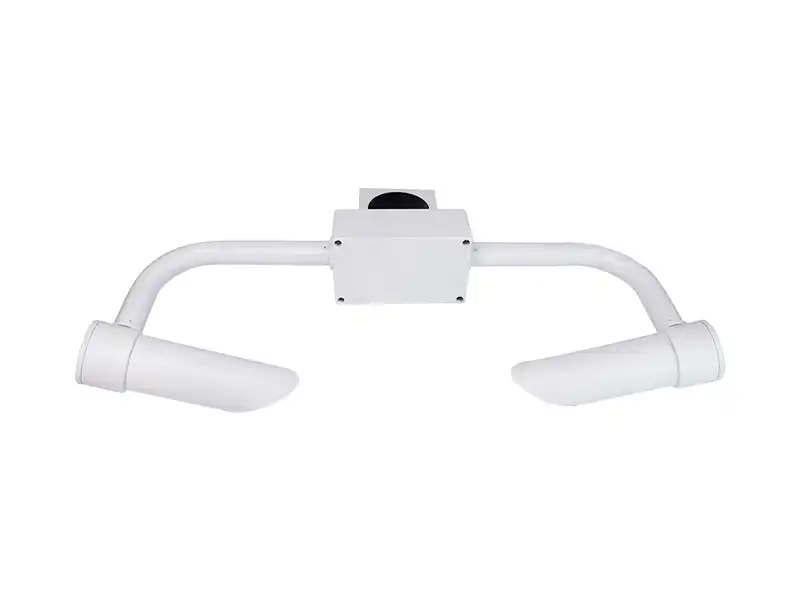
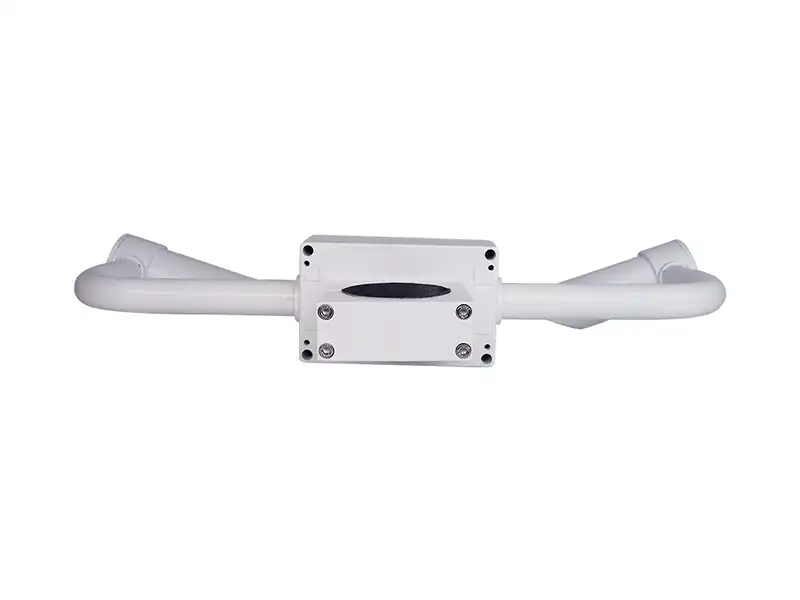
XF-CQ10 forward scatter visibility sensor for road
The XF-CQ10 forward scatter visibility sensor for roads is a meteorological observation device that uses optical methods to measure visibility (meteorological optical range) data in the ground-level atmosphere. The device can monitor visibility conditions in the installation area in real time, and the visibility measurement data is widely used in transportation, aviation, maritime navigation, military operations, air pollution monitoring, and atmospheric physics research.
- Atmospheric temperature: -40-60℃
- Atmospheric humidity: 0-100%RH
- Supply: 12-24VDC
- Output: RS485(Modbus)
- Range: 10m-10km
- Accuracy: <2km
- MOQ: 1
Price: $1,805-$2,500
Введение
A forward scatter visibility sensor for roads (Also known as a visibility sensor) is an optical meteorological device that measures atmospheric visibility (meteorological optical range) by analyzing the scattering of light in the air, providing real-time visibility data to support road traffic safety and intelligent transportation systems.
Structure
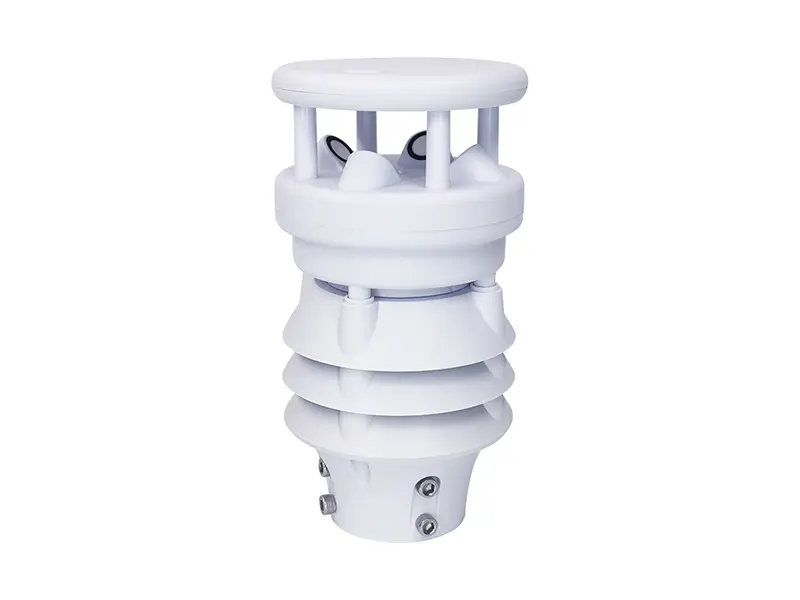
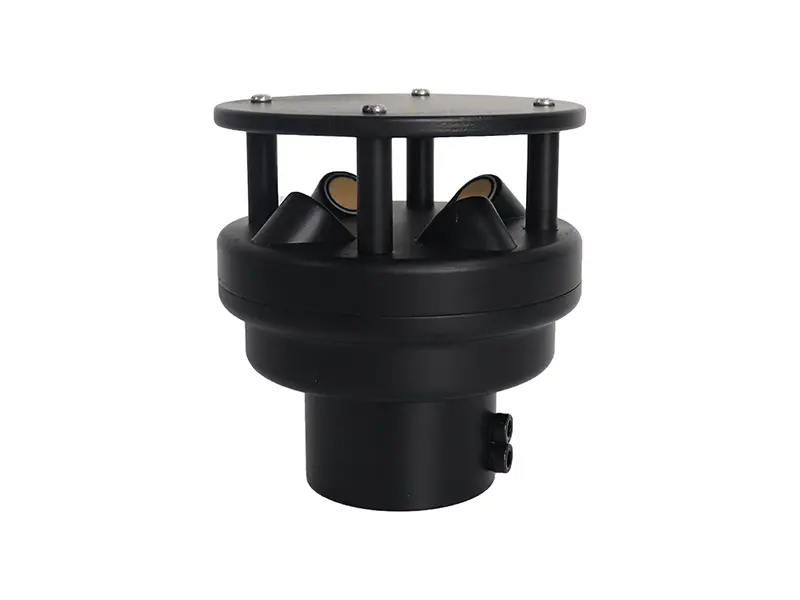
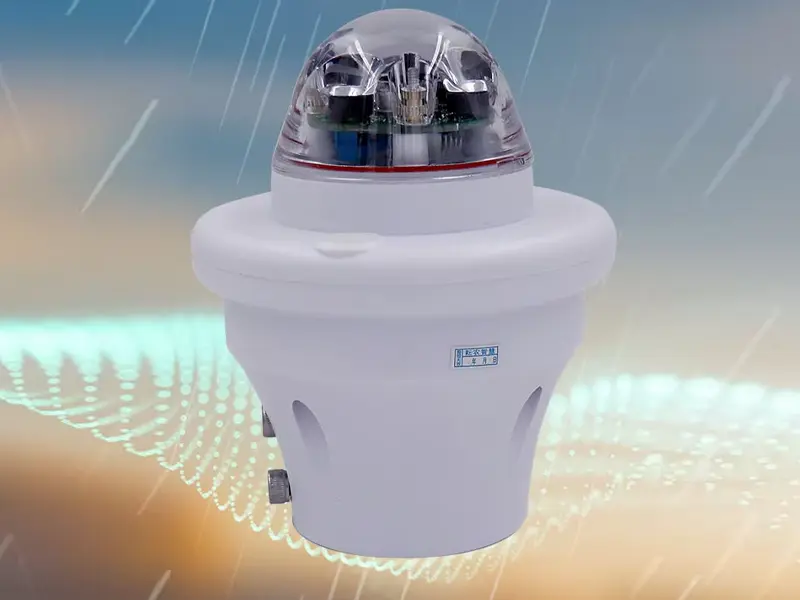
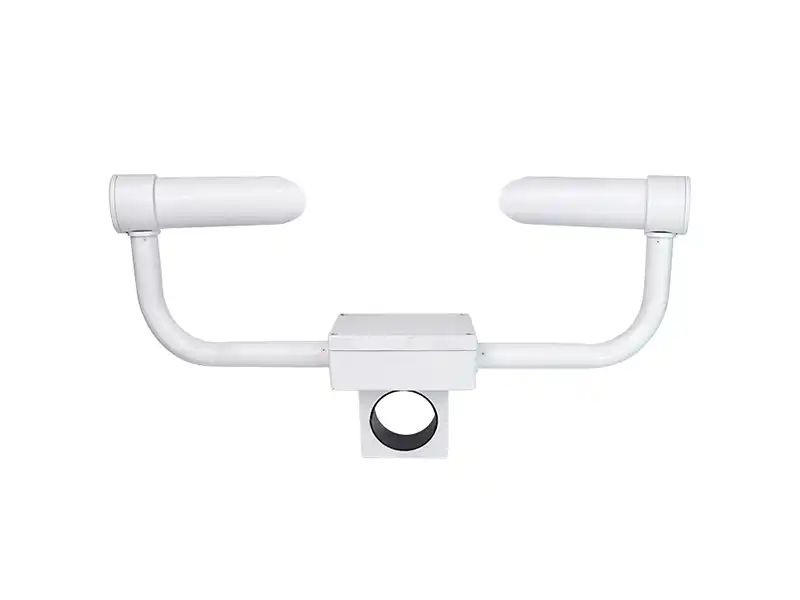
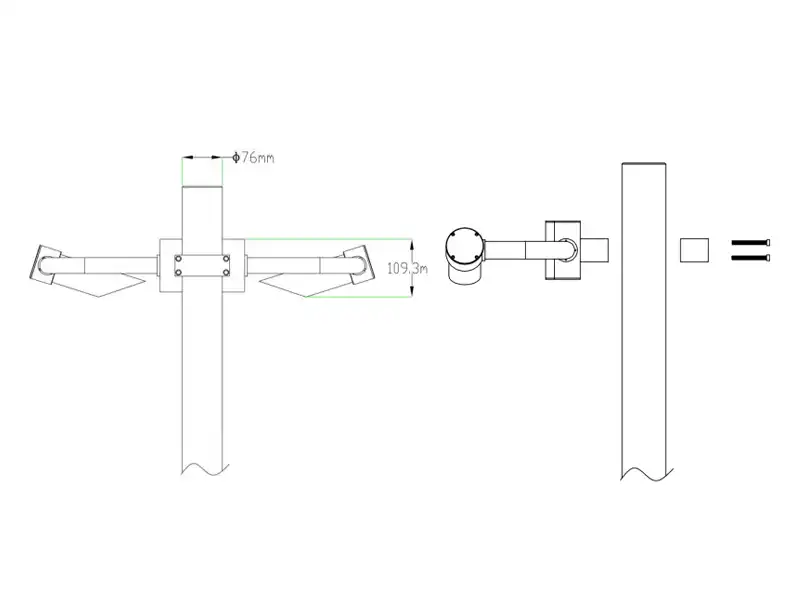
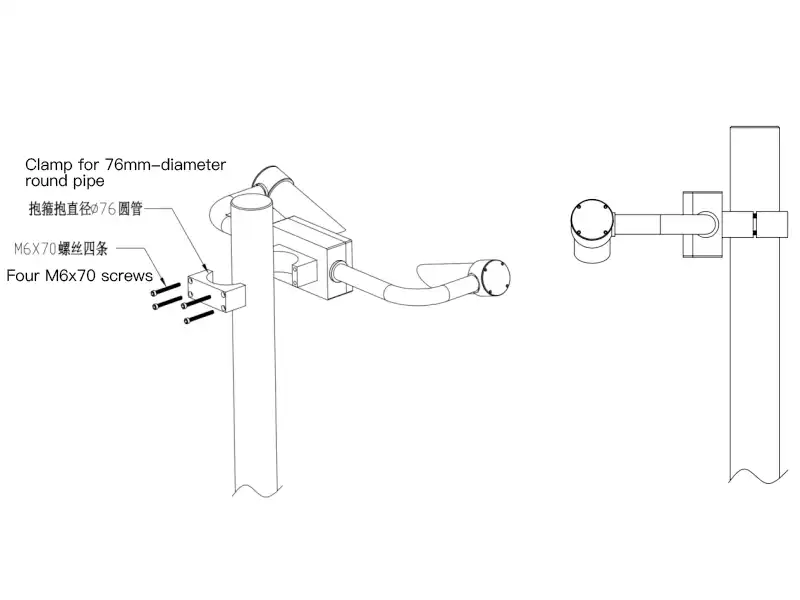
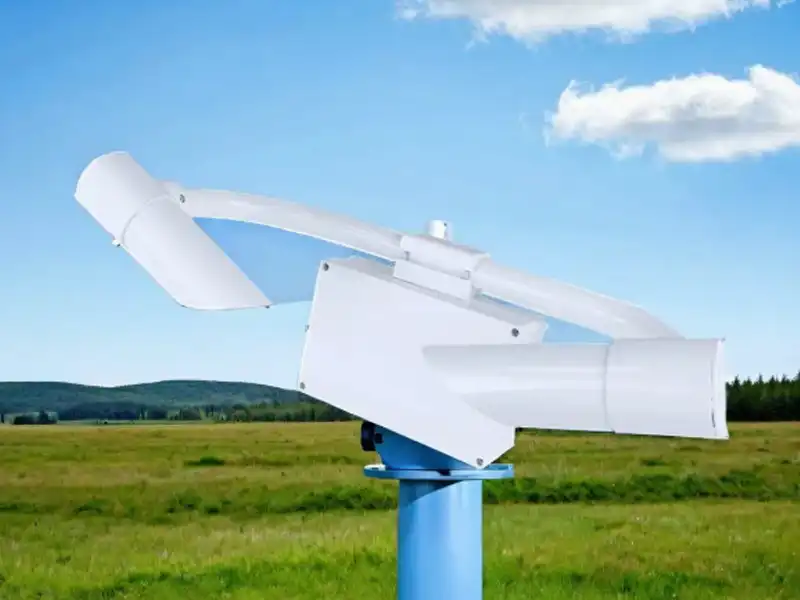
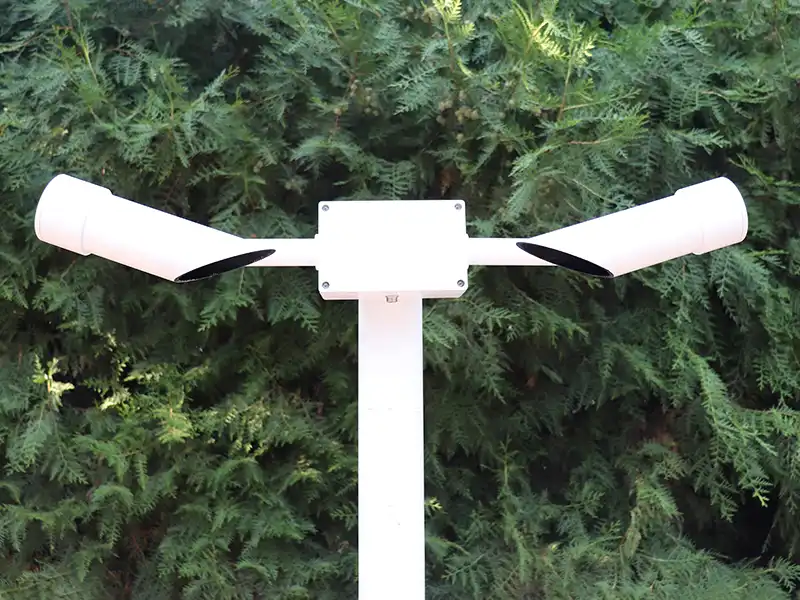
The visibility sensor is a standalone device that can be mounted on a suitable pole using the included mounting hardware. The device consists primarily of four components: an optical transmitter, an optical receiver, a built-in heating element, and a control and processing unit.
- Optical Transmitter Unit – Emits a stable infrared or laser light beam into the air to detect particle scattering.
- Optical Receiver Unit – Receives the forward-scattered light from atmospheric particles and converts it into electrical signals.
- Scattering Measurement Chamber – A precisely designed optical path that ensures accurate forward scattering detection.
- Signal Processing Module – Processes the received signals and calculates the meteorological optical range (MOR) visibility value.
- Environmental Protection Housing – Weather-resistant enclosure that protects internal components from rain, dust, and harsh outdoor conditions.
- Heating / Anti-Condensation System – Prevents condensation, frost, or snow from affecting the optical components.
- Communication Interface – Supports outputs such as RS485, Modbus, or other protocols for integration with road weather monitoring systems.
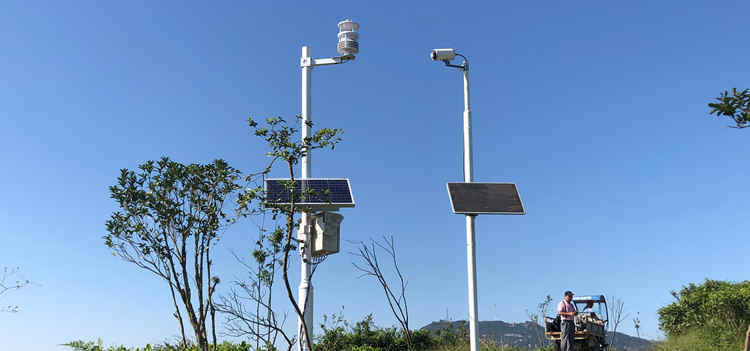
- Mounting Bracket / Support Structure – Provides stable installation on roadside poles or traffic monitoring stations.
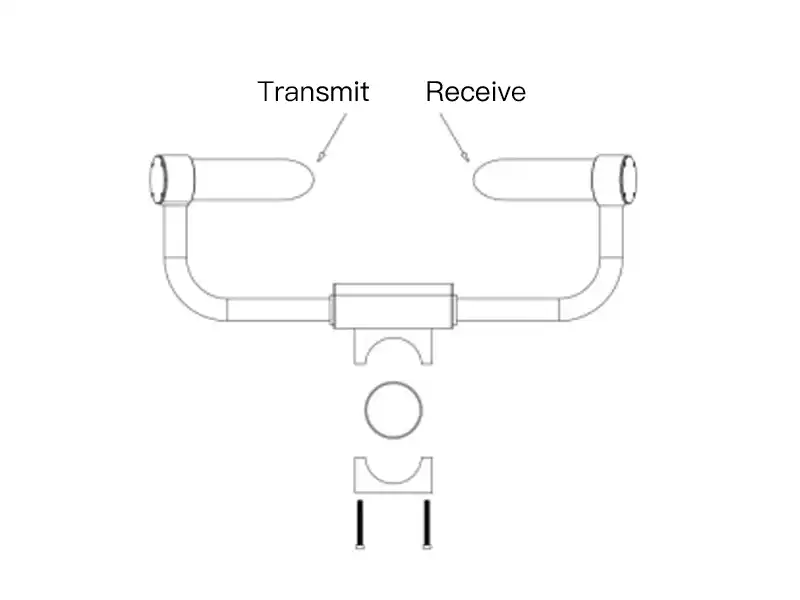
sizes
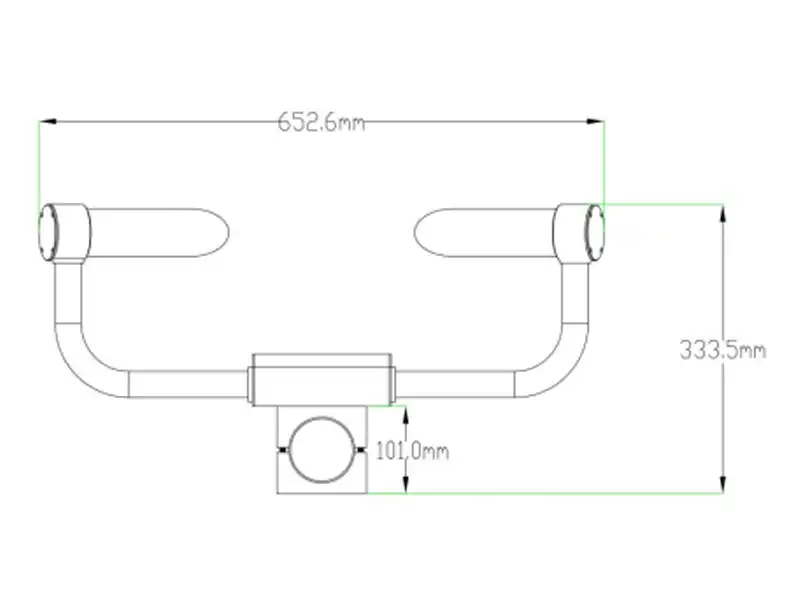
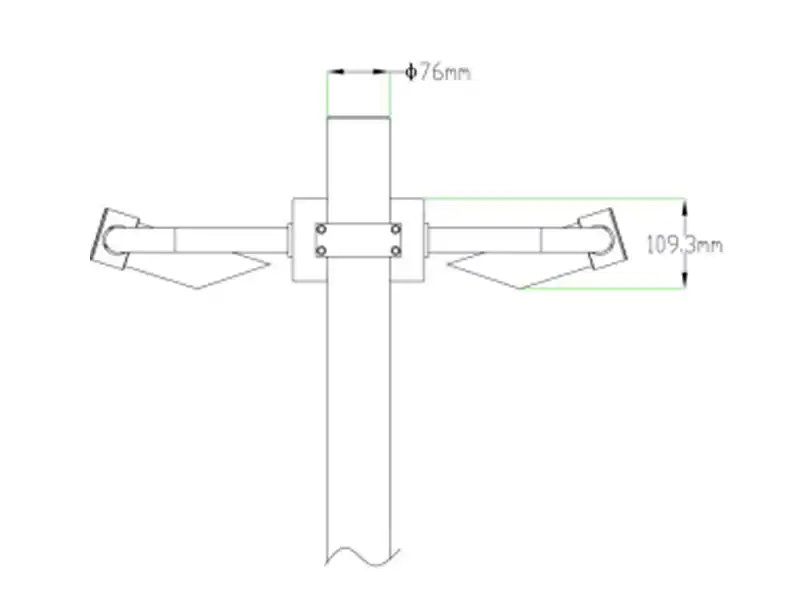
Подробнее Показать
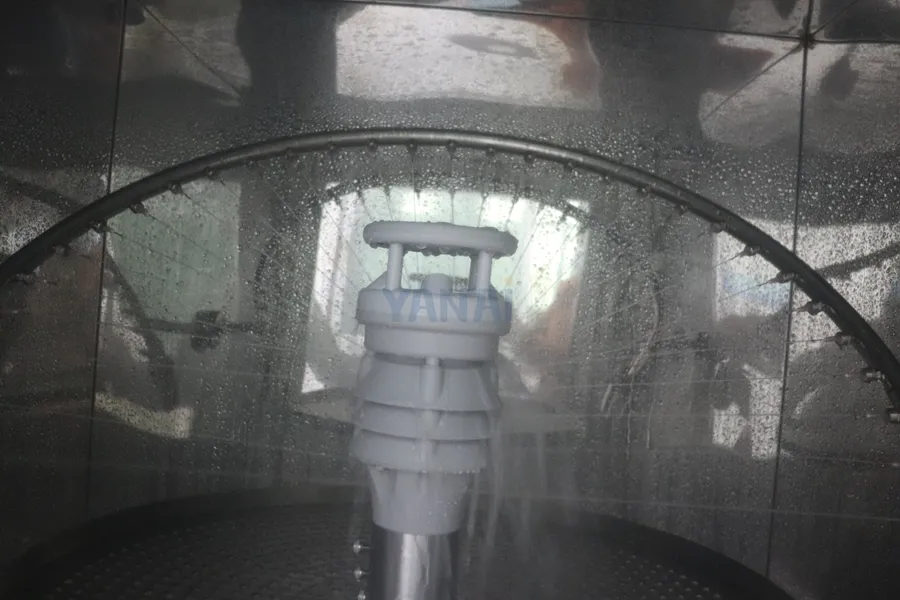
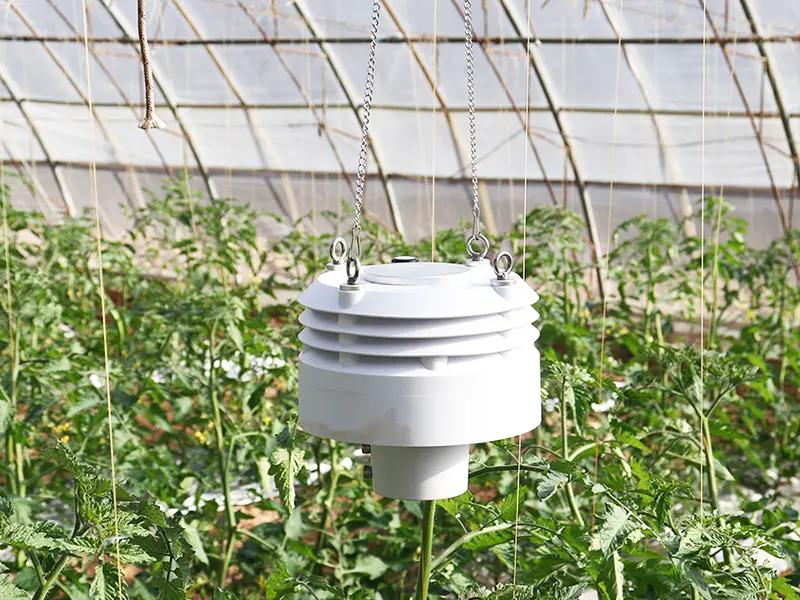
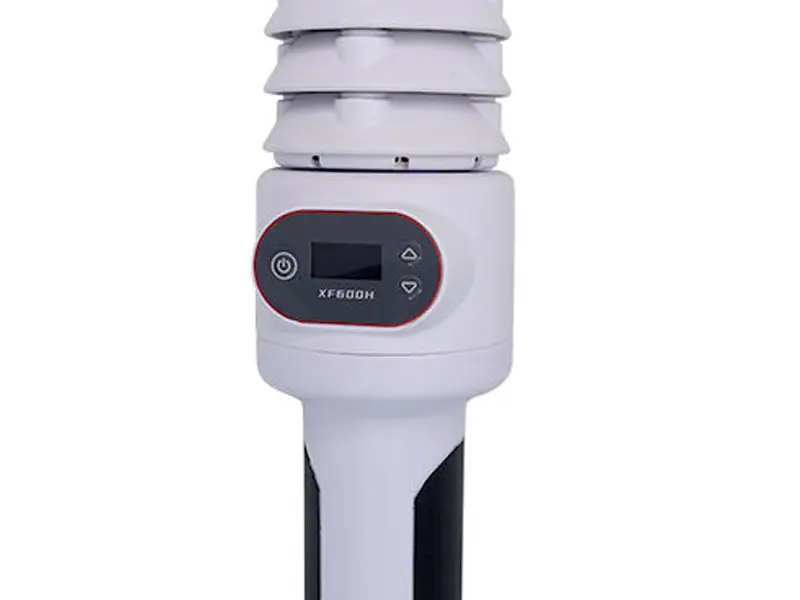
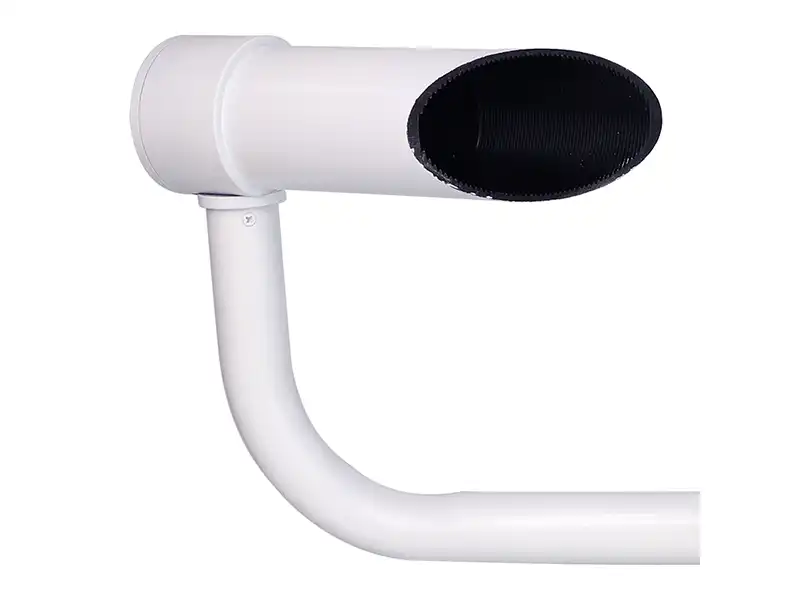
The forward scatter visibility sensor for roads features a compact and robust design with a sleek, streamlined appearance. The main body of the device is constructed from a high-strength, weather-resistant metal housing, offering excellent resistance to corrosion, UV rays, wind, and rain. Designed specifically as sensors for poor visibility conditions, it delivers accurate and reliable measurements in fog, haze, rain, and other low-visibility environments. Below are the detailed features of the forward scatter visibility sensor for roads:
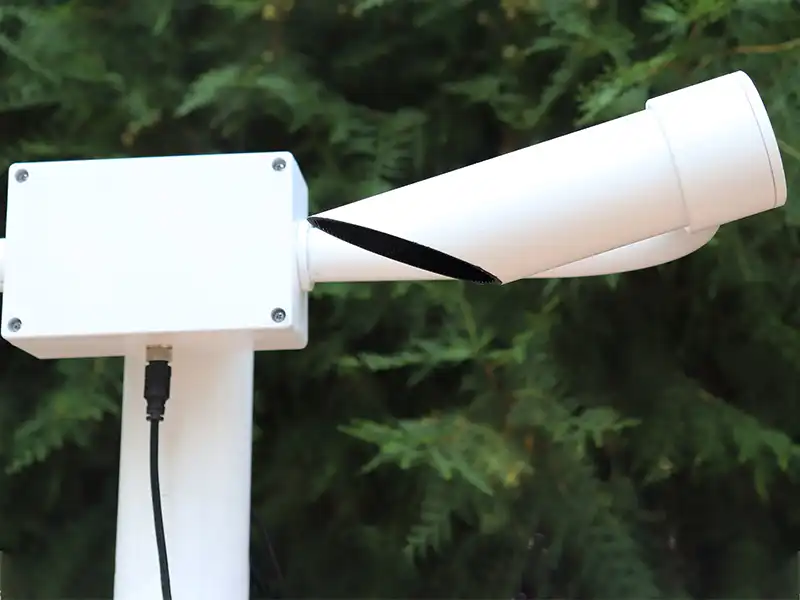
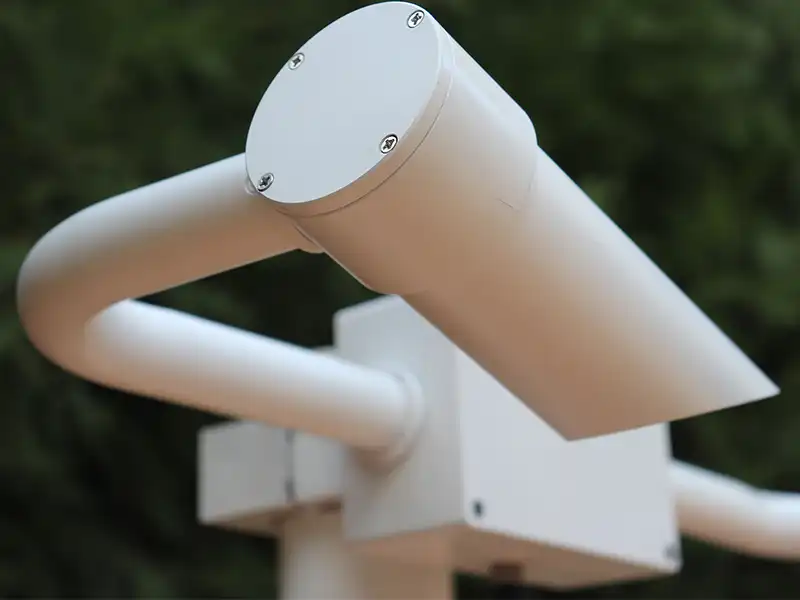
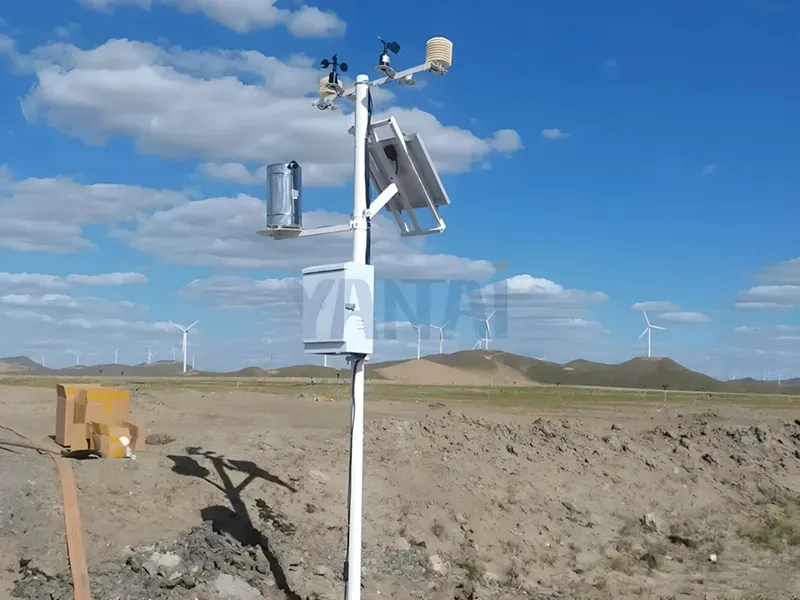
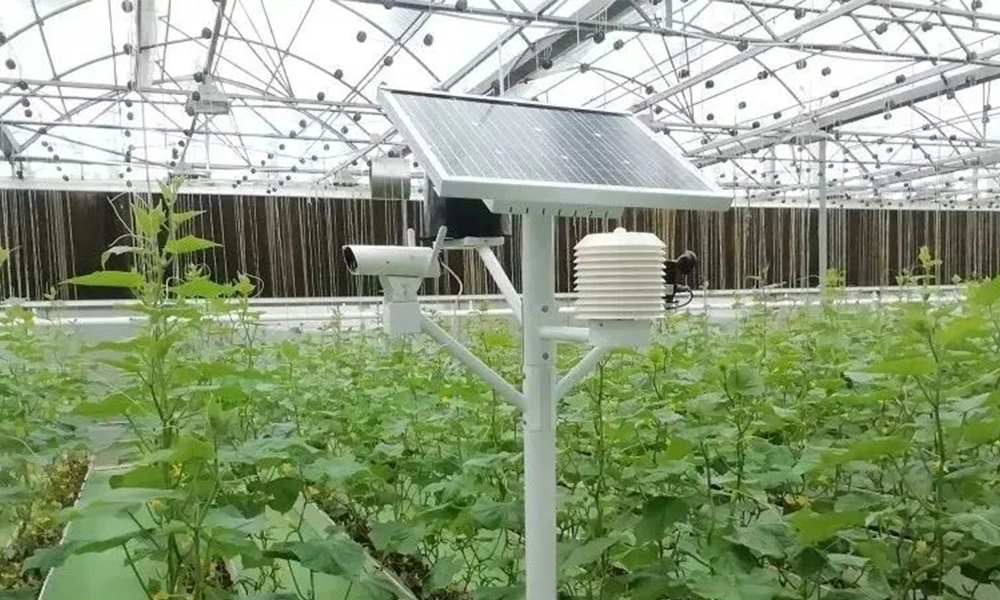
Installation Diagram
Технические характеристики
To ensure stable operation in various road weather monitoring scenarios, this forward scatter visibility sensor for roads has been meticulously designed and rigorously tested to deliver high-precision measurements, stable data output, and adaptability to a wide range of temperatures. The following are the product’s technical specifications:
Параметры
| Heat | ≤6W |
| Out Put | RS48(MODBUS) |
| Диапазон измерений | 10m~10km |
| Measurement | ≤2km ±2%; |
| Точность | 2km~10km ±5% |
| Data Update Rate | 15s/60s |
| Product weight | <10kg |
| Operating temperature | -40℃~+60℃ |
Features atmospheric visibility sensor
High-Precision Measurement
Utilizes the forward-scatter optical principle to achieve precise monitoring of atmospheric visibility within a range of 10 meters to 10 kilometers.
Stable Output
Supports an RS485 (Modbus) communication interface, enabling the stable transmission of real-time visibility data.
Rapid Updates
Features a data update rate of 15 or 60 seconds, providing timely updates on changes in road visibility conditions.
Low-Power Heating
Features a built-in heating element (≤6W) that effectively prevents condensation and frost accumulation on optical components.
Robust Construction
Employs a weather-resistant structural design, offering excellent protection against rain, dust, and corrosion.
High Interference Immunity
Features an optimized optical system and algorithms to minimize the impact of ambient light and stray light on measurement accuracy.
Applications
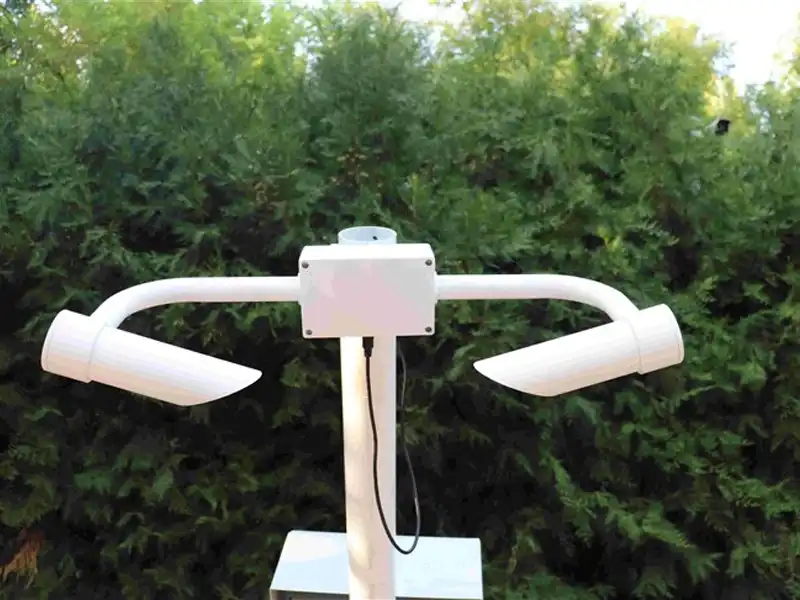
forward scatter visibility sensors monitor changes in atmospheric visibility in real time, providing critical data support for traffic safety management and environmental monitoring. By accurately measuring the effects of aerosols, haze, and precipitation on light propagation, these devices deliver stable and reliable visibility data even under complex meteorological conditions. As a result, they are widely used in various fields, including road traffic, aviation and maritime navigation, meteorological monitoring, and environmental research.

Road Traffic Monitoring
Deployed in scenarios such as highways, urban roads, bridges, tunnel entrances, and airports, this airport visibility sensor provides real-time monitoring of changes in road and runway visibility conditions.

Aviation Weather Monitoring
Deployed at airports and in the vicinity of runways to monitor visibility conditions within the airport area.

Marine and Maritime Monitoring
Applied at ports, shipping lanes, and marine weather stations to monitor maritime visibility conditions in real time.
Meteorological Monitoring Systems
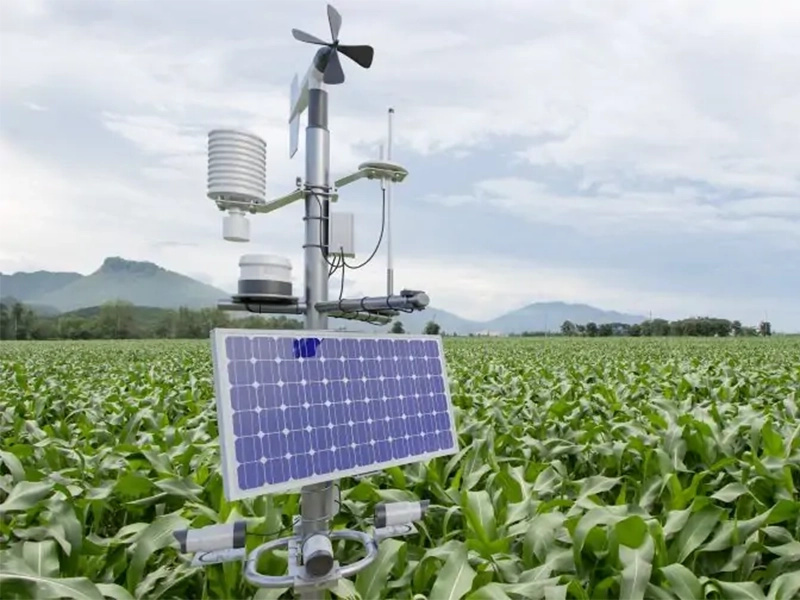
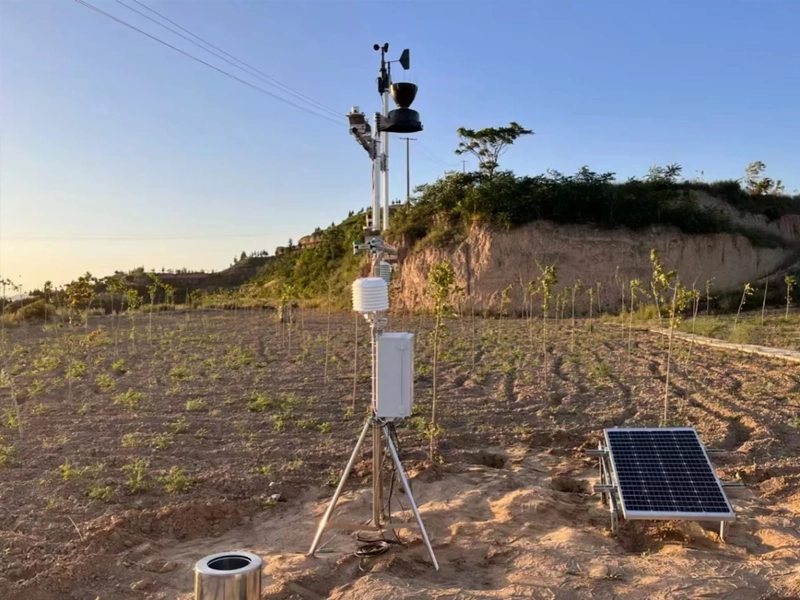
Serving as a vital component of automated weather stations, it is utilized at meteorological observation sites for the long-term monitoring of changes in atmospheric visibility.
Environmental and Scientific Monitoring
Used to study fog, haze, aerosol concentrations, and atmospheric optical properties, providing a reliable data foundation for environmental management and scientific research.

Intelligent Transportation Systems
In Road Weather Information Systems (RWIS), visibility sensors can operate in conjunction with sensors for temperature, humidity, and pavement conditions to provide data support for traffic management.
custom
We offer flexible product customization services, enabling us to optimize the functionality, interfaces, and structural design of our visibility sensors to suit diverse application scenarios and project requirements. Backed by a professional R&D team, we are able to provide reliable, customized solutions for road weather monitoring, intelligent transportation, and scientific research projects.
Customization Options
- Customizable Interfaces
Supports various communication protocols, including RS485 and Modbus, and can be customized to provide other data output methods based on system integration requirements. - Customizable Structure
Can be designed with different dimensions, mounting methods, or bracket structures to accommodate the installation requirements of various road monitoring devices. - Functional Customization
Functions such as heating, protection, or data acquisition can be expanded according to project requirements to adapt to different climatic environments and monitoring needs. - System Integration
Supports integration with Road Weather Information Systems (RWIS), automatic weather stations, and traffic management platforms to enable collaborative multi-sensor monitoring.
forward scatter visibility sensor for roads Производитель и поставщик
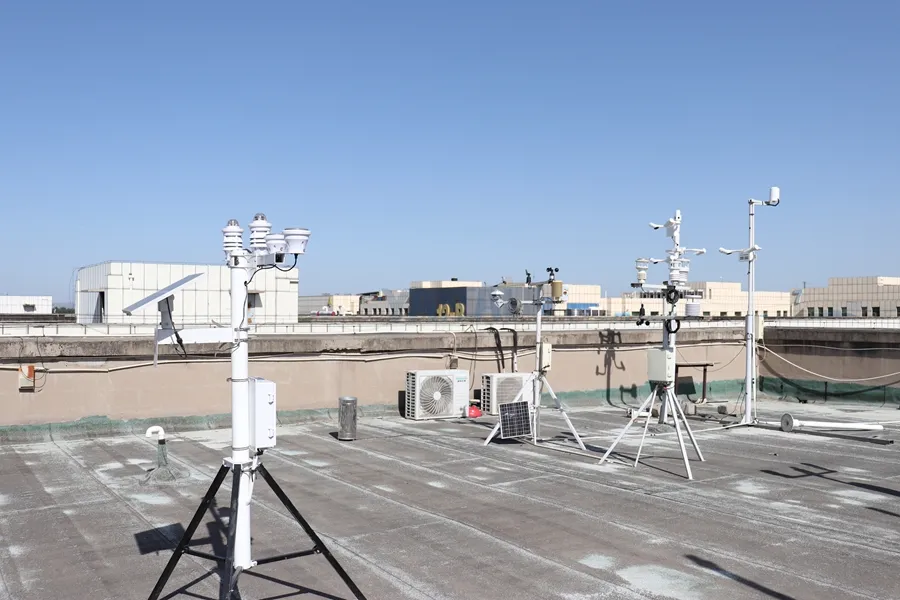
Yantai Sensor is a professional forward scatter visibility sensor for road manufacturers and suppliers, specializing in high-precision road visibility monitoring solutions for transportation safety and environmental observation. Our road visibility sensors are designed for reliable, long-term operation in complex outdoor environments such as highways, bridges, tunnels, meteorological stations, airports, and intelligent transportation systems.
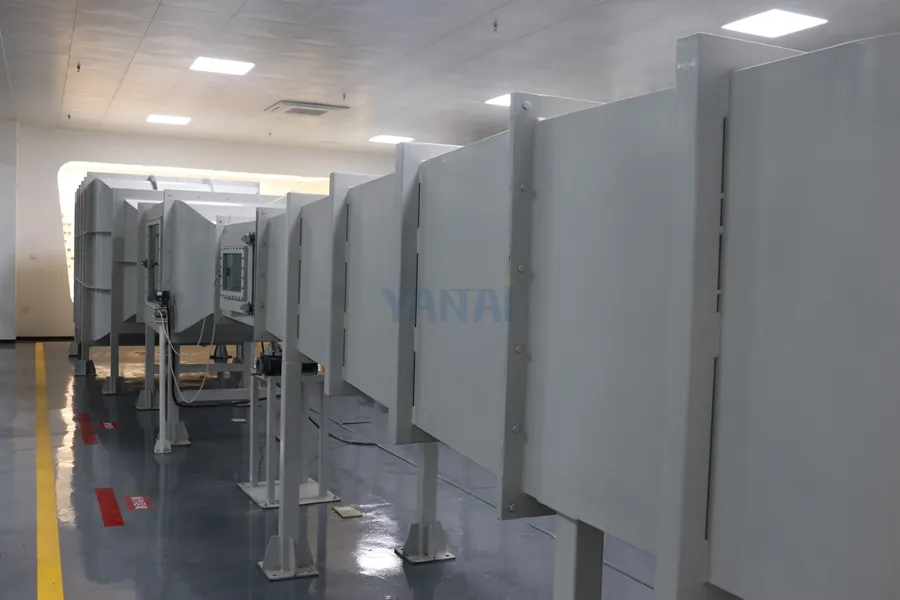
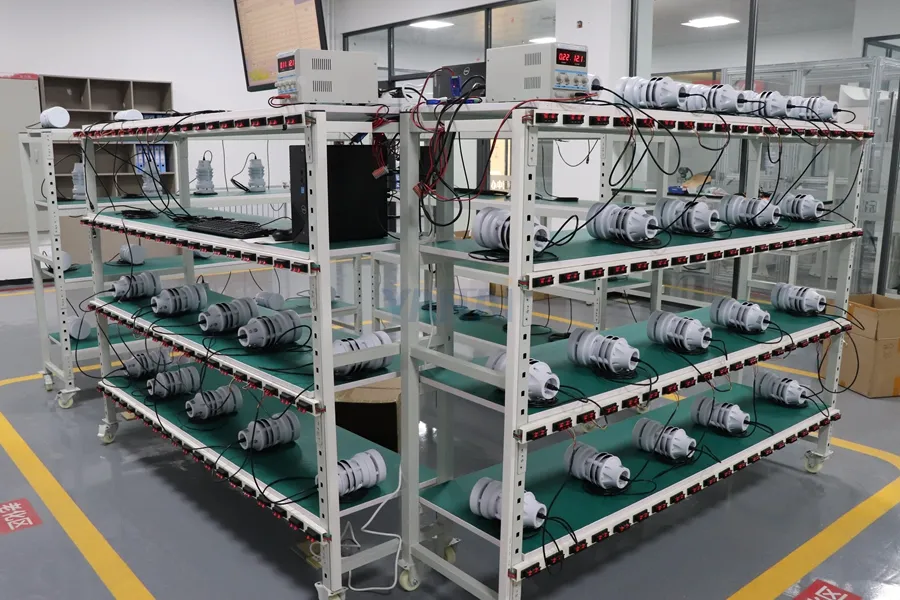
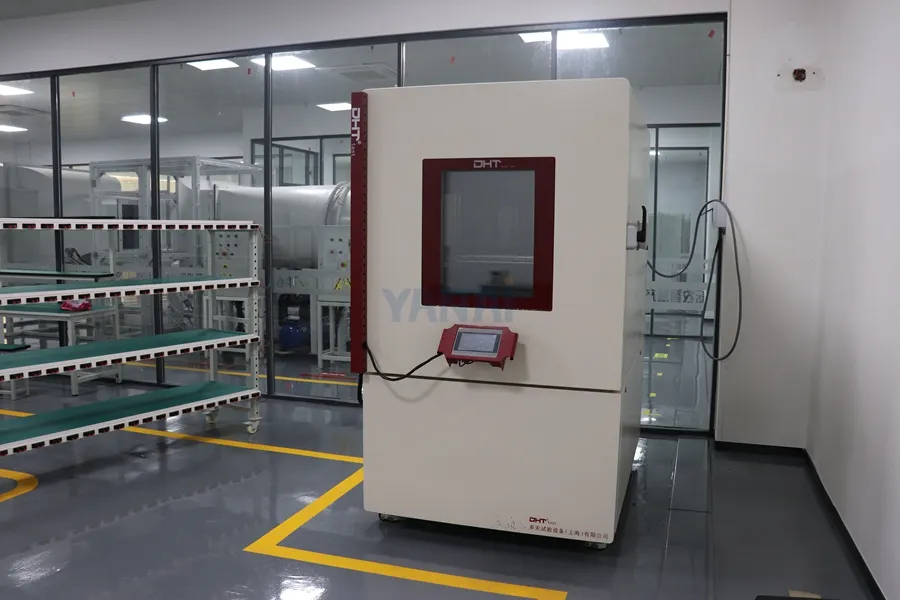
With independent R&D capabilities, advanced production facilities, and a professional environmental testing laboratory, each forward scatter visibility sensor undergoes strict quality inspections, including high-temperature and humidity aging, salt spray resistance, vibration testing, and optical performance evaluation. Backed by multiple patents and certifications such as CE, ISO, and RoHS, we provide high-quality visibility sensors along with flexible OEM/ODM services to support road weather monitoring systems (RWIS), smart transportation infrastructure, environmental monitoring, and global safety projects.