บทนำ
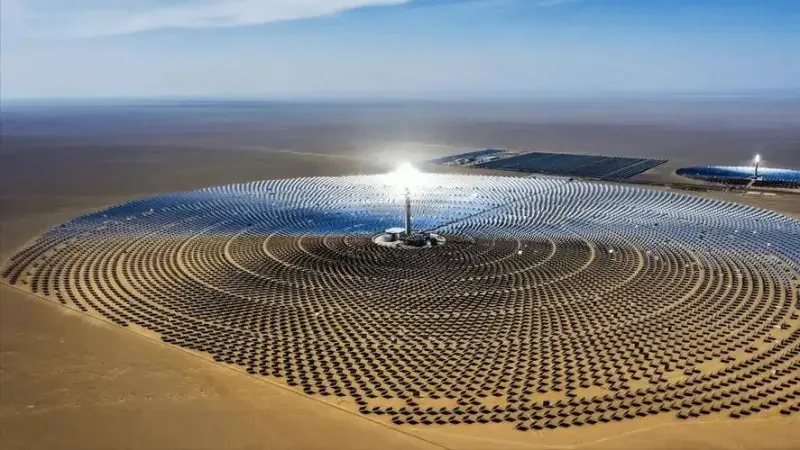
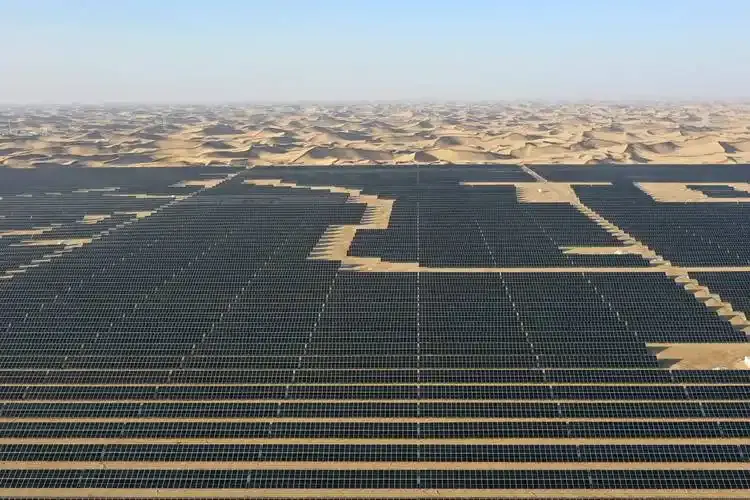
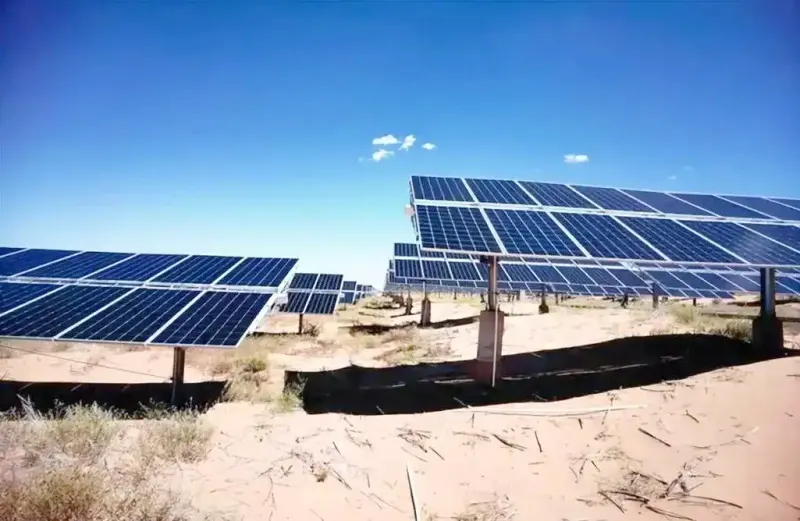
โรงไฟฟ้าพลังงานแสงอาทิตย์ในทะเลทรายได้รับแสงแดดอุดมสมบูรณ์ แต่การสะสมของฝุ่น อุณหภูมิโมดูลที่สูง และพายุทรายสามารถส่งผลต่อประสิทธิภาพของ PV สำหรับนักพัฒนาโครงการและทีม O&M ความท้าทายคือการระบุผลกระทบเหล่านี้และใช้ข้อมูลการตรวจวัดเพื่อเป็นแนวทางในการตัดสินใจบำรุงรักษา โดยเฉพาะในพื้นที่ห่างไกล.
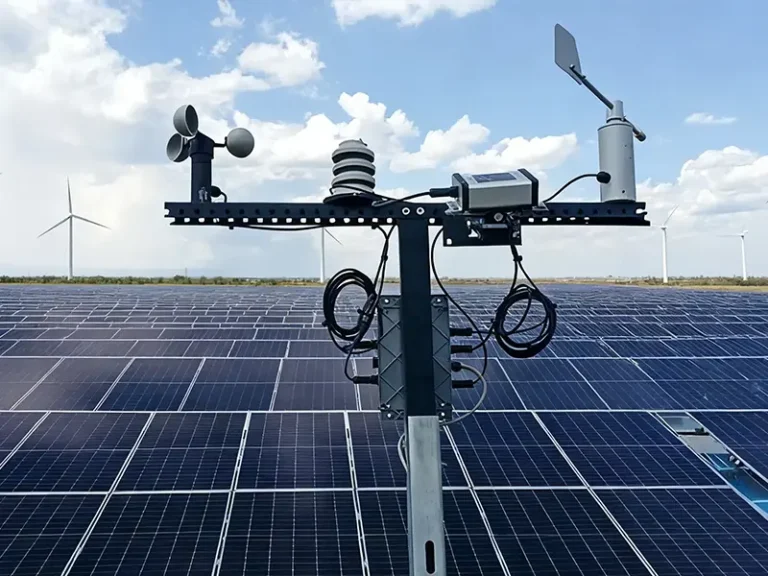
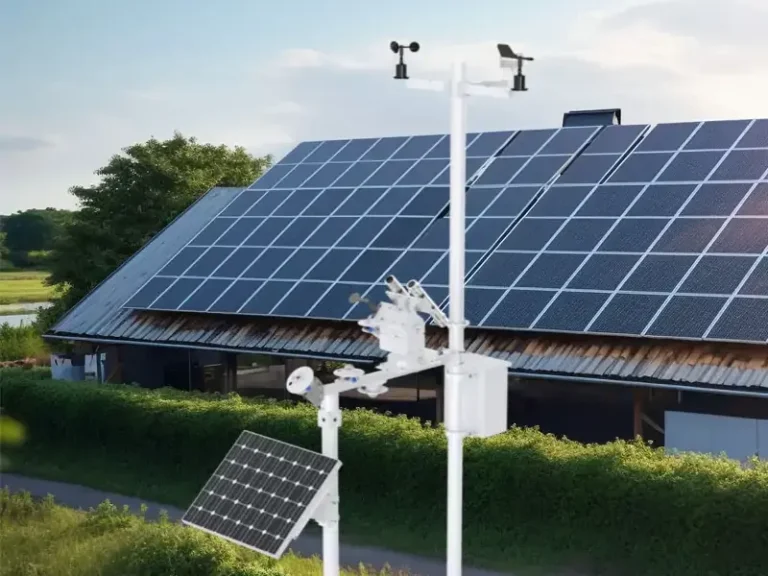
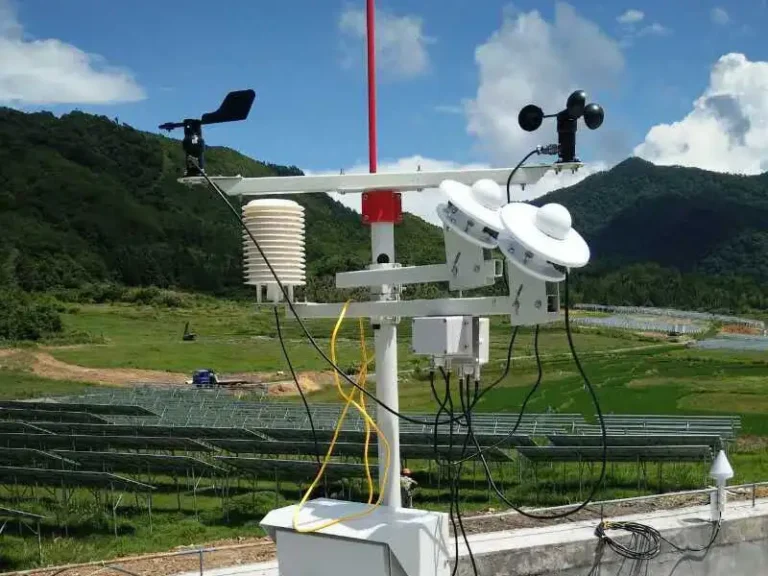
โซลูชันการตรวจวัดสำหรับโรงไฟฟ้าพลังงานแสงอาทิตย์ในทะเลทรายผสมผสาน ปริมาณรังสีอาทิตย์, อุณหภูมิโมดูล การสะสมสิ่งสกปรก สภาพอากาศ และข้อมูลการทำงานของ PV เพื่อช่วยให้ผู้ปฏิบัติงานประเมินสภาพพื้นที่และการเปลี่ยนแปลงประสิทธิภาพ ดังที่กล่าวไว้ใน Environmental Monitoring for Utility-Scale Solar Farms ข้อมูลสิ่งแวดล้อมยังสนับสนุนการตรวจวัดโรงไฟฟ้าในภาพรวม บทความนี้ครอบคลุมพารามิเตอร์การวัดที่สำคัญ การวิเคราะห์ข้อมูล และการเลือกเซ็นเซอร์สำหรับโครงการ PV ในทะเลทราย สำหรับโครงการในสภาพอากาศร้อน, High Temp Solar Monitoring อธิบายวิธีการเลือกเซ็นเซอร์วัดอุณหภูมิและอุปกรณ์ตรวจวัดสำหรับการติดตั้งพลังงานแสงอาทิตย์ที่สัมผัสกับความร้อนจัด.
ทำไมโรงไฟฟ้าพลังงานแสงอาทิตย์ในทะเลทรายจึงต้องการการตรวจวัดเฉพาะทาง?
โรงไฟฟ้าพลังงานแสงอาทิตย์ในทะเลทรายเผชิญกับความท้าทายเฉพาะที่ส่งผลต่อผลผลิตพลังงานและการวางแผนบำรุงรักษา รวมถึงการสะสมของฝุ่น อุณหภูมิโมดูลที่สูง และพายุทรายที่เกิดขึ้นบ่อยครั้ง โซลูชันการตรวจวัดสำหรับโรงไฟฟ้าพลังงานแสงอาทิตย์ในทะเลทรายผสมผสานการวัดค่าสิ่งแวดล้อมกับข้อมูลการทำงานของ PV เพื่อช่วยให้ผู้ปฏิบัติงานแยกความผันผวนที่เกี่ยวข้องกับสภาพอากาศออกจากการสูญเสียจากสิ่งสกปรกและปัญหาอุปกรณ์ที่อาจเกิดขึ้น.
การสะสมของฝุ่นและการสะสมสิ่งสกปรกบนแผงโซลาร์เซลล์
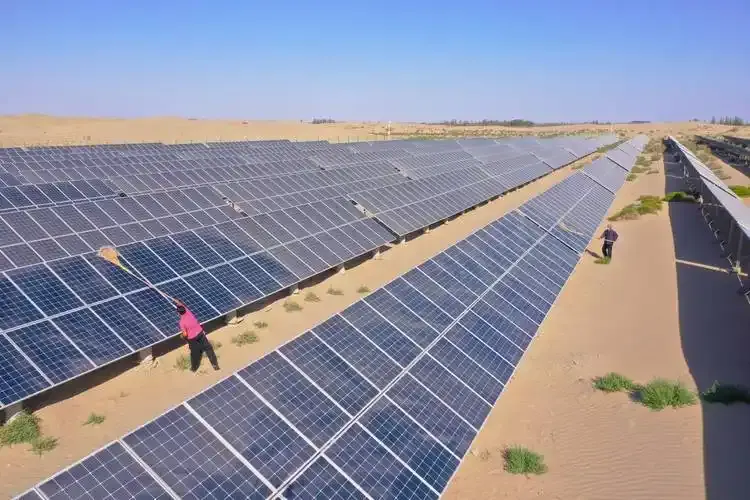
ฝุ่นและทรายที่สะสมลดแสงแดดที่ส่องถึงเซลล์ PV แต่สิ่งสกปรกที่มองเห็นได้เพียงอย่างเดียวไม่สามารถบ่งชี้การสูญเสียพลังงานที่เกิดขึ้นได้อย่างน่าเชื่อถือ การสะสมขึ้นอยู่กับคุณสมบัติของอนุภาค สภาพลม ความเอียงของโมดูล ปริมาณฝน และความถี่ในการทำความสะอาด.
การตรวจวัดการสะสมสิ่งสกปรกบนโซลาร์ใช้เซ็นเซอร์วัดการสะสมสิ่งสกปรกโดยเฉพาะหรือการเปรียบเทียบระหว่างโมดูลอ้างอิงที่สะอาดและที่สกปรกเพื่อประเมินการสูญเสียประสิทธิภาพ ข้อมูลการตรวจวัดฝุ่นบนแผงโซลาร์เซลล์นี้ช่วยให้ผู้ปฏิบัติงานชั่งน้ำหนักการฟื้นฟูพลังงานที่เป็นไปได้กับต้นทุนการทำความสะอาด ความพร้อมของน้ำ และสภาพพื้นที่ก่อนกำหนดตารางการบำรุงรักษา สำหรับการตรวจวัดโรงไฟฟ้าพลังงานแสงอาทิตย์ในทะเลทราย สิ่งนี้สนับสนุนการตัดสินใจทำความสะอาดโดยอิงจากการวัดแทนการตรวจสอบด้วยสายตาเพียงอย่างเดียว.
อุณหภูมิสูงและการแปรผันของความเข้มแสงอาทิตย์
อุณหภูมิแวดล้อมที่สูงสามารถเพิ่มอุณหภูมิของโมดูล PV แต่อุณหภูมิอากาศและอุณหภูมิโมดูลเป็นการวัดที่แตกต่างกัน โมดูล PV ทั่วไปส่วนใหญ่สูญเสียผลผลิตบางส่วนเมื่ออุณหภูมิเซลล์เพิ่มขึ้น ผลกระทบที่แท้จริงขึ้นอยู่กับค่าสัมประสิทธิ์อุณหภูมิของโมดูล.
การผสมผสานการตรวจวัดความเข้มแสงอาทิตย์กับการตรวจวัดอุณหภูมิโมดูล PV ช่วยอธิบายความผันผวนของพลังงานภายใต้สภาพอากาศที่เปลี่ยนแปลง ไพราโนมิเตอร์วัดความเข้มแสงอาทิตย์ ในขณะที่เซ็นเซอร์วัดอุณหภูมิโมดูลติดตามความร้อนของโมดูล สำหรับการวินิจฉัยประสิทธิภาพที่น่าเชื่อถือยิ่งขึ้น ผู้ปฏิบัติงานควรตรวจสอบสถานะอินเวอร์เตอร์ กำลังไฟฟ้าที่ผลิตได้ การลดกำลังผลิต และบันทึกเวลาหยุดทำงานด้วย.
พายุทราย การสัมผัสลม และการปฏิบัติงานระยะไกล
พายุทรายสามารถลดแสงแดดที่ส่องเข้ามา ทิ้งฝุ่นใหม่บนโมดูล และทำให้อุปกรณ์ตรวจวัดสัมผัสกับอนุภาคที่ปลิวตามลม ความเร็วลม ทิศทางลม ปริมาณฝน และความเข้มแสงช่วยระบุลักษณะสภาพพื้นที่ ในขณะที่จำเป็นต้องมีการวัดการสะสมสิ่งสกปรกโดยเฉพาะเพื่อประเมินการสูญเสียที่เกี่ยวข้องกับฝุ่น.
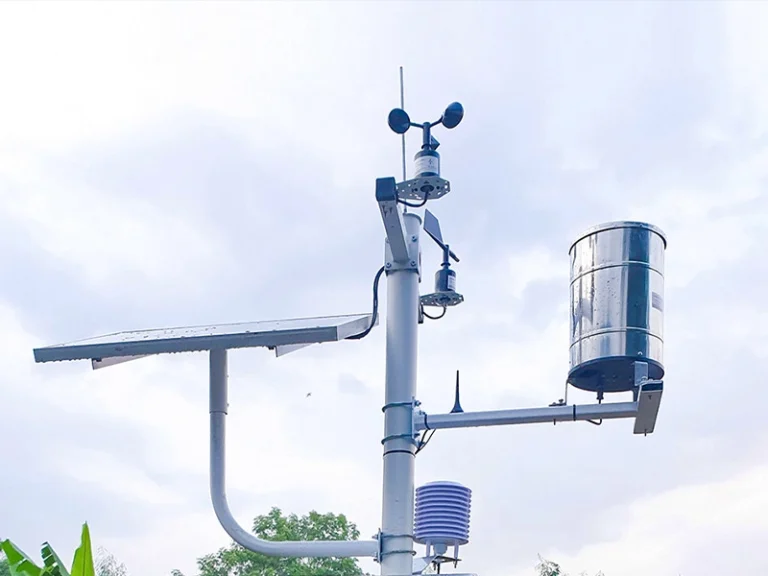
ระบบตรวจวัดสภาพอากาศสำหรับโซลาร์ในพื้นที่ทะเลทรายควรคำนึงถึงการสัมผัสของเซ็นเซอร์ การเข้าถึงเพื่อบำรุงรักษา และความน่าเชื่อถือของการสื่อสาร การบันทึกข้อมูลและการเข้าถึงระยะไกลช่วยให้ผู้ปฏิบัติงานระบุค่าที่ขาดหายหรือผิดปกติ โดยเฉพาะในพื้นที่ที่การตรวจสอบต้องเดินทางไกล สำหรับภาพรวมที่เกี่ยวข้องของการตรวจวัดสภาพอากาศในสภาพแวดล้อมการติดตั้ง PV ที่แตกต่างกัน ดู Weather Monitoring for Rooftop Solar Systems.
ระบบตรวจวัดสำหรับโซลาร์ในทะเลทรายควรวัดพารามิเตอร์ใด?
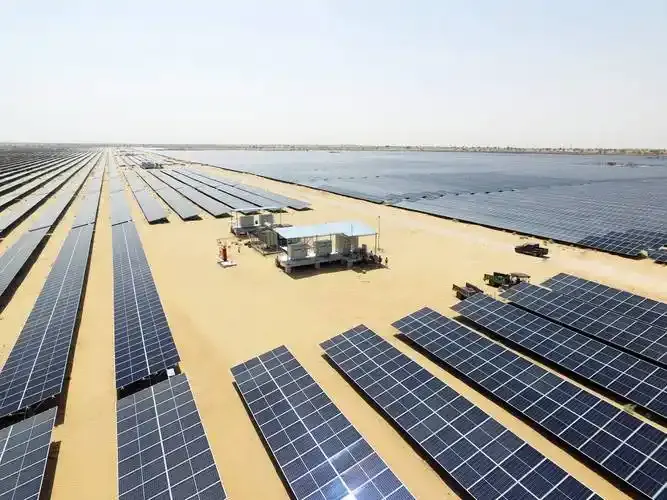
ระบบตรวจวัดสำหรับโซลาร์ในทะเลทรายจำเป็นต้องติดตามสภาพที่ส่งผลต่อผลผลิต PV ตั้งแต่แสงแดดที่เปลี่ยนแปลงและอุณหภูมิโมดูลไปจนถึงการสะสมของฝุ่นและลม การผสมผสานการวัดที่เหมาะสมช่วยให้ทีม O&M เข้าใจการเปลี่ยนแปลงประสิทธิภาพและตัดสินใจได้ว่าจำเป็นต้องบำรุงรักษาเมื่อใด.
การตรวจวัดความเข้มแสงอาทิตย์: GHI เทียบกับ POA
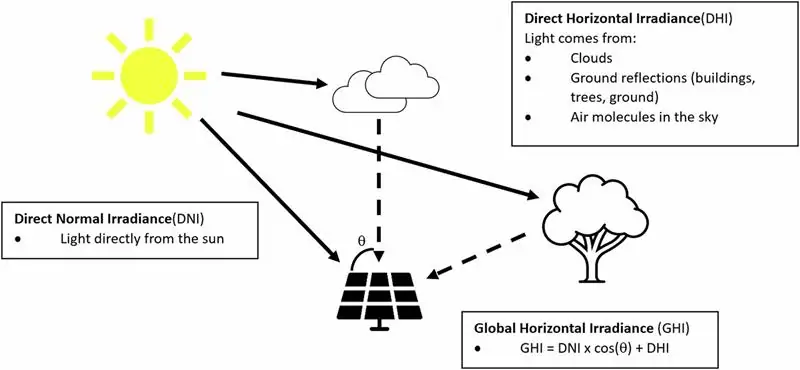
ข้อมูลความเข้มแสงอาทิตย์เป็นข้อมูลอ้างอิงสำหรับประเมินว่าแสงแดดส่องถึงโรงไฟฟ้า PV มากน้อยเพียงใด Global Horizontal Irradiance (GHI) วัดแสงแดดที่พื้นผิวแนวนอนได้รับ ในขณะที่ Plane-of-Array (POA) irradiance วัดแสงแดดบนระนาบเดียวกับโมดูล PV GHI มีประโยชน์สำหรับการประเมินสภาพแสงอาทิตย์ในท้องถิ่น whereas POA มีความสัมพันธ์โดยตรงมากกว่ากับแสงแดดที่ส่องถึงโมดูล.
สำหรับโรงไฟฟ้า PV ในทะเลทราย การเลือกขึ้นอยู่กับวัตถุประสงค์การตรวจวัดและรูปแบบการจัดวางโมดูล เมื่อเลือกไพราโนมิเตอร์สำหรับการตรวจวัดโซลาร์ ควรพิจารณาความแม่นยำในการวัด การตอบสนองทางสเปกตรัมและโคไซน์ สภาพพื้นที่ และข้อกำหนดการสอบเทียบ.
เพื่อทำความเข้าใจความแตกต่างระหว่างการวัดความเข้มแสง ดู [พลังงานแสงอาทิตย์ GHI, DNI และ DHI คืออะไร?] สำหรับโครงการที่ต้องการข้อมูลรังสีลำตรง [วิธีการวัดความเข้มรังสีอาทิตย์โดยตรง (DNI) อย่างแม่นยำ] อธิบายวิธีการวัด คุณยังสามารถดู [วิธีการวัดความเข้มรังสีดวงอาทิตย์สำหรับระบบเซลล์แสงอาทิตย์] สำหรับคำแนะนำเกี่ยวกับการวัดความเข้มแสง PV.
อุณหภูมิโมดูล PV และอุณหภูมิแวดล้อม
อุณหภูมิอากาศไม่ได้บอกเรื่องราวทั้งหมด ภายใต้แสงแดดจัด โมดูล PV สามารถร้อนกว่าอากาศโดยรอบมาก ส่งผลต่อผลผลิตทางไฟฟ้า ขนาดของผลกระทบนี้ขึ้นอยู่กับค่าสัมประสิทธิ์อุณหภูมิของโมดูลและสภาพการทำงาน.
การตรวจวัดอุณหภูมิโมดูล PV ควบคู่กับอุณหภูมิแวดล้อมและความเข้มแสงช่วยอธิบายการเปลี่ยนแปลงของกำลังไฟฟ้าที่ผลิตได้ เซ็นเซอร์วัดอุณหภูมิควรติดตั้งและวางตำแหน่งอย่างเหมาะสมเพื่อเป็นตัวแทนของโมดูลที่กำลังตรวจวัด สำหรับการวิเคราะห์ประสิทธิภาพที่มีความหมาย ควรเปรียบเทียบค่าอุณหภูมิกับความเข้มแสง ข้อมูลอินเวอร์เตอร์ และกำลังไฟฟ้าที่ผลิตได้จริง แทนที่จะถือว่าอุณหภูมิเป็นสาเหตุเดียวของการลดลงของการผลิต.
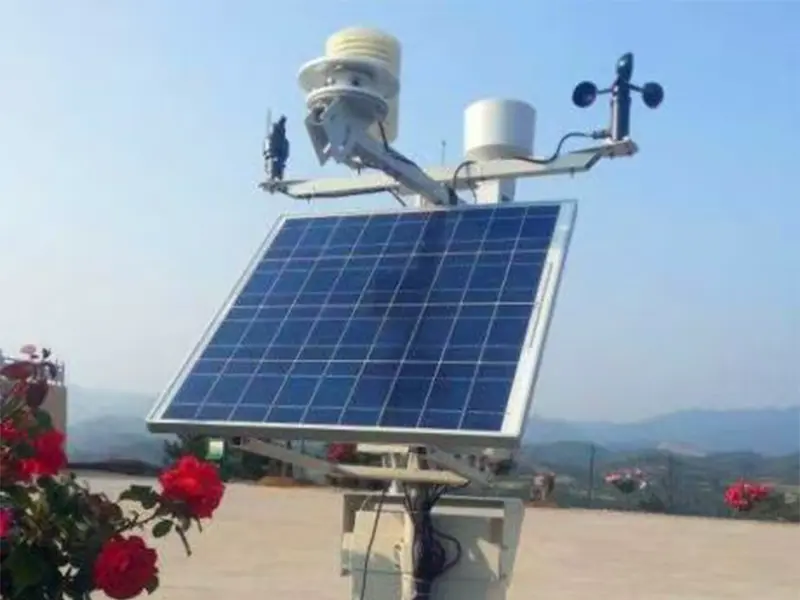
เซ็นเซอร์วัดการสะสมสิ่งสกปรกบนโซลาร์และเซ็นเซอร์วัดสภาพอากาศ
ลมสามารถพาฝุ่นไปยังพื้นผิวโมดูล ในขณะที่ฝนอาจชะล้างสิ่งสะสมบางส่วนออกไป บันทึกความเร็วลม ทิศทางลม และปริมาณฝนช่วยให้ผู้ปฏิบัติงานเข้าใจเหตุการณ์เหล่านี้ แต่ข้อมูลสภาพอากาศเพียงอย่างเดียวไม่สามารถแสดงได้ว่าพลังงานสูญเสียไปจากการสะสมสิ่งสกปรกมากน้อยเพียงใด.
การตรวจสอบสิ่งสกปรกบนแผงโซลาร์ช่วยให้ประเมินความสูญเสียที่เกิดจากฝุ่นได้โดยตรงมากขึ้น ขึ้นอยู่กับระบบ อาจใช้เซ็นเซอร์ตรวจวัดสิ่งสกปรกโดยเฉพาะ หรือเปรียบเทียบระหว่างโมดูลอ้างอิงที่สะอาดกับโมดูลที่เปื้อนสิ่งสกปรก ผู้ปฏิบัติงานสามารถตรวจสอบผลลัพธ์ร่วมกับค่าความเข้มรังสีและกำลังไฟฟ้าของ PV เพื่อตัดสินว่าการทำความสะอาดมีแนวโน้มจะกู้คืนพลังงานได้เพียงพอที่จะคุ้มกับค่าใช้จ่ายหรือไม่ สำหรับรายละเอียดเพิ่มเติม ดู [การตรวจสอบความสูญเสียจากสิ่งสกปรกบนแผงโซลาร์].
พารามิเตอร์หลักโดยสรุป
| พารามิเตอร์ที่ตรวจสอบ | สิ่งที่ช่วยให้ผู้ปฏิบัติงานประเมิน | ข้อพิจารณาในทางปฏิบัติ |
| ค่ารังสีดวงอาทิตย์ | การเปลี่ยนแปลงของแสงแดดที่มีอยู่และกำลังไฟฟ้า PV ที่คาดหวัง | เลือก GHI หรือ POA ตามวัตถุประสงค์การตรวจสอบ |
| อุณหภูมิโมดูล PV | การเปลี่ยนแปลงของกำลังไฟฟ้าโมดูลที่เกี่ยวข้องกับอุณหภูมิ | อย่าใช้อุณหภูมิแวดล้อมแทนอุณหภูมิโมดูล |
| ระดับสิ่งสกปรก | ความสูญเสียพลังงานที่เกี่ยวข้องกับการสะสมของฝุ่น | ใช้วิธีการวัดที่เหมาะสมและดูแลรักษาเซ็นเซอร์หรือโมดูลอ้างอิง |
| ความเร็วลมและทิศทางลม | การสัมผัสลมและสภาวะที่อาจพัดพาฝุ่น | เลือกตำแหน่งวัดที่เปิดโล่งแต่เหมาะสม |
| อุณหภูมิแวดล้อม | สภาวะอากาศในพื้นที่รอบโรงไฟฟ้า PV | ตีความร่วมกับอุณหภูมิโมดูล |
| ปริมาณน้ำฝน | เหตุการณ์ฝนที่อาจส่งผลต่อความสะอาดของโมดูล | อย่าสันนิษฐานว่าฝนได้ทำความสะอาดโมดูลอย่างสมบูรณ์แล้ว |
| กำลังไฟฟ้า PV และข้อมูลอินเวอร์เตอร์ | Actual plant response to environmental conditions | Check for curtailment, inverter faults, and downtime before attributing losses to weather or soiling |
How Does a Desert Solar Monitoring System Work?
A desert solar monitoring system brings together site measurements and PV operating data. This allows O&M teams to assess changing conditions and investigate why a plant’s output may be falling.
Sensor Data Collection and Transmission
Sensors measure solar irradiance, module temperature, weather conditions, and soiling. A data logger records each reading with a timestamp and sends the data through RS485/Modbus, Ethernet, or a suitable wireless connection. At remote desert sites, stable power, local data storage, and reliable communications are essential to reduce gaps in monitoring records.
Data Analysis, Alarms, and Monitoring Platforms
The monitoring platform compares sensor readings with inverter status and PV output to flag changes that may need investigation, such as possible soiling losses or temperature-related power reductions. Solar farm performance monitoring helps operators compare site conditions with actual generation, while remote solar plant monitoring gives teams access to data without visiting the site.
Alerts alone cannot confirm a fault, so engineers should check equipment status and operating conditions before deciding on maintenance. If the system will connect to an existing SCADA platform, protocol and data compatibility should be checked during planning.For practical guidance on comparing system capabilities and requirements, see [วิธีเลือกระบบตรวจสอบ PV ที่เหมาะสม].
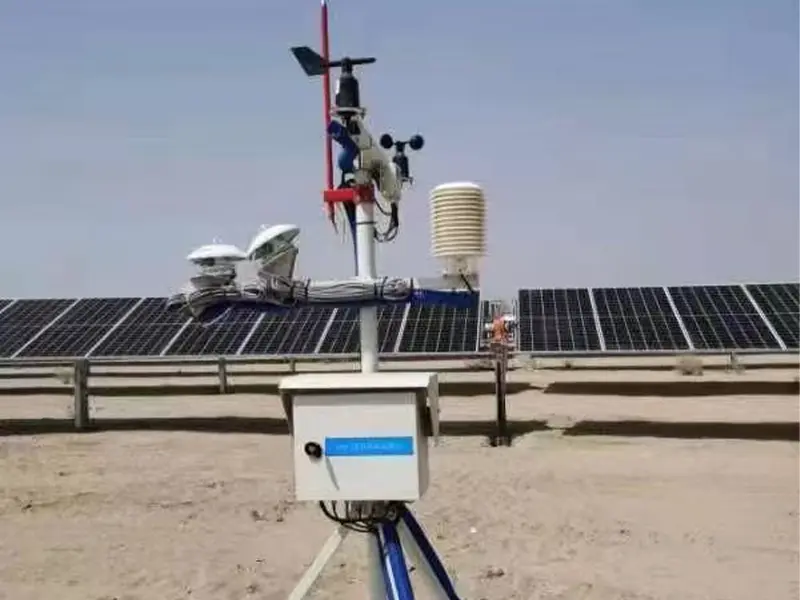
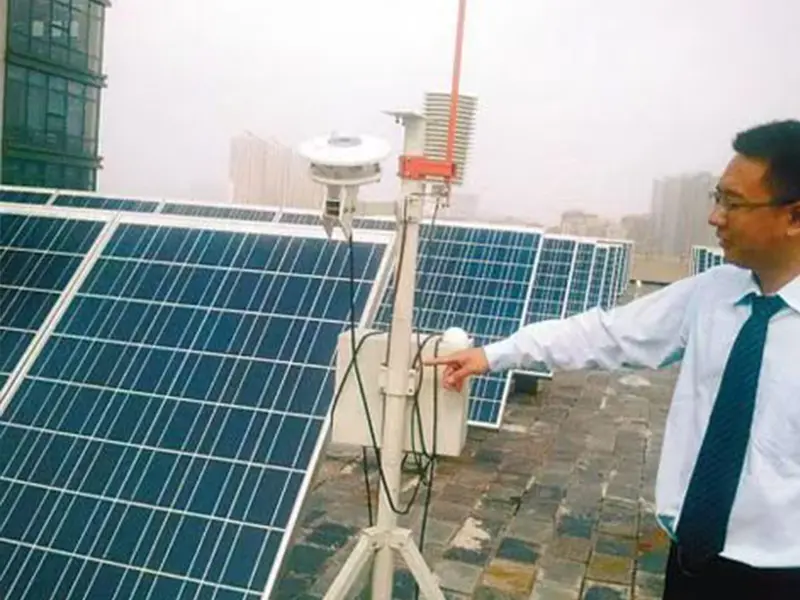
Recommended Sensors for Desert Solar Farm Monitoring
Desert PV projects may need to monitor irradiance, module temperature, weather conditions, and dust-related losses. The right sensor setup depends on which performance factors the O&M team needs to track, how the data will be used, and whether the equipment must connect to an existing monitoring platform.
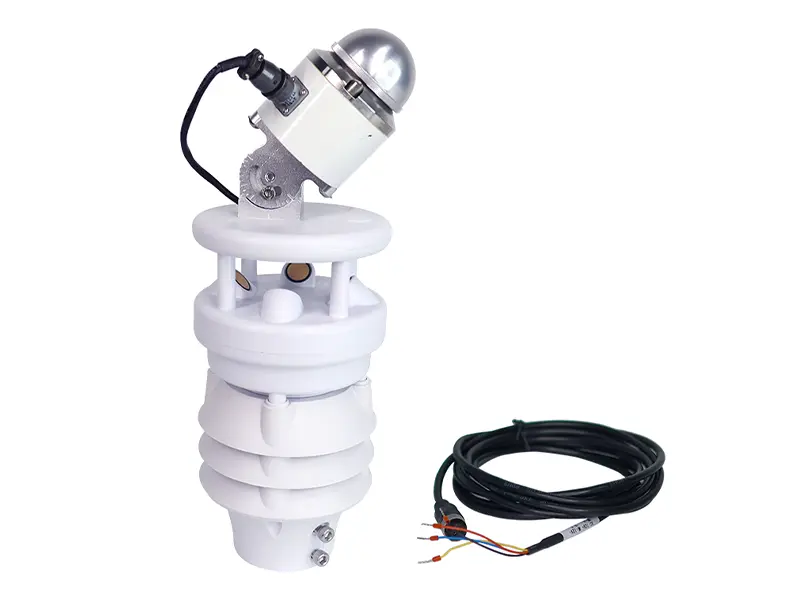
Compact Weather Sensors for PV Monitoring
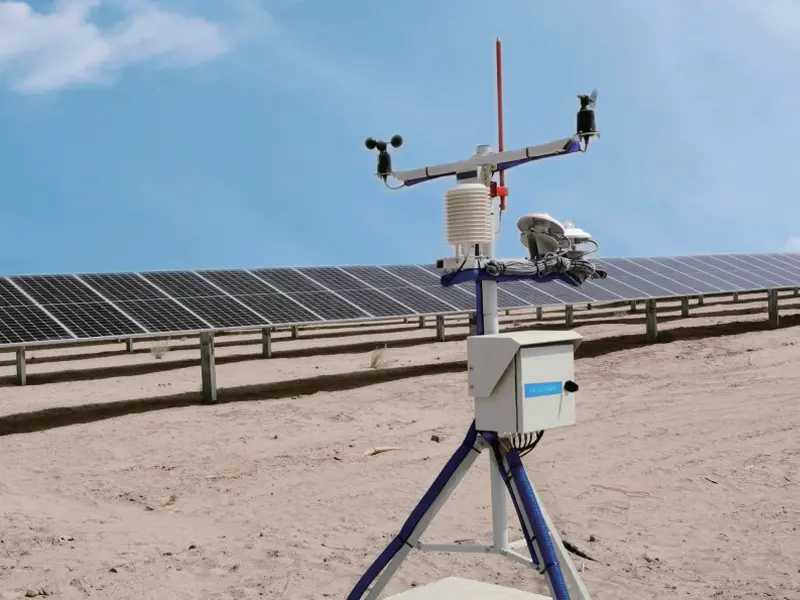
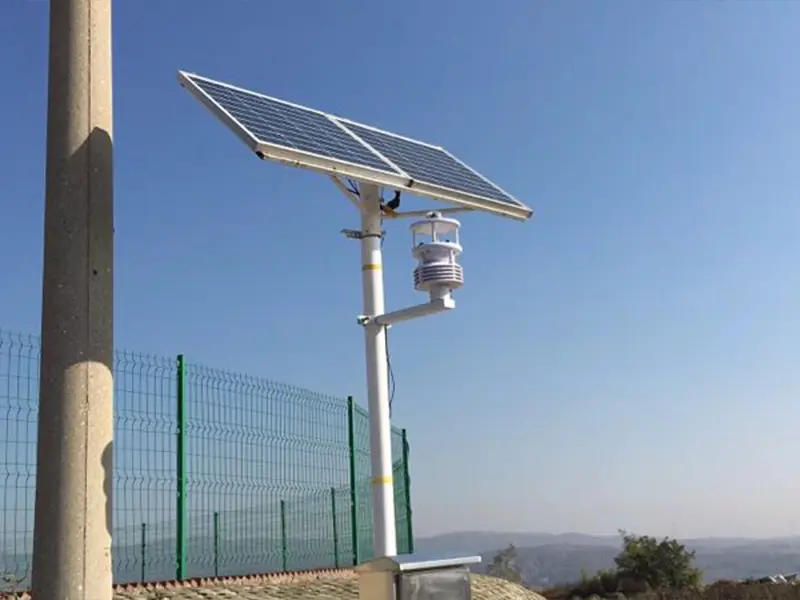
The XF500S-CWB Compact Weather Sensor is an option for projects that need several PV-related and weather measurements in a compact device. The Solar Monitoring Weather Station is another option for monitoring key parameters such as irradiance and module temperature, subject to the selected configuration.
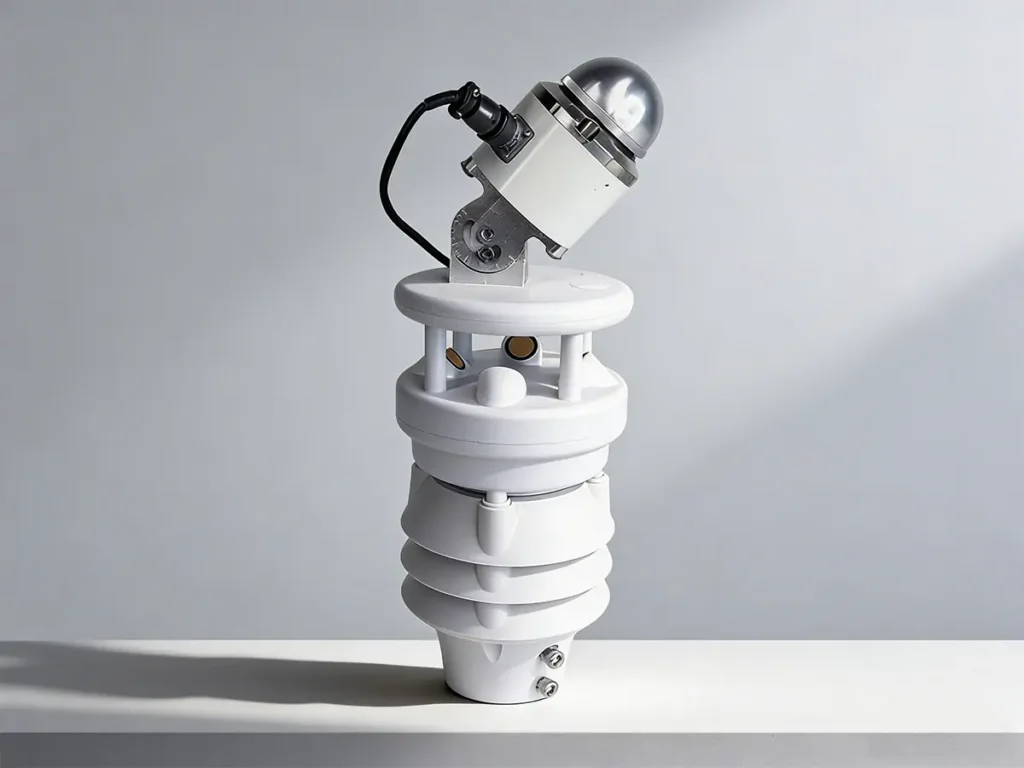
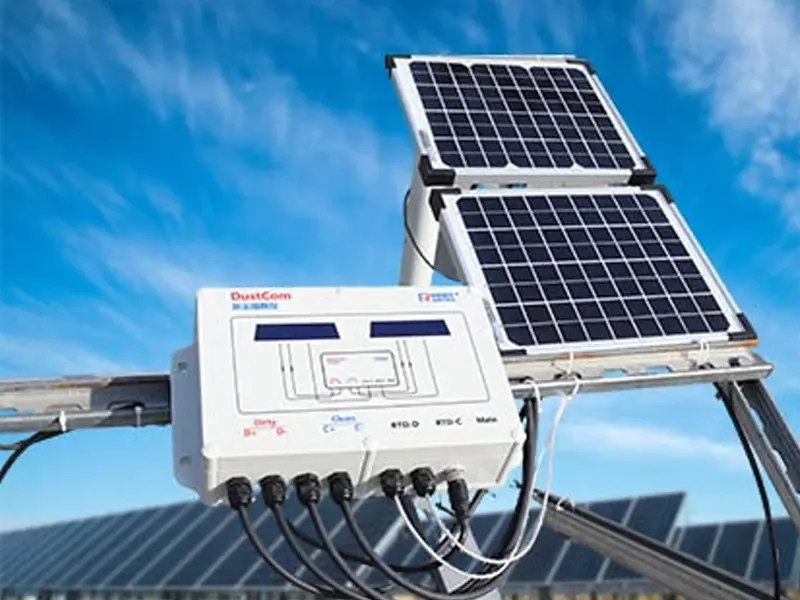
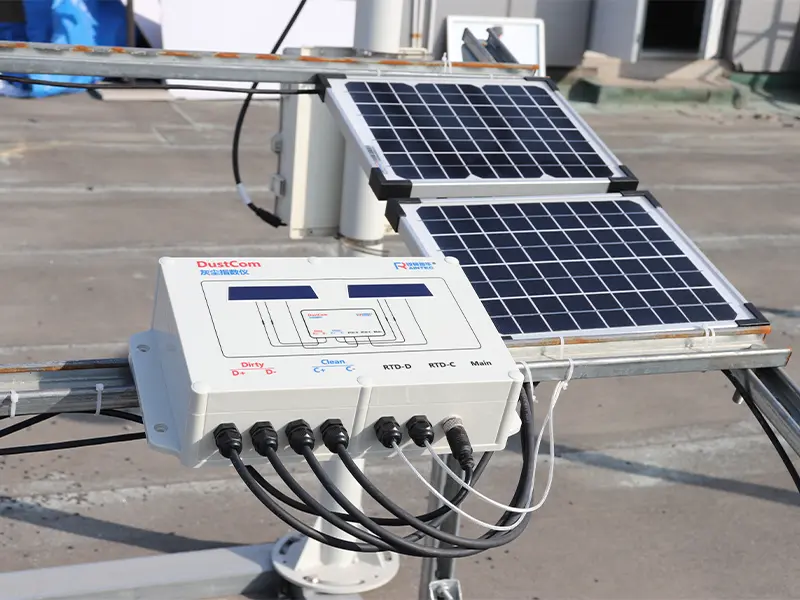
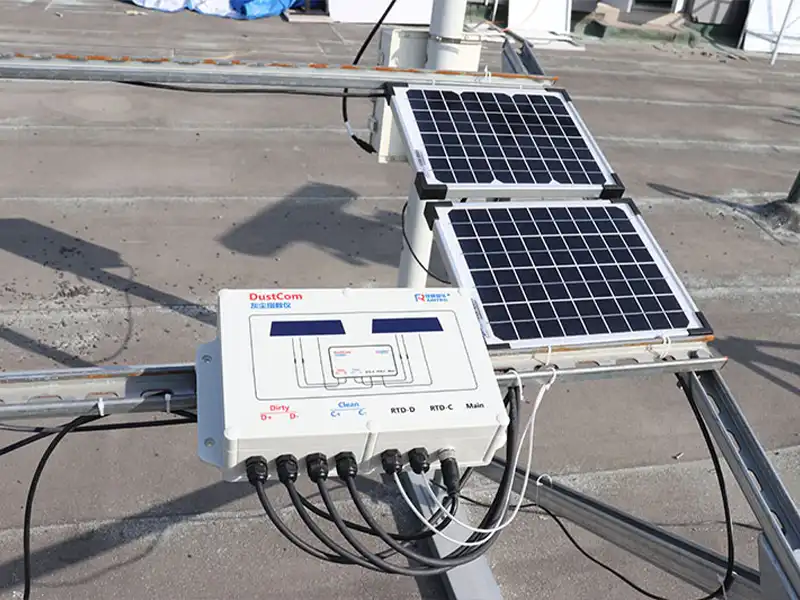
ระบบตรวจสอบดัชนีฝุ่นโฟโตโวลตาอิก DustCom
ระบบตรวจวัดดัชนีฝุ่นสำหรับแผงเซลล์แสงอาทิตย์ DustCom is designed to monitor soiling-related changes in PV performance. Its readings can help O&M teams assess dust accumulation and decide when cleaning may be justified. For desert sites, soiling data is most useful when reviewed alongside irradiance, power output, and cleaning records.
Weather Monitoring Stations for Solar Farms
The Solar Photovoltaic Environmental Monitoring Station is worth considering when a project requires coordinated environmental measurements. Before selection, confirm the required sensors, communication interfaces, power supply, and data acquisition compatibility against the actual station configuration.
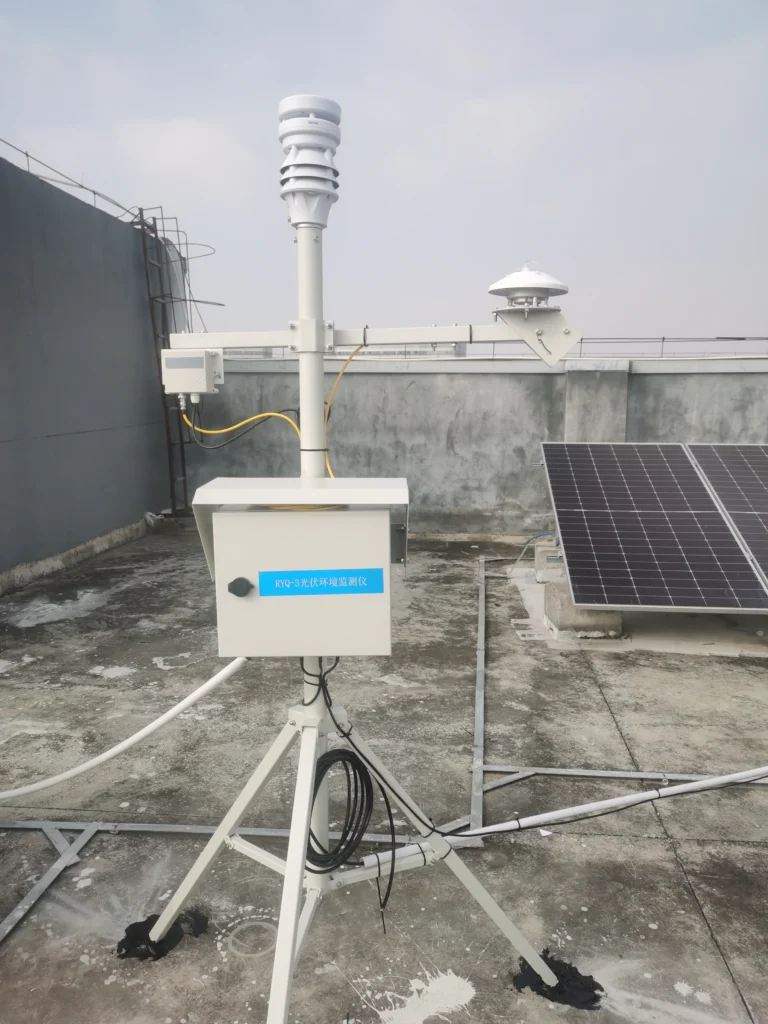
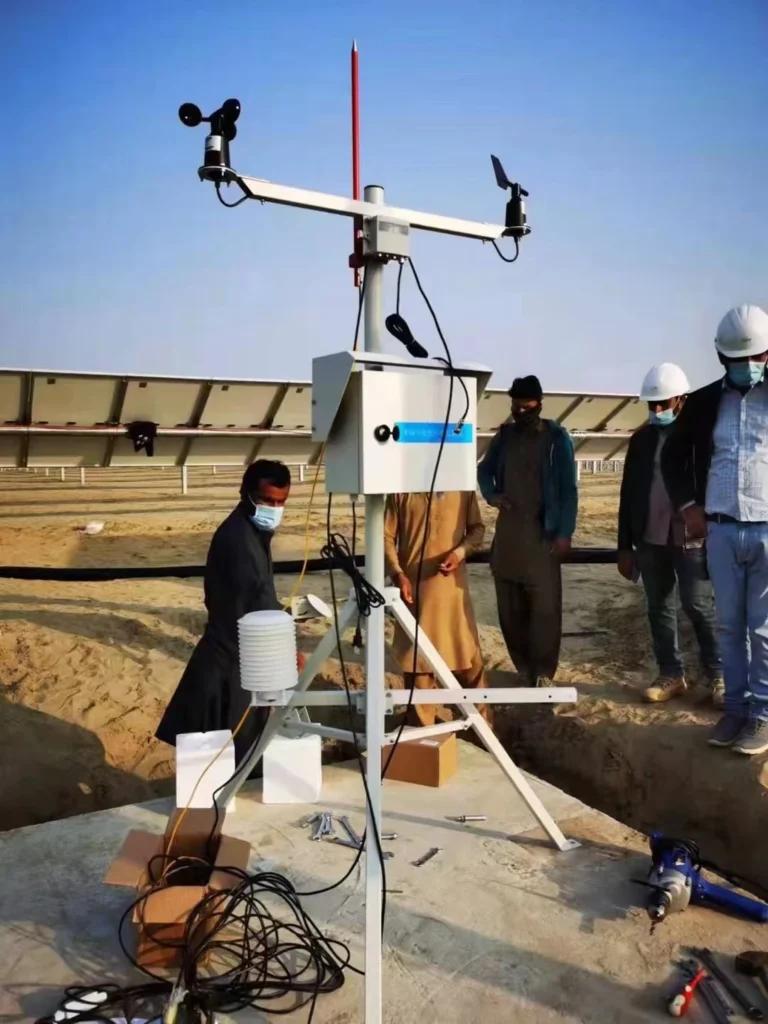
For desert installations, also evaluate dust exposure, temperature range, sensor mounting, communication reliability, and access for inspection and maintenance. An enclosure rating or operating-temperature specification alone does not guarantee suitability for every site; the complete configuration must match the project’s environmental conditions.
How to Measure and Identify Dust-Related Power Loss in Desert Solar Plants?
Dust buildup can reduce the amount of sunlight reaching PV cells, but a fall in power output does not necessarily mean the panels need cleaning. In desert solar plants, operators need to compare soiling measurements with irradiance, module temperature, and inverter data to understand what is affecting generation. This helps avoid unnecessary cleaning and makes maintenance decisions more evidence-based.
Compare Clean and Soiled Reference Measurements
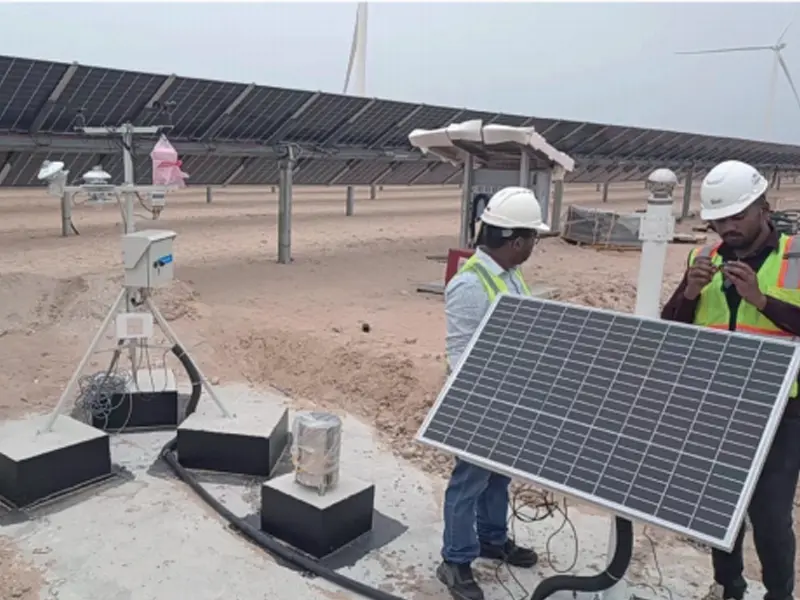
A practical way to estimate solar panel soiling loss is to compare a clean reference module with a soiled one exposed to similar conditions. The difference in their measured performance helps indicate how much dust may be affecting PV output.
For reliable solar soiling monitoring, the modules should have comparable specifications, tilt, orientation, and exposure. Their cleaning status and measurement conditions must also be consistent. A power difference between two unrelated modules is not enough to calculate a dependable soiling-loss percentage. Camera-based monitoring can show where dust accumulates, but the amount of visible dirt does not directly indicate how much energy has been lost.
Separate Soiling Loss from Temperature and Weather Effects
Before blaming dust for lower generation, check the other data that can explain the change:
- Solar irradiance: Was less sunlight reaching the modules during the comparison period?
- Module temperature: Did higher cell or module temperatures contribute to lower output?
- Inverter and grid records: Were there faults, downtime, or power curtailment?
- Soiling measurements: Did the measured increase in soiling coincide with the drop in generation?
For solar farm performance monitoring, these readings should be reviewed over comparable periods, with corrections for changing operating conditions where appropriate. The same applies to desert solar power monitoring, where rapid weather changes can complicate comparisons. If the data does not point to a clear cause, further inspection or electrical testing may be needed.
Verify Results After Panel Cleaning
To assess whether cleaning has worked, record soiling measurements, irradiance, module temperature, and PV output before the panels are washed. Repeat the measurements afterward under similar conditions.
A solar panel cleaning monitoring system can help operators track changes over time and monitor dust on solar panels between cleaning cycles. If irradiance or temperature differs significantly between the two measurements, account for those changes before judging the result.
The final decision should also reflect labor, equipment, water use, and any operational disruption. Cleaning is worthwhile when the expected energy recovery justifies the cost—not simply because a fixed number of days has passed.
How to Optimize Solar Panel Cleaning with Monitoring Data?
Cleaning solar panels too often wastes water and labor, while delaying cleaning can reduce energy yield. For solar monitoring in desert environments, operators need to balance soiling losses against cleaning costs and local water availability.
| Decision factor | What to monitor | How it guides cleaning |
| Soiling loss | Soiling readings and PV performance trends | Identify when dust-related losses may justify cleaning |
| Cleaning costs | Labor, equipment, water use, and access costs | Weigh potential energy recovery against cleaning expenses |
| Seasonal conditions | Dust accumulation, rainfall, and previous cleaning results | Adjust cleaning intervals to site conditions |
A desert solar monitoring system helps operators set cleaning thresholds based on soiling loss, energy value, and maintenance costs. For solar monitoring systems for desert climates, tracking dust trends and reviewing performance after cleaning can help refine schedules as site conditions change.
How to Design a Reliable Solar Monitoring System for Desert Conditions?
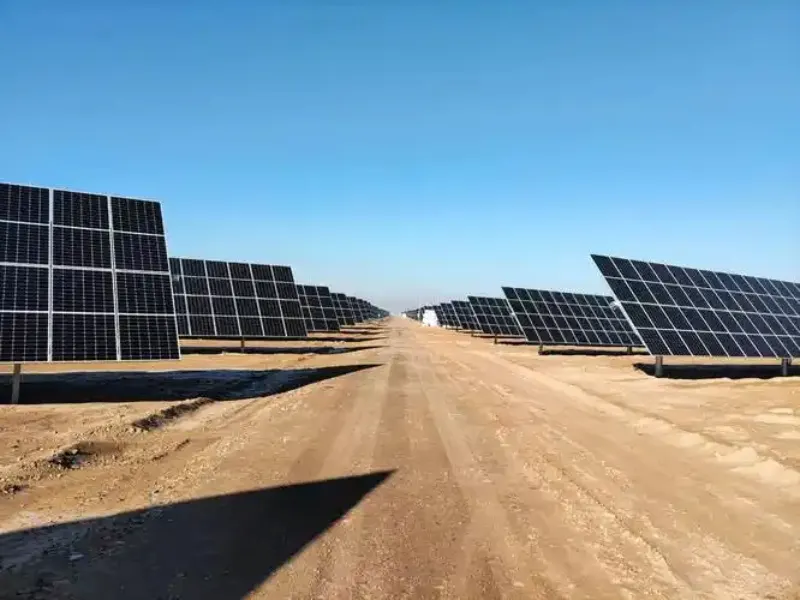
Desert solar plants need monitoring equipment that can handle dust, high temperatures, strong sunlight, and long periods without on-site maintenance. The system design should account for local conditions, measurement needs, and how the data will reach the plant’s operations team.
Select Sensors for Heat, Dust, and UV Exposure
When choosing a solar weather monitoring system, check each sensor’s operating temperature range, enclosure protection, measurement accuracy, and calibration requirements. Windblown sand and prolonged UV exposure can affect equipment differently, so check the specifications of each model. Easy access for inspection and cleaning is also important at remote sites.
Plan Monitoring Point Locations and Coverage
For effective desert solar farm monitoring, sensor locations should reflect the site layout, terrain, wind exposure, and module orientation. One weather station may not represent conditions across a large plant. Where dust accumulation varies between areas, place soiling sensors where readings represent the arrays being monitored and allow routine inspection.
Choose Data Logging, Communication, and Power Supply
A desert solar monitoring system needs reliable data collection and transmission under local site conditions. For remote solar plant monitoring, a data logger with local storage can retain readings during network outages. Choose wired, cellular, or other wireless communication based on coverage, power availability, and the distance between monitoring points and the control room.
Integrate with Existing SCADA and O&M Platforms
Before connecting new sensors to an existing SCADA or O&M platform, confirm protocol compatibility, data formats, timestamp settings, and alarm requirements. This helps teams review environmental readings alongside inverter status and power output for solar farm performance monitoring. Historical data should also remain accessible for investigating recurring performance changes.
How to Choose Desert Solar Monitoring Solutions for Your Project?
The right monitoring setup depends on the project’s objectives, site conditions, and existing infrastructure. Defining these requirements early helps avoid unnecessary equipment and compatibility issues.
Basic Weather Monitoring vs. Full PV Performance Monitoring
Weather monitoring tracks irradiance, temperature, wind, and rainfall, while soiling monitoring measures dust-related changes. Full PV performance monitoring also includes module temperature, inverter status, and generation data. The right desert solar monitoring solutions depend on the measurements required for the project.
What Information Is Needed Before Requesting a Quote?
When requesting a quote for a desert solar monitoring system, provide the project location, array layout, required measurements, accuracy requirements, and existing communication or SCADA interfaces. These details help determine a suitable configuration for a solar monitoring system for utility-scale desert projects.
Common Mistakes in Desert Solar Monitoring
For desert solar monitoring, inaccurate measurements, poor sensor placement, and unreliable data transmission can make it harder to identify the causes of PV performance losses. Avoiding these common mistakes helps operators make better maintenance decisions.
- Relying on irradiance data alone: Solar irradiance monitoring shows available sunlight but cannot directly measure dust-related losses. Use solar soiling monitoring with dedicated sensors or clean and soiled reference modules to assess the impact of dust.
- Using too few monitoring points: Conditions can vary across a large solar farm. Place sensors where they represent differences in array layout, wind exposure, and dust accumulation.
- Misattributing power losses to dust: High module temperatures, low irradiance, inverter faults, and curtailment can also reduce output. Compare these factors before scheduling panel cleaning.
- Neglecting sensor maintenance: Dust buildup and sensor drift can affect readings. Inspect equipment regularly and follow the manufacturer’s cleaning and calibration recommendations.
- Overlooking communication and integration requirements: Check network coverage, power supply, communication protocols, and data interfaces before installation to reduce data gaps in remote solar plant monitoring.
สรุป
Every desert solar site faces different challenges, from dust buildup to high module temperatures and changing weather. Desert Solar Monitoring Solutions should match these local conditions and combine environmental readings with PV output and inverter data. This helps O&M teams understand why generation changes and decide when panel cleaning or further inspection is needed.
At Yantai Sensor, we offer solar monitoring sensors and weather station options for different project requirements. If you are planning a desert solar monitoring system, ติดต่อเรา with your project location, monitoring needs, and existing system interfaces. We can help assess suitable sensor configurations and integration options for your site.