Введение
Пустынные солнечные электростанции получают обичный солнечный свет, но накопление пыли, высокая температура модулей и песчаные бури могут влиять на производительность фотоэлектрических систем. Для разработчиков проектов и групп эксплуатации и технического обслуживания задача заключается в выявлении этих воздействий и использовании данных мониторинга для принятия решений по техническому обслуживанию, особенно на удаленных площадках.
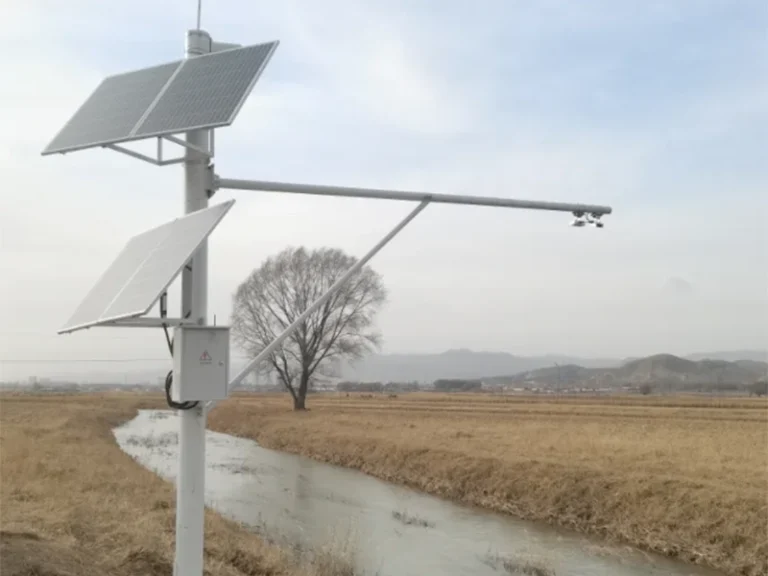
Решения для мониторинга пустынных солнечных электростанций объединяют солнечная радиация, температуру модулей, загрязнение, погодные условия и данные эксплуатации фотоэлектрических систем, чтобы помочь операторам оценить состояние площадки и изменения производительности. Как обсуждалось в разделе «Экологический мониторинг для солнечных электростанций коммунального масштаба», экологические данные также поддерживают более широкий мониторинг электростанции. В этой статье рассматриваются ключевые параметры измерений, анализ данных и выбор датчиков для фотоэлектрических проектов в пустынях. Для проектов в жарком климате, High Temp Solar Monitoring объясняет, как выбрать датчики температуры и оборудование для мониторинга солнечных установок, подверженных воздействию экстремальной жары.
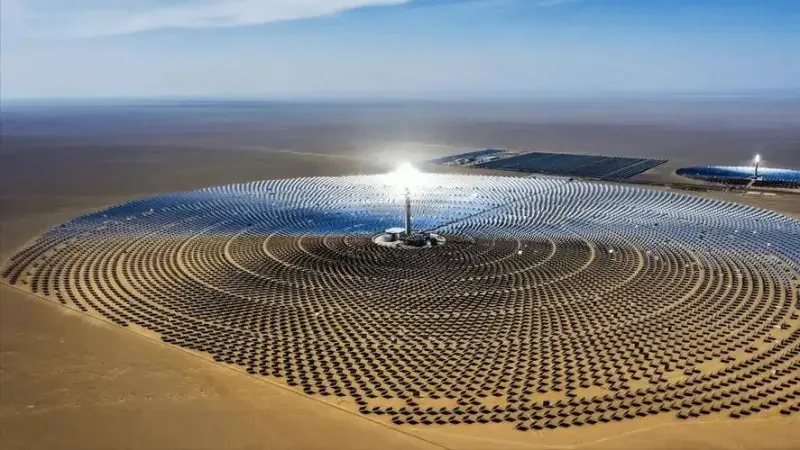
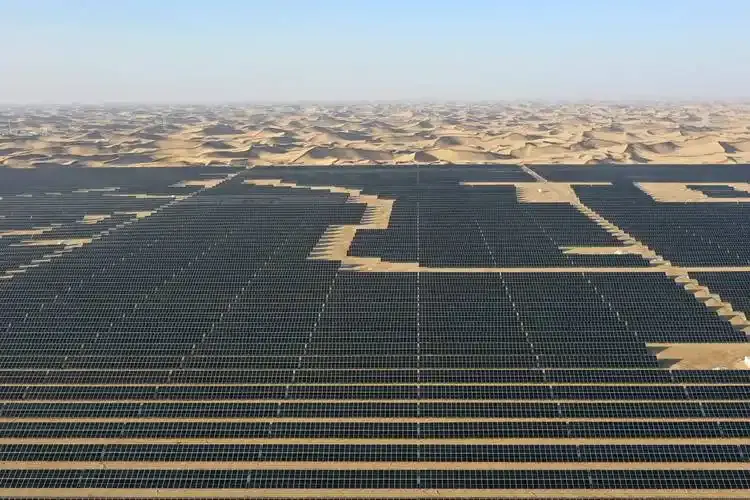
Почему пустынным солнечным электростанциям нужен специализированный мониторинг?
Пустынные солнечные электростанции сталкиваются с особыми проблемами, влияющими на выработку энергии и планирование технического обслуживания, включая накопление пыли, высокую температуру модулей и частые песчаные бури. Решения для мониторинга пустынных солнечных электростанций объединяют экологические измерения с данными эксплуатации фотоэлектрических систем, чтобы помочь операторам отличать погодные колебания от потерь из-за загрязнения и потенциальных проблем с оборудованием.
Накопление пыли и загрязнение солнечных панелей
Отложения пыли и песка уменьшают количество солнечного света, достигающего фотоэлектрических элементов, но видимая грязь сама по себе не может надежно указывать на результирующие потери мощности. Накопление зависит от свойств частиц, ветровых условий, наклона модулей, осадков и частоты очистки.
Мониторинг загрязнения солнечных панелей использует специальные датчики загрязнения или сравнение между чистыми и загрязненными эталонными модулями для оценки потерь производительности. Эти данные мониторинга запыленности солнечных панелей помогают операторам взвесить потенциальное восстановление энергии против затрат на очистку, доступности воды и состояния площадки перед планированием технического обслуживания. Для мониторинга пустынных солнечных электростанций это поддерживает решения об очистке на основе измерений, а не только визуальных осмотров.
Высокие температуры и колебания солнечной irradiance
Высокая температура окружающей среды может повысить температуру фотоэлектрических модулей, но температура воздуха и температура модулей — это разные измерения. Большинство обычных фотоэлектрических модулей теряют часть выходной мощности по мере повышения температуры элементов; фактический эффект зависит от температурного коэффициента модуля.
Сочетание мониторинга солнечной irradiance с мониторингом температуры фотоэлектрических модулей помогает объяснить колебания мощности при изменяющихся погодных условиях. Пиранометр измеряет солнечную irradiance, а датчик температуры модуля отслеживает нагрев модуля. Для более надежной диагностики производительности операторам также следует проверять состояние инвертора, выходную мощность, ограничения и записи о простоях.
Песчаные бури, воздействие ветра и удаленные операции
Песчаные бури могут уменьшить поступающий солнечный свет, отложить свежую пыль на модулях и подвергнуть оборудование мониторинга воздействию летящих частиц. Скорость ветра, направление ветра, осадки и irradiance помогают охарактеризовать условия площадки, тогда как для оценки потерь, связанных с пылью, необходимы специальные измерения загрязнения.
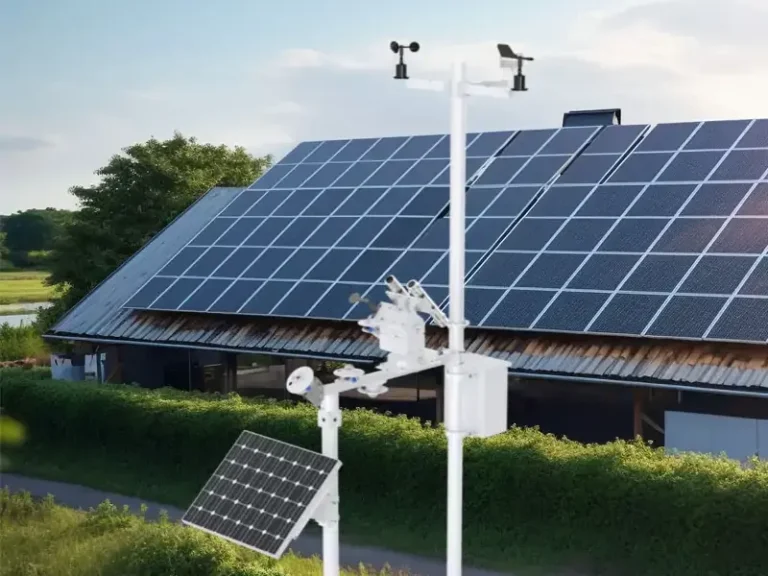
Система мониторинга солнечной погоды для пустынных площадок должна учитывать воздействие на датчики, доступ для обслуживания и надежность связи. Регистрация данных и удаленный доступ помогают операторам выявлять отсутствующие или необычные показания, особенно на площадках, где для inspections требуются длительные поездки. Для связанного обзора мониторинга погоды в другой среде фотоэлектрической установки см. «Мониторинг погоды для крышных солнечных систем».
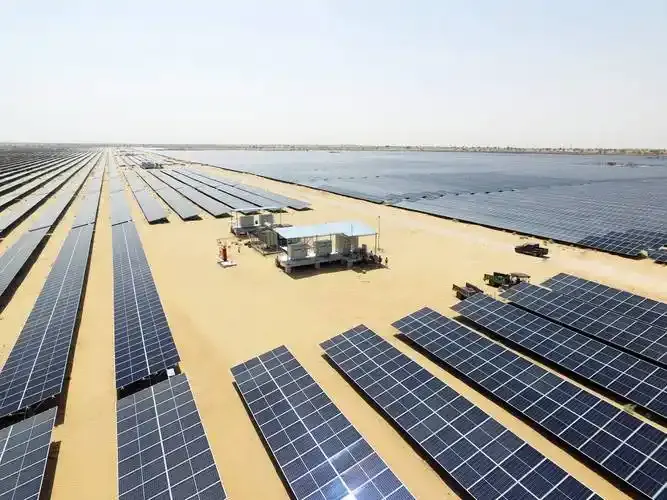
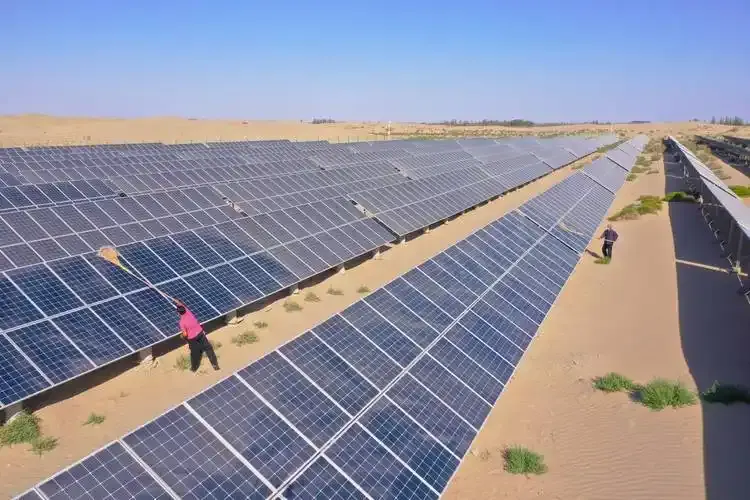
Какие параметры должна измерять система мониторинга пустынных солнечных электростанций?
Система мониторинга пустынных солнечных электростанций должна отслеживать условия, влияющие на выход фотоэлектрической системы, от изменяющегося солнечного света и температуры модулей до накопления пыли и ветра. Правильное сочетание измерений помогает группам эксплуатации и технического обслуживания понимать изменения производительности и решать, когда необходимо техническое обслуживание.
Мониторинг солнечной irradiance: GHI против POA
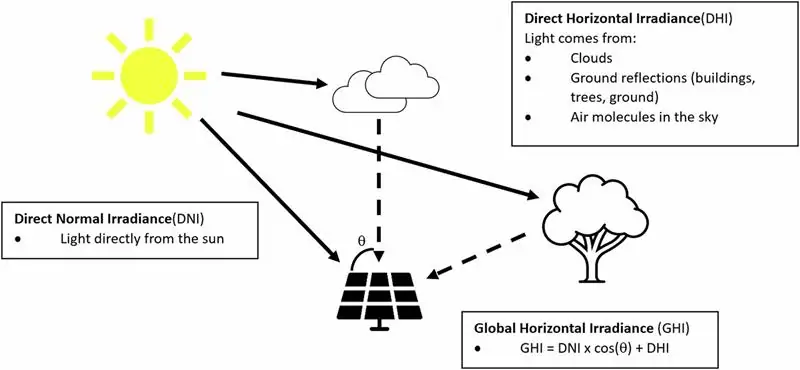
Данные солнечной irradiance обеспечивают основу для оценки того, сколько солнечного света достигает фотоэлектрической электростанции. Глобальная горизонтальная irradiance (GHI) измеряет солнечный свет, получаемый горизонтальной поверхностью, тогда как irradiance в плоскости массива (POA) измеряет солнечный свет в той же плоскости, что и фотоэлектрические модули. GHI полезен для оценки местных солнечных условий, тогда как POA более непосредственно связан с солнечным светом, достигающим модулей.
Для пустынной фотоэлектрической электростанции выбор зависит от цели мониторинга и компоновки модулей. При выборе пиранометра для мониторинга солнечной энергии учитывайте точность измерений, спектральную и косинусную характеристику, условия площадки и требования к калибровке.
Чтобы понять различия между измерениями irradiance, см. [Что такое GHI, DNI и DHI в солнечной энергетике?]. Для проектов, требующих данных о прямом пучковом излучении, [Как точно измерить прямое нормальное облучение (DNI)] объясняет подход к измерению. Вы также можете обратиться к [Как измерять солнечную irradiance для фотоэлектрических систем] для получения рекомендаций по измерению фотоэлектрической irradiance.
Температура фотоэлектрического модуля и температура окружающей среды
Температура воздуха не рассказывает всей истории. Под сильным солнечным светом фотоэлектрический модуль может стать намного горячее окружающего воздуха, что влияет на его электрическую выходную мощность. Размер этого эффекта зависит от температурного коэффициента модуля и условий эксплуатации.
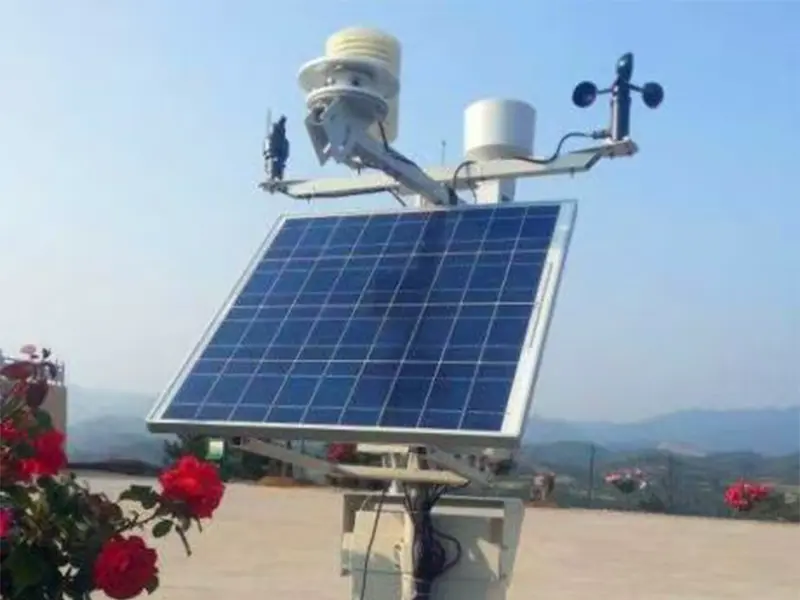
Мониторинг температуры фотоэлектрических модулей наряду с температурой окружающей среды и irradiance помогает объяснить изменения выходной мощности. Датчик температуры должен быть прикреплен и расположен соответствующим образом, чтобы представлять контролируемый модуль. Для значимого анализа производительности сравнивайте показания температуры с irradiance, данными инвертора и фактической выходной мощностью, вместо того чтобы рассматривать температуру как единственную причину снижения выработки.
Датчики загрязнения солнечных панелей и погодные датчики
Ветер может переносить пыль на поверхности модулей, тогда как осадки могут удалить часть накопленных отложений. Записи о скорости ветра, направлении ветра и осадках помогают операторам понимать эти события, но одних погодных данных недостаточно, чтобы показать, сколько энергии теряется из-за загрязнения.
Мониторинг загрязнения солнечных панелей обеспечивает более прямой способ оценки потерь, связанных с пылью. В зависимости от системы это может включать специализированные датчики загрязнения или сравнение между чистыми и загрязнёнными эталонными модулями. Операторы могут анализировать результаты наряду с данными об irradiance и выходной мощности фотоэлектрической системы, чтобы определить, вероятно ли очистка восстановит достаточное количество энергии для оправдания затрат. Для получения более подробной информации см. [Мониторинг потерь от загрязнения солнечных панелей].
Основные параметры кратко
| Параметр мониторинга | Что это помогает операторам оценить | Практические соображения |
| Солнечная радиация | Изменения доступного солнечного света и ожидаемой выходной мощности фотоэлектрической системы | Выберите GHI или POA в соответствии с целью мониторинга |
| Температура фотоэлектрического модуля | Изменения выходной мощности модуля, связанные с температурой | Не используйте температуру окружающей среды в качестве замены температуры модуля |
| Уровень загрязнения | Потери энергии, связанные с накоплением пыли | Используйте соответствующий метод измерения и поддерживайте эталонные датчики или модули |
| Скорость и направление ветра | Воздействие ветра и условия, которые могут переносить пыль | Выберите открытое, но подходящее место для измерений |
| Температура окружающей среды | Местные воздушные условия вокруг фотоэлектрической станции | Интерпретируйте вместе с температурой модуля |
| Дождь | Дождевые события, которые могут повлиять на чистоту модулей | Не предполагайте, что дождь полностью очистил модули |
| Данные о мощности фотоэлектрической системы и инвертора | Actual plant response to environmental conditions | Check for curtailment, inverter faults, and downtime before attributing losses to weather or soiling |
How Does a Desert Solar Monitoring System Work?
A desert solar monitoring system brings together site measurements and PV operating data. This allows O&M teams to assess changing conditions and investigate why a plant’s output may be falling.
Sensor Data Collection and Transmission
Sensors measure solar irradiance, module temperature, weather conditions, and soiling. A data logger records each reading with a timestamp and sends the data through RS485/Modbus, Ethernet, or a suitable wireless connection. At remote desert sites, stable power, local data storage, and reliable communications are essential to reduce gaps in monitoring records.
Data Analysis, Alarms, and Monitoring Platforms
The monitoring platform compares sensor readings with inverter status and PV output to flag changes that may need investigation, such as possible soiling losses or temperature-related power reductions. Solar farm performance monitoring helps operators compare site conditions with actual generation, while remote solar plant monitoring gives teams access to data without visiting the site.
Alerts alone cannot confirm a fault, so engineers should check equipment status and operating conditions before deciding on maintenance. If the system will connect to an existing SCADA platform, protocol and data compatibility should be checked during planning.For practical guidance on comparing system capabilities and requirements, see [Как выбрать правильную систему мониторинга фотоэлектрической системы].
Recommended Sensors for Desert Solar Farm Monitoring
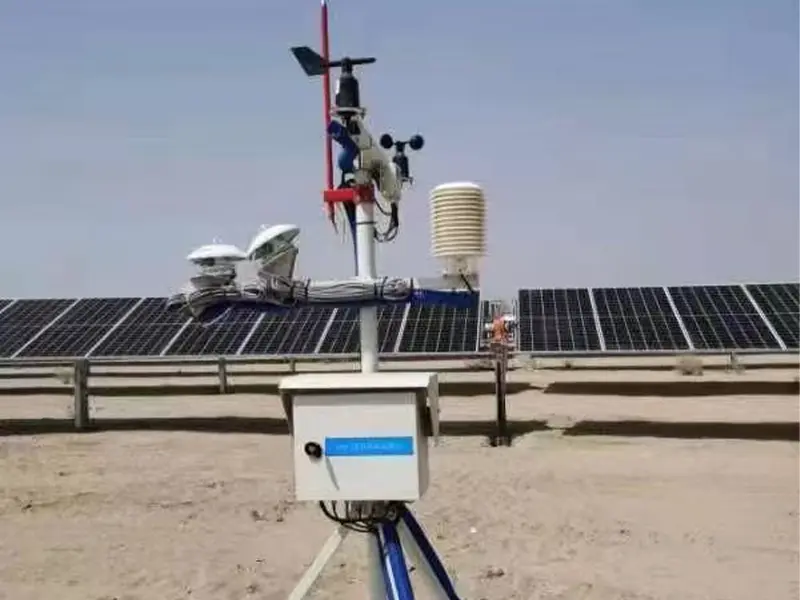
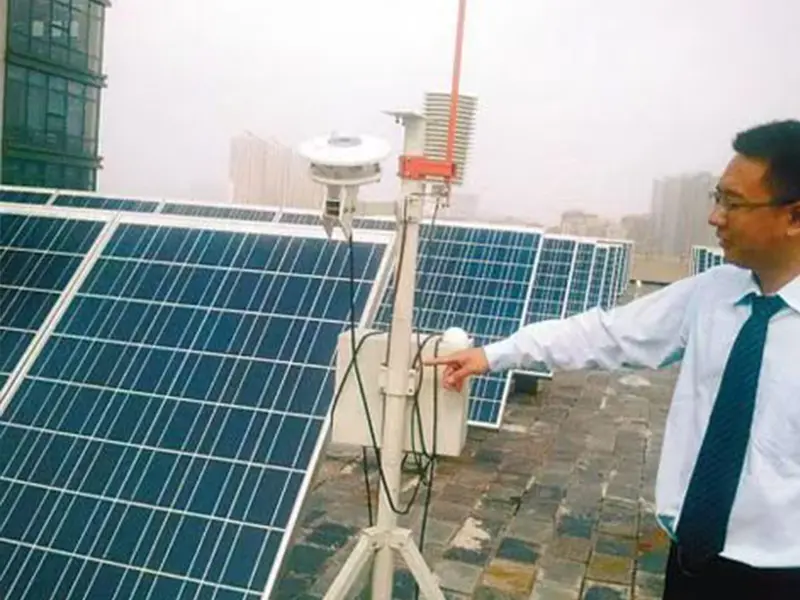
Desert PV projects may need to monitor irradiance, module temperature, weather conditions, and dust-related losses. The right sensor setup depends on which performance factors the O&M team needs to track, how the data will be used, and whether the equipment must connect to an existing monitoring platform.
Compact Weather Sensors for PV Monitoring
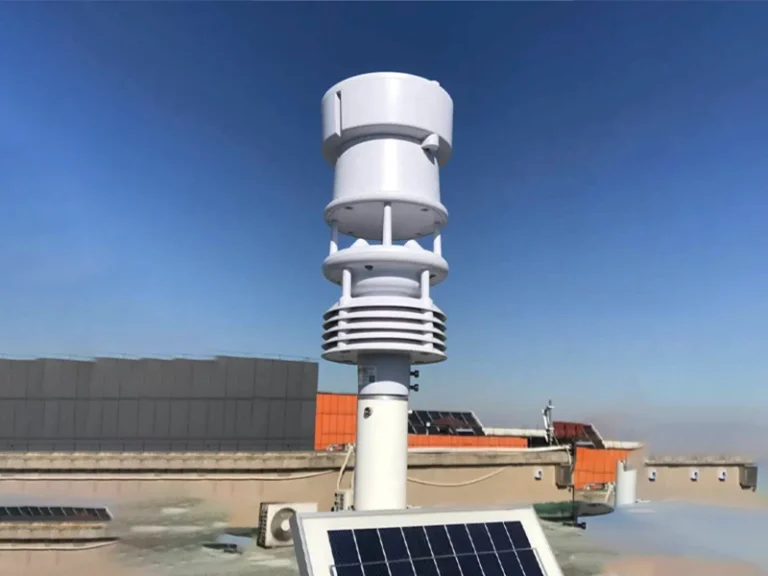
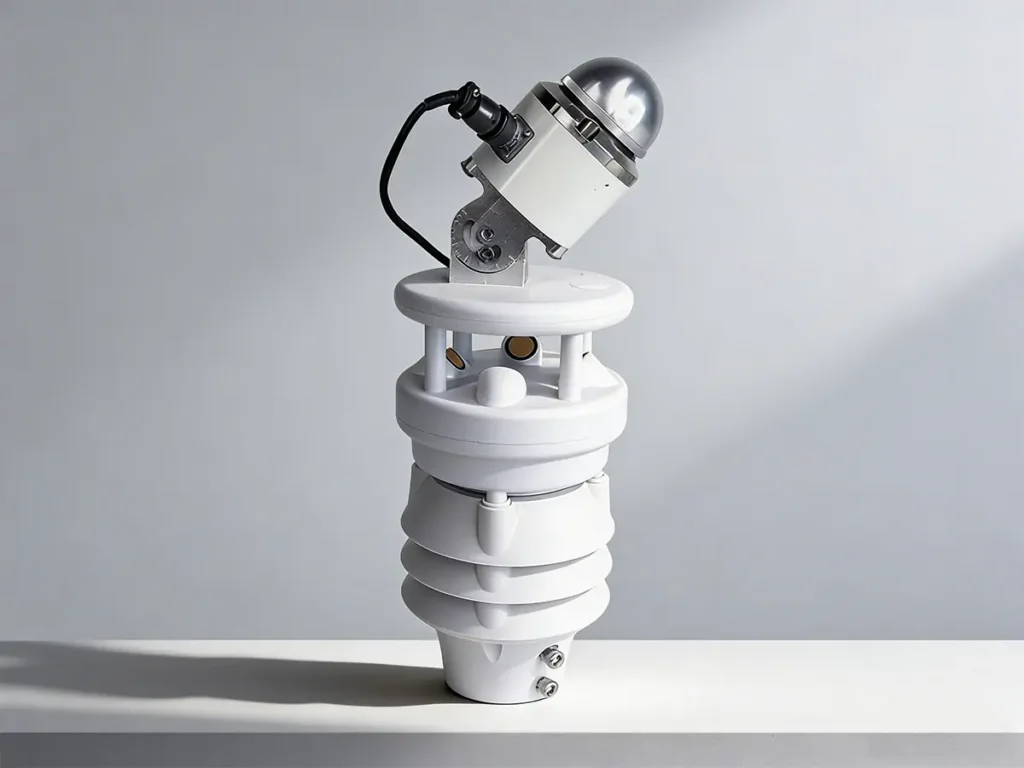
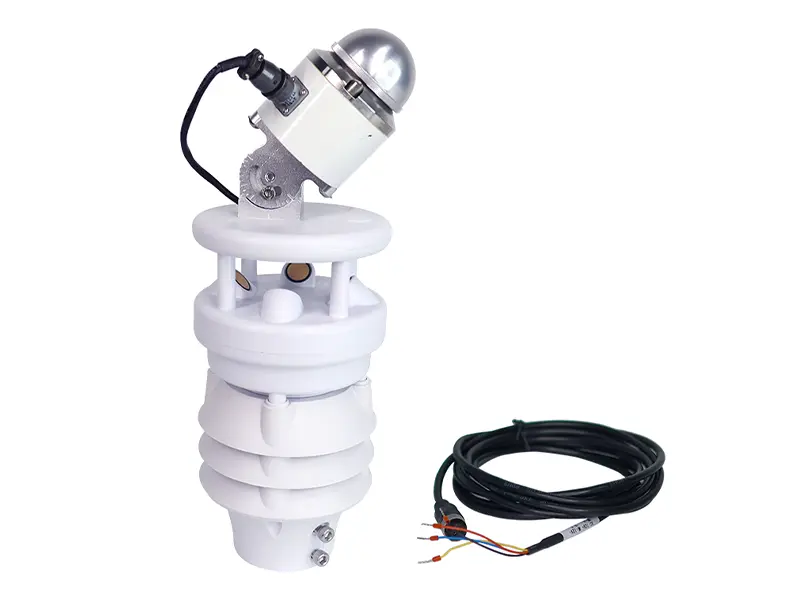
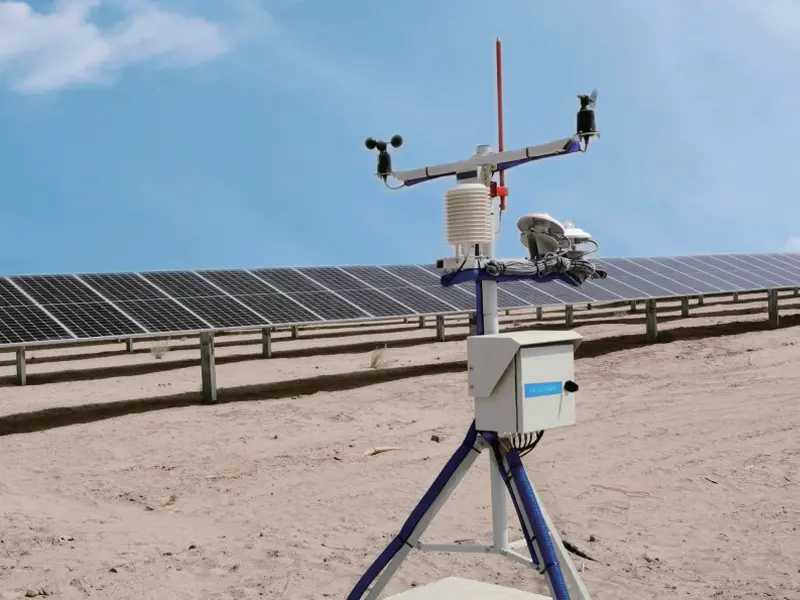
The XF500S-CWB Compact Weather Sensor is an option for projects that need several PV-related and weather measurements in a compact device. The Solar Monitoring Weather Station is another option for monitoring key parameters such as irradiance and module temperature, subject to the selected configuration.
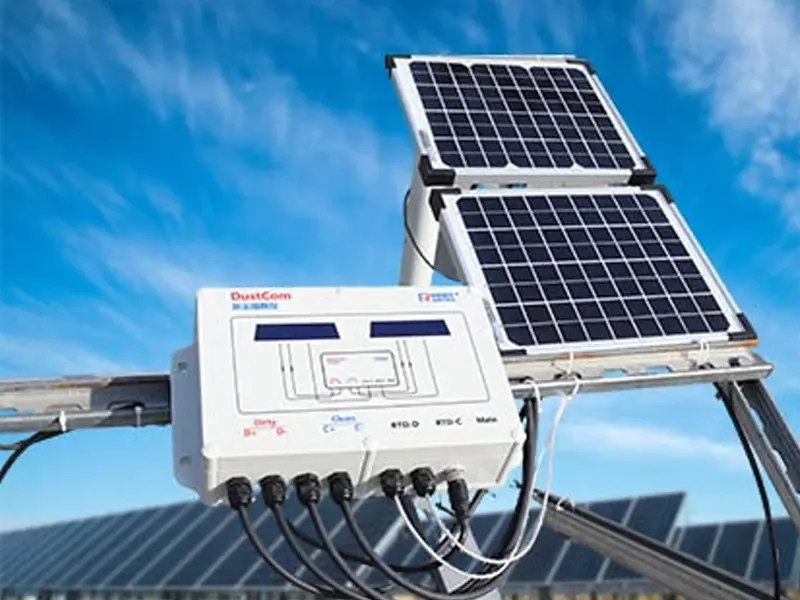
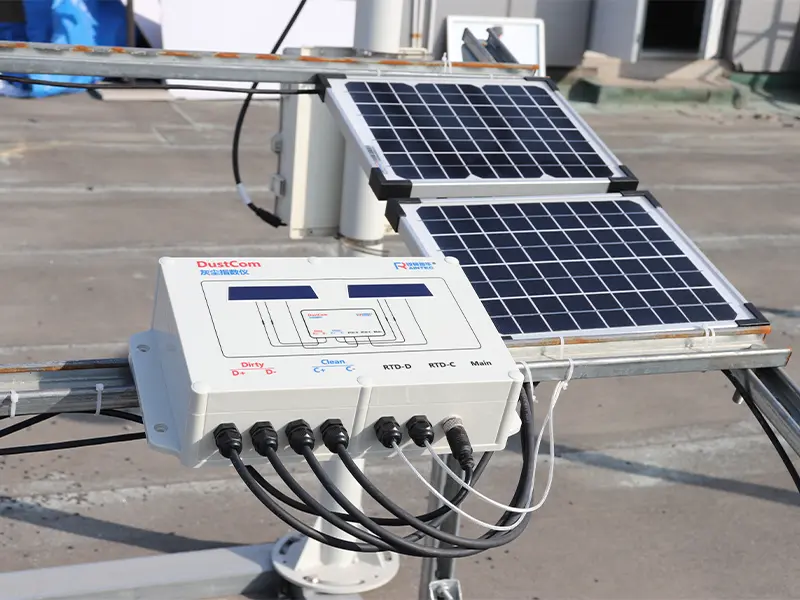
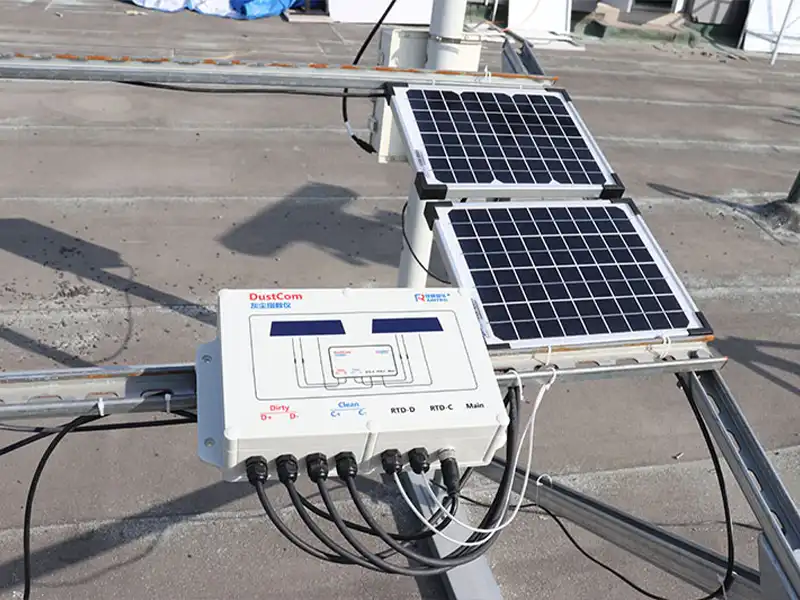
Система мониторинга индекса запыленности фотоэлектрических систем DustCom
Система мониторинга индекса запылённости DustCom для фотоэлектрических установок is designed to monitor soiling-related changes in PV performance. Its readings can help O&M teams assess dust accumulation and decide when cleaning may be justified. For desert sites, soiling data is most useful when reviewed alongside irradiance, power output, and cleaning records.
Weather Monitoring Stations for Solar Farms
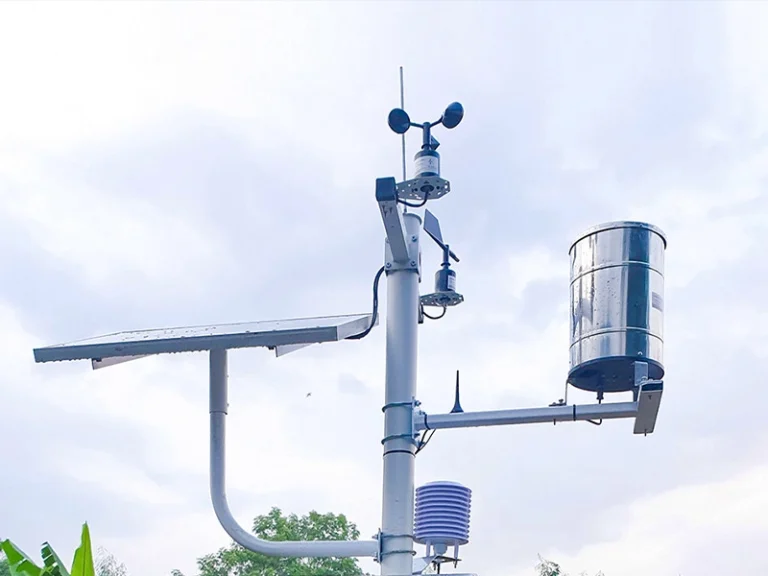
The Solar Photovoltaic Environmental Monitoring Station is worth considering when a project requires coordinated environmental measurements. Before selection, confirm the required sensors, communication interfaces, power supply, and data acquisition compatibility against the actual station configuration.
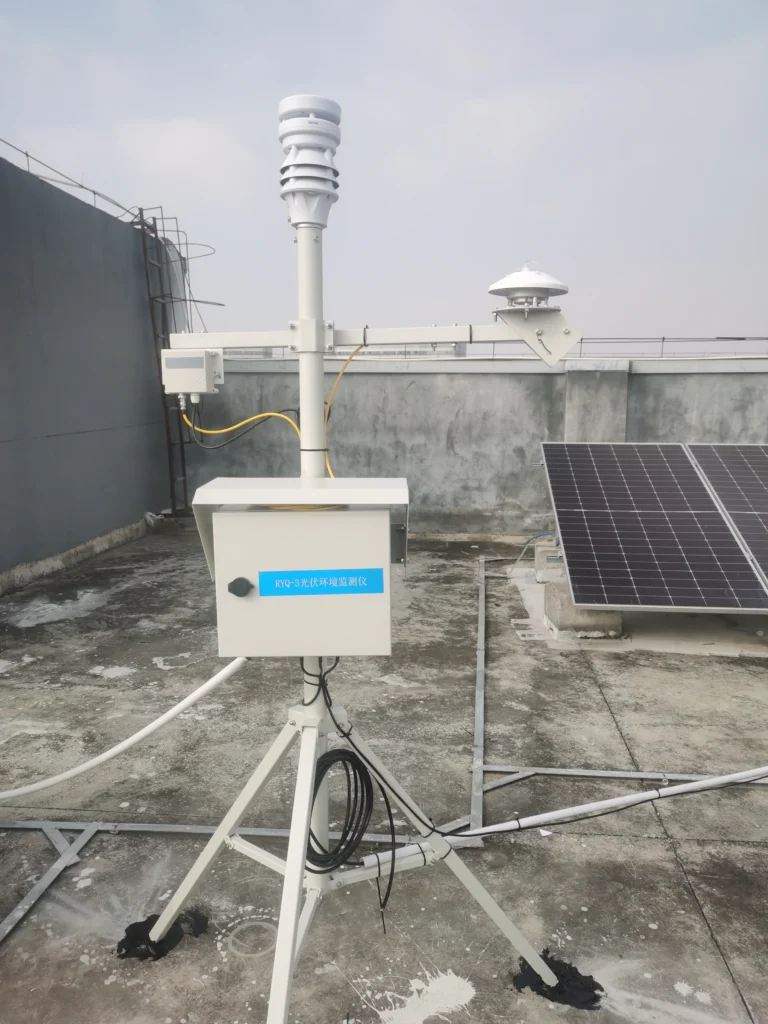
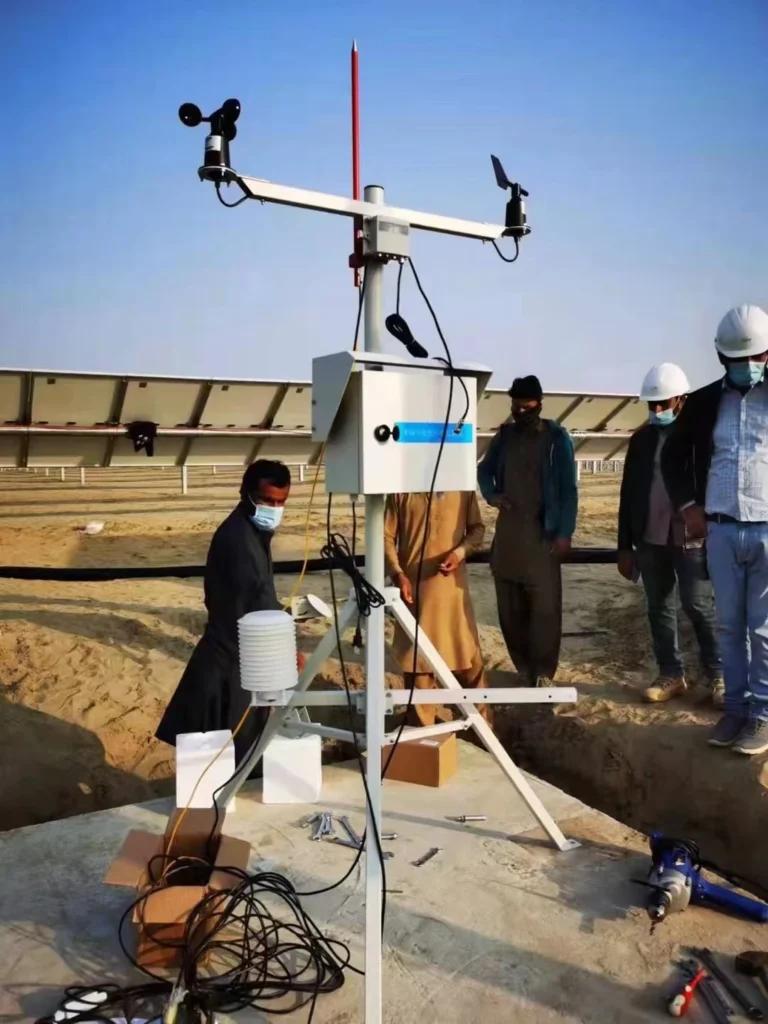
For desert installations, also evaluate dust exposure, temperature range, sensor mounting, communication reliability, and access for inspection and maintenance. An enclosure rating or operating-temperature specification alone does not guarantee suitability for every site; the complete configuration must match the project’s environmental conditions.
How to Measure and Identify Dust-Related Power Loss in Desert Solar Plants?
Dust buildup can reduce the amount of sunlight reaching PV cells, but a fall in power output does not necessarily mean the panels need cleaning. In desert solar plants, operators need to compare soiling measurements with irradiance, module temperature, and inverter data to understand what is affecting generation. This helps avoid unnecessary cleaning and makes maintenance decisions more evidence-based.
Compare Clean and Soiled Reference Measurements
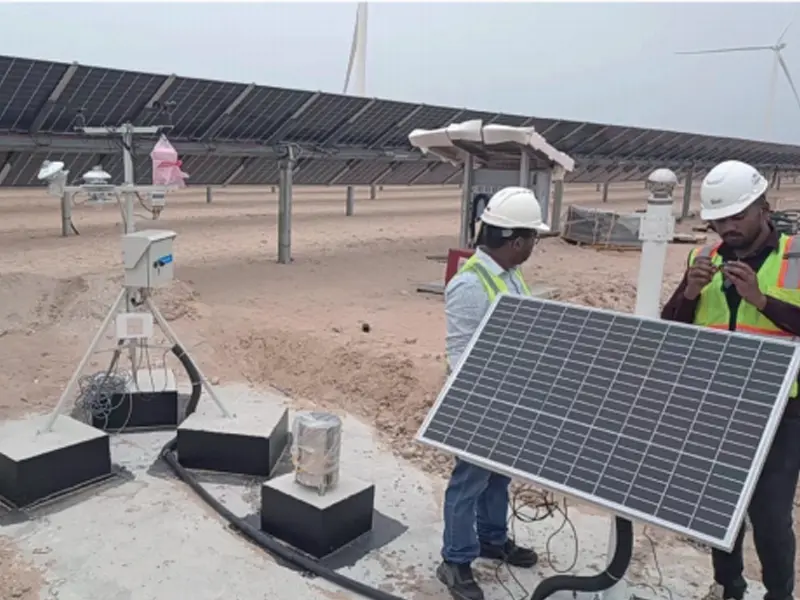
A practical way to estimate solar panel soiling loss is to compare a clean reference module with a soiled one exposed to similar conditions. The difference in their measured performance helps indicate how much dust may be affecting PV output.
For reliable solar soiling monitoring, the modules should have comparable specifications, tilt, orientation, and exposure. Their cleaning status and measurement conditions must also be consistent. A power difference between two unrelated modules is not enough to calculate a dependable soiling-loss percentage. Camera-based monitoring can show where dust accumulates, but the amount of visible dirt does not directly indicate how much energy has been lost.
Separate Soiling Loss from Temperature and Weather Effects
Before blaming dust for lower generation, check the other data that can explain the change:
- Solar irradiance: Was less sunlight reaching the modules during the comparison period?
- Module temperature: Did higher cell or module temperatures contribute to lower output?
- Inverter and grid records: Were there faults, downtime, or power curtailment?
- Soiling measurements: Did the measured increase in soiling coincide with the drop in generation?
For solar farm performance monitoring, these readings should be reviewed over comparable periods, with corrections for changing operating conditions where appropriate. The same applies to desert solar power monitoring, where rapid weather changes can complicate comparisons. If the data does not point to a clear cause, further inspection or electrical testing may be needed.
Verify Results After Panel Cleaning
To assess whether cleaning has worked, record soiling measurements, irradiance, module temperature, and PV output before the panels are washed. Repeat the measurements afterward under similar conditions.
A solar panel cleaning monitoring system can help operators track changes over time and monitor dust on solar panels between cleaning cycles. If irradiance or temperature differs significantly between the two measurements, account for those changes before judging the result.
The final decision should also reflect labor, equipment, water use, and any operational disruption. Cleaning is worthwhile when the expected energy recovery justifies the cost—not simply because a fixed number of days has passed.
How to Optimize Solar Panel Cleaning with Monitoring Data?
Cleaning solar panels too often wastes water and labor, while delaying cleaning can reduce energy yield. For solar monitoring in desert environments, operators need to balance soiling losses against cleaning costs and local water availability.
| Decision factor | What to monitor | How it guides cleaning |
| Soiling loss | Soiling readings and PV performance trends | Identify when dust-related losses may justify cleaning |
| Cleaning costs | Labor, equipment, water use, and access costs | Weigh potential energy recovery against cleaning expenses |
| Seasonal conditions | Dust accumulation, rainfall, and previous cleaning results | Adjust cleaning intervals to site conditions |
A desert solar monitoring system helps operators set cleaning thresholds based on soiling loss, energy value, and maintenance costs. For solar monitoring systems for desert climates, tracking dust trends and reviewing performance after cleaning can help refine schedules as site conditions change.
How to Design a Reliable Solar Monitoring System for Desert Conditions?
Desert solar plants need monitoring equipment that can handle dust, high temperatures, strong sunlight, and long periods without on-site maintenance. The system design should account for local conditions, measurement needs, and how the data will reach the plant’s operations team.
Select Sensors for Heat, Dust, and UV Exposure
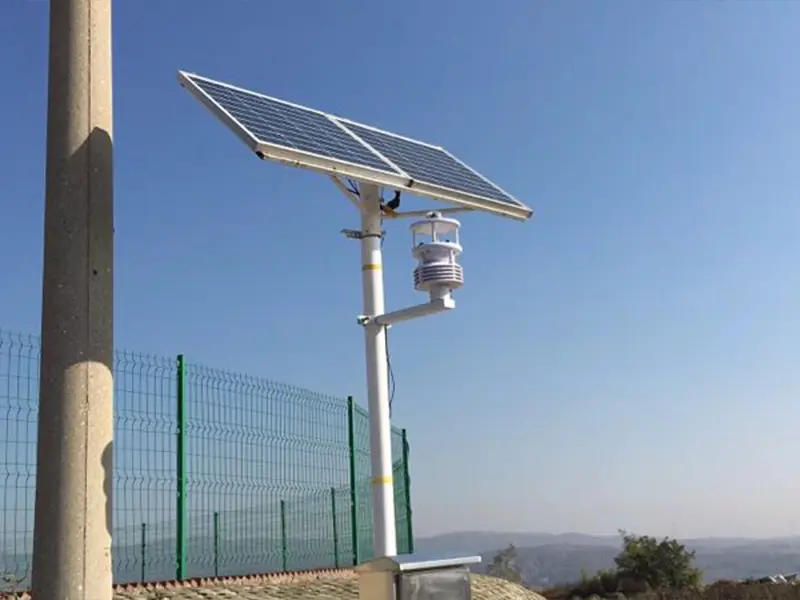
When choosing a solar weather monitoring system, check each sensor’s operating temperature range, enclosure protection, measurement accuracy, and calibration requirements. Windblown sand and prolonged UV exposure can affect equipment differently, so check the specifications of each model. Easy access for inspection and cleaning is also important at remote sites.
Plan Monitoring Point Locations and Coverage
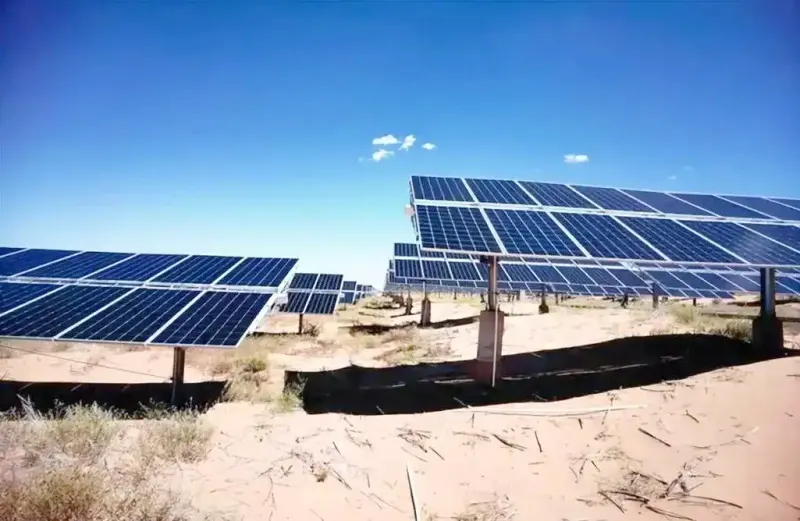
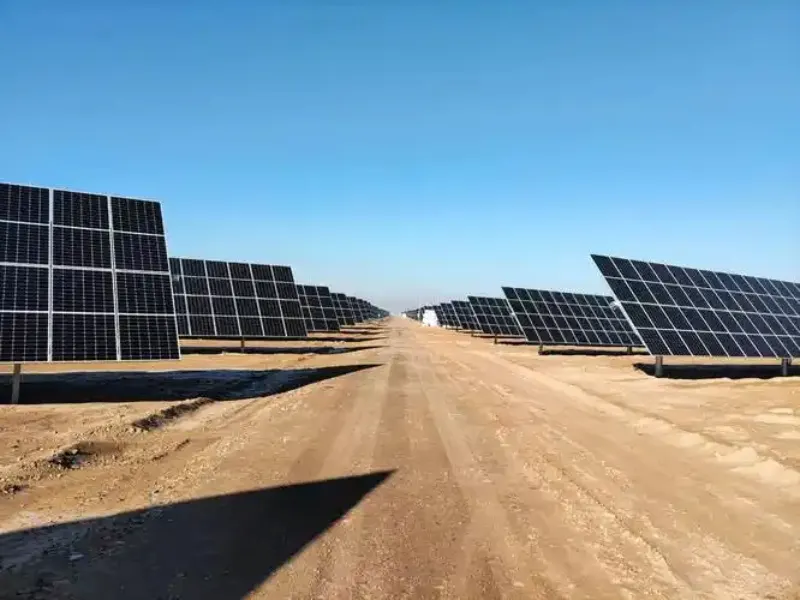
For effective desert solar farm monitoring, sensor locations should reflect the site layout, terrain, wind exposure, and module orientation. One weather station may not represent conditions across a large plant. Where dust accumulation varies between areas, place soiling sensors where readings represent the arrays being monitored and allow routine inspection.
Choose Data Logging, Communication, and Power Supply
A desert solar monitoring system needs reliable data collection and transmission under local site conditions. For remote solar plant monitoring, a data logger with local storage can retain readings during network outages. Choose wired, cellular, or other wireless communication based on coverage, power availability, and the distance between monitoring points and the control room.
Integrate with Existing SCADA and O&M Platforms
Before connecting new sensors to an existing SCADA or O&M platform, confirm protocol compatibility, data formats, timestamp settings, and alarm requirements. This helps teams review environmental readings alongside inverter status and power output for solar farm performance monitoring. Historical data should also remain accessible for investigating recurring performance changes.
How to Choose Desert Solar Monitoring Solutions for Your Project?
The right monitoring setup depends on the project’s objectives, site conditions, and existing infrastructure. Defining these requirements early helps avoid unnecessary equipment and compatibility issues.
Basic Weather Monitoring vs. Full PV Performance Monitoring
Weather monitoring tracks irradiance, temperature, wind, and rainfall, while soiling monitoring measures dust-related changes. Full PV performance monitoring also includes module temperature, inverter status, and generation data. The right desert solar monitoring solutions depend on the measurements required for the project.
What Information Is Needed Before Requesting a Quote?
When requesting a quote for a desert solar monitoring system, provide the project location, array layout, required measurements, accuracy requirements, and existing communication or SCADA interfaces. These details help determine a suitable configuration for a solar monitoring system for utility-scale desert projects.
Common Mistakes in Desert Solar Monitoring
For desert solar monitoring, inaccurate measurements, poor sensor placement, and unreliable data transmission can make it harder to identify the causes of PV performance losses. Avoiding these common mistakes helps operators make better maintenance decisions.
- Relying on irradiance data alone: Solar irradiance monitoring shows available sunlight but cannot directly measure dust-related losses. Use solar soiling monitoring with dedicated sensors or clean and soiled reference modules to assess the impact of dust.
- Using too few monitoring points: Conditions can vary across a large solar farm. Place sensors where they represent differences in array layout, wind exposure, and dust accumulation.
- Misattributing power losses to dust: High module temperatures, low irradiance, inverter faults, and curtailment can also reduce output. Compare these factors before scheduling panel cleaning.
- Neglecting sensor maintenance: Dust buildup and sensor drift can affect readings. Inspect equipment regularly and follow the manufacturer’s cleaning and calibration recommendations.
- Overlooking communication and integration requirements: Check network coverage, power supply, communication protocols, and data interfaces before installation to reduce data gaps in remote solar plant monitoring.
Заключение
Every desert solar site faces different challenges, from dust buildup to high module temperatures and changing weather. Desert Solar Monitoring Solutions should match these local conditions and combine environmental readings with PV output and inverter data. This helps O&M teams understand why generation changes and decide when panel cleaning or further inspection is needed.
At Yantai Sensor, we offer solar monitoring sensors and weather station options for different project requirements. If you are planning a desert solar monitoring system, связаться с нами with your project location, monitoring needs, and existing system interfaces. We can help assess suitable sensor configurations and integration options for your site.