Giới thiệu
Các trang trại năng lượng mặt trời ở sa mạc nhận được ánh sáng mặt trời dồi dào, nhưng sự tích tụ bụi, nhiệt độ mô-đun cao và bão cát có thể ảnh hưởng đến hiệu suất PV. Đối với các nhà phát triển dự án và đội ngũ O&M, thách thức là xác định những ảnh hưởng này và sử dụng dữ liệu giám sát để hướng dẫn các quyết định bảo trì, đặc biệt là tại các địa điểm xa xôi.
Giải pháp Giám sát Năng lượng Mặt trời Sa mạc kết hợp bức xạ mặt trời, nhiệt độ mô-đun, bụi bẩn, thời tiết và dữ liệu vận hành PV để giúp người vận hành đánh giá điều kiện địa điểm và thay đổi hiệu suất. Như đã thảo luận trong Giám sát Môi trường cho Trang trại Năng lượng Mặt trời Quy mô Tiện ích, dữ liệu môi trường cũng hỗ trợ giám sát nhà máy rộng hơn. Bài viết này đề cập đến các thông số đo lường chính, phân tích dữ liệu và lựa chọn cảm biến cho các dự án PV sa mạc. Đối với các dự án ở vùng khí hậu nóng, High Temp Solar Monitoring giải thích cách lựa chọn cảm biến nhiệt độ và thiết bị giám sát cho các hệ thống năng lượng mặt trời tiếp xúc với nhiệt độ cực cao.
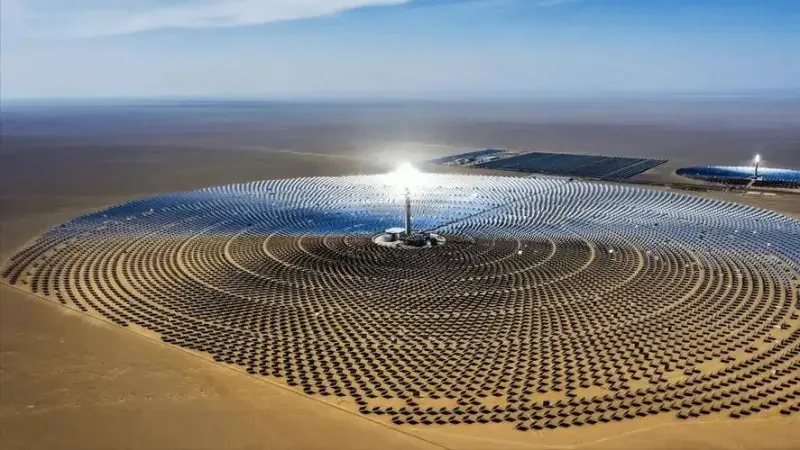
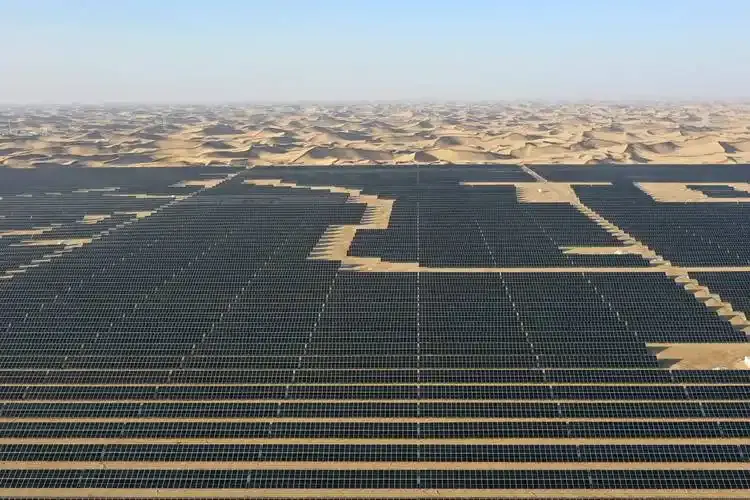
Tại sao các Trang trại Năng lượng Mặt trời Sa mạc cần Giám sát Chuyên biệt?
Các trang trại năng lượng mặt trời sa mạc đối mặt với những thách thức cụ thể ảnh hưởng đến sản lượng năng lượng và kế hoạch bảo trì, bao gồm tích tụ bụi, nhiệt độ mô-đun cao và bão cát thường xuyên. Giải pháp Giám sát Năng lượng Mặt trời Sa mạc kết hợp các phép đo môi trường với dữ liệu vận hành PV để giúp người vận hành phân biệt biến động do thời tiết với tổn thất do bụi bẩn và các vấn đề thiết bị tiềm ẩn.
Tích tụ Bụi và Bụi bẩn trên Tấm pin Mặt trời
Bụi và cát lắng đọng làm giảm ánh sáng mặt trời đến các tế bào PV, nhưng chỉ nhìn thấy bụi bẩn không thể chỉ ra một cách đáng tin cậy mức tổn thất điện năng. Sự tích tụ phụ thuộc vào đặc tính hạt, điều kiện gió, độ nghiêng mô-đun, lượng mưa và tần suất vệ sinh.
Giám sát bụi bẩn năng lượng mặt trời sử dụng cảm biến bụi bẩn chuyên dụng hoặc so sánh giữa các mô-đun tham chiếu sạch và bẩn để ước tính tổn thất hiệu suất. Dữ liệu giám sát bụi trên tấm pin mặt trời này giúp người vận hành cân nhắc khả năng phục hồi năng lượng tiềm năng so với chi phí vệ sinh, nguồn nước và điều kiện địa điểm trước khi lên lịch bảo trì. Đối với giám sát trang trại năng lượng mặt trời sa mạc, điều này hỗ trợ các quyết định vệ sinh dựa trên các phép đo thay vì chỉ kiểm tra bằng mắt.
Nhiệt độ Cao và Biến động Bức xạ Mặt trời
Nhiệt độ môi trường cao có thể làm tăng nhiệt độ mô-đun PV, nhưng nhiệt độ không khí và nhiệt độ mô-đun là các phép đo khác nhau. Hầu hết các mô-đun PV thông thường mất một phần sản lượng khi nhiệt độ tế bào tăng; hiệu ứng thực tế phụ thuộc vào hệ số nhiệt độ của mô-đun.
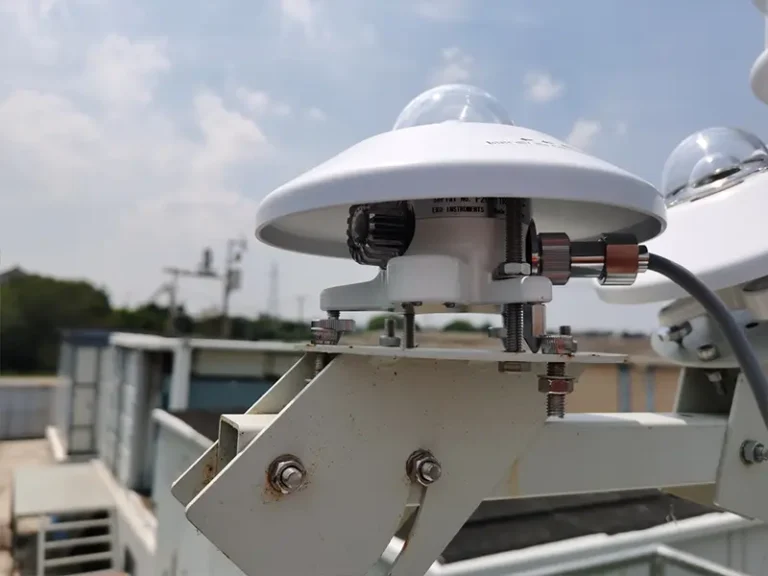
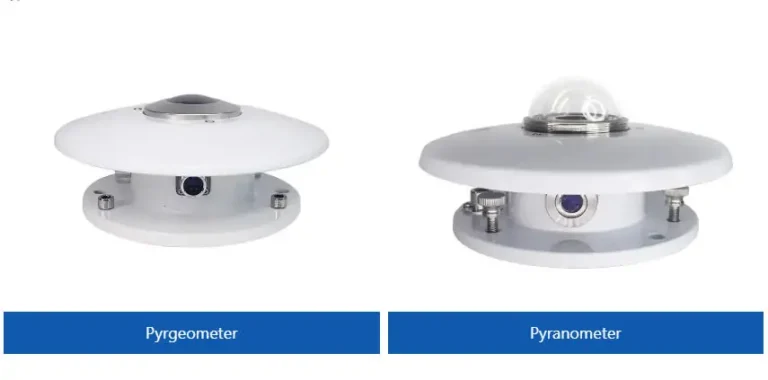
Kết hợp giám sát bức xạ mặt trời với giám sát nhiệt độ mô-đun PV giúp giải thích biến động công suất trong điều kiện thời tiết thay đổi. Pyranometer đo bức xạ mặt trời, trong khi cảm biến nhiệt độ mô-đun theo dõi sự gia nhiệt của mô-đun. Để chẩn đoán hiệu suất đáng tin cậy hơn, người vận hành cũng nên xem xét trạng thái biến tần, công suất đầu ra, cắt giảm và hồ sơ thời gian ngừng hoạt động.
Bão cát, Phơi nhiễm Gió và Vận hành Từ xa
Bão cát có thể làm giảm ánh sáng mặt trời đến, lắng đọng bụi mới trên các mô-đun và khiến thiết bị giám sát tiếp xúc với các hạt thổi. Tốc độ gió, hướng gió, lượng mưa và bức xạ giúp mô tả điều kiện địa điểm, trong khi cần các phép đo bụi bẩn chuyên dụng để đánh giá tổn thất liên quan đến bụi.
Hệ thống giám sát thời tiết năng lượng mặt trời cho các địa điểm sa mạc nên tính đến việc phơi nhiễm cảm biến, tiếp cận bảo trì và độ tin cậy liên lạc. Ghi dữ liệu và truy cập từ xa giúp người vận hành xác định các số đọc bị thiếu hoặc bất thường, đặc biệt là tại các địa điểm nơi kiểm tra đòi hỏi khoảng cách di chuyển dài. Để có tổng quan liên quan về giám sát thời tiết trong một môi trường lắp đặt PV khác, xem Giám sát Thời tiết cho Hệ thống Năng lượng Mặt trời Mái nhà.
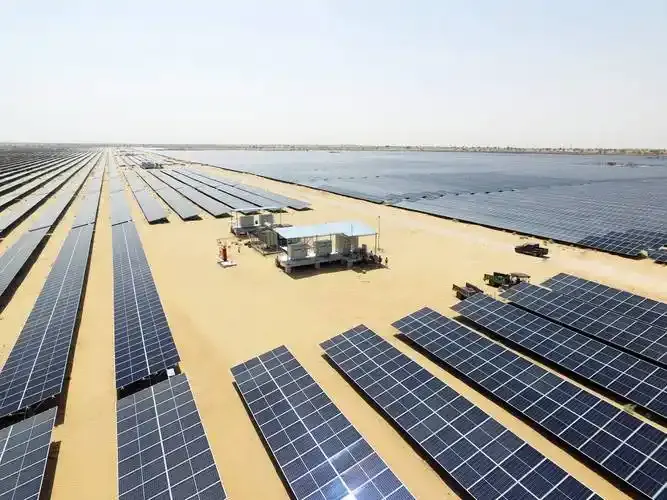
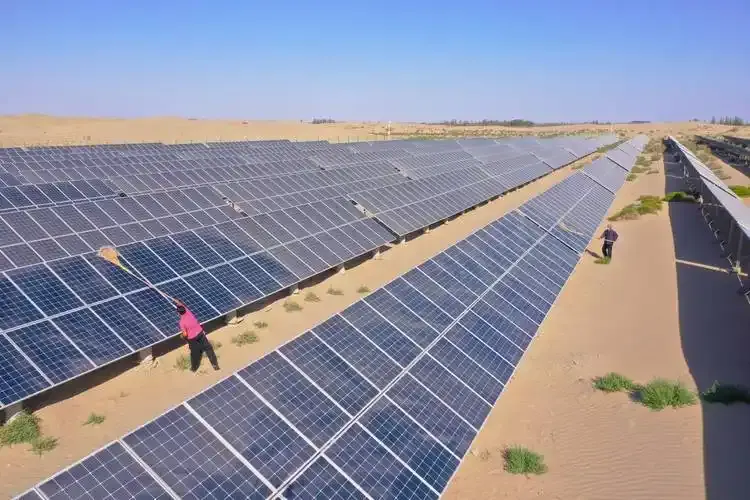
Hệ thống Giám sát Năng lượng Mặt trời Sa mạc nên Đo những Thông số nào?
Hệ thống giám sát năng lượng mặt trời sa mạc cần theo dõi các điều kiện ảnh hưởng đến sản lượng PV, từ ánh sáng mặt trời thay đổi và nhiệt độ mô-đun đến tích tụ bụi và gió. Sự kết hợp đúng các phép đo giúp đội ngũ O&M hiểu những thay đổi hiệu suất và quyết định khi nào cần bảo trì.
Giám sát Bức xạ Mặt trời: GHI so với POA
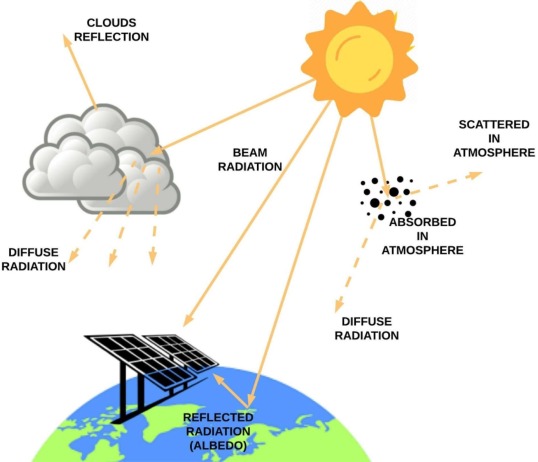
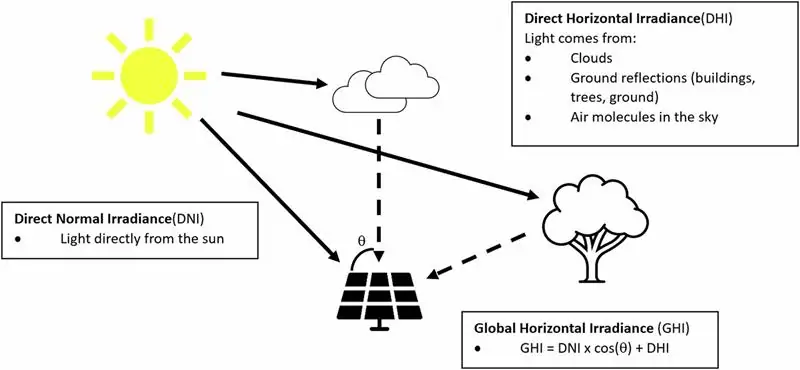
Dữ liệu bức xạ mặt trời cung cấp tham chiếu để đánh giá lượng ánh sáng mặt trời đến nhà máy PV. Bức xạ Ngang Toàn cầu (GHI) đo ánh sáng mặt trời nhận được bởi bề mặt nằm ngang, trong khi bức xạ Mặt phẳng Mảng (POA) đo ánh sáng mặt trời trên cùng mặt phẳng với các mô-đun PV. GHI hữu ích để đánh giá điều kiện năng lượng mặt trời cục bộ, trong khi POA liên quan trực tiếp hơn đến ánh sáng mặt trời đến các mô-đun.
Đối với nhà máy PV sa mạc, sự lựa chọn phụ thuộc vào mục tiêu giám sát và bố trí mô-đun. Khi chọn pyranometer cho giám sát năng lượng mặt trời, hãy xem xét độ chính xác đo lường, đáp ứng phổ và cosine, điều kiện địa điểm và yêu cầu hiệu chuẩn.
Để hiểu sự khác biệt giữa các phép đo bức xạ, xem [GHI, DNI và DHI trong năng lượng mặt trời là gì?]. Đối với các dự án yêu cầu dữ liệu bức xạ chùm trực tiếp, [Cách Đo Bức xạ trực tiếp (DNI) Chính xác] giải thích phương pháp đo lường. Bạn cũng có thể tham khảo [Cách đo bức xạ mặt trời cho hệ thống quang điện] để được hướng dẫn về đo lường bức xạ PV.
Nhiệt độ mô-đun PV và nhiệt độ môi trường
Nhiệt độ không khí không kể toàn bộ câu chuyện. Dưới ánh sáng mặt trời mạnh, một mô-đun PV có thể trở nên nóng hơn nhiều so với không khí xung quanh, ảnh hưởng đến sản lượng điện của nó. Kích thước của hiệu ứng này phụ thuộc vào hệ số nhiệt độ của mô-đun và điều kiện vận hành.
Giám sát nhiệt độ mô-đun PV cùng với nhiệt độ môi trường và bức xạ giúp giải thích những thay đổi trong công suất đầu ra. Cảm biến nhiệt độ nên được gắn và định vị phù hợp để đại diện cho mô-đun được giám sát. Để phân tích hiệu suất có ý nghĩa, hãy so sánh số đọc nhiệt độ với bức xạ, dữ liệu biến tần và công suất đầu ra thực tế thay vì coi nhiệt độ là nguyên nhân duy nhất gây giảm phát điện.
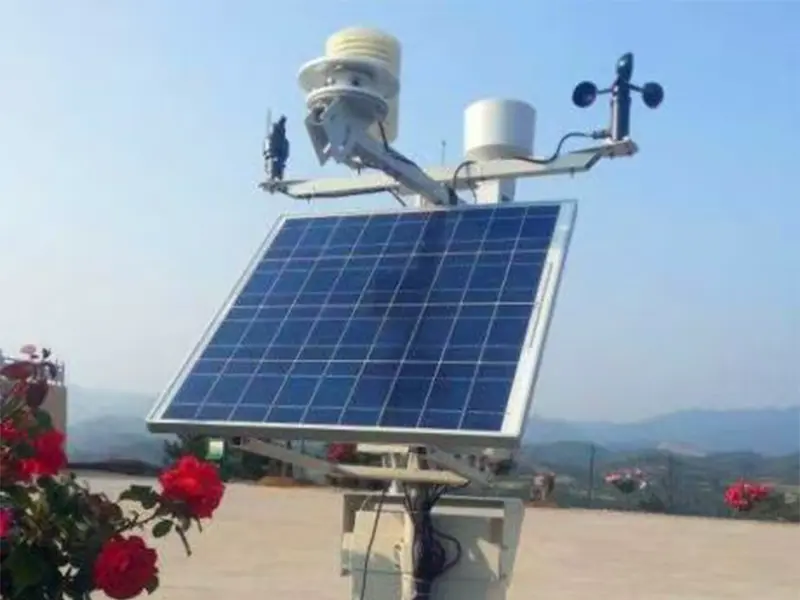
Cảm biến Bụi bẩn Năng lượng Mặt trời và Cảm biến Thời tiết
Gió có thể mang bụi lên bề mặt mô-đun, trong khi mưa có thể loại bỏ một số chất lắng đọng tích tụ. Hồ sơ tốc độ gió, hướng gió và lượng mưa giúp người vận hành hiểu những sự kiện này, nhưng dữ liệu thời tiết một mình không thể cho thấy bao nhiêu năng lượng đang bị mất do bụi bẩn.
Giám sát bụi bẩn trên tấm pin mặt trời cung cấp cách trực tiếp hơn để đánh giá tổn thất do bụi. Tùy thuộc vào hệ thống, điều này có thể bao gồm cảm biến bụi bẩn chuyên dụng hoặc so sánh giữa các mô-đun tham chiếu sạch và bị bẩn. Người vận hành có thể xem xét kết quả cùng với bức xạ và sản lượng PV để đánh giá liệu việc vệ sinh có khả năng thu hồi đủ năng lượng để biện minh cho chi phí hay không. Để biết thêm chi tiết, xem [Giám sát tổn thất do bụi bẩn trên tấm pin mặt trời].
Các thông số chính trong nháy mắt
| Thông số giám sát | Những gì nó giúp người vận hành đánh giá | Cân nhắc thực tế |
| Bức xạ mặt trời | Thay đổi về ánh sáng mặt trời khả dụng và sản lượng PV dự kiến | Chọn GHI hoặc POA theo mục tiêu giám sát |
| Nhiệt độ mô-đun PV | Thay đổi liên quan đến nhiệt độ trong sản lượng mô-đun | Không sử dụng nhiệt độ môi trường thay thế cho nhiệt độ mô-đun |
| Mức độ bụi bẩn | Tổn thất năng lượng liên quan đến tích tụ bụi | Sử dụng phương pháp đo lường phù hợp và duy trì cảm biến hoặc mô-đun tham chiếu |
| Tốc độ và hướng gió | Phơi nhiễm gió và các điều kiện có thể vận chuyển bụi | Chọn vị trí đo lường phù hợp nhưng tiếp xúc |
| Nhiệt độ môi trường | Điều kiện không khí cục bộ xung quanh nhà máy PV | Diễn giải cùng với nhiệt độ mô-đun |
| Lượng mưa | Các sự kiện mưa có thể ảnh hưởng đến độ sạch của mô-đun | Không giả định rằng mưa đã làm sạch hoàn toàn các mô-đun |
| Dữ liệu công suất PV và biến tần | Phản ứng thực tế của nhà máy đối với điều kiện môi trường | Check for curtailment, inverter faults, and downtime before attributing losses to weather or soiling |
How Does a Desert Solar Monitoring System Work?
A desert solar monitoring system brings together site measurements and PV operating data. This allows O&M teams to assess changing conditions and investigate why a plant’s output may be falling.
Sensor Data Collection and Transmission
Sensors measure solar irradiance, module temperature, weather conditions, and soiling. A data logger records each reading with a timestamp and sends the data through RS485/Modbus, Ethernet, or a suitable wireless connection. At remote desert sites, stable power, local data storage, and reliable communications are essential to reduce gaps in monitoring records.
Data Analysis, Alarms, and Monitoring Platforms
The monitoring platform compares sensor readings with inverter status and PV output to flag changes that may need investigation, such as possible soiling losses or temperature-related power reductions. Solar farm performance monitoring helps operators compare site conditions with actual generation, while remote solar plant monitoring gives teams access to data without visiting the site.
Alerts alone cannot confirm a fault, so engineers should check equipment status and operating conditions before deciding on maintenance. If the system will connect to an existing SCADA platform, protocol and data compatibility should be checked during planning.For practical guidance on comparing system capabilities and requirements, see [Cách chọn hệ thống giám sát PV phù hợp].
Recommended Sensors for Desert Solar Farm Monitoring
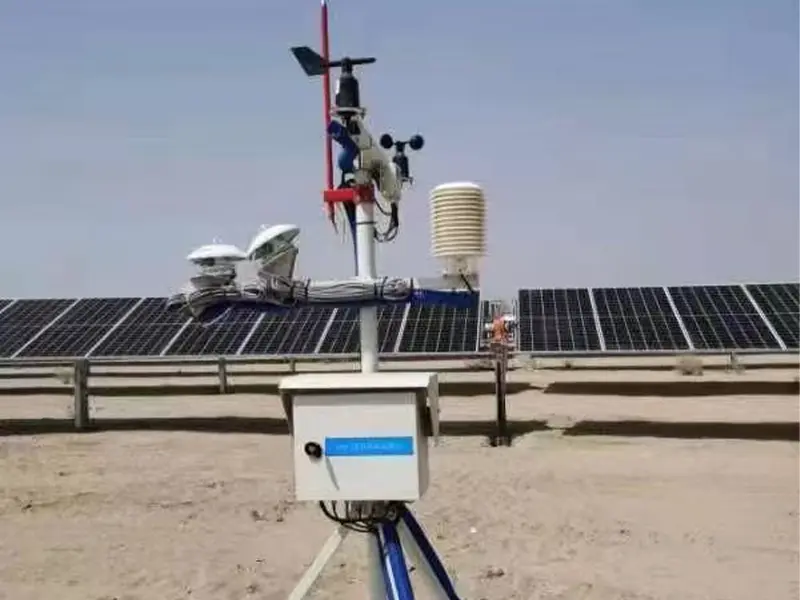
Desert PV projects may need to monitor irradiance, module temperature, weather conditions, and dust-related losses. The right sensor setup depends on which performance factors the O&M team needs to track, how the data will be used, and whether the equipment must connect to an existing monitoring platform.
Compact Weather Sensors for PV Monitoring
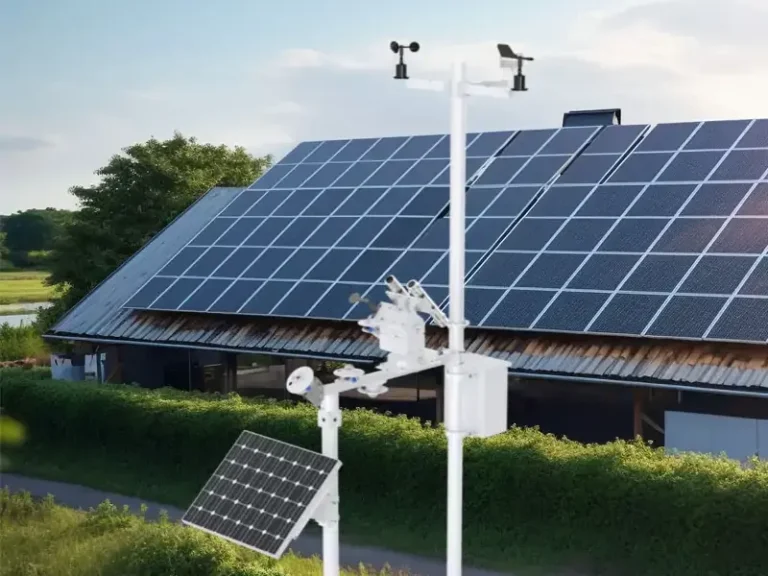
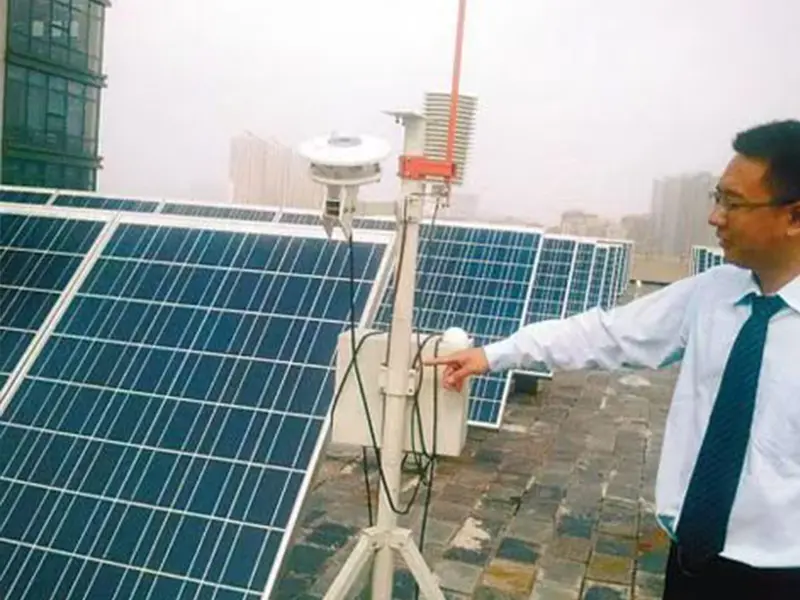
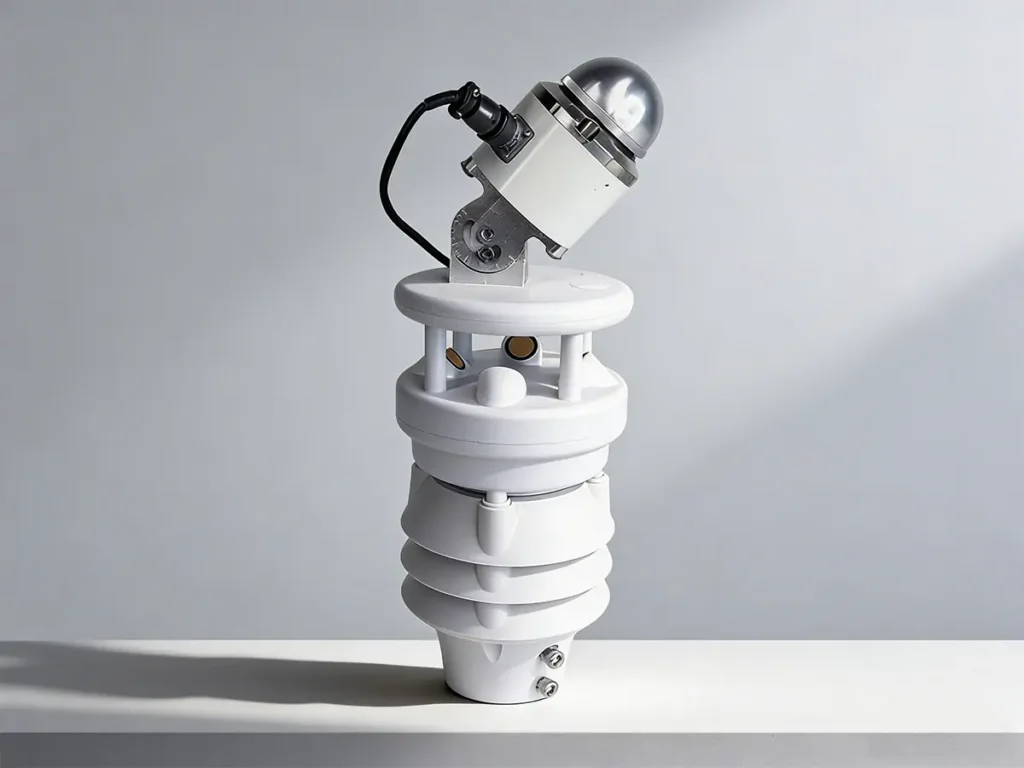
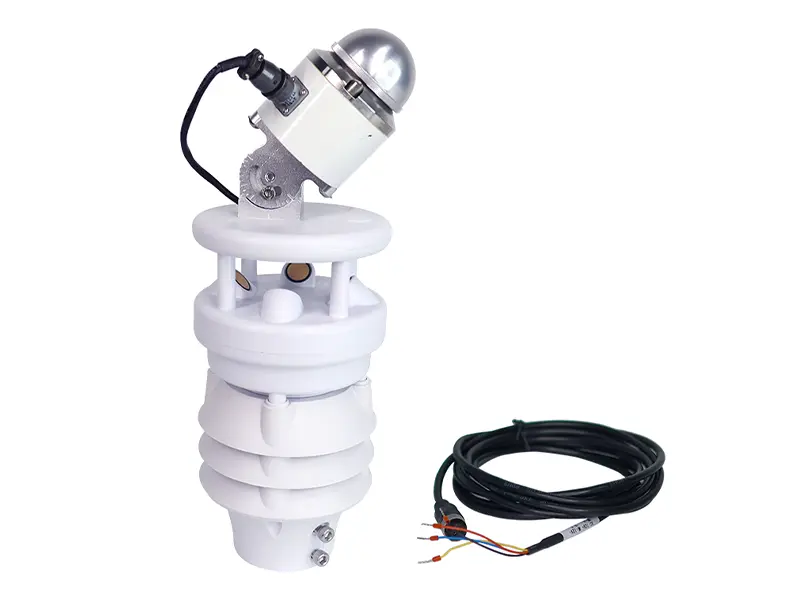
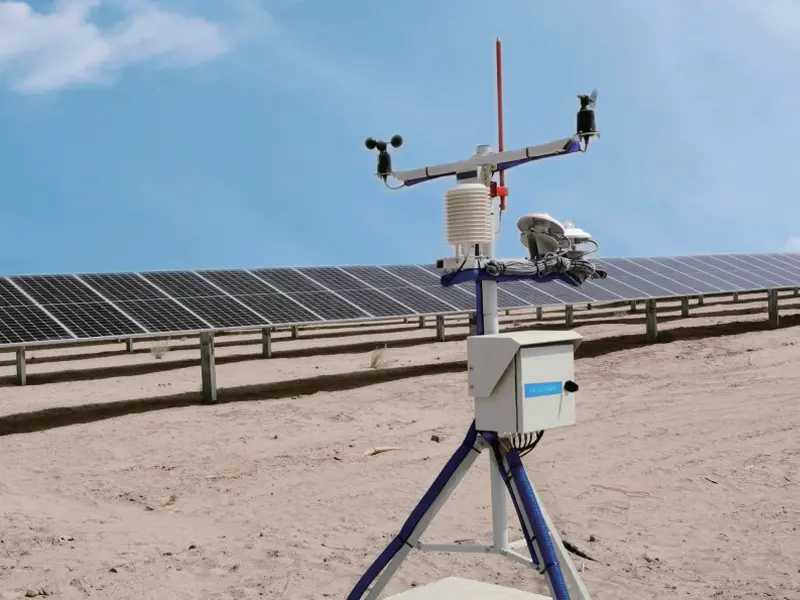
The XF500S-CWB Compact Weather Sensor is an option for projects that need several PV-related and weather measurements in a compact device. The Solar Monitoring Weather Station is another option for monitoring key parameters such as irradiance and module temperature, subject to the selected configuration.
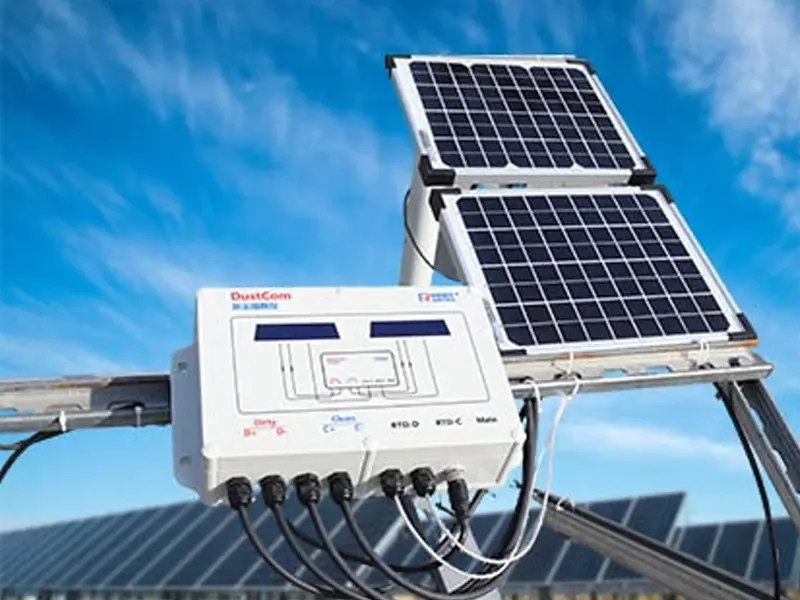
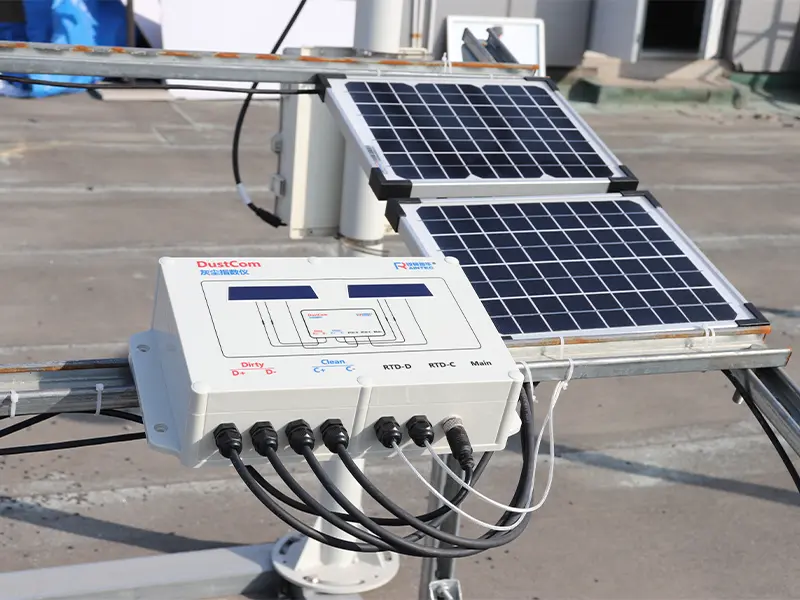
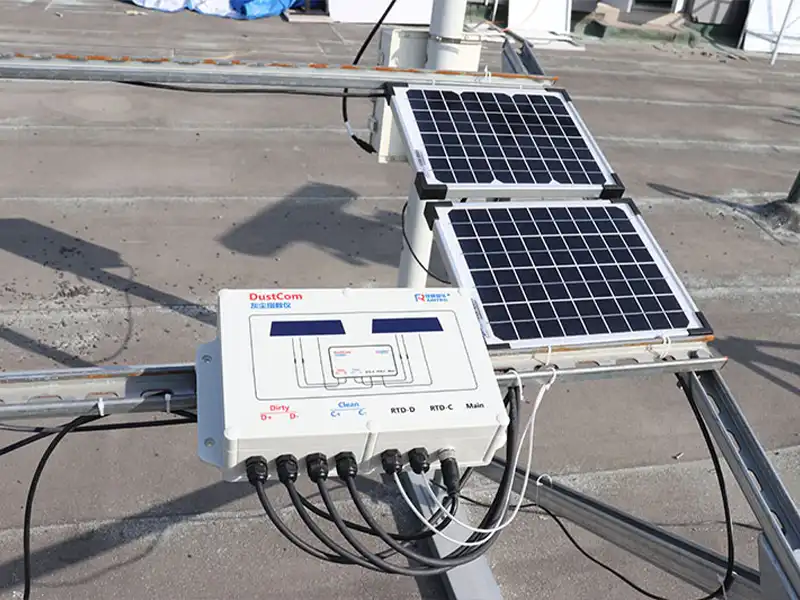
Hệ thống giám sát chỉ số bụi cho các hệ thống quang điện DustCom
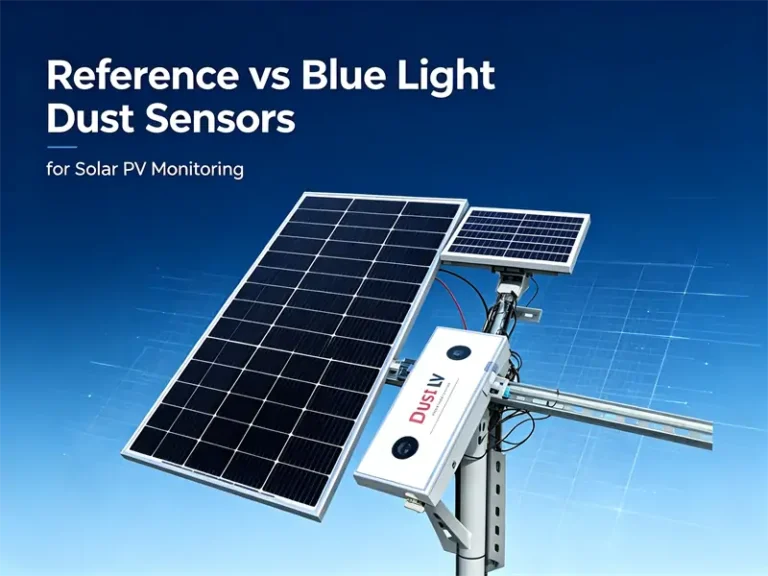
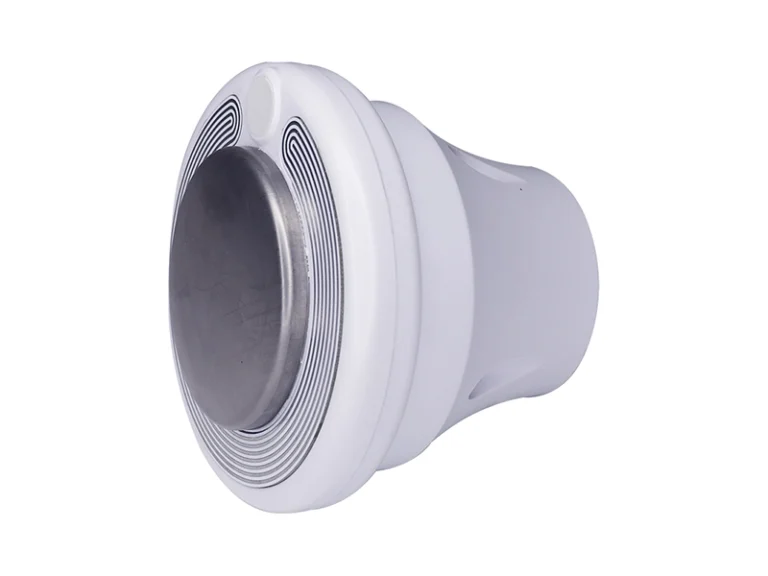
Hệ Thống Giám Sát Chỉ Số Bụi Quang Điện DustCom is designed to monitor soiling-related changes in PV performance. Its readings can help O&M teams assess dust accumulation and decide when cleaning may be justified. For desert sites, soiling data is most useful when reviewed alongside irradiance, power output, and cleaning records.
Weather Monitoring Stations for Solar Farms
The Solar Photovoltaic Environmental Monitoring Station is worth considering when a project requires coordinated environmental measurements. Before selection, confirm the required sensors, communication interfaces, power supply, and data acquisition compatibility against the actual station configuration.
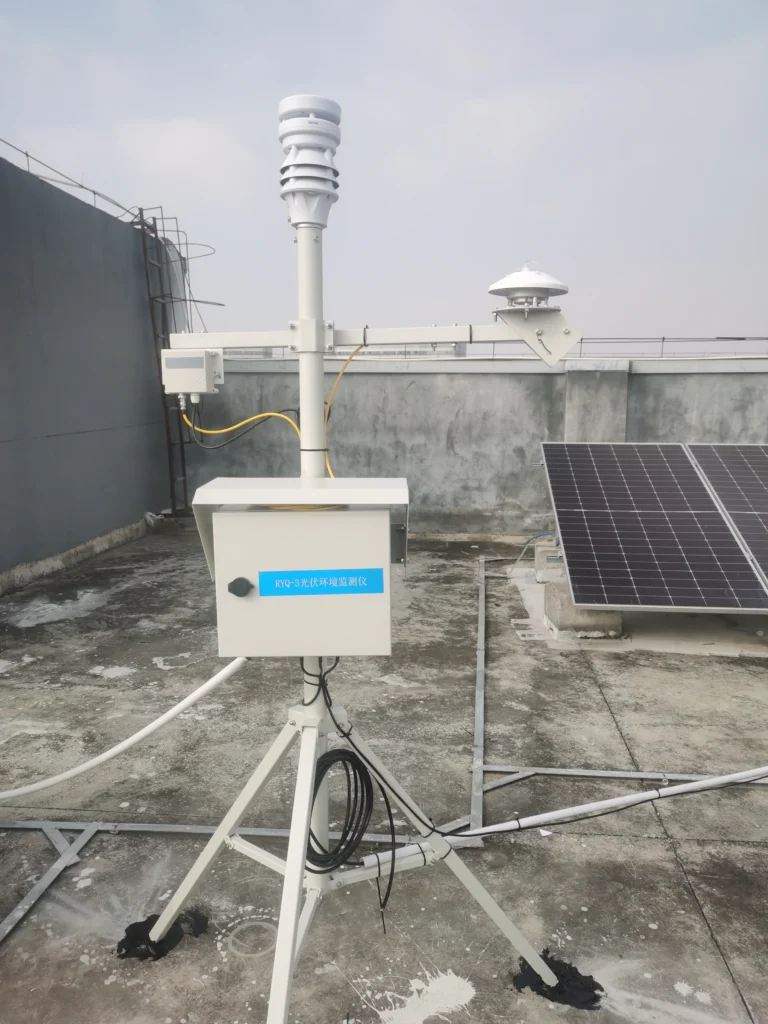
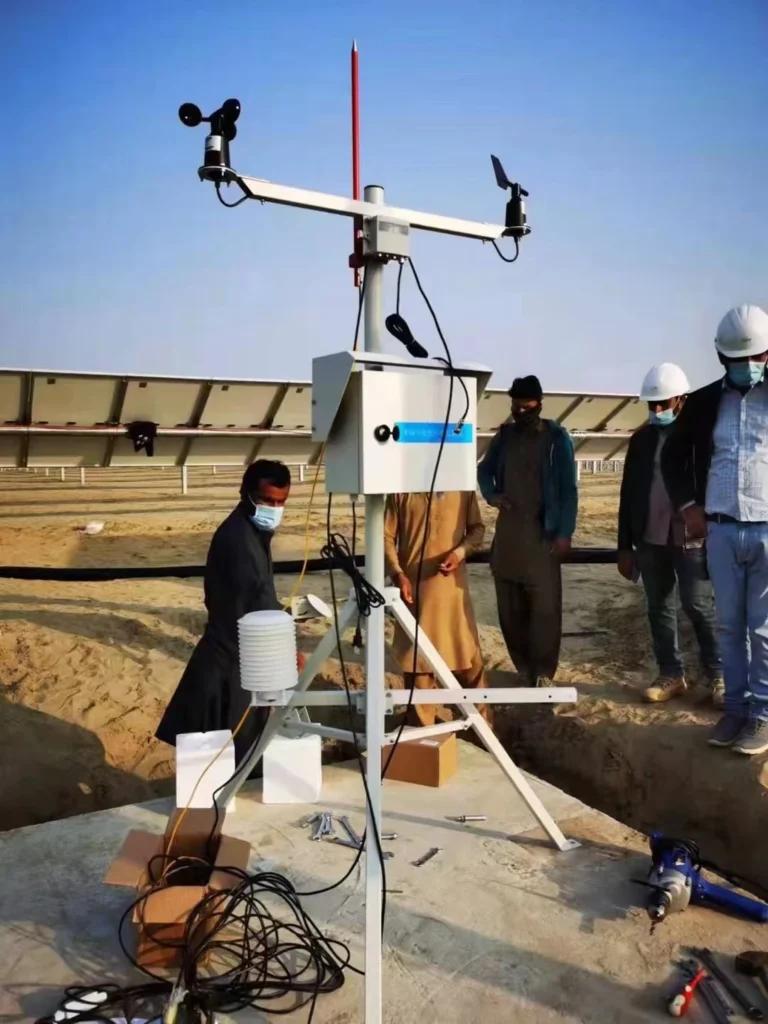
For desert installations, also evaluate dust exposure, temperature range, sensor mounting, communication reliability, and access for inspection and maintenance. An enclosure rating or operating-temperature specification alone does not guarantee suitability for every site; the complete configuration must match the project’s environmental conditions.
How to Measure and Identify Dust-Related Power Loss in Desert Solar Plants?
Dust buildup can reduce the amount of sunlight reaching PV cells, but a fall in power output does not necessarily mean the panels need cleaning. In desert solar plants, operators need to compare soiling measurements with irradiance, module temperature, and inverter data to understand what is affecting generation. This helps avoid unnecessary cleaning and makes maintenance decisions more evidence-based.
Compare Clean and Soiled Reference Measurements
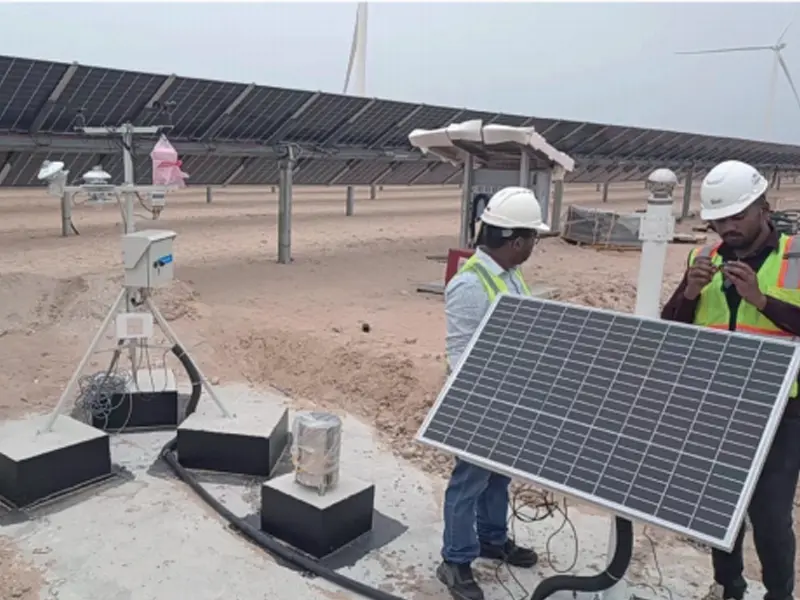
A practical way to estimate solar panel soiling loss is to compare a clean reference module with a soiled one exposed to similar conditions. The difference in their measured performance helps indicate how much dust may be affecting PV output.
For reliable solar soiling monitoring, the modules should have comparable specifications, tilt, orientation, and exposure. Their cleaning status and measurement conditions must also be consistent. A power difference between two unrelated modules is not enough to calculate a dependable soiling-loss percentage. Camera-based monitoring can show where dust accumulates, but the amount of visible dirt does not directly indicate how much energy has been lost.
Separate Soiling Loss from Temperature and Weather Effects
Before blaming dust for lower generation, check the other data that can explain the change:
- Solar irradiance: Was less sunlight reaching the modules during the comparison period?
- Module temperature: Did higher cell or module temperatures contribute to lower output?
- Inverter and grid records: Were there faults, downtime, or power curtailment?
- Soiling measurements: Did the measured increase in soiling coincide with the drop in generation?
For solar farm performance monitoring, these readings should be reviewed over comparable periods, with corrections for changing operating conditions where appropriate. The same applies to desert solar power monitoring, where rapid weather changes can complicate comparisons. If the data does not point to a clear cause, further inspection or electrical testing may be needed.
Verify Results After Panel Cleaning
To assess whether cleaning has worked, record soiling measurements, irradiance, module temperature, and PV output before the panels are washed. Repeat the measurements afterward under similar conditions.
A solar panel cleaning monitoring system can help operators track changes over time and monitor dust on solar panels between cleaning cycles. If irradiance or temperature differs significantly between the two measurements, account for those changes before judging the result.
The final decision should also reflect labor, equipment, water use, and any operational disruption. Cleaning is worthwhile when the expected energy recovery justifies the cost—not simply because a fixed number of days has passed.
How to Optimize Solar Panel Cleaning with Monitoring Data?
Cleaning solar panels too often wastes water and labor, while delaying cleaning can reduce energy yield. For solar monitoring in desert environments, operators need to balance soiling losses against cleaning costs and local water availability.
| Decision factor | What to monitor | How it guides cleaning |
| Soiling loss | Soiling readings and PV performance trends | Identify when dust-related losses may justify cleaning |
| Cleaning costs | Labor, equipment, water use, and access costs | Weigh potential energy recovery against cleaning expenses |
| Seasonal conditions | Dust accumulation, rainfall, and previous cleaning results | Adjust cleaning intervals to site conditions |
A desert solar monitoring system helps operators set cleaning thresholds based on soiling loss, energy value, and maintenance costs. For solar monitoring systems for desert climates, tracking dust trends and reviewing performance after cleaning can help refine schedules as site conditions change.
How to Design a Reliable Solar Monitoring System for Desert Conditions?
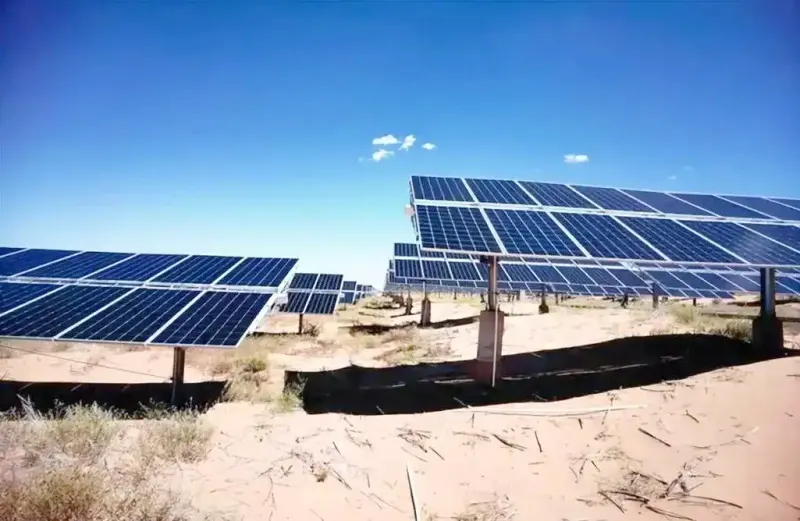
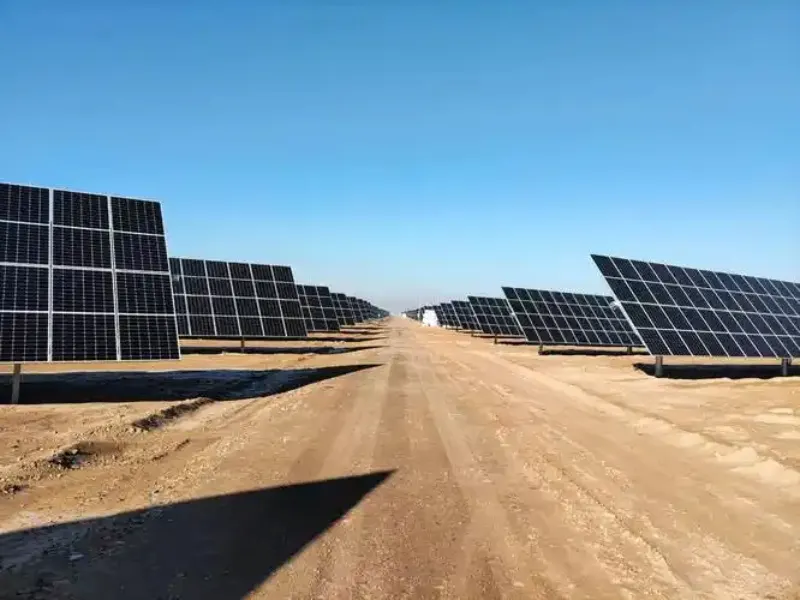
Desert solar plants need monitoring equipment that can handle dust, high temperatures, strong sunlight, and long periods without on-site maintenance. The system design should account for local conditions, measurement needs, and how the data will reach the plant’s operations team.
Select Sensors for Heat, Dust, and UV Exposure
When choosing a solar weather monitoring system, check each sensor’s operating temperature range, enclosure protection, measurement accuracy, and calibration requirements. Windblown sand and prolonged UV exposure can affect equipment differently, so check the specifications of each model. Easy access for inspection and cleaning is also important at remote sites.
Plan Monitoring Point Locations and Coverage
For effective desert solar farm monitoring, sensor locations should reflect the site layout, terrain, wind exposure, and module orientation. One weather station may not represent conditions across a large plant. Where dust accumulation varies between areas, place soiling sensors where readings represent the arrays being monitored and allow routine inspection.
Choose Data Logging, Communication, and Power Supply
A desert solar monitoring system needs reliable data collection and transmission under local site conditions. For remote solar plant monitoring, a data logger with local storage can retain readings during network outages. Choose wired, cellular, or other wireless communication based on coverage, power availability, and the distance between monitoring points and the control room.
Integrate with Existing SCADA and O&M Platforms
Before connecting new sensors to an existing SCADA or O&M platform, confirm protocol compatibility, data formats, timestamp settings, and alarm requirements. This helps teams review environmental readings alongside inverter status and power output for solar farm performance monitoring. Historical data should also remain accessible for investigating recurring performance changes.
How to Choose Desert Solar Monitoring Solutions for Your Project?
The right monitoring setup depends on the project’s objectives, site conditions, and existing infrastructure. Defining these requirements early helps avoid unnecessary equipment and compatibility issues.
Basic Weather Monitoring vs. Full PV Performance Monitoring
Weather monitoring tracks irradiance, temperature, wind, and rainfall, while soiling monitoring measures dust-related changes. Full PV performance monitoring also includes module temperature, inverter status, and generation data. The right desert solar monitoring solutions depend on the measurements required for the project.
What Information Is Needed Before Requesting a Quote?
When requesting a quote for a desert solar monitoring system, provide the project location, array layout, required measurements, accuracy requirements, and existing communication or SCADA interfaces. These details help determine a suitable configuration for a solar monitoring system for utility-scale desert projects.
Common Mistakes in Desert Solar Monitoring
For desert solar monitoring, inaccurate measurements, poor sensor placement, and unreliable data transmission can make it harder to identify the causes of PV performance losses. Avoiding these common mistakes helps operators make better maintenance decisions.
- Relying on irradiance data alone: Solar irradiance monitoring shows available sunlight but cannot directly measure dust-related losses. Use solar soiling monitoring with dedicated sensors or clean and soiled reference modules to assess the impact of dust.
- Using too few monitoring points: Conditions can vary across a large solar farm. Place sensors where they represent differences in array layout, wind exposure, and dust accumulation.
- Misattributing power losses to dust: High module temperatures, low irradiance, inverter faults, and curtailment can also reduce output. Compare these factors before scheduling panel cleaning.
- Neglecting sensor maintenance: Dust buildup and sensor drift can affect readings. Inspect equipment regularly and follow the manufacturer’s cleaning and calibration recommendations.
- Overlooking communication and integration requirements: Check network coverage, power supply, communication protocols, and data interfaces before installation to reduce data gaps in remote solar plant monitoring.
Kết luận
Every desert solar site faces different challenges, from dust buildup to high module temperatures and changing weather. Desert Solar Monitoring Solutions should match these local conditions and combine environmental readings with PV output and inverter data. This helps O&M teams understand why generation changes and decide when panel cleaning or further inspection is needed.
At Yantai Sensor, we offer solar monitoring sensors and weather station options for different project requirements. If you are planning a desert solar monitoring system, Liên hệ với chúng tôi with your project location, monitoring needs, and existing system interfaces. We can help assess suitable sensor configurations and integration options for your site.