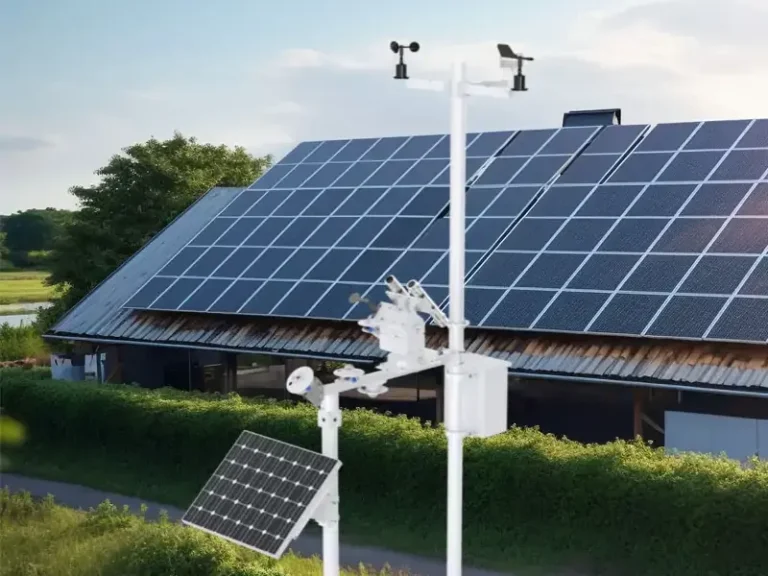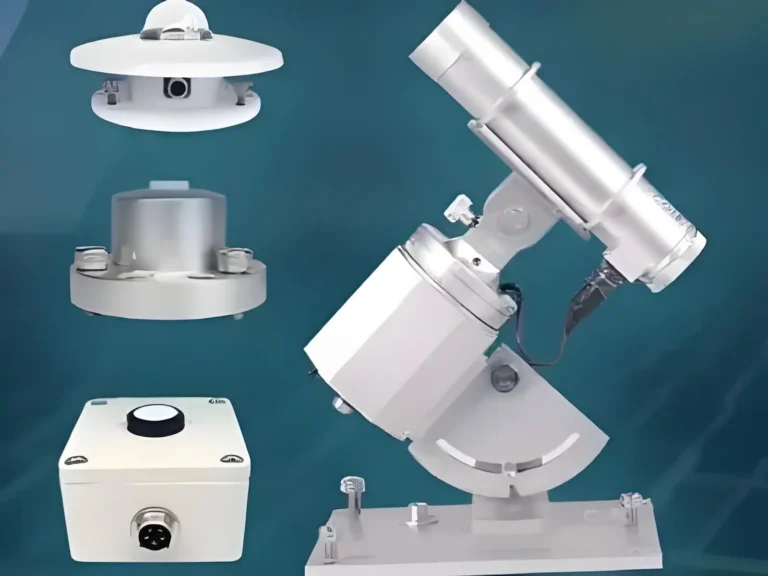
Giới thiệu
Các thiết bị đo bức xạ mặt trời và thiết bị đo bức xạ mặt trời là những công cụ thiết yếu được sử dụng trong nghiên cứu về bức xạ, đóng vai trò quan trọng trong việc giám sát môi trường, nghiên cứu khí hậu và các ứng dụng năng lượng mặt trời.
A máy đo độ dày lớp tro thiết bị này đo bức xạ sóng dài, tức là nhiệt lượng được bề mặt Trái Đất hoặc các vật thể khác phát ra. Loại bức xạ này đóng vai trò quan trọng trong việc hiểu rõ quá trình mất nhiệt và giữ nhiệt của Trái Đất, do đó trở thành công cụ quan trọng trong nghiên cứu khí hậu và dự báo thời tiết. Mặt khác, máy đo bức xạ mặt trời (pyranometer) đo bức xạ sóng ngắn từ Mặt Trời, tức là năng lượng mà bề mặt Trái Đất nhận được. Thông tin này rất quan trọng để đánh giá tiềm năng năng lượng mặt trời và hiểu rõ tổng lượng năng lượng được cung cấp cho hành tinh của chúng ta.
Hãy tiếp tục đọc để tìm hiểu sự khác biệt giữa pyrgeometer và pyranometer, cũng như cách thức chúng giúp các nhà khoa học và nhà nghiên cứu thu thập dữ liệu quan trọng về cân bằng bức xạ của Trái Đất.
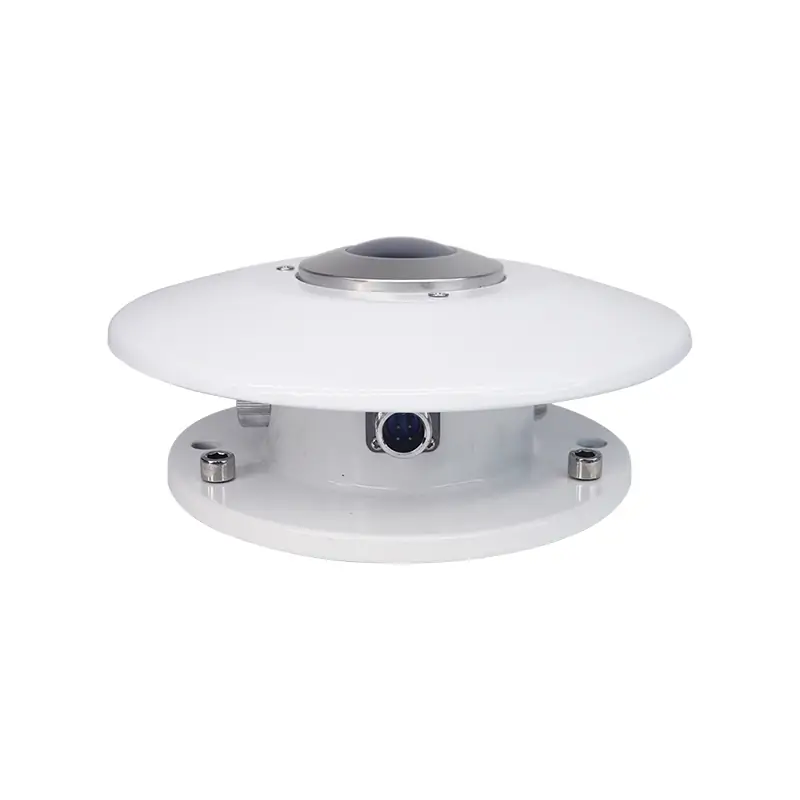
Máy đo nhiệt độ 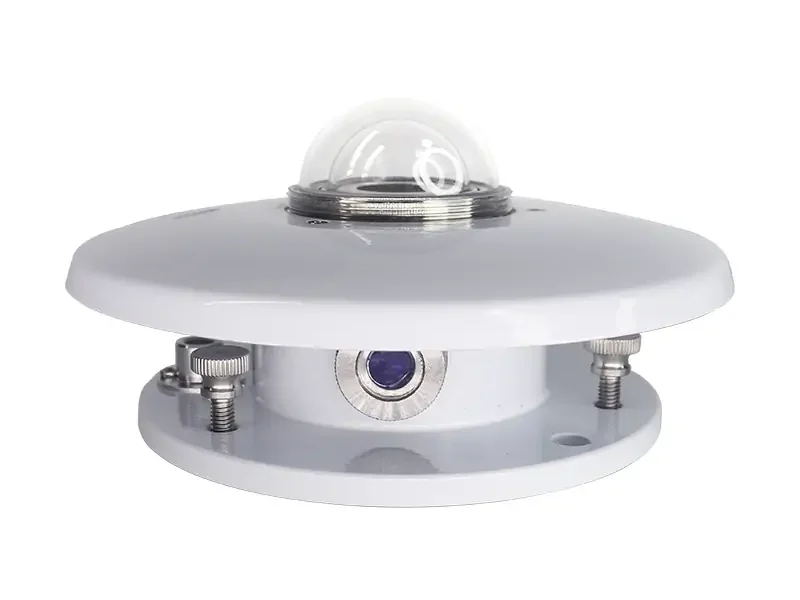
Máy đo bức xạ mặt trời
Máy đo bức xạ nhiệt so với máy đo bức xạ mặt trời: Những điểm khác biệt chính
Máy đo nhiệt độ và thiết bị đo bức xạ mặt trời đều là những công cụ quan trọng để đo lường bức xạ, nhưng chúng phục vụ các mục đích khác nhau do loại bức xạ mà chúng phát hiện là khác nhau. Việc hiểu rõ những điểm khác biệt này là điều cần thiết để sử dụng chúng một cách đúng đắn trong các ứng dụng khoa học và thực tiễn khác nhau.
Các loại bức xạ
Các thiết bị đo bức xạ nhiệt (pyrgeometers) dùng để đo bức xạ sóng dài, tức là năng lượng nhiệt được phát ra từ bề mặt Trái Đất hoặc các vật thể khác. Ngược lại, các thiết bị đo bức xạ Mặt Trời (pyranometers) dùng để đo bức xạ Mặt Trời sóng ngắn, tức là năng lượng Mặt Trời nhận được từ Mặt Trời. Sự khác biệt về loại bức xạ là yếu tố quan trọng trong việc xác định nên sử dụng thiết bị nào cho các nghiên cứu môi trường cụ thể hoặc các đánh giá về năng lượng.
Thiết kế cảm biến
Cả pyrgeometer và pyranometer thường sử dụng cảm biến nhiệt điện, nhưng thiết kế của chúng được tối ưu hóa cho từng loại bức xạ cụ thể. Pyrgeometer có bề mặt hấp thụ màu đen để thu nhận bức xạ sóng dài một cách hiệu quả, trong khi pyranometer thường được trang bị cảm biến nhiệt điện hoặc đi-ốt quang để đo phổ bức xạ sóng ngắn với độ chính xác cao.
Các trường hợp sử dụng
Các thiết bị đo nhiệt độ chủ yếu được sử dụng trong giám sát môi trường và nghiên cứu khí hậu, vì chúng giúp phân tích dòng nhiệt và điều kiện khí quyển. Ngược lại, các thiết bị đo bức xạ mặt trời được ứng dụng rộng rãi trong các ứng dụng của năng lượng mặt trời, chẳng hạn như đánh giá tiềm năng năng lượng mặt trời và tối ưu hóa hiệu suất của các tấm pin mặt trời.
Tóm lại, mặc dù cả hai thiết bị đều dùng để đo bức xạ, nhưng sự khác biệt về loại bức xạ, công nghệ cảm biến và mục đích sử dụng chính đã làm nổi bật vai trò chuyên biệt của chúng trong nghiên cứu năng lượng và khoa học môi trường.
Cơ chế hoạt động của máy đo bức xạ Pyrgeometer: Đo bức xạ sóng dài
Pyrgeometer là các thiết bị chuyên dụng được thiết kế để đo bức xạ hồng ngoại sóng dài do các bề mặt như bề mặt Trái Đất, các vùng nước và các thành phần trong khí quyển phát ra. Chúng hoạt động dựa trên cảm biến nhiệt điện, có chức năng phát hiện sự chênh lệch nhiệt độ giữa một bề mặt hấp thụ màu đen và môi trường xung quanh. Sự chênh lệch nhiệt độ này tạo ra một điện áp, sau đó được hiệu chuẩn để xác định cường độ của bức xạ sóng dài.
Ứng dụng
Các thiết bị đo nhiệt độ là không thể thiếu trong các lĩnh vực như nghiên cứu khí hậu, nơi chúng giúp theo dõi dòng nhiệt và cân bằng bức xạ trong khí quyển. Trong nông nghiệp, chúng được sử dụng để đánh giá nhiệt độ đất và nhiệt độ cây trồng, trong khi ở khí tượng học, chúng cung cấp dữ liệu quý giá cho các mô hình dự báo thời tiết thông qua việc đo lường bức xạ nhiệt.
Cách thức hoạt động của máy đo bức xạ mặt trời: Đo bức xạ mặt trời
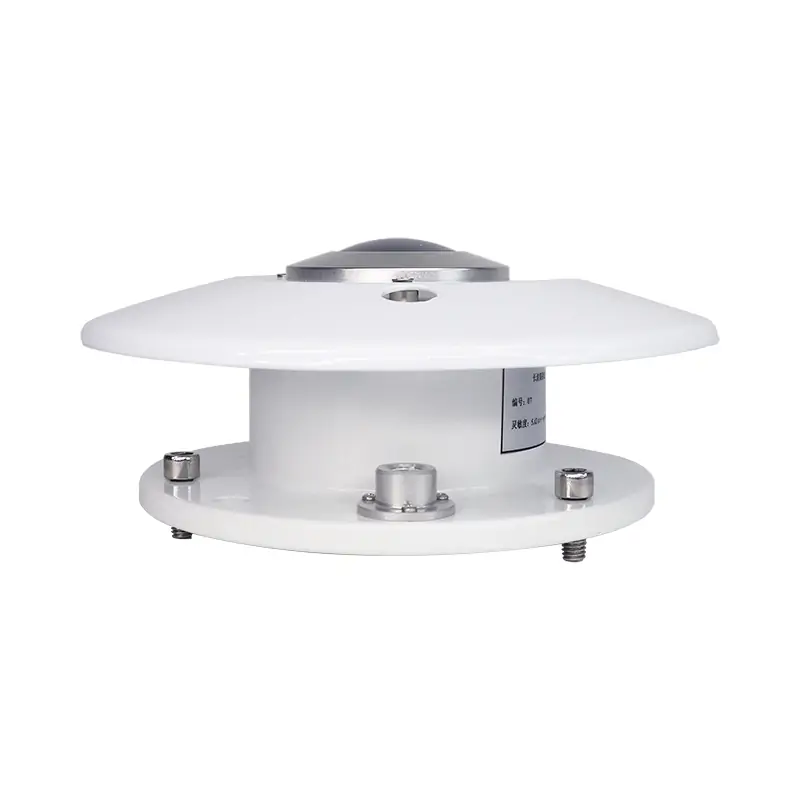
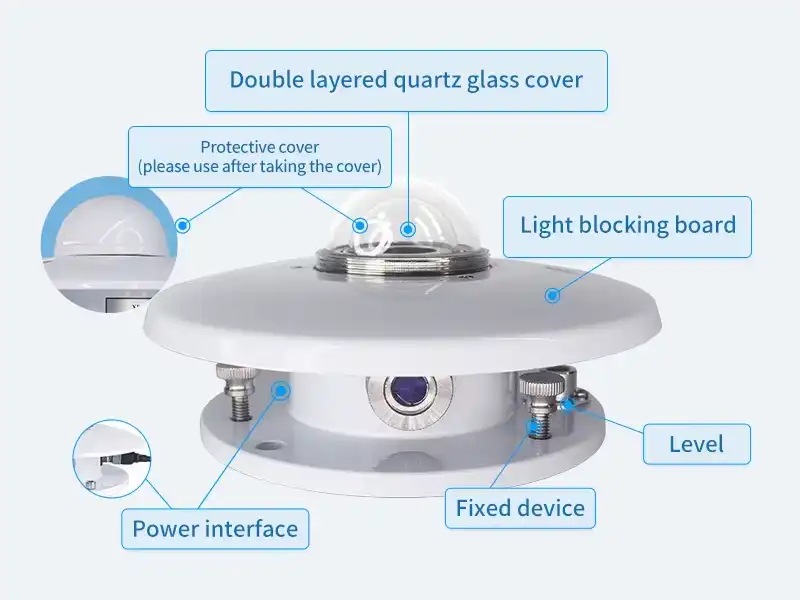
Các thiết bị đo bức xạ mặt trời được thiết kế để đo bức xạ mặt trời sóng ngắn—năng lượng nhận được từ mặt trời. Các thiết bị này thường sử dụng cảm biến nhiệt hoặc đi-ốt quang để phát hiện bức xạ mặt trời và chuyển đổi nó thành tín hiệu điện, từ đó có thể được sử dụng để tính toán các chỉ số quan trọng như Cường độ bức xạ mặt trời toàn phần theo phương ngang (GHI) và Cường độ bức xạ mặt trời trực tiếp theo phương vuông góc (DNI). GHI đo tổng năng lượng mặt trời nhận được trên một bề mặt nằm ngang, trong khi DNI tập trung vào ánh sáng mặt trời trực tiếp chiếu xuống một bề mặt vuông góc với tia nắng mặt trời. (Pyranometer là gì và nó hoạt động như thế nào?)
Ứng dụng
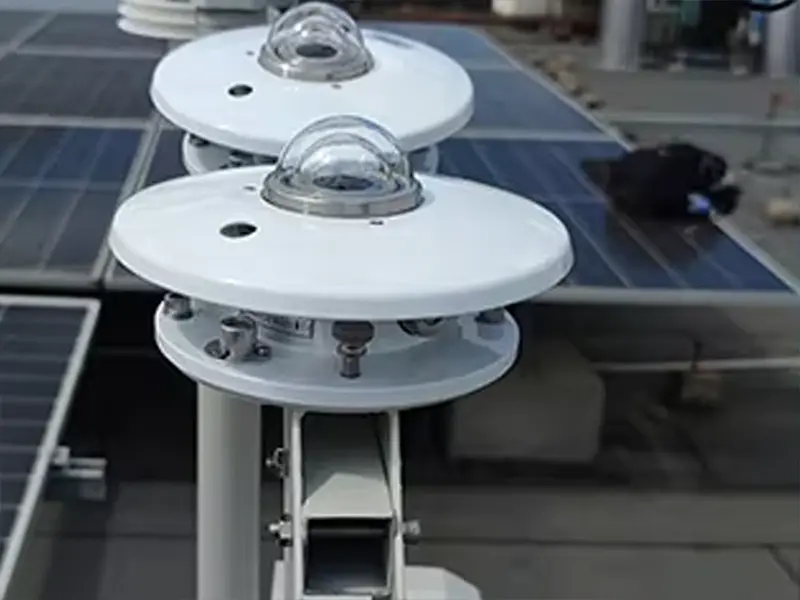
Các thiết bị đo bức xạ mặt trời (pyranometer) được sử dụng rộng rãi tại các nhà máy điện mặt trời để đánh giá lượng năng lượng mặt trời có thể khai thác cho việc sản xuất điện. Chúng cũng đóng vai trò quan trọng tại các trạm khí tượng trong công tác dự báo thời tiết và nghiên cứu khí hậu, cũng như trong hoạt động giám sát môi trường nhằm theo dõi bức xạ mặt trời và tác động của nó đối với các hệ sinh thái.
Các ứng dụng của máy đo nhiệt độ Pyrgeometer
Các thiết bị đo bức xạ nhiệt là những công cụ quan trọng để đo lường bức xạ nhiệt, được ứng dụng rộng rãi trong nghiên cứu khí hậu, nông nghiệp và giám sát môi trường.
Nghiên cứu khí hậu
Trong khoa học khí hậu, các thiết bị đo bức xạ nhiệt (pyrgeometers) dùng để đo lưu lượng nhiệt và cân bằng năng lượng, cung cấp dữ liệu quan trọng về quá trình trao đổi năng lượng giữa bề mặt Trái Đất và khí quyển.
Nông nghiệp
Trong lĩnh vực nông nghiệp, các thiết bị đo bức xạ nhiệt (pyrgeometers) hỗ trợ việc mô phỏng quá trình bốc hơi và thoát hơi nước cũng như lập kế hoạch tưới tiêu bằng cách theo dõi bức xạ nhiệt từ đất và cây trồng, từ đó giúp cải thiện công tác quản lý nước.
Giám sát môi trường
Các thiết bị đo bức xạ nhiệt được sử dụng để theo dõi bức xạ nhiệt trong các hệ sinh thái và khu vực đô thị, giúp đánh giá điều kiện môi trường và quản lý các tác động liên quan đến nhiệt.
Ứng dụng của máy đo bức xạ mặt trời
Các thiết bị đo bức xạ mặt trời (pyranometer) đóng vai trò quan trọng trong việc đo lường bức xạ mặt trời, với các ứng dụng chính trong lĩnh vực năng lượng mặt trời, khí tượng học và nghiên cứu nông nghiệp.
Năng lượng mặt trời
Các thiết bị đo bức xạ mặt trời là công cụ không thể thiếu trong việc đánh giá nguồn tài nguyên mặt trời, giám sát nhà máy điện mặt trời, và tối ưu hóa hiệu suất. Chúng đo lường bức xạ mặt trời có thể sử dụng để sản xuất năng lượng, đảm bảo hệ thống điện mặt trời hoạt động hiệu quả.
Khí tượng học
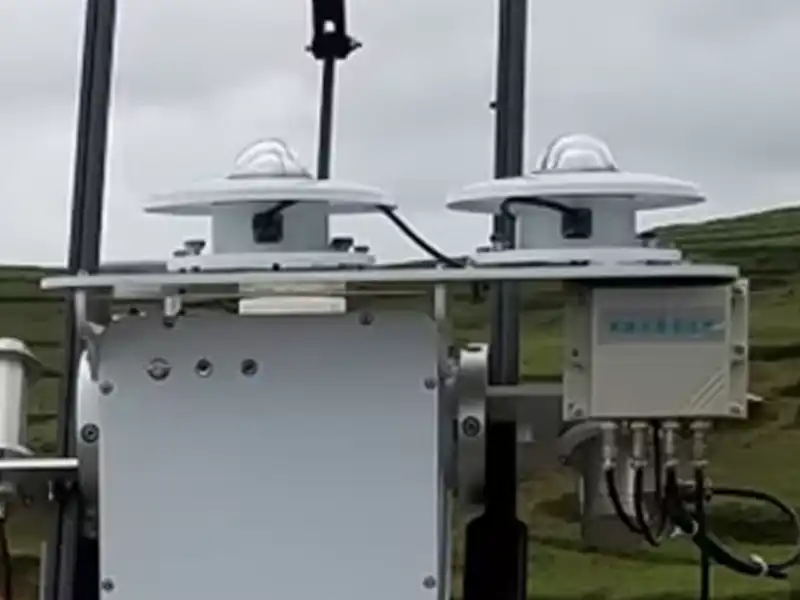
Trong khí tượng học, các thiết bị đo bức xạ mặt trời được sử dụng trong trạm khí tượng để đo cường độ bức xạ mặt trời, cung cấp dữ liệu quan trọng cho công tác dự báo thời tiết và nghiên cứu khí hậu.
Nghiên cứu nông nghiệp
Các thiết bị đo bức xạ mặt trời giúp đánh giá bức xạ quang hợp (PAR), một yếu tố quan trọng đối với sự phát triển của cây trồng. Dữ liệu này giúp tối ưu hóa các phương pháp canh tác và nâng cao độ chính xác trong việc dự báo năng suất cây trồng.
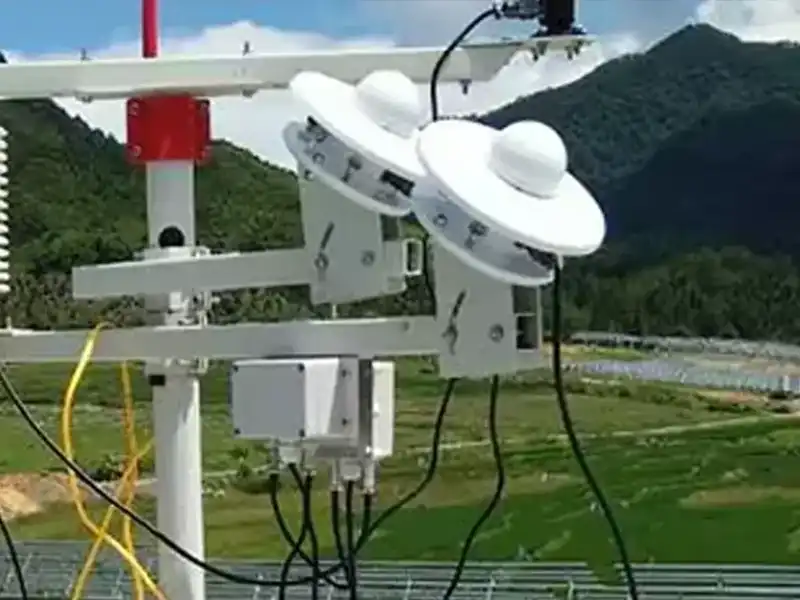
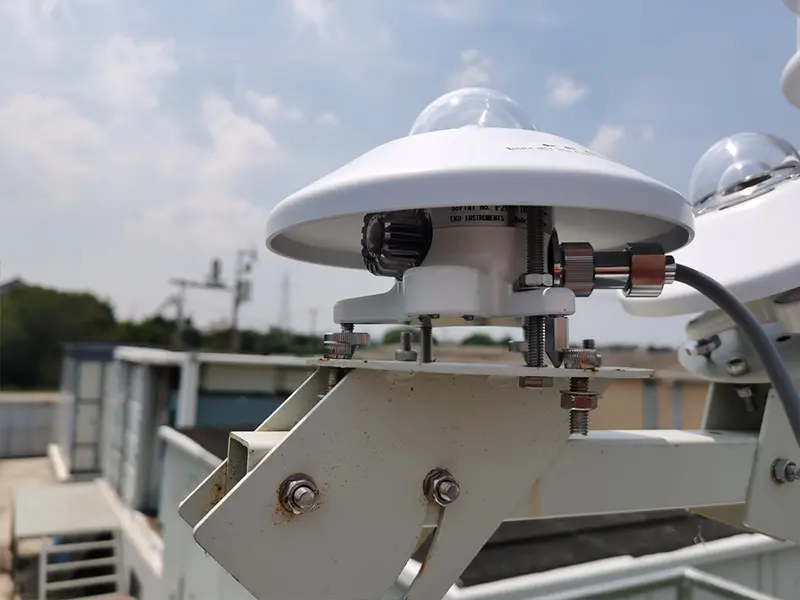
Chọn nhạc cụ phù hợp với nhu cầu của bạn
Khi phải lựa chọn giữa một máy đo độ dày lớp tro và một thiết bị đo bức xạ mặt trời, cần xem xét một số yếu tố để đảm bảo lựa chọn được công cụ phù hợp với ứng dụng cụ thể của bạn. Các yếu tố này bao gồm độ chính xác cần thiết, mục đích đo lường, chi phí và điều kiện môi trường.
Việc lựa chọn cảm biến phù hợp có ảnh hưởng trực tiếp đến độ chính xác của dữ liệu và hiệu quả nghiên cứu. Đối với các ứng dụng khác nhau, hãy cân nhắc các điểm chính sau:
1. Độ chính xác và các ứng dụng
Pyranometer (máy đo bức xạ sóng ngắn): Dụng cụ đo bức xạ mặt trời; thích hợp cho nghiên cứu năng lượng mặt trời, quan trắc khí tượng và các ứng dụng tương tự.
Máy đo bức xạ (máy đo bức xạ sóng dài): Dụng cụ này đo bức xạ sóng dài từ bề mặt Trái Đất và khí quyển; thích hợp cho việc giám sát môi trường và nghiên cứu khí hậu.
2. Chi phí và hiệu quả chi tiêu
Các cảm biến sóng ngắn có giá cả phải chăng và chi phí bảo trì lâu dài thấp.
Các cảm biến sóng dài đòi hỏi chi phí đầu tư ban đầu cao hơn nhưng mang lại giá trị lớn hơn cho nghiên cứu khoa học và các phép đo có độ chính xác cao.
3. Khả năng thích ứng với môi trường và bảo trì
Hãy xem xét các yếu tố như điều kiện khí hậu, bụi bẩn, độ ẩm và việc bảo trì định kỳ. Nên chọn các mẫu thiết bị có khả năng chống chịu thời tiết tốt và dễ hiệu chuẩn để đảm bảo tính ổn định của dữ liệu trong thời gian dài.
Cảm biến Yantai cung cấp đa dạng các loại máy đo bức xạ mặt trời và máy đo bức xạ nhiệt mặt trời có độ chính xác cao, đáp ứng các nhu cầu nghiên cứu và giám sát đa dạng. Đội ngũ kỹ thuật của chúng tôi sẵn sàng tư vấn và đề xuất các thiết bị phù hợp nhất, được thiết kế riêng theo yêu cầu cụ thể của quý khách.
Hãy liên hệ với đội ngũ kỹ thuật của chúng tôi ngay hôm nay để nhận được lời khuyên chuyên môn và các giải pháp giúp nghiên cứu của bạn trở nên hiệu quả và đáng tin cậy hơn.